Home Blog Page 2560

K-Fever hits Conrad

GANJANG SAWOOJANG: soy sauce-marinated raw prawn

THE Korean Wave is reaching new heights, thanks to various K-pop acts and all other aspects of Korean culture arriving on our shores. Conrad Manila is jumping on to the wave with the final part of their Legendary Chefs Series promotion, this time a showcase of Korean cuisine.

A previous version of the series brought in a Thai chef from Conrad Manila’s sister property, the Waldorf Astoria in Bangkok. This quarter, they’re bringing in Younghun Hwang and Junmok Lee from Conrad Seoul.

The Korean guest chefs will present some of their must-try recipes such as yukhoe (Korean beef tartare), sundubujjigae (soft tofu in spicy stew), bibimbap (steamed rice bowl with vegetables), and dakbokkumtang (braised spicy chicken stew), among others. The promo includes a roster of Korean street food, including tteokbokki (rice cake, fish cake with red chili sauce), eomuk (fish cake with soup), dakgangjeong (fried chicken with sweet chili sauce), and gimbap (rice rolled with various vegetables). All of these will be shown off at Conrad Manila’s buffet at Brasserie on 3, from Oct. 5 to 13.

TRYING IT OUT
During a tasting on Oct. 4, BusinessWorld sat down to starters of Gujeolpan (“platter of nine delicacies” — a name more fanciful than it is, as it was a mixture of meats, vegetables, and mushrooms wrapped in a pancake) and Saengseonjjim (steamed fish with vegetables). The fish was very flavorful, contrasting with the mild soup, with just a hint of heat from chili.

We rose to the buffet, where the rest of the treats were: a beef stew and a chicken porridge were comparatively mild; while a Korean fried chicken dish was perfectly crispy. Of all these, however, the clear standout was the ganjang sawoojang (soy sauce-marinated raw prawn). We’d never had anything like this before, though seatmates at the table remarked that it was related to our nilasing na hipon (“drunken shrimps” or shrimp marinated in alcohol). It is not much to look at, all bluish-gray and looking like it came out from an alien movie. But it is surprisingly good despite its odd appearance — it’s slippery, sweet, and spicy, with a delectably firm flesh.

Fabio Berto, general manager of Conrad Manila, told BusinessWorld, “We’re actually quite blessed, being part of a global company. What we do is, as we provide experiences, we have the opportunity to bring people from our sister properties. In this case, it’s Seoul.

“We bring experiences to Conrad Manila, so that for people who might not be able to travel overseas, they will still be able to find great experiences locally,” he said.

It’s also a great opportunity for the local culinary team to expand their horizons: “When the chefs come over, our culinary team here is there to sort of foster their cooking skills, learning different types of food, so we can master those skills and bringing them into being innovative.”

CONRAD BAGS AWARD
In other news for the hotel, the Conrad Manila bagged the award for Best Business Hotel – Philippines at the 33rd Annual TTG Travel Awards 2024, held in Bangkok, Thailand. Mr. Berto accepted the award at the event on Sept. 26. He told us, “It’s a great recognition for the work that we do as a team here at Conrad Manila, in the sense of providing exceptional experiences to our guests. I think to be recognized for that is a great feeling for the entire team.

“We are very lucky to be operating in a very great environment,” he said.

In a statement, Conrad Manila lines up their advantages: “its array of modern meeting spaces, equipped with advanced audiovisual technology, high-speed internet, and flexible layouts, tailored for conferences, board meetings, and corporate events of all sizes. Complemented by personalized business concierge services, the hotel ensures seamless event execution, from strategic planning to customized catering and luxurious guest accommodations.”

“The service is really eventually what makes the impact (for) our guests and to the experiences. We’ve been really focusing on that,” said Mr. Berto.

The Korean-themed buffet spread at Brasserie on 3 is available for lunch (noon to 2:30 p.m.) and dinner (6 to 10 p.m.), available daily. The lunch buffet from Monday to Saturday is priced at P2,900 net per person and P3,400 net per person on Sunday. Meanwhile, dinner buffet rates are P3,200 net from Monday to Thursday and P3,600 net from Friday to Sunday.

For more information and table reservations, call 8833-9999, e-mail conradmanila@conradhotels.com or visit https://eatdrinkhilton.com/brasserie-on-3-conrad-manila/. — Joseph L. Garcia

Congressman seeks franchise for Elon Musk’s Starlink

PHILIPPINE STAR/WALTER BOLLOZOS

By Kenneth Christiane L. Basilio, Reporter

A BILL seeking to grant a franchise to Elon Musk’s Starlink Internet Services Philippines, Inc. has been filed at the House of Representatives, the first step towards allowing the satellite internet service provider to construct domestic ground stations to improve the country’s internet connectivity.

Providing the franchise to construct ground radio stations to Starlink would “improve its services to the public,” Party-list Rep. Ron P. Salo said in House Bill (HB) No. 10954, which he filed on Sept. 23.

Ground radio stations are large dish space stations used to send and receive TV and internet signals.

Senator Mary Grace Natividad S. Poe-Llamanzares filed a counterpart Senate bill on Oct. 1.

Similar to Senate Bill No. 2844, the House version aims to grant Starlink the authority to build and operate radio transmission and reception stations, which could provide Filipinos living in remote areas with stable internet access.

Both versions require Starlink to improve internet access to areas with scant connections, while also hiring residents near where a satellite station would be constructed.

Mr. Salo’s proposal, however, inserted the phrases “to the extent reasonable and feasible” and “exert best efforts,” underlining Starlink’s responsibility to provide employment opportunities and improve internet services in remote parts of the country.

Mr. Salo’s bill also allows Starlink to excavate in public places, such as highways, streets, bridges, among other thoroughfares, for the erection of poles and other wiring structures to and from its ground satellite stations, granted it informs the Public Works department before construction.

The caveat is Starlink must repair any damage made to public infrastructure within 10 days or risk being doubly charged for the restoration to be done by the Department of Public Works and Highways.

HB No. 10954 also mandates Starlink to consult with local communities and ensure environmental compliance before the construction of ground radio stations.

The government also has the power to revoke Starlink’s franchise if it fails to continuously operate for two years. It would also be subject to a fine of P1 million per day if it fails to submit an annual operations report to Congress.

Starlink’s domestic internet service operations started in Feb. 2023 and are currently operating under accreditations provided by the Department of Information and Communications Technology and the National Telecommunications Commission.

Last year, Data Lake, Inc., co-owned by tycoon Henry T. Sy, Jr., inked a deal with Starlink to distribute its satellite kits and to carry out data services and solutions nationwide.

Under the deal, Starlink satellite kits are priced at P29,000, inclusive of a dish, modem, power supply, and mounting tripod at SM Malls.

Starlink is a satellite internet service of Space Exploration Technologies Corp. (SpaceX). According to its website, SpaceX continues to launch satellites into orbit to bring high-speed broadband to rural and remote areas. Starlink deployed about 200 units across the country earlier this year.

Kiwami changes name, adds new member

TUNA EDAMAME wrap, with a crispy nori

KIWAMI in BGC is dropping its “food hall” branding and adopting the new name Kiwami: Japanese Master Kitchens. In addition to the rebrand and a renovation, they’re also adding in a new member to The Standard Hospitality Group (which brings in Japanese specialties to the Philippines), Koyo.

“We didn’t like calling ourselves a ‘food hall’ anymore, so we dropped that… nothing against the concept, it just didn’t properly explain what we do,” said Michael Concepcion, head of Business Development and Creative Director for the group.

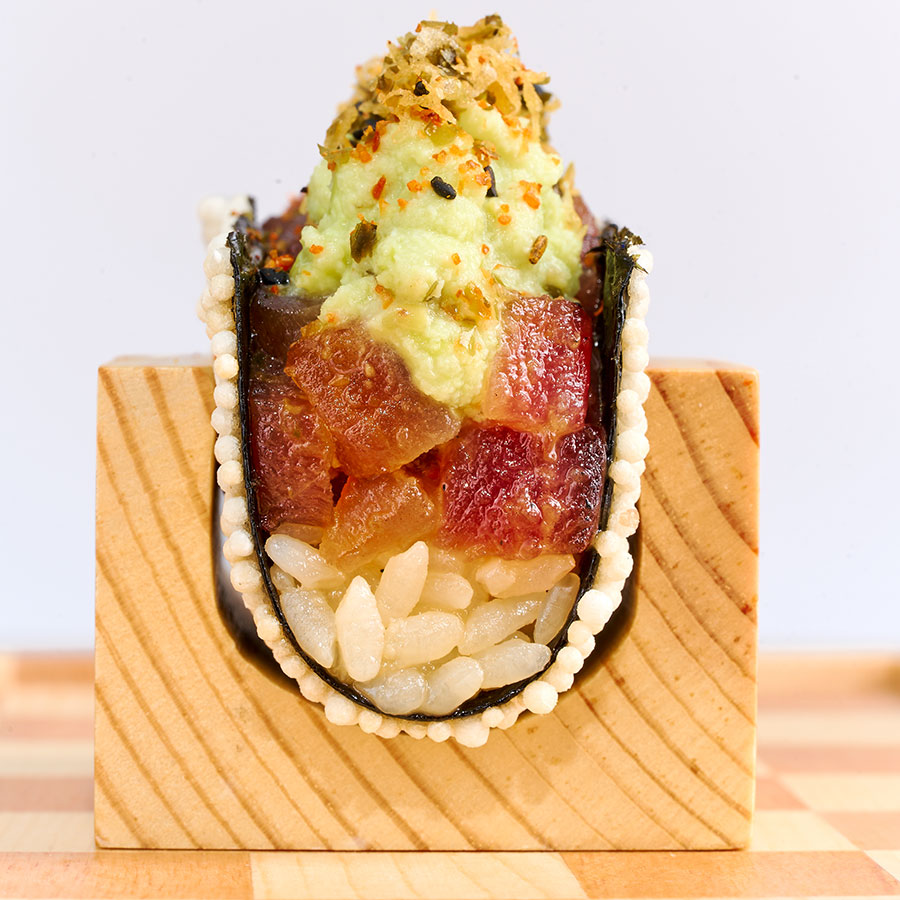
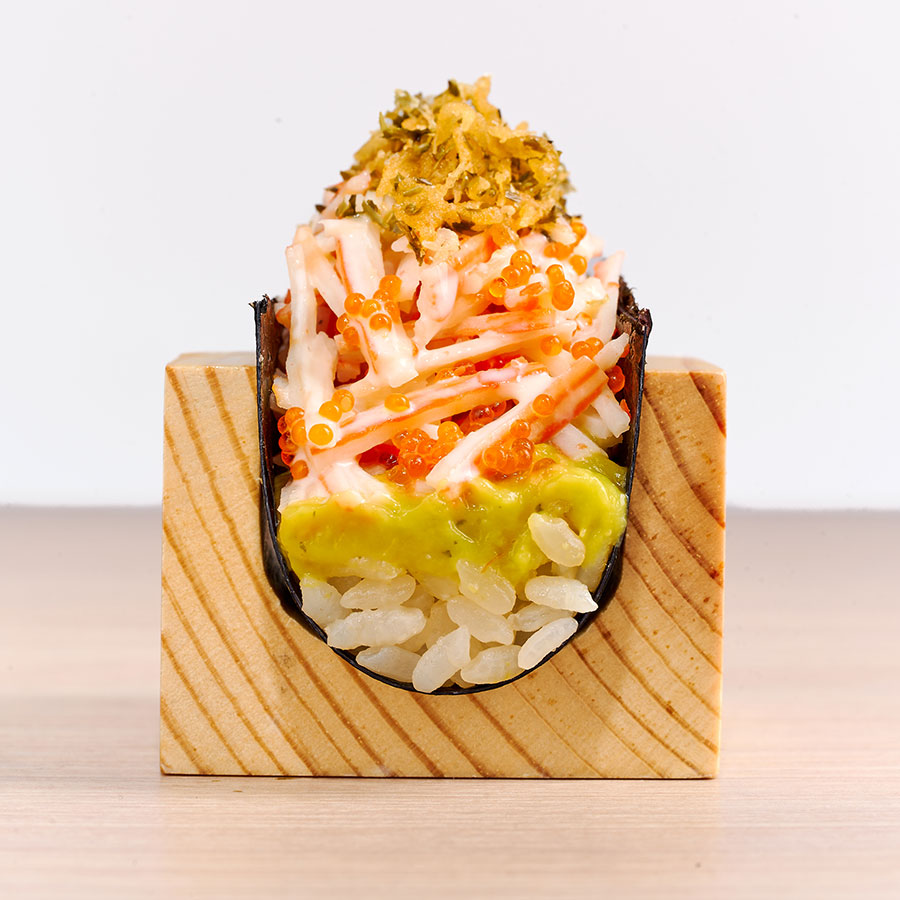
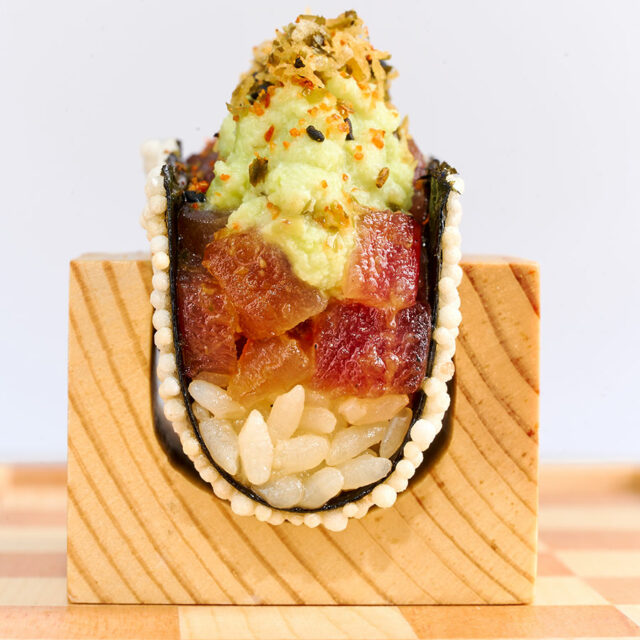
Koyo, a sushi handroll concept, comes from New York-based chef Mark Manaloto. It’s rice and sushi in a handheld roll, with the nori seaweed wrap wrapped again in plastic to ensure crispness and firmness. During a tasting on Oct. 1, prior to the Oct. 7 media preview, we were shown how to eat it. One pulls a corner of the plastic wrapping to release it, slowly pulling the other corners apart afterwards. If one sees the filling slipping out, one pushes it back in while still pulling at the nori. While apologizing for the potential mess, we conclude that it’s part of the experience.

We can say that confidently with their Tuna Edamame wrap, with a crispy nori (that needs not be unwrapped), which tastes perfect eaten by the beach. A California Crunch with kani and mango, is refreshing and crisp, while a salmon aburi wrap has spinach and a mayonnaise sauce and was quite tasty.

Other guests took seconds of the Ebi Furai wrap, and for good reason: aside from the shrimp, it had creamy crab on top and a cured egg yolk. Another favorite was the Mackerel Binchotan, a tangy wrap topped with grilled mackerel.

The Oct. 7 preview also saw a launch of their Hibachi sharing plates, a partnership of Standard Group with Sydney-based chefs Max Smith and Douglas Barker. These included Kampachi (longfin yellowtail) collar, blue marlin, porkchop, and chicken, grilled to perfection with Japanese charcoal and drizzled with their homemade sauces.

The concept of Kiwami, then and now, is to bring Japanese restaurants, experts at a singular family of dishes, under a single roof. There’s The Standard Group’s initial offerings, Yabu: House of Katsu, and Ippudo, serving ramen. Other concepts that have since been included are Hachibei, grilling meats since 1983, and Hannosuke, which has been serving tempura since the 1950s.

Asked about the family’s attachment to Japanese brands, he said, “We happened to travel to Japan 10 years ago, and fell in love with the way of life. The discipline, the way we saw restaurants were operated — that was very new to us.

“We fell in love with how the Japanese do one thing, and they like to be the best at it. It’s a single-dish concept. It’s the idea of mastery, specialization; the idea that you spend your life doing that one thing, and you become the best at it,” said Mr. Concepcion.

Mr. Concepcion’s father, John, was the ice cream man for decades, as managing director and CEO of the Selecta ice cream brand (they’re also members of the Concepcion cooling family), and now CEO of the Standard Hospitality Group.

“My dad’s business philosophy, having built Selecta, was always that. His business mantra, he likes to just focus. Everything’s about focus,” said the younger Mr. Concepcion.

According to him, they have a few new concepts still under wraps, but we’ll hear about them surely in six to eight months.

The Alabang branch of Kiwami is also getting a touch-up and an expansion, having gained the space of the store next door, as well as a new brand specializing in rice bowls and baos (buns).

“We’re opening in Mall of Asia. Really beautiful space as well,” he added.

Kiwami is located in Bonifacio High Street Central in BGC, Taguig, and in the Alabang Town Center. — Joseph L. Garcia

Synology bets on PHL businesses’ shift to secure data management

By Aubrey Rose A. Inosante, Reporter

TAIWAN-BASED technology firm Synology, Inc. is optimistic about expanding its presence in the Philippines as more local businesses prioritize secure and efficient data management.

“When it comes to product adoption, data protection and file storage remain key drivers, as more businesses prioritize secure and efficient data management,” Joanne Weng, Director of International Business at Synology, said in e-mail interview with BusinessWorld on Oct. 3.

The Philippines has seen increased ransomware attacks and phishing campaigns that target businesses of all size, which is a growing concern as digital transformation continues to accelerate across industries, she said.

“Additionally, we see great potential in the surveillance sector, an emerging market for us. As more organizations discover the benefits of our integrated surveillance solutions, we anticipate significant growth in this area,” Ms. Weng said.

Synology has been in the Philippines for more than 15 years and works with industries such as manufacturing, public sectors, and consumer or retail.

The company offers data management and backup solutions and helps in facilitating digital transformation for businesses.

Ms. Weng said the company is optimistic about its continued growth and expansion in the country.

“Over the past five years, our revenue has more than doubled, making the Philippines one of our three fastest-growing regions, alongside the Asia-Pacific region where we’ve seen over 150% growth,” she said.

After the coronavirus pandemic, the company witnessed significant growth in the Philippines, particularly in terms of business expansion and increased data requirements, the official said.

Synology will soon launch its artificial intelligence (AI)-powered Admin Console, enabling centralized management of Synology AI features, along with other collaboration and team productivity tools.

It will facilitate AI access permissions management and address privacy concerns by implementing a de-identification feature within Synology network-attached storage appliances, ensuring compliance with data privacy regulations.

Synology also recently integrated AI into its entire after-sales support process, improving efficiency and quality, Ms. Weng said.

“Our AI utilizes a Retrieval-Augmented Generation architecture, drawing from anonymized technical materials and insights gained from serving millions of customers worldwide,” she said, adding this integration enhances support response times by up to 20 times.

Citicore taps P1.22B from IPO for solar projects

CREIT.COM.PH

CITICORE Renewable Energy Corp. (CREC) is advancing its five-gigawatt (GW) renewable energy portfolio with P1.22 billion from its initial public offering (IPO) proceeds, as approved by its board of directors, the company announced on Wednesday.

“The rationale for the early release of IPO proceeds is for CREC to ramp up its pipeline development for solar energy plants,” the company told the stock exchange.

The target release is subject to necessary approvals and documentation requirements, it said.

In June, CREC listed on the Philippine Stock Exchange, raising P5.3 billion, which included a $12.5-million investment from the UK government’s MOBILIST program.

“The full impact of the power generation revenues will be felt next year since projects currently under construction will start to be energized by then. We will focus on adding solar capacity and looking at other opportunities that take us close to our five-GW-in-five-years goal,” CREC President and Chief Executive Officer Oliver Y. Tan previously said.

The company is constructing eight power projects worth approximately one GW, underway to achieve its goal of five gigawatts of capacity by 2028.

CREC, directly and through its subsidiaries and joint ventures, manages a diversified portfolio of renewable energy generation projects, power project development operations, and retail electricity supply services.

Currently, it has a combined gross installed capacity of 285 megawatts from its 10 solar power facilities in the Philippines. — Sheldeen Joy Talavera

The race is on… for talent

YANALYA-FREEPIK

(Part II)

Besides showing that the company cares for society/the environment (in concrete details, instead of paying lip service) and provides a competitive salary as the two key requirements for attracting the best among Gen Zs, there are a couple of other steps to sweeten the pot.

While a company may not be able to provide all of them, it should remember that it is competing to attract and retain the best — which in turn is half the battle won in churning out competitive products and services.

Since Gen Zs are digital natives, anyone who wants to hire and retain them should show how relevant technologies are mainstreamed into their operations. A 2018 Southeast Asia survey by Dell Technologies Philippines, Inc. showed that Filipino Gen Zs were most confident about their tech skills at 68%, that 90% of Filipinos surveyed said they were interested in working in firms with pioneering technology, and that almost all of them said they would choose employers based on technology which their businesses use. Addressing these findings, online employment marketplace SEEK recommended that potential employers highlight the technologies they use on their websites and job ads, present business profiles in digital formats, as well as employ visual platforms like YouTube and Instagram.1

Filipino Gen Zs are also keener than predecessors on career development and mentoring, hoping that they will upgrade skills and learn something new and useful during their stay with the company, according to a 2022 study on Gen Zs in the Philippines.2 An article on SEEK said that opportunities to “rise up the ranks, work and train overseas, and be skilled in tech could translate to career and financial advancement, and are regarded as the best options” by Gen Zs.3

This is a point that should be clear not only in job interviews, but also as a new hire is integrated deeper into the company. For example: a clear, structured training and continuing education program — punctuated by formal ceremonies with awards — will go a long way to fulfilling this need. Such training can start with work values which the company espouses in order to improve productivity (and, don’t forget, enhance individuals’ chances for promotion) before moving on to technical subjects.

“Build a culture of close mentoring. With your immediate feedback and frequent check-ins, employees feel valued,” read a statement of SEEK, which also noted a Dell survey that showed that 86% of Filipino Gen Zs “are willing to teach senior colleagues on tech matters.”

Much also depends on supervisors and managers themselves keeping up to speed with the changing nature of the work force in their companies, and adjusting their styles of handling people accordingly. They adjust with every major change in production input, and it should be no different when it comes to human resources. Companies could hold workshops on this matter, i.e. how to get the best out of new generations, given changing priorities and expectations within a more mobile labor market. The new generation/s of workers need coaching/mentoring, and it will not do managers/supervisors any good to insist on a sink-or-swim training method.

In fact, mentoring could be added to managers’ and supervisors’ core competencies to be tracked and assessed regularly. Majority or all of hires complaining about a particular manager or supervisor, or worse resigning (even for varied avowed personal reasons), should be a red flag if their boss is their common denominator. Simply put: a manager/supervisor whose subordinates fail to perform up to standards to the last man/woman is himself/herself likely not managing/supervising adequately. If it is too much to expect all managers and supervisors to immediately adopt new ways of drawing out the best from subordinates, an organization may designate one or a few people to take charge of dealing with them (something like sergeant majors in the army) in the interim.

Competitive workers would also appreciate, as part of the mentoring process, regular performance assessments that are more frequent than the usual annual appraisal. There are many ways to do this, including making other appraisals outside the annual one more informal. Note, however, that while studies show that Gen Zs appreciate real-time feedback, this could be counterproductive if spontaneous reactions are tainted by frustration or any other negative emotion amid the heat of deadlines. I know of a few managers and supervisors who put off regular informal work feedback to the last day of the work week, before heading off to drinks with subordinates.

Regular training, frequent mentoring and performance appraisals, as well as a clear system of advancement lend to an environment of career development in a company. “Gen Zs are inclined to prioritize opportunities for career development and growth, and are more likely to look for other opportunities if they feel that their current job is not helping them to learn new skills or advance their career,” said the 2022 Philippine Gen Z study.

What else?

Banish the thought of scrapping flexible/hybrid work arrangements that became mainstream during the pandemic, if one is still keen on hiring Gen Zs; let’s just get that point out of the way.

Comprehensive healthcare benefits — including mental health coverage — as well as anything that will help humanize and promote a culture of collaboration/team work in an otherwise high-stress environment will go a long way to keeping Gen Zs happy and productive. “Due to a high-pressure environment, Gen Zs have identified mental health as a key priority,” said the 2022 Philippine Gen Z study. “Generally young people experience higher rates of mental health concerns than the rest of the adult population.” On a wider scale, Deloitte’s Global 2024 Gen Z and Millennial Survey saw 80% of Gen Z respondents saying that mental health support and policies were important when considering an employer.4

It will also help for managers to remember that many Gen Zs want respect for their opinions and knowledge, look for good leadership (including transparency), as well as mutual trust regardless of their age or standing in an organization, the same study showed.

How long do these youngsters stay?

The 2022 Philippine Gen Z study bared a 1.7-year average when respondents were asked how long they had stayed in their last jobs, even as responses ranged from less than one month to nine years.

“… [T]he labor market in the Philippines is shifting. Voluntary turnover and attrition continue to increase and reached 15.9% in 2023 compared to 14.2% in 2022. The typical reasons cited for leaving were better pay and growth opportunity, relocation/family migration and flexible work arrangement or work-life balance,” a press release quoted Patrick Marquina, head of Work & Rewards at Willis Towers Watson Philippines, as saying.

“This trend looks set to continue in 2024 and employers in the Philippines will continue to face significant talent challenges including the attraction and retention of key talent. Winning the talent race will require employers to stay focused on balancing the entire package of rewards they offer, both monetary and non-monetary, in order to remain competitive and align with employees’ needs and wants.”

How does one plan, sustain, and grow a business with that kind of attrition rate?

If there is anything the economic crisis spawned by the pandemic taught all of us, it is that one needs to be nimble but still focused not only to survive but also in order to thrive in a fast-changing landscape. That could mean completely replacing people management styles as well as work procedures and systems that no longer work, especially if there is no alternative talent pool from which to draw new hires.

I guess this is just one of those challenges that calls for a great deal of agility and innovation.

Part 1 of this column can be found here: That is one target-rich environment! (https://tinyurl.com/ys7khgwt)

1https://ph.employer.seek.com/market-insights/article/characteristics-of-gen-z-a-guide-to-hiring-and-making-them-stay

2Generation Z in the Philippine Labor Force: Profile, Perspectives and Prospects,” Athena Mari E. Son, ILS Working Papers 202

3https://ph.employer.seek.com/market-insights/article/here-comes-gen-z-but-are-you-ready

4https://www.axios.com/2023/11/05/gen-z-workplace-communication (copy of Deloitte study: https://www.deloitte.com/global/en/issues/work/content/genz-millennialsurvey.html)


Wilfredo G. Reyes was editor-in-chief of BusinessWorld from 2020 through 2023.

Dining In/Out (10/10/24)


NWR partners with German brewery

NEWPORT WORLD RESORT (NWR) has once again partnered with German brewery Weihenstephan Brewery, as its official beverage partner for the celebration of Oktoberfest 2024 at The Ballroom, Hilton Manila, from Oct. 24 to 26. NWR promises an authentic taste of Bavarian tradition, featuring three award-winning beers from Weihenstephan Brewery: the Weihenstephaner Original Helles, the Hefeweissbier, and the Hefeweissbier Dunkel. Apart from showcasing the brewery’s expertise, the event will also feature a Bavarian feast of freshly baked pretzels, platters of pork bratwurst and frankfurters, along with an array of desserts. The Anton Showband from Austria will keep guests dancing throughout the evening. Oktoberfest tickets are priced at P5,400 net per person, with a discounted rate of P4,900 net per person for groups of 10 or more. All ticket holders can avail of an exclusive offer of an overnight stay at the Hilton Manila, inclusive of breakfast for two, at a special rate of P7,500 net per room, valid during the festival. Visit www.newportworldresorts.com/oktoberfest-2024 for details.


Eat Pizza opens 1st branch at SM North EDSA

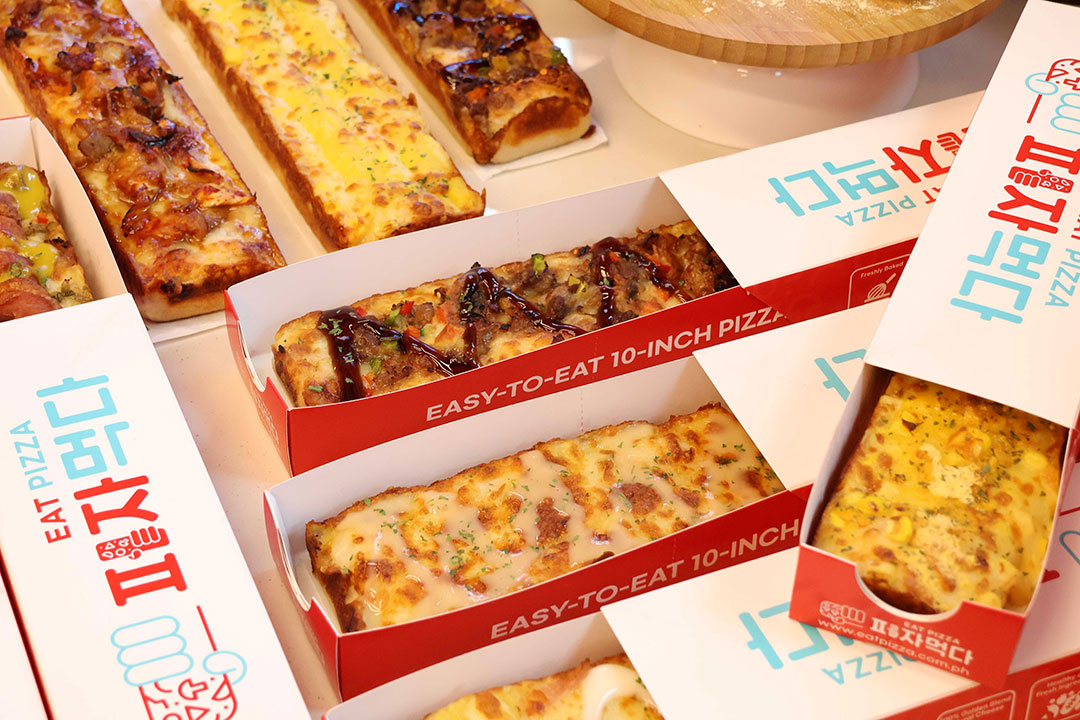
SOUTH KOREA’s original 10-inch pizza chain Eat Pizza, is now in the Philippines, with its first branch opening at the 2nd Floor of SM North Edsa’s main mall. Eat Pizza serves fresh pizza in traditional and inventive Korean flavors, offered in a unique serving size. The pizzas are made with high-protein dough which is infused with extra virgin olive oil then topped with 100% natural mozzarella cheese and the freshest ingredients. These are crafted into a 10-inch-long rectangular pizza so every person who orders gets to select their preferred flavors. Eat Pizza opened its first store in South Korea in 2021 and has experienced rapid growth in the country, expanding to 120 stores. It has since opened in various Southeast Asian countries including Thailand and Singapore. The Philippine branch offers 10 pizza flavors, from classics like Aloha, Pepperoni, and Real Cheese to Korean inspired flavors like Bulgogi, Hot & Spicy Bulgogi, Samgyeopsal, Sweet Milk, Sweet Corn, and Sweet Potato. These can be paired with a choice of five baked sides including Tteokbokki with Cheese, Sweet and Spicy Corn Cheese, and Sweet Potato Corn Cheese. Traditional favorites like Spaghetti and Carbonara are also on the menu. Scottland Food Group Corp. is the distributor of Eat Pizza. For more information on Eat Pizza, follow them on Facebook and Instagram.


Hong Kong Wine & Dine Festival is back

THE Hong Kong Wine & Dine Festival is set to make a return from Oct. 23 to 27. Filipino foodies are welcome to join the five-day celebration, which will feature over 300 booths, live entertainment, and a spooky Halloween vibe — all set against the backdrop of Hong Kong’s Victoria Harbor. For wine enthusiasts, the festival showcases selections from over 30 countries and regions, including new gins and whisky zones, Cantonese-inspired cocktails from Kinsman, tea-infused creations from Tell Camellia, and Hong Kong’s own N.I.P gin. Food enthusiasts can savor Michelin-starred dishes and Bib Gourmand-recommended eats in zones such as “Culinary Stars” and “Hotel Delicious,” as well as the three-Michelin-starred Forum Restaurant and award-winners like Hong Kong Cuisine 1983, Ăn Chơi, and Fisholic. On Oct. 26 and 27, visitors are invited to wear their best Halloween costumes to earn tokens, while enjoying Halloween-themed performances and live music. Even after the festival, visitors can still explore over 40 steakhouses and hotpot spots during “Beef Up November,” or enjoy discounts from more than 200 restaurants for “Chill EAT.” More than 70 bars will also participate in the “Hong Kong Bar Show,” that will offer free or discounted drinks. For more details, go to https://www.discoverhongkong.com/eng/what-s-new/events/wine-dine-festival.


Pancake House opens new branch

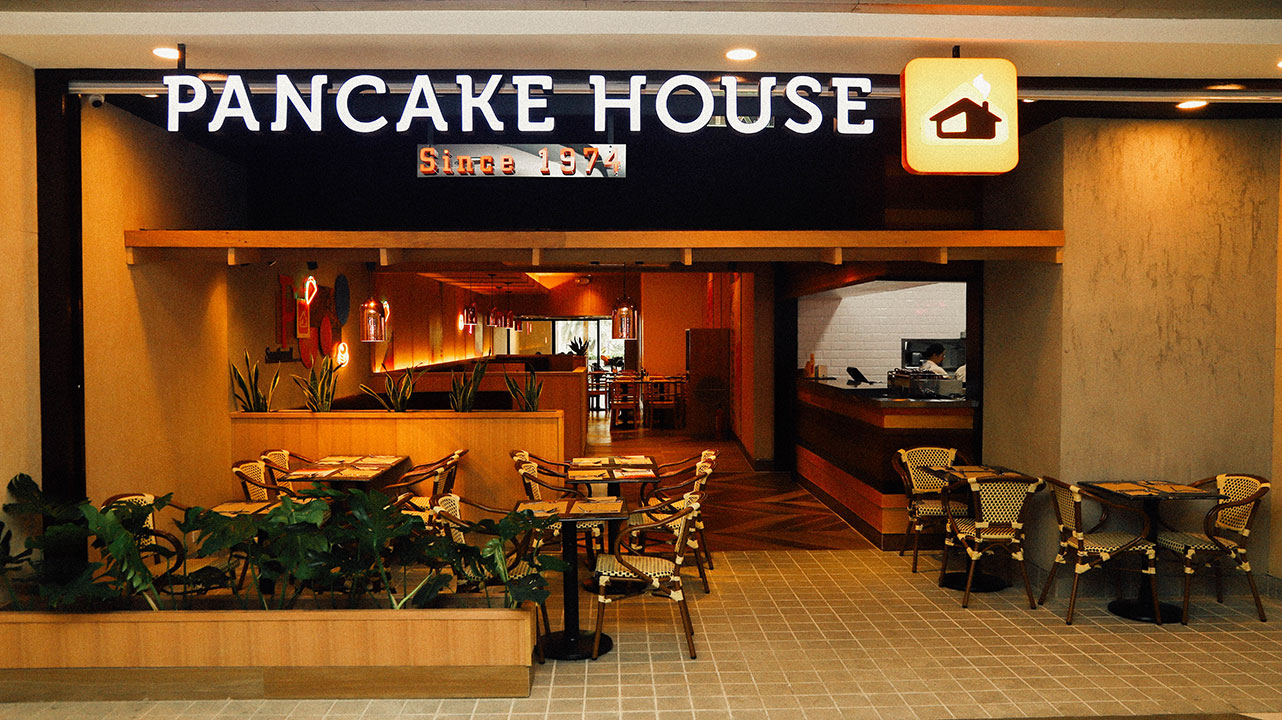
PANCAKE HOUSE has announced the opening of its newest branch at SM Southmall, Las Piñas City. It has been officially welcoming guests since Sept. 20. It is located on the mall’s Upper Ground Level and is open daily from 7 a.m. to 9 p.m. Pancake House offers a wide range of comfort food options, from pancakes and waffles to savory favorites like spaghetti and Pan Chicken. For orders and inquiries, contact Pancake House SM Southmall at 0998-584-7367.


Mang Inasal brings back Ihaw Fest in October

MANG INASAL has announced the return of the Ihaw Fest in October where customers can enjoy a variety of freebies. For a third year, from Oct. 1 to 15, customers will enjoy a complimentary small Halo-Halo (a choice between the Extra Creamy Halo-Halo or the Crema de Leche Halo-Halo) with every purchase of two Chicken Inasal Value Meals.  Then, from Oct. 16 to 31, Mang Inasal will offer its Fiesta Bundles, featuring a bilao of Chicken Inasal and/or Pork BBQ accompanied by Java Rice and drinks, serving up to six people, along with two complimentary Palabok solos. All offers are available for dine-in, takeout, and delivery. For more details, visit http://www.manginasal.ph/ and https://manginasaldelivery.com.ph/.

Anker launches new Soundcore portable speaker in the country

ANKER INNOVATIONS’ audio brand Soundcore will launch its new portable speaker, the Select 4 Go, in the Philippines on Thursday (Oct. 10).

Priced at P1,295, the Select 4 Go portable Bluetooth speaker currently comes in three colors, namely black, white and blue. It is now available on Soundcore’s Philippine website at www.soundcore.ph and its Lazada and Shopee Mall stores.

“The Select 4 Go is designed for music lovers and active lifestyles, ensuring all day, power vibrant beats,” Anker said in a statement.

“Combining high-quality sound, a stylish design, and unmatched battery life, it’s ideal for those who crave flexibility and uncompromising performance.”

The speaker promises up to 20 hours of continuous playtime on a single charge as it features a 2,600 mAh battery.

“Additionally, thanks to its lightweight build, the Select 4 Go is compact yet durable. Whether you’re exploring the great outdoors on a hike, cycling with friends, or simply unwinding at the beach, you can take this versatile speaker with you without worry. It can fit easily into your backpack, gym bag, or duffel without taking up too much space. Weighing just 220g, it’s ultralightweight and even features a convenient handle for hanging on your bag,” the brand added.

The Select 4 Go also has a waterproof, rustproof, and floatable design and has an IP67 water and dust resistance rating and a five-watt speaker output, ensuring high-quality sound.

Users can also customize their listening experience with the speakers via the Anker Soundcore app, it said.

“The free app allows users to access additional product features and easily adjust settings from your mobile device. With the Select 4 Go, you can personalize your audio experience with a customizable 9-band EQ and more directly on the app.”

Two Select 4 Go speakers can also be connected via True Wireless Stereo pairing for an immersive listening experience. — BVR

PHINMA targets Surabaya school deal in 18-24 months

PHINMA

PHINMA Corp. is working to acquire a school in Surabaya, East Java, Indonesia within 18 to 24 months to expand its education network, the company’s chairman said.

“On the deal in Surabaya, it was sidetracked. We were supposed to be there already, but we could not close the deal. We’re in active discussion,” PHINMA Corp. Chairman and Chief Executive Officer Ramon R. del Rosario, Jr. said on the sidelines of the Asia CEO Awards in Pasay City late Tuesday.

“Hopefully, (we can close the acquisition) within the next 18 to 24 months. It’s the same pattern as we are doing in the Philippines. We acquire ongoing schools and then we build them up and improve them,” he added.

The conglomerate’s education unit, PHINMA Education Holdings, Inc., manages Horizon Karawang in West Java, Indonesia.

Asked about other expansion plans, Mr. Del Rosario said PHINMA Education is also looking at Cambodia and Vietnam. However, he said the company is focusing first on its Indonesian expansion.

“We’re focusing on Indonesia because it’s easier to grow where you already have a footprint than to enter a brand new country,” he said.

“It will take a while. The runway for growing the enrollment in our schools is quite long. Even here in the Philippines, it takes about five years for us to hit the critical mass that allows us to grow the enrollment very quickly. That’s the pattern we’re seeing in Indonesia,” he added.

Some of the schools within the PHINMA Education network include PHINMA Cagayan de Oro College, PHINMA University of Pangasinan, PHINMA University of Iloilo, and Southwestern University PHINMA in Cebu City.

Phoenix Investments II Pte. Ltd., an investment vehicle of funds managed by global investment firm KKR, recently closed its P2.52-billion initial investment in PHINMA Education. The amount represented 70.22% of KKR’s total investment worth P3.59 billion.

Meanwhile, Mr. Del Rosario said that PHINMA Corp. is also setting its sights on affordable housing. The conglomerate has a presence in the property segment via PHINMA Property Holdings Corp.

“The next area in the property business that I want to focus on is affordable housing,” he said.

“I know all the major developers are not enthusiastic about it because of the cost and the difficulty of making profits. I’m not yet intimidated by it,” he added.

Mr. Del Rosario said the conglomerate wants to replicate the success of its education segment in the affordable housing sector.

“The challenge is I want to do in housing what we’ve been able to do in education — offering education for the poor. We found a way to do it successfully in terms of delivering quality education, but also profitably,” he said.

“I think we can do the same in housing. That’s the next challenge. That’s the area I want to focus on,” he added.

On Wednesday, PHINMA Corp. stocks rose 0.48% or ten centavos to P21 per share. — Revin Mikhael D. Ochave

Term deposit yields go down as inflation slows

YIELDS on the central bank’s term deposits dropped on Wednesday following better-than-expected September inflation data that could strengthen the case for further policy easing.

The term deposit facility (TDF) of the Bangko Sentral ng Pilipinas (BSP) fetched bids amounting to P251.112 billion on Wednesday, above the P190-billion offering and the P239.098 billion in tenders for the same volume auctioned off a week ago.

Broken down, tenders for the seven-day papers reached P137.878 billion, higher than the P100 billion auctioned off by the central bank and the P120.556 billion in bids for the same offer volume seen the previous week.

Banks asked for yields ranging from 6.25% to 6.28%, lower than the 6.2575% to 6.3% band seen a week earlier. This caused the average rate of the one-week deposits to decline by 1.22 basis points (bps) to 6.2668% from 6.279% previously.

Meanwhile, bids for the 14-day term deposits amounted to P113.234 billion, above the P90-billion offering but below the P118.542 billion in tenders for the same amount auctioned off on Oct. 2.

Accepted rates for the tenor were from 6.25% to 6.36%, also lower than the 6.3% to 6.38% margin seen a week ago. With this, the average rate for the two-week deposits fell by 2.4 bps to 6.3361% from 6.3601% logged in the prior auction.

The central bank has not auctioned 28-day term deposits for nearly four years to give way to its weekly offerings of securities with the same tenor.

The term deposits and the 28-day bills are used by the BSP to mop up excess liquidity in the financial system and to better guide market rates.

Term deposit yields went down following slower-than-expected September inflation, Rizal Commercial Banking Corp. Chief Economist Michael L. Ricafort said in a Viber message.

Mr. Ricafort said this could “possibly justify more aggressive monetary easing measures or a possible 50-bp local policy rate cut as reiterated by Finance Secretary Ralph G. Recto recently to match the latest Fed rate cut.”

Philippine headline inflation slowed to 1.9 % year on year in September from 3.3% in August and 6.1% a year ago.

This was below the central bank’s 2%-2.8% forecast for the month and the 2.5% median estimate yielded in a BusinessWorld poll of 15 analysts.

It was also the slowest in over four years or since the 1.6% in May 2020.

Inflation averaged 3.4% in the first nine months, matching the central bank’s full-year forecast.

BSP Governor Eli M. Remolona, Jr. has said the Monetary Board could slash benchmark interest rates by 50 bps more this year and deliver two more 25-bp cuts at its next two meetings scheduled for Oct. 16 and Dec. 19.

The central bank began its easing cycle in August, cutting its policy rate for the first time in nearly four years by 25 bps to 6.25% from the over 17-year high of 6.5%. — Luisa Maria Jacinta C. Jocson

Sweeter tax

FREEPIK

The Philippines, like many countries, faces the challenge of managing a growing budget deficit while addressing rising public health concerns. With the country proposing its highest-ever national budget of P6.352 trillion for 2025, and government revenues projected to slightly dip, the International Monetary Fund (IMF) has recommended additional tax measures to sustain public finances.

Among the suggestions were increasing the collection efficiency of value-added tax (VAT) and the introduction of carbon taxes to aid the country’s transition to greener energy sources. In my opinion, excise taxes remain a particularly attractive option for the Philippine government, especially for goods associated with “negative externalities” — those products whose consumption results in broader societal costs.

One such example, highly relevant in the public health domain, is the tax on sugar-sweetened beverages (SSBs). The country has already imposed taxes on SSBs since 2018, but I believe it is time to extend or adjust this tax to cover a wider range of “sweetened” products, such as confectionery items, in an effort to promote healthier lifestyles and generate much-needed revenue.

Excise taxes are often implemented on goods that create social costs or “negative externalities.” Examples include tobacco, alcohol, fuel, and SSBs. In essence, these taxes raise the price of harmful products, thereby discouraging consumption and, at the same time, generating revenue that can be used to offset the costs imposed on society.

For example, the Philippines imposes excise taxes on fuel to address pollution and on cigarettes to fund public health programs aimed at curbing smoking-related illnesses. The introduction of excise taxes on SSBs in 2018 is part of this same strategy. In the case of SSBs, the tax serves dual purposes: to reduce the consumption of sugary drinks, thus mitigating obesity and related health risks, and to generate revenue that can be channeled into healthcare and other public initiatives.

The SSB tax, currently at P6 per liter, was designed to reduce the affordability of sugary beverages, which have been linked to the rising prevalence of obesity, diabetes, and other non-communicable diseases (NCDs). According to the World Health Organization (WHO), these diseases, fueled by poor diets and sedentary lifestyles, account for a significant proportion of premature deaths from NCDs in the Philippines.

After six years of implementing the SSB tax, data suggests that it has been somewhat effective in curbing consumption. A study by the Philippine Statistics Authority (PSA) showed a decline in the consumption of sugary beverages, especially among lower-income households who are more sensitive to price changes. This is consistent with global trends; for instance, Mexico saw a significant reduction in SSB sales following the introduction of its sugar tax in 2014. However, challenges remain.

While SSB consumption has decreased, obesity rates in the Philippines continue to climb, particularly among children. As of 2023, 14% of children aged five to 10 years, 13% of adolescents aged 10 to 19 years, and 40.2% of Filipino adults are classified as overweight or obese. This underscores the need for more comprehensive public health strategies that go beyond just SSB taxation. Nutrition education, increased access to healthy food options, and campaigns promoting physical activity are crucial in complementing taxation efforts.

One of the emerging suggestions is to expand the SSB tax to include other sugary products, such as desserts and confectionery items. Countries like Norway and Columbia have already imposed taxes on a wider range of sugar-laden products, beyond just beverages. Norway has had a sugar tax in place since 1922, with an 83% increase on sugary products in 2018, covering items like chocolate, candies, and even zero-sugar beverages. Similarly, Colombia introduced a 10% tax on sugary drinks and junk foods in 2023, which will increase to 20% by 2025.

If the Philippines were to follow this path, it could potentially see both public health and economic benefits. A broader tax on sugary foods could further discourage consumption of high-sugar items, promote product reformulation where manufacturers reduce sugar content to avoid higher taxes, and generate additional revenue. This approach could also prevent substitution effects, where consumers shift from taxed sugary beverages to untaxed sweets and snacks.

Despite its potential benefits, excise taxation on sugary products faces criticism, particularly for its regressive nature. Lower-income households, who spend a larger proportion of their income on consumables, are disproportionately affected by such taxes. However, studies suggest that these households also stand to gain the most in terms of health improvements, as they typically have higher rates of obesity and NCDs.

Additionally, revenues from excise taxes can be earmarked for programs that benefit low-income populations, such as subsidies for healthier food options or investments in healthcare. Taxation also needs to be part of a broader public health strategy. Without complementary measures — such as education, infrastructure for physical activity, and access to affordable, healthy food — sugar taxes may not achieve their full potential in improving public health.

Given the growing budget deficit and the need for sustainable public health interventions, the Philippine government is likely to consider raising or expanding excise taxes in the near future. Introducing taxes on desserts and confectionery could be a logical next step, aligning with global trends. However, to maximize its impact, this policy must be implemented alongside comprehensive public health strategies that address the root causes of obesity and diet-related diseases.

Ongoing monitoring and evaluation of the sugar tax’s effectiveness will be essential. Policymakers should establish robust data collection mechanisms to assess the tax’s impact on consumption patterns, public health outcomes, and revenue generation. This will enable evidence-based adjustments to the tax structure and the design of complementary interventions.

Public engagement is also crucial. As with any tax policy, transparency about the objectives and benefits of a sugar tax is key to gaining public support. The government should clearly communicate how revenues from the tax will be used to improve healthcare services, promote healthy eating, and prevent diet-related diseases. Public education campaigns, particularly targeting children and families, will be important to ensure widespread understanding of the need for such taxes.

Of course, with the May 2025 elections just months away, Congress will most likely put on hold any significant tax measure. Any additional tax on food, in particular. But come July 2025, perhaps a revised sweet tax can be put on the agenda. By then, lawmakers will have a three-year runway to see it through. For our children’s sake.


Marvin Tort is a former managing editor of BusinessWorld, and a former chairman of the Philippine Press Council

matort@yahoo.com

US candy companies sideline pricey Halloween chocolates for gummies, licorice, flavored crèmes

TOLGAHAN AKBULUT-UNSPLASH

NEW YORK — Trick-or-treaters hoping to collect handfuls of chocolate candy this Halloween might be facing a bit of a letdown.

US confectionery companies are stocking store shelves with fewer Halloween chocolates and doubling down instead on cheaper gummies and licorice such as Mondelez’s Sour Patch Kids and Hershey’s Twizzlers ghosts, according to market research firm Circana.

Prices on sugary non-chocolate sweets — though still cheaper than chocolate — are also up double digits, according to Circana.

The shift to gummies, licorice, and flavored crèmes comes as chocolate makers face shrinking margins and slowing sales. Consumers have been curbing their cravings for costly chocolate, and the candy companies have faced a double whammy on their own costs for the treat, first from supply chain snarls during the COVID pandemic and now from a cocoa bean shortage.

“Chocolate candy, there’s just not as many items per retailer on shelf,” said Dan Sadler, principal of client insights at Circana, who focuses on confection. “We’re seeing double-digit increases in non-chocolate items.”

Candy companies took a similar approach for Easter, unveiling new products lighter on cocoa. But for Reese’s cup maker Hershey, a top US chocolate maker, the sales results were disappointing, with the company’s category for the spring holiday declining, executives told investors on conference calls. They pegged it on an earlier Easter and a shorter selling season.

A spokesperson for Oreo maker Mondelez said that shoppers for Halloween are looking for more limited editions and special flavors, such as its Sour Patch Kids’ apple harvest and cherry varieties. Mondelez does not have a major US chocolate brand.

Privately held Mars did not reply to a request for comment.

Hershey’s key new products for Halloween are its Reese’s Werewolf Tracks, which feature a vanilla crème top instead of milk chocolate, and its KitKat Ghost Toast with a cinnamon toast flavored crème, a spokesperson for the company said.

The Hershey, Pennsylvania-based company sees non-chocolate candy as having potential for higher growth, the spokesperson said. Last month Hershey introduced two new non-chocolate candies, Jolly Rancher Ropes and Shaq-a-Licious gummies, which are inspired by the former US basketball star Shaquille O’Neal.

Hershey plans to introduce more sweets in the next several months, the spokesperson said.

To be sure, the spokesperson added that chocolate makes up a bigger part of Halloween sales across the candy category compared to everyday purchases.

‘SUMMERWEEN’ AND ‘AUGTOBER’
Confectioners and retailers like grocer Kroger started selling Halloween candy earlier than ever this year, indicating the importance of the holiday to their sales figures, and fueling decorating and party trends like “Summerween” and “Augtober.”

Halloween was the biggest holiday for candy sales last year, according to the National Confectioners Association.

Candy companies are increasingly relying on holidays and special occasions like birthdays for sales growth as shoppers find everyday chocolate purchases unaffordable.

Kroger had Halloween candy for sale as soon as students were back to school, the earliest ever, a spokesperson said. The grocer has also seen higher demand for non-chocolate candy, the spokesperson said.

Hershey started selling its Reese’s peanut butter pumpkins online in July for the first time.

Hershey expects its Halloween sales will grow in line with total company sales for the year, the spokesperson said. Hershey cut back its annual sales growth expectations to 2%.

There is not only less chocolate candy for Halloween in stores, but it is also more expensive. Prices on seasonal chocolate candy have increased by as much as 7.5% from last year, Mr. Sadler said.

Chocolate makers were exposed to higher cocoa costs when planning for this year’s holiday, said David Branch, a sector manager at Wells Fargo Agri-Food Institute, leading to higher prices at retailers. Chocolate companies typically cover volatile commodity costs like cocoa with hedges protecting them for six months to a year.

Average unit prices on chocolate are up more than 40% from 2020, according to data from NielsenIQ, outpacing broader food inflation, which has started to moderate.

Hershey announced more price hikes this summer to cover the rising cost of cocoa. The Hershey spokesperson said that those increases did not affect Halloween candy for sale now.

At Target, a 120-piece, roughly 46-ounce bag of Mars’ Milky Ways, Snickers, M&Ms, and Twix chocolates is $19.99.

Candy companies are hiking prices on candies without chocolate by double digits, Mr. Sadler said.

“Non-chocolate is catching up,” Mr. Sadler said. “When you look at the price per pound of non-chocolate versus chocolate, it’s still a value.” — Reuters

ADVERTISEMENT
ADVERTISEMENT