Home Blog Page 1997

Hot money yields $2.1-B net inflow in 2024 — BSP

Euro, Hong Kong dollar, US dollar, Japanese yen, pound and Chinese yuan banknotes are seen in this picture illustration in Beijing, China. — REUTERS

MORE SHORT-TERM foreign investments entered the Philippines in 2024, data from the Bangko Sentral ng Pilipinas (BSP) showed.

Foreign portfolio investments registered with the central bank through authorized agent banks posted a net inflow balance of $2.1 billion last year, a turnaround from the $248.84-million outflow in 2023.

These investments are called “hot money” because of the ease with which they can enter or leave a jurisdiction, as opposed to foreign direct investment, which is considered less fickle.

Central bank data showed gross inflows jumped by 39.2% to $17.93 billion in 2024 from $12.89 billion a year ago.

Over half or 54.2% of these investments went to peso-denominated government securities, while the rest were invested in Philippine Stock Exchange (PSE)-listed shares of banks; holding firms; property; transportation services and food, beverage and tobacco.

In 2024, the top investor countries were the United Kingdom, Singapore, the United States, Luxembourg and Hong Kong, accounting for the bulk or 86.3% of investments.

Meanwhile, gross outflows totaled $15.83 billion last year, higher by 20.5% from $13.14 billion in 2023.

“Majority (or 96%) of these outflows represented capital repatriation while the remaining 4% pertained to remittance of earnings. The US continued to be the main destination of outflows with 49.8% of total,” the BSP said.

In December alone, the hot money balance stood at a net outflow of $487.37 million in 2024, more than double (137.5%) the $205.18-million outflow in the previous year.

Gross inflows slipped by 1% to $1.055 billion during the month from $1.065 billion a year ago. It also fell by 43.4% from the $1.86-billion inflows recorded in November.

Broken down, 51.7% of these went to peso government securities while the remaining 48.3% were in PSE-listed securities.

In December, inflows came mostly from the United Kingdom, the United States, Singapore, Germany and Ireland, accounting for 76.3% of investment inflows.

On the other hand, gross outflows rose by 21.4% to $1.54 billion from $1.27 billion. Month on month, it declined by 12.6% from $1.76 billion.

“The US remains to be the top destination of outflows, receiving $718.88 million (or 46.6%) of total outward remittances,” it said.

Rizal Commercial Banking Corp. Chief Economist Michael L. Ricafort said the hot money net inflow was due to the start of monetary easing by the US Federal Reserve and BSP.

The US central bank began its easing cycle in September last year, slashing interest rates by a total of 100 basis points (bps) in 2024.

The BSP also kickstarted its rate-cutting cycle in August last year. It reduced borrowing costs by a total of 75 bps by end-2024, bringing the key rate to 5.75%.

This helped “reduce funding costs, spur more investments, employment, trade, and other business activities,” he added.

The country’s recent credit rating upgrades and improvements also supported investor sentiment, Mr. Ricafort said. 

In August, Japan-based Rating and Investment Information, Inc. upgraded the Philippines’ investment grade rating to “A-.”  Luisa Maria Jacinta C. Jocson

Car sales to reach 512,000 in 2025

VEHICLES are parked near a mall in Mandaluyong City. — PHILIPPINE STAR/MIGUEL DE GUZMAN

PHILIPPINE automotive sales are expected to reach 512,000 units this year amid a more promising macroeconomic outlook, said Toyota Motor Philippines Corp. (TMP).

At a media event on Friday, TMP Chairman Alfred V. Ty said that the prospects for the industry this year are “encouraging.”

He noted the macroeconomic outlook is “reasonably optimistic,” as the gross domestic product (GDP) growth is expected to surpass 6% this year.

The government’s GDP growth target is set at 6-8%.

Mr. Ty said the financial sector “remains sound” as the consumer loans continue to rise.

He also cited the projected growth in overseas Filipino worker remittances and business process outsourcing earnings, as well as a “relatively under control” peso-dollar exchange rate.

“Government infrastructure spending is expected to continue, and election-related spending will trigger incremental economic demand,” he said.

“As a result, we are projecting sales to grow to over 500,000 units, half a million new cars — 512,000 units to be exact — representing a sustained growth of 8%.”

In 2024, the automotive industry sold 467,252 units, up by 8.7% from the 429,807 units sold in 2023, according to a joint report by the Chamber of Automotive Manufacturers of the Philippines, Inc. (CAMPI) and the Truck Manufacturers Association (TMA).

Mr. Ty said that adding the sales from the Association of Vehicle Importers and Distributors, Inc. (AVID) and some Electric Vehicle Industry Development Act (EVIDA) players to CAMPI-TMA’s total pushed industry-wide sales to over 474,000.

“The combined sales of CAMPI, TMA, AVID, and some EVIDA players come to 474,000 units, with 12 motor vehicle manufacturers and assemblers, up to 60 brands, and more than 400 models on the road,” he said.

Mr. Ty said higher car sales translate to more jobs, government revenue, investments and exports.

“As the Philippine auto market continues to expand, I am very much encouraged by the added possibilities this growth brings with it. The auto industry is truly transforming into a major pillar of economic development,” he added.

Increasing sales volume has encouraged automakers to expand in the country.

“I am hoping that we can harness the collective power of every automaker doing business in the country in realizing a more united automotive program to develop the auto industry into a major economic force in support of the nation’s long-term development plans,” he added.

For Toyota, Mr. Ty said the company expects to grow sales by 8% this year.

Last year, TMP sold 218,019 units, up 9% from the previous year, making the Philippines among the 10 largest markets for the Japanese car giant worldwide. Toyota had a 46.66% market share in the Philippines in 2024.

TMP sold 63,007 passenger cars in the Philippines last year, rising 14.7% from 2023. It had a 52.17% share of the passenger car market.

It sold 155,012 commercial vehicles in the Philippines, up 6.8% from the previous year. This accounted for a 44.74% share of the commercial vehicle market.

“It helped us secure jobs for over 69,000 Filipinos in 2024 and realize over $1 billion of exports for the country and contribute P35 billion to government revenues,” Mr. Ty said.

“Our volume sellers will continue to be Vios and Tamaraw. And then Innova will continue to deliver. So, we believe the commercial vehicles will continue to be stronger this year,” he added.

Late last year, the company launched the Next Generation Tamaraw, which has three in-house conversions: utility van, dropside, and cargo.

“We are quite ambitious at this point. Around 20,000 (sales) in a year is our target, initially for Tamaraw,” TMP President Masando Hashimoto said.

If the 8% growth is realized, the company will end the year with around 235,460 units sold.

Meanwhile, Mr. Hashimoto said that the company is looking at expanding its electrified lineup.

“Our main focus has been on hybrid electric vehicles (EVs), with our customers seamlessly adopting them over time, adapting to the hustle and bustle of many Filipinos,” he said.

“Along with the clamor of plug-in hybrid EVs, we see the potential of an expanded electrified lineup, and this may come sooner than you think.” — Justine Irish D. Tabile

PSEi relief rally expected this week

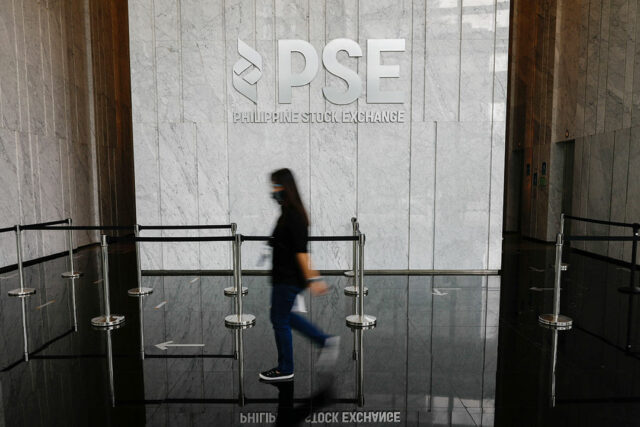
The lobby of the Philippine Stock Exchange in Taguig City, Sept. 30, 2020. — REUTERS

By Revin Mikhael D. Ochave, Reporter

THE BELLWETHER Philippine Stock Exchange Index (PSEi) may see a “relief rally” this week after entering bear territory last Friday, with market movements likely to be driven by upcoming economic data.

“Barring any negative surprises, a relief rally is possible,” China Bank Capital Corp. Managing Director Juan Paolo E. Colet said in a Viber message.

“This week’s market action will be driven mainly by the Philippine January inflation report, US December jobs data, and the evolving situation on tariffs,” he added.

The PSEi plunged by 4.01% or 245.07 points to close at 5,862.59 on Friday — its lowest finish in 27 months, since the 5,853.63 close on Oct. 12, 2022.

The main index officially entered bear territory after dropping over 20% from its intraday high of 7,604.61 and highest close of 7,554.68, both recorded on Oct. 7 last year.

The broader All Shares Index also declined by 2.19% or 79 points to 3,520.32.

Philippine inflation data for January will be released on Wednesday, Feb. 5. The Bangko Sentral ng Pilipinas (BSP) recently projected that January inflation could range from 2.5% to 3.3%, within its 2% to 4% target range.

On Feb. 1, US President Donald J. Trump imposed a 25% tariff on goods from Mexico and Canada, as well as a 10% tariff on products from China. He demanded that these countries act against the flow of fentanyl into the US, as well as address the issue of illegal immigration in the cases of Mexico and Canada.

“The January inflation data out on Feb. 5 must not add to the gross domestic product (GDP) disappointment,” First Metro Investment Corp. Head of Research Cristina S. Ulang said in a Viber message.

“Inflation should decelerate below last December’s 2.9% and beat consensus estimates. If not, the market will remain in the bear trap,” she added.

Last Thursday, Philippine Statistics Authority data revealed that the country’s GDP expanded by a weaker-than-expected 5.2% in the fourth quarter, bringing full-year growth to 5.6%, short of the revised 6% to 6.5% target set by the government.

COL Financial Group, Inc. Chief Equity Strategist April Lynn Lee-Tan said in a Viber message that the PSEi is expected to recover next week following adjustments to the index’s composition.

“There is a chance next week for the market to bounce back immediately because the index rebalancing is already done,” she said.

“Last Friday, a lot of fund managers had to sell their other index stocks to make way for the addition of AREIT, Inc. and China Banking Corp. (Chinabank). Since volumes were so thin, they had to sell at a lower price to get their orders through,” she added.

AREIT, Inc. and Chinabank will join the 30-member PSEi starting Monday, Feb. 3, following the market operator’s index review for 2024.

The two companies will replace Nickel Asia Corp. and Wilcon Depot, Inc., which will become members of the 20-member PSE MidCap Index.

Philippine Seven Corp. will also join the PSE MidCap Index, replacing DDMP REIT, Inc.

Robinsons Land Corp. will be added to the PSE Dividend Yield Index following the removal of International Container Terminal Services, Inc.

All sector indices will remain unchanged except for the industrial sector, which will see the addition of Pryce Corporation and the exclusion of Fruitas Holdings, Inc.

“This was an extraordinary circumstance because the drop was due to index rebalancing. I’m optimistic that we should bounce back next week,” AP Securities, Inc. Research Head Alfred Benjamin R. Garcia said in a Viber message.

“We have Philippine inflation coming out next Wednesday and US jobs report coming out next Friday. These two data points could dictate market direction next week,” he added.

Rizal Commercial Banking Corp. Chief Economist Michael L. Ricafort said in a Viber message that a “healthy upward correction” is possible for the local bourse next week.

“The market is also waiting for bottoming out signals to do some bargain-hunting, avoiding a risk of further losses. It is still wait-and-see until the dust settles and to grab opportunities for long-term purchases of high-quality listed companies with strong valuations,” he said.

IPOs likely by second half — ICCP

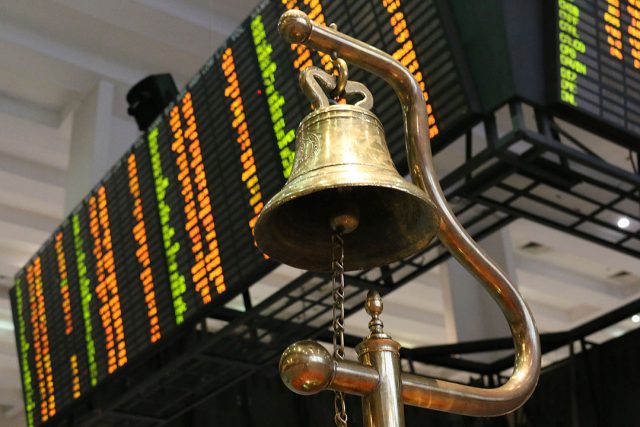
BW FILE PHOTO

INITIAL PUBLIC OFFERINGS (IPOs) could come by the second half of 2025 amid uncertainties posed by the administration of United States President Donald J. Trump and the May 12 local midterm polls, according to the Investment & Capital Corporation of the Philippines (ICCP).

“I think many will come by the second half because in the first half, I think everybody is still trying to understand the Trump presidency. You have the May elections coming up,” ICCP Senior Managing Director Jesus Mariano P. Ocampo told reporters on the sidelines of an event in Makati City last week.

For 2025, the Philippine Stock Exchange (PSE) is eyeing six IPOs.

Mr. Ocampo said it is possible for the PSE to meet its IPO target this year.

“We know of four (possible IPOs) already,” he said, without providing specifics.

Cebu-based fuel retailer Top Line Business Development Corp. (Topline) is expected to be the first company to conduct an IPO this year.

The company selected ICCP and PNB Capital and Investment Corp. as the joint lead underwriters and joint bookrunners for the offer.

On Jan. 22, the company said it is eyeing a listing on the local bourse by the second quarter after lowering the size of its IPO.

Topline reduced the size of its planned IPO to around P900 million from the previous P3.16 billion after talks with potential institutional investors.

Its IPO now comprises up to 2.15 billion primary common shares with an overallotment option of up to 214.84 million secondary shares, priced at up to 38 centavos per share. Its public float will be around 22%, assuming the full exercise of the overallotment option.

Topline is engaged in commercial fuel trading, depot operations, and retail fuel in the Visayas region. — Revin Mikhael D. Ochave

SteelAsia says January shipment sets export record

STEELASIA MANUFACTURING Corp. completed a P1.1-billion shipment of high-strength reinforcing steel to a subway project in Vancouver, Canada, last week, its chairman said.

“We have repeat orders from the same buyer and project, a vote of confidence in our reliability as a supplier and in the quality of our products,” SteelAsia Chairman and Chief Executive Officer Benjamin Yao said in a statement on Feb. 1.

“Locally, it is the same for us since the top developers are our biggest loyal customers,” he added.

According to the company, the shipment on Jan. 30 was the country’s largest steel export to date.

The 32,000-metric-ton shipment of high-strength reinforcing steel came from the company’s mill in Davao City.

The latest shipment brought SteelAsia’s total exports to the Canadian subway project to 87,000 metric tons with an approximate value of P3.2 billion.

SteelAsia operates four steel mills, which have a total capacity of 2.5 million metric tons per year.

These are Meycauayan Works, Calaca Works, Davao Works, and Compostela Works.

It is also constructing a green steel H-beam plant in Lemery, Batangas, and will begin site development in Candelaria for a second green steel H-beam plant worth P30 billion.

In July 2024, the company announced an P82-billion investment for plants in Candelaria, Quezon; Lemery, Batangas; Davao City; and Concepcion, Tarlac.

The company’s investment aims to reduce the country’s reliance on imports, create jobs, and contribute to the country’s economic growth. — Justine Irish D. Tabile

UAAGI welcomes new head for Chery and Lynk & Co

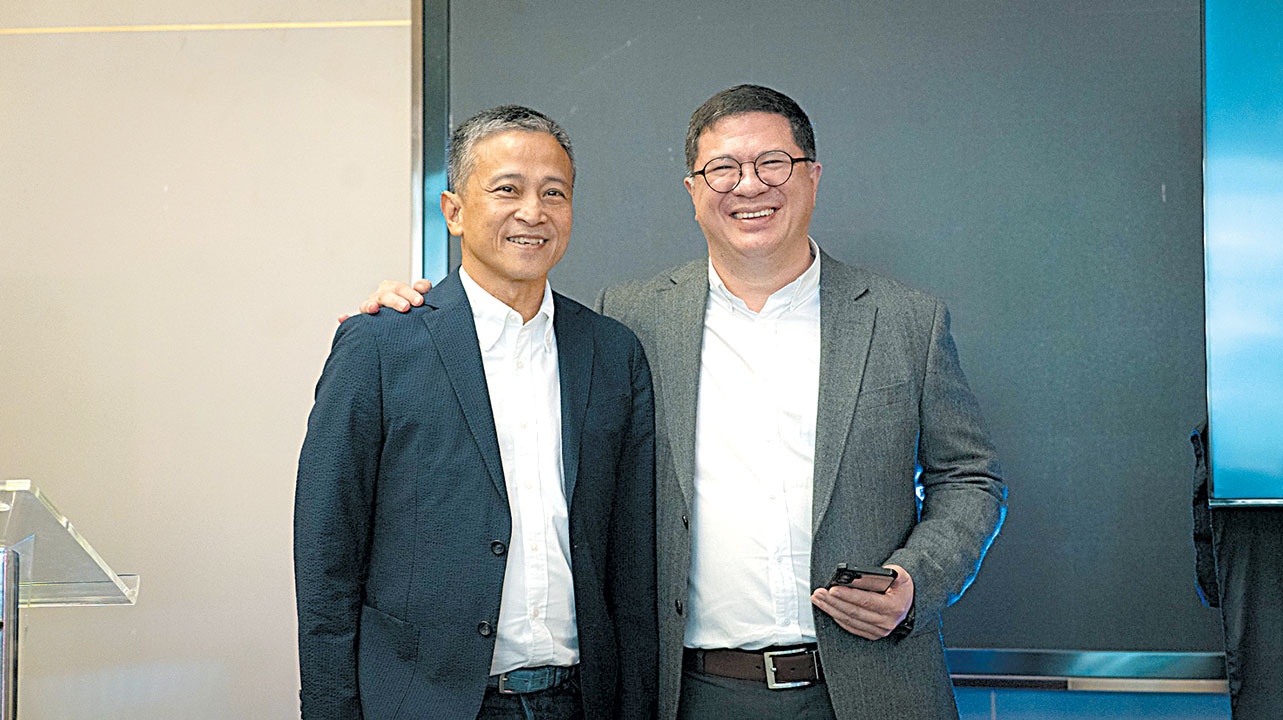
From left are Lynk & Co Deputy Director Timothy Sytin, Chery Deputy Director for Sales Nikko Sayson, Foton General Manager Levy Santos, Mr. Decloedt, Mr. Sytin, UAAGI Vice-Chairman Kenneth Sytin, UAAGI Chief Marketing Executive and Senior Vice-President Lyn Buena, and BAIC Brand Head and General Manager Chris Yu. — PHOTO BY KAP MACEDA AGUILA

Industry veteran Franz Decloedt makes a move

LAST WEEK, the United Asia Automotive Group, Inc. (UAAGI) celebrated the Chinese New Year a day in advance – hosting a luncheon for members of the media, content creators, and bank partners.

The moment we received the invite, many of us in the press already surmised it wasn’t going to be just another get-together. Word was going around that UAAGI had recruited a new executive – one who had just left another large auto distributor.

I’m referring, of course, to one-time GAC head Franz Decloedt from Madrid-based Astara (which also handles JAC, JMC, and Peugeot here). UAAGI had been one executive short with the departure of Froilan Dytianquin, formerly group managing director before he announced he was stepping down to attend to “urgent personal matters” early in the year.

Following presentations of executives for specific UAAGI-administered brands BAIC, Chery, Foton, and Lynk & Co, UAAGI Chairman Rommel Sytin stepped up to the podium and declared, “While we work toward expanding our market share and achieving greater growth, we remain equally committed to developing the exceptional team behind UAAGI’s brands. I’m immensely proud of the men and women of the (group) who continue to help bring their expertise. Their dedication has been the driving force behind the outstanding portfolio of automotive brands and our industry-leading after-sales service.”

He paused, then continued, “On that note, I am thrilled to introduce another valuable addition to the UAAGI family. Please join me in welcoming Mr. Franz Decloedt (who) brings with him extensive experience in the Philippine automotive industry, and we are confident that his leadership will propel these brands to even greater heights.”

Franz Decloedt, who assumes the role of brand head for both Chery and Lynk & Co, flashed a wide smile and said, “It is both an honor and a pleasure to stand before you today. I’m sure many of you are surprised to see me today. I’ll be honest, I’m also surprised.”

He continued, “Over the past 28 years of my professional career, I’ve been blessed to work across various industries – from fast-moving consumer goods, food and beverage, homecare, laundry and personal care, to my most recent chapter in the automotive industry. Yet, I must say, these last nine years in automotive have been the most challenging and at the same time the most rewarding.”

Mr. Decloedt maintained that the auto industry has taught him a lot, and expressed deep thanks “for the blessings, learnings, and opportunities (he’s had) working with different groups and brands… I can confidently say that this will be a breakout year for both Chery and Lynk & Co. Together, we will showcase what it truly means to be UAAGI all the way.”

Replying to a question from “Velocity” via text, the executive stated, “My focus is to amplify the strong foundation UAAGI has built for these two distinguished auto brands. With the guidance and leadership of our chairman Rommel Sytin, I aim to further develop and nurture key partnerships and expand the networks of both Chery and Lynk & Co – with the goal of driving growth and increased market share for both brands.”

Vivant plans P4.5-B capex focusing on solar, wind power

STOCK PHOTO | Image by Michael Wilson from Unsplash

CEBU-BASED energy and water company Vivant Corp. is allocating P4.5 billion for its 2025 capital expenditure (capex), focusing primarily on renewable energy projects such as solar and wind power developments.

This year’s budget is higher compared to last year since most of the projects were in the pre-development stage, said Vivant Chief Finance Officer Minuel Carmela N. Franco. 

“When it’s pre-development, the outlay and investment are very minimal. We’ll start the outlay once development begins,” Ms. Franco told reporters last week.

For 2025, Vivant is expecting to roll out solar power projects with a total capacity of 115 megawatts (MW), as well as a 200-MW wind power project in Samar, said Vivant Chief Executive Officer Arlo Angelo G. Sarmiento.

Among the projects expected to become operational is the 22-MW solar project in Bulacan. 

“A lot of the work involves groundbreaking this year,” Mr. Sarmiento said. 

Most of the power generated from the company’s energy projects will be supplied to its retail electricity supply (RES) arm.

“That’s one of our newer strategies that we’re trying to execute — building plants and then bringing them to market through the RES market, the retail market,” Mr. Sarmiento said. 

In June last year, Vivant said it targeted allocating P15 billion for various renewable energy projects until 2030, part of the company’s projected total equity investment requirement of up to P22 billion. 

Vivant has investments in various companies engaged in electric power generation and distribution, as well as the retail electricity business. It also entered the water industry, “with a diversified portfolio in the areas of bulk water supply, wastewater treatment, and water distribution.” — Sheldeen Joy Talavera

Going beyond the terno

PEACH GARDE

Ternocon tackled the kimona, brought back the panuelo

DESPITE its theme, this year’s Ternocon expanded its reaches far beyond the familiar Filipiniana dress. Not only did it revive the terno’s 1930s structure with the addition of the panuelo (fichu), but it also concentrated on another traditional Filipiniana dress, the kimona.

The terno evolved from the 1800s traje de mestiza (colloquially referred to as the Maria Clara), melding together its elements and modifying the former’s pagoda sleeves into butterfly sleeves (effectively shrinking them) for the changing times of the 1900s. Some elements were taken out through the decades — the tapis (overskirt) for example — and around the 1960s, with the removal of the panuelo, the terno as we know it today took shape.

As for the kimona, it is a loose blouse, often with elongated sleeves, worn with a tube-shaped skirt; it is considered more rural, casual, compared to the urbane terno.

The Balintawak, a second option for Filipiniana dress, is a more casual rendition of the terno, melding together the base form (the baro’t saya or blouse and skirt) with slightly puffed-up sleeves. It was popular throughout the first half of the 20th century. While the terno back then was made of finer materials, the Balintawak is usually made of more common materials like cotton, and is usually accessorized with an alampay — a shawl or a scarf draped over one shoulder.

For this year’s Ternocon, held over a series of months in 2024 and culminating in the Philippine International Convention Center (PICC) show on Jan. 26, the terno’s earlier form, used in the most formal occasions in the pre-war period, took center stage.

ARTISTIC INSPIRATION
The 12 designers were given a brief to take inspiration from 20th-century Filipino artists. These included several National Artists — Jose Joya, Hernando R. Ocampo, Vicente Manansala, Fernando Amorsolo, Benedicto “BenCab” Cabrera, Leandro Locsin (veering from the painters and the sculptors on this list; Mr. Locsin was honored for his architecture) — and artists Ramon Orlina, Onib Olmedo, Nena Saguil, and Impy Pilapil.

That evening, Windell Madis took home the Chief Mentor’s Award for a clever interpretation of the work of H.R. Ocampo.

Ram Silva, meanwhile, won the bronze for his interpretation of Fernando Amorsolo’s paintings, particularly his depiction of idyllic countryside life during harvest time. For this, Mr. Silva showed an excellent use of the simpler kimona. For his collection, he used sweeping grasses on the skirts, with almost photo-accurate renditions of the colors in Mr. Amorsolo’s work, giving the collection the illusion of figures having stepped out of the paintings. The grass fringes were full and lush, reflecting beauty, abundance — and its perishability.

Bryan Peralta won silver for his “collaboration” with Joya, showing the outfits in common canvas (subverting the terno’s usually refined piña make), showing Jose Joya’s abstraction on mesh sleeves and wild, childlike embroidery.

Finally, Peach Garde won the gold for interpreting Mr. Locsin’s iconic buildings into clothes, tapping into the architect’s preference for Brutalism — a style dominating the postwar period with strict shapes and the use of concrete.  The main theater building of the Cultural Center of the Philippines and the Ternocon’s venue, the PICC, were both designed by Locsin. For these, he used geometrical shapes and panels of fabric to give the clothes a shape more akin to edifices than outfits.

Other notable collections that evening included Lexter Badana’s channeling glass sculptor Ramon Orlina. His collection used the signature blues and greens of Orlina’s work, using plastic and other materials to mimic glass, even in its sheen.

Irene Subang’s collection focused on BenCab’s muse Sabel, a homeless woman draped in the world’s misery, so cans painted copper were attached to the dress and an overall look of dereliction made noise on the runway.

Jared Servano’s work, based on Nena Saguil’s, featured a wash of silver and gold on the surface of the clothes, while the fabric’s thread appeared to be spilling off the sleeves, providing movement.

Ternocon’s mentors Rhett Eala, Ezra Santos, and Lulu Tan-Gan also showed off their own collections, as did 2023 Ternocon winner Yssa Innumerable.

Entrepreneur Ben Chan, whose Bench brand is the Cultural Center of the Philippines’ partner in Ternocon, made a speech that evening, saying, “May this gathering tonight ignite within us the same spirit of home, of love for country, and pride in our culture.” — Joseph L. Garcia

Now serving San Juan

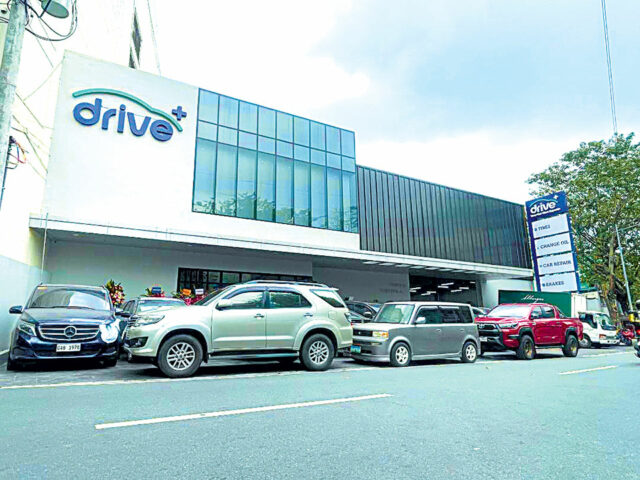
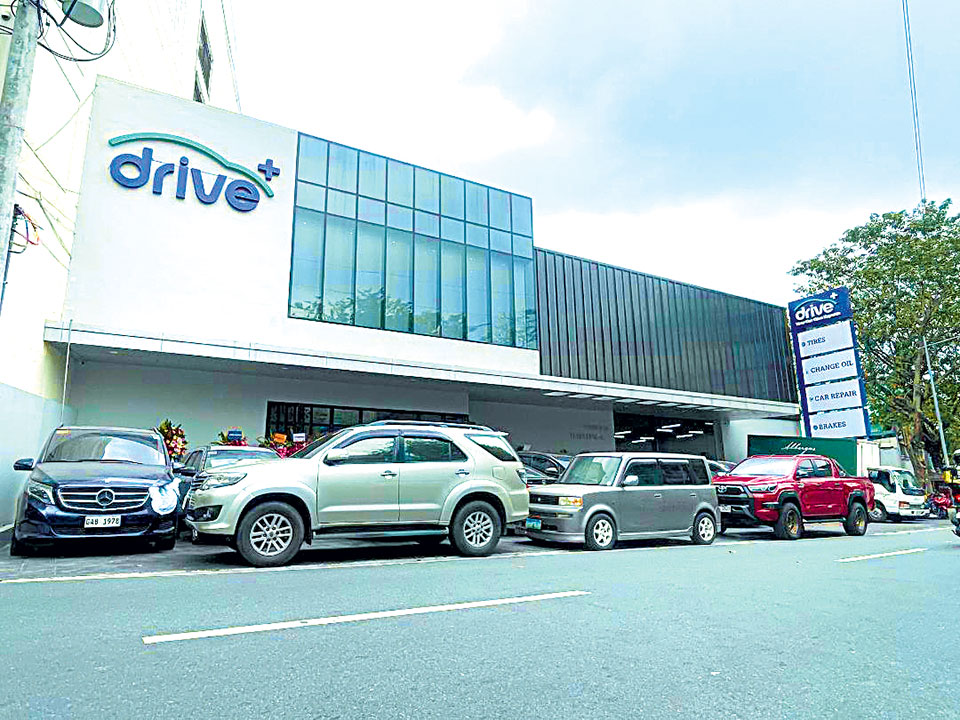
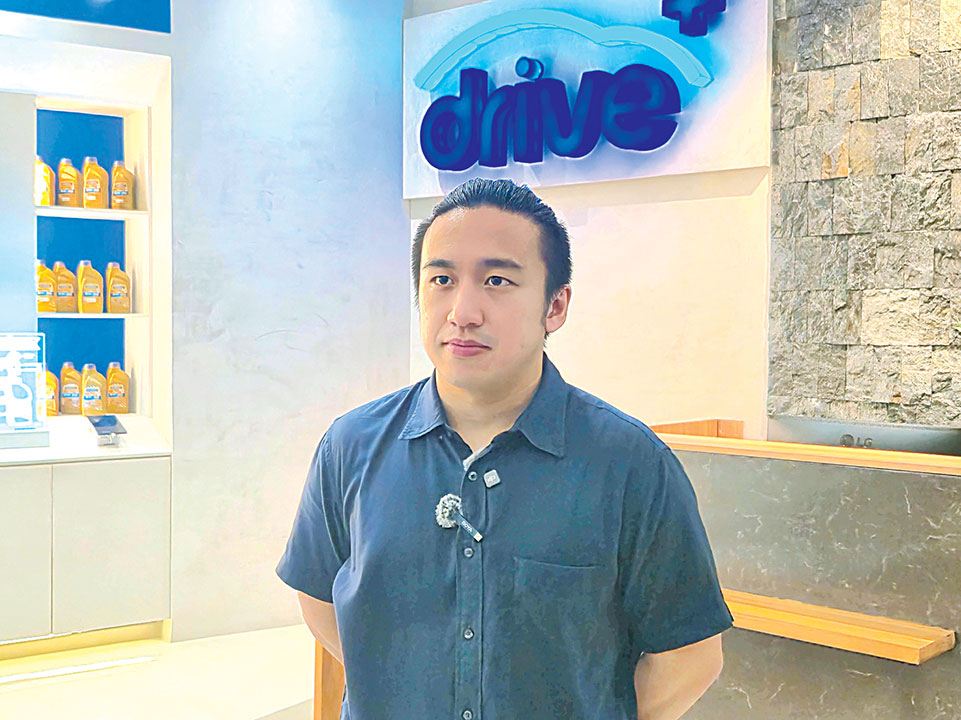
Drive+ San Juan is located at 683 Jose Abad Street in Barangay Little Baguio. — PHOTO BY HAZEL NICOLE CARREON

After-sales specialist Drive+ opens new facility

AFTER GARNERING a loyal following and maintaining a strong reputation for providing top-notch automotive service at its inaugural location in Quezon City, Drive+ Car Care Center officially opened its new branch in San Juan, bringing a new level of automotive expertise within easy reach of those in the community. As a well-established company known for its commitment to quality and customer satisfaction, Drive+ said it aims to revolutionize the car care industry with its innovative approach and state-of-the-art facilities.

Staffed with highly trained and experienced technicians, Drive+ San Juan provides a wide range of services including preventive maintenance service, oil change, brake maintenance and repair, automatic transmission fluid change, belt replacement, battery replacement, on-board diagnostics scanning, suspension replacement, tire balancing and alignment, exhaust gas recirculation cleaning, and air-conditioning cleaning and repair.

Service times vary, from less than an hour for quick fixes to multi-day repairs for complex issues.

“Our mission at Drive+ has always been to elevate the car care experience in the Philippines,” said company marketing manager Jason Manabat, promising that customers will “receive the same exceptional service and convenience that have become synonymous with the Drive+ name.”

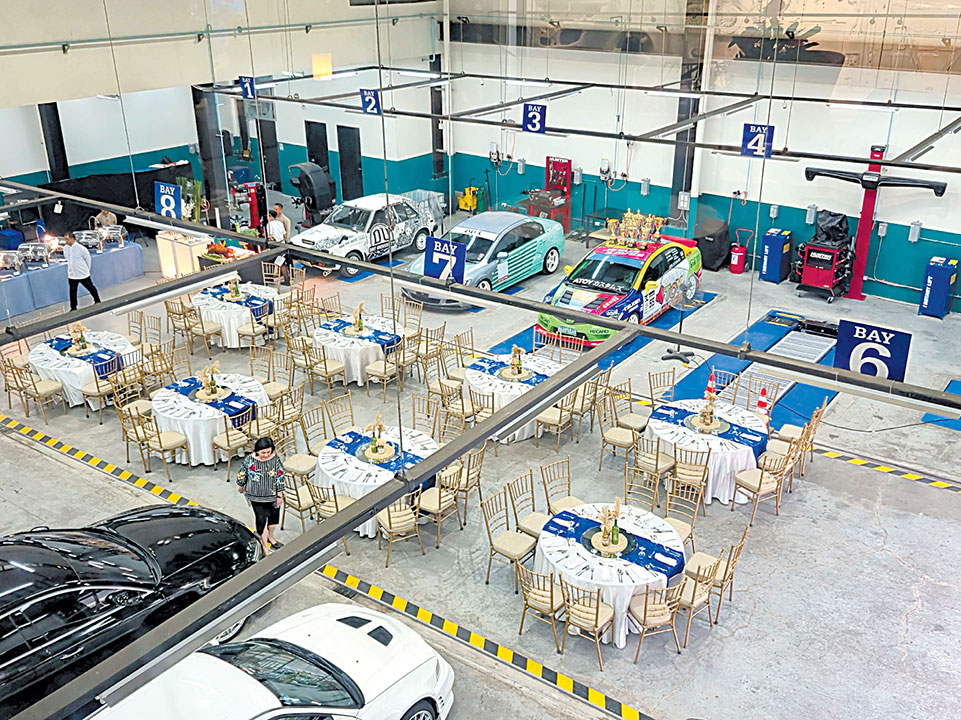
The new center features 10 service bays with two dedicated wheel alignment bays, two post lifters for heavier vehicles, and six scissor lifters for general maintenance and repairs.

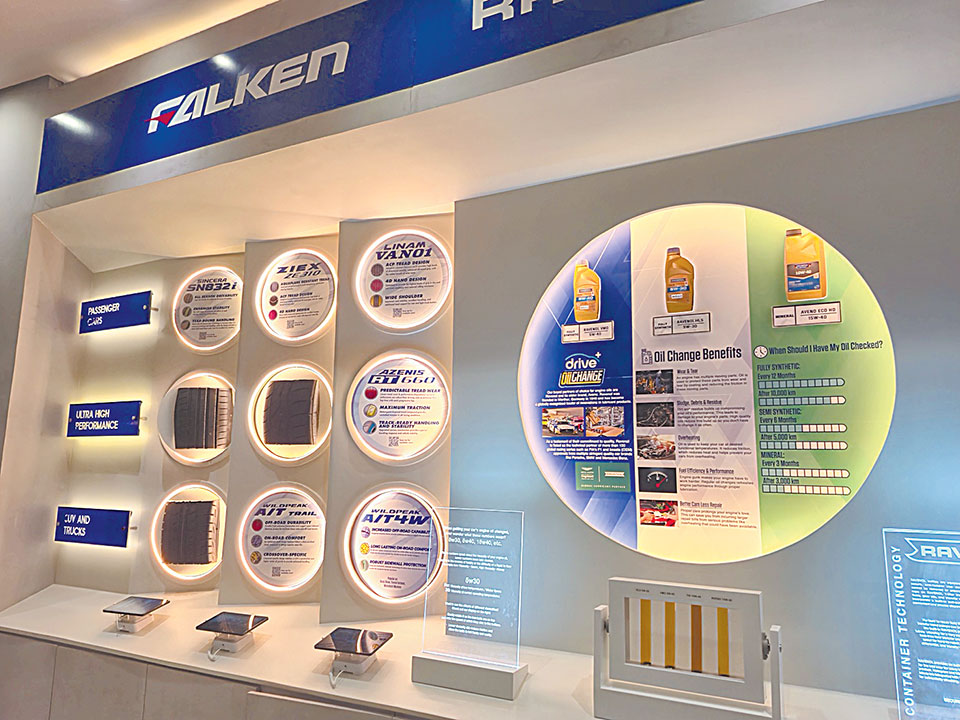
Drive+ partnered with Autoplus to provide Ravenol and Aveno engine oils as well as Yuasa and Lite-Ion batteries. It further upholds its commitment to reliability by offering high-quality tires from Falken, Continental, and Hankook, with the ability to source other brands upon request.

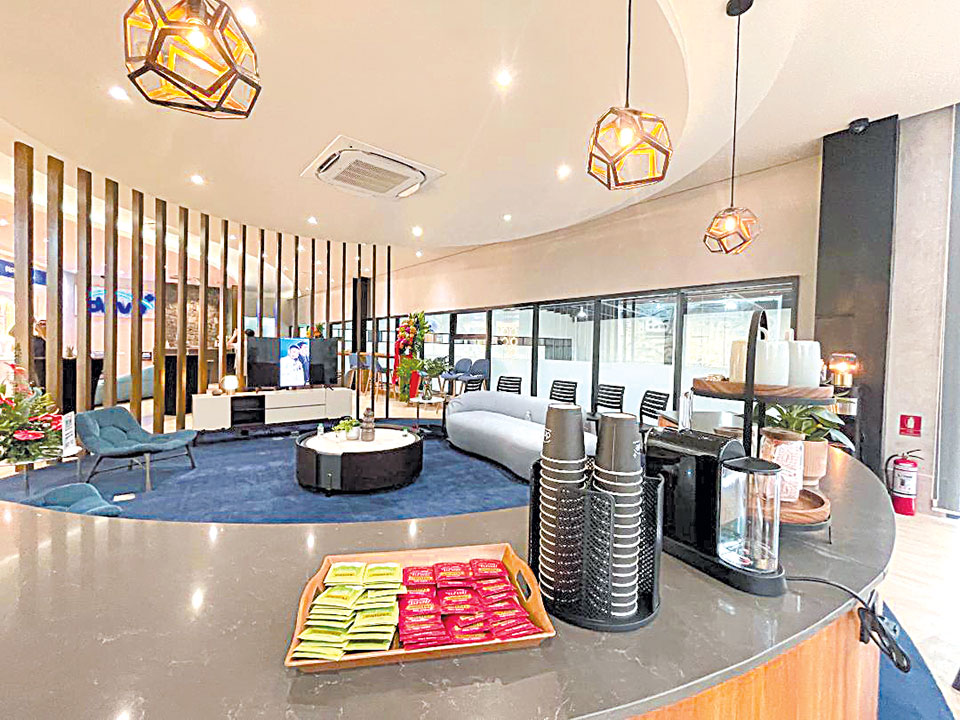
The facility also has a comfortable lounge where motorists can relax while their vehicles are being serviced. Complimentary Wi-Fi access, refreshments, and entertainment options are available to ensure a pleasant waiting experience.

“Customer comfort and satisfaction remain our top priorities. We consistently strive to refine our processes so every visit to Drive+ is seamless and hassle-free, and we’re committed to continually enhance the customer experience with each service,” Mr. Manabat added.

Drive+ has also been known for its transparent pricing. “What we typically do is if (a part) is available locally, we try to source both original and replacement parts so that customers have options on how they want their cars serviced based on their budgets,” the executive explained.

The opening of Drive+ Car Care Center in San Juan is expected to further strengthen the company’s position as one of the leading premium car service brands in Metro Manila.

Drive+ San Juan is located at 683 Jose Abad Street, Barangay Little Baguio, San Juan City. It is open from Monday to Saturday, 8 a.m. to 5 p.m. For more information, contact 8247-0540, 8244-5269 or 8254-5426.

SM: 107,000 job seekers connected to 6,000 employers in 2024

SMSUPERMALLS.COM

THE SM GROUP, through its mall unit, said it is working to support local job creation and workforce development.

In 2024, SM Supermalls hosted 183 job fairs nationwide, connecting 107,000 job seekers with nearly 6,000 employers. Of these, 14,500 applicants were hired on the spot, the company said in a statement over the weekend.

The job fairs, which also provide government services for employment-related documents, are part of SM’s initiative to host weekly job fairs across its malls nationwide.

In the latter half of 2024, SM extended its job fair initiatives to partner with various government agencies, including the Department of Health, Department of Tourism, Technical Education and Skills Development Authority, and Civil Service Commission. 

The company made the statement as online job portal JobStreet hosted the two-day JobStreet Career Con 2025 at SMX Convention Center Manila in Pasay City on Jan. 28 to 29.

The event featured 130 participating companies, including SM Retail, Nestlé, Metrobank, Accenture, and other firms from industries such as information technology, business process management, retail, banking, construction, logistics, food services, and manufacturing.

President Ferdinand R. Marcos, Jr. emphasized the importance of collaboration between the government and private sector in upskilling workers and connecting employers with job seekers.

“Cooperation between the government and the private sector is very important. Ma’am Teresita Sy-Coson, who has been with us from the start, opened the doors of SM malls for job fairs like this, which have been very successful,” he said.

“When we did these job fairs and upskilling programs with SM before, they were very successful. So we said, let’s try to do this more often,” he added. 

Ms. Sy-Coson, vice-chairman of SM Investments, is also a member of the Private Sector Advisory Council’s Education and Jobs Group.

Data from the Philippine Statistics Authority showed that the country’s unemployment rate declined to 3.2% in November from 3.9% in October. — Revin Mikhael D. Ochave

New and pre-owned items on sale at Corso Como 88 in Makati

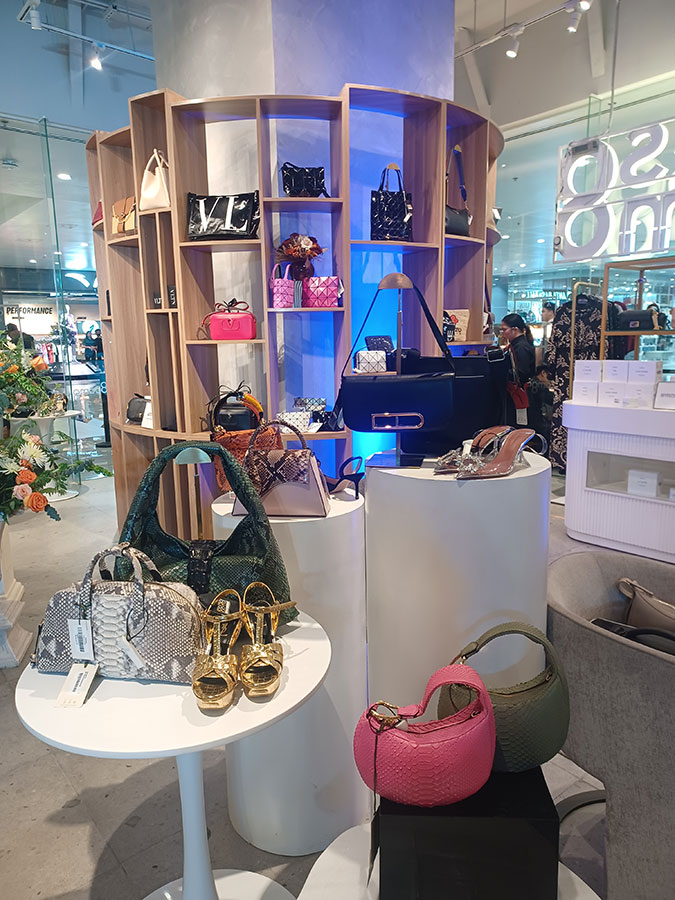
IN CELEBRATION of its first year in Makati’s One Ayala, premium bag and luxury item store Corso Como 88 is offering up-and-coming European brands — not available yet anywhere else in the Philippines — at sale prices.

Some of the brands shoppers can expect to find there are Gianni Chiarini, a leather bag brand from Florence, and Roberta Pieri, known for its Tuscan-made handbags. Along with new names are familiar ones like Prada, Gucci, and Valentino, as well as rarer finds like Biagini and Buti Pelletterie.

Another must-see part of the store is the perfume section, featuring Bottega Italiana Spigo 1920 (Bois 1920) and Acqua dell’Elba fragrances.

“We champion a lot of the brands which are made in Italy, not yet known in the Philippines, but growing already in the Asian market like Japan and China. For example, Buti and Biagini are already getting bigger in China. Gianni Chiarini is big in Japan,” Corso Como 88 founder Imelda Menguito-Sciandra told the press at the flagship store’s first anniversary event.

Located on the 3rd floor of One Ayala in Makati City, the store invites shoppers to browse the shelves for Italian bags, shoes, perfumes, and other luxury items. Ms. Scandria told BusinessWorld that, as the authorized distributor for these brands in the Philippines, there is a responsibility to bring in the best of the best.

“These are brands that have a level of craftsmanship and quality that make them worth introducing to the Filipino people,” she said.

While Corso Como 88 started with her and her husband buying bags in Europe for friends back home, the vision today is “to make these finds more accessible all over the Philippines.”

The store’s third branch, located in Vertis North, Quezon City, is under construction. Its second branch is in Ayala Malls the 30th in Pasig City.

PRE-OWNED
Celebrities Ruffa Gutierrez and Janine Gutierrez (they are aunt and niece) graced the One Ayala flagship store’s anniversary event. There, the two highlighted the sustainability aspect of fashion.

“The very first important or luxury pieces I ever had, mga minana ko lang (I inherited from family). That’s why when I spend on something, I want it to last to the point that I can share with siblings or future children. It’s all about sustainability, and making the most of what you spend,” the younger Gutierrez told the press.

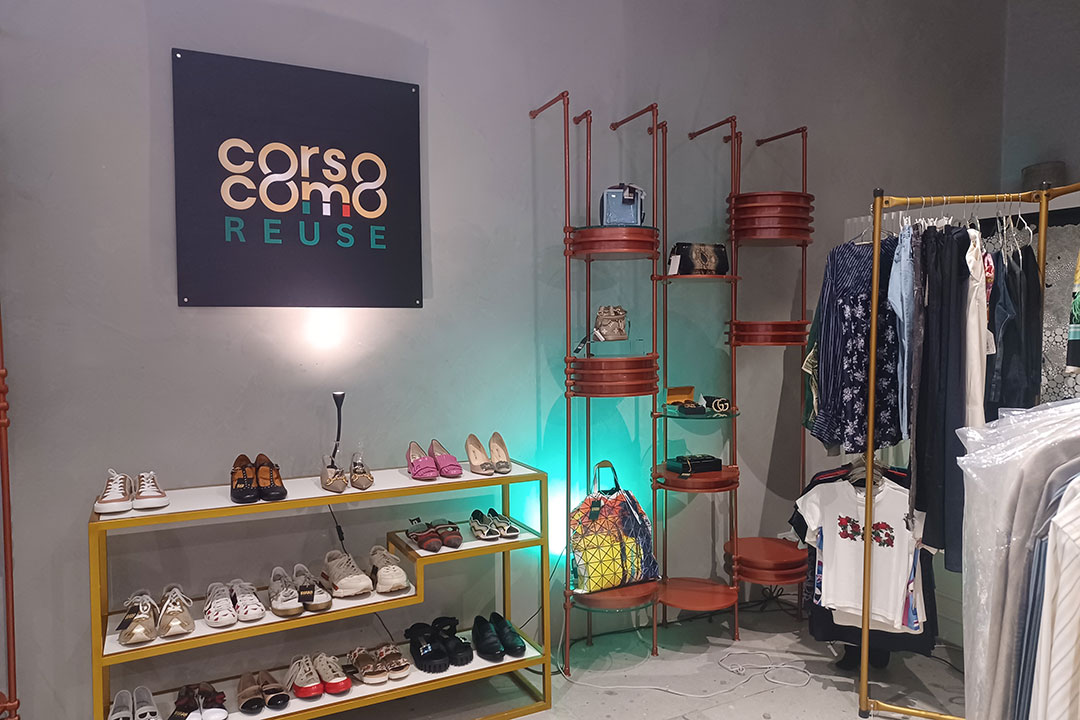
Corso Como 88 also has a Reuse section dedicated to pre-owned designer bags, shoes, and accessories. Ms. Scandria emphasized that these are “authentic, curated pieces that have been used but are still in good to great condition.”

These pre-loved items, along with the brand-new items on sale, can be found at the Corso Como 88 store in One Ayala, Makati City. Shoppers can also browse online via corsocomo88.com.Brontë H. Lacsamana

LTFRB: Cause of our traffic congestion

FREEPIK

The mission statement of the Land Transportation Franchising and Regulatory Board (LTFRB) states that LTFRB ensures that the commuting public has adequate, safe, convenient, environment-friendly, and dependable public land transportation services at reasonable rates through the implementation of land-based transportation policies, programs, and projects responsive to an investment-led and demand-driven industry.

In essence, the LTFRB determines the demand for public transport and then issues the necessary franchises to public transport operators who will then supply the necessary vehicles to meet the transport needs of the commuting public.

The issuance of franchises should therefore be determined by the number of public vehicles needed to meet the public demand for transport. Since the population of the Philippines has been growing, we would expect that the number of franchises issued by the LTFRB would also grow.


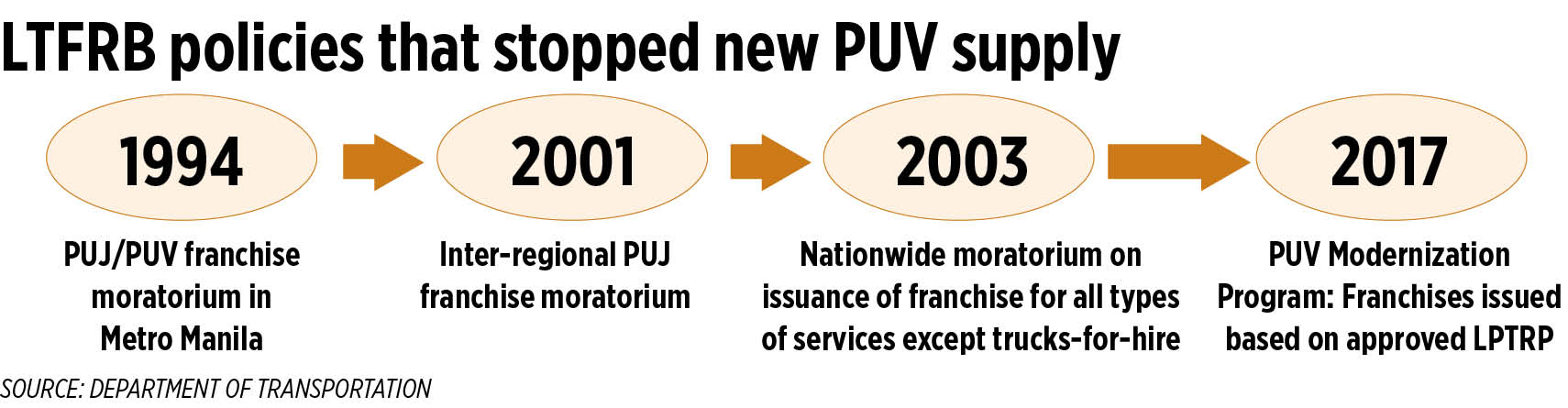
Unfortunately, as shown in the accompanying table, the LTFRB declared moratoriums on the issuance of franchises.


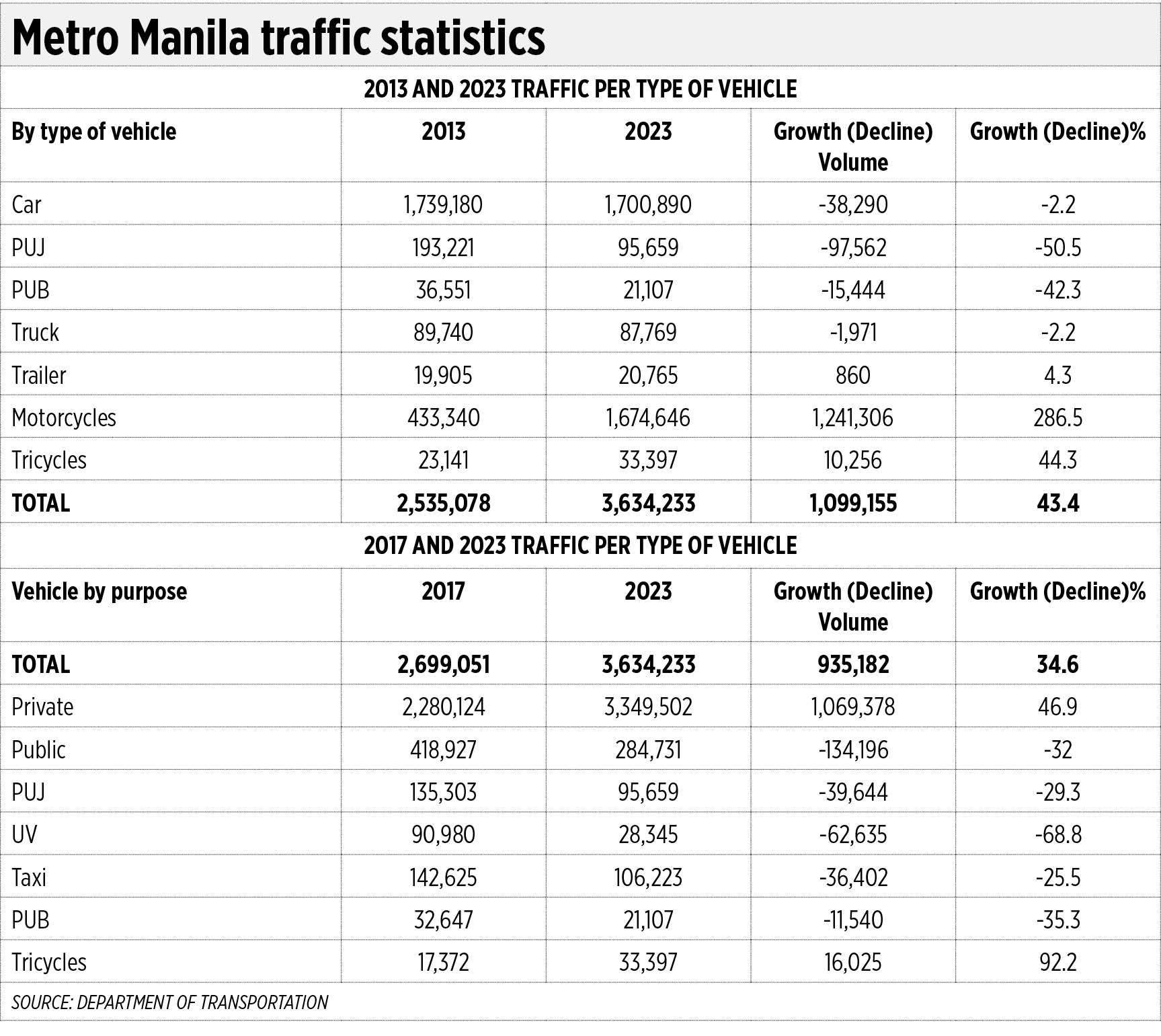
The net results of these policies has been a reduction in the service provided by the public utility jeepneys (PUJs) and buses (PUBs) in Metro Manila.The number of trips of the PUJs declined by 50% from 193,221 in 2013 to 95,659 in 2023 while the trips by the PUBs declined by 42% from 36,551 to 21,107.

Over-all trips by private vehicles increased from 2,280,124 trips in 2017 to 3,349,502 in 2023 or a 47% increase while trips by public vehicles declined from 418,927 in 2017 to 284,731 in 2023 or a 32% decrease. As private vehicles occupy the same space as jeepneys but carry only one or two passengers as opposed to eight to 10 passengers for a jeepney, the result is severe traffic congestion, all as a result of the catastrophic decisions of the LTFRB.

The most plausible explanation for the adverse actions of the LTFRB is “regulatory capture.” Regulatory capture occurs when the regulator, in this case the LTFRB, is captured by those organizations it is supposed to regulate, in this case the jeepney, bus, and motorcycle operators.

As a captured agency, the LTFRB serves the interest of the operators rather than the public, in this case, the commuters. Clearly by decreasing the franchises and so the public vehicles on the road, the LTFRB serves the interest of the operators since their vehicles will now be filled to overflowing with passengers, some hanging on for dear life. On the other hand, commuters want more franchises so there will be enough vehicles to meet their transport needs.

Lacking adequate public transport, some of our hapless commuters were forced to buy, usually on installment, motorcycles if they had to have any hope of reaching their destination on time. Thus, the trips by motorcycles increased from 433,340 in 2013 to 1,674,646 in 2023 for a staggering increase of 286%.

Despite this response from the commuting public, there is still the problem of commuters who could not afford to buy motorcycles. This was of no concern to LTFRB but was of great concern to the city mayors of Metro Manila.

They decided to provide the public service that the LTFRB appallingly neglected to provide. The cities of Caloocan, Malabon, Manila, Pasig, Taguig, and Valenzuela started operating public bus services.

In the case of Pasig, the Pasig Bus Service was started in 2015 to provide free shuttle services from Pasig City Hall to key drop-off points in the city of Pasig. Pasig City bought its own buses and hired its own drivers.

In the case of Quezon City, the Quezon City Bus Service was started in 2020 and has now 100 buses serving eight routes with the Quezon City Hall as hub. However, instead of providing the service itself, Quezon City subcontracted the operation to Philtranco, Genesis, and Saulog. The rides are also free.

The city governments had to offer the rides for free since they do not have franchises from the LTFRB. Without the franchise, they cannot operate as a regular bus service. This arrangement has created problems. In addition to the issue of sustainability, the city government is also accused of unfair competition by the private operators.

We argue that instead of trying to be operators regulated by the LTFRB, the city governments should lobby for legislation devolving the regulatory function of LTFRB to the local government units.

At present, the issuance of franchises for tricycle operators has already been devolved to the local governments. And they have handled this responsibility quite well.

Take the case of Siquijor town in Siquijor Province, a popular tourist destination where the principal means of public transportation is now by tricycles. The Sangguniang Bayan regulates the operation of tricycles and has organized their operation efficiently and effectively.

By the way, few are aware that the 60,000 motorcycle taxi drivers are now allowed to operate only because of a pilot test approved by Congress in June 2019, which is valid only until June of this year. And so, Congress has proposed a law regulating these motorcycles drivers. We suggest that under this proposed law, these motorcycle franchises be regulated by the local government units as with the tricycle franchises.

We suggest further that the present PD on LTFRB be amended so that the regulation of public land transport be devolved to the provincial, city, and municipal governments with the LTFRB regulating only the national public transport systems.

We make this proposal for the following reasons:

1.) Given their interest and information on the needs for public transport in their community, the LGUs are in the best position to be the regulator for local public transport franchises rather than the LTFRB.

2.) Given that the regulatory powers will be diffused from one centralized agency to numerous LGUs, regulatory capture will be avoided; and,

3.) The LGUs can be held accountable when traffic congestion occurs in their locality. At present the critical role of the LTFRB in our present traffic congestion is not even realized by both our government officials and the commuting public.


Dr. Victor S. Limlingan is a retired professor of AIM and a fellow of the Foundation for Economic Freedom. He is presently chairman of Cristina Research Foundation, a public policy adviser and Regina Capital Development Corp., a member of the Philippine Stock Exchange.