Home Blog Page 6376

Yields on term deposits mixed ahead of Fed decision, Q4 GDP

REUTERS

YIELDS on the central bank’s term deposits were mixed ahead of the monetary policy signals from the US Federal Reserve and the release of fourth-quarter and full-year 2021 Philippine gross domestic product (GDP) data.

Total bids for the term deposit facility of the central bank reached P651.558 billion on Wednesday, going beyond the P550-billion offer but failing to beat the P703.29 billion in tenders last week.

Broken down, the seven-day deposits fetched bids amounting to P240.097 billion, higher than the P240 billion auctioned off by the central bank but lower than the P253.606 billion seen in the previous week’s auction.

Accepted rates for the tenor ranged from 1.665% to 2.25%, wider than the 1.6875% to 1.7375% band recorded last week. This caused the average rate to increase by 0.99 basis point (bp) to 1.7227% from 1.7128% previously.

Meanwhile, bids for the 14-day papers reached P411.461 billion, higher than the P310-billion offering but failing to beat the P449.684 billion seen the previous Wednesday.

Banks asked for yields ranging from 1.5% to 1.7175%, lower than the 1.695% to 1.7375% margin seen a week ago. With this, the average rate of the two-week term deposits dropped by 2.87 bps to 1.6972% from 1.7259% on Jan. 19.

The central bank has not auctioned 28-day term deposits for more than a year to give way to its weekly offerings of securities with the same tenor.

The term deposit facility (TDF) and the short-term securities are used by the BSP to gather excess liquidity in the financial system and to better guide market rates.

“TDF auction yields were mixed week on week before the Fed monetary policy-setting decision and the latest GDP data amid some shift to short-term tenors, with the latest decline in Treasury bill (T-bill) yields in anticipation for faster Fed rate hikes,” Rizal Commercial Banking Corp. Chief Economist Michael L. Ricafort said in a Viber message.

The Federal Market Open Committee is expected to announce its monetary policy stance overnight after its Tuesday to Wednesday review. The market will be waiting for signals related to its timetable on interest rate hikes.

The government made a full award of the T-bills it auctioned off on Monday as rates declined while investors await signals from the Fed.

The Bureau of the Treasury raised P15 billion as planned via the T-bills it auctioned off on Monday as total tenders reached P76.37 billion, more than five times the initial offer but slightly lower than the P77.68 billion in bids seen last week.

The 91-, 182-, and the 364-day T-bills were quoted at average yields that were lower by 18.2 bps (to 0.693%), 2 bps (1.0777%), and 0.5 bp (to 1.415%) from a week earlier.

Meanwhile, the Philippine Statistics Authority will release fourth-quarter and full-year 2021 GDP data on Thursday.

A BusinessWorld poll of 18 analysts last week yielded a median estimate of 6.5% for the fourth quarter, which could in turn bring the full-year growth to 5.3% for 2021.

If realized, the full-year growth estimate will be within the downgraded 5-5.5% target set by economic managers. It would also be a turnaround from the record 9.6% contraction in 2020, which was the worst in Southeast Asia.

Analysts said the more relaxed quarantine restrictions toward the end of the year spurred economic activity. — L.W.T. Noble

More Michelin stars given to HK restaurants

CHEF Barry Quek of Whey restaurant receiving news that he had been awarded by the Michelin Guide.

THE Michelin Guide Hong Kong Macau 2022 unveiled new additions to its list during a press conference streamed on Jan. 19. The Michelin Guide highlighted 71 restaurants in Hong Kong (HK) and 15 in Macau, 11 of which are new additions or have received additional stars.

The Michelin Guide was launched as a guide book by the tire company in 1904. In the 1930s, restaurants along the early motorways of France were awarded stars: one star for “a very good restaurant in its category,” two stars for “excellent cooking, worth a detour,” and three stars for “exceptional cuisine, worth a special journey.” The Michelin Guide and the star system then spread to the rest of the world (or at least, its most cosmopolitan cities).

The Guide arrived in Hong Kong and Macau and rated their restaurants in 2009. Gwendal Poullennec, International Director of the Michelin Guides said, “We have been glad to witness the evolution of their food scene for 14 years now.

“Together they represent the gastronomic diversity and excellence of Hong Kong and Macau: two cities that combine both culinary traditions with a deep sense of innovation.”

The new starred restaurants include Cantonese fine dining spot Yan Toh Heen and Italian restaurant Octavium, each receiving two Michelin stars. A statement from the Michelin Guide said that its inspectors praised Octavium for “its house-made artisanal pasta and degustation menu with a focus on seasonal produce.” They praised Yan Toh Heen for “for showcasing excellence in fine Cantonese cuisine through time-honored Chinese cooking techniques, top quality ingredients and modern presentations.” Both restaurants join others with two stars in the region.

The new one-starrers include restaurants Belon, Hansik Goo, IM Teppanyaki & Wine, Sushi Wadatsumi, and Whey. Four restaurants that had been recommended by the guide have been promoted to one-starrers, namely: Chaat, Mono, Seventh Sun, and Yong Fu.

Three-star awardees were also revealed during the press conference, showing the best of the best in the region. These included Caprice, L’Atelier de Joël Robuchon, Lung King Heen, 8 1/2 Otto e Mezzo – Bombana, T’Ang Court, Sushi Shikon, and Jade Dragon in Macau.

“We are fully aware of the challenges that 2021 brought to the hotel and restaurant industry; challenges that as we speak, continue to be of concern, but which all of you, chefs and restaurateurs, have been facing with determination, resiliency, and creativity,” said Mr. Poullenec. —  JLG

ADB plans to connect central banks through blockchain network

BW FILE PHOTO
THE ASIAN Development Bank is developing a prototype for cross-border transactions among monetary authorities in the region. — BW FILE PHOTO

THE ASIAN Development Bank (ADB) plans to connect central banks and securities depositories in Asia through a blockchain network, a move that is seen to improve the Philippines’ digital links to the region.

The ADB said it is developing a prototype for cross-border securities transactions among the Association of Southeast Asian Nations (ASEAN), Japan, China, and Korea, known as ASEAN+3.

“Directly connecting the institutions within a blockchain network could reduce both transaction costs and settlement risks — the possibility that securities are not exchanged within an agreed time frame,” the multilateral lender said in a news release on Wednesday.

Cross-border securities transactions are usually done through a global network of custodians and banks that have to go through the United States or Europe.

“As a result, intraregional transaction settlements in ASEAN+3 take at least 2 days, due to time differences as well as varying operating hours for markets within the same time zone,” the ADB said.

Securities and Exchange Commission Commissioner Kelvin Lester K. Lee said the network would be a welcome development for the Philippines, because it would minimize delays, costs, and the possibility of fraud.

“It would be a good large-scale use case for blockchain once it is up and running,” he said in an online message.

Josef Diy Singson, a portfolio manager at Buhawi Investment Management, said the lowering of transaction costs and reduction of delays for cross-border transactions would make the Philippines “more engaged with our peers.”

“These peers might actually have more sophisticated digital technologies,” he said, noting internet and infrastructure that make it easier for other Asian economies to transact.

“By incorporating blockchain, it at least allows us to somewhat get on that page of Web3, get on that page of development,” he said. Web3 refers to an online ecosystem based on the blockchain.

Mr. Singson said the move would also support the Philippines’ reputation as it signals openness to adopting blockchain, which could result in more business activity and foreign investment in the space.

As it adopts the network, the Bangko Sentral ng Pilipinas should ensure security to avoid risks of hacking, he added.

“As with any kind of new technology, there are bound to be birth pains, challenges in implementation and even challenges in terms of scaling it.”

The ADB said the project will be done over two phases, a designing phase set to end in March and a prototyping phase set for the second quarter.

“The results will be discussed with ASEAN+3 government officials and members of the Cross-Border Settlement Infrastructure Forum of the Asian Bond Markets Initiative, made up of central banks and securities depositories from across the region,” the bank said. — Jenina P. Ibañez

Duterte adviser, Aliw also get ABS-CBN channels

By Arjay L. Balinbin, Senior Reporter

THE National Telecommunications Commission (NTC) announced on Wednesday that it had also granted Sonshine Media Network International, the broadcasting arm of a church led by President Rodrigo R. Duterte’s spiritual adviser, Apollo C. Quiboloy, a provisional authority to operate a digital television (TV) broadcasting system in Mega Manila using Channel 43.

Channel 43 is where ABS-CBN used to air its TV Plus programs like Teleradyo, Jeepney TV, Yey!, Asianovela Channel, and CineMo, among others.

The regulator granted the same provisional authority to Aliw Broadcasting Corp., allowing it to use Channel 23, where ABS-CBN used to air its Sports+Action programs.

Aliw Broadcasting and Sonshine Media (Swara Sug Media Corp.) were second and third applicants, respectively, for an available digital TV frequency since 2007, the NTC said in a statement.

Founded by businessman Antonio L. Cabangon-Chua, Aliw Broadcasting currently operates Home Radio and DWIZ radio stations.

The NTC said late on Tuesday that it had initially awarded digital Channel 16 and analog Channel 2 to the Villar-linked Advanced Media Broadcasting System (AMBS), the first applicant that had been waiting for 16 years for an available TV frequency.

The Channel 2 assignment is only temporary as the analog shut-off is scheduled to take place in 2023.

In a phone interview, Deputy Commissioner Edgardo V. Cabarios said AMBS requested to also get the analog Channel 2 for simulcasting because “there are still many who cannot afford the set-top box for the digital TV.”

The House Committee on Legislative Franchises approved on Sept. 14, 2021 the sale, transfer or assignment of the controlling interest in AMBS to Planet Cable, Inc.

Through Planet Cable, the Villar-led Prime Asset Ventures, Inc.’s telecommunications subsidiary Streamtech Systems Technologies, Inc. offers internet service to homes and businesses.

The Villar-linked company’s takeover of the frequencies could lead to the return of duopoly in the broadcast industry, according to an analyst.

“Even when ABS-CBN was operating, television remained very concentrated, so at best, we’ll just be returning to the duopoly there was before,” Sonny A. Africa, executive director of think tank Ibon Foundation, said in a Facebook Messenger chat.

“Assuming that [the] Villar outfit will set up as many stations nationwide and have as expansive programs as ABS-CBN used to have, it’s just restoring the duopoly,” he added.

In a separate interview, Philippine Chamber of Commerce and Industry President George T. Barcelon said: “I’m surprised about the awards. Apparently, what we see is maybe this is the process itself that we’re undergoing without our knowledge.”

“I think it could be timely because we are heading into the national elections, and the campaign period starts Feb. 8,” he added.

Information and communications technology rights group Democracy.Net.Ph Co-Founder Pierre Tito Galla said in a messenger chat that the Villar group getting channels is “not an issue.”

“Make NTC transparent instead. ABS-CBN can request other channel assignment,” he noted.

He said the Philippine Congress should pass a law amending or repealing completely and replacing Act No. 3846, the Radio Control Law, which was enacted in 1931 and made effective in 1932.

“It is 90 years old, and we need a spectrum management framework suited to the 21st century,” Mr. Galla also noted.

Maria Ela L. Atienza, a political science professor at the University of the Philippines, said in an e-mailed reply to questions: “Aside from having family members in the two Houses of Congress and in the Cabinet, the Villars are known allies and supporters of the President. Quiboloy, of course, is a staunch supporter of the President.”

“These developments are indicative of the continuing bad practice of patronage, clientelistic and family politics in the Philippines and the dominance of oligarchs and business people close to Malacañang.

“It does not indicate good business climate, and therefore bad for investors who are being given the message that they have to show support for the political elite faction in power to get contracts and licenses. Of course, these developments are also bad for independent media groups who are supposed to hold people in power accountable,” Ms. Atienza added.

Asked how these developments will affect investor sentiment, American Chamber of Commerce of the Philippines Senior Advisor John Forbes said via e-mail: “Since foreign investors are not allowed to invest in media under a provision in the Philippine Constitution, this development will have no effect on such non-investment.”

But Terry L. Ridon, convenor of InfraWatchPH, said in a separate e-mail: “It diminishes the investment objectives of the amendments to the Public Service Act (PSA), as this action shows serious political risk on future investments in the Philippines.”

“We are still some distance knowing the exact language of the PSA (bill) with the bicam not even meeting yet,” Mr. Forbes said.

Mr. Ridon added that the way forward now is for the media entities to step back from the awarded frequencies and wait for a new government to provide fresh mandates on the ABS-CBN question.

“This is most pressing on AMBS, which is owned by the Villar family, as they have a family member running for the Senate, and also served in the Duterte cabinet as public works chief,” he said.

“The public would like to see whether the Villars will recuse themselves from this award, as this is a question that will always be raised to Mark Villar during the senatorial campaign.”

Ibon Foundation’s Mr. Africa said: “The frequencies going to Manny Villar are extremely disturbing if this is used to build a media giant like ABS-CBN and especially if the Marcos-Duterte tandem succeeds in taking the May 2022 elections.”

“Only those few big business interests closest to power, privileged by their connections, and protected from harassment will be at ease,” he added.

BusinessWorld tried to reach out to the Villar group to take its side.

When asked to respond to criticisms of the NTC’s move, Mr. Cabarios said: “It so happened kasi na itong (that this) Advanced Media requested sa (in) Congress for the change of controling interest. Planet Cable (owned by the Villar group) bought into Advanced Media gaining controlling interest and Congress approved the resolution.”

Una kasi ‘yan eh na nag-apply noon at nag-antay ng matagal, so 16 years na naghintay ‘yan at nagkaroon na ng bakante, so tinignan ‘yung mga applicants, eh una siya,” he added.

(It’s the first to apply back then and waited for so long, so it waited for 16 years and when a frequency became available, the applicants were reviewed, and it’s the one ahead.)

Starting the Chinese New Year right

THERE is no better way to get the Year of the Tiger to a roaring start on Feb. 1 than with the right food. Hotels, restaurants, bakeries are offering everything from lauriats to bento boxes, tikoy to egg rolls, even brandy and coffee makers in order for people to start the year deliciously. Here are some of the offers.

THE PEN’S CHINESE NEW YEAR BENTO BOX
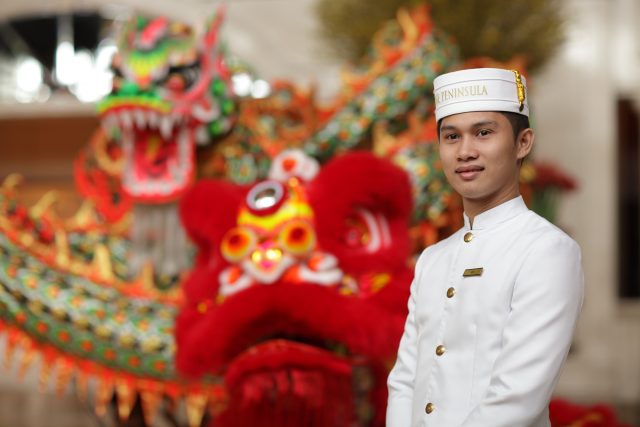
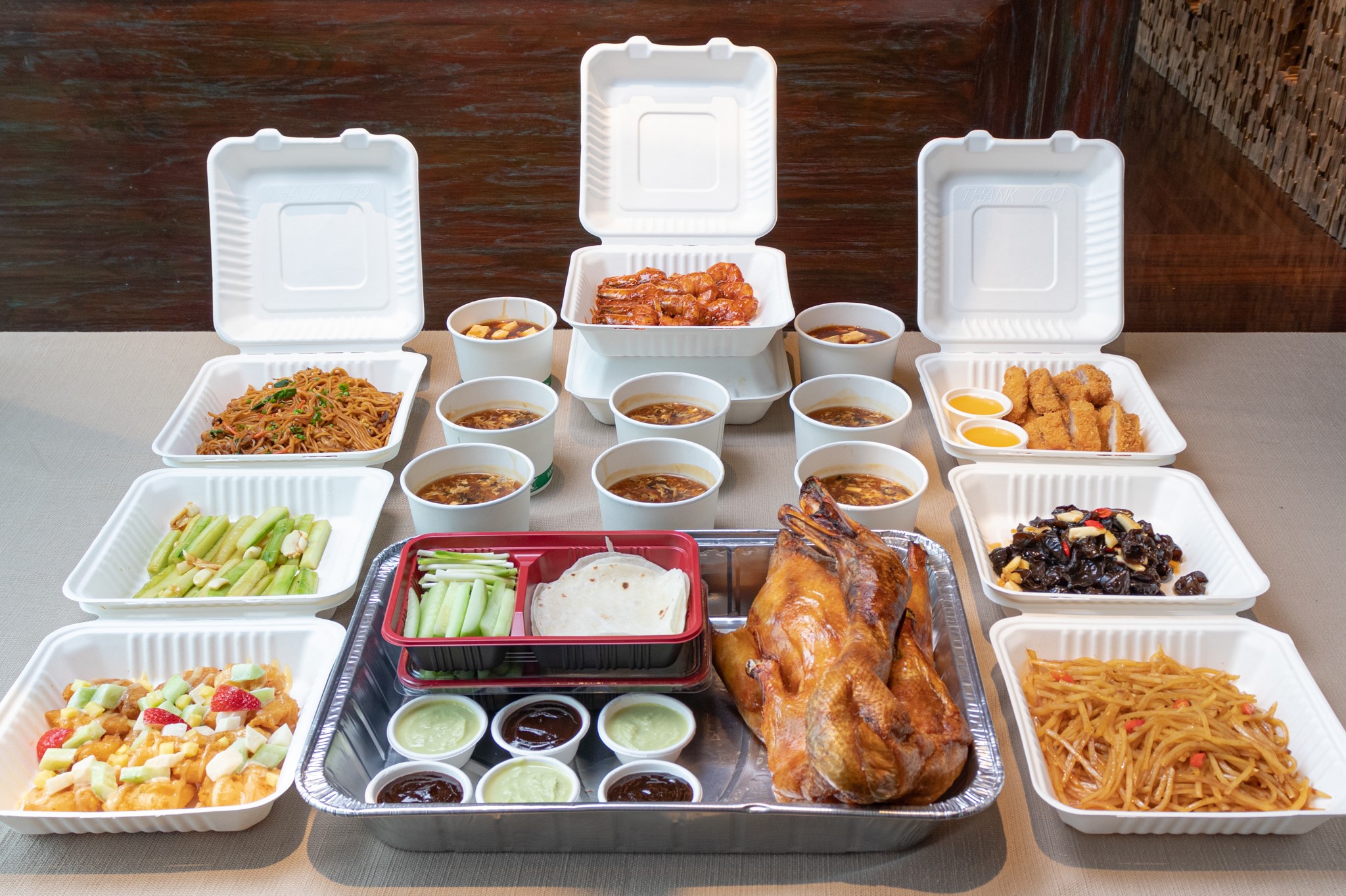
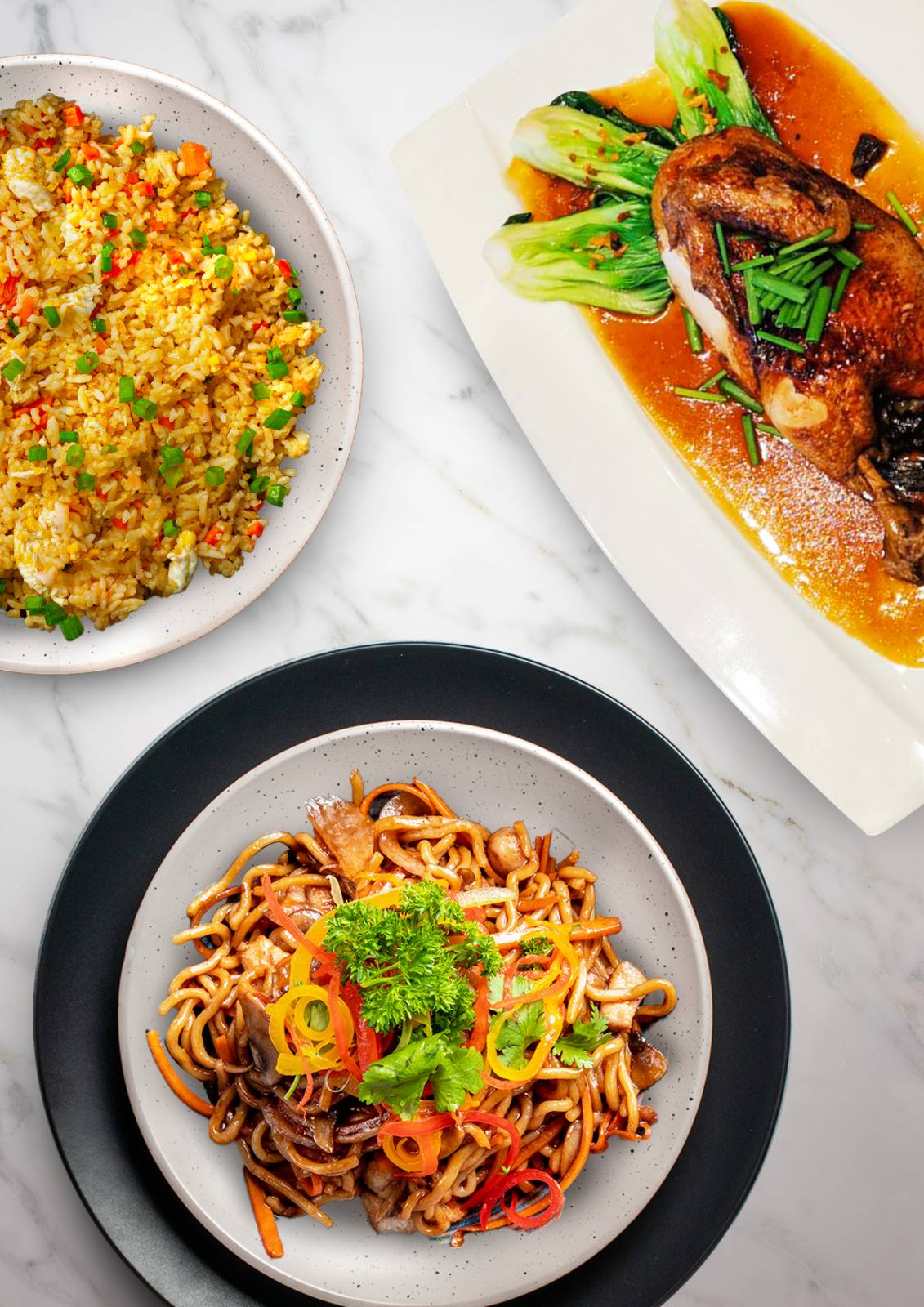
Usually for those who celebrate Chinese New Year, it’s one of the biggest nights of the year and tends to involve celebrating in large groups and eating a lot of food. However, just like practically everything over the past year, 2022’s Chinese New Year celebrations are going to be rather different from normal, thanks to the current lockdown. But that doesn’t mean that people can’t celebrate. The Peninsula Manila has found a way to work around the COVID restrictions by coming up with two Chinese New Year bento box meal kits for takeout. The “Celestial Dragon” Bento Box is filled with Pork and kuchay dumplings, Stir-fried noodles with chicken char siu, Steamed ginger and soy mahi-mahi with mixed mushrooms and bok choy, and Pandan mantou, while the “Guardian Lion” Bento Box contains Shrimp dumplings, Yang Chow fried rice with BBQ pork, Stir-fried beef tenderloin, steamed broccoli, soy-garlic sauce, and Red bean paste sesame balls. They are priced at P1,388 each or P2,688, buy one/take one. Prices are inclusive of VAT and applicable local taxes. The Chinese New Year takeout bento boxes are available from Feb. 1 to 7. For guests’ safety as well as that of hotel staff, all payments must be made using GCash, online or over the phone. Orders will be picked up by the curbside of The Peninsula Manila driveway. For inquiries, orders, and reservations, call The Peninsula Boutique at 8887-2888, mobile 0917-557-8014, or e-mail diningpmn@peninsula.com.

HAMPERS, MEALS, AND TIKOY AT NEW WORLD
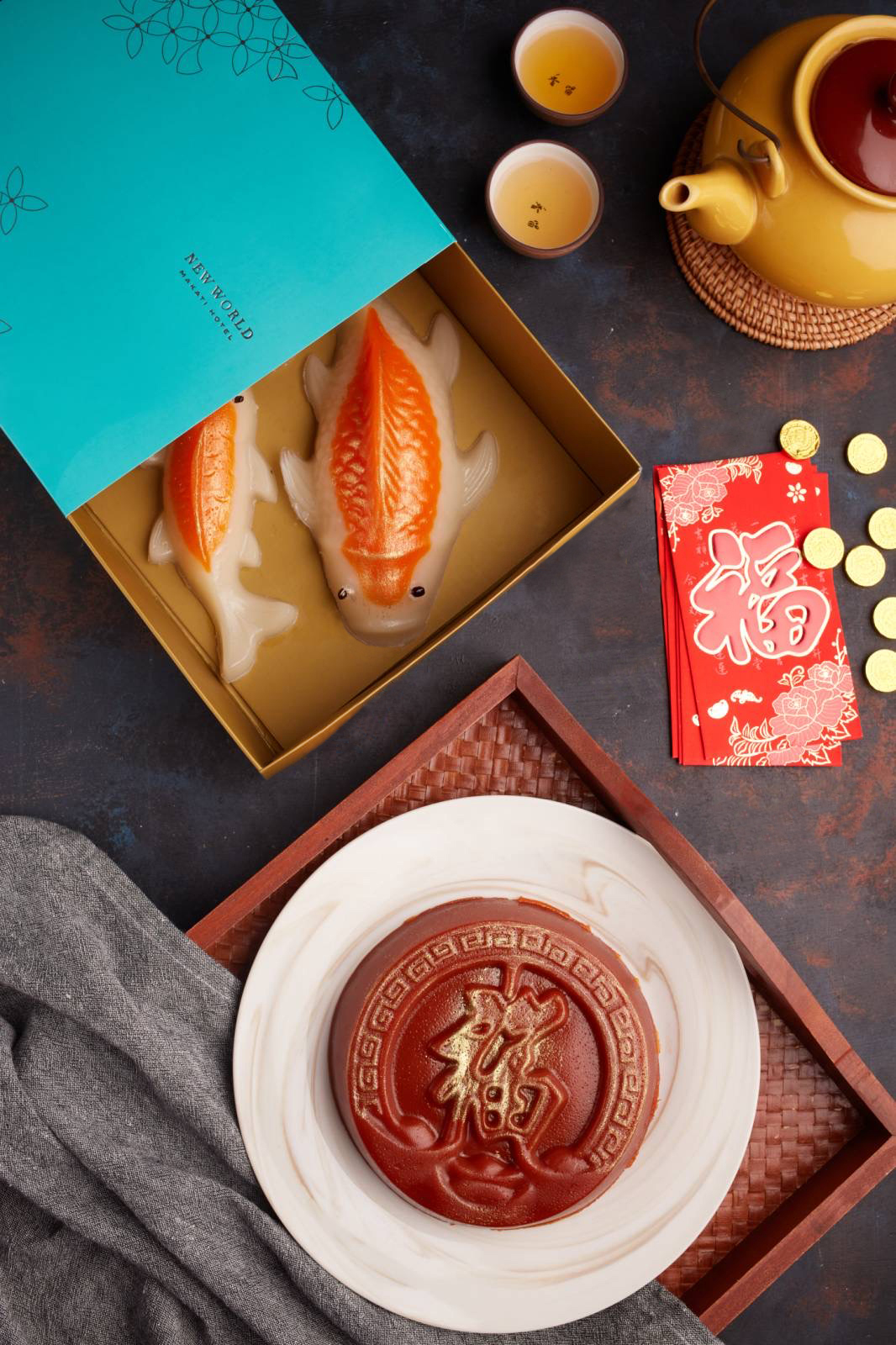
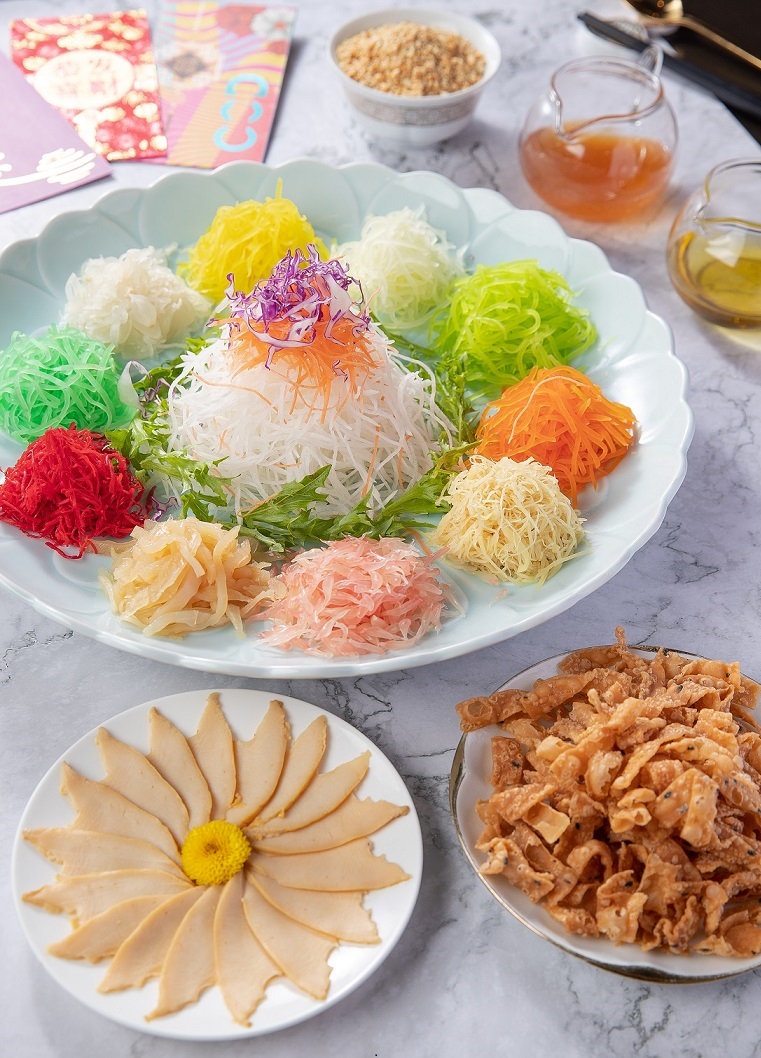
To set the Year of the Tiger off right, New World Makati Hotel has series of offers including a room package, dining experiences, and activities to share with family and friends. An appropriate gift is Jasmine’s best-selling handcrafted nian gao (tikoy), which come in the koi fish and classic round shapes encased in a turquoise and gold box. They are priced at P1,088 and P988 net, respectively. Bulk orders get a 20% discount with a minimum of 50 boxes and Club Epicure members receive a 10% discount. Meanwhile, The Shop offers a tangy and sweet combination in the Mandarin Orange Chocolate Cake, inspired by and shaped after the lucky gold coin, and made with white chocolate mousse, mandarin oranges, and a hint of cinnamon. The Mandarin Orange Chocolate Cake is P1,388 net. A 48-hour lead time for orders is needed. Then there is the hotel’s Chinese New Year hamper, The Prosperity Box. It includes items that can be used for Chinese New Year celebrations and more such as dried scallops, dried black mushrooms, Chinese sausage, Jasmine’s XO chili sauce, Sweetened cashew nuts, salted espresso cookies, fortune cookies, and a bottle of wine. The hamper is priced at P8,800 net. Orders must be placed 48 hours in advance. The hamper is available until Feb. 12. Jasmine highlights its premium Chinese cuisine in two set menus to celebrate the Lunar New Year celebrations, with dishes that signify prosperity, longevity and happiness for the coming year. Among the many dishes in Set Menu 1 is the Salmon Yu Sheng salad, also known as the Prosperity Salad, Imperial Peking duck two ways, Pan-fried garoupa fillet with chili, garlic and coconut sauce, and Wok-fried beef tenderloin in XO sauce. Set Menu 2 also begins with the Prosperity Salad and features the Suckling pig barbecued combination platter, Wok-fried scallops with chicken and XO chili sauce, Deep-fried spare ribs with crispy garlic and Stir-fried noodle with beef fillet and bean sprout, among others dishes. An a la carte selection of best-selling items will also be available under the Chef’s Recommendations menu. Jasmine’s all-you-can-eat dim sum will be on offer as well. Set Menus 1 and 2 are offered at P8,888 net per table of four guests. Vegetarian set menus are also available. All-You-Can Eat Dim Sum is priced at P1,688 net per person. For those who would rather mark the occasion at home, there is the Celebrations at Home package for a minimum of 10 guests. The package consists of 10 of Jasmine’s signature dishes including Imperial Peking duck, Braised abalone mushroom with shiitake mushroom and premium oyster sauce, Wok-fried shrimp with pacific clam and broccoli, and Fried garoupa fillet with chili and coconut sauce, as well as desserts and Jasmine or oolong tea. Celebrations at Home is ideal for 10 guests and starts at P25,888 net. Gatherings to welcome the Lunar New Year are also made possible with comprehensive Celebrations Packages that include Chinese banquet menus for 50 guests or more, venue use for five hours, one round of select beverages for all guests, five complimentary boxes of nian gao, as well as audio and video set up. Celebrations packages start at P91,888 net for 50 guests. For inquiries and reservations, guests can call 8811-6888 or e-mail events.manila@newworldhotels.com.

CROWN PLAZA’S TIKOY
Crowne Plaza’s Xin Tian Di Restaurant welcomes the Year of the Water Tiger with special menu offerings. Send your wishes of prosperity and good health with its festive nian gao (tikoy) for P1,728 net per box. The restaurant also has Yu Sheng Offerings, with rates starting at P988++. Available for dine-in and take out for orders Contact Xin Tian Di at 8790-3100, or send a Viber message to 0998-840-2141, or e-mail mnlcp.xintiandi@ihg.co.

AUSPICIOUS OFFERS AT CRYSTAL DRAGON, NOBU MANILA
In celebration of Chinese New Year, auspicious offers await diners at City of Dreams Manila’s award-winning restaurants Crystal Dragon and Nobu Manila. To welcome the Year of the Water Tiger, the two restaurants highlight bountiful feasts of Cantonese cuisine and regional Chinese specialties, and new-style Japanese cuisine, respectively, for fully vaccinated diners. Diners can look forward to Crystal Dragon’s Lunar New Year ala carte menu that is currently offered until Feb. 6. The menu consists of dishes that symbolize good fortune, abundance, and happiness, highlighted by Crystal Dragon’s rendition of the Yu Sheng or Prosperity salad, popular Chinese New Year fare.  Also on the special Lunar New Year menu are dishes to augur good fortune like Braised dried oysters, sea cucumber, duo mushrooms in supreme soy sauce with broccoli; Steamed live grouper in sour broth with white shimeji mushrooms; and Crispy roasted duck marinated in truffle sauce. Located on the upper ground of Nüwa Manila, Crystal Dragon is open from noon to 11 p.m. Meanwhile, guests can ring in the Year of the Tiger with Nobu Manila’s Chinese New Year ala carte menu, which is offered for the whole month of February. The restaurant at Nobu Hotel provides an al fresco dining experience at the open-air floating cabanas. The restaurant is open Sunday to Thursday from 5 to 10 p.m., and until 11 p.m. on Friday and Saturday. Reservations are encouraged, through calling 8800-8080 or e-mailing guestservices@cod-manila.com. For more information, visit www.cityofdreamsmanila.com.

DINING OFFERS AT GRAND HYATT MANILA
Kick off the auspicious Year of the Water Tiger with feasts and treats at Grand Hyatt Manila. Celebrate in a safe and comfortable environment with families and friends at No. 8 China House and feast on authentic Chinese specialties in its Chinese New Year set menus, starting at P12,880 nett for four persons. The restaurant’s seven private dining rooms can accommodate families or groups ranging from four to 22 persons. Guests may view the special menus at bit.ly/GHMCNY2022, available until Feb. 1. Those opting to celebrate at home can dine on the Chinese gourmet sets available for takeaway through the hotel’s Dine at Home. Get a complimentary rectangular nian gao when ordering Chinese Set Menu A. Visit bit.ly/DineAtHomeGHM to view and order the set menus. Share the gift of good fortune and send prosperity greetings with the hotel’s signature nian gao, which comes in gift boxes. It is available at Florentine, No. 8 China House, and through Dine at Home until Feb. 1. For inquiries and reservations, call 8838-1234 or e-mail sea.reservations@hyatt.com.

DINING OFFERS THROUGHOUT RWM
Lifestyle and entertainment destination Resorts World Manila (RWM) has a list of dining offers to let prosperity roar for the entire year. RWM signature restaurant Happy 9 at the Garden Wing offers a Roaring Feast, a six-course set menu highlighted by Pan fried abalone with French goose liver. The special menu is a dine-in exclusive for P5,288 nett per person available until Feb. 10. The Victoria Harbour Cafe at the Garden Wing has prepared a Superior steamed pompano to bring abundance for diners. The restaurant’s menu also features a Hearty herbal ribs soup and Hot taro bubbles. These specials are available for dine-in, takeout, or delivery until Feb. 12. Over at the Grand Wing, Silk Road Specials for the Lunar New Year include Wonton chicken soup, Chicken and chorizo rice bowl, and a Tikoy Treat. Silk Road’s special menu is available until Feb. 12. These RWM signature outlets have also curated a Chinese New Year Box of Cantonese classics Lo Mai Kai and Custard Bun for P488 nett. The box is available at Happy 9, Victoria Harbour Cafe, and Silk Road until Feb. 10. The international hotel brands within RWM have also prepared Lunar New Year feasts. At Marriott Hotel Manila, a traditional Poon Choi feast with layers of seafood, meat, and vegetables bathed in rich broth good for a group of five is available for P8,888 nett. Families can further celebrate with a Lo Hei Prosperity Toss Salad and gift each other a Tikoy for Harmony set. Have “Good Luck Delivered” with all these Lunar New Year treats available until Feb. 1 at Man Ho at the Marriott West Wing. For orders and inquiries, call 0917-823-8692. At the Sheraton Manila Hotel, specialty Chinese New Year Takeaway sets are available for families who are celebrating at home. Oori’s King Crab Set is good for up to six persons (P33,888 net), and S Kitchen’s Lobster Set is for up to four people (P18,888 nett). Bring the takeaway sets home until Feb. 1 through pick-up and takeaway or delivery. For orders and inquiries, call 0917-859-7496. Hilton Manila’s Hua Yuan Brasserie Chinoise there are set menus fit for groups of four. The Prosperity Set is priced at P11,888 nett, and a Premium Prosperity Set is P22,888 net. These offers are available until Feb. 13. Hilton Manila’s Chinese New Year Hampers and nian gao are available until Feb. 14. For more information on RWM’s Lunar New Year offers, visit www.rwmanila.com and follow @rwmanila on Facebook and Twitter, and @resortsworldmanila Instagram.

CONRAD MANILA OFFERS FESTIVE CUISINE AND NIAN GAO
Conrad Manila welcomes the Year of the Water Tiger with offerings such as the traditional Yee Sang Prosperity Toss, colorful Nian Gao Treasures and a set menu at China Blue by Jereme Leung. China Blue offers a selection of traditional favorites such as: Braised Money bag of minced beef with fish lips and spring onions gong chai soup and Braised Abalone, stuffed fish maw and dry oyster in superior egg white dry scallop sauce, among others, available a la carte or in a set menu for 10 persons or more. It also offers Yee Sang, Suckling pig, and a Dim sum platter which are available for pre-order and takeaway through its E-store, http://bit.ly/conradestore. Guests can bring home a box of nian gao, available in four flavors (Traditional brown sugar, Tropical coconut, Red bean, and Sweet lemon) and presented in delicately crafted boxes. Each nian gao is shaped as a koi fish or mini gold bars to represent good fortune. The Nian Gao Treasures are priced at P1,888 per box of six and are available for pre-order and takeaway. For reservations and inquiries, call 8833-9999 or e-mail conradmanila@conradhotels.com.

PANCITERIA SAN JACINTO OFFERS AUSPICIOUS DISHES
Panciteria San Jacinto, a family restaurant which first opened in the 1800s in Binondo, is beloved through generations of customers for its classic Chinatown cuisine. Now operating as a cloud kitchen based in Scout Lozano, Quezon City, it serves dishes that are perfect for a roaring welcome into the Year of the Tiger. Among its offerings are Camaron Rebosado, Lumpiang Shanghai, Pancit Canton, Fried Soy Chicken, San Jacinto Soup, Stuffed Bean Curd, Sweet and Sour Fish, San Jacinto Signature Asado. Visit the Panciteria San Jacinto website www.panciteriasanjacinto.com to view its full menu and follow its official social media pages to get the latest updates (Facebook: www.facebook.com/panciteriasanjacinto, Instagram: @panciteriasanjacinto).

SAVOY OFFERS A LAURIAT
Savoy Hotel Manila greets the Year of the Tiger at its all-day dining restaurant, Savoy Café, on Feb. 1, with a lauriat lunch from noon to 2 p.m. For P1,300, indulge in a feast good for four persons that consist of mushroom soup, Yang Chow fried rice, Stir fry noodles, Chinese-style fried chicken, and fresh fruit slices. The meal can be enjoyed at home by calling or e-mailing Savoy Cafe at least two days prior to Feb. 1. Dessert for delivery orders is Mango Sago. Savoy’s drink of the month is White Sangria, a mix of chardonnay, brandy, orange juice, Sprite and syrup has just the right amount of sweetness and kick for an afternoon drink. The hotel’s cakes of the month are Blushing Strawberry, a chiffon cake with layers of fresh strawberries and whipped cream, and Triple Chocolate Surprise which has dark, milk and white pure chocolate mousse. For more details and for restaurant reservations at Savoy Café, call 5317-2888 or e-mail dine@savoymanila.com.

HONG KONG MX TREATS AVAILABLE IN PHL
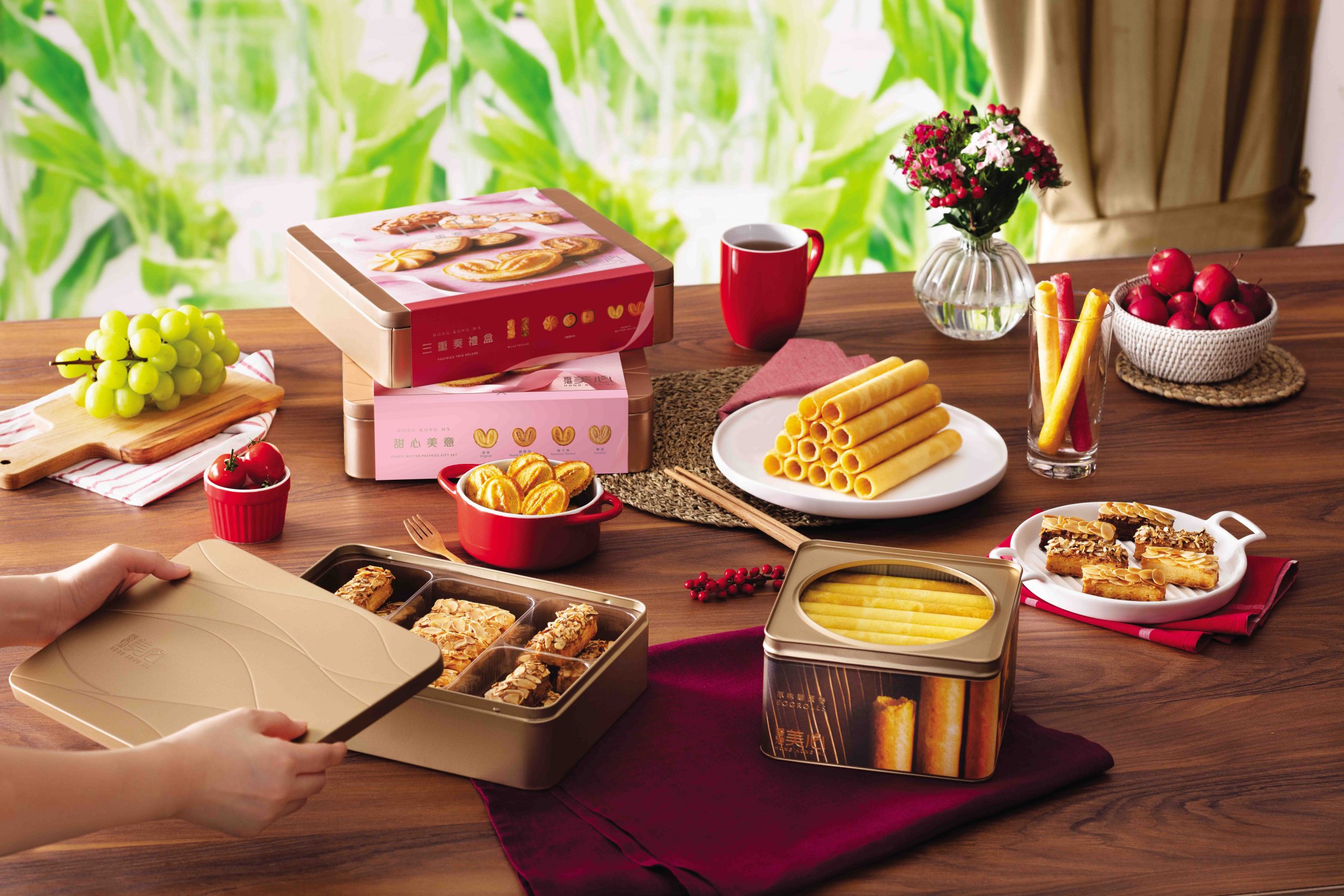
Hong Kong MX creates a variety of pastries for special occasions, including Chinese New Year. Egg rolls, rich butter pastries, almond mille-feuilles, hazelnut cookies, and other varieties of cookie gift boxes are prepared and include a delectable surprise in each box. There is even a limited-edition Sanrio Collection — the Hong Kong MX Hello Kitty tin in red, containing 12 mini–Almond Mille Feuille (original), and the Hong Kong MX Sanrio, a pink tin featring various Santio Characters, containing 16 pcs tiny Hearty Butter cookies (original). These Hong Kong-made treats are available in the Philippines through Double Down Import Export Inc. Visit https://doubledownimportexportinc.storehub.me for more details. The products are available through a number of channels including Facebook (Hong Kong MX Products Philippines), Instagram (@hkmxproductsph), Lazada and Shopee (Hong Kong MX Products Phils), through GrabFood (Hong Kong MX Bakery, multiple locations), Pickaroo/MetroMart (Hong Kong MX, multiple locations), at select Rustan’s Supermarket and Robinsons Supermarket Branches, and select Daiso Stores. HongKong MX also has pop-up stores at SM Mall of Asia, Greenhills V-Mall, Eastwood Mall, SM Aura, and Ayala Cloverleaf. There are currently promos on the official website.

RÉMY MARTIN COGNACS FOR A TIGER
People born in the Year of the Tiger are said to possess courage, competitiveness, unpredictability, and confidence — characteristics that are also embodied by the iconic Centaur representing Rémy Martin. The maker of some of the finest champagne cognacs introduces the Centaur Odyssey limited edition Rémy Martin XO, lavish spirits to level up the new year celebration with grandeur and good fortune. Gift-giving is an act of respect and gratefulness and a way to wish friends and loved ones’ good fortune. Apart from hóngbāo or ampao, surprise them with Rémy Martin XO, a gift adorned with a fully decorated coffret that opens like a treasure chest. The intricately designed box narrates the odyssey of the centaur and unveils the decanter, specially decorated with eye-catching colors at the center. Rémy Martin XO Red, Rémy Martin VSOP, and Rémy Martin Club are available at liquor shops and supermarkets nationwide. For more information, visit www.remymartin.com or scan the QR code below:

START THE YEAR WITH NESPRESSO
Begin the Year of the Tiger with a good cup of coffee. Surprise family and friends with simple-to-use yet innovative machines and Shanghai Lungo sleeves from Nespresso’s Chinese New Year offerings. The unique flavor of Shanghai Lungo from Nespresso’s World Explorations collection is crafted from Kenyan, Chinese, and Indonesian Arabicas. Roasted in two fast and light splits, the distinctive light-roast blend guarantees a balanced taste marked by precision and delicacy with fine acidity, while boasting aromatic notes of oranges, peach, and red fruit. An abundant New Year awaits with Nespresso’s promotions running from Jan. 29 to Feb. 13 (not applicable in conjunction with any other discounts and promotions). Avail them at Nespresso boutiques in Power Plant Mall, The Podium, and Robinsons Magnolia; pop-up stores in Greenbelt 5, One Bonifacio High Street Mall, Shangri-La Mall, TriNoma, Alabang Town Center, SM Mall of Asia, SM Aura, and Lucky Chinatown Mall; and at www.nespresso.ph. For every in-store or online purchase of a stand-alone Nespresso machine or machine and Aeroccino 3 bundle, along with one sleeve of Shanghai Lungo, customers get a complimentary two-piece View Lungo Cup. In addition, customers at Nespresso boutiques and pop-up stores will receive festive red envelopes, each containing P500-worth of gift certificates that are redeemable for discounts on select accessories at Nespresso retail stores until March 31. Each purchase of the Chinese New Year 10-sleeve pack in-store or online entitles patrons to a complimentary View Espresso Cup.

CELEBRATE CHINESE NEW YEAR WITH KEE WAH BAKERY
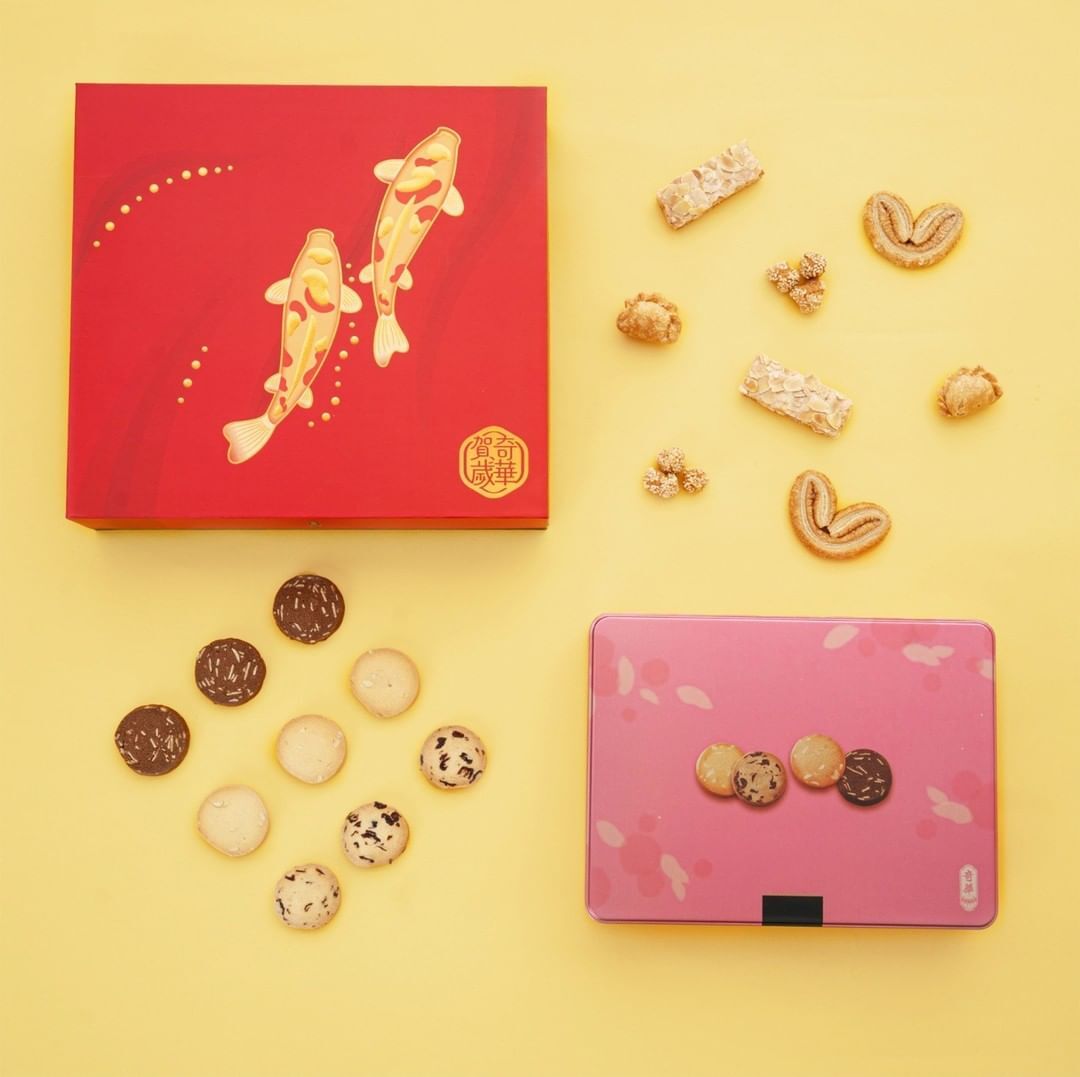
FOR CHINESE New Year, Kee Wah Bakery Philippines has introduced a series of special high-quality Chinese New Year biscuits, pastries, and snacks. Kee Wah Bakery is one of the most popular bakeries in Hong Kong, which has been creating the best quality heritage biscuits, pastries and snacks for over 80 years. Among the many items available this year is Chinese New Year Rice Pudding (a family recipe passed down from the founder’s mother) in six variants: original, low sugar, coconut flavor, almond flavor, ginger flavor and red dates flavor, with prices ranging from P950 for 635 gm to P1,295 for 1 kg. There are also Assorted Snacks Gift Box with prices ranging from P1,395 to P2,300. These include the Assorted Cookies Gift Box (P995) containing 27 cookies in three assorted flavors (Butter cookies with Cashew, Butter Cookies with Cranberry, Butter cookies with Almond Chocolate); the Almond Crisps and Palmiers gift box containing two of the bakery’s best-selling pastries in one tin (eight Almond Crisps and nine buttery puff pastry Palmiers) for this season for P995. Also available for gifting are tins of the popular egg roll. The bakery’s egg rolls come in six flavors — Butter, Coconut, Seaweed, Coffee, Black Sesame, and Ginger. Assorted mini egg roll flavors are available in one tin for P875, while regular sized flavored egg rolls in individual tin are P990. Then there are the Mini Transportation Cookies Gift Sets, filled with 12 animal-shaped cookies (panda, penguin, and koala). The tins, which come in three designs (Ferry, Bus and Tram), cost P695. The animal cookies featured in the transportation gift tin are also available individually: Panda Tin can (18 pcs), Penguin Cookie Tin Can (18 pcs) and Koala Cookies Tin Can (18 pcs) at P895. A 12-piece set of Panda cookies is also available for P495. Chinese New Year Hampers will be available at Kee Wah Bakery Philippines branches: The Podium, The Power Plant Mall, Robinsons Magnolia, SM North Edsa, and on Kee Wah Bakery Philippines’ official social media accounts. Starting at P1,000 the hampers include assorted Kee Wah Bakery items. Kee Wah Bakery Philippines is currently accepting pre-order and customization for its Holiday hampers. Customers can customize the contents of these baskets by calling the customer hotline at 0968-228-8530 or messaging the official social media accounts. Delivery within Metro Manila is free for a minimum P2,000 order. All Kee Wah Bakery products are all produced and imported from Hong Kong.


Half of local job posts offer increased pay, says JobStreet

By Revin Mikhael D. Ochave, Reporter

ALMOST HALF of the job posts across 22 industries in the Philippines have offered increased pay as of September last year, according to a salary report released by online job portal JobStreet.

During a virtual briefing on Wednesday, JobStreet Philippines Country Manager Philip A. Gioca said data gathered between the first and third quarter of 2021 showed that 49.7% of job posts in the online job platform offered higher compensation.

In contrast, 35.9% of job posts offered lower pay while 14.4% had no change during the period, he said.

Mr. Gioca also noted that there was an average salary growth of 22.9% across all companies during the period, which he said was an indication that the Philippines is heading toward recovery.

According to the report, the top industries that showed pay increases in 2021 were companies involved in education at 67%, followed by public service at 64%, social services at 52%, and electrical/electronics at 50%.

Other industries that had pay increases were computer/information technology at 48%, marketing/advertising at 48%, telecommunications at 48%, healthcare at 48%, construction and building at 47%, and communication service at 46%.

“The report aimed to provide candidates with information and insights to manage their salary expectations and to help improve their career planning, while also assisting employers in making strategic hiring offers and decisions,” Mr. Gioca said.

Mr. Gioca said the report also showed higher salary offers were observed for job seekers specializing in education/training at 65% increase, computer/IT at 50% increase, administration and human resources at 54% increase, healthcare at 57% increase, and manufacturing at 49%.

Meanwhile, he disclosed that lower salary offers were seen for companies involved in call center/IT-enabled services/business process outsourcing (BPO) at 46%, property and real estate at 45%, consumer goods at 44%, banking and finance at 42%, and oil and gas at 41%.

“The pandemic has had a huge impact in the labor market in the past couple of years. This also made the competition for quality talents steep among hirers, causing employers to make adjustments to their offerings, policies, and work environment,” Mr. Gioca said.

For job offers by companies in the National Capital Region, JobStreet Senior Sales Manager Ryan C. Tordesillas said 16 industries including public service, science and technology, legal, beauty, and human resources had pay increases during the first nine months of 2021.

Further, the report showed that salary increases were also recorded in provincial areas such as in Angeles City, Iloilo City, Calamba City, Bulacan, and Cavite.

Mr. Tordesillas recommended job seekers to consider upskilling to in-demand jobs amid the coronavirus disease 2019 (COVID-19) pandemic.

“Salary is just one factor when it comes to career planning. We recommend candidates to ask their potential employers about other items like benefits and company culture. It also pays to explore new skills relevant in specializations and/or industries with stable or rising pay,” Mr. Tordesillas said.

For 2022, Mr. Gioca said the trend of higher salary offers will continue as private firms and BPOs have started to reopen many of their sites at full capacity despite the Omicron variant.

He added that the country is currently at 75% in terms of job conditions compared to pre-pandemic levels.

“There are many opportunities that came out from this pandemic. Digitalization is one. We are now doing the majority of our transactions on a personal and business sense on digital platforms,” Mr. Gioca said.

BSP to ensure ample liquidity, banking system’s stability

BW FILE PHOTO

THE CENTRAL BANK will ensure ample liquidity and the stability of the banking system through its policy actions, an official said.

“On the monetary policy side, we need to hold firm. We need to ensure that liquidity continues and the banking system is safe,” Monetary Board member V. Bruce J. Tolentino said at a lecture held during the virtual signing of a memorandum of agreement for a research partnership among the Bangko Sentral ng Pilipinas (BSP), the Ateneo de Manila University, and the University of the Philippines Diliman.

He said the central bank will also looking at ways to address supply issues that caused elevated inflation.

Inflation last year averaged 4.5%, higher than the 2.6% in 2020 and above the 2-4% target of the central bank.

For 2022 and 2023, the central bank expects inflation to stay within target at 3.4% and 3.2%, respectively.

The BSP kept benchmark interest rates at record lows in 2021, citing the need to support the economy amid new coronavirus disease 2019 variants.

BSP Governor Benjamin E. Diokno has said they are unlikely to adjust borrowing costs in the first semester as they want to see at least four to six consecutive quarters of growth before any policy moves.

The Monetary Board will have its first policy review for this year on Feb. 17.

Amid a continued shortage in pork, Mr. Tolentino said they support permanently lowering tariffs for these products to help bring down prices. The government last year temporarily raised the pork import quota to address low supply that has caused higher prices of meat, which was in effect until the end of 2021.

“There is a case now for making these reductions in tariffs as well as the increase in the minimum access volume permanent. This is because Filipinos need the food that they need at a lower cost in order for the cost of living to be well managed,” he said.

“In order to extend that or make it permanent, it requires another executive order, or it requires legislation. I’m hoping that such legislation will be enacted, particularly for livestock, through the new livestock bill that’s now being considered,” Mr. Tolentino added. — LWTN

Sugar detox? Cutting carbs? A doctor explains why you should keep fruit on the menu

JULIA ZOLOTOVA/UNSPLASH

ONE of my patients — who had been struggling with obesity, uncontrolled diabetes, and the cost of her medications — agreed in June 2019 to adopt a more whole-food plant-based diet.

Excited by the challenge, she did a remarkable job. She increased her fresh fruit and vegetable intake, stopped eating candy, cookies, and cakes and cut down on foods from animal sources. Over six months, she lost 19 pounds and her HbA1c – a measure of her average blood sugar — dropped from 11.5% to 7.6%.

She was doing so well, I expected that her HbA1c would continue to drop and she would be one of our plant-based successes who had reversed diabetes.

Her three-month follow-up visit in March 2020 was canceled because of COVID-19 lockdowns. When I eventually saw her again in May 2021, she’d regained some of the weight and her HbA1c had climbed to 10.4%. She explained that her diabetes doctor and a diabetes nurse educator had told her that she was eating too much “sugar” on the plant-based diet.

She’d been advised to limit carbohydrates by cutting back on fruits and starchy vegetables and eating more fish and chicken. Sugar-free candy, cakes, cookies, and artificial sweeteners were encouraged. In the face of conflicting medical advice, she fell back on conventional wisdom that “sugar” is bad and should be avoided whenever possible, especially if you have diabetes.

I’m a physician, board certified in preventive medicine with a lifestyle medicine clinic at Morehouse Healthcare in Atlanta. This emerging medical specialty focuses on helping patients make healthy lifestyle behavior modifications. Patients who adopt whole-food plant-based diets increase carbohydrate intake and often see reversal of chronic diseases including diabetes and hypertension. In my clinical experience, myths about “sugar” and carbohydrates are common among patients and health professionals.

Your body runs on glucose. It is the simple sugar that cells use for energy.

Glucose is a molecular building block of carbohydrates, one of the three essential macronutrients. The other two are fat and protein. Starches are long, branching chains of glucose.

Naturally occurring carbohydrates travel in nutrient-dense packages such as fruits, vegetables, whole grains, nuts and seeds.

Humans evolved to crave sweet tastes to get the nutrients needed to survive. A daily supply of vitamins, minerals, and fiber is needed because our bodies cannot make them. The best source of these substances for our ancient ancestors was sweet, ripe, delicious fruit. In addition, fruits contain phytonutrients and antioxidants, chemicals produced only by plants. Phytonutrients such ellagic acid in strawberries have cancer-fighting properties and promote heart health.

Refined sugars, on the other hand, are highly processed and stripped of all nutrients except calories. They’re a concentrated form of carbohydrates. The food industry produces refined sugars in many forms. The most common are sucrose crystals, which you’d recognize as table sugar, and high-fructose corn syrup, which is found in many processed foods and sweetened beverages.

If you continually satisfy your taste for sweet with foods that contain refined sugar — rather than the nutrient-rich fruits at the core of this craving passed on by evolution — you may not get all the nutrients you need. Over time, this deficit may create a vicious cycle of overeating that leads to obesity and obesity-related health problems. Women who eat the most fruit tend to have lower rates of obesity.

Refined sugars are not directly toxic to cells, but they can combine with proteins and fats in food and in the bloodstream to produce toxic substances such as advanced glycation end products (AGEs). High blood glucose levels may produce glycated low-density lipoproteins. High levels of these and other glucose-related toxic substances are associated with an increased risk of a wide range of chronic health problems, including cardiovascular disease and diabetes.

The disease most commonly associated with sugar is Type 2 diabetes. A surprising number of people, including health professionals, incorrectly believe that eating sugar causes Type 2 diabetes. This myth leads to a focus on lowering blood sugar and “counting carbs” while ignoring the real cause: progressive loss of pancreatic beta cell function. At diagnosis, a patient may have lost between 40% and 60% of their beta cells, which are responsible for producing insulin.

Insulin is a hormone that controls how much glucose is in the bloodstream by blocking glucose production in the liver and driving it into fat and muscle cells. Loss of beta cell function means not enough insulin gets produced, resulting in the high blood glucose levels characteristic of Type 2 diabetes.

Beta cells have low levels of antioxidants and are susceptible to attack by metabolic and dietary oxidized free radicals and AGEs. Antioxidants in fruit can protect beta cells. Researchers have found that eating whole fruit decreases the risk of Type 2 diabetes, with those who eat the most fruit having the lowest risk.

People interested in losing weight and improving health often ask if they should do a “sugar detox.” In my opinion this is a waste of time, because it is not possible to eliminate sugar from the body. For instance, if you ate only baked chicken breasts, your liver would convert protein to glucose in a process called gluconeogenesis.

Low-carb diets may lead to weight loss, but at the expense of health. Diets that significantly reduce carbohydrates are associated with nutrient deficiencies and higher risk of death from any cause. On low-carbohydrate ketogenic diets the body will break down muscles and turn their protein into glucose. The lack of fiber causes constipation.

Eliminating foods sweetened with refined sugar is a worthy goal. But don’t think of it as a “detox” – it should be a permanent lifestyle change. The safest way to go on a refined sugar “detox” is to increase your intake of nutrient-dense fruits and vegetables. Once you eliminate refined sugar, you’ll likely find that your taste buds become more sensitive to — and appreciative of — the natural sweetness of fruits.


Jennifer Rooke is an Assistant Professor of Community Health & Preventive Medicine, Morehouse School of Medicine.

D.M. Wenceslao sells another 1,790-sq.m. lot in Aseana City

D.M. Wenceslao & Associates, Inc. (DMW) has completed another land sale within Aseana City, marking the company’s third successful transaction for the project within the past two months.

The company told the exchange on Wednesday that it had sold another parcel of land spanning 1,790 square meters (sq.m.) for an undisclosed amount.

“We continue to point to our approach of developing Aseana City holistically as the primary driver of the continued growth trajectory of asset prices in Aseana despite the COVID-19 (coronavirus disease 2019) pandemic,” DMW Chief Executive Officer Delfin Angelo C. Wenceslao said.

The sale comes just weeks after DMW announced that it has inked a contract of lease with membership shopping mart Landers for a 15,064-sq.m. space in its 107.5-hectare project.

Last month, the company also completed a separate 1,790 sq.m. land sale in Aseana City. DMW said the lot size and the transaction price are “virtually identical” to the latest one.

“These transactions also allowed us additional capital to recycle for the development of our commercial and residential pipeline,” Mr. Wenceslao said.

DMW still has 4,200 sq.m. of land to sell to parties with ideas that are in line with the company’s growth plans for Aseana City. The company said these parcels are “non-core plots” to its own development plan for the project.

DMW shares at the local bourse inched up 0.15% or one centavo on Wednesday, closing at P6.78 per share. — Keren Concepcion G. Valmonte

Digital lenders to target unbanked, underserved, MSMEs

DIGITAL BANKS will play a pivotal role in ensuring financial services are accessible to consumers and small businesses, industry leaders said.

In a BusinessWorld insights session on Wednesday, leaders of the country’s digital banks and representatives from the regulator and an industry-governing body shared the services that will soon be launched and the central bank’s regulatory approach to ensure a sound environment for the new players.

Operating digital banks have attracted more than 200,000 depositors less than a year since starting their services, showing the potential of these new banks to bring more Filipinos into the financial system, said Melchor T. Plabasan, BSP Technology Risk and Innovation Supervision director.

“The two digital banks that have launched have already on-boarded around 260,000 new customers which is equivalent to around P6 billion in deposits. Really, the digital banks have the potential to boost financial inclusion in the country,” Mr. Plabasan said.

Mr. Plabasan was referring to the state-owned Overseas Filipino Bank and Tonik Digital Bank, Inc. which have launched in 2021, less than a year since the digital banking framework was released by the BSP in late 2020.

The other four online lenders that secured licenses are expected to start their operations this year, he said.

Digital banks, unlike other lenders licensed by the BSP, do not need to set up physical branches and are only required to maintain a head office. Their services are expected to be delivered purely through an online platform.

Digital banks are expected to launch initiatives and services that the whole industry can benefit from, Philippine Payments Management, Inc. General Manager Carmelita R. Araneta said.

“Prospects of digital banks are very high, considering that the banking public has learning to appreciate with caution digital financial activities. We surely look forward to having them in the organization (PPMI) as we also believe we will benefit from their experience, their unique categorization and of course more initiatives and use cases,” Ms. Araneta said.

Aboitiz-led Union Digital Bank (UnionDigital) will use the learnings of its parent lender, UnionBank of the Philippines, Inc., to ensure ease of use of financial services like payments, UnionDigital Co-founder and Chief Executive Officer (CEO) Ramon Vicente “Arvie” V. de Vera II said.

“There’s a lot to be done on blockchain, there’s a lot to benefit from that technology. That’s something we intend to use in payments through UnionDigital Bank. We will be creating our own UnionDigital stable coin and that digital peso will allow us to perform payments in a more efficient manner,” Mr. de Vera said.

Meanwhile, UNO Bank founder and CEO Manish Bhai said they are looking to launch within the first half of the year. He believes the national ID will help boost financial inclusion in the country.

“We want to differentiate ourselves through consumer lending as you saw in the previous slide, making sure that everyone has easy and optimal access to consumer credit is very important,” Mr. Bhai said.

For PayMaya Philippines President and Maya Bank director Shailesh Baidwan, their strength lies in their 41-million customer base in PayMaya, which includes consumers and nearly half a million micro, small, and medium-sized businesses. He said they will continue to improve security to make consumers confident in Maya Bank as well.

“Our aspirations to grow and prosper will happen if consumers are secured using digital banks. People are going to be using us as a cornerstone of their financial transactions,” Mr. Baidwan said.

Aside from Maya Bank, UNO Bank, and UnionDigital, GOtyme, which is owned by the Gokongwei Group and Singapore financial technology firm Tyme, also received a regulatory license to operate a digital bank.

Digital banks are expected help the BSP reach its goal to have 50% of all payments done digitally by 2023. It also wants 70% of Filipino adults to have accounts with financial institutions by the same year. — Luz Wendy T. Noble

A slice of rural life in cosmopolitan Hong Kong

Lai Chi Wo, a village in Hong Kong’s New Territories

AT THE fringes of the cosmopolitan Hong Kong lies a village that represents hundreds of years of history, as well as a slice of rural life surviving to this day.

On Jan. 20, the Hong Kong Tourism Board (HKTB) gave guests a virtual tour of Lai Chi Wo, a village in Hong Kong’s New Territories. The village was mainly populated by the Hakka people for over 300 years, but saw population decline in the 1960s.

According to the HKTB website, “Lai Chi Wo has more than 200 houses, laid out in precise horizontal and longitudinal rows according to geomancy rules, and protected by rustic walls, were home to over 1,000 residents, before a sharp drop in population beginning in the 1960s. But it has gained a new lease of life as part of the Hong Kong UNESCO Global Geopark and is now a popular destination for hikers and ecotourists. Farmers are back growing rice and vegetables and grazing cows, and some old homes have been transformed into shops and visitor centers. At weekends or on public holidays, you will find village stores and stalls offering a variety of Hakka foods and dishes, such as salty chicken, braised pork and omelets with preserved radishes, dumplings and chicken congee.”

During the tour, a native Hakka woman was interviewed. She said through a translator, “It was lush farmland before. In the years in between, because of the farm produce competition from Mainland China, farming was abandoned. In recent years, there has been revitalization.”

She left the village in 1966, but came back in 2014 to care for her parents. Around the time she returned, there were people who were attempting to farm there again, and she was asked to stay because “she has the knowledge of the original villager(s) of Lai Chi Wo.”

The interview took place near the village’s cultural center, built like a traditional Hakka house, with some clear tiles in the roof to allow for natural lighting. The clear triangular tiles symbolized the sun, moon, and stars.

Meanwhile, ecologist Ryan Leung introduced the hiking and ecological highlights of Lai Chi Wo, including the mangrove wetlands and the Feng Shui woods. “The villagers planted the trees in accordance with feng shui philosophy of being in harmony with nature, in the hope that the woods would bring them good luck and greater wealth,” he said. These include trees such as the five-finger camphor, and the strangler fig.

The tour included a few minutes with artist-in-residence Benjamin Hao, who taught guests about the art of soil painting, as well as talked about the journey that took him there. He said that he had found the town by chance three years ago, and tried to develop products with the herbs found there. “Our aim is to promote the sustainability of Lai Chi Wo,” he said.

Mr. Hao paints sometimes with soil found in the village. “I collect soil from Lai Chi Wo to paint, because this can help people have a closer relationship with the piece of land.” He then taught guests (using mineral powder, and not soil) how to paint a traditional Hakka diamond pattern found embroidered on hats.

“I’m fascinated with the Hakka culture here, and a great intangible heritage with 300 years of history,” he said. Lai Chi Wo had been awarded a Special Recognition for Sustainable Development by UNESCO in 2020. “All of these give me inspiration for my new art creations.”

Mr. Hao said he cherished a bit of Hakka village life that he wouldn’t get anywhere else. “You can go to your neighbor’s house and knock at their door and talk to them. You can hardly find it in the city area.”

The virtual tour can be found here: Lai Chi Wo | Hong Kong Tourism Board (discoverhongkong.com)  JLG

SEC clears Century Properties’ P6-B debt securities program

CENTURY-PROPERTIES.COM

THE Securities and Exchange Commission (SEC) has approved the registration of Century Properties Group, Inc.’s P6-billion debt securities program, “subject to certain remaining requirements.”

In a statement on Wednesday, the regulator said Century Properties may offer the shelf-registered bonds in one or more tranches within three years.

The initial tranche will be offered to the public in February, which comprises P2-billion five-year fixed-rate bonds due 2027 along with an oversubscription option of up to P1 billion.

The SEC said Century Properties may net up to P2.94 billion from the initial bond offer should the oversubscription be taken up.

Net proceeds will be used to refinance company debt, fund capital expenditures for horizontal affordable housing developments, as well as fund general corporate requirements.

According to the latest timetable submitted to the regulator, Century Properties plans to offer the first tranche of the bonds from Feb. 14 to 18, while its listing at the Philippine Dealing & Exchange Corp. is set on Feb. 24.

Century Properties tapped China Bank Capital Corp. to be the sole issue manager, sole lead underwriter, and sole bookrunner of the offer.

Shares of Century Properties at the stock exchange closed unchanged at 40 centavos apiece for the third consecutive day since Jan. 21. — Keren Concepcion G. Valmonte