Home Blog Page 127

Card times

From left are Mastercard Philippines Country Manager Jason Crasto, Toyota Motor Philippines (TMP) Marketing Division Senior Vice-President Ryo Yokoyama; TMP Customer First and Value Chain Operations Head Mike Masamayor; Metrobank Credit Cards, Personal Loan, and Digital Channels Group Head Gail Male; Metrobank Consumer Business Sector Head Ramon del Rosario; Metrobank Credit Card Products and Segment Strategy Head Mel Samson; Metrobank Chief Marketing Officer Digs Dimagiba; TMP Vice-Chairman of the Board Dr. David Go; Toyota Motor Philippines First Vice-President of Corporate Affairs Group Jojo Villanueva; TMP Executive Vice-President of Marketing Jing Atienza; and Mastercard Philippines Accounts Management Co-Head Mike Miranda. — PHOTO BY KAP MACEDA AGUILA

Metrobank, Toyota, and Mastercard cooperate to put out a timely credit tool

THESE DAYS rife with uncertainty have put the onus on both consumer and businesses to be more prudent and responsive, respectively. Not to be hackneyed about it, but every peso truly counts. As the Middle East war rages on, we are again reminded about the global economy — namely, how each country can affect all, and not just its geographical neighbors.

With that in mind, why should we turn down heightened value for our money — exactly what Metrobank, Toyota Motor Philippines (TMP), and Mastercard are offering with the recently launched Toyota Platinum Card. Of course, because of its Toyota co-branding, you know exactly who this credit card is targeting: the “everyday Filipino motorist.”

Said to have been developed “in response to the rising costs of mobility-related expenses — from fuel, maintenance, toll fees and travel — and the need for practical, value-driven financial solutions,” the card is about keeping up with ever-evolving needs, according to Metrobank Consumer Business Sector Head Ramon del Rosario. “Owning a car is a big milestone for many Filipinos, but it also comes with daily costs. The Toyota Platinum Card helps lighten that load with savings on fuel and toll fees, plus earning rewards points on everyday spending, so customers can make smarter financial choices.”

The slew of benefits includes a 3% rebate on toll fees and gas stations — whether in the Philippines or abroad. The card is brand-agnostic when it comes to oil companies. Cardholders can get up to P15,000 in annual rebates. Use of the card accumulates reward points for every P20 spent.

There are key perks for Toyota vehicle owners, including a 10% discount on genuine parts, accessories, and labor at Toyota dealers nationwide; zero installment for up to six months on Toyota dealer transactions; double reward points at the customer’s preferred Toyota dealer; and 5% savings on Toyota Mobility rental locally.

Said TMP Customer First and Value Chain Operations Head Mike Masamayor, “We believe that our responsibility goes beyond manufacturing vehicles. Toyota aims to continue to improve the overall ownership experience and create value that supports our customers in their everyday lives.”

On top of this, the Toyota Platinum Card leverages the “extensive global network” of Mastercard for “seamless and secure acceptance for fuel, toll, travel, and rental spend — supported by innovative payments technology that helps more Filipinos access mobility wherever the road takes them.”

Opined Mastercard Country Head Jason Crasto, “Together with Metrobank and Toyota Motor Philippines, we’re enabling a more secure, rewarding, and accessible mobility experience for everyone.”

Those interested may apply online via https://apply.metrobank.com.ph or by visiting a Metrobank branch. Current Toyota Classic cardholders may upgrade to the new Toyota Platinum Card by calling the Metrobank Card Customer Service Hotline at (02) 88-700-700 or 1-800-1888- 5775 (domestic toll-free).

Nebius expands into Asia-Pacific region to support global AI cloud expansion

Nebius, the AI cloud company, announced the expansion of its operations in the Asia-Pacific region as it seeks to capture surging global demand for purpose-built AI infrastructure. The company has appointed John Haarer as General Manager for Asia-Pacific and Japan to lead its commercial growth across the region.

“Over the past year we have taken our first steps into Asian markets, winning our first customers and building the foundations for rapid expansion in the region,” said Marc Boroditsky, chief revenue officer at Nebius. “The appointment of a leader like John reinforces this commitment. He brings deep regional experience from scaling major tech companies across Asia-Pacific, and he joins at a moment when demand for purpose-built AI infrastructure is accelerating across every major market in the region.”

Mr. Haarer will be based in Singapore and will oversee the company’s commercial expansion across the region through key markets including Singapore, Japan, South Korea and India.

“Asia is one of the world’s most exciting regions for AI, and Nebius is the cloud that is powering the next wave of AI innovation,” said Mr. Haarer. “I am excited to join a company with some of the world’s most talented engineers at a pivotal moment for the business. As we ramp up in Asia, I look forward to helping our partners, customers and local governments across the region navigate their AI bottlenecks and transform the promise of AI into tangible economic value.”

Nebius is one of the fastest-growing AI cloud companies globally, with 479% year-over-year revenue growth in 2025 and a contract backlog exceeding $20 billion, including multi-year AI infrastructure agreements with Microsoft and Meta.


SparkUp is BusinessWorld’s multimedia brand created to inform, inspire, and empower the Philippine startups; micro, small and medium enterprises (MSMEs); and future business leaders. This section will be published every other Monday. For pitches and releases about startups, e-mail to bmbeltran@bworldonline.com (cc: abconoza@bworldonline.com). Materials sent become BW property.

Peso seen holding above P60 on oil risks, Fed bets

PHILIPPINE STAR/ MIGUEL DE GUZMAN

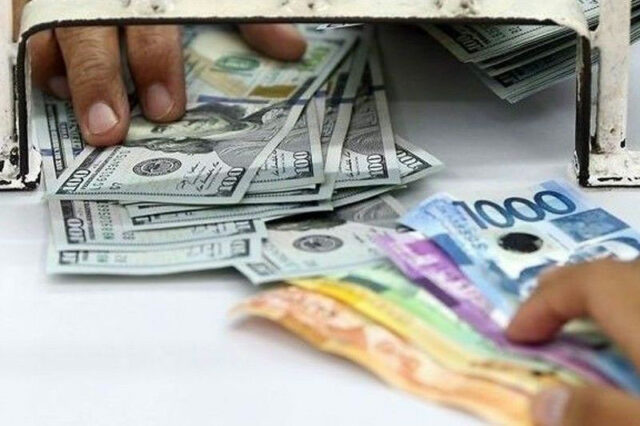
THE PESO is expected to stay above P60 a dollar this week as elevated oil prices and hawkish signals from the US Federal Reserve keep pressure on the local currency.

The peso closed at a record low of P60.10 a dollar on Thursday, weakening by 58 centavos from its P59.52 finish on Wednesday, according to data from the Bankers Association of the Philippines. It touched an intraday low of P60.40.

Trading was suspended on Friday due to the Eid’l Fitr holiday.

The breach of the P60 level marked the currency’s weakest showing on record, surpassing its previous low of P59.87 on March 16.

Week on week, the peso depreciated by 36.5 centavos. Year to date, it has weakened by P1.31 or 2.18% from its P58.79 finish at end-2025.

Analysts said the peso remains under pressure from the intensifying conflict in the Middle East, which has pushed oil prices higher and raised concerns over inflation and the Philippines’ import bill.

The central bank’s counterparts in advanced economies have also signaled tighter policy conditions, adding to dollar strength.

A trader said the peso could trade within a narrow range this week unless supply chain disruptions from the conflict worsen.

The peso is seen moving at P59.90 to P60.40 a dollar, and may weaken further if geopolitical tensions escalate.

Michael L. Ricafort, chief economist at Rizal Commercial Banking Corp., gave a similar outlook, projecting a range of P59.85 to P60.35, as markets continue to monitor oil price movements and global monetary policy signals.

Market participants are also watching how Philippine authorities respond to rising fuel costs, which could influence inflation expectations and currency stability in the near term.

The dollar gained on Friday but was still headed for a weekly fall against major currencies as investors pared back bets on interest rate cuts from the US Federal Reserve given the likelihood of higher inflation from rising energy prices.

Before the US-Israeli war on Iran began in late February, investors had priced in two Fed cuts this year. But they now largely believe one cut is a distant prospect, and other major central banks are turning more hawkish.

The euro, yen, sterling and Swiss franc headed for weekly gains against the dollar as policymakers laid the groundwork for higher interest rates in response to the war in the Middle East, which has choked oil and gas supplies.

“The overall picture is still that central banks sound more confident (about the impact of inflation) than people thought, especially the Bank of England and the Bank of Japan as well,” said Juan Perez, director of trading at Monex USA in Washington.

“This followed a message from the Federal Reserve on Wednesday that is tied to the idea that everyone has been thinking that there’s going to be one or two cuts for 2026 and they have no interest in cutting rates,” be added.

Benchmark Brent crude futures are up about 50% since the US and Israel attacked Iran, which has all but closed the Strait of Hormuz and disrupted Middle East energy exports. Brent futures for May delivery settled on Friday up 3.26% to $112.19 a barrel, the highest since July 2022.

The dollar index was up about 0.26% at 99.59, but on track for a 0.94% weekly decline, its largest since late January. Still, many analysts think a prolonged fall is unlikely.

“Markets have preempted communication with a notable shift in policy pricing: many G10 central banks now priced for hikes, while the Fed is priced for fewer cuts in 2026. This repricing has mitigated some of the dollar’s oil-induced rally,” said Bank of America Global Research analysts led by Adarsh Sinha. — Aaron Michael C. Sy with Reuters

AI is hastening the résumé’s demise. Good riddance

STOCK PHOTO | Image by Vectorjuice from Freepik

By Stephen Mihm

ARTIFICIAL INTELLIGENCE (AI) isn’t just being blamed for killing jobs; it’s exposing the fundamental flaw in one of hiring’s oldest tools: the résumé.

Thanks to AI, any applicant can churn out a polished, professional-looking version with a few basic prompts — regardless of their qualifications. Frustrated companies have responded in kind by deploying the technology to sort out the submissions.

The methods may have changed, but this is a familiar tug-of-war. For close to a century, the résumé has been the focus of an intense struggle between job seekers hoping to present themselves in the most flattering light and employers eager to find the best candidate. But its usefulness was short-lived at best and should have been replaced with a better way to evaluate job seekers long ago.

Though it’s possible to find documents that look vaguely like a résumé prior to the 1920s, the version we know today came into its own that decade. Researchers in what’s now known as industrial and organizational psychology grappled with a challenge confronting large corporations: what was the best way to screen the applications of hundreds of job candidates about whom next to nothing was known?

Up until then, many employers placed great reliance on a “Letter of Application,” or what we would simply call a cover letter. Then, as now, it invited applicants to explain why they were particularly qualified or well-suited for a particular job, noting their experience, talents, and temperament.

Donald Laird, a professor at Colgate University, thought it was ridiculous that managers would rely on these letters to pick the best candidates. In his popular 1925 book, The Psychology of Selecting Men, he heaped scorn on the cover letter. He pointed to a number of real-world experiments showing that applicants tended to overstate their qualifications and otherwise mislead potential employers.

Nonetheless, managers put great faith in them. To counter this, Laird publicized a number of tests that demonstrated how managers could be easily gulled by the inflated self-assessments of job applicants, or simply react in subjective, unpredictable ways. A candidate whom one manager ranked first would be ranked last by another. When shown the same letters a month later, some managers completely reversed their initial judgment.

Laird and other members of the industrial and organizational psychology field advocated for “scientific” methods of assessing job candidates, such as objective tests of skill — for example, a typing test. They also advanced the heretical idea that the standard “Letter of Application” should come with a sobering chaser: a dull, just-the-facts recitation of the applicant’s job history, education, references, and other objective data. Initially, researchers called it a “data sheet” or “qualifications brief.” Whatever the name, make no mistake: the résumé had arrived.

Applicants quickly realized that the new addition, far from being an obstacle to selling themselves, could be a useful tool in the struggle to stand out from others. In a confession from 1952, one job candidate described how he had typed up his résumé and then brought it to a copy shop, paying extra for a printing process that “makes each piece look as if it is a hand-typed original” — proof  that the résumé in question had been specially prepared for this one position. Then he sent out 100 copies to different organizations.

With that hack, job candidates began submitting résumés regardless of whether a job opening asked for one. In 1958, the Wall Street Journal interviewed an executive from a placement firm, who reported: “We send out about 50,000 resumes a week. Ten years ago, it was closer to 500.” An executive with Borg-Warner Corp. likewise declared: “Everybody in middle management keeps a résumé handy these days. It’s just part of the businessman’s briefcase.”

Increasingly, human resources departments noticed that applicants used the résumé to tell white lies, and even bigger fibs, listing fictitious degrees, fake promotions, and other embellishments.

By 1968, the Journal found that résumé padding had reached epidemic proportions. “Most firms say they tolerate — and even expect — a certain amount of fudging in applicants’ resumes,” the paper reported. A personnel manager was quoted as saying, “Most of us have a tendency to look the other way when a guy who looks like a real winner is caught in a small lie.”

When the 1970s and ’80s came around, employers confronted an additional challenge: the rise of a new industry dedicated to helping job candidates draft the best possible résumés. There wasn’t anything inherently wrong with this, but outsourcing the writing to professionals only underscored the degree to which this humble document, once meant to blunt the puffery of the cover letter, had now become the leading weapon in the job seeker’s arsenal.

In 1996, hired-gun résumé writers even got their own professional organization: the National Résumé Writers Association. The advent of the internet around the same time made a growing number of résumé-writing templates and guides available to anyone with a modem.

It’s no wonder we’ve forgotten that sheet of paper’s original function. As one workplace expert told the New York Times in 2006: “A good résumé is not simply a rehash of past responsibilities, it’s a celebration of successes.” To that, I say it’s time for more employers to rediscover the virtues of screening applicants by administering skills tests and having prospective employees work for (paid) trial periods before tendering a formal offer.

The résumé may have been created with good intentions, but it has never performed the job it was supposed to do. It’s time to let it go.

BLOOMBERG OPINION

Paris appeals court rejects France’s attempt to suspend Shein’s marketplace

PARIS — France’s bid to suspend Chinese online retailer Shein’s marketplace was rejected by Paris’ Court of Appeal on Thursday, a win for the fast-fashion giant after a scandal over sex dolls resembling children found for sale on its site.

The French state initially pushed for a total ban of Shein’s site, but later walked that back to a suspension of its marketplace. A December court ruling had already rejected the government’s request, but the government appealed.

Shein, which sells clothes, gadgets, and accessories at rock-bottom prices and has won over millions of cash-strapped shoppers around the world, has been under pressure in France since November when the consumer watchdog found the sex dolls as well as banned weapons for sale, prompting the government’s legal action.

Shein sells its own branded clothes on its site but also has a vast marketplace where third-party sellers list products spanning everything from kitchen appliances to smartphones. It suspended its marketplace in France after the findings, reopening it only after the December ruling.

“The appeals court confirmed the [December] judgment in all its dispositions, and rejected the other demands presented by the State,” the court said in a statement.

The court upheld the earlier ruling that Shein may not sell such products on its marketplace again without adequate age-verification measures.

Following the ruling, the government said in a statement it will be “extremely vigilant” to see that Shein implements the conditions set by the court.

SHEIN IS ROLLING OUT AGE-VERIFICATION MEASURES
Since the findings in France, Shein no longer allows third-party sellers to list sex dolls in any of its markets, and is rolling out age-verification measures for other products, a Shein spokesperson said.

Shein said in a statement after Thursday’s ruling: “Over the last several months, we have continued to significantly reinforce our controls for both sellers and products on our marketplace, to ensure that our consumers in France can enjoy a safe and enjoyable online shopping experience.”

The company said it has maintained a “close dialogue” with French and European authorities and is engaging with the European Commission on age-verification measures “being gradually rolled out across a number of markets globally.”

The European Union last month opened a formal investigation into Shein over illegal products and the platform’s potentially addictive design, under the bloc’s Digital Services Act.

Despite the court ruling, Shein is still likely to face government pressure in France. The country’s minister for small and medium-sized businesses last month said online retailers like Shein will face a “year of resistance,” saying the platform benefits from unfair competition with European retailers. — Reuters

MPTC extends toll rebate program to SCTEX, CAVITEX

PHILIPPINE STAR/ MICHAEL VARCAS

METRO PACIFIC TOLLWAYS Corp. (MPTC) has extended its KaBiyahe Rebate Program to additional expressways following a directive from the Department of Transportation (DoTr) to help mitigate the impact of rising fuel prices on the transport sector.

In partnership with the Bases Conversion and Development Authority (BCDA) for Subic-Clark-Tarlac Expressway (SCTEX) and the Philippine Reclamation Authority (PRA) for Manila-Cavite Expressway (CAVITEX), MPTC said the program will run from March 23 to May 22.

“The extension supports the government’s call to provide temporary financial relief to the transportation sector,” MPTC said in a statement on Friday last week.

“It aims to stabilize transportation costs for essential goods, support commerce, and economic activity amid rising fuel costs.”

Under the program, MPTC will provide rebates to eligible Class 2 public utility buses (PUBs), modernized jeepneys, and Class 3 vehicles across toll roads operated by North Luzon Expressway (NLEX), SCTEX, and CAVITEX (R1 Expressway and Extension), effectively reverting toll rates to pre-adjustment levels.

The company said Class 3 vehicles qualify if they are valid Easytrip subscribers in good standing, maintain sufficient account balance, and are not enrolled in other MPTC discount programs such as toll exemptions for agricultural trucks.

For PUBs and modernized jeepneys, eligibility requires operators to be accredited by the Land Transportation Franchising and Regulatory Board (LTFRB), enroll in the KaBiyahe program by submitting the required documents, maintain Easytrip prepaid accounts in good standing with sufficient load, and not be enrolled in other toll discount programs on MPTC roads.

Applications for PUBs and modernized jeepneys are open from March 23 to April 5.

MPTC said qualified transport operators with traffic violations or citations during the program period will be disqualified from receiving rebates.

Meanwhile, Class 1 public utility jeepneys (PUJs) on northern routes will continue to be covered by the PASSADA program. For CAVITEX, the Abante program will be reactivated for two months, offering rebates equivalent to the difference between current toll rates and those prior to the latest adjustment.

MPTC is the tollways unit of Metro Pacific Investments Corp. (MPIC), one of the three key Philippine subsidiaries of First Pacific Co. Ltd., alongside Philex Mining Corp. and PLDT Inc.

Hastings Holdings, Inc., a unit of the PLDT Beneficial Trust Fund’s MediaQuest Holdings, Inc., has a majority stake in BusinessWorld through the Philippine Star Group, which it controls. — Alexandria Grace C. Magno

Tech this car

How will the automobile of tomorrow look like? — PHOTO BY KAP MACEDA AGUILA

Smarter vehicles are in the cards

WE NOW live in an overly technological world. Every single aspect of our lives is touched by something electronics- or tech-driven. The same can be said of our automotive lives as well. Over the years, we’ve seen car manufacturers churn out model after model of what we can only describe as “smart cars.” Packed with safety and convenience features, these vehicles can do more things for the driver while protecting every occupant within.

The question now is, what’s next in the frontier of automotive technology? And what do these current offerings show us about what brands have in store for the future?

PAST
We need to take a quick look back in time first to get an idea of how we got here. In the past, cars were seen simply as a means to get from here to there (and back). Buyers were mainly interested in the car’s size, the powertrain, and how the vehicle drove. Basic tech features included mainly how many speakers you had for your sound system, and maybe a few tiny features like automatically adjustable seats and seating setting memory.

Rightfully so, safety became a priority for manufacturers, and technology started pouring into our cars through the introduction of ABS (anti-lock braking system), EBD (electronic brakeforce distribution), and TCS (traction control system). These features are designed to keep the car stable and easy to control across a range of conditions. Eventually, the industry started to get into ADAS (advanced driver assistance systems) — first in more premium models.

PRESENT
This leads us to today, where ADAS is now becoming a standard fixture in almost all car models. ADAS is, of course, a clear stepping stone into semi-autonomous vehicles — allowing drivers to have an extra pair of guiding eyes and hands on the road, especially on longer journeys or in tricky conditions.

The area of safety isn’t only where technological leaps occur; we’ve also seen the inclusion of sizable digital touchscreens replacing physical buttons. There are even certain models that house almost all features on the infotainment screen, opting for more minimalist layouts like Tesla. In more recent times, we’ve seen the integration of more features in the entertainment department, turning your car into a mobile living room through streaming apps like Disney+, YouTube, and others.

At the very tip of the spear though, is AI (artificial intelligence) integration. Over the years, more automakers have incorporated AI through voice-activated assistance systems. Instead of looking for a setting or feature yourself, you can audibly ask the car to do it for you. Things like increasing or decreasing cabin temperature, air-conditioning fan speed, or opening the sunroof can now be done through voice commands.

FUTURE
The future of automotive technology is full of possibilities; we’re seeing innovation being pushed across all directions and segments. One big plan in terms of safety is the development of augmented reality (AR) windshields. This feature is a step up from the current head-up display (HUD) that many cars have, bestowing a more complex set of images and information.

Continuing the sci-fi-like future, currently in development are cars that can “talk” to everything; “communicate” with infrastructure like traffic lights so that drivers will be forewarned about traffic and hazards ahead of time. Cars might also be able to be in tune with the driver, analyzing mood and fatigue level to automatically adjust cabin temperature and lights to maintain calm.

Next up in the future of automotive technology are Level 3 and 4 autonomous driving, which will allow drivers to fully “take their hands off” the wheel. Some predict this feature can be realized as early as 2030. Lastly, in the realm of AI, automakers are developing software that will use AI to analyze real-time driving habits and conditions, to predict when certain car parts will fail, eliminating the surprise of component failure.

It’s interesting to see how quickly car technology is evolving. After decades of slow innovation, we’re now at the apex of it, where new tech is coming in almost every year — creating excitement for future car buyers.

T-bill, bond yields may advance as demand weakens on inflation risks

BW FILE PHOTO

By Aaron Michael C. Sy, Reporter

RATES on Treasury bills and bonds to be offered this week are expected to climb further as investors turn cautious amid rising inflation risks linked to the Middle East war.

Analysts said yields could track the recent rise in the secondary market, driven by expectations of possible monetary tightening as oil prices surge.

Rizal Commercial Banking Corp. Chief Economist Michael L. Ricafort said rate hike signals from policymakers could push yields higher.

The Bureau of the Treasury will auction P27 billion in Treasury bills on Monday, with P9 billion each in 91-, 182-, and 364-day tenors. On Tuesday, it will offer as much as P40 billion in dual-tenor Treasury bonds, including reissued seven-year papers with a remaining life of three years and one month and 25-year bonds with a remaining life of 23 years and 10 months.

Finance Secretary and Monetary Board member Frederick D. Go said a prolonged spike in oil prices might prompt the central bank to raise borrowing costs as early as next month.

The Monetary Board would likely consider tightening in the next meeting if the price of oil remains elevated, he said.

Bangko Sentral ng Pilipinas Governor Eli M. Remolona, Jr. has also said the central bank might act if higher energy costs spill over into broader inflation.

The Monetary Board will meet on April 23 and it could mark the first rate increase in more than two years after an easing cycle that cut the benchmark rate by 225 basis points to 4.25% since August 2024.

At the secondary market on Thursday, yields rose across the curve. The 91-, 182- and 364-day Treasury bill rates climbed to 4.98%, 4.96% and 5.09%, respectively.

The three-year yield rose to 6.27%, the seven-year to 6.75% and the 25-year bond to 7.25%, reflecting investor demand for higher returns amid uncertainty.

A trader said demand at this week’s auctions might be weaker, particularly for longer-dated securities, as investors remain wary of inflation and potential rate hikes.

The three-year and 25-year bonds are seen fetching higher average yields of 6.3% to 6.35% and 7.5% to 7.75%, respectively.

Sentiment remains cautious given the war and its impact on oil prices, the trader said, noting that attacks on key energy facilities have intensified fears of supply disruptions and further price pressures.

Last week’s Treasury bill auction already showed signs of softer demand. The government raised P19.2 billion, below its P27-billion program, despite total tenders reaching P36.8 billion, as higher yields prompted the Treasury to partially reject bids.

The 91-day bill fetched an average yield of 4.9%, up 22 basis points week on week, while the 182- and 364-day securities were awarded at 4.95% and 5.07%, respectively.

The reissued seven-year bonds were last offered in November 2024, when P15 billion was raised at an average yield of 5.954%, while the 25-year debt was last auctioned in February at 6.577%.

Analysts said the significant rise in yields suggests investors are demanding a higher risk premium amid uncertainty.

For March, the BTr aims to raise P248 billion from the domestic market, composed of P108 billion in Treasury bills and P140 billion in Treasury bonds.

The government taps both local and foreign borrowing to help finance its fiscal deficit, which is capped at P1.647 trillion or 5.3% of gross domestic product this year.

When the Middle East burns, the Filipino nanay feels the heat

PHILIPPINE STAR/MIGUEL DE GUZMAN

(Part 2)

At ASA Philippines, I have the privilege — and the responsibility — of knowing our close to 2.5 million clients not as data points, but as people. They are market vendors in Divisoria up at 3 a.m. to secure their stall and whose weekly profit margins can evaporate with a single price spike in cooking oil. They are sari-sari store owners in Tacloban, Leyte who absorb the price volatility that big retailers pass down the chain while they provide the access to more affordable goods their neighbors need on a day-to-day basis. They are food vendors in Polangui, Albay, buy-and-sell traders in Iligan City, and small dressmakers in Malolos, Bulacan — all operating micro-enterprises where income and expenditure are measured not monthly, but daily.

Their households are equally precarious. Their husbands are often farmers for whom rising fertilizer and fuel costs directly erode already thin margins, or fisherfolk for whom a single tank of diesel can determine whether going out to sea is profitable at all. Some are formal-sector employees in retail, food service, or small manufacturing — sectors that historically shed workers quickly when consumer spending contracts. Their children may still be going to school using jeepneys or tricycles, where every peso increase in fuel is additional pressure to the household’s thin wallet.

Many of these families rely on a microenterprise for daily income and a regular monthly income from a relative working in the Middle East or in Manila for financial stability. When both come under pressure simultaneously — the microenterprise squeezed by inflation and the monthly income contribution disrupted by retrenchments resulting from business closures caused by inflation pressures — the ability of households to build financial buffers becomes even more challenging.
What does the data tell us?

In 2024, the Philippine Microfinance Survey (PMS), a nationally representative study of 1,900 households conducted by Dr. JC Punongbayan, provided the most granular picture we have of these households’ shock experience and coping behavior.

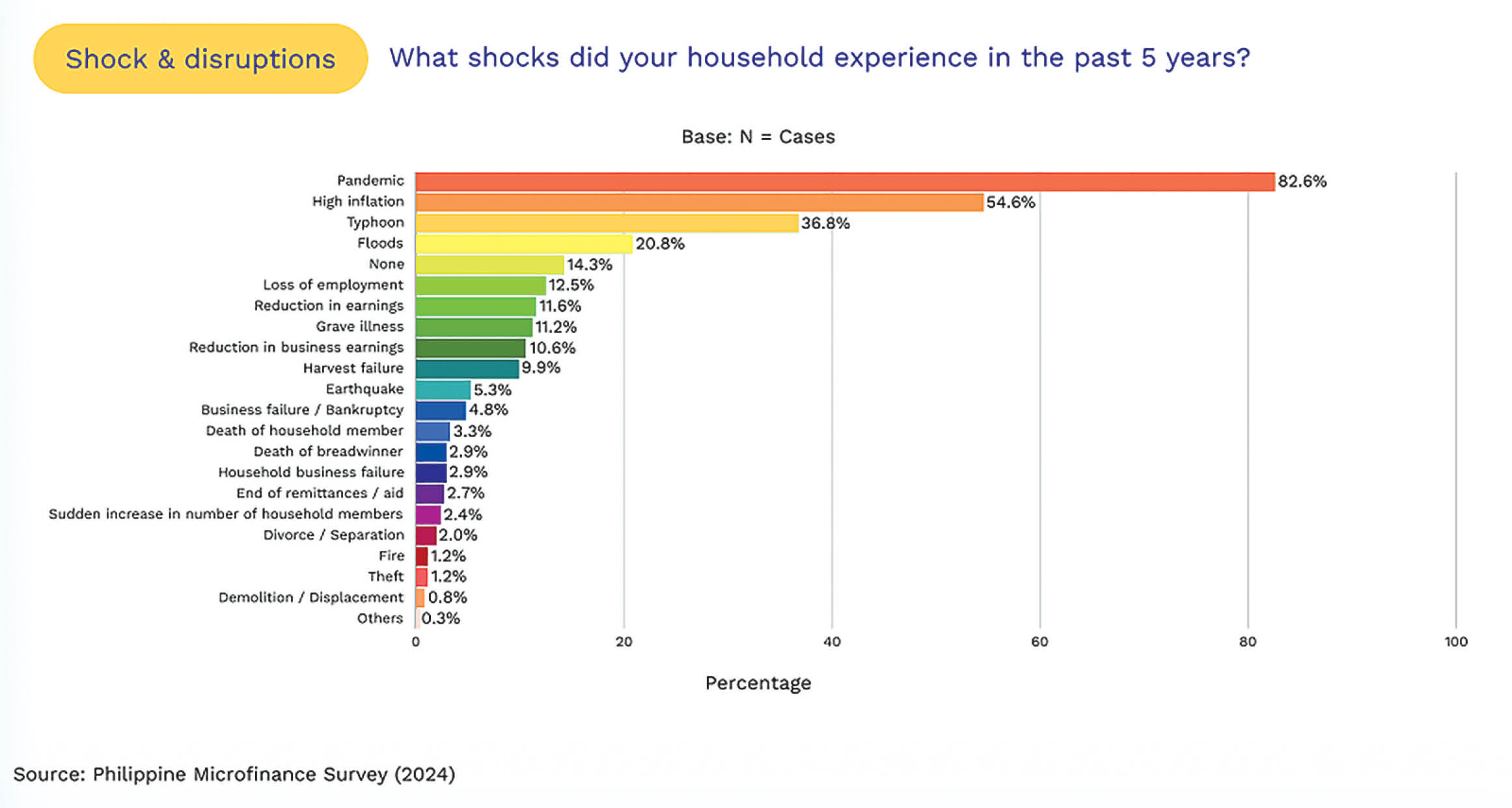
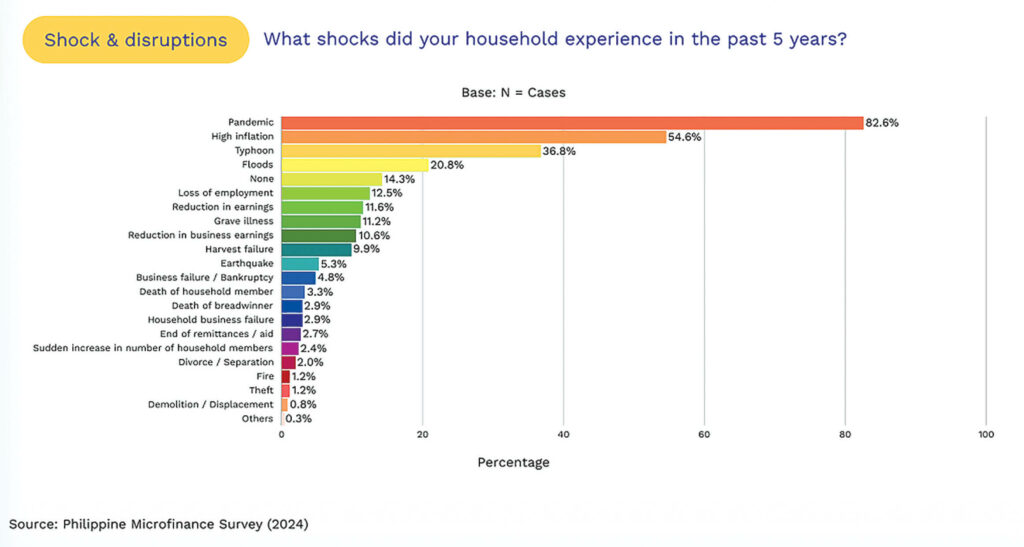
In the survey, the respondents were asked to identify the top three shocks that negatively affected the household in the past five years. The top two shocks identified were the pandemic (82%) and inflation (54%). Both the pandemic and inflation are lingering and widespread shocks and, when combined, made recovery timelines difficult to predict.

The problem with prolonged recovery timelines is the factor of future shocks that could set back gradual gains. There have been several cases where families who are barely bouncing back from the pandemic are pulled further back by the destructive impact of post-pandemic typhoons (the third shock identified by 37%) that enter their areas. This is not a hypothetical risk. This is what our clients have already lived through once. And it is coming again.

The level of household resiliency and its ability to bounce back is dependent on its ability to generate cash and savings that can provide the cushion for unexpected shocks. And if shocks are coming one after the other, the question is whether or not the households have established enough income sources and savings to help them cope with the coming inflation shock due to the ongoing conflict in the Middle East.

HOUSEHOLD INCOME PROFILE AND SOURCES
Based on the preliminary results of the 2023 Family Income and Expenditure Survey (FIES) released by the Philippine Statistics Authority (PSA) in July 2024, the income of low-income families range from an average of P14,000 to P28,000/month.

Imagine when this income is undermined by retrenchments and high prices. Nanay (mother) clients have expressed that a little over 50% of their household budgets are allocated to food alone. In the latter part of 2025, it was reported that the Philippine government officially raised the daily food threshold to P85 per person from its original declaration of P64. This is approximately P12,800 per month for a family of five.

The 2024 PMS survey showed that around 6% of households residing in the country have no member in the family working and earning; 43% have one member of the family working and earning; another 38% have two members of the family.

The survey also asked the level of remittances coming from external sources of each household cluster. Of the 6% of households with no one in the family working, 72% of them receive remittances. For the 43% of families who have one family member working, around 19% are recipients of remittances while 38% of those with two members of the family working, around 7% receive remittances. This data shows that the fewer the local income sources, the higher the dependence on remittances.

While we do not have exact data on where the remittances come from, I am assuming that a significant amount comes from the Middle East, as based on recent data, around a little over a million or more than half (52%-56%) of the Philippines’ total land-based migrant workforce are located in the Middle East.

PROTECTING THE CLIENT, PROTECTING THE PORTFOLIO
As nanays and their families anticipate the coming shockwaves, microfinance institutions now face a dual imperative: protecting the households they serve while managing their financial health that makes that protection possible.

A prolonged oil-driven inflation shock will arrive gradually, first as rising PAR (Portfolio-at-Risk) numbers in market-adjacent branches, then in transport-dependent communities, then more broadly as consumer spending contracts across the entire ecosystem.

As such, microfinance institutions (MFIs) must closely monitor these indicators: on the macro side: Department of Energy (DoE) pump price adjustments, LPG price trends, Philippine Statistics Authority (PSA) consumer price indices disaggregated for the bottom 30% of households, the inflation outlook, and OFW deployment and repatriation data from the Department of Migrant Workers. On the portfolio side, they should monitor PAR trends segmented by geography and livelihood type, restructuring requests, emergency loan demand, and any unusual patterns in savings withdrawals — which can signal household stress before defaults materialize.

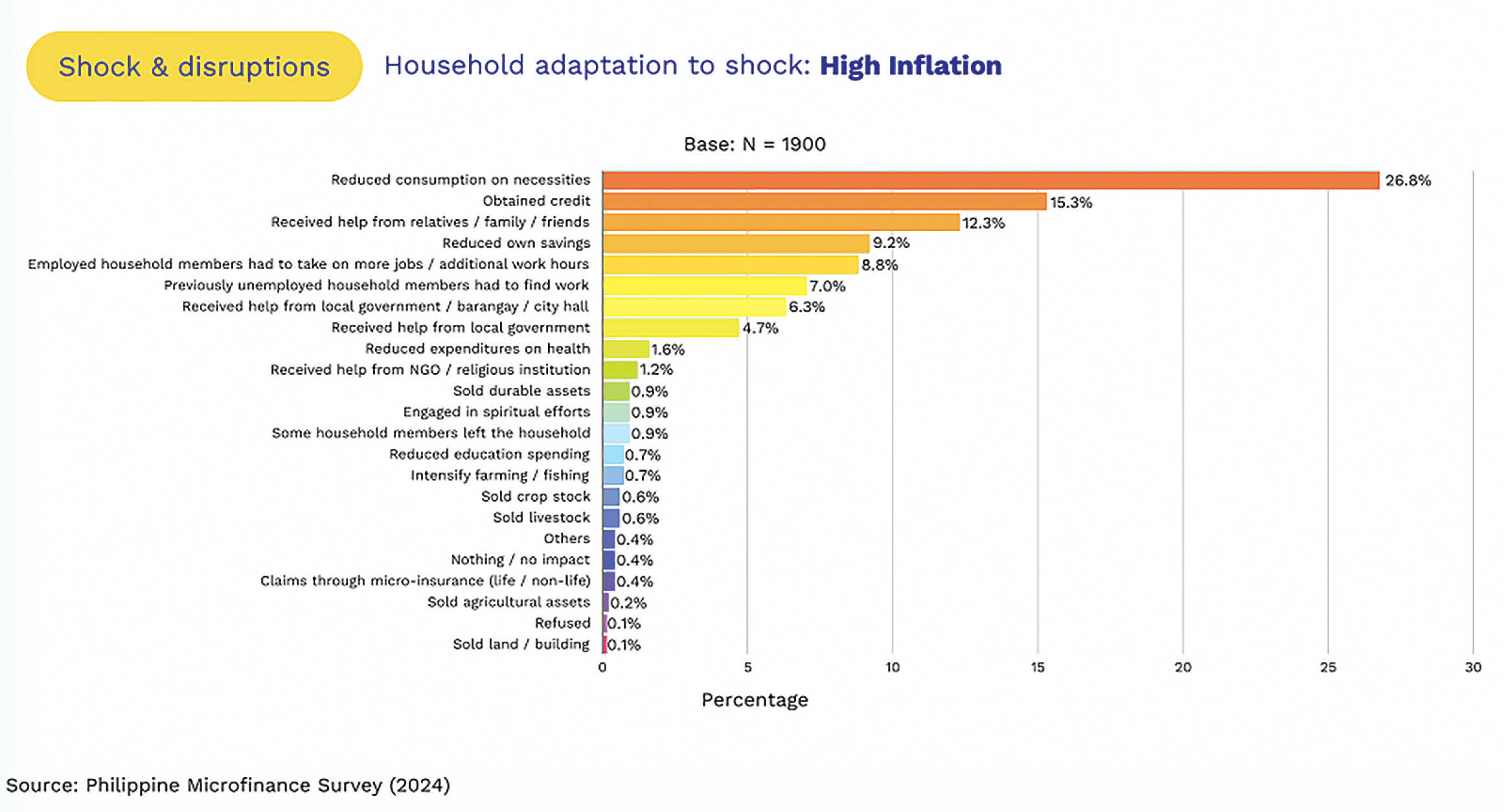
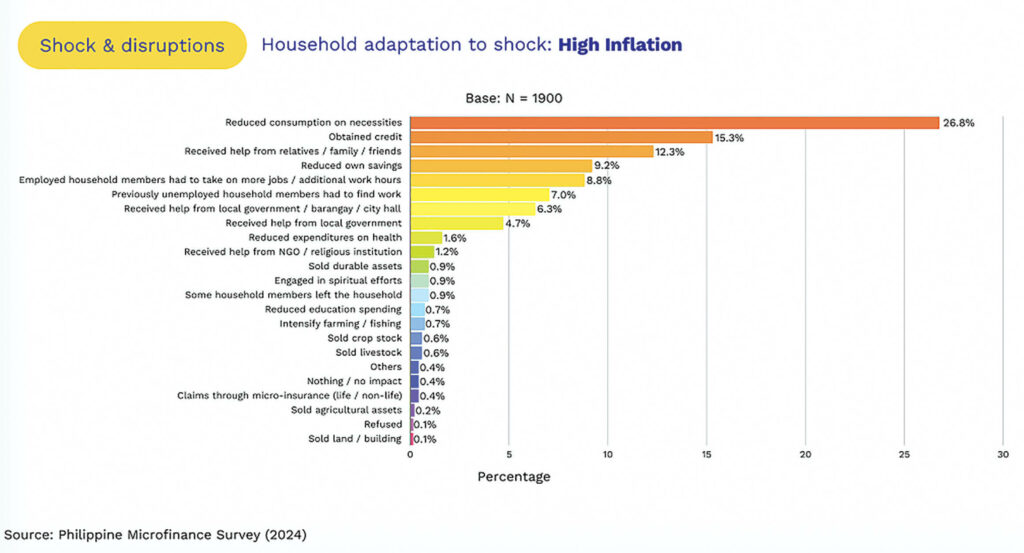
But MFIs must also act. The PMS also reveals how households respond when inflation strikes. Reducing consumption of necessities, not luxuries, was the most common coping strategy. The second most common strategy was borrowing. When households borrowed to cope with inflation, MFIs emerged as the second most cited credit source, behind family and relatives. MFIs stand between a family and a moneylender when government programs are delayed, remittances are interrupted, and savings have been depleted.
The PMS regression analysis shows that flexible repayment options and access to emergency loans are the MFI interventions most strongly and significantly associated with improved household consumption stability and economic resilience, which make the most measurable difference when families are under pressure. The analysis also suggests that MFIs that develop restructuring protocols, emergency credit windows, and empower managers on the ground to respond to early-warning signs will be the institutions that can best protect both their clients and their portfolios.

However, the PMS also underscores the importance of operational discipline and cautions against “evergreening” — restructuring loans without verifying genuine repayment capacity. The challenge is real: when a client’s business is under pressure and her family is hungry, the compassionate instinct is to give more credit. The responsible instinct is to ensure that credit actually serves her recovery. This is the razor’s edge that MFI leadership must walk in the months ahead.

A FINAL CALL: THE COLLABORATION IMPERATIVE
Until a more significant conclusion to this conflict is defined, it will be difficult to determine whether this becomes a contained shock or a prolonged regional war.

When COVID-19 arrived, the Filipino people demonstrated a surprising capacity for collective action. MFIs and other financial institutions put a moratorium on millions of loans and refrained from retrenching their workforce when the government declared the lockdowns. Government deployed emergency cash transfers at an unprecedented scale. Communities shared food through community pantries. That collaboration is what we must remember and reactivate with the same urgency.

While the impact of Middle East crisis may not be as immediate and drastic as the lockdown, a protracted crisis will still arrive in the form of higher prices at the palengke (wet market), thinner margins at the sari-sari (sundry) store, missed payments at the weekly center meeting, and the quiet anguish of a family whose purchasing power is suddenly diminished. Similar to the pandemic, the recovery will be long drawn, and we can only wish that there will be no more (or less severe shocks) that will come.

So, we need to keep our eyes focused on the millions of nanays and their families served by our colleagues across the microfinance sector; whose businesses are being squeezed by an inflation shock they cannot control.

But these women are not passive victims. They are resilient, resourceful, and capable of extraordinary adaptation under pressure. What they need from us — from government, MFIs, the private sector, and from civil society — is not pity. It is partnership. It is the assurance that the systems they depend on will not abandon them.

We must continue to be with them to endure the heat brought about by the fire raging in the Middle East war thousands of miles away.


Rafael C. Lopa is the president and CEO of ASA Philippines Foundation (www.asaphil.org), a microfinance NGO serving close to 2.5 million women entrepreneurs across all provinces of the Philippines. He is also the president of RestartME, Inc. (www.restartme.ph), an NGO mandated to work with microfinance institutions in addressing unexpected shocks to the lives and livelihoods of their clients and families. He co-funded the 2024 Philippine Microfinance Survey conducted by WeSolve Foundation.


Coconut sugar pricing, infra targeted for reform

PHILSTAR FILE PHOTO

INFRASTRUCTURE and pricing reforms are needed to increase coconut sugar output and raise farmer incomes in Misamis Oriental, according to the Philippine Institute for Development Studies (PIDS).

In a policy note, the government think tank said the current “recovery-rate” scheme, under which farmers are paid based on the volume of sap delivered, limits earnings and discourages participation in higher-value activities such as processing and packaging.

Misamis Oriental is a key coconut-producing province, with output topping 520,000 metric tons in 2025, or almost 30% of total production in Northern Mindanao, according to the Philippine Statistics Authority.

The study found farmers to be concentrated in upstream activities, particularly sap tapping and initial boiling, while cooperatives handle processing, packaging, and marketing.

According to PIDS, this structure limits farmers’ participation in higher-value segments of the supply chain and constrains income growth.

The report said that while coconut sugar has emerged as a high-value sweetener with strong growth in domestic and international markets, farmers have yet to benefit from this growth.

“Macro-level success has not translated into micro-level prosperity. Over 90% of coconut farmers remain below the national poverty threshold,” it read.

PIDS said the payment system reinforces this outcome, with compensation based on volume rather than on quality or the level of processing. This reduces incentives for farmers to improve product quality or engage in downstream activities.

The study recommended shifting to a stage-based pricing model that would account for both quality and processing activities to encourage greater participation in value addition.

It also called for the establishment of barangay-level shared facilities for drying, granulation, and packaging to address equipment and capital constraints faced by small producers.

“Improving access to shared village-level facilities for drying, granulation, and packaging enables farmers to transition from raw sap selling to higher-value coconut sugar products,” the report concluded.

The think tank also cited the need for regulatory support to improve market access.

“Government agencies should provide faster assistance for food safety certification and compliance with market standards,” it said. 

It added that access to concessional loans and small-scale financing should be expanded to support investment in processing technology.

PIDS said market conditions remain favorable, noting that “growing domestic and global demand for natural sugar alternatives positions coconut sugar as a high-potential product, provided supply chains stabilize and participation deepens.”

The report concluded that coordinated interventions in infrastructure, pricing, financing, and regulation are needed to improve farmer participation and support more inclusive growth. — Vonn Andrei E. Villamiel

Style (03/23/26)


Tommy Hilfiger unveils brand ambassador Aaron Kwok

SINGER and award-winning actor Aaron Kwok is Tommy Hilfiger’s brand ambassador for the Spring 2026 campaign. One of Hong Kong’s most famous entertainers, the star wears reimagined classics featured in the Spring 2026 collection. A crisp striped shirt, finished with a collegiate crest and styled with a sweater draped at the shoulders, sets the tone. Photographed in Hong Kong, Mr. Kwok is captured in a refined expression of modern prep. “Over the past four decades, I’ve been inspired by connecting the worlds of fashion, art, music, entertainment, and sport,” said Tommy Hilfiger. “Aaron is a true original — his dynamic energy, dedication to his craft and evolving sense of style embody the spirit of modern prep.” The Spring 2026 collection will be available on tommy.com, in Tommy Hilfiger stores worldwide, and through select wholesale partners throughout the season.


Puma lets Arthur Nery in the house

GLOBAL SPORTS BRAND Puma has launched Southeast Asia’s first-ever Puma House on H-Street in Bangkok. The Puma House offers fans live performances, interactive installations, and curated brand experiences that showcase the full energy of H-Street culture. The launch set the tone with a performance and fashion show, revealing Puma Southeast Asia’s local brand ambassadors. Representing the Philippines was singer-songwriter Arthur Nery, who was joined by Michael Sager, a rising actor and model; Lierge Perey, beauty and lifestyle influencer; Gela Muñoz, fashion creator; and Paolo Salgado, men’s style content creator. The H-Street sneaker traces its origins to the Harambee, Puma’s track spike from the early 2000s. Reimagined for the street, it balances performance and style through a low-profile silhouette, lightweight mesh upper, and expressive colorways. For more information, visit www.puma.com.

Regulator revokes registrations of Valtoro Spartan, Recson

BW FILE PHOTO

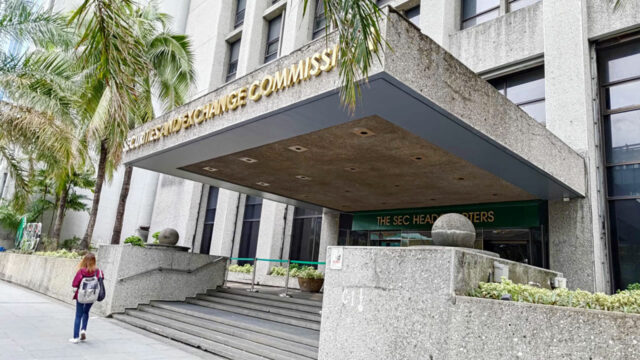
THE Securities and Exchange Commission (SEC) has revoked the certificates of incorporation of Valtoro Spartan Consultancy Corp. and Recson Land Ventures and Realty Development Corp., and imposed administrative fines for the unauthorized solicitation of investments from the public.

In a statement on Friday, the SEC’s Enforcement and Investor Protection Department (EIPD) said it separately canceled the corporate registrations of the two companies for violations of Section 44 of Republic Act (RA) No. 11232, or the Revised Corporation Code (RCC); Sections 8.1, 26, and 28.1 of RA No. 8799, or the Securities Regulation Code (SRC); and Presidential Decree No. 902-A.

Although registered with the SEC, an EIPD investigation found that both companies sold securities in the form of investment contracts without the required licenses from the Commission.

The RCC prohibits corporations from exercising powers beyond those stated in their articles of incorporation (AoI).

Sections 8.1 and 28.1 of the SRC prohibit the sale or offering of unregistered securities and require brokers, dealers, or salespersons to register, while Section 26 prohibits any person from engaging in fraudulent transactions related to the purchase or sale of securities.

The SEC fined Valtoro Spartan, along with its incorporators, stockholders, and officers, P1 million each for unauthorized securities offerings. It also held three incorporators and the corporate secretary administratively liable for investment fraud and disqualified them from serving as directors, trustees, or officers for five years.

“Considering that the act of offering investment to the public is not included in the primary purpose of [Valtoro Spartan], the declared primary purpose was done with fraudulent intent due to the large disparity of its declarations in the AoI and its actual business operation,” the order read.

Valtoro Spartan was found to have offered five lock-in subscription plans through its website and social media, promising returns ranging from 7.5% to 912.5% over periods of 15 days to 12 months, with a minimum investment of $50.

It also offered a 5% direct referral bonus and 1% multi-level commissions of up to the 10th level based on invitees’ investments.

In January 2026, the SEC issued an advisory warning the public against investing in Valtoro Spartan.

Meanwhile, the SEC ordered Recson Land and its incorporators to pay a P1-million administrative fine for offering unregistered securities without a license.

“Considering that nowhere is it stated in its primary purpose that [Recson Land], is authorized to engage in the selling or offering for sale of securities to the public… the activity of [the company], of selling or offering for sale of investments is considered an ultra vires act and therefore constitute serious misrepresentation,” the order read.

Recson Land was found to have enticed individuals to invest at least P30,000 per share to co-own a hostel, with assurances of steady passive earnings over a 30-year period.

According to the Commission, the scheme resembles a Ponzi operation, relying on funds from new investors or additional contributions from existing participants, without evidence of a legitimate underlying business.

Recson Land Ventures and Realty Development Corp. has yet to respond to BusinessWorld’s requests for comment sent via e-mail and through its publicly available contact information. Valtoro Spartan does not have publicly available contact information. — Alexandria Grace C. Magno

ADVERTISEMENT
ADVERTISEMENT