Davao opposition to US oil depot ‘misplaced’
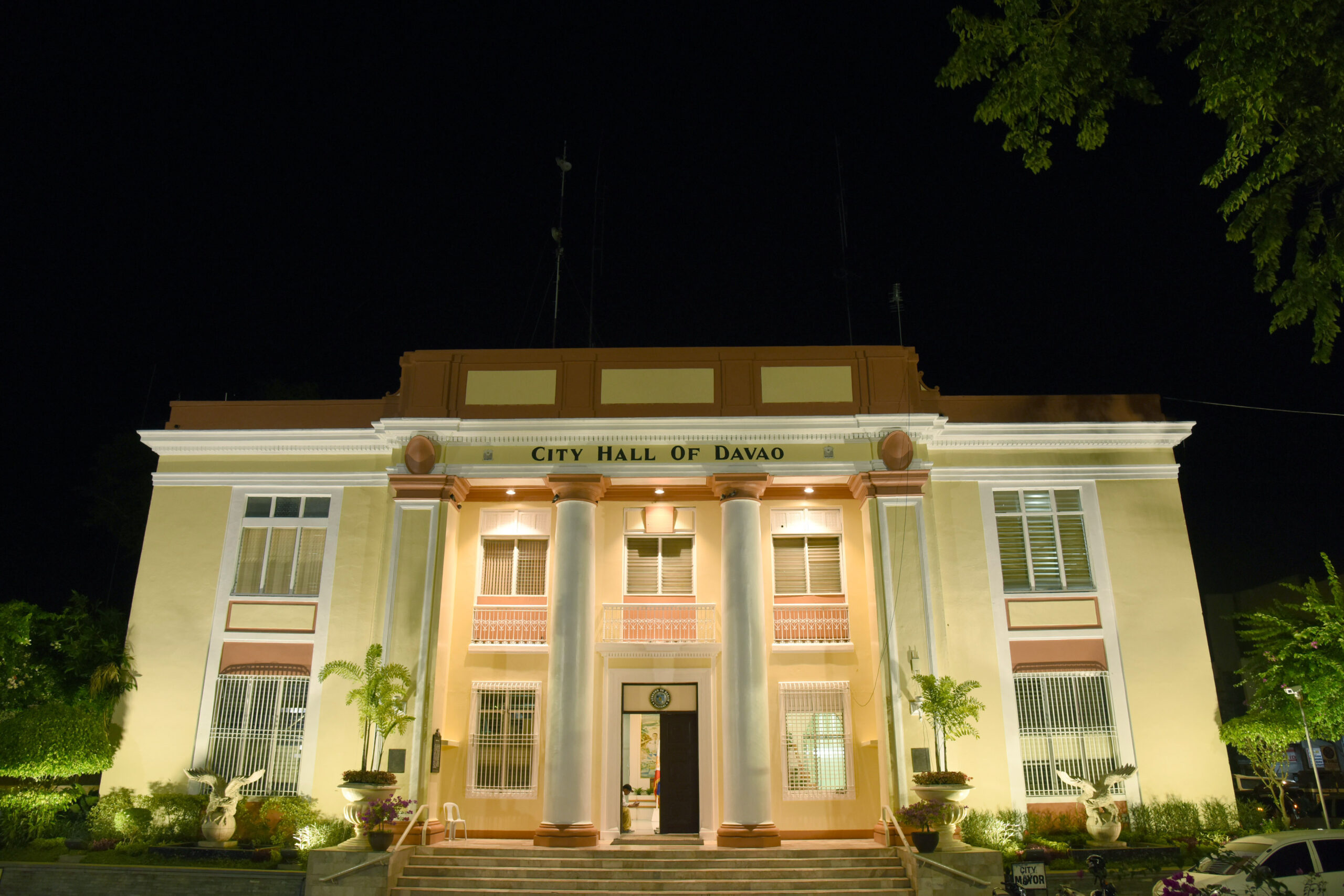
DAVAO CITY’S opposition to a proposed US military fuel facility in the city is “misplaced,” an analyst said, arguing that decisions involving national security and defense cooperation fall under the authority of the National Government.
Political analyst Edmund S. Tayao, president and chief executive officer of Political Economic Elemental Researchers and Strategists, said local government units do not have the full strategic view needed to assess defense arrangements tied to broader security concerns.
“The National Government is the one that is capable of understanding the overall security requirements of the whole country,” he said in a Facebook Messenger call.
The statement comes after the Davao City government rejected a reported US plan to establish a Defense Fuel Support Point in southern Philippines, citing concerns over foreign military presence and its relevance to fuel price pressures linked to the Middle East war.
The US Naval Institute, an independent forum, on April 7 said the Pentagon is considering a refueling depot in Mindanao as part of a wider network of maritime logistics hubs in the Indo-Pacific region.
Davao City on April 13 said it would not allow foreign military facilities within its jurisdiction, stressing that such projects would only be acceptable if they directly address the country’s fuel shock triggered by the Middle East crisis that began on Feb. 28.
The proposed depot reportedly involves storage capacity of as many as 41 million gallons of fuel and is expected to be operational by 2028, forming part of a broader US logistics network with similar facilities in Australia and Papua New Guinea.
Mr. Tayao said the local opposition might also reflect longstanding political leanings in the city, noting that past leadership had been critical of US military presence.
He added that concerns over foreign partnerships should be weighed against broader security risks, including alleged espionage activities in some provinces.
“In the past months, many provinces reported the arrest of sleeper agents of China,” he said. “That should be the more pressing concern compared with the presence of partners who are helping in defense preparation.” — Kaela Patricia B. Gabriel