Jobs, wage hikes are top concerns among Pinoys
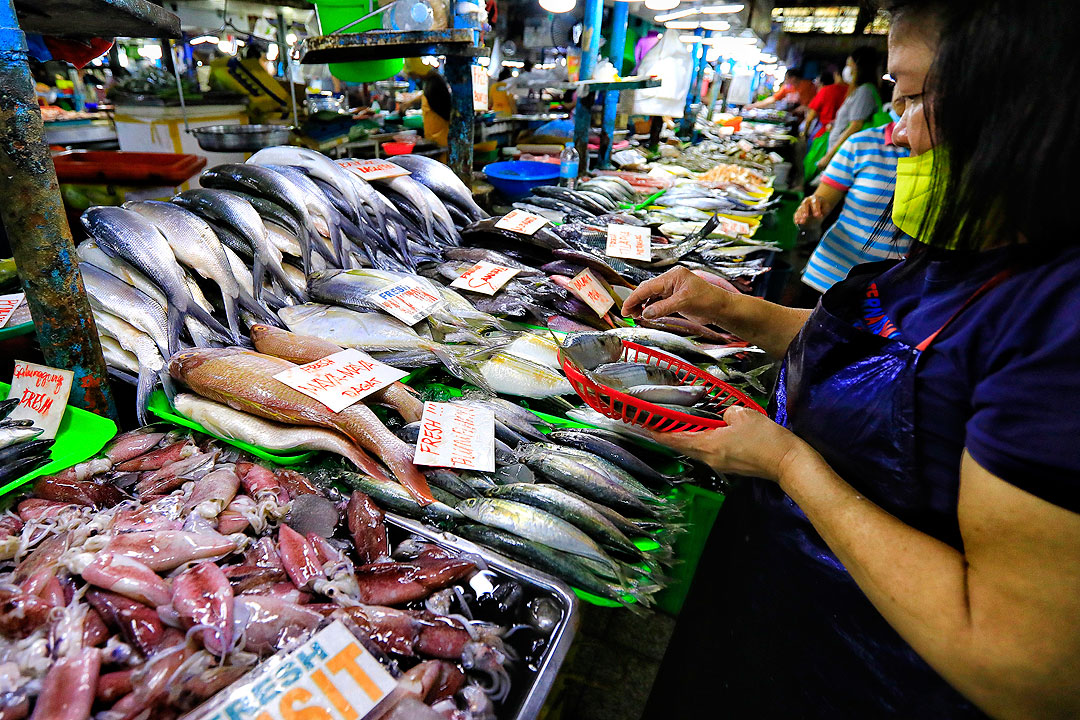
RISING oil prices driven by the Iran conflict are reshaping public priorities, with most adult Filipinos now calling for job creation and wage increases as the government’s top concerns, according to a nationwide survey by WR Numero Research.
Results of its March Philippine Public Opinion Monitor showed that 63% of Filipinos cited the need for more jobs and livelihood opportunities — almost triple from the 23% recorded in November 2025.
The sharp increase reflects mounting pressure on households as higher fuel costs push up transport and food prices, contributing to faster inflation.
The research firm said the 40-percentage-point surge in job concerns was the biggest shift among all issues tracked in the survey, signaling growing anxiety over income stability.
The poll also found that financial strain remains widespread, with only a small minority of Filipinos reporting no difficulty meeting basic needs.
Food, rent and transportation were identified as the most difficult expenses to afford, highlighting how oil-driven cost increases are feeding into daily living costs.
About 22% of the respondents said they struggle daily, while 30% reported experiencing such difficulty often or at least once or twice a week.
Another 29% said they encounter these challenges occasionally, while 14% experience them only rarely. Just 5% said they never struggle to meet basic needs.
Aside from employment, 49% of the respondents said wage increases should be prioritized, reflecting concerns that incomes are failing to keep pace with rising prices.
Other key issues cited include curbing illegal drug use (40%), eliminating corruption in government (32%) and lowering the cost of food and basic commodities (26%).
Public sentiment also turned more pessimistic, with 58% saying the Philippines is headed in the “wrong direction,” compared with 32% who think it is on the right track.
WR Numero Research said the findings underscore the need for policies that address both employment and inflation as external shocks continue to weigh on household finances.
The survey was conducted from March 10 to 17 through face-to-face interviews with 1,455 respondents nationwide, with a margin of error of ±2.57 percentage points at a 95% confidence level. — Erika Mae P. Sinaking