Home Blog Page 5758

Reinforcing the Philippines’ sustainable banking agenda
BW FILE PHOTO

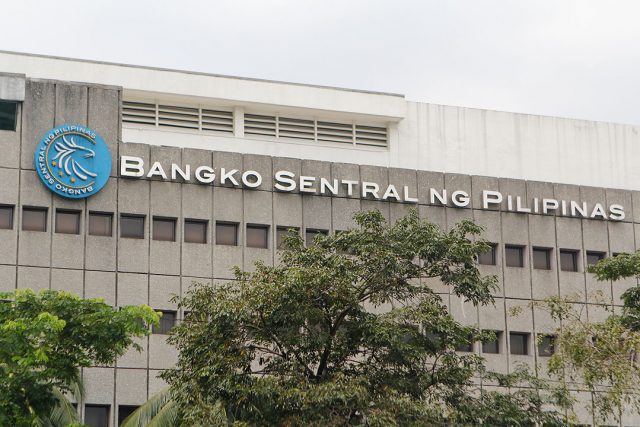
LARGE-SCALE disruptions over the past two years, on top of the global pandemic, revealed the need to take significant initiatives now while action can still make a difference. Our own Bangko Sentral ng Pilipinas (BSP), for one, has been busy fortifying the entire financial system against risks arising from environmental and social (E&S) issues.

Over the past two years, the BSP has released three issuances on Sustainable Banking — BSP Circulars 1085, 1128, and 1149 — to guide financial institutions as they integrate E&S risks into their corporate governance, risk management methodologies and frameworks, implementation of business strategies and decisions, and policies.

BSP 1085, or the Sustainable Finance Framework, provides foundational guidelines for establishing an environmental and social risk management system (ESRMS). This issuance includes:

• the duties and responsibilities of the Board of Directors and senior management to institutionalize the adoption of sustainability principles in the bank; and,

• guidance on the management of E&S risks and embedding these in existing documents and protocols.

BSP 1128, which focuses on Environmental and Social Risk Management Framework, amended BSP 1085 and governs E&S risks’ integration into the bank’s risk management framework. This issuance includes:

• the duties and responsibilities of the Board of Directors and senior management in managing E&S risks and integrating these into the bank’s Credit Risk Management System (CRMS) and Operational Risk Management System (ORMS); and,

• a comprehensive list of requirements and guidelines for the integration of E&S risks into the bank’s CRMS and ORMS, including: policies, procedures, and processes; risk identification and assessment; risk monitoring and reporting, and, risk control and mitigation.

BSP 1149 contains guidelines on the integration of sustainability in investment activities of banks. It amended BSP 1128 to include the integration of E&S risk management into investment activities. This issuance includes:

• the duties and responsibilities of the Board of Directors and senior management in integrating E&S risks into the investment activities of the bank; and,

• a comprehensive list of requirements and guidelines for policies, procedures, and limits, and integration into the bank’s Risk Measurement, Monitoring, and Management Information Systems (MIS).

In addition to these, the BSP released Memorandum No. M-2022-042 on Oct. 3, to provide guidance on the implementation of the ESRMS. Under this issuance, the BSP expects banks to:

1.) define the roles of the Board of Directors and senior management in institutionalizing and overseeing the adoption and implementation of sustainability principles in the corporate governance, risk management frameworks, and strategic objectives and operations of the bank;

2.) define the level of their risk appetite regarding E&S risks;

3.) provide clear guidance in assessing E&S risks in the bank’s operations, products and services, transactions, activities, and operating environment;

4.) provide the tools for monitoring E&S risks and assessment;

5.) provide the measures that should be taken in case of breaches of limits or thresholds or non-compliance with sustainability-related standards, laws, and regulations;

6.) integrate E&S risks into stress testing exercises covering short- and long-term horizons; and,

7.) identify the unit or personnel responsible for overseeing the management of E&S risks and provide sufficient capability building for the key department units.

Altogether, what do these BSP issuances mean for banks?

Banks need to go beyond understanding the direct impact of E&S risks on their operations and, instead, consider as well how these risks impact the country’s macroeconomic and microeconomic conditions, which will also indirectly affect them. For example, environmental risks such as extreme weather events and rising sea levels could damage borrowers’ facilities in high-risk areas. These damaged properties may be significantly destroyed or rendered unusable. The bank will be directly affected due to the risk of devaluation of the borrower’s collateral and the increased risk of defaults caused by disrupted operations.

Banks must set clear criteria for assessing E&S risks, given how these factors can affect the bank at the macroeconomic level. They must also have a clear risk appetite and internal guidelines on what management approach they must expect from clients for each identified E&S risk.

Lastly, banks need to conduct stress testing to quantify the implications of identified E&S risks to their credit risk.

On the part of Philippine companies looking to raise capital through loans, they must be ready to identify their exposure to E&S risks based on their industry and geographical location and set up their E&S management system based on the requirements of banks they transact with.

To facilitate compliance with these issuances, the BSP can collaborate with the Climate Change Commission and make the information on projected climate risk characterization in different climate futures accessible to the public. Banks, on the other hand, can consult with E&S experts to better understand these critical risks and seek guidance on the risk assessment that will inform how they set their risk appetite and risk controls.

Overall, the BSP’s most recent issuance provides more explicit guidance on how banks should set up their ESRMS. It also offers a better policy framework that sets a level playing field, so that banks that do well in managing their E&S risks do not necessarily become less competitive in the market.

A strong financial system goes hand in hand with impactful sustainability practices. The BSP’s transformational policy will accelerate the green transition of our country’s finance sector and pave the way for banks to play key roles in building a more sustainable and resilient Philippine economy.


Mariam Hazel Pugoy and Bonar Laureto are part of the Climate & Sustainability advisory team within the Risk Advisory group of Deloitte Philippines (Navarro Amper & Co.), a member of the Deloitte Asia Pacific Network.

mpugoy@deloitte.com

blaureto@deloitte.com

Monitoring airborne transmission

FREEPIK

My friend Bobby Julian had an offbeat agenda when he watched the Ateneo-La Salle basketball game last week. He went to the Araneta Coliseum to root for his team. However, his team lost, which obviously made him disappointed.

But he had another purpose in attending the game. He wanted to measure the air quality inside the Coliseum. Bobby was curious about how risky (or how safe) it was to be in an indoor arena together with a cheering, chanting, and jeering crowd.

A senior citizen, Bobby is most prudent to protect himself from COVID-19. In that regard, he is sensitive to indoor air quality.

The evidence is clear that airborne transmission is COVID-19’s main infection route. In this case, the social distancing rule of one meter or two meters to avoid infection no longer suffices. Particles from the infectious person can move throughout the indoor area and can linger in the air for even hours.

Here is Bobby’s narration:

“Now that I’ve overcome the grief from the loss, I can tell you what else I did. I brought my CO2 [carbon dioxide] monitor and measured the ppm [parts per million] at different times during the game. In brief:

“700-750 ppm before the start of the game. 1,400-1,450 ppm at halftime. 1600-1650 ppm at the end of the game. 1,750-1,800 ppm in the foyer after the game.”

Measuring the CO2 levels is a way to determine the risk of getting COVID-19. A high level of CO2 is an indicator of COVID-19 risk. Said another way, the lower the CO2 measured in terms of ppm, other things held constant, the lower the risk of getting COVID-19. A high level of indoor CO2 will hence require improving the room or building’s ventilation.

The risk is also relative to the specific setting — the space, the length of time, and the activity. For instance, at an initial CO2 level of 700 ppm, the risk is less for someone studying at the quiet and sparse Ateneo or La Salle library for an hour than for the same guy being at the noisy and packed Araneta Coliseum to watch a two-hour basketball game.

What do the CO2 ppm numbers that Bobby gave suggest? Outdoor air quality (or fresh air) is equivalent to a CO2 level of around 450 ppm. Under pandemic conditions, according to a paper published by Canada’s National Collaborating Center for Environmental Health (NCCEH), “we should seek to keep indoor air as close to ‘fresh’ outdoor conditions as possible, where outdoor air generally has a CO2 concentration <450 ppm.”

As it is unrealistic to have “fresh air” indoor, the recommendation from the Philippine Health Professionals Alliance against COVID-19 (HPAAC) is to have a CO2 level that won’t exceed 800 ppm. A CO2 level that exceeds the threshold level of 1,000 ppm is a yellow sign, a warning sign that air quality is deteriorating, thus increasing the risk of COVID-19 infection in a crowded area.

To be sure, CO2 levels ranging from 1,600 to 1,800 ppm after the end of the game suggest danger — a red sign that Araneta Coliseum must do remediation to improve air ventilation. As Bobby said, it is no longer enough for Araneta Coliseum to make a public announcement to remind the people to wash their hands and wear masks.

Having CO2 monitors is an essential feature towards improving ventilation and reducing COVID-19 risk. The persistence of COVID-19 and the increasing number of people getting long COVID, exacting a heavy toll on the nation’s health and productivity, compel us to take new measures beyond the conventional. Installing CO2 monitors or sensors in indoor places is a most practical approach. And like the wearing of mask, it is cost-effective.

Monitoring CO2 is a basic condition for the building owners to improve indoor air ventilation. Moreover, it enables the whole public to become acutely aware of airborne transmission as the primary mode of COVID-19 infection. It will make the public see the salience of following and sustaining risk-reduction behavior.

Thus, mandating private establishments and public offices to install CO2 monitors is a sensible policy. It has huge spillover effects that will transform our landscape towards pandemic resiliency.

Some countries have shown the way. The Netherlands has announced a policy of installing air-quality monitoring devices in all classrooms. The Dutch government will also give subsidies for schools that will be able to improve ventilation.

Belgium’s Council of Ministers has prepared and adopted a framework bill that, according to the Federal Public Service, will lay “the foundations for an ambitious policy dedicated to indoor air quality.” Among the bill’s features is defining the standards for CO2 monitors and purification installations. One standard is to have a CO2 concentration within premises that is below 900 ppm.

Bobby’s hope is that President Bongbong Marcos will immediately act on a policy that will enable the improvement of air ventilation. A low-hanging fruit is mandating the monitoring of CO2 levels. It is practical, effective, and affordable.

In fact, the groundwork for this already exists. The panel of reviewers from the University of the Philippines’ Institute of Clinical Epidemiology, in cooperation with the Philippine Society for Microbiology and Infectious Diseases, strongly recommends the use of CO2 monitors, which “could serve as a real-time guide to initiate activities that improve air ventilation (such as promoting distancing, opening windows, or turning on electric fans).”

Furthermore, the Department of Labor and Employment has a Department Order No. 224, series of 2021 that provides the guidelines on ventilation for workplaces and public transport. It is now a question of upgrading it toward having wider coverage and ensuring its national compliance. Perhaps this can be done through an Executive Order or legislation.

To reiterate, Bobby would like the President to do something concrete about improving air ventilation. A pronouncement from the President could nudge Araneta Coliseum to address its air quality. That will motivate Bobby to watch the return match between Ateneo and La Salle.

Who knows, a safe Araneta Coliseum might even entice President Bongbong to watch the game, too. Especially at the time of COVID-19, a place where rivals meet, but likewise a place with good air quality, is a healthy place where everyone belongs.


Filomeno S. Sta. Ana III coordinates the Action for Economic Reforms.

www.aer.ph

The story of Japan’s economy — Deflation and economic stagnation

FREEPIK

(Part 3)

In the second installment in this series publish last week, we talked about how Japan generated immense wealth during the years 1967 to 1989. This came on back of industrial goods exports and the strengthening of the yen. By the late 1980s, Japan was firmly positioned as the second largest economy in the world. Its gross domestic product was more than that of the Soviet Union and West Germany combined, the 3rd and 4th largest economies at that time.

With its newfound wealth, the Japanese went on a spending spree. Not only did they snap-up corporations and historical landmarks worldwide, but they also indulged in luxury spending. The Japanese Central Bank reported in 1989 that corporations booked $50 billion ($113 billion in today’s money) on travel and corporate representation expenses. The Japanese people were so awash with cash that citizens and corporations prospected zealously on real estate and the stock market.

Fueled by speculation and not by real demand, the property and stock market crashed in the early 1990s. Along with the crash came the evaporation of net worth among Japanese corporations and households. As if that was not bad enough, the strong value of the yen made debts denominated in the Japanese currency more expensive. For the first time since World War 2, banks booked an unprecedented number of loan defaults such that the Japanese government had to step in to provide lifelines to the financial system.

In one fell swoop, the intoxicating culture of Japanese excess turned to frugality. People held on to their money, spending only on basic essentials. As demand for goods and services dropped, so did prices. The dangerous cycle of deflation set in.

Economists fear deflation because falling prices is a symptom of weak consumer spending, which is a major component for economic growth. Companies respond to falling prices by slowing down production, and this leads to layoffs and salary reductions. This, in turn, results in lower household incomes. Less money in the hands of the citizenry results in a further decline in demand for goods and services. With this, prices drop further. Deflation is a self-consuming cycle.

To spur economic activity, the Central Bank of Japan dropped interest rates on several occasions. But it proved unsuccessful. Deflation consigned Japan to economic stagnation throughout the ’90s.

By the early 2000s, Japan had finally recovered from its debt hangover but it was hit by a new drag — China. China’s rise as the world’s new source of mass market goods challenged Japan’s position. Japan could not compete with China’s cost advantage. Aggravating matters was the aging population of Japan, who in the early 2000s, were well into their mid 40s.

Japan had no choice but to compete in the higher spectrum of the market or in technology driven goods. In this arena, it found itself in stiff competition with the United States, France, Germany, and the United Kingdom. Mass market Japanese brands like Toyota, Sony, and the like established manufacturing plants overseas where production costs were lower. Japan lost the multiplier-effect of benefits typically enjoyed when factories are based in the motherland (e.g., employment, tax income, export income, etc.). Instead, it earned only through repatriated profits.

Competition with China, an aging population, and fewer factories operating in Japan all contributed to economic stagnation throughout the 2000s. In response, the Central Bank dropped interest rates to negative territory. But its impact was minimal — at least not enough to ignite growth.

So, the Central Bank of Japan deployed quantitative easing. For those unaware, quantitative easing happens when the government pumps the system with new money and then uses it to buy stocks and bonds. The idea is to transfer large amounts of liquidity to corporations so they can expand and boost economic activity.

The quantitative easing program was so massive that the Japanese government owned $434 billion worth of bonds and stocks at one time.

Unfortunately, the quantitative easing program failed to stimulate the economy too. The economy remained sluggish throughout the 2010s.

Many wonder why the Japanese Central Bank’s remedies failed to kindle economic expansion. The same remedies, after all, proved effective in other countries. Analysts put it down to four reasons.

First, unlike the quantitative easing program of the US that took place over three years, that of Japan spanned 20 years. Its effect was too gradual to make an impact. Second, due to Japan’s aging population, the country did not register any change in productive capacity since the 1980s. Third, unlike American corporations that customarily use excess liquidity to expand their businesses, Japanese companies prioritize giving back to its shareholders. Fourth, the cultural nuances of the Japanese people worked against the Central Bank’s remedies.

See, in Japan, it is taboo for employees to ask for a salary increase. Neither is shifting jobs for better pay. This caused disposable incomes to remain stagnant for some 30 years. In addition, the Japanese people do not look too kindly at companies that raise their prices. In fact, some companies publicly apologize if they raise their prices by even 5%. The hesitancy to raise prices consequently put a cap on corporate profits.

Fast forward to today, Japan is now accepting foreign blue-collar workers to augment its workforce. It is also promoting tourism to drive local demand. But Japan’s aging and declining population is working against it. Unless it augments its workforce with a massive influx of immigrants, it will continue to be overtaken by rising economies such as India, Indonesia, Brazil, and Mexico.

But we must celebrate the small victories. Japan’s economy is finally gaining stride and is forecast to grow by to 2.4% this year, the fastest in 12 years. Let’s hope this trend of growth continues.


Andrew J. Masigan is an economist

andrew_rs6@yahoo.com

Facebook@AndrewJ. Masigan

Twitter @aj_masigan

October focus on politics in emerging markets

GIORGIO TROVATO-UNSPLASH&KELLY-SIKKEMA-UNSPLASH

THREE THINGS we’re thinking about:

China National Congress. The week-long National Congress of the Chinese Communist Party (Congress) begins on Oct. 16. This gathering takes place every five years and is expected to re-appoint Xi Jinping as the president for a new term of five years. The Congress will also appoint a new premier, as Li Keqiang is stepping down. Two new members of the Politburo Standing Committee of the Chinese Communist Party are also likely to be nominated.

From an investor’s perspective, attention will focus on policy measures after the Congress concludes. It is believed that more substantial policies to stimulate growth have been held back until Xi Jinping is reappointed. While investors will likely welcome more aggressive policy easing, it is taking place against a backdrop of slowing global growth, weak domestic consumption due to China’s zero-COVID policies, and US lawmakers’ hawkish stance toward access to key technologies that China needs to accelerate growth. While China still has policy levers to pull, the global backdrop could dilute their impact.

• Brazil elections.  The first round of elections produced no single candidate with more than 50% of the vote, which means the two candidates with the highest share of the vote will progress to a second round on Oct. 30. Jair Bolsonaro, the incumbent president, will face his rival Luiz Inacio Lula da Silva in the runoff. The coming weeks are likely to see the two candidates seek the endorsement of the six eliminated candidates, accounting for 8% of votes cast in the first round.

Investors should look through the elections and focus on market-friendly developments in the coming 12 months. The potential for interest rate cuts in 2023 stands out given the central bank hiked interest rates ahead of most other central banks globally, and inflation may have recently peaked. If inflation continues to trend down, there is room for a less restrictive monetary policy, with a positive impact on the Brazilian stock market.

• Oil prices. Oil prices have been steadily declining since their peak on March 8 following Russia’s invasion of Ukraine. Relative to the $68.1 average price of West Texas Intermediate (WTI) crude oil in 2021, prices have averaged $98.1 year-to-date, an increase of 31%.1 Tight refinery capacity and a post-pandemic recovery in demand has pushed the price of refined products, including petrol, diesel and kerosene even higher, with a commensurate impact on inflation.

Looking ahead, the decision by the Organization of Petroleum Exporting Countries (OPEC) to cut output, may support prices in the short term. However, with a global recession looking increasingly likely in 2023, it is difficult to see oil prices remaining elevated for a prolonged period. This has positive implications for inflation, although we note other drivers such as elevated food prices are more important for emerging market (EM) inflation.

EMERGING MARKETS OUTLOOK
As inflation has spiked higher, central banks have been accused of being asleep at the wheel. While the shift from easier polices during the pandemic to tighter polices in a supply chain constrained world may have taken place slower than required, there is no doubt that central banks have fully reasserted their inflation fighting credentials. The US Federal Reserve has raised rates five times this year, by a cumulative 325 basis points,2 with more rate rises expected. Inflation in the euro area rose to a record 10% in September, which is likely to lead the European Central Bank to further increase interest rates. There have been fewer interest rate hikes in EMs than developed markets (DMs), reflecting more subdued inflationary pressures, helped in part by energy price subsidies.

Using real interest rates as a proxy for the monetary policy stance, markets such as Brazil are experiencing tight monetary policy, whereas policy in the United States and euro area remain loose. This has implications for the timing of eventual rate cuts, with Brazil likely to join China in cutting rates in 2023. In isolation, this is would be positive for investors. However, we acknowledge the challenging global backdrop and the need to see an improvement in global growth and/or a weaker US dollar to enable the positive impact of lower interest rates to filter through to asset markets in these countries.

The Chinese property market continues to struggle, which has impacted domestic growth as well as demand for key commodities involved in construction, including cement and steel. According to the World Cement Association,3 global cement output fell by 8% in the first half of 2022, led by a 15% drop in China. A 40% decline in new real estate construction starts4 as well as single-digit growth in infrastructure investment have contributed to the weakness in cement demand and, in turn, output. While the Chinese government has encouraged regional leaders to boost investment, its zero-COVID policy is viewed as the priority. To tackle this policy conundrum and noting the importance of real estate to the economy, the government has recently released three policies to stimulate the sector, including removal of the floor on mortgage rates for first time borrowers, income tax refund if new property purchase takes place within one year of a prior sale, and interest on Housing Provident Fund loans decreased by 0.15% to 3.1%.5

These policies are viewed as positive, but not transformative. Concern over the financial health of property developers, slower wage growth, and double-digit youth (aged 16-24) unemployment is weighing on property demand. Two of the three measures lower interest rates, but the cost of financing is not the primary issue, it is confidence that matters. Once the China National Congress concludes and there is clarity over roles for regional leaders, more aggressive policy measures may be forthcoming to boost confidence.

Slower global growth, a strong US dollar, global supply chain woes as well as domestic economic factors have created headwinds for EMs. Nevertheless, we believe in their long-term growth potential, as economic growth in EMs has continued to outpace that in DMs. EMs are home to companies with exposure to new technologies driving future sustainable economic growth. From solar and electric vehicle battery producers to semiconductor designers and manufacturers, the acceleration of innovation in EM is driving our confidence in the asset class. Despite the current challenges, we continue to see opportunities to invest in companies with a technological edge which are investing to drive growth.

1 Source: Bloomberg, Jan. 1 – Oct. 3, 2022.

2 One basis point is 1/100th of a percentage point.

3 Source: World Cement Association.

4 Source: National Bureau of Statistics of China.

5 Source: Bloomberg.


Sukumar Rajah is senior managing director and director of Portfolio Management at Franklin Templeton Emerging Markets Equity.

Xi talks up security, reiterates COVID stance at congress opening

Chinese President Xi Jinping speaks during the opening ceremony of the 20th National Congress of the Communist Party of China, at the Great Hall of the People in Beijing, China Oct. 16, 2022. — REUTERS

BEIJING — Chinese President Xi Jinping touted the fight against COVID-19 while calling for the acceleration of building a world class military as he opened the twice-a-decade Communist Party Congress by largely reiterating key policy priorities.

In a speech lasting less than two hours — far shorter than his nearly three-and-a-half-hour address at the last congress in 2017, Mr. Xi restated support for the private sector and allowing markets to play a key role, even as China fine-tunes a “socialist economic system” and promotes “common prosperity”.

The biggest applause came when he restated opposition to Taiwan independence.

Mr. Xi is widely expected to win a third leadership term at the conclusion of the week-long congress, cementing his place as the country’s most powerful ruler since Mao Zedong.

The gathering of roughly 2,300 delegates from around the country began in the vast Great Hall of the People on the west side of Tiananmen Square amid tight security and under blue skies after several smoggy days in the Chinese capital.

In recent days, Beijing has repeatedly emphasized its commitment to Mr. Xi’s zero-COVID strategy, dashing hopes among countless Chinese citizens as well as investors that Beijing might begin exiting anytime soon a policy that has caused widespread frustration and economic damage.

Mr. Xi said little about COVID other than to reiterate the validity of a policy that has made China a global outlier as much of the world tries to coexist with the coronavirus.

“We have adhered to the supremacy of the people and the supremacy of life, adhered to dynamic zero-COVID … and achieved major positive results in the overall prevention and control of the epidemic, and economic and social development,” Mr. Xi said.

On Taiwan, Mr. Xi said, “We have resolutely waged a major struggle against separatism and interference, demonstrating our strong determination and ability to safeguard state sovereignty and territorial integrity and oppose Taiwan independence.”

The delegates, wearing blue face masks, responded with loud and prolonged applause.

China will accelerate the building of a world-class military and strengthen its ability to build a strategic deterrent capability, Mr. Xi said in a speech that mentioned “safety” or “security” 73 times.

He called for strengthening the ability to maintain national security, ensuring food and energy supplies, securing supply chains, improving the ability to deal with disasters and protecting personal information.

CONTINUITY EXPECTED
In his decade in power, Mr. Xi, 69 has set China on an increasingly authoritarian path that has prioritized security, state control of the economy in the name of “common prosperity”, a more assertive diplomacy, a stronger military and intensifying pressure to seize democratically governed Taiwan.

Analysts generally do not expect significant change in policy direction in a third Xi term.

“We must build a high-level socialist market economic system … unswervingly consolidate and develop the public ownership system, unswervingly encourage and support the development of the private economy, give full play to the decisive role of the market in the allocation of resources, and give better play to the role of the government,” he said.

Mr. Xi’s power appears undiminished by the tumult of a year that has seen China’s economy slow dramatically, dragged down by the COVID policy’s frequent lockdowns, a crisis in the property sector and the impact of his 2021 crackdown on the once-freewheeling “platform economy,” as well as global headwinds.

China’s relations with the West have deteriorated sharply, worsened by Mr. Xi’s support of Russia’s Vladimir Putin.

PARTY POWER
The son of a Communist Party revolutionary, Mr. Xi has reinvigorated a party that had grown deeply corrupt and increasingly irrelevant, expanding its presence across all aspects of China, with Mr. Xi officially its “core”.

Mr. Xi did away with presidential term limits in 2018, clearing the way for him to break with the precedent of recent decades and rule for a third five-year term, or longer.

“We have comprehensively strengthened the party’s leadership … and ensured that the party plays the role of leadership core in overseeing the overall situation,” he said.

“Through continuous struggle, we have realized the thousand-year-old dream of a Chinese nation of moderate prosperity.”

The congress is expected to reconfirm Mr. Xi as party general secretary, China’s most powerful post, as well as chairman of the Central Military Commission. Mr. Xi’s presidency is up for renewal in March at the annual session of China’s parliament.

In the run-up to the congress, the Chinese capital stepped up security and COVID curbs, while steel mills in nearby Hebei province were instructed to cut back on operations to improve air quality, an industry source said.

The day after the congress ends on Saturday, Mr. Xi is expected to introduce his new Politburo Standing Committee, a seven-person leadership team. It will include the person who will replace Li Keqiang as premier when Mr. Li steps down from that post in March after serving the maximum two terms. — Reuters

World Bank says Ukraine has tenfold increase in poverty due to war

REUTERS

WASHINGTON — Russia’s attacks on civilian infrastructure in Ukrainian cities away from the front lines will complicate the dire economic situation facing the country, which has already seen a tenfold increase in poverty this year, a top World Bank official said on Saturday.

Arup Banerji, World Bank regional country director for Eastern Europe, said Ukraine’s rapid restoration of power after this week’s large-scale Russian attacks on energy facilities reflected the efficiency of the wartime system, but Russia’s shift in tactics has elevated risks.

“If this continues, the outlook is going to be much, much harder,” he told Reuters in an interview. “As winter really starts biting … certainly by December or January, and if the houses are not repaired … there may be another internal wave of migration, of internally displaced persons. Ukrainian President Volodymyr Zelensky this week told international donors that Ukraine needed about $55 billion — $38 billion to cover next year’s estimated budget deficit, and another $17 billion to start to rebuild critical infrastructure, including schools, housing and energy facilities.

Ukrainian officials have stressed that they need ongoing and predictable financial assistance to keep the government running, while also beginning critical repairs and reconstruction.

The response to Mr. Zelensky’s call — delivered during the annual meetings of the International Monetary Fund and World Bank — and many other meetings held over the past week was encouraging, Mr. Banerji told Reuters in an interview.

“Most countries indicated that they would be supporting Ukraine financially over the next year, and so that is a very positive outcome,” he said. Twenty-five percent of the population would be living in poverty by year-end, up from just over 2% before the war, he said, and the number could rise to as high as 55% by the end of next year.

Unanimous selection of Ukrainian Finance Minister Serhiy Marchenko as the next rotating chair of the boards of governors of both institutions in 2023 was also a testament of strong ongoing support for the war-torn country, Mr. Banerji said.

IMF Managing Director Kristalina Georgieva this week said Ukraine’s international partners had already committed $35 billion in grant and loan financing for Ukraine in 2022, but its financing needs would remain “very large” in 2023.

IMF staff will meet with Ukrainian authorities in Vienna next week to discuss Ukraine’s budget plans and a new IMF monitoring instrument, which should pave the way for a full-fledged IMF program once conditions allow,” Ms. Georgieva said.

Mr. Banerji said Ukraine had already pared its budget plans back to a bare minimum, with funds going to fund salaries and pensions, military expenses and servicing domestic debt.

The budget included just $700 million for capital expenditures, a tiny fraction of the $349 billion in reconstruction costs recently estimated by the World Bank.

If Ukraine failed to get sufficient support, it would either have to print more money at a time when inflation was already in the low 20-percent range, or further cut social spending, he said. — Reuters

Paddington Bear tributes to Queen Elizabeth to go to charity

Buckingham Palace has released a picture of Queen Camilla, wife of King Charles, with some of the Paddington bears that will be donated to a children’s charity. — COURTESY OF THE ROYAL FAMILY FACEBOOK PAGE

LONDON – More than 1,000 Paddingtons and other teddy bears left by well-wishers as a tribute to Queen Elizabeth after her death last month, will be handed over to a children’s charity, Buckingham Palace said on Saturday.

The cuddly toys were among a huge number of floral tributes and messages which were left outside palaces and royal parks in London and Windsor in the days of mourning following Elizabeth’s death at the age of 96 on Sept. 8.

They will now be professionally cleaned before being passed to the Barnardo’s charity.

“Her Majesty Queen Elizabeth II was Barnardo’s Patron for over 30 years, and we are honored to be able to give homes to the teddies that people left in her memory,” Barnardo Chief Executive Lynn Perry said.

“We promise to look after these bears who will be well-loved and bring joy to the children we support.”

In June, the late monarch appeared in a video having tea with the children’s literary character Paddington which became one of the highlights of four days of celebrations to mark her 70th year on the throne.

During the comic sketch, she told Paddington she always kept the character’s favorite – a marmalade sandwich – in her ever-present handbag.

As the public mourned her death, the Royal Parks asked people not to leave Paddington bears and marmalade sandwiches because so many people had brought them.

Prince William, her grandson and now the heir to the throne, admitted he had become “choked up” after seeing the Paddington tributes.

To mark the announcement of its plans, Buckingham Palace has released a picture of Queen Camilla, wife of King Charles, with some of the Paddingtons. — Reuters

Uganda introduces lockdown measures to halt spread of Ebola

NAIROBI – Uganda President Yoweri Museveni said on Saturday the government was implementing an overnight curfew, closing places of worship and entertainment, and restricting movement into and out of two districts affected by Ebola for 21 days.

The measures aimed at curbing the spread of the disease will be introduced immediately in Mubende and Kassanda districts in central Uganda, the epicenter of the epidemic, he said in a televised national address.

“These are temporary measures to control the spread of Ebola. We should all cooperate with authorities so we bring this outbreak to an end in the shortest possible time,” Museveni said.

Museveni said 19 people have died since the east African nation announced the outbreak of the deadly hemorrhagic fever on Sept. 20. — Reuters

Building a strong financial portfolio for life milestones 

Photo from Unsplash

What milestones are you looking forward to in life? Providing the best education for your children? Being able to live comfortably and explore more in life upon retirement? We have different timelines for different milestones, but one thing’s for sure: financial preparation is key to accomplishing these goals and overcoming the obstacles you might encounter along the way.

Here are some ideas on how you can get started on building your financial portfolio:

Photo from Pixabay

Set your financial goals, but be ready to face hard truths. Consider your short-term and long-term goals. Be as specific as you can be in creating that picture of the future you want to have. In addition, evaluate your financial capacities and risk profile. This is not an easy process as it forces you to face hard truths about your financial journey so far. However, it is crucial to know the facts so you can decide on your next steps. This includes knowing the financial products you need in your portfolio, such as investments, insurance policies, emergency fund, and retirement plan. 

Photo from Pixabay

Find a bright partner who can commit to you, but be ready to commit as well. Do you find the thought of creating and managing a financial portfolio on your own overwhelming? Worry not, because there are experts who can help you build it. A Sun Life advisor, for instance, can guide you in your financial journey – from helping you determine your needs to recommending solutions that suit you best. Given that a financial portfolio involves several components and considerations, an advisor can help simplify the intricacy so you can make sound financial decisions. The good news is, with Sun Life having over 21,000 advisors nationwide, you’re sure to find one who will be a perfect fit. It is important to have that rapport because it’s not just the advisor who has to commit to you – you have to be ready to reciprocate. This means being open to discussing your finances, reviewing your portfolio together, and really building that client-advisor partnership.

Photo from Freepik

Be open to trying different financial products, but make sure to get one from a credible company. A savings account may be your go-to financial instrument, and while this is also important, it may not cover the other financial needs you might have. Why not try getting an insurance policy and investing in mutual funds? 

Sun Life offers various solutions that you could include in your financial portfolio and would help secure your funds for reaching life milestones. Sun MaxiLink Bright, for instance, is an investment-linked life insurance plan that offers a combined benefit  of insurance protection and investment. It lets you build your funds for at least five years and offers you an option to add more to what you have initially saved, which could support you to be financially prepared for goals or milestones such as having a comfortable retirement or for your child’s schooling.

There’s also a protection and savings plan called Sun Acceler8, a protection and savings plan that matures after 20 years. It provides you increasing life insurance benefit to be well-protected from life’s uncertainties. It also offers regular guaranteed cash benefits that can help fund your child’s education and school-related expenses or your dream retirement.

There are so many products that can help you build a strong financial portfolio. Just always remember to engage with a credible company that has a good track record to make sure that you won’t be taken advantage of. 

Photo from Pixabay

Stay on track in your journey, but be ready to reroute as needed. When it comes to building your financial portfolio for the long term, there will be a lot of distractions along the way. Stay on track by focusing on your goal. This will remind you that all the sacrifices you make now will be worth it in the future. Not to say that you shouldn’t enjoy your money in the present, just don’t go overboard. At the same time, be ready to revisit your financial plan every now and then. Your goals and timelines may have already changed, and are no longer aligned with your portfolio. There might be a need to add more products already. After all, life is never short of surprises, so it’s always best to be prepared. 

Want to learn how Sun Life can be your bright partner in building your financial portfolio? Visit www.sunlife.co/BrightPartner today!


Spotlight is BusinessWorld’s sponsored section that allows advertisers to amplify their brand and connect with BusinessWorld’s audience by enabling them to publish their stories directly on the BusinessWorld Web site. For more information, send an email to online@bworldonline.com.

Join us on Viber to get more updates from BusinessWorld: https://bit.ly/3hv6bLA.

Southeast Asia central banks digging into toolkit to fight risks

BW FILE PHOTO

Policymakers across Southeast Asia are reaching for both conventional and unconventional instruments available in their toolbox to stem plunging currencies and cool price gains.

While the region’s problems are middling compared to some neighbors in the south, countries face their biggest challenges in decades. The Philippine peso retraced an all-time low this week while the Malaysian ringgit drifted to the weakest in almost 25 years as a stronger dollar ups the risk of imported inflation.

Even Singapore, the only developed economy in the pack, isn’t immune to risks emanating from a dour global outlook.

From monetary tightening to depleting foreign exchange reserves and using open-mouth operations to direct market expectations, central bankers in the region are leaving no tool untouched to restore stability. Some are even letting bond yields rise to arrest capital outflows.

The region’s authorities leaning onto a mix of tools “has served them well so far,” said Priyanka Kishore, an economist at Oxford Economics. “However, it’s becoming increasingly difficult for the central banks to maintain this balance.”

Here’s a closer look at the tools Southeast Asian policymakers have deployed so far:

POLICY TIGHTENING

Singapore, which uses the exchange rate as its main monetary tool, on Friday delivered its fifth tightening since October 2021 — a dateline that also makes it the region’s first to start normalizing policy settings. As regards to rate adjustments, Malaysia was the first to raise its benchmark this year, although the Philippines has raised borrowing costs the most, having moved by 225 basis points so far.

Philippine central bank Governor Felipe M. Medalla on Friday flagged the need for as much as 75 basis-points of increase next month, after a four-decade high US core inflation print dashed hopes of the Federal Reserve slowing its pace of rate hikes next month.

Even State Bank of Vietnam, the last to get off the block in Southeast Asia, hiked by 1 percentage point, following calls from Prime Minister Pham Minh Chinh for measures to support the currency. More increases may be in the cards in the region, with Thailand and Malaysia also set to review rates in November.

RESERVES DROP

Ample foreign exchange reserves built during the pandemic year are acting as buffers, with central banks dipping into their piles to stabilize their currencies. Malaysia, Indonesia and the Philippines’ have depleted their reserves to levels last seen in 2020, while that of Thailand’s slipped to a five-year low, latest data show.

While the decline is due in part to asset revaluation, a strong dollar also puts pressure on authorities to draw from reserves to arrest the drop in their currencies. Philippines’ Mr. Medalla has said the authority is “very active” in the currency market.

Declining reserves may reduce room for more active currency intervention and stabilization, said Chua Hak Bin, an economist at Maybank Investment Banking Group. Still, “intervention can only help stabilize and reduce the volatility of the currency, but will not likely arrest the depreciation trend.”

MORAL SUASION

Communication has emerged as a key tool for central banks to get their monetary policy signals across to markets that have grown increasingly volatile. Thailand is using social media to shed light on its rate decisions, while Indonesia regularly flags when it’s intervening to prop up the rupiah.

The Philippines has also matched its currency interventions with an appeal for investors to refrain from taking “undue advantage” of market conditions, as well as warnings it may tighten documentary requirements for trades. Lenders have responded in kind by saying they would work with the central bank to quash speculation.

RESERVE RATIO

Indonesia has nearly tripled lenders’ reserve requirement ratio, taking it to a record-high 9% in September from just 3.5% at the start of 2022. That’s expected to mop up 375 trillion rupiah ($24.4 billion) in liquidity this year, after embarking on one of the largest quantitative easing programs among emerging markets during the pandemic.

The Philippines also delayed its plan to lower its RRR before year-end in line with a broader goal to reduce it to single digits by mid-2023, saying a cut might confuse the market at a time when it’s seeking to absorb liquidity.

BOND YIELDS

“Operation Twist” is Indonesia’s latest tool to support the rupiah, selling short-tenor government bonds and letting yields rise to lure foreign funds. This has had limited success, though, as risk-averse investors flock to safe havens even though Indonesia’s five-year bond yields are at their highest since 2020.

Some central banks are keeping an eye on economic growth even as they tighten monetary policy. On the flipside of its Operation Twist, Indonesia is buying up long-term debt papers to bring down interest rates for the government. The same push is seen in Vietnam, where policy makers are using open-market operations to keep borrowing costs low while they raise the policy rate. — Bloomberg

Healthcare spending up by 18.5% on pandemic-related expenses

PHILSTAR FILE PHOTO

Healthcare spending grew by 18.5% in 2021 to P1.09 trillion, with most of the spending from the government as it addressed the coronavirus disease 2019 (COVID-19) pandemic, an analyst said.

Preliminary data from the Philippine Statistics Authority (PSA) showed that the 2021 rise in total current health expenditure (CHE) was higher than the revised 12.8% in 2020.

Meanwhile, gross health capital formation (HK) expenditure decreased by 19.6% to P71.15 billion in 2021, from the revised P88.54 billion in 2020.

Total health expenditure (THE), the sum of both CHE and HK, reached P1.16 trillion in 2021, up from P1.01 trillion a year ago — the highest in 19 years or since the 26% recorded in 2002, backcasted data from the statistics authority showed.

Government schemes and compulsory contributory healthcare financing schemes contributed half or 50.3% of total CHE or P546.64 billion, up from 45.9% last year or P421.43 billion.

Household out-of-pocket payment (OOP) followed with 41.5% share, lower compared with the 45% share in 2020.

In absolute figures, household OOP amounted to P451 billion in 2021, up by P38.03 billion from P412.97 billion in 2020.

Voluntary healthcare payment, meanwhile, came in third, contributing 8.2% to the total CHE, down from the revised 9% in 2020.

This is equal to P89.35 billion of the total expenditure, up by P6.60 billion from P82.75 billion in 2020.

Each Filipino spent P9,839.23 for health-related expenses in 2021 — a 17% increase from P8,511.52 per capita expenditure in 2020.

This is the highest recorded in three years or since the 21% growth recorded in 2018.

UnionBank of the Philippines, Inc., Chief Economist Ruben Carlo O. Asuncion said in a Viber message that the surge in healthcare spending was due to Filipinos realizing that “health is wealth” because of the pandemic.

“The pandemic’s impact on healthcare systems and healthcare in general is clear. [The] government went out to protect the health of their people. Whether the efforts were enough or wanting, the numbers obviously show what the government has done in previous years,” Mr. Asuncion added, as government spending related to health increased more, surpassing household OOP during the pandemic in 2020 and 2021.

Among health providers, hospitals received the majority of CHE with 41.7% of total share, down from 43.8% in 2020. This is equivalent to P453.23 billion in 2021, up P51.61 billion from P401.62 billion in 2020.

This is followed by retailers and other providers of medical goods with 26.2% (P284.70 billion in 2021 from P260.74 billion in 2020), and providers of health care system administration and financing with 14.8% (P160.44 billion from P88.85 billion).

In 2020, lockdowns and healthcare protocols were put in place to address the rising number of COVID-19 cases in the country, which strained the healthcare sector.

THE share to GDP rose 6% year on year in 2021, up from 5.6% in 2020, and 4.6% from 2019.

Mr. Asuncion said that this was due to the pandemic as well.

“We know that diseases other than COVID have been sadly sidelined — like dengue and others. One concern also for me was the vaccinations of children that were lacking as noted recently by the WHO (World Health Organization) … I suspect that preventive measures against future pandemics were also the reason,” he said.

According to the 2021 people’s enacted budget, P1.67 trillion was used in the social services sector which included programs for health, education, social welfare, and housing, and others. This is equivalent to 37% of the total budget in 2021.

However, prices of commodities have recently surged as a result of external tensions and supply constraints that could affect the priorities of the government this year.

Inflation rose to 6.9% year on year in September, matching the pace of September and October 2018, and was the highest since the 7.2% print of February 2009.

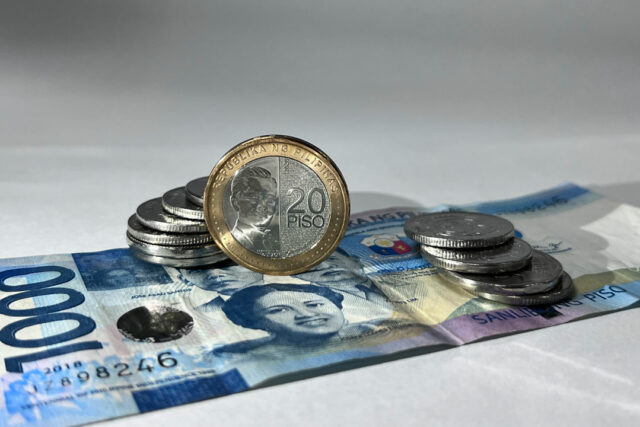
Inflationary pressures also weakened the peso which logged its lowest record last Oct. 13 closing at P59 versus the greenback.

Healthcare spending this year, according to Mr. Asuncion, will be influenced by the priorities of the public given the pressure in costs of goods and services.

“I think it is clear in the minds of people what to prioritize, while we are still technically in a pandemic. Nevertheless, people are also easy to forget and tend to be lax eventually. But, important to note … that rising inflation may also impact healthcare personal and public spending as well in a negative way. Priorities can easily change especially in a very uncertain environment,” he said.

To address inflation, the government has raised rates by 225 basis points since May.

While the economic situation is pressing, Mr. Asuncion said that education and health should not be overlooked.

“For me, both education and health are humungous priorities. People need [to be] educated well and healthy to contribute to economic growth. If people are secure and see their value and place in the economy, robust economic growth and equitable development are eventual consequences,” he said. — Bernadette Therese M. Gadon

N. Korea fires missile, flies warplanes near border as South imposes sanctions

SEOUL — North Korea fired a short-range ballistic missile into the sea off its east coast on Friday, South Korea’s military said, the latest in a series of launches by the nuclear-armed country amid heightened tensions.

South Korea also scrambled fighter jets when a group of about 10 North Korean military aircraft flew close to their heavily fortified border, and North Korea fired some 170 rounds of artillery into “sea buffer zones” off its east and west coasts, the South’s Joint Chiefs of Staff (JCS) said.

South Korea’s National Security Council (NSC) condemned the North for escalating tensions, calling its moves a violation of a 2018 bilateral military pact that bans “hostile acts” in the border area.

Seoul imposed its first unilateral sanctions against Pyongyang in nearly five years, blacklisting 15 North Korean individuals and 16 institutions involved in missile development.

The JCS issued a warning to North Korea, urging it to stop provocations and escalating tension.

South Korean President Yoon Suk-yeol told reporters that Pyongyang has been “indiscriminately carrying out provocations,” vowing to devise “watertight countermeasures.”

North Korea’s military issued a statement via state media KCNA on early Friday that it took “strong military countermeasures,” over South Korea’s artillery fire on Thursday.

South Korea’s NSC said the firing was a “regular, legitimate” exercise.

The incidents came after KCNA said leader Kim Jong Un oversaw the launch of two long-range strategic cruise missiles on Wednesday to confirm the reliability of nuclear-capable weapons deployed to military units.

The unprecedented frequency of North Korea’s missile launches has raised concerns it may be preparing to resume testing of nuclear bombs for the first time since 2017. Some analysts do not expect any tests before neighbouring China concludes a key ruling Communist Party congress, which begins on Oct. 16.

The US Indo-Pacific Command said it was aware of the latest missile launch and “it does not pose an immediate threat to U.S. personnel or territory, or to our allies.”

Japan’s Chief Cabinet Secretary Hirokazu Matsuno said the North’s repeated missiles tests were “absolutely unacceptable,” and his country would “drastically strengthen” its defense.

FLARING TENSION

South Korea’s JCS said the missile launched at 1:49 a.m. on Friday (1449 Thursday GMT) from the Sunan area near North Korea’s capital, Pyongyang, and flew about 700 kilometers (km) to an altitude of 50 km at a speed of Mach 6.

Japan’s coast guard also reported the launch, which was at least the 41st ballistic missile test by the North this year.

The JCS said the aircraft incident occurred for about two hours from 10:30 p.m. on Thursday (1130 GMT), during which about 10 North Korean warplanes flew as close as 12 km north of the sea border and 25 km north of the Military Demarcation Line.

It said the South Korean air force “conducted an emergency sortie with its superior air force, including the F-35A” and a proportional response maneuver.

South Korea’s military will hold its annual Hoguk defense drills starting next week, including field training simulated to counter the North’s nuclear and missile threats, it added.

In its latest sanctions, Seoul’s finance and foreign ministries singled out four officials at the North’s military think tank, and 11 at a trading company.

The 16 entities blacklisted include rocket industry and naval transport agencies, as well as trading, construction and electronic firms.

They aided the North’s weapons programs and helped evade international sanctions by conducting research or supplying finance and materials through overseas workers, smuggling and ship operations, the ministries said.

The General Staff of the North’s Korean People’s Army (KPA) accused the South of taking “provocative action” with the artillery fire, which lasted about 10 hours.

“The KPA sends a stern warning to the South Korean military inciting military tension in the frontline area with reckless action,” its spokesman said, according to KCNA.

The flaring tension revived fears in South Korea of a potential provocation by the North.

Although there were no signs of panic among South Koreans, a Gallup poll released on Friday showed more than 70% of respondents said North Korea’s missile tests threatened peace, the highest since the North’s sixth nuclear test in 2017.

North Korea has called its most recent series of missile tests, including an intermediate-range ballistic missile that flew over Japan last week, a show of force against South Korean and US military drills involving an aircraft carrier.

Washington imposed new sanctions last week targeting a fuel procurement network supporting Pyongyang’s weapons programs. — Reuters

ADVERTISEMENT
ADVERTISEMENT