Home Blog Page 547

Corruption to weigh on Philippine growth until 2027
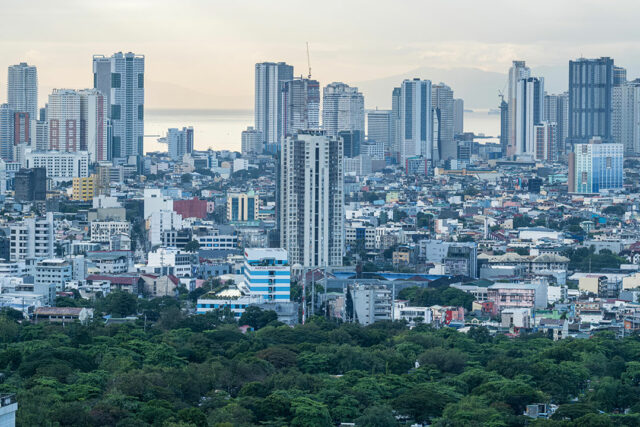
Photo shows the central business district in Makati City, Dec. 16. — PHILIPPINE STAR/ RYAN BALDEMOR

PHILIPPINE ECONOMIC GROWTH may continue to undershoot the government’s targets until 2027 amid the ongoing flood control corruption scandal, Capital Economics said.

In a report on Monday, the think tank said it projects gross domestic product (GDP) growth to settle at 4% this year, well below the government’s 5.5-6.5% target.

Capital Economics sees Philippine GDP to gradually pick up to 4.5% in 2026 and 5% in 2027. However, these are still below the country’s 6-7% targets.

“The corruption scandal that has engulfed the Philippines will continue to weigh on growth over the coming quarters and is likely to trigger a few more rate cuts from the BSP,” Capital Economics Senior Asia Economist Gareth Leather said in a report on Monday.   

Meanwhile, ANZ Research sees the Philippine economy expanding by 4.8% this year as the National Government continues to tighten its belt amid the ongoing probe into public infrastructure projects. 

In its ANZ Research Quarterly for Q1 2026, it trimmed its GDP growth estimates for the Philippines to 4.8% for 2025 from 4.9% previously.

“In Malaysia and the Philippines, the implied impulse for 2026 is negative,” ANZ Research Chief Economist for Southeast Asia and India Sanjay Mathur said. “In fact, our concern for the Philippines is that budgeted spending may not be realized as governance-related issues lead to greater scrutiny.”

In the third quarter, the country’s economic growth slumped to 4%, the slowest expansion seen in over four years or since the coronavirus disease 2019 (COVID-19) pandemic.

In the nine-month period, GDP growth averaged 5%, below the government’s 5.5-6.5% target.   

A wide-scale controversy linking Public Works officials, lawmakers and private contractors to multibillion-peso corruption in anomalous flood control projects dragged government spending and household consumption.

Government spending fell for a third straight month in October to P430.6 billion, down 7.76% from the P466.8-billion expenditure recorded a year ago.

Still, ANZ kept its growth forecasts for 2026 and 2027 at 5% and 5.6%, respectively.

Meanwhile, the think tank lowered its inflation forecast for 2025 to 1.6% from 1.8%.

For next year, it sees inflation accelerating back to the central bank’s 2-4% target at 2.4%, slower than its earlier projection of 3%. It also trimmed its estimate for 2027 to 3% from 3.2%.

Capital Economics likewise forecasts inflation to settle at 1.6% by yearend, before picking up to 2.3% next year and 3% in 2027.

The benign inflation outlook supports the case of further monetary policy easing.

“There is also plenty of scope for monetary policy support,” Mr. Leather said. “With inflation set to stay low, we think the central bank will deliver a couple more interest rate cuts.”

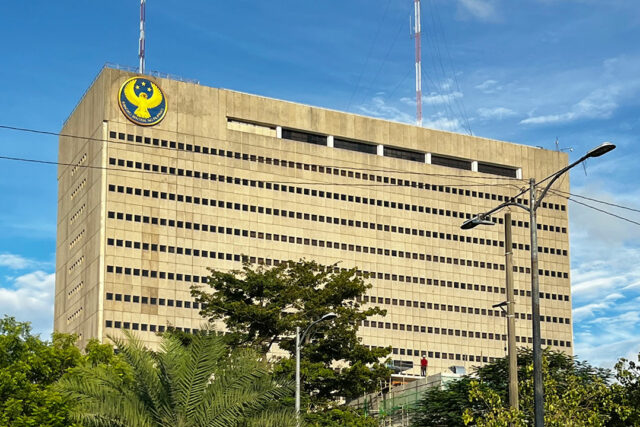
The Monetary Board last week cut the key policy rate by 25 basis points (bps) for a fifth straight meeting to 4.5%. This brought its total reductions to 200 bps since it began its easing cycle in August 2024.

Bangko Sentral ng Pilipinas (BSP) Governor Eli M. Remolona, Jr. has said they might end the current easing cycle with a final 25-bp cut next year depending on economic data.

ANZ Research expects the BSP to deliver one last 25-bp reduction next year, while Capital Economics sees a terminal rate of 4% with the first cut likely to come within the first quarter.   

The Monetary Board is scheduled to have its first meeting next year in February. — Katherine K. Chan

Maharlika plans P8-billion investment in Asian Terminals stake

ASIANTERMINALS.COM.PH

By Aubrey Rose A. Inosante and Ashley Erika O. Jose, Reporters

THE PHILIPPINES’ sovereign wealth fund plans to spend about P8 billion to buy up to 11.2% of port operator Asian Terminals, Inc. (ATI) in a “strategic” move to invest in the sector.

The transaction will lead to ATI’s voluntary delisting from the Philippine Stock Exchange (PSE).

In a statement on Tuesday, the Maharlika Investment Corp. (MIC) said it plans to buy a minority stake in the Tanco-led ATI to “secure a significant position in one of the country’s vital trade gateways.”

The potential investment amount is at least P8 billion, MIC President and Chief Executive Officer Rafael D. Consing, Jr. said in a Viber message to BusinessWorld.

“The port sector is the circulatory system of the Philippine economy. My previous tenure in global logistics has reinforced the conviction that port infrastructure is not merely a business, but a strategic national asset,” Mr. Consing said in the statement.

Mr. Consing said the fund aims to “capture value” from utilities that have “high barriers to entry and a direct correlation to the country’s GDP (gross domestic product) growth.”

“This ensures that our portfolio is resilient, cash-generative, and aligned with national progress. Our entry into ATI is a definitive move to anchor these assets within the Philippine financial ecosystem,” he said.

MIC’s investment in ATI would be its second deal this year, following the acquisition of a 20% stake in Synergy Grid & Development Phils., Inc. for P19.7 billion which gave it a “foothold” in National Grid Corp. of the Philippines.

Maharlika has about P71 billion in deployable capital for future investments.

DELISTING
The MIC is seeking to conduct a tender offer for ATI’s shares, which will run in parallel with ATI’s voluntary delisting from the PSE.

“By entering during the delisting process, MIC maximizes the efficiency of its capital deployment, securing an institutional-grade position in a mature, revenue-generating utility,” the fund said.

ATI told the stock exchange that its board of directors on Tuesday approved the company’s voluntary delisting from the main board of the PSE, after receiving MIC’s notice.

The listed port operator will also expand its share buyback program to acquire the remaining public float shares and employee-held shares, through the same tender offer. Its board also approved to increase its share buyback program to P5 billion.

ATI said MIC has expressed its intention to make a tender offer to its shareholders to acquire up to 101.19 million common shares of ATI at P36 each or around P3.64 billion.

MIC is expected to hold about 11.2% of ATI’s outstanding capital stock once the tender offer is completed, the port operator said.

“This allows ATI to advance its plans for efficiency, infrastructure modernization, and market development, aligned with its mandate to make trade flow efficiently and sustainably,” the company said.

The company also said that MIC’s tender offer bolsters its position in the industry and reflects confidence in its performance, governance and position in the logistics and ports sector.

ATI is also set to conduct a special shareholder meeting on Jan. 30, 2026 for the approval of the voluntary delisting by its stockholders.

On Tuesday, ATI requested a voluntary trading suspension which will be lifted at 9 a.m. on Dec. 17.

In a separate disclosure, ATI’s board of directors has also approved the amendment of its articles of incorporation to increase the number of directors to nine from the current eight.

“The rationale for the increase in the number of directors is to allow Maharlika Investment Corp. representation in the Board of ATI,” ATI said, adding that this is subject to MIC acquiring more than 9% of its issued and outstanding shares and the effectivity of its delisting from PSE.

For China Bank Capital Corp. Managing Director Juan Paolo E. Colet, MIC’s investment in ATI will attract more investments in domestic ports.

“Maharlika should take it a step further by leveraging its stature and network to attract quality foreign funds to co-invest in our country’s maritime infrastructure. We need more and better ports to significantly promote growth across regions,” Mr. Colet said in a Viber message.

Globalinks Securities and Stocks, Inc. Head of Sales Trading Toby Allan C. Arce said that ATI’s decision to pursue voluntary delisting from the PSE reflects its capital strategy.

“ATI’s leadership is signaling a preference for greater strategic and operational flexibility outside the listed environment particularly when a credible investor like Maharlika is willing to support the transaction and potentially take a board seat,” Mr. Arce said.

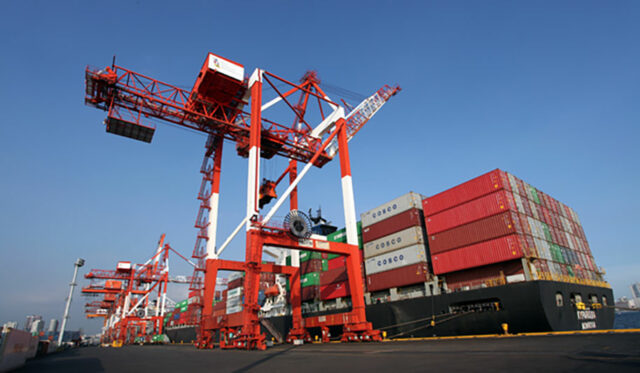
ATI manages and operates several terminals in the country including the Manila South Harbor, the Port of Batangas, Batangas Container Terminal and off-dock yards in Sta. Mesa, Manila; and Calamba, Laguna.

For the January-September period, the company saw its attributable net income jump by 34.38% to P4.26 billion.

“For the ports and logistics sector, ATI’s delisting may reduce the number of publicly traded pure-play terminals on the PSE, potentially narrowing sector representation and investor choice,” Mr. Arce said.

The planned delisting of ATI could also signal that some firms see greater advantage in private ownership structure than public listing, he said.

PEZA eyes P300-B investments in 2026

A worker uses a microscope at an electronics manufacturing assembly plant in Biñan, Laguna, April 20, 2016. — REUTERS

THE PHILIPPINE Economic Zone Authority (PEZA) is hoping to breach the P300-billion level in investment approvals in 2026 amid a strong pipeline.

“From its early years to its peak of P319 billion in approved investments in 2011, PEZA has demonstrated strength, adaptability, and resilience amid global disruptions and economic headwinds,” said PEZA Director-General Tereso O. Panga at the agency’s 30th anniversary event on Monday.

“It is our aspiration that, if not this year, we will breach the P300-billion mark by 2026 — bringing us back to the heydays of PEZA when we were approving an average of P290 billion in annual investments during the 2011 to 2015 period,” he added.

Mr. Panga said he is anticipating the entry of a big-ticket investment worth over P1 billion from a US company.

“We are traveling to the US to meet with another big-ticket investor as early as January to discuss their investment to start the year with a bang,” he added.

Under the administration of President Ferdinand R. Marcos, Jr. the agency has approved 124 big-ticket projects worth P581 billion. These projects are expected to generate $7 billion in exports and create 60,923 jobs.

This includes the $1-billion investment of Samsung Electro-Mechanics, which is the first highly desirable project under the Corporate Recovery and Tax Incentives for Enterprises to Maximize Opportunities for Reinvigorating the Economy Act.

“Approved by the President during his recent visit to South Korea, it provided the much-needed impetus for new big-ticket and strategic investments,” Mr. Panga said.

The goal now is to sustain the upward trajectory of the investment approvals within economic zones (ecozones), he added.

“PEZA has not only recovered from the downward spiral in ecozone investments recorded from 2016 to 2021 but has also achieved its highest investment approvals in the past seven years,” he said.

“Since 2022, PEZA’s approved annual investments have been consistently growing — peaking at P214.18 billion in 2024. This strong performance has also enabled our self-sustaining agency to remit its highest dividends to the national coffers, having entered the prestigious government-owned and -controlled corporation billionaires’ club starting in 2023,” Mr. Panga added.

Meanwhile, the agency is close to achieving its target of P250-billion investment approvals for the year after its Dec. 12 board meeting.

“We are now at P238 billion. That means we are P12 billion short to hit our P250-billion target… but we are getting some applications still, and they all want to be approved on Dec. 22,” he added.

The PEZA Board is set to hold another meeting next week to deliberate on at least four projects.

“We will know by Dec. 22 when we will be holding our last board meeting for the year,” he said. “We are looking at a minimum of four projects; some are developers.”

“Most of these are in manufacturing, and some of these are coming in new… There’s one American, and some are Japanese. But I cannot name them yet unless they actually file their application,” he added.

The pipeline of investments includes a project by an ultra-luxury tourism brand that is estimated to be worth around a billion pesos.

Since its creation in 1995, PEZA has generated over P4.5 trillion in investments, 1.81 million jobs, and $1.12 trillion in exports. — Justine Irish D. Tabile

Philippines still under heightened threat of money laundering

REUTERS

By Katherine K. Chan

THE PHILIPPINES remains under heightened threat of money laundering due to the prevalence of crimes such as drug trafficking, financial fraud and tax evasion, a study by the Anti-Money Laundering Council (AMLC) showed.

In its latest National Risk Assessment (NRA), the financial intelligence unit noted that abuse of digital platforms, cryptocurrency transfers, junket operators, and cross-border schemes via offshore platforms and remittance networks have quickly evolved in the country.

“The Philippines continues to face high (money laundering) threat, driven primarily by the scale and profitability of several predicate crimes, including illegal drug trafficking; fraud, swindling, and cyber-enabled scams; environmental crimes; tax evasion; and corruption and securities-related violations,” the AMLC said in a statement on Monday.

Meanwhile, the country has “medium” vulnerability to money laundering risks, “reflecting improved institutional capacity, stronger regulatory frameworks, expanded supervision, and more effective domestic coordination.”

The country had the same ratings in the previous NRA issued for 2015 to 2016.

The NRA provides insights on the threats from criminals and their illegal operations, as well as the vulnerabilities of the financial system. It also outlines strategies for government and private institutions to enhance prevention and detection of such activities.

“The NRA serves as an evidence-based foundation for shaping national policy and strengthening our country’s defense against the threat posed by evolving financial crime,” said Matthew M. David, AMLC executive director and secretariat head of the National Anti-Money Laundering/Counter-Terrorism Financing/Counter-Proliferation Financing Coordinating Committee (NACC).

“It reaffirms the government’s commitment to transparency, integrity, and national security.”

The Council first released an NRA in 2016, which assessed risks from 2011 to 2014.

The AMLC said its third NRA, which covers data from 2021 to 2024, is its most comprehensive assessment yet on money laundering, terrorism financing, and proliferation financing. It is the first NRA to include proliferation financing risks.

The full report has yet to be published.

By sector, casinos, real estate developers and brokers, money service businesses, virtual asset service providers have medium to high vulnerability to money laundering.

Under medium vulnerability are the banking sector, securities sector, trust entities, pawnshops, dealers in precious metals and stones, as well as lawyers and accountants.

The insurance sector and national savings and loan associations, on the other hand, have medium-low to low vulnerability.

“These ratings reflect risk profiles associated with cash intensity, exposure to high-value transactions, digital adoption, and the strength of supervisory oversight,” the AMLC said.

TERRORISM RISKS
Meanwhile, the AMLC also reported that the Philippines faces “medium” risks from terrorism financing, a downgrade from its “high threat” evaluation in the previous NRA.

“This assessment reflects the cumulative impact of sustained security operations, enhanced intelligence coordination, strengthened oversight of nonprofit organizations, and improvements in financial sector controls and reporting mechanisms,” the AMLC said.

However, terrorism financing risks persist in Mindanao’s conflict zones, cross-border transfers to extremist networks and potential abuse of nonprofit organizations.

The AMLC also identified “medium” risk from proliferation financing (PF), citing limited awareness and readiness among public and private entities, weak enforcement of targeted financial sanctions, and operational coordination gaps.

“The Philippines’ first dedicated PF assessment concludes that while PF threat is low, institutional and sectoral vulnerabilities are high, resulting in an overall medium PF risk profile,” it said.

Still, the AMLC noted substantial progress in the country’s proliferation financing, including the activation of the NACC proliferation financing sub-committee, stronger regulatory issuances, and improved supervisory awareness among financial institutions.

In February, the Philippines exited the Financial Action Task Force’s (FATF) “gray list” or the list of jurisdictions under increased monitoring for money laundering.

The FATF is set to reassess the country in 2027, where it will verify whether the country’s anti-money laundering measures are being sustained and still in place.

The Philippines was also delisted from the United Kingdom and the European Commission’s lists of third countries with high risk of money laundering and terrorism financing in March and June, respectively.

John Paolo R. Rivera, a senior research fellow at the Philippine Institute for Development Studies, said the report reflects the country’s progress on its anti-money laundering and counter-terrorism financing (AML/CTF) initiatives, but still shows gaps in enforcement and risk management.

“For the FATF, (the) EU (and the) UK, the report reinforces the need for (the Philippines) to sustain reforms after its recent delistings,” he said in a Viber message. “While it does not automatically mean a return to watchlists, any weakening in enforcement, prosecutions, or supervision could raise red flags and invite renewed scrutiny.”

Meanwhile, Jonathan L. Ravelas, a senior adviser at Reyes Tacandong & Co., said via Viber that the AMLC’s findings serve as a “wake-up call.”

“It shows we’ve made progress, but high threats and medium vulnerabilities mean we’re still exposed,” he said. “If we don’t act fast, global bodies like FATF, the EU, and the UK could put us back under scrutiny.”

Mr. Rivera said the National Government should ensure that investigations into money laundering crimes yield more convictions to curb risks and improve confidence in the country’s AML/CTF compliance.

The administration should also tighten oversight of high-risk sectors like digital platforms, accelerate beneficial ownership transparency, and strengthen inter-agency coordination, he added.

Lucio Co’s Crystal Bridges to take over PrimeWater

FROM LEFT: Vincent Co, Leonardo Dayao, Manuel B. Villar, Jr., Lucio Co and Manuel Paolo A. Villar

LUCIO L. CO-LED Crystal Bridges Holdings Corp. is set to take full control of Villar-led PrimeWater Infrastructure Corp., allowing the company to operate the latter’s entire portfolio across the country.

In a statement on Tuesday, the Villar-led company said it has entered into definitive agreements for the acquisition of 100% of PrimeWater.

PrimeWater did not disclose the cost of acquisition.

“Upon completion, Crystal Bridges will acquire PrimeWater’s entire portfolio of operations across the Philippines,” the company said.

PrimeWater, a subsidiary of Prime Asset Ventures, Inc., serves over 1.7 million households and supplies about 500 million liters of water per day across more than 100 partnered water districts nationwide.

Its operations span multiple provinces, including Bulacan, Batangas, and Laguna.

The company is owned by Manuel Paolo A. Villar, the eldest of the Villar siblings.

Some big companies, including Pangilinan-led Metro Pacific Investments Corp., had expressed interest to acquire the water company after billionaire Manuel B. Villar, Jr. said he wanted to dispose of PrimeWater, saying the company is “being used against us in politics” amid mounting criticism of its services.

President Ferdinand R. Marcos, Jr. has launched a probe of the water service provider following complaints from its consumers.

The Local Water Utilities Administration, a state-run firm that provides support for water systems in provincial cities and municipalities, started an official investigation into PrimeWater’s 73 joint venture agreements with local water districts nationwide.

Asked to comment, China Bank Capital Corp. Managing Director Juan Paolo E. Colet said that the tycoon’s takeover of the water utility would work due to his resources and network.

“Lucio Co is making a huge bet on the water utility business. It marks a bold diversification of his business empire. He certainly has the resources and relationships to make this investment work,” he told BusinessWorld.

Mr. Co is the chairman of conglomerate Cosco Capital, Inc., a major holding company known for its diverse portfolio in retail, real estate, liquor distribution, and oil and mining. — Sheldeen Joy Talavera

EDC enters lower-spend phase with P19-billion 2026 capex

EDC

By Sheldeen Joy Talavera, Reporter

ENERGY Development Corp. (EDC) has set a capital expenditure (capex) budget of P19 billion for 2026, lower than this year’s allocation, as the company scales back drilling activities following several years of heavy investment in geothermal growth projects.

Speaking on the sidelines of the 2025 Sustainable Energy Awards on Tuesday, EDC Senior Vice-President and Chief Financial Officer Erwin O. Avante said the company is entering a less capital-intensive phase after an aggressive drilling program.

“In the last two years, our capex was very heavy in terms of drilling and growth projects,” he said. “Next year, we are winding down on drilling.”

The planned 2026 capex is below the roughly P30-billion budget earmarked for 2025, which was largely allocated to drilling activities and the development of new geothermal capacity.

EDC plans to drill six geothermal wells next year to support steam production and potential capacity additions. This compares with 12 wells drilled in 2025 and 24 wells in 2024.

In August, the company inaugurated its 22-megawatt (MW) Tanawon geothermal power plant in Sorsogon, which is expected to generate about 159,000 megawatt-hours of electricity annually.

The Tanawon facility is the second of seven growth projects in EDC’s pipeline, following the commissioning of the 29-MW Palayan binary geothermal power plant in July 2024.

EDC, the renewable energy unit of Lopez-led First Gen Corp., has a total installed capacity of 1,388.8 MW, accounting for about 20% of the Philippines’ total renewable energy capacity.

Since 1976, the company has developed geothermal facilities across Bicol, Leyte, Negros Island, and Mindanao. It also operates wind and solar assets in Burgos, Ilocos Norte, and hydroelectric plants in Nueva Ecija.

Outside the Philippines, EDC has expanded into Indonesia through a partnership with PT DSSR Daya Mas Sakti, a local geothermal energy firm.

Under the agreement, the companies aim to develop geothermal resources with a combined potential capacity of up to 440 MW across several sites in Indonesia.

Mr. Avante said EDC expects to begin identifying prospect sites next year for the development of two geothermal projects under the partnership.

ALI raises P13.5B from Alabang Town Center stake sale

WIKIMEDIA.ORG

By Beatriz Marie D. Cruz, Reporter

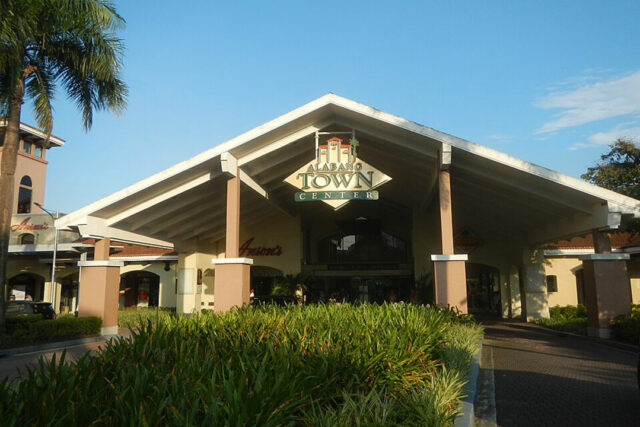
LISTED property developer Ayala Land, Inc. (ALI) has raised P13.5 billion from the sale of its 50% stake in Alabang Town Center in Muntinlupa City, a move aimed at funding future commercial and retail expansions.

In a stock exchange disclosure on Tuesday, ALI said it sold its interest in Alabang Commercial Center Corp. (ACC), the entity that owns and operates Alabang Town Center, to its joint venture partner, the Madrigal family.

“We are monetizing a legacy asset at peak valuation to accelerate the rollout of our expansive pipeline of commercial and retail spaces, which will define the Ayala brand of development for the next decade,” ALI President and Chief Executive Officer Anna Ma. Margarita “Meean” B. Dy said.

Proceeds from the transaction will support the company’s leasing growth plans, which include the addition of about 700,000 square meters of new gross leasable area over the next five years.

ALI currently has more than 53 estates nationwide, many of which are undergoing expansion. Ongoing developments include Evo City in Cavite, Gatewalk Central in Cebu, and Ascenda in Davao City.

“The sale strengthens ALI’s balance sheet and provides funding flexibility for its expanding pipeline of retail and commercial projects as the company shifts toward a more leasing-driven growth strategy,” AP Securities, Inc. Equity Research Analyst Shawn Ray R. Atienza said in a Viber message.

China Bank Capital Corp. Managing Director Juan Paolo E. Colet said the transaction is unlikely to affect retail demand at Alabang Town Center, given its established market position.

“This was an opportunistic deal that allowed Ayala Land to exit the joint venture at an attractive valuation. The company can readily redeploy the proceeds into its broader growth pipeline,” he said in a separate message.

The partnership between Ayala Land and the Madrigal family dates back to the 1960s, when the two groups jointly developed a 661-hectare property in Muntinlupa City from a former mango plantation into a major commercial and residential hub.

Today, the area encompasses Alabang Town Center, Ayala Alabang, and Madrigal Business Park.

ALI earlier reported a 0.9% year-on-year increase in nine-month attributable net income to P21.4 billion.

At the stock exchange on Tuesday, shares of Ayala Land rose by 0.67% or 15 centavos to close at P22.70 apiece.

Quantity Solutions, Inc. hosts successful 5th QS Cup Golf Tournament

Quantity Solutions, Inc. (QSI) successfully hosted the 5th QS Cup Golf Tournament, an annual gathering that brings together industry leaders, partners, and stakeholders from the construction sector. This event took place at the prestigious Ayala Greenfield Golf and Leisure Club, highlighting QSI’s continued commitment to fostering collaboration and excellence within the industry.

The tournament drew over a hundred participants, including top executives, project managers, and valued partners, all coming together for a day of sportsmanship, networking, and camaraderie. The QS Cup has consistently served as more than just a golf event — it is a platform where meaningful connections are forged, and the shared vision of advancing the construction industry is celebrated.

The day commenced with a ceremonial tee-off led by distinguished executives and partners: Mr. Joffrey Gacula, Managing Director of D.M. Consunji, Inc.; Mr. Dennis Villar, President of Dalkia, Inc.; Mr. Fred Dela Cruz, Chairman & CEO of First Orient Development and Construction Corp.; Mr. Rami Chahwan, President & CEO of PickUp Coffee, and Ms. Natalie Arcega, Managing Director of Arce Tours and Travel; officially marking the start of the tournament.

Participants then took to the championship course, navigating its challenging fairways and greens while showcasing their golfing prowess. Beyond the sport itself, the tournament emphasized values that mirror QSI’s guiding principles, including teamwork, strategic thinking, integrity, and resilience. The competitive yet friendly atmosphere allowed participants to engage with peers, share insights, and strengthen professional networks in a relaxed setting.

A highlight of the tournament was its recognition segment, where top performers were celebrated for their skill, consistency, and sportsmanship. Awards were presented across multiple categories, recognizing exceptional performance while emphasizing camaraderie and fair play. The recognition segment underscored the QS Cup’s role in promoting a culture of excellence and mutual respect, reflecting the same standards QSI applies in its own operations and client engagements.

Proceeds of the tournament will benefit the Don Bosco Technical Vocational Education and Training Center in Balamban, Cebu City, further reinforcing QSI’s commitment to supporting education and skills development in the Philippines.

The success of the 5th QS Cup would not have been possible without the generous support of its sponsors:

Gold Sponsors:
Astranniquin Corp., D.M. Consunji, Inc., Daikin Airconditioning Philippines, Inc., DDT Konstrakt, Inc., Filipinas Asia Shutter Door Corp., First Orient Development and Construction Corp., Kampfortis, Inc., LJ Industrial Fabrication, Inc., LM Integrated Systems and Data Networking, Inc., Lythaus Lighting Supply, MAAGAP Insurance, Inc., Mevbuilt, Inc., MERG Realty and Development Corp., Powercity Corp., Powertrac, Inc., SpeedFrame, Wall Vision Corp.

Silver Sponsors:
AC Technical Services, Inc., Calamba Doctors Hospital, Applied Thermal Technology Solution Corp. (CLIVET), Beta Electromechanical Corp., Carlson Innotech Corp., Concrete Solution Builders and Supply, Envirocool Corp. (In-kind), Filhome Builders Center, Inc., Ground Specialists, Inc., Gulf Security Technology (GST), Immuni Global, Inc., Intact Curtain Wall Windows and Door Corp., Jayar, Inc., JLO and Daughsons, Inc., Kalayaan Engineering, Lynx Industrial Trading Corp., Metro Stonerich Corp., Mit-Air, Inc., MVA Power Systems, Inc., Net Pacific, Inc., Niagara Industrial Equipment Corp., Pacific Paint (Boysen) Philippines, Inc., Passenger Accident Management & Insurance Agency, Inc., Philsurv Geodetic Services, RnR Support Systems, Inc., Ron Fire Systems, Siemens Energy, SpearTip Advisors, Unidoor Systems, Inc., YFD Construction, Inc.

Legacy Sponsors:
Arce Tours and Travel, Inc., Dalkia, Inc.

Other Support:
Mahanaim Consulting & Development, Inc. (Raffle Items), Ayala Land Premiere

Over the years, the QS Cup has become a symbol of QSI’s commitment to excellence and community building. By bringing together leaders and stakeholders in a setting that promotes learning, engagement, and camaraderie, QSI continues to strengthen its role as a driving force in the local construction industry.

Events like this highlight the value of creating spaces where industry leaders can converge, share experiences, and forge partnerships that contribute to sustainable growth and excellence.

About Quantity Solutions, Inc.

Quantity Solutions, Inc. (QSI) is a leading cost engineering and project management firm based in the Philippines, known for its commitment to transparency, efficiency, and excellence. Established in 2008, QSI has completed over 700+ local and international projects over its 17 years of operation. In 2025, QSI has been recognized for its excellence in quantity surveying. It received the “Highly Commended — Quantity Surveying Team of the Year 2025″ award from the Royal Institution of Chartered Surveyors (RICS) Southeast Asia.


Spotlight is BusinessWorld’s sponsored section that allows advertisers to amplify their brand and connect with BusinessWorld’s audience by publishing their stories on the BusinessWorld Web site. For more information, send an email to online@bworldonline.com.

Join us on Viber at https://bit.ly/3hv6bLA to get more updates and subscribe to BusinessWorld’s titles and get exclusive content through www.bworld-x.com.

Religious artifacts and antiques the focus of the new Museo P. Lhuillier

FOR the Philippine Ambassador to Spain, Philippe J. Lhuillier, his decades of diplomatic service are best represented by the religious artifacts, European antiques, and culturally significant memorabilia that he has collected over the years. His legacy as a diplomat extends beyond the work itself, through religious and cultural heritage.

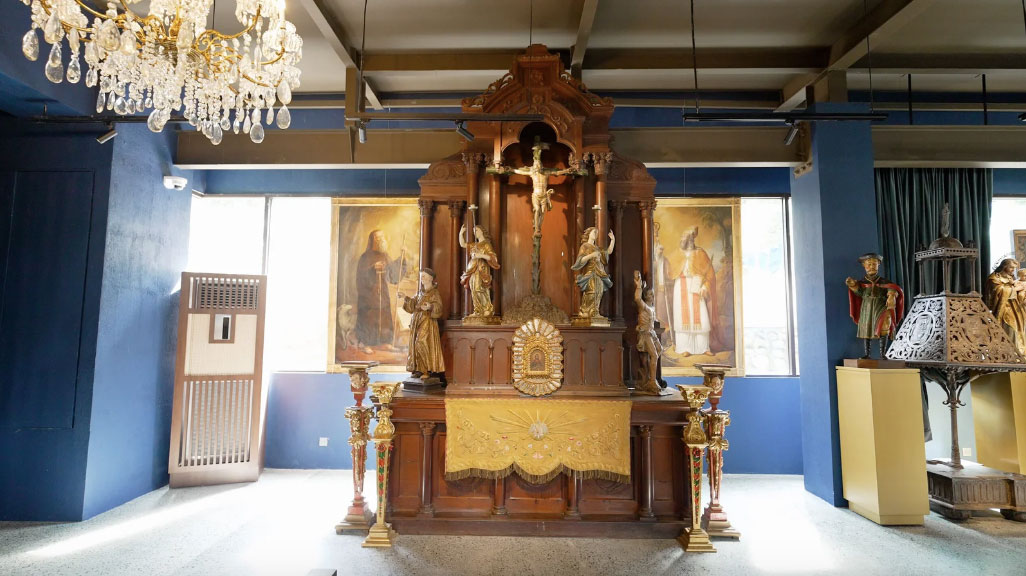
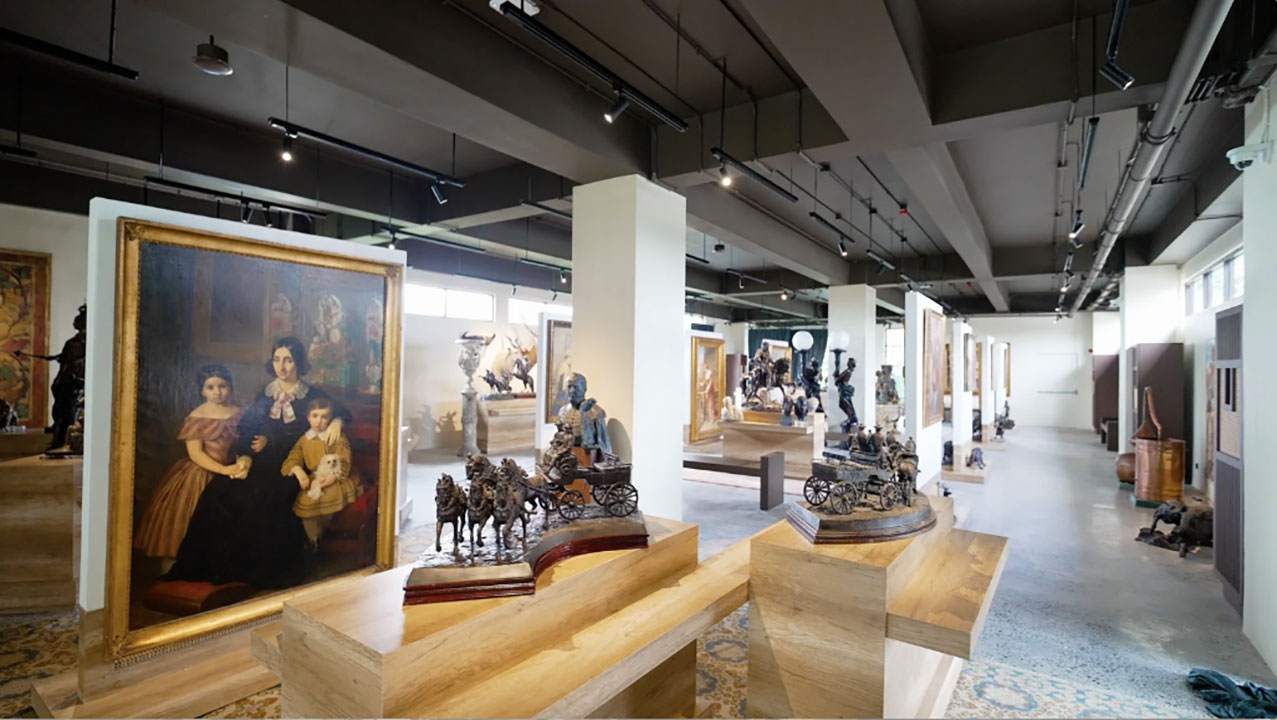
In Museo P. Lhuillier, a new museum housing Mr. Lhuillier’s extensive personal collection, visitors catch a glimpse of his storied legacy. It includes sacred objects, significant artworks, historical artifacts, and items detailing the narrative of the Cebuana Lhuillier Foundation.

The museum, located in Antipolo City, is set to open in 2026. A media preview was held on Dec. 5.

“Many of these pieces have been carefully kept for years. It has long been my hope to make these pieces accessible to the Filipino public,” Mr. Lhuillier said at the event. “My hope is that Museo P. Lhuillier becomes a place of reflection and discovery, where visitors can connect with stories of faith, heritage, and global tradition.”

A new cultural and spiritual landmark in Antipolo City, the museum’s four stories are divided into three sections — religious art, furniture, and ivory and silver — in total adding up to over 500 pieces on display.

“What we display here are not simply collections, but reflections of chapters that formed my father’s outlook, values, and his way of living with kindness and purpose,” said Camille Lhuillier-Albani, general manager of Casa de Memoria, the Lhuillier family’s auction house.

She explained that this is why there is a gallery tracing the ambassador’s personal and professional journey through items that he had collected, mirroring his “diplomatic career, personal history, and devotion.”

A lot of the works date back to the 17th century, many of which were sourced from flea markets and churches in Europe that were on the verge of closure.

The museum also places emphasis on religious sculptures of the Madonna and Child and Sta. Rosa de Lima, which are the centers of Mr. Lhuillier’s religious devotion. They can be found in the Kapilya de Santa Rosa de Lima, a little sanctuary for devotion and contemplation.

“Growing up, we often saw how much these pieces meant to him. Seeing them now shared with the public feels deeply special. This museum reflects not only his love for art and history, but his desire to give Filipinos a place for quiet reflection and connection,” said Ms. Lhuillier-Albani.

The furniture on view comes in Victorian, Baroque, and Rococo styles. Meanwhile, the ivory and silver section houses many ornate items including cabinets traditionally used to hold religious items and jewelry.

Museo P. Lhuillier’s APJL Hall gives insight into key milestones in Mr. Lhuillier’s 17-year journey in foreign service. The museum’s upper floors also detail his and his family’s work through the Cebuana Lhuillier network of pawnshops, which has an active foundation regularly leading philanthropic initiatives.

“Throughout his diplomatic career in Italy, Albania, San Marino, Portugal, and now Spain, my dad has championed the welfare of overseas Filipinos, strengthened bilateral relations, and elevated our culture abroad,” said Jean Henri Lhuillier, president and chief executive officer of Cebuana Lhuillier, at the preview.

He added that this dedication to service has always served as an inspiration. “Seeing his impact reflected in this museum is deeply meaningful,” the younger Mr. Lhuillier said.

The museum will host a rotating pop-up gallery, featuring seasonal exhibitions, collaborations, and programs meant to spark cultural engagement.

Overall, the curation aims to “inspire meaningful connections and encourage visitors to explore the richness of shared heritage,” according to Ms. Lhuillier-Albani.

She pointed out that the country’s Filipino-Hispanic architecture, represented by wooden lattice patterns, woven rattan accents, and bahay na bato elements, can be found throughout the museum.

The younger Mr. Lhuillier said that he’s sure many Filipinos will appreciate what the museum has to offer, when it officially opens in early 2026. “My dad has been collecting many of these pieces for years, and finally, we have a space to share them with the public. This facility ensures that everyone can enjoy and appreciate Filipino culture,” he said.

Guests can plan their visit through www.museo-plhuillier.com or the Museo P. Lhuillier Facebook page. Entrance costs P250 for adults and P100 for young people ages 19 to 24. — Brontë H. Lacsamana

Standout vehicles in steady 2025

Vehicle sales in the Philippines post modest growth in 2025 as the industry heads into the final months of the year with tempered momentum but steady demand.

Even with slower gains toward the fourth quarter, the Chamber of Automotive Manufacturers of the Philippines, Inc. (CAMPI) and the Truck Manufacturers Association (TMA) project total vehicle sales to reach about 486,000 units by year’s end. The updated outlook falls below the earlier 500,000 unit goal but still represents growth of about 4% compared with 2024.

CAMPI President Rommel R. Gutierrez points to improved availability of vehicles and stronger buyer interest in newer technologies as factors supporting sales as 2025 draws to a close.

Automakers also benefit from a consumer base that remains active despite higher borrowing costs and rising household expenses. Buyers show caution, but showrooms still see steady traffic.

Meanwhile, electric and hybrid models account for about 9% of all new vehicles sold in October, a sharp rise compared with earlier periods. Hybrid vehicles post the strongest gains within the segment, recording solid month-to-month increases.

As fuel prices remain unstable and urban driving grows more demanding, automakers respond with electric and hybrid models that offer longer range, lower running costs, and features aimed at daily use.

Toyota ATIV

Toyota Motor Philippines targets a broader audience with the all-new ATIV, a subcompact sedan designed for professionals and first-time car owners. The biggest headline sits with the introduction of a hybrid electric variant, positioned as Toyota’s most accessible electrified passenger car in the local lineup.

The ATIV HEV uses a 1.5-liter four-cylinder hybrid engine paired with Continuously Variable Transmission, delivering a combined system output of 111 horsepower. Toyota also offers gasoline variants with 1.3-liter and 1.5-liter engines, giving buyers a range of price points and performance levels.

On the road, the ATIV focuses on ease of use. Its dimensions strike a balance between interior space and city maneuverability. The fastback-style silhouette, LED headlamps and available sequential rear turn signals give it a sharper profile than earlier subcompact sedans.

A 7-inch digital multi-information display comes standard, with the hybrid variant offering up to a 10.1-inch display audio system with wireless smartphone connectivity. Seating accommodates five, with a layout aimed at daily commuting and family use.

Toyota Safety Sense appears on the ATIV, bringing features such as pre-collision detection, automatic high beam, lane tracing assist and lane departure alert. The hybrid variant adds adaptive cruise control. All versions include air bags, anti-lock brakes with brake assist, vehicle stability control, blind spot monitoring and International Standards Organisation Fix (ISOFIX) child seat anchors.

Toyota backs the ATIV with an expanded ownership package. Vehicles sold from January 2025 onward qualify for a five-year warranty program, subject to meeting periodic maintenance requirements at authorized dealers. The program extends coverage beyond the previous three-year term.

Tesla Model 3

Tesla opens 2025 with an updated Model 3 lineup that adds features without raising prices. The rear-wheel-drive version starts at P2.109 million; the Long Range all-wheel-drive model is priced at P2.489 million; and the Performance all-wheel-drive variant carries a P3.099-million price tag.

The latest Model 3 includes a front-facing camera designed to assist with parking and low-speed maneuvers. Tesla says this camera also supports the brand’s driver-assist system, which now relies on eight cameras. Exterior updates are subtle, including matte black Tesla badges on the front and rear.

Inside, Tesla restores a traditional turn signal stalk, replacing the steering wheel buttons some drivers found awkward. Such adjustment is expected to make basic driving inputs more familiar, particularly for those new to electric vehicles.

Range figures have improved for the updated models. The Long Range all-wheel-drive version can travel up to 660 kilometers on a single charge, the Performance model reaches 571 kilometers, and the rear-wheel-drive variant remains at 520 kilometers. These distances place the Model 3 among the longest-range electric sedans available in the Philippines.

Currently, Tesla Philippines operates 10 stations in Metro Manila and one hub in Antipolo, Rizal.

Lexus LBX

Lexus pushes into new territory with the LBX, its most compact hybrid yet. The model pairs a 1.5-liter inline three-cylinder gasoline engine with a high-output electric motor.

The LBX produces 134 horsepower and reaches 100 kilometer per hour in 9.2 seconds, with a listed top speed of 170 kilometer per hour. Front-wheel drive and a low center of gravity shape its road manners, while MacPherson struts up front and a torsion beam at the rear handle daily driving demands.

In terms of design, a low-slung hood, aligned roofline and sculpted bumpers give the vehicle a planted stance despite its compact size. The updated spindle grille integrates sensors and cooling functions without overwhelming the front profile. LED lighting appears throughout, from headlamps to rear combination lamps, reinforcing its modern look.

Inside, Lexus focuses on comfort and usability. Smooth leather and Ultrasuede seats, power adjustment for the driver and dual-zone automatic climate control set the tone. A 9.8-inch display anchors the dashboard, paired with a 7-inch digital instrument cluster. Apple CarPlay and Android Auto come standard, along with multiple USB-C ports and a wireless charging pad.

Meanwhile, Lexus Safety Sense includes a pre-collision system using radar and a monocular camera, lane tracing assist, adaptive high beam and all-speed dynamic radar cruise control. Blind spot monitoring, rear cross-traffic alert and a full complement of air bags round out the list.

BYD Sealion 5 DM-i

BYD adds another model to its Philippine lineup with the Sealion 5 DM-i. Its exterior features angular headlights, a wide front grille with horizontal slats, silver trim on the lower fascia, a light bar at the rear, plastic cladding, a small roof spoiler, and 18-inch two-tone alloy wheels.

The cabin follows BYD’s typical layout, with a large rotating touchscreen at the center of the dashboard, supported by physical buttons and knobs. Beige and brown trim combine with leather, fabric, and hard plastics. Wired Apple CarPlay and Android Auto come standard, along with speed-sensing door locks and a tire-pressure monitoring system.

The Sealion 5 is powered by a Super DM-i range-extended hybrid system. A 1.5-liter gasoline generator feeds a front-mounted electric motor producing 197 horsepower and 300 Newton-meters of torque. Under New European Driving Cycle (NEDC) testing, the vehicle can travel up to 71 kilometers on electric power alone. With a full tank and charged battery, BYD lists a combined range of 1,001 kilometers.

Performance figures include a 0-100 kilometer-per-hour time of 8.3 seconds. The vehicle uses a front-wheel-drive layout, a Blade Battery with 12.96-kilowatt-hour capacity, a MacPherson strut front suspension, a multi-link rear suspension, and disc brakes on all wheels.

Unlike some competitors, safety equipment focuses on essentials such as six air bags and rear parking sensors.

BYD markets the model to buyers who want hybrid efficiency and long-distance capability without moving into higher price brackets. — Mhicole A. Moral

Financial system resources grow to P35.3 trillion

BW FILE PHOTO

THE TOTAL RESOURCES of the Philippines’ financial system climbed to over P35 trillion as of October, preliminary data from the Bangko Sentral ng Pilipinas (BSP) showed.

Resources of banks and nonbank financial institutions increased by 6.76% to P35.312 trillion at end-October from P33.077 trillion in the same period last year.

However, this slipped by 1.3% from the P35.775 trillion seen at end-September.

The financial system’s resources include funds and assets such as deposits, capital, and bonds or debt securities.

Preliminary central bank data showed the banking sector’s resources stood at P29.208 trillion as of October, climbing by 7.19% from P27.249 trillion a year ago.

Broken down, total resources held by universal and commercial banks rose by 6.42% to P27.126 trillion at end-October from P25.49 trillion the previous year.

Thrift banks had P1.421 trillion in total resources during the period, jumping 24% year on year from P1.146 trillion.

Total resources of digital banks amounted to P155 billion, growing by 36.2% from P113.8 billion in the comparable year-ago period.

Lastly, resources of rural and cooperative banks inched up by 1.53% to P505.9 billion from P498.3 billion.

Meanwhile, nonbanks held resources worth P6.104 trillion as of June 2025, based on the latest available BSP data. This was up from the P5.704 trillion recorded a year prior.

Nonbanks include investment houses, finance companies, security dealers, pawnshops, and lending companies.

Institutions such as nonstock savings and loan associations, credit card companies, private insurance firms, the Social Security System, and the Government Service Insurance System are also considered nonbank financial institutions.

Rizal Commercial Banking Corp. Chief Economist Michael L. Ricafort said in a Viber message that the growth in the financial system’s resources outpaced the economy’s expansion largely due to faster lending.

“[This is] a good signal since banks have been among the most profitable industries in the country for many years,” he said.

Bank lending expanded by 10.3% year on year to P13.793 trillion in October, the slowest growth seen in 16 months or since the 10.1% pace in June 2024.

John Paolo R. Rivera, a senior research fellow at the Philippine Institute for Development Studies, attributed the higher resources to the growth in financial institutions’ balance sheets.

“It reflects continued deposit inflows, balance sheet expansion by banks and nonbanks, and valuation effects as institutions accumulated government securities and other financial assets amid expectations of lower interest rates,” he said in a Viber message.

“Moving forward, resource growth should remain steady but moderate,” Mr. Rivera said. “As policy rates ease, deposits and investment assets are likely to keep growing, but the pace will depend on how quickly loan demand recovers and confidence improves.”

Mr. Ricafort added that further monetary easing by the BSP and the US Federal Reserve could boost resources as lower borrowing costs could help spur lending.

“These would also lead to more trading gains, net interest income, and overall net income of banks that, in turn, lead to further growth in the capital and total resources of banks and also of the whole financial system, especially if asset quality, NPLs, credit risks are better managed based on global best practices on credit risk management,” Mr. Ricafort added.

The BSP has so far lowered its key interest rate by a total of 200 basis points (bps) since it began its easing cycle in August 2024, with the policy rate now at an over three-year low of 4.5%.

Meanwhile, the Fed cut its target rate by another 25 bps last week to the 3.5%-3.75% range. It has delivered 175 bps in cuts since September 2024. — Katherine K. Chan

RFM Corp. reports steady profits despite typhoons, lower flour prices

RFM FLOUR FACEBOOK PAGE

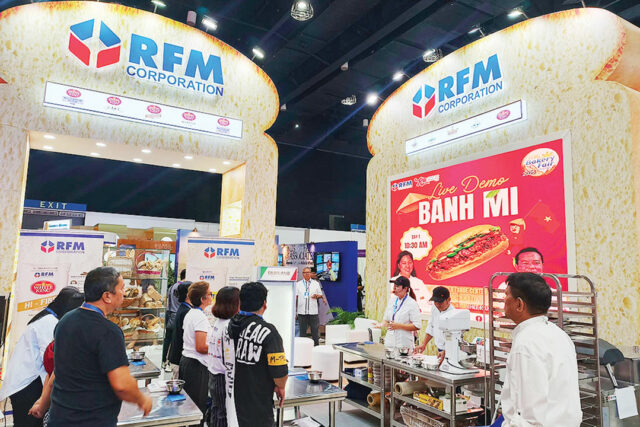
LISTED food and beverage producer RFM Corp. is on track for full-year 2025 sales of P22.2 billion, a modest 2% increase based on preliminary unaudited data, according to its chief executive officer (CEO).

“With zero bank loans at the parent level and a healthy cash balance, RFM can continue to uphold its dividend policy and fund expansion projects across several business segments — without putting stress on the balance sheet,” RFM CEO Jose Ma. A. Concepcion III said in a stock exchange disclosure on Tuesday.

The company said it expects to deliver P1.6 billion in net income for the year despite limited top-line growth, marking 14% year-on-year increase driven by profitability focus and operational discipline.

RFM added that its main brands including Selecta Milk, Selecta Ice Cream, Royal Pasta, and Fiesta Pasta keep seeing steady demand and market gains, fueling most volume growth. Sales overall, however, slowed this year due to lower flour prices, typhoons, and flooding in Luzon that hit Magnum RFM Ice Cream sales.

Mr. Concepcion said low inflation will keep boosting household consumption. He added that imported input costs are stabilizing, helping manufacturers like RFM handle currency risks from the weaker peso.

“Despite these operational headwinds, consumer demand across key categories remains resilient. RFM’s profit margins continue to hold steady, supported by sustained volume gains in milk, pasta, and flour. These improvements come even as the company navigates rising input and labor costs, including nationwide wage increases implemented this year,” the company wrote in the disclosure.

Mr. Concepcion said RFM’s pasta and milk operations are ramping up supply chains, targeting better warehousing and freight efficiency as volumes grow. He also disclosed that the joint venture for its ice cream units needs to expand capacity soon to handle rising demand.

RFM shares fell by 0.87% or 4 centavos to close at P4.58 per share on Tuesday. — Alexandria Grace C. Magno

ADVERTISEMENT
ADVERTISEMENT