Home Blog Page 480

SEIPI sees double-digit growth in electronic exports this year

A printed circled board and chips are pictured at the Taiwan Semiconductor Research Institute (TSRI) in Hsinchu, Taiwan, Sept. 16, 2022. — REUTERS/ANN WANG

PHILIPPINE EXPORTS of semiconductor and electronic products are projected to grow by double digits this year to $48 billion, the Semiconductor and Electronics Industries in the Philippines Foundation, Inc. (SEIPI) said.   

“We’re poised to have double-digit growth, $48 billion. I’m not saying it’s a slam dunk, but we’re on that trajectory. And that’s higher than 2024, and hopefully comparable to 2023 levels,” SEIPI President Danilo C. Lachica told reporters.

In 2024, the Philippines exported $39.1 billion of electronic products, down 6.7% from $41.91 billion a year prior.

If the $48-billion projection is to be realized, it would represent an almost 23% growth from last year’s total. The growth would be faster than SEIPI’s 5-7% growth estimate last month.

Mr. Lachica said the optimism is driven by higher demand for semiconductors and electronics for artificial intelligence, internet of things, electric vehicles, among others.

According to preliminary data from the Philippine Statistics Authority, exports of electronic products surged 50.6% in November to $4.19 billion from $2.78 billion a year ago. Electronics remained the top export category, accounting for 60.7% of the country’s total exports.

The November surge brought year-to-date exports of electronic products to $41.81 billion, up 15.5% from $36.28 billion in the same period last year. Semiconductor exports alone rose 15.7% to $31.51 billion from $27.24 billion during the same period.

To further strengthen the industry, SEIPI is urging the government to implement the Philippine Semiconductor and Electronics Industry Roadmap.

The roadmap aims to grow the country’s semiconductor and electronics industry’s exports to $110 billion by 2030, roughly 2.5 times its current size. It targets $70 billion in semiconductor packaging and $40 billion in assembled electronics and integrated circuit design services.

“I do hope what the Department of Trade and Industry does is to implement the semiconductor electronics roadmap. It’s been almost a year. It hasn’t been implemented yet,” Mr. Lachica said.

SEIPI is also seeking government support for a semiconductor front-end wafer laboratory, a research facility that would allow the country to develop prototype wafers and circuits and build capabilities in advanced semiconductor manufacturing.

“Hopefully, they can also help fund the semiconductor front-end wafer lab, which we proposed to the Department of Science and Technology, which, up to now, hasn’t been approved yet,” Mr. Lachica said. — Vonn Andrei E. Villamiel

Makesense Asia unveils next gen of startups at Academy 8 Demo Day

Makesense Asia, a leading regional Ecosystem Support Organization (ESO) and incubator focused on just and regenerative solutions, is set to host its highly anticipated Makesense Academy 8 Demo Day on Jan. 22, 2026 at the Philippine Innovation Hub. The event will culminate eight years of expertise by showcasing a hand-picked cohort of growth-ready early-stage social enterprises driving systemic change across the Philippines.

Makesense Academy 8 Demo Day serves as an exclusive platform for the investment community, impact accelerators, corporate leaders, and policy makers to secure direct access to ventures that have successfully completed the rigorous Makesense Academy program. This intensive incubation is designed to de-risk early-stage startups and prepare them for significant investment and large-scale impact.

This year’s cohort features inspiring impact entrepreneurs tackling some of the nation’s most pressing social and environmental challenges in critical sectors, including circular economy, edtech, and sustainable agriculture. These entrepreneurs offer field-tested, scalable solutions that align with and contribute to national development goals and global sustainability mandates.

An early milestone for Academy 8, the Founders’ Retreat brings the cohort together to build community and lay the groundwork for strong organizational foundations.

“This cohort of entrepreneurs has completed a rigorous incubation program focusing specifically on solidifying their internal processes, operations, and strengthening market-critical partnerships,” Ally Malvar, Makesense Asia incubation lead, said.

“What is undeniable is their proven capacity to create viable, collaborative, and impactful business models that are addressing everything from upcycling glass waste to sustainable agriculture. This Demo Day is your chance to witness the solutions that allow us to tangibly imagine alternative, regenerative futures. It proves that innovation, circularity, and sustainability are not just about advocacy; they are the most promising avenues for economic growth and national progress. We invite all strategic partners — investors, industry leaders, policy makers and more — to add the essential fuel of investment and support to these impact-driven solutions,” she added.

The Makesense Academy team also curated a selection of top-performing social startups and Academy alumni who will also be featured at the Jan. 22 Demo Day, to connect investors with more investment opportunities.

Demo Day is the culminating activity of every batch of Makesense Academy. In recent years, alumni who pitched at Academy Demo Days include Rezbin, one of the recipients of the 2025 Filipinnovation Award, CP Health Innovations, a recipient of the 2024 Benita and Catalino Yap Foundation (BCYF) Innovation Award, and Capilli Trading, a recognized circular economy innovator turning hair waste into high‑impact products. Alumni of the Makesense Academy have collectively impacted at least 135k+ lives across the Philippines in three years.

Makesense invites investors, policy makers, professionals, and impact advocates to witness these field-tested solutions firsthand. Secure your reserved slot for the Makesense Academy 8 Demo Day by registering at https://luma.com/wdft48tf by Jan. 12, 2026.


SparkUp is BusinessWorld’s multimedia brand created to inform, inspire, and empower the Philippine startups; micro, small and medium enterprises (MSMEs); and future business leaders. This section will be published every other Monday. For pitches and releases about startups, e-mail to bmbeltran@bworldonline.com (cc: abconoza@bworldonline.com). Materials sent become BW property.

YGG Pilipinas, DICT’s regional builder residency with Sui Foundation produces 50 graduates

YGG Pilipinas and the Department of Information and Communications Technology (DICT) have announced the first results of MFW City, their joint talent-development initiative designed to equip Metaverse Filipino Workers (MFWs) with the technical skills, mentorship, and career pathways needed to participate in the global digital economy. Its inaugural effort, carried out in the MIMAROPA region, trained participants in the Move programming language for the Sui blockchain, successfully producing 50 graduates.

Of the total 127 participants, 80% were third-year or higher students in computer science, IT, computer engineering, or related fields, with nearly half already coding for one to two years. The program addressed a clear exposure gap, introducing blockchain for the first time to a highly skilled cohort: 76% had zero prior exposure to blockchain, and none had experience with the Move language.

The program required a high level of commitment, with one online class and one in-person class held each week in Puerto Princesa, complemented by mentoring sessions with Sui contributors and ecosystem partners for feedback and code review.

The pilot attracted a mixed group, with one in five female participants, and students from a number of educational institutions across the region, including Palawan State University, Holy Trinity University, Fulbright College, the Association of Computer Scientists (ACS), and STI College.

“We’re thrilled with how it’s gone and we’re tremendously proud of the effort that everyone put in — DICT, YGG Pilipinas and Metaversity, and especially the students,” said James Wing, head of AAA Gaming Partnerships at Mysten Labs, the first contributor to Sui.

“We faced a lot of challenges with the weather, and we still were able to get really strong graduation numbers and really unique, innovative products that we wouldn’t have thought of before. It’s a testament to their perseverance: being able to adapt on the fly, especially with something as significant as not having internet. There is always going to be huge demand for builders who can adapt like these guys have proven they can do.”

Typhoon Tino struck Puerto Princesa on Nov. 4, bringing severe flooding, widespread power loss, and interruptions to internet and mobile connectivity. It forced the cancellation of the final class, yet the cohort still achieved a notably strong 40% completion rate for a voluntary blockchain developer program, demonstrating sustained commitment through both a technically demanding curriculum and the disruptions of a natural disaster that arrived in the program’s final week.

The program culminated with the presentation of the students’ capstone projects, where they were required to design and launch a working prototype on the Sui blockchain, and pitch their solution to a judging panel. Teams were tasked with solving the problem of creating a trusted, verifiable way to recognize community contributions across schools, guilds and online communities, so these achievements could be demonstrated when applying for work.

By piloting in Puerto Princesa, the collaboration demonstrated how regional hubs can serve as replicable models across the Philippines to deliver scalable blockchain education and professional development tracks, aligning with the DICT’s mission to create eight million digital jobs by 2028.

The DICT MIMAROPA provided the backbone for the program by opening training hubs, computer labs, and internet access (including Starlink for remote areas), mobilizing participants through its regional networks, and linking the initiative to local governments, schools, and community leaders. In parallel, YGG Pilipinas, through its Metaversity platform, drove program design and delivery, from curriculum and mentorship to workshops, project sprints, demo days, and certification.


SparkUp is BusinessWorld’s multimedia brand created to inform, inspire, and empower the Philippine startups; micro, small and medium enterprises (MSMEs); and future business leaders. This section will be published every other Monday. For pitches and releases about startups, e-mail to bmbeltran@bworldonline.com (cc: abconoza@bworldonline.com). Materials sent become BW property.

Bitget connects students through Blockchain4Youth Starlink program

Universal exchange Bitget has expanded its Blockchain4Youth initiative by bringing high-speed satellite internet to six schools across Surigao del Norte, Siquijor, and Negros Oriental through a major Starlink deployment.

Through this, Bitget has delivered reliable connectivity to more than 7,300 students and over 100 teachers, marking one of the most meaningful digital inclusion efforts in remote island communities in the Philippines.

The program now supports Espoir School of Life and Lasala Integrated School in Surigao del Norte, Apo Elementary School and the Arts & Design Collective Dumaguete in Negros Oriental, and Siquijor State College and Siquijor Provincial Science High School in Siquijor.

For many of these schools, this marks their first time experiencing dependable high-speed internet access. This transforms how classes are conducted and how teachers prepare lessons as they previously relied entirely on printed worksheets due to unreliable or nonexistent internet connectivity.

“This project is not just about connectivity, it’s about opportunity,” Bitget CEO Gracy Chen said. “By bringing Starlink to these islands, we are giving thousands of young people their first real access to the digital world and the tools they need to participate in tomorrow’s economy.”

Alongside each installation, Bitget’s team conducted educator consultations, digital readiness assessments, and early testing of Blockchain4Youth learning modules. These activities lay the groundwork for future Web3 and digital literacy programs, ensuring that schools can make full use of their newfound connectivity beyond simply accessing the internet. Teachers now have access to online training and updated curricula, while students can engage with interactive learning resources that were previously inaccessible.

This Starlink rollout is part of Bitget’s broader vision under its PayFi Islands initiative, which aims to extend digital infrastructure and education into underserved regions across the Philippines. Bitget plans to continue deploying connectivity solutions and launching digital skills programs to ensure that no student or community is excluded from the rapidly evolving digital landscape.

By combining high-speed internet access with long-term educational support, Bitget is helping remote communities bridge the digital divide, improve learning outcomes, and build pathways toward full participation in the global digital economy.


SparkUp is BusinessWorld’s multimedia brand created to inform, inspire, and empower the Philippine startups; micro, small and medium enterprises (MSMEs); and future business leaders. This section will be published every other Monday. For pitches and releases about startups, e-mail to bmbeltran@bworldonline.com (cc: abconoza@bworldonline.com). Materials sent become BW property.

Keeping the lights on for households and industries

Energy Secretary Sharon S. Garin — Photo from facebook.com/DOEgovph

Energy is an indispensable part of modern society, acting as the foundation for nearly every aspect of daily life, including economic development, health, communication, and overall quality of life. Almost everything deemed productive in today’s world needs energy, from the phones used on a daily basis to the computers that make businesses function.

This importance makes the function of the Department of Energy (DoE) in ensuring sufficient and accessible energy for households and industries all the more significant. As the government agency responsible for ensuring a stable energy supply, the DoE’s policies and programs influence both how households access and consume energy, and also how industries operate, innovate and contribute to the country’s economic growth.

The DoE was formally established in 1992 through Republic Act No. 7638, also known as the Department of Energy Act of 1992, in response to the growing need for a centralized authority to manage the country’s energy resources. Prior to its creation, energy planning and regulation were fragmented across multiple agencies — including DoE’s predecessor, the Petroleum Board, created in 1972 — which often led to inefficiencies, unreliable supply, and difficulties in implementing long-term strategies.

Based on the law, the agency’s primary mandate focused on energy planning, policy formulation, and regulation. This included oversight of electricity generation and distribution, management of fossil fuel resources, promotion of renewable energy development, and the implementation of programs that encouraged energy efficiency across all sectors. Beyond these operational roles, the DoE was also tasked with aligning the Philippines’ energy policies with national economic plans as well as ensuring environmental protection.

Over the years, the agency’s role expanded in response to modern challenges such as increasing energy demand from a growing population, industrialization, and the global push for sustainable and low-carbon energy sources. Today, the agency does its mandated functions while also actively promoting research in new energy technologies, supporting private sector competition, and fostering public awareness on energy conservation, making it the country’s linchpin in energy security and economic progress.

The 2024/25 Nuclear Power Knowledge Sharing Program (KSP), held in collaboration with South Korea, successfully concluded back in October. — Photo from facebook.com/DOEgovph

Recent milestones and achievements of the DoE include the pursuit of a diversified energy future with the successful conclusion of the 2024/25 Nuclear Power Knowledge Sharing Program (KSP) in collaboration with South Korea.

Officially launched last Feb. 25 in collaboration with prominent Korean energy institutions, such as the Korea Energy Economics Institute (KEEI) and Korea Hydro & Nuclear Power (KHNP), and the Asia Economic Development Committee (AEDC), which serves as the program’s coordinating body, this bilateral initiative seeks to enhance energy cooperation and develop a secure, resilient energy system for the future. Through knowledge transfer, technical visits to advanced Korean facilities, and the creation of collaborative frameworks, the KSP and DoE significantly strengthened the Philippines’ technical expertise and institutional capacity in the field of nuclear energy.

Another accomplishment of the department is its distinction as the only government agency in the Philippines to achieve the internationally recognized ISO 50001 certification, demonstrating its unwavering commitment to energy efficiency. This prestigious achievement underscores the DoE’s dedication to responsible energy management and highlights its proactive efforts to minimize energy waste within its operations and across government.

“This significant milestone reflects the DoE’s commitment to responsible energy management through practical internal measures, including optimizing energy use and conducting regular audits, and spearheading the Government Energy Management Program to achieve substantial electricity savings,” the agency said in a statement.

These efforts, the agency noted, have already resulted in savings exceeding 30% in many agencies and are freeing up public funds for essential services. The DoE’s certification promotes responsible practices by setting a positive example for other government agencies and the public, all in alignment with President Ferdinand R. Marcos, Jr.’s resolve to ensure every peso of public money truly benefits Filipinos.

Another notable initiative by the DoE is the streamlining of the permitting process for energy projects through the Energy Virtual One-Stop Shop (EVOSS) System. Through the system, the time frames for a number of permitting processes of various government agencies were adjusted from working days to calendar days to align with Republic Act 11234 or the EVOSS Act.

Currently, there are 48 processes incorporated in the EVOSS according to the department, including the department itself, National Electrification Administration, National Transmission Corp., National Power Corp., Department of Justice, Department of Labor and Employment, and the National Commission on Indigenous Peoples, along with many others integrated into the EVOSS System.

Alongside the celebration of the department’s anniversary, an ongoing effort the department has initiated is the National Energy Consciousness Month (NECM). The annual celebration that places an emphasis on creating public awareness for energy conservation and consumption began through then-President Gloria Macapagal-Arroyo’s Proclamation No. 867, declaring December of every year as “Energy Consciousness Month.”

This year’s NECM carries the theme, “Energy for EveryJuan: Bawat Bahay, May Enerhiya,” highlighting public awareness on responsible energy use, energy efficiency, and the nation’s ongoing energy transition. Next year’s department priorities were also placed in the spotlight, which will include strengthened policies, digitalization, and the advancement of renewable energy, among other initiatives.

“Our task is simple to say but demanding to deliver: keep the lights on, keep prices fair, and keep our transition just and people-centered,” DoE Secretary Sharon S. Garin said during the NECM’s opening ceremony.

The agency’s five-day celebration involved free public exhibits showcasing government energy projects and infrastructures, such as the Malampaya Deep Water Gas-to-Power and Pagbilao Power Station, alongside interactive and educational games for all visitors, especially students from schools around Metro Manila, such as STI College Global City, Tibagan High School, and the Benigno “Ninoy” S. Aquino High School.

The DoE remains at the forefront of ensuring that households and industries enjoy reliable, accessible, and sustainable energy. Through the agency’s strategic policy-making, infrastructure development, and the promotion of renewable and efficient energy technologies, it continues to strengthen the nation’s energy security while supporting economic growth and environmental sustainability.

Recent accomplishments, including the knowledge-sharing programs, ISO 50001 certifications, the streamlined permitting system through EVOSS, and public engagement via the NECM, show the agency’s commitment to innovation, efficiency, and inclusivity. These efforts are the spark needed to power a resilient, future-ready energy system that benefits every Filipino. — Jomarc Angelo M. Corpuz

Manila’s Finest bags most awards at MMFF; I’mPerfect wins Best Picture

RAYMOND RED’S crime drama Manila’s Finest was the big winner at this year’s Metro Manila Film Festival (MMFF), garnering a total of eight prizes.

It took home Third Best Picture (which it shared with Call Me Mother), Best Cinematography, Best Production Design, Best Musical Score, Best Sound Design, Best Original Song for “Sandalan,” Best Float, and the Gatpuno Antonio J. Villegas Cultural Award.

Meanwhile, the Best Picture award went to I’mPerfect, a romance starring actors with Down Syndrome. It also received the Best Actress award for Krystel Go, who played the female lead, Jessica.

In her speech, she thanked the film’s director, Sigrid Bernardo, for giving her the chance to represent persons with disabilities in a love story.

Maraming salamat po sa pagkakataon na ito para mabigyan kami ng boses at mapakita namin na kaya rin naming umarte (Thank you so much for this opportunity that gave us a voice and allowed us to show that we can also act),” she said at the awards night on Dec. 27.

Also a big winner that night with a total of seven awards, including being named the Second Best Picture, was Unmarry, about a couple who separately process the dissolution of their marriages through annulment. One of its seven wins was Best Director for Jeffrey Jeturian.

The Gatpuno J. Villegas Cultural Award was accepted by Jane Basas, president and chief executive officer of MediaQuest Ventures which produced Manila’s Finest. “We have only started producing films three years ago and from GomBurZa, to The Kingdom, to now Manila’s Finest, we have the Filipino culture as part of our ethos.

“This recognition affirms our commitment to telling stories that matter. Manila’s Finest reflects the direction we are taking as a studio, supporting films that are ambitious in craft, grounded in history, and able to engage audiences beyond the surface,” she said.

The film — which stars Piolo Pascual, Enrique Gil, Joey Marquez, and Romnick Sarmenta, in a large ensemble cast — is about Manila police officers who strive to uphold their principles in the early 1970s.

Another notable winner that night was Vice Ganda who received the Best Actor award for his role as an adoptive mother in Call Me Mother, which also tied for Third Best Picture with Manila’s Finest. It marks the first time a queer person has won the award in MMFF’s history.

The 51st MMFF film screenings, which started on Dec. 25, are ongoing nationwide through the first week of January. — Brontë H. Lacsamana


And the winner is…

HERE is the full list of winners at the 2025 Metro Manila Film Festival awards night which was held on Dec. 27.

Best Picture: I’mPerfect

2nd Best Picture: Unmarry

3rd Best Picture: Manila’s Finest and Call Me Mother

Best Director: Jeffrey Jeturian, Unmarry

Best Actress: Krystel Go, I’mPerfect

Best Actor: Vice Ganda, Call Me Mother

Best Supporting Actor: Tom Rodriguez, Unmarry

Best Supporting Actress: Odette Khan, Bar Boys: After School

Breakthrough Performance: Zac Sibug, Unmarry

Best Child Performer: Lucas Andalio, Call Me Mother

Best Screenplay: Chris Martinez, Therese Cayaba, Unmarry

Gatpuno Antonio J. Villegas Cultural Award: Manila’s Finest

Fernando Poe Jr. Memorial Award for Excellence: Bar Boys: After School

Gender Sensitivity: Call Me Mother

Best Cinematography: Raymond Red, Manila’s Finest

Best Editing: Benjo Ferrer, Unmarry

Best Production Design: Digo Ricio, Manila’s Finest

Best Visual Effects: Santelmo, Inc., Shake Rattle & Roll: Evil Origins

Best Original Theme Song: “Sandalan” by Vehnee Saturno, Manila’s Finest

Best Score: Frederik Sandoval, Emerzon Texon, Manila’s Finest

Best Sound: Roy Santos, Manila’s Finest

Best Float: Unmarry and Manila’s Finest

Wishful tinkering

PHOTO BY KAP MACEDA AGUILA

A dozen hopes for 2026

FIRST OFF, we all deserve hearty congratulations for surviving 2025. It was crazy on so many levels, wasn’t it? Freaky weather, freaky world events, freaky politicians, freaky government contractors. The year was a gift that kept on giving us a variety of surprises — from happy ones to heartache-inducing.

Now that we’re ready to close the curtains on the year, it’s time for our customary resolutions for the next one — a 2026 that’s still pristine and unsullied. See if any (or all) these are also on your motoring/mobility wish list.

1. A better EDSA. We were all dreading the originally planned massive (though much needed) rehabilitation of the country’s main road artery that is the Epifanio de los Santos Avenue (EDSA) last year — one that had us on tenterhooks because of the implications to our daily commute, and for two years at that. Well, the government has given us a sort of compromise to minimize the discomfort and inconvenience while getting to tick crucial boxes. As reported by our sister publication The Philippine STAR (through Ghio Ong and Rainier Allan Ronda), Department of Public Works and Highways (DPWH) Secretary Vince Dizon said that, along with a budget slash from P17 billion to P6 billion, fixing EDSA will be done in two phases of four months each. The first one — covering Roxas Boulevard up to Orense Street in Makati — commenced on Christmas Eve (11 p.m., to be exact) and should be done in “April or May next year.” Here’s hoping that when everything’s completed, we don’t have to contend with unexpected, gaping potholes after typhoons or seasonal showers. To the DPWH chief’s credit, he acknowledged that people get angry at endless reblocking measures (i.e., an endless revenue stream?), so he knows the value of a one-time, bigtime effort.

2. Kinder motorists. How many of us have gone viral in 2025 — and for the worst of reasons? We’ve seen drivers duke it out on the road — letting their fists or makeshift weapons settle matters that could have been done through sober, level-headed talk. May the unexpected gifts we receive next be pleasant ones, not a show-cause order from the Land Transportation Office (LTO), a suspension of our license, or worse.

3. Pedestrian-friendly developments. Sometimes, in a mad rush to open thoroughfares, put in light or electric poles, or even fix drainage, the end result can be a savaged, hardly recognizable sidewalk. People like saying that roads are for cars and sidewalks are for people. What’s a pedestrian to do when there are no sidewalks at all, or when they’re iffy and unilluminated at night? Commuters already have to contend with such difficulties on a daily basis. It wouldn’t be asking too much to make the metro more pedestrian-friendly, right? While we’re at it, penalizing motorists (including riders) not respecting crosswalks, bike lanes, and sidewalks must be the order of the day if our daily experience on the road is to improve.

4. Roads are not for peddling vegetables. Of course, it works both ways. We wonder why congestion gets so bad during the holiday season, only for us to see vendors encroaching onto streets. It’s not a crime to make a living, but there’s a place for everything. This is just wrong, and dangerous.

5. More public charging points. As the number of battery electric vehicle (BEV) models are on the rise from a number of brands, a lingering pain point remains to be an inadequate public charging infrastructure. While the increased range of newer vehicles helps dispel the worry of running out of charge on the road, a meaningful and decisive shift to electric cannot happen with huge gaps in the national charging network. The numbers are certainly there though. If you’ve been to the mall lately, you’ve seen how EV charging slots are usually taken — sometimes irritatingly by vehicles that are already fully charged but have been conveniently left by their owners.

6. Safer public transportation. We’re looking at you, bus, jeepney, and truck drivers and operators. The abundance of “accidents” caused by “brake failure” is staggering, and frankly leaves the rest of us fearing for our lives when we get close to any of these vehicle types on the road. While we do appreciate the efforts of government agencies to crack down on these clunkers and “rolling coffins,” there simply isn’t enough manpower to go around. We need the sector stakeholders and players to step up — to simply care enough and realize that lives are being put in their care every time they take in passengers and hit the road.

7. Rider beware, be aware. Speaking of being fearful, I genuinely am concerned for moto riders out there. I don’t know if it’s George Gerbner’s Mean World Syndrome (related to his Cultivation Theory) rearing its ugly head. To those unfamiliar, the longtime theory posits that “heavy consumers” of media, particularly violent depictions (or even gory coverage of accidents), can lead to perceptions of “increased fear, distrust, and anxiety.” But can you blame me? It’s quite common these days on the news to hear of riders getting mangled underneath buses and other vehicles. It doesn’t matter who’s at fault; it doesn’t justify having lives abruptly ended on the road. So, please be careful out there. An abundance of caution is infinitely more favorable than speeding and being reckless just to get to your destination faster. Getting there in one piece is the only acceptable goal.

8. Better public transportation. Safe is one thing; being comfortable is another. How many of us feel tired after riding the MRT, LRT, bus, or jeepney? How many of us enjoy being packed like sardines? I know it can get crowded in other countries, too, but our public transportation takes congestion to a whole other level. It’s like beating a dead horse at this point, but could you imagine how better off we would be now if those billions of stolen government funds were funneled into the improvement of the transportation sector? We would be, to quote the infamous Sarah Discaya, “happy, happy, yes.”

9. Service and smart enforcement. People have said that it’s easy to know when there are traffic enforcers at an intersection, because the congestion gets woefully worse. That seemingly tongue-in-cheek comment actually holds a nugget of truth. When some enforcers “hijack” or override traffic lights, it sometimes screws up the traffic more. And you get irate people riding their horns because they see the green light but they don’t get to go. Don’t get me wrong. Traffic enforcers don’t get enough credit for risking life, lungs, and limb to keep things moving and in order. But I swear, we need to train them not just to spot violators but to have a better understanding of how the traffic flows and how they can make or break it.

10. EDSA Busway compliance — for real. Whatever happened to the sanctity of the EDSA busway or carousel? If we go by the rules, it is primarily for Land Transportation Franchising and Regulatory Board-authorized city buses. There are exceptions for ambulances, fire trucks, PNP, and only the top government officials (the President, Vice-President, Senate President, Speaker, and Chief Justice) and their convoys. Other exceptions include service vehicles for the busway. But really, we’ve seen such an abuse of the lane that it’s beginning to look ridiculous. Here’s a thought: The reinstated contactless apprehension measure should deal with these abusers — and make them famous.

11. Reviving the Mabuhay lanes. Mabuhay lanes, intended to be less-congested options for motorists, cannot work if the communities living along them do not cooperate by parking vehicles, peddling food or items on the road, or nonchalantly crisscross the length of the street.

12. Simple courtesies. Let’s make motorists great again. Learn to queue and not recklessly cut in line (I’m looking at you, habitual violators on EDSA entering the southbound Shaw underpass). Also, the traffic light turning green doesn’t mean you need to honk loudly to make things move. And please learn to use your turn signals, people. They’re there for a reason.

For greater effect I’m now going to listen to “Please, Please, Please, Let Me Get What I Want” by The Smiths. Have a Blessed New Year, and good luck to us all!

PSE to reclassify 13 listed firms by Jan. 5

PHILIPPINE STAR/EDD GUMBAN

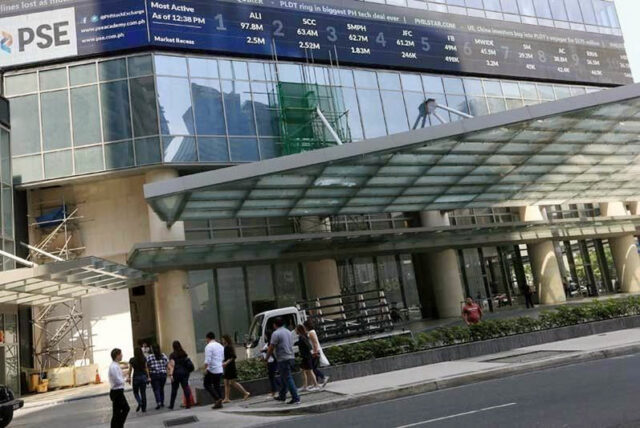
THE Philippine Stock Exchange (PSE) will reclassify 13 listed companies into new sectors and subsectors effective Jan. 5.

In a circular issued on Friday last week, the local bourse said the reclassification “is in consideration of corporate developments disclosed to the Exchange as well as the result of a review of the companies’ financial statements for the years 2022 to 2024 and the latest quarterly report for 2025.”

Under the PSE Sector Classification Guide, a listed company is assigned to the sector and subsector that account for at least 60% of its revenue.

ATN Holdings, Inc. (ATN) will be placed under the industrial sector’s construction, infrastructure and allied services subsector, from holding firms.

“Accordingly, ATN and ATNB shall become a constituent of the industrial index from the holding firms index,” the exchange said.

DITO CME Holdings Corp. will move to services-telecommunications from services-information technology.

East Coast Vulcan Mining Corp. will be reclassified to mining and oil under the mining sector from industrial-construction, infrastructure and allied services.

EasyCall Communications Philippines, Inc. will remain in the services sector but will be classified under information technology from other services.

Filsyn Corp. will also remain in the industrial sector, shifting to the chemicals subsector from other industrials.

Jackstones, Inc. will be reclassified to the property sector from services-information technology.

PH Resorts Group Holdings, Inc., the gaming firm of Davao-based businessman Dennis A. Uy, will remain in the services sector but will be placed under hotel and leisure from casinos and gaming.

Pryce Corp. will move to the industrial sector under the electricity, energy, power and water subsector, while Uniholdings, Inc. will be reclassified to the property sector. LMG Corp. will be moved to the financials sector under other financial institutions. These three companies were previously classified under the industrial sector’s chemicals subsector.

Meanwhile, Philippine Racing Club, Inc. (PRC), Premiere Horizon Alliance Corp. (PHA), and Wellex Industries, Inc. (WIN) will all be reclassified to the property sector.

PRC was previously under the services sector’s casinos and gaming subsector, while PHA was classified under other services. WIN was previously part of the holding firms sector. — Alexandria Grace C. Magno

Advancing orthopedic surgery through technology

Dr. Alan Cheung, orthopedic surgeon at Mount Elizabeth Novena Hospital

Orthopedic issues affect millions of people worldwide, from young athletes recovering from sports injuries to older adults dealing with degenerative joint conditions.

Dr. Alan Cheung, an orthopedic surgeon at Mount Elizabeth Novena Hospital, says the nature of these conditions often varies by age. Younger individuals typically experience ligament and meniscus injuries. Shoulder injuries are also common, especially among those involved in contact sports or repetitive overhead movements.

Older adults, however, face joint wear-and-tear, leading to osteoarthritis. Dr. Cheung attributes the rise in osteoarthritis to increased life expectancy, explaining that cartilage, like a car tire, does not regenerate. Once it wears out, joint stiffness and pain set in, often leading to joint replacements.

“Osteoarthritis is more common now worldwide because people are living longer,” the surgeon explained. “If you live long enough, your joints will wear out, and that usually starts in our early 50s. The average age of someone having a joint replacement of their knee or hip is usually in their 60s.”

Genetics also contributes in the development of osteoarthritis. People with a family history of joint problems are more likely to experience similar issues.

“If you look at your parents and they have bad knees, unfortunately, you could also have bad knees,” said Dr. Cheung. “But at least you can be more aware and try to do things to prevent or reduce the risk of osteoarthritis from happening.”

Sports injuries, when ignored or improperly treated, can accelerate joint degeneration, according to the orthopedic surgeon. Over time, the wear-and-tear on the joint progresses can lead to chronic pain and mobility issues.

“[Individuals] who neglected or ignored injuries years ago, their joint wears out quicker over time; so they [may develop] osteoarthritis at an earlier age,” he added.

Enhancing precision and recovery

Dr. Cheung’s expertise in advanced robotic surgery, including the use of MAKOplasty, Robodoc, and NAVIO systems, places him among the few surgeons in Asia trained in these cutting-edge technologies. These systems offer a more precise and personalized approach to surgery — something unimaginable a few decades ago.

For patients with severe osteoarthritis, traditional treatments like physiotherapy or injections may not provide relief. When these conservative methods fail, joint replacement surgery becomes necessary.

“In the past, [surgeries] were all done manually by hands and using the human eye. But nowadays, we have more advanced robotic technology so that surgeons like me can come along and plan very carefully,” he noted. “Using robotic technology in surgery is similar to solving a complex equation. You can do it by hand on a paper or with an abacus, but using a computer makes it more accurate, faster, and ultimately get better results in the long term.”

Robotic systems allow surgeons to perform intricate procedures with higher precision. They also minimize the amount of tissue removed, reducing the risk of complications.

Such surgeries, according to Dr. Cheung, involve less trauma to the body and, in many cases, a faster return to normal activity. Patients can often begin walking almost immediately after surgery, as the technology promotes smoother healing.

“Patients have misconceptions about surgery that it’s going to take a long time, it’s going to be extremely painful, and it will take a long, long time to recover,” he added. “But [robotic-assisted surgery] can be a very effective way of taking away the pain almost instantly, and the recovery can be pretty rapid.”

Prioritizing healthcare needs

For many, the thought of surgery brings uncertainty about what will happen, what to expect during recovery, and how it will change their lives. Dr. Cheung understands that the decision to undergo surgery is not an easy one, especially when patients have exhausted all other options.

“I describe how the process works very carefully so patients understand,” he explained. “Once you understand what’s going to happen, then you don’t have to fear the unknown.”

Dr. Cheung uses video testimonials from patients who have undergone the procedure to show how quickly they return to normal life. He personally introduces new patients to those who have successfully undergone similar surgeries.

On the other hand, the surgeon emphasizes the importance of addressing joint pain and sports-related injuries early, urging individuals to take proactive steps to safeguard their health.

“Don’t ignore your pain. If you do, you may have just picked up an injury that will trouble you 20 years down the line. At least see a physiotherapist or a sports doctor to get it checked out thoroughly,” he advised. “For older individuals, get checked out regularly every year to make sure things aren’t deteriorating at a rapid pace.”

Dr. Cheung is one of the key figures at Mount Elizabeth Novena Hospital, which offers patients access to cutting-edge care.

“The expertise here is unparalleled,” he noted. “We have doctors who trained all over the world, like in the United Kingdom, the United States, and Australia.”

Located in Singapore, Mount Elizabeth Hospital is known for its world-class medical facilities. Patients can expect top-tier care, equipped with advanced medical technologies, including robotic systems that are often unavailable in many other countries.

For inquiries, please contact Mount Elizabeth Hospital’s patient assistance center, IHH Healthcare Singapore — Philippine Office, located at G/F-B, Marco Polo Hotel, Meralco Avenue and Sapphire Street, Ortigas Center, Pasig City 1600; e-mail manila.ph@ihhhealthcare.com; or call 0917-526-7576.


Spotlight is BusinessWorld’s sponsored section that allows advertisers to amplify their brand and connect with BusinessWorld’s audience by publishing their stories on the BusinessWorld Web site. For more information, send an email to online@bworldonline.com.

Join us on Viber at https://bit.ly/3hv6bLA to get more updates and subscribe to BusinessWorld’s titles and get exclusive content through www.bworld-x.com.

Metro Manila Film Festival 2025: Not my story, but why do I cry?

By Joseph L. Garcia, Senior Reporter

Movie Review
Call Me Mother
Directed by Jun R. Lana
Produced by Star Cinema, The IdeaFirst Company, and Viva Films
MTRCB Rating: PG

WE USUALLY CRY when watching movies because something there happened to us, or someone we know — or at the very least, the film presents a premise that might remotely hit close to home. I started crying in the last 35 minutes of Jun Robles Lana’s latest work, Call Me Mother — which was strange and mildly irritating, because I knew damn well none of the things in the movie have happened to me, or anyone I know. Maybe that’s what a great performance does; and perhaps that’s one of Mr. Lana’s gifts, because suddenly, this story of queer parenthood is suddenly mine (I don’t even have a dog).

The movie opens with a talking heads-segment anchored by a coterie of real-life beauty queens (pageant-spotters would have a field day) introducing the character of Twinkle de Guzman (played by Vice Ganda). Twinkle is their pageant “mother,” the coach engineering their success in the pageant world. The death of their mother’s actual mother causes Twinkle to adopt his mother’s ward, dropping his responsibilities at work to raise the baby himself. A Vice Ganda-coded scene (the baby chokes on a pearl, and Vice, clad in only a towel, runs in the streets to ask for help; only to step onto a skateboard to bring the baby to the hospital himself) ends emotionally, solidifying the love he might actually have for an adopted baby, in his heart now fully his own.

In a boardinghouse, Twinkle raises the baby, growing into a child now named Angelo, with an unconventional family (including his own queer “mother” played by John Lapus — here strangely resembling the late Jaclyn Jose, perhaps as a tribute; and a bevy of young folks whose names I didn’t bother with). Angelo is raised in love and affection, and save for economic difficulties due to Twinkle’s irregular employment, all is well.

An opportunity to work abroad in Hong Kong Disneyland prompts Twinkle to start the legal adoption process so he can bring Angelo with him. To do this, he needs the signature and cooperation of Angelo’s birth mother. Unfortunately, she’s Twinkle’s ex-student: the glamorous, recently engaged Mara de Jesus (played by Nadine Lustre).

Mara has her own agenda: despite giving up her child in the pursuit of fame and success, the country’s top pageant crown remained out of her reach. The two hammer out a deal to get Mara her crown, and Twinkle the legal rights to the child. Twinkle’s chief fear becomes real: that a bond would form between birth mother and child, and that’s the rest of our movie.

Of course the Vice Ganda stamp of comedy is ever-present in the film. By now the comedian has proven that he’s an expert in camp and physical comedy, but his skill in seriousness is always a pleasant surprise. His recent turn in drama in another Lana work, the director’s offering for last year’s Metro Manila Film Festival And The Breadwinner Is… is easily knocked out of the park by this one. Truly, no one does drama better than a comedian who does a volte-face — those tasked to cheer up the world (perhaps because they’ve seen so much of its pain).

Mr. Lana’s work is often a chaotic teeter-totter of comedy and drama, and the stars are right in the middle, furiously juggling. This film, opening as a comedy and ending as straight drama, blends this formula more gracefully than in his other work. In tune with Vice Ganda’s volte-face, Ms. Lustre’s dramatic chops are added dimension by showing off her own skill in comedy (perfectly illustrated in a scene with a bicycle). If anything, she should have done more funny scenes in the film, just so Vice’s performance would have an equal parallel.

In another turn, the normally villainous Chanda Romero becomes an effective, soothing, kindly adoption counselor, a light touch and the face of the law in the film. The child playing Angelo, Lucas Andalio, was excellent, and might just bring home an award this year. The cast, however, is bloated by new stars whose presence in the film could have been erased without making much of a difference.

More than the fine performances in the film, the script is genuinely thought-provoking. Yes, it joins the canon of other Filipino adoption stories — perhaps a spiritual successor of specifically queer Ang Tatay Kong Nanay, then starring Dolphy, but a Vilma one is on the tip of my tongue; among others. This one is a stylish update of those stories.

Of course, like many stories that have come before it, this adoption story wants to ask: what does it really mean to be a mother? The film is rich in imagery of the Virgin Mary, the mother against whom the rest of the world is measured. The mothers in this story are all different: there are work mothers, queer mothers, birth mothers, bad mothers; etc. This story, however, dares to ask what’s better: a life fueled by pure, raw, love, or one made unwrinkled also by love, but mostly ease and convention?

The film saw a full house when I watched it in the cinema; the audience applauded while the credits rolled. I wiped my tears as I stepped out of the theater with some embarrassment, that I was such easy work for such a story. However, in the dark, I couldn’t see anyone else crying. But groups and groups of people filed out of the theater, and I noted tears on at least one person out of every group of three. Maybe this wasn’t our story — but we all have a mother, don’t we?

Peso seen range-bound amid thin trading volume

PHILSTAR FILE PHOTO

THE PESO is expected to move sideways against the dollar this shortened trading week as market activity is likely to be sluggish amid the holidays and the lack of fresh leads.

On Friday, the local unit gained by 14 centavos to close at P58.71 per dollar from its P58.85 finish on Tuesday, data from the Bankers Association of the Philippines showed.

Week on week, the peso slipped by a centavo from its P58.70 close versus the greenback on Dec. 19.

Remittance inflows likely helped lift the peso on Friday, Rizal Commercial Banking Corp. Chief Economist Michael L. Ricafort said in a Viber message.

“The US dollar-peso exchange rate corrected slightly lower… in view of the upcoming series of holidays until new year, when there could still be some residual seasonal increase in OFW (overseas Filipino worker) remittances and conversion to pesos to finance Yuletide- and New Year-related holiday spending,” he said.

Philippine financial markets will be closed on Dec. 30 and 31 and Jan. 1 for Rizal Day and the New Year holidays. Trading will resume on Friday (Jan. 2).

The dollar index, which measures the US currency against six rivals, rose 0.08% to 98.03 on Friday, Reuters reported. The Japanese yen softened against the dollar as investors remained on watch for potential intervention to shore up the currency.

“There’s no major catalyst and then it’s yearend, so market activity is thin,” a trader said in a phone interview, adding that this consolidation will likely continue this week as there are only two trading days.

For Monday, the last trading day of 2025, Mr. Ricafort said the local unit could move between P58.55 and P58.85.

For the whole week, he expects the peso to trade between P58.50 and P58.95, while the trader said the peso could range from P58.50 to P59 against the greenback. — Katherine K. Chan

Philippine Startup Week 2026 to align with ASEAN priorities under DICT-led ISA Committee

Following the successful conclusion of Philippine Startup Week (PHSW) 2025, the Innovative Startup Act (ISA) Committee, now chaired by the Department of Information and Communications Technology (DICT), has outlined plans to align Philippine Startup Week (PHSW) 2026 with broader ASEAN priorities.

During this year’s edition, the chairmanship of the ISA Steering Committee formally transitioned from the Department of Science and Technology (DoST) to the DICT. The committee, working alongside the Department of Trade and Industry (DTI) and the National Development Company (NDC), oversaw the staging of PHSW 2025, which focused on innovation, partnerships, and national economic impact. 

PHSW 2025 featured keynote sessions, startup pitching activities, and industry discussions highlighting technology- and business-driven solutions, with the program including community-led events across various regions. Filipino startups were also recognized through showcases and awards, while participants engaged in networking sessions with local and international ecosystem enablers.

The week-long event comprised eight main conferences, 39 community-driven events, and showcases involving nearly 150 startups. Almost 2,000 participants took part nationwide, with core activities hosted at the Philippine Innovation Hub in Marikina from Nov. 11 to 14.

Looking ahead to 2026, the ISA Committee said the Philippines’ upcoming ASEAN Chairmanship presents an opportunity to position PHSW as a platform for regional collaboration. Under the DICT’s leadership, the committee aims to align the event with ASEAN priorities in digital transformation, innovation, and cross-border cooperation.

Officials said PHSW 2026 is intended to help Philippine startups scale beyond the domestic market by creating stronger links with investors, corporations, and policy makers across Southeast Asia. In line with ASEAN’s regional theme, “Navigating Our Future, Together,” the event is expected to place greater emphasis on cross-border collaboration and regional ecosystem integration.

Building on previous editions, PHSW 2026 is set to continue convening government agencies, industry leaders, investors, academic institutions, development partners, and high-growth startups. Organizers said next year’s program will focus on emerging technologies, social impact, sustainability, and digital innovation, with the aim of strengthening the competitiveness and regional relevance of the Philippine startup ecosystem.


SparkUp is BusinessWorld’s multimedia brand created to inform, inspire, and empower the Philippine startups; micro, small and medium enterprises (MSMEs); and future business leaders. This section will be published every other Monday. For pitches and releases about startups, e-mail to bmbeltran@bworldonline.com (cc: abconoza@bworldonline.com). Materials sent become BW property.