Home Blog Page 4760

HONOR to launch Magic5 Pro smartphone in PHL

HONOR Philippines is set to launch on June 8 its flagship Magic5 Pro smartphone in the country, it said last week.

“We are extremely excited to Unleash the Power of Magic on June 8, 2023, so join us live to unveil the HONOR Magic5 Pro. Witness the real Magic as we share the breakthroughs in design, display, photography, and performance of this new HONOR flagship,” HONOR Philippines Vice-President Stephen Cheng was quoted as saying in a statement.

The HONOR Magic5 Pro will be launched live on HONOR Philippines’ Facebook page at 7pm.

The phone features enhanced hardware and advanced technologies, the brand said.

Its Super Triple Falcon Camera System has a 50-megapixel (MP) wide camera, a 50-MP ultrawide lens, a 50MP periscope telephoto camera with 3.5x optical zoom and 100x digital zoom, and a multi-spectrum color sensor.

“The camera also sports a breakthrough AI Motion Sensing Capture, enabling users to shoot their best moments, every time. The HONOR Magic5 Pro is equipped with IMAX Enhanced Movie Master to produce cinematic style videos, taking videography to a whole new level,” HONOR Philippines said.

The phone also comes with a 12-MP front camera with a 3D depth camera.

The Magic5 Pro has 6.81-inch LTPO Quad-Curved Floating Display featuring a Novel Display Luminance Enhancement Technology for an immersive experience.

It is powered by the Snapdragon 8 Gen 2 Mobile Platform and supported by HONOR’s GPU Turbo X. It runs on MagicOS 7.1 based on Android 13.

The HONOR Magic5 Pro also has IP68 water and dust resistance.

It is powered by 1 5,100 mAh battery that supports fast charging.

“The durable device can also withstand being submerged in water of depths up to 1.5m for 30 minutes, demonstrating HONOR’s exquisite craftsmanship and exceptional product quality,” the company said.

Based on HONOR’s global website, the phone comes in two color options, namely Meadow Green and Black. It has 12GB of storage and 512GB RAM.

‘Good soup is one of the prime ingredients of good living’: A (condensed) history of soup, from cave to can

FUSCO STUDIO —UNSPLASH

HOT SOUP on a cold day brings warmth and comfort so simple that we don’t think too much about its origins. But its long history runs from the Stone Age and antiquity through to modernity, encompassing the birth of the restaurant, advances in chemistry, and a famous pop art icon.

The basic nature of soup has a fundamental appeal that feels primordial — because it is.

Archaeologists speculate the first soup might have been made by Neanderthals, boiling animal bones to extract fat essential for their diet and drinking the broth. Without the fats, their high intake of lean animal meats could have led to protein poisoning, so stone age soup was an important complement to primeval nutrition.

The fundamental benefit of these bone broths is confirmed by archaeological discoveries around the world, ranging from a gelatin broth in Egypt’s Giza plateau, to Shaanxi Province in China.

The widespread distribution of archaeological finds is a reminder soup not only has a long history, but is also a global food.

Today, our idea of soup is more refined, but the classic combination of stock and bread is embedded in the Latin root of the verb suppāre, meaning “to soak.”

As a noun, suppa became soupe in Old French, meaning bread soaked in broth, and sowpes in Middle English. This pairing was also an economical way of reclaiming stale bread and thickening a thin broth.

Wealthier households might have toasted fresh bread for the dish, but less prosperous diners used up stale bread that was too hard to chew unless softened in the hot liquid.

New ideas about science and digestion in 17th century France promoted natural flavors and thick, rustic preparations gave way to the creamy and velvety smooth soups we know today.

New versions of the liquid food were developed by early modern European chefs, such as the seafood bisque, extracting flavor from the shells of crustaceans.

The first restaurant as we understand them today opened in Paris in 1765, and was immortalized for a simple broth, a clear soup made from bone broth and fresh herbs.

Mathurin Roze de Chantoiseau, the original French restaurateur, created a new type of public space where weary diners could regain their lost appetites and soothe their delicate nerves at all hours.

It may appear to be a contradiction that the first restaurant specifically catered to clients who had lost their appetites, yet it seems perfectly natural soup was the cure.

Soup was not destined to be limited to fancy restaurants or the long simmering stock pots of peasants. Modern science made it convenient and less expensive for home cooks.

In 1897, a chemist at the Campbell soup company, John Dorrance, developed a condensed canned soup that dramatically reduced the water content. The new method halved the cost of shipping and made canned soup an affordable meal anyone could prepare.

This revolutionary achievement was recognized at the 1900 Paris Exposition, winning an award for product excellence. Winning the prize was an achievement considering the competition at the world fair. The other technological advances exhibited at the turn of the century included the diesel engine, “talking” films, dry cell batteries, and the Paris Metro.   

The bronze medallion from 1900 still appears on the iconic red and white label, made famous by pop artist Andy Warhol’s 32 Campbell Soup Cans (1962).

In his work, Warhol appropriated images from consumer culture and the media ordinary people would instantly recognize, from Coca-Cola bottles to Marilyn Monroe. In his famous soup painting, 32 canvases — one for each flavor of soup — are lined up like cans on a supermarket shelf.

Some interpretations consider this a commentary on the link between art and consumerism, emphasizing the ordinary quality of the everyday object. The artist may also have been influenced by his personal eating habits — he claimed he had soup for lunch every day for 20 years.

A steady diet of soup is not guaranteed to inspire famous art, but its appeal is universal. Soup can be humble or fancy, cutting across cultures and classes.

Deceptively simple, the warmth and comfort of soup provide a temporary refuge from the winter chill, comforting the diner from the inside.

The French chef Auguste Escoffier, famous for enshrining the five basic “mother sauces” in French cuisine, raised soups to perfection in the early 20th century, developing refined preparations that remain classics today.

Escoffier, known as “the king of chefs and the chef of kings,” had very high standards for soup, claiming “of all the items on the menu, soup is that which exacts the most delicate perfection.”

An Austrian apprentice of Escoffier, Louis P. De Gouy, was chef at the Waldorf Astoria for 30 years and wrote 13 cookbooks.

He summed up the appeal of soup in a volume dedicated to the dish with over 700 recipes:

“Good soup is one of the prime ingredients of good living. For soup can do more to lift the spirits and stimulate the appetite than any other one dish.”

From Neanderthal broth to pop art icon, this humble pantry staple has a rich and vibrant history, giving us both nourishment and food for thought. — The Conversation via Reuters Connect

Garritt C Van Dyk is a Lecturer at the University of Newcastle.

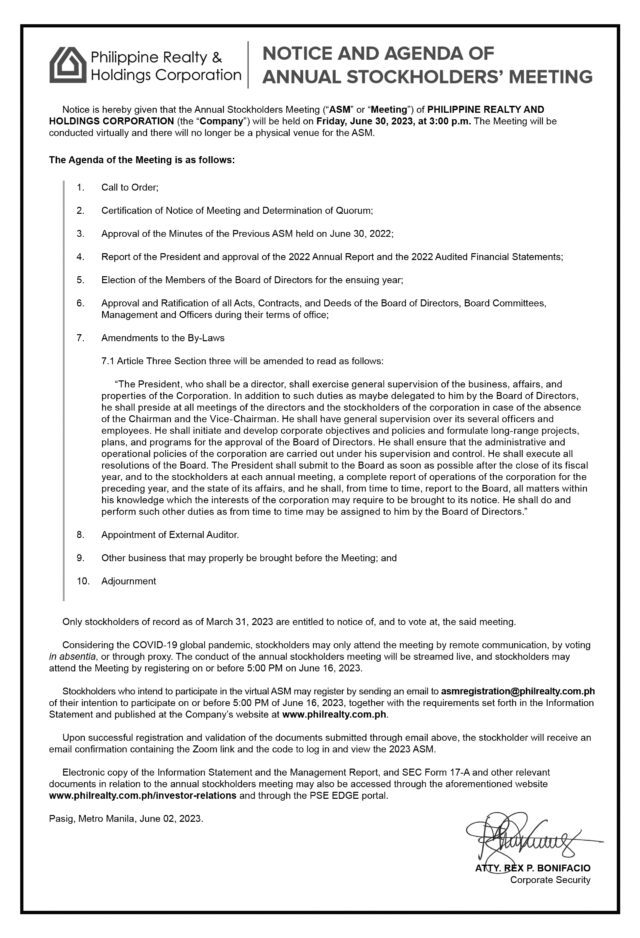
Philippine Realty and Holdings Corp. sets 2023 Annual Stockholders’ Meeting on June 30


Spotlight is BusinessWorld’s sponsored section that allows advertisers to amplify their brand and connect with BusinessWorld’s audience by enabling them to publish their stories directly on the BusinessWorld website. For more information, send an email to online@bworldonline.com.

Join us on Viber at https://bit.ly/3hv6bLA to get more updates and subscribe to BusinessWorld’s titles and get exclusive content through www.bworld-x.com.

Golden opportunity lost?

SANDY RAVALONIAINA-UNSPLASH

The Philippines has been host-country to the International Rice Research Institute (IRRI) since 1960, or for about 63 years now, with its Los Baños, Laguna headquarters as the base for many of the scientific studies that aim to develop high-yielding and more disease-resistant rice varieties. And IRRI’s work here has been doing a lot of good for many rice-producing and rice-eating nations.

We are even hosting in October the 6th International Rice Congress — touted to be the world’s largest rice congress — with the theme “Accelerating Transformation of Rice-Based Food Systems: From Gene to Globe.” The international meet aims to bring together “scientists, experts, farmers, and decision-makers from the government, private, and public sectors” all over the world to help “shape a more inclusive, sustainable, and secure future for global food systems.”

It is ironic that as we continue to host the IRRI headquarters, and prepare for the rice congress in October, we also await the result of a lawsuit initiated by our own farmers and scientists involving the propagation of “Golden Rice,” a variety that IRRI itself helped develop. The Philippine lawsuit is now before the Supreme Court.

The petitioners, which were granted a temporary restraining order by the court in April through a Writ of Kalikasan, want to stop the commercial release of Golden Rice and Bt eggplants. They claim these are genetically modified organisms or GMOs that are a cause for environmental and safety concerns.

In a press statement, the Supreme Court said the petitioners want the tribunal to stop the government from commercially propagating Golden Rice and issuing biosafety permits for the commercial propagation of Bt eggplant; to cease and desist from commercially propagating Golden Rice and Bt eggplant until such time that proof of safety and compliance with legal requirements is shown; declare all biosafety permits for Golden Rice and Bt eggplant null and void; and perform independent risk and impact assessments, obtain the prior and informed consent of farmers and indigenous peoples, and implement liability mechanisms in case of damage, as required by law.

“Petitioners alleged, among others, that both Golden Rice and Bacillus thuringiensis eggplant (Bt eggplant) are genetically modified organisms. They claimed that Golden Rice, which is patented to Syngenta, a transnational agrochemical corporation, is a rice that has been modified by inserting a gene from maize and a gene from bacteria found in soil which allows the plant to biosynthesize beta-carotene in the edible parts of rice,” the court said.

“They also argued that Bt eggplant was designed so that the plant would produce its own toxin, to kill the fruit and shoot borer, which is one of several common pests that consume and damage eggplants,” it added.

Farmers have been protesting against “Golden Rice” for the last 10 years. In 2013, genetically modified rice in a testing plot in Bicol was illegally uprooted by farmers just as it was about to be harvested. The rice would have been submitted for safety tests. This was 20 years after Golden Rice development was initiated in 1993 by German scientists.

All told, it has taken researchers 30 years to finally make Golden Rice commercially available. But all that now hangs in the balance in the Philippines, waiting for legal and not scientific experts to decide whether Golden Rice is safe for consumption, and that its propagation does not result in environmental damage. In short, 30 years of science is about to be evaluated as a question of law.

IRRI had helped with putting up the trial rice field in Bicol, but protesters alleged that Golden Rice was dangerous to humans and the environment. Incidentally, in 2013, the Court of Appeals ruled that genetically modified eggplant “violated the constitutional rights of Filipinos to health and a balanced ecology,” the BBC had reported.

It makes no difference, of course, that Golden Rice, a variety with a boosted capacity to produce vitamin A, is backed by 30 years of research and development. As early as five years ago, in 2018, Canada and the United States already approved Golden Rice and declared it safe for consumption.

But it was only in 2021, in the middle of the COVID pandemic, that the Philippines reportedly became the first country to officially issue the biosafety permit for commercially propagating vitamin A-infused Golden Rice. But even before any commercial propagation could occur, the Supreme Court restrained it on the basis of allegations that Golden Rice posed health and environmental risks.

Going by the 2013 ruling of the Court of Appeals on GMO eggplant, there is an even chance that the Supreme Court will also strike down Golden Rice now for being a GM crop. Its issuance of a Writ of Kalikasan in April is already indicative of its possible leaning on the issue. And it is unsurprising how petitioners included GMO eggplant in its latest petition. But the real target is Golden Rice, it seems.

Where all this is going nobody knows. Most likely, for Golden Rice, down the drain. Golden Rice R&D took 30 years to reach commercial production stage. That, in itself, already shows the level of resistance and opposition to it. At every step of the way, it found itself questioned, resisted, opposed, even vandalized, and scandalized. Should we expect anything to change now?

I support any research to produce better rice varieties, and any effort to boost the production of safe and environmentally sustainable food. I am not necessarily against GMOs, as long as they are proved safe for human consumption and ecologically safe. But I am concerned how law can be used to trump scientific studies and peer review. Is 30 years of R&D not enough?

Our agriculture has not improved in the last 50 years. Output is inconsistent if not unstable, and pretty much dependent on weather. In turn, food supply —and food prices — cannot be kept consistently affordable without necessarily squeezing farmers’ margins. Our food distribution leaves much to be desired, favoring traders over producers. Our farmers remain poor, and our food costs remain high.

One can always argue that Vitamin A-fortified rice is not necessarily high-yielding or disease-resistant. On the other hand, I am almost certain that 30 years of R&D also helped address these concerns. Moreover, if the Supreme Court decides against Golden Rice and Bt eggplant in general, what happens then to all other studies and development involving genetic modification of crops and food?

Public opinion, in general, is still against GMO food. But we’ve had small wins, like Golden Rice and Bt eggplant. But even these are now at a crossroads locally. Ultimately, the Supreme Court decision will become the standard of measure, with law as gauge, and not research and science, to determine whether any grain, crop, or food can be commercially produced and distributed in the country. For now, genetic modification is the issue. In the future, it can be something else.


Marvin Tort is a former managing editor of BusinessWorld, and a former chairman of the Philippine Press Council

matort@yahoo.com

MORE Power plans Ceneco upgrade

MORE Electric and Power Corp. or MORE Power is looking to invest around P4 billion to modernize Central Negros Electric Cooperative, Inc. (Ceneco), its top official said.

Roel Z. Castro, president and chief executive officer of MORE Power, said the company through Primelectric Holdings, Inc. signed a joint venture agreement with Ceneco.

“We signed the [agreement] with Ceneco last Saturday although that will still undergo a referendum,” Mr. Castro told reporters on the sidelines of an energy forum on Tuesday.

He said MORE Power will spend P2 billion for the asset purchase and another P2 billion for capital expenditure to modernize the power distributor.

He said under the guidelines of the National Electrification Administration, any asset disposition needs a majority vote from members in good standing.

“Hopefully, we will get the majority out of the 207,000 members of good standing [of] Ceneco,” Mr. Castro said.

In an earlier statement, MORE Power said its affiliate Primelectric had gained “unwavering support” for the proposed partnership with Ceneco as it is expected to “significantly improve the electricity supply and distribution services” in the area.

In March, MORE Power said it had fully energized its 30/36-megavolt-ampere New Megaworld substation in Iloilo City, which it said will provide reliable and cost-efficient power distribution service to Iloilo City. — Ashley Erika O. Jose

Arthaland Corp. sets 2023 annual stockholders’ meeting on June 30

NOTICE OF ANNUAL STOCKHOLDERS’ MEETING

NOTICE is hereby given that the 2023 annual stockholders’ meeting of ARTHALAND CORPORATION will be held on 30 June 2023, Friday, 9:00 A.M. at SEDA Hotel, Bonifacio Global City, Taguig City. Attendees who may want to attend through remote communication and participate during the meeting must register at

https://us02web.zoom.us/webinar/register/WN_psOmSZ1aQoyl4IbhK-TXqg#/registration

The Agenda for the meeting is as follows:

  1. Call to Order
  2. Secretary’s Proof of Due Notice of the Meeting and Determination of Quorum
  3. Approval of Minutes of the Annual Stockholders’ Meeting held on 24 June 2022
  4. Notation of Management Report
  5. Ratification of Acts of the Board of Directors and Management During the Previous Year
  6. Election of Directors (including Independent Directors)
  7. Appointment of External Auditor for 2023
  8. Other Matters
  9. Adjournment

Only stockholders of record on 09 June 2022 will be entitled to further notice of and to vote at this meeting. Electronic copies of the Information Statement which will include the manner of conducting the meeting and the process on how one can join the same, as well as vote in absentia, among other relevant documents, will be made available in www.arthaland.com and the Electronic Disclosure Generation Technology of the Philippine Stock Exchange (PSE EDGE).

WE ARE NOT SOLICITING YOUR PROXY. However, if you cannot personally attend the meeting or participate through remote communication but would still like to be represented thereat and be considered for quorum purposes, you may inform the Office of the Corporate Secretary at the address indicated below or through investor.relations@arthaland.com not later than 23 June 2022 (Friday). You will be advised the following business day of any further action on your part, which may include accomplishing a proxy.


RIVA KHRISTINE V. MAALA (Sgd.)
Corporate Secretary


Spotlight is BusinessWorld’s sponsored section that allows advertisers to amplify their brand and connect with BusinessWorld’s audience by enabling them to publish their stories directly on the BusinessWorld website. For more information, send an email to online@bworldonline.com.

Join us on Viber at https://bit.ly/3hv6bLA to get more updates and subscribe to BusinessWorld’s titles and get exclusive content through www.bworld-x.com.

A good cuppa tea

Medicine for people who don’t take medicine

TEA is delicious and can even be good for you. It is this combination that is being tapped by Unilab’s line of teas — Sekaya.

On June 1, Sekaya (an abbreviation of Sentro ng Katutubang Yaman — more on that later) held a wellness talk in Makati, with their botanic infusions at front and center.

During the educational talk, tea master Rocel Leoncio explained the difference between tea and tisanes (under which Sekaya’s “teas” would fall). Tea is made from the leaves of the Camellia Sinensis plant, while everything else falls under “tisanes.” We learned that green and white teas (made from younger and less oxidized leaves) should be steeped with hot, but not boiling water otherwise one risks making the tea bitter. Black teas and other concoctions would benefit from high temperatures.

As the teas were served (Sekaya’s Aftermeal Treat and Immune Brew), Ms. Leoncio discussed the herbs and plants that went into each blend. The Aftermeal Treat contains peppermint, chamomile, licorice, and cinnamon. It is designed to relax the digestive system by calming stomach muscles, improve bile flow, reduce stomach acid secretions, and break down fats. According to her, the herbs are digestives and carminatives (good for bloating and gas), and the chamomile and licorice are gentle bitters that promote bile flow. Licorice and cinnamon also function as adaptogens that help with stress.

Immune Brew, meanwhile, had Echinacea, lemon peel, lemon balm, elderberry, elderflower, goldenseal, ginger, and olive leaf. She said that they reduce the impact of the common cold and flu and boost the immune system. Echinacea, goldenseal, and ginger in particular are immunostimulants; while the three ingredients plus lemon balm, lemon peel, and olive leaf serve as antimicrobials.

Asked if these actually work to get the effects we look for, Ms. Leoncio answered, “I have to note that individual responses vary.” She said that she may give someone chamomile tea to sleep, but it may not always work. “That’s not how it works. There are underlying conditions. What’s causing it? We have to know that.”

Dr. Angelica Lorenzo, who studied internal medicine but later shifted her practice to functional medicine after training at the Institute of Functional Medicine in the US, addressed these concerns by showing studies about the plants involved in Sekaya’s brews. For example, she showed a study about the effects and safety of peppermint oil done in 2018, which said that it “may have several mechanisms of action” including in smooth muscle relaxation, anti-inflammatory activity, anti-microbial effects, and modulation of psychosocial stress. She showed various studies that discussed the chemical constituents of plants that show beneficial effects in health. She points out, however, as in the case of peppermint oil: “When you brew tea, you do get some of the oils — not a lot, not like essential oil-level — but you do get the oils.

“The point is to show you that there’s research going on,” she said. “It’s all about these different constituents that they have studied, and each constituent would have different effects. I know for hospital medicines, we’re very reductive. We reduce the patient to their symptom. We reduce this herb to its active component. We try to control everything — and that’s not really how life works,” she said.

“I want to differentiate medicine versus these more supportive things,” she added. “These teas, they’re not meant to be medicine in the way that we think of medicine.” She said that we tend to think of medicine in pill form. “That’s what medicine is. But if you broaden what medicine means, which is what heals and ideally supports health, medicine can mean so many different things.”

For example, while some of the studies out there for cinnamon might say that it aids people with diabetes, she said, “Again, it’s not like saying, ‘you drink your Aftermeal Treat if you’re diabetic; it’s going to be like medicine level.’ It’s not — but it’s going to help.”

GREEN PHARMA
Sekaya is a brand under Synnovate, the Natural Products Division of United Laboratories, Inc. (Unilab) founded by the Campos family.

According to the Philippine Competition Commission (PCC), 56.5% of the sales value in 2016 of the pharmaceutical products in the country are from multi-national companies. The remaining 43.5% was shared by local companies, with Unilab dominating the list with 25.1%, thus making Unilab the country’s biggest pharmaceuticals company in terms of market share.

What’s the pharma giant doing in green medicine then?

The Sentro ng Katutubong Yaman (the present Sekaya) was established first in 2014 as a research facility for local herbs and ingredients, entering into partnerships with the Department of Health (DoH). “As a pharma company, they realized that there’s actually something in there that they can turn into a business,” said Kimi Abapo, Marketing Head for Synnovate.

Synnovate as a business entity was created in 2017 (the government collaboration still exists, with the DoH acknowledging the research done by Synnovate in connection to local medicinal plants). To this day, however, Synnovate has yet to produce a product that can be commercially launched, according to Ms. Abapo. In the interim, “They decided to grow (first) a business case that there is a demand in the market for herbal supplements and botanical products.” Hence the teas.

“I think what’s good being inside a pharma company is that we bring in the credibility with the products,” Ms. Abapo said as she explained the advantages of being under a pharmaceuticals giant. “It’s not just talking about teas… to a common person, tea is just flavor. To us, we bring in the health benefits,” she said, pointing out that the various herbal infusions in their line are intended for a specific benefit, whether it’s for calming, sleep, or detoxification. It’s like showing that this is the standard of natural health products. This kind of quality, pharma-grade manufacturing of natural health products.”

She noted that there is a proliferation of health supplements created in backyard facilities, many of which are unregulated. “That’s what we are trying to elevate; elevate the industry in showing them that you can put science into this, and you can make it pharma-grade high quality for the benefit of Filipinos.”

With the trend of companies going green or natural, she said, “We’re like the experiment of Unilab. At the end of the day, the mission of Unilab is to really bring healthcare to every Filipino.” Some people, she gives an example, don’t actually take medicine. “Unilab recognizes that there are people who are more inclined towards natural solutions, and thus, they want to make sure that we have products for them, for the people who think of health this way.”

For more information, check out instagram.com/sekayaph. Sekaya products are available at Real Food and the Vegan Grocer, as well as on Lazada. — Joseph L. Garcia


Power Mac Center reopens its flagship store in Greenbelt 3

POWER MAC CENTER (PMC) last week reopened its Greenbelt 3 flagship store as the second Apple Premium Partner store in the country.

The store now has a total area of 462 square meters (sq.m.) versus the previous size of 357 sq.m. as PMC aims to bring a bigger and better experience to its customers.

It is PMC’s second Apple Premium Partner (APP) store in the Philippines following the one opened in Power Plant Mall last year.

“It was a great delight for us to open the first Apple Premium Partner store in the country. As we welcome customers to another store of this kind, we feel more committed to serve our purpose of bridging more Filipinos to Apple technology. Whether you’re a student, a professional, a creative, or a business owner, the Power Mac Center Apple Premium Partner store in Greenbelt 3 is your one-stop premium destination. All things Apple, all in one place,” PMC Director of Product Management and Marketing Joey Alvarez said.

“This Power Mac Center Apple Premium Partner store in Greenbelt 3 brings a world-class retail experience for Filipino Apple fans. We have curated the country’s most-loved accessory brands to pair well with our widest selection of Apple devices to be able to cater to every need and personality. And then, we have brought in workshop masters in-house who will teach and inspire our customers to make the most out of their tech arsenal, thereby creating a truly unique and holistic shopping experience in our biggest location yet,” said Anna Cabanos, PMC director for Sales.

Aside from selling Apple items, the Power Mac Center store in Greenbelt now offers repair services through an in-house Mobile Care Service Center and hosts free workshops daily on how to maximize Apple’s products.

“Mobile Care Service Center has always served as the technical support provider of loyal PMC customers and Apple fans all over the country. We are excited to finally be able to bring our repair and maintenance services to the flagship store in Greenbelt 3 — now an Apple Premium Partner store. We aim to continue marching forward in our mission, and from here onwards, we get to do it in a one-stop-shop capacity with our APP stores,” PMC Director for Service, Warehouse, and Logistics Jim Laguio added.

Power Mac Center has 100 locations nationwide, including retail branches, service centers, and training centers. The company is an Apple Premium Reseller, Apple Authorized Education Reseller, Apple Authorized Training Provider, and Apple Authorized Service Provider in the Philippines.

Why trade winner Vietnam is taking some blows

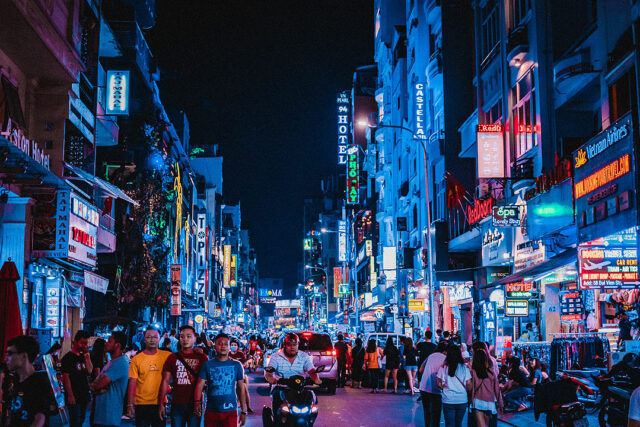
STOCK PHOTO | Image by Georgios Domouchtsidis from Unsplash

RARELY has winning looked less appealing. Widely hailed in the past few years as a big beneficiary of US-China economic rivalry, Vietnam is stumbling. Its recent performance is so anemic that China’s much-derided recovery looks relatively vigorous. Hanoi can’t escape the gravity of slowing global growth — combined with some homegrown setbacks.

That the nation’s travails have received minimal attention says a lot about how narratives can get stuck. When tensions between Beijing and Washington escalated during Donald Trump’s presidency, Vietnam became the toast of think tanks and investment banks. It had proximity to China. The country was busy enmeshing itself in supply chains that dotted Southeast Asia, especially in electronics. Its Communist rulers had developed cordial ties with the US. Real estate was booming. Things that might go wrong were glossed over if ever considered at all.

Disappointment with China’s expansion is pervasive; almost every piece of data is scrutinized for flaws. This has tended to crowd out the deterioration in Vietnam. Export figures for May were spun as positive because the decline was limited to single digits; they had tumbled 21.3% in January from a year earlier. Gross domestic product rose just 3.3% in the first quarter, making China’s 4.5% clip appear muscular. Business confidence is waning. The property market looks more bust than boom. Power blackouts in northern areas are hurting big manufacturers. (Like much of Southeast Asia, Vietnam is suffering from a heatwave that’s straining power grids.)

The central bank cut interest rates last month, one of the few monetary authorities anywhere to do so. There may be more to come: Prime Minister Pham Minh Chinh said last week that with inflation under control, officials need to turn their attention to stoking growth.

Vietnam’s downturn has been aggravated by an anti-graft drive that’s seen hundreds of party members prosecuted. Ministers, agency chiefs, and company executives have been detained. Thousands of property projects in the biggest cities have been suspended. Rooting out malfeasance is critically important, but comes at a cost. This isn’t just about factories and skyscrapers. The crackdown is getting so granular that even karaoke risks grinding to a halt. Nguyen Khac Giang, a visiting fellow at Singapore’s ISEAS-Yusof Ishak Institute, wrote in a commentary on May 18:

“The fear of being drawn into anti-corruption investigations has caused many officials to hesitate in improving projects or licenses, leading to serious business disruptions. For example, after a fatal karaoke bar fire occurred in Binh Duong Province, the Ministry of Public Security introduced tougher fire safety regulations for all businesses. The authorities required all karaoke bars to close until they met the new standards, but many owners complained that even after complying with the regulations, local fire police departments failed to approve the applications, driving them to bankruptcy. In Ho Chi Minh City, only two out of 449 registered karaoke and bar businesses have had their applications approved, with 53 establishments still operating. The rest have gone bankrupt or had their businesses suspended.”

The ferocity of the campaign brings to mind Chinese President Xi Jinping’s push to eradicate bribery. Vietnam’s leaders have warned that rampant corruption risks eroding the Communist Party’s legitimacy and described the crackdown as a “blazing furnace.” Vietnam figures it has more to gain economically over the long run by tackling this vexing issue now. It’s hardly the only nation to have a graft problem: Former Malaysian prime minister Najib Razak is behind bars for crimes linked to the 1MDB scandal. Misuse of funds is seen as a huge issue in Indonesia.

But the paralysis and climate of fear risks reminding investors of the similarities with China, despite Hanoi’s efforts to present itself as an alternative — and the willingness of the West to buy into that story. Like China, Vietnam is a one-party state. Its currency, the dong, is tightly managed. Big sectors of the economy are off limits to foreign investors. Decision-making isn’t particularly transparent.

In the haste to identify a new China or the jazziest China+1, it was easy to overlook just how much Vietnam had in common with its giant northern neighbor. Did the nation oversell itself, or did people see what they wanted to see in their eagerness to attach grand stories to the shifting relationships of the Trump era?

Ironically, by intertwining itself with supply chains, Vietnam may have become more vulnerable to the troughs, as well as gaining from the peaks. China’s rebound isn’t doing much for the rest of Asia, and export powerhouses like South Korea are being dented by the travails of the tech industry. Little wonder that Vietnam is also feeling the pinch, given its evolution into one of the most trade-dependent economies in the world since opening under the so-called “doi moi” reforms in the 1980s.

The country has come back to earth. Time for perceptions to follow. Nobody ever said winning came without pain.

BLOOMBERG OPINION

Yields on term deposits mixed on BSP, Fed bets and May CPI

BW FILE PHOTO

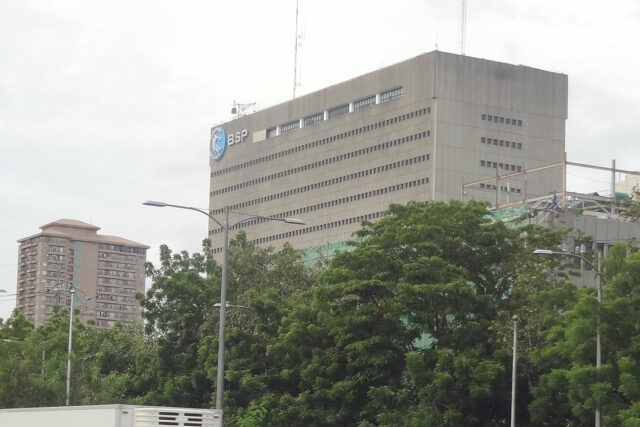
YIELDS on the central bank’s term deposits were mixed on Wednesday as inflation eased in May and as market players expect both the US and the Philippine central banks to keep their benchmark rates on hold this month.

Total bids for the term deposit facility (TDF) of the Bangko Sentral ng Pilipinas (BSP) reached P249.767 billion on Wednesday, above the P220-billion offer and the P221.806 billion in tenders last week.

Broken down, the seven-day papers fetched bids amounting to P133.675 billion, going beyond the P120 billion auctioned off by the BSP and the P123.506 billion in bids for the same offer volume a week ago.

Accepted rates were from 6.375% to 6.625%, a narrower margin than the 6.3% to 6.64% in the prior auction. This caused the average rate of the one-week papers to decline by 0.4 basis point (bp) to 6.5823% from 6.5863% previously.

Meanwhile, tenders for the 14-day deposits amounted to P116.092 billion, above the P100 billion auctioned off by the BSP and the P98.300 billion seen the previous week.

Banks asked for yields ranging from 6.3% to 6.6344%, also narrower than the 6.25% to 6.651% band seen on May 31. With this, the average rate of the two-week deposits rose by 0.75 bp to 6.5927% from 6.5852% in the prior auction.

The central bank has not auctioned off 28-day term deposits for more than two years to give way to its weekly offering of securities with the same tenor.

The TDF and the 28-day bills are used by the BSP to mop up excess liquidity in the financial system and to better guide market rates.

The average yields on the term deposits were mixed after inflation eased to its lowest level in a year in May, Rizal Commercial Banking Corp. Chief Economist Michael L. Ricafort said in a Viber message.

Headline inflation eased for a fourth straight month to 6.1% in May from 6.6% in April amid lower transport and food costs, preliminary data from the Philippine Statistics Authority showed.

The May consumer price index (CPI) matched the 6.1% median in a BusinessWorld poll conducted last week and was within the 5.8-6.6% forecast of the central bank for the month.

However, it marked the 14th straight month that the CPI breached the central bank’s 2-4% target.

For the first five months, headline inflation averaged 7.5%, still well above the BSP’s 5.5% forecast for the year.

“The markets are now anticipating a possible pause on Fed rates on June 14, and also a pause on local policy rates on June 22,” Mr. Ricafort added.

“But markets also priced in a possible +0.25 Fed rate hike on July 26, (and this) could be matched locally,” he added.

The US Federal Reserve has raised borrowing costs by 500 bps since March last year, bringing its target interest rate to 5-5.25%.

It will meet to discuss policy on June 13-14.

Meanwhile, the BSP last month paused its aggressive tightening cycle after hiking for nine straight meetings amid expectations of easing inflation, with the key rate now at 6.25%.

The Monetary Board raised benchmark interest rates by 425 bps from May 2022 to March 2023.

The next BSP policy meeting will be held on June 22. — Keisha B. Ta-asan

Dining In/Out (06/08/23)


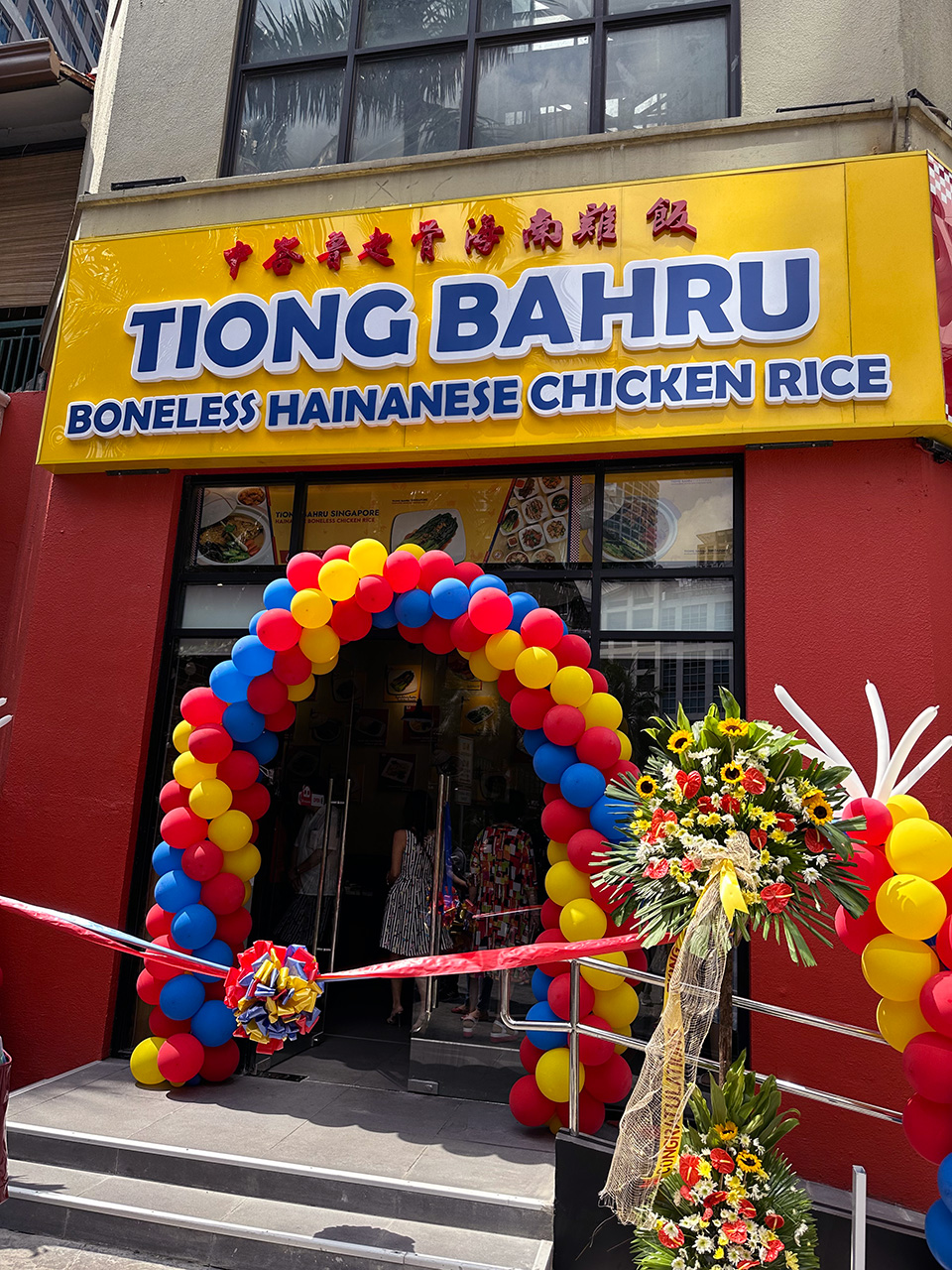
Singaporean resto opens flagship in Eastwood City

Restaurant chain Tiong Bahru Hainanese Boneless Chicken Rice has opened its flagship store at the Eastwood Mall in Libis, Quezon City. Owned and managed by Tiong Bahru Philippines, it is the 7th branch. The casual dining restaurant is named after its signature dish, poached chicken on aromatic rice, so as not to be confused with the namesake Singaporean tourist neighborhood. Tiong Bahru Hainanese Boneless Chicken Rice merited the 2022 Michelin Bib Gourmand for the fifth time, for its sophisticated taste at affordable prices. The chain’s success is attributed to its healthier food options, as the chickens have less oil and fat, and the curries and kikiam Singapore offer more value for the customers’ money.


Father’s Day at Gringo’s Chicken and Ribs

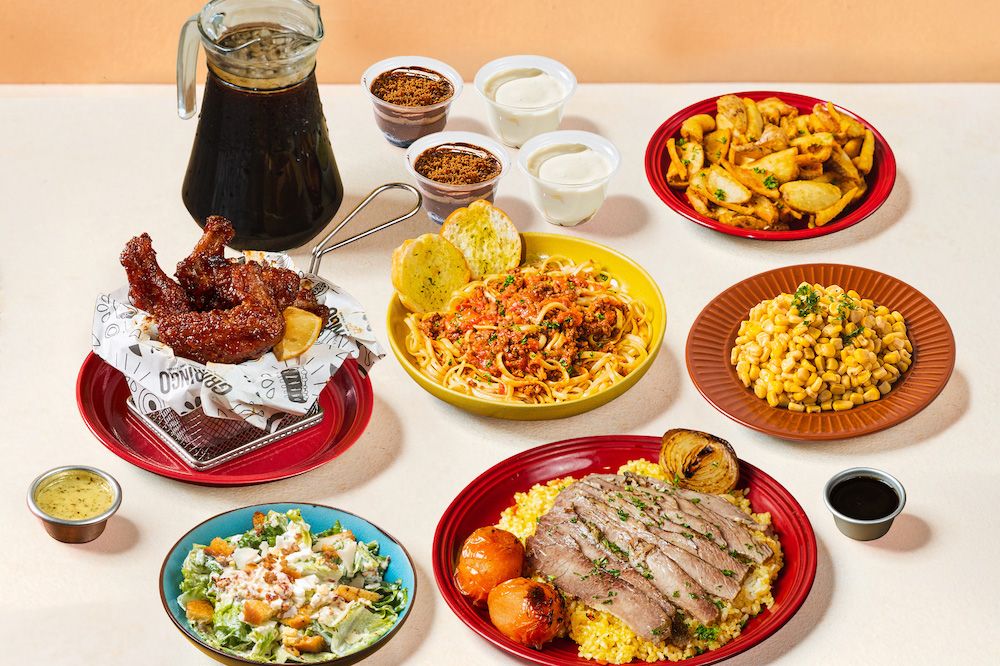
Gringo’s Chicken and Ribs rolls out its Father’s Day special with Papi’s Paboritos package, available starting June 1. Papi’s Paboritos includes all-time Gringo favorites like Cuban Beef Lechon served on a bed of Gringo’s Cuban rice; Cerveza Wings, fried chicken wings flavored with beer; starters like Caesar Salad and Gringo’s Grinchos; and Angus Bolognese Linguine. To cap the meal, there is the new Classic Tres Leches, an ultra-light and soft sponge cake soaked with three kinds of milk, plus Compadre Chocolates, a decadent chocolate cocoa cream dessert. Papi’s Paboritos is good for three to four people. Also included in the package is a 1.5-liter Coca-Cola. In partnership with Coca-Cola, Gringo is giving away official merchandise like umbrellas and shirts. This limited offer goes for ₱2,198 and is available in all Gringo branches. Gringo Metro Manila branches are located at Ayala Malls Feliz, Bonifacio Global City, Dela Rosa St., Festival Mall, Greenhills, and at SM Mall of Asia Arena, SM Fairview, SM Manila, SM Megamall, SM North EDSA, and SM Sucat. Provincial branches include SM Baguio, SM Dasmariñas, SM Legazpi, SM Marilao, and SM Sta. Rosa. Gringo Chicken and Ribs delivers through their official site gringo.ph. These faves are also available via GrabFood and Foodpanda.


Starbucks’ drinks of summer

This summer Starbucks offers Mango Dragonfruit Starbucks Refreshers and Honeycomb Salted Caramel drinks. The new Dragon Drink with Mango Dragonfruit Starbucks Refresher is a combination of coconut milk, tangy lemonade with real pieces of mango and red dragonfruit (the drink contains caffeine). Then there is the Mango Dragonfruit with Lemonade Starbucks Refresher, a combination of lemonade, sweet mango and dragonfruit flavors with real fruit juice and fruit pieces (it also contains caffeine). The Honeycomb Salted Caramel drinks list includes Honeycomb Salted Caramel Oatmilk Frappuccino which is available in coffee and cream-based variants; Honeycomb Salted Caramel Oatmilk Latte, topped with premium crunchy honeycomb and whipped cream. A new coffee is Brown Sugar Soymilk Iced Shaken Espresso, a hand-shaken espresso with rich layers of plant-based milk and brown sugar syrup.


Machang at Newport World Resort

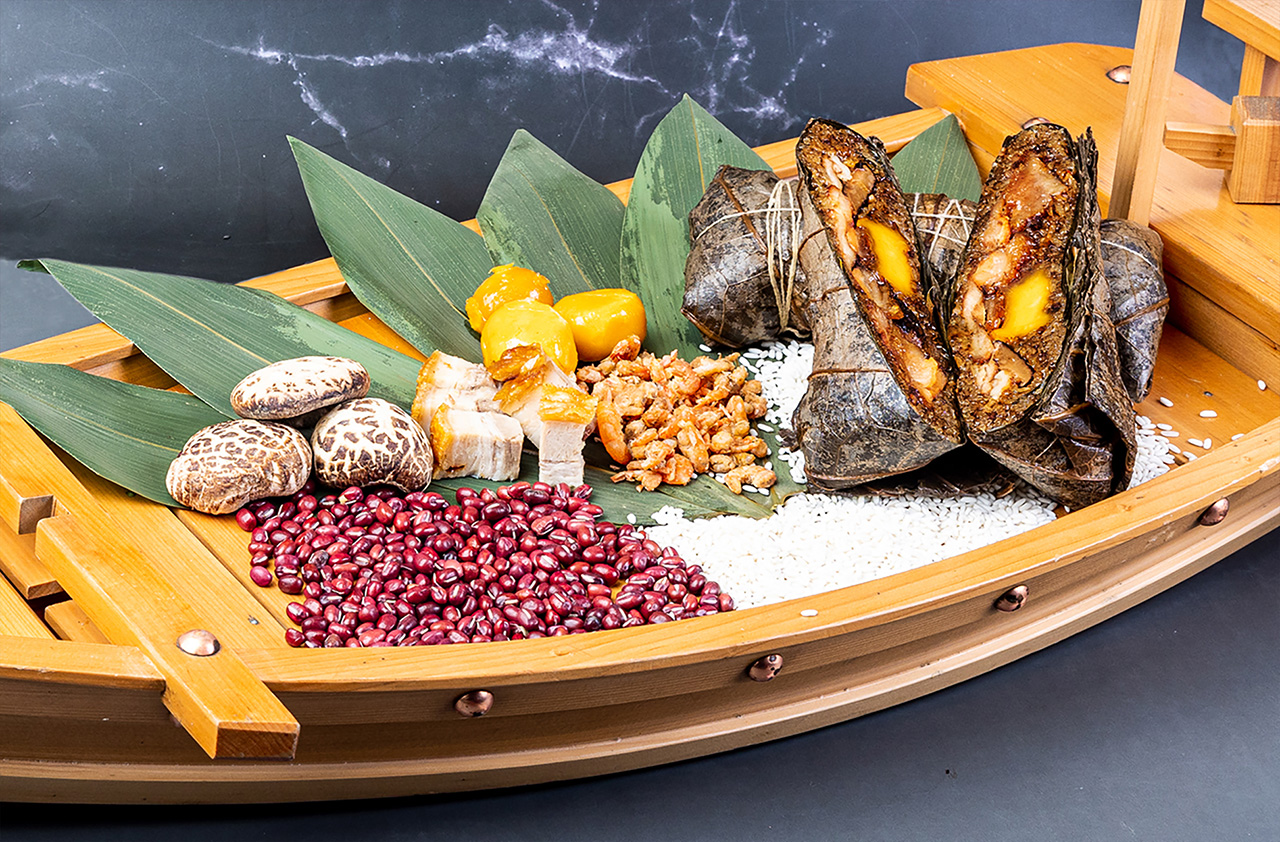
A boatload of machang is now available for the Dragon Boat Festival at Newport World Resorts. Machang or zongzi is a steamed glutinous rice dumpling with a savory meat filling wrapped in aromatic leaves. Savor the intricately balanced flavors of succulent pork belly, dried shrimp, salted egg yolk, mushrooms, and glutinous rice at Newport’s signature restaurants the whole month of June. Indulge in the Dragon Boat Machang Festival special for P468 net for two people at the Newport Grand Wing’s Silk Road, and the Newport Garden Wing’s Victoria Harbour Cafe and Happy 8. This special is also available for takeout. For more information on the Dragon Boat Machang Festival and other June offers, visit www.newportworldresorts.com.


Tatatito now offers Salted Yema Cake

Tatatito introduces another nostalgic flavor just in time for Father’s Day that takes inspiration from a well-loved Filipino dessert that made many childhood memories sweet — the famous Yema. Tatatito’s Salted Yema Cake fills delicate chiffon cake layers with this rich and sweet custard confectionery. With newly introduced dishes Prawn Randang and Baked Tanigue, this dessert makes the perfect end to a meal. Prawn Rendang is a flavorful dish with large prawns stewed in coconut cream with a blend of secret spices. On the other hand, Baked Tanigue in Kamias is Tatatito’s version of Sinaing na Tanigue. Tatatito is located on the ground floor of the OPL Building, 100 Don Carlos Palanca Street, Legaspi Village, Makati City. Open daily from Monday to Thursday from 8:30 a.m. to 10 p.m. Fridays from 8:30 a.m. to 11 p.m.; and Saturdays to Sundays from 8 a.m. to 9 p.m. To order, call 0991-300-5000. Delivery is also available in select locations through GrabFood and FoodPanda.


Hilton Clark presents Crossover Buffet for Independence Day

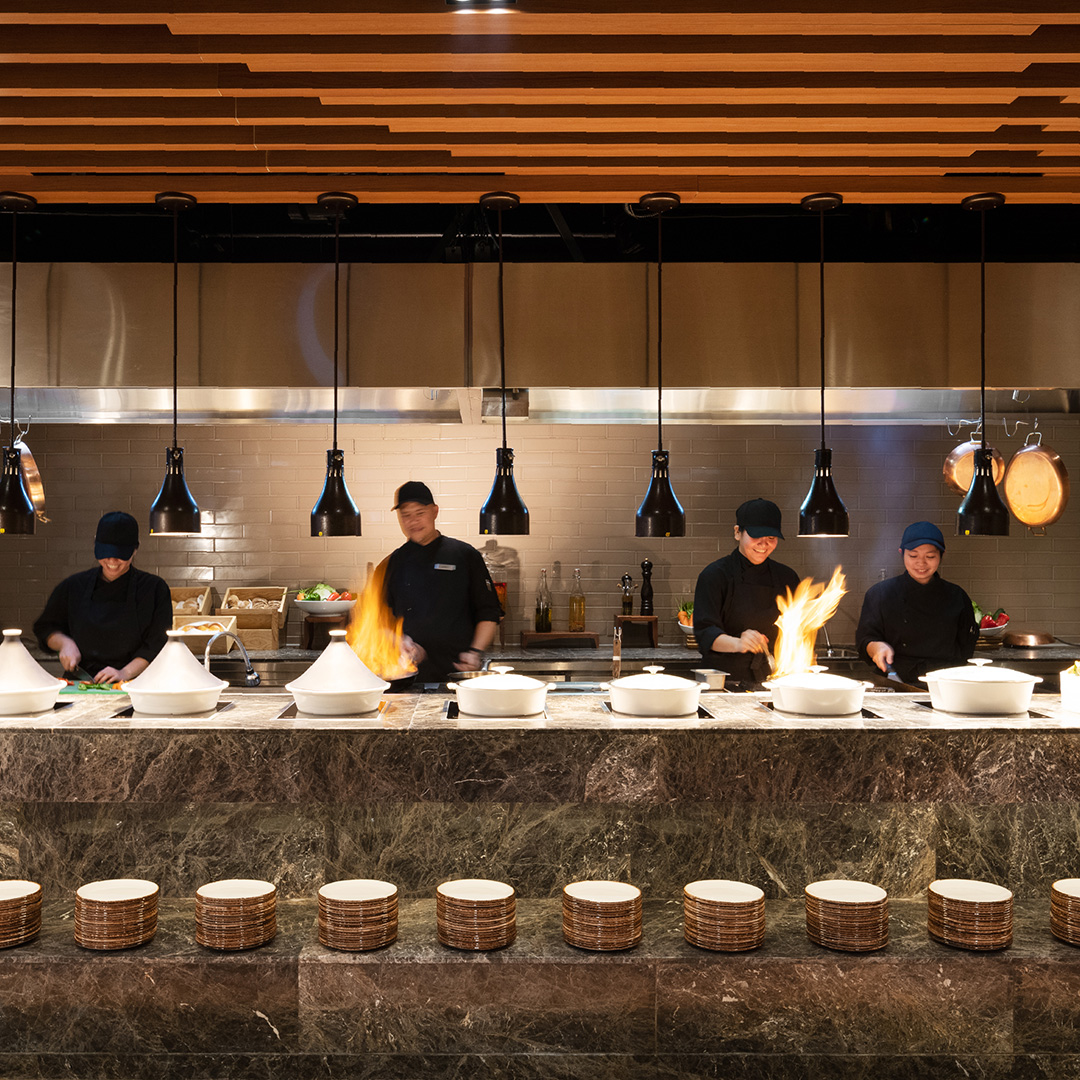
Hilton Clark Sun Valley Resort unveils a new promotion celebrating Independence Day weekend. From June 10 to 12, an array of global flavors will be available across its three restaurants. There will be all-American flavors at Treats with its US-themed buffet, the culinary treasures of China at Xi’s Chinese buffet, and Olive’s international buffet spread. For P2,400 net per adult, guests can enjoy the Cuisine Crossover Lunch Buffet which will be available from noon to 3 p.m. The occasion includes an exclusive offer where the third diner dines for free when accompanied by two paying adults. Hilton Clark is offering a daily lucky draw where guests stand a chance to win gift vouchers for an overnight stay for two with a buffet breakfast at Olive, a Yamcha experience for two people at Xi, a “Drink all you can” for two people at Treat (standard drinks only), and dinner buffet for two at Olive. For reservations or more information, visit www.hiltonclark.com, e-mail CRKPP_FB@hilton.com, or call 0917-823-1580.


An Ebi date with Dad at Tokyo Bubble Tea

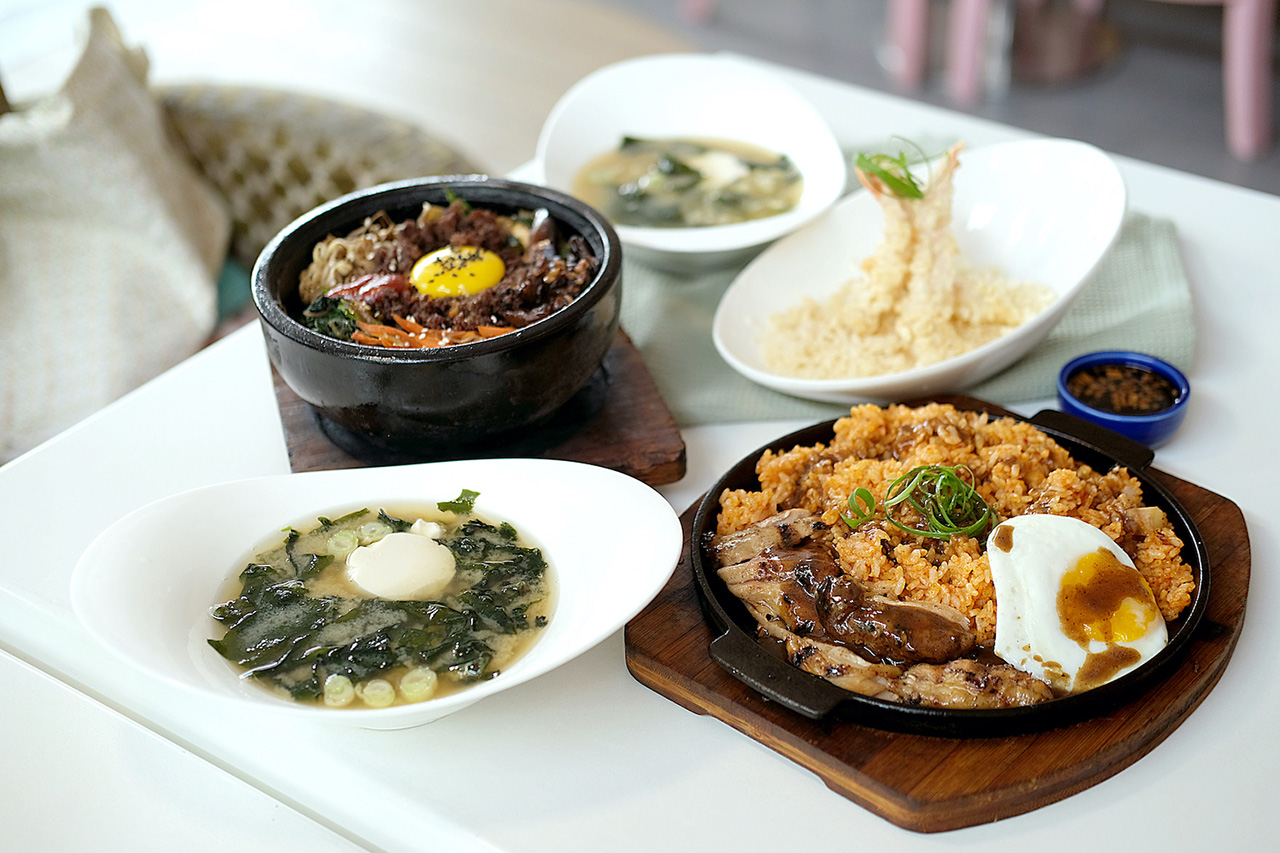
For the entire month of June, Tokyo Bubble Tea is offering Ebi Tempura Meal Sets so everyone can amp up Father’s Day celebration. The Ebi Tempura Meal Sets feature three pieces of Ebi Tempura, two Tokyo Big Plates, and two large drinks. Metro Manila diners can enjoy three Father’s Day Ebi Tempura meal sets. Set A has Teriyaki Chicken Don and Gyudon. Set B has Bibimbop and Black Pepper Chicken with Kimchi Rice. Set C has Tonkatsu Curry and Chicken Katsu Omurice. Metro Manila branches are located in Banawe, Greenhills, SM Megamall, and Bonifacio Global City. Each set is P899. There are also specially made set meals for diners in Cagayan de Oro.  Tokyo Big Plates for Set A are Teriyaki Chicken Don and Gyudon. Set B has Bibimbop and Sizzling Chicken with Black Pepper Sauce. Set C Tokyo Big Plates has Omurice Classic and Japanese Curry Tonkatsu. Tokyo Bubble Tea branches in Cagayan de Oro are located at Centrio Mall and SM CDO Downtown Premier. Each set is P650. All meals come with an option of adding two servings of Miso Soup for P90.  These meals are available via www.tokyobubbletea.com, Grab Food, and FoodPanda.


The Bistro Group opens 6 restaurants at SM City Clark

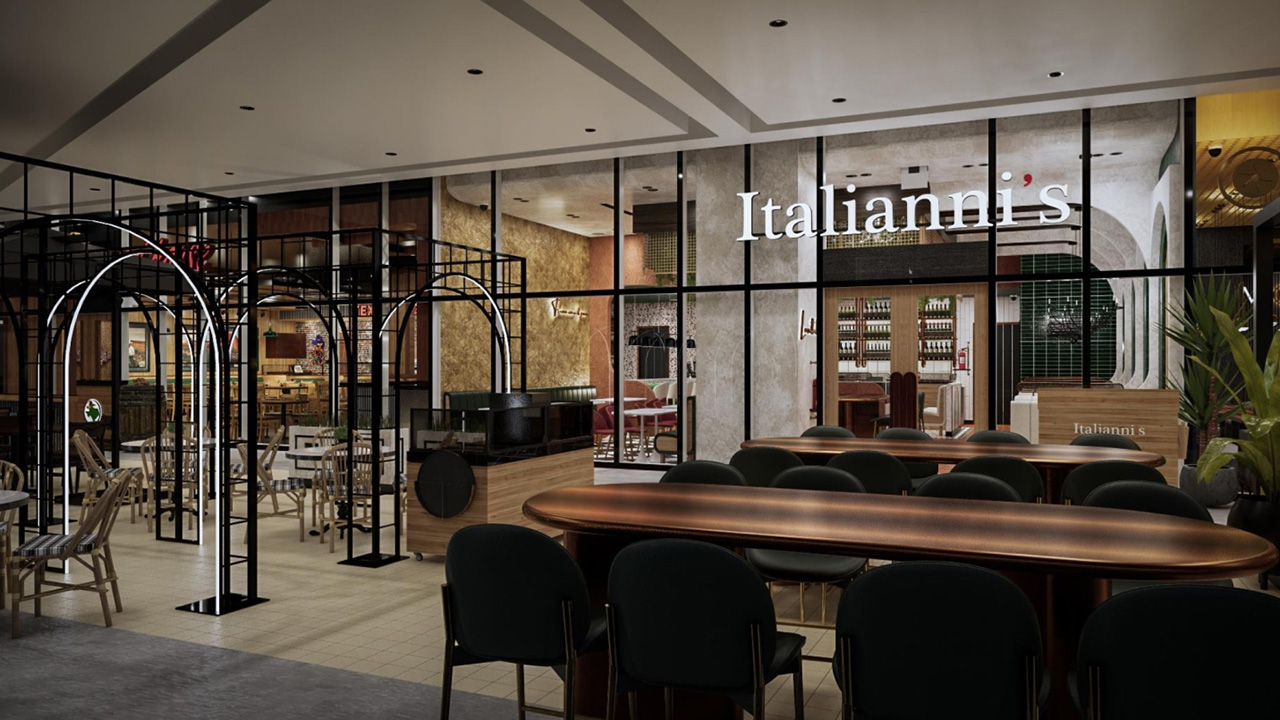
Hot off the heels of multiple openings at Estancia Mall is the launch of not one, but six new Bistro restaurants this time, at SM City Clark. The Bistro Group builds on a variety of cuisines under one roof — from burgers, ribs, pasta, dimsum, all-day breakfast fare, sushi and more. These can be enjoyed by guests inside the stores or at the great al fresco area. On June 1, Modern Shang and Italianni’s opened; Denny’s opens on June 8 while TGI Fridays, Texas Roadhouse, and Watami will be launched in July. Guests can cross-order from these restaurants. All the restaurants are located at the Ground Level, Clark Tech Hub 9 and 10.

Globe launches prepaid fiber internet product

GLOBE Telecom, Inc. on Wednesday launched its prepaid fiber internet that aims to bring fiber-speed internet to its Filipino customers at sachet price.

“The launch of GFiber Prepaid is a testament to our commitment to providing fiber internet connection that empowers everyone to seize new opportunities,” said Raymond Policarpio, vice-president for home broadband business at Globe, in a statement.

GFiber Prepaid aims to democratize access to fiber connectivity as it will offer no lock-up, unlimited pay-per-use promos, and “buy now, pay later” options with GCash.

“With GCash’s “Buy Now, Pay Later” feature, customers can pay in up to a 24-month installment using the app or pay with a credit line of up to P50,000,” the company said.

The new prepaid service will have a special introductory offer of a one-time fee of P1,499, inclusive of installation and seven days of unlimited internet, and will be available nationwide, subject to serviceability.

Customers can also choose from a selection of unlimited on-demand promos, including GFiberSURF299 for seven days, GFiberSURF549 for 15 days, and GFiberSURF999 for 30 days.

To apply, a customer only needs to go into the GlobeOne app and visit the GFiber page, which will ask for the customer’s details without the requirement of any document.

Customers may also apply for connection through Puregold branches such as Puregold Price Club-Tarlac Public Market, Puregold Price Club-Butuan, Puregold Price Club-Silang in Cavite, Puregold Price Club-Monumento in Caloocan City, and Puregold Price Club-Oton in Iloilo. — Justine Irish D. Tabile

ADVERTISEMENT
ADVERTISEMENT