Home Blog Page 2499

Free optometric services, prescription eyeglasses to be included in PhilHealth benefits

PIXABAY

The Integrated Philippine Association of Optometrists (IPAO) and the Philippine Health Insurance Corp. (PhilHealth) will finalize by November 2024 the coverage guidelines for the inclusion of free optometric services and prescription eyeglasses in PhilHealth’s coverage. 

This came on the heels of a commitment signed by health secretary Teodoro J. Herbosa and PhilHealth president and chief executive Emmanuel R. Ledesma, Jr. in response to AGRI party list representative Wilbert T. Lee’s interpellation at the Lower House’s budget deliberations. 

Filed on March 5, House Resolution No. 1623 proposes the state health insurer include optometric services worth up to P4,000 in a benefit package. 

“HR No. 1623 paved the way and advocated for Filipinos’ right to comprehensive optometric services and free prescription eyeglasses to improve productivity and reduce the financial burden of the Filipinos,” said Dr. Charlie L. Ho, IPAO chairman, in an October 21 press statement.  

“The timelines are tight,” he added, “but everyone is working to ensure that everything remains on track and that PhilHealth’s coverage for preventive eye care and optometric services becomes successful and would benefit all its members.” 

IPAO estimates that about 28 million Filipinos have presbyopia or farsightedness. 

The 2018 Philippine Eye Disease Study showed that 9% of kindergartners are affected with visual impairment. The number rises to 16% by high school, with 90% of the cases being myopia or nearsightedness. 

The April 2021 Lancet Global Health Commission on Global Eye Health report stated that 90% of vision loss can be prevented or treated if detected early. 

Eye health is essential to achieving many of the UN Sustainable Development Goals, the commission said. It contributes to an individual’s overall health and wellbeing, social inclusion, and quality of life. 

“Several Filipinos visit their eye care professionals only when vision loss begins to manifest or when it’s too late for any intervention,” Dr. Ho said. “PhilHealth’s expanded program to cover preventive optometric services and prescription eyeglasses comes very timely as it will benefit millions of Filipinos.” 

“If we’re talking about productivity, if we’re talking about food security, we should also be addressing the eye problems of our countrymen, and consider this as a primary healthcare issue,” Mr. Lee also said in his personal website.Patricia B. Mirasol

Palawan remains one of the ‘best islands’ in the world

IMAGE BY GIULIANO GABELLA VIA UNSPLASH

Palawan affirmed its position as one of the premier tourist destinations as it ranked 13th in the ‘World’s Best Islands’ list from a travel website. 

186,000 readers of Travel + Leisure completed the 2024 World’s Best Award survey on the platform. Each island was rated based on its natural attractions/beaches, activities/sights, restaurants/food, people/friendliness, and value. 

Maldives ranked first with a score of 95.63, followed by Phú Quốc, Vietnam with 94.41, and Bali, Indonesia with 93.26.  

Palawan received a 90.59, underscoring its position as one of the top-of-mind destinations in Southeast Asia. 

“This recognition is a testament to Palawan’s extraordinary beauty and the unwavering dedication of our people to delivering exceptional experiences,” Tourism Promotions Board (TPB) Philippines Chief Operating Officer Maria Margarita Montemayor Nograles said.  

According to TPB, the tourist spot on the western coast of the Philippines is renowned for its breathtaking natural beauty. The island offers a combination of adventure and tranquility, including the Puerto Princesa Underground River, a part of the New7Wonders of Nature in 2012, and a United Nations Educational, Scientific and Cultural Organization (UNESCO) Heritage Site. 

“We remain committed to preserving and promoting the island’s natural and cultural heritage for generations to come,” Ms. Nograles added. 

Boracay in Aklan, Mactan in Cebu, and Panglao in Bohol were all shortlisted for the 2025 World’s Best Awards of the website. – Almira Louise S. Martinez

PCCI issues job, investment wish list

PHILIPPINE STAR/EDD GUMBAN

By Justine Irish D. Tabile and Kyle Aristophere T. Atienza, Reporters

PRESIDENT Ferdinand R. Marcos, Jr. should identify barriers to business operations, develop an infrastructure master plan, enact a comprehensive investment bill and digitize local government services to generate more investments and jobs, according to the Philippine Chamber of Commerce and Industry (PCCI).

In an 11-page document detailing action plans for the government, the PCCI also urged the state to boost food security by increasing farm output and enhancing market access, as well as reform the education system, enhance workforce skills and improve healthcare to develop human resources.

The business group released the wish list on the last day of the 50th Philippine Business Conference & Expo in Pasay City near the Philippine capital.

“We propose improving doing business in the country by enhancing infrastructure, transportation, and logistics support and to create a conducive environment for investment generation and job generation,” it said.

The PCCI asked the Marcos government to form a consultation body composed of private sector leaders and policy makers to identify business barriers and fix conflicting administrative and regulatory functions of agencies.

It cited as an example the conflicting functions of the Philippine Ports Authority and Laguna Lake Development Authority.

The PCCI also sought a “comprehensive investment bill” that will outline the incentives of export- and domestic-oriented enterprises, adding that a task force should be created to monitor the compliance and effectiveness of the incentives.

In particular, the group asked for tax incentives and grants for renewable energy (RE) and waste management projects.

The business group also sought the creation of a long-term infrastructure master plan for transportation, energy and communication networks.

It said that the government should prioritize investment in farm-to-market roads and major transportation hubs to help facilitate the movement of goods regionally.

The PCCI also proposed the establishment of a “Digital Governance Initiative” that will provide technical assistance and tools and implement training programs for local governments.

It cited the need to set up a national task force focused on streamlining business processes through digital platforms.

FOOD SECURITY
The PCCI likewise asked the government to help local producers in navigating export regulations and market access opportunities and protect consumers from extra costs as the country transitions to RE.

“We call for a multifaceted approach to enhance food security that prioritizes increasing agricultural production, enhancing market access, and ensuring a stable and affordable food supply for all Filipinos,” the PCCI said.

To achieve food security, the business group sought the establishment of a technology task force consisting of representatives from the Department of Science and Technology, Department of Agriculture, agricultural experts and technology companies.

The PCCI said the task force should identify and deploy modern farming technologies such as climate control systems, precision farming tools, climate-resilient crop varieties and internet of things (IoT) solutions for monitoring conditions in real-time.

The Marcos government should identify specific recovery strategies for the coconut, hog and aquaculture industries and develop a financial aid program for disease control measures and new technologies, it added.

Also on the wish list is increased budgetary support for agricultural cooperatives and investments in logistics infrastructure including modern warehouses, distribution centers and cold-chain facilities.

The PCCI further reiterated its call for changes to the Agrarian Reform law to increase the land retention limit from five to 24 hectares and remove the ceiling on agricultural land ownership. This was also included in the group’s policy recommendations last year.

“We urge the government to reform the education system, enhance workforce skills through upskilling and reskilling initiatives, and improve the healthcare system to foster a productive population,” the PCCI said.

It cited the need to amend the Philippine Qualifications Framework law with a focus on establishing a Philippine Qualifications Authority.

It said that there is a need to conduct consultations to ensure the alignment of education outcomes with labor market needs and benchmark the law against the qualification frameworks of members of the Association of Southeast Asian Nations (ASEAN)

The group also called for the establishment of research and development centers that will develop new products, research industry trends, benchmark practices and maintain updated curricula.

On healthcare and malnutrition intervention, the PCCI said the government should prioritize the construction of level 3 and 4 facilities in underserved regions and initiate community-wide campaigns against malnutrition.

“These resolutions represent the collective voice and aspirations of the business sector, reaffirming our serious commitment to collaborate with the government in realizing a progressive, sustainable and inclusive economy,” PCCI President Enunina V. Mangio said in a speech at the business conference on Oct. 23.

‘NEW PATHWAYS’
Meanwhile, strategic investments since the launch of green lanes in February 2023 has hit more than P4 trillion, the Marcos government said, as it vowed to pursue skill development for the Filipino workforce amid a growing digital shift.

“We now have… 162 projects valued at nearly P4.4 trillion endorsed for green lane services,” Mr. Marcos said in a speech read by his Special Adviser on Economic Affairs Frederick D. Go on the last day of the PCCI event.

The green lanes seek to accelerate the issuance of permits and licenses for approved strategic investments.

Mr. Marcos said more than 800 local governments are implementing a one-stop shop platform for local government services such as business permit licensing, local civil registration and the issuance of building permits.

He also cited an executive order he issued in 2023 to streamline the processing of permits for the construction of information and communications technology infrastructure.

The Philippine economy grew by 6.3% in the second quarter, “making the Philippines one of Asia’s best-performing major emerging economies,” the President said.

He also cited gains against inflation, which hit 1.9% in September, the lowest since May 2020. Easing inflation has given the central bank room to ease monetary policy, delivering a 25-basis-point rate cut for a second straight meeting last week.

“However, we also recognize the pressing challenges that continue to exist in this increasingly competitive landscape,” the Philippine leader said. “We hear your concerns and are working closer with you in finding feasible and effective solutions.”

Mr. Marcos said the Filipino workforce is pivotal in driving the economy, citing efforts to reskill and upskill workers.

“We continue to find new pathways for our economy to succeed, especially in today’s fast-changing technology,” he added, vowing to boost the country’s innovation ecosystem.

Possible Trump win could hamper global growth, says Recto

RAWPIXEL

By Beatriz Marie D. Cruz, Reporter

A POTENTIAL Donald J. Trump presidency poses risks to global growth, as increased protectionism could weaken global trade, Philippine Finance Secretary Ralph G. Recto said on Wednesday.

“We are concerned that there will be a setback on multilateralism, particularly in trade as well,” he told a news briefing of the Intergovernmental Group of Twenty Four (G-24) Board of Governors in Washington, D.C. late on Tuesday Manila time, his office said in a statement.

“We know that the driver of global growth is more trade. So, that is a concern.”

Republican nominee Mr. Trump, who is seeking a second presidency, has pushed stronger trade restrictions, including slapping 60% or higher tariffs on all Chinese goods and a 10% universal tariff, Reuters reported.

In its latest World Economic Outlook, the International Monetary Fund (IMF) projects global growth to remain “stable yet underwhelming” at 3.2% this year and next year.

“In the Philippines, we count on our relationship with the United States to do maybe more outshoring to the Philippines, and hopefully that will be done also with other members of the G-24,” Mr. Recto said.

The United States was the top destination of Philippine products in August, with a total export value of $1.22 billion (P70.7 billion).

The Philippine government is also hinging on its defense and security partnerships with the US to lessen the impacts of Mr. Trump’s protectionist policies. “We have a Mutual Defense Treaty. We are hoping to leverage that relationship so that we do not get affected much,” Mr. Recto told the briefing.

Under the 73-year-old defense pact, Washington and Manila are bound to defend each other in case of an armed attack on its forces, public vessels or aircraft.

Mr. Recto said many US companies are interested to invest in the Philippines, which bodes well for the two countries’ decades-long relationship.

The Philippines and US in April inked several military and trade deals with Japan, including the creation of a Luzon Economic Corridor.

“Manila is hoping that Washington under Trump will continue its ironclad commitments with the strong bilateral relationship,” Chester B. Cabalza, founding president of Manila-based International Development and Security Cooperation, said in a Facebook Messenger chat.

The US’ continued support in the form of defense and investments would help bolster the Philippines’ capacity to defend itself, he added.

Hansley A. Juliano, a political science professor at the Ateneo de Manila University, said a potential Trump presidency is a “reverse back to the 2016 wind-down of American engagement in Asia.”

“This is unfortunate, considering the many developments towards building a wider alliance to protect Philippine interests within the West Philippine Sea and Asia-Pacific, region,” he said in a Viber message, referring to areas of the South China within the country’s exclusive economic zone.

If Mr. Trump wins, the Philippines should strengthen its relationships with other partners like South Korea, Japan and Australia, and reassess Southeast Asian countries’ stand on South China Sea tensions, Mr. Juliano said.

G-24 Secretariat Director Iyabo Masha noted that the World Trade Organization (WTO) should level trade negotiations amid growing protectionism in many countries.

“What we are calling on is for the WTO to become the center of trade discussions, trade negotiations, and for the World Bank and the IMF to rise up to a much more multilaterally engaged organization that will be able to at least influence the kind of policies that countries take one way or the other,” she told the briefing.

The group also called on the IMF and World Bank to increase support and quicken reforms especially for developing countries amid geopolitical tensions that could fan rising commodity prices and keep interest rates elevated.

“One thing is clear — any slowdown in the global economy due to these new economic realities is bound to hit developing countries the hardest,” said Mr. Recto, who also serves as the chairman of the G-24 Board of Governors.

“Thus, we continue to call for a more agile and strong-willed IMF and World Bank,” he said. “We need heightened development cooperation, scaleup support and innovative solutions as we now begin the headwinds to foster peace, stability and prosperity for all.”

To better support member countries, the board called on the IMF to create a new mechanism to support countries with sound fundamentals during liquidity crises, Mr. Recto said.

The World Bank should establish “more ambitious” goals for its concessional and nonconcessional financing. The group also sought changes to the sovereign debt resolution framework to deliver debt relief to vulnerable economies.

Mr. Recto also called on the Washington-based multilateral lender to reduce its borrowing costs to better support developing economies.

BSP rate cuts to boost consumption, spur business expansion — Metrobank

PHILIPPINE STAR/MIGUEL DE GUZMAN

By Luisa Maria Jacinta C. Jocson and Sheldeen Joy Talavera, Reporters

THE PHILIPPINE central bank’s rate-cutting cycle is expected to boost household spending and business activity, allowing companies to get funding for expansion on cheaper terms, Metropolitan Bank & Trust Co. (Metrobank) said in a report.

“Businesses and consumers will get an extra boost as monetary policy easing goes into full swing amid slow inflation,” it said.

The Bangko Sentral ng Pilipinas (BSP) has so far lowered borrowing costs by a total of 50 basis points (bps) this year since it began its easing cycle in August.

BSP Governor Eli M. Remolona, Jr. has signaled another 25-bp cut at the Monetary Board’s last policy review for the year on Dec. 19.

“Private investment has so far lagged other economic-growth legs — household and public spending — and has yet to recover to its pre-pandemic levels,” Metrobank said. “Domestic demand has been sluggish, with household spending growth being flat at 4.6% year on year for the first two quarters of 2024.”

Data from the local statistics agency showed household spending eased to 4.6% in the second quarter from 5.5% a year ago, the slowest since the coronavirus pandemic.

“The BSP cuts to policy interest rates and banks’ reserve requirement ratio (RRR) should help stoke business sentiment, allowing companies to secure funding for expansion on relatively cheaper terms,” Metrobank said.

The central bank earlier announced that it would reduce the RRR for universal and commercial banks and nonbank financial institutions with quasi-banking functions by 250 bps to 7% from 9.5% effective on Friday.

The BSP chief earlier said they are looking to bring down the RRR to as low as zero before his term ends in 2029.

Metrobank said easing price pressures would also boost consumer confidence. Inflation eased to 1.9% in September from 3.3% in August, the slowest in more than four years. The BSP expects inflation to average 3.1% this year.

“For the rest of the year, the consumer price rise will stay within BSP’s 2-4% target range due to favorable base effects and the harvest season helping ease pressure on food costs,” Metrobank said.

However, it noted upside risks to the outlook, citing elevated oil prices due to geopolitical tensions and uncertainty in the upcoming US elections.

In a separate report, DBS Bank Ltd. said it expects the BSP to deliver another 25-bp cut in December, bringing the benchmark rate to 5.75% by yearend.

“Having raised rates by the most in the region, the BSP has been preemptive in loosening monetary conditions, with the RRR cut last month to complement the easing bias.”

DBS expects the central bank to slash rates by 100 bps next year, which could bring the key rate to 4.75% by end-2025.

Mr. Remolona earlier said it was possible to deliver a total of 100-bp worth of rate cuts next year. He said this would be implemented through a “measured approach” and likely in increments of 25 bps, while noting rate cuts would not necessarily be delivered at every meeting.

“In all, while the ASEAN-6 central banks have a dovish tendency, they are not on a predetermined rate cut path,” DBS said. “The quantum and timing are likely to be dictated by financial market volatility, domestic growth-inflation mix and the US Fed’s moves.”

Markets are pricing in 41 bps of cuts for the year, with another 100 bps priced in for next year, Reuters reported.

Traders expect the Fed to lower borrowing costs by 25 bps next month, having tempered their wager of a larger cut in the wake of strong economic data. The Fed kicked off its easing cycle with a 50 bps cut in September.

ENERGY FINANCING
Meanwhile, more rate cuts might be needed to have a significantly positive impact on energy projects as far as financing is concerned, analysts said.

“The effect of rate cuts is often gradual, and while the 25-basis-point cut is helpful, additional cuts may be required for a more substantial impact,” Toby Allan C. Arce, head of sales trading at Globalinks Securities and Stocks, Inc., said in a Viber message.

“A cut to around 50-75 basis points in total might be more noticeable for financing costs, but the exact number will depend on broader economic conditions and inflationary pressures,” he added.

Last week, the Philippine central bank delivered another 25-bp cut, continuing its easing cycle for a second straight meeting.

Alfred Benjamin R. Garcia, research head at AP Securities, Inc., said rate cuts are favorable for “capital-intensive sectors” like infrastructure and power generation.

“We expect that the effect of the rate cuts will start to be felt in a couple of quarters as they work their way into the system, and project financing will likely start picking up as rates get closer to 5.5%,” he said in a Viber message.

April Lynn Lee-Tan, chief equity strategist at COL Financial Group, Inc., noted that while lower rates “are good as they will make financing cost cheaper for power companies,” they also consider other factors in developing projects.

“As to whether rate cuts are enough, there are other factors that power companies consider such as the availability of transmission capacity, demand for power and the rate at which they can sell their power,” she said via Viber. “These will also have to be evaluated.”

Mr. Arce said the regulatory environment, market demand and infrastructure and grid integration are some of the factors needed to be aligned “for a robust boost in energy investments.” “While the financial environment may be favorable due to rate cuts, sustained demand from consumers, businesses or the government is necessary for investment growth.”

The 25-bp rate cut gives renewable energy projects a leg up because they require significant capital, according to Jayniel Carl S. Manuel, an equity trader at Seedbox Securities, Inc.

“Renewable energy companies, which often face substantial capital expenditures for the development and operation of their projects such as wind farms, solar power plants and hydroelectric facilities, will likely find it more feasible to secure financing for expansion,” he said via Viber.

“The reduced interest rates directly lower the cost of borrowing, making long-term investments in these capital-intensive projects more attractive and potentially accelerating their development,” he added.

Mr. Manuel said lower rates could draw more capital because they signal confidence to foreign investors, which the Philippine renewable energy sector could use to tap its “vast natural resources and achieve its ambitious renewable energy goals.”

The government seeks to raise the share of renewable energy in its power generation mix to 35% by 2030 and 50% by 2040 from 22% now. The Energy department expects at least 4,000 megawatts (MW) of conventional and renewable energy projects to come online this year.

Mr. Manuel said too aggressive rate cuts could fuel inflation or weaken the peso. “This would raise the cost of imported materials and equipment — both essential in building renewable energy facilities — thus negating some of the benefits of cheaper financing.”

“If rate cuts spur inflation, this could erode the cost benefits by increasing operating expenses, labor costs and construction costs for energy projects,” Mr. Arce said.


Jacinto Ng of Raemulan Lands named EY Entrepreneur of the Year

JACINTO NG

JACINTO NG, JR., group executive officer of Raemulan Lands, Inc., was named the EY Entrepreneur of the Year 2024 Philippines in an awards banquet held at the Makati Shangri-La on Wednesday night. He will represent the country at the EY World Entrepreneur of the Year awards in Monte Carlo, Monaco in June 2025.

Mr. Ng was recognized for shaping opportunities and uplifting the social welfare of low-income Filipinos. His company, Raemulan Lands, has provided many families with resources, education and support to rise above poverty and achieve their dreams of owning a home, while also creating job opportunities and developing thriving communities among homeowners.

By leveraging the synergy between Raemulan Lands and Joy~Nostalg Solaris, Inc., he has created sustainable energy solutions that not only reduce reliance on imported fuel but also conserve valuable resources, leading to the first utility-grade socialized housing rooftop solar energy in the Philippines and in the world.

Mr. Ng also received the Master Entrepreneur award for maintaining management excellence over a period of time in critical areas of the company including finance, marketing, human resources and sales. He established Raemulan Lands to develop socialized housing projects that redefined affordable housing by integrating sustainability and affordability in their core design. Under his leadership, the company experienced tremendous growth even during a coronavirus pandemic, building more than 30,000 homes for those in need and fostering a sense of community and resilience among its residents.

Other awards were presented for the Technology Entrepreneur, Woman Entrepreneur, Small Business Entrepreneur and Young Entrepreneur categories.

Macario S. Fojas received the Technology Entrepreneur award for his strategic use of technology to become a leader in the information technology-business process management sector, expand his business and positively contribute to society.

As the co-founder and president of Seven Seven Global Services, Inc., Mr. Fojas has guided the company to become a key player in providing advanced IT solutions, contributing to the growth of Filipino talent in the global technology landscape.

Anna Marie R. Lagon received the Woman Entrepreneur award for showing exemplary management excellence over a period of time, making her a leader in her field of business and an inspiration to other women entrepreneurs. Ms. Lagon showed visionary leadership in revitalizing and expanding homegrown Filipino fashion brand Bayo through initiatives that promote eco-friendly products and reduced waste. Her deep commitment to community engagement, cultural heritage and sustainability has transformed the company into a platform for both business growth and social responsibility.

Elenita Dela Rosa received the Small Business Entrepreneur award for best demonstrating management excellence in a business with assets (excluding land) of less than P100 million in value. Ms. Dela Rosa’s IT solutions firm, Eco Global Consulting, Inc., specializes in core banking systems and develops solutions that accelerate financial inclusion and support a dynamic financial ecosystem. By leveraging their expertise as a tech company that is keenly aware of banking systems and the banking industry, they aim to expand their reach into other industries.

Czarina J. Sevilla received the Young Entrepreneur award for being an inspiration and role model of entrepreneurship to the youth. Ms. Sevilla established and leads a trailblazing food and beverage company, Avocadoria.ph, that is poised for continued growth and innovation and has redefined the use of avocados in the Philippine market, championing health, sustainability and the empowerment of local farmers.

The recipients of the category awards were chosen from 11 outstanding finalists representing enterprises from diverse industries from various regions in the country. The other finalists were: George Barcelon (Integrated Computer Systems, Inc.), Antonio Co (Carrascal Nickel Corp.), Ruth Owen (Upgrade Energy Philippines, Inc.), Rosemarie Rafael (AIC Group of Companies Holding Corp.), Barbara Tan (A.D. Gothong Manufacturing Corp.) and Leehiong Wee (W Group).

Lance Y. Gokongwei, president and chief executive officer (CEO)at JG Summit Holdings, Inc., delivered the keynote address at the awards banquet. He was the EY Entrepreneur of the Year 2005 Philippines and also recently received the 2024 EY-Bank of Singapore ASEAN Entrepreneurial Excellence Award.

SGV Chairman and Country Managing Partner and SGV Foundation President Wilson P. Tan noted how successful entrepreneurs uniquely contributed to shaping opportunities not just for themselves but for their communities, their employees and the industries they serve.

“Our search focused on the transformative ability of Filipino entrepreneurs who reimagine and advance economic and national development with vision, passion and innovation and their ability to create their own path and make a profound impact on the country and the world,” he said.

All nominees went through a strict financial data ranking system used by all EY Entrepreneur of the Year participating countries. The finalists were further evaluated by an independent panel of judges composed of distinguished business personalities.

The panel was chaired by former Trade Secretary Alfredo E. Pascual. Other panel members were Philippine Stock Exchange President and CEO Ramon Monzon, Securities and Exchange Commissioner Karlo S. Bello, Endeavor Philippines Managing Director Manny Ayala and Asian Institute of Management President and Dean Jikyeong Kang.

The Entrepreneur of the Year was founded in the US by professional service firm EY in 1986 to recognize the achievements of the most successful and innovative entrepreneurs worldwide. In 2001, EY expanded the program and launched the World Entrepreneur of the Year awards. In the Philippines, SGV Foundation, Inc. established the Entrepreneur of the Year program in 2003.

Jollibee Foods Corp. Chairman and CEO Tony Tan Caktiong, the first ever Entrepreneur of the Year Philippines awardee, went on to win as World Entrepreneur of the Year 2004 in Monte Carlo, Monaco. Socorro Cancio-Ramos, founder of National Book Store, was named Entrepreneur of the Year Philippines the year after and, followed subsequently by Lance Gokongwei, president and CEO of Cebu Air, Inc.; Senen Bacani, chairman and president of La Frutera, Inc.; Wilfred Steven Uytengsu, Jr., president and CEO of Alaska Milk Corp.; Jesus Tambunting, former chairman and president of Planters Development Bank; Tennyson Chen, president of Bounty Fresh Foods, Inc.; Erramon I. Aboitiz, president and CEO of Aboitiz Power Corp.; Jaime I. Ayala, founder and CEO of Hybrid Social Solutions, Inc.; Ben Chan, chairman of the board of Suyen Corp.; Nico Jose Nolledo, chairman and CEO of Xurpas, Inc.; Natividad Cheng, chairperson and CEO of Multiflex RNC Philippines, Inc.; Benjamin O. Yao, chairman, president and CEO of SteelAsia Manufacturing Corp.; and Dennis Anthony Uy, co-founder and CEO of Converge ICT Solutions, Inc.

Supporting the program as co-presenters were the Asian Institute of Management, Department of Trade and Industry, Philippine Stock Exchange and Philippine Business for Social Progress. The media sponsors were BusinessWorld and ABS-CBN News Channel. The Gold sponsors were SteelAsia Manufacturing Corp., Uratex and Converge ICT Solutions, Inc. The Silver sponsor was International Container Terminal Services, Inc., while the Bronze sponsor was Lausgroup Holdings, Inc. The banquet sponsors were Robert Blancaflor & Groups, Inc., Bounty Fresh Group Holdings, Inc., Vista Land & Lifescapes, Inc. and Hotel 101.

9th PIMS to showcase innovations advancing mobility in the Philippines

PIMS 2024 Press Conference Panelists (from left to right): Masando Hashimoto (Toyota), Shojiro Sakoda (Isuzu), Norihde Takei (Suzuki), Emmanuel San Luis (Nissan), Dongwook Lee (Hyundai), Karl Magsuci (MG), Rie Miyake (Honda), Levy Santos (Foton), Atty. Rommel Gutierrez (CAMPI), Ritsu Imaeda (Mitsubishi), Michael Breen (Ford), Steven Tan (Mazda), Mario S.Regis (Daewoo), Brian Buendia (Kia), Froilan Dytianquin (Chery), Maricar Parco (Changan), Miguelito Jose (Jetour), Michael Rosario (BMW)

This year marks the 9th edition of the Philippine International Motor Show (PIMS), which begins today, promising a showcase of the latest automotive innovations, cutting-edge vehicle models, and groundbreaking concept cars under the theme “Dare. Drive. The Future Redefined.”

First staged in 2007, the Philippine International Motor Show is a biennial motoring event staged by Chamber of Automotive Manufacturers of the Philippines, Inc. (CAMPI) that aims to bring together the top manufacturers and key stakeholders from both the government and private sectors.

As the premier automotive event in the Philippines, the 9th Philippine International Motor Show will spotlight the evolving landscape of the automotive industry, with a special focus on sustainability, innovation, and mobility solutions tailored to the needs of the Filipino market.

The Bank of the Philippine Islands (BPI) will also be the exclusive Auto Financing Partner of the 9th Philippine International Motor Show.

“We are grateful to PIMS for having BPI as the exclusive bank partner for several years now. This partnership provides an avenue for the auto industry to showcase what they can offer to car enthusiasts as well as the means to own the vehicle today through our suite of financial solutions.  It is our mission in BPI to enable Filipinos to acquire their dream cars sooner rather than later,” said Dexter Lloyd Cuajotor, Head of Retail Loans and Bancassurance during the press conference for the 9th PIMS, held last Aug. 19 at the Grand Hyatt Manila in Bonifacio Global City, Taguig.

A visionary outlook on the Philippine automotive industry

The Chamber of Automotive Manufacturers of the Philippines, Inc. (CAMPI), the organizer of PIMS, remains committed to driving the local automotive industry towards a future of advanced and inclusive mobility.

Atty. Rommel Gutierrez, CAMPI President, delivering his opening remarks at the PIMS 2024 Press Conference

CAMPI President Atty. Rommel Gutierrez expressed his enthusiasm for this year’s event, stating, “This year’s PIMS embodies CAMPI’s bold vision of uniting the automotive industry and leading the way in redefining advanced, inclusive mobility for all Filipinos. We are excited to showcase the innovations that will shape the future of transportation in the country.”

CAMPI is a socially-responsible, automotive industry association that works in partnership with the Philippine government and other stakeholders in pursuit of economic growth through the development of a viable and self-sustaining Philippine automotive industry.

Participating brands

Seventeen of the world’s leading automotive brands will be represented at PIMS 2024, offering visitors a comprehensive view of the latest trends and innovations in the industry. The participating brands include BMW, Changan, Chery, Daewoo, Foton, Ford, Honda, Hyundai, Isuzu, Jetour, Kia, Mazda, MG, Mitsubishi, Nissan, Suzuki, and Toyota.

Each of these brands will unveil their newest models and concept vehicles, reflecting their commitment to sustainability, innovation, and meeting the diverse needs of the Filipino market. Attendees can expect to experience first-hand the future of mobility, from electric vehicles to intelligent driving systems and beyond.


Hyundai Motor Philippines returns to the 9th Philippine International Motor Show (PIMS)

Hyundai Motor Philippines, Inc. (HMPH) returns to the Philippine International Motor Show (PIMS) happening at the World Trade Center, this Oct. 24 to 27, 2024. The Hyundai Pavilion promises several exciting activities lined up for visitors this weekend.

Taking center stage at the Hyundai Pavilion are the SANTA FE Hybrid, TUCSON Hybrid, along with the STARGAZER X, STARIA, and the high-performance ELANTRA N. Furthermore, visitors can look forward to a test-drive experience and get behind the wheel of the latest Hyundai models.

On opening day, HMPH Brand Ambassador Paulo Avelino will be gracing the Hyundai Pavilion at this year’s PIMS alongside SPOT the robot, highlighting one of Hyundai’s many robotic innovations in collaboration with Boston Dynamics.

Exclusive giveaways will also be available for guests. Customers who either take a Hyundai out for a spin, or make a reservation will get to personalize their own one-of-a-kind Hyundai merchandise at the Hyundai Creative Nook. Nthusiasts can also come and visit the N Garage featuring the ELANTRA N, alongside exclusive N merchandise and parts. For the first time as well, a Hyundai N Racer Simulator will also be available for customers to enjoy. This allows participants to virtually see and feel the thrill of Hyundai N for themselves in a time attack challenge.

“It is our commitment at Hyundai to deliver innovative mobility solutions and exceptional experiences for our customers. Our display is just one of the many ways we continue to do so. We are very happy to be coming back to the Philippine International Motor Show since our inauguration in 2022; and we invite everyone to spend time with us at the Hyundai Pavilion and discover what we have to offer at the 9th PIMS,” says Jiho Son, Hyundai Motor Philippines President.

Everyone is welcome at the Hyundai Pavilion this upcoming PIMS. Special event-exclusive offers include a Php 10,000.00 discount on the TUCSON Hybrid, STARGAZER, and CRETA, along with a free two-year Preventive Maintenance Service (PMS) with every purchase of the STARGAZER. Visitors can also grab a free cup of coffee at the Hyundai Café when they register at the display.

For the latest news on Hyundai, follow @HyundaiMotorPhilippines on Facebook and Instagram.


Spotlight is BusinessWorld’s sponsored section that allows advertisers to amplify their brand and connect with BusinessWorld’s audience by publishing their stories on the BusinessWorld Web site. For more information, send an email to online@bworldonline.com.

Join us on Viber at https://bit.ly/3hv6bLA to get more updates and subscribe to BusinessWorld’s titles and get exclusive content through www.bworld-x.com.

Philippine International Motor Show: Redefining mobility since 2007

As the Philippine International Motor Show (PIMS) gears up for its highly anticipated 2024 edition from Oct. 24-27 at the World Trade Center, the stage is set for yet another milestone in the country’s thriving automotive industry. Hosted by the Chamber of Automotive Manufacturers of the Philippines, Inc. (CAMPI), this year’s show promises to ignite excitement with its theme: “Dare, Drive, The Future Redefined.”

This year’s edition showcases 17 participating automotive brands — the highest number in PIMS history. The exhibition will feature the latest innovations and solutions in mobility. Partnerships will also take center stage, with Helixpay revolutionizing the ticketing process for the event and BPI returning as the official auto-finance partner.

PIMS has long been the platform for groundbreaking automotive launches. From the unveiling of the first electric vehicle prototypes in 2018, PIMS has consistently pushed the envelope in the automotive space. Notable past highlights include the introduction of clean diesel technology in 2016 and hybrid electric vehicles that revolutionized fuel efficiency standards in the country.

The 5th Philippine International Motor Show (PIMS) in 2014 marked a significant milestone, attracting a record-breaking 90,000 attendees. This year, PIMS aims to surpass that mark with the participation of 17 automotive brands, the most ever in the event’s history.

CAMPI President Atty. Rommel Gutierrez shared his enthusiasm for the growing scale of the event.

“As this is the biggest PIMS yet, we are confident that this year’s edition will surpass our previous milestone in terms of attendance. We look forward to bringing the exciting progress we’ve made as an industry to more people,” Atty. Gutierrez said.

A celebration of growth and progress

PIMS has been a major contributor to driving consumer interest in new vehicle models and advanced automotive technologies. Over the years, it has helped boost automotive sales by introducing Filipinos to innovative products and financing solutions.

A joint report by the Chamber of Automotive Manufacturers of the Philippines, Inc. (CAMPI) and the Truck Manufacturers Association (TMA) as of August 2024 shows the industry with an annual vehicle sales of 304,765 units, a 10.3% increase from 276,215 units during the same period in 2023.


Atty. Gutierrez echoed how these sales are a sign of the industry’s continuing growth.

“We are pleased to witness the continuing growth of the Philippine automotive industry,” he explained. “This steady upward trend reflects sustained demand within the sector, supported by consumer confidence. As we move forward, CAMPI and our partners remain committed to driving innovation and contributing to the further development of the industry, while ensuring that we meet the evolving needs of Filipino consumers.”

The 2024 Philippine International Motor Show marks a new chapter, building on the successes of the past editions and propelling the industry into a future full of innovations.

To keep up with the latest updates, interested show-goers can visit and subscribe to CAMPI’s Facebook page.

Building better, affordable housing for Filipino families

Facebook.com/DHSUDGOVPH

Access to housing is a basic human right and is crucial for ensuring overall health and economic stability. The advancement of housing is not only vital for providing shelter to people and families but also drives progress of the nation.

According to the 2020 Census of Population and Housing released by the Philippine Statistics Authority, the Philippines had around 28.5 million housing units, with 25.2 millions of these occupied by households.

Approximately one-third of all housing units in the Philippines were built within the last decade. The majority of these housing units are built using durable materials, which is a positive indicator of improved housing quality over the years.

The report also said that 87.6% of occupied housing units are single houses, 6.5% are apartments or row houses, 3% are duplexes, and 0.7% are condominiums.

Despite significant developments, the country continues to struggle with housing affordability and a growing housing backlog.

In fact, the distribution of housing types reflects the unequal access to different forms of housing. While more affluent households can afford condominiums and durable single houses, the poor often resort to less secure and substandard housing in informal settlements.

According to the Department of Human Settlements and Urban Development (DHSUD), the country faced a housing backlog of approximately 6.5 million units from 2017 to 2022. The backlog is most pronounced in urban centers like Metro Manila, where over 13 million people reside, leading to a high concentration of informal settlements and inadequate living conditions.

Particularly, the urban poor are the most vulnerable, with many families living in cramped spaces with limited access to basic services. The lack of affordable land in urban areas has contributed to the proliferation of informal settlements, where households often reside in substandard housing with little to no legal tenure.

Population density and affordability crisis

The Philippines has one of the highest population densities globally, which further exacerbates housing shortages, especially in metropolitan regions. The rapid pace of urbanization has placed immense pressure on land resources, limiting the availability of affordable housing.

In Metro Manila, for instance, the population density often exceeds 20,000 people per square kilometer, making land acquisition for housing projects increasingly difficult.

Moreover, the demand for housing continues to rise as the population grows and urban migration accelerates. The high cost of land and construction materials makes it challenging for developers to meet the demand for affordable housing while maintaining profitability.

In addition, housing affordability remains a significant issue for the majority of Filipinos, particularly for low- and middle-income households. The conventional measure for housing affordability, which suggests spending no more than 30% of income on housing, has been criticized for overestimating affordability among low-income groups. Many low-income families are forced to spend a much higher percentage of their income on rent or mortgages, leaving little for other essential needs such as food, education, and healthcare. In addition, a study by the Philippine Institute for Development Studies shows that more than 50% of households are underserved by both government programs and the private housing market — indicating that a significant portion of the population still struggles to secure adequate housing.

Building solutions for Filipino families

According to the United Nations Human Settlements Programme, also known as UN-Habitat, the housing backlog in the Philippines is expected to rise dramatically from 6.5 million in 2022 to an estimated 22 million by 2040 if current trends continue.

In light of the current housing landscape in the country, the National Shelter Month, observed every October, is more relevant as it offers an opportunity to reflect on the challenges facing millions of Filipinos.

Pixabay / Mohamed_hassan

According to the DHSUD, the observance serves as a platform to highlight housing issues while promoting solutions and policies aimed at improving the housing sector. It also calls government agencies, real estate developers, and financial institutions to come together and implement sustainable and inclusive housing strategies.

In response, both the government and the private sector has ramped up efforts to provide more affordable housing, implement urban renewal initiatives, and create housing policies that support the needs of all sectors of society.

For instance, the DHSUD has initiated various programs under the Pambansang Pabahay para sa Pilipino (4PH) program aimed at transforming communities into resilient living spaces.

The 4PH program is providing affordable housing options through various subsidies that lower both home prices and monthly amortization costs. This initiative is particularly beneficial for Filipino workers who are members of Pag-IBIG Fund.

Key features of the program include subsidized interest rates up to 5%, green housing features, and a community-centric approach with essential amenities.

Similarly, Pag-IBIG offers loans at competitive interest rates starting from 4.5%, with repayment terms extending up to 30 years.

In 2023, Pag-IBIG Fund reported a record-high release of P126 billion in home loans, benefiting nearly 97,000 members.

Meanwhile, the National Home Mortgage Finance Corp.  (NHMFC), a government-owned and -controlled corporation, focuses on expanding access to housing finance for low-income families through various initiatives.

The agency’s Housing Loan Receivables Purchase Program (HLRPP) assists families by purchasing their housing loans from developers or financial institutions, thereby providing them with more manageable payment terms.

The Socialized Housing Loan Takeout of Receivables (SHeLTeR), launched in 2016, targets socialized housing developers and aims to make homeownership more accessible for low-income earners.

In a statement, DHSUD Secretary Jose Rizalino L. Acuzar highlighted the importance of collaboration in fulfilling the country’s housing backlogs: “Let us turn these challenges into opportunities toward our shared goal of providing safe, decent yet affordable shelters to Filipinos in sustainable communities patungo sa mas maunlad at mas matatag na Bagong Pilipinas (towards a more developed and stronger New Philippines).” Mhicole A. Moral

Collective initiatives to build more homes for Filipinos

Freepik

Affordable and decent housing is a right that every Filipino has as guaranteed by the 1987 Philippine Constitution. However, the Philippines is currently facing a severe housing crisis that, if left unaddressed, can leave millions of its citizens homeless or living in dangerous areas such as riverbanks, steep slopes, and even cemeteries.

In 2021, the House of Representatives adopted a resolution declaring a housing crisis in the country and urging the Executive department to accelerate housing production. At the time, 4.5 million people were homeless or living in informal settlements in the country with more than 3 million of those residing in Metro Manila.

According to the United Nations-Habitat, that number has shrunk to a still massive 3.7 million Filipino informal settler families (ISFs) in 2023. Still, the Philippine government has a lot of work to do with data from UN-Habitat suggesting a housing units backlog of more than 6.5 million houses in 2022, which could balloon to over 22 million homes by 2040.

To address this housing dilemma, the government launched a flagship housing project aimed at providing 6 million affordably-priced homes and lower monthly amortization costs through various subsidies for Filipino workers who are members of the Pag-IBIG Fund. The Pambansang Pabahay Para sa Pilipino Housing (4PH) Program currently has at least 45 projects in various stages of construction around the country while another 200 memoranda of understanding have been signed with various local government units (LGUs).

“Our housing agenda aims to ensure that all Filipino workers have the means to accessible and affordable housing opportunities. Through the subsidies extended to beneficiaries of the 4PH program, prices of homes and monthly amortization costs will be significantly reduced,” Department of Human Settlements and Urban Development (DHSUD) Secretary Jose Rizalino L. Acuzar was quoted as saying in a press release by the Presidential Communications Office.

The 4PH Program seeks to offer affordable housing to Filipinos, with unit prices varying, depending on the location and type of housing, from P580,000 to P1,150,000. To lighten the burden of payments for ISFs, the DHSUD will also subsidize up to 5% of the loan’s outstanding interest rate, reducing the preferential loan interest rate from 6% to 1%.

Latest developments on the program include the Pag-IBIG Fund’s approval of a P815-million development loan for the construction of 17 medium- to high-rise condominium buildings in San Mateo, Rizal, which will provide a total of 4,670 units for Pag-IBIG members once completed.

Additionally, 1,100 families from Cebu City are expected to have new homes by next year under the 4PH program once the local government completes the construction of six to eight towers in the area. In Mindanao, two 4PH projects in Zamboanga City and Surigao del Norte recently broke ground with the LGUs in the cities targeting 25,000 housing units.

Pixabay / OleksandrPidvalnyi

This ambitious government housing initiative has been greatly aided by the private sector who Mr. Acuzar called “absolute multipliers and prime movers in producing affordable and decent homes for Filipinos.”

One example of this public-private collaboration is the partnership between Megawide Construction Corp.’s real estate arm PH1 World Developers (PH1WD) and the City of Imus to build a five-tower, 1,100-unit mid-rise residential community inside a 1.3-hectare property under the 4PH program. PH1WD’s P2-billion development will also have amenities such as a clubhouse and a basketball court.

Another notable partnership advancing the government’s housing agenda is with AVECS Corp. The service provider company recently signed a memorandum of understanding with the Social Housing Finance Corp. (SHFC), the local government of Pulilan, Bulacan to build eight five-storey condominium buildings which will benefit over 1,000 families identified by the local government.

While the private sector has helped the implementation of the 4PH Program, some organizations have launched their own initiatives to complement the government’s efforts. Religious group Gawad Kalinga, aside from their programs to uplift Filipino communities, has helped the private sector in providing shelter to those in need.

In 2023, San Miguel Corp. partnered with the organization to build homes and communities for natural disaster victims in Iligan City, Cagayan de Oro, Bukidnon, Negros Oriental, Davao, Surigao and Bohol. Furthermore, Gawad Kalinga has also collaborated with DMCI Homes to construct houses for PWDs in Quezon City in 2018.

Other entities such as the Asian Development Bank (ADB) have also launched their own initiatives to help curb the housing crisis in the country. In partnership with technology company Lhoopa, Inc., the ADB aims to provide thousands of eco-friendly and affordable homes for drivers, security personnel, factory workers, teachers, and office staff, with a goal of constructing 4,000 houses annually by 2025 and increasing to 8,000 by 2028.

To provide decent and affordable housing to all the homeless and informal settlers in the country, a collective effort between the government, private sector, and various organizations is necessary. Through the successful implementation of various housing projects from all parties involved, millions of Filipinos will live better lives and have roofs above their heads. — Jomarc Angelo M. Corpuz

PSE eyes Q1 2025 for GPDR launch, derivatives by 2026

PHILIPPINE STAR/KJ ROSALES

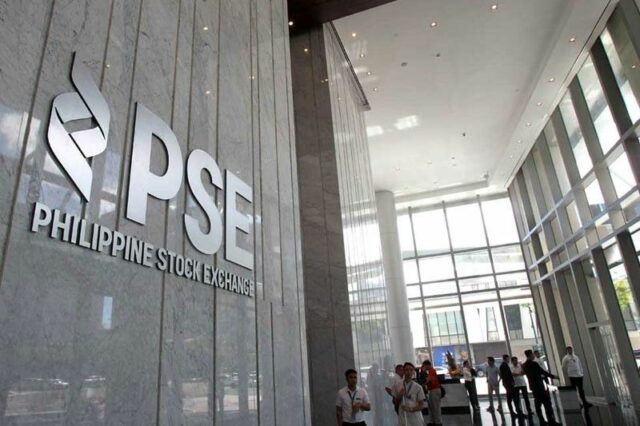
THE PHILIPPINE STOCK Exchange (PSE) plans to launch its global Philippine depositary receipts (GPDRs) and derivatives offerings within the next two years to enhance liquidity and improve the local stock market, its president said.

“In terms of expanding our product offerings, the PSE will offer two new products in the next two years, the GPDRs and derivatives; the GPDRs are targeted to be implemented by the first quarter (Q1) of 2025,” PSE President and Chief Executive Officer Ramon S. Monzon said during a forum organized by the UK MOBILIST Programme and the PSE in Taguig City on Wednesday.

“We are targeting to launch our derivative products by the first quarter of 2026 as we have to work on the regulatory frameworks at both the Securities and Exchange Commission (SEC) and the Bureau of Internal Revenue (BIR),” he added.

GPDRs refer to peso-denominated instruments that represent an economic interest, but not voting rights, in an underlying security listed in an overseas exchange.

The holder has the option to convert the GPDR to the equivalent shares or units of the underlying security, subject to requirements by the issuer.

“This innovation will allow local investors to diversify their portfolios by trading foreign securities within the domestic market,” Mr. Monzon said.

“Philippine listed companies, on the other hand, will likewise be traded in other exchanges, which in turn should generate additional liquidity for the local market,” he added.

On the introduction of derivatives, Mr. Monzon said the PSE is conducting learning sessions with other stock exchanges and foreign market participants such as the Hong Kong and Taiwan Stock Exchanges, Citibank, and HSBC.

The derivatives market comprises derivatives or instruments whose values are derived from other underlying assets. Derivatives include options and futures contracts.

“The introduction of derivatives is expected to enhance market transparency and liquidity by providing market-based pricing information,” Mr. Monzon said.

“PSE index futures with the PSE index as the underlying asset will be the first derivatives product to be traded,” he added.

The PSE previously sought public comment on its proposed GPDR rules, which provide that the securities must be listed, traded, and in good standing in a World Federation of Exchanges-member exchange.

The rules also stated that GPDRs may be issued by PSE trading participants, banks, and nonbank financial institutions authorized by the Bangko Sentral ng Pilipinas, and investment companies under Republic Act No. 2629 or the Investment Company Act.

In September, the SEC said it was looking at the establishment of a derivatives market to improve the domestic capital market and provide more options for investors.

“Developments in the derivatives market as a whole have contributed to more complete financial markets, improved market liquidity, and increased the capacity of the financial system to price and bear risk effectively– ultimately, ushering in stronger economic growth over time,” SEC Commissioner McJill Bryant T. Fernandez said. — Revin Mikhael D. Ochave

ADVERTISEMENT
ADVERTISEMENT