Home Blog Page 2416

Whoscall launches Christmas campaign to strengthen online security for Filipinos this holiday season

As the Christmas season approaches, Whoscall App, a global anti-scam application, recently launched the #DapatAllMagHoHoWhoscall campaign to raise awareness among Filipinos about staying safe online and avoiding scams.  

The Whoscall app, developed by Gogolook, a global leader in TrustTech, is designed to help individuals safeguard against online fraud.

Gogolook Philippines Country Head Mel Migriño shared the campaign’s goal of helping Filipinos enjoy a worry-free holiday season.

“Our goal this holiday season is to ensure that every Filipino can enjoy the festivities without the concern of online threats,” Ms. Migriño said.

“With more people shopping and connecting digitally, it’s crucial to strengthen online security,” she added.

This initiative is a continuation of #DapatAllMagWhoscall campaign, aimed at promoting public awareness of cyber hygiene for safer online practices.

The Whoscall app offers key features such as a Web Checker to scan suspicious links, and Caller and Message Identifiers that can help determine whether incoming calls or Short Message Service (SMS) are potential scams.

“Through our Christmas campaign, we’re committed to providing tools and resources that empower Filipinos to protect themselves and their loved ones online,” Ms. Migriño emphasized.

She also highlighted that “Whoscall is a free app that will help Filipinos enhance their online safety.”

Gogolook was recently recognized by the Cybercrime Investigation and Coordination Center (CICC), an attached agency of the Department of Information and Communications Technology (DICT), for its contributions to boosting the country’s cybersecurity.

The recognition underscored Gogolook’s active role in CICC’s fight against online scams and fraud through initiatives like online campaigns, caravans, and roadshows. Gogolook has also shared scam data collected from its Whoscall app and discussed global trends.

This acknowledgment also showed Gogolook’s dedication to making Whoscall available to all Filipinos.

Moreover, Ms. Migriño encouraged the public to use the app’s reporting system, which will undergo a stringent review process, thus, helping its users identify suspicious numbers more effectively.

“We encourage everyone to make use of the app’s reporting system, as each submission directly feeds into Gogolook’s international database,” she said.

“This collective effort helps all users identify suspicious numbers more effectively, making the online space safer for everyone,” Ms. Migriño added.


Spotlight is BusinessWorld’s sponsored section that allows advertisers to amplify their brand and connect with BusinessWorld’s audience by publishing their stories on the BusinessWorld Web site. For more information, send an email to online@bworldonline.com.

Join us on Viber at https://bit.ly/3hv6bLA to get more updates and subscribe to BusinessWorld’s titles and get exclusive content through www.bworld-x.com.

More easing likely amid weak growth

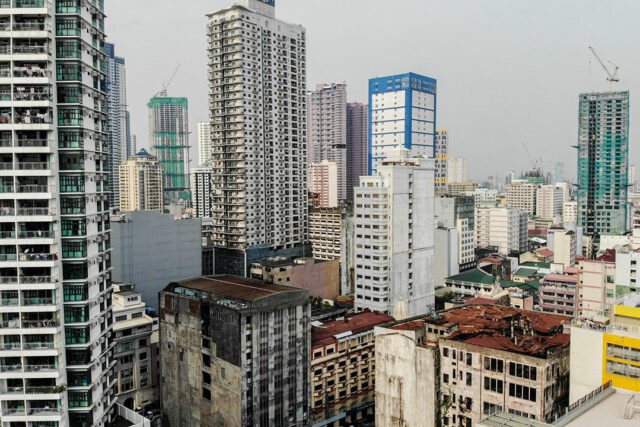
BUILDINGS are seen in Manila’s business district. — PHILIPPINE STAR/RYAN BALDEMOR

By Luisa Maria Jacinta C. Jocson and Aubrey Rose A. Inosante, Reporters

THE weaker-than-expected economic growth in the third quarter will allow the Bangko Sentral ng Pilipinas (BSP) to continue cutting rates, analysts said, though this outlook is clouded by the Federal Reserve’s own moves under a Trump presidency.

“I think the result certainly means that the BSP’s monetary policy easing cycle will continue for the foreseeable future, with another 25-basis-point (bp) cut at least in the December meeting,” Pantheon Chief Emerging Asia Economist Miguel Chanco said in an e-mail.

The Philippine economy grew by 5.2% in the July-to-September period, sharply slowing from the 6.4% growth in the second quarter and 6% a year earlier.

This was also the weakest gross domestic product (GDP) growth in five quarters or since the 4.3% expansion in the second quarter of 2023.

Patrick M. Ella, economist at Sun Life Investment Management and Trust Corp., said the latest GDP print “helps cement the BSP to continue its rate cut cycle or even accelerate it next year if topline GDP remains slowing.”

Since August, the central bank has so far reduced the target reverse repurchase (RRP) rate by a total of 50 bps, bringing the benchmark to 6%.

Its final policy review this year is set for Dec. 19, with markets widely anticipating another 25-bp cut as signaled by BSP Governor Eli M. Remolona, Jr.

Finance Secretary Ralph G. Recto said they would want to cut rates further but are “mindful” of inflation expectations and the US Federal Reserve’s actions.

“There’s thought the Fed will continuously reduce interest rates, so if they do, then there’s a possibility we could also, but we’re also looking at the exchange rate,” he told BusinessWorld on the sidelines of a budget hearing last week.

However, Mr. Recto said the central bank is unlikely to deliver bigger-sized rate cuts. He said the Monetary Board may keep quarter-point increments, similar to the BSP chief’s own signals.

Mr. Remolona earlier said they would only consider 50 bps or higher worth of rate cuts in a “hard-landing scenario.”

“At the moment, we are not in the ‘hard-landing’ scenario (for the US and Philippine economies respectively),” Mr. Ella said.

“I think the improvement in consumption in the third quarter versus the first and second quarters is a good sign, we just need a few more quarters of these. Going forward, inflation and interest rates are coming down, so we can expect improvement in consumption down the road,” he added.

TRUMP’S IMPACT ON FED
Analysts also noted the impact of the US president-elect Donald J. Trump on the US central bank’s actions and ultimately, the BSP.

“We previously thought that a weak third-quarter GDP print would open the door for larger 50-bp rate cuts in December,” Mr. Chanco said.

“But Donald Trump’s victory has complicated that scenario, as our house view is now that the Fed will keep the pace of easing to 25 bps in view of the inflationary risks in the US posed by the President-elect’s tariff proposals.”

Mr. Trump is set to return as president on Jan. 20 after beating current Vice-President Kamala Harris in the presidential elections last week.

The Fed will likely “ease more gradually” next year, Mr. Chanco said, which may “constrain the BSP’s options in terms of going for more aggressive cuts.”

Mr. Remolona earlier said it was possible to deliver a total of 100 bps worth of rate cuts in 2025.

The Federal Reserve cut interest rates by a quarter of a percentage point on Thursday.

Nomura Global Markets Research said in a report that the Trump win may dampen overall economic growth amid expectations of higher tariffs, weaker global demand and policy uncertainty.

“We maintain our forecast for GDP growth to improve only marginally to 5.6% year on year in 2024 from 5.5% last year, before picking up to 6.1% in 2025, although we now see some downside risks from Trump’s win in the US election,” it said in a report.

“We still think BSP is unlikely to be more aggressive with 50-bp clips, in part because the substantial reserve requirement ratio (RRR) cut is already providing additional easing,” it added.

Nomura expects the Philippine central bank to cut by a total of 100 bps next year.

On the other hand, Mr. Ella said that the Trump win is unlikely to significantly impact monetary policy.

“On the Trump win, I don’t think there are risks to interrupt the BSP easing cycle. One, the BSP will respond more to commodity or food price risks,” he said.

“Second, remember that Trump favors low rates. At one point in his first term, he wanted the Fed to cut rates to negative territory but the Fed resisted this call and just kept rates on a mildly rate hike path.”

SLOWING GROWTH
Meanwhile, the Philippine economy is unlikely to grow by 6.5% in the fourth quarter to meet the low end of the government’s 6-7% growth target this year, analysts said.

“Growth momentum slowing down. Hopefully, the fourth quarter of 2024 should see a positive support for consumption but [I] am looking at a full growth of 5.8%,” Jonathan L. Ravelas, senior adviser at professional service firm Reyes Tacandong & Co., said in an e-mailed statement over the weekend.

For the first nine months of the year, GDP growth averaged 5.8%.

Mr. Ravelas said that the government should ramp up spending and support more non-monetary measures to address inflation, noting this has slowed the recovery in consumer spending.

He said another 25-bp cut by the BSP should help support growth.

However, fourth-quarter agriculture output is also expected to decline due to adverse weather conditions, he said.

Agriculture, forestry and fishing shrank by 2.8% in the third quarter, a reversal of the 0.9% growth posted a year ago. The sector, which accounts for around a tenth of Philippine economic output, was battered by typhoons and storms in the third quarter.

Mr. Ravelas projected GDP to grow by 6.5% in 2025, driven by the government’s infrastructure push, rate cuts worth 100 bps by the BSP, and a recovery in consumption.

Meanwhile, Jesus Felipe, distinguished professor and research fellow at the De La Salle University (DLSU) School of Economics, said it is also “very unlikely” that the fourth-quarter growth will reach 6.5%. He sees 6.2% GDP growth for the October-to-December period.

“We forecast growth in 2024 to be 5.9%,” Mr. Felipe told BusinessWorld in an e-mail statement. “The only way growth in Q4 would be higher than 6.2% (and hence annual growth higher than 5.9%) is if the government incurs massive spending.”

The economy has recovered from the pandemic, but real wages are still catching up and getting to 2019 levels, he said.

“This is why private consumption has been subdued,” Mr. Felipe added.

Meanwhile, Pantheon Macroeconomics Mr. Chanco said the latest GDP print was a “painful reality check for the Philippine economic recovery.”

“We’re sticking to our 5.4% full-year growth forecast for 2024 — implying a further drop in Q4 to 4.4% — even though the Q3 print was above our below-consensus 4.8% projection,” he said in a report.

Mr. Chanco said he expects “BSP to continue easing policy for the foreseeable future, given the current setting remains very tight in real terms.”

“But we have pared back our expectations on the aggressiveness of this easing cycle, as the Fed is no longer likely to be as gung-ho in view of the inflationary impact of President-elect Donald Trump’s proposed tariffs,” he added.

He now sees a 25-bp cut by the BSP, from his earlier forecast of 50 bps. For next year, he sees 100 bps worth of easing, down from 150 bps previously forecast.

Jojo Gonzales, research analyst at Philippine Equity Partners, Inc. said the third-quarter GDP growth was worse than expected but maintained the full-year estimate at 5.9%.

“We see private consumption growth improving further in fourth quarter alongside receding inflation, reduced unemployment, improved consumer confidence, and a hike in minimum wages that took effect in 3Q24,” Mr. Gonzales added.

Meanwhile, Mr. Gonzales said government expenditures “remaining subdued” as spending appeared to have been “front-loaded” in the first half of 2024, and may be flat in the fourth quarter.

Peter Lee U, dean of the University of Asia and the Pacific’s School of Economics, said GDP is unlikely to grow by 6.5% in the fourth quarter to meet the low end of the 6-7% target.

“Based purely on past trend when fourth growth rates were 7.9% in 2021, 7.1% in 2022, 5.5% in 2023,” he told BusinessWorld in a Viber Message.


Debt service bill falls by 61% in September

MARI GIMENEZ-UNSPLASH

By Aubrey Rose A. Inosante, Reporter

THE NATIONAL GOVERNMENT’S (NG) debt service bill declined year on year in September as amortization payments for domestic borrowings slipped, the Bureau of the Treasury (BTr) reported.

The latest data from BTr showed that the debt service bill slumped by 60.83% to P93.61 billion in September from P239 billion in the same month last year.

Month on month, the debt service bill also fell by 49.73% from P186.22 billion in August.

Debt service refers to the payments made by the government on domestic and foreign borrowings.

The bulk or 78.89% of debt payments in September were made up of interest payments, BTr data showed.

Interest payments stood at P73.85 billion in September, up by 3.26% from P71.45 billion a year ago.

Domestic interest payments inched down by 0.88% to P55.41 billion in September from P55.89 billion last year.

Interest paid to foreign creditors increased by 15.67% to P18.45 billion in September from P15.56 billion in the same month in 2023.

Meanwhile, amortization payments plunged by 88.21% to P19.76 billion in September from P167.55 in the same month in 2023.

Broken down, principal payments on domestic debt slumped by 99.94% to P87 million in September from P148.88 billion a year ago.

Principal payments on external debt increased by 5.1% to P19.67 billion in September from P18.67 billion in the same month a year ago.

Broken down, domestic interest payments were composed of P32.99 billion in fixed-rate Treasury bonds, P19.18 billion in retail Treasury bonds, P3.2 billion in Treasury bills (T-bills), and others (P26 million).

Rizal Commercial Banking Corp. Chief Economist Michael L. Ricafort said lower NG debt maturities in September reduced the debt servicing bill, especially on principal payments.

“However, there would be a relatively larger maturing National Government local Treasury bonds in October 2024, thereby would lead to some pickup on the debt servicing bill of the NG,” Mr. Ricafort told BusinessWorld in a Viber Message over the weekend.

He added that “seasonally lower” maturing government securities and issuances could drag the NG debt servicing cost from November to December.

“The still relatively weaker peso exchange rate vs. the US dollar would lead to a higher peso equivalent of the NG’s debt servicing of its external/foreign debts, both principal and interest payments,” Mr. Ricafort said.

The peso closed at P56.03 per dollar at end-September, strengthening from the P56.111 finish at end-August.

For the coming months, more rate cuts by the central bank will reduce government borrowing expenses and lessen future debt service payments, Ateneo School of Government Dean Philip Arnold P. Tuaño said.

“The only question is how quickly the Bangko Sentral ng Pilipinas (BSP) cut interest rates vis-a-vis the planned cuts also of the US Federal Reserve Bank which will then affect the mix of domestic and foreign borrowing by the Bureau of Treasury,” Mr. Tuaño told BusinessWorld in an e-mailed statement.

Since beginning its easing cycle in August, the Monetary Board has cut rates by 50 basis points (bps), bringing the central bank’s key rate to 6%.

BSP Governor Eli M. Remolona, Jr. has signaled a possible 25-bp rate cut in December, which would bring the benchmark rate to 5.75% by the end of 2024.

For the first nine months of the year, the NG debt service bill stood at P1.64 trillion, 14.81% up from P1.4 trillion in the same period last year.

Amortization payments accounted for 64.52% of the nine-month tally.

Principal payments jumped by 11.34% to P1.06 trillion in the first nine months from P940.19 billion in the same period last year.

Amortization payments on domestic debt went up 3.15% to P879.74 billion, while external payments rose by 51.21% to P180.76 billion.

Meanwhile, interest payments increased by 21.12% to P583.29 billion in the first nine months from P460.12 billion a year ago.

Interest payments on domestic debt amounted to P418.13 billion while those on external debt stood at P165.17 billion.

The NG’s debt stock rose to a fresh high of P15.89 trillion as of end-September, but the BTr said this level is still “manageable.”

BusinessWorld named Business News Source of the Year

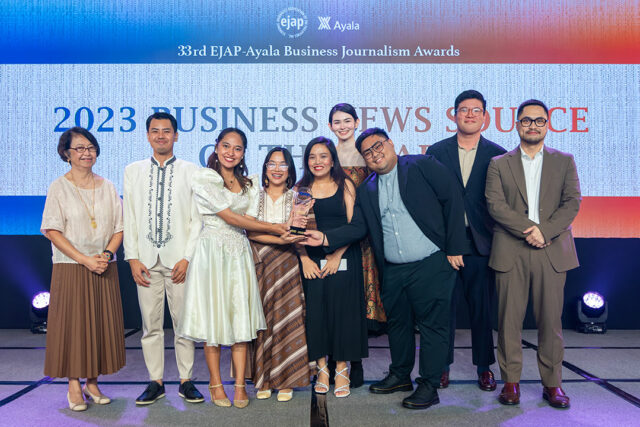
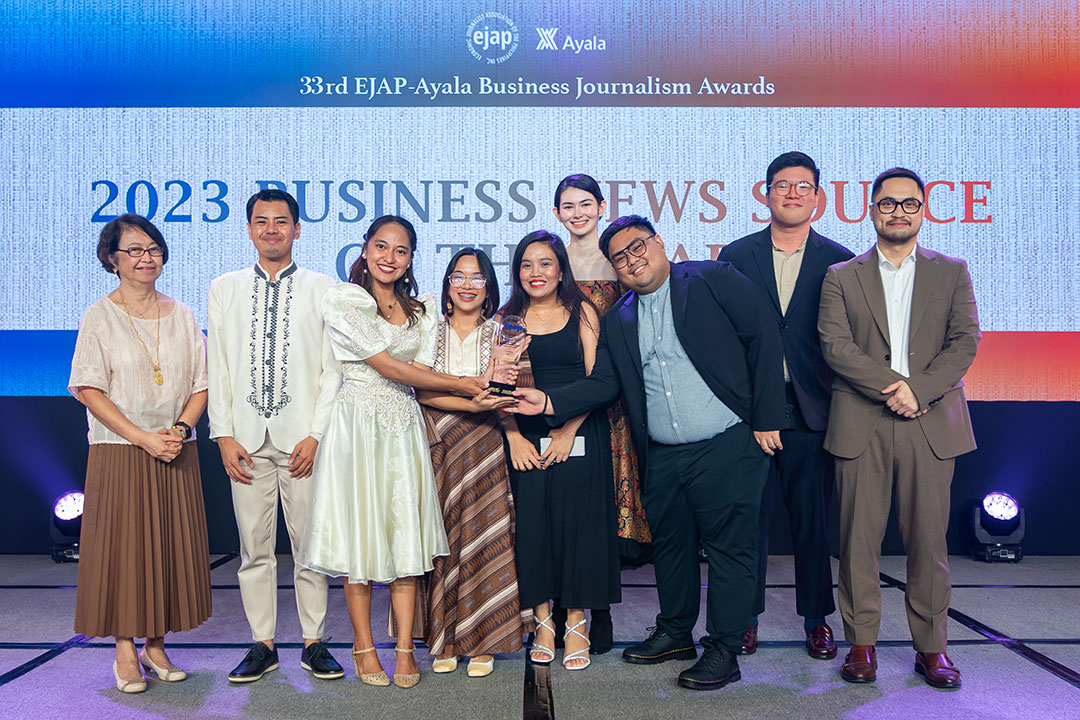
BUSINESSWORLD was named the Business News Source of the Year at the 33rd annual awards of the Economic Journalists Association of the Philippines (EJAP), Friday. In photo (from left): Board of Judges Chair Dr. Milwida Guevara, EJAP President Neil Jerome Morales, BusinessWorld reporter Justine Irish D. Tabile, former BusinessWorld reporter Keisha B. Ta-asan, BusinessWorld reporters Ashley Erika O. Jose, Luisa Maria Jacinta C. Jocson, Adrian H. Halili, Aaron Michael C. Sy, and Ayala Corp. Strategic Communications Group’s Gian Carlo Borromeo. — COURTESY OF EJAP

BUSINESSWORLD, the country’s oldest business newspaper, was recognized as Business News Source of the Year at the 33rd annual awards of the Economic Journalists Association of the Philippines (EJAP).

Luisa Maria Jacinta C. Jocson received two awards Reporter of the Year for the Finance and Macroeconomy categories.

Ms. Jocson covered the Department of Finance, Department of Budget and Management and National Economic and Development Authority last year. She currently covers the Bangko Sentral ng Pilipinas (BSP).

Justine Irish D. Tabile was named Reporter of the Year for the Telecommunications and Transportation category. She covered the beat from February to August 2023 and is now assigned to the Trade beat.

Former BusinessWorld reporter Keisha B. Ta-asan received the Reporter of the Year award for Banking. Ms. Ta-asan covered the Banking beat for nearly two years for BusinessWorld, before moving to the Philippine Star.

Other awardees include Jasper Arcalas from BusinessMirror (Agriculture and Mining), Richmond Mercurio from the Philippine Star (Energy), Brix Lelis from the Manila Times (Capital Markets), Alden Monzon from the Philippine Daily Inquirer (Trade and Industry), and Jon Viktor Cabuenas from GMA News Online (Online).

Reporters were judged based on the content and style of their work.

Tyrone Jasper Piad of the Philippine Daily Inquirer won the Business Feature of the Year.

The board of judges was chaired by Synergeia Foundation Chief Executive Officer and former Finance Undersecretary Milwida M. Guevara. 

The board also included former Finance Assistant Secretary Ma. Teresa S. Habitan, Michael Arthur C. Sagcal, Joel C. Yu, former Chinabank Senior Vice-President Alexander C. Escucha, Francis Saturnino C. Juan, Romeo S. Recide, Hans B. Sicat, former Trade Director Senen M. Perlada and Rene Pizarro.

EJAP, the umbrella organization of business journalists in the country, handed out the awards in partnership with the Ayala Group.

Bank lending jumps 11%, fastest in nearly 2 years

BW FILE PHOTO

By Luisa Maria Jacinta C. Jocson, Reporter

BANK LENDING continued to grow in September, hitting its fastest pace in nearly two years, according to preliminary data from the Bangko Sentral ng Pilipinas (BSP).

Outstanding loans of universal and commercial banks jumped by 11% year on year to P12.4 trillion in September from P11.17 trillion a year ago.

This was also the fastest growth since the 13.7% posted in December 2022.

Month on month, big banks’ outstanding loans picked up by 0.8% on a seasonally adjusted basis.

BSP data showed outstanding loans to residents rose by 11.3% in September, faster than the 10.9% a month ago.

On the other hand, loans to nonresidents dipped by 0.3% during the month, a reversal from the 1.5% growth logged in August.

Outstanding loans for production activities, which accounted for the majority (85.5%) of overall lending, grew by 9.8% to P10.6 trillion. This was faster than 9.4% in the previous month.

“This growth was largely driven by bank lending to key industries such as real estate activities (14.2%); wholesale and retail trade, repair of motor vehicles and motorcycles (12%); manufacturing (10.6%); and electricity, gas, steam & air-conditioning supply (7.5%).”

Meanwhile, the expansion in consumer loans to residents slowed to 23.4% in September from 23.7% a month prior, though the central bank noted the “sustained growth in credit card loans.”

Data from the BSP showed credit card loan growth quickened to 27.7% in September from 27.4% in August.

However, slower loan growth was seen in motor vehicles (18.6% from 19.3%) and salary-based general purpose consumption loans (15.2% from 16.4%).

Rizal Commercial Banking Corp. Chief Economist Michael L. Ricafort said the quicker loan growth can be attributed to the start of the central bank’s rate-cutting cycle.

The BSP began its easing cycle in August with a 25-basis-point (bp) rate cut, its first reduction since November 2020. Since then, the central bank has cut borrowing costs by a total of 50 bps, bringing the key rate to 6%.

The Monetary Board’s last meeting this year is scheduled for Dec. 19. BSP Governor Eli M. Remolona, Jr. has signaled the possibility of another 25-bp cut before the year ends.

For the coming months, Mr. Ricafort said easing inflation “could justify further local policy rates that would lead to lower financing costs, but with some lag effects, going forward.”

Headline inflation quickened to 2.3% in October from 1.9% in September but slowed from 4.9% a year ago.

Inflation averaged 3.3% in the 10-month period, still within the BSP’s 2-4% target but above the 3.1% full-year forecast.

MONEY SUPPLY
Meanwhile, domestic liquidity (M3) rose by 5.4% in September. This was lightly slower than 5.5% in August.

M3 — which is considered as the broadest measure of liquidity in an economy — jumped to P17.6 trillion as of September from P16.7 trillion a year earlier.

On a seasonally adjusted basis, M3 inched up by about 0.7% month on month.

Data from the BSP showed domestic claims increased by 9.6% in September, easing from 10% a month ago.

“Claims on the private sector grew by 12.4% in September from 11.9% in August with the sustained expansion in bank lending to nonfinancial private corporations and households,” the BSP said.

Meanwhile, the annual growth in net claims on the central government slowed to 6.6% in September from 8.5% in the previous month.

The central bank said this was amid the “increase in the National Government’s (NG) deposits with the BSP tempered the increase in NG borrowings.”

Meanwhile, net foreign assets (NFA) in peso terms jumped by 8.6% during the month from 2.4% in the month earlier.

“The BSP’s NFA grew by 14.2%, reflecting the increase in gross international reserves. Meanwhile, the NFA of banks contracted, largely on account of higher bills payable,” it added.

Mr. Ricafort said the slower M3 growth was due to “peso liquidity siphoning measures through the main liquidity management tools as part of the consistent monetary policy efforts to better manage inflation and ensure the central bank’s price stability mandate.”

Moving forward, he said that domestic liquidity could pick up following the cut in banks’ reserve requirement ratios (RRR).

Effective Oct. 25, the BSP reduced the RRR for universal and commercial banks and nonbank financial institutions with quasi-banking functions by 250 bps to 7% from 9.5%.

Mr. Remolona has also said the BSP is eyeing to slash big lenders’ reserve requirements to as low as zero before his term ends in 2029.

First Triple P Sustainability Awards honor Filipino trailblazers of ESG excellence

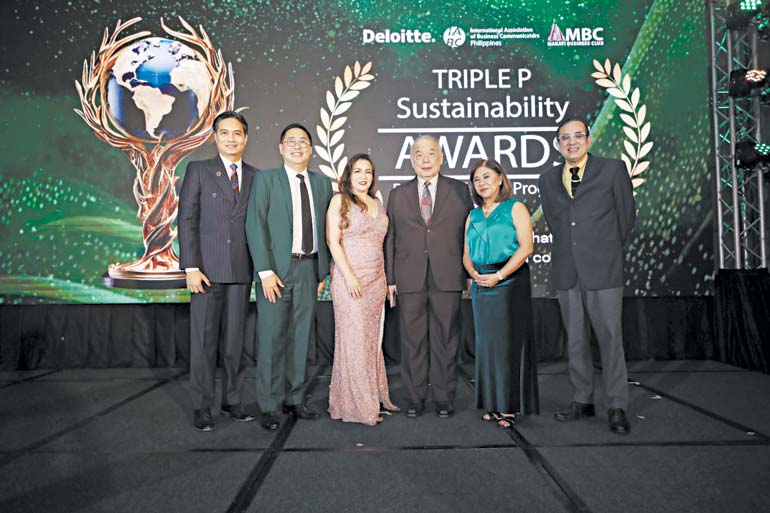
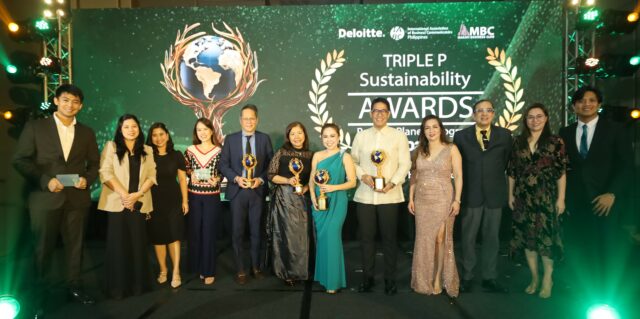
Pioneering winners of the first-ever Triple P Sustainability Awards (from third from left): MPIC, SMIC, Meralco, Mondelez, Maynilad, and LRMC. They were joined by (from left) Joe Zaldarriaga, Belle Tiongco, and Melody Del Rosario of IABC.

The International Association of Business Communicators (IABC) Philippines recently held the inaugural Triple P Sustainability Awards at the Marriott Hotel in Pasay last Oct. 25 to recognize Filipino companies that are serving as exemplary role models in environmental, social, and governance (ESG) practices in the country.

The awards, organized by the International Association of Business Communicators (IABC) Philippines alongside Deloitte and the Makati Business Club, aim to highlight organizations that have taken significant steps beyond regulatory requirements to foster sustainable practices across industries, focusing on the principles of People, Planet, and Progress.

The Triple P Sustainability Awards presented nine awards to six organizations that went beyond compliance to drive meaningful change and inspire sustainable practices across industries. As ESG principles continue to shape corporate operations, these awards recognize companies that have led the way in responsible innovation, accountability, and tangible impact.

International Association of Business Communicators Philippines Board of Trustees and Advisers present during the awarding ceremony (from left to right): Dave Devilles (chair of the Membership, Learning and Engagement Committee), Kane Errol Choa (adviser), Melody Del Rosario (chair of the Environment, Social and Governance Committee), Rey Anthony David (adviser), Belle Tiongco (president), and Joe Zaldarriaga (chairman and chair of the IABC Philippines Forum Series)

Deloitte Philippines partner Jesus Ma. Lava III, who served on the awards’ Technical Committee, said that the Triple P Awards were created to address shortcomings in current ESG recognition frameworks in the Philippines.

“The development of the Triple P Awards emerged as a direct response to gaps in existing sustainability recognition systems, motivating us to create an awarding framework grounded on four principles: ensuring comprehensiveness, prioritizing authenticity, fostering comparability, and upholding objectivity,” Mr. Lava said.

“Our goal since the awards’ inception in 2021 has been to establish a standard in sustainability recognition — one that meaningfully measures performance and commitment to stakeholders,” he added.

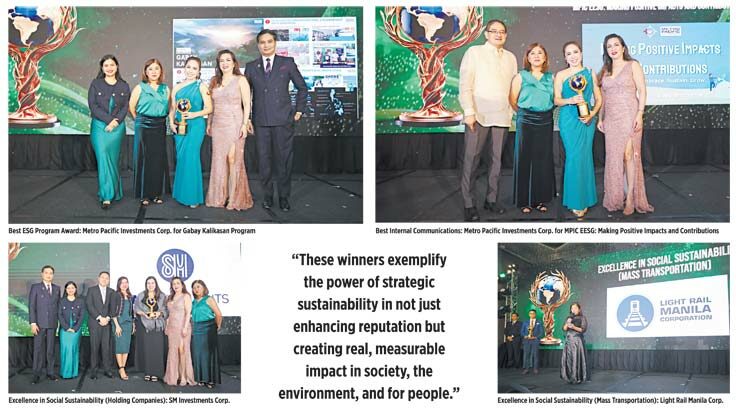
Metro Pacific Investments Corp. (MPIC) took home the Best ESG Program Award for its Gabay Kalikasan Program, which addresses key communication challenges and supports measurable progress in ESG goals.
Gabay Kalikasan is the environmental aspect of MPIC’s GABAY Advocacies, an organization-wide initiative encompassing the entirety of the MVP Group of Companies. Six GABAY Advocacies for a Sustainable Philippines aim to encapsulate the contributions of the organization toward the attainment of the United Nations Sustainable Development Goals, particularly those revolving around Livelihood, Youth and Leadership, Environment, Community Work, Health and Sports, and Education.

Under Gabay Kalikasan, the MPIC and MVP Group seek to become the catalysts for a cleaner, greener, and more resilient planet for every Filipino. Working with experts to protect and nurture vital ecosystems and habitats such as the Laguna de Bay, the program develops and pushes forward campaigns to engage their employees and the general public into becoming environmental champions and enactors of lasting change.

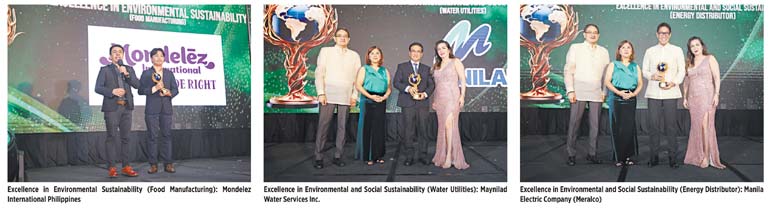
Meanwhile, additional awards also highlighted outstanding achievements in both environmental and social responsibility. SM Investments Corp. demonstrated leadership in social sustainability within the holding company sector, while Light Rail Manila Corp. excelled in promoting social responsibility within the mass transportation industry.

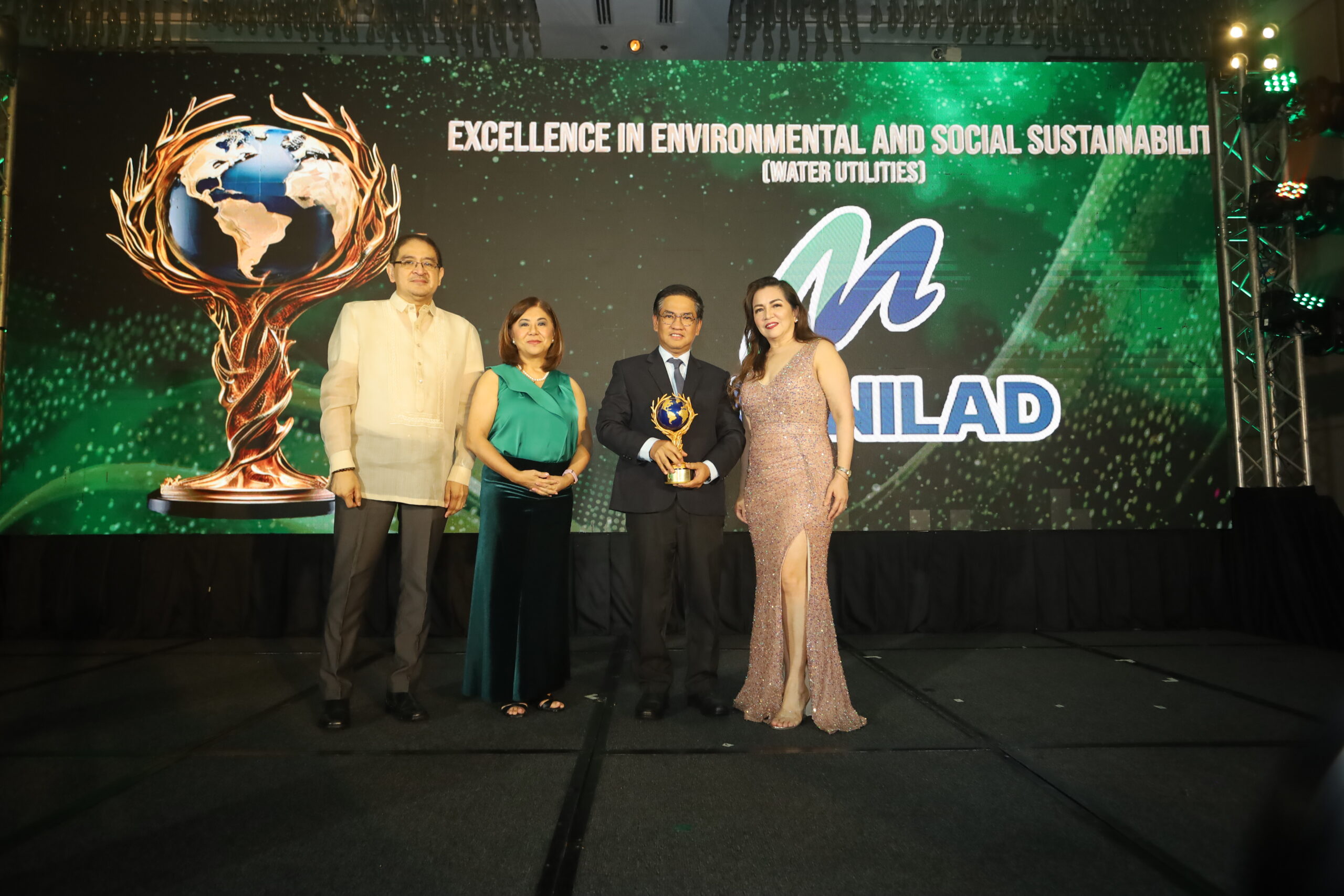
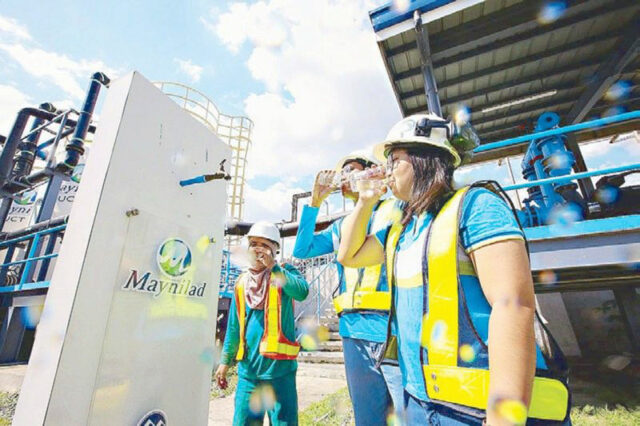
In environmental sustainability, Mondelez International Philippines set the standard in the food manufacturing sector, with Maynilad Water Services Inc. showing exemplary performance in both environmental and social sustainability within water utilities. Manila Electric Company (Meralco) distinguished itself by leading efforts in energy distribution, excelling in both environmental and social impact within the energy sector.

The event culminated with the most prestigious accolade of the night, the presentation of the Triple P Award, which recognized MPIC’s comprehensive sustainability leadership. This award celebrated MPIC’s commitment to net-zero emissions by 2050, proactive climate risk management, and efforts to reduce Scope 3 emissions.

MPIC was also recognized for encouraging a people-centered culture, ensuring fair wages, career development, and healthcare access for all employees, while investing 75% of its portfolio in sustainable ventures. The company’s holistic approach presents the importance of integrating social responsibility and environmental stewardship into core business strategies. 

“Through these awards, we honored companies that truly embodied the spirit of sustainability and set new standards within their respective industries. These winners exemplify the power of strategic sustainability in not just enhancing reputation but creating real, measurable impact in society, the environment, and for people,” Melody del Rosario, chair of the IABC ESG Committee, said.

Companies participating in the Triple P Sustainability Awards undergo a comprehensive evaluation across three core areas: People, Planet, and Progress. This process rigorously assesses each company’s overall performance based on a set of foundational sustainability metrics, focusing on sustained achievements rather than isolated initiatives or the outcomes of recent projects. The awards are structured to honor companies that have integrated ESG principles into their long-term operations, showing measurable progress across environmental and social responsibilities.

Award categories are specifically designed to cater to various industries and subsectors, promoting a fair and thorough evaluation. Each company is assessed within the context of its own industry, allowing for meaningful comparisons and ensuring that unique challenges and opportunities within different sectors are properly recognized. This approach provides a level playing field, spotlighting companies that exemplify sector-specific leadership in sustainable practices.

To be eligible for the Triple P Awards, companies and organizations must be registered and operational in the Philippines, with submissions highlighting work implemented between January 2023 and December 2023. The awards are open to a wide array of industries, including Holding Companies, Information Technology, Energy, Water Utilities, Construction, Infrastructure, Banking, Retail, Real Estate, Food & Beverage, and Transportation. This inclusive eligibility framework allows the awards to capture a broad spectrum of exemplary sustainable practices across the Philippine business landscape.


“This event reflects the evolving role of business communication as a driver of sustainable change. It’s inspiring to witness the commitment of these organizations to responsible business practices, proving that progress is not only possible but imperative in today’s world,” IABC Philippines President Belle Tiongco said.

The event was supported by key sponsors: Metro Pacific Investments Corp. as the Gold Sponsor; Ayala Corp. and Metro Pacific Tollways Corp. as Silver Sponsors; and Globe Telecom and Meralco as Bronze Sponsors. Media partners, including TV5, The Philippine STAR, BusinessWorld, Insider PH, and BusinessMirror, helped bring attention to the achievements of these leaders in sustainability.

Distinguished panel ushers in first Triple P Awards winners

As the first awards program to recognize companies for their progress in the environmental, social, and governance (ESG) standard, the Triple P Awards, organized by the International Association of Business Communicators (IABC) Philippines in partnership with Deloitte and the Makati Business Club, highlighted the sustainability efforts of businesses and strengthens their reputation for building a more sustainable future.

Behind the esteemed selection of the winning organizations, who were recognized last Oct. 25 at the Manila Marriott Hotel in Pasay, are the distinguished evaluators whose expertise has shaped and guided the selection of this year’s winners. The esteemed panel comprised of leaders in sustainability and corporate communications from some of the most respected organizations. Their insights have ensured that the awards spotlight the most transformative initiatives in environmental stewardship, governance, and strategic communication.

The evaluation process focused on long-term impact, using metrics tailored to the unique challenges of each sector, ultimately ensuring fair and meaningful recognition.

Evaluators for corporate sustainability

Leading the evaluation of sustainability initiatives are experts in environmental governance and climate advocacy. Floradema Eleazar, currently the Outcome Lead of the United Nations Development Programme (UNDP) Climate Action Team, brings over 30 years of experience in environmental planning, policy research, and climate change mitigation. Having held key leadership roles with the Department of Environment and Natural Resources (DENR) and managed high-impact projects for global organizations such as the World Bank and UNDP, Ms. Eleazar has ensured that companies are evaluated for both environmental impact and long-term resilience.

Joining her is Ludwig Federigan, a prominent figure in climate education and sustainability advocacy. With advanced training from Yale and Oxford, Mr. Federigan has mentored to global changemakers and held key roles in the Climate Change Commission. His expertise bridges science communication and environmental policy, ensuring that sustainability efforts are assessed with precision and insight.

Completing the panel is Aljo Quintans, a Sustainable Development Goals (SDG) Specialist with the UNDP, who brings a wealth of experience in sustainable development and public policy. As a former operations head at the Department of Social Welfare and Development and a Chevening scholar, Mr. Quintans has applied his 15 years of experience in development planning, poverty reduction, and sustainable financing throughout the evaluation process.

Evaluators for corporate communications

The Corporate Communications category has been evaluated by two seasoned professionals with expertise in strategic communication and reputation management. Belle Tiongco, president of IABC Philippines, brings 35 years of experience in product development, corporate communication, and CSR, having led her teams to win numerous Quill Awards. Ms. Tiongco’s expertise in shaping communication strategies that support business objectives has been instrumental in evaluating how companies cultivate engagement and unity within their organizations.

Alongside her is Dave Devilles, a veteran in sustainability communication with a background spanning industrial conglomerates, renewable energy, banking, and nonprofit sectors. As the acting president of SustainablePH, Mr. Devilles has spearheaded organizations across multiple industries toward effective communication strategies that promote sustainability. His expertise lies in helping companies adopt practices that enhance both reputation management and long-term impact.

With these esteemed evaluators at the helm, the Triple P Awards 2024 has completed a thorough and insightful evaluation process.

Melody del Rosario, chair of the IABC ESG Committee, expressed: “We are honored to have such a distinguished group of evaluators guiding the first-ever Triple P Awards. Their expertise and commitment to sustainability and communication excellence ensure that we will celebrate initiatives that truly make a difference. We look forward to revealing these leading companies whose efforts set new standards for meaningful, lasting impact.”

Maynilad eyes April or July 2025 for IPO

SIGNED INTO LAW on Dec. 10, 2021, Republic Act No. 11600 granted Maynilad a 25-year legislative franchise until 2047 to establish, operate, and maintain a waterworks system and sewerage and sanitation services in the west zone service area of Metro Manila and Cavite province. — PHILIPPINE STAR/JESSE BUSTOS

WEST ZONE water concessionaire Maynilad Water Services, Inc. plans to file its application for an initial public offering (IPO) by the first quarter of 2025, with a listing date in either April or July, its president said.

“Our plan is to be push-button ready. We are now pushing our team to apply already by the first quarter of next year,” Maynilad President and Chief Executive Officer Ramoncito S. Fernandez told reporters last week.

“Our target is to be prepared for two possible dates, before the elections in April, or after the elections in July,” he added.

Mr. Fernandez said Maynilad has yet to determine the valuation of its IPO but has already tapped three companies as financial advisors.

“We have already appointed three financial advisors: HSBC, Morgan Stanley, and UBS,” he said.

“This is a major listing that will not be funded only by local investors. We really need a portion of foreign investors,” he added.

Signed into law on Dec. 10, 2021, Republic Act No. 11600 granted Maynilad a 25-year legislative franchise until 2047 to establish, operate, and maintain a waterworks system and sewerage and sanitation services in the west zone service area of Metro Manila and Cavite province.

The law also provides that Maynilad should offer at least 30% of its outstanding capital stock within five years from the grant of the franchise.

The Philippine Stock Exchange previously said that Maynilad is one of the six expected IPOs next year.

Meanwhile, Mr. Fernandez said Japanese conglomerate Marubeni Corp. wants to retain its stake in Maynilad after the water provider’s IPO.

“Marubeni wants to stay. In fact, they are very sensitive about being diluted. They are the most sensitive, actually, about being diluted. No talks yet on whether the dilution will be equal. But ideally, it should be equal,” he said.

“They don’t want to dilute their board membership. That is what they are most critical about. Of course, they want to consolidate their financials,” he added.

Marubeni has a 20% stake in Maynilad after Pangilinan-led Metro Pacific Investment Corp. (MPIC) and Consunji-led DMCI Holdings, Inc. sealed an agreement in 2013. MPIC has a 53% stake in Maynilad, while DMCI has 25%. Other investors hold the remaining 2%.

Metro Pacific Investments Corp., which has a majority stake in Maynilad, is one of three Philippine units of Hong Kong-based First Pacific Co. Ltd., the others being Philex Mining Corp. and PLDT Inc.

Hastings Holdings, Inc., a unit of PLDT Beneficial Trust Fund subsidiary MediaQuest Holdings, Inc., has an interest in BusinessWorld through the Philippine Star Group, which it controls. — Revin Mikhael D. Ochave

How Arbolo is preparing IT-BPM workers for an AI-driven industry

ARBOLO COFOUNDER and Chief Executive Officer Martin B. Tan

By Beatriz Marie D. Cruz, Reporter

AS ARTIFICIAL INTELLIGENCE (AI) takes over simple office tasks, coaching and simulation platform Arbolo hopes to upskill information technology-business process management (IT-BPM) workers for more advanced roles to address their concerns about being replaced by AI.

“What we’ve usually seen with these technologies that are feared to replace humans is that the number of jobs for humans actually increases, but the nature of their work changes,” Arbolo Cofounder and Chief Executive Officer (CEO) Martin B. Tan said in an interview with BusinessWorld.

“They start doing more sophisticated, more complex tasks that require more marketing, sales, and emotional intelligence,” he said.

The demand for more advanced skills in the IT-BPM industry is increasing, as more firms adopt AI to take over basic tasks like customer experience.

“The way to help prepare a workforce is to help them transition from what I call ‘lifers’ — people who think, ‘I’m going to be a customer service agent forever and just be relaxed here,’ to becoming lifelong learners,” Mr. Tan said.

“With Arbolo, you can have IT-BPM workers perform more complex tasks within the customer experience segment, or transition them to roles like sales, which require more emotional intelligence.”

The IT and Business Process Association of the Philippines (IBPAP), an IT-BPM organization in the country, reported that 67% of firms saw enhanced productivity and operational efficiency after integrating AI into their operations. However, 8% of its members reduced their workforce because of AI implementation.

The number of job cuts due to AI will not increase if firms will retrain and upskill their talents, IBPAP President and CEO Jack Madrid said in October.

AI-POWERED TRAINING
Launched in January, Arbolo uses AI to provide automated training, feedback, and role play simulations for IT-BPM workers.

Its Cofounder and Chief Technology Officer Nicolás Rivas leads the development of the platform in Santiago City in Chile, a leading tech hub in Latin America.

The platform aims to solve inefficiencies in the traditional methods of IT-BPM training, such as delayed feedback and the longer waiting hours when conducting a one-on-one session with a trainer.

“You can imagine that the agent gets feedback quite sporadically, once a week, if not once a month,” Mr. Tan said. “With our tool, now they can get feedback right after every call.”

Arbolo’s AI-powered training seeks to address five key pain points of contact centers: reduce employee turnover, accelerate speed to competency, improve agent performance, automate quality assurance, and improve workforce management.

However, the Philippines still trails behind other markets rapidly adopting AI amid a skills gap as well as underdeveloped infrastructure.

According to Oxford Insights’s 2023 Government AI Readiness Index, the Philippines dropped 11 places to 65th out of 193 countries. It scored 51.98 out of 100, higher than the 44.94 average readiness of countries in adopting AI.

Mr. Tan said that to mitigate the risk of AI displacement, IT-BPM workers should enhance their skills by moving from customer experience roles, which are increasingly being automated, to more complex tasks such as sales and marketing.

With this, the platform also provides training for industry-specific roles like in sales, financial services, and telecommunications.

Mr. Tan compared the distribution of expertise in the IT-BPM industry to a pyramid, where the majority of workers with less complex skills are concentrated at the base.

“Our goal with the upskilling platform is to help that pyramid look more like a diamond, where the bulk of our people are in the middle area where [they specialize in] sales or complex types of tasks.”

“If the Philippines becomes a destination for these more complex jobs, we need to help prepare the workforce to transition to those more complex jobs,” he noted.

Mr. Tan said that once IT-BPM workers have enhanced their skill sets, Arbolo intends to deploy its own “AI agents” to handle the simpler tasks left behind by these upskilled employees.

Meanwhile, Mr. Madrid previously said that the talent gap in advanced skills such as AI, programming, and data analytics continues to be a significant concern for 21% of over 60 IT-business process outsourcing (BPO) companies in the country.

CAN AI REPLACE JOBS?
Arbolo derives its name from the bolo knife, used as both a tool and weapon in the Philippines, as it encapsulates the dual nature of AI as either a productivity tool or a potential threat.

A report published recently by the World Bank cited the Philippines, Thailand, and Malaysia as “relatively more exposed” to AI’s displacement compared to its East Asia-Pacific neighbors due to its “higher engagement in cognitive services sectors” such as customer service.

But for Mr. Tan, AI can increase the number of job opportunities for humans while changing the nature of their work, if they are trained well.

“In the ’70s, everybody thought that the introduction of ATMs (automated teller machines) would lead to a replacement of bank tellers,” he said.

“But what the ATMs also did was it made it much cheaper to operate a bank branch,” Mr. Tan said, noting that this led to the opening of more branches, thus increasing the number of job opportunities for tellers.

Additionally, the adoption of ATMs upgraded the job of bank tellers from simply handling cash withdrawals and deposits to specializing in sales and marketing functions, he added.

A basic subscription to Arbolo costs $25 (around $1,461) per agent per month, while an enterprise subscription with more advanced features would cost an average of $45 (around P2,630), Mr. Tan said.

Basic features include 20 customized role play situations, agent role play feedback, a summary of an agent’s strengths and weaknesses, calls integration and transcription, call feedback, and summary insights and analytics.

Last month, Mr. Tan announced that Arbolo had set up its headquarters in the Philippines and developed its Tagalog and Taglish capabilities.

It has also been in talks with a top BPO company that showed interest in training its workers through Arbolo, he added.

The Philippines, dubbed as the “call center capital of the world,” is the “ideal space” to kick-start Arbolo’s global expansion, according to Mr. Tan.

By 2025, the company aims to generate around $5 million of annual recurring revenue from the Philippine market alone, supporting around 15,000 IT-BPM trainees.

It also aims to capture around 31% of the Philippines’ IT-BPM market by 2029.

Mr. Tan noted that starting a large-scale expansion in Southeast Asia would be difficult amid language and cultural barriers.

“Whereas with the Philippines, we figured, 10% of this country’s GDP (gross domestic product) is generated by this industry (IT-BPM). It’s a large slice of the global pie,” he said.

“That means we can create a global market leader by simply focusing on this country.”

MVP Group triumphs at IABC PH Triple P Sustainability Awards, showcasing leadership in ESG excellence

Representatives from the MVP Group of Companies at the Triple P Sustainability Awards, including those from Light Rail Manila Corporation, Maynilad, Metro Pacific Investments Corporation, Meralco, and Metro Pacific Tollways Corporation.

The MVP Group of Companies has secured a remarkable victory at the inaugural Triple P Sustainability Awards, hosted by the International Association of Business Communicators (IABC) Philippines last Oct. 25 at the Marriott Hotel, Pasay.

A total of four companies from the MVP Group earned seven distinguished awards, reflecting the Group’s integrated approach to sustainability, where sustainable practices are embedded in the core operations of each company. These achievements highlight how the business practices of every member organization align with the broader mission of creating long-term value for people, the planet, and progress, demonstrating a deep-rooted com-mitment to environmental, social, and governance (ESG) initiatives.

Raymond B. Ravelo, Chief Sustainability Officer of Meralco, delivers his acceptance speech as the ESG Thought Leader of the Year at the Triple P Sustainability Awards.

MVP Group’s Impactful Wins

Leading the awards was Metro Pacific Investments Corporation (MPIC), which earned multiple recognitions, including the coveted Triple P Award for its outstanding sustainability programs across its operations. MPIC also took home the award for Best ESG Program for its Gabay Kalikasan Program, a key initiative that integrates environmental stewardship with community development. Furthermore, MPIC clinched the Best Internal Communications Award for its “EESG: Making Positive Impacts and Contributions” program, strengthening the importance of engaged employees in driving sustainability.

Kris Aldover-Ysmael, VP for Investor Relations and Data Protection Officer of Metro Pacific Investments Corporation, receives the Triple P Award.

In the utilities sector, Maynilad Water Services, Inc. was recognized with the Excellence in Environmental and Social Sustainability Award, validating its leadership in water conservation and community engagement. Similarly, Manila Electric Company (Meralco) received the same distinction for the energy distribution industry, reaffirming its position as a leader in sustainable energy practices. Meralco also celebrated an individual achievement, with Raymond Ravelo named ESG Thought Leader of the Year for his pioneering role in advancing ESG principles across industries.

Excellence in Environmental and Social Sustainability was awarded to Maynilad for Water Utilities

The transportation arm of the Group, Light Rail Manila Corporation (LRMC), was honored with the Excellence in Social Sustainability Award for its impactful initiatives that enrich communities and look after inclusive workplaces within the mass transportation sector.

A Legacy of Leadership in Sustainability

The Triple P Sustainability Awards acknowledged organizations that exceed compliance, inspiring innovative and measurable ESG outcomes. The awards celebrate those making a meaningful difference by focusing on People, Planet, and Progress, all pillars reflected in the MVP Group’s diverse efforts across industries.

Excellence in Environmental and Social Sustainability was awarded to Meralco for Energy Distribution

Reflecting on the Group’s triumphs, Manuel V. Pangilinan, Chairman of the MVP Group, remarked: “Sustainability isn’t just a checkbox for us; it’s a guiding principle for everything we do. Each award our companies have earned today underscores our core mission: to drive progress that elevates lives and preserves the environment for the future.”

Excellence in Social Sustainability for Mass Transportation was awarded to Light Rail Manila Corporation

The MVP Group’s recognition in the inaugural Triple P Sustainability Awards highlights its dedication to advancing the United Nations Sustainable Development Goals (SDGs), particularly SDG 8 (Decent Work and Economic Growth), SDG 9 (Industry, Innovation, and Infrastructure), SDG 11 (Sustainable Cities and Communities), and SDG 17 (Partnerships for the Goals). Through innovation, collaboration, and purposeful action, the Group continues to drive meaningful change across industries and set new benchmarks for sustainable business practices.

The awards at the IABC Philippines’ milestone event presents the MVP Group’s standing as a thought leader in the realm of sustainability, embodying the spirit of responsible corporate citizenship that ensures progress benefits not just today but generations to come.


Spotlight is BusinessWorld’s sponsored section that allows advertisers to amplify their brand and connect with BusinessWorld’s audience by publishing their stories on the BusinessWorld Web site. For more information, send an email to online@bworldonline.com.

Join us on Viber at https://bit.ly/3hv6bLA to get more updates and subscribe to BusinessWorld’s titles and get exclusive content through www.bworld-x.com.

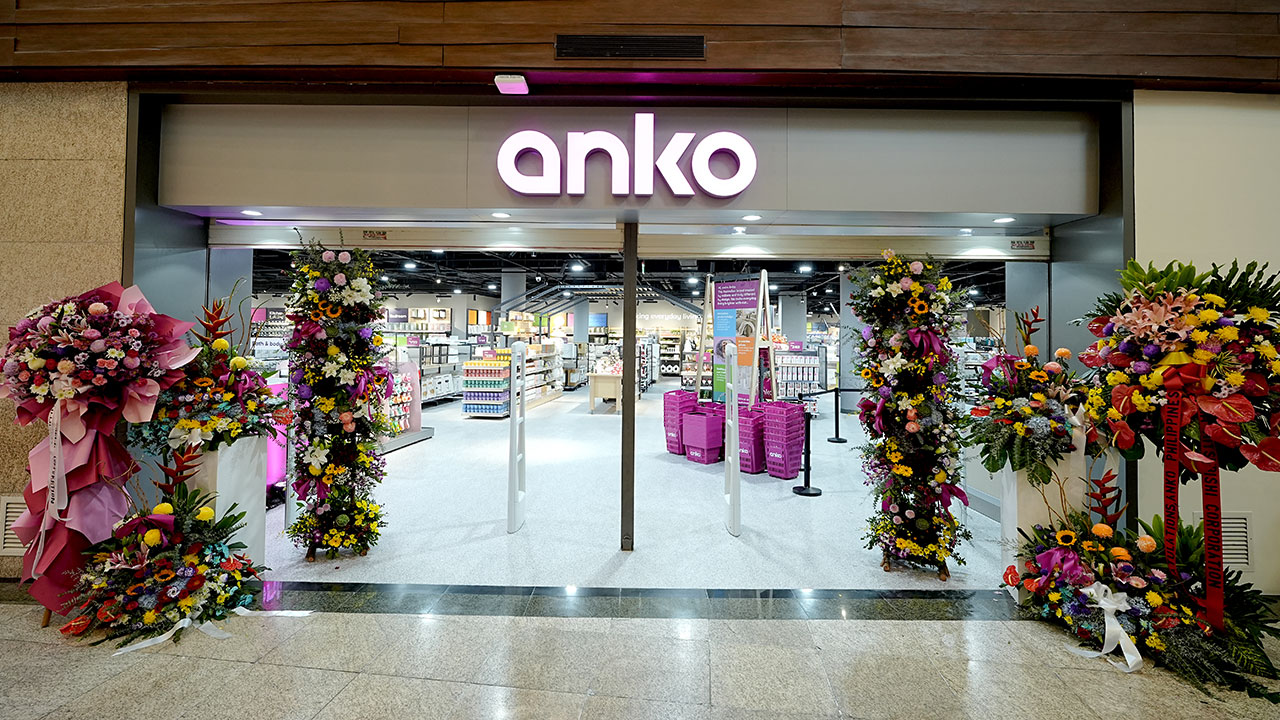
Aussie home store Anko opens in the Philippines

BW FILE PHOTO

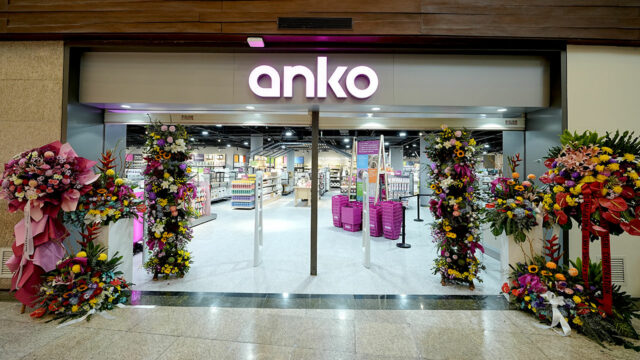
ANKO, the house brand of Kmart Australia, opened its first store in the Philippines in Makati’s Glorietta 2 on Nov. 7.

The brand was introduced in 2019 in Kmart-branded stores in Australia and New Zealand. On the day before the opening, Anko Global Chief Executive Officer Arjun Puri explained to BusinessWorld that Kmart (a US company) exists in Australia through a franchising agreement. “We design everything, we chose everything. We have nothing to do with the US Kmart. It’s just that we’ve used the name for the stores,” he said.

Anko, according to him, stands for “a new kind of,” and the letters also pay homage to Australia, New Zealand, and Kmart.

As for its product range, Mr. Puri said, “That is where we see a gap in the market, between what is available and what we are really good at,” he said. “This is a confluence of three things happening: there’s design, there’s pricing, and there’s quality,” he said. Items in the store can range from P60 to the low thousands. “We’re trying to make an offer for the Filipino customer where there is no compromise.

“It’s the same range which is available in Australia and New Zealand,” he added.

During BusinessWorld’s visit during the Nov. 7 opening, we saw home goods, electronics, pet products, toys, furniture, and even makeup and skincare products.

Anko also unveiled an exclusive Christmas bag designed by Filipino artist Jamie Bauza during the opening. The festive bag, featuring a unique blend of Anko’s signature style and Filipino artistry, showcases its dedication to bringing local flavor into its global brand.

Today, Anko is present in France, Canada, the US, Mexico, India, and the UK, among others.

Asked what makes the Philippines an attractive market for them, Mr. Puri said, “So many things. [It is] one of Asia’s fastest-growing economies. [It has a] growing middle class. Rising affluence. The Filipino customer is very home-proud. They want the best products.”

There are many stores which offer Anko’s price point in the country, with almost the same categories —some of them in the same mall. However, Australian design and its way of life lends an edge, he said: “Australia’s a really interesting place. It is very multicultural. You have people from all nationalities who are immigrants there. A lot of the brands also draw inspiration from the Australian lifestyle, which is very coastal.”

While Anko opened its first store on Glorietta 2’s ground floor, they’re slated to open two more stores next year. — Joseph L. Garcia

GCash says missing funds issue fixed; DICT starts probe

GCASH X (FORMERLY TWITTER) OFFICIAL ACCOUNT

ELECTRONIC WALLET giant GCash announced on Sunday it had fixed the system issues that caused missing funds and unauthorized transactions for some users.

“GCash has completed the necessary wallet adjustments to its affected users,” GCash said in a statement.

“Rest assured that customer accounts are safe, and customer account security will always be our top priority,” it added.

This announcement followed reports on Saturday of missing funds and unauthorized transactions, which GCash attributed to its ongoing system reconciliation process.

The company has not yet disclosed the number of users impacted by the system issue.

The incident is being investigated, according to Department of Information and Communications Technology (DICT) Undersecretary Jeffrey Ian C. Dy.

“I spoke with GCash and asked them if this was a hacking incident or a cybersecurity incident and if they need the assistance of the National Computer Emergency Response Team. They assured us that it was not, but the DICT is investigating the issue,” he said in a phone interview on Sunday.

Digital Pinoys national campaigner Ronald B. Gustilo said that appropriate measures should be considered.

“This issue has been long-running, and it seems that despite previous complaints, it has remained unresolved. This is alarming for consumers who put their trust in e-wallet providers to secure their funds. The funds lost due to unauthorized transactions should be returned immediately,” he said in a Viber message.

“GCash is very big right now, and if they are affected, it is a concern for the Republic. We will investigate this issue. But I think for the penalty, we should ask the Bangko Sentral ng Pilipinas, but that would depend on the results of the investigation if we found negligence on their part,” DICT’s Mr. Dy said, noting that the department is also willing to help strengthen GCash’s cybersecurity.

Mr. Gustilo said that while returning the lost money due to unauthorized transactions is important, it may not fully address the inconvenience experienced by affected account holders.

“GCash needs to show two things in this incident: transparency and accountability. As a leader in their industry, how GCash will handle this current issue will be one of their defining moments,” Sam Jacoba, founding president of the National Association of Data Protection Officers of the Philippines, said in a Viber message.

Mr. Dy also said that as e-wallets are increasingly becoming an alternative to traditional banks and are preferred by many users, GCash should enhance its security measures.

“They should also invest heavily in their processes and their technology not only for security because if it is true that this is due to reconciliation of accounts, they should make sure that this does not happen again,” he said. — Ashley Erika O. Jose

ADVERTISEMENT
ADVERTISEMENT