Home Blog Page 2222

PHL food services industry growth seen at 12% in 2025, USDA says

REUTERS

THE Philippine food services industry is projected to grow 12% next year as store networks and foot traffic expand, according to the US Department of Agriculture’s (USDA) Foreign Agricultural Service (FAS).

“Reaching pre-pandemic levels in 2025, FAS Manila sees continued food service sales growth at 12% with the expansion of stores and customer queues in restaurants,” the USDA said in a report.

It added that more customers are dining out due to the opening of new restaurants, cafés, kiosks, and bars, as more franchise international restaurants enter the Philippines.

Increased tourism and the resumption of public events are also expected to bolster the recovery in food services.

The USDA said that sales in full-service restaurants are expected to grow 10% next year due to store expansion. Full-service restaurants account for 17% of the industry.

“As restaurant chains expand, new stores will open in other cities and rural areas through expansion and investment from franchisors,” it added.

Café and bar sales are estimated to expand 15%, also driven by new outlets.

The USDA said street stall and kiosk sales are expected to rise 12% next year as consumer mobility continues to improve.

“With increased consumer mobility in 2024, FAS Manila sees further sales growth in 2025 due to the convenience provided by street stalls and kiosks to commuters amidst increased traffic,” it added.

The USDA said that the growing number of international brands opening in the Philippines presents an opportunity for the entry of US products. — Adrian H. Halili

FEU renews supply deal with First Gen Corp.

WIKIMEDIA.ORG

FAR EASTERN UNIVERSITY, Inc. (FEU) has renewed its partnership with Lopez-led First Gen Corp. for the direct supply of electricity for its campuses.

In a statement on Sunday, the listed university said First Gen would supply 600 kilowatts (kW) of electricity to the FEU Alabang campus in Muntinlupa City and 650 kW to the FEU Institute of Technology near the main FEU campus in Manila.

“This power supply agreement, plus our investments in efficient air-conditioning systems, all within the context of the continued preservation of historical and significant cultural heritage buildings and landmarks, is very fulfilling for us as educators and as an example to our students,” FEU President Juan Miguel R. Montinola said.

FEU and First Gen first partnered in 2017, when the power generator supplied electricity to parts of the FEU main campus under the government’s Retail Competition and Open Access program.

The program allows end users consuming at least 500 kW a month to choose their own power supplier.

“Diversifying power sources and working with independent power producers help reduce volatility in power costs and the overall carbon footprint as well,” said Carlos Lorenzo L. Vega, First Gen’s vice-president.

First Gen has 3,668 megawatts of combined capacity from its portfolio of plants that run on geothermal, wind, hydro, solar energy and natural gas. — Sheldeen Talavera

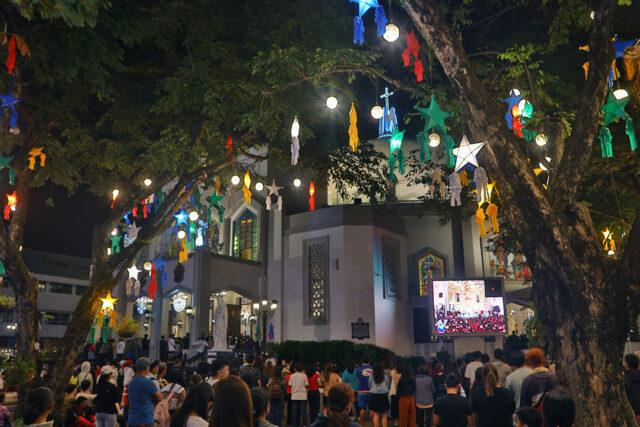
Christmas in our hearts

PHILIPPINE STAR/WALTER BOLLOZOS

“Let’s sing Merry Christmas, and a happy holiday…” 

Almost playfully, many Filipinos sing to pop composer/singer Jose Mari Chan’s song “Christmas in Our Hearts” as early as September (the start of the months ending in “-ber”), in cheerful anticipation of Christmas Day, Dec. 25 — the biggest, most important holy day/holiday of the year in Filipino culture and tradition. Christmas is the birthday of Jesus Christ the Redeemer, in Christian faiths.

“I remember the Child,

in the manger, as He sleeps…”

The Philippines celebrates the world’s longest Christmas season. The holiday season creeps in by September, reaches its peak in December during Christmastide, and carries on in the week after New Year’s Day; however, festivities may last until the third Sunday of January, the feast day of the Santo Niño. Liturgically, the Christmas season is observed by the Catholic Church from the first day of Advent (the fourth Sunday before Christmas) to Three Kings’ Day, which falls on the Sunday between Jan. 2 and 8.

As of 2019, the Philippines was the third largest Catholic country in the world and was one of two predominantly Catholic nations in Asia, the other being Timor Leste (East Timor). According to the 2020 census, at least 84% of the Philippine population is Christian; about 79% belong to the Catholic Church while about 5% belong to Protestantism and other denominations such as the Philippine Independent Church, Iglesia ni Cristo, Jehovah’s Witnesses, the Seventh-day Adventist Church, the Apostolic Catholic Church, the United Church of Christ in the Philippines, the Members Church of God International (MCGI), and the Pentecostals (Philippine Statistics Authority, Feb. 22, 2023).

In 2022, around 31.6% of the global population identify as Christian. Around 25.8% of the global population identify as Muslim, followed by 15.1% (statista.com). Yet, of 234 nations in the world, Christmas is observed and is a public holiday in 163 states and two territories. Christmas is observed but is not a public holiday in 21 states. Only in 13 states and one disputed territory is Christmas neither observed nor is it a public holiday (statistics from wikipedia.org). Almost 80% of the world observes Christmas! Actually, 100% of the world recognizes Christmas, proven by the very rejection of those states who are in denial of this inescapable worldwide holiday.

“Let’s light our Christmas trees,

for a bright tomorrow

where nations are at peace…”

Christmas has evolved a parallel secular meaning, without superseding the spiritual Christian belief in the birth of Christ the Redeemer, that elicits the universal and human intuitive hope in life, in peaceful co-existence with fellowmen. Peace and hope: that is what “Christmas” means to all. Some may say that Christmas has become too commercialized around the world, but the gift-giving and merry-making in this season only emphasize the joys of life and love of family and friends.

“Wherever there are people

giving gifts, exchanging cards,

I believe that Christmas

is truly in their hearts.”

Does China celebrate Christmas? Like the rest of the world, Christmas Day in China is on December 25th each year. It is not a public holiday in the mainland, but in Hong Kong and Macau where British and Portuguese influence is heavy, people enjoy a two-day public holiday every year.

Of course, it is not a religious occasion (China is atheist), but it is more of a secular season of shopping and feasting. Tapping into the festive mood, commercial establishments and malls attract shoppers with seasonal sales, according to China Admissions, a travel research group. Large shopping malls in China are open for the Christmas craze, and carols can be heard playing in the stores. It’s a lighthearted day for young people to go out with their significant others and celebrate with small gifts. They also hang out with friends to go out to a movie, karaoke bar, or go shopping. There is even the Beiji Village, China’s first Christmas theme park in the northernmost arctic part of China in the Mohe countryside, where you can see the Northern Lights in this village, ride a sled, play with snow, visit Santa Claus’ House and experience Christmas like never before (Ibid.).

How antithetical can Christmas be to China’s stoic communism! Consider that Yiwu, a town in Zhejiang province is the main source of the world’s Christmas decorations — it manufactures 60% of Christmas decorations in the world! Back in 2012, Yiwu had more than 750 manufacturing companies making Christmas products. One may quip: “The rest of the world has Yiwu to thank for Christmas!” (Ibid.).

Have there been Christmases in Russia and Ukraine, since Russia invaded Ukraine on Feb. 24, 2022?

Christmas in Russia is celebrated on January 7th, according to the Julian calendar, which is 13 days behind the Gregorian calendar. Called Svyatki, the season lasts from January 7th to the 19th, preceded by fasting for 40 days before Christmas Eve. It is a festive season that includes many traditions, including religious observances, fortune-telling, and gifts.

Historically, the Ukrainians followed the Julian/Orthodox calendar, like the Russians. Recently, the Orthodox Church of Ukraine (which is independent from Moscow) gave permission to each congregation to decide whether to celebrate Christmas on Dec. 25 or Jan. 7.

It seems Christmas will be bleak this year, for both Russia and Ukraine, on the third year of the war.

Casualties in the Russo-Ukrainian War include six deaths during the 2014 annexation of Crimea by the Russian Federation, 14,200-14,400 military and civilian deaths during the War in Donbas, and up to 1,000,000 estimated casualties during the Russian invasion of Ukraine till mid-September 2024 (The Wall Street Journal, Sept. 17, 2024).

When will peace come to end the Israel-Hamas war, which began on Oct. 7, 2023 when Hamas launched coordinated armed incursions on Israel from the Gaza Strip?

Christmas celebrations in Israel are few compared to other places in the world. Only 2.5% of the country’s population are Christians. Christmas is not one of Israel’s holidays due to the fact that the country was set up around Judaism, not Christianity. However, the Christmas story took place according to tradition in the Holy Land, in the territories of the State of Israel and in the areas under its control (touristisrael.com, Dec. 13, 2016).

With war raging in Gaza, Christmas was canceled in Bethlehem in December 2023. The city in the Israeli-occupied West Bank which would have been teeming with visitors, was almost deserted. Local leaders decided to scale back festivities in solidarity with the Palestinian population, as heavy fighting raged between Israel and Hamas in the devastated Gaza Strip (CNN, Dec. 24, 2023).

As of Dec. 10, over 46,000 people — 44,786 Palestinian and 1,706 Israeli — have been reported killed in the Israel-Hamas war, as well as 141-156 journalists and media workers, 120 academics, and over 224 humanitarian aid workers, a number that includes 179 employees of the United Nations Relief and Works Agency or UNRWA. (The Guardian, Oct. 10).

We pray for peace and hope in the world — a true Christmas, in this most troubled world.

“Let Him be the One to guide us

as another New Year starts

And may the spirit of Christmas

be always in our hearts.”


Amelia H. C. Ylagan is a Doctor of Business Administration from the University of the Philippines.

ahcylagan@yahoo.com

Flexing flexibility

PHOTO BY HAZEL NICOLE CARREON

The Toyota Tamaraw’s many forms are ready for their closeup

By Hazel Nicole Carreon

IN WHAT is undoubtedly a momentous occasion for the Philippine automotive industry itself, Toyota Motor Philippines (TMP) officially launched the highly anticipated next-generation Tamaraw. This iconic nameplate, synonymous with durability and versatility, makes a return — promising to redefine the landscape of utility vehicles in the country.

The launch event, held simultaneously in eight locations nationwide, drew enthusiastic crowds eager to witness the revival of the Tamaraw, whose legacy as a reliable workhorse and family vehicle spans decades.

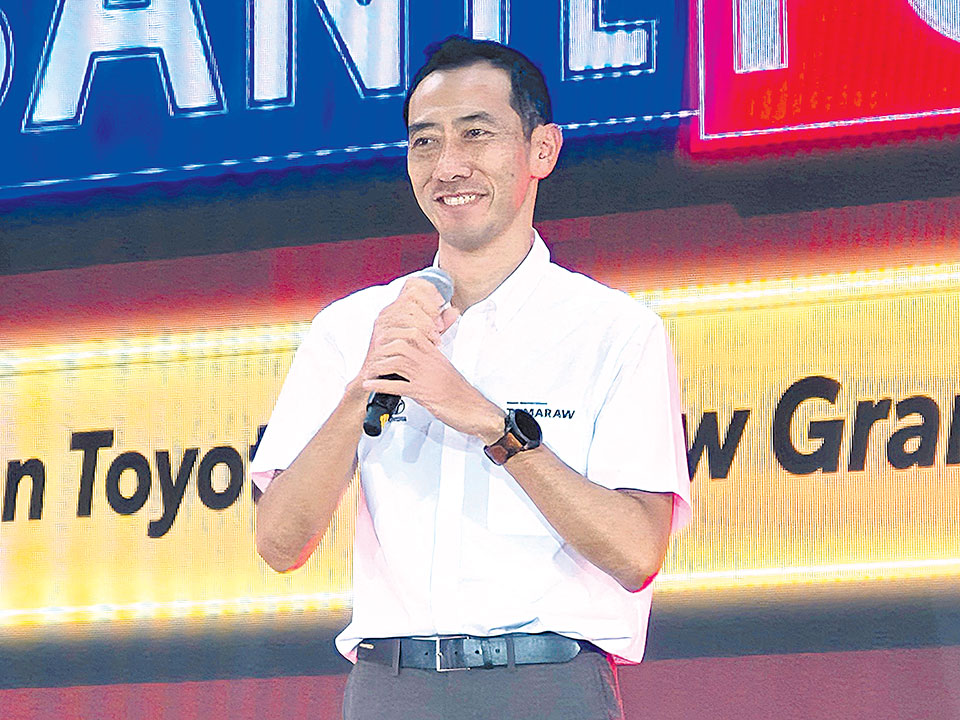
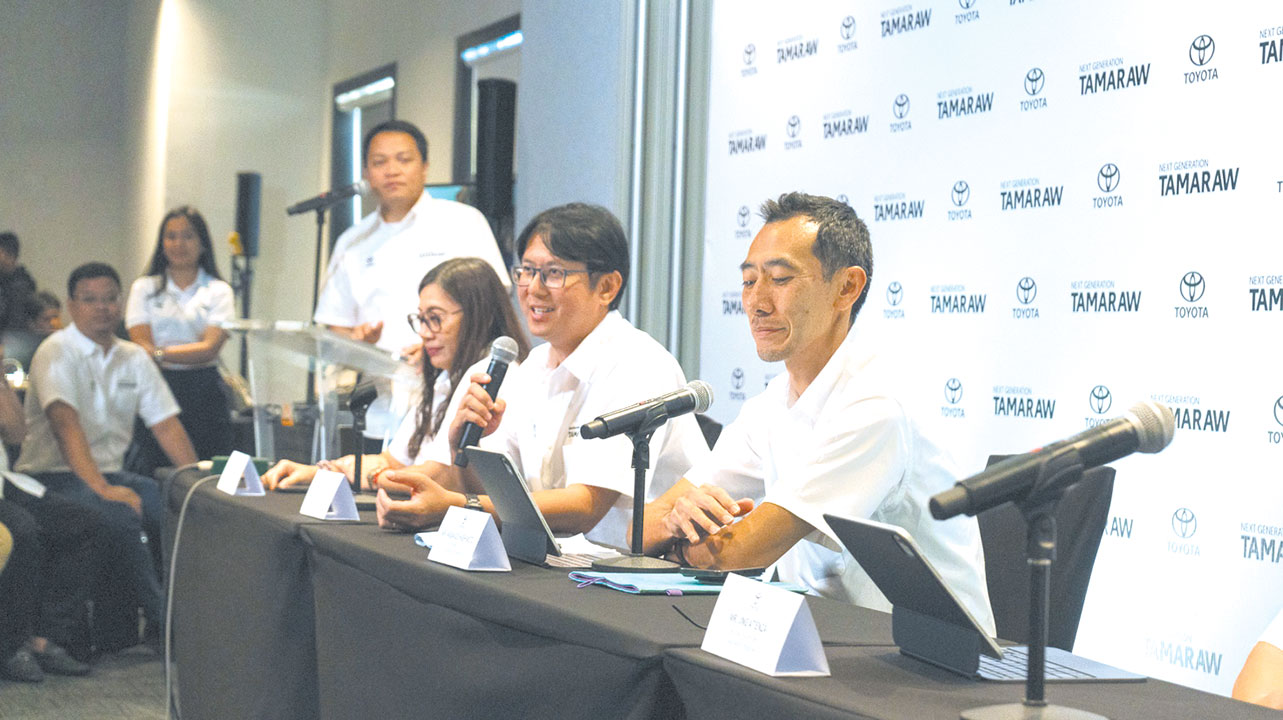
Produced locally at the TMP plant in Santa Rosa, Laguna, the new Tamaraw is said to be designed based on what Filipinos expect in a commercial vehicle. “We actually sat down and communicated with potential customers to ask what they look for in the Tamaraw,” TMP President Masando Hashimoto stated in his speech at the event. “Hearing their comments and requests face-to-face regarding our vehicles inspired and reminded me and our team to make ever-better cars.”

Built on the robust International Multi-Purpose Vehicle platform, the Tamaraw comes in various configurations including utility vans, dropside trucks, and aluminum cargo vans. The long wheelbase (LWB) diesel variants — priced from P937,000 to P1.075 million — will be available in Toyota dealerships starting January, while the short wheelbase (SWB) gas version will be released in March with a starting price of less than P800,000.

The Dropside LWB measures 5,300mm in length, 1,800mm in width, and 1,800mm in height, with a wheelbase of 3,085mm and a payload capacity of 1,100kg. The SWB variant, on the other hand, is more compact at 4,965-mm long, with a wheelbase of 2,750mm and a payload capacity of 1,025kg.

For the Utility Van configuration, the LWB version measures 5,303mm in length, 1,795mm in width, and 2,097mm in height, with a payload capacity of 910kg. Meanwhile, the SWB variant is only 4,968-mm long and has a payload capacity of 850kg. The Utility Van LWB can fit up to 14 passengers (including the driver and front passenger), while the SWB can seat up to 12.

The Aluminum Cargo is also available in LWB and SWB versions, with the LWB one measuring 5,300mm in length, 1,795mm in width, and 2,180mm in height, and having a payload capacity of 1,000kg. The SWB variant is 4,695-mm long and 1,695-mm wide, with a payload capacity of 935kg.

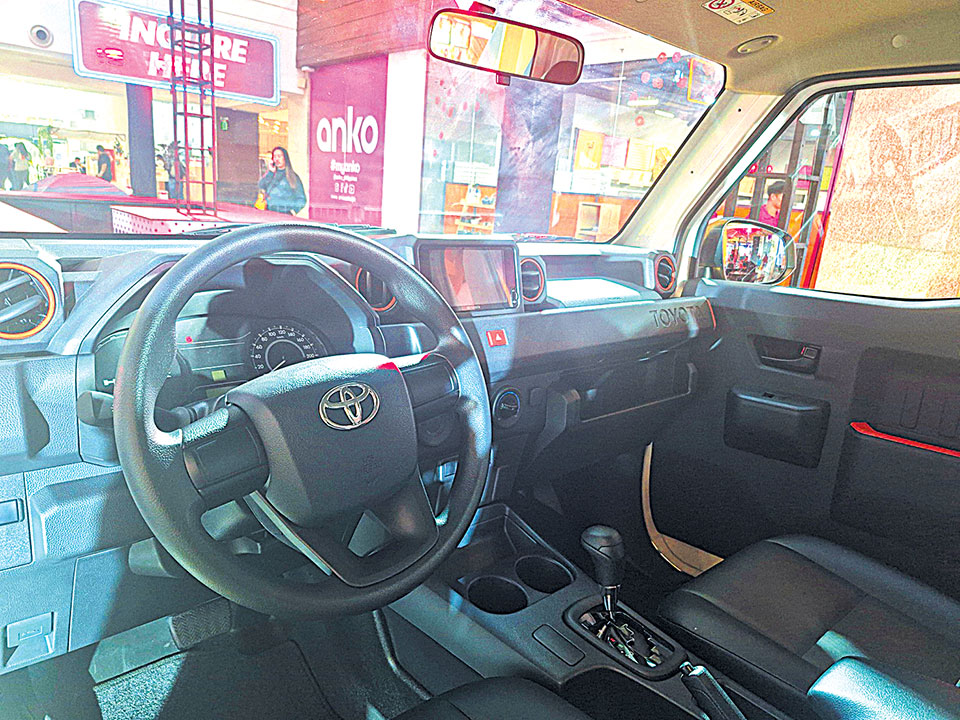
The top-of-the-line Dropside GL model is produced in LWB version only, with the same dimensions as the standard Dropside variant, however, it can accommodate up to 1,075kg of cargo. Among all Tamaraw variants, it is the only one equipped with a seven-inch display audio with Apple CarPlay and Android Auto, air bags, anti-lock brakes, and electronic brake distribution. More configurations will be available soon, including ambulance, patrol van, refrigerated van, food truck, mobile service vehicle, and camper recreational vehicle.

“It is compatible with diverse needs for both commercial and private use, being very easy to convert,” said Toyota Motor Asia Regional Chief Engineer Jurachart Jongusuk, who was in town during the public launch. “TMP is providing a wide variety of conversions for the Filipino market in collaboration with Toyota Mobility Solutions Philippines and our local bodybuilders.”

Under the hood, the Tamaraw is equipped with powerful and fuel-efficient engines that deliver impressive performance. The diesel variants come with a 2.4-liter 2GD-FTV mill that produces up to 150ps and 400Nm of torque, while the gas options are equipped with a 2.0-liter 1TR-FE engine that churns out 139ps and 183Nm of torque.

The vehicle’s suspension system is engineered to handle rough terrain and provide a comfortable ride, ensuring a smooth journey for both passengers and cargo. “We carefully developed the next-generation Tamaraw to handle one-ton payloads with superior power and torque,” Mr. Jongusuk added.

Owning the new Tamaraw is made easier as TMP partners with Toyota Financial Services Philippines to offer a variety of financing solutions, including low down payment and flexible payment plans.

Every Tamaraw purchase will also come with a fixed service discount voucher of P1,200 for every periodic maintenance service until the 40,000-km checkup.

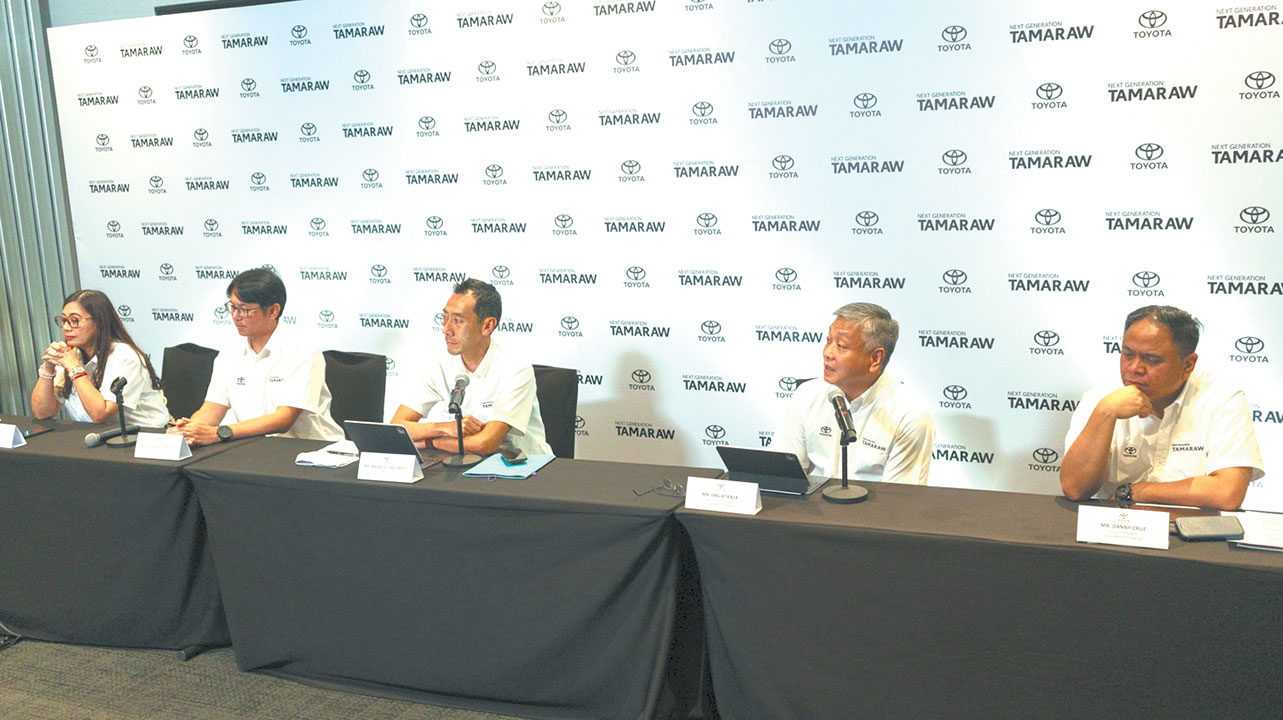
“We want to cover every customer journey touchpoint — from purchase, to conversion, and all the way to maintenance. With this total package, we aim to make the customer experience hassle-free so our customers can focus on advancing toward their dreams,” said TMP First Vice-President for Vehicle Sales Operations Danny Cruz.

The Tamaraw’s return is not just a nostalgic nod to the past, but a testament to Toyota’s dedication to innovation and customer satisfaction.

For more information, visit toyota.com.ph.

Central bank securities fetch lower rates

BW FILE PHOTO

YIELDS on the Bangko Sentral ng Pilipinas’ (BSP) short-term securities fell on Friday as both tenors went undersubscribed.

The BSP securities fetched bids amounting to P81.918 billion on Friday, lower than the P140-billion offer and P126.72 billion in tenders for the same volume auctioned off in the previous week.

Broken down, tenders for the 26-day BSP bills reached P32.891 billion, well below the P70-billion offer volume and P73.795 billion in bids a week ago.

Banks asked for yields ranging from 5.875% to 6.288%, wider than the 5.999% to 6.175% band seen a week earlier. This caused the average rate of the one-month securities to fall by 14.35 basis points (bps) to 5.9769% from 6.1204% previously.

Meanwhile, bids for the 54-day bills amounted to P49.027 billion, also lower than the P70-billion offering and P52.925 billion in tenders the week prior.

Accepted rates for the two-month tenor were from 5.9750% to 6.288%, also wider than the 6.04% to 6.2% margin seen a week ago. With this, the average rate of the notes dropped by 8.07 bps to 6.0826% from 6.1633% logged in the prior auction.

The tenors of the BSP bills were adjusted from the usual 28-day and 56-day maturities due to holidays.

The central bank uses the BSP securities and its term deposit facility to mop up excess liquidity in the financial system and to better guide market rates.

The BSP bills were calibrated to not overlap with the Treasury bill and term deposit tenors also being offered weekly.

Data from the central bank showed that around 50% of its market operations are done through the short-term BSP bills.

The BSP earlier said short-term instruments offer more stability and predictability.

These are also considered “high-quality liquid assets” and grants more flexibility for banks versus term deposits, which are not tradable. — Luisa Maria Jacinta C. Jocson

Local sportswear exports sustainable products overseas

FACEBOOK.COM/TEAMREBELSPORTSINC

TEAM REBEL SPORTS, a custom sportswear brand, said sustainable products and manufacturing practices attract customers in international markets.

“The local sports industry is very competitive. Hence, it made sense for us to expand our reach beyond the domestic market and tap into international opportunities,” Joel Cu, founder of Team Rebel Sports, said in a statement.

The company highlights on its website its experience in manufacturing customized apparel for different sports like basketball, football, wrestling, and hockey. It added that it has also explored developing non-sportswear, such as fit wear and casual wear.

The Team Rebel said its first international order was only worth $15, while its first shipment began with five kilograms. Currently, the local sportswear brand has over 200 employees and ships 40 tons of jerseys around the globe every year.

Leveraging sustainable production practices such as incorporating recyclable fabrics like polyester from PET (Polyethylene Terephthalate) bottles into the production process made the brand stand out on the global market.

“We’re very proud to be contributing our efforts in protecting the environment through the use of recycled materials in our products. Sustainability is an integral part of our brand,” Mr. Cu said.

According to the Department of Environment and Natural Resources, the Philippines produces around 2.7 million tons of plastic waste annually.

The department said these discarded materials are left in landfills, dumpsites, rivers, and water supply systems. It added that the country loses approximately $890 million yearly due to failure in repurposing recyclable plastics.

Team Rebel noted that its sublimated Philippine Basketball Association (PBA) jersey, which involves heating inks into gas to meld with the fabric, pushed the company’s sustainability initiatives further.

“Since the process integrates the design into the material, rather than just on the surface, the design quality lasts for years,” the company said.

“The fabric remains durable, breathable, and lightweight,” it added. — Almira Louise S. Martinez

India extends halt on futures trading in key farm commodities until January

REUTERS

MUMBAI — India extended the suspension of trading in derivative contracts for key farm commodities until January, as the world’s largest importer of vegetable oils and a major producer of wheat and rice seeks to curb food inflation.

The Securities and Exchange Board of India (SEBI) initially ordered a year-long suspension of futures trading in key farm commodities in 2021 — a significant move since futures trading was allowed in 2003.

The suspension was first extended until Dec. 20, 2023, and later to Dec. 20, 2024.

In a notification, SEBI said the suspension of trading in futures contracts would now continue until Jan. 31, 2025, on soybean and its derivatives, crude palm oil, wheat, paddy rice, chickpeas, green gram and rapeseed.

“Instead of extending the ban for a year as it did in the past two instances, it has extended it for only one month. This is a good sign. Perhaps futures trading will be allowed early next year,” said a Mumbai-based dealer with a global trade house.

The Indian vegetable oil industry has been seeking the resumption of futures trading to help importers hedge their risks and provide oilseed growers with an indication of future price movements.

The resumption of futures trading in soybean, rapeseed, and their derivatives would help bring stability to oilseed prices, said B V Mehta, executive director of The Solvent Extractors’ Association of India.

India meets nearly two-thirds of its edible oil requirements through imports, primarily of palm oil from Indonesia and Malaysia, as well as soy oil and sunflower oil from Argentina, Brazil, Russia, and Ukraine.

India’s National Commodity and Derivatives Exchange, which derives most of its volume from trading in farm commodities, was the most affected by the government’s decision, followed by the Multi Commodity Exchange. — Reuters

ACMobility acquires charging startup Evro

FREEOIK

AYALA-LED ACMobility has acquired roaming electric vehicle (EV) charging startup Evro as part of its plan to expand access to charging stations across the country. 

ACMobiliity bought Evro from the Globe Group’s corporate venture builder 917Ventures to address the “availability and accessibility of nearby charging stations.”

“Evro is changing the game for EV adoption in the Philippines,” ACMobility Chief Executive Officer Jaime Alfonso Zobel de Ayala said in an e-mailed statement at the weekend. “Alongside our efforts in ACMobility, it will address a range of anxiety concerns and empower EV owners to have full control of their charging experience.”

Touted as an e-mobility service provider, Evro aims to consolidate the country’s EV charging network regardless of brand or charge-point operators.

The Evro app allows drivers to find the nearest available charging point, monitor the charging progress of their EVs and pay cashless via Gcash or credit card.

“We built Evro with the intention of simplifying Filipino EV owners’ charging journeys,” 917Ventures Managing Director Vince Yamat said.

“Since launching earlier this year, we’ve made significant headway in advancing sustainable transport through our tech and partners. Entrusting Evro to ACMobility ensures it will continue to evolve and contribute to the advancement of sustainable transport,” he added.

The Evro app features 33 live charging locations managed and operated by ACMobility in several areas including One Bonifacio High Street, Greenbelt 3, Alabang Town Center, Trinoma, Nuvali Solenad 1, Baguio Ayala Technohub, Ayala Center Cebu, Abreeza Mall Davao,  and Anvaya Golf and Sports Club in Morong, Bataan.

Evro is in talks to onboard more charge-point operators onto the platform, with plans to expand its network further in the coming months.

The app is can be downloaded for free on the Google Play and Apple App stores.

By 2028, the local EV industry aims to sell 2.45 million electric vehicles and operate 65,000 charging stations nationwide. — Revin Mikhael D. Ochave

Vaccination: A vital investment

DIANA POLEKHINA-UNSPLASH/FREEPIK

As we continue to navigate through the challenges of a rapidly changing world, one of the most powerful tools in safeguarding public health is undeniably vaccination.

In the Philippines, the importance of vaccination has never been more evident, particularly with the ongoing efforts led by the Department of Health (DoH) and the Department of Education (DepEd) to immunize Filipino students through programs such as the routine and catch-up immunization and the “Bakuna Eskwela” campaign. These initiatives not only aim to protect our children from preventable diseases but also reflect a larger, long-term investment in the health and well-being of the people.

Vaccines have always been one of the most effective public health interventions available. They have helped eradicate deadly diseases like smallpox, significantly reduced the incidence of polio, and have proven indispensable in the fight against the COVID-19 pandemic.

In the Philippines, routine vaccination programs have saved countless lives by preventing outbreaks of diseases such as measles, diphtheria, and tetanus. Yet, despite the proven success of vaccination, there remains an ongoing battle to ensure that everyone has access to life-saving vaccines.

One of the pressing concerns is ensuring that immunization programs continue to cover the full spectrum of vaccine-preventable diseases (VPDs). The biopharmaceutical industry, through the Pharmaceutical and Healthcare Association of the Philippines (PHAP), has been an advocate for not only maintaining but expanding vaccination coverage to include new diseases. For instance, vaccines for diseases like dengue, shingles, respiratory syncytial virus (RSV), and human papillomavirus (HPV) are important steps forward.

The use of data systems to identify gaps in coverage, particularly in remote areas, will help ensure that immunization rates stay high, reducing the risk of outbreaks. It is also essential that we continue to assess and incorporate new vaccines into our national immunization schedule, especially as new health threats emerge.

To be truly effective, our vaccination programs need to evolve with the times. The COVID-19 pandemic has taught us many lessons, including the critical role of technology in healthcare delivery. As we continue to combat old and emerging diseases, it’s imperative that we modernize our immunization infrastructure. Digital technologies can improve vaccine distribution, streamline scheduling, and enhance the tracking of vaccine coverage, ensuring that no one is left behind. Real-time monitoring and transparent reporting will not only optimize program delivery but will also build public trust — something that is more important than ever in an age where misinformation spreads rapidly.

While the government plays a crucial role in the design and implementation of these programs, the private sector is one of the crucial partners in the fight against preventable diseases. The rapid development of COVID-19 vaccines demonstrated the commitment and capabilities of the biopharmaceutical sector. Collaborations between the government, healthcare providers, and pharmaceutical companies helped bring vaccines to the Filipino people in record time. Moving forward, we must continue to foster these public-private partnerships to ensure that vaccines for other diseases are made available for the people.

It is also worth noting that the development of new vaccines for emerging diseases, such as respiratory illnesses and newer strains of viruses, requires substantial investment and research. The government, together with the private sector, must prioritize funding for vaccine research and development to ensure that we are not caught off-guard by future health crises.

While vaccination is undoubtedly one of the most cost-effective health interventions, it will only succeed if the public trusts it. Vaccine hesitancy, fueled by misinformation and fear, remains a significant hurdle to achieving widespread immunization coverage in the Philippines. Combatting this requires continued public education campaign that informs the public of the safety and benefits of vaccines as being done now by the DoH and local government units.

The government has made significant strides in recent years to improve immunization coverage, but the work is far from over. As the global health landscape continues to evolve, we must remain vigilant, proactive, and united in our efforts to protect the most vulnerable members of society: our children, the elderly, and those with underlying health conditions. Vaccination is not just about protecting individuals; it’s about creating a healthier, more resilient society.

Through sustained investments in immunization programs, modernization of health systems, and the strengthening of public-private partnerships, the Philippines can not only protect its population from current health threats but also build a strong foundation for emerging health threats. The COVID-19 pandemic has shown us that no one is truly secure until all of the people are protected.


Teodoro B. Padilla is the executive director of Pharmaceutical and Healthcare Association of the Philippines which represents the biopharmaceutical medicines and vaccines industry in the country. Its members are in the forefront of research and development efforts for COVID-19 and other diseases that affect Filipinos.

Challenger mindset

A Tamaraw unit is inspected at TMP’s conversion factory in Santa Rosa, Laguna. — PHOTO BY KAP MACEDA AGUILA

For TMP, it’s all hands on deck with the Tamaraw

AS 2024 DRAWS to a close, Toyota Motor Philippines Corp. (TMP) is set to add yet another feather in its cap with an incredible 23rd consecutive “triple crown” — leading all auto companies here in passenger, commercial, and total vehicle sales. Yes, that’s 23 straight years of market leadership.

So imagine my incredulity upon hearing TMP President Masando Hashimoto describe the company as being a challenger in the commercial vehicle segment where the recently launched all-new Tamaraw will wage battle. Clearly, despite its legacy name, TMP is not taking any chances on the Tamaraw.

Mr. Hashimoto first voiced this sentiment shortly following the Tamaraw’s ceremonial roll-off at TMP’s massive Santa Rosa facility in Laguna. “After 2004, we stopped the commercial vehicle line (of the Tamaraw). This market is (now) dominated by Mitsubishi and Hyundai and we are quite behind. We are now the challenger,” he told reporters. “We need to develop again the image of Toyota in this specific category. In passenger cars, we have no problem, we are very confident. But this (utility vehicle space) is really a big challenge.”

At the press conference on the day of the recent (and impressive) eight-location public launch of the model, he reiterated this view, replying to my question thus: “We will do our maximum effort; we will try our best to catch again the (companies) in this area. That’s our promise to this project.”

And while the executive acknowledged the work to be done, TMP is already setting a high bar in sales expectations. Mr. Hashimoto said the company is eyeing to move 1,500 to 1,800 units a month — figures that approximate the production output of the newly established, P1.1-billion “conversion factory” in Santa Rosa which will churn out the basic iterations of the flexible workhorse.

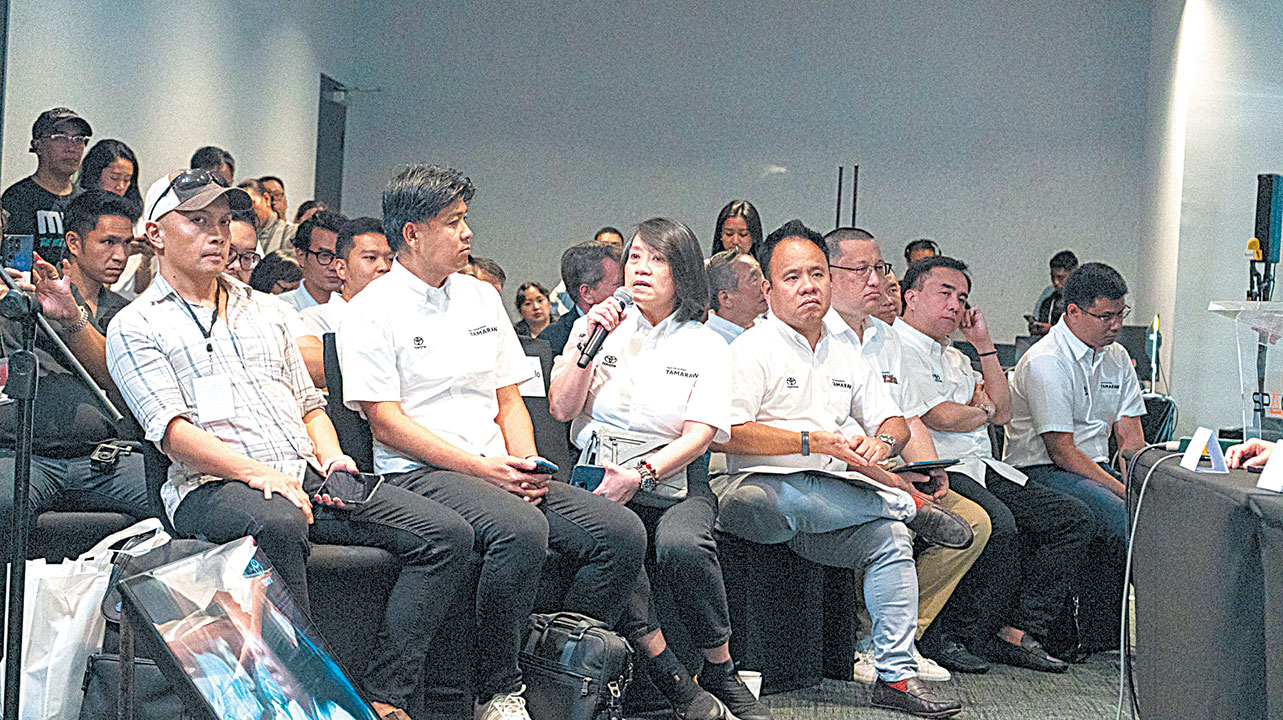
Of course, having available units is one thing, being able to sell them is an entirely different matter. While this was touched upon during the launch program, I prodded TMP brass for more details on how it will leverage its massive ecosystem to give the model all the help it needs to be accessible to more people.

“We believe that this model isn’t just the return of the legacy name. It’s been a well-loved product among Filipinos… As I said in my speech, this is a car for the livelihood of many people — in the commercial area, in the agricultural area, in the industry. Those people should be able to access this car. One of the keys is affordability or ease of finance. Our value chain or the dealer network is a strong key to deliver in those areas,” stated Mr. Hashimoto.

I also asked Toyota Mobility Solutions Philippines, Inc. (TMSPH) President and CEO Tini Arevalo if the Tamaraw will be made available for leasing. “Maybe the basic models that are most in demand,” she replied. “The very unique conversion types will have to be purchased because they’re very specific to individual preferences. Kinto, our full-service operating lease package, is available for both business and individual customers. If people want to be asset-light and they don’t want to spend on capital too much for vehicle purchases, Kinto is a very good option, and we’re open to accept reservations.”

Meanwhile, Toyota Financial Services Philippines Corp. (TFSPH) President and Director Rommel Ocampo shared, “We’re offering our Pangkabuhayan on Wheels program for MSMEs (micro, small, and medium enterprises), especially for micro. It’s a crowded area, accounting for about 90% of establishments in the Philippines. Somehow, it’s still underserved and untapped. (Our program) focuses on the lowest down payment possible — 10%, with a maximum term of 84 months. We are also offering a weekly payment scheme.”

He added that TFSPH has “other programs that will somehow improve (customers’) ability to pay,” and keenly target those who are “fresh to credit, by employing nontraditional approaches in approving applications so that we may be able to expand the market base.” TFSPH will tailor packages “based on capability to service monthly obligations.”

With TMP and its affiliate companies staging a comprehensive, complete campaign across multiple battlefronts, you could very say that the Tamaraw definitely has more than a fighting chance as a returning “combatant.”

Debt yields end higher

By Lourdes O. Pilar, Researcher

YIELDS on government securities (GS) mostly climbed last week as the market awaited the policy meetings of the US Federal Reserve and the Bangko Sentral ng Pilipinas (BSP) for hints on the future path of benchmark interest rates.

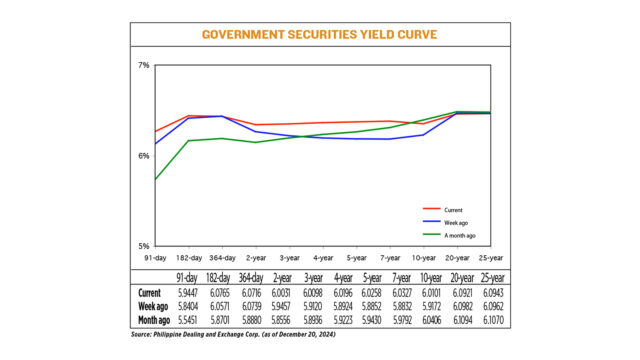
GS yields, which move opposite to prices, went up by an average of 7.08 basis points (bps) week on week at the secondary market, based on the PHP Bloomberg Valuation Service Reference Rates as of Dec. 20 published on the Philippine Dealing System’s website.

GS volume traded decreased to P24 billion last week from P35.73 billion a week prior.

At the short end, yields on the 91- and 182-day Treasury bills (T-bills) increased by 10.43 bps and 1.94 bps to 5.9447% and 6.0765%, respectively. Meanwhile, the 364-day T-bill saw its rate drop by 0.23 bp to 6.0716%.

At the belly of the curve, the rates of the two-, three-, four-, five-, and seven-year Treasury bonds (T-bonds) rose 5.74 bps (6.0031%), 9.78 bps (6.0098%), 12.72 bps (6.0196%), 14.06 bps (6.0258%), and 14.95 bps (6.0327%), respectively.

Lastly, at the long end, the 10-year T-bond went up by 9.29 bps to fetch 6.0101%. Meanwhile, yields on the 20- and 25-year papers inched down by 0.61 bp to 6.0921% and 0.19 bp to 6.0943%, respectively.

“Local bonds had a rough week given the upward movement of US Treasuries due to data showing the resilience of the US economy and forward guidance by the Fed on future plans on monetary policy,” Alessandra P. Araullo, chief investment officer at ATRAM Trust Corp., said in a Viber message.

The market mostly consolidated early last week as players were cautious before the policy decisions of the Fed and the BSP, she said.

“On Thursday, Philippine bonds were sold off once again after the Fed delivered a 25-bp cut accompanied by a more hawkish than expected forward guidance. Fed Chair Jerome H. Powell, in his speech after the decision, said that the Fed will be more cautious as it considers further adjustments to policy rates. The Summary of Economic Projections, which provides insights into the expectations of the FOMC (Federal Open Market Committee), showed that the members are now only expecting two 25-bp cuts for 2025 from originally four cuts,” Ms. Araullo said.

“On the other hand, the BSP also decided to cut by 25 bps. BSP Governor Eli M. Remolona, Jr. also walked back some of his comments earlier this month and said that they no longer see 100 bps worth of rate cuts in 2025, mimicking the Fed’s view. The hawkish rhetoric caused yields in the three- to 10-year space to move higher by 13 bps on average while the rest of the curve remained relatively unchanged.”

A bond trader likewise said in an e-mail that GS yields mostly rose last week following the Fed’s “hawkish cut.”

This week, both analysts expect muted trading as the market will be closed for the Christmas holidays and amid a lack of catalysts.

“Bonds will likely continue to trade at current ranges. One key risk that we are anticipating will be the release of the BTr’s (Bureau of the Treasury) borrowing schedule which may cause investors to reposition accordingly to accommodate the additional supply,” Ms. Araullo said.

“We remain constructive on short dated local bonds for now as we may see another selloff due to future macroeconomic data and supply risk.”

Ayala stock falls after getting €50-M loan

SHARES of Ayala Corp. declined after the company secured a €50-million loan for Ayala Healthcare Holdings, Inc. (AC Health).

The stock closed 3.3% lower at 593.50 each on Friday from a week earlier. About 1.5 million shares worth P899.42 million switched hands from Dec. 16-20, making it the ninth most actively traded stock on the local bourse last week.

The stock has fallen 12.8% this year.

Last week, the listed company got a social loan from ING Group to support AC Health’s growth.

“This social loan from ING will enable us not only to build and scale our AC Health portfolio, but it will also enable us to serve more Filipinos by providing them access to quality and affordable healthcare,” Ayala Chief Finance Officer Alberto M. de Larrazabal said in a statement.

The capital investment would improve AC Health’s capacity to fill important gaps in the local healthcare industry, Juan Alfonso G. Teodoro, equity research analyst at Timson Securities, Inc., said in a Viber message.

“According to a report by Ayala, the funding would go toward capital expenditures for AC Health’s hospital and retail pharmacy groups, including QualiMed and St. Joseph Drug, as well as portfolio growth,” he said.

In August, AC Health completed its acquisition of a 49% stake in St. Joseph Drug, adding the North Luzon-based pharmaceutical company to its healthcare portfolio. Established in 1958, St. Joseph Drug has more than 112 stores in North Luzon.

Alexandra Margaux Denise G. Yatco, equity analyst at Regina Capital Development Corp., said the social loan could contribute to the company’s revenue.

The company’s third-quarter revenue rose 9.4% to P76.24 billion from a year earlier, bringing its nine-month revenue to P232.88 billion or 11.9% higher.

But the company’s net income during the quarter fell 16% to P11.68 billion, bringing its nine-month net income to P33.96 billion, or 5.1% higher.

“The segment’s net income growth may still be slower compared with the general health and pharmaceutical industry decline seen in the third quarter of 2024,” Ms. Yatco said in a separate Viber message.

“Investors are looking for possible value opportunities which may have been drawn to Ayala Corp.’s stock because it has been trading close to its 52-week low of ₱560 per share,” Mr. Teodoro said.

“AC in particular had several price dips throughout the week, yet was partially supported by solid third-quarter earnings and recent company news such as the firm’s aim to redeem P10-billion bonds due on February 10, 2025,” Ms. Yatco said.

Mr. Teodoro said the stock price had been affected by foreign investors reshoring back to US markets.

“The local market scene may see muted performance next year due to the recent US Fed rate cuts and the potential implementation of tariff adjustments as property and holdings, while banking, consumer, and power may continue to hold steady,” Ms. Yatco said.

On Wednesday, the US Federal Reserve slashed interest rates for a third time by 25 basis points.

“According to the Fed, only two rate cuts are possible next year. So that should give a breather for the heavily battered local market,” Mr. Teodoro said.

He added that the financial circumstances of groups like Ayala might improve under a low-interest environment. “A decline in the dollar may result from lower US interest rates, which could help economies like the Philippines that have a lot of debt denominated in dollars.”

Mr. Teodoro also said investors could buy AC shares at even cheaper prices next year if foreign investors’ sell-off continues.

“The selling pressure may continue to prevail in the upcoming days, as the market continues to digest recent interest rate cut news and clear out positions for the upcoming year,” Ms. Yatco said.

“We expect [the stock] price to retrace back to our P600 to P610 resistance level before possibly going to our next support level, which will be around the P560 to P580 area, where we expect price to bounce off to,” Mr. Teodoro said. — Pierce Oel A. Montalvo

ADVERTISEMENT
ADVERTISEMENT