Dela Rosa seeks SC shield vs ICC warrant tied to drug war killings
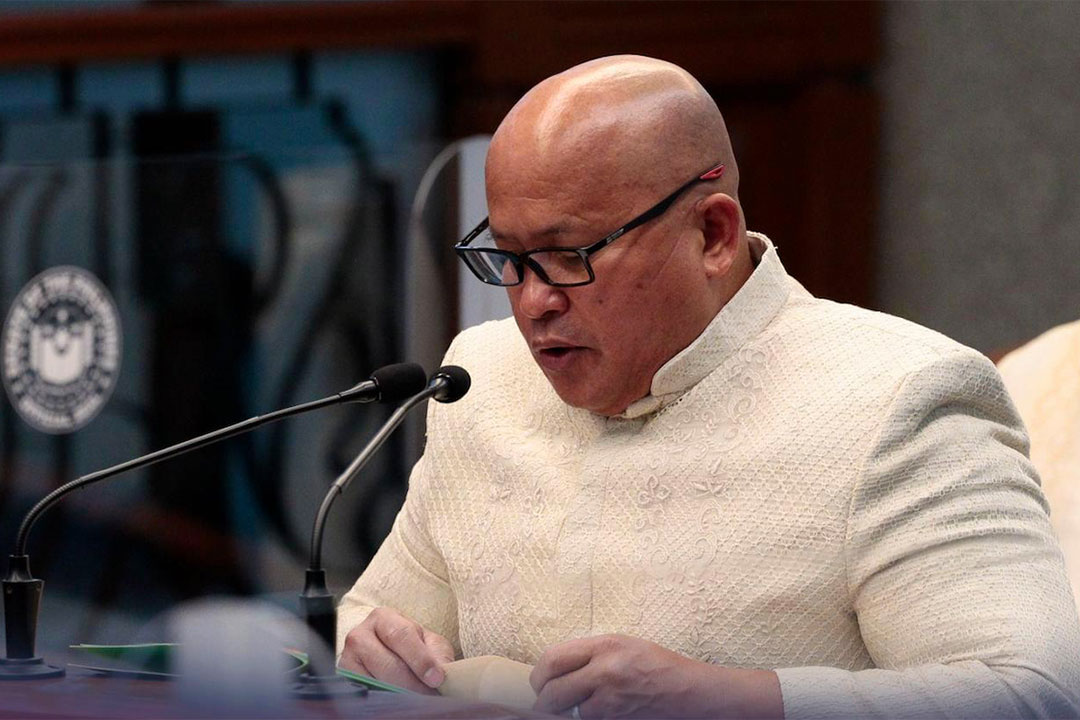
SENATOR Ronald “Bato” M. dela Rosa has again asked the Supreme Court (SC) to block his possible arrest as he challenged efforts to enforce an International Criminal Court (ICC) warrant linking him to alleged crimes against humanity during former President Rodrigo R. Duterte’s deadly war on drugs.
In a 117-page filing dated May 18, Mr. dela Rosa rejected government arguments seeking the dismissal of his petition, insisting that Philippine jurisdiction and judicial process must prevail over foreign demands.
“Accountability for grave crimes is a legitimate state interest, but the gravity of the accusation is not a substitute for jurisdiction, statutory authority or judicial process,” the lawmaker, who enforced the anti-illegal drug campaign as Mr. Duterte’s police chief, said through his lawyers.
“It would be a profound historical irony, and a constitutional tragedy, if the Executive were now permitted to do voluntarily what colonialism imposed by force: deliver a Filipino citizen to a foreign authority,” he added.
Mr. dela Rosa is seeking a temporary restraining order to stop authorities from arresting or surrendering him to the ICC without a warrant issued by a Philippine court.
His camp argued that any arrest must first be approved by a local judge, saying enforcement of a foreign warrant without domestic judicial review amounts to an “executive shortcut.”
The government, through the Office of the Solicitor General, has defended its position, saying ICC warrants could be implemented locally without prior court validation.
“The ICC warrant against Senator dela Rosa does not require validation by a domestic court to be enforceable,” Solicitor General Darlene Marie B. Berberabe earlier said in a filing.
Mr. dela Rosa countered that the ICC has no legal authority over the Philippines after its withdrawal from the Rome Statute took effect in March 2019.
He noted that the ICC only authorized its investigation in May 2021 and issued the arrest warrant in November 2025, after the country ceased to be a member state.
“No foreign tribunal, no executive department and no international body is the final and authoritative voice on what Philippine law requires within Philippine territory,” he said.
The Supreme Court earlier declined to issue the restraining order sought by the senator, although it required government agencies to respond to his lawsuit.
Tensions have since escalated, with law enforcement monitoring his movements and his camp rejecting claims that he has evaded authorities.
The Office of the Solicitor General said his actions place him within the definition of a “fugitive from justice,” a claim his lawyers rejected, saying he remains in the country and is simply seeking judicial protection.
“A person who seeks judicial relief before being arrested is not evading the law; he is invoking the law,” Mr. dela Rosa said.
The ICC warrant links Mr. dela Rosa to killings during anti-drug operations between 2016 and 2018, which investigators said may amount to crimes against humanity.
The ICC Pre-Trial Chamber I earlier found reasonable grounds to believe he acted as an indirect co-perpetrator in killings tied to anti-drug operations spanning 2011 to 2019.
Mr. dela Rosa has denied the allegations, calling the evidence presented by the ICC “fabricated.” — Erika Mae P. Sinaking