Home Blog Page 7303

Caring for employees always a top priority for Globe

Employees are a company’s backbone. For Globe, extending care to customers and providing better connectivity experience especially amidst challenging times happen because of their hard work.

Therefore, the company’s relentless dedication in treating people right to create a Globe of good is evidenced by initiatives to ensure the overall well-being of its workforce.

“Doing our part in helping the nation rise above this pandemic is not simply about what we do externally for our customers and the community, but also what we do internally to care for our employees,” said Ato Jiao, Globe Chief Human Resource Officer.

Last year, Globe promptly ensured all-around employee assistance through a holistic COVID-19 support package. It boosted digitalization efforts to limit in-person contact and exposure, and allow employees to remain agile and efficient despite the logistical constraints. Globe particularly kept an eye on frontline workers providing essential service on-site. They were provided with safe lodging, meals, personal protective equipment (PPEs), vitamins, transportation, hazard pay, and insurance to help alleviate anxiety.

Focusing on employees’ health and wellbeing, the company enhanced its existing medical insurance coverage, even going as far as fully shouldering medical expenses of those infected by the virus. Konsulta MD, AC Health, and Maxicare provided a hotline that employees and their dependents can consult with for urgent health concerns anytime, anywhere. A partnership was also forged with MindNation and HopeChat to care for employees’ mental health through virtual psychologists to help alleviate isolation and anxiety during these pressing times.

To maintain active employee engagement, Globe adopted a multi-faceted strategy focusing on the happiness, well-being, and continued growth of each employee despite challenges and limitations of an evolving work environment. Employee engagement sessions went virtual with learning and fitness sessions, talk shows, fun and educational webinars, and podcasts. Globe held 16 wellness webinars, and released 53 posts during Wellness Wednesdays, an initiative where Ka-Globe can talk about wellness in an online community.


Various chatbots were also developed to help ease employees into the new working style. Digital Usher for Disasters and Emergencies or DUDE is a chatbot which serves as daily health check-in for employees and enables COVID-19 support as well as access to mental health partners. Wanda was also developed as a recognition chatbot to enable employees to send special e-cards to one another, enabling them to nurture Globe’s culture of recognition even while working apart.

Leaders kept in touch and maintained regular interactions through virtual town hall meetings led by President and Chief Executive Officer, Ernest Cu. More than being kept abreast of key developments and updates on the business and the organization as a whole, these sessions were great opportunities for employees to directly ask questions and air concerns to the leadership team. While the Philippines is still battling the virus, Globe continues to listen to its employees and provide the necessary assistance to keep them safe, secure, and productive.

Globe strongly supports the United Nations Sustainable Development Goals, particularly UN SDG No. 3 on providing good health and well-being. Globe is committed to upholding the United Nations Global Compact principles and contributing to 10 UN SDGs.

To know more about Globe, visit www.globe.com.ph.


Spotlight is BusinessWorld’s sponsored section that allows advertisers to amplify their brand and connect with BusinessWorld’s audience by enabling them to publish their stories directly on the BusinessWorld Web site. For more information, send an email to online@bworldonline.com.

Join us on Viber to get more updates from BusinessWorld: https://bit.ly/3hv6bLA.

Making meaningful connections through customer experience

There is a natural disparity in the conversation about digital transformation. While the accessibility and affordability of technology nowadays have created digital natives out of the average consumer, the same cannot be said for businesses, particularly those in fields as established as the financial services industry.

On the contrary, digital transformation for such industries are often expensive, arduous processes that take years of planning and strategizing.

Head of Digital Networks at Singlife Philippines Kame Amado-Gomez

Kame Amado-Gomez, head of digital networks at Singlife Philippines, the first and only 100% digital insurance company in the Philippines, pointed out that many incumbents in the insurance industry have not innovated their digital customer experience (CX) journey past the purchasing stage.

“When we were doing these design processes, we noticed that most life insurers or the incumbents currently touting to be digital say that they are focused on CX, but when you really take a look at the experience that they offer, most of them stop at the buy or the purchase journey,” she said during a panel discussion at the Seamless 2021 virtual conference.

“Sure, you can buy insurance online, but activating your policy will take you another day or two and if you want to manage your policy, or view your contract, or make any changes, or file a claim, most probably you’ll still have to move to another platform and undergo disjointed and manual processes,” she added.

Such an approach limits the insurers from engaging with and building an authentic connection with their customers, as it fosters a ‘buy and forget’ relationship. This was far from Singlife’s goal. When they entered the Philippine market, Ms. Amado-Gomez shared, Singlife had the bold ambition of disrupting the status quo of an age-old insurance industry by going 100% digital.

“For us, that meant a lot of unlearning the traditional ways of thinking, dreaming up new ideas and concepts, and trying to redefine how insurance is being experienced currently,” she explained.

“If you try to buy a Singlife product through GCash, you will actually be able to complete the purchase journey in less than five minutes. You’ll get your policy contract instantly, as in a matter of seconds. You don’t have to wait. You get to view your policy details and even file a claim without having to leave the GCash app,” she added.

Furthermore, customers who want to cancel their policies can receive their refunds directly through their GCash wallet in real time. Customers can even opt to receive claim payouts through the same feature.

Singlife’s customer-centric approach to their insurance services have netted the company a customer satisfaction of 92%, with 90% of its customers retaining their policy every month. In addition, 7% of these customers opt to buy an additional product from the company, a relatively high percentage compared to the industry standard of 2-3% of customers buying another insurance policy.

Transparency and authenticity

Ms. Amado-Gomez advised other companies starting on their CX journey to start small and realize that redesigning an end-to-end customer journey and changing an organization’s mindset regarding that journey cannot be done overnight.

“So pick low-hanging fruit or one particular use case that you believe will make a sizable impact in your organization. Make sure to monitor the results and gather actionable insights from that initiative. Because these insights although gained at a small scale but applied often can be used to build on and continuously improve your overall CX over time,” she said.

“One more important thing that I learned in my own CX journey is to not treat it like a separate function or limit your strategy to just the front-end experience. There’s still this misconception that CX is just the website design or your UX UI design, which it is not. CX encompasses all aspects of the business. It is a reflection of your brand promise. Good CX will amount to nothing if you don’t have a good product. All the pretty screens and interactions that you design will be wasted if you don’t have the tech and the supporting back-end processes in place.”

With the growing prevalence of on-demand services, customers have come to demand more from businesses. As such, the landscape is set to further evolve to meet those demands.

“At Singlife, there is constant effort to build real-time processes, do away with unnecessary steps for the customers and really invest in smarter technologies that can support all these innovative experiences that we dare to imagine,” she said.

“To succeed in CX you have to genuinely love your customers. You have to find it fulfilling that you make them happy.”

To know more about Singlife Philippines, visit https://singlife.com.ph/.


Spotlight is BusinessWorld’s sponsored section that allows advertisers to amplify their brand and connect with BusinessWorld’s audience by enabling them to publish their stories directly on the BusinessWorld Web site. For more information, send an email to online@bworldonline.com.

Join us on Viber to get more updates from BusinessWorld: https://bit.ly/3hv6bLA.

U.S., Indonesia call for new G20 forum to prepare for next pandemic

STOCK PHOTO

WASHINGTON – The world’s biggest economies should create a forum to facilitate global coordination for the next pandemic, as well as a new financing facility to keep up with emerging threats, U.S. Treasury Secretary Janet Yellen and Indonesian Finance Minister Sri Mulyani Indrawati said on Tuesday.

In a letter to their G20 colleagues, the two finance ministers said the forum would allow health and finance ministers to better cooperate and coordinate prevention, detection, information-sharing, and any needed response.

A copy of the letter, dated Monday, was posted Tuesday by the Treasury Department.

Ms. Yellen and Ms. Indrawati said the COVID-19 pandemic, which has killed nearly 5.2 million people around the world, had revealed a lack of readiness at the country level and a lack of coordination among G20 countries.

“While we are making progress in fighting COVID-19, we also face a stark reality: this will not be the last pandemic,” they wrote ahead of Friday’s joint meeting of G20 health and finance ministers. “We must not lose this opportunity to demonstrate leadership with a decisive commitment to act.”

Several independent organizations, including the High-Level Independent Panel headed by former U.S. Treasury Secretary Lawrence Summers, World Trade Organization Director-General Ngozi Okonjo-Iweala and Singaporean Senior Minister Tharman Shanmugaratnam, have called for creation of such a forum,

Ms. Yellen and Ms. Indrawati said the forum would elevate and empower the work of the World Health Organization and other technical entities, but should include diverse voices and perspectives from around the world, such as the African Union.

They said a new financing facility could complement the resources of multilateral development banks and ensure sufficient dedicated, reliable financing so that vaccination and treatment can keep up with emerging threats.

While the two initiatives were complementary, their timetables need not be interlinked, the ministers said. – Reuters

Southeast Asian nations tout green power links ahead of COP26

SINGAPORE – Southeast Asian nations are speeding up their plans to transmit renewable energy through a proposed regional power grid, with first trials set for 2022, as the area strives to meet climate change targets, government and company officials said.

Some members of the Association of Southeast Asian Nations (ASEAN) are also exploring carbon capture storage (CCS) technology to reduce emissions, officials said at this week’s Singapore International Energy Week conference. ASEAN has proposed that 23% of primary energy come from renewable sources by 2025.

The announcements come ahead of the U.N. COP26 climate summit starting on Oct. 31 in Glasgow, considered one of the last opportunities for countries to announce firm targets for cutting emissions this decade.

“We’ve heard some very positive announcements in terms of investments going into renewables,” Gauri Singh, Deputy Director-General of the International Renewable Energy Agency (IRENA) said.

“ASEAN are really looking at bringing in almost one-quarter of the energy from renewables by 2025 — that’s a very ambitious goal that they’ve set for themselves, but I think the international cooperation, and regional cooperation are going to play a very, very important role.”

Singapore will start importing renewable electricity from Malaysia by 2022 and later that year utilities in ASEAN will start transmitting the first 100 megawatts (MW) of electricity under a Laos-Thailand-Malaysia-Singapore power integration project as part of a regional grid project.

The ASEAN grid, an idea first proposed in 1999 to enhance regional energy security, will now facilitate renewable power transmission. Australia has also been tapped for its green energy supplies with plans to export to Singapore.

“With the power sector accounting for almost a quarter of global emissions, decarbonising electricity generation is at the core of the global climate change effort,” Gan Kim Yong, Singapore Minister for Trade and Industry said in a speech at the event.

Singapore, which depends on natural gas for almost all of its power generation, plans to import up to 4 gigawatts (GW) of low-carbon electricity by 2035, or about 30% of its total supply.

Singapore’s Sunseap Group and Sembcorp Industries and Indonesia’s PLN Batam and PT Trisurya Mitra Bersama (Suryagen) signed agreements this week on new solar power projects.

Singapore plans to also launch standards and guidelines for renewable energy certificates that will allow companies to buy credits that verify their power is from renewable sources.

Still, many ASEAN countries must address their reliance on fossil fuels in their power generation mix to meet their climate targets.

For countries that are still heavily dependent on coal for power, CCS could be a solution in reducing emissions, said Arifin Tasrif, Indonesia’s minister of energy and natural resources.

“The ASEAN region is still in some ways dependent on coal power… this situation must be carefully considered when setting our path towards carbon neutrality, and significant efforts should be made,” Tasrif said.

Carbon capture technology is very important for Indonesia’s strategy to reach its net-zero emissions goals, and the country will start using it by 2030, he said.

Exxon Mobil Corp is pursuing CCS hubs across Asia and has started talks with countries on potential storage options for carbon dioxide.

To be sure, the region will still require further regulations and massive investments in upgrading and connecting grids across borders.

ASEAN will need at least $367 billion in the next five years to finance its energy goals, ASEAN Secretary General Lim Jock Hoi said.

The bloc needs to improve its investment environment and also expand beyond its current sources of finance to reach its energy transition targets, he added.

“Much remains to be done,” Lim said. “(There is a) need to improve the investment environment for energy transition, and to expand beyond our current sources of finance.” – Reuters

Airlines brace for early ‘long lines’ when U.S. lifts travel restrictions

STOCK PHOTO

WASHINGTON – Delta Air Lines Chief Executive Ed Bastian said on Tuesday that travelers should be prepared for initial long lines when the United States lifts international travel restrictions for fully vaccinated travelers on Nov. 8.

“It’s going to be a bit sloppy at first. I can assure you, there will be lines unfortunately … but we’ll get it sorted out,” Mr. Bastian said at a U.S. travel event.

“We’re going to have a good surge of demand but in order to keep that surge up we’re going to need to make it easier and easier for people to figure out what the documentation requirements are.”

U.S. President Joe Biden on Monday signed an order imposing new vaccine requirements for most foreign national air travelers and lifting severe travel restrictions on China, India and much of Europe effective Nov. 8.

Airlines will check vaccination documentation for international travelers as they currently do for COVID-19 test results.

U.S. Travel Chief Executive Roger Dow said in an interview he was concerned whether U.S. border officials would be prepared for the Nov. 8 surge.

“I think there will probably be a few hiccups,” Mr. Dow said, saying the travel industry thinks the international travel increase “will be much bigger than people expect.”

Homeland Security Secretary Alejandro Mayorkas said at the travel event the department is preparing for a significant domestic and international holiday air travel increase. “”I think we’re going to be equipped to handle what we hope to be a real surge in holiday traffic,” Mr. Mayorkas said.

Last week, American Airlines and Southwest Airlines and the White House said they do not think the Biden administration’s executive order mandating that federal contractors require employee vaccinations by Dec. 8 will impact holiday travel or result in employees leaving.

Some airlines and industry watchers initially feared an exodus of unvaccinated airline or government employees involved in travel just before the Christmas season but airlines later said that would not happen and cited comments from the White House last week. – Reuters

Trump tightens grip on social media company after SPAC deal success

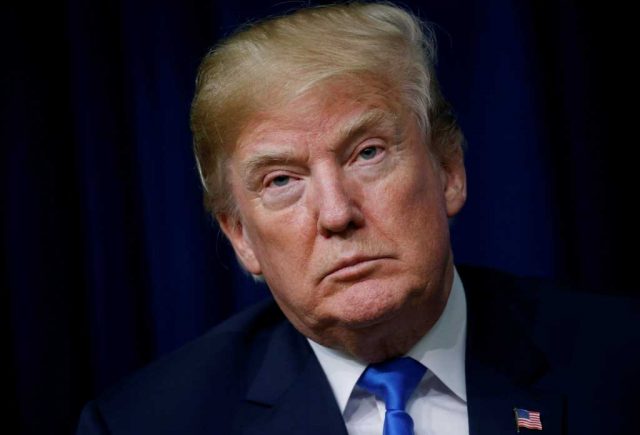
U.S. President Donald Trump — REUTERS/LEAH MILLIS/FILE PHOTO

Former U.S. President Donald Trump will be able to retain the ownership of his newly launched social media venture even if he chooses to make another White House run or is convicted by prosecutors who are looking into his business dealings.

Mr. Trump said last week that TRUTH Social would be created through a new company formed by a merger of the Trump Media and Technology Group (TMTG) and blank-check firm Digital World Acquisition Corp.

According to regulatory filings issued late on Tuesday, Mr. Trump was referred to as the “company principal,” even though the exact size of his stake in the company was not disclosed.

However, the former president is set to keep his ownership in TMTG, even if the company faces a “material disruptive event” – the latest filings include a clause that is designed to shield his stake.

“In order to maximize business continuity and to minimize, mitigate, or eliminate any negative impacts on the Company from a Material Disruptive Event, the Company Principal’s ownership and position in the Company shall be structured in such a way as to eliminate the need for restructuring of ownership or changes in position were a Material Disruptive Event to occur,” according to the filing.

Since Mr. Trump was voted out of office in the last presidential elections in 2020, he has repeatedly dropped hints that he might seek the presidency for a third time in 2024.

Mr. Trump and his business interests are also the subject of numerous investigations from U.S. authorities – in June, Trump‘s namesake company and its chief financial officer were indicted, the first charges to arise from a more than two-year probe by New York prosecutors of Trump and his business dealings, Reuters reported.

In the latest filings, DWAC highlighted the risks of being associated with Mr. Trump‘s company.

“The Purchaser hereby acknowledges the controversial nature of being associated with the Company Principal and the Company Principal’s family,” it said.

As part of an earnout clause in the deal, TMTG shareholders will receive an additional 40 million shares, based on the share price performance of DWAC, which on Tuesday closed down nearly 30% but are still trading well above the SPAC‘s IPO price of $10 a share.

Earlier in October, Reuters reported that the merger with TMTG has delivered a potential windfall of $420 million for DWAC’s main backer, Patrick Orlando, who has been trying for a decade to reinvent himself as a serial dealmaker. – Reuters

Microsoft sees cloud business growth, but supply woes continue for Xbox

REUTERS

Microsoft Corp on Tuesday forecast a strong end to the calendar year thanks to its booming cloud business but said supply chain woes will continue to dog key units such as those producing its Surface laptops and Xbox gaming consoles.

The company beat Wall Street expectations for its fist quarter ended Sept. 30, with pandemic-induced demand for the software giant’s cloud-based services driving sales.

Contracts for cloud services provided by Microsoft, Amazon.com Inc’s AWS and Alphabet Inc-owned Google Cloud have surged since last year when the COVID-19 pandemic shut offices and schools, pushing more activity online.

First-quarter revenue growth for Azure, the company’s flagship cloud-computing business, came in at 48% in constant currency to beat analysts’ estimates of 47.5%, according to consensus data from Visible Alpha. Amy Hood, executive vice president and chief financial officer of Microsoft, said that the company also expected “broad based growth” for the unit in the fiscal second quarter.

Azure’s growth rate is the best direct measure of competition with rivals such as AWS and Google Cloud as Microsoft does not break out revenue from the cloud-computing unit.

Microsoft appeared to hold off Google Cloud‘s rising challenge. Google Cloud said on Tuesday its revenue surged by 45% to $4.99 billion, but failed to live up to estimates of $5.2 billion.

Revenue at the firm’s other business units that house Windows software, the Teams messaging service and LinkedIn professional social networking platform also beat analyst expectations.

The supply chain issues affecting much of the global tech industry had mixed consequences for Microsoft.

Hood said Microsoft has continued to increase its cloud computing margins despite higher data center construction costs because it keeps adding more profitable services to those data centers. Hood also said that the company was able to ship more Xbox S and X gaming consoles than it expected in the first quarter – sales of gaming consoles and accessories were up 166% as the company continued to see strong demand for new models after the pandemic forced millions to seek entertainment at home.

But Microsoft and its rivals have been unable to keep up with demand because of the global chip crunch. Hood told Reuters the company expects Xbox demand to continue to exceed supply in the company’s second quarter, which includes Christmas.

She also said that sales of the company’s Surface computers, which declined 17% in the fiscal first quarter, were likely to keep sinking in the second quarter, with supply chain shortages hitting premium items in the lineup.

Microsoft‘s revenue from selling Windows to PC makers grew 10% year over year, beating the overall PC market, which only grew 3.9% over the same period because of supply constraints, according to data from IDC.

Hood said that the company was able to outperform in the PC market because of its strength in selling licenses for Windows destined for corporate customers, where it gets more revenue per license and has better market share.

Overall, revenue rose 22% to $45.32 billion in the first quarter ended Sept. 30, beating expectations of about $43.97 billion.

Net income rose to $20.51 billion, or $2.71 per share. The company said its results included a $3.3 billion net income tax benefit.

On an adjusted basis it earned $2.27 per share, trumping analyst expectations of $2.07 per share.

For the fiscal second quarter, Microsoft predicted a midpoint of $18.23 billion in revenue for its intelligent cloud business for the fiscal second quarter, above estimates of $17.84 billion, according to Refinitiv data.

First-quarter revenue from “Intelligent Cloud” surged 31% to $17 billion. Analysts had expected a figure of $16.58 billion, according to Refinitiv data.

Microsoft‘s forecast for its software app and Windows centric segments with midpoints of $15.83 billion and $16.55 billion, respectively, were also above Refinitiv estimates of $15.40 billion and $15.51 billion.

Shares of the company, which have risen nearly 40% this year, were marginally up in extended trading. – Reuters

TCS Philippines and local institutions rally together to promote inclusive and accessible education for Filipinos

Tata Consultancy Services (TCS) (BSE: 532540, NSE: TCS), a leading global IT services, consulting, and business solutions organization, is partnering with prominent local companies to help Filipino students address the many adversities brought by the COVID-19 pandemic in the country’s education sector.

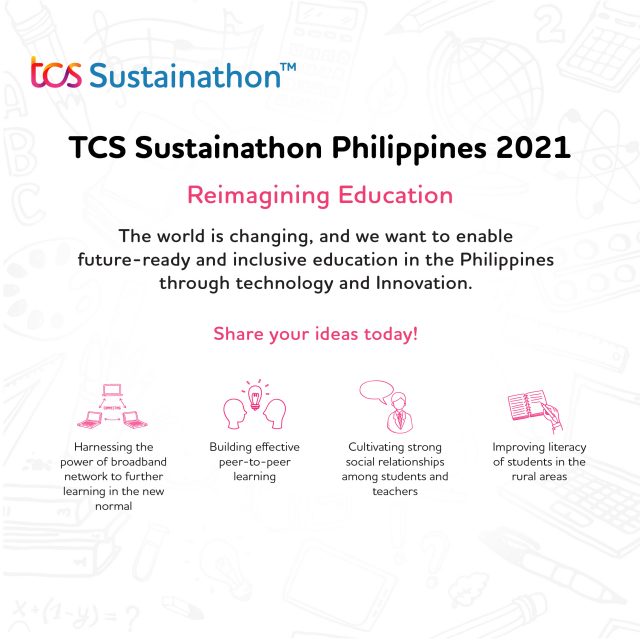
Recently, TCS Philippines announced the first-ever TCS Sustainathon in the country, an initiative to inspire and empower young minds to be part of the solution to help improve the Philippines’ overall learning system through technology. With this year’s theme, “Inclusive Education for all in 2030,” participants are tasked to develop practical and innovative solutions, addressing the challenge statements developed by TCS Sustainathon Challenge Partners — Gokongwei Brothers Foundation, De La Salle-College of Saint Benilde, Converge ICT Solutions, Inc. (Converge) (PSE:CNVRG), and Ronald McDonald House Charities of the Philippines, Inc.

Building Effective Peer-to-Peer Learning

Gokongwei Brothers Foundation highlights the importance of social learning amid the distance and blended education in this new normal setup. Through the Sustainathon initiative, the company aims to find practical and sustainable solutions on how students can help each other learn better while maintaining healthy social interactions.

“The Sustainathon Challenge is a commendable initiative as it empowers the youth through technology. We’re excited to be part of TCS Sustainathon Philippines and work with these competent young individuals to improve our overall learning system. The Filipino youth have so much passion and creativity to offer. What makes them more admirable is their compassion towards their fellow students. We’re looking forward to how they will leverage trends in technology to develop practical and impactful solutions that will drive an inclusive education sector” shares Grace Colet, Executive Director, Gokongwei Brothers Foundation.

Fostering a Safe Environment for All

De La Salle-College of Saint Benilde (Benilde) has identified the importance of inclusion and acceptance in the community regardless of religion, gender, social status, or learning style. Cultivation of strong social relationships has always been essential in one’s overall well-being. With this, Benilde hopes to seek solutions that would ensure the development of social relationships between the members of the Benildean Community during and post-pandemic.

Jeremiah Adriano, OIC-Director of the Center for Inclusive Education shares, “The pandemic imposed distance among us but it also forced us to work together. We need to build strong, social relationships within our school community to create an inclusive space and safe environment. We are proud to be one of TCS’ challenge partners in this initiative and help promote strong connections inside and outside our community. The De La Salle-College of Saint Benilde is very much excited to see the youth’s high-impact innovation to address their chosen challenge statement.”

Breaking the “Digital Divide” in Education

The COVID-19 Pandemic caused much disruption in the country’s education system. In a study released last February 2021, the national Social Weather Survey (SWS) reported that 13 percent or over 4 million school-age Filipinos were not enrolled in the fourth quarter of 2020.   The shift in learning modality has highlighted the challenges in students’ access to internet connection, equipment, and learning-conducive space. Through TCS Sustainathon Philippines, Converge hopes to see young minds co-develop innovative solutions that would help the company effectively use its pure fiber fixed broadband network and unique capabilities and partnerships to further learning under the new normal.

“Learning in this new normal setup is a challenge to teachers and students alike, especially for those without a stable broadband connection at home. There is a glaring need to address issues on internet connectivity and access to learning tools and materials. As the fastest growing fiber internet provider in the country, we are more than willing to collaborate with Filipino students in this Sustainathon Challenge to design solutions that will help us effectively serve the students within unserved and underserved communities.” Benjamin B. Azada, Converge Chief Strategy Officer shares.

Taking Literacy to a Higher Level

Lack of access to learning materials and resources (technology and infrastructure) in remote areas and limited student-teacher learning and consultation are some of the factors pointed out by Ronald McDonald House Charities of the Philippines that affect the overall literacy of Filipino children. The pandemic aggravated the situation, thus, the company is encouraging the youth to leverage digitization to make learning materials easier to digest and access for teachers, parents and students. Ronald McDonald House Charities of the Philippines is looking forward to seeing simple, scalable, and useful innovation that can help further improve the reading comprehension of children, especially for learners in rural areas.

“As we immersed ourselves in the ground in helping improve literacy of children in rural areas, we have seen how the education interventions need reinforcement in terms of technology. While we acknowledge the efficacy of localized traditional type of learning, it is imperative for us to look for innovations that will further aid learners’ development. We are thankful to be one of TCS Philippines’ Challenge Partners for TCS Sustainathon as it gives opportunities for Filipino students to share their unique ideas and propose digitally enabled solutions that will help Filipino children know how to read. We believe in the youth’s capability to create cutting-edge innovations that would answer the call that no student should be left behind,” Marie Angeles, Executive Director, Ronald McDonald House Charities of the Philippines shares.

Visit the TCS Sustainathon Philippines website to know more about TCS Sustainathon and the four challenge statements. Open to all 17 to 23 year old students nationwide, all they have to do is pick a challenge statement and brainstorm on a solution. They can register and submit their entries at the TCS Sustainathon Philippines website until November 19. The 1st place winner will receive Php150,000 while the second and third placers will receive Php100,000 and Php50,000, respectively.

TCS Philippines remains eager to materialize the vision and mission of the company and its partners. Embracing the company’s Building on Belief philosophy where every initiative is rolled-out based on purpose, TCS continues to work hand-in-hand with its partners to develop innovative, sustainable, and scalable solutions that will help solve the most pressing issues in the community.


Spotlight is BusinessWorld’s sponsored section that allows advertisers to amplify their brand and connect with BusinessWorld’s audience by enabling them to publish their stories directly on the BusinessWorld Web site. For more information, send an email to online@bworldonline.com.

Join us on Viber to get more updates from BusinessWorld: https://bit.ly/3hv6bLA.

Smart is PHL’s leading 5G mobile network with 7 wins in first Opensignal 5G Experience Report

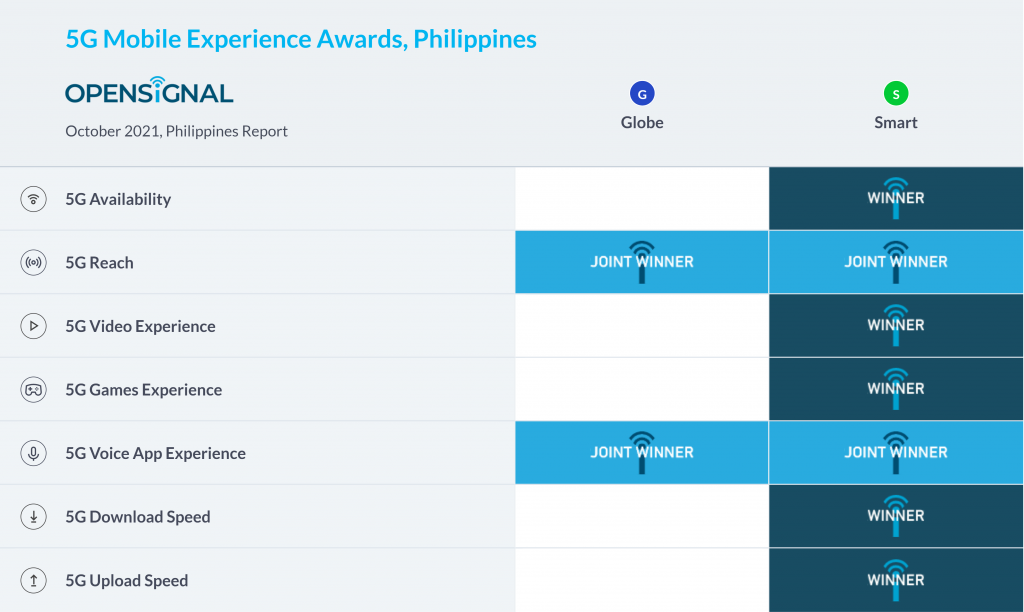
PLDT Inc. mobile services arm Smart Communications, Inc. (Smart) delivers a superior 5G experience to Filipinos as it wins in all seven categories of the first 5G Experience Report for the Philippines by independent mobile analytics firm Opensignal.

The report*, which covers July 1 to Sept. 28, 2021, showed Smart as the outright winner in five out of seven categories, including 5G Availability, 5G Download Speed, 5G Upload Speed, 5G Video Experience, and 5G Games Experience. Opensignal also declared Smart a joint winner in the remaining two categories – 5G Reach and 5G Voice App Experience.

Opensignal follows independent firms umlaut and Ookla in recognizing Smart’s network leadership in the Philippines

Impressive margins versus competition 

“Smart led Globe by some impressive margins when we compared our users’ 5G experience on both operators,” wrote Sam Fenwick, Opensignal senior analyst.

Smart won the 5G Availability category with a score of 11.9 percent, which means Smart 5G users spent 11.9 percent of their time with an active 5G connection. This is 3.5 percentage points higher than Globe’s 8.4 percent.

On the other hand, Smart clinched the 5G Download Speed category with 178.1 Mbps, which is 78 percent faster than Globe’s 100.1 Mbps. It also led in the 5G Upload Speed category with 18.4 Mbps, which is 72.7 percent faster than Globe’s 10.7 Mbps.

Best 5G Video and Gaming Experience 

Smart delivers the best mobile video streaming experience with a score of 77.9 points versus Globe’s 75.7 points on a 100 point scale. According to Opensignal, this indicates a “very consistent experience across all users, video streaming providers and resolutions tested, with fast loading times and almost non-existent stalling.”

Smart also provides its customers the best 5G gaming experience with a score of 71.9 points on a 100-point scale, 9 percent higher than Globe’s 66 points. “In most cases, the game was responsive to the actions of the player with most users reporting that they felt like they had control over the game,” noted the Opensignal report.

Meanwhile, Opensignal found Smart and Globe to be statistically tied in the 5G Reach category, a measure of how mobile users experience the geographical extent of an operator’s 5G network. Smart scored 3.7 points versus Globe’s 3.5 points on a 10-point scale.

Smart and Globe are also declared joint winners of the 5G Voice App Experience award, with Smart scoring 80.5 points versus Globe’s 79.2 points on a 10-point scale.

Series of recognitions from independent firms 

The recent Opensignal report and awards add to the latest series of recognitions given by independent firms to the Smart network.

Early this month, Smart won the ‘Best in Test’ award and was cited for its best-rated broadband coverage, user download experience, and latency experience,  by global benchmarking company umlaut. More recently, Ookla cited Smart as the Philippines’ fastest 5G network for Q3 2021, with a median 5G download speed that is “nearly twice as fast” as its competitor.

“These independent reports validate all our hard work unwavering efforts to deliver world-class connectivity to Filipinos and bring the benefits of 5G to our customers. As our 5G shift speeds up, we shall continue to improve our network to empower our nation and unlock unlimited possibilities for the careers, businesses, and passions of our subscribers,” said Jane J.Basas, SVP and Head of Consumer Wireless Business at Smart.

Smart now has around 800,000 5G users on its network, which is a 200 percent increase from the number of Smart 5G users in December 2020. To date, Smart has also fired up over 4,400 5G sites in more than 4,000 locations for the Philippines’ widest 5G coverage.

Make the Smart move now 

To better serve customers,  Smart has introduced pioneering 5G services such as the Signature Plans+, the first postpaid line-up in the country featuring Unlimited 5G access. Smart also introduced the country’s first Unli 5G data offers for prepaid subscribers in April.  Smart is also gearing up to make available more 5G devices that will allow subscribers to experience next-level speeds for their work, school, business, or entertainment.

More mobile users may now experience Smart’s fastest and widest 5G network without having to change their mobile number through Mobile Number Portability. To switch to Smart, simply visit x.smart/switch or head to the nearest Smart Store. Users can also make the Smart move now via the GigaLife App, which is downloadable on the Apple App Store and Google Play Store.

*Opensignal Awards – Philippines: 5G Experience Report, October 2021, based on independent analysis of mobile measurements recorded during the period July 1 – September 28, 2021 © 2021 Opensignal Limited.   


Spotlight is BusinessWorld’s sponsored section that allows advertisers to amplify their brand and connect with BusinessWorld’s audience by enabling them to publish their stories directly on the BusinessWorld Web site. For more information, send an email to online@bworldonline.com.

Join us on Viber to get more updates from BusinessWorld: https://bit.ly/3hv6bLA.

PHL, S. Korea strike free trade deal

REUTERS

THE PHILIPPINES on Tuesday concluded its negotiations for the free trade agreement (FTA) with South Korea, which is expected to boost trade and investment between the two countries as they recover from the pandemic.

Trade Secretary Ramon M. Lopez and his South Korean counterpart Yeo Han-koo said in a joint statement that both countries are committed to completing all domestic procedures that would pave the way for the signing of the Philippines-South Korea FTA in early 2022.

Once signed, this will be the Philippines’ second bilateral FTA after Japan.

“The international trade environment is currently undergoing rapid changes amid the unprecedented challenges posed by the COVID-19 (coronavirus disease 2019) pandemic… The Philippines-Korea FTA can contribute to the swift recovery for the robust and resilient growth of the economies of the two countries,” Messrs. Lopez and Yeo said.

South Korean news agency Yonhap quoted the Ministry of Trade, Industry and Energy as saying the Philippines will remove tariffs on 96.5% of all products traded, while South Korea will lift tariffs on 94.8%.

The Department of Trade and Industry (DTI) said, on the other hand, the Philippines “was able to secure tariff elimination for bananas,” which was excluded under the FTA between South Korea and the Association of Southeast Asian Nations (ASEAN). Bananas are one of the Philippines’ top exports to South Korea.

The DTI said the Philippines also secured an “improved tariff treatment for processed pineapples, as compared to the Regional Comprehensive Economic Partnership (RCEP) concessions.”

Mr. Lopez told reporters via a Viber message that banana exports to South Korea will have zero duty in five years, while the processed pineapples will be duty-free in seven years.

“This is a good deal for our farmers. Better market access in South Korea for Philippine bananas and processed pineapples,” he said.

The Philippines also agreed to remove barriers for the entry of more South Korean-made cars and automotive parts, Yonhap reported.

Mr. Lopez said tariffs on some imports of South Korean automotive parts will be eliminated in five years.

“With the RCEP agreement complemented by this bilateral FTA with Korea, the trade value of Philippine exports to Korea will now be substantially covered. Hence, it will make the Philippine exports competitive in the said market,” Mr. Lopez said.

Mr. Lopez also mentioned that South Korea accepted the proposals such as the inclusion of industrial development and cooperation agreements to address the pandemic and other public health emergencies. 

Both countries will further negotiate agreements for trade in services and investments not later than one year after the FTA is implemented, the DTI chief said.

The Philippines and South Korea started FTA negotiations in June 2019.

South Korea is one of the Philippines’ largest trading partners. Philippine exports to South Korea totaled $2.53 billion last year, 22% down from $3.24 billion in 2019, preliminary data from the Philippine Statistics Authority showed. South Korea accounted for 4% of export receipts last year. — R.M.D.Ochave

BoP position reverts to deficit in September

FREEPIK

By Luz Wendy T. Noble, Reporter

THE COUNTRY’S balance of payments (BoP) position reverted to a deficit in September as the government repaid its foreign currency debt obligations, the Bangko Sentral ng Pilipinas (BSP) said.

Data released by the central bank on Monday evening showed the BoP stood at a deficit of $412 million, reversing the surplus worth $2.104 billion a year earlier and $1.044 billion in August.

June was the last month the BoP was in a deficit, when the gap was at $312 million.

“The BoP deficit in September 2021 reflected outflows arising mainly from the debt service payment of the National Government’s foreign currency debt obligations,” the BSP said in a statement.

For the first nine months of the year, the BoP posted a deficit of $665 million, a reversal from the $6.878-billion surfeit in the same period of 2020.

At its end-September position, the BoP reflects the country’s gross international reserves of $106.6 billion, 1.3% lower than the $107.96 billion as of end-August.

This level of dollar reserves is enough to cover 7.7 times the country’s short-term external debt based on original maturity and 5.3 times based on residual maturity.

It is also equivalent to 10.7 months’ worth of imports of goods and payments of services and primary income.

The BoP gives a glimpse into the country’s transactions with the rest of the world. A deficit means more funds left the country, while a surplus shows that more money came in.

The BoP outturn reflected the wider trade deficit caused by higher import demand, ING Bank N.V. Manila Senior Economist Nicholas Antonio T. Mapa said in an e-mail.

Latest data from the Philippine Statistics Authority showed the trade deficit in August stood at $3.58 billion, wider than the $2.18-billion gap a year earlier. Imports increased 31.1% year on year to $74.18 billion.

“Remittances and BPO (business process outsourcing) call center receipts have not been able to sufficiently offset the trade gap,” he said.

Mr. Mapa added the BoP also reflected the lower foreign borrowings compared with last year when the government ramped up borrowings for its pandemic response.

“[T]he net result is more dollars leaving the country compared to coming in,” he said.

Data from the Bureau of the Treasury showed gross external borrowings as of end-August fell by 10% to P458.51 billion from P509.7 billion a year ago.

“We expect the BoP to remain in deficit territory barring any substantial borrowings by the government. This translates to pressure on the local currency to weaken as we close out the year,” Mr. Mapa said.

At its close of P50.68 per dollar on Monday, the peso has weakened by P2.657 or by 5.53% against its finish of P48.023 on Dec. 29, 2020.

Meanwhile, Rizal Commercial Banking Corp. Chief Economist Michael L. Ricafort said the BoP position may improve in the last few months of 2021, supported by inflows from the retail dollar bond issuance of the government in October and the proceeds from corporate fundraising activities.

The BSP projects the BoP to end the year at a surplus of $4.1 billion, which is equivalent to 1.1% of the gross domestic product (GDP). A slimmer surplus worth $1.7 billion or 0.4% of GDP is expected by 2022.

BIR prepares to tax digital transactions

THE BUREAU of Internal Revenue (BIR) has been tasked to set up a unit to track goods sold online as it prepares to tax digital transactions.

Finance Secretary Carlos G. Dominguez III told the bureau to work with counterparts in other countries, including Russia and South Korea, to “determine how to properly tax these digital transactions.”

He said the government must keep up with the surge in online sellers after consumers turned to e-commerce during the pandemic, the Department of Finance (DoF) said in a statement on Tuesday.

The House of Representatives last month approved House Bill No. 7425, which amends sections of the National Internal Revenue Code of 1997, on third and final reading.

The bill would impose a 12% value-added tax (VAT) on digital transactions in the country, including the digital sale of services such as online advertisements, subscription services, and supply of services that can be delivered through the internet such as mobile applications and online marketplaces.

It would require foreign digital service providers to collect and remit VAT to the BIR for all transactions that go through their platforms.

BIR Commissioner Caesar R. Dulay said he has discussed how the government will tax digital transactions with the bureau’s national investigation division. The bureau will at first have a task force that will monitor online goods and services sales, he said.

Local retailers have been supporting the bill as the industry flagged increasing competition from foreign e-commerce giants that are not subject to local taxes.

The Philippine Retailers Association said the lack of taxes on foreign e-commerce has created an unfair playing field for retailers and distributors registered in the Philippines.

The industry group called on the Department of Finance to validate the sales revenue of online foreign transactions, recommending that “strong” implementing rules and regulations would be drafted to make sure that all digital transactions have receipts.

The Bangko Sentral ng Pilipinas (BSP) chief has also supported the 12% VAT on digital transactions. BSP Governor Benjamin E. Diokno said that emerging and developed economies are aligned in their desire to tax online transactions, but added that smaller transactions should be exempt. — Jenina P. Ibañez

ADVERTISEMENT
ADVERTISEMENT