Home Blog Page 6039

Moving and going ‘forward faster’

Top experts share their insights on how the Philippines and businesses can speed up the country’s economic recovery, grow further, and build a more inclusive and sustainable future for all

Asian Development Bank

The pace of the Philippines’ economic recovery this year shows remarkable resilience, with the country’s growth among the fastest in the Asia-Pacific region. We expect the economy to reach its pre-pandemic level in the third quarter this year, and continue its solid expansionary phase going forward. We project growth for the Philippines of at least 6.5% in 2022, thereby returning to its ideal rate of growth over the medium term. Sustaining economic growth above 6% for the next six years requires maintaining infrastructure investments above 5% of gross domestic product, and continuing improvements in the investment framework to attract quality investments, both domestic and foreign.

New growth opportunities are emerging in information technology, renewable energy, logistics and in agriculture. Further investments in technical and vocational skills and education are critically important for preparing Filipinos to maximize the benefits from these opportunities. Climate change will pose major challenges to the Philippines’ growth trajectory, and therefore green investments in climate mitigation, adaptation and conservation are needed.

The government’s 8-point socioeconomic agenda recognizes these opportunities and the challenges ahead, and well places the Philippines to address them and sustain high and inclusive economic growth for the next six years and beyond.

Kelly Bird
Philippines Country Director
Asian Development Bank

Bangko Sentral ng Pilipinas
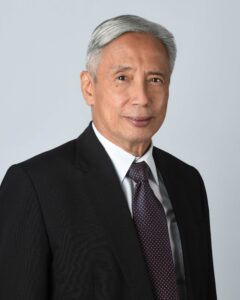
Dr. Felipe M. Medalla

The Bangko Sentral ng Pilipinas (BSP), together with the national government, is committed to bringing the economy back to its pre-pandemic growth level.

On our part, BSP is determined to help sustain economic recovery by creating an appropriate, growth-enabling and growth-enhancing macroeconomic environment through its three pillars of price stability, financial stability, and safe and efficient payments and settlements system. By successfully fulfilling its three core mandates, the BSP can help create the conditions conducive to economic growth. Nurturing the economy, including addressing inequality and resource distribution, is not the direct mandate of the central bank but a by-product of doing its three duties — and doing these well. That said, we will endeavor to do so, mindful of the risks from developments both locally and globally.

As we remain vigilant against risks to the inflation outlook. We will also carefully coordinate with other government agencies in implementing non-monetary interventions, so as to mitigate the impact of persistent supply-side factors on inflation.

We will continue to craft banking policies and regulations that would help ensure that the Philippines’ financial system continues to be sound and stable. We are aware of the key role that MSMEs (micro, small and medium enterprises) play in propelling growth at the grassroots, so we will continue to develop policies that will address their needs, as the country continues to lift itself from the deep impact of the pandemic.

Financial inclusion and the digitalization of financial services are also important to our economy as they enable more Filipinos to reap the benefits of economic growth. As such, we will foster an environment where financial innovation would be safe and responsive to the needs across sectors of the economy.

Against this backdrop of creating a growth-enabling macro environment, the BSP believes the county will achieve a faster, sustainable and inclusive economic recovery as we focus on key areas including:

  • Strengthening the health-care system. The government needs to craft long-term plans and strategies for the healthcare system so that it will emerge from the crisis stronger than before. It should foster closer public-private collaboration to bring about innovations in the health sector and further develop the country’s health-care infrastructure. In addition, it should increase investments in human capital, particularly in doctors, nurses, and other health-care professionals. The universal health-care system must be overhauled. The use of digital and IT systems must be promoted to make health services readily available, particularly in remote areas.
  • Modernizing and boosting agriculture. Low labor productivity has plagued the agriculture sector due to inefficient production methods and low investments in the sector. Also, government funding to agriculture must be increased but should be well targeted to sub-sectors and goods that have comparative advantage. Modernizing agriculture will require upgrading R&D, investing in new and climate-smart technologies, and providing the right incentives for farmers and agricultural workers to increase productivity.
  • Promoting manufacturing through sound industrial policy. Sound industrial policy focuses on innovation and new technologies at the national and regional levels. The government can promote manufacturing by supporting sectors that have strong backward and forward linkages. Manufacturers that have high labor absorption, especially those that can provide opportunities for less educated workers, must also be adequately supported. This industrial policy should also foster closer academe-private sector collaboration to maximize commercial returns to innovations resulting from R&D.
  • Accelerating information technology and digitization. Faster adoption of technologies should increase productivity in the industrial sectors, including manufacturing, power, mining, oil and gas, and agriculture. These technologies exploit improvements in data collection, computing power, and connectivity. They include internet of things (IoT), advanced analytics, robotics, automation, and advanced engineering techniques like 3-D printing. Various programs can be implemented to help MSMEs benefit from these new technologies faster. One-stop platforms and training programs could also be created to ease the transformation of these businesses in areas like targeted marketing, consumer behavior insights, logistics, and procurement
  • Preparing for a blended and hybrid educational system. Covid-19 derailed efforts to improve the quality of education. Significant investments in blended learning must be made such that the most essential learning competencies are highlighted. A curriculum review towards rationalizing and strengthening the K-12 and tertiary programs must also be done. Investment in teachers’ training and professional development must also be increased. Collaboration of community, school, parents, and learners in school improvement plans and governance must be fostered.

Dr. Felipe M. Medalla
Governor
Bangko Sentral ng Pilipinas

International Finance Corporation

Jean-Marc Arbogast

The Philippines, like most countries in the region, is slowly starting to recover from the impacts of COVID-19. The latest estimates by the World Bank show the economy grew 8.3% in the first quarter. Despite favorable economic conditions ahead, the reality is the needs of the Philippines still greatly exceed the government’s financial capacity. Just as in other countries, billions of dollars in private finance will be needed to bridge the country’s gaps in infrastructure and connectivity and improve its resilience to climate change.

So, to move forward faster towards a better Philippines, the private sector can help create a digital economy far more accessible to people through improved infrastructure and digital platforms. The Philippines is home to over 73 million internet users. The country needs a significant number of new towers and data centers to keep up with rapidly increasing network capacity requirements. Shared infrastructure will be key in addressing this need. It can be done. IFC just partnered with a new tower company, CREI Phils. Inc. to build 600 new towers by next year to be shared on an open-access basis, a first for a telco company in the Philippines.

Let’s also make it easier for small businesses to access digital platforms. The pandemic has shown us digital tools are crucial for micro, small, and medium enterprises (MSMEs) to thrive and survive. Growsari, an IFC client, is part of this digital transformation by providing sari-sari stores with e-services including telco loads, bills pay, e-commerce and wifi, allowing store owners to maximize their capital and easily expand their business. GrowSari’s platform also generates crucial data and insights into the stores’ operations while providing affordable, on-demand inventory and working capital loans.

Clearly, the private sector will also be vital in helping move towards a better country by bringing in the financing needed to meet other challenges, such as with infrastructure and health.

But an overarching need is to work together to meet the financing needs to tackle climate change. It’s not just a job for government. The private sector and financial institutions play a crucial role in aligning and transitioning their business to support the country’s climate goals.

IFC has played a big role in creating a market for sustainable finance in the country, not only through the issuance of the first green bond, but also in helping the Bangko Sentral ng Pilipinas (BSP) become a member of the Sustainable Banking Network, to support the BSP in promoting good governance and effective risk management among Philippine banks. IFC also helped the country’s largest private bank, BDO Unibank, to issue its first blue bond, with proceeds  to tackle marine pollution and preserve clean water resources.

For securing the Philippines’ future, there’s clearly a need to keep up the momentum. Ahead of COP27, IFC will stage a climate finance forum in September, bringing together global and industry experts to promote green lending and climate investment opportunities. It’s part of an IFC initiative to encourage banks in the Philippines, Egypt, Mexico, and South Africa to boost climate lending.

There is a lot of ground to cover, with zero time to waste. But we know securing a more inclusive and sustainable future for the Philippines will only be possible by drawing on the innovation and financing of the private sector.

Jean-Marc Arbogast
Country Manager for the Philippines
International Finance Corporation

UNDP Philippines

Dr. Selva Ramachandran

The pandemic has reversed decades of progress made in the fight against poverty. It has also brought in a “new normal” that is detrimental to the poor: more difficult access to healthcare, setbacks in educating our children in a remote set-up, risks to our environment and, the limited access of families to clean water and sanitation. COVID-19 worsened inequalities and exposed the precarity being faced by millions of Filipinos in the fringes of society.

As we pave the way to sustainable recovery, it is vital that we align our collective actions with the Philippine Development Plan and the UN Agenda 2030 to achieve the 17 Sustainable Development Goals (SDGs).

The 17 SDGs are integrated — that is, action in one SDG will affect outcomes in others, and that development must balance social, economic and environmental sustainability. The 2030 Agenda puts forward targets to recreate a world where NO ONE lives in extreme poverty. Where there is no inequality. Where we use our resources wisely and sustainably. Where we do not continue to degrade our environment. Where our governments are accountable to the people and the people are accountable to the planet we live in. The SDGs are far more than inspirations or words of good intent. They provide a guide for action in the key areas where countries, including the Philippines, will have to invest in order to move forward better after years of battling a pandemic.

Government plays a critical role to set a clear polies that can create an enabling environment for the Global Goals. They play a major role in shaping where and how resources are used. It is possible to avoid the waste, inefficiency, and corruption that ambiguous and contradictory policies – such as fossil fuel subsidies – encourage today.

The private sector, undoubtedly, also makes a significant contribution towards pandemic recovery and achieving the SDGs. By being “greener,” they can create:

MORE JOBS: Approximately 380 million jobs can be created, 90% of these are in developing countries

MORE OPPORTUNITIES: $12 trillion worth of market opportunities can be opened with sustainable business models

MORE VALUE: 2-3x growth compared to average GDP growth over the next 10-15 years

Mobilizing investment and an action agenda towards delivering the Global Goals requires the alignment of interests, incentives and policies between the public and private sector. To deliver, all parties need to cooperate more than ever before and for that to happen, trust across them is crucial. Portfolios and investment decision-making need to be shifted to make SDGs, green finance, sustainable infrastructure and development become the norm. Businesses must make sure they create well-paid jobs and provide decent working conditions and training.

In order to get there, investors must adapt their strategies to deliver not only financial results, but positive social and environmental outcomes as well. We look forward to seeing more investors and business leaders commit to investing in innovative opportunities that deliver strong financial returns while reducing poverty and inequality, advancing health and education, and protecting the environment.

Dr. Selva Ramachandran
Resident Representative
United Nations Development Programme (UNDP) Philippines

Acumen Strategy Consultants

Pauline Fermin

To speed up business recovery and grow faster, there are three major imperatives we are seeing based on all our researches and client engagements:

First, Customer Centricity. Reconnecting with customers to understand the needs and motivations behind their behaviors, decision making and purchasing patterns has never been a more pressing imperative given a lot of market shifts that we saw during the pandemic. This requires a deliberate effort and real discipline, not just lip-service. Identifying a core target segment of customers whose needs can be met by the business’ products and services in a relevant, differentiated, and credible way is the fundamental starting point. The rest of the task is to execute very well across the marketing and sales mix — pricing, distribution, customer service, communications, and logistics.

Second, Strategic Thinking coupled with Agile Execution. Market sizes have contracted, competitive heat is up and resources are limited — financial, time and organizational energy. Business leaders need to invest time in stepping back, assessing the situation as rigorously as possible and making hard, deliberate choices on where to play and how to win. Once there is a plan, be ready to execute but with an agile mindset of constantly learning, re-applying successes, and adjusting for wrong assumptions.

Third, Organizational Transformation.  This is the most challenging yet one of the most critical imperative C-leaders have told us in our pandemic research. The organization must be calibrated – its team structure, culture, as well as leadership approach – in order to meet changing customer needs and challenging market dynamics. Old ways of working must be unlearned (especially with digitalization), foundational skills must be re-learned and new skills must be learned and embedded. All these start with deep employee listening and organizational assessment.

Bottomline, businesses will go forward faster if they calibrate their business and organizational engines in response to changing landscapes. To do so, they’d benefit from external expertise to navigate through these steps who can provide objective, unbiased perspectives to enable them in making the tough decisions and adapting to change.

Pauline Fermin
President and CEO
Acumen Strategy Consultants

Bain & Company
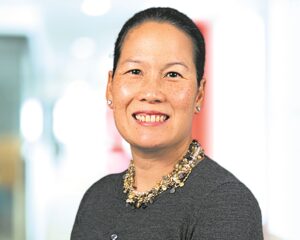
Patricia Buenaventura Nichol

We are excited to have established Bain & Company’s physical presence in Manila this year and look forward to helping businesses in the Philippines. With a more challenged and disrupted macro-economic environment (e.g., rising energy prices, supply chain turmoil, looming recession), our local leadership team together with our global experts have continued to help our clients work through their mitigation plans. The good news is that we have seen increased investment activity through COVID, attracted by the pace of consumer change, increased digitalization and a dynamic entrepreneurial environment.

Looking at 2022-2023, GDP (gross domestic product) forecasts have been revised downwards; however, we believe a couple of factors are helping to insulate Southeast Asian economies from broader macro turbulence resulting in a business outlook that is relatively more positive than the rest of world. Actions taken by companies today will be pivotal. Our research has found that companies gains and losses are significantly magnified in periods of economic downturns than during stable times. Businesses in the Philippines can position themselves for growth by carefully tweaking their strategies to adapt for a recession. These include actions such as (i) surgically restructuring costs before the downturn, (ii) diligently managing liquidity and the balance sheet, (iii) obsessively focusing on customers, and (iv) aggressively pursuing M&A opportunities.

The ‘new normal’ has become far more complex, with the now rising cost of capital, ambitious environmental, social, and corporate governance (ESG) commitments and material shortages in the global supply chain. These are critical nuances that will determine whether companies can ride out the recession and emerge from it more successful than when they began.

Patricia Buenaventura Nichol
Partner and Office Head
Bain & Company’s Manila office

Boston Consulting Group
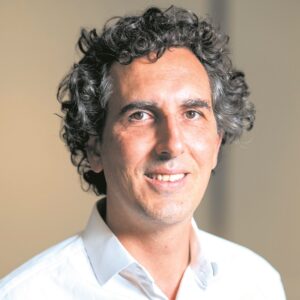
Anthony Oundjian

When faced with the extraordinary challenge of a global pandemic in 2020, the business community and public sector came together and collaborated at an unprecedented speed and scale to meet the challenge. In adversity, new ways of collaborating have come to life and ‘symbiotic’ relationships have helped mitigate both health and economic damages. The new Presidency has clearly registered the value of close public-private collaboration with the set up of its Private Sector Advisory Council, as a way to actively address and sustain dialogue between sector groups.

Defining a bold ambition for the country across a set of national priorities (e.g.: healthcare, education, financial inclusion, competitiveness) should help crystalize the national change agenda and provide clarity to all stakeholders. Businesses should act with boldness and confidence to further unlock the Philippines growth potential for the next decade, with a specific focus on addressing the most acute pain points and challenges of more market segments. Accelerating financial inclusion, digital inclusion, and work force inclusion would specifically be among the priorities.

Anthony Oundjian
Managing Director & Senior Partner
Boston Consulting Group

Ipsos Philippines

Vicky V. Abad

We are in a period of continued change. In our recent Ipsos surveys, both local and global, we see signals of moving on from the COVID-19 pandemic (turning endemic) and consumers’ worries shifting towards the rising inflation rates. Are we still in an era of constant disruption? How can we move Forward Faster as businesses and as a nation? If we apply long-term foresight and map out our certainties, we will have better-informed strategies and decisions in the future as it occurs.

While it is too early to tell the full impact of our current realities, we can look at the macro forces shaping our Planet, People, Systems, and Technology. Let’s look at “People” as a macro force, one of Philippines’ strengths is having a young and dynamic population ready to drive growth. When businesses and government initiatives focus on supporting and empowering this segment through education, we can better equip them as the world shifts to a service and knowledge economy. Aside from this, improving connectivity by strengthening communication infrastructure creates an even more literate and globally connected society. Down the line, funneling resources to education allows for better opportunities for employment and livelihood creation.

In the Ipsos 2021 Global Trends Survey, 89% of Filipinos surveyed believe there is a climate emergency. This is evident with our new economy of disrupted [just-in-time] supply chains and growing concern for food and water insecurity due to agricultural issues. Considering these and looking at the macro forces “Planet” & “Technology”, we know that technological solutions can help lead to efficient management of resources to address agricultural issues. Should our Nation’s focus on modernizing the agri-business bear fruit, we can anticipate improvements or even recovery in our economy.

Overall, we know that growth is no longer a long-term given. Aiming to move Forward Faster and prioritize inclusivity and sustainability will be a great challenge. Despite this and knowing how polarizing situations may get, if we learn to transcend our differences and take on our respective roles & functions in society, we will be able to move as one — even as the shifting power dynamics lead to new and emergent ways of being.

Vicky V. Abad
Country Manager
Ipsos Philippines

Isla Lipana & Co.
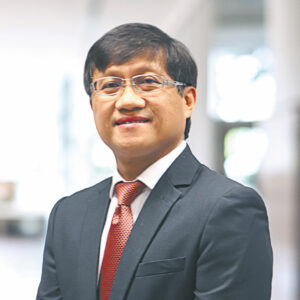
Roderick M. Danao

The Philippines is poised to post strong economic growth, post pandemic, given its strong economic fundamentals.

There is a consensus that the country will grow somewhere between 6 and 7% this year despite the expected headwinds brought about by inflation, underpinned by rising domestic consumption and sustained government expenditure on critical infrastructure.

However, despite our expected economic growth, the poverty rate remains to be a problem for the country. Official government data reported that our poverty incidence among Filipinos increased to 23.7% in the first half of 2021, higher than the 21.1% for the same period in 2018. This translates to 26.14 million Filipinos living in poverty or an additional 3.9 million.

So the challenge is: How do we accelerate our growth to build a truly inclusive and sustainable economy? Here are some of my dreams for the country:

a) Invest, adopt and support policies to build the resilience of micro, small and medium sized enterprises (MSMEs). They play a vital role in the country’s economy as they generate employment opportunities for the unemployed or underemployed Filipinos. The public and the private sectors need to work together to upskill and upgrade workers’ competencies, provide easier access to capital that they generally lack, and support the sector’s digital transformation. This will enable them to grow, expand and be more resilient. A thriving MSME sector is a big boost to the economy.

b) Increase investments in critical infrastructure across the country, either through government spending or credible/transparent public, private partnerships (PPPs). We need better physical and digital infrastructure across the country that will create and/or accelerate economic activities.

c) Increase productivity in, and make genuine transformation happen, for the agriculture sector. I am from a farming town in northern Luzon. The farming system has not changed since my elementary school days except for the isolated presence of tractors, which make land tilling fast and efficient. Beyond this, nothing has changed. Farmers remain under the control of unscrupulous traders, who charge usurious interest at a minimum of 5% per month. What about the institutionalized countrywide cooperative system and shift to high-value crops? Imagine if we reduce our dependence on imported agricultural products? These will surely enable our poor farmers to achieve economic prosperity.

d) Increase manufacturing output, new manufacturing facilities and investments. How do we achieve this? We need to attract more investments, be it local or foreign investors expanding in the Philippines. But we need to be more competitive and implement genuine reforms to improve the ease of doing business. While we improved our ranking in the World Bank’s 2020 Doing Business Report, we are still lagging behind our major ASEAN neighbors. Thanks to Cambodia, Laos and Myanmar, we are not at the tail end.

e) Accelerate transition to digital economy. E-commerce, no doubt, enables larger market access, drives expansion, hence a real economic multiplier. Based on a think tank study, the digital economy can raise economic output by at least P5 trillion by 2030. However, our workforce of the future must be technologically enabled, too. Real reforms are needed by the country’s education system so that we will not be left behind.

As a Filipino, I continue to dream and believe that one day, we will achieve an inclusive society where there will be no hungry Filipinos, where economic prosperity is felt and shared equitably. God bless our country.

Roderick M. Danao
Chairman and Senior Partner 
Isla Lipana & Co.

Kantar Philippines, Inc.
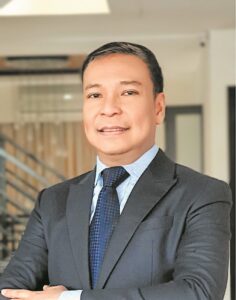
Gary de Ocampo

As we try to move on from the COVID crisis, we increasingly realize how crucial it is to adapt to how the pandemic has upended life and livelihood.

Most recent Google Mobility data shows that, despite the return to retail places, groceries, pharmacies, parks, transit stations and workplaces, the frequency of staying home remains higher than before the lockdowns, which indicates that the life-lived-at-home, or better yet, life-lived-close-by, behaviors continue. Sari-sari stores, in general, have recovered quite quickly from the business slump after lockdowns were imposed, and have been the primary source of growth for brought-home fast moving consumer goods purchases as of Q1 2022.1

People have a new set of concerns that have already affected priorities.  The pandemic and other threats to public health continue to worry people. In addition to this, social justice and climate change have also become more salient topics of interest.2 Filipinos, especially those exposed to online conversations about the matter, understand that we are in this situation because of people’s own doing, and we are willing to do the right thing to try to remedy the situation.  However, Filipinos need a lot of help to take the appropriate actions.3

Another source of worry is about the economy with two fifths of online adult Filipinos concerned about inflation4 even though most do not understand what it is and why it happens. All people know is that their money can buy much less than it could before, which then makes spending a much more difficult decision to make. There is also the global plague that affects mental health5, which, in tandem with the overhauling of priorities, has driven, to a large extent, the Great Resignation, which continues to be a big headache for businesses.

Digital is here to stay after its adoption has been brought to a point of no return through the lockdowns. eCommerce in the Philippines remains small, especially when compared to most other countries, but its continued growth is evident6.

For businesses to move forward faster, empathy will be key. The extent that consumers, customers, shoppers and even employees see and feel genuine empathy in the product and service innovations, and work arrangements that businesses make happen to address new or amplified friction points will determine in a big way how quickly these businesses can stage a rebound or sustain their recovery.

More than ever, businesses need to be where their target markets are and be ubiquitous there whether this means digital, delivery, pop-up stores or using any other relevant media and retail touch point.

People know and want to do what is right to avoid another calamity, but they look to businesses and the government to help them do what they know they must do because sustainable practices, products and services remain expensive and unwieldy.

It is not time for brands and businesses to be quiet because people continue to look for guidance as they navigate the new environment that remains in a flux. The businesses that can translate genuine empathy into products and services that address new or more relevant needs and that can deliver topnotch experience will be secure in the hearts and wallets of the Filipino.

1,6:   Worldpanel Division, Kantar.  Q1 2022
2,4,5: Kantar Global Issues 2022
3:  Kantar Sustainability Foundational Study 2022

Gary de Ocampo
Managing Director, Insights Division President
Kantar Philippines, Inc.

P&A Grant Thornton

Maria Victoria C. Españo

More than two years after the COVID-19 pandemic hit, experts are seeing an asymmetrical or an uneven post-pandemic economic recovery. Not all countries are moving at the exact same speed toward economic recovery. Concrete government actions, including improvement of existing fiscal or monetary policies and programs to address high inflation, are needed. In the Asia Pacific (APAC) region, increased regional cooperation were cited by experts as one way to prevent a skewed economic recovery across APAC.

But while the government plays a pivotal role in leading the Philippine economy toward recovery and growth, businesses and even professional partnerships play a part in achieving this goal.

Agility and Innovation

The pandemic has tested the business community’s ability to survive; nonetheless, some companies have found a way to not only survive but also thrive amidst the continuing pandemic effects. Some of the ingredients to pivot the company with cautious optimism are:

  1. Listening to the changes in the needs of the customers

The needs and focus of customer have changed, the channels where customer are also have changed. Companies need to continue to become more relevant in creating value to the customers.

  1. Being flexible in the needs of the employees

News of the great resignation or the great talent reshuffle is felt by businesses. The expectations of employees i.e. hybrid and work from home arrangements, criteria of focus and sustainability when choosing companies, etc. continue to evolve brought with the shift of working generation and escalated by the pandemic scenario. As an opportunity, companies now can look at expanding talent geographically and taking in better talent. As a focus, strategic human capital and culture has now become a board agenda.

  1. Reviewing and reinventing the business model

With the pandemic, companies are bound to look at the basics, i.e cash flows, business continuity, reinforcement of the vision, mission, and purpose. At the same time, companies employ their creativity to actualize opportunities out of the situation. This may mean changes in the business models, exploring partnerships, and developing new services, products, or channels.

For example, entering into partnerships, where two companies contribute and raise bigger funds for operating expenses, does not only ensure greater financial strength for business. The economy will also benefit from positive business outcomes as a result of strategic partnerships because successful businesses create jobs and help the government generate more revenue.

In all these, companies need agility and resilience in pushing forward by creating opportunities for themselves.

Digitalization and Technology Advancement

The fourth industrial revolution has been upon us even before the pandemic; nonetheless, the situation has allowed for greater reception and adoption of technology, has pushed for urgency in digital transformation in organizations, and has made itself indispensable in everyday life. The government, businesses, and other organizations have to continue going digital in improving processes, optimizing costs and revenues, and creating value to customers, stakeholders, and society. This is critical if we want the country to move forward and create a brighter future.

Collaboration and support

Different stakeholders have a role to play. The government is critical in developing policies and executing programs that can propel economic growth, encourage key growth sectors, support disadvantaged sectors, and create a stable and reliable economic environment. The business groups and the professional organizations have a role in advancing the needs of the business community and the people they represent and guiding them, as well as finding ways to communicate concerns to and [judiciously] support initiatives of the government. Businesses have a role as corporate citizens in contributing to society and environment. Collaboration and support of different stakeholders are needed to move forward faster and create a prosperous future for the country.

The impact that we hope for — Growth, Sustainability and Inclusivity

  1. Growth

Different stakeholders support the country’s growth. Businesses help the Philippine economy recover amid challenging times like this. Improved collaboration with the government and stakeholders, promotion of sustainability and inclusivity – all these are initiatives that can help us go beyond in ensuring continuous economic recovery and an inclusive and sustainable future.

  1. Sustainability

Companies can likewise help accelerate the realization of the UN’s Sustainable Development Goals. An example is using technology and digitalization in reducing their carbon footprint. Through automation and digital processes that speed up work processes and lessen, for example, the number of product shipments which contribute to carbon emission, the carbon footprint of supply chains can be reduced . Remote or hybrid work arrangements, now considered the future of work, also reduce a company’s carbon footprint. These policies, on top of putting a premium on CSR initiatives, can contribute a lot in ensuring a sustainable future while still securing work productivity and business growth.

  1. Inclusivity

Grant Thornton’s 2022 Women in Business Report showed that the Philippines ranked third in the list of countries which recorded the highest number of women leaders in mid-size firms. This figure is also in line with the average percentage of women in leadership roles across ASEAN.

While there remains a lot to be done in terms of breaking gender barriers and ensuring workplace parity, progress, no matter how small, is still progress. Businesses must continue to adopt a shift in mindset to make significant strides in addressing gender inequality in the workplace. Also part of bridging the gender gap is building more diverse and inclusive leadership teams.

Maria Victoria C. Españo
Chairperson and Chief Executive Officer
P&A Grant Thornton

Palafox Associates
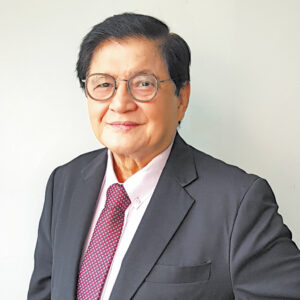
Felino “Jun” Palafox, Jr.

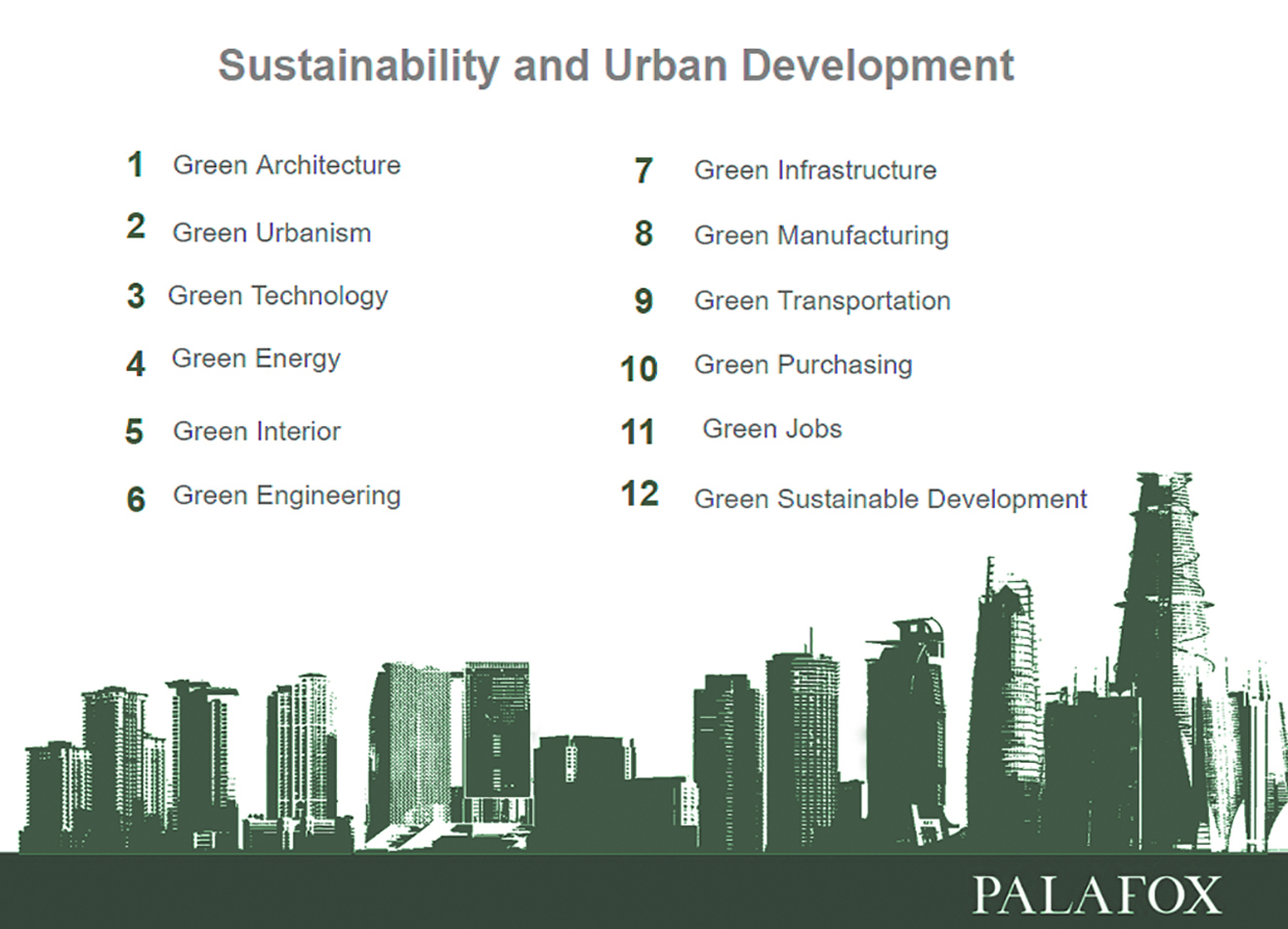
The Philippine population is projected to rise to 148.3 million by 2050. According to our studies, we will need 100 new well-designed, properly planned cities by 2050 to bring the Philippines to first world status. Critical social issues for the country include food security, which can be attained with designing an agropolis (city anchored on agriculture) encouraging urban, suburban and rural farming; and healthcare infrastructure in which we need at least 5500 new good quality hospitals in the next years. Right now, in a country of 110M people, around 2000 of our hospitals are substandard.

In 2021, Savills published a report listing the most resilient and future-proof cities in the world which includes New York, Los Angeles, London, Tokyo, San Francisco, Paris, and Seoul. We can study and learn from these cities — how they dealt with their cities’ problems, what worked for them and what didn’t — then we adapt these lessons to benefit the Philippines.

However, while a mission of building well-designed and empathetic built environments lead us to progress, affirmative change will only follow with vision and good leadership.

As evidenced by one of the quickest cities in the world to reach first world status, radical growth is led by visionary leadership, good governance, strong political will, and excellent management along with good appreciation of architecture, urban planning, and good design.
Even a leader with excellent foresight will struggle leading a country to progress if there is no vision and persistent will to do so. On the other hand, definitely, a dishonorable one will only bring us to our descent. Hence, good governance by a good, capable selection of leaders is critical to give the country a head start. We should address corruption, red tape, inequality, and criminality and promote transparency, open data, ease of doing business.

Among these, we must also emphasize on climate change adaptation where we modify our ways – from something as personal as proper trash disposal to wider applications like environmental policies and green building. We should not only “Build, build, build” but should “Build, better, berde”.

Linking the whole Philippines will also aid in spreading development and progress throughout the country which will alleviate poverty and bring about elevated living standards for Filipinos.

Building considering nationwide mobility, connectivity, and accessibility. Basic necessities at the minimum should be accessible to all.

Felino “Jun” Palafox, Jr.
Principal architect and urban planner; founder
Palafox Associates

Philippine Business for Education
Ramon R. del Rosario, Jr.

A healthy and educated workforce is the key to shared prosperity. When we talk about economic growth, often we put priority on physical infrastructure, but education is at least equally important. Investing in the learning of our people, upon whom nations are built, is an investment that comes with enduring benefits.

Everybody wins in education. For each individual, it bears promise of better employment, earnings, health, and quality of life. For our country, it is the key to long-term economic growth, poverty reduction, innovation, and social cohesion. Individual prosperity leads to the whole country’s prosperity.

In his first state of the nation address, President Marcos set out a big economic goal of slashing Philippine poverty to a single digit and growing the economy up to 8%. How do we take this giant leap? The challenge is daunting, but we must start by making major strides through proper education reforms. When well-nourished students stay in school to learn, they have an increased likelihood to break the cycle of poverty. Based on a simulation from Stanford economists, if we reform our education system in the next 15 years resulting in learners reaching the basic literacy and numeracy proficiencies based on international standards, our GDP (gross domestic product) is expected to increase on average, 28% per year, immediately after that 15-year period. And this effect is expected to last 80 years.

Right now, what is keeping us from achieving this goal is the longstanding education crisis. We cannot address our learning losses without sufficient resources. Historically, only 3% of our GDP has been allotted for the education sector. While the proposed budget for basic education now is at 4.3%, we still do not meet the global standard of 6%. We should spend as much for education as we do for physical infrastructure.

Just as with public and private partnerships in infrastructure building, the government can also count on private sector support in improving our education system. The convergence of tools, resources, networks, and technical expertise from the education and private sector is needed to address our country’s learning crisis. With Education Commission 2 (EdCom 2) finally becoming a law, we hope the private sector can be given a seat at the table and considered an equal partner as we strive for greater education and industry alignment.

Here are some of the strategies that we at Philippine Business for Education (PBEd) and our other partners in the business community propose in improving our education system:

  1. Bring all children to quality pre-Kindergarten to Grade 3 education and developmental programs.
  2. Improve the quality of instruction and teachers with the target that all learners meet basic skills based on international standards.
  3. Use the lens of lifelong learning in workforce development.
  4. Fully leverage private education to better complement delivery of services.
  5. Strengthen autonomy, coupled with accountability, of school leaders and local governments.

Shared prosperity in the Philippines can be achieved, within our lifetime, through education reforms. To move forward faster, this time let us try prioritizing investment in education.

By Ramon R. del Rosario, Jr.
Chairman, Philippine Business for Education (PBEd)

Philippine Disaster Resilience Foundation, QBO Innovation Hub, and IdeaSpace Foundation
Rene “Butch” S. Meily

Poverty is the country’s greatest ill. So we need to create jobs to give people an income and lift them up. We can start by focusing on MSMEs (micro, small and medium enterprises) since they make up over 90% of the Philippine economy. Government institutions and private banks can loan money to small businessmen to help them restart their livelihoods, many of which were affected by the COVID-19 pandemic and lockdown. Several startups, the telcos and others are pushing for the digitalization of MSMEs which would open them up to the growing world of online ordering and distribution.

We should encourage this trend and train our small business owners so they have the technological skills to avail of new resources. We need to incentivize the private sector including foreign companies to invest in the country by giving them tax breaks, easing restrictions on the flow of capital, and removing unnecessary regulation. Let’s make it easier for foreigners to put their money to work here and that includes lifting limitations on the ownership of land and various industries. Their investments will generate jobs and improve the infrastructure while increasing competitiveness in the local economy and freeing it from self-defeating protectionism.

Disasters knock Filipinos back into poverty. Therefore, we should develop tax-free PEZA (Philippine Economic Zone Authority) zones in disaster-stricken areas to enable them to rebound faster by encouraging investment and the creation of businesses and jobs. The government will earn more from the added revenues and higher property taxes than it ever would in a normal tax environment. We should upgrade our health care system so that all of our people are healthy and ready to work. In addition, we need to build more resilient communities so that we are better prepared for the more than 20 typhoons that hit the Philippines every year plus the earthquakes and volcanic eruptions that come from living in the Pacific Rim of Fire. People are ready when they have business continuity plans in place, emergency supplies, sturdier houses and can move their boats away from danger areas.

We should also advocate for population control to relieve the pressure of having to produce more and more jobs for over 110 million people. Any increase in our growth rate is reduced by increases in population size. We need to improve the educational system to restore our lost advantage of speaking English, as the President has mentioned, to allow Filipinos to compete globally for employment and locally for jobs in the BPO (business process outsourcing) industry. Good governance and a fair and impartial legal system will give our countrymen the best opportunity to rebound from the pandemic and rebuild their lives in safety and prosperity. It is said that fortune favors the bold and if we act boldly, we can finally achieve our dream of making the Philippines a First World country.

Rene “Butch” S. Meily
President

SGV & Co.

Wilson P. Tan

These are challenging times that call for greater collaboration between the government and the private sector in areas such as education, health, food security, energy sufficiency, employment, investments in infrastructure and technology, and climate change. We see businesses striving to regain their footing as the economy reopens after more than two years of crippling lockdowns. The pandemic has forced them to be agile and transform their business in order to make it through this global health crisis. But beyond surviving, they will have to shift gears and begin to focus on thriving.

The government can prop up businesses with the enabling infrastructure and environment. Time and again the Filipino’s entrepreneurial spirit has proven to be indomitable, but this is a special time for the government to lend a hand and nurture entrepreneurship as small businesses nurse their way back to healthier bottom lines. At no time has business and industry ever stopped emphasizing their preference for clear and consistent government rules and policies, but in this difficult time, policy stability should be a key ingredient in our business and economic recovery goals.

In all this, we believe that the quality of leadership in business becomes all the more significant, as leaders face changes in the way talents and even consumers interact with organizations and brands. For professional services firms like us, we see these challenging times as an opportunity to be of service by staying true to our Purpose as an organization – to nurture leaders and enable businesses for a better Philippines.

The crisis has called upon business leaders to lead with empathy, to protect the health and wellbeing of people, and to contribute to economic recovery. These are responsibilities that we will continue to cultivate in our conversations and interactions with business leaders. Our experience with the pandemic over the past two years has strengthened our resolve at SGV to continue to build trust in the capital markets and in business transactions, and to remain a strong catalyst for socio-economic development as we have always done so for more than 76 years now.

Wilson P. Tan
Chairman and Managing Partner
SGV & Co.
In a digital landscape, print remains at BusinessWorld’s core

By Adrian Paul B. Conoza, Special Features Assistant Editor

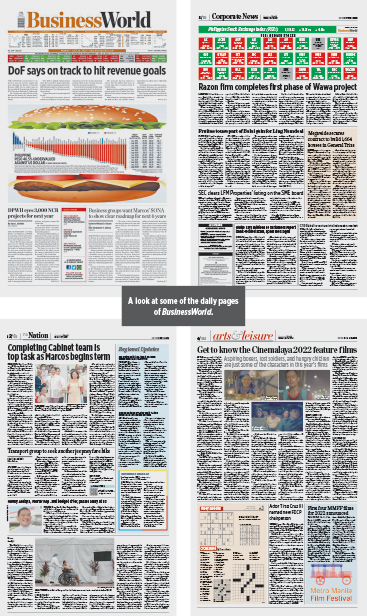
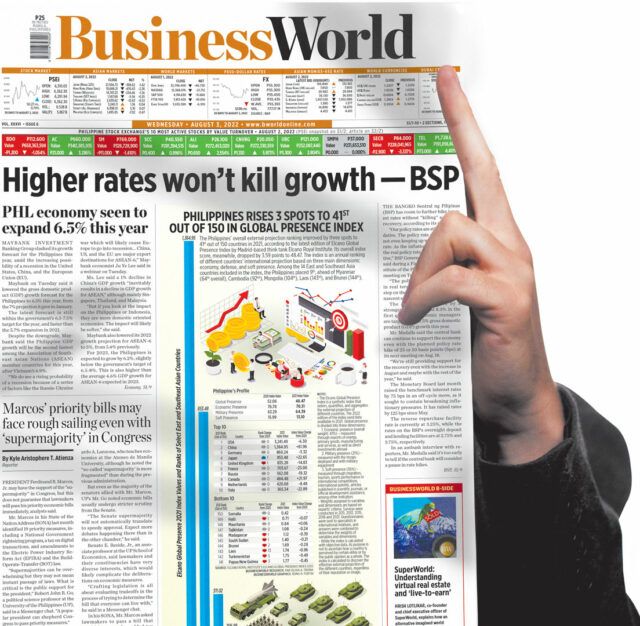
BusinessWorld has established itself as a daily essential reading for the Philippine business community — from executives, managers, and leaders, right up to entrepreneurs — as well as a good alternative to the usual titles. In every print issue of the paper, one can expect to get a thorough and comprehensive briefing on the latest developments and other information readers need to know and be aware of for the day.

It takes a collective effort within BusinessWorld — from the editorial staff to the people in the sales and marketing department — to bring reports, columns, stories, images, advertisements, and advertorials together and fit them all well within the pages and sections.

“The process of coming out with a newspaper every day is a team effort. You may only see the names of reporters and editors, but there are more people behind the scenes who work to make sure the newspaper comes out every day — the layout artists, proofreaders, researchers, editorial assistants, and graphic artists,” BusinessWorld Managing Editor Cathy Rose A. Garcia shared in an e-mail.

As managing editor, Ms. Garcia assigns stories for reporters to write and submit within the day, while the other editors decide which stories should be prioritized for the front page and which ones go to different sections. “We also make sure that all stories are not just well written but factual and objective,” she added.

Further describing an editor’s work, Alicia A. Herrera, one of the paper’s associate editors, notes that the work even begins before getting into the desk — which in her case includes checking on reporters and looking for leads over breakfast — and sometimes continues after.

Once at the desk, she sifts through e-mail messages, the submitted pieces from reporters and contributors, and relevant stories from the wires — then the main editing work begins.

“Depending on how well a story is written, I may just have to do some minor tweaks, perhaps adding some background. Other times, a full rewrite may be required. I search for photos and illustrations to go with the stories,” continued Ms. Herrera, noting that BusinessWorld editors traditionally did the actual layouts themselves.

Moreover, editors lend their time to train reporters, as Special Reports Editor Norman P. Aquino shared.

“That includes teaching them how to come up with stories that are compelling, balanced, fair and accurate — attributes that have always set our paper apart from the rest,” he shared. “After editing the Nation page in the afternoon, I also make sure that the reporters get feedback on their reporting and writing — from grammar and writing style to other aspects of the news gathering process. Being in contact with them during the entire process of news production ensures that stories are complete, well-researched and true.”

On the other hand, Sales and Marketing Director Jay R. Sarmiento is on top of ensuring that advertisements — from the full-page ones to the little ones detailing job openings — and advertorials get published on their respective pages as scheduled.

“Since we are on the advertising side and we sell multimedia advertising platforms, we make sure that everything is in place as far as meeting clients’ requirements and deliverables are concerned. At the same time, we make sure we do an integrated effort on print and digital implementation of ads,” Ms. Sarmiento shared.

Compiling these materials and putting each in the right places require close coordination, as creative director Crecencio I. Cruz explained.

“Laying out a page is like putting up a jigsaw puzzle,” Mr. Cruz said. “You try to fit the articles given. Although you are dealing mostly with text, you have to set the stories appealing enough to catch a reader’s attention,” Mr. Cruz added.

Once much of the materials get arranged, Hilario T. Matundan, production coordinator, handles the placement of ad materials before the entire issue gets printed.

“After the final proofreading of the pages by the proofreaders, I will now need to prepare for the final copy and process it by inserting the ad materials,” Mr. Matundan explained. After checking the page with the ad materials included, I can now send it to the plant via Internet for the printing of the newspaper copies.”

Managing through changes

With the coronavirus pandemic initially causing restrictions, closing the paper was a challenge at the start.

“While most employees were doing work-from-home setup, I was still reporting in the office. I’ve never heard silence that loud before,” Mr. Matundan recalled. “But I took that as a new challenge in my career to strengthen and improve my skills further. I felt that at that moment, the company needed me to be more committed and dedicated.”

For Mr. Cruz, putting up the paper became a little complicated. “The flow of work depends on the working style of the page editor. There are times when putting up a page is like laying it out three times — using the raw articles to check out the length, then the edited version and, finally, the proofread article available online.”

Two years since the pandemic, however, the sudden adjustments have become things the staff already get used to.

“It may have been difficult at first, but BusinessWorld editors have now become used to the new normal. Editing can be done without being physically present at the office,” Ms. Garcia said. “It’s still better, of course, to be at the office so that I can coordinate with people faster and more efficiently.”

Among the editors, Marifi S. Jara, the paper’s Mindanao bureau chief, is likely the one who is most used to working remotely. She observed, nonetheless, that covering stories have been much different than before.

“Having been a remote employee for the last eight years, the work-from-home (WFH) setup prompted by the pandemic was actually an ‘old normal’ for me,” she shared. “But the rise of webinars, online press briefings, and streaming of events made people and other sources of information so much more accessible. It also allowed for broader coverage possibilities across the regions.”

As a reporter, Michelle Anne P. Soliman witnessed this shift in fieldwork firsthand. “During the lockdown, events and conferences were conducted through Zoom. In 2020 to 2021, Zoom events are scheduled within the week. Per day, there were a maximum of three to four events on Zoom,” she shared.

“With the return of physical events early this year, I cover two to three physical events in a day. Some conferences remain online such as pressers for local series, film, and album launches,” she added, noting that fieldwork has gone more hybrid recently.

This shift to hybrid work is something reporter Patricia B. Mirasol shared she very much appreciates, especially that covering on-site events has a distinct edge. “When the pandemic struck, everything literally shifted to the virtual platform,” Ms. Mirasol said. “Zoom is super great, but nothing beats the energy of physical interactions.”

Editor Victor V. Saulon observed, however, that recent situations have made it harder for reporters to do ambush or chance interviews since in-person events and press conferences are still limited. “Now, sources can choose to ignore you when you text, send an email or call. But it’s easier in a way because you don’t have to suffer Metro Manila traffic, for now,” he added.

For Josielyn Luna-Manuel, the paper’s special features editor, remote work has shown many advantages.

“For special features and advertorials, most of our coverages or interviews with our sources are now done virtually or through e-mail compared to pre-pandemic days when writers usually need to attend physical events or do personal interviews with executives,” Ms. Manuel explained. “The whole process of producing content — from client briefings to interviews, writing and editing, layouting, and securing approvals — has been less time-consuming and more efficient now.”

In sum, amid the said challenges and perks, putting up a newspaper has surely gone paperless, as Ms. Herrera noted. In fact, the late Raul L. Locsin, BusinessWorld’s founder, predicted this beforehand.

“Mr. Locsin had said decades ago that with e-mail and with wires accessible via terminals (rather than the old teletype-style machines with their huge rolls of paper) we would stop using paper in the office,” Ms. Herrera shared. “This never really happened until the COVID lockdowns. Press releases are now sent to us via e-mail — no more stacks of envelopes to sort through in the morning. This is a welcome change as it is now a matter of cut-and-paste then editing rather than having to type up the release ourselves.”

Motivations

Amid all these changes, nonetheless, a dedication to continue to serve the purpose of BusinessWorld, which also translates to a commitment to excellence, remains a driving force for the people behind the paper.

“We believe in the mission of BusinessWorld. We love our readers and clients, and we have employees and their respective families to take care of. Those are more than enough inspiration for us to do our role in closing the paper despite the challenges,” Ms. Sarmiento shared.

For Ms. Jara, what keeps her motivated is the fact that BusinessWorld gives a platform “to somehow contribute to nation-building, particularly in terms of highlighting growth potential and opportunities outside the capital region.”

For Ms. Manuel, in spite of work-related and personal challenges brought by the pandemic, keeping in mind the impact that their team’s work could bring serves as an inspiration.

“Knowing that our work today makes an impact tomorrow — both for the company and the public it serves — no efforts are wasted. We only get stronger, more skilled, and prouder to be part of something bigger than ourselves,” Ms. Manuel said.

For others, it is more about experiencing the joy in the work they do, as well as in seeing the finished product.

“I consider the fieldwork I do as a life bucket list,” Ms. Soliman said. “It’s been an enriching experience to be in a room with, and to interview or converse with young and established people in arts, culture, and entertainment.”

“It is also a privilege to see and watch their body of work and listen to them talk about their craft. There is also a lot to learn of our history and culture when traveling to provinces, and other cultures from abroad,” she added.

“Working on a newspaper for more than two decades and seeing your work on the following day in print and online is enough [motivation],” Graphic Artist Bong R. Fortin said. “Stress is always a part of it. Finishing everything and pushing your work before the off stone is the challenge.”

Family and loved ones also serve as an inspiration, nonetheless.

“I always tell myself that I have to do my best in my job no matter what as if this will be my first and last job, by God’s will. But if there are moments when it is really difficult or stressful, I always think of my family. I am happily married with five children, who are all my inspiration to continue striving in life,” Mr. Matundan shared.

A medium to stay

The past years saw BusinessWorld fulfilling its purpose through new means, particularly on-the-ground and digital platforms. Yet, even in these times when people often turn to screens for information and diversion, a newspaper that can be held and flipped through still remains a useful and indispensable medium.

Aside from providing a public record of history, Ms. Garcia stressed, newspapers like BusinessWorld have an important role in highlighting deep, insightful stories over “clickbait” news flooding social media.

“For me, there’s still nothing like the look, feel, and even the smell of the printed newspaper,” she added. “Flipping through the pages of the paper, you can find stories that you would never see on your Facebook timeline but are more important than the latest celebrity news.”

“The barrage of information that we get can be overwhelming especially in the advent of fake news, so it really matters where you get it. I think that’s where traditional mass media comes in,” Mr. Aquino noted.

A physical paper is even still preferred at present, even among the paper’s target audience. “Many of the business sources that we have talked to are now physically back in the office. They still look for a printed newspaper when in the workplace,” Mr. Saulon shared.

Print also has a distinct way of presenting information and catching and keeping attention — which seems to be a hard thing to get nowadays.

“I think that because the editorial choices are made by people, you see a greater variety of topics on paper than you would online. You flip a page and find yourself engaged by a headline that would never have been presented to you online,” Ms. Herrera said. “The world expands in print; because of the algorithms, it shrinks online.”

“I think printed newspaper, like a traditional book, has a power of forcing the reader to fully focus on that thing on hand, which probably means better knowledge absorption, understanding, and critical thinking,” Ms. Jara said. “And there is joy in holding, reading that paper — something that perhaps needs to be discovered by the digital generation.”

An award-winning forum in the country’s business scene

By Adrian Paul B. Conoza, Special Features Assistant Editor

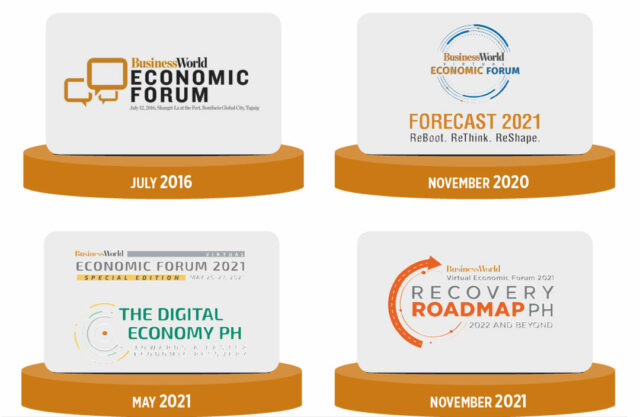
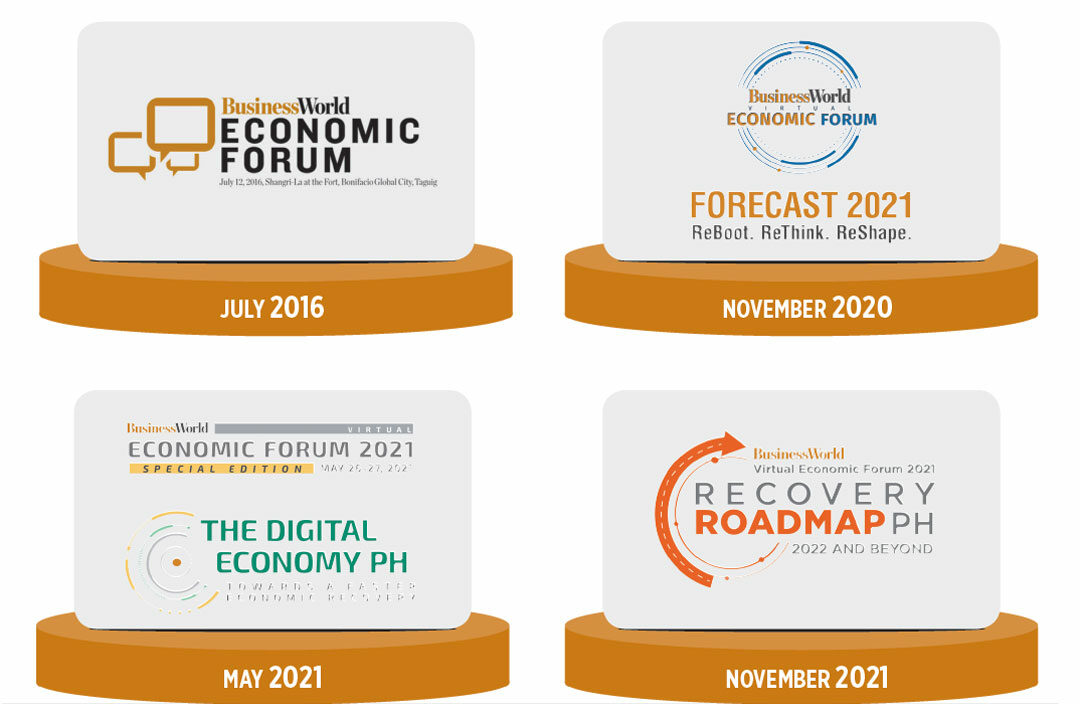
The past 35 years have seen BusinessWorld evolving from solely a newspaper covering business developments to a platform for events where its intended audience get to hear discussions about the latest insights and outlooks. Among these events that the media outfit holds regularly, the BusinessWorld Economic Forum has established itself as one of the most-awaited annual gatherings for the Philippine business community.

The forum started in 2016, when BusinessWorld saw potential in mounting an annual on-ground large-scale event as an additional revenue stream and content platform. By that time, the newspaper industry started seeing a continuous decline in print revenue.

The inaugural Economic Forum was themed “Charting Progress to 2020,” with MVP Group of Companies Chairman Manuel V. Pangilinan, former Finance Secretary Carlos G. Dominguez III, and former Vice-President Maria Leonor G. Robredo as key speakers, alongside several panelists from both public and private sectors. The forum was attended by 850 top executives, business owners, and decision-makers from different sectors in the country.

Succeeding editions further made the Economic Forum an event that the business community cannot afford to miss since it highlights the latest key issues, developments, challenges, and opportunities shaping the economy.

Bringing these things to the fore has been the forum’s trademark, BusinessWorld Executive Vice-President Lucien C. Dy Tioco noted.

“The Economic Forum really speaks of BusinessWorld’s clout over the business community, and it has served as the brand’s premium that people have regarded as the benchmark for knowing the state of our economy,” he shared in an interview.

The annual BusinessWorld Economic Forum is also notable for bringing together government officials, executives, thought leaders, and industry experts from the country and even abroad in one place.

“It (the forum) helps bridge the gap between the private and public sector, and it gives them the opportunity to dialogue and eventually work together for the benefit and growth of the country as a whole,” BusinessWorld Sales and Marketing Director Jay R. Sarmiento shared.

“Even when we were doing a physical event (of the forum), you could really see the people who are the ‘Who’s Who’ of business in one place. That is remarkable, which you don’t see in other business conferences,” Mr. Dy Tioco added.

Year 2020 brought a long lockdown across the country due to the coronavirus disease 2019 (COVID-19) pandemic, but this did not stop BusinessWorld from holding the forum. Instead, it shifted from on-site to online in November that year as the BusinessWorld Virtual Economic Forum (BWVEF), with the theme “Forecasts 2021: Reboot. ReThink. ReShape.”

That edition had 43 local and international personalities, including Børge Brende of the World Economic Forum (WEF), Bernardo Mariano, Jr. of the World Health Organization, Ndiamé Diop of World Bank, and Kelly Bird of Asian Development Bank (ADB). The discussions focused on how businesses and the economy can move forward amid the pandemic, with topics like “The Great Reset,” COVID-19 vaccination, digital transformation, and “new normal” trends, among others.

As digitalization has accelerated during the pandemic — from businesses digitally upgrading their operations to consumers turning to digital tools for work and transactions — BusinessWorld put the digital economy in focus with a special edition of the BWVEF, themed “The Digital Economy PH: Towards a Faster Economic Recovery,” in May 2021.

Keynote addresses were delivered by Fernando Zobel De Ayala, president and chief executive officer (CEO) of Ayala Corp.; Bernadette Nacario, country director of Google Philippines; and Kais Marzouki, chairman and CEO of Nestlé Philippines. Discussions centered on bridging the ‘digital divide,’ hybrid work, and omnichannel strategies, to name a few.

The following November, the virtual forum brought together almost 50 international and local experts to draw and form the “Recovery Roadmap PH: 2022 and Beyond.” This edition was highlighted by keynote presentations from Changyong Rhee of the International Monetary Fund and Francisco Betti of the WEF. Discussions tackled pandemic-led shifts, business resilience and sustainability, emerging industries, and connectivity, smart cities, climate change, and circular economy, among many others.

“It really showcases the Philippines’ resiliency… because we have provided several cases where there have been success stories and several innovations by the Filipino business community,” Mr. Dy Tioco said of the 2021 edition.

Conversations on moving forward in the new normal continued last May when the forum delved into the various accelerated and emerging changes that are set to influence businesses in the near future.

With the theme “Revolutions 2022: Navigating the Changed World,” the recent BWVEF featured presentations on four tracks characterizing the ‘revolutions’ that are set to define the global landscape, namely Sustainability, Industrial, Internet, and Human Revolutions.

An economic outlook and agenda for developing Asia, delivered by ADB Chief Economist Albert Park, set the tone for the forum’s track presentations and related discussions, which covered topics like transformations in corporate leadership, setting net-zero targets, shifting business game plans, the metaverse, and the “Great Resignation” trend, among others.

BWVEF has been hosted on an interactive platform featuring a 360-view degree, animated videos mimicking a physical venue; an open room for networking opportunities; exhibit hall; live polls; photo booth; and a comments and questions tab for interaction with the speakers.

MEANINGFUL DIVERSIFICATION
With the insightful discussions it has held with top local and global minds, the BusinessWorld Virtual Economic Forum has become a valuable asset for BusinessWorld, making the brand further stand out among other media companies. Along with other digital-focused initiatives, the forum has helped the company ride the disruptive tides of the pandemic.

The BWVEF in 2020 is notable for having gathered 1,200 attendees, with 40% of attendees comprising C-level executives and department heads. Going beyond its target attendees by 108%, BWVEF 2021 had a total of 538 attendees, 66% of which are presidents, vice-presidents, C-level executives, directors, and regional heads. BWVEF 2022, on the other hand, garnered 651 registrants.

Complementing these numbers, feedback from attendees, speakers, and sponsors further shows the forum’s established relevance.

“The expressions of gratitude given to us by the attendees from the comments box, the positive feedback from speakers as well as their willingness to always accept our invitation, the influx of new sponsors, and the other sponsors’ continued patronage of our forum from physical to digital are clear proof of the success of the forum,” Ms. Sarmiento shared.

Further testifying to the Economic Forum’s solid relevance are recent recognitions BusinessWorld received from esteemed award-giving bodies.

The first BWVEF is among the winning entries in the 19th Philippine Quill Awards, which honors the best communication programs, tools, and research projects. That edition is also one of the top contenders under the Communication Skills division of the awards program. The top awardees of the 19th Philippine Quill Awards will be announced on Aug. 18.

BWVEF 2021, meanwhile, won a special award from the 21st Asian Media Awards (AMA) of the World Association of News Publishers, the global organization of the world’s press.

The said edition was given a special Silver award for the Best Revenue Diversification Project/Product/Service under small/medium news media companies with annual revenue of less than US$10 million. The category recognizes “new innovative news-related projects/products/services which engage audiences and increase media brand awareness while creating a new and sustainable revenue stream.”

For BusinessWorld Editor-in-Chief Wilfredo G. Reyes, this most recent award proves how BusinessWorld can effectively and productively transcend from the paper into a very different platform.

“This achievement acknowledged our ability to promptly seize opportunities to produce and deliver content, and at the same time earn from doing so. Meaningful revenue diversification has been newspapers’ elusive quest for decades,” Mr. Reyes said.

With the special award from AMA, BusinessWorld joins this year’s roster of reputable Asian publications, which include Japan’s Nikkei Asia, Hong Kong’s South China Morning Post, Singapore’s SPH Media, and Indonesia’s Media Indonesia.

“I just feel that our win on the Asian stage is just one step over being recognized globally,” Mr. Dy Tioco shared.

The next BusinessWorld Economic Forum is planned to be held this November in a hybrid mode. Delegates can choose between attending online or on-site.

“We’re really excited because it’s a chance to be seeing face-to-face again. Fingers crossed, hopefully, there’s nothing untoward that will happen by that time,” Mr. Dy Tioco said.

Keeping pace with the ever-expanding online and social media

By Chelsey Keith P. Ignacio, Special Features Writer

Online and social media channels continuously develop more ways for businesses and brands to connect with more consumers. As they keep on expanding, BusinessWorld also keeps its pace by leveraging on the digital space and social networking platforms to create various means to tell stories and engage its audience.

For 35 years now, BusinessWorld has been reporting about the economy and different industries in print. Articles on the newspaper’s print edition are also published on its website BusinessWorld Online (www.bworldonline.com). Social media users are  directed to some of these stories shared on its Facebook, Twitter, and Instagram accounts. But BusinessWorld also goes beyond the article itself to deliver information to its readers through other multimedia platforms.

“With technology consistently changing, BusinessWorld had to keep moving forward and use whatever benefits those changes offer. From the layout to content offerings, livestreaming events, producing videos and podcasts, the news organization saw the availability of different software and platforms as an opportunity to expand and create more content,” BusinessWorld Digital Services Head Jose Niño D. Nicolas III said.

“Since social media platforms keep on evolving, it’s important that we stay updated and keep an eye on these changes so we can adapt accordingly; adjust our strategies to our audience’s current needs and constantly educate ourselves on marketing trends and trends in general,” added Aren Mae M. Cayetano, social media specialist at BusinessWorld.

Among the different ways used by BusinessWorld to tell a story to its readers is through its B-Side podcast.

“The dedication to the journalistic craft is the same regardless of form. We want to get the story right for our audience, whether that story appears online or in print,” said Sam L. Marcelo, BusinessWorld’s multimedia editor and one of the podcast’s producers.

B-Side podcast episodes further discuss the stories already published by the newspaper. But what makes telling a story different in B-Side?

“The B-Side podcast is more free-flowing and raw,” said Ms. Marcelo. “It’s like you’re listening in on a conversation between BusinessWorld reporters and their sources. Audio is a more intimate medium: the voices of the people who make the news are in your ear.”

Since it kicked off in 2020, B-Side’s progress could be seen with reporters being able to cast a wider net and gather local and international perspectives to have a better understanding of current issues, shared Ms. Marcelo. An example of this is its two-part podcast episode on “Russia, Ukraine, and the Philippines,” which invited Chester B. Cabalza, a security anthropologist at the University of the Philippines; and Collin Koh, a research fellow at the S. Rajaratnam School of International Studies of Nanyang Technological University in Singapore. “You have two esteemed political and defense analysts providing insights on the same issue from different angles,” she said.

By the fourth quarter of last year, BusinessWorld expanded B-Side by delivering 30-minute buyout podcast sessions, where industry experts are interviewed and share their insights on relevant topics.

So far, five sponsored podcasts have been premiered on B-Side, where it has worked with brands including Tata Consultancy Services and Metrobank, and soon with Globe Business.

BusinessWorld’s presence in the podcast scene has also been growing, as B-Side averages around 100-200 downloads per episode.

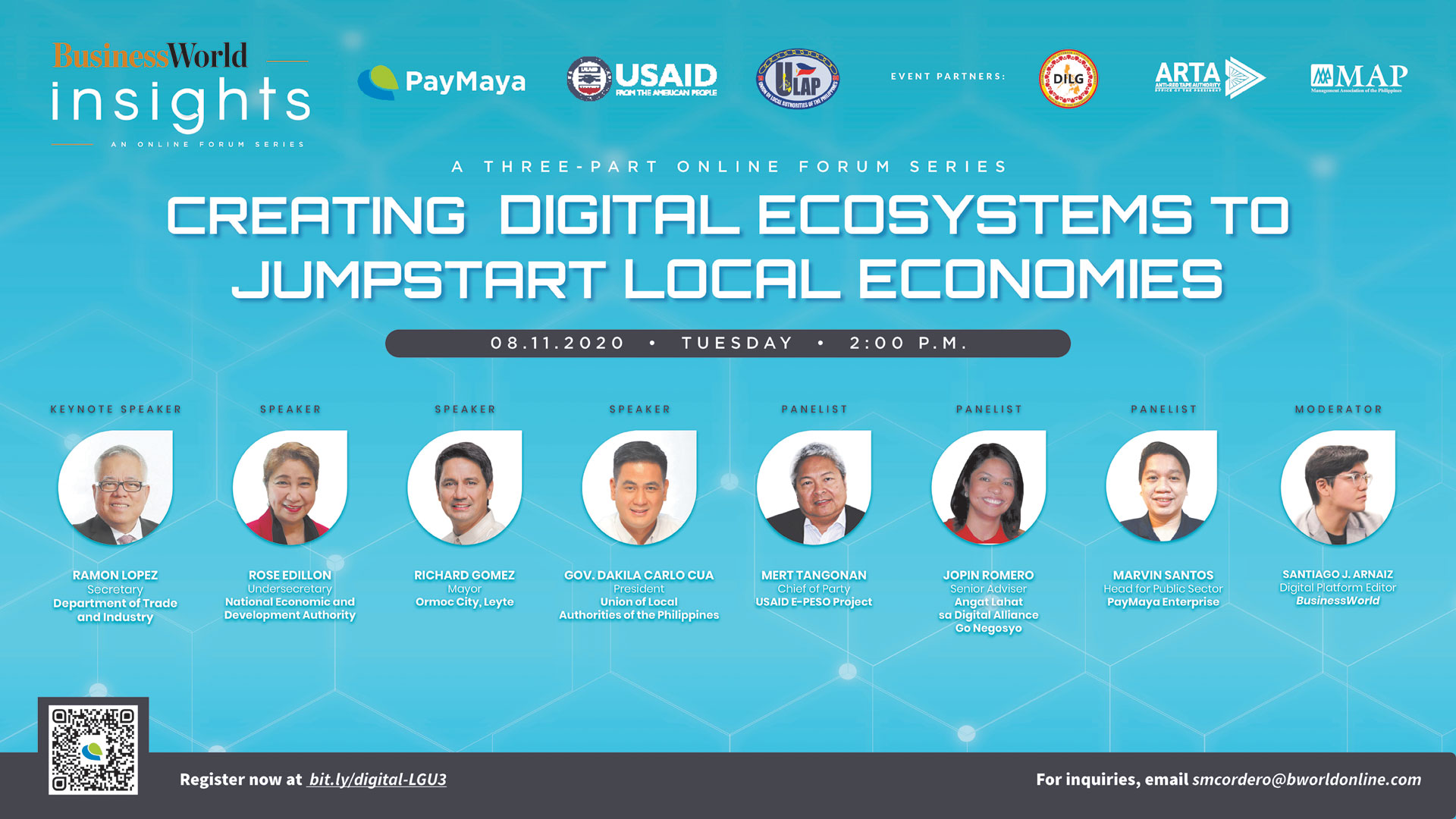
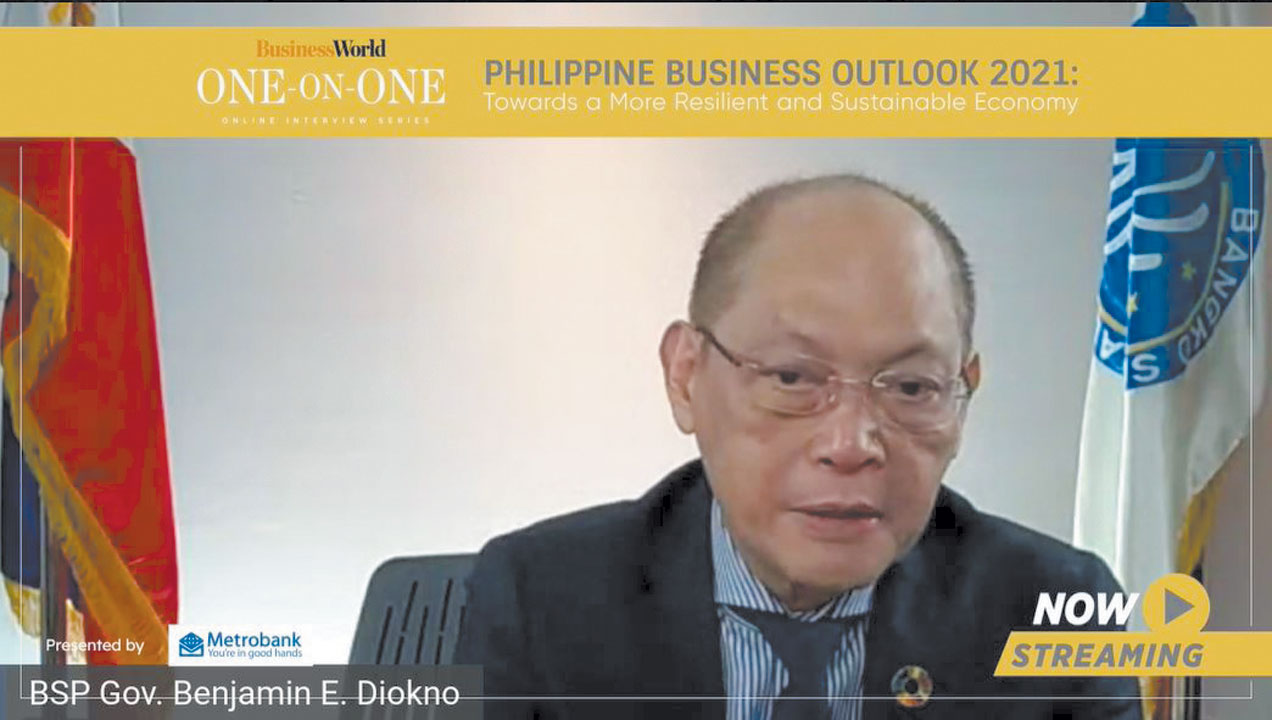
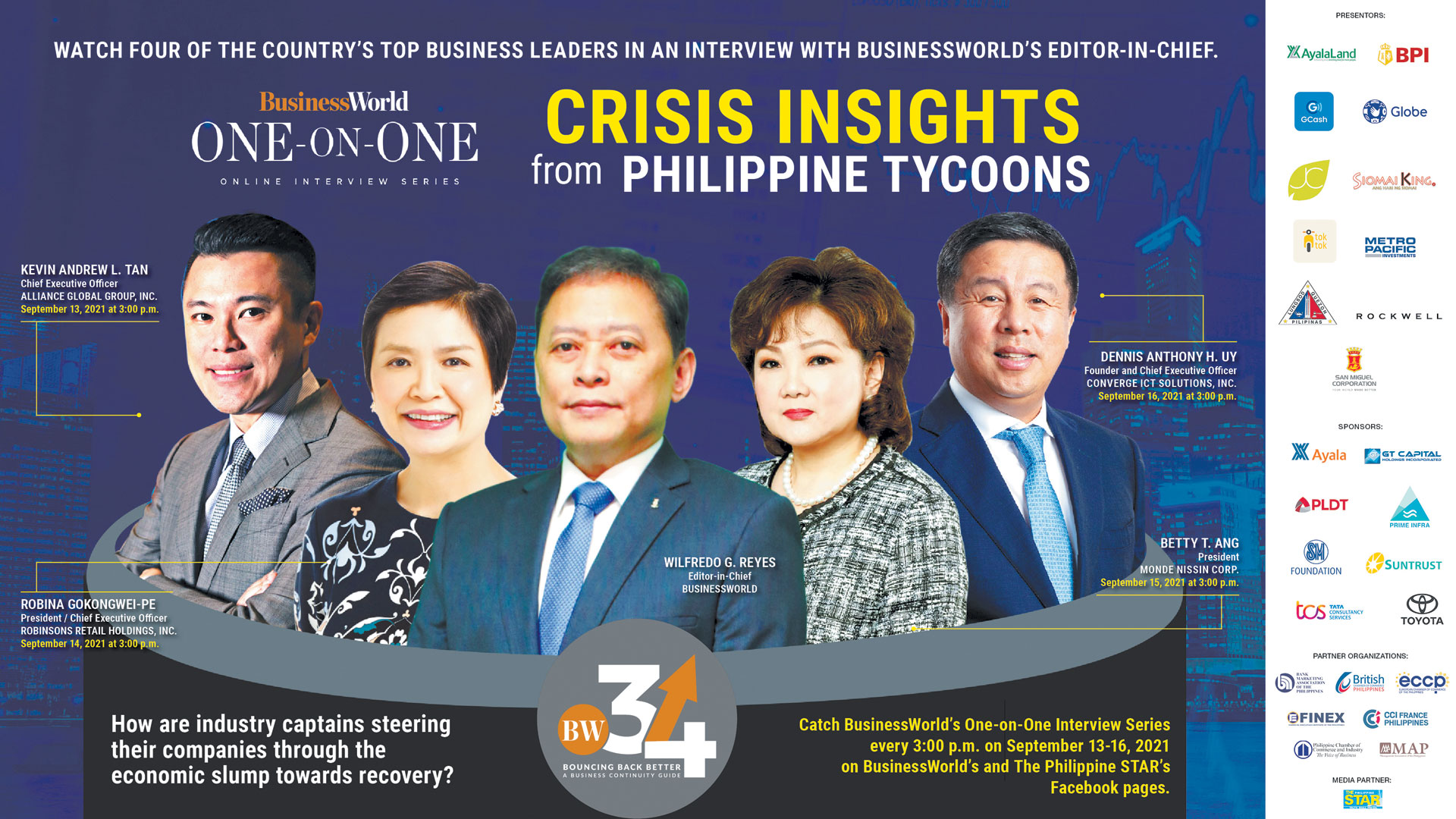
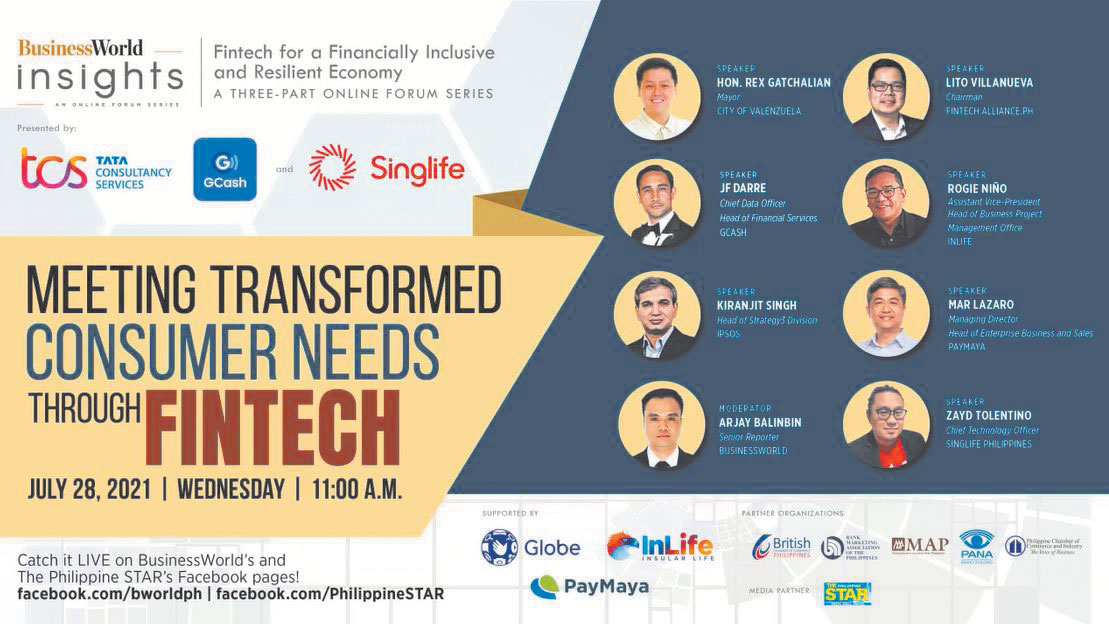
Aside from B-Side, BusinessWorld also holds more discussions with industry leaders and experts through its online fora BusinessWorld Insights, BusinessWorld One-on-One, and BusinessWorld Virtual Economic Forum.

MORE PARTNERSHIPS
By introducing various mediums for content, BusinessWorld has also provided more ways for brands to reach their target audiences.

“We’ve also revamped our website to accommodate more display ad inventories and introduced opportunities for collaboration with brands by way of sponsored articles, infographics, videos, and other executions,” BusinessWorld Digital Sales Lead Jao A. Malapo said.

BusinessWorld Online dedicates a space focused on brands through Spotlight, a section where they can showcase and talk about their products, services, and other initiatives.

“More brands have been consistently partnering with us through our Spotlight (branded content) and Portfolio (branded video) services, as they are effective in allowing them to reach their target market in a more creative way,” shared Mr. Malapo.

In addition, BusinessWorld has been partnering with brands in producing online fora and podcasts.

“BusinessWorld Online has become the authority in creating webinars and online forums,” said Mark Julian B. Cunanan, digital sales manager of PhilSTAR Media Group and former digital sales lead of BusinessWorld. “In fact, BW Insights has become a part of the sales team’s advertising program every month. BusinessWorld is quietly owning the podcast space also through B-Side.”

“Thanks to our large following on social media, we’re able to push our partners’ content and messages further to a market/an audience that’s discerning, engaged, and particularly interested in what these brands can offer to the community,” added Mr. Malapo.

FURTHER ENGAGEMENT
From producing podcasts and virtual fora, more avenues to tell a story will soon be opened by BusinessWorld to further keep its online audience informed and engaged.

“In expanding BusinessWorld’s social media presence, content is king, and engagement is key. Though the online fora have provided avenues for discussions among the readers, more frequent engagement is planned,” Mr. Nicolas said.

One of the developments to look forward to this year is the launch of its parallax special reports, which will be a multimedia project that will seamlessly meld literature, photography, and videography into a single, special report.

“This project aims to make use of the various expertise of the BusinessWorld digital team, with the hopes of delivering sometimes complicated content made into a compelling visual story that is made easier to understand,” Mr. Nicolas added.

He also shared more new offerings, such as BW Vox Pop, as well as explainer videos that are made compatible to be viewed on Facebook and TikTok.

“The revival of BusinessWorld explainers and animated infographics, which will be focused on reaching more audiences on social media, is also in the works,” he shared.

A GROWING COMMUNITY
Beyond providing timely reports and discussions to readers, BusinessWorld also seeks to use social media to build a community where business people can connect with each other.

Last year, BusinessWorld launched the BW Lounge Viber community, where it shares its upcoming  events, front pages, links to stories for readers to catch up to, art cards, and infographics, among others.

“BW Lounge was created in order to establish a new channel to promote BusinessWorld events, projects, and content. But other than that, the team is positioning BW Lounge as an open platform where business people, investors, brands, and startups can interact and meet each other,” Mr. Cunanan said.

He added, “The goal is to establish a new community of digital users for BusinessWorld outside of the usual social media and website.”

As of writing, BW Lounge has gathered nearly a thousand members.

BusinessWorld also came out of 2021 with its momentum gotten back and online traffic having gained a little bit over its pre-pandemic figures, according to Mr. Nicolas.

Its growing community across social media comprises 178,000 followers on Facebook, 62,700 on Twitter, and over 7,000 on Instagram, as of July 2022.

“Using social media helped us grow and nurture relationships with our audience and expose our latest products, offerings, and upcoming events in a wider range. Reaching out to our different audiences was feasible by promoting our content through our diverse channels,” Ms. Cayetano said.

She also conveyed BusinessWorld’s goal to further deliver informative and meaningful content to its audience in the coming years.

“BusinessWorld has always been fair and straight to the point when producing content. Headlines aren’t sensationalized, readers aren’t baited for clicks,” Mr. Nicolas said.

“At the end of the day, it’s not just about the technology, but also the digital mindset paired with keeping the identity of BusinessWorld as the most trusted business paper in the country.”

Remembering Raul L. Locsin and his legacy in journalism

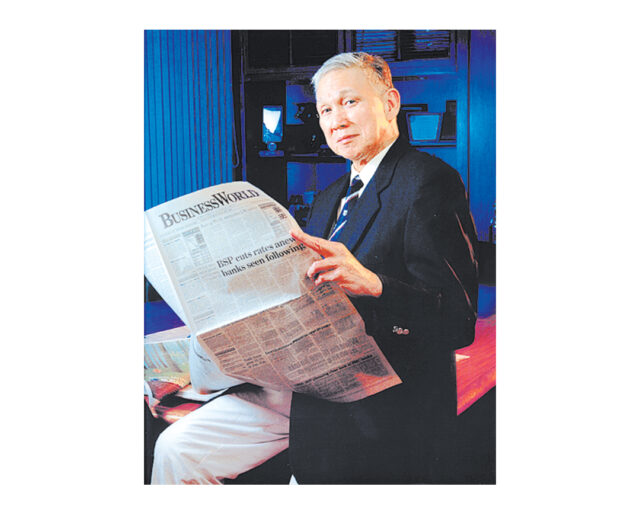
Ramon Magsaysay Awadee for Journalism, Literature, and Creative Communications Arts Raul L. Locsin founded Business Day, Southeast Asia’s first daily business newspaper, in 1967 which led to the birth of BusinessWorld in July 1987.

By Allyana A. Almonte

The goals of most businesses are to gain profits, be on top of the trend, and serve communities. In making information as a business, a good character and reputation are vital to set an organization apart from others and to lead to the development of trust within the community.

This is what the late BusinessWorld Founder Raul L. Locsin believed, a Filipino publisher who nurtured business reporting in the Philippines from its formative years to becoming fully functional and sturdy. For him, journalism becomes a commitment for those who exercise it.

A man of his words whose dedication to journalism hone the skills of the promising young writers who took the challenge of undertaking exhaustive research to deliver competent business news, Mr. Locsin has infused his integrity and style in this generation of journalists who have survived the training.

In his crusade for press freedom, he made it his life’s mission to sober fact over sensationalism in covering the Philippine economic story. Through his straightforward writing  style, he has educated his readers through the ups and downs of the economy.

In his early days at school in wartime Negros Occidental where his father published a Spanish-language paper, he spent most of his time with his mother and had some ventures with his brother. He also established his own local newspaper and became a salesman for 11 years, which pays him good but he hated.

Raul L. Locsin leads the groundbreaking of BusinessWorld Publishing Corp. in a time capsule burial ceremony in 1993.

He then joined the Manila Chronicle’s business section in the early 1960s — a time when economic development was the priority of global leaders. Since he understood that only a few people knew most of the business jargon, he wanted to repackage the complex economic information materials into reader-friendly content that is widely available to the general public.

Here, he rediscovered his true calling. Hence, he helped establish the Economic Monitor, the country’s first business weekly, then in 1967, he founded himself the Business Day, Southeast Asia’s first daily newspaper for business.

Throughout the rule of former President Ferdinand Marcos, Sr., the newspaper won a reputation for having a gold standard towards accuracy. Under Martial Law, Business Day survived as the capital’s sole independent newspaper. But after the People Power revolution, it was put to a halt for a short time due to an internal labor dispute that prompted Mr. Locsin to quit.

Yet, his retirement did not last long as more than half of his former staff continued reaching out to him and urged him to come back to his post. These loyalists created a corporation and appointed him as the president as well as publisher and editor to which he accepted.

Mr. Locsin also believed that all other freedoms in the citizen’s bill of rights become defenseless if freedom of expression is abridged. According to him, it is not strange that those who would seek to impose authoritarian rule first assault the press to eventually silence the nation. Thus, after Martial Law, he led on rebuilding the Philippine Press Institute and has devoted himself in service of the hundreds of community press who were troubled and victims of market forces that favor sensational stories over sober facts that time.

After Mr. Locsin died in May 2003 due to a long-term illness, the paper underwent significant changes. His wife, Leticia Locsin, took over as president, publisher, and chairperson of the company until she passed away in 2005.

A year later, telecommunications giant Philippine Long Distance Telephone Co. (PLDT) acquired a minority stake in the newspaper through MediaQuest Holdings, Inc. which, in 2013, assumed control of the paper with its subsidiary Hastings Holdings, Inc. by increasing its stake from only 30% to 76.67% and infusing P100 million into the company over a 12-month period.

BusinessWorld’s current President and Chief Executive Officer Miguel G. Belmonte honors Mr. Locsin through upholding the newspaper’s commitment to be “a public trust” even in the years ahead.

In 2015, the board of directors of BusinessWorld elected The Philippine STAR President and Chief Executive Officer (CEO) Miguel G. Belmonte as CEO of BusinessWorld. In July that year, Philippine Star Printing Co., Inc. (PhilSTAR) acquired 76.63% of BusinessWorld Publishing Corp. to strengthen the distribution and operations of the country’s premier business daily.

The business paper runs every weekday and is now the country’s fourth-biggest in terms of circulation and revenues. Despite monumental changes, BusinessWorld’s success has been firmly anchored in the belief that a newspaper is a public trust.

Mr. Locsin was a recipient of the Ramon Magsaysay Award for Journalism, Literature, and Creative Communications Arts for upholding standards of honesty and credibility over personal gain and circulation boost. In his speech on the night of the awards, he highlighted the role of journalists in telling stories of challenges and dreams, even shame and failures.

BusinessWorld employees remember him as a newsman who engaged in writing, drove his green BMW, arrived at office every six in the morning, wore a casual denim shirt and blue jeans, and went home on time. Despite his sensitive health, his passion for his craft remained ablaze. In more than 40 years as a journalist, a friend, and a businessman, people can vouch that he made the newsroom a better place.

Daily, he liked to share his experiences as a business reporter covering exclusive beats or writing investigative stories. He also shared some tips to younger newsmen such as his often-said technique of going to the presscon ahead of everybody else and leaving later than every invited press to scoop a one-on-one interview with the man-of-the-hour.

On a lighter note, people who had the honor to work with him remember his toy cars and chickens sliding through the editorial hallway in the middle of closing pages in the afternoon, his habit of bringing monthly lunches for his sub-editors, their random poetry sessions with him, some friendly debate over politics and philosophy, and him being a huge fan of paintings.

His founded publication and now the leading business newspaper in the country, BusinessWorld, represents his professional ethics in journalism — the stellar standards for fairness, credibility, and integrity. His life exhibited how even after death, a man’s noble words and modest principles can stand the test of time to leave things better than he found it.

A wellspring of insights through troubled times

By Bjorn Biel M. Beltran, Special Features Writer

It is an understatement to say the coronavirus disease 2019 (COVID-19) pandemic took everyone by surprise. And in an already struggling industry such as print media, it seemed as if BusinessWorld had the odds stacked against it during the past few years.

With characteristic awareness and journalistic spirit, however, Southeast Asia’s first and oldest business daily turned that weakness into its strength.

As part of its overall initiative to bring its brand of quality professional journalism to the digital platform, BusinessWorld launched BusinessWorld Insights, a series of online video conferences that bring together some of the country’s movers and shakers to discuss the rapidly changing Philippine business landscape, the challenges and opportunities it presents, and the trends that shape its future.

“That’s something I’m proud about in BusinessWorld. When I first came into the company, I was really impressed with the culture of how things are done. It’s very thorough, very disciplined, and there’s a certain way of delivering information that is really close to the ideas of journalism,” Lucien C. Dy Tioco, executive vice-president of BusinessWorld, said in an interview.

“I’m proud of the fact that when the pandemic happened, BusinessWorld was able to adapt well. It was easy for us to shift online, especially for our editorial team.”

BusinessWorld Insights, he said, had leveraged the company’s decades-long history as a platform for delivering accurate and reliable news and analyses, and successfully moved it into the virtual world.

“That was really helpful for the business community, especially when everybody was in crisis and were looking for advice on how to navigate the situation. I think BusinessWorld is poised to continue to provide the information on trends and analyses that the business community is looking for,” Mr. Dy Tioco said.

“I’ve been hearing a lot of good feedback from the business community, especially during the pandemic. We were given praises for what we have been providing with BusinessWorld Insights and the BusinessWorld Virtual Economic Forum. That gives us the incentive to adapt to the times, to be of service to businesses, informing them of what to do during crises,” he added.

Jay R. Sarmiento, BusinessWorld sales and marketing director, pointed to the recognitions BusinessWorld Insights had gotten from the Philippine business community as proof of this success. “BusinessWorld Insights has been recognized by both Anvil Awards and Quill Awards for excellence in communication programs and special events. These awards are validations that our efforts are indeed worth-taking and valuable,” she said.

“I think that BusinessWorld Insights has owned the digital space in terms of online forum and discussion. From our very first once-a-month run in April 2020, BusinessWorld Insights has become synonymous to relevant online discussions on business matters that, at present, we are able to mount almost weekly public and private online forum. This initiative has not only given us growth in online audience but has also earned us the trust of advertisers as they continue to support BusinessWorld Insights through sponsorships, thereby, significantly contributing to our bottom lines.”

A PLATFORM OF COLLABORATION AND PUBLIC SERVICE
At a time of great disruption, BusinessWorld has managed to not only successfully pivot to the digital space but provide a wellspring of much-needed guidance and insights for other businesses struggling during the crisis. Ms. Sarmiento pointed out that this has allowed the company to develop a mutually beneficial relationship with brands and corporations, and even partner with them to deliver new, exclusive content.

Such partnerships, among many others, include Mount Elizabeth Hospital in Singapore for cancer treatment awareness; Alveo Land for its series of wise investment seminar for its stakeholders; PayMaya series which helped local government units transformed its operations and services into the digital space so they can serve the public despite the lockdowns; and Habitat for Humanity for espousing affordable housing.

“These are well attended and engaging webinars and we got good feedback from our clients that they continue to work with us until now,” she said.

Ms. Sarmiento also emphasized, “And while we give utmost importance to our advertising partners and sponsors to keep BusinessWorld financially afloat, our respect for our editorial policy has also been of paramount consideration. To be able to balance this, we always keep the communication lines open between the editorial and marketing departments. You can say that most of our projects involving content or business information are products of constant collaboration and consultation between editorial and marketing. We have mutual respect for each other.”

Mr. Dy Tioco also stressed how important this mutual respect is to the company and to all its partners. “With the kind of content that BusinessWorld provides, it gives a good image to brands that partner with us,” he said.

He added, “I think there’s a common denominator between what brands and BusinessWorld have been doing. It’s trying to provide what the customers need. In our case, it’s the content that our readers are looking for.”

“Remember that [the interests of brands and the interests of the publication] are two sides of the same coin: BusinessWorld’s credibility serves advertisers’ interests as well. I don’t think advertisers will be attracted to any publication with an eroded brand,” Wilfredo G. Reyes, BusinessWorld editor-in-chief, said.

He further noted that it is this close connection to the business scene that continues to propel the company’s reputation in an ever-expanding spiral of growth. “Constantly keeping in close contact with our market dictates BusinessWorld’s evolution as a platform for business content,” he said.

With each session, BusinessWorld Insights, Mr. Reyes pointed out, unearths important lessons from the experiences of various sectors, and such experiences can provide important lessons about how organizations have weathered the past two years and how they are planning their future.

“So this has lately been an increasingly fluid situation for us and that’s good. It has been quite a struggle to preserve core values through a fast-changing environment, but I think we have been doing just that and every challenge we have faced has made us both more flexible, stronger and more relevant,” Mr. Reyes said.

Timely notes on managing crises and bracing for new periods

By Adrian Paul B. Conoza, Special Features Assistant Editor

Earlier in the first months of the coronavirus pandemic, business owners, executives, and teams were in search of guidance for managing and surviving the massive impacts and disruptions brought or exacerbated by the said crisis. BusinessWorld, as it kept a close eye on the country’s economic narrative amid the pandemic, has endeavored to get insights from top executives and experts that will greatly help the business community at such a challenging time.

While the award-winning BusinessWorld Insights and BusinessWorld Virtual Economic Forum have primarily fulfilled these objectives, it was the media outfit’s one-on-one interviews with top movers in business where inspiring learnings on moving forward amid the pandemic were mined. And as the Philippines has opened a new chapter with a new administration taking over around a month ago, BusinessWorld also gleaned firsthand views of the potential makeup of the country’s economic policy.

Launched in July 2020 as part of its 33rd anniversary multimedia report, BusinessWorld One-on-One has served as an exclusive venue for top business people to be interviewed by BusinessWorld Editor-in-Chief Wilfredo G. Reyes.

Mr. Reyes noted how the interviews help audiences take notes from executives on what they have learned during the pandemic, which perhaps can be appended to their organizations’ respective playbooks.

“There’s been a wealth of information on best practices built in the past two years on crisis management, taking better care of talent, and developing new revenue streams,” Mr. Reyes shared.

“Every One-on-One interview is an opportunity to learn from the experiences of other sectors. Many times, you get great tips that can be adapted to one’s situation, so these interviews contribute to our continuing accumulation of knowledge,” he added.

The first iteration of the interview series was themed “A Time for Leadership and Resilience,” which featured business leaders sharing their defining moments in the midst of the global pandemic, as well as learnings on surviving and performing amid economic shocks.

First to be featured in the week-long series was Joo-Ok Lee, head of regional agenda, Asia-Pacific at the World Economic Forum. He shared that holistic and systematic approaches are much needed in dealing with challenges as complex as the pandemic. “Increasingly, challenges that we will see are going to be more interconnected. They will be more complicated, and unless there is a holistic approach, unless there is a systematic and systems-driven approach, these issues will be very, very difficult to resolve,” he was quoted as saying.

In the following episode, Emmanuel P. Maceda, worldwide managing partner at Bain & Company, talked about a “micro-battle” means of balancing companies’ investment strategies. “The idea of a micro-battle concept is to define units of strategic choice in smaller terms, in micro-terms so that you can see the results faster, then you can build the second micro-battle and the second micro-battle after that,” he said.

Looking after employees, meanwhile, was a highlight of the interview with Nina D. Aguas, executive chairman of Insular Life Assurance Co. Ltd. “Really look out for the people within your organization because they will carry it through the very difficult times,” Ms. Aguas advised.

MVP Group of Companies Chairman Manuel V. Pangilinan, in another episode, shared that the pandemic could bring out the “next big idea,” and the person with such an idea “will probably win.”

Completing the series, Globe Telecom President and Chief Executive Officer (CEO) Ernest L. Cu shared that their company conditioned themselves on the notion that recovery will take time — something other businesses must have also kept in mind in the past months.

“We have to make this a working condition and the given that we have to get around with, just like any other business constraint that we are used to,” he said.

The following year, in conjunction with a joint special report with The Philippine STAR titled “Philippine Business Outlook 2021: Towards a More Resilient and Sustainable Economy,” BusinessWorld held a One-on-One interview with Benjamin E. Diokno, formerly Bangko Sentral ng Pilipinas (BSP) Governor and now Department of Finance Secretary.

In that interview, Mr. Diokno expressed optimism regarding the recovery of the Philippine economy in terms of gross domestic product growth, remittances from overseas Filipino workers, and employment rate amid a “young population.” The previous BSP governor also noted there that the country’s push for a ‘cash-lite’ society is bound to continue, and it might go as far as going coinless by 2025.

Three months after, BusinessWorld’s motoring sectionVelocity, in celebration of its anniversary, held a two-part One-On-One interview with the country’s automotive industry leaders. Velocity editor, Kap Maceda Aguila, had virtual exchanges with Atty. Rommel Gutierrez, president of the Chamber of Automotive Manufacturers of the Philippines, Inc., on his perspectives about the Philippine automotive industry; and with Maria Fe Perez-Agudo, president of the Association of Vehicle Importers and Distributors, Inc., about future innovations paving the industry’s future track.

The following April, BusinessWorld One-on-One put the spotlight on Yasuyuki Sawada, then chief economist of the Asian Development Bank, as he and Mr. Reyes took a deep dive into the multilateral lender’s 202 1 Asian Development Outlook.

Five months later, as BusinessWorld marks its 34th anniversary in September, another weeklong One-on-One series was held, this time with four Philippine business tycoons. Each shared their experiences and realizations out of the pandemic, as well as their company’s resilience stories and updated visions.

Kevin L. Tan, chief executive officer of the Alliance Global Group, Inc., shared in the first episode that the township concept of the company’s real estate arm Megaworld Corp. became “ideal and quite compelling” amid the pandemic, and so he believes this concept “can be a catalyst for economic development in other cities.” Grounded on this belief, Megaworld announced its plans to launch three townships within Luzon that year.

Meanwhile, moving to a digital and omnichannel strategy is seen to drive a leading retail company forward even beyond the pandemic. Robina Y. Gokongwei-Pe, president and CEO of Robinsons Retail Holdings, Inc. (RRHI), shared in the second installment that as their company pivoted to e-commerce fast, “the percentage contribution of e-commerce to total sales is growing very fast.” So, while brick-and-mortar stores have made up for a big part of total sales, RRHI has planned on working on its presence both offline and online.

Health and sustainability were the highlight of the One-on-One with Monde Nissin Corp. President and Director Betty T. Ang as she shared that the company saw “significant progress” in several of its long-term growth plans in production capacity, new product developments, and brand awareness initiatives. “Our ramped-up research and development is focused on new product development that is aligned with our aspirations for sustainability and health for customers and for the planet,” she was quoted as saying.

Dennis Anthony H. Uy, founder & CEO of Converge ICT Solutions, Inc., completed the series by sharing his company’s target up to P26 billion in gross revenue by end-2021 and 55% nationwide household coverage by 2025 as demand for connectivity increases. He stressed that fiber broadband technology, which Converge delivers, can best deliver a minimum of 500 gigabytes for every individual home.

In line with its 35th anniversary celebration, another engaging BusinessWorld One-on-One series, with the theme “Innovations Reshaping the Future of Key Industries,” is shown live and free in BusinessWorld’s Facebook page this month.

Mr. Reyes conversed with Dr. Diana Edralin, president of Pharmaceutical and Healthcare Assocation of the Philippines and general manager of Roche Philippines, and Subra Ramakrishnan, chief business transformation officer of Sun Life Philippines, last Aug. 15 and 16, respectively.

These will be followed by interviews with Jose Maria M. Atienza, senior vice-president of Toyota Motor Philippines Corp., on Aug. 22; and with Jericho P. Go, president and chief executive officer of RL Commercial REIT, Inc., on Aug. 23.

Roundtables

This year, a few weeks before the new administration started taking office, BusinessWorld brought to the online public two roundtables of BusinessWorld editors with some of the key people making up the administration’s economic team.

Themed “The View from the Starting Line,” BusinessWorld Roundtable featured BSP Governor Felipe M. Medalla and Socioeconmic Planning Secretary Arsenio M. Balisacan last June 20 and June 27, respectively.

Mr. Medalla told BusinessWorld editors that the BSP is likely to raise its key interest rate at its next two meetings to curb inflation, while the pace of subsequent tightening will be gradual. He also shared that “2022 will be a high-growth year, simply because of the huge pent-up demand.”

Mr. Balisacan, meanwhile, shared that new taxes may have to be introduced to fund priority projects, but they should be carefully timed. “If you want more public services, if you want to invest a lot into our health and education, and social sector, and to our farmers, you must have sources of money for that. Obviously, you can only go so far with an improved tax administration,” he was quoted as saying.

The current National Economic and Development Authority chief also shared during the roundtable that he seeks better coordination with the 19th Congress on priority bills and the 2023 national budget, and so he considers frequent meetings with legislators through the Legislative-Executive Development Advisory Council.

Behind the development of Top 1000 Corporations

By Chelsey Keith P. Ignacio, Special Features Writer

BusinessWorld has been providing information on the performance of the Philippine corporate sector for 35 years now. And this is not merely on the stories about the current affairs in the business scene. The BusinessWorld Top 1000 Corporations in the Philippines is produced annually to show how the country’s leading firms performed based on their financial statements.

Given that a lot of financial information have to be gathered and examined to come up with the Top 1000, how does BusinessWorld ensure the exhaustiveness and accuracy in doing and presenting the rankings for the magazine?

The Top 1000 uses private and public stock entities’ gross revenues from their most recent available full-year audited financial statements (AFS) as its basis for ranking. The main top 1,000 list only consists of parent and standalone companies.

“Our main ranking using gross revenues — the sum of net sales and other non-operating income — of the parent companies dated back to when a similar list was published by the BusinessWorld’s predecessor, Business Day, in 1968 (it was only top 200 corporations back then). It was expanded to a full 1,000 companies in 1970,” shared Mark A. Amoguis, research head of BusinessWorld.

The publication provides a separate table ranking of the conglomerates, since BusinessWorld uses consolidated financial statements.

“By comparing only parent companies, BusinessWorld provides an accurate picture of individual companies (or segmented units of a conglomerate) in the country. Comparing parent or standalone companies and conglomerates side by side in one single ranking may result in double-counting, or worse: a distorted comparison between apples and a truckload of apples and oranges,” Mr. Amoguis explained.

Firms could also get a view of their performance or market position alongside their competitors through the Top 1000’s “How Competitors Compare.” The table clustered parent companies as per business activity and ranked them based on gross revenue. The grouping is sorted in line with the 2009 edition of the Philippine Standard Industrial Classification by the Philippine Statistics Authority.

The Top 1000 magazine also presents several other income statement and balance sheet items, among which are net sales, net income (or loss), assets, and payables.

To collate the needed financial data to come up with the Top 1000, BusinessWorld’s research team gather the AFS that private firms submitted to the Securities and Exchange Commission (SEC), annual reports disclosed by publicly listed companies to the Philippine Stock Exchange (PSE), and the government-owned and -controlled stock corporations’ AFS from the Commission on Audit (CoA).

“In case the parent AFS of a company is not available in the SEC, we personally contact it to get it,” Mr. Amoguis said.

“We also have to verify if a company is a stock corporation by also getting its latest General Information Statement from the SEC as we have to exclude partnerships, foundations, and other nonstick entities from our list,” he added.

Researchers collect only the AFS covering the fiscal year ending between May and December of the year prior as well as between January and April of the current year. For these AFS become available in the SEC, PSE, and CoA beginning in May up to as late as November of the present year, shared Mr. Amoguis.

The research head of BusinessWorld assured that their team painstakingly produces the Top 1000. “Rigorous analysis has been put into each and every company included in the magazine. Individual data points are checked and rechecked again down to the last centavo,” he said. “Our methodology and computations have been vetted by the leading auditing firms in the country.”

A GLIMPSE OF TOP 1000
The most recent Top 1000 that BusinessWorld released last year showed the impact of the COVID-19 crisis on the corporate sector in 2020.

The top 1,000 corporations’ aggregate gross revenue totaled P10.796 trillion that year, a 13.2% fall from the recorded P12.439 trillion in 2019.

Placing first among the recent edition of the top 1,000 was Manila Electric Co. (Meralco), with gross revenue of P266.055 billion in 2020. BDO Unibank, Inc. came in second with its P186.951-billion gross revenue, followed by Petron Corp. with P179.452 billion.

Looking at the performance of conglomerates in 2020, the recent top 200 ‘consolidated’ corporations saw their aggregate gross revenue drop by a fifth to P9.46 trillion from their P11.87 trillion in 2019.

Top Frontier Investment Holdings, Inc. and its subsidiaries took the first spot in the list with P774.294 billion in gross revenue. San Miguel Corp. and its subsidiaries ranked second with a gross earning of P773.569 billion, and SM Investments Corp. placed third with P396.751 billion.

Currently, BusinessWorld’s production of the upcoming Top 1000 is in progress.

“As the next edition of the Top is now under way, we are hopeful that our collection process will go smoothly barring any disruptive events (like the strict lockdowns imposed at the height of the coronavirus pandemic in 2020 that severely affected the companies’ submission of their AFS),” Mr. Amoguis said.

The next Top 1000 will cover the AFS of companies in 2021. This will give readers a picture of how the COVID-19 crisis continued affecting the business sector, according to Mr. Amoguis.

Furthermore, BusinessWorld will soon launch the Top 1000 Premium, a web app development that will provide users a digital and more interactive way to access the Top 1000 data.

BusinessWorld and brands: Evolving synergies grounded on solid trust

By Adrian Paul B. Conoza, Special Features Assistant Editor

Along with the reputation BusinessWorld has established with the business community and the general public, another contributing factor to the paper’s continuing success for 35 years is the trust it has built with top brands and advertisers.

Through the years, brands have not only regularly kept in touch with BusinessWorld for the placement of their advertisements in print and for sponsorships for in events. More recently, brands have also collaborated on projects where their messages have been amplified on BusinessWorld’s various platforms.

This growing synergy BusinessWorld has had with brands, for Executive Vice-President Lucien C. Dy Tioco, is generally built on the long-stand trust the media and content company has built for its excellence and quality in economic journalism.

“It boils down to three factors: our credibility that we have established over the years, our clout and influence over the business community, and the quality of content that we produce which is very attuned to the needs of the business community,” Mr. Dy Tioco said.

“I think one of the reasons why advertisers choose to work with us for their content over and over again is because we have managed to maintain our integrity despite the changing times. They know, respect, and value our journalism standards and editorial guidelines. There’s no need to sacrifice our own brand of integrity to better serve our advertisers,” BusinessWorld Special Features Editor Josielyn Luna-Manuel added.

These defining trademarks of BusinessWorld have been the solid convictions for Cocolife, one of the paper’s top advertisers, to let their messages be amplified through BusinessWorld’s features and platforms, as the insurer’s president Atty. Martin B. Loon, shared.

Sharing the same vision with BusinessWorld has been a solid factor for another top advertiser, Toyota Motor Philippines (TMP).

“Over the years, BusinessWorld has been one of our trusted partners in delivering information about our products and services to our customers. This partnership with BusinessWorld over 3 decades has made us achieve our common vision of helping build and transform the industry for the better,” TMP First Vice-President for Vehicle Services Operations Sherwin Chualim said in an e-mail.

“As the first Filipino-owned and ISO-certified Life Insurance company, it has been our mission to help Filipinos reach their goals, financial or otherwise, in any way that we could assist them. Needless to say, BusinessWorld shares the same sentiment as us, and they too ‘Believe in the Filipino’ as much as we do,” he said.

In addition, Jay R. Sarmiento, BusinessWorld’s sales and marketing director, credited the people in her department for making the brand partnerships and advertising deals productive for both ends.

“We have the best Sales and Marketing team who deliver what we promise to advertisers. The Sales and Marketing team, as well as the Special Features team, are organized and consistent when it comes to servicing the needs of the clients,” Ms. Sarmiento said.

Ms. Manuel described how close collaboration with advertisers has made it possible for the whole BusinessWorld Sales and Marketing department, which includes the Special Features team, to come up with projects that “help brands effectively reach out to their target market and our audience, and achieve their desired communication goals.”

“I believe that the success of the many projects we’ve done for and with the advertisers were really a result of great collaboration — from ideation to actual production and publication — between BusinessWorld and clients,” Ms. Manuel said.

“From our end, every time we get on board a client’s project, we always think that their project is our project, and their success is our success. Hence, we strive to offer them the best inputs and outputs given the time and resources that we have,” she added.

Among special projects that brands have embarked on with BusinessWorld include special editions of BusinessWorld Insights, notable of which, for Ms. Sarmiento, are those with nonprofit organization Habitat For Humanity on a “BAHAYnihan” forum; with Parkway Cancer Centre Singapore for webinars on diagnosing and treating various cancers; and a three-part Fintech Series held in partnership with the recently-rebranded Maya.

Such online fora gave the brands, through their representatives or experts, an opportunity to share information that would be relevant to BusinessWorld’s audience and even those who chance upon the webinars.

Aside from online webinars, special editions of the “BusinessWorld B-Side” podcast have been an area of collaboration for some brands like Tata Consultancy Services (TCS).

“TCS is delighted to have found a partner in an equally established and trusted brand that is BusinessWorld. It has been a joy collaborating with the different teams at BusinessWorld to share our story and guide the way for Philippine businesses to innovate for greater futures,” Michelle Bautista, marketing manager at TCS Philippines, shared.

More notably, nonetheless, brands have also tapped the capabilities of BusinessWorld for creating quality commemorative special projects.

“Personally, my favorites are the false cover we did for Asian Development Bank’s 50th Anniversary in BusinessWorld and the special 35th Anniversary Magazine of the Makati Business Club,” Ms. Manuel shared. “Our team’s hard work paid off because it’s an honor for us to be part of these two well-respected organizations’ milestones and to help them put on paper their stories about building a better future for our country.”

More recently, Mr. Dy Tioco noted that BusinessWorld plays a very important role in the PhilSTAR Media Group’s (PMG) advocacy program “Nakakalocal: Love Local, Grow Global.” The initiative, launched earlier this year, aims to promote and encourage consumers to buy local and support local businesses, particularly small and medium enterprises (SMEs), that produce great products.

“Nakakalocal” maximizes PMG’s assets, including BusinessWorld, for a noteworthy advocacy. Moreover, the initiative is supported by the country’s biggest corporate institutions, which paves the way for creating a vast support ecosystem for Filipino SMEs.

“Our newest advocacy is very well-received by brands. They see several areas of collaboration that we can do together. And the wonderful thing about those collaborations is that there’s really a common goal. It’s not just serving one brand or the other, but it’s really about serving a common goal of trying to uplift the economy by helping our SMEs and inspiring people to really start their own business,” Mr. Dy Tioco, who also serves as PMG’s executive vice-president, shared.

For the years ahead, as new platforms for informing and engaging the business community have been productively explored, BusinessWorld looks forward to further collaborating with brands and help get their messages across meaningfully.

“We are open for collaboration; we can create content for them online and offline. We can explore a lot of possibilities,” Ms. Sarmiento said.

Thanking partners for the trust and confidence they have given to BusinessWorld, Mr. Dy Tioco said that the trusted media company will continue to be with them as they move forward, step by step, to the continuous transformations they are embarking on.

“Whatever crisis or success that you are going through, BusinessWorld will always be there for you,” Mr. Dy Tioco said.

BusinessWorld to find future home in PhilSTAR Media Group’s new building

ARTIST'S PERSPECTIVE of the new PhilSTAR Media Group building.

By Chelsey Keith P. Ignacio, Special Features Writer

A new, modern office building will rise next year in Sucat Road, Parañaque City, where BusinessWorld will find its future home.

From its present home in Quezon City, BusinessWorld’s office and printing facilities will move to the new PhilSTAR Media Group building, now joining its sister publications in one facility.

BusinessWorld currently resides at Raul L. Locsin Building in New Manila, its office named after the newspaper’s founder.

“There’s nothing wrong with our present office,” BusinessWorld President and Chief Executive Officer Miguel G. Belmonte said in an interview. “In fact, the office was designed by National Artist [for Architecture] Leandro Locsin. So, our office in Quezon City is actually very nice.”

Nonetheless, the company’s move with some other newspapers under PhilSTAR Media Group to a single building could also bring further benefits to the group.

According to Mr. Belmonte, the main reasons behind the idea of housing PhilSTAR Media Group offices and printing facilities in one place are “efficiency, synergy, integration, and practical purposes.”

“The biggest benefit of all of our media outfits being in just one building is number one, synergy. There are so many areas that there’s some level of duplication, and nowadays, we have to try to be as efficient as we possibly can because the more efficient you are, the less costly also to operate,” he explained.

Joining BusinessWorld in the new building are The Philippine STAR, Pilipino Star Ngayon, Pang Masa, and the different digital properties of the PhilSTAR Media Group. The Freeman and Banat News offices, and printing facilities will continue operating in Cebu.

By having the PhilSTAR Media Group work together in one home, Mr. Belmonte expects collaboration to become easier and camaraderie to be cultivated among the group.

“When we’re all in the same facility, it’s going to be so easy for editors to communicate with each other and help each other out if necessary. And it goes the same for all departments,” he said. “So, being in one office building will make our working together so much easier.”

“And, of course, I’m hoping that it also gives us a better opportunity to develop our camaraderie amongst each other,” he continued. “It would be nice if our employees at the STAR, Pilipino Star Ngayon also get to know our staff members in BusinessWorld and vice versa. So, you try to develop a ‘one big, happy family’ kind of atmosphere. There’s a better chance of us achieving that if we’re all together in one facility.”

THE DESIGN IN MIND
The new PhilSTAR Media Group Building is designed to provide a relaxing work environment for the employees and reflect the STAR’s past and principles.

The construction of the four-storey office building started in March last year, according to Mr. Belmonte. It was initially about to begin in 2020 but got delayed due to the COVID-19 lockdown.

Since the design of the building was already done before the pandemic, the concept of working from home was not yet thought of at that time and thus designed for the staff to be based in the office, said Mr. Belmonte. “Although even back then, we had already come up with a design where there’s a lot of areas for relaxation, leisure, [and] interaction,” he said.

“Now that the pandemic did hit us and we’ve learned a lot of things since then, the setup is going to be even more relaxed. We’ll still be continuing with certain work-from-home arrangements,” he added. “Our desire for all our staff to have a more healthy and more less strenuous and stressful work-and-life balance, we want to promote that as much as we can, especially when we move into our new office. So we’re looking forward for it to be a more homey, more comfortable, and less stressful environment for everybody.”

One of the features of the building is the 13th Street Café, which got its name from the STAR’s old address in the Port Area. This reference is also merely one of the new buildings’ features that is inspired by the STAR’s story.

“We see interior design as a form of storytelling. We celebrate the STAR’s history with nostalgic references in the details,” Disenyo Espasio’s Catherine Pascual, lead interior designer, told the STAR. “We also injected the personality and character of the STAR through raw and industrial elements, a subtle nod to where it all started — the printing press.”

As they design the interiors of the new office, the designers have the image of Old Manila in mind, seeing that the old PhilSTAR offices reside in the Port Area.

Ms. Pascual also shared that their work was influenced by National Artists Jose Maria Zaragoza and Leandro Locsin with their modern and brutalist influences.

The new building also honors STAR founder Betty Go-Belmonte by naming the library of the paper’s archives after her.

“We worked closely with the building architects in telling Philippine STAR’s story. We were inspired by what the paper stands for: truth, transparency, and transcendence. We wanted to reflect these values as design tenets. We wanted to give the people of Philippine STAR an environment that can truly inspire them,” Ms. Pascual added.

The new PhilSTAR Media Group building is more than 50% done, according to Mr. Belmonte. And if all goes in line with the schedule from now on, BusinessWorld and its sister publications are expected to be able to move into their new offices by the middle of 2023.

“Based on my last visit, [the office building] looks very promising,” shared Mr. Belmonte. “I can already envision how it will look in the future.”

Stories from BusinessWorld’s most loyal employees

PHOTO SHOWS BusinessWorld President and Chief Executive Officer Miguel G. Belmonte (left) and Chief Financial Officer Carlos R. Dizon (right) with 30 years in service awardees (second from left) Editor-in-Chief Wilfredo G. Reyes, Associate Editor Alicia A. Herrera, and Production Coordinator Hilario T. Matundan, during BusinessWorld’s 35th Anniversary party last Aug. 5 in Hilton Manila.

In standing tall for 35 years now and surpassing various challenges, including global crises, the secret to BusinessWorld’s resilience is its employees, most especially the ones who have been with the company through thick and thin, and have greatly contributed to BusinessWorld’s continued success as the country’s most trusted business newspaper and multimedia content provider today.

As BusinessWorld marks its 35th anniversary, we put the spotlight on some of its most loyal employees who have been serving the publication for 25 to 34 years now. They share with us a glimpse of their own journey in the company — how they started, the roles they have played, memories with BusinessWorld Founder Raul L. Locsin, unforgettable experiences and lessons learned, their reasons for choosing to stay, and wishes for the company they have come to love.


Marlon A. Serrano
Officer-in-Charge, General Services Department

I started working at BusinessWorld in 1988. I joined the company because of its good management, especially under Mr. Locsin. I began as a janitor then a messenger through the years. Mr. Locsin was like a father to me. He was very easy to approach. Overall, working with all the people here is easy. For me, BusinessWorld is my second home. I wish it will be forever.


Hilario T. Matundan
Production Coordinator

My Sunday to Thursday work routine with BusinessWorld has been going on for almost 32 years now. Way back in 1990, I was still single. I was just a small-town boy from Batangas excited to work in the city. Back then, I was looking for a company that is committed to the well-being and professional development of its employees. So, I thought that joining a startup company (BusinessWorld) would be best to have career growth as the company and I could develop further together. I witnessed and experienced the changes from the original management up to the present management and I am still here because I love my job.

Way back in 1990, I worked in the bindery on which the BusinessWorld office was still located in Greenhills, San Juan. In August 1991, I got transferred to the Production Stripping Section of the Editorial Department. At that time, there was still no computer so layouts were done manually using white paper and stripping knife, and we were even using a dark room to produce negative and positive films, then sent them to the plant (printing press) via company service vehicles. When technology was slowly innovating, the system upgraded and we started using computers. We began using a different PageMaker application, saved the layouts to a CD or a flash drive, and then sent them to the plant. Technology continued to evolve until film utilization is no longer practiced and InDesign app is now mainly used.

I always remember what Mr. Raul Locsin said when it comes to deadline. He always reminded us, “Aanhin mo ang magandang dyaryo kung pambalot na lang yan ng tinapa at mangga (What is the use of a good newspaper if it will just end up to be a wrapper for smoked fish and mangoes).” For him, deadlines shall always be prioritized to make sure the newspapers are delivered to the readers on time.

There was an incident before wherein the two different ad materials overlapped and appeared on the same page due to the camera process. All of us in the production paid for the production cost through salary deduction. Because of that incident, we learned to be keener and more cautious in our tasks, and to be more efficient and effective at work. This kind of incident should be kept from recurrence. You have to learn from every mistake you experience because if you don’t, it’s not a mistake anymore, it’s a sin.

I remember there was a time when I received an offer as a Production Manager from a different company with double compensation because someone recommended me for the said position. Obviously, I did not accept the offer. I chose to stay with BusinessWorld. For me, work is not all about ‘the money.’ I am loyal to BusinessWorld because I think I share the same values with the company. The company trusted me when I was just starting my career.

BusinessWorld also continued to be strong and thriving even amid challenges. I have experienced the highs and lows of working in this company and we have endured so much together to be where we are right now. I wish BusinessWorld more success and many more anniversaries to come. I hope BusinessWorld will continue to be part of other people’s growth and success.


Wilfredo G. Reyes
Editor-in-Chief

I started working in BusinessWorld in March 1992. The position of reporter was the closest job at that time to my experience in government and a think tank before that. But I had a very vague idea of what exactly the job entailed. I would read BusinessWorld in my previous jobs, and the motto beneath the masthead “A newspaper is a public trust” struck me because I have always made it a point to form part of principled organizations. I started as a reporter, then senior reporter, then sub-editor, then managing editor for online services, then news editor, then managing editor then editor-in-chief.

Since I did not take up journalism, communication or any related course in the university, I had to learn the ropes from scratch from Mr. Locsin and his chief editors then who employed a sink-or-swim training method. Hence, the first two years were quite tough for me and there were not a few times that I wanted to quit. Basically, the core principles inculcated in us from the beginning, plus the struggle of applying them in specific real-world situations I think helped me become wiser, tougher, and at the same time more considerate.

I know of only very few jobs that are directly intertwined with public service. Everyday, all these decades, has been a learning experience for me, with new inputs from the top, my peers and the rest of the staff, both old and new. I look forward to seeing BusinessWorld, under ever-younger generations, hone its ability to promptly serve its markets — especially in fast-changing settings — using the latest available appropriate technologies.


Alicia A. Herrera
Associate Editor

I started working at BusinessWorld in 1992. Honestly, I had no idea what BusinessWorld was beyond the fact that it was a business newspaper. I just really needed a job, any job, that paid regularly. I did not expect to work in a paper — I had been freelancing in entertainment and theater — but at that point, because of all the coup attempts in the years after the EDSA Revolution, that work had dried up. I had majored in Communication Arts and had worked with the school paper for years so I was familiar with the basics of what was needed. I applied for proofreader and not reporter (which they were also hiring), figuring I would have a better chance of getting in that way.

I started out as a proofreader, then was promoted to copy-editor — a role that had not existed in BusinessWorld before that, and not again since — where I basically cleaned up reporters’ stories before the editors got them. Then they promoted me to reporter. That was actually a rather short stint in the field before I found myself back in the office as a sub-editor, then an associate editor. I was also managing editor of High Life magazine for a few years. I had always been connected with the Arts & Leisure section, editing the regular pages, then, for several years, I also edited the Weekender section that would come out on Fridays. Through the years, I have handled the Arts & Leisure pages, World, Sports, Health, Marketing, Travel, and Environment. I am currently in charge of the Arts & Leisure and Opinion pages.

We all looked up to Mr. Locsin. He was such an urbane, intelligent man. I remember sitting at the canteen one day during our lunch break with Jepe (Ronnie Romero) and Mr. Locsin and exchanging lines of poetry with him! He made you want to do your utmost best. He made us proud that we worked in BusinessWorld. He was truly dedicated to the paper — first one in, last one out. He would be sitting up at the front door of the office smoking a cigar when the carriers would arrive before dawn to load the papers for delivery.

But I have one Raul Locsin story that I like best. I was A&L sub-editor and he approached me one day as I was closing the Art page. He looked very reluctant and embarrassed — very un-Locsin-like. Then he handed over a press release — a watercolor artist that he liked was having an exhibit, would I be willing to come out with the announcement? It was not an order. It was a request presented with the most sheepish look on his face that I had ever seen. This was the publisher of the paper, the editor-in-chief, the most powerful man in the company, the big boss, asking me, a lowly sub-editor, if I was willing to do him a favor. He was deferring to me because as the editor of the page, I was supposed to have full control over its contents. Of course, I came out with it. I even arranged to have the photos come out in color (this was rare back in the day). But I realized that I could have said “No” and he would have been OK with it.

I had written a story about the musical Les Miserables and Mr. Locsin pointed out a mistake and said that my mistake had “made the paper look stupid!” After bawling in the ladies’ room for a while, I resolved to never make such a mistake, the result of lack of research, again. I look up everything now before setting it down on paper or a Word document. Another time, having written about a new restaurant, a senior editor, Mike Marasigan, approached me, to say that he had really enjoyed my story and that he wanted to try the restaurant out — if only he knew where it was! I had forgotten to write down the address! I resolved to always make sure that all the details are in a story. I guess you learn from your mistakes best.

I think BusinessWorld has treated me well through the years. And I think it is rare to find a company that you are proud to work in. I wish the BusinessWorld many more years of presenting the news, always following its motto: A newspaper is a public trust.


Marissa B. Diana
Senior Research Assistant

I joined the company last Sept. 19, 1994 for its 17th month remunerations with profit sharing, midyear, anniversary and Christmas bonuses! I was a Librarian before my current position. I helped develop the Library System database/archive of books, magazines and other library collections for easier storage and borrowing. I also updated the Alchemy database of our newspaper articles for online clients incorporated into our CODEX apps then. I was responsible for sending daily BusinessWorld stories by means of file transfer protocol (FTP) direct to the database of our foreign clients. When I transferred to the Research Department as senior research assistant, I collect audited financial statements for The Top 1000 Corporations in the Philippines. I also do the tickmarking of financial statements of each company and call/verify each company’s addresses and contact numbers. During Quarterly Banking Report season, I collect published balance sheets of commercial banks from newspapers and record it in Excel format for table generation.

I remember Sir Locsin always being prompt at work, he was sitting on the bench beside the main door before seven in the morning. He liked to prank us by playing with remote controlled toys at work to our amazement. Minsan mayroon kang nakakasalubong manok, car sa sahig ng editorial. (Sometimes you pass by a toy chicken and car on the editorial room’s floors). Working with Sir Locsin was a privilege.

Because of BusinessWorld, I was able to purchase a house near the office. I skip the hustle and bustle of commuting to work so I always arrive fresh in the office so I work happily. Sana, lumago pa ang ating kumpanya, dumami pa ibang platforms natin sa print at online, ituloy lang ang pag-publish ng makabuluhang Top 1000 Corporations in the Philippines at Quarterly Banking Report kasi tayo lang ang mayroon nito. (I wish that the company will grow further, have additional platforms for print and online, continue publishing the valuable Top 1000 Corporations in the Philippines and Quarterly Banking Report because it is only BusinessWorld who have these.)


Arlet S. Laurente
Senior Editorial Assistant

I started working at BusinessWorld in June 1997. I joined BusinessWorld because I want to know what it feels like working on a business newspaper; how it differs from the other dailies. And of course, getting a job in a leading newspaper is an achievement for me. I started as an encoder — typing press releases and stories of reporters submitted via fax. Throughout the years, I have provided administrative support to the department making sure that the company communications are disseminated effectively among the team. I also help the World Markets editor do the layouting for the page.

Boss Raul was a good mentor; he will motivate you to work at your best. But aside from that, Boss also had his funny side. I remember, every time he sees me, he’ll go to my desk with his talking toy parrot calling out “Ang taba mo, ang taba mo (You’re fat, you’re fat).”

One morning, a subscriber called pointing out a mistake in one of the tables on the front page. I texted Sir Arnold (Belleza), who was the executive editor or page 1 editor then. I remember my text was, “Good morning, Sir Arnold. Sir, ‘wag n’yo po ako pagagalitan ha. Meron pong mali sa table sa Page 1. Sorry po (Sir, please don’t be mad. There’s an error in the table on Page 1. I’m sorry).” Ready to be scolded, his only reply was “OK, remind me later, maglalabas tayo ng erratum (we’ll publish an erratum).” From then on, I always double-check the figures. I even ask the proofreaders to double-check it too. Admitting one’s mistake is one way of improving oneself.

Why not (stay in BusinessWorld), especially if you feel your works are being appreciated, recognized, and valued. We have a nice working environment, and a management who does not only look after the welfare of the company but also of the people.

Testimonials from BusinessWorld partners and clients

Asia Society Philippines

Asia Society Philippines congratulates BusinessWorld on its 35th year at the forefront of business journalism in the Philippines.

It has been our honor to partner with BusinessWorld in various events over the years, sharing as we do the same values and objectives to foster greater people-to-people understanding within and among nations, and generating conversations that will allow everyone to navigate our shared futures.

We are grateful to the BusinessWorld team and are ever excited for our lasting and enduring partnership, especially as we move and look forward to better days.

Once again, from Asia Society Philippines, congratulations and Mabuhay, BusinessWorld!


Bank Marketing Association of the Philippines

The Bank Marketing Association of the Philippines (BMAP) extends its warmest congratulations to BusinessWorld on its 35th Anniversary!

Thirty five years ago, BusinessWorld was founded as a pioneering business newspaper. Fast-forward to today, the publication remains committed and dedicated to upholding competent and responsible reporting of the country’s daily top news stories and historical milestones.

As a progressive publication, looking back at its historic past likewise propels its drive and passion to move forward, faster. In a time of unprecedented global challenges, we move forward to tackle important lessons of innovation, not only to encourage deeper data sharing and understanding, but also to further strengthen the principles of press freedom, balanced and unbiased reporting in pursuit of nation-building.

BusinessWorld has been a long-time and staunch partner of BMAP and the banking industry in promoting and advancing bank marketing practices, cooperation and exchange of information. It provides meaningful and well-thought contents, discourse platforms that are very relevant to the association and our members. We look forward to being part of BusinessWorld’s continued growth and future worthy initiatives.

Once again, congratulations and more power!


European Chamber of Commerce of the Philippines

On behalf of the European Chamber of Commerce of the Philippines (ECCP), I would like to express our sincere congratulations to BusinessWorld as it marks its 35th anniversary.

We recognize the role of BusinessWorld as a reputable and well-respected news outlet. Over these years, BusinessWorld has done commendable work in bringing to its readers timely and relevant information, reports, and opinions.

The ECCP thanks the BusinessWorld team for the long-standing cooperation, and wishes the outlet continued success for many years ahead!

Florian Gottein
Executive Director


Makati Business Club

MBC congratulates its trusted source and valuable business partner, BusinessWorld, on its 35th birthday! Through booms, busts, and political change, BusinessWorld has been both the ear and the voice of the business sector, helping spur investment, expansion, and job creation. As the Philippines navigates these new and challenging times, we wish BusinessWorld continued success in our united effort to move forward faster.


Management Association of the Philippines

On behalf of the Board of Governors and the more than 1,000 members of the Management Association of the Philippines (MAP), I would like to congratulate BusinessWorld on its 35th founding anniversary. We in the MAP fully recognize BusinessWorld’s contributions to the country through decades of professional economic journalism. Collaboration with BusinessWorld over the past several years has been highly beneficial to us in carrying out MAP’s mission of promoting management excellence for nation-building. We take this opportunity to thank BusinessWorld for the consistent support for MAP’s key programs and activities, notably our “MAP Insights” weekly column in BusinessWorld which started in 2007, the MAP International CEO Conference, the MAP Golf Cup for CSR, and the various webinars and fora. We look forward to maintaining a productive partnership between MAP and BusinessWorld in the coming years. Mabuhay ang BusinessWorld!

Rogelio L. Singson
President


Philippine Chamber of Commerce and Industry

On behalf of the Philippine Chamber of Commerce and Industry (PCCI), my sincerest greetings and congratulations to the men and women of the BusinessWorld Publishing Corp. on your 35th Founding Anniversary celebration.

Media plays a major role in shaping a healthy democracy and political landscape. Its wide reach and influence undoubtedly create a huge impact on one’s social, political, business, and personal views.

As technology continues to evolve so is the news media. In recent times, we have witnessed how social media challenged the traditional and mainstream media. Getting information nowadays has become faster and easier, but disinformation and misinformation have also become more pervasive than ever. Fake news, biases, inaccuracies, and misleading content, are something that news media should not lose sight of.

BusinessWorld has lived up to the challenge of this rapidly changing digital landscape. Venturing into the digital space to maximize your reach through the various platforms such as BusinessWorld Insights, One-on-One Interview Series, and the virtual Economic Forum during the height of a pandemic is a testament of your commitment and dedication to provide the general public with an accurate, fair and balanced gathering of information.

We are happy and honored for considering PCCI as your institutional partner in organizing a relevant and informative webinar series on business and economy and we hope for more fruitful and meaningful years of collaboration.

Again, congratulations and mabuhay tayong lahat.

George T. Barcelon
President


Philippines Franchise Association

Together with the board of trustees, officers and members of the Philippines Franchise Association (PFA), we greet BusinessWorld with a resounding applause as it celebrates its 35th anniversary! We commend you for your service to the business community through your informative and insightful news and feature articles anchored on journalistic integrity and commitment to truth.

We are confident that you will remain a trusted news source for the world of business and continue to be instrumental in helping the business community in anticipating disruptions and challenges so that it can move forward faster just as your anniversary theme succinctly proclaims. We are happy that BusinessWorld is a reliable partner of PFA in our activities and we hope to further strengthen our partnership as we intensify efforts to bring Philippine franchising to new frontiers.

Again, our heartfelt congratulations!

Sherill Quintana, CFE
Chairman

Chris Lim, CFE
President


Philippine Retailers Association

On behalf of the Philippine Retailers Association (PRA), I send my warmest greetings and congratulations to BusinessWorld for your 35th Anniversary. We celebrate this milestone with you!

BusinessWorld has been a constant ally for the private sector and industries, including retail, therefore making it one of the Philippines’ top media and publishing companies that provide quality and professional economic journalism.

For the longest time now, PRA and BusinessWorld have been staunch partners that support campaigns, projects, and events, that contribute to industry growth, development, and nation-building. That is why we are with you as you celebrate 35 years of excellence in your field.

Again, happy anniversary! And we wish you more power and steadfast journalism in the many years to come! God speed!

Rosemarie B. Ong
President, SEVP-COO, Wilcon Depot, Inc.


Ardent Communications, Inc.

Congratulations, BusinessWorld, on 35 years of providing a reliable, credible and trustworthy news and information platform for Filipinos everywhere. For more than three decades, you have consistently served the country and our people by delivering timely news, in particular business news, that enables Filipinos from industry leaders and movers to workers and younger readers to gain deeper insights into economic and market developments and make intelligent decisions for their business or work. These decisions affect not only companies but also, and more importantly, the lives of many ordinary Filipinos. We at Ardent Communications, Inc. are proud and grateful for the many years of partnership that we have shared. Since we started working together many years ago, BusinessWorld has always been ready to support us and our clients share the latest news and reach more people, be that through print or online. Even when our queries and concerns already take up BusinessWorld staff’s personal time and even actual emergencies such as when one of your senior account managers addressed our questions while about to go into labor. Truly, you have all been about service. We hope that through our collaborations over the years, we have contributed to providing your readership — Filipinos all over the world and other international readers — with only truthful and correct information, and in so doing help serve as a forum to discuss issues that shape the nation and empower and encourage everyone to work together for a better Philippines. Your anniversary theme of Forward Faster indeed reflects what we know to be your vision for the publication and your readership. That is, to keep forging ahead, even pick up the pace, to effect positive change and contribute to making our nation and by extension the world a better place. In these times of misinformation and disinformation, it is even more paramount to be a platform for factual and reliable information. Indeed, from pioneering business news delivery and being Southeast Asia’s first daily business newspaper decades back, you have made a huge impact in this nation, and only better things lie ahead for you. We’ve always looked forward to working with BusinessWorld and we will continue doing so. Again, congratulations. We wish you only the best in the next 35 years!


IPG Mediabrands Philippines

Congratulations BusinessWorld!

For 35 years, BusinessWorld has been one of the few constants in Philippine business news reporting. In a world that’s always evolving and changing, it has been a consistent source of quality, well-written business news and views, keeping businesses and industries updated and helping them decide on crucial matters with accurate, actionable information. Quality is that one word which best describes BusinessWorld. Quality they hold themselves accountable to, consistently; from the way they report the news to the way they work with media partners and advertisers. As one of the country’s leading marketing communications and media companies, we — IPG Mediabrands Philippines — are guided by our own Media Responsibility Principles, our guardrails in our conduct of business for ourselves and with our clients. Working with an organization like BusinessWorld speaks to this. And as we safeguard our clients’ brands at a time that brand safety is non-negotiable, we look forward to more productive collaborations with the BW team. Happy Anniversary, BusinessWorld. Carry on!

Tricia Camarillo-Quiambao
Chief Executive Officer
Mediabrands Philippines

ADVERTISEMENT
ADVERTISEMENT