Home Blog Page 5574

Spotlight on Singapore, a confluence of cultures
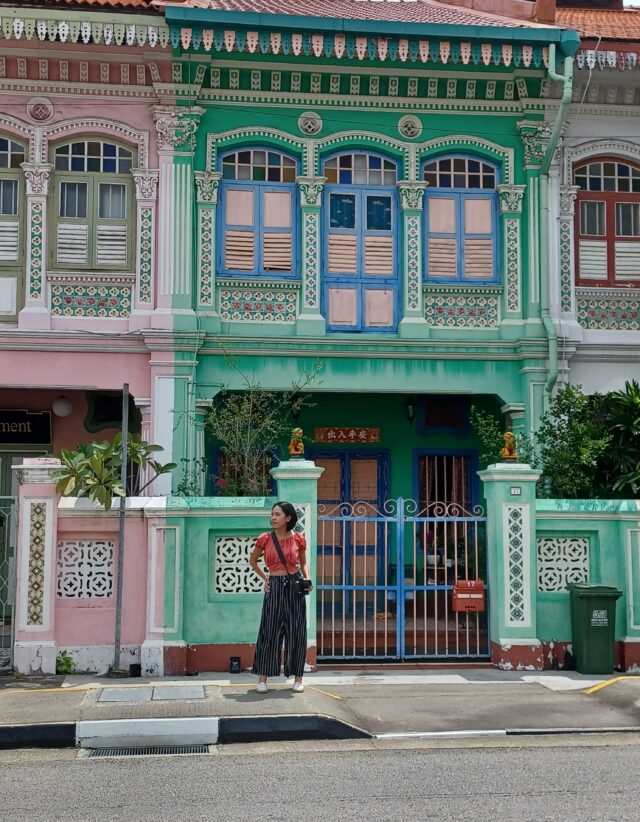
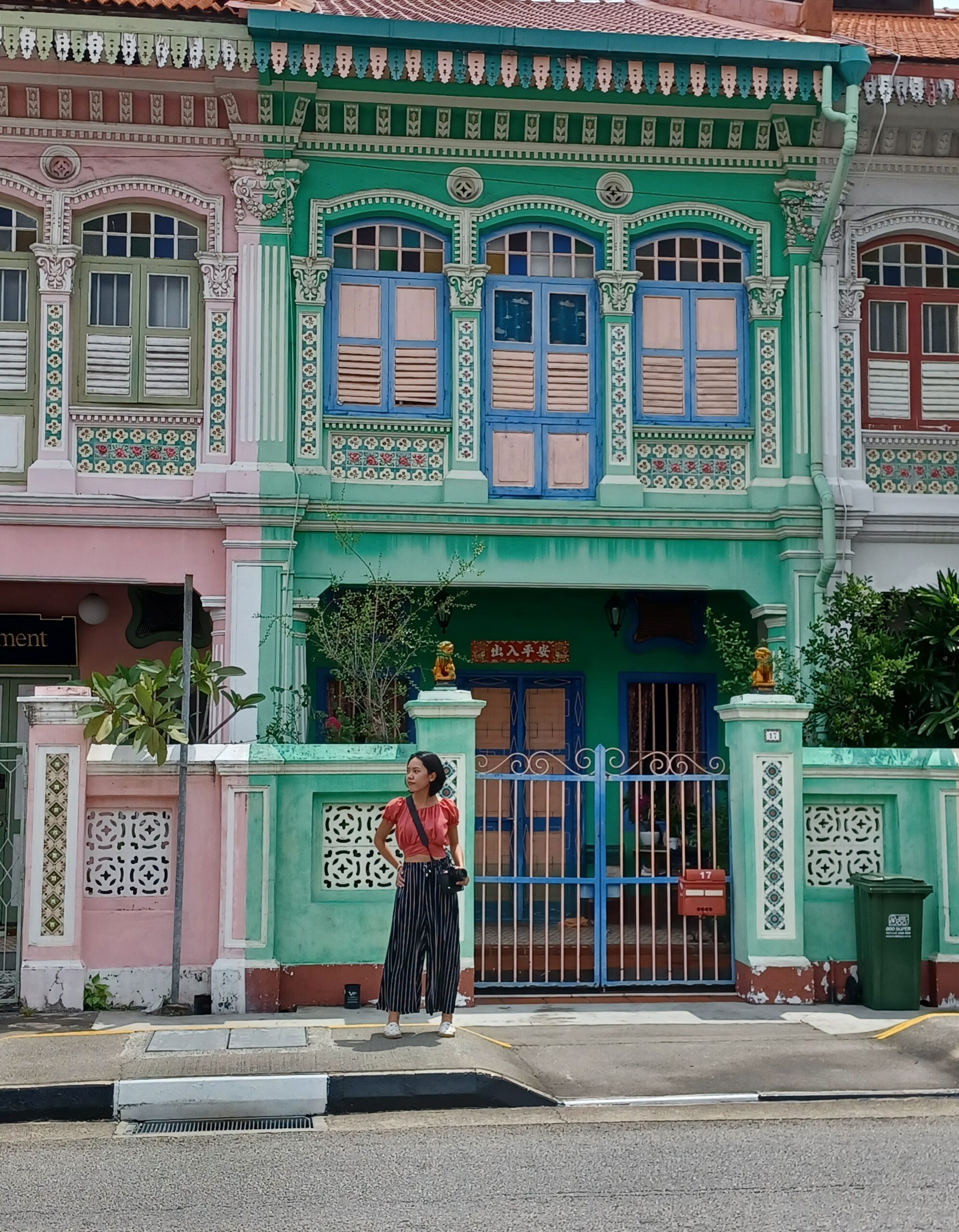
COLORFUL houses on Koon Seng Road

By Brontë H. Lacsamana, Multimedia Reporter

WHEN shining the light on Singapore, the images that pop up in one’s head usually include the grandiose Marina Bay Sands, the iconic and proud Merlion statue, and the architectural marvel that mimics nature, Gardens by the Bay.

Let’s not even start with the vast array of malls all around Singapore, where locals and tourists alike try to beat the heat and engage in retail therapy.

On your next visit, take the opportunity to get to know facets of Singapore that most Filipinos don’t usually explore. Whether it’s a deep dive of local cuisine or culture or just a completely unique experience, believe it or not, this small country has a lot to offer.

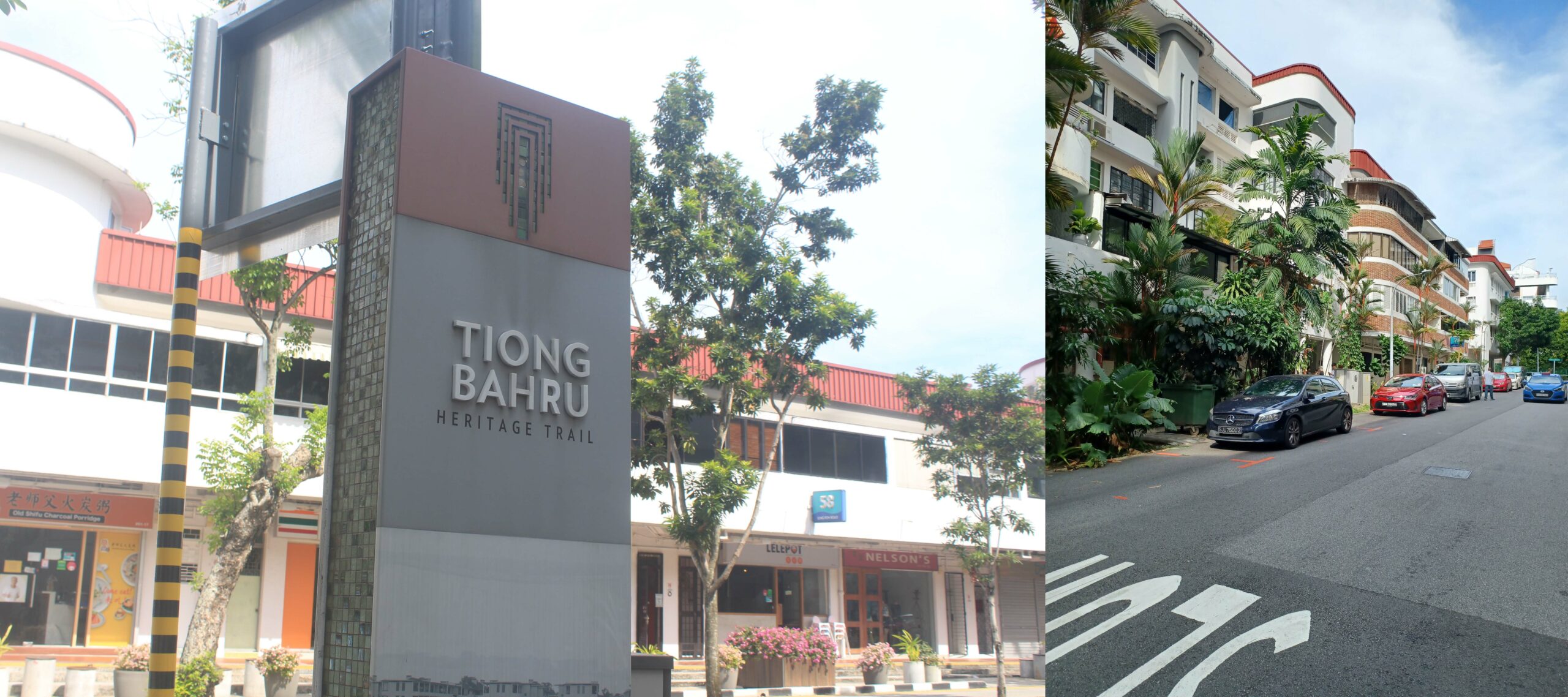
TIONG BAHRU
A good starting point would be the quaint neighborhood of Tiong Bahru, which means “new cemetery” — tiong meaning “tomb” in Hokkien, and bahru meaning “new” in Malay. The area was a burial ground before it became a housing estate in the 1920s.

The name alone, combining Chinese and Malay, reflects a confluence of cultures that is a signature of Singapore. Tiong Bahru blends old and new, with a coexistence of aging and young tenants, of both vintage structures and trendy lifestyle shops and cafés.
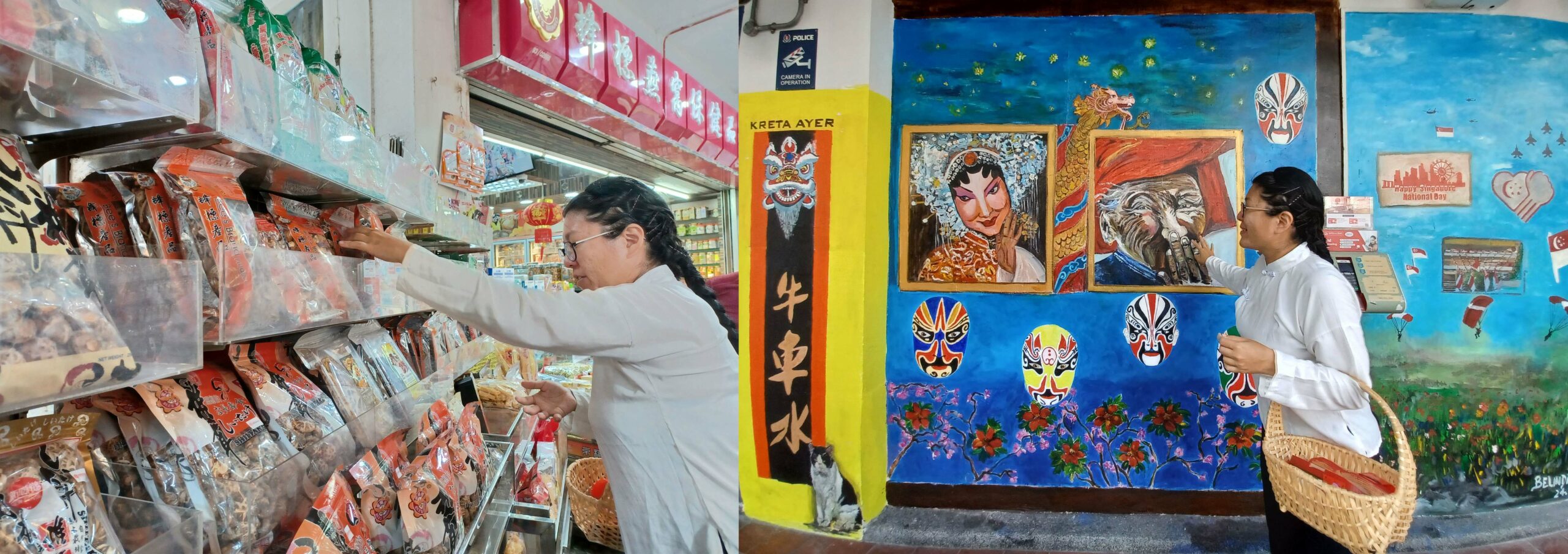
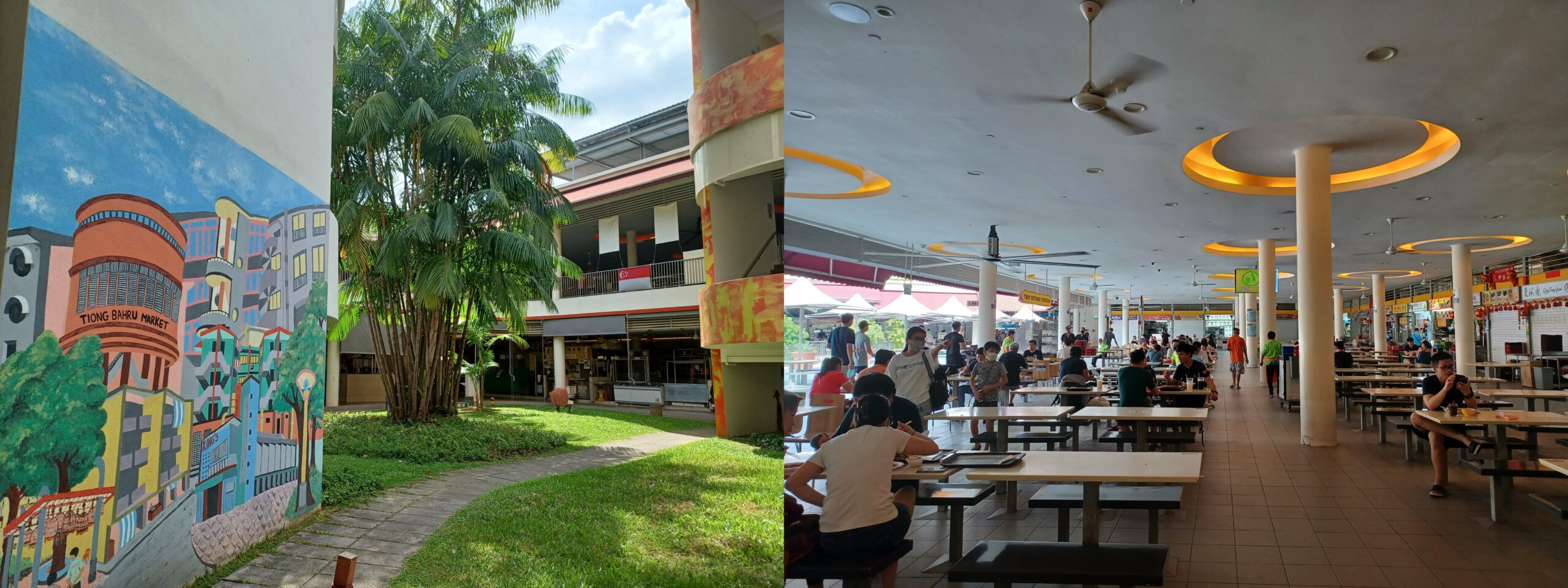
Its market and hawker center show this as well, designed colorfully and spaciously to give the hawker tradition a more modern spin. Grabbing a bite from one of the many food stalls is a must before exploring the idyllic neighborhood.

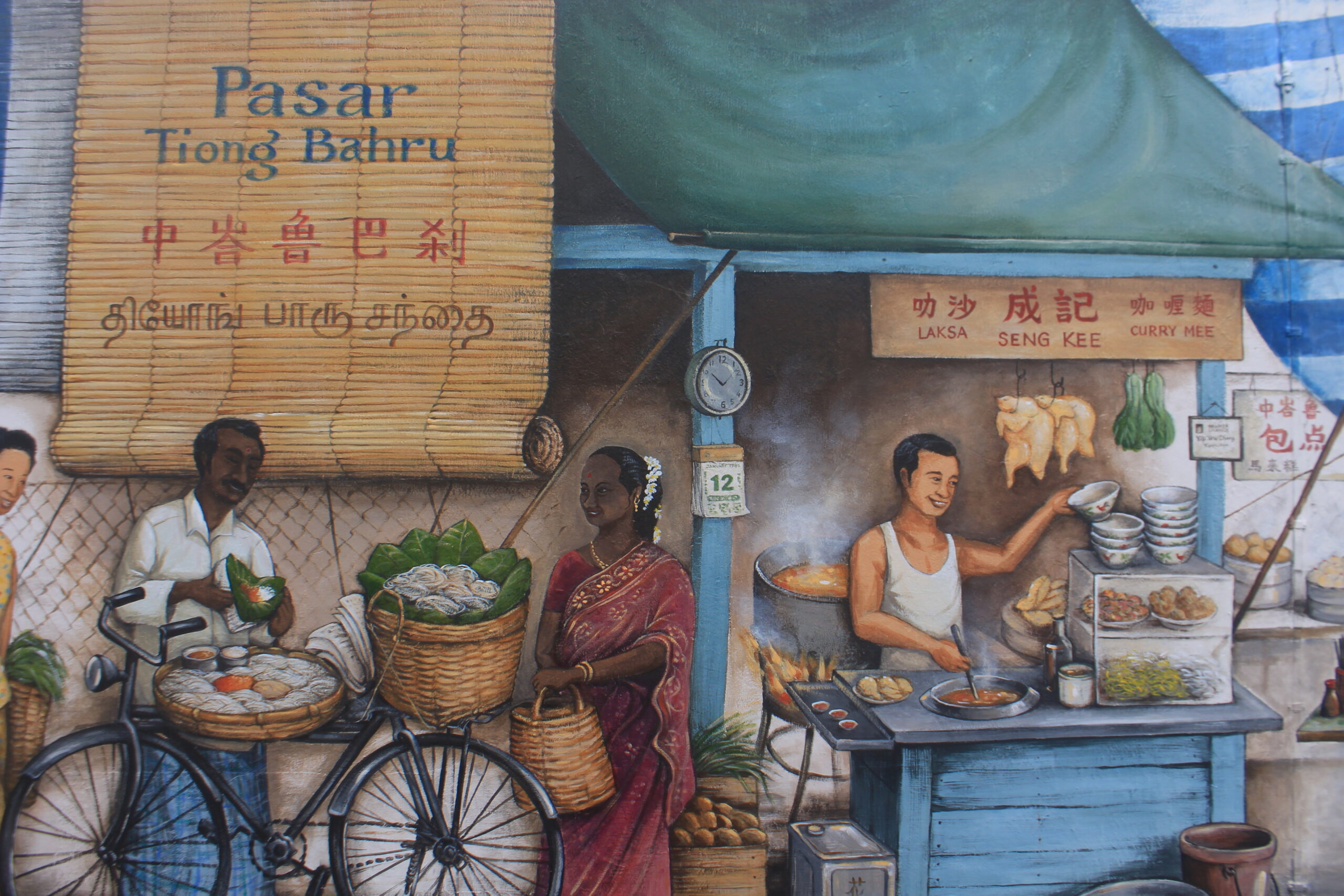
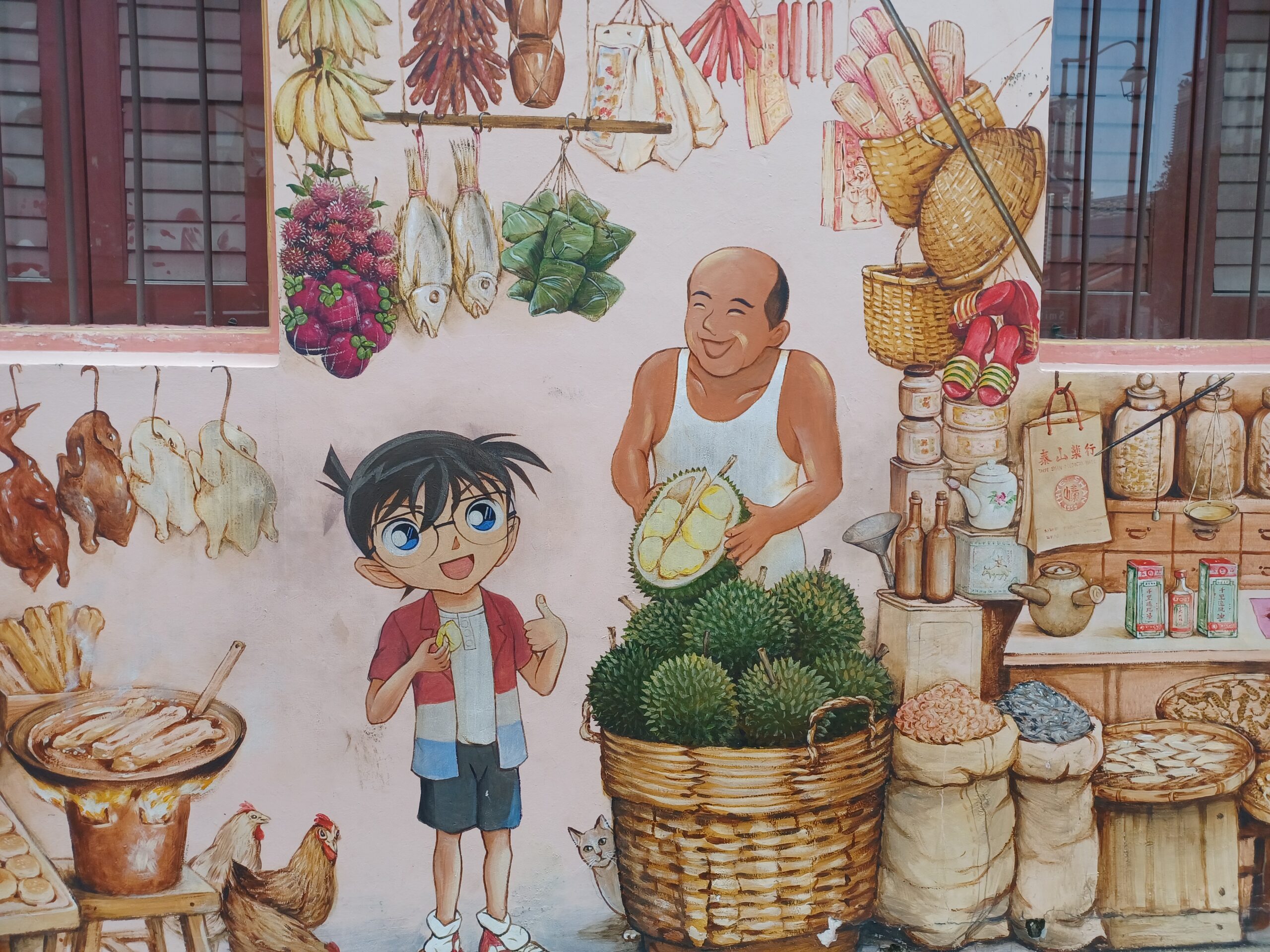
An easter egg to look out for: there are many murals by artist Yip Yew Chong around Singapore, all reminiscent of the country’s distant past.

KATONG AND JOO CHIAT
For a taste of culture, the trendy yet nostalgic Katong/Joo Chiat neighborhood located in the Eastern side of the city offers a glimpse of Peranakan heritage.

Referring to the Chinese diaspora in the straits of the Malay peninsula, Peranakans embody the confluence of cultures that can be found in Singapore.
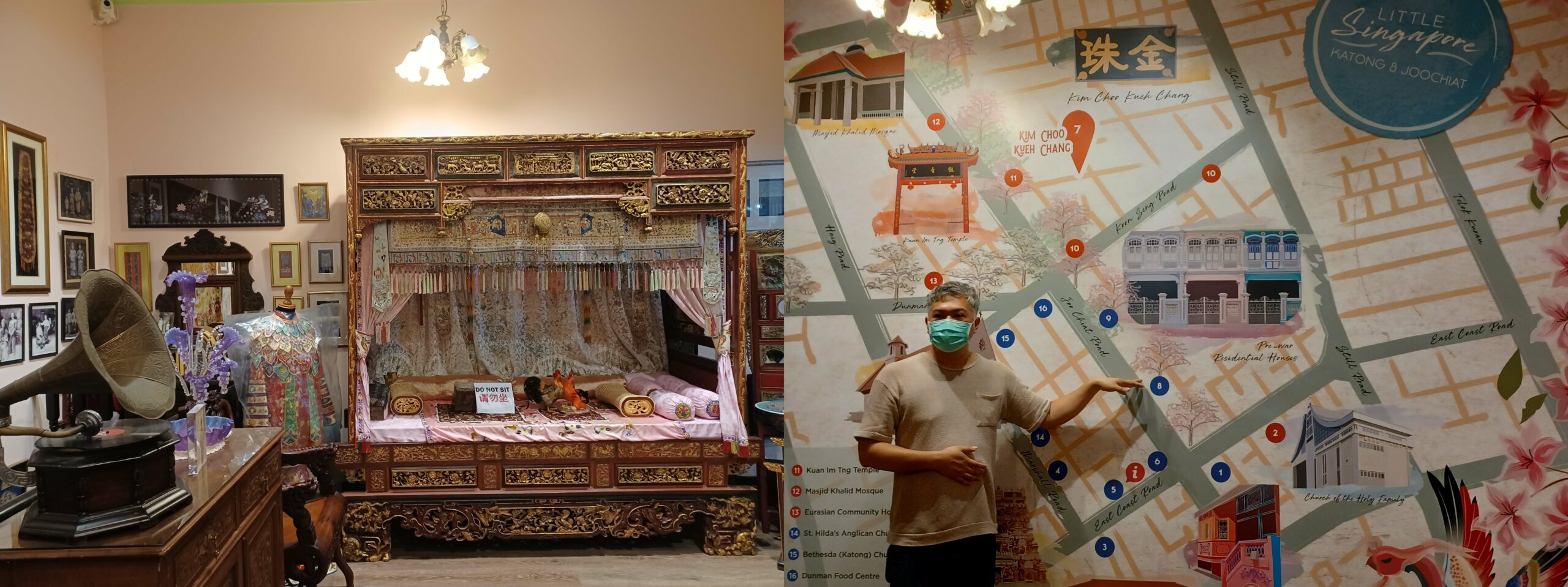
Rumah Kim Choo, a boutique shop and heritage gallery that gives tours and workshops, showcases Peranakan traditions.

From the intricately embroidered kebaya and beaded shoes worn by women to the historical origin of their rice dumplings to the interesting motifs on wedding ceremony beds and wardrobes, each little detail can be explained to curious tourists.

For Edmond Wong, director of business development at Rumah Kim Choo, Peranakans show “the coming together of different cultures, how it is to marry ideas together.”

To keep the heritage tour going, the Intan Peranakan Museum is a great place to hop to next for more soaking in of the local culture.

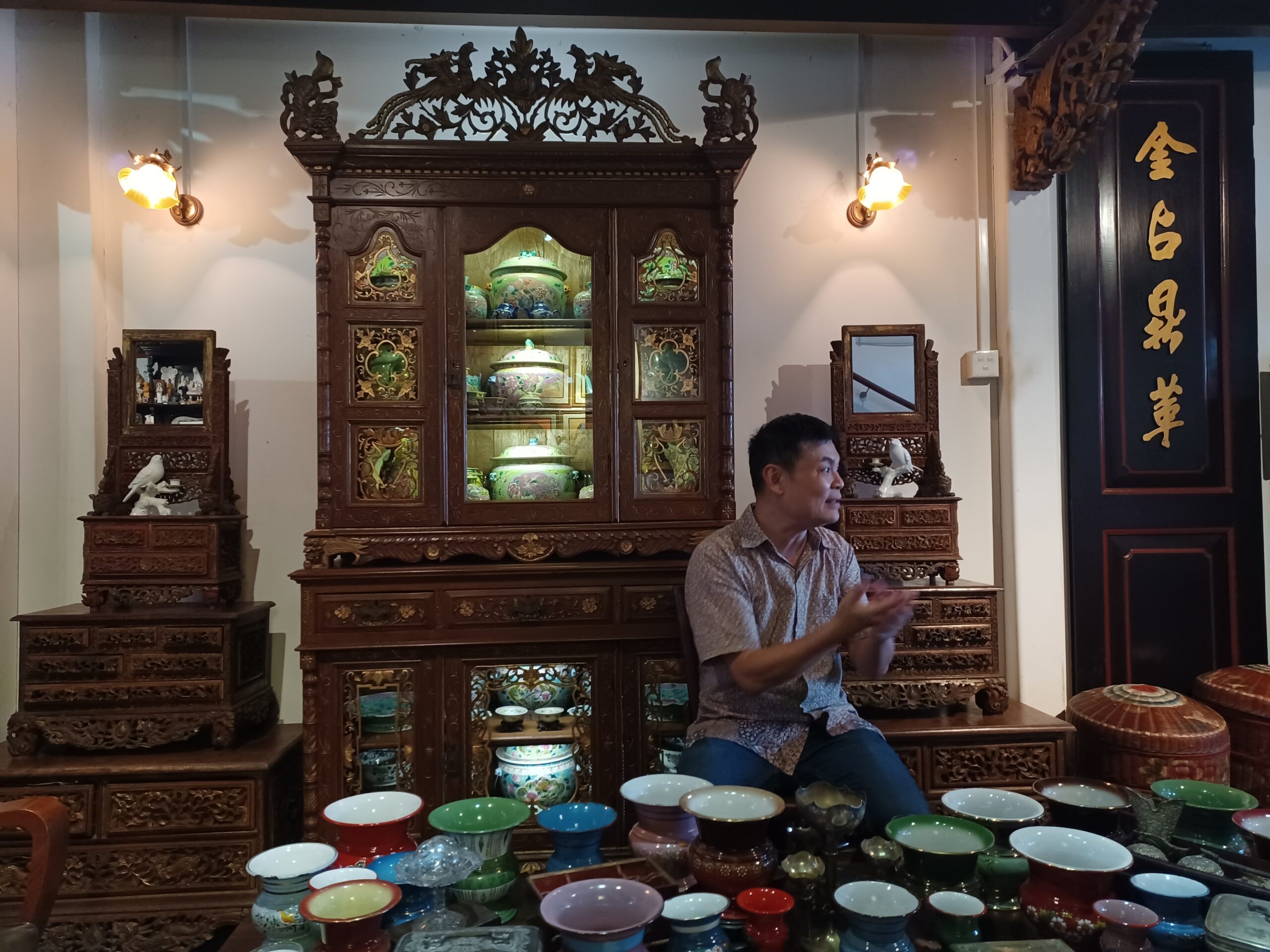
Owned by Alvin Yapp, who started off collecting Peranakan antiques as a hobby, the museum has the feel of a large cozy home, full of family heirlooms and old furniture.

“The people that sold or gave these items to me would also share the story behind them, and so that was how I learned about my own culture,” he told BusinessWorld. “It was never meant to be a museum. It was purely my own collection.”

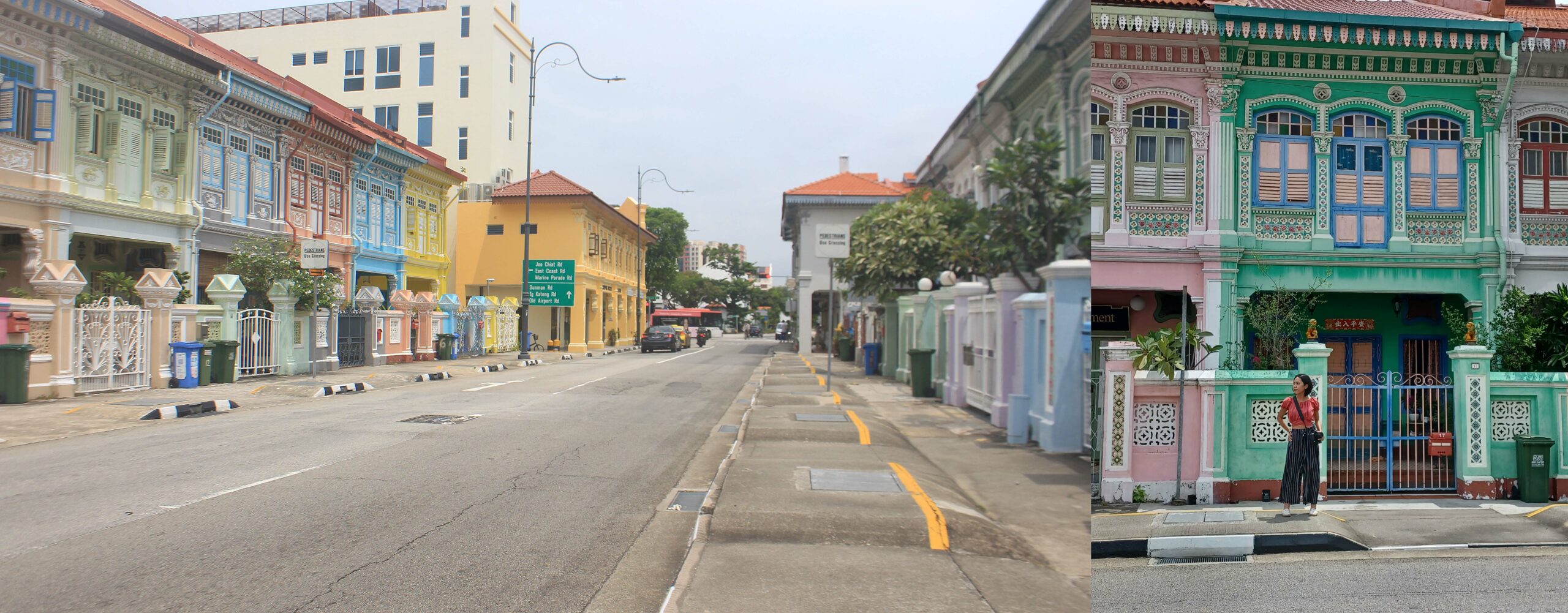
To take aesthetically pleasing photos, head to the colorful houses on Koon Seng Road, known as a hotspot for photoshoots in Singapore. The pastel structures do look pretty, but if you look closely, they also have Peranakan motifs and styles.

KAMPONG GLAM
A full day can be dedicated to Singapore’s Muslim Quarter, located in Kampong Glam, filled with restaurants of various cuisines and stores that sell textiles and perfumes.

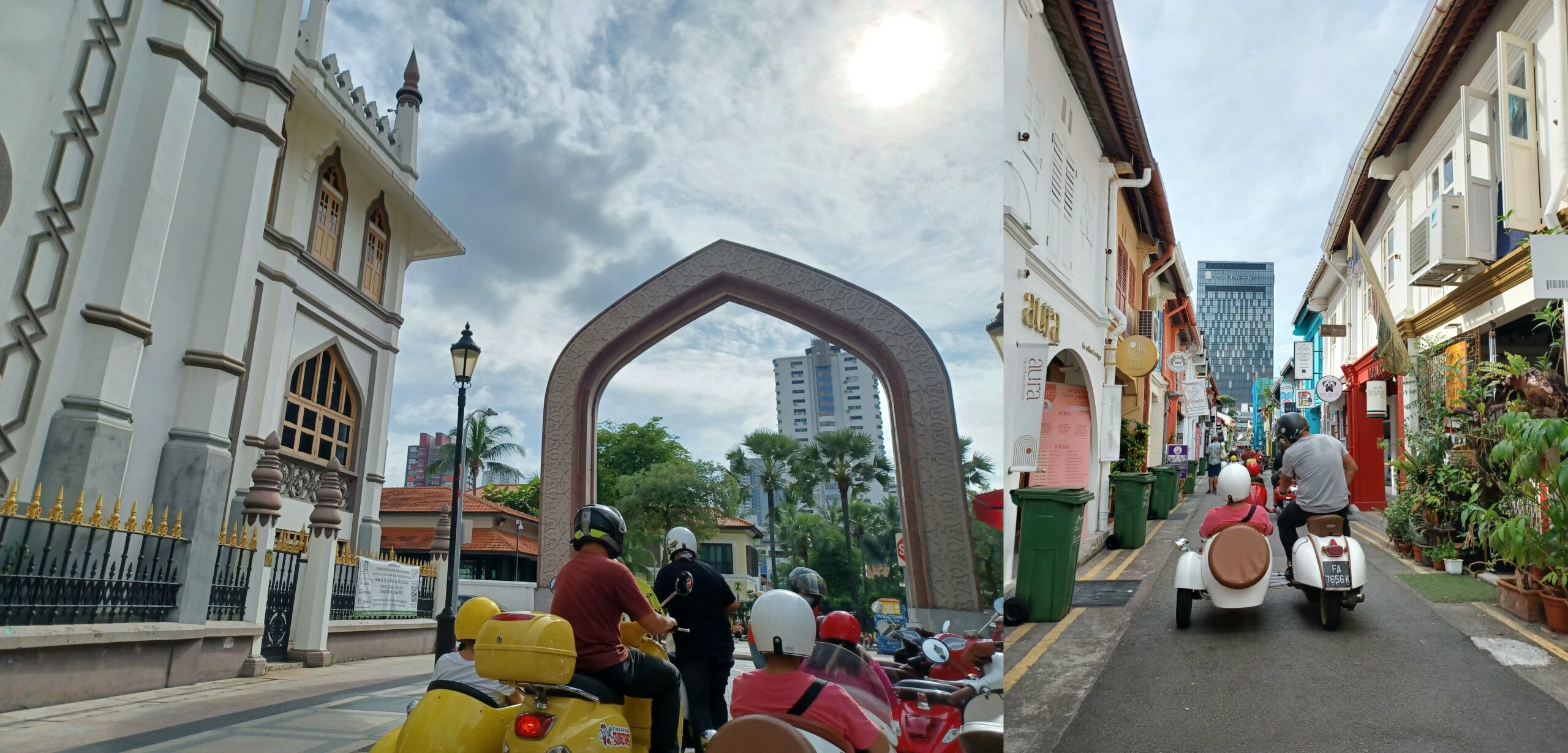
Arab Street and Haji Lane are the vibrant centers of this neighborhood. Tourists can take a stroll in the shopping areas surrounding the mosque, and go further out to the alleyways to see more clothes stores, street art, and cafés.

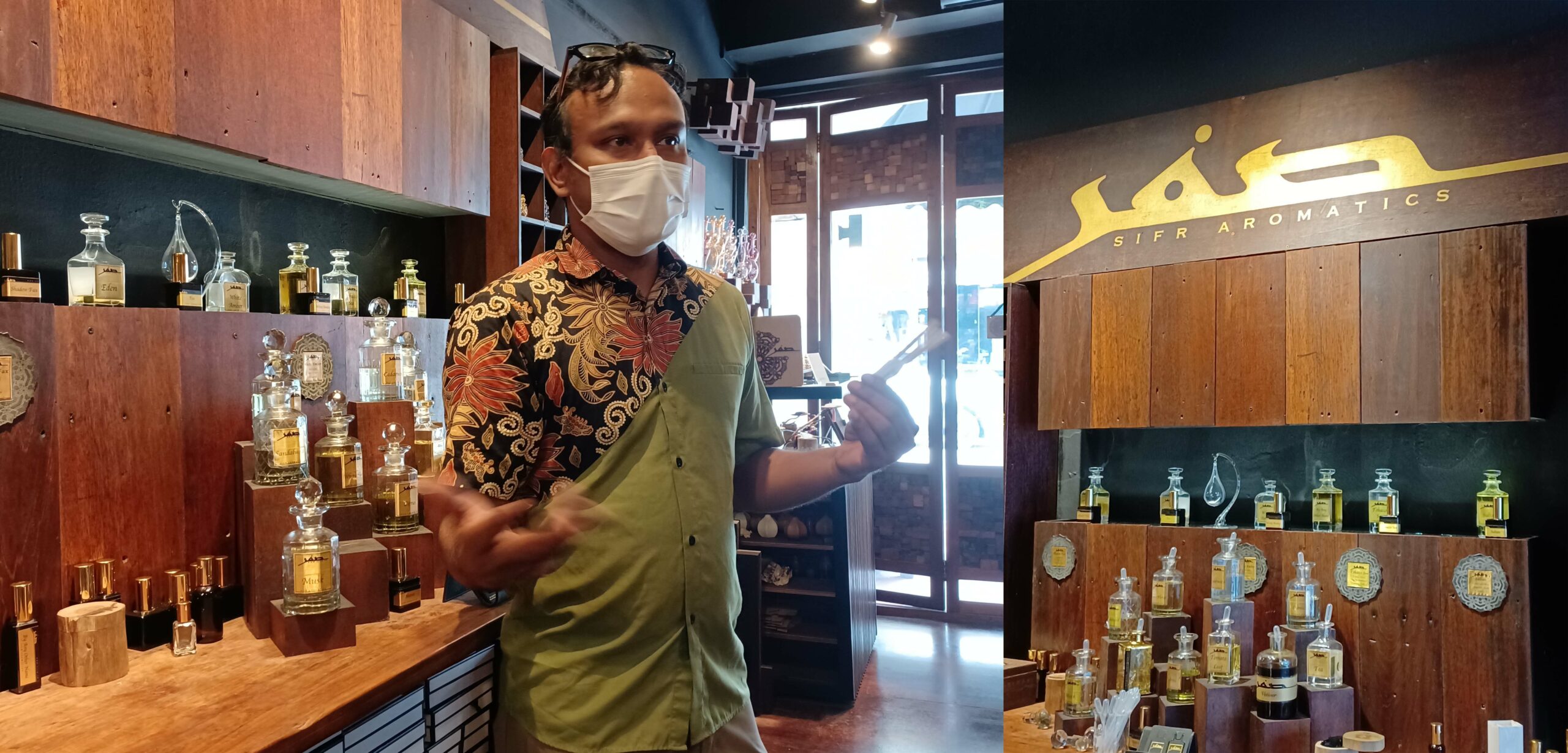
Those seeking a unique experience must head into SIFR Aromatics, one of the shops in the district, which offers a two-hour crash course in perfumery. There, you can learn to distinguish top notes and such, experiment with fragrances, and create your own scent.

“If you see a mosque, either they have free perfumes inside or you’ll see a perfume shop. Arabs have a strong relationship with perfumes,” said Johari Kazura, the aromatics studio owner who teaches the course.

Also in the neighborhood is the Vintage Camera Museum, a cool attraction especially for those who love photography. It’s hard to miss with an exterior shaped like a camera, with the entrance itself in the shape of a lens.

Inside, you can learn about the history of photography, from portable cameras and giant cameras to spy cameras and tiny cameras.

VINTAGE VESPA SIDECAR TOUR
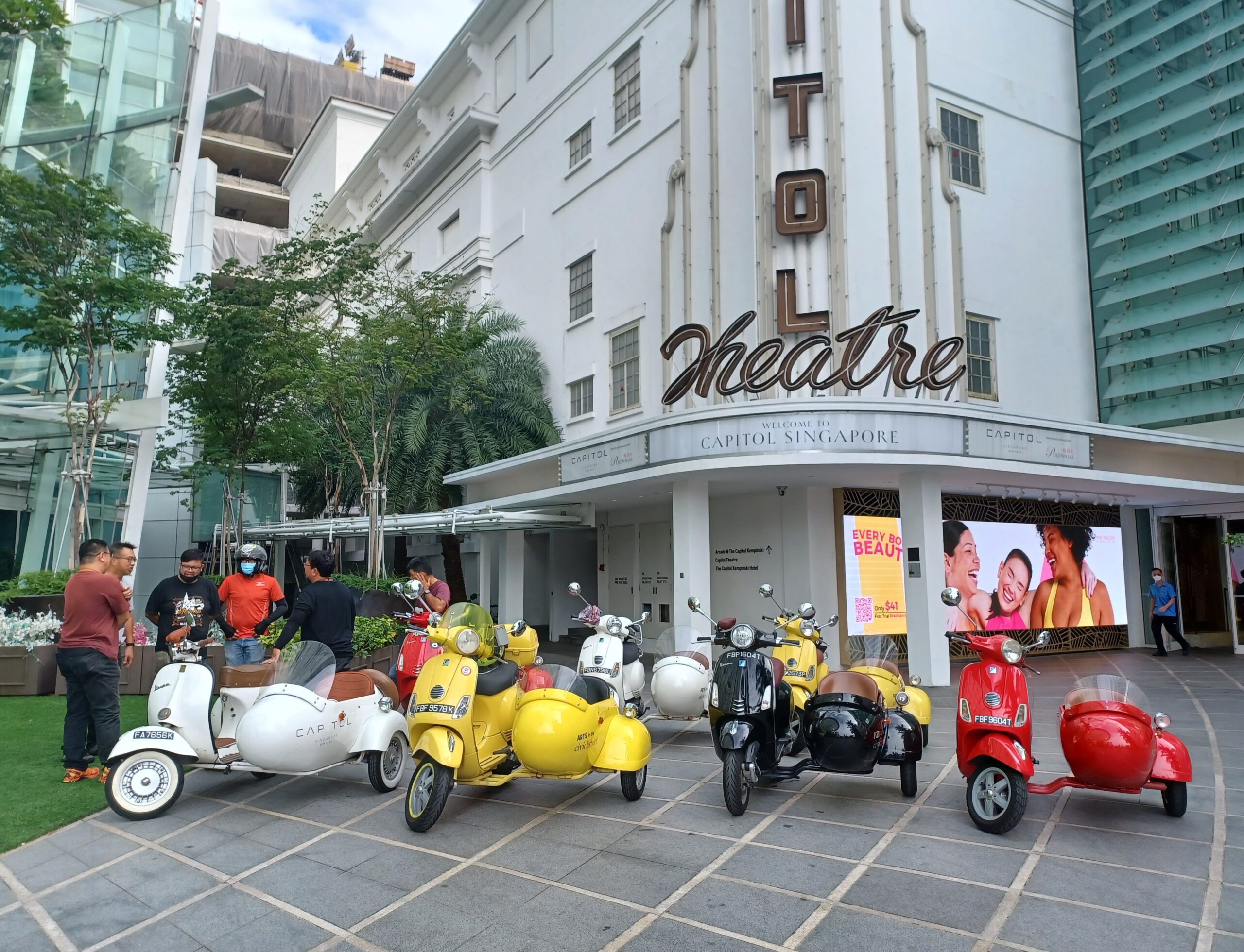
Singapore Sidecars is a company that lets you take a look at Singapore in a completely new way: from the sidecar of a vintage Vespa while your street-savvy guide breezes you around on the tour of your choice.

The starting point of the ride is the Capitol Theatre.

To enjoy it, sit back and relax as a knowledgeable local introduces you to the sights and sounds of a city you probably thought you knew, but not in this particular way.

A one-hour tour of Kampong Glam, for example, means being woven in and out of alleys and getting a rare peek into parts of town you didn’t know about.

Make sure to take a lot of pictures!

CHINATOWN
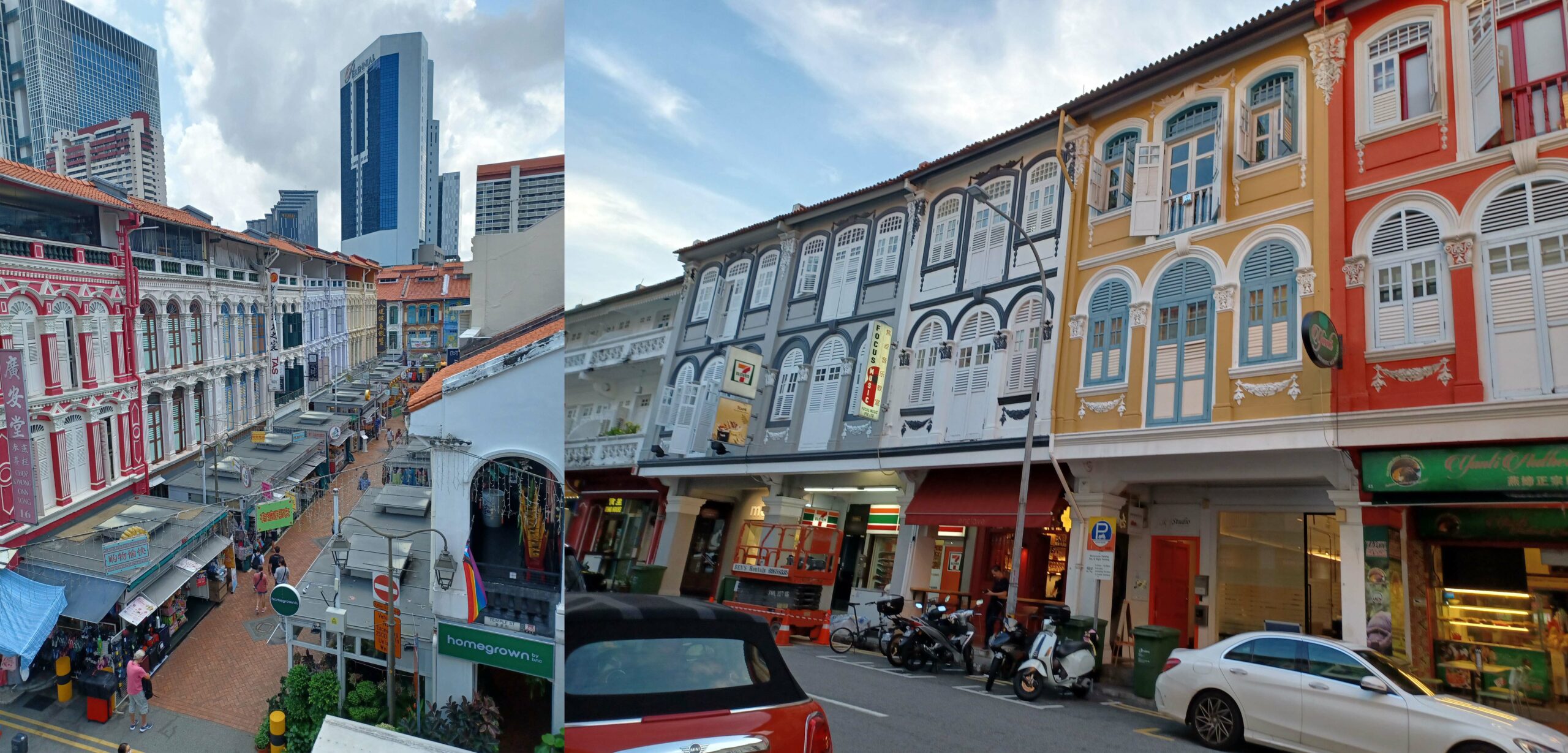
Finally, there’s the essential visit to Chinatown, where you can shop for all sorts of delicacies and take in the history and landmarks.

Note: Like in Katong/Joo Chiat and Kampong Glam, the narrow shophouses reflect the width-based taxation that led properties to slim down structures. They’re also as vibrantly colored, making a nice background for photos.

For an in-depth, immersive experience, Let’s Go offers theatrical tours where your guide plays a character that can better explain the ins and outs of Singapore’s Chinatown.

Fengjie in Bukit Pasoh is a fun one where you follow Fengjie, a majie (spinster servant) whom you bump into in the area and decide to join as she runs errands for her master, explaining tidbits about Chinese immigrants’ lives and traditions along the way.

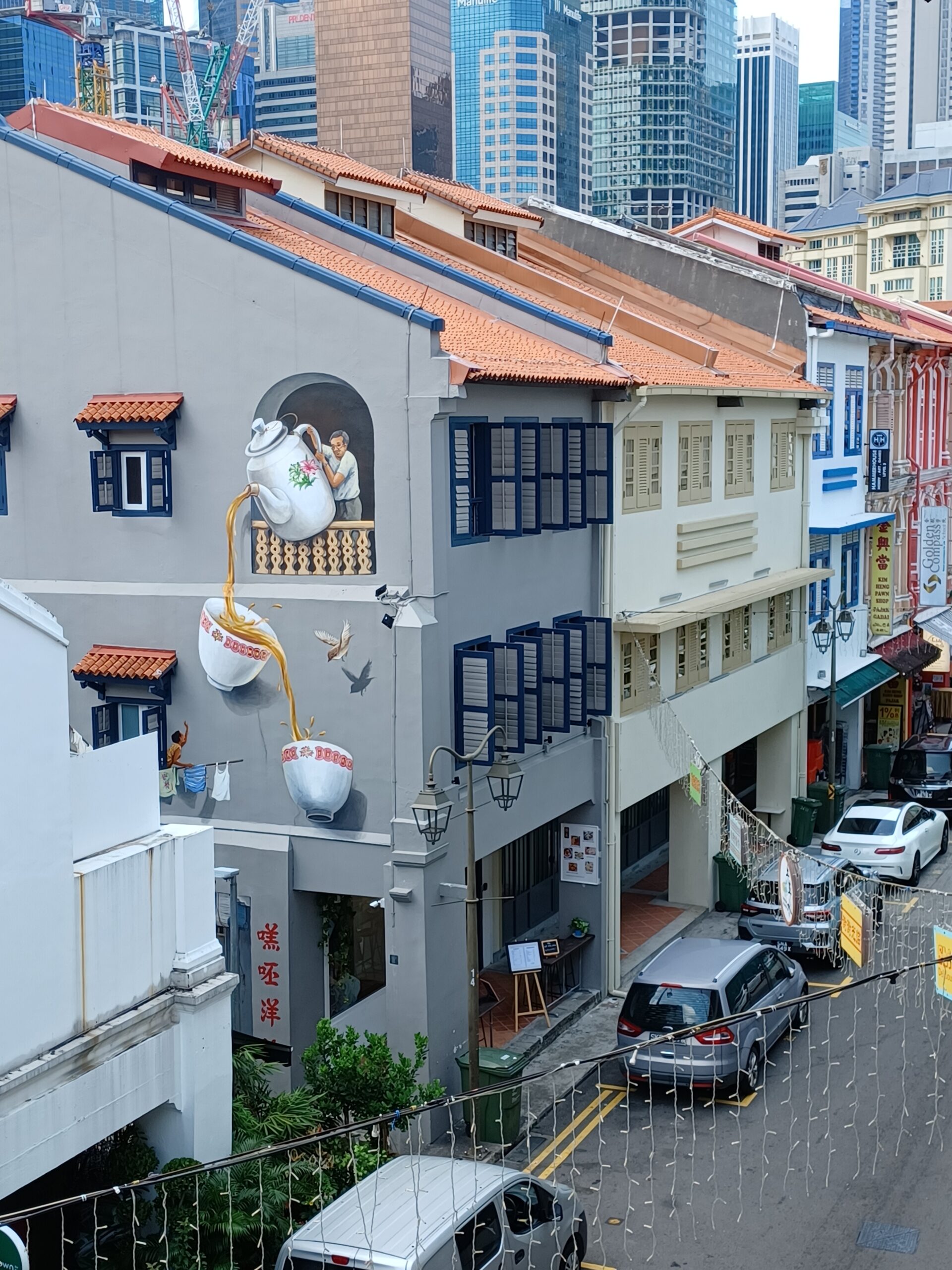
More Easter eggs: Singapore really loves its murals. Spot Detective Conan grabbing a bite from a local food cart and some intense cup pouring going on at a wall in town.

BusinessWorld visited Singapore as a guest of the Singapore Tourism Board (STB).

Photos were shot on a Canon EOS 700D and a Samsung Galaxy A32 5G.

NGO provides mental health support for sexually abused women 

SAGIP Babae Foundation, a Philippine-based non-government organization (NGO), will grant aid and relief to Filipino women who have suffered from domestic violence, sexual harassment, or sexual abuse.   

“We are here to make women realize their true value, and getting back on their feet is one of our main goals for them,” said Francesca Fugen, co-founder of Sagip Babae Foundation, at the NGO’s July 29 launch.  

Its Facebook community will hold webinars and bi-monthly group sessions, and offer self-care strategies, wellbeing and holistic healing education. 

Aside from matching beneficiaries to the appropriate partner experts, the foundation will also shoulder all expenses for therapy and medication within a woman’s first month of participation, as well as half of the costs in the second and third months.  

“We would like to be able to provide a safe space or shelter for women who are affected, but as of right now, we just have a physical office that is located in Las Piñas. It’s small, so we cannot house anyone or use it as a shelter yet,” said Ms. Fugen.  

Jun Angelo “AJ” Sunglao, a psychologist and mental health advocate, and Charlene R. Lucas, a psychologist and international clinical traumatologist, will serve as the group’s in-house experts.  

The foundation, which operates mainly online, plans to expand its advocacy to minors in the future. However, technicalities and legalities that require involvement of social workers from the government and even parental consent complicate matters.  

“We can start with women aged 18 and above. We can’t help everyone yet. As of right now, we would like to be able to get our foothold,” said Ms. Fugen.  

Around 25% of Filipino adults cite violence against women as a pressing problem during the pandemic, according to a Social Weather Stations survey released by the Commission of Population and Development in March 2021.  

The foundation will reach out to these women and offer resources for safeguarding their mental health, Sagip Babae Foundation said in a statement.  

To sustain operations long-term, the group is accepting pledges, whether through monetary donations, raising awareness for the cause, or joining as a volunteer. — Brontë H. Lacsamana

Puregold profit hits P2B as new stores boost sales

PUREGOLD Price Club, Inc. reported a 4.1% increase in its net income to P2.05 billion from last year’s P1.97 billion after booking higher sales boosted by newly opened stores and eased mobility restrictions.

“Sales had an uplift as mobility eased further in the second quarter. Total traffic to all stores increased by 10% versus the same period last year,” the company said in a press release on Tuesday.

During the second quarter, the company posted a 13.7% increase in net sales to P43.73 billion from the last year’s P38.45 billion.

In the first six months, the company registered a net income of P4.2 billion, a 5.3% jump from last year’s P3.99 billion.

“This was principally driven by the continuous organic expansion of the Group’s grocery retail outlets, strategic cost management and sustained strong consumer demand,” the company said in a disclosure to the stock exchange.

It also posted a 7.9% increase in net sales for the semester to P82.24 billion from P76.18 billion a year earlier.

“Net sales slightly grew due to sales contribution from full operation of 2021 new stores and revenue contribution from 2022 newly opened stores of both Puregold and S&R,” the company said.

The company added nine additional Puregold stores during the first half of the year, bringing the total number of Puregold group stores countrywide to 507 as of the end of June.

These stores include 438 Puregold stores, 22 S&R membership shopping warehouses, and 47 S&R New York Style quick service restaurants.

Puregold Price Club operates the group’s stores located all over the Philippines, maintains two online platforms — “Sally” and “PureGo” — and is affiliated with other online delivery platforms like Pickaroo, Metromart, Lazada, and Shopee.

On the stock exchange on Tuesday, shares in the company ended unchanged at P30.10 apiece. — Justine Irish D. Tabile

Ateneo Press named Publisher of the Year

27 winners proclaimed at the 39th National Book Awards

POSTPONED for two years because of the COVID-19 pandemic, the National Book Awards ceremony returned for its 39th year, holding its awarding ceremony online on July 30. The National Book Development Board (NBDB) and the Manila Critics Circle (MCC) awarded 27 winners in 25 categories.

There were 110 finalists in this year’s edition, all of which were published in 2019 and 2020. Two winners each were named for the categories Best Book for Drama and Best Book for Poetry in English. The Ateneo de Manila University Press was named the Publisher of the Year with a total of eight winning titles.

Despite the challenges brought by the coronavirus pandemic, NBDB Executive Director Charisse Aquino-Tugade noted improvements in book publishing over the last two years.

In her opening speech, Ms. Aquino-Tugade noted “there was an unprecedented increase in ISBN applications, over P30 million grants and domestic incentives received by creators, the setup of book nook sites (which are safe and inclusive reading spaces all over the country), numbering 52 in 2021 and 40 more this year, dozens of Filipino titles brought to the global stage via international book fairs, and the continuous literary production of independent publishers and creators.”

“While some people might say that awards are really just secondary to what is truly important — which is the book — I believe, like many of you, that the prestige and attention that they bring to creative work amounts to something greater,” Ms. Aquino-Tugade said. “They encourage wider readership and spotlight what are otherwise overlooked voices, which then encourages sales and helps our booksellers and publishers, which in turn encourages wider authorship.”

The Book Nook project, which began in 2021, aims to distribute Filipino authored books (including titles written in local languages) in reading centers in indigenous and remote areas from Ifugao to Tawi-Tawi. The nooks are located in public spaces, such as public parks and markets, where designated storytellers also teach children to read. A hundred nooks are targeted to be set up by 2023.

“By increasing access points for books across the country through our programs such as the Book Nook, and by expanding the market for publishers through our participation in international fairs, the NBDB is set to leverage the power of our number — our archipelago of stories, from the islands of Batanes to Tawi-Tawi, and our global diaspora that knows no boundaries,” NBDB Chairman Dante Francis Ang II said in his message.

THIS YEAR’S JUDGES
This year’s panel of judges from the Manila Critics Circle were: National Artist for Literature Virgilio S. Almario, Ruel S. De Vera, Dean Francis Alfar, Alma Anonas-Carpio, Michael M. Coroza, and Shirley O. Lua.

The permanent judges for Literary Division are Neni Sta. Romana-Cruz for English, and Jun Cruz Reyes for Filipino. The category judges for the Literary Division are: Charlson Ong for Fiction, Romulo P. Bacquiran, Jr. for Nonfiction Prose, Jose Wendell Capili for Essay, Merlie M. Alunan for Anthology, Christian Vallez (Juan Ekis) for Drama, Ferdinand M. Lopez for Literary Criticism and Literary History, Marra Lanot for Poetry, Carl Joe Javier for Graphic Literature, and Marne Kilates for Translation.

Analyn Salvador Amores served as the permanent judge for the Non-Literary Division. The category judges for the Non-literary Division are: Ma. Elizabeth “Mariles” L. Gustilo for Art, Antonio Gabriel La Viña for Professions, Maria F. Mangahas for Social Sciences, Ma. Bernadette Abrera for History, Marites Dañguilan Vitug for Journalism, Joanna Manalastas Calasanz for Humor, Sports, and Lifestyle, Michaela Fenix Makabenta for Food, Ma. Yodel M. Pe for Design, and Eric R. Punzalan for Science.

The winning authors receive a certificate, a cash prize, and trophy, while the winning publishers receive a winner’s certificate.

Below is the full list of winners:

LITERARY
Best Novel in English Tiempo Muerto: A Novel by Caroline S. Hau (Ateneo University Press)

Best Novel in Filipino Topograpiya ng Lumbay: Imus Novel 6 by RM Topacio-Aplaon (University of the Philippines Press)

Best Book of Short Fiction in English Voyager and Other Fictions: The Collected Stories of Jose Dalisay by Jose Dalisay, Jr. (Anvil Publishing Inc.)

Best Book Short Fiction in Filipino The Next Great Tagalog Novel at Iba Pang Kuwento by Allan N. Derain (University of the Philippines Press)

Best Book of Nonfiction Prose in English Biyaheng Pinoy: A Mindanao Travelogue by Edilberto N. Alegre (Ateneo University Press)

Best Book of Nonfiction Prose in Filipino Balager by Emmanuel T. Barrameda (Balangay Productions)

Best Book of Essays in English The Philippines Is Not a Small Country by Gideon Lasco (Ateneo de Manila University Press)

Best Anthology in English Mindanao Harvest 4 edited by Jaime An Lim, Christine F. Godinez-Ortega, Ricardo M. De Ungria (Far Eastern University Publications)

Best Book of Drama Salvador/Javier at Iba Pang Dula by Lito Casaje (University of the Philippines Press) and Two Women as Specters of History: Lakambini and Indigo Child by Rody Vera (Ateneo de Manila University Press)

Best Book of Literary Criticism in English Sensing Manila by Gary C. Devilles (Ateneo de Manila University Press)

Best Book of Literary History in English Songs Sprung from Native Soils: More Conversations with Eight Mindanao Writers edited by Ricardo M. De Ungria (Xavier University – Ateneo de Cagayan Press)

Best Book of Literary Criticism in Filipino Faustino Aguilar: Kapangyarihan, Kamalayan, Kasaysayan by Epifanio San Juan Jr. (UST Publishing House)

Best Book of Poetry in English When Bridges Are Down, Mountains Too Far: New Poems by Gemino H. Abad (University of the Philippines Press) and We Shall Write Love Poems Again by Dinah Roma (UST Publishing House)

Best Book of Poetry in Filipino Ruta: Mga Bago at Piling Tula by Benilda S. Santos (Ateneo de Naga University Press)

Best Graphic Literature Tarantadong Kalbo Volume 1 by Kevin Eric Raymundo  (Komiket)

Best Translated Book The World is Still Beautiful by Lazaro Francisco, translated by Mona Highley (Ateneo de Manila University Press)

NON-LITERARY
Best Book on Art Philippine Cinema, 1897-2020 by Gaspar A. Vibal and Dennis S. Villegas; edited by Teddy O. Co (Vibal Group)

Best Book on Professions Cool Minds, Brave Hearts: The People of the Philippine Central Bank by Roel R. Landingin (Bangko Sentral ng Pilipinas)

Best Book in the Social Sciences Rethinking Filipino Millennials: Alternative Perspectives on a Misunderstood Generation edited by Jayeel Cornelio
(UST Publishing House)

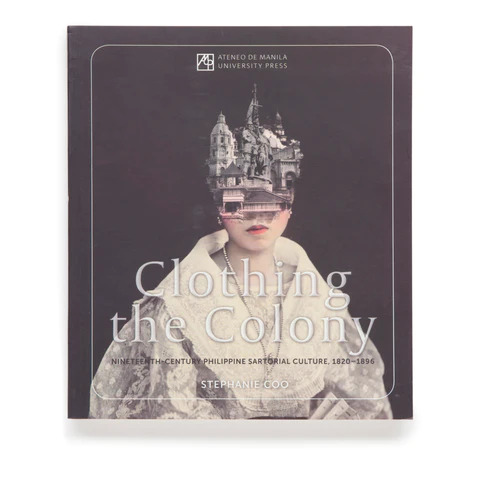
Best Book on History Clothing the Colony: Nineteenth-Century Philippine Sartorial Culture, 1820-1896 by Stephanie Coo (Ateneo University Press)

Best Book in Journalism Press Freedom Under Siege: Reportage that Challenged the Marcos Dictatorship by Ma. Ceres P. Doyo (University of the Philippines Press)

Best Book on Humor, Sports, and Lifestyle Walk Manila by Lorelei D.C. de Viana (Far Eastern University)

Best Book on Food Lasa ng Republika Dila at Bandila: Ang Paghahanap sa Pambansang Panlasa ng Filipinas by Ige Ramos (Anvil Publishing)

Best Book in Science The Zanjeras of Ilocos: Cooperative Irrigation Societies of the Philippines by Jose A. Rivera (Ateneo University Press)

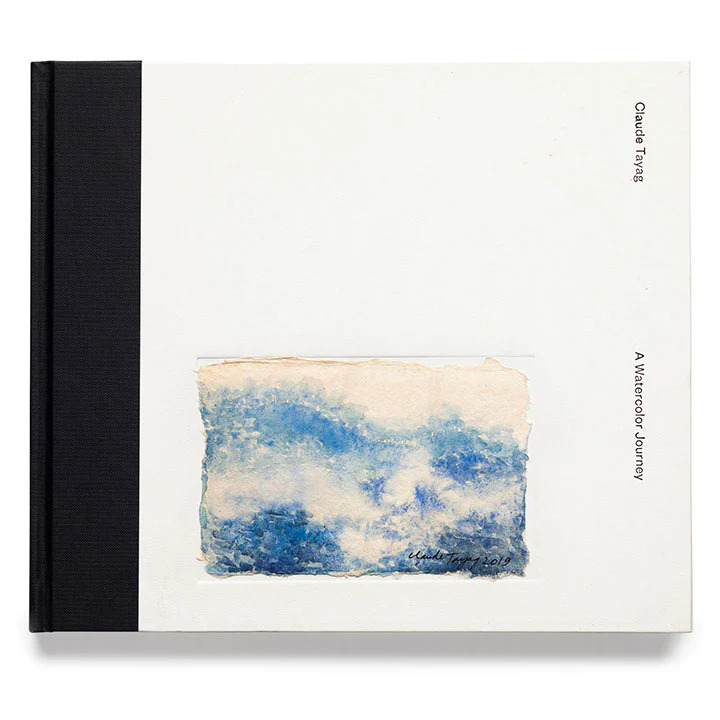
Best Book Design A Watercolor Journey by Claude Tayag and design by Miguel Mari (Holy Angel University)

Michelle Anne P. Soliman

‘Living with COVID’: Where the pandemic could go next

PHILIPPINE STAR/ WALTER BOLLOZOS

LONDON/CHICAGO — As the third winter of the coronavirus pandemic looms in the northern hemisphere, scientists are warning weary governments and populations alike to brace for more waves of coronavirus disease 2019 (COVID-19).  

In the United States alone, there could be up to a million infections a day this winter, Chris Murray, head of the Institute of Health Metrics and Evaluation, an independent modeling group at the University of Washington that has been tracking the pandemic, told Reuters. That would be around double the current daily tally.  

Across the United Kingdom and Europe, scientists predict a series of COVID waves, as people spend more time indoors during the colder months, this time with nearly no masking or social distancing restrictions in place.  

However, while cases may surge again in the coming months, deaths and hospitalizations are unlikely to rise with the same intensity, the experts said, helped by vaccination and booster drives, previous infection, milder variants and the availability of highly effective COVID treatments.  

“The people who are at greatest risk are those who have never seen the virus, and there’s almost nobody left,” said Mr. Murray.  

These forecasts raise new questions about when countries will move out of the COVID emergency phase and into a state of endemic disease, where communities with high vaccination rates see smaller outbreaks, possibly on a seasonal basis.  

Many experts had predicted that transition would begin in early 2022, but the arrival of the highly mutated Omicron variant of coronavirus disrupted those expectations.  

“We need to set aside the idea of ‘is the pandemic over?’” said Adam Kucharski, an epidemiologist at the London School of Hygiene and Tropical Medicine. He and others see COVID morphing into an endemic threat that still causes a high burden of disease.  

“Someone once told me the definition of endemicity is that life just gets a bit worse,” he added.  

The potential wild card remains whether a new variant will emerge that out-competes currently dominant Omicron subvariants.  

If that variant also causes more severe disease and is better able to evade prior immunity, that would be the “worst-case scenario,” according to a recent World Health Organization (WHO) Europe report.  

“All scenarios (with new variants) indicate the potential for a large future wave at a level that is as bad or worse than the 2020/2021 epidemic waves,” said the report, based on a model from Imperial College of London.  

CONFOUNDING FACTORS 
Many of the disease experts interviewed by Reuters said that making forecasts for COVID has become much harder, as many people rely on rapid at-home tests that are not reported to government health officials, obscuring infection rates.  

BA.5, the Omicron subvariant that is currently causing infections to peak in many regions, is extremely transmissible, meaning that many patients hospitalized for other illnesses may test positive for it and be counted among severe cases, even if COVID-19 is not the source of their distress.  

Scientists said other unknowns complicating their forecasts include whether a combination of vaccination and COVID infection — so-called hybrid immunity — is providing greater protection for people, as well as how effective booster campaigns may be.  

“Anyone who says they can predict the future of this pandemic is either overconfident or lying,” said David Dowdy, an infectious disease epidemiologist at Johns Hopkins Bloomberg School of Public Health.  

Experts also are closely watching developments in Australia, where a resurgent flu season combined with COVID is overwhelming hospitals. They say it is possible that Western nations could see a similar pattern after several quiet flu seasons.  

“If it happens there, it can happen here. Let’s prepare for a proper flu season,” said John McCauley, director of the Worldwide Influenza Centre at the Francis Crick Institute in London.  

The WHO has said each country still needs to approach new waves with all the tools in the pandemic armory — from vaccinations to interventions, such as testing and social distancing or masking.  

Israel’s government recently halted routine COVID testing of travelers at its international airport, but is ready to resume the practice “within days” if faced with a major surge, said Sharon Alroy-Preis, head of the country’s public health service.  

“When there is a wave of infections, we need to put masks on, we need to test ourselves,” she said. “That’s living with COVID.” — Reuters 

At 75, Edinburgh Festival more intent than ever on healing divisions

LONDON — Self-described working class playwright Kieton Saunders-Browne used to think the Edinburgh Fringe wasn’t for people like him —  until a fund set up to draw a more diverse cast of performers to the world’s largest arts festival stepped in to help.

The 24-year-old Londoner, of Irish and Caribbean heritage, is using a grant from the Generate Fund to stage his play Block’d Off, which runs at the city’s Pleasance Theatre from Aug. 3, and break the cycle of deprivation that is central to the work.

Even more than race, class is the issue that touches everyone and “transcends everything,” Mr. Saunders-Browne contends, and yet, working class stories tend to be untold.

“The reason they’re not there is because, almost in a scientific way, working class people have different struggles to deal with,” he said.

“You can’t do art, if you have no food, if you don’t know when you’re going to be physically safe.”

Unlike stereotypical Edinburgh Fringe artists, safe in the knowledge they can fall back on family money, Mr. Saunders-Browne said his mother’s household budget was £3,000 ($3,650) a year. That’s less than the £5,000 he got from the fund, which was set up by the Pleasance for Black, Asian and Global Majority Artists.

He was nevertheless determined to act and won a scholarship to the London Academy of Music and Dramatic Art (LAMDA).

His play’s characters, male and female — including drug dealers and a white, middle-class tutor who tries to help —  are all played by one woman, Camila Segal. She says the play fits into a theatrical trend of “moving towards authenticity.”

Ms. Segal left Brazil at the age of 10 after an aunt provided money for her mother to take her to England in pursuit of a better life.

“I feel like I am this play,” she said. “This is extremely personal for me.”

Celebrating its 75th anniversary, the Edinburgh International Festival, and the Fringe that formed around it, was founded in the aftermath of World War Two with the goal of using culture to heal divisions.

That ambition has never felt more relevant.

Anthony Alderson, artistic director at the Pleasance, says attracting the greatest range of people is crucial to narrowing gaps in society that have widened during the COVID-19 pandemic and as inflation has surged.

The Pleasance is not the only venue with schemes to support diversity. The nearby Assembly says its performances are selected “regardless of age, class, gender, or race.”

Their success will become clear by the end of Edinburgh’s first fully live festival since the pandemic.

Ticket sales have yet to match the records of 2019.

“The risks involved in mounting this festival are immense for everyone involved,” Mr. Alderson said. “Break-even is incredibly difficult to achieve.” — Reuters

SMIC gets regulatory nod to acquire geothermal firm

SM INVESTMENTS Corp. (SMIC) has acquired full ownership of Philippine Geothermal Production Co., Inc. (PGPC), the operator of Tiwi and Mak-Ban steam fields, through a P15.76-billion share-swap deal with Allfirst Equity Holdings, Inc.

“The acquisition of PGPC is sizeable, accretive to our shareholders, and a strong strategic fit with our portfolio of investments in high growth sectors in the Philippines,” said Frederic C. Dybuncio, president and chief executive officer of SMIC in a stock exchange disclosure on Tuesday.

He added that the deal further reinforces the SM group’s commitment “to sustainability, good governance and acting as a catalyst for responsible development in the communities we serve.”

In the disclosure, SMIC said that it received on Aug. 1 the approval from the Securities and Exchange Commission to acquire the 81% stake of related parties in Allfirst, the holding company for PGPC, in exchange for shares in SMIC.

SMIC said that the deal will bring the company’s ownership in PGCP to 100%. The transaction also involves the issuance of 17.44 million new shares to the sellers or 1.4% of shares outstanding in SMIC.

The steam fields in Tiwi, Albay and Mak-Ban (Makiling-Banahaw) in Laguna and Batangas generate combined geothermal steam enough to produce 300 megawatts of electricity.

Aside from the two steam fields, PGCP also has several greenfield concession areas for geothermal steam production which it plans to develop in the future.

Tiwi is the first commercial-scale geothermal steam field development in Southeast Asia, followed by Mak-Ban. Both are in operation since 1979.

“In 2021, PGPC delivered $99.4 million in revenues and $48.8 million in net income, equivalent to 1.2% of SMIC 2021 revenues and 5.5% accretion to SMIC 2021 net income respectively,” SMIC said.

On Tuesday, shares in SMIC slipped by 1.41% or P11 to close at P769 each. — Ashley Erika O. Jose

Pfizer tests drone delivery of medical supplies

PFIZER, a multinational biopharmaceutical firm, piloted the drone delivery of medicines and vaccines to the remote rural community of San Luis, Agusan del Sur, in partnership with Geneva-based WeRobotics and Philippines Flying Labs

The pilot project, conducted from March 6 to 10, saw drone pilots with at least 1,000 hours of drone training and flying experience deliver maintenance medicines, coronavirus disease 2019 (COVID-19) vaccines, medical equipment such as needles and syringes, and water samples for testing to the community of Kilometer 55, Barangay Binicalan in San Luis.  

First conceived in 2020, the project took two years to plan.   

The aim was to create a proof of concept on the accessibility of healthcare via drone delivery for areas that are geographically isolated and disadvantaged, said Ken R. Millan, digital lead for Pfizer Philippines, in an Aug. 2 e-mail.  

“Once established, the Pfizer Foundation hopes to scale up similar projects in adjacent municipalities of San Luis,” he said.  

San Luis, an isolated community due to roads that are impassable during the rainy season, has a high prevalence of diarrhea, malnutrition, hypertension, and diabetes. 

“We’re not here to replace any existing delivery service here; we are here to augment and enhance the current system,” said Dr. Heidi Sampang-Abiad, managing director at Philippines Flying Labs, in a July 22 press release.   

“Drones are reliable and are a good addition to strengthen the last mile health service delivery in the country,” she added.  

The habal-habal [a provincial motorcycle taxi] costs P5,000 to P6,000 and can take up to five hours to go back and forth from the community, she said. Drone deliveries, meanwhile, can shorten that to 10 minutes. 

“The Provincial Government of Agusan del Sur is open to innovative projects such as this one which can improve healthcare access to our isolated communities,” said Santiago B. Cane, Jr., Agusan del Sur governor, in the same press release.  

In 2018, Henrietta H. Fore, United Nations International Children’s Emergency Fund executive director, said that drone technologies can be “a game changer for bridging that last mile.” — Patricia B. Mirasol

Joseph The Dreamer: The 30 year journey

By Audie Gemora

JOSEPH THE DREAMER is Trumpets’ longest running musical. It debuted in 1989 and had many re-runs over the decades. In 1999, Gary Valenciano brought pure energy and star power to the title role.  Twenty years later, we set into motion a revival of Joseph the Dreamer for the new generation, this time starring Sam Concepcion. It ran early 2020 and was actually the last production to have had a run before the lockdown.

After two long years of no live shows, Trumpets took a leap of faith by staging a come-back of Joseph the Dreamer this July, hoping it would be the first musical to run post pandemic and pave the way for the return of live shows.

We were all set to open when what we feared the most, happened. Some of the cast members tested positive for COVID-19. To keep everyone safe, especially the audience, we postponed the opening weekend and then waited out the following week to see how the situation would play out.

Other theater groups had their eyes keenly set on us. Our production team did an awesome job setting even more protective COVID protocols and tracking everybody’s health daily.

Trumpets, being a Christian theater company, did what we are accustomed to doing — coming before God and laying the situation at His feet. After three days, the sick began to heal. One by one their tests turned negative, and in just a week, the cast was back on its feet.

On July 22, one week after we postponed the opening, wonder of wonders, miracle of miracles, Joseph the Dreamer opened! The energy was through the roof! The audience loved the show. Most of all, Gary Valenciano who plays Jacob to Sam Concepcion’s Joseph, prayed for everyone in Maybank Theater. Historically, Joseph the Dreamer always played during troubled times or at the heels of a natural calamity. This time is no different. It is a show that God uses to speak to people and give them hope.

As the opening song says “Praise His name and see it happen, let the power of God become alive in your life, just praise the Lord, praise the Lord sing Hallelujah Hallelujah!”

Joseph the  Dreamer runs till Aug. 7 at the Maybank Theater, Bonifacio Global City, Taguig.


Audie Gemora is one of the founders of Trumpets, Inc.

Globe seeks partnerships with more property developers for telco space

GLOBE TELECOM, Inc. said on Tuesday that it hopes to partner with more property developers to make sure that future housing projects have built-in broadband and dedicated spaces for telecommunications infrastructure.

“Globe currently has 18 property developer partners, with 200 developments covering nearly 100,000 units fitted with built-in broadband through these collaborations,” the company said in an e-mailed statement.

The telco announced recently that executives from ASEANA Holdings, Inc., Cebu Landmasters, Inc., Robinsons Land Corp., and Victor Consunji Development Corp. “have committed to supporting Globe’s quest for immediate and reliable connectivity in housing developments, from condominiums to villages.”

“What we envision is when a customer steps into a property, he is ready to connect just like electricity and water are readily available,” Globe President and Chief Executive Officer Ernest L. Cu said.

“And it’s great we’ve gotten this far in terms of our existing partner developers, because like Globe, they are also customer-centric. We are no longer just talking to a blank wall,” he added.

Last week, the Department of Information and Communications Technology said it would support legislation that will set standards for telco integration in residential property design.

“In one of my talks before in the Chamber of Commerce, I pushed for the revision of National Building Code. The building code requires the provision of electricity, water and sewerage, but not telecommunications,” Information and Communications Secretary Ivan John E. Uy told reporters on the sidelines of PLDT, Inc.’s Jupiter Cable System launch on Friday.

Isabela Rep. Faustino A. Dy V has said he would refile the House bill that seeks to require developers to properly provision ICT facilities for telcos.

“Customers are demanding it, so why should we say no? Spending on fibering units, it’s a basic expectation already. We have reached a point that when people find out you don’t have fiber, clients back out,” said John Richard Sotelo, senior vice-president and business unit general manager of RLC Residences.

Mr. Cu said Globe “stands ready to work with developers in embedding connectivity in their projects.”

“We’re here to work with you. We know that this is an area that probably is not within the realm or sphere of competence of your engineering teams, just like we don’t know construction. We‘re here to provide that service. We’re here for you.” — Arjay L. Balinbin

Arts & Culture (08/03/22)

Gold, textiles, ceramics on view at Ayala Museum

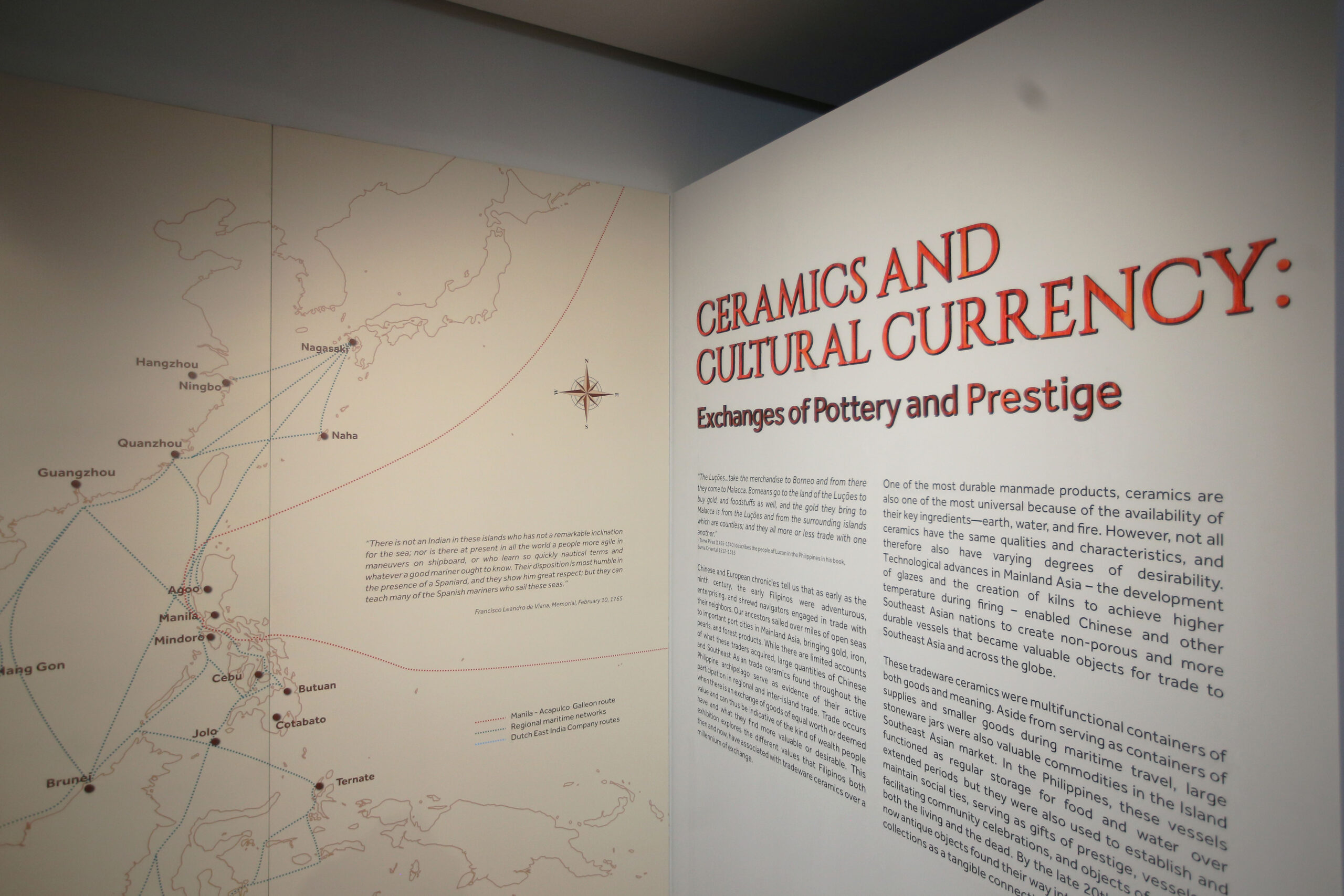
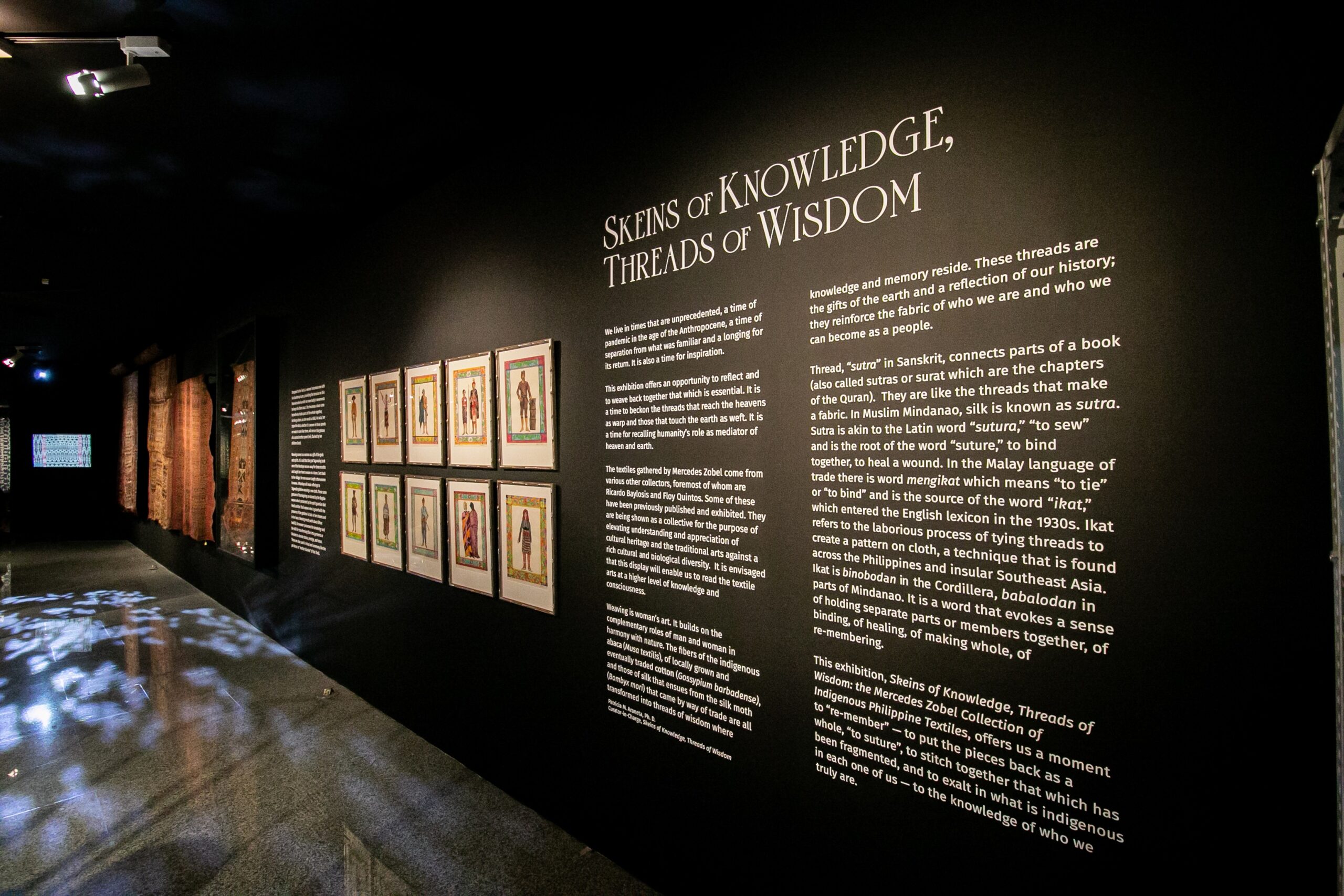
AFTER its soft opening in December 2021, Ayala Museum is now fully operational with the opening of the 4th floor, which houses the museum’s revamped permanent exhibitions on Philippine pre-colonial gold, indigenous textiles, and Southeast Asian trade ware ceramics from the museum’s collection. The three exhibitions jointly tell the story of the Crossroads of Civilizations — how the country’s identity, imagery, and ingenuity were shaped by a millennium of interactions within the flourishing networks of exchange within Asia and beyond. Additionally, Visible Storage has been added to the 4th floor where guests can view a portion of the archaeological, ethnographic, fine arts, and historical objects in Ayala Museum’s collection. The new exhibit, “Skeins of Knowledge, Threads of Wisdom,” features indigenous textile arts in the Philippines. “Ceramics and Cultural Currency: Exchanges of Pottery and Prestige,” which showcases a collection of Chinese and Southeast Asian trade ceramics found in the Philippine archipelago. Originally opened in 2008, theGold of Ancestors” exhibit has been refreshed for a new generation. Also on view at the museum are “Intertwined: Transpacific, Transcultural Philippines, Landscape into Painting: Fernando Zobel Serie Blanca,” Dioramas of Philippine History, and the Filipinas Heritage Library’s exhibit, “Liberation: War & Hope”. Prebooked admissions, timed entries, and limited capacity on admissions will still be practiced at Ayala Museum. Tickets and visitor guidelines are available through www.ayalamuseum.org.

Duo exhibit at ArtistSpace

THE DUO exhibition of Nida Cranbourne and Joy Rojas titled,Nature Nurture,” runs until Aug. 16 at ArtistSpace , Ayala Museum Annex, Makati Ave. corner De La Rosa St., Greenbelt Park, Makati City. Ms. Cranbourne shows her expertise in flowers while Ms. Rojas focuses on abstract art, this time portraying nature. The theme tackles climate change, flora, fauna, and landscapes, expressed in two distinct art styles but converging as one. The gallery  opens daily from 11 a.m. to 8 p.m. Admission is free.

‘Identity’ at Galleria’s ARTablado

THE GROUP exhibit “Identity” is on view until Aug. 15 at the Robinsons Land ARTablado at Level 3 of Robinsons Galleria. The featured artists who focus their works on themselves in this exhibit are: Ethel Dimacuha, Anne Margaret Villanueva, Camille Dela Rosa, Erbil Escano, Jr., Giovanni Dela Rosa, Khristina Manansala, Lito Milan, Malaya Ligaya, Norman Cristobal, Al Vargas, Rey Asturias, Roy Espinosa, Vanessa Joy Panaga, Viel Samaniego, and Wilson Galano. ARTablado, is Robinsons Land’s stage for showcasing Filipino ingenuity and creativity.

Antipolo’s Artablado presents Sining Tanay show

IN TIMES of uncertainty, it is up to artists to create something that will wake peoples’ senses and ask what can be done better to help society progress. Sining Tanay, a group of artists from the town in Rizal, understands this and their group exhibition at Robinsons Place Antipolo is proof of this. Titled “Pamukaw,” Sining Tanay’s artists showcase some of their best works as a call to people to be excited by art and find something to be hopeful. On view are works by Jun Tiongco, William Alcantara, Mhar Baes, Addie SyCip Cukingan, Winslomer delos Santos, Roger Fulgado, Roland delos Santos, and Belo Pasa. Pamukaw is on view until Aug. 15 at the Upper Ground Floor, North Wing of Robinsons Place Antipolo.

HKTB promotes Southeast Asian artists

THE HONG KONG Tourism Board (HKTB) brought together 18 artists across Southeast Asia (SEA) to create art pieces inspired by perennial icons of Hong Kong. This initiative, titled “Arts in HK with SEA artists,” is an extension of the year-long Arts in Hong Kong program.  “Arts in HK with SEA artists” campaign features artistic talents from the Philippines, Singapore, Malaysia, Thailand, Indonesia, and Vietnam. The collection of artwork spans across a spectrum of genres, from painting to digital illustration, pottery, embroidery, sand art, and more. One of the artists is Ciara Gan, a painter and content creator from the Philippines. She is best known for designing and hand-painting her high school prom dress, the video of which garnered over 8.5 million views online. “The inspiration for my painting came from the game of mahjong as it has deep ties to Hong Kong’s culture. After attending the Arts in Hong Kong virtual event organized by the Hong Kong Tourism Board, I was fascinated by Biu Kee Mahjong and Mr. Cheung’s hand-carved tiles. The art of hand carving mahjong tiles is so unique, I wanted to create a piece that represents both the memories that come with playing and how mahjong brings families and even strangers together,” Ms. Gan said in a statement. The complete collection of Hong Kong-inspired art from the 18 Southeast Asian artists will be available to view online at Arts in HK with SEA Artists | Hong Kong Tourism Board (discoverhongkong.com).

NCCA produces documentary on PHL languages

THE NATIONAL Commission for Culture and the Arts (NCCA), in partnership with the Office of Senator Loren Legarda, features the main languages of the Philippines in a cultural documentary series titled Usapang Wika. It’s 10 episodes featuring the main languages of the Philippines — Ilocano, Cebuano, Hiligaynon & Kinaray-a, Waray, Pangasinan, Capampangan, Tagalog, Bicolano, and Mernaw. Each episode shall focus on the history, literary works, tradition, and the evolution of each language. Usapang Wika will air every Saturday starting Aug. 6 at 4:30 p.m. on ABS-CBN News Channel (ANC).

Cinemalaya calls for entries

THE CINEMALAYA Independent Film Festival is now accepting submissions for the Full-Length Film category of the 2024 Cinemalaya Philippine Independent Film Festival and Competition. Submit entries at bit.ly/Cinemalaya2024Full-LengthCallforEntries. For mechanics, visit bit.ly/2024CinemalayaFullLengthMechanics. The deadline is Sept. 16, before 6 p.m.

Ricky Lee joins online film, theater fest

NEWLY conferred National Artist for Film and Broadcast Arts Ricky Lee is one of the Board of Directors for the Shout Out Festival, to held on Sept. 19 to 25.  Shout Out: Maghayag at Lumikha is an online film and theater mentoring festival of hybrid shorts, organized and hosted by the online multi-arts platform Pelikulove, with the support of the National Commission for Culture and the Arts (NCCA). The writers of the featured film and theater shorts are given assistance, from writing to production and evaluation. The festival activities include virtual discussions, talkbacks, and Q&A with the artists and mentors. There will also be an exhibit of other enrollees and partner groups’ short films and recorded plays. Lee joins six other Festival Directors namely: playwright Rody Vera, film and TV director Jeffrey Jeturian, Prof. Cristina Martinez-Juan of the University of London, theater artists and educators Issa Manalo Lopez and Raffy Tejada, and filmmaker Ellen Ongkeko Marfil. Admission to the festival is free. For more information and updates, visit the Pelikulove website or follow the Pelikulove official Facebook Page (https://www.facebook.com/PelikuLOVE).

Fragmented digitalization leaves hospitals struggling

PIXABAY

By Patricia B. Mirasol, Reporter 

PHILIPPINE HOSPITALS are in a “fragmented state of digitalization,” according to Dr. Michael B. Muin, chief information officer of mWell, a telemedicine subsidiary under Metro Pacific Investments Corp. (MPIC), and co-founder of HL7 Philippines, the local arm of a non-profit that provides the healthcare industry standard for data exchange.  

“Some big hospitals are in the midst of their digital transformation initiatives, while the majority of other hospitals are still struggling with their hospital information systems,” he said in a text message to BusinessWorld. “However, it cannot be denied that hospitals want to move toward digitalization, especially to comply with the Universal Health Care Act and the changing demands of patients brought about by the pandemic.” 

A hospital should adopt an information technology (IT) strategy that supports its business goals, said Dr. Muin, who advised aligning IT plans with one to three major initiatives in a July 22 webinar organized by HCL7 Philippines.  

“Is the plan to build a cancer center or add new diagnostic equipment?” he said. “The overall approach for IT — is it to improve the data center or move to the cloud? This puts context to IT projects and acquisitions.”  

An IT planning framework has 10 domains: core transactional systems; operational support systems; ancillary and departmental systems; clinical IT systems; telemedicine; data analytics; communications and capacity building; customer engagement; system integration; and other innovations.  

‘PAPER TRIGGERS’
Hospitals with limited budgets can start with a core transactional system, which captures important transactions along the patient journey — from patient registration to patient billing — Dr. Muin said.  

“It helps the business get a sense of where they are operationally and financially,” he added in a July 26 e-mail. “The beauty of the framework is it doesn’t have to be implemented in a linear fashion.”  

A way to figure out if an operations support system is needed, for instance, is to look for “paper triggers.” Stacks of papers littering the human resources, accounting, and/or customer relations departments indicate that streamlining is in order.  

Hospitals keen on moving to the cloud, meanwhile, can start with use cases related to disaster recovery, information exchange, and document workflows.  

“I would not recommend moving transactional systems to the cloud just yet,” Dr. Muin said. “We are dealing with patient care and human lives. Unless your bandwidth setup assures an almost 100% uptime, keeping them on-premise for now is best.”  

Hospitals that offer telemedicine services do not necessarily need to have an electronic medical records (EMR) system in place, Dr. Muin added. 

An EMR provides real-time access to patient health information, and is used by the healthcare team as a primary information resource in patient care delivery.   

“What is ideal in a telemedicine consultation is access to past medical records,” he said, noting how this requirement can be done with paper charts. “EMRs make it convenient, however, for the doctor to search and access the records without going through the manual process of retrieving paper charts.”  

Data can also yield insights on patient behavior: such as how convenience trumps distance when choosing which hospital to visit. He related that patients would rather take a single ride to a farther hospital than take two rides to a nearer one. “You realize things like that with better data,” he said.  

MPIC is one of three key Philippine units of First Pacific, the others being Philex Mining Corp. and PLDT, Inc. 

Hastings Holdings, Inc., a unit of PLDT Beneficial Trust Fund subsidiary MediaQuest Holdings, Inc., has a majority stake in BusinessWorld through the Philippine Star Group, which it controls.