Home Blog Page 2236

HUAWEI WATCH GT 5 Pro: Pro-level golf performance, even for hobbyists

Golf can be intimidating, especially for beginners looking to try the sport. Aside from looking for affordable and available courses, the sport requires precision, skill, technique, and stamina that even seasoned athletes find difficult to master. Luckily, HUAWEI’s latest innovation provides golf players, beginners, and hobbyists the tools they need to improve their game and perform like pros.

The global tech giant recently launched the HUAWEI Watch GT 5 Pro, its newest line of smartwatches perfect for fitness enthusiasts, golfers, and fashionistas seeking advanced health monitoring, performance tracking, and stylish design.

HUAWEI’s latest innovation is available in two sizes — 46mm and 42mm — each showcasing its own distinctive design and aesthetic that caters to various preferences. Furthermore, customers can choose ​​from a variety of stylish watch faces, from the visually appealing Blooming Brilliant to Activity Rings for active users, that complement their personal tastes and attires.

Boasting a sleek, modern design that complements any outfit, the smartwatch also features sapphire glass, an AMOLED display, and the world’s first aerospace-grade titanium alloy links and straps for superior durability. HUAWEI smartwatch’s iconic octagon look also makes its much-awaited return revamped with a rotating crown and a metallic angular look.

HUAWEI’s GT 5 Pro is also scratch-resistant, water-resistant, and the first in the industry to boast IP69K certification for maximum protection under all weather conditions. The IP69K certification is part of the Ingress Protection rating system which means that the device is designed to withstand harsh environments that involve regular exposure to water, dust, and debris.

Beyond its design and durability, the new smartwatch is engineered to enhance the golfing experience with a range of specialized features tailored for players of all skill levels.

Before swinging into the fairways, golfers can prepare and gameplan through the smartwatch’s 3D course preview feature on the smartwatch. The GT5 Pro supports more than 15,000 golf courses worldwide and over 100 courses in the Philippines and maps out their greens, fairways, and bunkers allowing users to strategize ahead of the game. 

During play, HUAWEI Watch GT 5 Pro’s Real-Time GNSS-Based Distance Measurement accurately shows a player’s distance from the front, center, and back of the green, as well as from obstacles in the course. In addition, the smartwatch’s Real-Time Environmental Information Display and new Heat Map provide essential data on green direction, wind speed, wind direction, and slope making it easier for golfers to adjust their shots.

Additionally, the smartwatch’s Scorecard Operations feature allows users to record their putts and check their scores after finishing a half round of nine holes through the device’s Half Scoring Report. This gives players the convenience of checking their scores, saving progress, adjusting their strategies, and improving their performance in the second half of their round. 

For beginners looking to better their games, the HUAWEI Watch GT5 Pro’s specialized Golf Mode can act as a personal coach on the wrist with over 100 workout modes. One of these is the “Driving Range Mode” which detects the backswing time, downswing time, swing tempo, and swing speed, during swing practices at the driving range giving beginners and golfers looking to improve valuable insights to refine their technique.

Having played using the GT5 Pro on the golf course, players will appreciate its 44-53 gram lightweight design and comfortable straps, which remain unobtrusive as they swing their bats. In addition, the smartwatch’s intuitive interface provides seamless navigation between features while walking to the next hole and its AMOLED display ensures clear visibility even under bright sunlight proving the smartwatch’s usability for golfers of all levels.

Other sports features of the HUAWEI Watch GT 5 Pro include its 5ATM water resistance and diving capabilities that enable freediving of up to 40 meters. Similarly, the smartwatch’s Trail Running Navigation and Track Return feature provides accurate route navigation to ensure that runners in complex cross-country environments can easily perform to their best ability. Likewise, the GT5 Pro’s convenient and safety-focused features share various essential indicators in real time during bike rides turning the smartwatch into an On-Wrist Cycling Guide.

To further its claim as the industry’s top smartwatch, the GT 5 Pro is packed with a suite of health features that cater to physical and mental health. HUAWEI’s newest product has health monitoring functions that measure the user’s electrocardiogram, oxygen saturation, and heart rate as well as detect sleep apnea, to ensure peak condition. Meanwhile, the smartwatch also introduces the HUAWEI TruSense System, which provides real-time health stats, keeping users informed even during busy schedules.

Secure your HUAWEI Watch GT5 Series through Shopee, Lazada, TikTok, HUAWEI Online Store or any HUAWEI Experience Stores, and receive a complimentary HUAWEI FreeBuds 5i, valued at P3,599, as well as an additional one-year warranty extension (for online purchase only). Take advantage of special 0% installment offers, available for up to six months via SPayLater on Shopee or LazPayLater on Lazada, and up to 24 months for credit card purchases at HUAWEI Experience Stores nationwide.

With Home Credit, you can own the HUAWEI Watch GT5 Series for as low as P505.50 per month for up to 18 months, with 0% interest, by paying a 30% down payment. Additionally, customers can trade in their old HUAWEI devices and receive a P2,000 trade-in token at select HUAWEI Experience Stores.


Spotlight is BusinessWorld’s sponsored section that allows advertisers to amplify their brand and connect with BusinessWorld’s audience by publishing their stories on the BusinessWorld Web site. For more information, send an email to online@bworldonline.com.

Join us on Viber at https://bit.ly/3hv6bLA to get more updates and subscribe to BusinessWorld’s titles and get exclusive content through www.bworld-x.com.

EU governments face pivotal vote on Chinese EV tariffs

A EUROPEAN UNION’S flag flutters outside the European Commission headquarters in Brussels, Belgium, Oct. 15, 2020. — REUTERS

 – European Union members face a pivotal vote on Friday on whether to impose tariffs of up to 45% on imports of Chinese-made electric vehicles in the bloc’s highest profile trade case, which risks retaliation from Beijing.

The European Commission, which oversees the bloc’s trade policy, proposed final duties for the next five years to counter what it sees as unfair Chinese subsidies after a year-long anti-subsidy investigation.

The EU’s proposal can be blocked if a qualified majority of 15 EU members, representing 65% of the EU population, vote against it. But that is a high hurdle.

Reuters reported on Wednesday that France, Greece, Italy and Poland would vote in favor, enough to avert a blocking majority against tariffs.

In the absence of a qualified majority either way, the EU executive can adopt the tariffs. However, it could also submit an amended proposal if it wanted to secure greater backing.

The region’s top economy and major car producer, Germany, will vote against the introduction of tariffs, people with knowledge of the matter told Reuters late on Thursday. It had abstained in the first non-binding vote on the proposal in July.

German carmakers, for which China represents almost a third of their sales, have been particularly vocal against tariffs. Volkswagen said they were “the wrong approach”.

While that rejection will not derail the result on Friday, the toughening stance highlights Brussels’ challenge in building support for its trade case, potentially forcing the Commission to carry out a second vote and consider possible compromises.

The economy minister in Spain, a previous tariff backer, also said in a letter to European Commission Vice President Valdis Dombrovskis, seen by Reuters on Thursday, that instead of imposing tariffs, the EU should “keep negotiations open… beyond the binding vote” to strike a deal on prices as well as the relocation of battery production to the bloc.

Spanish Prime Minister Pedro Sanchez had already said on a visit to China that the EU should reconsider its position. – Reuters


Some EU members are nervous about Beijing’s response. In moves seen as a retaliation, Beijing this year launched its own probes into imports of EU brandy, dairy and pork products.

Hungarian Prime Minister Viktor Orban warned on Friday that the EU was headed for an “economic cold war” with China

However, the EU’s stance towards Beijing has hardened in the past five years, now viewing China as a potential partner in some issues, but also as a competitor and a systemic rival.


The Commission says China’s spare production capacity of three million EVs per year, which needed to be exported, is twice the size of the EU market. Given 100% tariffs in the United States and Canada, the most obvious outlet for those EVs is Europe.

The EU executive has said it is willing to continue negotiating an alternative to tariffs with China and could re-examine a price undertaking – involving a minimum import price and typically a volume cap – having previously rejected those offered by Chinese companies.

One option under negotiation is minimum import prices calculated using criteria such as the range, battery performance and length of the EV, along with whether it is two- or four-wheel drive, a source familiar with the matter said.

The tariffs range from 7.8% for Tesla TSLA.O to 35.3% for SAIC 600104.SS and other companies deemed not to have cooperated with the EU investigation. These tariffs are on top of the EU’s standard 10% import duty for cars.

Kenya asks IMF to review corruption issues after Western push

THE International Monetary Fund (IMF) logo is seen outside the headquarters building in Washington, U.S. — REUTERS

 – Kenya’s government has asked the International Monetary Fund to conduct an official assessment of corruption and governance issues, the IMF told Reuters, after a push by Western nations.

Kenya has struggled with debt that has reached precarious levels in recent years, and its withdrawal of proposed tax hikes earlier this year – following deadly protests – complicated its efforts to unlock a $600 million disbursement from the IMF.

Countries themselves must request the so-called “governance diagnostic”, which investigates whether corruption and governance vulnerabilities are draining revenue or creating other problems in state finances.

“We have received a governance diagnostics request from the authorities,” an IMF spokesperson said in response to written questions.

“The government of Kenya aims to strengthen its governance and anti-corruption policies. They intend to utilize these diagnostics to enhance public spending efficiency, boost competitiveness, foster growth, and reduce poverty in an inclusive manner.”

One source familiar with the situation said the assessment, while not directly linked to the disbursement, would be a show of goodwill in the country’s efforts to get its finances back on track.

Perceived government waste and corruption were a core driver of mass demonstrations in June that forced President William Ruto to withdraw $2.7 billion in planned tax increases.

Kenya’s finance ministry did not respond to requests for comment.

Reuters on Tuesday first reported that Western nations were pushing for the IMF assessment. – Reuters

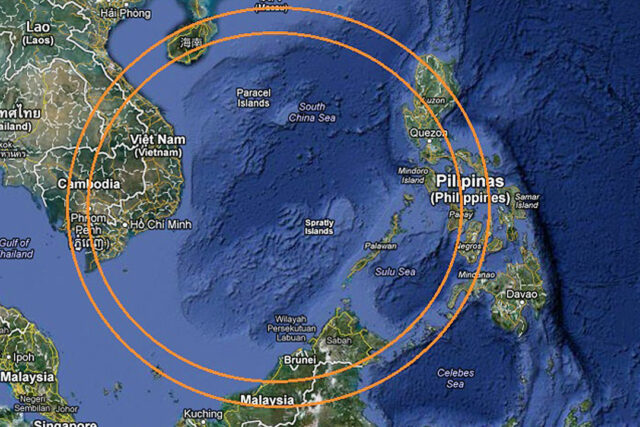
Philippines aware of incident in South China Sea between Vietnam, China

PHILEMBASSY.NO

 – The Philippines’ foreign ministry said on Friday it was aware of what it described as a “serious incident” between Vietnamese fishermen and Chinese maritime authorities late last month.

“The Philippines has consistently denounced the use of force, aggression and intimidation in the South China Sea, and emphasized the need for actors to exercise genuine self-restraint,” the foreign ministry said in a statement. – Reuters

Inflation falls below 2% for first time in over four years

Workers unload sacks of premium rice from a trailer truck in Caloocan City, Oct. 3. PHOTO BY MIGUEL DE GUZMAN, The Philippine Star

By Luisa Maria Jacinta C. Jocson, Reporter

Headline inflation sharply slowed to an over-four year low in September as food and transport costs declined, giving the Philippine central bank space for further policy easing.

The consumer price index (CPI) slowed to 1.9 % year on year in September from 3.3% in August and 6.1% a year ago, the Philippine Statistics Authority (PSA) reported on Friday.

This was below the Bangko Sentral ng Pilipinas’ (BSP) 2%-2.8% forecast for the month. It was also lower than the 2.5% median estimate yielded in a BusinessWorld poll of 15 analysts conducted last week.

Inflation rates in the Philippines

The September print was the slowest in over four years (52 months) or since the 1.6% print in May 2020.

In the first nine months, headline inflation averaged 3.4%, which is also the central bank’s full-year forecast.

Core inflation, which excludes volatile prices of food and fuel, eased to 2.4% in September from 5.9% a year ago. Core inflation averaged 3.1% in the January-September period.

National Statistician Claire Dennis S. Mapa said slower inflation was driven mainly by the heavily weighted food and non-alcoholic beverages index, which decelerated to 1.4% in September from 3.9% a month earlier and 9.7% a year ago.

The index accounted for a 69.1% share to the downtrend in inflation, he added.

Broken down, food inflation slowed to 1.4% from 4.2% in August and 10% in the previous year.

Cereals and cereal products, which includes rice, was one of the main contributors to this slowdown, easing to 4.9% from 11.5% a month ago and 14.1% a year prior.

Rice inflation sharply slowed to 5.7% in September from 14.7% in August and 17.9% last year. This also marked the lowest rice inflation since the 4.2% print in July 2023.

Mr. Mapa said the lower rice prices were due to base effects and the impact from the tariff cut on rice imports.

An executive order, which slashed tariffs on rice imports to 15% from 35% until 2028, took effect in July.

“There are decreases month-on-month since July. We are seeing a drop in the nominal price, but not substantial,” he added.

PSA data showed that the average price of regular milled rice dropped to P50.47 per kilogram in September from P50.90 in July; while well milled rice declined to P55.51 per kilo from P55.85 in July. The average price of special rice decreased to P64.05 from P64.42 in July.

The vegetables, tubers, plantains, cooking bananas and pulses index also contributed to lower food inflation, as it sharply contracted by 15.8% in September from the 4.3% decline a month ago.

Meanwhile, transport inflation posted a faster annual decline at 2.4% in September from the 0.2% drop in August.

Diesel inflation contracted by 19.6% from the 8.4% decline a month prior while gasoline inflation fell to 13.8% from the 5.8% decrease in August.

In September, pump price adjustments stood at a net decrease of P0.95 a liter for gasoline, P2.10 for diesel and P2.35 for kerosene.

Mr. Mapa also noted slower inflation in the housing, water, electricity, gas and other fuels index, which eased to 3.2% in September from 3.8% a month ago.

This was primarily due to liquefied petroleum gas prices, which eased to 10% from 17% in August.

Despite a hike in power rates in Metro Manila, electricity inflation slowed to 2.5% from 3.2% a month ago. Manila Electric Co. (Meralco) raised the overall rate by P0.1543 per kilowatt-hour (kWh) to P11.7882 per kWh in September from P11.6339 per kWh in the previous month.

Meanwhile, PSA data showed the inflation rate for the bottom 30% of income households slowed to 2.5% in September from 4.7% in August and 6.9% a year prior.

In the nine months to September, the inflation rate for the bottom 30% averaged 4.6%.

In the National Capital Region (NCR), inflation eased to 1.7% in September from 6.1% a year earlier. Inflation in areas outside NCR averaged 2%, also much slower than 6% a year ago.

MORE SPACE FOR POLICY EASING
National Economic and Development Authority (NEDA) Secretary Arsenio M. Balisacan said that inflation is expected to further ease in the coming months.

“The continued slowdown in inflation is expected to boost consumer confidence, driving higher spending and consumption and fueling business expansion,” he said in a statement. “Additionally, easing food prices will relieve low-income households, enabling them to allocate more to other essential needs such as education and health.”

Finance Secretary Ralph G. Recto said that full-year inflation may settle at 3.2% as the decline in rice prices becomes more pronounced in the next few months.

Global rice prices are expected to go down after India’s decision to lift its export ban on non-basmati white rice.

“The relatively slower and easing trend in inflation could be sustained, though with slight upticks to 2% levels, barring geopolitical risks and adverse weather conditions, in view the seasonal increase in demand towards the end of the year in view of increased holiday-related spending,” Rizal Commercial Banking Corp. Chief Economist Michael L. Ricafort said in an email.

Pantheon Macroeconomics in an email note said that inflation may pick up slightly in the coming months.

“This extremely favorable drag on food — and, by extension, headline — inflation will reverse partially in the October report, sending the latter back into the BSP’s 2-to-4% target range, albeit only a touch above the lower bound, where we expect it to remain for the foreseeable future,” Pantheon Macroeconomics said.

BSP Governor Eli M. Remolona, Jr. told Bloomberg on Thursday that inflation is expected to settle firmly within the 2-4% target band this year.

He also said that the central bank will likely deliver rate cuts in increments of 25 basis points (bps).

The BSP chief said that there is a chance for a 25-bps cut at the Monetary Board’s Oct. 16 policy review, followed by another on its last meeting for the year on Dec. 19.

Mr. Recto said that the latest inflation print now gives the central bank space to further reduce policy rates.

“This gives the BSP more room to be aggressive in its monetary policy easing to help the economy grow at a faster rate and support the government in increasing its revenue collections,” he said.

Pantheon likewise said that the lower-than-anticipated September print “effectively guarantees another BSP cut this month.”

“In terms of monetary policy, we continue to believe that the Board will cut by a further 25 bp at its meeting this month, before stepping up the pace of easing to 50 bp each time from December until the target reverse repo rate falls to a terminal level of 4.00%,” it said.

Mr. Ricafort said that the BSP could possibly cut rates by 50 bps at its October meeting to match the latest Fed cut.

DBP ramps up CSR initiatives

State-owned Development Bank of the Philippines (DBP) has intensified its corporate social responsibility (CSR) efforts by partnering with the Department of Education (DepEd) to expand its assistance to public schools especially those located in low-income areas, a top official said.

DBP President and Chief Executive Officer Michael O. de Jesus said that the Bank has disbursed over P4 milion for the DepEd’s Adopt-a-School Program (ASP).

“DBP has stepped up its CSR initiatives in solidarity with President Ferdinand Marcos, Jr.’s vision of enhancing the inclusive quality of education,” Mr. de Jesus stated. “Through these recent efforts, DBP has been able to reach far-flung areas and aid the poor and underprivileged students in the country.”

DBP is the 10th largest bank in the country in terms of assets and provides credit support to four strategic sectors of the economy — infrastructure and logistics; micro, small, and medium enterprises; environment; and social services and community development.

The ASP was established by virtue of Republic Act No.8525 or “Adopt-a-School Act of 1988” which aims to improve the quality of education in the country by addressing the shortage of resources in public schools.

Mr. de Jesus said under the ASP, the DBP has released a total of P4 million to eight partner schools nationwide such as Saguday National High School in Quirino; Balud National High School in Masbate; Beniton Integrated School — Bontoc 1 in Southern Leyte; Sultan Mamarinta Panandigan Integrated School in Iligan City, Lanao Del Norte; B.A. Calamba National High School in Cotabato; Lintugop National High School in Zamboanga Del Sur; and Samboan National High School and Argao National High School in Cebu.

He said the DBP’s financial assistance was used in the procurement of computers, installation of stable internet connection, distribution of learning equipment, and improvement of facilities.

“DBP would closely coordinate and collaborate with other government agencies to look for ways to maximize support to disadvantaged sectors and at the same time, promote social inclusion and drive positive change,” Mr. de Jesus said.


Spotlight is BusinessWorld’s sponsored section that allows advertisers to amplify their brand and connect with BusinessWorld’s audience by publishing their stories on the BusinessWorld Web site. For more information, send an email to online@bworldonline.com.

Join us on Viber at https://bit.ly/3hv6bLA to get more updates and subscribe to BusinessWorld’s titles and get exclusive content through www.bworld-x.com.

Inflation surprise backs Philippine central banker’s easing plan

Bangko Sentral ng Pilipinas (BSP) Governor Eli Remolona — BLOOMBERG

The Philippines will likely use quarter-point moves to slash its benchmark interest rate by around 175 basis points through 2025, according to Governor Eli Remolona, as a shock slowing of inflation backed his case for further easing.

A 25 basis-point cut is on the cards for the Oct. 16 policy meeting, followed by a reduction of the same size in December, Mr. Remolona said in an interview Thursday. The Bangko Sentral ng Pilipinas is unlikely to resort to half-point cuts unless the nation’s economic growth “turns out to be worse than we thought,” he added.

“If the data are as we expect, then you would have the normal easing, which is small steps at a time, baby steps,” Mr. Remolona said.

He made the comments a day before government data showed September inflation easing to a four-year low at 1.9%. The latest print was below the BSP’s projection and the median estimate in a Bloomberg survey of analysts.

The slowdown was largely due to smaller gains in food prices, with rice inflation easing to 5.7%, the lowest since July last year, helped by lower import tariffs, the statistics agency said.

Mr. Remolona said he sees the key rate declining from 6.25% now to around 4.5% by the end of 2025, a level that will support the economy. Inflation is projected to firmly settle within the BSP’s 2%-4% target this year, he added.

Unlike the Federal Reserve, which delivered a 50-basis point cut when it began easing last month, Mr. Remolona kicked off the Philippines’ easing cycle in August with just a quarter-point cut. He sees the Fed cutting by a cumulative 75 basis points for the rest of the year, but signaled that the BSP doesn’t have to match these moves.

The BSP is unwinding its most aggressive monetary tightening in two decades, which had brought the policy rate to a 17-year high. The focus now is on the size and pace of future rate cuts, especially after the Fed’s outsize move.

The central bank has said its shift to a less restrictive monetary policy stance will be “calibrated” and “measured.” Finance Secretary Ralph Recto, a member of the rate-setting board, is however pushing for a more aggressive half-point move.

The possibility of below-target economic growth next year and ebbing consumption also provides the BSP impetus to sustain its easing cycle. The central bank recently slashed the reserve requirement ratio to 7% for big lenders, pulling another lever to support the economy.

The next cut in the RRR will likely happen next year, Mr. Remolona said. “We’re in no rush to reduce it even more,” he said, adding that a move sooner could stimulate the economy “too much.” — Bloomberg

Get ready for the country’s ultimate sourcing trade show at SMX Manila this October

The Philippine Lifestyle Sourcing Expo is set to take place from Oct. 10 to 12, 2024, at the SMX Convention Center Manila, marking a significant milestone in the sourcing industry. This dynamic expo brings together two renowned events — the Philippine Apparel Textile Show & the Philippine Sport Show, and the Asia International E-commerce Expo — creating an unparalleled sourcing experience that unites top local and international suppliers, manufacturers, and e-commerce experts under one roof.

Organized by the China Chamber of Commerce for Import and Export of Textiles, and Huiyuan Culture Development Group Co., Ltd., in collaboration with esteemed Philippine associations such as the Philippine E-commerce Association, Inc. (PECA), Philippine Fashion Coalition (PFC), the Garment Manufacturer’s Association of the Philippines (GARMAP) and the Confederation of Wearable Exporters of the Philippines (CONWEP), Fashion Designers Association of the Philippines (FDAP), Chinese Filipino Business Club, Inc., and Fashion Accessory Makers of the Philippines, this grand event is expected to attract thousands of industry leaders and innovators. Attendees will have the opportunity to explore fresh products and technologies while uncovering limitless trade possibilities across various sectors.

A Tailored Experience for the Retail, Distribution, and Manufacturing Sectors

The Philippine Lifestyle Sourcing Expo is an essential event for professionals in retail, distribution, and e-commerce, offering a unique platform to discover innovative products and solutions. Whether you are a retailer seeking the latest trends, a distributor in search of reliable suppliers, a start-up entrepreneur exploring new product lines, or a manufacturer looking to expand your offerings, this expo provides the ideal setting to accelerate your business objectives.

With over 70 exhibiting brands from the Philippines and China, the event will showcase more than 2,000 products across a diverse range of categories, including apparel, footwear, bags, accessories, baby products, sportswear, home décor, electronics, and much more. This expo is thoughtfully designed to meet the evolving needs of various industries through its expansive offerings.

In addition to the extensive product displays, the expo presents invaluable opportunities for attendees to connect with industry experts, attend informative stage presentations, and gain insights into emerging market trends essential for business growth. Key presentations at the event include:

  • Certification Goals for Textile, Garments, and Leather Production by Testex Philippines
  • Grow Your Business with Lazada, presented by Lazada Philippines
  • A special presentation by the Philippine Ecommerce Association, Inc.

One of the standout features of the expo is the Fashion Show hosted by the Fashion Designers Association of the Philippines. This captivating showcase will highlight innovative designs from both emerging and established designers, offering attendees a unique glimpse into the latest trends in the fashion industry.

Additionally, attendees can take advantage of exclusive business matching sessions with exhibitors at the Function Room 2 Stage Area. Exhibitors representing a diverse array of categories — including apparel, footwear, accessories, electronics, baby products, undergarments, and textiles — will be available for engaging discussions. These sessions are carefully designed to connect visitors directly with potential business suppliers, facilitating in-depth conversations, real-time negotiations, and a streamlined sourcing process.

To add to the excitement, visitors can participate in the expo’s raffle giveaway! The first 800 attendees will receive a raffle coupon for a chance to win exciting prizes, including iPads, Redmi Note 13 smartphones, portable Bluetooth speakers, and sports bags. Furthermore, the first 200 registrants each day will be eligible to claim a special gift upon completing the raffle mechanics — making the expo both productive and enjoyable!

There is so much to anticipate, so don’t miss this unique opportunity to attend! Entrance to the Philippine Lifestyle Sourcing Expo is FREE, so be sure to register at phlifestylesourcingexpo.vx-events.com.

Interested visitors for the exclusive business matching sessions can avail their slot here: https://tinyurl.com/B2BPHLSE.


Spotlight is BusinessWorld’s sponsored section that allows advertisers to amplify their brand and connect with BusinessWorld’s audience by publishing their stories on the BusinessWorld Web site. For more information, send an email to online@bworldonline.com.

Join us on Viber at https://bit.ly/3hv6bLA to get more updates and subscribe to BusinessWorld’s titles and get exclusive content through www.bworld-x.com.
DICT and Kacific connect over 250,000 rural users across the Philippines

In an age where connectivity is essential for economic growth, education, healthcare, and disaster preparedness, we must unite to bridge the digital divide in the Philippines.

In the dynamic landscape of 2024, the Philippines is emerging as one of Southeast Asia’s fastest-growing digital economies. Fueled by a vibrant digital ecosystem, the nation’s digital economy is projected to leap from $24 billion to $35 billion by 2025. Leading this transformation is the Department of Information and Communications Technology (DICT), which has connected over 250,000 users in partnership with Kacific Broadband Satellites Group and various Internet service providers. Additionally, Kacific provides connectivity to 2,000 businesses across diverse industries such as tourism, agri-fisheries, and finance in the Philippines. This commitment aligns with the national government’s vision of prioritizing digital transformation, championed by the DICT.

As the largest Ka-band operator in the Asia-Pacific region, Kacific is pivotal in driving the digital revolution across the Philippines’ 7,640 islands. Using its geostationary satellite, Kacific1, the company delivers accessible and affordable next-generation satellite broadband services, significantly impacting the nation’s connectivity landscape.

Strategic Collaborations and Local Empowerment Initiatives

Kacific goes beyond technology, forming strategic alliances with international agencies and local businesses. The company prioritizes training a widespread network of local sales and installation partners, extending its reach to remote, rural areas. Since 2023, Kacific has significantly broadened its impact, connecting over a thousand additional sites, demonstrating its commitment to inclusive connectivity.

National Broadband Plan: Reaching the Unreachable

Kacific’s strong local presence, dedicated workforce, and extensive network of Internet Service Providers (ISP) partners set it apart. In collaboration with a humanitarian organization and in partnership with Marlink and Stellarsat Solutions, Inc., Kacific has connected 150,000 users nationwide to support government facilities and emergency communication needs. Of these 150,000 users, 90,000 were connected through DICT’s Free Wi-Fi project sites, completed nationwide in June 2024 over two months. This comprehensive project addresses connectivity challenges in remote areas, benefiting healthcare units, educational institutions, and local governments.

As part of the Free Wi-Fi for All program, Kacific plays a crucial role in the Universal Internet Subscription for Geographically Isolated and Disadvantaged Areas (UISG) project, connecting 112,600 users nationwide.

Christian Patouraux, Kacific’s CEO, emphasizes the importance of uninterrupted internet access for business continuity in remote areas where traditional wired connections are impractical. “At the core of our mission, we’re committed to providing reliable connectivity solutions that transcend geographical constraints, ensuring businesses thrive even in the most challenging environments,” said Patouraux.

Kacific brings connectivity that transforms and opens windows to the world in Indigenous communities.

Since 2023, more than a thousand sites have been successfully activated, demonstrating Kacific’s active commitment to supporting the Philippine government’s initiatives for nationwide internet enhancement. This achievement solidifies Kacific and its ISP partners as esteemed collaborators, earning respect and recognition from both the Philippine government and the DICT.

Global Reach, Local Impact: Kacific’s Commitment to the Philippines

Kacific’s strength lies not just in its technology but in its strong local presence. With an extensive network of ISP partners nationwide, backed by a highly experienced Filipino team and over 150 distributors and installers, Kacific is deeply committed to the Philippine market. The company offers 24/7 support for installations and customer inquiries, showcasing its dedication to fostering resilient and connected communities.

Through partnerships and strategic initiatives, Kacific has established itself as a reliable satellite broadband provider, propelling the Philippines into a more digitally connected future. With a proven track record and a robust distribution network, Kacific is poised to fulfill the most critical connectivity requirements.

Discover more about Kacific’s impact and commitment to advancing connectivity at www.kacific.com.


Spotlight is BusinessWorld’s sponsored section that allows advertisers to amplify their brand and connect with BusinessWorld’s audience by publishing their stories on the BusinessWorld Web site. For more information, send an email to online@bworldonline.com.

Join us on Viber at https://bit.ly/3hv6bLA to get more updates and subscribe to BusinessWorld’s titles and get exclusive content through www.bworld-x.com.

PHL has room for new taxes — IMF

THE International Monetary Fund (IMF) logo is seen outside the headquarters building in Washington, U.S. — REUTERS

By Luisa Maria Jacinta C. Jocson, Reporter

WITH the Philippines’ fiscal consolidation slowing this year, the International Monetary Fund (IMF) said the country still has room to introduce new tax measures.

“On the fiscal policy side, we see fiscal consolidation proceeding in 2024, although it will be more moderate than envisioned in earlier projections,” IMF Mission Chief Elif Arbatli Saxegaard said at a press briefing on Wednesday.

“In terms of spending, we actually see more spending on the public side. We see that being offset or financed by higher revenues,” she added.

The IMF projects the fiscal deficit to settle at 5.6% of gross domestic product (GDP) this year and in 2025. However, it noted that its deficit definition is different from the National Government’s (NG) as it uses a different standard in capturing the deficit.

“Based on our definition of the deficit, we expect the deficit to go from 6.1% in 2023 to 5.6% this year and to remain at 5.6% in 2025,” she said.

The NG set its budget deficit ceiling at 5.6% of GDP this year, equivalent to P1.48 trillion. Next year, the deficit is projected to settle at 5.3% or P1.54 trillion.

The IMF noted that there is room for additional tax measures that will create more fiscal space.

“Over the medium term, the fiscal consolidation plans remain appropriate and should be supported by a sustainable plan to raise tax revenues and implement expenditure reforms,” Ms. Saxegaard said.

The Philippine government can look into excise taxes as an option to generate revenues “sufficiently and quickly,” she said.

Last year, then-Finance Secretary Benjamin E. Diokno pushed for an excise tax on “junk food” and higher taxes on sweetened beverages. These taxes were projected to generate up to P76 billion in the first year of implementation.

However, the Department of Finance (DoF) earlier this year said there are no plans to introduce new tax measures apart from the ones already pending in Congress.

“In terms of other areas over the medium term, there could be a lot of different options that could be considered. One area is improving the efficiency of the value-added tax (VAT) system,” Ms. Saxegaard said.

Last year, the DoF said that the Philippines has one of the lowest VAT efficiencies in Southeast Asia despite having the region’s highest VAT rate at 12%.

From 2016 to 2020, the country collected an average of P723 billion from VAT, which is only around 40% of the expected VAT collection.

Ms. Saxegaard also noted the possibility of pursuing a carbon tax.

“We understand that there’s also different tradeoffs playing out here. The cost of power and electricity in the Philippines is quite high,” she said.

The Finance department has been studying various carbon pricing options for the country, including a carbon tax and emissions trading system (ETS). This as it seeks to encourage businesses to shift to sustainable practices.

The Philippines currently does not have any explicit form of carbon pricing.

“As a growing economy, the Philippines has to weigh different considerations in thinking about a carbon tax. It is one option for their consideration that can support the transition to a green economy to promote renewable energy, to shift consumption patterns away from polluting energy to more green energy sources,” Ms. Saxegaard said.

“In that respect, it could stay on the table. But it’s a complicated issue, so it needs to be considered very carefully.”

Meanwhile, IMF Representative to the Philippines Ragnar Gudmundsson said that the government should also pay close attention to granting tax incentives.

“What we would also recommend is continuing to monitor closely tax incentives as they’re being granted and ensuring that they contribute effectively to additional investments and momentum for growth.”

“There also may be a sense of provisions to these incentives so that eventually, once those investments have come to the Philippines and contributed to growth and that they’re sustainable over time, there will also be a contribution through, for instance, income tax over time.”

‘NEUTRAL’
For next year, the IMF said that the fiscal stance will be “neutral.”

“That means that the impulse from the fiscal policy is neither contractionary nor too expansionary,” Ms. Saxegaard said.

Financial conditions are also seen to improve as both the Bangko Sentral ng Pilipinas (BSP) and US Federal Reserve are expected to continue easing.

BSP Governor Eli M. Remolona, Jr. has said that the central bank can cut rates further in the fourth quarter, possibly by up to 50 bps. The Monetary Board’s remaining meetings are on Oct. 16 and Dec. 19.

“All of these financial sector developments, including the reserve requirement cut as well, can support the more favorable financial conditions. That will support a pickup in investment, private investment, and also some pickup in private consumption next year, allowing the fiscal side to be sort of more neutral,” Ms. Saxegaard said.

The BSP will slash the reserve requirement ratios (RRR) of big banks by 250 bps to 7% from 9.5% later this month.

SLOW FISCAL RECOVERY
In a separate report, Fitch Solutions’ unit BMI said that the Philippines’ recovery in its fiscal position will be more gradual.

It said that the proposed P6.352-trillion national budget marks an increase in public spending, which will derail consolidation efforts.

“This will reverse the country’s fiscal consolidation efforts. Admittedly, the Philippines fiscal recovery has already fallen behind regional counterparts and the latest budget certainly does not help this cause,” it said.

BMI said the government will “fall short” of its fiscal targets, projecting the budget gap to hit 5.9% of GDP this year.

The NG will also struggle to bring down debt levels, BMI said.

“While the authorities aim to reduce public debt as a proportion of GDP to 55.9% by 2028, we believe that this is unlikely to be met. To achieve this, the deficit must be maintained at 3.6% of GDP over the subsequent three years (2026-2028),” it said.

“But this would necessitate spending cuts of almost 1.0 percentage points, based on our estimates, making it challenging for the current administration to balance its economic agenda.”

Latest Treasury data showed that the NG’s outstanding debt dipped to P15.55 trillion as of end-August.

In the first half, the debt-to-GDP ratio stood at 60.9%. The government expects the debt ratio to end at 60.6% of GDP this year.

“Instead, we forecast the budget shortfall to average 4.6% over the same period. Consequently, public debt will recede more slowly, eventually reaching 58.8% of GDP in 2028.”

On the other hand, BMI noted that the government could surpass its revenue targets.

“Revenue targets are relatively watered down in comparison. The government is forecasting revenue collection to dip from 16.1% of GDP in 2024 to 15.8% in 2025. In our view, this is a tad too conservative especially when the macroeconomic backdrop is set to improve next year.”

In the eight-month period, revenue collections jumped 15.91% to P2.99 trillion from P2.58 trillion last year.

“Philippine policy makers tend to underestimate their revenue targets, as seen in the past two years. Currently, we have projected revenue collection to be around 16% of GDP, which is already higher than the government’s expectation of 15.8%. If revenue exceeds even our projections, we could anticipate a smaller budget deficit.”

PHL likely to be ASEAN+3’s 2nd fastest-growing economy

CHRISTMAS decorations are displayed at a market in Quiapo, Manila, Sept. 29, 2024. — PHILIPPINE STAR/RYAN BALDEMOR

THE PHILIPPINES will likely post the second-fastest growth in the Association of Southeast Asian Nations Plus 3 (ASEAN+3) region this year and in 2025, driven by faster government spending and easing interest rates, according to a regional think tank.

In its October update, the ASEAN+3 Macroeconomic Research Office (AMRO) retained its gross domestic product (GDP) growth forecast for the Philippines at 6.1% this year and 6.3% next year.

“We didn’t change the forecast for the Philippines. As you can see, we expect growth to be at 6.1%, which will be an improvement from last year’s 5.6%,” AMRO Chief Economist Hoe Ee Khor told a virtual briefing on Thursday.

“This is mainly because we expect government investment spending to be higher this year, together with services exports,” he said.

The AMRO’s projection is within the government’s 6-7% target for 2024. However, its 2025 forecast is below the government’s 6.5-7.5% goal.

Mr. Khor said Philippine economic growth remains one of the strongest in the ASEAN+3 region, which includes members of the ASEAN, China, Hong Kong, Japan and South Korea.

AMRO’s growth forecast for the Philippines is just behind Vietnam (6.2%), and ahead of Cambodia (5.6%), Indonesia (5.1%), China (5%), Malaysia (4.7%), Laos (4.5%), Brunei Darussalam (4%), Hong Kong (3.3%), Thailand (2.8%), South Korea (2.5%), Singapore (2.4%), Myanmar (1.8%) and Japan (0.5%).

Philippine growth is also projected to be above the projected ASEAN+3 average of 4.2% this year. This was slightly lower than the previous forecast of 4.4%.

“Growth for the region will be driven by continued recovery in external trade, resilient domestic demand, and a boost in tourism due to relaxed visa policies in some economies,” AMRO said.

For 2025, the ASEAN+3 region’s growth forecast was upgraded to 4.4% from 4.3% previously, in line with expectations of steady global growth.

“The region is on track to achieve steady growth this year and the next and this will be underpinned by resilient domestic demand and the ongoing recovery in exports,” AMRO Principal Economist Allen Ng told the briefing.

The global demand for artificial intelligence will drive ASEAN+3 exports, AMRO said.

“Leading indicators also suggest sustained demand for a wide range of manufactured goods beyond semiconductors, indicating a broad-based export recovery in the region,” according to the report.

Cost pressures have also eased as global freight rates stabilized, which would help boost regional trade, it added.

For ASEAN, AMRO lowered its growth forecast to 4.7% this year from 4.8% previously. However, it raised its 2025 projection to 4.9% from 4.8% previously.

“Household consumption in most ASEAN economies have remained robust, supported by favorable employment conditions and moderating inflation,” Mr. Ng said.

INFLATION
Meanwhile, AMRO kept its inflation forecast for the Philippines at 3.3% in 2024 and 3.1% in 2025 amid expectations of continued policy easing.

“I think that if it (inflation) continues to trend down, it will provide room for the BSP (Bangko Sentral ng Pilipinas) to cut rates further,” Mr. Khor said.

The central bank began its easing cycle in August by cutting the benchmark rate by 25 bps to 6.25% from the over 17-year high of 6.5%. This was the first time the BSP reduced rates in nearly four years.

AMRO lowered its ASEAN+3 inflation forecast, which excludes Laos and Myanmar, to 1.9% this year from 2.1% previously.

“The moderation in inflation in 2024 reflects the continuing impact of tight monetary policy, softer food prices, and lower imported inflation,” AMRO said.

AMRO kept its inflation forecast for ASEAN+3 (excluding Laos and Myanmar) at 2.3% in 2025.

“Overall, inflationary pressure remains well contained in the region, in line with the baseline expectation of normalization of global inflationary trend,” the think tank added.

For ASEAN, the inflation forecast was cut to 6.1% from 6.3% previously, while its 2025 projection was raised to 4.9% from 4.4% in July.

RISKS
AMRO identified several key risks that could affect the baseline growth forecasts for this year and next year, such as sharp growth slowdown in the US, Europe and China and a rise in financial market volatility.

“Looking ahead, uncertainties surrounding US monetary policy trajectories, the upcoming presidential election, and the potential for further unwinding of large financial positions could affect market functioning and amplify financial stresses. This could trigger further disorderly market conditions, impacting the region’s macro-financial stability,” it said.

A spike in global commodity and shipping prices due to weather disturbances and geopolitical conflicts could also hurt the region’s export recovery and stoke inflation, AMRO noted.

“The potential escalation of protectionist policies following the US presidential election is another key risk for the region,” Mr. Khor said.

Former US President Donald Trump, who is known for his populist and protectionist policies, is set to face Vice-President Kamala Harris in the presidential election on Nov. 5.

“Based on AMRO staff estimates, a severe escalation of protectionist measures by the US, such as the implementation of universal tariffs on imports, could lower the region’s growth by almost one percentage point — resulting in the lowest regional growth since the Asian Financial Crisis, with the exception of the pandemic years of 2020 and 2022,” the think tank said.

In the long term, the ASEAN+3 region faces significant challenges arising from aging populations and failure to address climate change.

“The broader trend of geoeconomic fragmentation and continued geopolitical tensions will likely negatively affect the longer-term growth of the region, especially for the trade-dependent economies,” AMRO said.

Mr. Khor said the easing cycle of global central banks, as well as China’s measures to boost its economy, will have favorable spillover effects in the region.

“However, rising external and geopolitical uncertainties underscore the need to continue strengthening resilience and enhancing cooperation in the region,” he added. — B.M.D.Cruz

Inflation on track to fall within target — World Bank

The Bangko Sentral ng Pilipinas (BSP) projects inflation to average 3.4% this year. — PHILIPPINE STAR/MIGUEL DE GUZMAN

PHILIPPINE INFLATION is likely to slow this year to fall within the central bank’s target range, but higher transport charges and domestic rice production pose upside risks, the World Bank said.

In its latest monthly update, the World Bank said that the entry of more rice imports under lower tariffs should help keep inflation within the government’s 2-4% target.

“Inflation resumed its downward trend in August and is on track to fall within target this year,” the Washington-based lender said.

The consumer price index (CPI) eased to 3.3% in August from 4.4% in July. Inflation averaged 3.6% in the first seven months.

The Bangko Sentral ng Pilipinas (BSP) projects inflation to average 3.4% this year.

“The balance of risks to the outlook has shifted toward the downside given expected reductions in rice prices as more imports arrive under the reduced tariff regime,” the World Bank said.

An executive order cutting tariffs on rice to 15% from 35% took effect in July. This helped rice inflation ease to 14.7% in August from 20.9% in July.

However, the World Bank said higher transport and electricity charges, as well as possible global oil and food price shocks still provide upside risks to the inflation outlook.

“Domestic rice production and prices also remain vulnerable with the La Niña weather phenomenon expected to bring more rainfall and intense typhoons in the remaining months of the year,” World Bank said.

Meanwhile, the World Bank said recent external and domestic developments have given the BSP more space for policy easing.

“Peso appreciation, driven by a wider US interest rate differential, supports domestic disinflation. This gives more room for further normalization of domestic monetary policy,” it said.

The BSP began its easing cycle in August by cutting the target reverse repurchase (RRP) rate by 25 bps to 6.25% from the over 17-year high of 6.5%.

BSP Governor Eli M. Remolona, Jr. earlier said the Monetary Board could implement two more rate cuts at its last two meetings on Oct. 16 and Dec. 19.

The latest policy adjustments will also support faster bank lending, the World Bank said.

“Along with lower inflation, the reductions in the real interest rate, and lower reserve requirements could spur demand for credit in the near term by improving business and consumer sentiment,” World Bank said.

“The BSP estimates the full impact of these policy adjustments will be felt with a lag of 12-15 months.”

This month, the BSP will reduce the RRR for big banks and nonbank financial institutions with quasi-banking functions by 250 bps to 7% from 9.5%.

It will also reduce the ratio for digital banks by 200 bps to 4%, thrift banks by 100 bps to 1%, and rural banks and cooperative banks by 100 bps to 0%.

The World Bank noted the beginning of the US Federal Reserve’s easing cycle also helped increase inflows into the Philippines’ financial markets.

“Aggressive rate cuts by the US Federal Reserve have made assets in emerging economies more attractive to international investors and enhanced capital inflows,” the World Bank said.

The US Federal Reserve cut rates by 50 basis points last month, bringing its key policy rate within 4.75-5%.

Meanwhile, the World Bank said manufacturing sector’s performance will likely remain “modest” amid weak external demand for Philippine exports. — BMDC