Home Blog Page 2

Grab Philippines pilots human-led, consent-driven Driver AI Ambassador Program

Grab is pioneering a new frontier in digital marketing with the pilot of its Driver AI Ambassador Program in the Philippines. The initiative reimagines traditional brand ambassador models by utilizing Artificial Intelligence to scale and iterate content featuring real driver-partners.

By integrating AI as a force multiplier, Grab amplifies authentic driver-partner narratives and brand stories with unprecedented efficiency, allowing the platform to produce a high volume of factual and educational storytelling assets from a single human-led session.

“The Driver AI Ambassador Program is designed to reimagine influence, shifting it from traditional content creators to the people who live the brand every day: our driver-partners. AI is the enabler, but the stories, the voice, and the truth come from them,” said Grab Philippines Head of Integrated Marketing Services and Brand Marketing Jewel Oliveros.

The program is geared at translating real driver-partner narratives into publishable content with fewer constraints around time, cost, and production bandwidth, historically met by traditional content production. Under the pilot, driver-partners provide the core story material, including interviews, recorded voice, photos, and personal anecdotes about safety, family, community, and their livelihood and experience on Grab, which are then adapted into multiple formats such as short-form videos and social assets using AI tools. The content remains grounded in real input provided by participating driver-partners.

One of the program’s pioneer participants, Patrick Pidlawan Duque, a PWD GrabFood delivery-partner, said being featured provides an opportunity to share his story and widen visibility for delivery-partners. “’Yun po kasi kahit paano po makakatulong rin po sa akin. Yung makapagkwento ka sa mga social media,” Duque said. “’Yung magagawa ng pag-onboard po namin dito sa pagiging AI models ng Grab po, kailangan din po namin ma-expose para makilala ng iba. At para makatulong din po sa aming pamilya.” This AI-enabled creator model offers a competitive compensation package, treating driver-partners as ambassadors with industry-standard remuneration. This effectively creates an additional income stream for driver-partners who opt into the program.

The pilot includes robust governance measures meant to address concerns about the ethical application of using generative AI in marketing. Participation is anchored on informed consent, with driver-partners briefed on how their stories, voice, and likenesses may be used. The driver-partner participants also have the guaranteed right to opt out at any stage of the process. The program integrates human oversight into the workflow to preserve creative nuance and prevent misrepresentation. Furthermore, all AI-enabled outputs feature mandatory disclosures to ensure total transparency for viewers.

Aligning with Global and Ethical Standards for AI Application in Communications

The Grab Driver AI Ambassador Program aligns with the Venice Pledge: Responsible AI Guiding Principles for PR and Communications, established by the Global Alliance for Public Relations and Communication Management, which calls for AI practices that are ethical, transparent, and human-centered.

“We made sure we abided by international standards for AI-enabled communications because we want to make sure that we do right by our driver-partner ambassadors,” Oliveros said. “Our goal is to ensure that AI serves solely as an enabling scale tool for human-first, factual stories.”

Ana Pista, a director for the Global Alliance and president of the Public Relations Society of the Philippines (PRSP), said the pilot could serve as a case study for the industry. “As we navigate this technological shift, the commitment to placing human dignity at the center of innovation aligns with our global mission,” Pista said. “This program demonstrates that when we prioritize professional integrity and the sanctity of consent and transparency, technology like AI can elevate human connection.”


Spotlight is BusinessWorld’s sponsored section that allows advertisers to amplify their brand and connect with BusinessWorld’s audience by publishing their stories on the BusinessWorld Web site. For more information, send an email to online@bworldonline.com.

Join us on Viber at https://bit.ly/3hv6bLA to get more updates and subscribe to BusinessWorld’s titles and get exclusive content through www.bworld-x.com.

FNI unit ships first nickel ore cargo for 2026

GFNI.COM.PH

IPILAN NICKEL CORP., the Palawan-based subsidiary of listed miner Global Ferronickel Holdings, Inc. (FNI), has begun its operations for calendar year 2026 after completing its first nickel ore shipment for the year.

In a disclosure to the Philippine Stock Exchange on Thursday, FNI said bulk carrier MV RU Cheng Shan departed Ipilan’s anchorage area in Brooke’s Point carrying 53,912 wet metric tons (WMT) of 1.3% low-grade nickel ore bound for China.

With favorable weather and operating conditions, FNI said Ipilan is targeting production of at least 1.5 million WMT this year.

The projected sales mix for the year consists of 52.6% low-grade and 47.4% medium-grade nickel ore, in line with the company’s production targets and customer requirements.

“The commencement of shipments reflects the strong operational readiness of Ipilan’s mine site and its continued ramp-up under a comprehensive mine development program for the year,” the company said.

FNI said mine development activities for 2026 include the expansion of mining areas, the construction of additional haul roads, and the installation of environmental protection structures.

“These initiatives are integral to supporting the Company’s targeted production volumes while ensuring strict compliance with environmental and regulatory standards,” FNI said.

Ipilan operates under Mineral Production Sharing Agreement No. 017-93-IV, as amended in 2000, with the Philippine government, covering a contract area of 2,835 hectares in the municipality of Brooke’s Point, Palawan.

FNI said it continues to coordinate with national and local government agencies and host communities “to ensure that mining operations translate into inclusive economic growth, employment generation, and sustainable community development.”

At the stock exchange on Thursday, FNI shares rose 0.52%, or one centavo, to close at P1.92 apiece. — Vonn Andrei E. Villamiel

Ushering a new leadership at Sun Life Philippines

Outgoing CEO and Country Head Benedict Sison (left) and incoming CEO and Country Head Jonathan Juan “JJ” Moreno (right)

Sun Life Philippines recently announced a leadership transition that places its insurance business president, Jonathan Juan “JJ” Moreno, at the helm starting April 1, following the retirement of CEO and Country Head Benedict Sison after nearly eight years in the post.

Mr. Sison will remain as strategic advisor and chairman of the Sun Life Philippines Holding Company and the Sun Life Foundation until Dec. 31 to support the transition.

The announcement comes as Sun Life highlights its position as one of the longest-standing financial institutions in the country, serving more than 6.2 million clients. The company ties the leadership change to a period of evolving client expectations and a more digital financial landscape.

Sun Life traces its roots to Canada, where it recently observed its 160th year, and operates across North America and Asia. In the Philippines, the company logged its 130th anniversary last year and now counts 131 years of local operations.

Continuing the legacy

Mr. Sison described his retirement as both emotional and reassuring, citing confidence in the leadership team he leaves behind.

Over the past eight years, Sun Life Philippines stayed on top across major indicators, including total premium income and net income, based on Insurance Commission data as of Sept. 30, 2025. He adds that the company’s net income lead over its closest competitor exceeds 50%.

Mr. Sison also pointed to growth in brand recognition, with Sun Life named the most trusted brand in the industry for 14 consecutive years, including seven years at a platinum level. The agency force now exceeds 22,000 advisors, with the largest number of Million Dollar Round Table members in the market.

One of the major developments during his tenure is the creation of Sun Life Investment Management and Trust Corp. in 2021. As of end-2025, the trust unit manages about P430 billion in assets, ranking among the top players in the sector within three years of launch.

For four consecutive years, Sun Life Philippines has been recertified as a Great Place To Work. Mr. Sison said the acknowledgment matters because it reflects internal conditions rather than external rankings.

“Our greatest accomplishments are not measured solely by ambitious targets or rankings. They are measured by the lives we have touched, the relationships with clients that have been built and the legacy of care, compassion, and excellence that we leave behind,” says Mr. Sison.

Next at the helm, Mr. Moreno brings a career that spans the military, financial markets, consulting, and technology. A former naval officer, he later transitioned into enterprise reform, corporate governance, and financial services development, including roles linked to the stock exchange, consulting firms, fintech, and the World Bank Group.

He said this background shapes his approach to leadership, with emphasis on strategy grounded in disciplined execution and decisive action. As such, leading large organizations requires strong teams and systems that can handle multiple pressures at once.

“The areas of ways of working, execution, and implementation of technology and innovation [will remain constant]. [The] focus will be on building ecosystems, such as forging strategic partnerships. It will also include ensuring that our operations are not only responsive to current demands but also to emerging and future needs,” Mr. Moreno said. “Value is created not through the brilliance of strategy but through the excellence of execution.”

Growth of insurance industry

The Philippine life insurance industry posts steady gains despite economic strain in 2025, with Sun Life Philippines outpacing the market as it doubles down on technology, distribution and long-term confidence.

Industry growth over the past five years averages close to 10% in total premiums, according to Mr. Sison. As of Sept. 30, 2025, new business premiums for the industry rose to 11.5%.

Despite steady expansion, life insurance coverage in the Philippines remains limited. Insurance penetration stands at about 1.85% of gross domestic product, well below Thailand’s rate of more than 5% and Singapore’s level above 8%.

“I look at the numbers as an inspiration. They should serve as an inspiration for the Philippine life insurance industry. It tells us that there’s a huge part of potential out there for us to penetrate in the coming years,” Mr. Sison explains.

Meanwhile, Mr. Moreno identifies financial literacy and competition for household spending as ongoing hurdles. He said Sun Life plans to address these through education efforts, advisor-led engagement, and further investment in digital capability.

Technology investment has accelerated at Sun Life after the pandemic, allowing faster underwriting and claims processing, and expanding client access to policy services through digital platforms.

Sun Life places heavy emphasis on digital systems to support its expansion. Mr. Sison said the company invests heavily in technology to improve operations and customer experience. Clients can now access policies around the clock, make changes, or review coverage through digital platforms. These tools allow customers to manage policies remotely while keeping traditional service available for those who prefer it.

Both leaders stressed continuity in priorities. Mr. Moreno said the company will stay focused on clients, employees, distribution partners, and financial results.

“My leadership style has always been not to focus on what will change but first to focus on what will endure. Those that will endure include four things I outlined earlier, as Benedict said: focus on the client, focus on our employees, focus on our distribution channels and distribution force and, at the end of the day, as a publicly listed company, financial performance for shareholders,” Mr. Moreno explains.

Mr. Sison urges employees and advisors to rally behind the new leadership and to keep attention on client needs, which he credits for Sun Life’s long presence in the country.

“What’s helping us stay relevant is our purpose. Our purpose of helping Filipinos achieve lifetime financial security remains relevant, because, as long as there is one Filipino with a loved one he or she wants to protect, Sun Life will be there,” Mr. Sison concludes.


Spotlight is BusinessWorld’s sponsored section that allows advertisers to amplify their brand and connect with BusinessWorld’s audience by publishing their stories on the BusinessWorld Web site. For more information, send an email to online@bworldonline.com.

Join us on Viber at https://bit.ly/3hv6bLA to get more updates and subscribe to BusinessWorld’s titles and get exclusive content through www.bworld-x.com.

Globe powers inaugural WTA’s Manila Open, providing top-tier connectivity to world-class tennis

Women’s sports are taking center stage in the Philippines as Manila hosts its first-ever Women’s Tennis Association (WTA) tournament, the Philippine Women’s Open, from Jan. 26-31, 2026 at the Rizal Memorial Sports Complex. Powered by Globe’s internationally recognized cutting-edge 5G network and reliable connectivity, this landmark event marks a historic milestone for the country, showcasing elite, globally ranked women’s professional tennis on home soil for the very first time to ensure seamless operations and world-class coverage.

The rise of Alex Eala, who has steadily built her career competing against the world’s best, has reignited national pride and empowered young Filipinos to dream bigger in sports. Her journey demonstrates that Filipinos can excel and belong at the highest levels of any global stage. The Philippine Women’s Open builds on this momentum, offering local fans and aspiring athletes unprecedented access to world-class sporting events.

“Globe has been a constant partner in my journey, giving me the connectivity and support to compete and grow on the world stage. Seeing Globe now power the first‑ever WTA tournament in Manila makes me proud, not just as a player, but as a Filipina, because it shows how far we’ve come in bringing world‑class tennis home. This event is proof that with the right support, Filipino athletes and fans can stand shoulder to shoulder with the best in the world,” said Eala.

As part of this milestone, Globe proudly reaffirms its commitment to progress, pride, and purpose by championing women’s empowerment and Filipino excellence. Globe’s 5G connectivity will power the Rizal Memorial Sports Complex, supporting flawless tournament execution and broadcast quality. Delegates and participants will also enjoy reliable connectivity throughout the tournament, enabling them to stay connected and share the excitement with the world.

“As women’s sports gain momentum globally, Globe is committed to bringing world-class platforms closer to Filipinos. From the inspiring journey of Alex Eala to hosting the Philippine Women’s Open, we support not only women’s excellence but also the empowerment of the youth, who see in Alex a role model for dreaming bigger and achieving more. By powering this historic event with our 5G network and delegate connectivity, Globe reaffirms its mission to nurture Filipino pride, inspire the next generation, and ensure that our athletes and young people alike can thrive,” said Roche Vanderberghe, Chief Marketing Officer at Globe.

To further bring the action closer to Filipinos, Globe Prepaid is supporting the event through the Go5G TURBO50, giving fans a faster and more affordable way to enjoy every match. With fast and reliable 5G connectivity, fans can stay connected, share moments, and experience the thrill of the Philippine Women’s Open, live or online.

The Philippine Women’s Open is more than a sporting event, it is a celebration of Filipino pride, women’s empowerment, and the country’s place on the global sporting stage. By supporting this historic milestone, Globe continues to inspire progress and elevate platforms that showcase Filipino potential to the world.

Fans can also celebrate Pinoy pride powered by Globe 5G by streaming the Philippine Women’s Open 2026 LIVE on the official WTA website from Jan. 26-31, ensuring that Filipinos everywhere can witness history as it unfolds.


Spotlight is BusinessWorld’s sponsored section that allows advertisers to amplify their brand and connect with BusinessWorld’s audience by publishing their stories on the BusinessWorld Web site. For more information, send an email to online@bworldonline.com.

Join us on Viber at https://bit.ly/3hv6bLA to get more updates and subscribe to BusinessWorld’s titles and get exclusive content through www.bworld-x.com.

Jollibee’s Compose Coffee leads Korea satisfaction survey

JOLLIBEEGROUP.COM

JOLLIBEE FOODS CORP. (JFC) said its South Korea-based coffee brand Compose Coffee received the highest customer satisfaction rating among low-cost coffee franchises in a survey conducted by the Korea Consumer Agency (KCA).

“Compose Coffee’s customer satisfaction win comes amid a period of rapid expansion supported by strong digital engagement and a scalable, asset-light business model,” the company said in a statement on Thursday.

“The brand’s continued momentum aligns with the Jollibee Group’s global coffee and tea growth strategy, reinforcing its ambition to build a world-class portfolio of category-leading brands in high-potential markets,” it added.

The KCA, South Korea’s government consumer protection agency, works to safeguard consumer rights, promote market transparency, and enhance consumer welfare through services and research that support fair market practices.

In the survey, which covered 1,600 consumers, Compose Coffee scored 3.97 out of 5, ranking highest in customer service, operations, empathy, menu quality, and ease of ordering.

Respondents also cited price-to-value fit, coffee taste, and store accessibility as key factors in their evaluation.

JFC said it will continue investing in technology upgrades, operational streamlining, and feedback-driven product improvements across its global coffee and tea brands.

“As Compose Coffee continues to set new standards in customer satisfaction and value, the Jollibee Group looks forward to celebrating more milestones together,” the company said.

In an earlier disclosure, JFC said its coffee, tea, and Chinese cuisine segments expanded through new store openings, with Compose Coffee adding more than 1,000 stores in South Korea over the past 18 months to reach a total network of over 3,000 outlets.

At the local bourse on Thursday, JFC shares rose 0.99% to close at P205 apiece. — Alexandria Grace C. Magno

Breaking the mold: Innovation, institutions and economic transformation

STOCK PHOTO | Image from Freepik

Recent developments should have stripped away any lingering complacency about the Philippine economy’s post-pandemic recovery. Growth forecasts for the country have been revised downward by major international financial institutions like the International Monetary Fund, the World Bank, and the Asian Development Bank as well as by credit rating agencies. These revisions reflect a confluence of factors including weaker global demand, tighter financial conditions, lingering inflationary pressures, and heightened geopolitical uncertainty. Yet they also point inward, signaling concerns about the Philippines’ structural weaknesses and institutional capacity to sustain growth.

At home, renewed public scrutiny of corruption, accountability gaps, and governance failures has further undermined confidence in the country’s ability to translate policy intentions into durable economic outcomes. Together, these developments send a clear message: the Philippines can no longer rely on familiar policy frameworks, incremental reforms, or historical growth patterns. The moment calls for a decisive break from the existing development mold.

Today’s column distills the key insights from a colloquium we prepared as an accompanying volume to the Asian Development Bank’s forthcoming Country Diagnostic Study, Breaking Barriers, Building Bridges. Drawing from extensive dialogues on economic planning, infrastructure, transport and communications, banking, and capital markets, the discussions converged on a central conclusion. If the Philippines is to escape the lower middle-income trap and meaningfully catch up with its regional peers, it must grow beyond historical averages and do so through a fundamentally different growth model.

It’s time to break the mold.

RESILIENCE HAS ITS LIMITS
For more than two decades, the Philippine economy has demonstrated resilience. It weathered the Asian financial crisis, domestic fiscal stress, the global financial crisis, and the unprecedented shock of COVID-19. Each time, growth eventually rebounded, and macroeconomic stability was preserved. This capacity to absorb shocks is a strength. But resilience alone has not delivered transformation.

Despite average growth of nearly 5% since the late 1990s, the Philippines has remained stuck in lower middle-income status for almost four decades. In contrast, most of its ASEAN-5 peers have already transitioned to higher-income categories. The divergence is telling. It underscores that the challenge is not growth per se, but the nature of that growth.

The pandemic laid bare these limitations. Economic scarring weakened productivity, disrupted labor markets, and strained public finances. Even before COVID-19, poverty reduction had begun to slow, and income inequality remained stubbornly high. Growth was increasingly driven by consumption, remittances, and low-productivity services, sources that generate momentum but rarely transform economies. Recent forecast downgrades merely formalize what these trends had long implied: without structural change, growth will remain fragile and insufficient.

BINDING CONSTRAINTS TO TRANSFORMATION
The Philippine economy faces a set of interrelated constraints that reinforce one another and dampen long-term potential.

Infrastructure deficits remain among the most binding. Weak transport, logistics, energy, water, and digital connectivity raise the cost of doing business and fragment markets. Congested ports, inadequate airports, inefficient road networks, and uneven internet access weaken competitiveness and deepen regional disparities. High logistics costs, in particular, limit firms’ ability to scale up and integrate into higher-value segments of regional and global value chains.

Low productivity and slow structural transformation compound these infrastructure gaps. The economy has struggled to move decisively from low-productivity activities toward advanced manufacturing and high-value services. Research and development spending remains limited, innovation capacity uneven, and many industries remain locked into assembly-based or low value-added production. As a result, productivity growth has lagged that of regional peers.

Agricultural underdevelopment and food insecurity continue to exert pressure on growth and inflation. Fragmented landholdings, weak farm support systems, inadequate irrigation and storage, and poor market logistics keep productivity low and rural incomes depressed. High postharvest losses contribute to volatile food prices, complicating macroeconomic management and disproportionately affecting low-income households.

Human capital deficits further constrain the country’s long-term prospects. Despite a young and growing population, learning outcomes in reading, mathematics, and science lag behind those of neighboring economies. Even the creative thinking capacity of Filipino students is dismally low. The pandemic widened learning gaps and intensified skills mismatches. Health and nutrition challenges — particularly childhood stunting — undermine workforce quality and productivity over time.

Climate vulnerability imposes recurring economic losses as the Philippines remains exposed to typhoons, floods, earthquakes, and other natural hazards. Climate change not only amplifies these risks, but it also threatens food security, infrastructure resilience, and human safety. Adaptation and resilience are no longer optional add-ons; they are central to any credible development strategy.

Threaded through all these constraints are governance and institutional weaknesses. Fragmented mandates, overlapping agency functions, weak coordination between national and local governments, and persistent corruption concerns undermine policy effectiveness. Budget inefficiencies and weak execution dilute the impact of development programs, while accountability gaps erode public trust. These institutional shortcomings increasingly shape the cautious outlooks of international investors and credit rating agencies.

WHY THE OLD MODEL NO LONGER WORKS
Taken together, these constraints explain why incremental reforms within the existing policy paradigm are no longer enough. The global economy has become more fragmented and volatile, marked by geopolitical tensions, shifting trade regimes, and rapid technological change. Domestically, slower growth prospects, fiscal pressures, and governance concerns have narrowed the margin for error.

What the Philippines needs is not simply faster growth, but a different kind of growth, one that is productivity-driven, innovation-led, and inclusive. This requires a fundamental rethinking of how value is created, how institutions function, and how public and private sectors interact.

INNOVATION AS THE CATALYST
At the center of this new growth model is innovation. Innovation is not confined to frontier technologies or advanced manufacturing. It encompasses new ways of organizing production, delivering services, governing institutions, and deploying resources. By raising productivity and reducing dependence on ever-increasing inputs of labor and capital, innovation allows economies to grow more sustainably and resiliently, higher than historical averages. The Philippines today needs no less than leapfrogging, and innovation could be the enabling factor.

Indeed, innovation offers a pathway to overcome long-standing bottlenecks. Digital technologies and data analytics, artificial intelligence and financial technology can all raise efficiency across sectors — from agriculture and manufacturing to logistics, healthcare, and public administration. Just as importantly, innovation can strengthen governance by enhancing transparency, accountability, and service delivery.

The country’s gradual improvement in global innovation rankings suggests latent potential. But ambition must be matched by execution. Innovation cannot flourish without sustained investment in human capital, research and development, and enabling infrastructure. Nor can it thrive in an environment of weak institutions and uncertain rules that in turn, are rooted in and abet a culture of corruption and impunity.

FOUR PILLARS FOR BREAKING THE MOLD
Insights aligned with the ADB Country Diagnostic Study point to four mutually reinforcing pillars for economic transformation.

First, promote good governance that fosters innovation and entrepreneurship. A competitive business environment depends on good governance: clear rules, efficient regulation, and capable public institutions. Rationalizing government functions, accelerating digital government, and strengthening public financial management can improve the ease of doing business and attract investment. Values formation is indispensable. Outcome-based budgeting, stronger inter-agency coordination, and continuous capacity building are essential to turning plans into results.

Second, invest decisively in human capital. Education, health, and skills development form the foundation of an innovative economy. Reskilling and upskilling must be institutionalized to keep pace with technological change, while curricula should be better aligned with industry needs. Expanding access to quality healthcare and nutrition is essential to future-proof the workforce. Social protection programs should evolve beyond safety nets to become springboards for productive participation.

Third, strengthen digital and physical infrastructure. Affordable and reliable digital connectivity is critical to innovation and regional inclusion. Transport and logistics investments should prioritize integrated networks rather than isolated corridors, reducing congestion, and lowering costs. Energy security, particularly through renewable energy and transition fuels, is indispensable for sustaining industrial growth and digital transformation.

Fourth, address inequality by revitalizing agriculture and mining as well as focusing on lagging regions. Inclusive growth requires raising productivity and incomes where poverty is most concentrated. Land aggregation, farm clustering, modern farming techniques, open but environment-friendly mining, improved logistics, and better access to finance can transform agriculture and mining into competitive sectors. Targeted investments in lagging regions can broaden economic opportunities and strengthen social cohesion.

INSTITUTIONS AT THE CORE
Global experience consistently shows that institutions shape development outcomes. Inclusive, accountable, and adaptive institutions enable innovation and shared prosperity. Weak institutions, by contrast, block technological progress, entrench inequality, and undermine confidence.

For the Philippines, strengthening institutions means reinforcing the rule of law, protecting property and contract rights, ensuring fiscal and financial stability, and investing consistently in education and innovation. It also requires cultivating a political and social culture that prioritizes long-term national development over short-term gains.

The Philippine economy stands at a critical point. Its resilience has enabled it to survive repeated shocks, but resilience alone will not deliver lasting prosperity. Recent forecast downgrades and renewed governance concerns serve as a warning that the old growth model has reached its limits.

Breaking the mold demands a deliberate shift toward innovation-led growth anchored in good governance, strong institutions, and inclusive policies. The challenges are formidable, but they are not insurmountable. With its demographic potential, strategic location, and deep reservoir of talent, the Philippines has the ingredients for transformation.

Economic transformation, ultimately, is not a matter of possibility but of choice. It requires vision, discipline, and sustained commitment — to invest in people, modernize infrastructure, strengthen governance, and embed innovation at the core of development. If pursued with resolve, this path can move the country beyond resilience toward more durable, more inclusive prosperity.


Diwa C. Guinigundo is the former deputy governor for the Monetary and Economics Sector, the Bangko Sentral ng Pilipinas (BSP). He served the BSP for 41 years. In 2001-2003, he was alternate executive director at the International Monetary Fund in Washington, DC. He is the senior pastor of the Fullness of Christ International Ministries in Mandaluyong.


Stuff to Do (01/30/26)


See live board game and card game battles

THE Neutral Grounds product launch and on-ground battle will be happening on Jan. 31 at the Gen. MacArthur Activity Area in Ali Mall, Cubao, Quezon City. It will feature board and card games showcasing Neutral Ground’s latest game offerings. Gaming enthusiasts will also be able to take part in a live battle experience among competitive gamers in the community.


Watch the Orchestra of the Filipino Youth at Rockwell

THE Orchestra of the Filipino Youth (OFY) is opening its 2026 concert season with ELEVATE: Triumphs of Tchaikovsky on Feb. 1 at the Proscenium Theater, Rockwell, Makati. The young classical musicians, under the baton of Gerard Salonga, will perform Tchaikovsky’s Violin Concerto. OFY’s thrust is to nurture underprivileged young Filipino musicians through intensive orchestral training, mentorship programs, and international performance opportunities. Tickets are available by messaging Ang Misyon on social media.


Watch CAST’s staged readings

CAST PH’s (The Company of Actors in Streamlined Theatre) is once again presenting its annual staged readings. The theme of this year’s season (its 6th) is “RE-ORIENT — Narratives from Asian Voices.” As has been done every year during the CAST PH Staged Reading Series, the titles of the plays are not revealed beforehand. The season takes place over the course of four weeks (every Sunday). The season ends on Feb. 1 with Play #4 which will be directed by Caisa Borromeo. It will feature Jillian Ita-as, Kakki Teodoro, George Schulze, Yanah Laurel, Alfredo Reyes, and Miren Alvarez-Fabregas. There are only 100 seats per performance, priced at P500 each. For tickets, visit https://tinyurl.com/vrdfrfwm. All performances will be held at The Mirror Theatre Studios, 5th floor, SJG Center, Kalayaan Ave., Makati City. Performances are at 3 and 8 p.m.


Help cats find a home at Cubao’s adoption drive

THE City Cats of Cubao Cat Adoption Drive is set to take place on Feb. 1, from 10 a.m. to 8 p.m., at the Gen. MacArthur Activity Area, Ali Mall, Cubao, Quezon City. It is organized by Araneta City in partnership with City Cats of Cubao. The adoption drive aims to help rescued cats find loving permanent homes while raising awareness on responsible pet ownership and animal welfare within the community.


Watch Cumberbatch film at Ayala Malls Cinemas

AYALA MALLS Cinemas is bringing another emotionally daring film to its screens. The Thing with Feathers, an exploration of love and loss starring Benedict Cumberbatch, adapts the award-winning novel Grief Is the Thing with Feathers, about a young father grappling with a malign presence stalking him and his two sons following the death of his wife. Directed by Dylan Southern, it is now showing in Ayala Malls Cinemas nationwide.


Do not sing along with Les Miz

THAT is the plea of GMG Productions which has brought Les Misérables: World Tour Spectacular, a reimagined staged concert production of the iconic musical, to the Philippines. “Let the cast tell the story,” it exhorts. That cast includes Filipinos: Lea Salonga and Red Concepcion as the Thénardiers, Rachelle Ann Go as Fantine, and Emily Bautista as Éponine. The expanded concert-like format features a new design and production enhanced with new set and lighting designs, bringing Cameron Mackintosh’s critically acclaimed production to life on a scale never seen before in Manila, with a company and crew of over 110, including an international all-star cast and a large ensemble of musicians. Les Misérables runs at the Theater at Solaire, Solaire Resort & Casino, Entertainment City, Aseana Ave., Parañaque until March 1, with no extensions possible. As of now, all 48 shows are sold out. But keep checking as you never know.


Watch A Curation of World Cinema

THE Film Development Council of the Philippines (FDCP) brings back FDCP Presents: A Curation of World Cinema, its annual program showcasing internationally acclaimed films from around the world. The program is screening in select Philippine cinemas until Feb. 3. This edition’s films are: Jafar Panahi’s Palme d’Or-winning It Was Just an Accident, Joachim Trier’s Cannes Grand Prix-winning Sentimental Value, Mascha Schilinski’s Cannes Jury Prize-winning The Sound of Falling, and Bi Gan’s Cannes Prix Special Award-winning Resurrection. The select cinemas are SM Mall of Asia, SM Megamall, SM North EDSA, SM Southmall, SM Seaside City Cebu, SM Davao, Robinsons Manila, Robinsons Galleria Ortigas, TriNoma, Ayala Malls Manila Bay, Gateway Mall, Shangri-La Plaza, Power Plant Mall, and Cinema ’76 Film Society. Tickets are priced at P250 for both Metro Manila and provincial screenings.


Get nostalgic with Bagets the Musical

BAGETS THE MUSICAL, a stage adaptation of the 1984 coming-of-age film Bagets, follows a group of high school friends navigating adolescence, family, friendship, and young love. This production by Newport World Resorts, The Philippine Star, and VIVA Communications, is directed by Maribel Legarda, with a book by J-mee Katanyag and music by Vince Lim. The five leads are played by Sam Shoaf, Milo Cruz, Noel Comia, Jr., Ethan David, and Andres Muhlach. They alternate with Jeff Moses, Migo Valid, Tomas Rodriguez, KD Estrada, and Mico Hendrix Chua. Also in the cast are Neomi Gonzales, Natasha Cabrera, Mayen Cadd, Ring Antonio, and Carla Guevara Laforteza. Bagets the Musical runs until March at the Newport Performing Arts Theater, Pasay City. Tickets, ranging in price from P1,000 to P4,000, are now available at the Newport World Resorts Box Office and via TicketWorld.


See PETA’s Kislap and Algo

AFTER their debut at PETA’s Control + Shift: Changing Narratives in 2024 and 2025, the bold experimental works Kislap at Fuego and Children of the Algo are now back on the stage until Feb. 7 at the PETA Theater Center in Quezon City. Moving from the experimental fringes to the spotlight, these two productions headline the Philippine Educational Theater Association’s (PETA) Main Theater Season as a twin bill performance. Dominique La Victoria’s Kislap at Fuego, directed by Maribel Legarda and J-mee Katanyag, with a Filipino translation by Gentle Mapagu, revolves around an unexpected fairytale between a kapre and a country girl, set amidst the Philippine Revolution against Spain. Mixkaela Villalon’s Children of the Algo, directed by Johnnie Moran, delves into the lives of Gen Z content creators, hiding their deeper realities while navigating the digital age with wit and vulnerability. For more information, including performance dates, ticketing, and educational engagements, visit PETA’s social media channels.


Listen to Singaporean pop star Shye’s new single

SINGAPORE indie pop singer-songwriter and producer Shye is back with “Eclipse,” an introspective indie rock-leaning alternative track that explores the ache of loving someone who keeps the “door half open.” The new track captures the push-and-pull of intimacy, uncertainty, and the quiet tension of unrequited longing, drawing inspiration from classic dream-pop textures associated with bands like Cocteau Twins and The Cure. It is out now on all digital music streaming platforms.

RCBC plans to offer peso-denominated bonds

PHILSTAR FILE PHOTO

RIZAL COMMERCIAL Banking Corp. (RCBC) is planning to offer peso-denominated bonds that could fund sustainable initiatives.

The bank is looking to issue fixed-rate papers that will be drawn down from its P200-billion bond and commercial paper program, it said in a disclosure to the stock exchange on Thursday.

In 2022, RCBC doubled the size of its bond program from the original P100 billion approved by its board in 2019.

“Proceeds from any offer are intended to support the bank’s asset growth, refinance maturing liabilities and other general funding purposes, and may also be utilized for financing or refinancing of new or existing sustainable projects as defined under, and consistent with the bank’s Sustainable Finance Framework, among others,” the bank said.

“Under the program, the bank may, from time to time, offer, issue and sell the remaining balance of unissued unsecured and unsubordinated peso-denominated bonds in such form, amount, tenor, number of tranches, at such interest rate, and under such other terms and conditions as the bank may subsequently determine or approve,” it added.

RCBC said the terms and the timetable of each fundraising tranche will be announced accordingly and will depend on market conditions and management approval.

The bank last tapped the domestic market in July last year via an offering of ASEAN Sustainability Bonds, from which it raised P12.21 billion, well above the minimum issue size of P3 billion as it saw strong demand from investors.

The notes have a tenor of two years and six months and carry a coupon rate of 6% per annum.

The issue marked the eighth drawdown from its P200-billion bond and commercial paper program.

This brought total issuances under the program to P99.01 billion.

In January last year, the bank also raised $350 million from an offering of five-year sustainability bonds priced at 5.375% per annum, which were issued out of its $4-billion medium-term note program and under its Sustainable Finance Framework.

RCBC’s attributable net income rose to P2.83 billion in the third quarter of 2025 from P1.77 billion a year prior. This brought its nine-month profit to P8.18 billion, rising by 32% year on year from P6.22 billion.

The bank’s shares closed unchanged at P25.70 apiece on Thursday. — BVR

Mattel builds He-Man movie buzz with new action figures

Masters Of The Universe: Revolution Masterverse Battle Armor He-Man Action Figure Toy — SHOP.MATTEL.COM

NUREMBERG, Germany Mattel launched a new line of action figures on Thursday for its upcoming live-action movie Masters of the Universe, aiming to repeat the success of its 2023 smash hit Barbie.

The toymaker has more than a dozen movies in development as it looks to reinvigorate its brands and spur demand.

Masters of the Universe is Mattel’s second major theatrical release after Barbie, which grossed more than $1.4 billion worldwide and won an Academy Award.

The toy launch builds on momentum from the new movie’s first teaser trailer, released last week, which has since racked up more than 30 million YouTube views.

Roberto Stanichi, Mattel’s chief global brand officer, said there was a lot of nostalgia for a toy line that first came out in the 1980s. “So we’ve been waiting for the right moment to bring it back in a way that really delivers on the legacy,” he said at the Nuremberg International Toy Fair in Germany.

The decision to relaunch the brand was driven by Mattel finding the right team to make the movie, led by Oscar-nominated director Travis Knight, he told Reuters.

The action figures including He-Man, Skeletor, and Evil-Lyn will retail for about $25 and roll out globally from April, around two months before the movie, starring Nicholas Galitzine as He-Man, hits theaters.

The cast includes Jared Leto as the villain Skeletor, as well as Idris Elba, Alison Brie, and Camila Mendes. Reuters

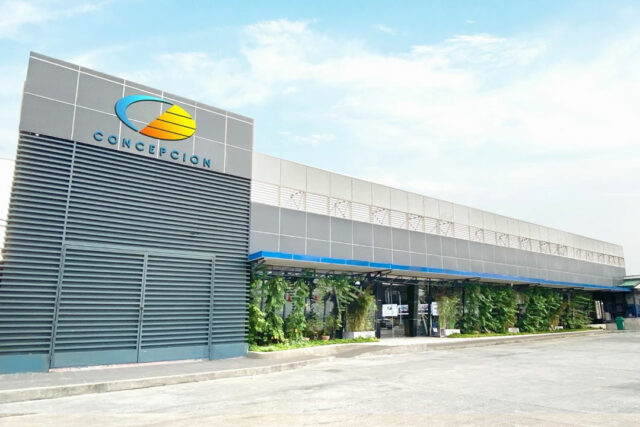
Concepcion Industrial group says sales up 10% in Q4

CONCEPCION.PH

CONCEPCION Industrial Corp. (CIC) and its associate Concepcion Midea, Inc. (CMI) said they posted a 10.5% increase in group net sales in the fourth quarter (Q4), while earnings declined amid cost pressures and industry headwinds.

Fourth-quarter group net sales, which include contributions from CMI, rose to P6.3 billion from P5.7 billion in the same period a year earlier, CIC said in a statement on Thursday.

The company said its teams delivered steady results through targeted operational management amid a challenging environment.

“Our performance in the fourth quarter reflects the resilience of our diversified portfolio and provides a solid foundation as we move into 2026,” CIC Chief Finance and Operating Officer Rajan Komarasu said.

CIC’s consolidated net sales, which exclude its associate, reached P4.6 billion, up 2.2% from P4.5 billion a year earlier. Consolidated net income, however, fell 29.7% to P196 million from P278.7 million in the prior year.

“While 2025 presented industry-wide challenges, CIC demonstrated resilience through disciplined execution and a steadfast focus on our priorities. We are taking meaningful steps to position the company for future opportunities and long-term value creation,” CIC Chief Executive Officer Ariel Fermin said.

For full-year 2025, total group net sales, including CMI’s contributions, reached P25.9 billion, up 10.2% from P23.5 billion in 2024.

During the same period, CIC’s consolidated net sales stood at P18.5 billion, rising 2.2% from P18.1 billion a year earlier. Consolidated net income, however, declined by 8.3% to P1.1 billion.

“We extend our sincere appreciation to our shareholders and partners for their continued trust and support,” Mr. Fermin added.

CIC generates revenue through subsidiaries Concepcion-Carrier Air Conditioning Co., Concepcion Durables, Inc., Cortex Technologies Corp., and Tenex Services, Inc., which sell and service air conditioners, refrigeration, and laundry and kitchen appliances.

It also operates Concepcion-Otis Philippines, Inc., which handles elevators and escalators, and Teko, its appliance repair and maintenance platform.

In the third quarter, CIC reported a 24.7% decline in attributable net income to P107.2 million, as rising costs and external headwinds weighed on profitability despite higher revenues.

Third-quarter gross revenues rose 2.4% to P3.88 billion from P3.79 billion a year earlier, driven by stronger sales in refrigeration, laundry, and other appliances, as well as commercial products. The increase was partly offset by weaker demand for residential air conditioners.

At the local bourse on Thursday, CIC shares fell 0.72% to P13.70 apiece. — Alexandria Grace C. Magno

Reimagining wellness through holistic strategies

Photo by Freepik

As the world progresses, wellness has become a defining priority. No longer confined to medical treatment or crisis response, health is increasingly understood as a lifelong pursuit shaped by daily habits, environmental factors, and informed decision-making.

Wellness is no longer defined solely by the absence of disease. It is recognized as a dynamic state of overall well-being that enables individuals to function optimally, adapt to stress, and maintain balance across different areas of life. Rising rates of chronic illness, stress-related conditions, and lifestyle-driven health issues have reinforced the need for a more comprehensive understanding of wellness. As a result, individuals are placing greater emphasis on long-term health maintenance rather than short-term remedies. This shift has encouraged more deliberate lifestyle choices, from nutrition to physical activity to mental health practices.

A defining feature of modern wellness strategies is their holistic nature. Holistic health approaches recognize that physical, mental, emotional, and social well-being are interconnected and must be addressed collectively.

Physical health remains a foundational pillar, encompassing regular movement, balanced nutrition, restorative sleep, and preventive medical care. However, mental and emotional well-being have gained equal importance as individuals face increasing levels of stress.

Practices such as mindfulness, meditation, stress management, and emotional regulation are widely embraced as tools for psychological resilience.

Mental and emotional well-being

Mental and emotional health have become central components of wellness as well. Increased awareness of stress-related conditions, anxiety, and burnout has prompted a more open and informed approach to psychological well-being.

Emotional resilience is now recognized as essential to overall health, influencing decision-making, relationships, and physical outcomes. Practices that support mental well-being (i.e., reflective journaling, mindfulness exercises, counseling, and social connection) are increasingly normalized and valued.

It is also important to note that mental health is no longer viewed as separate from physical health. Studies continue to demonstrate strong links between psychological well-being and immune function, cardiovascular health, and chronic disease risk.

Addressing mental and emotional needs is, therefore, a critical element of any comprehensive wellness strategy.

Beyond basic factors

Wellness also encompasses dimensions that extend beyond traditional health metrics. Financial stability, work-life balance, and lifestyle structure are increasingly recognized as influential factors in overall well-being.

Financial stress can have significant physical and emotional consequences, contributing to anxiety, sleep disruption, and reduced quality of life. As a result, financial literacy, responsible planning, and informed decision-making are seen as integral to holistic wellness.

Similarly, lifestyle balance (i.e., time management, rest, and personal fulfillment) plays a key role in sustaining health. Establishing routines that allow for recovery, recreation, and meaningful engagement supports long-term resilience and satisfaction.

Environment and social factors also play a critical role in holistic wellness. Access to safe spaces, clean environments, supportive relationships, and meaningful engagement contributes significantly to overall health.

By fostering balance across the aforementioned dimensions, holistic approaches promote sustainable well-being rather than temporary relief.

Preventive care as proactive strategy

Photo by Freepik

Preventive care has become a central element of wellness, reflecting a broader shift from reactive treatment to proactive health management. Rather than waiting for symptoms to emerge, preventive strategies focus on early detection, risk reduction, and informed lifestyle adjustments.

Routine health assessments, screenings, and checkups enable individuals to identify potential concerns before they develop into more serious conditions.

Preventive care also gives importance to education, equipping people with the knowledge needed to understand health risks and make informed choices.

Lifestyle-based prevention plays an equally important role. Nutrition guidance, regular physical activity, adequate sleep, and stress management are widely recognized as effective tools for reducing risk of chronic disease. When these practices are adopted consistently, they contribute not only to longevity but also to improved daily functioning and vitality.

Preventive care, therefore, empowers individuals to take greater control of their health outcomes while reducing the long-term burden on healthcare systems.

Technology in wellness

Advances in technology continue to shape how wellness is monitored, managed, and sustained. At present, digital health tools have become integral to everyday life, providing individuals with greater access to information, personalized insights, and preventive support.

Wearable devices and health applications enable continuous tracking of physical activity, sleep patterns, heart rate, and other health indicators. These tools offer real-time feedback, helping individuals recognize patterns and make timely adjustments to their habits.

Telehealth services further enhance accessibility, allowing people to consult healthcare professionals without geographical or logistical barriers.

By analyzing individual data trends, technology can support tailored recommendations that align with personal goals and health profiles. While these innovations offer significant benefits, they also underscore the importance of data privacy, digital literacy, and responsible use.

When used thoughtfully, technology serves as a powerful enabler of preventive and holistic wellness.

Building sustainable habits

A key challenge in prioritizing wellness is consistency. Short-term initiatives and temporary behavior changes often fail to produce lasting results. Hence, emphasis is placed on building sustainable habits that can be maintained over time.

This involves setting realistic goals, understanding personal motivations, and creating supportive environments that reinforce healthy behavior. Incremental improvements, rather than drastic changes, are more likely to lead to long-term success.

Self-awareness and adaptability are also essential. As life’s circumstances evolve, wellness strategies must be reassessed and adjust accordingly.

A sustainable approach that recognizes wellness is not static, but responsive to changing needs and conditions.

Prioritizing wellness reflects a broader understanding that health is a foundational asset influencing every aspect of life. Holistic approaches and preventive care strategies offer a structured, proactive pathway toward sustained well-being, resilience, and improved quality of life. By integrating physical health, mental well-being, preventive practices, and supportive lifestyle choices, individuals can make meaningful steps toward a healthier future.

Wellness, when approached thoughtfully, becomes not merely a personal goal but a lifelong investment — one that yields benefits across personal, social, and societal dimensions.

As awareness continues to grow, the emphasis on prevention, balance, and holistic care is set to define the future of health, empowering individuals to thrive in an increasingly interconnected and demanding world. — Krystal Anjela H. Gamboa

About AI and power

STOCK PHOTO | Image from Freepik

(First of two parts)

Digital solutions and artificial intelligence (AI) lie at the core of many responses coming both from Government and civil society groups to address the recent corruption scandals and the public clamor for genuine transparency in the budget process. For instance, Senate Bill No. 1506, or the Citizen Access and Disclosure of Expenditures for National Accountability (or the CADENA Bill) builds on the use of blockchain technology and digital portals to ensure transparency and accountability in the budget making and monitoring processes. It was reported to be on a fast-track lane for approval, having passed third reading at the Senate in December last year. Two weeks ago, the Executive’s economic managers also unveiled what they call “Big Bold Reforms,” most of which expectedly focused on streamlining processes to promote ease of doing business, relying largely on a digitally-transformed the bureaucracy. Then, just a few days ago, the President was also reported to have signed the National Digital Connectivity Plan with a vision towards a Digitally Connected Philippines.

It is thus not surprising that these conversation highways will land — indeed, MUST land — at some point on some fundamental questions: How do we ensure that our power system will have the capacity to support a Digitally Connected Philippines? What does this digital transformation mean for our power system? What impact does AI have on the way the different components of our power systems (grid and off-grid) work? What form (or forms) of power infrastructures do we need to realize and sustain these reforms to generate positive transformation?

Today, discussions around the impact of AI on power have been focused largely on smart grids, advanced metering infrastructure (AMI) and data centers — all presenting opportunities to pursue economic progress and with issues that are valid and deserve proper attention.

We will need, however, to push the debates beyond these current limits if we are to truly seize this opportunity in history to forge a better future for our country.

In April last year, I had a chance to share publicly some of my reflections on this topic at the Meralco Power Academy’s Giga Summit 2025. I shared at the summit some learnings I gathered from a small experiment I did, asking a generative AI tool the question: “How do you make power rates affordable in Metro Manila, Philippines?” The responses provided by the AI tool (consistently, I must say, in two iterations) sparked some interesting conversations and a couple of snickering from the audience.

Over the recent holidays, I was able to reflect more deeply on these questions as I finished reading Richard Susskind’s How to Think About AI: A Guide for the Perplexed. I have been following the work of Professor Susskind for some time, as he is among the pioneers in the space of legal technology and the impact of AI on professions since the 1980s. His latest book challenges the reader to confront the imminent reality that “balancing the benefits and threats of artificial intelligence — saving humanity with and from AI — is the defining challenge of our age.”

Let me share just five points to consider as we pursue this collective discourse on powering our country’s future in a digital economy.

1. We need to imagine differently. One of the basic principles in public policy (and in any problem-solving exercise, actually) is to ensure that you are asking the right question or that you are being clear about the problem you would like to solve before you start formulating solutions. As we begin to fashion a future that is digitally connected and AI-intensive, this exercise becomes more complex, and the scenarios become more nuanced.

Take the case of data centers. As the Government positions the Philippines to be the location of choice for data center investors and developers, we need to make sure we are asking the right questions to craft the policy. If we focus only on increasing the country’s generation capacity to ensure that data center locators will have sufficient power supply for their operations, we are likely to miss the various dimensions of the challenge, such as, proper siting, appropriate power sourcing, optimal operating or business lifecycle, and rate allocation design, among others — all of which need to be considered in crafting the policy on data center hosting. It is not simply a matter then of addressing the impact on demand, although that in itself is already a daunting task. As Susskind notes in respect of the impact of AI in planning, the “bigger question perhaps is the extent to which AI systems will have changed civilization and humanity by 2050.”

In other words — and this, in my view, is the first challenge posed by AI on public policy — we need to try to exceed the limits of our imagination, to project the demand on our systems (not just in megawatts or megawatt-hours) to behave and operate differently. With AMI and smart grids that can allow real time information on power consumption and rates, for example, will monthly power billings still be relevant? We will need to envision the impact of AI in a world that will no longer function as we know it because the use of AI itself would have changed it. Paraphrasing Susskind, we need to be able to conceive a paradigm of a power system that is different from the one where we all operate in today.

2. Our values — crystalized, articulated and reinforced — will matter more than ever. I spent quite some time on this point during the Giga Summit as the importance cannot be sufficiently underscored. This is true not just on a national or local government level, but for any organization that will be digital at its core. Those who are not clear on their values will render themselves irrelevant and inconsequential.

If we are not clear or aligned on the values that underpin the use of AI, the danger is that the existing ills that AI use seeks to address will just intensify. Inequalities may worsen and incumbencies (both political and economic) may just be fortified. It is true that AI can hasten and make more efficient the resolution of disputes or any exercise of arriving at judgment. It does not, however, guarantee a just result. It is possible, then, that dispute resolution or policy making – made more efficient with the use of AI but anchored on the wrong set of values or in the absence of a set of values accepted by the community – will just make it faster to arrive at an unfair, unjust or inequitable result. Efficiency in decision making is certainly desirable, but it is not necessarily the only value that matters in a just and equitable society.

(To be continued.)


Monalisa C. Dimalanta is a senior partner at Puyat Jacinto & Santos Law (PJS Law). She was the chairperson and CEO of the Energy Regulatory Commission from 2022 to 2025, and chairperson of the National Renewable Energy Board from 2019 to 2021.