Home Blog Page 1504

Kalibrr names Top 50 Employers in the Philippines for 2025

Kalibrr released its inaugural Top 50 Employers list for the Philippines, highlighting companies that young Filipino professionals consider to be the most empowering places to work.

The ranking, derived from millions of users on the Kalibrr platform, aims to spotlight employers that reflect evolving expectations around career growth, flexibility, and purpose-driven work.

The list includes firms from a wide range of sectors — technology, banking, education, logistics, and government — underscoring a shift in what matters most to jobseekers today.

The Top 50 were selected through a meticulous process, blending feedback from millions of jobseekers, insights from HR leaders, and trusted third-party data. Companies were evaluated on work culture, employee engagement, employer brand strength, and long-term career impact, ensuring only the most impactful earned a spot.

“Great employers don’t just hire, they transform lives,” said Paul Rivera, Kalibrr’s Co-founder and CEO. “Our Top 50 are leading the charge, creating workplaces that uplift and empower. This is about celebrating those who get it right and inspiring others to follow.”

Information technology, technology and software industries dominated the list, which included companies like Accenture, Likha-iT, Inc., SafetyCulture Philippines, Inc., SlideGenius APAC, Inc., Sprout Solutions, ThinkBit, Ylopo LLC, 2x (Straightarrow Corp.), Eskwelabs (EdTech), Bukas, and Maya Philippines, Inc.

Other companies on the list included COL Financial Philippines, Metrobank, Rizal Commercial Banking Corp., UnionBank, PwC AC Manila, Netflix, Ogilvy, Gigil, Financial Times, Kadence International, and Get Hooked. Fast-moving consumer goods and retail companies on the list were Ginebra San Miguel, Nestlé Philippines, Inc., Monde Nissin, L’Oréal, 3M, Adidas, IKEA, Levi’s, Love, Bonito, and Remedy.

Kalibrr Marketing Supervisor Zarah P. Lim said that each company was rated based on five key factors: how happy employees are, whether they feel valued, if there are opportunities for learning and growth, how proud they are of their company and team, and whether they would recommend the company to others.

The Kalibrr Top 50 list was curated to reflect a changing definition of success in the workplace. Rather than rely solely on traditional metrics like market capitalization or number of hires, Kalibrr prioritized these indicators to weigh qualities like career growth potential, flexibility, community engagement, and organizational culture.

“We created the Kalibrr Top 50 not to compete with existing rankings but to offer something different. Something grounded in truth, powered by the voices of real jobseekers and HR professionals, and shaped by our experience across Southeast Asia. We know what it truly means to be a great employer in today’s world, and we believe it is time to apply that standard in the Philippines,” Ms. Lim said.

“Too often, media focuses on politics, celebrities, or entertainment. But who is talking about the companies that are changing lives by providing dignity, growth, and real opportunity? That is the gap we want to fill.”

Kalibrr says it intends to make the Top 50 a benchmark for companies in the Philippines, both for the use of jobseekers and employers looking to improve their workplace strategies.

“And for companies who are not on the list yet, we hope this inspires them. This is not about leaving anyone out. We created this to raise the standard, and we hope it sparks that moment of reflection,” Ms. Lim said.

“Maybe it is time to revisit how people are treated, how culture is shaped, and what kind of workplace you want to build. Because at the end of the day, if we want to uplift Filipinos, we cannot wait for anyone else to do it. We have to help each other. That is what this is about.”

A complete list of the Top 50 Employers can be found on https://top50.kalibrr.com/.


SparkUp is BusinessWorld’s multimedia brand created to inform, inspire, and empower the Philippine startups; micro, small and medium enterprises (MSMEs); and future business leaders. This section will be published every other Monday. For pitches and releases about startups, e-mail to bmbeltran@bworldonline.com (cc: abconoza@bworldonline.com). Materials sent become BW property.

Nuvali: Setting the Pace for the Rising South

What’s Next for Nuvali: Powering Ahead with Next-Generation Spaces for Retail, Health, and Connection

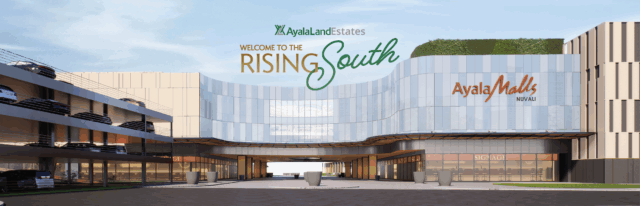
As CALABARZON cements its position as one of the country’s fastest-growing regional economies, Nuvali Estate continues to evolve into the South’s most future-ready urban center. Positioned at the forefront of Ayala Land Estates’ Rising South, Nuvali is driving progress with its bold vision of sustainable and integrated development.

Ayala Malls Nuvali: A Regional Destination for Lifestyle and Leisure

The expansion of Ayala Malls Nuvali is set to transform it into a premier regional destination, adding close to 50,000 square meters of new retail space across two phases. Phase 1, opening in Q4, will feature a dynamic mix of retail, entertainment, and family-oriented experiences. Phase 2, launching in 2026, will introduce four additional levels of flagship stores, curated dining, wellness venues, and a chapel.

To enhance accessibility and convenience, a steel parking facility with 360 additional parking slots will be unveiled by Q3, ensuring a seamless experience for mall-goers.

With this expansion, Ayala Malls Nuvali will boast over 100,000 square meters of Gross Leasable Area, blending flagship brands and local concepts in an environment that caters to both everyday needs and elevated experiences. This development strengthens Nuvali’s position as a retail powerhouse and a central draw for Southern Luzon residents and visitors alike.

To complement the mall’s offerings, Nuvali Estate features other key establishments like Landmark, Landers Superstore, S&R Membership Shopping, Robinsons Supermarket, a UNIQLO Roadside store, Coffee Bean & Tea Leaf Drive-Thru, McDonalds, and the soon-to-open Jollibee, addressing the rising demand for convenience and premium retail experiences in the region.

Meanwhile, The Shops at Central Bloc, anchored by a standalone MerryMart Grocery, is set to open to retailers by November 2025. This hub is strategically designed to serve the Nuvali residential community, providing curated shopping and dining options that enhance everyday living.

Health and Hospitality: Elevating Nuvali’s Holistic Appeal

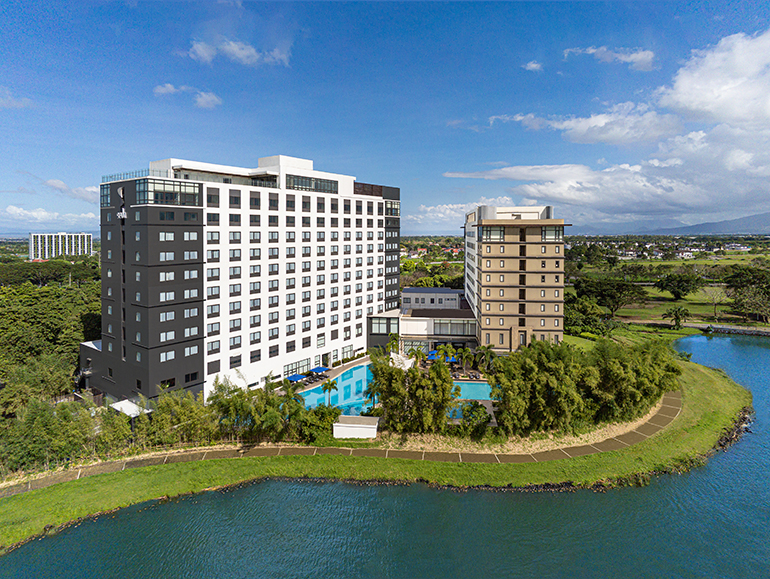
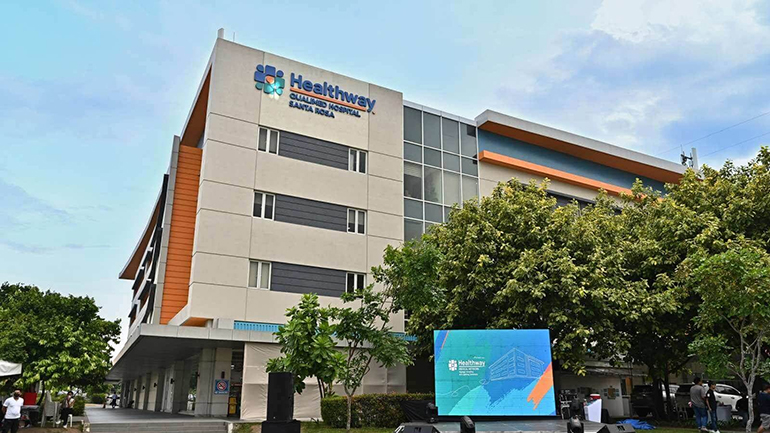
Seda Nuvali provides high-quality accommodations for business and leisure travelers, ensuring visitors enjoy modern amenities amidst the estate’s vibrant retail, recreational, and business hubs. Healthway QualiMed Hospital Santa Rosa complements these offerings by delivering state-of-the-art healthcare services, further cementing Nuvali’s reputation as a holistic and self-sustaining community.

Nuvali Residential Enclaves: A Vibrant Community for Every Lifestyle

Nuvali is home to diverse residential developments from Ayala Land Premier, Alveo, Avida, and Amaia. These residential enclaves offer options for every stage of life, from luxurious residences to thoughtfully designed homes for growing families. With green open spaces, walking trails, and a strong sense of community, Nuvali’s residential offerings continue to attract discerning homeowners who value both lifestyle and investment potential.

Setting the Pace for the Rising South

As one of the cornerstone estates driving Ayala Land Estates’ Rising South, Nuvali Estate embodies the promise of master-planned growth — a thriving urban ecosystem that blends progress, community, and long-term value. Together with estates like Broadfield, Aéra, and Southmont, Nuvali exemplifies Ayala Land’s commitment to building sustainable communities that foster progress, connectivity, and a vibrant future within CALABARZON.

#RisingSouth

Visit ayalaland.com or email invest@ayalaland.com.ph for more information.


Spotlight is BusinessWorld’s sponsored section that allows advertisers to amplify their brand and connect with BusinessWorld’s audience by publishing their stories on the BusinessWorld Web site. For more information, send an email to online@bworldonline.com.

Join us on Viber at https://bit.ly/3hv6bLA to get more updates and subscribe to BusinessWorld’s titles and get exclusive content through www.bworld-x.com.

First Philippine Holdings sets P57-B capex for energy, property

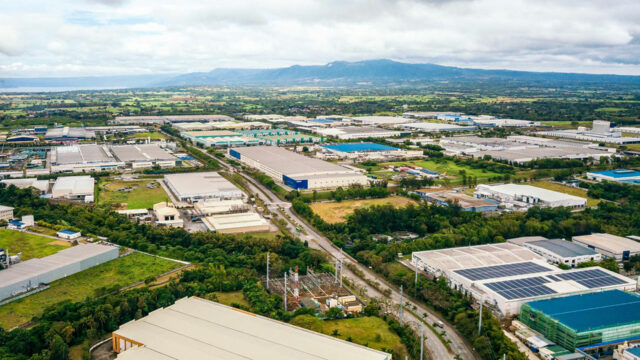
First Philippine Industrial Park, a 500-hectare special economic zone in the CALABARZON region (Cavite, Laguna, Batangas, Rizal, and Quezon), is a joint venture between First Philippine Holdings Corp. and Sumitomo Corp. — FPIP.COM

LOPEZ-LED holding company First Philippine Holdings Corp. (FPH) has allocated a P57-billion capital expenditure (capex) budget for 2025 to drive the expansion of its renewable energy and real estate segments.

FPH’s capex for 2025 is lower than the previous year’s, FPH Chief Finance Officer Emmanuel Antonio P. Singson told reporters on the sidelines of the company’s annual stockholders’ meeting last week.

“Last year’s total (capex) is a lot higher because we purchased Casecnan (hydroelectric power plant). Now, it’s a lot lower,” he said.

Mr. Singson said $601 million (P33.5 billion) of the capex will be allocated to the power business led by First Gen Corp. and its subsidiary, Energy Development Corp. (EDC).

“For First Gen, that’s primarily through EDC. They’ll fund it (capex) through debt at the EDC level. They’re planning to borrow about P27 billion in 2025,” he said.

About P22 billion in capex will be allocated to real estate units Rockwell Land Corp. and First Philippine Industrial Park (FPIP), while the remaining capex will go to its other businesses, Mr. Singson said.

Mr. Singson said FPH does not have any fundraising plans at the parent level, as financing will be carried out through its subsidiaries.

“The subsidiaries will be able to raise funding using their own leverage, primarily through bank debt, bilateral loans, or syndicated club loans,” he said.

FPH’s core business interests include clean and renewable energy, real estate, manufacturing, construction, healthcare, and education.

Francis Giles B. Puno, FPH president and chief operating officer, said during the stockholders’ meeting that the share of gas projects in the group’s total assets is expected to further decline this year as the company expands its renewable energy portfolio.

He added that the conglomerate remains committed to the long-term success of its healthcare and education businesses despite challenges last year.

“In 2024, we established a task force to refine its business models and establish a clear path to profitability, ensuring it can deliver equitable access to quality and affordable healthcare and education in the years to come,” he said.

“The road ahead will bring challenges, but we face them with confidence, clarity of purpose, and a disciplined, hardworking, and talented organization. We remain committed to doing well so we can do good, delivering long-term prosperity while staying true to our mission,” he added.

For the first quarter, FPH posted a 20% increase in attributable net income to P4.9 billion, driven by higher earnings across all major business segments. Consolidated net income rose by 12% to P8.5 billion.

Total revenue grew by 6% to P41.3 billion. Electricity sales rose by 1% to P33.87 billion due to stronger topline performance of natural gas and hydroelectric plants.

Real estate sales climbed by 26% to P3.1 billion on the back of higher sales bookings by Rockwell Land.

FPH shares were last traded on May 30, up by 0.82% or 50 centavos to P61.50 each. — Revin Mikhael D. Ochave

Being tough

G-SHOCK GA-110 SERIES

Basketball player Dwight Ramos talks about the newest G-Shock

WHAT HAPPENS when you put a basketball star and a watch together? For the release of the G-Shock’s latest releases in the Philippines, the watch line from Casio tapped Filipino-American basketball player Dwight Ramos as its ambassador.

Mr. Ramos personally unveiled the new watches at an event in Bonifacio Global City, Taguig, on May 31. He appears in campaigns featuring the GM-110D (in stores) and the GMW-B5000D, arriving in July. The GM-110D in black costs P21,300, while a silver variant costs P18,480. The GMW-B5000D will cost P38,810 when it arrives in the Philippines.

The GM-110D has a metal bezel and band, and is shock- and magnetic-resistant, and water-resistant up to 200 meters. It has a stopwatch, a timer, and a calendar, and analog and digital displays. Meanwhile, the GMW-B5000D has a full-metal case, shock resistance, and 200-meter water resistance. We’re not sure of its full features yet, but its previous siblings in the GMW-B5000 line had Bluetooth capabilities and even a time/location stamp in its World Time city setting.

After a rousing hoop-shooting game with members of the audience, Mr. Ramos — who played for the Ateneo Blue Eagles, the Philippine national basketball team, Gilas Pilipinas, and now, for Levanga Hokkaido of the Japanese B.League — sat down for a group interview.

Speaking about how G-Shock’s message of toughness resonates with him, he said, “Toughness is all about resiliency. Throughout my career, I’ve had a lot of injuries. Before I got to where I am now, I’ve had a lot of hardship.

“It’s just perfectly aligned with me and how I am,” he said.

He also spoke about modeling, and how it differs from his basketball career. “Modeling is not really my personality. It’s really the media and the agency that does all of everything. It’s kudos to them because they really guide me on that stuff because I don’t know how to do anything. I don’t know modeling; I don’t know how to make videos. It’s all on them. I just do what they tell me.”

On matters of style, he says, “A lot of people are good at putting stuff together, and they’ve got really good fashion (sense). I really like what people do. I know my limitations, and I just put on a shirt, some pants and shorts, and that’s good enough for me.”

Meanwhile, in an interview with Sena Kuroda, regional sales manager for Timepiece Casio, he talked about the future of their releases: as we’ve mentioned, the two new watches are made almost entirely of metal. “We’re producing metal watches based on our original design,” he said. For example, the GMW-B5000 is based on the DW-5000C, the brand’s first release. “All our G-Shock products have shock resistance, even when we’re using metal materials.”

To buy the new watches, visit https://www.casio.com/ph/. — Joseph L. Garcia

Prime Infra’s First Gen gas stake to spur competition — analysts

FIRSTGEN.COM.PH

By Sheldeen Joy Talavera, Reporter

RAZON-LED Prime Infrastructure Capital, Inc. (Prime Infra) is acquiring a 60% equity stake in Lopez-led First Gen Corp.’s gas business for P50 billion, a development that analysts said is likely to spur competition among gas players and encourage additional investments in the energy sector.

“With Prime Infra’s growing exposure in the power generation segment, we believe this will increase overall competition and reduce market concentration among dominant incumbent players,” Peter Louise D.C. Garnace, equity research analyst at Unicapital Securities, said in a Viber message to BusinessWorld on Saturday.

Mr. Garnace described the acquisition as “a strategic move” to expand Prime Infra’s presence in the country’s liquefied natural gas (LNG) sector, regarded as a transition from fossil fuels to renewable energy. He added that “close regulatory oversight is necessary to prevent collusion among market players” given the limited number of participants in the LNG industry.

Under a term sheet executed on May 30, Prime Infra will acquire a 60% stake in First Gen’s subsidiaries managing its gas assets, which include four operating power plants — the 1,000-megawatt (MW) Santa Rita, 500-MW San Lorenzo, 450-MW San Gabriel, and 97-MW Avion plants — all supplied by the Malampaya gas field operated by Prime Energy Resources Development B.V., part of the Razon group.

The acquisition also covers the proposed 1,200-MW Santa Maria power plant and an interim offshore LNG terminal.

The transaction remains subject to the execution of definitive agreements and the completion of closing requirements.

First Gen will retain 40% ownership of its gas business and will be “entitled to receive additional earnout amounts, subject to the fulfillment of certain conditions.”

The company said retaining a significant stake will help ensure “proper continuity and stability of its gas operating plants.”

“The partnership between First Gen and Prime Infra will enable the partners to further nurture, enhance and expand their natural gas platforms to serve as a key solution provider to the country’s program to address energy security,” First Gen said.

“In line with this, the partnership will work closely with the government to help secure our country’s energy independence.”

Juan Paolo E. Colet, managing director at China Bank Capital Corp., described the deal as “a positive development for the country as it will spur more investment in our energy sector.”

“This is a game-changer for Prime Infra as it will transform the company into the leading natural gas power producer in the Philippines. The deal is very strategic because Prime Infra already has an investment in Malampaya,” he said.

Mr. Colet added that the transaction allows First Gen “to unlock the value of its gas-related assets and refocus on being a pure renewable energy platform,” providing “tremendous financial muscle to make bold renewable energy investments” and potentially return cash to shareholders.

At its annual stockholders’ meeting on May 29, First Gen President and Chief Operating Officer Francis Giles B. Puno said renewable energy will be the company’s primary focus going forward.

“As we build out more geothermal, hydro, solar, wind — of course, we still feel gas is important because it’s also a good balance to renewable energy buildout — but the focus will be renewable energy,” Mr. Puno said.

First Gen has allocated a capital expenditure budget of $601 million (P33 billion) for 2025, with most of the funds earmarked for Energy Development Corp., its renewable energy subsidiary.

Prime Infra’s acquisition of First Gen’s gas assets will create significant competition with the LNG joint venture among Manila Electric Co. (Meralco), Aboitiz Power Corp. (AboitizPower), and San Miguel Corp. (SMC), which earlier finalized a $3.3-billion deal to build an integrated LNG facility in Batangas.

Celebrity fitness brand Alo now in the Philippines

LOS ANGELES-BASED wellness and lifestyle brand Alo Yoga opened in Greenbelt 5 on May 30. During a preview on May 29, BusinessWorld got a peek at the store’s offerings.

The 235.5-square-meter space features Alo’s full assortment of premium performance and lifestyle apparel for women, men, and unisex styles. These include workout wear and accessories, and even some dressier items that can transition from studio to street.

Alo, founded in 2007 (the brand’s name is the initials for “air, land and ocean”), has an impressive roster of celebrity customers: these include Taylor Swift, Kendall Jenner, Gigi Hadid, and Hailey Baldwin.

Some selections at the store include socks at P2,100, a sports bra at P5,000, and a matching pair of pants for P9,000. More luxe options are wool-blend pants at P13,500, with a matching zip-up top at P14,200. Most of the items are in a relaxing neutral palette of beiges, blacks, and whites. Accessories include a water bottle at P4,500, a hair claw at P2,900, a set of hair ties for P1,300, and a set of scrunchies at about P2,000.

According to a press release, “The opening marks a significant step in Alo’s continued expansion across Southeast Asia and further solidifies its presence as a global leader in luxury activewear and holistic wellness.”

In a Viber message to BusinessWorld, Anthony Huang, president and chief executive officer of the SSI Group which distributes the brand here said, “Alo Yoga is a brand that resonates deeply with today’s wellness-driven, fashion-forward consumer. The Philippine market is primed for a lifestyle brand like Alo — one that seamlessly blends performance, mindfulness, and elevated style. As more Filipinos embrace holistic living and prioritize both fitness and fashion, Alo becomes not just relevant, but essential in shaping the next wave of athleisure culture in the country.” — JL Garcia

Street fighters

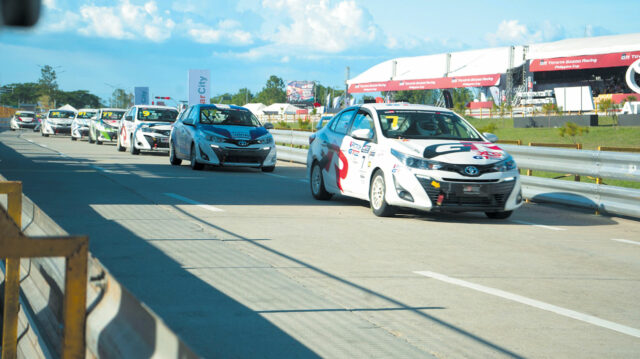
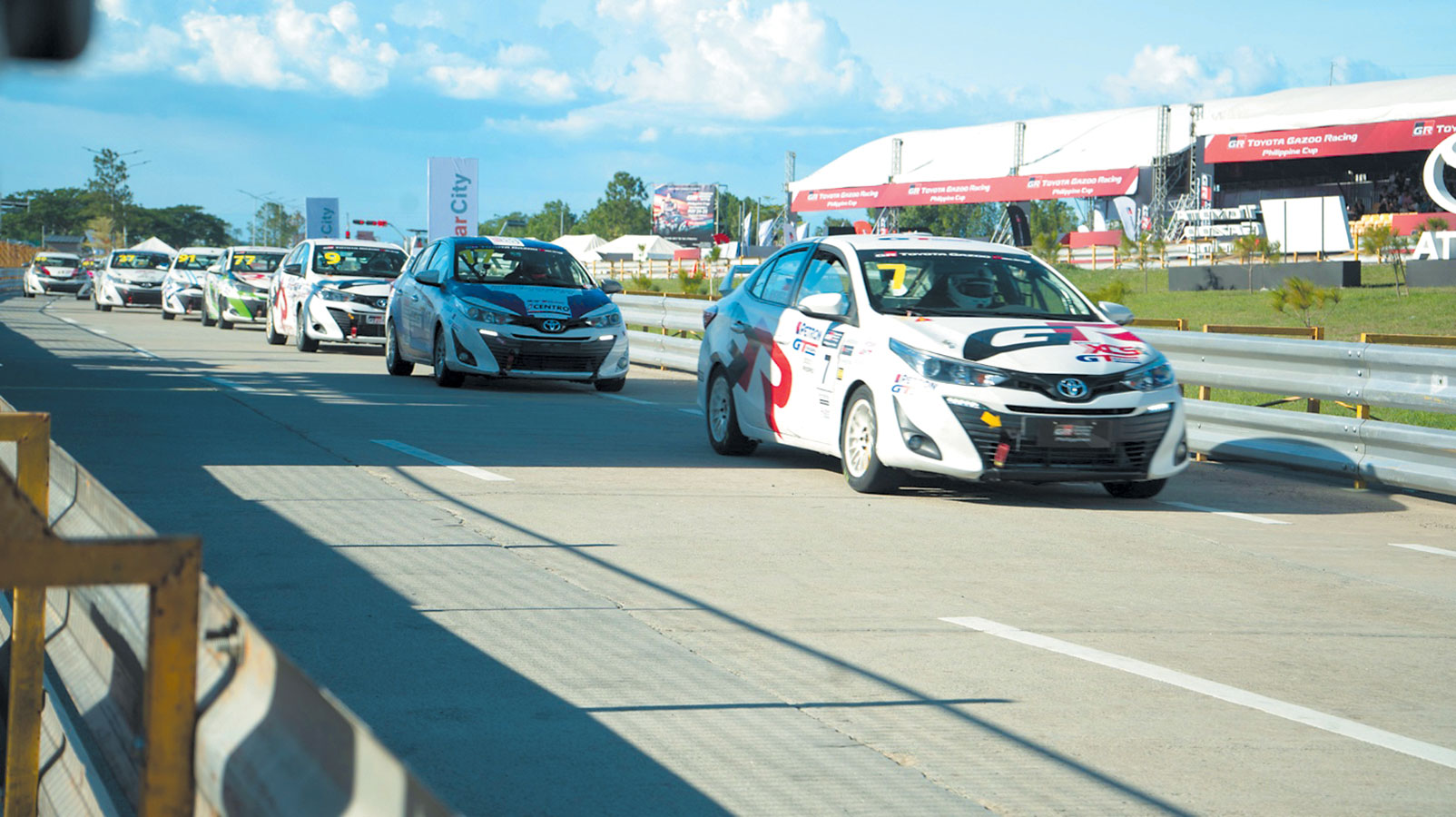
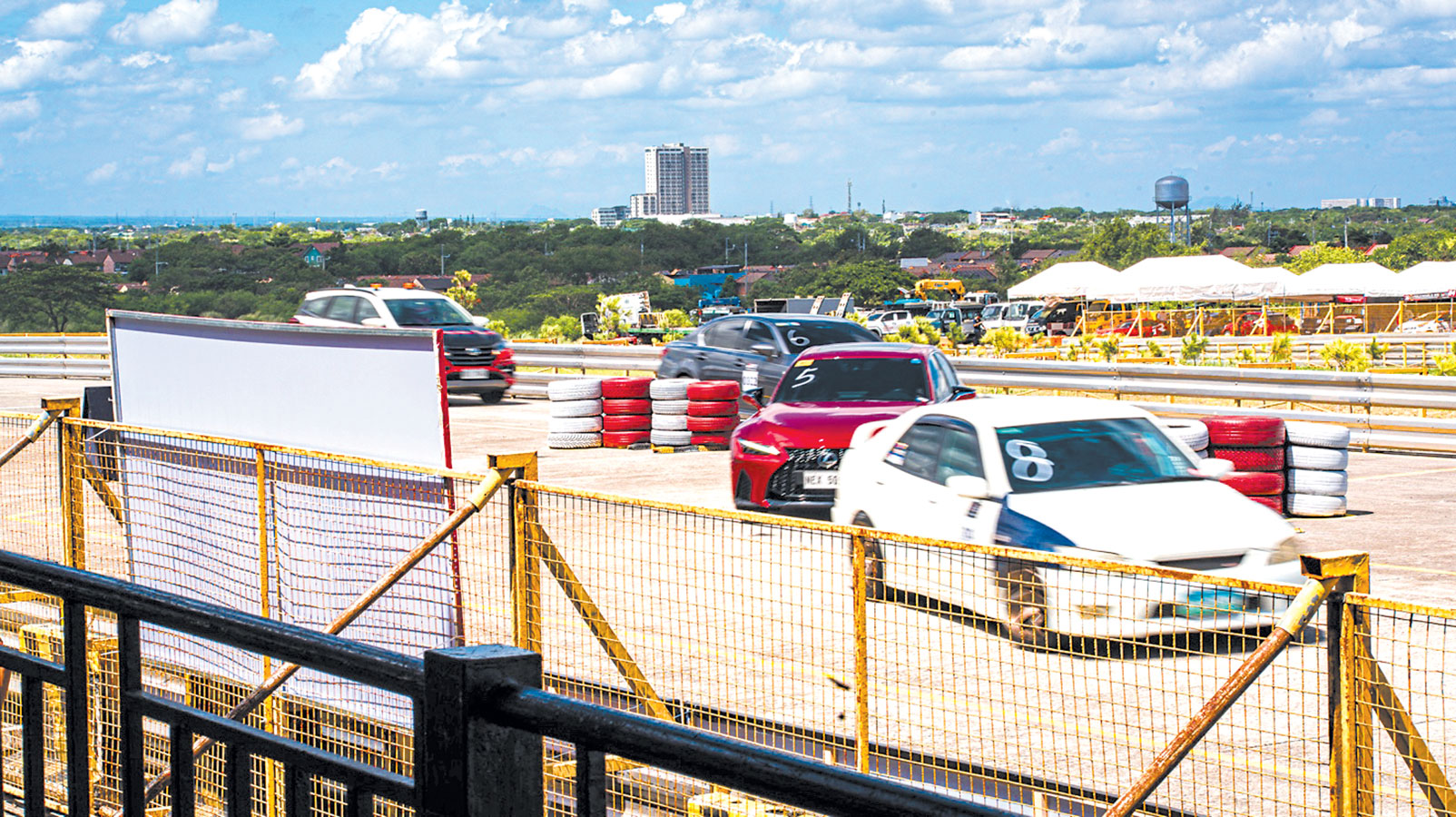
It’s pedal-to-the-metal time. — PHOTO BY KAP MACEDA AGUILA

The Toyota Gazoo Racing PHL Cup gets closer to the fans with a road race

By Joyce Reyes-Aguila

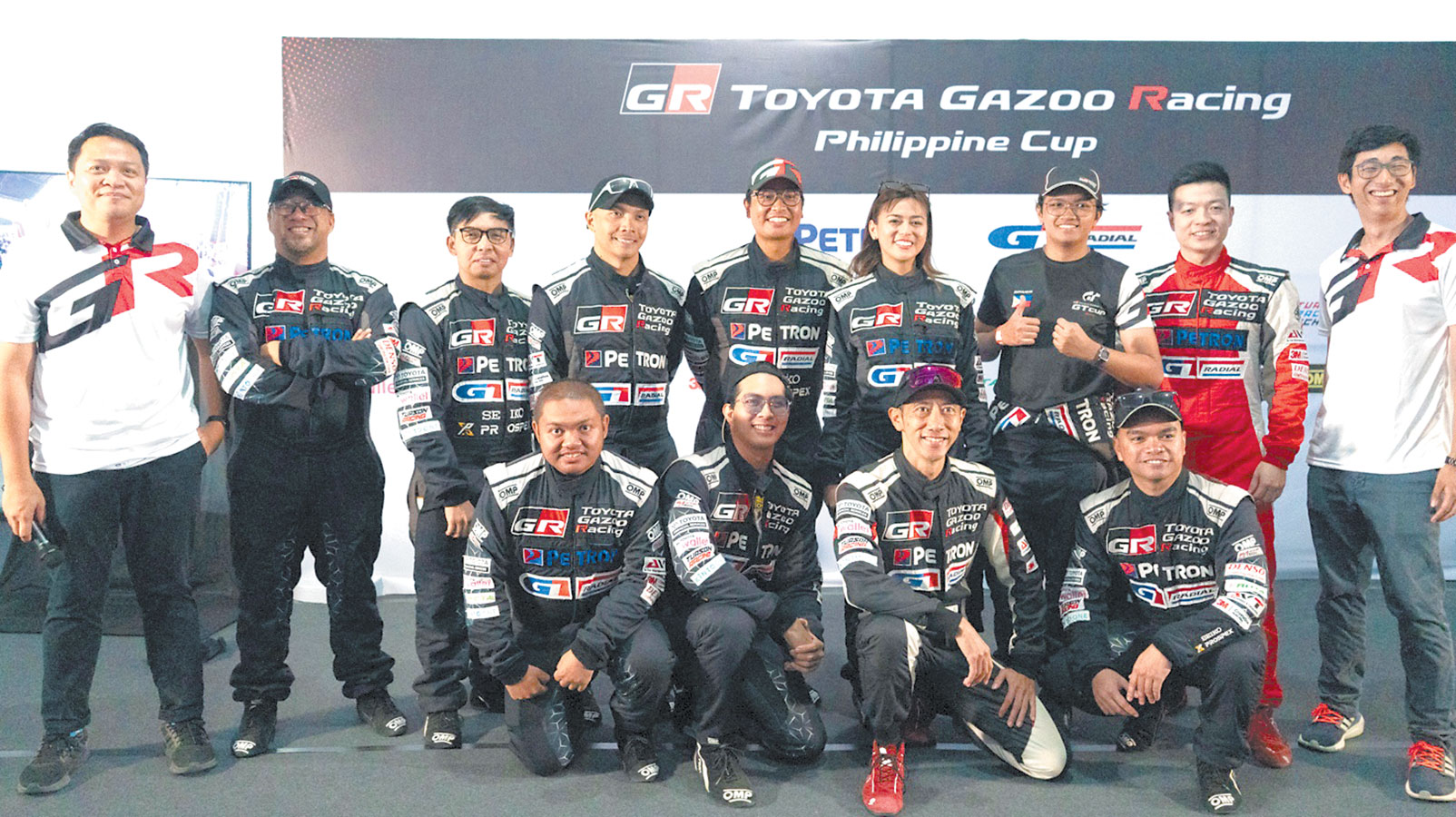
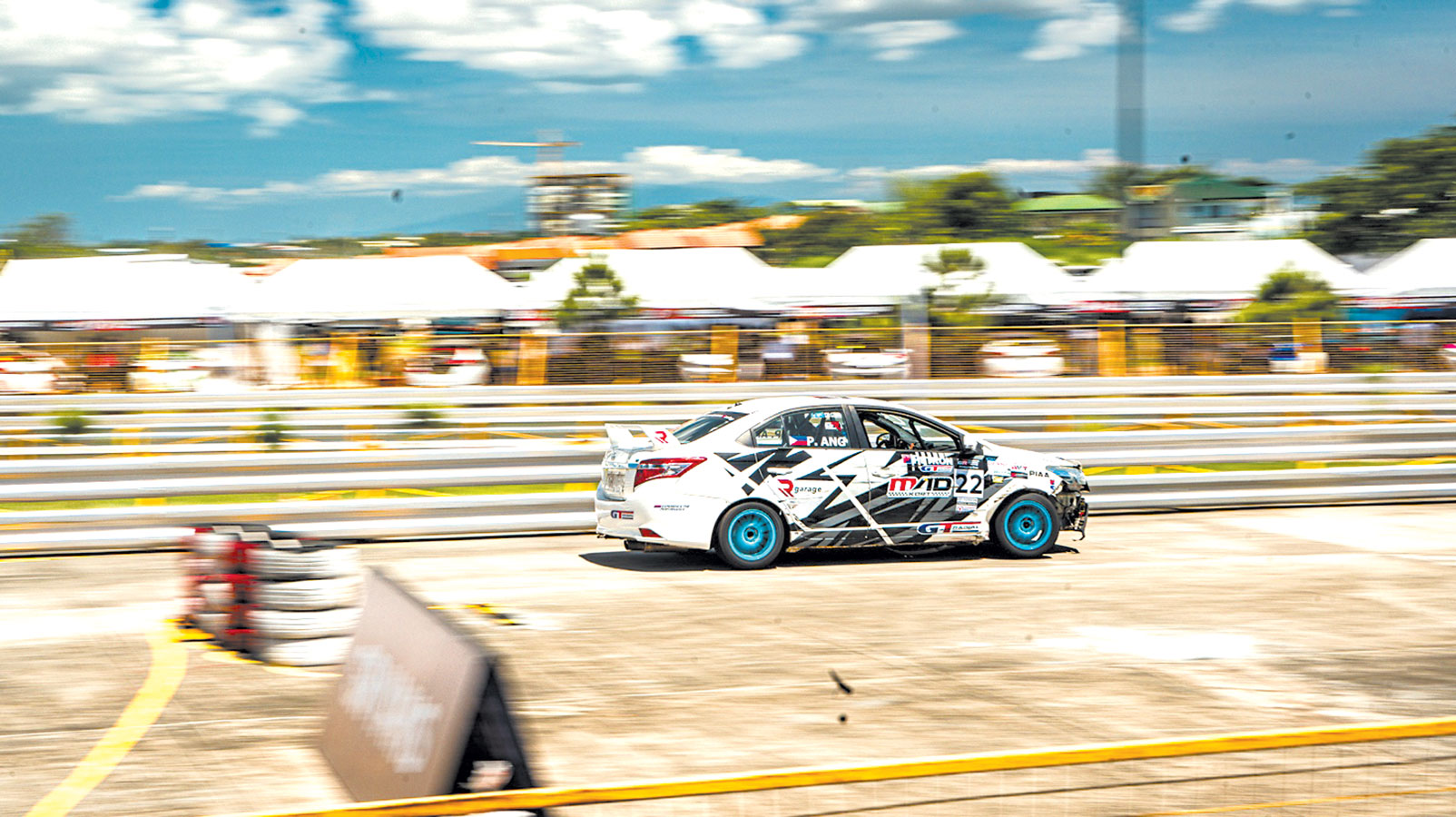
TOYOTA MOTOR PHILIPPINES (TMP) pulled all the stops for the recent road race of the Toyota Gazoo Racing (TGR) Philippine Cup 2025. The second leg of the race season was held at the Villar City in Bacoor, Cavite and drew a total attendance exceeding 12,500 across the three-day event. This is the first street race for the grassroots racing series since 2018.

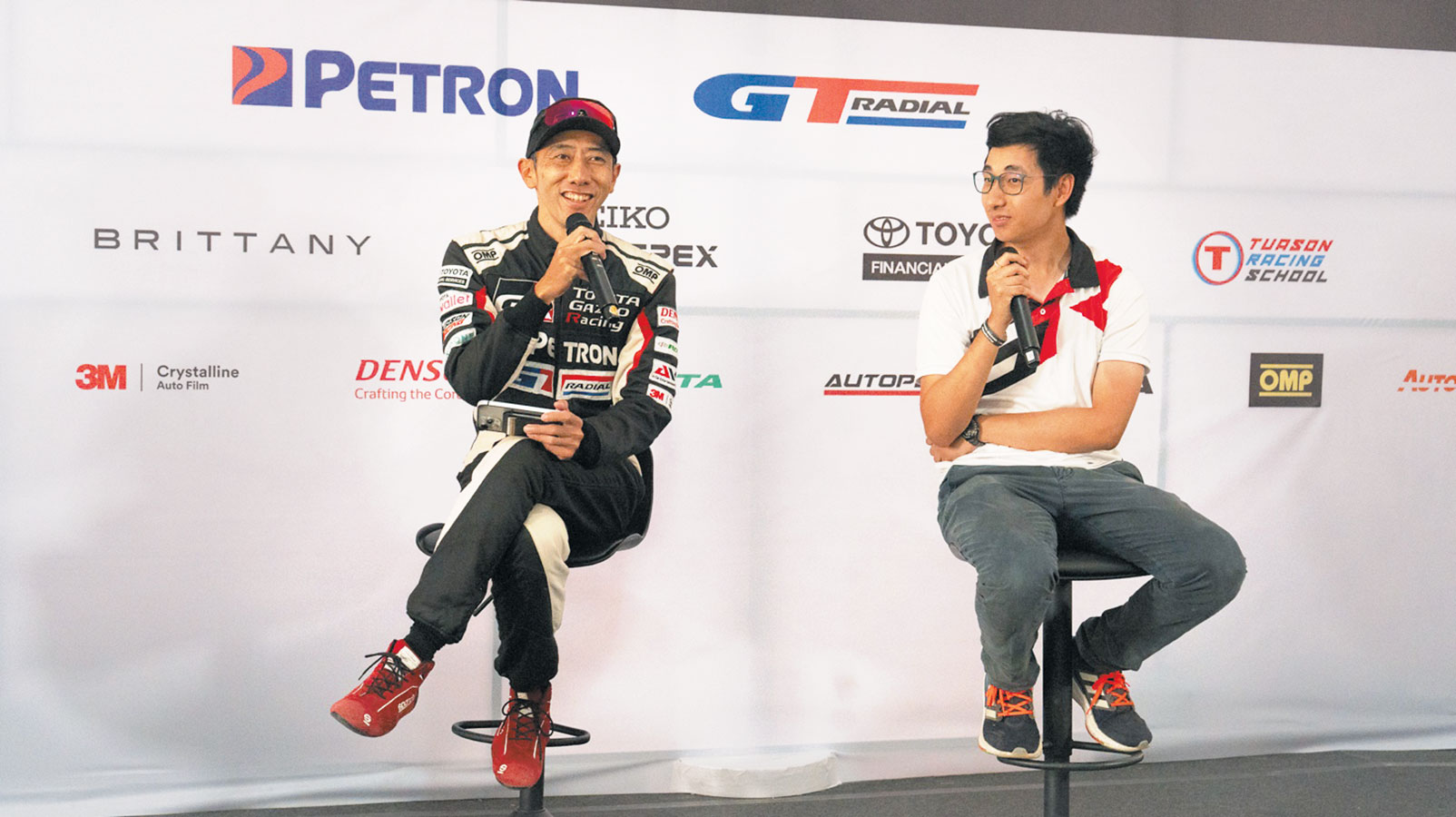
“It’s really a big success for Toyota,” TMP President Masando Hashimoto, who himself raced in the Novice Class, told members of the media and content creators at a press conference last May 24. He later shared on social media that the “screams and cheers from the grandstands were the loudest I have ever heard in my life. Many fans enjoyed the race… I am deeply honored and proud of this achievement.”

The positive public response aligns with the TGR Philippine Cup’s goal to “build the community,” according to TMP Marketing Sales Department Assistant Vice-President Andy Ty. “This is in line with our objectives to ultimately be the center of motorsports in the Philippines. We are making it relatable to our audience… and influencing the younger generation to enjoy watching motorsports and hopefully, to one day be a part of it.”

He continued, “In terms of some of the racers, what we also want to cultivate (the) racer journey. (If you) start from street racing, there are opportunities to go into real racing. And who knows how (their) careers may evolve from there? That’s something relatable also to the younger generation who want to build a career from this format with the expansion of opportunities,” he continued.

The second leg of the TGR Philippine Cup saw drivers compete in four categories: Super Sporting Class, Sporting Class, Legacy, and Novice Class. Mr. Hashimoto described the conditions as “tighter, narrower” and “more dangerous” compared to the challenges of the Clark International Speedway where the races are usually staged.

Day 3 of the competition saw the TMP president crash on the 10th lap of Race 5. “At the (third) chicane exit, I misjudged my speed and handling, lost control, and collided with the central wall,” he narrated on the TMP President’s Office Facebook post. “My car flipped upside down and became immobilized. While the engine and tires sustained significant damage from the impact, the cabin remained intact and completely clear, allowing me to escape without even a scratch.”

Mr. Hashimoto added that his Vios “saved his life” and the incident allowed him to see “first-hand the wonderful fact that Toyota cars are safe, robust, and keep drivers protected.” He was medically cleared and was able to be part of the awarding ceremony — placing third among the Novice Class drivers.

He explained at the press conference that “one of the biggest reasons why we have been using the Vios, a national car in this country,” is to push the sport as something for everyone.

“I think the great thing about these grassroots events is that anyone, any owner, can join the race format,” he insisted. “Any car can be a candidate for a race. One of the big objectives of this motorsport is to promote grassroots culture, grassroots community unity in the motorsports industry.”

As for Toyota itself, the executive sees the series as the company’s way of demonstrating to people how it is developing cars from its participation in motorsports. Replying to a question from “Velocity,” Mr. Hashimoto insisted, “It’s also a very good way to develop talent. Everyone now knows that. Younger people are influenced and come to know that Toyota has such a racing form. We can have people who love cars. We can work with newcomers. We see many opportunities in many channels, like the race format: rally, drag race, circuit race, or street race. One way is a collaboration with other brands or other partners — there is maybe a possibility for us in building the community hub in the industry. We are having discussions with Mazda (and) Hyundai on so many fronts. One day, we want to have (a) joint project or event.”

Echoed Mr. Ty: “We’re really hoping to continue building a shared community among many brands. We announced this (event) two months ago and even to us, the question is ‘What in the world have we created here?’ We hope that (our customers and fans) got that same feeling when they entered the venue, when (they) saw the races, when (they) saw the action. We will continue to do this in the future. This is the future of Toyota Gazoo Racing.”

Round 3 of the TGR Philippine Cup will be back at the Clark International Speedway on Aug. 9. TMP also announced that its e-motorsports tournament will resume this year as well.

New capital markets law to boost stock market liquidity, dev’t — analysts

BW FILE PHOTO

By Revin Mikhael D. Ochave, Reporter

REPUBLIC ACT No. 12214, or the Capital Markets Efficiency Promotion Act (CMEPA), is expected to enhance the Philippine stock market by reducing transaction costs, boosting trading activity, and increasing liquidity, analysts said.

CMEPA strengthens the Personal Equity and Retirement Accounts (PERA) program, which will help further develop the capital market, DragonFi Chief Executive Officer Jon Carlo C. Lim said in a Viber message over the weekend.

“This will not only help address the pension gap but also enhance the attractiveness of investible assets within the PERA framework — further deepening our capital markets,” Mr. Lim said.

“This is a commendable piece of legislation that will advance the development of our capital markets,” he added.

President Ferdinand R. Marcos, Jr. signed CMEPA into law on May 29.

Under the law, private employers who contribute an amount equal to or greater than their employees’ contributions to PERA are entitled to an additional 50% tax deduction on their actual contributions.

PERA is a voluntary retirement savings program that supplements employer-sponsored retirement plans and government-based pension plans.

China Bank Capital Corp. Managing Director Juan Paolo E. Colet said in a Viber message that the new law will help entice more investors following the reduction of the stock transaction tax to 0.1% from 0.6%.

“The significant reduction in the stock transaction tax from 0.6% to 0.1% will help improve investor returns, increase trading frequency and value turnover, and lead to tighter bid-ask spreads,” he said.

CMEPA also lowers the documentary stamp tax (DST) on the original issue of shares of stock to 0.75% from 1%, and imposes a uniform 0.75% DST on bonds, debentures, and certificates of stock or indebtedness issued in foreign countries.

“The passage of CMEPA sends a clear message to both domestic and global investors that the Philippines is committed to building deeper, more efficient capital markets,” Special Assistant to the President for Investment and Economic Affairs Frederick D. Go said in a statement.

“This reform is expected to boost and strengthen liquidity, trading activity, capital formation, and contribute to broader economic growth,” he added.

Rizal Commercial Banking Corp. Chief Economist Michael L. Ricafort said the new law supports the country’s efforts to attract large-scale foreign fund managers.

“The law helps us to better compete with other ASEAN and Asian markets in terms of reduced transaction costs,” he said in a Viber message.

However, Mr. Colet said there is still a need to create conditions that will allow for more listed companies and attract more stock investors.

He said there should be well-calibrated privileges for listed companies, such as lower taxes on issuers who meet certain public float, daily trading, and value metrics.

“Government financial institutions can also sponsor and anchor a public-private initial public offering fund that can be deployed to support the listing of qualified companies,” he said.

Mr. Colet also suggested providing incentives for stock investing, such as amending Republic Act No. 9505, or the PERA Act, to increase the annual contribution limit and income tax credit for investments in listed stocks.

“It is also imperative to strengthen corporate governance and minority shareholder safeguards so that institutional and retail investors are reasonably protected,” he said.

“The government is moving in the right direction when it comes to market-friendly reforms, and we hope they sustain this by introducing more initiatives to broaden and deepen our public equities market,” he added.

On Friday, the benchmark Philippine Stock Exchange Index dropped 1.11%, or 71.28 points, to 6,341.53, while the broader all shares index retreated 0.78%, or 29.48 points, to 3,723.62.

T-bill, bond rates likely mixed ahead of inflation data for May

BW FILE PHOTO

By Aaron Michael C. Sy, Reporter

TREASURY BILL and bond rates are expected to end mixed this week ahead of the release of inflation data for May.

T-bill and T-bond rates could follow the mixed week-on-week movements in the secondary market on expectations that Philippine inflation last month eased further, Michael L. Ricafort, chief economist at Rizal Commercial Banking Corp., said in a Viber message.

The Bureau of the Treasury (BTr) will auction off P25 billion in T-bills on Monday — P8 billion each in 91- and 182-day debt and P9 billion in 364-day securities.

On Tuesday, the government will sell P30 billion in reissued seven-year T-bonds with a remaining life of five years and a month.

In the secondary market, the 91-, 182- and 364- day T-bills eased 2.21 basis points (bps), 1.3 bps and 1.45 bps to 5.433%, 5.5968% and 5.7253%, respectively, based on PHP Bloomberg Valuation Service Reference Rates as of May 30 published on the Philippine Dealing System website.

The seven-year bond inched up 0.71 bp to 6.0492%, while the five-year debt added 0.05 bp to 5.8986%.

The T-bonds could fetch a rate of 5.85% to 5.925% on decent demand, a trader said in an e-mailed reply to questions.

Analysts said inflation could have slowed to an over five-year low in May due to a stronger peso and the continued decline in food prices.

It was probably 1.3% last month, according to a median estimate of 17 analysts in a  BusinessWorld poll last week — slower than 1.4% in April and 3.9% a year earlier and within the Bangko Sentral ng Pilipinas’ (BSP) 0.9%-1.7% forecast

The Philippine Statistics Authority will release May inflation data on June 5.

Last week, BTr raised P28.6 billion from the T-bills it auctioned off, higher than the P25-billion plan, as total bids reached P84.255 billion.

The oversubscription prompted the auction committee to double its acceptance of noncompetitive bids for the 364-day T-bills to P7.2 billion.

The Treasury borrowed the programmed P8 billion via the 91-day T-bills as tenders reached P25.565 billion. The three-month paper’s average rate eased 4.7 bps to 5.468% from the previous auction. Tenders accepted carried yields of 5.444% to 5.497%.

The government also fully awarded P8 billion in 182-day debt as bids hit P30.275 billion. The average rate of the six-month T-bill was down 6.1 bps to 5.551%, with accepted rates at 5.508% to 5.6%.

The Treasury likewise raised P12.6 billion via the 364-day debt, higher than the P9-billion program, as demand reached P28.415 billion. The average rate of the one-year T-bill slipped 0.8 bp to 5.694%, with bids at 5.65% to 5.704%.

The T-bonds to be sold on Tuesday were last auctioned on April 29, when the government raised P30 billion at an average rate of 5.943%, below the 6.375% coupon.

The BTr is looking to raise P230 billion from the domestic market this month — P100 billion via Treasury bills and P130 billion through T-bonds.

The government borrows from local and foreign sources to help fund its budget deficit, which is capped at P1.54 trillion or 5.3% of economic output this year.

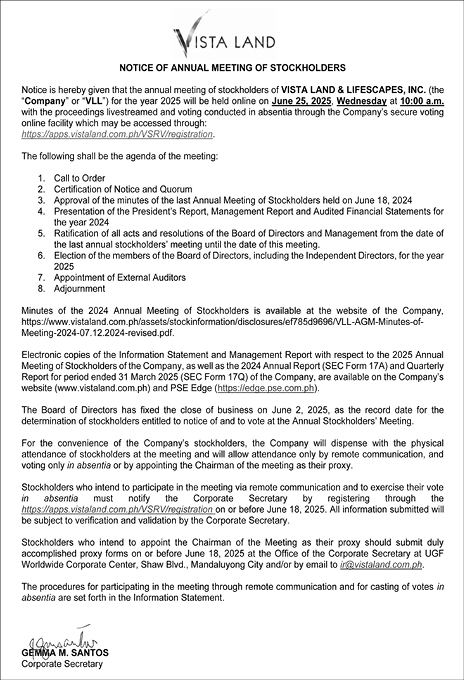
Vista Land & Lifescapes, Inc. to hold virtual Annual Meeting of Stockholders on June 25


Spotlight is BusinessWorld’s sponsored section that allows advertisers to amplify their brand and connect with BusinessWorld’s audience by publishing their stories on the BusinessWorld Web site. For more information, send an email to online@bworldonline.com.

Join us on Viber at https://bit.ly/3hv6bLA to get more updates and subscribe to BusinessWorld’s titles and get exclusive content through www.bworld-x.com.

Dior shows Maria Grazia Chiuri’s cruise collection in Rome

REUTERS

PARIS — French fashion house Dior showed creative director Maria Grazia Chiuri’s cruise 2026 and fall-winter haute couture 2026 collections at a fashion show in the gardens of the Villa Albani Torlonia in Rome on Tuesday night. (Watch the show here: https://tinyurl.com/4zysn3ms )

Guests sat under transparent umbrellas as models marched past on a gravel walkway lined with hedges. They paraded sheer gowns covered with lacework, textured dresses with rows of ruffles and long, tailored coats — mostly in white, ivory, and nude colors. A sharp-shouldered trench coat, military jackets, and tailcoats over skirts brought contrast to the airy looks, as did a few dresses in red or black velvet.

After the show, Ms. Chiuri rounded the gardens for her bow as the audience stood, cheering and clapping, while mist rose from the gardens.

The catwalk presentation, which drew on references to Italian cinema and theatre, follows last week’s cruise fashion show from Louis Vuitton, another LVMH-owned label, in Avignon, France.

The shows come as the luxury industry grapples with a prolonged slump in business, and a number of high-end fashion labels are seeking new creative direction to reignite interest from shoppers. — Reuters

The most important economic reform

CRECENCIO I. CRUZ

What’s the most important economic reform that President Ferdinand “Bongbong” Marcos, Jr. can do at this stage?

Is it to amend the restrictive economic provisions in the Constitution? Is it to increase taxes and reduce our budget deficit? Is it to increase government spending on infrastructure and health?

No, the most important economic reform that the government can do is to reverse the strong peso and undervalue the currency.

Weakening the peso relative to the dollar and other foreign currencies will stimulate exports, protect local industries from dumping of cheap Chinese and other imported goods, increase the incomes of Overseas Filipino Worker (OFW) families, and make the Philippines more attractive to foreign investments.

Our balance of trade is worsening. Our imports have far exceeded our exports and ballooned to $52 billion in 2024. Imports, especially from China, keep increasing while exports have been declining. This means that we must finance our trade deficits through debt or remittances, as well as service exports from BPOs.

A weak or undervalued peso will be beneficial to agriculture and our farmers because agriculture has a high domestic value added. It will stimulate agricultural exports, which will raise the income of our farmers and protect them from cheap agricultural imports more effectively than quantitative restrictions.

Instead of imposing quantitative restrictions and other import quotas, which foster corruption and inefficiency, the government should abolish them and use the weak peso to protect local farmers. The weak peso will promote import-substitution and stimulate exports. For example, we can increase agricultural exports to Japan, whose farmers are ageing (Japan imported rice for the first time) but only if we have a weak peso to improve competitiveness and generate more revenue.

A weak peso will be good for the tourism and mining industries, two possible growth drivers that can replace our BPO industry, which is facing technological and geopolitical headwinds. A weak peso can make staying in the Philippines cheaper for foreign tourists and generate more income for the local tourism industry.

A weak peso will also act as an economic stimulus because OFW families will receive more pesos for their dollar remittances and will use them to drive up consumption spending.

A weak peso will also shield us from cheap Chinese goods which are being dumped in the Philippines and elsewhere due to the demand slump in the Chinese domestic market and the trade war with the US. As I mentioned in an earlier column, even Philippine retailers are being stressed by the influx of cheap Chinese goods entering the market through Chinese-owned e-commerce sites such as Lazada, Shopee, Temu, and TikTok.

Won’t a weak peso spur inflation? The Bangko Sentral ng Pilipinas’ studies show that the pass-through rate of a depreciated currency to inflation is small.

While improving infrastructure is good and opening the economy to foreigners may be better, a weak peso is the strongest incentive for foreign investors to invest in the Philippines. It will make our local resources cheap in peso terms, especially our labor. It will make our exports competitive in the world market, thereby justifying the establishment of factories in the Philippines to sell products to foreign countries. Because the Philippines has a lot of constraints, from lack of infrastructure to high energy costs, it must have a steeper depreciation than its neighbors to attract foreign investments.

A strong peso, on the other hand, will undercut our tariff advantages under the Trump Liberation Day plan and negate all the benefits under the Free Trade Agreements the government is forging with the EU, Canada, UAE, and other countries.

How can we reverse the strong peso? The peso has appreciated from about P58 to $1 to around P55 today. First, the Bangko Sentral ng Pilipinas (BSP) can aggressively cut interest rates, even off-cycle. Inflation is down to 1.4% in April, below the BSP’s target of 2% to 4%, and there are indications that with a looming recession in the US under Trump tariffs, global prices of commodities, from oil to fertilizers, are softening. Liberalizing food imports can also help keep prices down even if the peso weakens. The BSP is quick on the trigger to raise interest rates off-cycle when prices are rising, but is slow to arrest the strengthening peso and spur economic growth.

Second, the BSP can buy dollars to weaken the peso and build up its reserves. This is what former BSP Governor Armando “Say” Tetangco, Jr. did before, when the peso was threatening to breach the P40 to $1 barrier in 2012-2013. The BSP can always sterilize the increased pesos by floating its bonds.

A weak peso won’t create an inflationary spiral. First, BSP’s studies show that the pass-through rate, or the rise in inflation due to depreciation, is insignificant. Second, the peso rise in the price of oil is compensated for by softening global oil and other commodity prices. Food import liberalization can offset any increase in oil price-induced inflation. Moreover, the incomes of domestic players — OFWs, exporters, local industries, and BPOs, will rise and compensate for any one-time blip in oil prices.

Saying that the BSP is only focused on monetary management and nothing else is a lame excuse. Didn’t the BSP print money and lend it to the government during the pandemic? It was the right thing to do, but it shows that the BSP can, and should, not be overly fixated on monetary management.

If the BSP won’t listen, Congress should pass a law amending the BSP Charter to make balancing price stability with growth and full employment as BSP’s primary objective, as it is with the US Federal Reserve. In my view, the Philippines should even consider scrapping the regime of free capital movement and adopting a semi-fixed exchange rate and soft capital controls. Free capital movements have not resulted in large capital inflows to the country. Rather, they have proven to be destabilizing, as they were during the Asian Financial Crisis.

Many Asian countries have used an undervalued currency to drive economic growth. China had a succession of rapid currency depreciations that spurred its industrialization. Most notably, after the Tiananmen Square massacre when China was an international pariah with hundreds of millions of unemployed, China devalued the yuan by 21% in 1989, 17% from 1990 to 1993, and 33% in 1994. The series of steep currency depreciations set the stage for China’s rapid industrialization and export growth.

According to Dr. Vic Abola, a retired economics professor at the University of the Asia and Pacific (UAP), Vietnam depreciated its currency by 43.6% between 2002 and 2016. The US has labeled Vietnam a currency manipulator. Driven by its weak currency, Vietnam experienced export growth of more than 10% per annum compared to the Philippines’ paltry export growth of 3% per annum during the same period. Vietnam doubled its export-to-GDP ratio from 40% in 1999 to 87% in 2023 and became the sixth biggest trading partner of its former enemy, the US. The Philippines, on the other hand, posted an export-to-GDP ratio of 28% in 2023 and is on a declining trend.

A devalued currency has also made Vietnam cheap and attractive to foreign investors. Its FDI (Foreign Direct Investments) reached $38 billion in 2024 compared to the Philippines’ FDI at $8.9 billion in 2024.

Even the US is trying to target a weak currency to fix its huge trade deficit. Under the so-called Mar-a-Lago Accord, conceived by US President Trump’s Chief Economic Adviser, Stephen Mirant, nations will be forced to revalue their currencies against the US dollar in exchange for the US’s security umbrella.

Not many people know that the overvalued or strong peso was the root of our history of economic crises and slow growth. In 1946, under the Bell Trade Act, the US forced the Philippines to adopt a P2 to $1 exchange rate, the same rate as before the war, even though the Philippines was one of the most devastated countries after World War II. The Philippines surrendered its exchange rate sovereignty, i.e., it couldn’t adjust its exchange rate, as one of the conditions for independence. (American farmers were afraid of Philippine agricultural exports under a regime of free trade.) Consequently, in 1949, soon after independence, the Philippines experienced a foreign exchange crisis and had to start doling out dollars and controlling imports by fiat. This gave birth to rent-seeking and corruption of government institutions. This initial overvaluation also set up the Philippines on a path of periodic foreign exchange and balance of payments crises (1949, 1959, 1970, 1983).

Contrast that with Japan. Before the war, its exchange rate was ¥3.50 to $1. After the war, the Japanese yen was ¥50 to $1 in 1946 and ¥360 in 1949. Thereafter, Japan became an export powerhouse and recovered rapidly after the war.

On the other hand, Japan’s lost decades, or the period of prolonged stagnation from 1991 to 2011, can be traced directly to the Plaza Accord, when Japan was forced to revalue its yen by the United States.

Another benefit of a weak peso is fiscal consolidation. A weak peso is a net plus for government revenues since the government will have a higher take from the higher peso value of imports and the increased domestic production.

Weakening or undervaluing the peso is the most important, most effective, fastest, and easiest to implement economic reform. Will the Marcos administration do it?


Calixto V. Chikiamco is a member of the board of IDEA (Institute for Development and Econometric Analysis).

totivchiki@yahoo.com

ADVERTISEMENT
ADVERTISEMENT