Home Blog Page 1334

As the wheel turns

“Road Trip” (2012) by Monnar Baldemor

How the evolution of cars shaped car-buying habits through the years

“Road Trip” (2012) by Monnar Baldemor

BACK IN the ’70s, car buyers basically had three types of automobiles they could buy: a car, a pickup, or a van. You can then break down the car category into three more subcategories: sedan, coupe, station wagon. Back then Toyota, Mitsubishi (still called “Colt”), and Ford offered all three body styles in their Coronas, Galants, and Cortinas. Nissan (then “Datsun”) and GM’s Opel had sedans and coupes, but no wagons. People bought a lot of two-doors back then. Even the Isuzu Gemini was available as a two-door — yes, Isuzu made sedans and coupes back then.

The ’80s saw passenger cars transitioning to front-wheel drive and the appearance of hatchbacks. That was when we had the three-door and five-door hatchback Colt Mirage and the Ford Laser and Telstar, which came as sedans or as five-door hatchbacks. Toyota also had the Starlet three-door/five-door hatchback, albeit still with rear-wheel drive. The pickups and vans back then were much smaller than they are now. Buyers were initially skeptical about front-wheel drive, finding the cars too prone to rattles and torque steer, a condition wherein the steering wheel tugs in one direction when the accelerator is pressed deeply (or floored). Almost none of the locally available cars back then were available with an automatic transmission.

THE SWITCH TO FRONT-WHEEL DRIVE
The ’90s saw an almost complete transition to front-wheel drive. From a design curiosity, it had now become mainstream. Still, it was mostly small sedans that plied the road, with the big sedans being the Mitsubishi Galant and the Toyota Corona and Crown. They were joined by the Honda Accord, which quickly became the executive sedan of choice. SUVs were still not a thing, with only the Mitsubishi Pajero and Nissan Patrol being available for the 4×4 set. A major change during this period was the wider availability of automatic transmission.

It would be the late ’90s when the country saw its first car-based 4x4s — the Honda CR-V and the Toyota RAV4. But it would be more than a decade after these two pioneers’ appearance when the terms “SUV” and “crossover” would be coined. The CR-V and RAV4 changed the 4×4 game with their user-friendly all-wheel drive, which didn’t need a 4×4 transfer case. More importantly, their car-based chassis made them very easy and carlike to drive, sparking the transition (which seems to be almost complete today) to crossovers and SUVs.

RISE OF SUBCOMPACTS, FALL OF MIDSIZE SEDANS
The turn of the millennium saw the emergence of the subcompact class. Staples like the Toyota Corolla and Honda Civic slowly grew larger while increasing in price, resulting in the appearance of the Toyota Vios and Honda City. Subcompacts would rule the market for close to two decades. Over that period, the market bristled with the Ford Fiesta, Kia Rio, Hyundai Accent, Chevrolet Aveo and Sonic, Nissan Almera, Peugeot 301, and the Suzuki Ciaz. The first decade of the new millennium was also the time when the Korean brands, Hyundai and Kia, became more widely accepted.

As subcompact car sales grew, the market for compact cars contracted. The same was happening with midsize sedans, which were being quickly taken over by pickup-based SUVs like the Toyota Fortuner, Mitsubishi Montero Sport, Ford Everest, Isuzu Alterra/mu-X, Nissan Navara, and the now discontinued Chevrolet Trailblazer.

In the ensuing years, the CR-V/RAV4 duo was joined by the Ford Escape, Mazda Tribute, Suzuki Grand Vitara, Nissan X-Trail, Hyundai Tucson, and Kia Sportage, among others. By the 2010s, the biggest segments were composed of subcompact cars, crossovers, and (thanks to the government’s tax incentives that made their prices comparatively lower considering their size), pickups. Yet another spark that ignited car sales in the new millennium are the vastly lower interest rates for car financing, making it much easier for a greater number of consumers to bring home that shiny new car.

CHINESE BRANDS AND ELECTRIFICATION
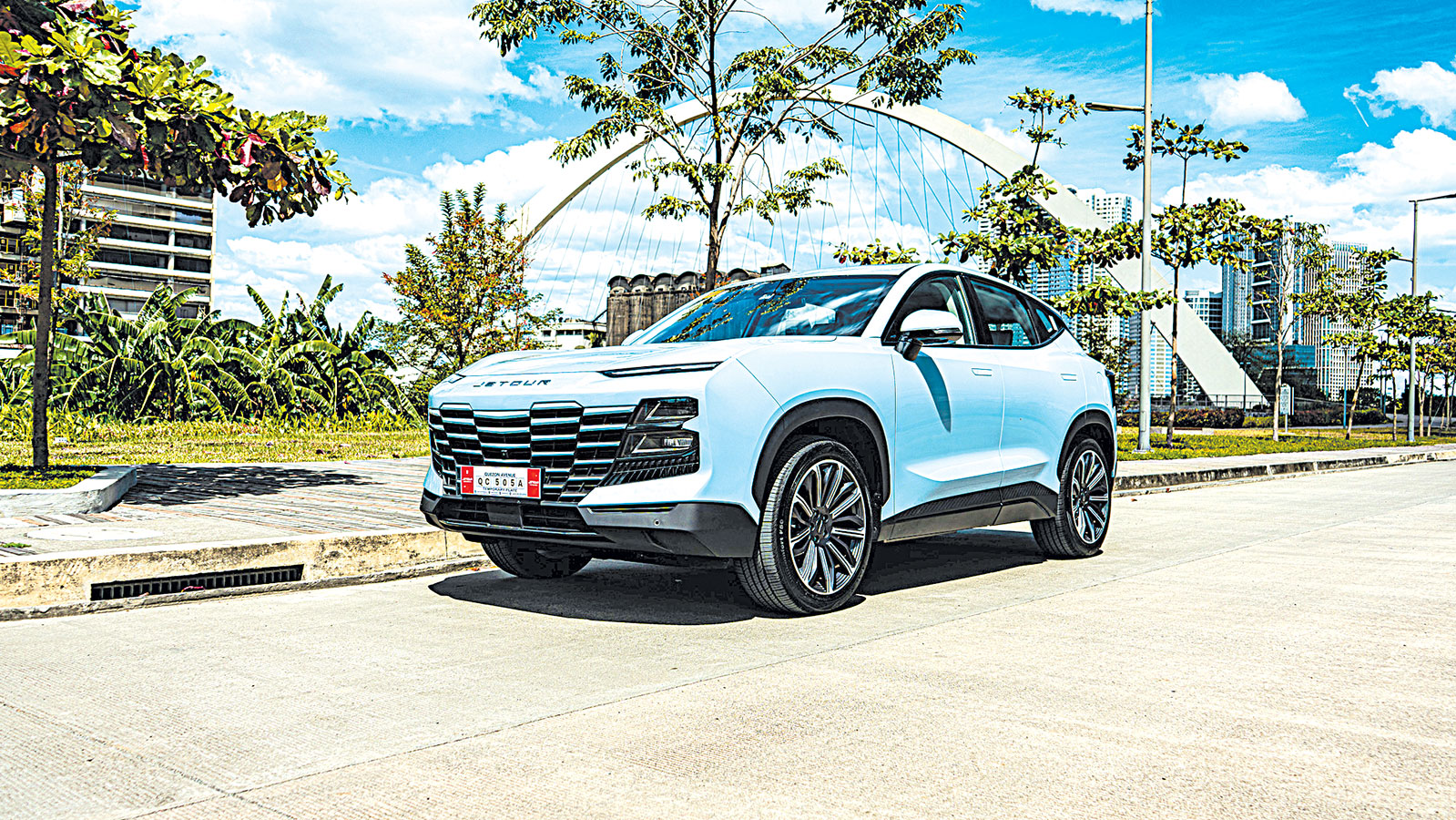
It began in 2018, with the formal relaunch of MG. The brand had been locally available under a previous importer, but hardly made a dent then. This was followed the next year by Geely, Chery, and GAC.

We all know the success stories of the MG ZS and Geely Coolray. Filipinos quickly gravitated toward them, entranced by European styling, low prices, and long list of standard features that the newcomers offered.

The pandemic of 2020 hardly dampened the momentum of the Chinese influx. Just half a decade later, there are now more Chinese brands than Japanese, Korean, and American brands combined.

The influx sparked a strange phenomenon. Consumers seemed to suddenly be divided into two groups — those who were ready to explore the new brands and those who would resolutely stick to a proven brand. It’s the only reason why Toyota managed to grow its market share from the low-to-mid 40% before the Chinese brands’ influx to its current high of 47% to 48% of total Philippine automotive sales.

But there is yet another subset that’s capturing the hearts of Filipinos during this time — the subcompact seven-seater MPV. Almost everyone now has any of the following: Mitsubishi Xpander/Xpander Cross, Toyota Avanza/Veloz/Rush, Hyundai Stargazer/Stargazer X, Suzuki Ertiga/XL7, or Honda BR-V.

MOVING FORWARD
At the current rate Filipinos are buying cars, expect more electrified vehicles (HEVs, PHEVs, and BEVs) to hit the roads. The omnipresence of cars like the Toyota Corolla Cross HEV, Nissan Kicks, and BYD Sealion, as well as the growing number of charging stations in and outside the metro, are testaments to this. Crossovers will continue to dominate the landscape, thanks to their advantages in space and versatility/flexibility. Subcompact sedans and hatchbacks will still sell to the lower end of the market, while the long-time Filipino fave, the pickup-based SUVs, will fight tooth and nail against the onslaught of the more refined car-based midsize seven-seat crossovers, mostly from China.

The local car market is the scene of multiple battles in every size and price range. It’s truly a buyer’s market now; a stark contrast to four decades ago when a car buyer had only three car brands to choose from and there were less than 50,000 cars sold in a year. This year, the industry expects to sell 500,000 cars.

So, either you go out there and shop for that new car — or just pass me the popcorn.

Filipiniana is forever; so is she

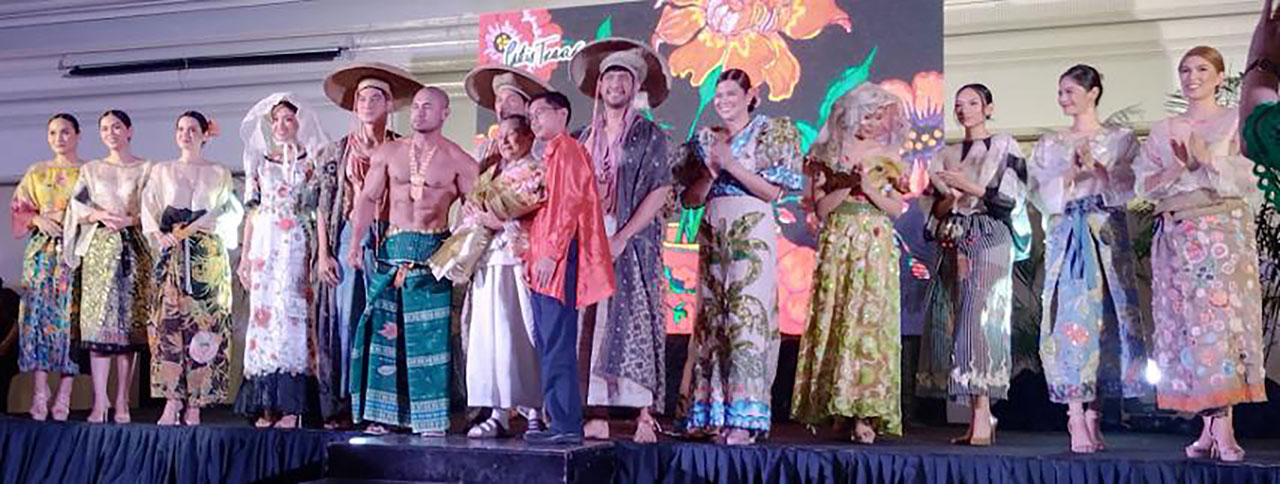
“I’M AN ARTist. I’m a dressmaker. I’m a gardener,” said Patis Tesoro in a documentary about her, Filipiniana is Forever, launched on March 9 at the Makati Sports Club; along with her book, with the same title. And may we add, she is totally bewitching: we spent the afternoon sniffing the scent of sampaguita, a trail she created with the sampaguita garland wrapped around her arm. “And I create beautiful things. I thank God that he made me a conduit for his creativity.”

It’s one thing to make a book; it’s another to be placed in a textbook to define a whole genre. We remember as a child in grade school that her name was already used as an example of what a fashion designer was. Born Maria Beatriz Pamintuan, she said in the documentary that her grandfather was Dr. Jose Fabella, the first Secretary of Health of the Philippines during the Commonwealth period. She had many more illustrious relations besides, saying, “The history of my family is intertwined with this country: my beloved Philippines.”

In an interview, she told us how she dropped “Maria Beatriz” in favor of Patis — fish sauce. “I never answered to Maria Beatriz or Bea. My parents said, ‘Well, if you don’t, you might as well be Patis and Toyo (soy sauce).’ And I answered to that.”

Known for her embroidery, she recalls learning it in her school years at the Assumption Convent in Iloilo. From there, she went to several illustrious schools: Maryknoll (Miriam College now), then a girls’ school in Detroit, then back to Maryknoll, and eventually, the Ateneo de Manila University, where she met her husband, Jose Claro Tesoro.

Jose Claro, known as Tito, aside from being a prominent lawyer in his own name, was a scion of the Tesoro clan, who championed Filipino handicraft after the Second World War. “It became even more apparent that this was where I was going to grow old,” she said of her art.

Bored and bursting with a largely unused education in art, Ms. Tesoro boarded a calesa to go around Divisoria, then and now a large bustling market, a section of which was devoted to cloth. Chancing upon a local toile, the shopkeeper provided it to her on credit. Inspired by a cigarette ad, she made an embroidered blouse through the help of one of her mother-in-law’s embroiderers — her first piece. “My mother-in-law (Salud Tesoro) was a very good mentor. She didn’t coddle me,” she said. She began to consign pieces at her in-laws’ store, and as the cliche goes, the rest is history.

Well, not quite.

Lacking formal training in sewing, she said in the documentary that she met with the initial disappointment from her first customers, especially with procedures like fittings, so she went to sewing school. News about her clothes spread, but her world was about to get bigger when she met impresario Conrado “Ado” Escudero, founder of Villa Escudero, and behind some of the country’s wildest parties — but also of cultural preservation. He commissioned her to do pieces for a museum he was planning, the Casa Manila in Intramuros: there, she got a deeper understanding of Filipiniana.
Her relationship with Filipino clothing became even deeper when, along with weaving advocate Lourdes Montinola and Mr. Escudero, the three of them revived pina — as the source of the fabric, a different pineapple from the edible variety, was slowly disappearing. Thanks to her preservation efforts on traditional craft, her work has preserved her own name for generations to come.

The book weighs about 4 kilograms, riotous with photographs of her colorful designs (there was a peek through a fashion show during the afternoon). “It’s meant to be copied. It’s meant to be an inspiration,” she said in a speech of her work. “This legacy has to continue.”

In an interview, she talked about the process by which she picks things up and learns about them, then becomes very good at them. “I think I’m a workaholic. I like to learn new things. My passion for life is very big. I think that’s what drives me.”

She made an Eden out in Laguna, after leaving her San Juan atelier in the 2010s. Sure, her pieces are all over the place, but so are her recipes and her gardens — marking a second chapter in her life, while fighting illness, to boot. Asked how she knows she’s made it (despite everything she’s done), she says, “I think it’s not ‘made it.’ That’s the end of your life. I think it’s more like a new chapter. You keep on adding chapters to your life.”

“It’s never finished. Especially when you work with traditions and our culture: it goes on to the next generation. So you have to keep on doing and creating. I thank God every day that he gives me that,” she said.

Because the book is titled Filipiniana is Forever, we asked what the phrase meant for her. It also becomes a summary of her work and her legacy: “It goes on, even when you’re not there anymore. Our culture must go on.”

The documentary will be shown again at the end of April at the Negros Museum in Bacolod, which is currently holding a retrospective of her work. To order the book, contact @patistito on Instagram. — Joseph L. Garcia

ACEN eyes completion of RE projects through 2027

ACENRENEWABLES.COM

ACEN CORP., the listed energy platform of the Ayala group, is progressing toward its target of 20 gigawatts (GW) of renewable energy (RE) capacity by 2030, with ongoing developments across its domestic and international projects.

In the Philippines, ACEN’s 300-megawatt (MW) Palauig 2 solar farm in Zambales was 84% complete as of December 2024, based on the company’s presentation. The project, expected to generate 453 gigawatt-hours (GWh) annually, is slated for completion in the first half of 2026. 

Another project scheduled for completion next year is the 200-MW San Marcelino solar farm in Zambales, which is projected to produce 298 GWh per year.

ACEN also expects its Quezon North Wind project to deliver 345 MW by the fourth quarter of 2026, with an additional 208 MW coming online in 2027.

Outside the Philippines, ACEN anticipates its 520-MW Stubbo Solar project in New South Wales, Australia, to begin supplying electricity in the second half of 2025, with construction already 91% complete. The company is also working toward completing its battery energy storage system in New South Wales in the second half of 2026. 

Meanwhile, ACEN’s 600-MW Monsoon Wind project in Laos is 91% complete and remains on track for commissioning in the second half of this year.

In the United States, the 129-MW Stockyard Wind project in Texas has reached a 73% completion rate and is expected to be operational by the first quarter of 2025.

In India, ACEN anticipates completing its 153-MW Maharashtra commercial and industrial (C&I) hybrid solar-wind project by the third quarter of this year.

The company is also advancing its 40-MW Salak & Darajat Unit 7 geothermal project in Java, Indonesia, its 80-MW Solarscape & Dayasinar Solar project in Malaysia, and its 68-MW Sonagazi Solar project in Bangladesh.

To date, ACEN holds 7 GW of attributable renewable energy capacity across operational, under-construction, and committed projects. Its footprint spans the Philippines, Australia, Vietnam, India, Indonesia, Laos, and the United States.

“ACEN continues to progress toward our goals, notwithstanding the global headwinds impacting the energy transition. The company remains committed to scaling up renewables in the Philippines and across the region,” said Eric T. Francia, president and chief executive officer of ACEN. — Sheldeen Joy Talavera

Electric bloom

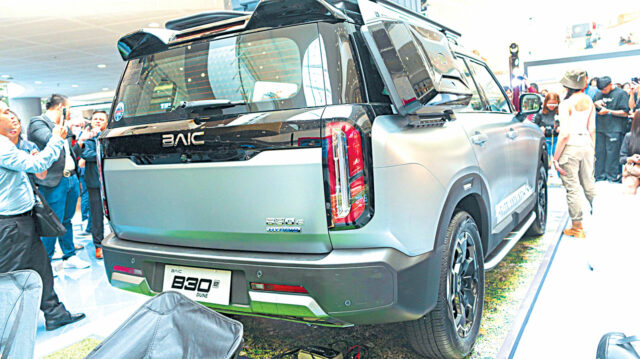
BAIC B30e Dune — PHOTO BY KAP MACEDA AGUILA

High-riding, hybrid-electric vehicles are on the rise

By Dylan Afuang

WITH MORE crossovers, pickup trucks, and SUVs gaining hybrid-electric power, these vehicle types are answering the growing local demand for electrified vehicles (xEVs) while highlighting a lower environmental impact — surely adding to their array of strengths.

A total of 1,600 xEVs were sold in the Philippines in January 2025. Hybrid electric vehicles (HEVs) accounted for 1,445 units, according to a BusinessWorld Special Features report titled “The Philippines’ push for electric mobility,” citing data from the Chamber of Automotive Manufacturers of the Philippines, Inc. (CAMPI) and Truck Manufacturers Association (TMA).

“xEV” is an umbrella term that describes cars that rely purely on electric power or partly on electric assistance that supplements a traditional internal combustion engine (ICE) for propulsion. These include HEVs, plug-in hybrid electric vehicles (PHEVs), and battery electric vehicles (BEVs). The three EV types are available in the local market.

The first two EV types differ in execution but, generally, both use ICE and electric power in conjunction to maximize fuel efficiency and minimize CO2 emissions. In PHEVs, the ICE can be the source of propulsion when electric reserves have been depleted and require charging. In HEVs, the ICE assists in driving the car’s wheels or acts as a generator. Both setups eliminate the total reliance on electricity and charging through the electric grid that are the norm for BEVs.

In recent years, crossovers, SUVs, and pickup trucks have become prized for their ground clearance, road presence, ride height, and passenger and cargo space advantages that they offer over traditional, and once-revered sedans and hatchbacks.

From the CAMPI- and TMA-organized 9th Philippine International Motor Show (PIMS) staged in October 2024 to the present time, various automakers have shown intent to introduce or have introduced to the local market their versions of high-riding HEVs and PHEVs.

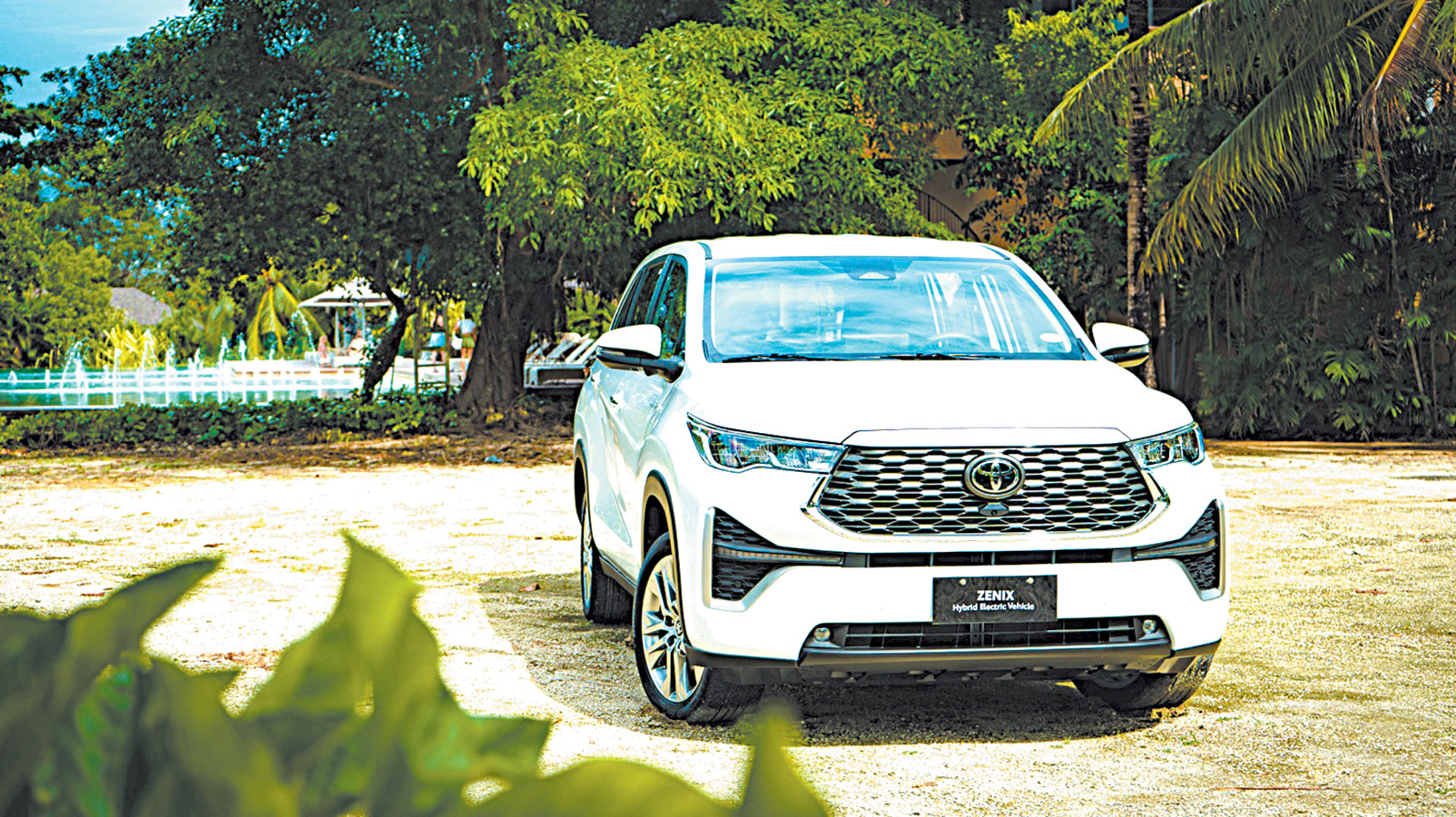
In no particular country of origin and price brackets, the following are several notable hybrid crossovers, trucks, and SUVs that are currently or are slated to go on sale in the Philippine market: Audi Q7 PHEV, BAIC B30e Dune, BMW X5 xDrive50e M Sport, BYD Sealion 6 DM-I and Shark 6 DMO, Changan Hunter REEV (range-extended electric vehicle), Honda HR-V and CR-V e:HEV, Hyundai Tucson and Santa Fe Hybrid, Kia Sorento Turbo Hybrid, Lexus LBX, Lynk & Co. 01 PHEV, MG HS PHEV, Mitsubishi Outlander PHEV, Porsche Cayenne e-Hybrid, Toyota RAV4 Hybrid, Toyota Corolla Cross Hybrid, Toyota Camry Hybrid, and Volvo XC40 MHEV.

Certain nameplates that keep the hybrid sedan segment alive are the BYD Seal 5, Honda Civic e:HEV, and Toyota Corolla Altis Hybrid. The MG 3 is regarded as the sole hybrid-electric model in the local subcompact hatchback category.

Of the aforementioned 1,600 units, BEVs and PHEVs accounted for 146 and nine units, respectively, and the entire xEV sales contributed a 5.36% to the total 37,604 auto sales figure last January, as tallied by CAMPI and TMA, our Special Features report added.

The demand for HEVs and PHEVs is being boosted by the Philippine government’s Executive Order 12, which extended the list of EVs eligible for zero tariffs to include the aforementioned vehicles until 2028, CAMPI President Atty. Rommel Gutierrez said in another report.

Meanwhile, 44% of respondents in a survey conducted by Ford Philippines believe in the benefits of owning an electrified vehicle, especially a hybrid. Through the survey, the American car maker’s local arm gleaned Philippine buyers’ insights on xEVs. A majority of the respondents prefer HEVs, followed by PHEVs and BEVs, respectively, Ford Philippines added.

Seventy percent of respondents agreed that owning an xEV in the Philippines is practical, although another 39% of respondents said that inadequate charging infrastructure is the biggest hurdle in BEV ownership. Ford Philippines Managing Director Pedro Simoes announced that an electrified vehicle from the car maker will make its local debut this year, which fueled speculation that this model could be the PHEV version of the Ranger pickup truck.

Ayala Corp.-led ACMobility, local distributor of BYD BEVs and PHEVs, acquired the Evro EV charging network late last year. Certain HEV models offered by Chery Auto Philippines, Dongfeng Motors Philippines, Toyota Motor Philippines, and Lexus Philippines — to name a few brands — feature petrol-electric drivetrains that draw charge from the energy generated by their gasoline engines, and therefore do not require charging from the grid.

Admirers of affordable, compact, and ICE-powered sedans and hatchbacks may be delighted to learn that despite the popularity of comparatively larger hybrid-electric SUVs, many consumers still value products from the former vehicle types. Out of the 10 best-selling vehicles in the Philippines in 2024 per CAMPI and TMA’s tally, three of these — the Toyota Vios and Wigo, and Mitsubishi Mirage G4 — are seen as attainable, compact, and serve as basic transportation.

Some would even believe that by virtue of these vehicles’ lightweight construction and economical engines, their fuel efficiency and emissions can match those of HEVs.

Car browsers will have endless choices as more HEVs join the market alongside ICE models.

Donatella Versace’s bold vision kept brand in the limelight after Gianni’s murder

REUTERS
REUTERS

MILAN — Donatella Versace, who helped to ensure the survival of the family fashion empire after the killing of her brother Gianni almost three decades ago, is to step down as the brand’s chief designer, its owner announced on Thursday.

Donatella took on the role of chief creative officer after Gianni, who founded the company, was shot dead outside his Miami Beach mansion by serial killer Andrew Cunanan in 1997.

“Since 1997, Donatella has led the creative vision for the House of Versace and played an integral role in the company’s global success,” said John D. Idol, chairman and chief executive officer of Capri Holdings, which now owns the brand.

Donatella stepped up to maintain and revive a brand that had been synonymous with daring designs for actress Elizabeth Hurley and supermodels including Claudia Schiffer and Naomi Campbell. Instantly recognizable for her striking outfits and blonde hair, she brought a bold and provocative aesthetic.

“It has been the greatest honor of my life to carry on my brother Gianni’s legacy. He was the true genius, but I hope I have some of his spirit and tenacity,” said Donatella, 69, who will move to the role of chief brand ambassador next month.

In her personal life she overcame cocaine addiction, and with the help of outside managers helped to turn around the business so that it was back in the black by 2011.

Donatella’s designs remained popular with celebrities including Madonna and Jennifer Lopez, who famously wore a striking green Versace dress to the Grammys in 2000, as well as Lady Gaga.

Versace, known for its Medusa head logo, expanded to serve a wider luxury market in areas such as home decor and also began to design jet and yacht interiors.

Her move comes amid talk of a possible takeover of Versace, which has been going through a lean period financially, by fellow Italian fashion brand Prada.

In a recent interview with Vogue Editor-in-Chief Anna Wintour, Donatella expressed her weariness with the fashion industry’s current upheaval.

“Being told what to do, being told what’s going to sell… I think fashion is creativity and creativity is instinct. If you try to please too many people, too many managers, creativity is gone,” she said.

FAMILY TIES
Donatella enjoys a strong following on social media, with more than 12 million followers on Instagram. She is a long-standing supporter of the LGBTQ+ community, working with groups such as Stonewall and the Elton John AIDS Foundation.

Born the youngest of four children in a family from the southern Italian city of Reggio Calabria, she had an elder sister who died at the age of 12, as well as two older brothers, Gianni and Santo.

Her mother was a dressmaker, and Donatella was allowed to play with fabric offcuts as a young child.

She moved to Florence to study languages but spent increasing amounts of time in Milan where Gianni, eight years her senior, was setting up his fashion business in the late 1970s.

Donatella was influential in the expansion of the business and Gianni gave her the Versus fragrances and accessories arm to run by herself.

After Gianni’s killing, the company was split between Donatella, who got a 20% stake, her brother Santo who received 30%, while Donatella’s daughter Allegra was allocated the remaining 50%.

Allegra was only 11 at the time of the killing and inherited when she turned 18. She has largely remained out of the public eye.

The business initially struggled to regain momentum after the killing of Gianni but it attracted outside investment after returning to profit.

US private equity firm Blackstone bought a 20% stake in 2014. The company was then bought out by US group Michael Kors, later renamed Capri Holdings, for €1.8 billion in 2018.

The Versace family received €150 million of the purchase price in Capri shares. — Reuters

Globe secures P20-B term loan facility for capex

PHILSTAR FILE PHOTO

GLOBE TELECOM, Inc. said it had signed P20 billion in loan facilities with two local banks to fund its capital expenditures (capex) and reduce debt. 

In a media release on Sunday, the Ayala-led telecommunications company said it secured P10 billion each from BDO Unibank, Inc. and Metropolitan Bank & Trust Co.

As of end-December, Globe’s capex for 2024 stood at approximately P56.2 billion, down 20% from 2023. Of this, 90% was allocated to data infrastructure to ensure uninterrupted digital solutions and connectivity for customers.

For 2025, Globe said its capex may fall below $1 billion, reflecting a strategic shift as the company plans to reinvest proceeds from its tower sales. Its 2024 capex budget was $1 billion.

Last year, Globe built 1,212 new cell sites and upgraded 4,613 existing sites with long-term evolution technology.

The company also deployed 67,456 fiber-to-the-home (FTTH) lines to strengthen its fiber network, saying the rollout aligns with its strategy to optimize fiber resources, improve utilization, and enhance investment efficiency.

Globe’s continued network infrastructure investments support its goal of providing equal access to the digital economy.

At the stock exchange on Friday, shares of Globe fell P16, or 0.75%, to close at P2,106 apiece. — Ashley Erika O. Jose

Shark and awe

PHOTO BY KAP MACEDA AGUILA

BYD gets in the premium pickup ring with an electrified performer

WITH JUST a cursory glance at vehicles plying the roads — not to mention the usual suspects at charging stations — BYD is, pardon the pun, leading the charge in so-called new energy or electrified vehicles. ACMobility, distributor of BYD vehicles in the Philippines, reported a total of 4,780 units sold 2024, pacing sales in the category. Globally, BYD declared selling the most number of electric vehicles in 2024 — moving over four million automobiles.

After a slew of releases in rapid succession, ACMobility has rolled out another electrified offering here, which is doubly significant since it is a first foray into the competitive pickup segment for the Chinese brand.

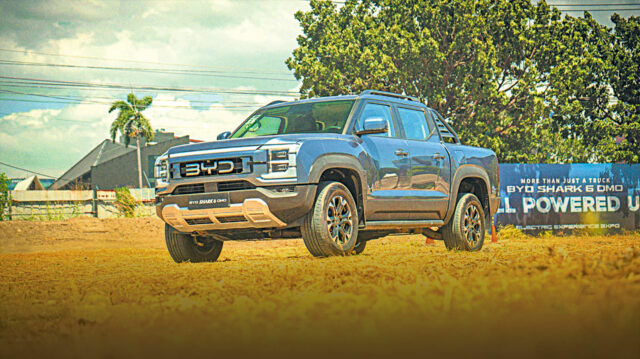
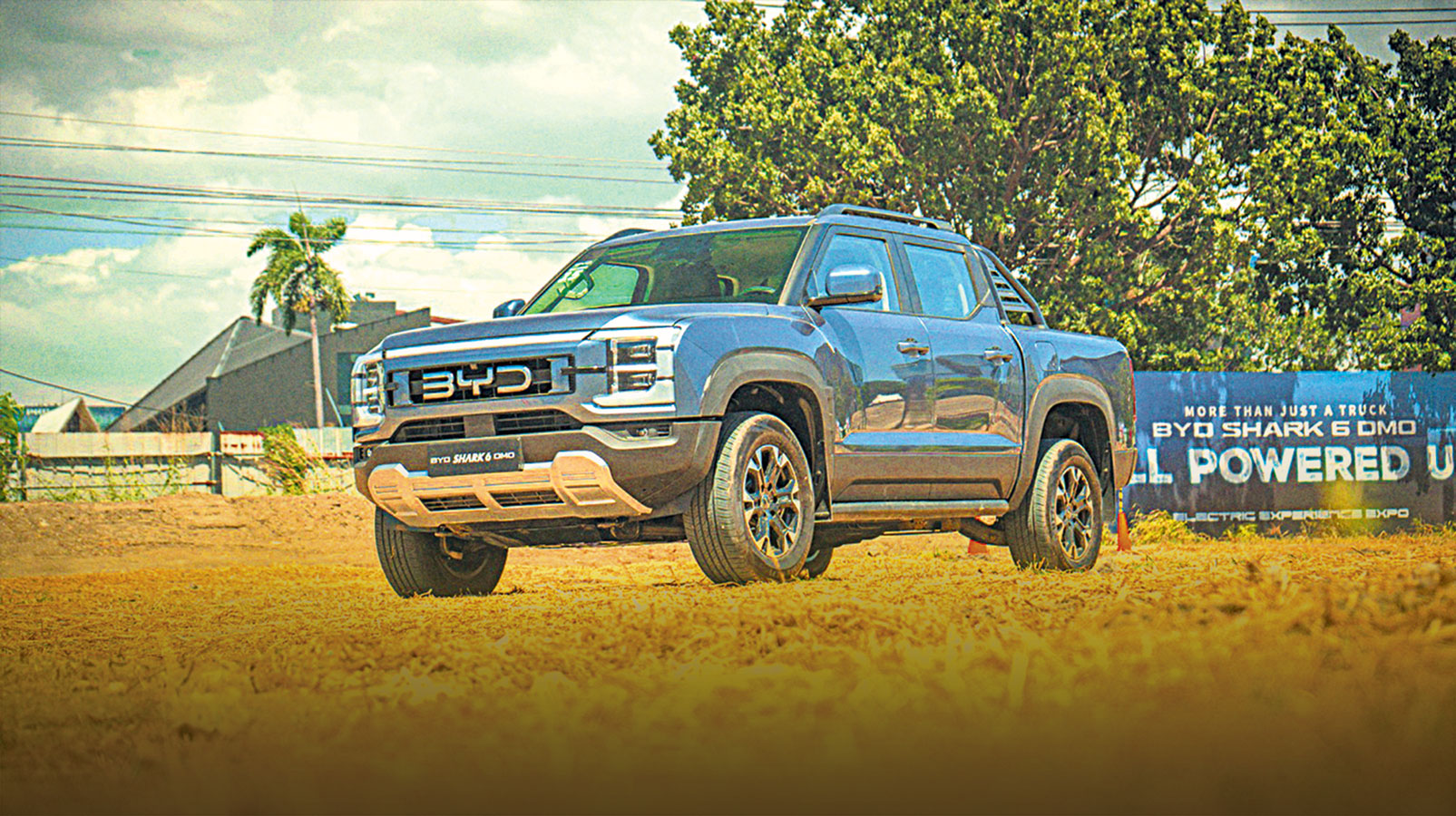
It’s a specimen that BYD expects to wage war on the usual pickup suspects — with special focus on the highest 4×4 subcategory, and the Shark 6 DMO indeed serves notice right away with its generally larger exterior dimensions versus the more established competition. It’s 5.457 meters long, stands 1.925 meters, and is 1.971 meters wide. The wheelbase stretches 3.26 meters. While we’re at it, the Shark clears the ground by 230 millimeters when unladen, and boasts a wading depth of up to 700 millimeters. Of course, electric or electrified vehicles are not usually known to flaunt water resistance or a willingness to wade in the water, but BYD assures buyers that the Shark has abilities the pickup segment is known for — and more.

“With the launch of the BYD Shark 6 DMO, we are not just introducing a groundbreaking vehicle to the Philippine market but also taking a step toward a more transformative and tech-forward future. This model blends electrified performance and rugged design, making it the perfect blend of adventure and resilience,” said BYD Cars Philippines Managing Director Bob Palanca.

Members of the media, content creators, and influencers were able to preview the Shark days ahead of its public reveal — putting it through its paces and more through two makeshift courses at the Aseana City Open Grounds: a speed track and an off-road circuit. The latter was reserved solely for the Shark to demonstrate its abilities to visitors who got a chance to put the electrified pickup through its paces via a gauntlet of exercises and tests, with the guidance of instructors.

It was a windy yet hot day that greeted us — kicking up clouds of dust which flew across the fenced-in property. Unfortunately, it also blew dust onto the many Shark units activated for the event. But I guess that’s a messaging apropos to the pickup as well: It’s not afraid to get dirty.

And, as we learned behind the wheel, the Shark isn’t afraid of getting pushed as well. It can muster a standstill-to-100kph time of 5.7 seconds, we were told, and I tested this quickness on both the tarmac and the dirt “speed course.” While I didn’t time my sprint, it’s fair to say that acceleration was brisk on both terrains. Handling is surprisingly good and, despite the abuse and challenging surfaces, the double wishbones on the front and rear made the ride more comfortable.

But I don’t want to get ahead of myself.

The Shark 6 DMO is handsome, assuming a boxy profile that conveys heft and presence without being too loud. The front fascia dictates the tone right away with oversized BYD typography, and a healthy complement of lighting and DRLs — including a strip that runs just underneath the hood — serving to box in the logo with illumination.

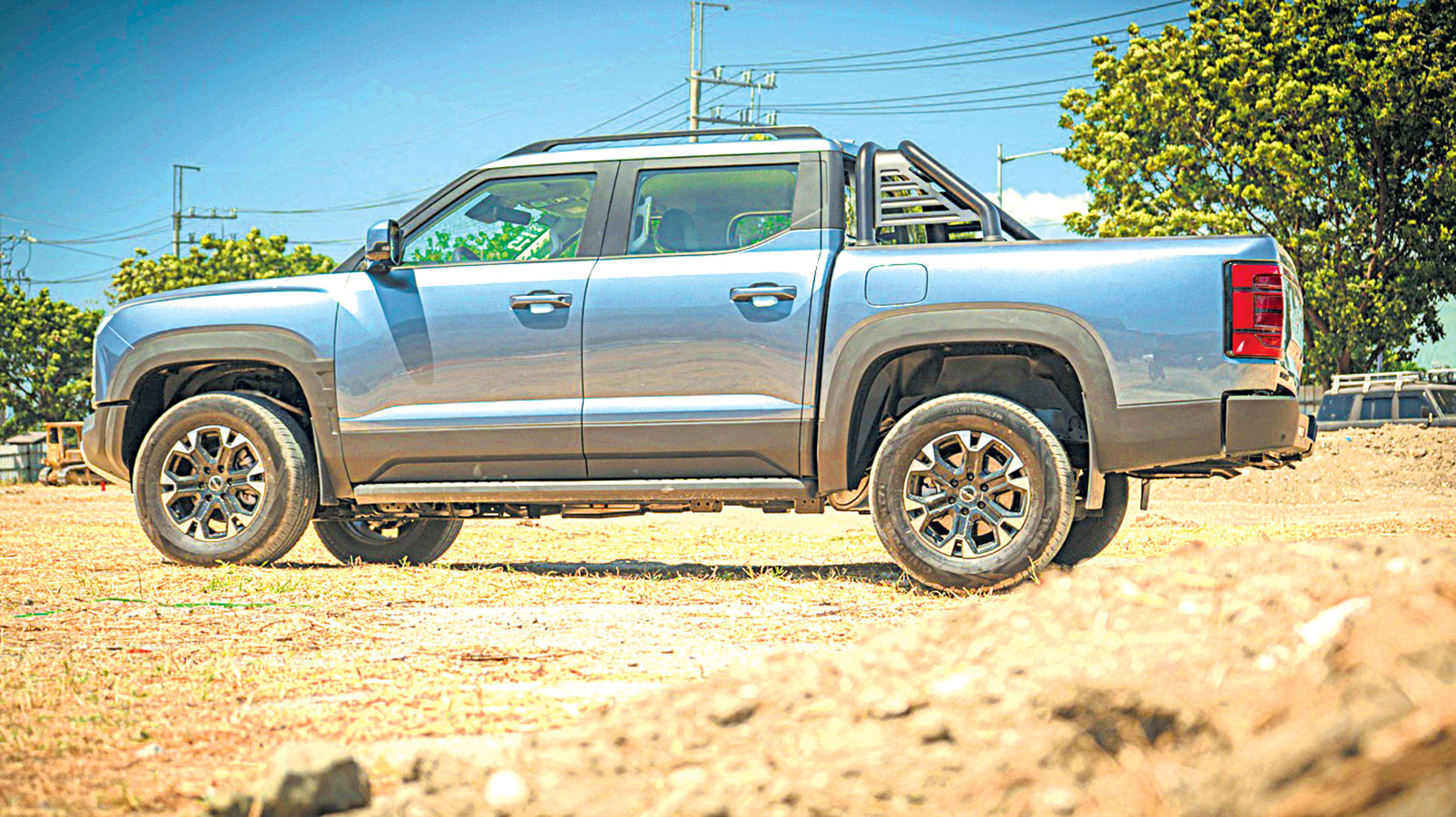
On its side, the Shark has simple panels — nothing too fancy by way of crimping and such. What does get your attention is the black plastic cladding, of particular note on the doors of the dual cab. Aside from added protection during off-roading adventures and stuff, this feature actually serves to accentuate the vehicle’s distance from the ground — kind of like giving this pickup a further pick up. The wheels are 18-inch alloys; while a stepboard also comes as standard.

The rear, as with the front, gets a large BYD logo — this time stamped on the tailgate. Speaking of the tailgate, there are four ways to open this: through the key fob, a physical button in the console, through the infotainment screen, and with successive presses of a button on the tailgate itself. The cargo bed offers 1,200 liters of payload capacity, and comes with a sport bar for the Premium variant as well as roof rails. It also gets a, drum roll, shark fin antenna.

Now let’s get to the really important stuff. If you’re wondering what the DMO in the appellation of this pickup means, it’s Dual Mode Off-road — a “revolutionary technology” which gives the Shark “an unparalleled blend of power, driving refinement, and efficiency.” What it means for the user is an ability to “effortless switch” from electric and fuel modes depending on the driving condition.

As a PHEV, the Shark’s power sources are a 29.6-kWh BYD Blade battery and a turbocharged 1.5-liter internal combustion engine, which the brand labels an “onboard generator.” Two electric motors deliver a combined output of 435ps and 650Nm of torque — making it one of the most powerful pickups in its class. Both the Premium and lower Advanced variants are 4x4s.

Like many electrified automobiles, the Shark gets V2L or vehicle-to-load functionality. That simply means you can use the Shark to power an external device or appliance. Available in the cargo bed are three sockets that output 6kW and 230 volts: Perfect for powering a coffee maker, induction cooker, mini fridge or maybe even a sound system during your family’s off-the-grid adventures.

A vehicle-to-load adaptor is also on hand for plugging directly into the charging portal.

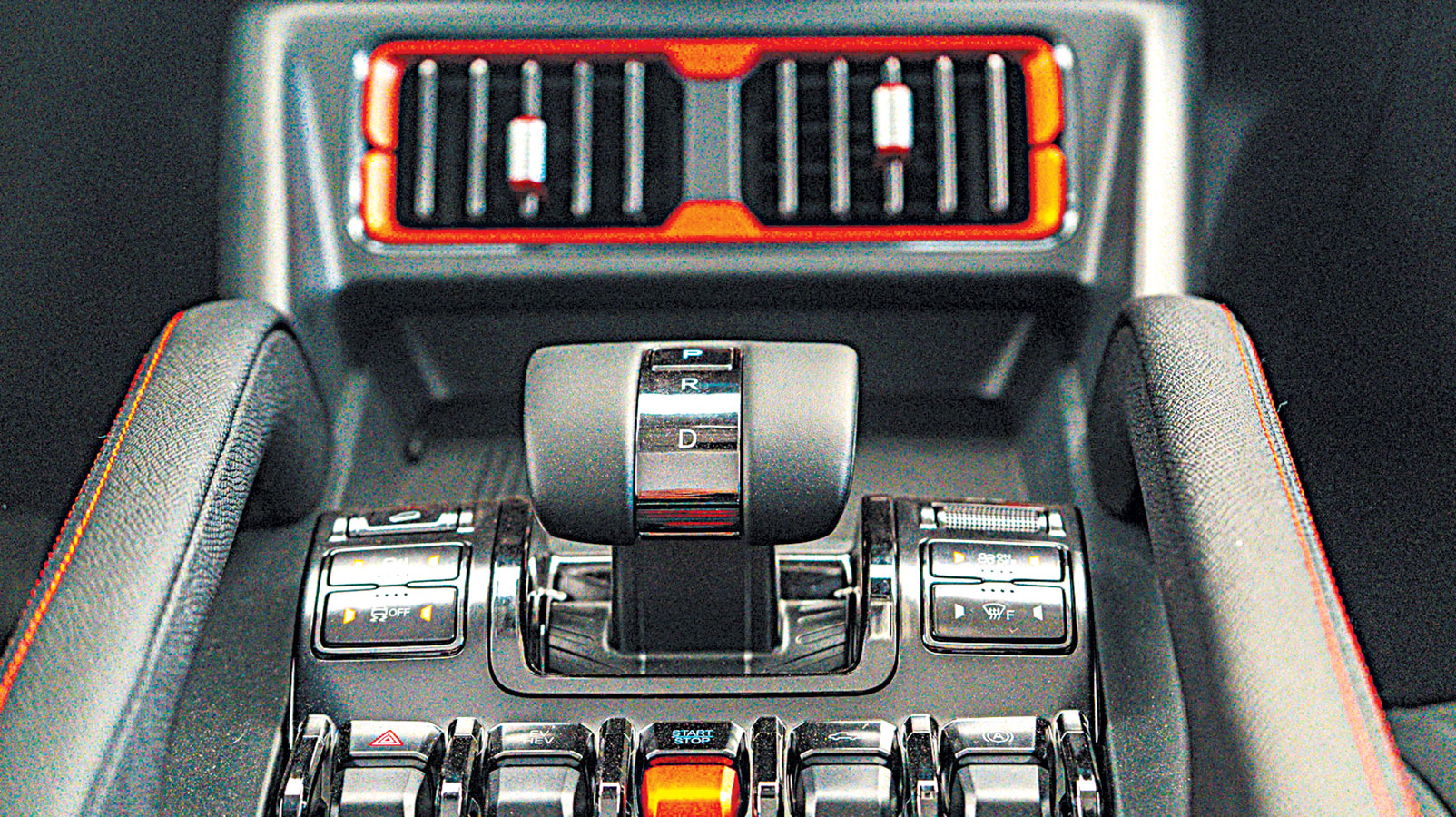
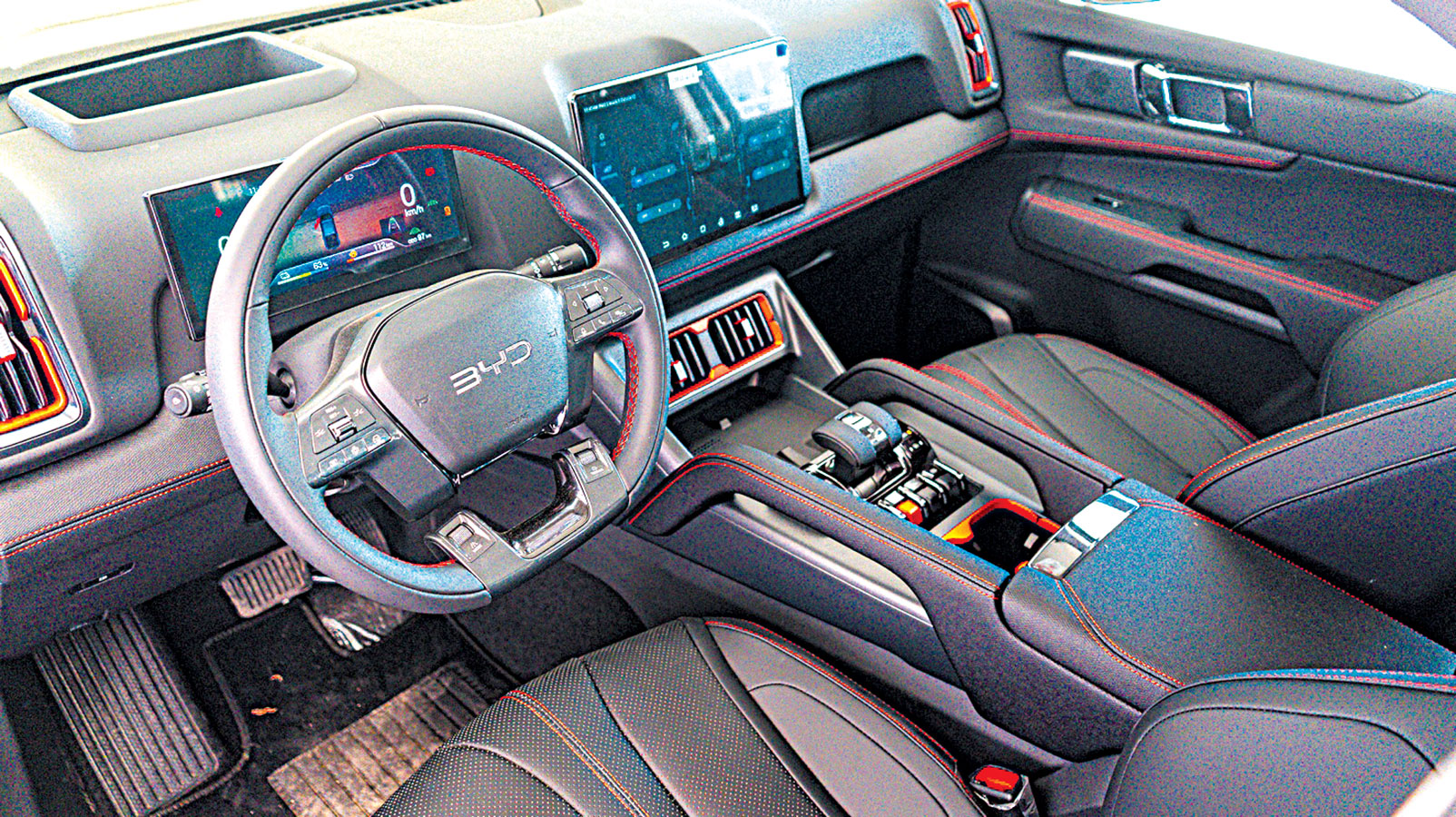
Inside, the Shark is bestowed a predominantly black interior — tastefully accented with red-orange highlights in its stitching and air-conditioning duct surrounds. Perhaps we’ve been conditioned to associate this hue with sporty things; it certainly works in the Shark.

It’s hard to miss the massive 12.8-inch screen that serves as the infotainment display. As in other BYDs this screen rotates into a portrait orientation, if you so desire. On this screen also appears the feed from the 360-degree camera. BYD is not just proud of its prowess in electric, but also the level of tech that it fits onto its vehicles.

The Shark 6 DMO receives the brand’s DiPilot suite of advanced driver assistance systems. BYD further spoils the driver with a head-up display. You also have BYD Connect, Apple CarPlay and Android Auto, and a whole slew of thoughtful niceties that promise not just heightened safety but convenience as well. Standard safety features including cruise control, a 360-degree view camera, front and rear sensors, vehicle dynamic control, hill hold control, hill descent system and a tire pressure monitoring system. The Premium variant additionally carries adaptive cruise control, automatic emergency braking, blind spot detection, lane departure warning, and head-up display.

The second row isn’t a bad place to be as well, with a less-upright seatback and decent elbow room, legroom, and headroom. In keeping with a theme of providing power from a, well, powerful pickup, the rear passengers get access to a USB-A, USB-C, and 230-volt socket.

BYD claims a range of 100 kilometers on pure electricity and, with the ICE factored in, a total of 800 kilometers. Back to Super DMO tech, it’s said to be similar to the Super DM-i tech of the Sealion 6 and Seal 5, promising improved fuel efficiency, enhanced off-road capability, reduced emissions, smoother driving, and the aforementioned terrain adaptability.

While the ICE’s main role is to drive the front wheels, it can also charge the pickup’s battery pack.

For those still on the fence about electric vehicles, ACMobility points out that, on top of the Shark’s features and a dizzying array of safety elements including the “ultra-safe” BYD Blade Battery, preventive maintenance cost over a five-year period is astoundingly low: They’ve worked it out to less than P100,000 — making it the most cost-efficient pickup to maintain — up to 42% cheaper than its comparative competitors.

The BYD Shark 6 DMO is priced at P2.098 million for the Advanced variant and P2.298 for the Premium. ACMobility is furthering sweetening the deal until the end of March by offering a P50,000 discount for first-time BYD customers. If you’re a current BYD owner, that price slash grows to P100,000. The Shark comes in three exterior color options: Deep Sea Blue, Cosmos Black, and Aurora White (although I personally love the name of the color in the Australian market, “Great White”). BYD offers an eight-year/160,000-km warranty for the BYD Blade battery, an eight-year/150,000-km warranty for the drive unit, and a six-year/150,000-km warranty for the vehicle.

For more information, visit www.bydcarsphilippines.com, or the BYD Cars Philippines Facebook, Instagram, and YouTube social media accounts. Better yet, register for a test drive through an authorized dealership.

Time will tell how big a bite the Shark can take out of the pickup market.

The linens of summer

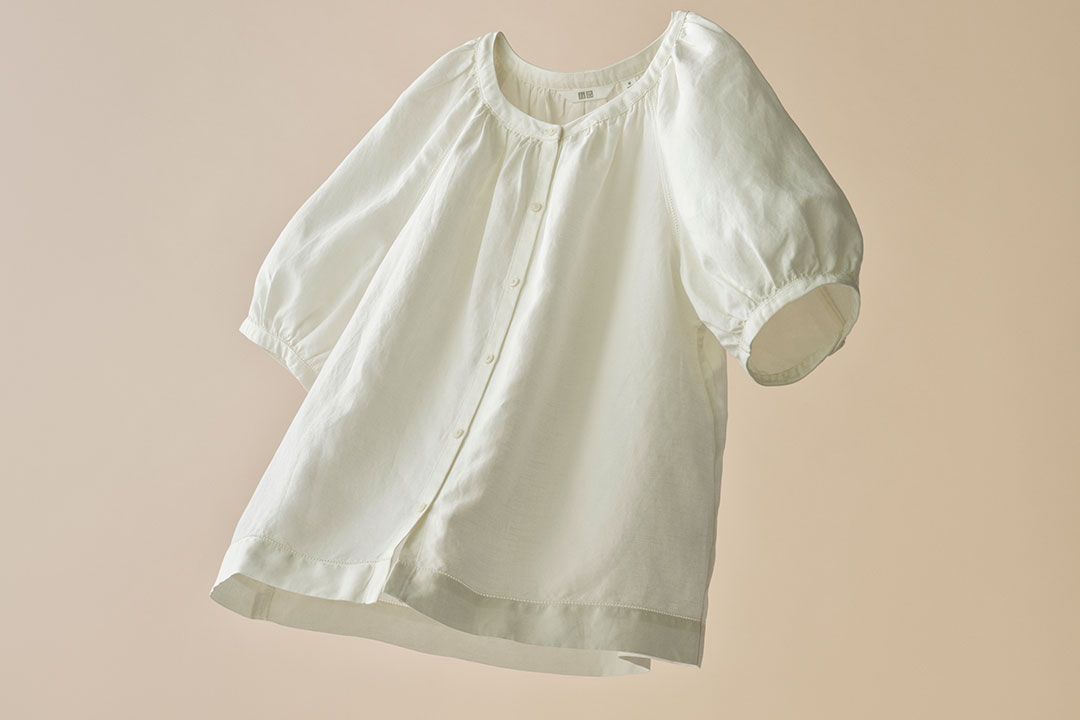
UNIQLO emphasized the easy breeziness of their Spring/Summer 2025 collection emphasizing their linen lines, namely Uniqlo Premium Linen, Linen Blend, and Cotton Linen.

In an event at BGC’s Manila House on March 6, held as a collaboration with Vogue Philippines, the magazine’s Fashion Director Pam Quiñones, Uniqlo local celebrity partner actress Jasmine Curtis-Smith, and Uniqlo Head of Public Relations and Sustainability Reichelle Vergara talked about the collections.

The Linen Blend line, made from linen and rayon, has a smoother drape with reduced wrinkling. Meanwhile, the Cotton Linen line, composed of linen and cotton, combines breathability with added structure.

The Premium Linen line is made from flax certified by the independent European Flax certification body, ensuring quality and traceability. “An important part of the Uniqlo LifeWear philosophy is the production of responsibly sourced, environment-friendly pieces,” said Uniqlo’s Ms. Vergara in a statement. “When we make our Premium Linen, we ensure a meticulous level of quality control and a thoughtful manufacturing process. The European Flax is primarily rain-fed except in special cases, uses fertilizers and pesticides responsibly through rotational cropping, and utilizes all parts of the plant to reduce waste.”

The line shows the properties that made the fabric important in human life for thousands of years: the fabric breathes by absorbing sweat and drying quickly, perfect for our hot climate.

Ms. Vergara, in an interview, told BusinessWorld about the emphasis on the fabric’s being made from European flax. “The feel also is different. Of course, the structure,” she said. “All of them really have that ‘personality’ of being breathable,” she said about the rest of the line.

CARING FOR LINEN
The talk that day delved into caring for your linen: the light fabric does have the propensity to crumple, and care for natural fabrics in this day and age has become trickier. Ms. Curtis-Smith simply said, “Just follow the washing instructions, guys.”

Ms. Vergara elaborated, “It’s good to wash it in cold water — just not hot water.” She also said to avoid harsh detergents, and to air-dry linen clothing.

Ms. Curtis-Smith discussed during the program about her preference for linen: “I like to look for pieces that are effortless,” she said. For the brand’s linen collection, she says, “When it comes to the dresses, the long sleeves… it moves with you. It breathes with your body. You feel like you’re always in constant flow and motion.” — JLG

Meralco eyes 4.5% growth in energy sales volume for 2025

PHILSTAR FILE PHOTO

POWER distributor Manila Electric Co. (Meralco) said it targets to increase its energy sales volume by 4.5% this year.

The company is targeting at least 56,000 gigawatt-hours (GWh) in energy sales this year, according to Ferdinand O. Geluz, senior vice-president and chief revenue officer at Meralco.

Clark Electric Distribution Corp., 65% owned by Meralco, is expected to contribute an additional 600–700 GWh, Mr. Geluz told reporters last month.

However, the first half of 2025 may be challenging, as the company will be coming off a high base of 9% growth in energy sales volume last year.

“So, in the first quarter, [energy sales volume growth] would be relatively flat, but by the second quarter, it will start to [increase],” Mr. Geluz said.

In 2024, Meralco’s energy sales volume rose by 6.4% to 54,325 GWh from 51,044 GWh in the previous year, driven by warmer temperatures due to El Niño and sustained customer energizations.

This exceeded the company’s target of 53,473 GWh for 2024.

Meanwhile, Meralco’s subsidiary, Meralco PowerGen Corp. (MGen), is expanding its renewable energy portfolio with the planned construction of MTerra Solar 2.

Although the project has not been finalized, Meralco Chairman and Chief Executive Officer Manuel V. Pangilinan said the company is securing a property in Batangas.

“So far, not yet as big as the first,” Mr. Pangilinan told reporters on the sidelines of a briefing last week.

MGen Renewable Energy, Inc. (MGreen), the renewable energy arm of MGen, holds a controlling stake in SP New Energy Corp. (SPNEC).

The company is developing a 3,500-megawatt-peak solar power plant and a 4,500-megawatt-hour battery energy storage system in Central Luzon, which is said to be the world’s largest of its kind.

SPNEC informed the local bourse last week that its parent, MGen, is considering a potential initial public offering for MGreen, including the possibility of injecting assets into SPNEC.

“As part of this review, the board of MGen approved the engagement of professional advisors to assess and determine the feasibility and structure of such a transaction, including compliance with applicable regulatory requirements,” the company said.

Meralco’s controlling stakeholder, Beacon Electric Asset Holdings, Inc., is partly owned by PLDT, Inc. Hastings Holdings, Inc., a unit of PLDT Beneficial Trust Fund subsidiary MediaQuest Holdings, Inc., has an interest in BusinessWorld through the Philippine Star Group, which it controls. — Sheldeen Joy Talavera

Lexus goes to Baguio

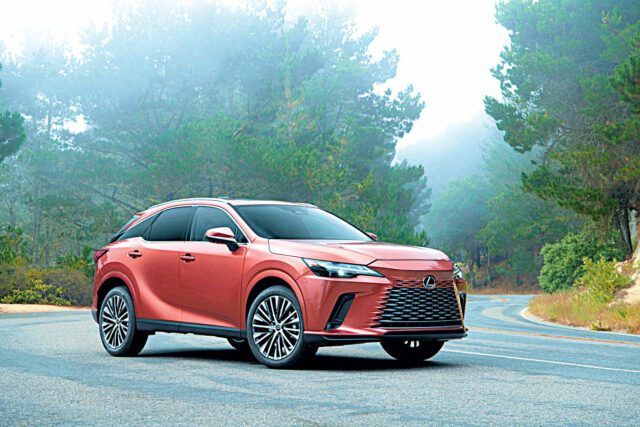
Lexus RX — PHOTO FROM LEXUS PHILIPPINES

LEXUS PHILIPPINES is set to showcase its luxury electrified models up north with the Lexus Roadshow making a stop in Baguio from March 21 to 23, at the Baguio Country Club.

Guests can get up close and personal to the Lexus NX, a midsized SUV hybrid featuring a blend of performance, luxury, and efficiency. A 2.5-liter hybrid powertrain is put to work, offering “smooth and powerful performance.” The NX interior is decidedly premium, with advanced technology, high-quality materials, and comfort-focused features like a larger touchscreen, enhanced audio system, and sophisticated driver assistance systems. It is positioned for “those looking for a refined and eco-friendly driving experience,” said Lexus Philippines in a release.

Also on display is the Lexus RX which is, like the NX, an all-wheel-drive vehicle. One of the best-selling models of the lineup, the RX is a luxury hybrid SUV with premium interiors, advanced technology, and offers “unparalleled comfort.” The signature spindle body design also allows excellent airflow to keep the vehicle cool.

Guests can also view the Lexus LBX, one of the newest models in the Lexus portfolio. The LBX is a subcompact luxury crossover that combines bold styling, advanced technology, and hybrid efficiency in a more accessible package. The LBX offers a sleek design, premium features, and a hybrid powertrain that delivers excellent fuel economy while maintaining a smooth and dynamic driving experience.

There will also be the UX 300e, a fully electric compact luxury SUV, offering a smooth, efficient drive with modern tech and a stylish design. It combines eco-friendly performance with premium features for a refined urban driving experience. Moreover, Baguio Country Club now has an EV charging station by Lexus which is compatible with Type 2 charging ports. This is part of Lexus’ commitment to electrification.

During the event, guests can enjoy specially curated refreshments from Kate Reed’s pasty by BCC while engaging with Lexus consultants for an exclusive personalized experience.

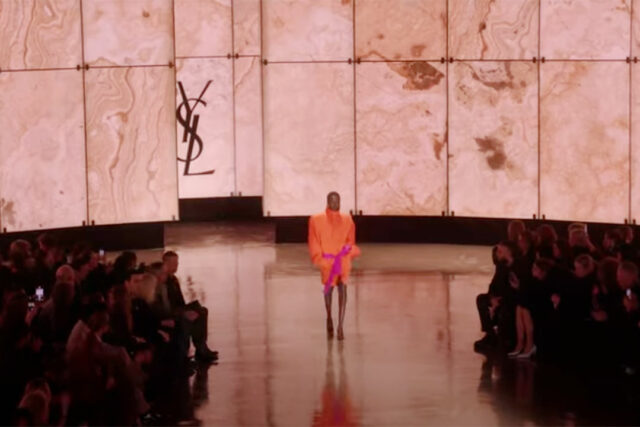
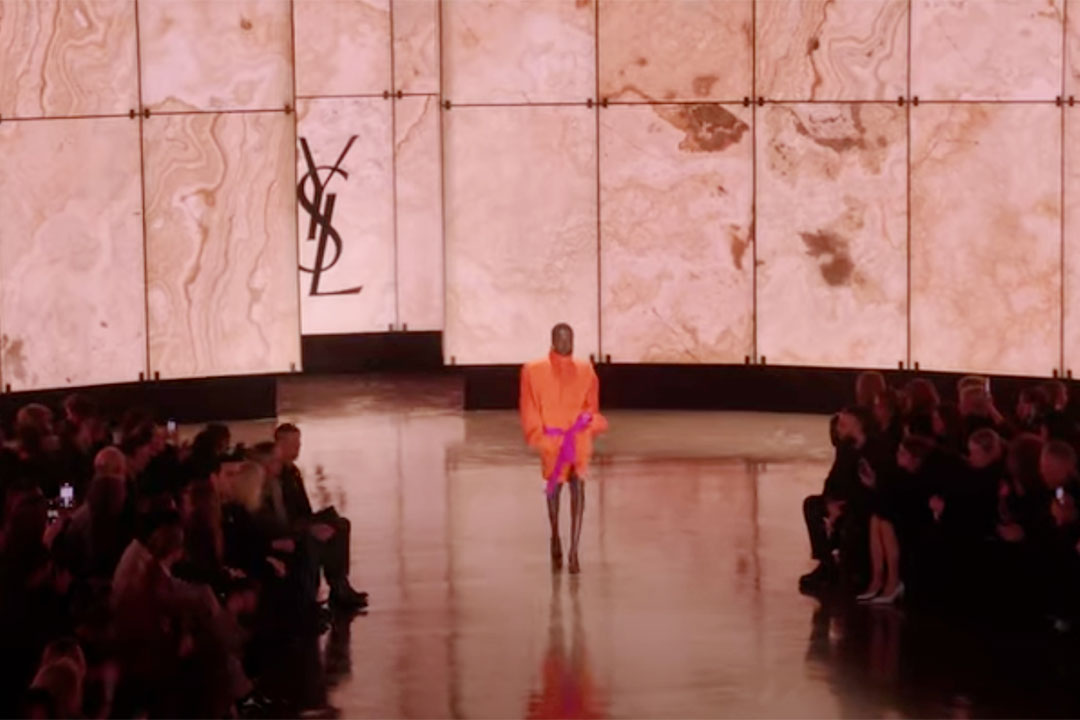
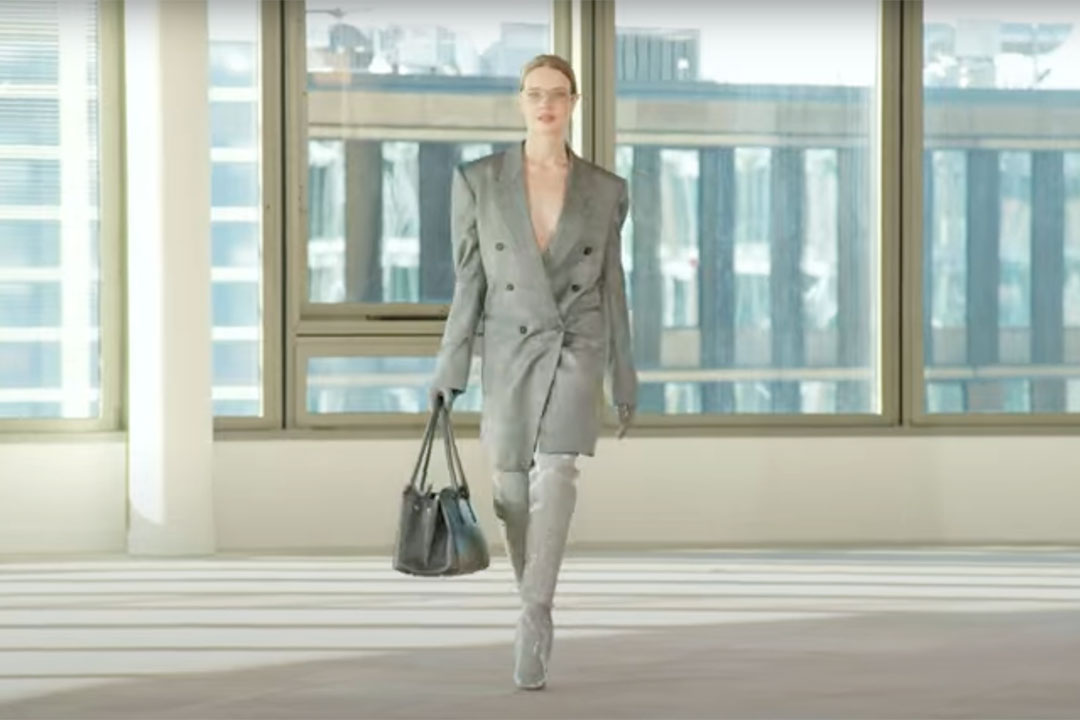
Paris Fashion Week: Saint Laurent offers fresh shapes and bright fabrics

YOUTUBE.COM/@YVESSAINTLAURENT

Chanel riffs the black bow; LV shows strong shoulders; slick leather at Hermes; Beckham shows curled hems; Stella McCartney’s feminine power suits; Dior’s ruffles

PARIS — Anthony Vaccarello, creative director of French fashion house Yves Saint Laurent, showed a runway lineup of evening-appropriate minidresses in bright colors and round, voluminous gowns, capping over a week of fashion shows in Paris.

Held near the Eiffel Tower after nightfall, the first model marched out on towering sling-back heels, her hands thrust deep into the pockets of a short dress in bright, marigold orange. The shoulders were broad and the sleeves were wide, while a tall collar rose to the model’s jaw line. Similar silhouettes followed, in colors like fuchsia, teal or yellow. (See the show here: https://www.youtube.com/watch?v=gqOeWBxN4_Q)

“Instead of speaking through ornament or padding, fabrics and precise construction shape the garments,” the Kering-owned label wrote in notes about the winter collection.

Partway through the show, the focus on volumes suddenly shifted to below a dropped waist, with a series of silky slip dresses that ballooned into hulking, rounded shapes that floated down the runway.

There were also trim, transparent dresses in a lightweight silicone fabric, with leopard or floral prints. Model Bella Hadid paraded a bright blue dress in stretchy lace.

Front row guests included famous Parisians Betty Catroux, Catherine Deneuve, Carla Bruni and Charlotte Gainsbourg.

CHANEL
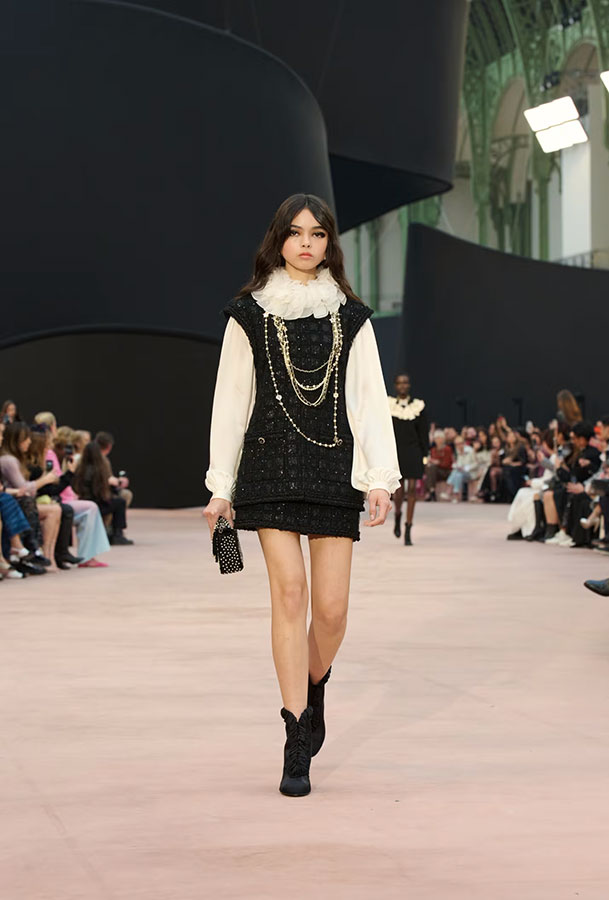
Trim, tweed tailored suits and flowing dresses adorned by decorative black bows showcased Chanel’s fall-winter runway collection in Paris. (See the show here: https://www.chanel.com/us/fashion/collection/fall-winter-2025-26/ )

Under the soaring glass-and-steel dome of the Grand Palais, models strode through a sparse set, built around an enormous black ribbon sculpture curling up into the air.

Kicking off the show were suit jackets and mini-skirts or shorts in tweed, all in monochrome, some covered by dresses or skirts in sheer fabric with extra ruffles emphasizing the hem.

Black bows embellished the looks, whether tied under the neck, worn as hair attachments or fixed to brimmed hats, skirts or thick-heeled boots.

Moving away from the strict palette of black and ivory, the French fashion house also showed chunky knits in raspberry or mint green and a red tweed ensemble in the form of a bustier minidress, trousers and over-the-elbow gloves.

There were also glossy, black overcoats, oversize pearl accessories and a puffer jacket — distinctly Chanel, with rows of bows.

Chanel fans are awaiting the arrival of Matthieu Blazy, who fills the high-profile designer role left vacant since the departure of longtime Karl Lagerfeld collaborator, Virginie Viard, last June.

Blazy, whose first show will be in October, is credited with the recent success of Kering-owned Bottega Veneta.

LOUIS VUITTON
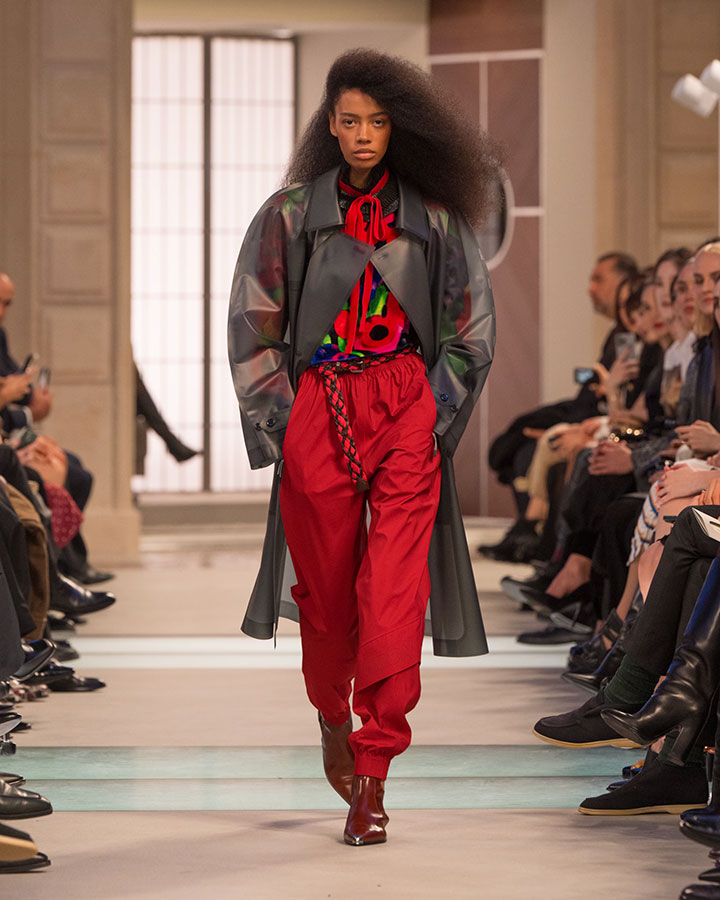
Louis Vuitton designer Nicolas Ghesquiere brought his Paris audience to the Gare du Nord for his fall-winter runway presentation, showing an eclectic and futuristic mix of styles that featured 1980s-flavored shoulders and scrunched boots along with a wide array of handbags.

Models marched through rows of seated guests as if charging through a bustling train station — only they were just across the street from the Paris train station, in an indoor courtyard. (See the show here: https://eu.louisvuitton.com/eng-e1/magazine/articles/women-fall-winter-2025-show )

The first model wore bright red trousers with a gathered, elastic waist, cinched at the ankles and paired with a colorful blouse that was covered with a smoky, translucent raincoat. Her hair was teased out, brushed mostly to one side.

Other sporty looks followed, including nylon jackets with hoods and zippered pockets that contrasted with dressier styles like lacy slip-dresses and skirts with piles of ruffled layers.

The LVMH-owned label, which welcomed guests with a clip from Kraftwerk’s “Trans-Europe Express” on repeat, added images from the album cover to some looks.

At the end of the show, French First Lady Brigitte Macron leapt out of her seat to embrace Ghesquiere. Macron, who sat alongside the family of LVMH CEO Bernard Arnault, is known to wear Vuitton for official outings.

HERMES
Hermes Nadege Vanhee presented a fall-winter 2025 collection of glossy coats, dresses, and trousers in dark-colored leather on Saturday, showing the sleek styles on a dirt-covered runway in Paris. (See the show here: https://www.hermes.com/us/en/content/338474-women-fall-winter-2025-runway-show/ )

Held at the Garde Republicaine, the sprawling stables of the French capital’s mounted gendarmes or police, the fashion house built a set with curved walls that resembled a Richard Serra sculpture — but were covered in brown felt.

Attendants raked the catwalk before the start of the show and the models strode out in riding boots, the toes stretched out into points, their silky hair bouncing.

They paraded skirts and micro shorts with tassels, a cropped jacket with quilted panels and long coats lined with felted wool, zippers running down the back — all of it in leather.

Extra layers came in the form of ribbed knit gloves that covered the arm and piles of sweaters worn like scarves around the neck and cinching outerwear. Contrasting with the mostly all-black looks were a few styles in beige, a brown marbled pattern molded into a fitted dress and a coat and trouser ensemble in bright green leather.

VICTORIA BECKHAM
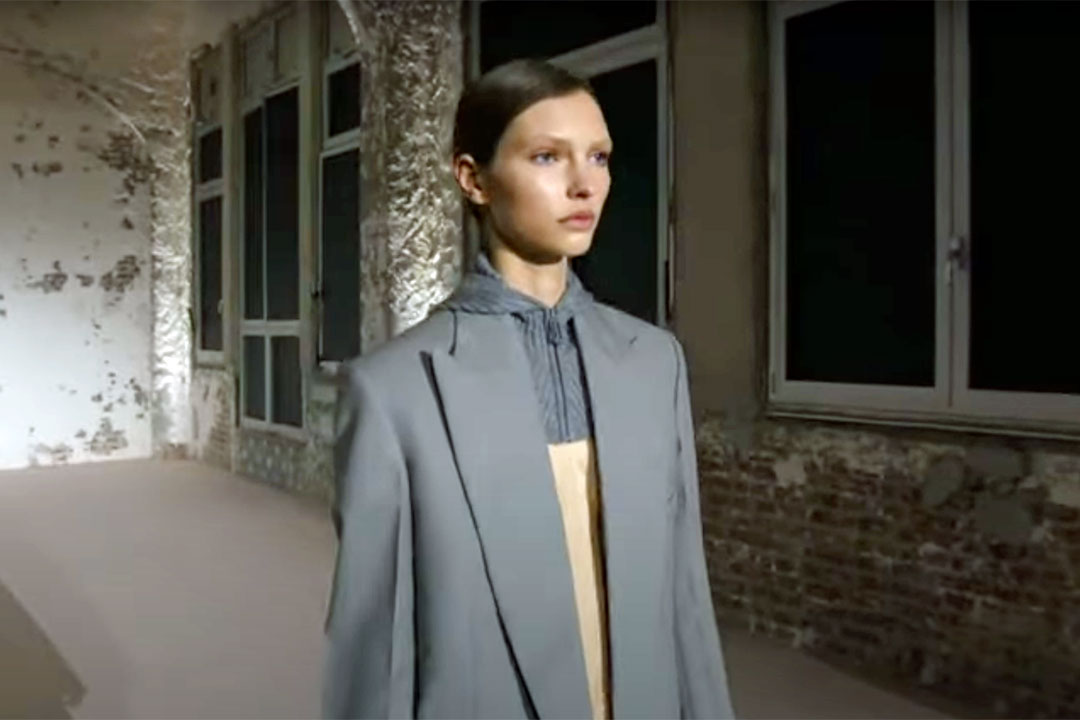
Victoria Beckham showed a line-up of sleek, monochrome looks featuring curled hems and collars for her fall/winter catwalk outing, held in a stripped-down building in the center of Paris. (See the show here: https://www.youtube.com/watch?v=pZ_XJ5HwxgA

. The show itself starts at the 40-minute mark.)

Models marched steadily through the bare set in square-toed shoes — some flat, others with spiked heels — parading minimalist suits with long lapels that stretched down below the navel, tapered trousers, shoulder-baring dresses and long overcoats.

There were mini dresses, overcoats, and suit jackets with striking, rolled-up hems, while sweaters and jackets had collars similarly curled up at the neck.

Long, fluid dresses were trim, snug at the waist, contrasting with an elegant, bulked-up leather coat in taupe, worn like a minidress. Completing the looks were thick, curvy glasses and roomy tote bags.

After the finale, which was accompanied by a melancholy soundtrack, Beckham walked out for her bow and blew a kiss to her audience. Her family was seated together in the front row.

STELLA MCCARTNEY
Stella McCartney drew her audience to an office building for her namesake label’s winter 2025 runway outing on Wednesday, showing a feminine line-up of power suits with low waisted trousers and broad-shouldered jackets along with glittering eveningwear. (See the show here: https://www.youtube.com/watch?v=VFhJDcXpHnA

Guests including French First Lady Brigitte Macron, actor Cameron Diaz and designer and movie producer Tom Ford were greeted on an upper floor with a sweeping view of the outskirts of Paris and a packet of sticky notes on their seats, which were arranged around desks, water coolers, and hulking copy machines.

Model Natalia Vodianova opened the show, wearing an all-grey ensemble — a double-breasted jacket, paired with glossy boots that rose above the knees and matching gloves, her hair pulled into a neat ponytail. Adding texture, thick, hooded sweaters, jeans and suits embellished with tassels and elaborately draped minidresses followed.

“I was thinking the best of, the best of, the best of,” Ms. McCartney said after the show, noting she sought to relay her label’s day-to-night designs for her first show as an independent designer.

Ms. McCartney, who famously does not use leather or fur, in January announced she was repurchasing LVMH’s minority stake in her label, but continues to advise LVMH on sustainability matters.

“It’s just always been the goal, always the dream, and it’s the right time,” she said of the split.

For last week’s show, which featured pole dancers performing in sparkling leotards, Ms. McCartney said she wanted to put the spotlight on exotic dancing — rather than exotic skins, the use of which has “just got to end.”

DIOR
Christian Dior creative director Maria Grazia Chiuri presented a lineup of ruffled styles for the French fashion house’s fall-winter runway show, set to a dramatic backdrop of fiery meteorites, smoking icebergs, and a giant, prehistoric bird. (See the show here: https://www.youtube.com/watch?v=7vIiT07fMn8  )

The set was orchestrated by American director Robert Wilson, who sent models marching through changing scenery — under hovering rocks, pointy mountains of ice and across a striped runway.

They wore sharp-tipped boots, tailcoats and bustiers worn like shields, with knee-high socks, hair pulled into ponytails tucked into the clothing.

Ruffled collars, lace and sheer fabrics added softness to the designs, which included references to past creative directors, including a T-shirt marked “J’adore Dior” in a nod to John Galliano.

Held in a temporary structure set up in the Tuileries Gardens of the Louvre Museum, the show drew crowds and screaming fans angling for a view of celebrities, who included K-pop group Blackpink’s Jisoo.

At the end of the show, the models returned to the stage in pairs, and paused, facing the audience as feathers floated from the ceiling.

When the models left, the spotlight lit one of the entrances, and Chiuri emerged for her bow, prompting cheers from the audience. — Reuters

ABP Group enters Manila, citing urgent cybersecurity needs

PHILIPPINE STAR/ MIGUEL DE GUZMAN

ABP GROUP, a Singapore-based cybersecurity provider, has opened an office in Manila, citing the Philippines’ rapid digital growth and the urgent need for stronger cybersecurity frameworks. 

“The Philippines is experiencing rapid digital growth, and with that comes the urgent need for stronger cybersecurity frameworks,” said Sun Yi, chief executive officer of ABP Group, in a statement.

“We are excited to bring our expertise to the market, working alongside businesses and institutions to enhance their security posture and ensure the Philippines’ resilient digital future.” 

About 41% of Philippine businesses cited the lack of cybersecurity experts as the top challenge in addressing cybersecurity threats, according to a joint report by cybersecurity firm Fortinet and the ASEAN Innovation Business Platform (AIBP). 

ABP Group provides security solutions tailored to address risks in the evolving threat landscape.

Sunnic, a technology company under ABP Group, offers advanced cryptographic solutions to secure critical infrastructure for banks, governments, and enterprises.

“With a strong focus on post-quantum cryptography (PQC), Sunnic provides expert advisory services to help organizations develop and implement robust data and identity protection strategies.”

ABP Cyber delivers end-to-end solutions spanning security design, integration, and intelligence-driven managed security.

ABP Securite, a value-added distributor (VAD), specializes in cybersecurity and network performance.

“By providing cutting-edge solutions alongside expert professional services, maintenance and support, and cloud administration, ABP Securite optimizes IT infrastructures, enabling businesses to enhance security, improve performance, and future-proof their digital operations.”

In the last six months of 2024, organizations in the Philippines faced an average of 4,003 cyberattacks per week, exceeding the Asia-Pacific average of 2,870, according to cybersecurity solutions firm Check Point Software Technologies Ltd. 

“With a strong presence across Asia, ABP Group brings to the Philippines its specialized business entities, each playing a crucial role in fortifying digital security,” it said. — Beatriz Marie D. Cruz