Unsolicited Iloilo International Airport bid rejected
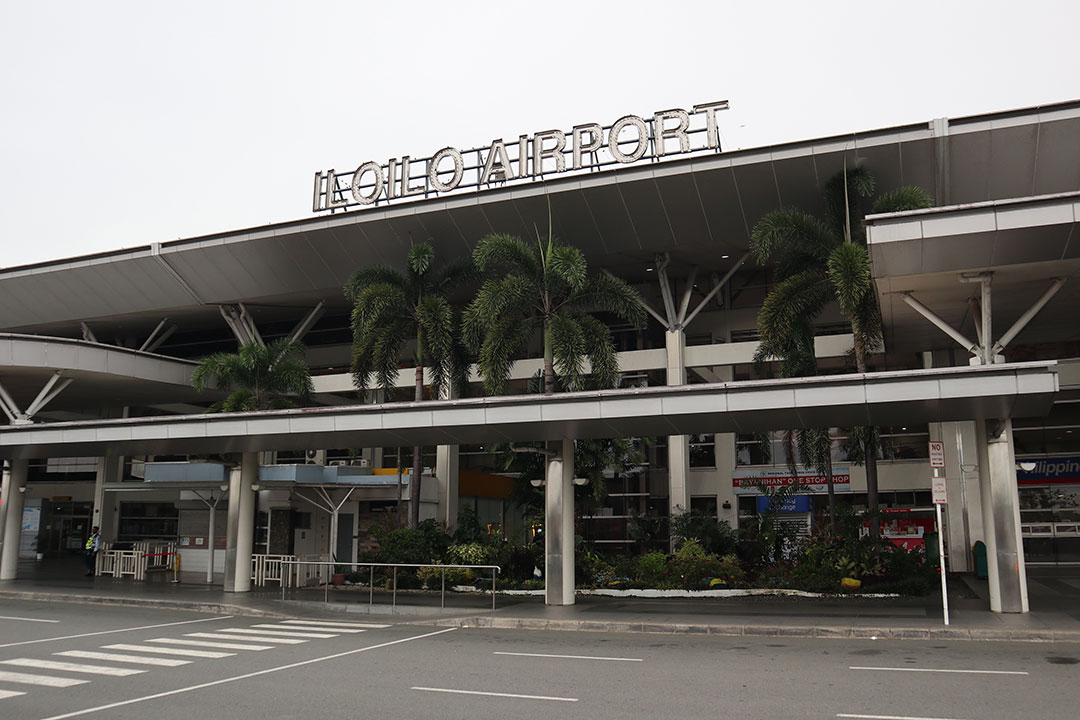
THE P21‑billion unsolicited proposal of Prime Asset Ventures, Inc. (PAVI) to upgrade and operate Iloilo International Airport has been rejected due to deficiencies in documentation, the Civil Aviation Authority of the Philippines (CAAP) said.
CAAP Deputy Director-General Danjun G. Lucas told BusinessWorld that PAVI, controlled by the Villars, “can always refile but the Department of Transportation (DoTr) is seriously considering solicited mode.”
CAAP said the group’s proposal lacked an endorsement to the Department of Economy, Planning, and Development (DEPDev). DEPDev approval is needed for projects of over P15 billion.
The DoTr and CAAP were designated the implementing agencies for the project.
The rehabilitation, expansion, operation, and maintenance of the Iloilo International Airport was structured as an operate‑and‑transfer scheme.
PAVI was named the original proponent for the project, which covers the expansion and renovation of the passenger terminal building.
The company also holds original proponent status for the Puerto Princesa International Airport rehabilitation, operation, and maintenance project which had an estimated project cost of P11.63 billion, according to Public-Private Partnership Center (PPP Center).
“We have already proven that PPPs work better for public infrastructure, which generate revenue and (hold the potential to) improve through private sector involvement,” Nigel Paul C. Villarete, senior adviser on public-private partnerships at the technical advisory group Libra Konsult, said via Viber.
Solicited PPP projects are government-initiated, with competitive tenders issued after the government generally sets the project’s terms of reference and overall coverage. In contrast, unsolicited PPPs are private sector-led proposals.
The Iloilo International Airport is considered to have strong revenue potential, making it attractive for further development via PPP, Mr. Villarete said.
Rene S. Santiago, an international consultant on transport development and former president of the Transportation Science Society of the Philippines, said the government should just go ahead and pursue its plan for the Iloilo International Airport.
“In theory, competitive bidding attracts more participants. In the Philippines, I have doubts when it comes to airports, especially domestic ones,” Mr. Santiago said.
Libra Konsult’s Mr. Villarete said the solicited mode gives the government greater flexibility in defining project terms and coverage, being responsible for preparing the technical and financial studies for procurement.
“Between solicited and unsolicited modes, I would strongly suggest doing it through solicited mode… (unsolicited) is easier to do since the government won’t go through the steps of bid preparation and the bidding itself, but it binds the government to the party that submitted the proposal,” he said.
Last year, the DoTr said it is hoping to privatize at least 15 airports by 2026 as the government seeks to make regional airports more economically viable. — Ashley Erika O. Jose