Home Blog Page 86

PSEi climbs above 6,000 line on cease-fire hopes

BW FILE PHOTO

PHILIPPINE SHARES returned above the 6,000 line on Wednesday on hopes that the war in the Middle East would end soon as the United States said they are already holding peace talks with Iran.

The benchmark Philippine Stock Exchange index (PSEi) rose by 1.81% or 107.97 points to close at 6,044.17, while the broader all shares index went up by 1.84% or 60.93 points to end at 3,356.16.

“The local market rallied on hopes that there will be an agreement between the US and Iran that would end the war. This comes following reports that the US sent a 15-point peace plan to Iran,” Japhet Louis O. Tantiangco, research manager at Philstocks Financial, Inc., said in a Viber message.

“The PSEi ended in the green, closing back at the 6,000 level. Bargain hunting among market participants, following a series of declines, lifted the market,” Regina Capital Development Corp. Head of Sales Luis A. Limlingan said in a Viber message. “Sentiment improved after Donald J. Trump announced that talks between the US and Iran were continuing. He also added that Iran had given the US a major oil-related gift to the US.”

Israel and Iran exchanged airstrikes on Wednesday, as Iran’s military rejected Mr. Trump’s assertion the US was in negotiations to end the war which has roiled energy and financial markets, saying the US is negotiating with itself, Reuters reported.

The rejection of negotiations by the unified command of the Iranian Armed Forces, which is dominated by the hardline elite Revolutionary Guards, comes amid reports the US has sent a 15-point plan for discussion to Tehran.

Mr. Trump told reporters at the White House on Tuesday the US was in “negotiations” with “the right people” in Iran to end the war, adding the Iranians wanted to reach a deal very badly.

Asia is at the frontline of the fuel crisis, buying more than 80% of the crude that transits the Strait of Hormuz, and governments there are scrambling to respond to fuel shortages with policies such as enforced work-from-home and stimulus measures enforced during the COVID pandemic era. Some countries have declared public holidays and closed schools.

All sectoral indices closed in the green on Wednesday. Mining and oil jumped by 4.03% or 608.48 points to 15,695.89; property increased by 2.11% or 41.29 points to 1,998.44; financials went up by 1.92% or 36.42 points to 1,925.45; services climbed by 1.71% or 46.49 points to 2,759.38; holding firms increased by 1.57% or 71.43 points to 4,610.11; and industrials went up by 1.4% or 123.31 points to 8,878.08.

Advancers outnumbered decliners, 118 to 81, while 54 names closed unchanged.

Value turnover rose to P7.37 billion on Wednesday with 1.15 billion shares traded from the P5.7 billion with 633.85 million issues that changed hands on Tuesday.

Net foreign buying was at P224.69 million, a turnaround from the P755.56 million in net selling recorded in the previous session. — Alexandria Grace C. Magno with Reuters

PHL power supply deemed adequate over dry season

STOCK PHOTO | Image Evening_tao from Freepik

By Sheldeen Joy Talavera, Reporter

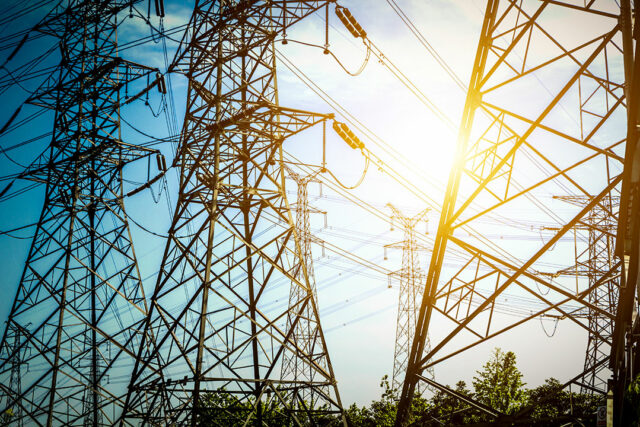
THE PHILIPPINES will have adequate supplies of power during the dry season but thinning reserves make it vulnerable to power interruptions going forward, according to think tank Institute for Climate and Sustainable Cities (ICSC).

In its Philippine Power Outlook, ICSC said the Luzon, Visayas, and Mindanao grids will find conditions “manageable” between April and June, under “conservative baseline assumptions.”

“The Philippine power system enters the second quarter of 2026 with projected adequacy…” according to the report. “However, the system remains structurally sensitive to additional outages, commissioning delays, and interconnection constraints.”

If there are more baseload power plants offline beyond the conservative estimates, grid alerts may be raised, ICSC said.

The think tank based its analysis on the 2025-2027 Weekly Power Outlook published by the National Grid Corp. of the Philippines in December, with updates integrated from the Department of Energy list of existing and committed power plants as of November 2025.

ICSC took into account forced outages accounting for about 700 to 800 megawatts (MW).

“If additional power plants go offline beyond what is expected, this could further aggravate the power outlook and potentially lead to a more grave outcome, as available supply would be reduced,” Jephraim Manansala, ICSC’s chief data scientist and one of the authors of the report, said in a statement.

For the Luzon grid, supply is projected to be adequate throughout the second quarter, provided that committed power projects are delivered on time.

The ICSC warned that the island’s supply crunch will take place in May. Maintaining sufficient reserve levels during this period will depend heavily on the timely delivery of committed projects and the prevention of forced outages.

The Visayas grid, which can tap the two other grids for supply through high-voltage direct current (HVDC) lines, is expected to maintain normal reserves should it continue receiving power from Mindanao and Luzon with no unplanned outages.

The Visayas grid is projected to experience yellow alerts in May, with demand expected to peak at 3,340 MW.

Meanwhile, the ICSC said that Mindanao can maintain normal reserve levels while exporting power to the Visayas.

The grid’s supply crunch is expected in late April, which may prompt possible reductions in HVDC exports when reserve margins narrow, according to the report.

“The recurrence of grid alerts in recent years signals that reliability challenges extend beyond seasonal peaks,” the ICSC said.

“Addressing these vulnerabilities requires both disciplined short-term operations and sustained structural reforms that enhance flexibility, diversify generation sources, and modernize planning frameworks,” it added.

Asked to comment, Energy Undersecretary Mario C. Marasigan told BusinessWorld that the department is currently revisiting all simulations, particularly due to the current “emergency situation.”

“Our simulations are continuously updated and those include grid status,” he said via Viber.

Consortium investing P2.1B in microgrid power projects

PNA FILE PHOTO

A PRIVATE CONSORTIUM is investing P2.1 billion in microgrid power projects that are expected to meet the electricity needs of 11,560 households in underserved island communities.

In a statement on Wednesday, Maharlika Consortium said it broke ground on 24 new microgrid projects after obtaining regulatory approvals from the Energy Regulatory Commission.

The consortium, which is not affiliated with the Maharlika sovereign wealth fund, said the project pipeline is “the largest private-sector investment in rural electrification in the Philippines.”

The projects will ultimately benefit more than 50,000 people and local enterprises in Palawan, Cebu, and Quezon provinces.

The microgrids that have been approved will initially deploy 7 megawatts of solar photovoltaic system, an 8-megawatt-per-hour battery energy storage system, and a 3.5-megawatt diesel power generator.

To ensure delivery to communities, the consortium will also set up smart power distribution networks in the three provinces.

Construction is expected to run for 10-12 months.

The microgrid projects are developed through its special purpose vehicles Archipelago Renewables Corp. and ARC II. Lead developers are Singapore’s CleanGrid Partners Pte. Ltd., WEnergy Global Pte. Ltd, and Maharlika Clean Power Holdings Corp.

“These approvals and the subsequent groundbreaking validate our approach: building bankable, scaleable microgrids to empower the over 2 million Filipino households that remain unenergized,” Maharlika Clean Power President Quintin V. Pastrana said.

Maharlika Consortium was the first winning bidder of the government’s microgrid auction, bagging the contract to provide electricity services in eight unserved areas in the three provinces.

“Our 24-site portfolio is diversified, de-risked, and shovel-ready, now also open for financing of eight additional sites,” according to Atem S. Ramsundersingh, chief executive officer of WEnergy Global.

He said that the consortium is hoping to apply for more sites for development this year. — Sheldeen Joy Talavera

Brother PHL ‘definite’  prices will increase

FPIP

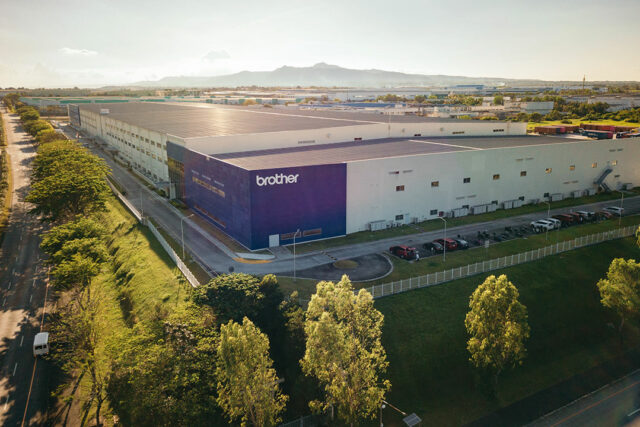
BROTHER International Philippines Corp. said it is “definitely” increasing prices and is awaiting word from its parent company while assessing the impact on its manufacturing operations of the Middle East crisis and the weakening peso.

“Once we receive (notice from) our head office… definitely there will be some (price increase,)” Brother Philippines President Glenn P. Hocson told BusinessWorld.

“Of course, we are also concerned about what is happening, especially in the Middle East,” he said.

Brother Philippines is a unit of Brother Industries, Ltd., a Japanese maker of office equipment.

It operates three manufacturing facilities in Tanauan City, Batangas.

Rising oil prices and the weaker peso will drive up the company’s production costs, Mr. Hocson said, because it relies on imported raw materials.

“I don’t think we can absorb those price increases. Definitely, the material cost will increase,” Mr. Hocson said.

Brother Philippines imports plastic pellets — small granules made primarily from crude oil — to manufacture products like inkjet printers, scanners, label printers, sewing machines, and fax machines.

The peso closed at P60.1 on Wednesday, weaker than its P59.95 finish a day prior.

Starting on Tuesday, diesel and gasoline prices in Metro Manila rose to as much as P144.20 and P102.50 per liter, respectively. Kerosene prices also rose to about P165.79 per liter.

Despite the geopolitical uncertainties, Brother Philippines remains bullish that revenue growth will continue, Mr. Hocson said.

“We hope to surpass our milestone result this upcoming fiscal year… despite the impact of these geopolitical issues… I’m still positive,” he noted.

The company posted P3 billion in revenue in the year to March 2026.

He said the Philippines remains a key market for inkjet printers, which have become a staple for home, school, and commercial use.

Mr. Hocson touted features in its product lineup like wireless functionality, including e-mail and mobile printing.

Brother Philippines is betting on growth from both its retail business as well as corporate services.

The company has over 250 authorized service centers in the Philippines, with its first branch opening in Cebu in 2005 and subsequent network expansions to Davao, Cagayan de Oro, Iloilo, Naga City, Angeles City, and Tuguegarao City.

Next month, the company is looking to open its newest branch in Zamboanga City. — Beatriz Marie D. Cruz

DA wants safeguards against imports of PHL biofuel firms

REUTERS

THE Department of Agriculture (DA) said it has no objection to adjusting the biofuel blend or to imports that will mitigate price increases, as long as the plan contains safeguards to protect domestic producers.

Agriculture Secretary Francisco P. Tiu Laurel, Jr. said the DA will not object to proposed amendments to the Biofuels Act, as long as domestically produced biofuels are given priority.

“The important thing is to prioritize local production. Locally produced biofuels should be exhausted first before imports are used,” he told reporters on the sidelines of a Senate hearing on Tuesday.

Mr. Laurel said under such a setup, oil firms should procure biofuels from domestic producers at set prices, while cheaper imports could be tapped to meet higher blending requirements.

“Another option is to establish a minimum buying price for locally produced biofuels. As long as they are buying at that price, there will be no impact on farmers. Cheaper imported biofuel can be used as an additional supply to increase the blend,” he said.

He added that the DA has a plan in place to protect domestic producers should import liberalization go through.

Republic Act No. 9367, or the Biofuels Act of 2006, requires all liquid fuels sold in the Philippines for use in motors and engines to be blended with biofuels.

President Ferdinand R. Marcos, Jr. earlier certified as urgent Senate Bill No. 1965 and House Bill No. 8469, which seek to amend the law in a move to mitigate surging fuel prices.

The Senate version would allow the President to authorize imports of bioethanol and biodiesel once blended fuel prices exceed pure fuel prices by at least 5%, regardless of domestic supply, upon the recommendation of energy officials.

The bill also proposes that tariff revenue from imports be allocated to social amelioration programs for farmers and workers in the biofuels industry.

Mr. Laurel said the DA supports provisions that direct benefits to farmers. “Anything that will go to the farmers, we support,” he said.

The House version, meanwhile, takes a more limited approach by allowing only the suspension of mandatory blending requirements under similar price conditions. — Vonn Andrei E. Villamiel

Korean developer to build P4.4-billion mixed-use estate in Angeles City

FACEBOOK.COM/CLARKDEVELOPMENTCORP

STATE-RUN Clark Development Corp. (CDC) said it signed a P4.4-billion agreement with Korean developer Luxia Corp. to build a mixed-use development within Clark Freeport Zone in Pampanga.

In a statement on Tuesday, CDC said the lease agreement covers a 20,000-square-meter lot along Creekside Road in Angeles City.

The lot will be the site of a high-end development featuring a hotel and serviced apartments, according to the deal signed on March 24.

The CDC is counting on Clark to grow its meetings, incentives, conferences, and exhibitions businesses to attract tourism.

The estate will be developed by Luxia Corp., a unit of Seoul-based developer Luxia Holdings, Inc. 

The designer was identified as Paul Bae, director of international architectural and planning firm J. Partners and Architects. He is also the principal architect of Luxia’s properties in Seoul.

“We think Luxia will be the catalyst taking Clark to the next level — providing high-end residences, a premium hotel, hospitality, and retail,” he said. 

CDC President and Chief Executive Officer Agnes VST Devanadera said the project aligns with the Philippines’ deepening relations with South Korea.

“We consider this (an indicator of) very good economic relations between South Korea and the Philippines,” she said.

The CDC in December finalized a separate lease agreement with South Korean construction firm PKR Corp. for a P4-billion mixed-use residential and commercial project within The Villages at Global Clark, an 87-hectare (ha) master-planned estate.

The Clark Freeport Zone serves multiple industries like aviation, business, logistics, and tourism.

The 4,400-ha economic zone is home to Clark International Airport Complex, Clark Entertainment and Events Center, and the Clark National Food Terminal.

In 2025, Clark International Airport reported a 14% increase in passenger arrivals to 2.75 million passengers. Of the total, 1.56 million were foreign arrivals and 1.04 million domestic arrivals. — Beatriz Marie D. Cruz

PCCI, other business organizations support emergency declaration

PRESIDENT FERDINAND R. MARCOS, JR. — YUMMIE DINGDING/PPA POOL

THE Philippine Chamber of Commerce and Industry (PCCI) said it supports the government’s declaration of an energy emergency, citing the need to ensure stability in energy prices.

In a statement on Wednesday, the PCCI said  the declaration was “timely and necessary to mitigate the economic impact of the global energy supply disruption” driven by the outbreak of fighting in the Middle East.

“The PCCI supports any measures of the government to absorb and stabilize the increasing prices of fuel and basic commodities,” PCCI President Ferdinand A. Ferrer said in the statement.

“It has been three weeks since the war started, and several increases have already been implemented, and now we are seeing its effect: higher costs of logistics, transportation, and goods,” he added.

He said that if the war extends beyond two to three months, it will be difficult for micro-, small- and medium-sized enterprises to bounce back.

“Energy stability is important to sustaining economic growth, protecting livelihoods, and ensuring competitiveness of Philippine industries … the government should ensure that domestic supply could last for more than 90 days and beyond,” he added.

President Ferdinand R. Marcos, Jr. late Tuesday declared a national state of energy emergency, giving the government expanded powers to obtain fuel supplies and shield the economy from rising oil prices.

“The ongoing Middle East crisis is already driving oil price spikes, tighter shipping schedules, and rising input costs,” Federation of Philippine Industries (FPI) Chairwoman Elizabeth H. Lee said in a statement on Wednesday.

“For manufacturers, the pressure is multi-layered — hitting energy, transport, imported input materials, and production timelines,” she added.

To ensure uninterrupted production despite tighter margins, she said manufacturers have been pursuing measures to mitigate the impact of the crisis, including optimized production schedules, enhanced workforce flexibility, and remote work arrangements.

“On the cost side, companies are renegotiating supplier contracts, tightening energy efficiency across production lines through lean manufacturing, and streamlining logistics — such as consolidating shipments and maximizing load efficiency to reduce fuel consumption where applicable,” she said.

The declaration, issued via Executive Order (EO) No. 110, activates a coordinated response framework known as the Unified Package for Livelihoods, Industry, Food and Transport, or UPLIFT, indicating the likely direction of the flow of aid.

It will remain in effect for one year and will enable the government to act more swiftly by bypassing usual processes, Reuters reported.

“We recognize that the government’s proactive stance aims to ensure energy security, stabilize fuel prices, and safeguard the economy from further external shocks,” the Philippine Exporters Confederation, Inc. said in a statement.

“Recent measures — including intensified energy conservation protocols, contingency planning, and proposed emergency powers to manage fuel costs — underscore the urgency of addressing volatility in global oil markets,” it added.

The group said that the war has had an immediate impact on exports, as the higher logistics, shipping, and production costs stemming from rising oil prices have eroded the competitiveness of Philippine products.

“Disruptions in global supply chains and freight routes further compound these pressures, particularly for time-sensitive and energy-intensive export sectors,” it added. 

Former National Economic and Development Authority Director-General Solita Collas-Monsod raised concerns about the speed of the response to the crisis.

“We have an emergency, obviously… He should have been given (the powers) by Congress two weeks ago, three weeks ago, right? So, is it slow in coming? Yes, it is slow in coming,” she said in an interview on Money Talks with Cathy Yang on One News ON Monday.

“The important question is what he is going to do with it,” she added.

She said where the government is getting the funding to aid the vulnerable segments of society must be clarified.

“If the funds are coming from the contingency fund of the President or contingency funds of all the government agencies who are not police or military, then I am for it,” she said.

She said that it is still unclear what steps the President will take following the declaration.

“I have not seen a single item that he has announced he will do under his emergency power,” she said.

She said the oil companies are only doing what they have always done, “Are we sure that these oil companies now are generating tremendous profits from the situation? I do not think so. I think they are just as concerned as we are about prices, but they cannot do anything about it.”

She said the government must ensure that the projects pursued after the declaration should be “vetted to find out whether the net effect is beneficial or disadvantageous.”

“The President acting with emergency powers has to act transparently,” she added.

PCCI’s Mr. Ferrer has called for “consultative and transparent implementation of EO 110 and UPLIFT, ensuring that the most affected sectors will receive and benefit from this temporary relief.”

He said the government should use lessons from the COVID-19 pandemic and pursue a master plan for self-sufficiency.

“We should rethink and reset our priorities so that our country will not panic in times of crisis. We should learn from our neighboring countries like Japan, which has reserves sufficient for eight months,” he added.

Philexport called for targeted support for exporters to complement the government’s energy emergency measures.

These include waiving the government’s take from port and toll fees, fuel subsidy programs, acceleration of trade facilitation and digitalization efforts to reduce non-energy costs, and monitoring of logistics providers to deter excessive rate increases.

“At the same time, we encourage exporters to continue or expand energy-efficient practices, optimize supply chains, and explore alternative markets and transport strategies to help mitigate risks,” it added.

FPI’s Ms. Lee said the crisis has magnified the Philippines’ vulnerabilities, which reflect the need for reforms to strengthen manufacturing.

“Reforms that will deepen and expand local manufacturing as a national imperative will help the Philippines achieve resilience, drive job creation, and help better shield the economy from global energy shocks,” she said.

“Industrial growth at scale — anchored on job creation, innovation, and sustainability — is no longer optional; it is the foundation of a more secure and competitive economy moving forward,” she added. — Justine Irish D. Tabile


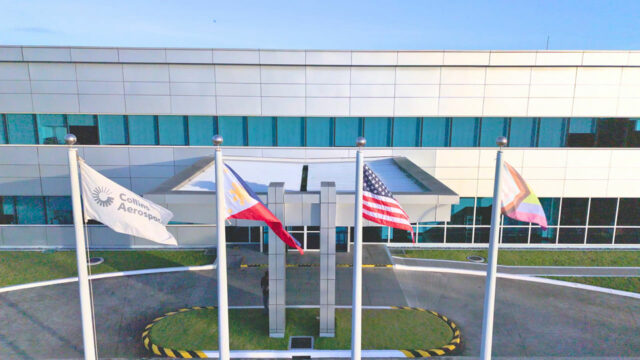
PEZA approves Collins Aerospace unit’s adjusted registered activities

COLLINS AEROSPACE

THE Philippine Economic Zone Authority (PEZA) said it signed a revised supplemental agreement (SA) for aerospace manufacturer B/E Aerospace B.V. — Philippine Branch featuring adjustments to its registered activities.

The revised agreement covers new activities like essential materials and consumables.

This enables B/E Aerospace to further streamline and support its aerospace manufacturing operations within First Philippine Industrial Park (FPIP) Special Economic Zone in Sto. Tomas City, Batangas.

B/E Aerospace B.V. is a venture of Collins Aerospace, a unit of US aerospace and defense group RTX Corp.

Its original PEZA registration outlined B/E Aerospace’s activities as manufacturing, assembling, marketing, and distributing aircraft interiors and components.

It also specializes in the repair, maintenance, servicing, and modification of aircraft parts and aerospace interior systems within its facility.

B/E Aerospace B.V. has been PEZA-registered since 2010.

Collins Aerospace’s site in the Philippines covers 698,000 square feet (sq. ft.) of manufacturing, warehouse, and office space; and 69,900 sq. ft. of warehouse and logistics space, according to its website.

PEZA Director General Tereso O. Panga said the supplemental agreement will help boost the aerospace manufacturing ecosystem.

“Every development by our existing locators sends a strong signal to the global market that the Philippines is ready for more advanced manufacturing investments,” he said.

The recent amendments also reflect the growing momentum of aerospace-related investments within PEZA’s economic zones, it said, as global firms tap the skilled Philippine workforce, competitive environment, and export ecosystem.

Philippine aerospace exports amounted to $603.1 million in the first nine months of 2025, according to the Board of Investments. — Beatriz Marie D. Cruz

Ethical AI use seen as key to inclusive growth

STOCK PHOTO | AI Generated Image from Freepik

By Beatriz Marie D. Cruz, Reporter

THE ethical use of artificial intelligence (AI) technologies will be critical to ensuring inclusive growth, while also unlocking the value of  AI investments, an analyst said.

“One of the key benefits of having a Code of Ethics for AI that it will professionalize AI development and use,” Benito L. Teehankee, chairman of the Responsible AI Council of the Analytics and AI Association of the Philippines (AAP), said in a video interview with BusinessWorld.

He noted that imposing the ethical use of AI would help support equitable economic growth in the country.

“As you know, we never really recovered from the pandemic, and our recent growth figures are not very encouraging,” Mr. Teehankee said.

He said that AI use must be regulated similar to industries like automobiles, airlines, pharmaceuticals, citing the technology’s direct impact on people.

“If you build a safe and trustworthy AI environment, the market will grow, which means there will be business for everyone,” he said.

Released in July last year, the AAP’s Code of Conduct for AI Professionals serves as a guide for the ethical conduct of AI professionals.

It “sets a standard for AI professionals in the private, public, and educational sectors to conduct their work ethically, fostering AI’s positive impact on society for the benefit of all, while minimizing risks and harm.”

“I think responsible innovation is key. It cannot be innovation for its own sake,” Mr. Teehankee said.

According to the code, AI professionals must follow general ethical principles, which include the need to use their AI skills for human and environmental well-being; promote of safe practices; honesty, trustworthiness and integrity; fairness; respect for the labor required to produce new ideas, inventions, creative work, and computing artifacts; respect for privacy and individual data rights; and the need to honor confidentiality.

AI professionals should also strive to achieve high quality processes and products; maintain high standards of professional competence, conduct, and ethical practice; and know and respect existing rules.

The Philippines could unlock P1.8 trillion in economic benefits using AI technologies, according to a 2025 report by Google Philippines and consulting firm Public First.

Telcos want gov’t to go slow on Konektadong Pinoy rollout

REUTERS

TELECOMMUNICATIONS companies urged the government to delay the implementation of implementing rules, and policies of the Konektadong Pinoy Act.

In a statement on Wednesday, the Philippine Chamber of Telecommunications Operators (PCTO) said the economic uncertainty means a pause in rolling out the law is warranted.

While recognizing the importance of expanding digital connectivity made possible by the Konektadong Pinoy law, also known as the Open Access in Data Transmission Act, the PCTO said the government and regulators should slow the implementation of the law to avoid strain on the industry.

The PCTO said the priority of the moment should be keeping the telecommunications industry operational and financially viable to ensure connectivity in times of national crisis.

“Considering the foregoing, the PCTO respectfully appeals that, for the duration of the ongoing national emergency, the government refrain from unduly rushing the release of any circular, directive, or policy that would materially affect the telecommunications industry. A moratorium and proper extension of time for stakeholder consultations is not merely a procedural accommodation, it is a practical necessity,” the PCTO said.

It said that, given the extraordinary circumstances, the government must allow more time for policy consultations.

“The PCTO requests that policy consultations pertaining to the various issues such as the access list, dig once policy, SMPF (Spectrum Management Policy Framework), infrastructure sharing & cybersecurity and others related to the implementing rules under the Konektadong Pinoy Act be extended and appropriately spaced,” it said.

The group said that compressed timelines and consultation processes put a burden on stakeholders whose operational capacity is now strained.

Further, the PCTO said that the national energy emergency has also created internal challenges for operators, adding that companies are now facing higher operational costs, supply chain disruptions, and rising demand for connectivity.

“The PCTO respectfully requests that regulators give due consideration to these compounding pressures when crafting and enforcing policy timelines, compliance requirements, and related obligations under the law,” it said.

The group has also requested the full use of the one‑year SMPF statutory promulgation period to enable comprehensive consultation and cooperation in drafting and reviewing among all spectrum stakeholders.

“Rushing the SMPF process risks producing a framework that is inadequately aligned with technical realities, market conditions, and the long-term interests of both industry and the public,” it said. — Ashley Erika O. Jose

Turning crisis into policy opportunity

The Philippines once again finds itself exposed to the consequences of global geopolitics. Since late February, hostilities involving the US and Israel against Iran have disrupted global energy markets, particularly following restrictions in the Strait of Hormuz — a strategic chokepoint through which roughly one‑fifth of global oil supply flows. Crude oil prices surged past the $100‑per‑barrel mark, triggering sharp fuel price increases across Asia, with the Philippines among the most vulnerable. The gravity of the situation prompted President Ferdinand R. Marcos, Jr. to declare a state of emergency to address the fuel supply and price crisis, underscoring the extraordinary strain placed on transport, power generation, and household consumption. Far from being merely cyclical, the current oil shock has once again laid bare the country’s structural dependence on imported energy.

For an economy that imports nearly 90% of its petroleum requirements from the Middle East, the transmission of global price shocks has been swift and punishing. Pump prices have breached historic highs; public transport groups have staged nationwide protests; and rising fuel costs are expected to spill over into food prices and broader inflation. Emergency measures (such as fuel subsidies, tax suspensions, and even the temporary reintroduction of cheaper, lower‑grade fuels) offer short‑term relief, but they also highlight the limitations of purely reactive policy. Last year, the Philippine Natural Gas Industry Development Act (Republic Act No. 12120) became law. While it was not enacted in response to the current turmoil, the law deserves renewed attention as it offers a medium- to long-term solution by promoting the development and use of indigenous natural gas. In doing so, the law aims to reduce the country’s long-term vulnerability to global oil volatility and better position the Philippines to withstand similar crises in the future.

WHAT RA NO. 12120 COVERS AND WHY IT MATTERS
RA No. 12120 establishes a comprehensive legal framework for the Philippine Downstream Natural Gas Industry (PDNGI), with fiscal incentives as a central policy tool. The law expressly prioritizes indigenous natural gas — defined as gas produced from fields within Philippine territorial jurisdiction — over imported liquefied natural gas, and anchors this preference on fiscal incentives intended to accelerate domestic gas development, strengthen energy security, and moderate price volatility. With the expected decline in the Malampaya gas field’s output over the next few years, the law helps translate this priority into fiscal incentives.

To give effect to this incentive‑driven structure, the law regulates the entire downstream value chain, covering the siting, construction, operation, expansion, rehabilitation, and decommissioning of PDNGI facilities, as well as the purchase, aggregation, supply, and resale of natural gas. It likewise applies to generation facilities that utilize indigenous or aggregated gas in producing electricity and ancillary services and to authorized market participants engaged in purchasing and selling such power.

This breadth is designed to allow fiscal incentives to cascade across the value chain, lowering costs at multiple points and potentially, the country’s ability to manage supply disruptions and price swings. However, while the law clearly established the incentives at the statutory level, their operational effect depended on detailed implementing rules — a gap that remained until the Bureau of Internal Revenue (BIR) issued Revenue Regulations (RR) No. 2‑2026 earlier this month.

TRANSLATING LAW INTO TAX RELIEF
On March 17, the BIR issued RR No. 2‑2026, providing the long‑awaited guidelines for availing of the fiscal incentives. Section 38 of RA No. 12120 exempts the following transactions from the 12% value‑added tax (VAT):

1. The purchase and sale of indigenous natural gas and aggregated gas (only to the extent of indigenous natural gas attributable to be in the aggregated gas) by an aggregator, reseller, supplier, person authorized by the Energy Regulatory Commission (ERC) to operate facilities used in electricity generation, or an end-user;

2. The purchase and sale of electricity and ancillary services by generation facilities using indigenous or aggregated gas by authorized persons.

These VAT‑exempt transactions may be through power supply agreements, through duly authorized markets such as the Wholesale Electricity Spot Market (WESM) or ancillary reserves market, financial gas contracts or other modes. In effect, the VAT exemption attaches not merely to the taxpayer, but to the source of the fuel used. By removing VAT from transactions involving domestic gas, the commercial viability of indigenous supply relative to imported Liquefied Natural Gas (LNG) improves.

CONDITIONS, CERTIFICATIONS, AND COMPLIANCE
RR No. 2‑2026 makes it clear that VAT exemption is not automatic. Availment is subject to specific certification and documentation requirements, primarily involving the Department of Energy (DoE).

Participants — including gas suppliers and aggregators — must obtain an endorsement from the DoE’s Oil Industry Management Bureau (OIMB) confirming their engagement in the sale of indigenous natural gas, together with an OIMB certification indicating the volume and percentage of indigenous gas sold for the taxable quarter.

Similarly, generation facilities seeking VAT exemptions on electricity sales must secure an endorsement from the DoE’s Electric Power Industry Management Bureau (EPIMB) confirming the use of indigenous or aggregated gas in the generation process, as well as an EPIMB certification specifying the electricity generated from indigenous natural gas for the taxable quarter.

In both cases, a Certified True Copy of the DoE permit must be attached to the DoE endorsement. Taxpayers are further required to properly disclose the legal basis for their VAT exemption (i.e., Section 38 of RA No. 12120) in Field Item Number 14A of their Quarterly VAT Declarations.

RR 2‑2026 also introduces a safeguard: no double availment of incentives. Entities that have already claimed fiscal incentives under Title XIII of the Tax Code — such as income tax holidays or enhanced deductions granted through registration with the Board of Investments — are disqualified from claiming similar incentives under RA No. 12120 for the same activity.

LESSONS FROM OUR ASEAN NEIGHBOR
A brief regional comparison further underscores the importance of policy timing. Thailand offers a useful contrast. As early as 2024, Thai authorities had reinforced legal and fiscal support for domestic natural gas production, particularly from offshore fields in the Gulf of Thailand, alongside measures to moderate reliance on imported LNG. When global oil prices spiked amid renewed Middle East fighting, Thailand was not immune to cost pressures, but the domestic gas framework it has earlier set up gave policymakers greater flexibility to soften price pass‑through to the power sector.

While Thailand did not completely avoid the shock, the earlier legislative preparation reduced its severity. This is the policy space the Philippines is only now entering through RA No. 12120 and RR No. 2‑2026 — later in the cycle, but still critically necessary.

A TIMELY, THOUGH INCOMPLETE, RESPONSE
Natural gas is not a cure‑all nor a substitute for long‑term renewable energy development. But as a transition fuel, supported by clear fiscal and regulatory incentives, it represents a practical response that is preferable to perpetual import dependence or emergency recourse to lower‑quality fuels. This strategy, however, also underscores the importance of safeguarding access to indigenous resources, particularly as significant natural gas deposits lie within the contested areas of the West Philippine Sea. Ensuring energy security, therefore, is inseparable from the need to consistently assert the country’s lawful rights to explore and develop the resources within its territory.

The conflict in the Middle East reminds us of the imperative of shifting from reactive crisis management to structural preparedness and confirms the necessity of RA No. 12120. The effectiveness of the law and RR No. 2‑2026 will ultimately depend on execution: regulatory coordination between the DoE and the BIR, investor confidence in the stability of the incentive regime, and disciplined taxpayer compliance. Future disruptions may, hopefully, be less destabilizing once the law is fully implemented.

In periods of global uncertainty, good legislation cannot prevent shocks; but when tax policy aligns with energy strategy, it can ensure the country is better equipped to endure them and, eventually, to outgrow them.

The views or opinions expressed in this article are solely those of the author and do not necessarily represent those of Isla Lipana & Co. The content is for general information purposes only, and should not be used as a substitute for specific advice.


Lois Ann Caroline Sarajan is an assistant manager at the Tax department of Isla Lipana & Co., the Philippine member firm of the PricewaterhouseCoopers global network.

lois.ann.caroline.sarajan@pwc.com

Lady Spikers race to 9-0 record

DLSU LADY SPIKERS — UAAP/JOAQUI FLORES

In repeat win over UST Golden Tigresses in four sets

Games on Saturday
(UST Quadricentennial Pavilion)
9 a.m. – AdU vs UE (Men)
11 a.m. – AdU vs UE (Women)
1 p.m. – NU vs Ateneo (Men)
3 p.m. – NU vs Ateneo (Women)

UNBLEMISHED De La Salle University (DLSU) zeroed in on a playoff berth with a 25-12, 18-25, 25-23, 25-14 repeat win over University of Santo Tomas (UST) in the UAAP Season 88 women’s volleyball on Wednesday at the Smart Araneta Coliseum.

After splitting the first two sets, DLSU Lady Spikers staged a telling 13-3 rally in the third set to erase an 8-point deficit and prepared the stage for an easy closeout en route to a 9-0 record.

La Salle, with still five games to go, secured a playoff for one of the final four berths and could clinch an outright slot with a win against the University of the Philippines this Sunday. An automatic final ticket, given a 14-0 sweep, is also very much in play for the Lady Spikers.

Angel Canino, running third in the MVP race, bested top contender Angge Poyos in another marquee duel with 17 points on 15 hits and two blocks glittered by seven digs and five receptions.

Her scoring partner Shevana Laput, who slid to sixth in the MVP derby after missing two games in the first round, contributed 14 while Shane Reterta (10), Amie Provido (9) and Lilay Del Castillo (7) were also instrumental.

League-leading playmaker Eshana Nunag facilitated La Salle’s onslaught with 20 sets on top of her three points and four digs while libero Lyka De Leon had 11 digs and 10 receptions.

It took La Salle one hour and 52 minutes to hack out the win but a mastery nonetheless on Santo Tomas following a 25-14, 25-15, 26-24 sweep in the first round.

La Salle slowly but surely melting Santo Tomas’ massive 20-12 upper hand in the third set behind a strong finishing kick capped by Ms. Canino’s crosscourt hit. Ms. Reterta had an ace while Ms. Del Castillo denied a hit prior for La Salle’s 3-0 finisher.

It was all La Salle from there, seizing a 7-0 advantage in the fourth set on its way to its best start in two seasons.

“It was very much a battle of endurance. Who wanted it more, who could last the longest in terms of positive mindset, and in terms of aggressiveness,” added Ms. Laput, slowly coming back into fine form as La Salle tries to get away from the tightrope final four race.

Ms. Poyos had her usual all-around numbers with 20 points, 12 receptions and seven digs but the UST Golden Tigresses absorbed a costly loss to fall to 5-4 at No. 4.

Regina Jurado (12) and Nigerian middle blocker Blessing Unekwe (8) added help for Santo Tomas, which could have joined reigning champion National University (6-3) and Far Eastern University (6-3) at joint second in the toss-up for the coveted twice-to-beat incentive in the final four.

In the men’s division, Ateneo (5-4) regained solo fourth place after a 25-19, 25-27, 25-22, 25-20 victory over Adamson (2-7) and the big 25-18, 30-28, 25-23 win of Santo Tomas (6-3) to snap the four-game spree of La Salle (4-5), which slid to fifth. — John Bryan Ulanday