Home Blog Page 7198

Better and smarter

BW FILE PHOTO

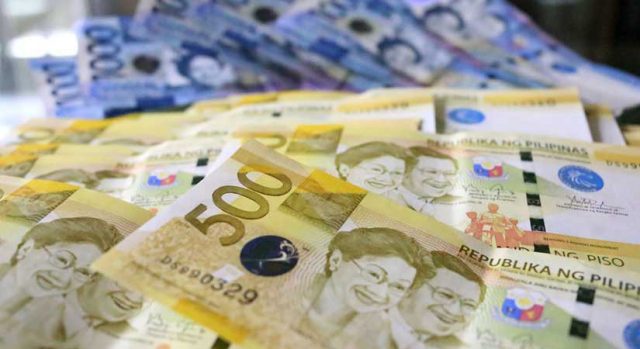
Our economy has been brought to its knees by COVID-19 since March 2020. It contracted last year by 9.6%. The country’s GDP shrank by 4.2% in the first quarter this year; Q2 results may turn out better, but with the Delta variant surging the world over and gaining momentum here, we can’t predict how things will turn out for us between now and December, and beyond.

The economy was averaging an annual growth of 6.4% between 2010 and 2019. But strict countrywide lockdowns in 2020 caused businesses to close and kept stranded workers from their sources of income here and abroad. Prolonged lockdowns dislocated supply chains, in turn, disrupting economic drivers worldwide, particularly the travel and tourism industry, small- and medium-scale businesses, services and the real property sector.

Unemployment climbed to 8.7% in April 2021, equivalent to 4.14 million Filipinos. Inflation hit 4.5% in May, well ahead of the government’s target of 2% to 4%. Our trade deficit was $2.73 billion, the 10th straight month that exceeded $2 billion, based on data from the Philippine Statistics Authority.

Consequently, the World Bank cut its GDP growth forecast for the country this year from 5.5% to 4.7%. The ADB shares that guarded outlook, forecasting growth of 4.5% in 2021. Moody’s is slightly higher at 5.8%. Contrast that to the government’s optimistic projection of between 6-7% which was revised downward from 6.5-7.5%.

So, we ask ourselves — after almost 18 months of struggling with the pandemic, what aren’t we getting right? What are the downside risks that we continue to face despite the passage of time? Let me cite four factors:

1. DYSFUNCTIONAL GOVERNMENT

Who is orchestrating the “whole-of-government” effort? We’ve undergone a distressful, delayed, incoherent, and disorganized response to COVID-19. Policy directions haven’t translated into seamless and professional execution at the national and local levels. No one sees a team effort; we mostly witness “sound bite” governance.

Over 1.56 million Filipinos have been infected by COVID and its variants to-date, and it’s bound to surge as Delta romps unchallenged. Our COVID-fatigued society is taking on more risk to get back to work while the government’s national and local gatekeepers seem to still lack cohesion and cogent strategies to beat the virus.

2. UNDERDEVELOPED AND NEGLECTED HEALTHCARE SYSTEM

There’s a clear imbalance between the private and public health sectors, resulting in unfair and unequal access to health services of the poor. Private facilities are better equipped and treatment is easily obtained; hence, around 2/3 of medical professionals choose to work there. But its carrying capacity has been tested to its limits by COVID-19.

It’s worse for the public sector. Inadequate funding and endemic corruption (e.g., procurement, storage and insurance anomalies) have kept many citizens from accessing basic health services. Rural facility upgrades are mainly face lifts, instead of real improvements in equipment, medicines, and supplies.

Moreover, Filipino medical staff emigrate to countries with better pay and facilities. The Philippines is, in fact, the biggest supplier of medical personnel in the world. The downside is a growing shortage of reliable medical professionals to care for 109 million Filipinos today and counting.

3. NO VACCINE R&D AND PRODUCTION FACILITIES

Countries with the wherewithal are hoarding vaccine supply. After 18 months, only a quarter of the world’s population have been vaccinated. Over here, about 30 million doses have been received, good for 15 million Filipinos. How many more Filipinos need to be jabbed to gain the relative protection of immunization?

The proportion of our population that must be vaccinated against COVID-19 to begin inducing herd immunity is not known. And even those who have been fully vaccinated are now hearing that they have to take a third dose to boost immunity against Delta. That places have-not countries like us at the mercy of those who have.

4. INFORMATION AND COMMUNICATIONS CHALLENGES

We’re battling various crises. Our health crisis has turned into an economic crisis. Additionally, the failure to inform and communicate has led to a crisis in confidence in government’s capacity to protect and secure. Government’s crisis management is reactive, not pro-active.

The pandemic is a war that must be won. Thorough, accurate, and timely delivered information is essential. A war is waged through leadership, a well-thought-out strategy and up-to-date plans that the public trusts and rallies to. Unity is forged in that manner. That’s what “whole-of-nation” requires, without which the war will be lost.

Gaining the public’s trust and confidence is strategically important. Messages that people understand, accept, and relate to are key to earning their buy-in. I suspect many are resisting vaccination because of the deficit in quality information, the surplus of misinformation, and insufficient communication platforms to deliver content.

The work is cut out for the government and the private sector to get their act together in a real public-private partnership. A united effort in waging the war against COVID is essential under the umbrella of good governance. It starts there for better protection; to bring us on the road to recovery; and prepare us for future global crises that are bound to follow.

The Inter-Agency Task Force’ Secretary Charlie Galvez is swimming upstream, needing better all-around support from national institutions and local governments. The “whole-of-government” concept hinges on unity of purpose, integrative leadership, 24/7 management, and sustained teamwork. The smokestacks are still evident and some stacks aren’t even smoking.

Today’s global events strike an eerie resemblance to the Spanish flu pandemic a century ago that led to the Great Depression and World War 2. With Delta, we’re facing a possible global depression with geopolitical fissures translating into war preparations. Leadership and management skills must be better and smarter to face future hardships if we’re to survive.

Singapore’s a good role model to pattern after. And thank God for our own Hidilyn Diaz who lifted the country’s low morale over her shoulders in Tokyo. She showed us how focused preparations, hard work, perseverance, and the will to win produce outstanding results despite formidable odds.

This article reflects the personal opinion of the author and does not reflect the official stand of the Management Association of the Philippines or MAP.


Rafael “Raffy” M. Alunan III is a member of the MAP, Chair of Philippine Council for Foreign Relations, Vice-Chair of Pepsi-Cola Products Philippines, Inc., and he sits on the boards of other companies as Independent Director.
map@map.org.ph

rmalunan@gmail.com

map.org.ph

Lessons from the man who called us ‘boss’

BW FILE PHOTO

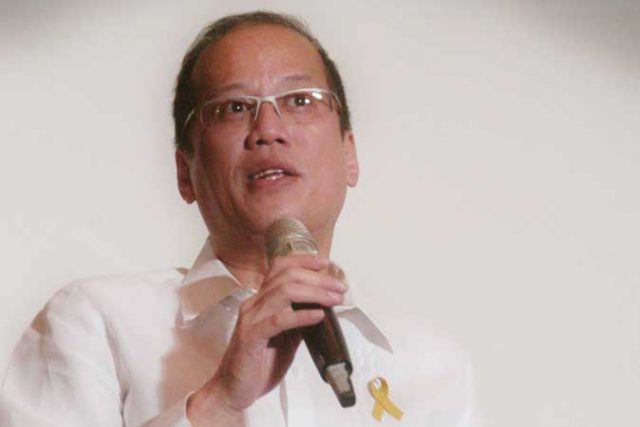
On the 41st day of President Benigno Aquino III’s passing, as our grief slowly recedes into tender reminiscence, we find a trail of leadership and management lessons from the boss who insisted on calling us his “bosses.”

Walking your talk wins confidence.

One word defines the Aquino economic legacy: confidence. The Philippines won its first investment grade credit ratings — and the respect of the business and international community — by walking PNoy’s talk. “Kung walang kurap, walang mahirap” (If there is no corruption, there are no poor) was not just a mantra, but also an organizing principle with which he led his administration. PNoy restored consumer, investor, and business confidence after decisive follow-throughs: in his anti-corruption drive, in budget and finance reforms, and even in how he carried himself during his tenure.

His “no wang-wang” (no sirens) policy was not a gimmick. Presidential Management Staff Secretary and Presidential Chief of Staff Julia Abad recalls how PNoy “obeyed traffic regulations, took commercial flights, and told us to fall in line and never jump queues.” PNoy walked his talk on the “no epal” (no shameless self-promotion) policy, refusing to have posters bearing his face put up whenever projects were launched, knowing that they would be funded by the people’s money. In these little things, he showed, rather than told, everyone who he was and what his administration stood for. Delivering impact wins more confidence than demonstrating intent.

Success depends on how well you define and measure it.

My experience as finance secretary would not have been as fulfilling had I not been empowered by my boss. When at the cusp of winning the 2010 polls, PNoy sat me down and asked me to be his finance secretary. I told him it was too early; he insisted it was just the right time to align our priorities. Together, we defined how success might look like, and agreed on the broad objectives of the economic agenda. Fully understanding my marching orders gave me the freedom to execute PNoy’s growth agenda.

PNoy also knew how to drive success by the yardstick with which he measured it. He ran on a 16-point Social Contract with the Filipino People, which encompassed every conceivable sector, from economics, gender equality, environment, to security and peace. When asked if he would like to reduce it to 10 points for easier recall, he stood firm, believing the Social Contract had to be complete if it was to be the guiding document for his administration.

True enough, Secretary Julia attests that the Social Contract became the criteria for all of PNoy’s decisions, from hiring key people, to his positions on issues, and even which engagements to attend. The Social Contract was distributed during the first cabinet meeting; PNoy stressed that it would be the basis of our policies and programs, and the basis of his — and the people’s — evaluation of our work.

Education Secretary Br. Armin Luistro recalls PNoy’s almost “nagging” him about the 66,813-classroom backlog we had at the start of the term, believing it to be a debt we owed to our future bosses that PNoy was keen to pay. ASAP. PNoy would constantly ask where we were relative to that measure. At the end of his term, the country had been able to build around 185,000 classrooms, 84 classrooms a day, thanks to PNoy’s constant measuring against that metric.

Hire young. Train early. Empower fully.

PNoy believed in the youth. To him, experience did not matter as much as malleability.

And so PNoy hired young — Malacañang was filled with millennials, even fresh graduates. PNoy trained his young team early, but not with a heavy hand. Instead, he chose to train by empowerment.

To him, empowerment was not mere delegation. It takes more work to empower than to delegate. He avoided micromanagement, instead empowering his people to make their own choices, guided by the goals and principles he set. His team was allowed to make their hiring decisions, causing a virtuous cycle of more and more young people joining, imbued with a sense of hope and a belief in their capacity to contribute.

PNoy held his team to a high standard, and established systems of accountability — like when he required us to sign our work so that we could take full responsibility for our outputs.

But PNoy knew accountability was best operationalized with the heart. He would conscientiously mark errors on the margins — typos and numbers that didn’t add up — and called erring people in for sober reminders of the sacred duties they held. Raf Ignacio, one of PNoy’s closest staffers, recalls how these meetings made staff realize how they were indeed integral parts of PNoy’s team, how their output was read by the President himself, and, most importantly, how they were accountable not just to an office or a position, but to a person whom they deeply respected.

Ultimately, people feel empowered when they believe their work to be meaningful. Staffers thrived in the high-stake, high-stress environment because PNoy emphasized how they were his alter egos, and how their work was directly linked to the betterment of the Filipino people.

“The true measure of success is your ability to train your successor,” Sec. Julia remembers him saying. The kids are alright. The principal inheritors of PNoy’s legacy — the young millennials who graduated out his administration — have all been trained well.

Picking the right people will deliver success; placing the right systems will sustain it.

PNoy believed that to sustain reform, you would need more than the right change agents. You would need to take the long view by setting up systems and institutions.

Often, this approach requires more time and sweat. For example, instead of launching infrastructure projects left and right, PNoy emphasized doing things the right way by establishing a robust public private partnership (PPP) framework and institutionalizing the PPP Center. Doing the homework on this developed domestic technical expertise for building a viable and bankable project pipeline, and ensured projects were bid out competitively and fairly.

Using political capital begets more political capital.

Many leaders think political capital is a non-renewable resource and thus strive to change as little as possible to preserve it. But PNoy understood political capital is earned not to be saved, but precisely to be used.

Presidential Communications Development and Strategic Planning Office Secretary Ricky Carandang recalls: when faced with staunch and vicious opposition on the Reproductive Health Law, PNoy decided to risk spending political capital to achieve its passage. This turned out to be a smart move. Had he held back and had the bill tanked, it would have been seen as a sign of weakness and would have imperiled other legislative priorities. When the bill was passed, his hand was strengthened and his political capital reinforced. The same was true with the Sin Tax Law, the passage of which boosted both his political capital and our fiscal resources, allowing him to pursue other objectives.

Using political capital, however, requires prioritization. Secretary Ricky underscores how PNoy unlocked the value of getting a few big things accomplished first to reap more political capital, rather than tackling everything at once, losing focus, and achieving nothing.

Navigate with a moral compass.

PNoy had a strong sense of his true north, and would constantly go back to his moral foundations when faced with complex decisions. Presentations involving spending would notoriously be tough because PNoy tended to the people’s money with even greater attention than he did to his own. He famously had a dog-eared copy of the Constitution ready for reference. He took staffers to the Aquino Museum in Tarlac to remind them of the deep personal and national history that animated his commitment to democracy.

Plant trees under whose shade you will not sit.

PNoy understood how change is a continuum, and how we run only a small leg of a grand relay race for our people. While we carried the baton, PNoy believed we ought to run as best we could to avoid burdening the next runner. He thus insisted on solving difficult, politically costly issues — like the Bangsamoro peace process — instead of passing them on to future generations to deal with.

PNoy invested in education, infrastructure, health, and social services, knowing full well that he would not be at the finish line for the photo op. Foreign Affairs Secretary Rene Almendras recalled how the Governor General of Canada had commended PNoy for launching multi-year infrastructure projects, “planting the trees knowing you will never sit in the shades of its branches.” PNoy knew this, but was committed to making the right investments for the future nonetheless.

These are just some of the lessons we learned from having worked under PNoy’s leadership. I write them in hope that leaders like him will not have to come few and far between in our lifetime.


Cesar V. Purisima received his bachelor’s degree in commerce, major in accounting and management of financial institutions, from De La Salle University in 1979, and his MBA in international economics, finance, and marketing from Northwestern University in 1983. He was President Benigno Aquino’s Secretary of Finance from 2010 to 2016.

EPIRA and power privatization are working

There are interesting development in the energy sector as shown in these three recent BusinessWorld reports: “Gov’t return to power generation should not be ruled out, former official says” (July 25); “‘More equitable’ net metering needed for solar” (July 26); and, “Hike in net metering rates to raise power cost — Meralco” (Aug. 2).

Story number one is about the opinion of Monalisa Dimalanta, former National Renewable Energy Board chairperson, who supported an earlier proposal by Energy Secretary Alfonso Cusi that government should consider going back to power generation. They want to amend the Electric Power Industry Reform Act (EPIRA) law of 2001.

Story number two is about the opinion of Richard B. Tantoco, President of the Energy Development Corp. (EDC) that houses with solar rooftop and who dump their excess solar output “at P4/kilowatt-hour (kWh), but purchases electricity from his DU (distribution utility) at almost thrice the price or P11/kWh” should be compensated at a similar purchase price.

Story number three is an intelligent comment and reaction by Meralco Vice-President and Head of Utility Economics Lawrence S. Fernandez, that “any increase in compensation to net metering participants will automatically mean a higher generation charge.”

The opinion and lobbying by Ms. Dimalanta coincided with another lobby at the House of Representatives for House Bill 9544 creating the Philippine Renewable Energy Corp. (PREC). So, certain groups in government want a double violation or change to the EPIRA law, first with continued government control of hydro power plants in Mindanao, resisting their privatization, and, second, to make government go back to power generation.

The opinion and lobbying by Mr. Tantoco neglects the fact that the export or dump energy from rooftop solar is not the same as the cost of power from DUs. Dumping power to the utility when the utility may not even need it is not the same as power consumed from the utility when the consumers actually need it. Plus, there are many charges on top of transmission, distribution and system loss charges, being slapped by the government to the final price of retail electricity — universal charge for missionary electrification and old National Power Corp. debts, taxes national and local, feed-in tariff allowance for intermittent renewables, subsidies for “lifeline customers.”

It is good that Mr. Fernandez has analyzed such lobbying from the perspective of electricity consumers. Any increase in payments to rich households with rooftop solar will be passed on to other consumers — the poor and middle class who cannot afford rooftop solar. No one forced those rich families to put up rooftop solar, so why charge it to the rest of the electricity consumers?

The repeated lobby to amend the EPIRA law for the worse because “EPIRA is not working for the consumers and the economy,” is not based on hard data.

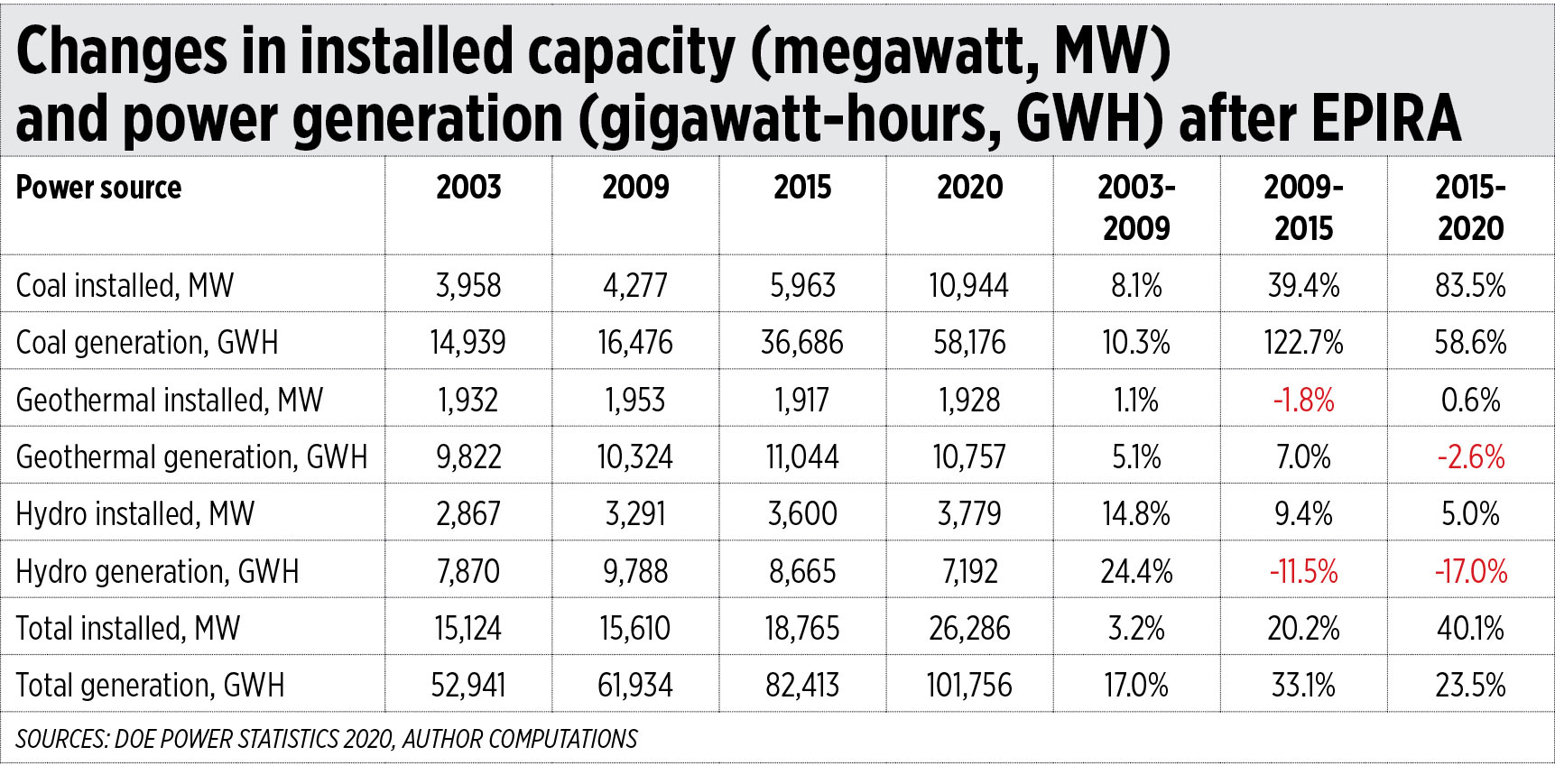
For the accompanying table, I used data from the Department of Energy Power Statistics 2020. I use 2003 as the baseline since private sector involvement in power generation remained near zero as the law’s implementing rules and regulations became effective only in March 2002. Then the changes after six years, so 2003, 2009, 2015, and the last available data 2020. Then I computed the percentage changes from the prior period (see Table).

The numbers show the following:

One, from 2003 to 2009, overall efficiency and productivity of power plants greatly improved after privatization. While installed power increased only by 3%, power generation increased by 17%. A marked improvement is shown by geothermal plants after they had been privatized — installed power increased by only 1% yet power generation increased by 5%.

Two, from 2009 to 2015, private sector confidence in competitive power generation greatly improved. Overall installed capacity increased by 20% and power generation increased by 33%. Same trend was seen in geothermal — installed capacity actually contracted -1.8% yet power generation increased by 7%. Coal showed a high increase in efficiency and productivity, with power generation increasing by 123%.

Three, from 2015 to 2020, with business confidence in the generation sector at full blast, installed capacity increased by 40% (power projects approved during the Benigno Aquino administration and which began operation during the Duterte administration) although power generation increased only by 23.5%. The main reason for this is that many recent additions were wind-solar which have a low-capacity factor of only about 25% and 18%, respectively.

Four, there was a decline in hydro generation from 2009 to 2020, mainly the huge hydro plants in Mindanao that remain under government hands through PSALM (the Power Sector Assets and Liabilities Management Corp.), not privatized ones. Mindanao hydro generation was 3,989 gigawatt-hours (GWh) in 2003, 4,196 GWh in 2009, 3,856 GWh in 2015, and only 2,617 GWh in 2020.

Five, such declining efficiency and power supply of government-owned hydro plants in Mindanao despite rising demand was the main reason for the daily “Earth Hour” blackouts there until about 2015. By 2016-2017, lots of new coal plants were commissioned in Mindanao and the blackouts were gone. Coal generation in Mindanao was zero in 2003, then provided 1,563 GWh in 2009, 2,038 GWh in 2015, and 9,904 GWh in 2020.

There, EPIRA has worked, is working, and will continue to work for the consumers. More generation competition via continued privatization, more retail competition and open access, more contestable customers shifting from captive or no choice customers, more retail electricity suppliers competition.

One result is that in both WESM (Wholesale Electricity Spot Market) and DUs, electricity prices have been declining through time. For instance, Meralco prices declined from P8.19/kWh in January to June 2020, to P7.92/kWh in January to June 2021, a 3% decline, mainly due to lower generation charges. Power generation competition continues to benefit customers and end-users.

The Energy department and Congress should resist the temptations and the lobbying for government to go back to power generation, to create another government power corporation, and raising electricity prices by subsidizing the rich with rooftop solar power. The proposed creation of a Philippine Renewable Energy Corp. should not be entertained.


Bienvenido S. Oplas, Jr. is the Director for Communication and Corporate Affairs, Alas Oplas & Co. CPAs

nonoyoplas@alasoplascpas.com

Delta fuels China’s broadest outbreak since Wuhan

REUTERS

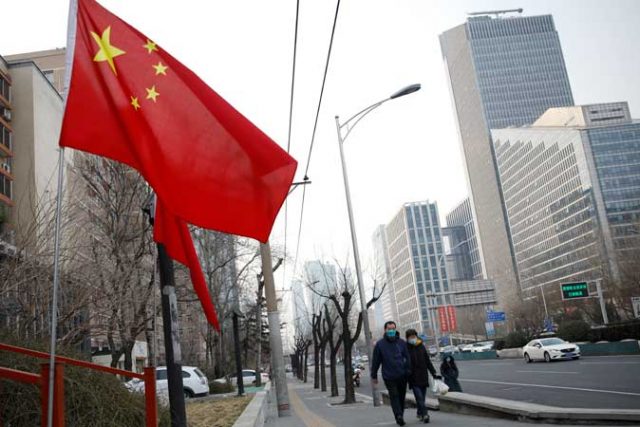
CHINA is confronting its broadest coronavirus outbreak since the pathogen emerged in late 2019 after the Delta variant broke through the country’s defenses, with cases now in 14 of 32 provinces.

While the overall number of infections — more than 300 so far — is much lower than outbreaks elsewhere, the wide spread indicates that the variant has been on the loose for some time and is alarming officials who wield the strictest containment measures in the world.

It’s the biggest challenge for the world’s second-largest economy since the virus was first detected in the central Chinese city of Wuhan in Dec. 2019. China’s strict regulations, including mass testing, aggressive contact tracing, quarantines and occasional lockdowns, crushed more than 30 previous flareups.

The arrival of the more infectious Delta variant, however, is testing that approach. The new strain may be exploiting the population’s recent willingness to lower their guards when it comes to masking and distancing, since much of the country has been COVID-free for months. That, along with increased travel during the summer months, created a perfect storm for delta to gain a foothold.

The initial infection arrived via an overseas flight from Moscow into the eastern Chinese city of Nanjing in mid-July, and took hold there among the airport cleaning staff.

China reported 99 infections on Monday alone, including 44 people who tested positive but have no symptoms. By number of cases, it is the biggest outbreak since the flareup in Hebei in northern China in January, when 2,000 people were infected. The broad spread is more concerning, with infections having reached the highly protected capital, Beijing, and as far as Hainan province in the south, 1,900 kilometers away from Nanjing.

It remains to be seen if the country’s vaccination rate, close to 60% and among the highest in the world, can slow delta’s spread and keep serious illness and death at bay. Most of those infected in Nanjing have been immunized. The shots do appear to protect against serious disease, with 4% of those infected battling severe disease so far. Many of them have preexisting conditions such as asthma, diabetes or high blood pressure, said Guo Yanhong, an official with the National Health Commission, at a briefing in Beijing on Saturday.

While all COVID vaccines have seen their effectiveness dented by Delta, concerns are high that non-MRNA vaccines like the Chinese ones and AstraZeneca Plc’s shot will be less able to slow transmission.

State-owned Sinopharm said its inactivated COVID-19 shot, a mainstay for the Chinese population, is 68% effective against Delta, citing a study in Sri Lanka. Sinovac Biotech Ltd., the other major Chinese supplier of shots, said that sera samples from people inoculated with its inactivated vaccine can still neutralize the delta strain in laboratory studies, state media Global Times reported, without more detail.

All COVID vaccines have seen their effectiveness dented by delta, showing that immunizations alone won’t bring the outbreak to heel. Last week, the US Centers for Disease Control and Prevention reversed its earlier position and said fully vaccinated people should go back to wearing masks indoors in places where infections are rising.

“Delta accounts for 80% of cases in the US, and they re-instituted a requirement for masks,” said Wang Huaqing, chief immunization expert at the Chinese Center for Disease Control and Prevention, at the Saturday briefing. “That means delta’s spread is severe and personal protection can not be slackened even with vaccination.”

NEW CLUSTER
Adding to the concern is a separate cluster in the central Chinese city of Zhengzhou — also of the Delta strain — where hospital and cleaning staff have been infected. Cases were reported in the broader Henan province as well, where the ability to curb the virus’s spread may be weakened due to the fallout from torrential rain that has killed nearly a hundred people and destroyed infrastructure.

Residents in Nanjing, where the recent outbreak began, have been placed under lockdown. Also affected are those living in Zhangjiajie, a scenic area famous for its verdant mountain ridges, where a live outdoor performance a week ago with more than 3,000 spectators fueled the virus’s spread.

Officials in the Chinese capital of Beijing, which has detected five Delta cases, vowed to cut off the virus’ transmission with “fastest pace, strictest measures and the most decisive actions.” It will tighten entry restrictions for those traveling from places currently battling outbreaks, and government and state company employees have been barred from leaving the city. — Bloomberg

US Republican report says coronavirus leaked from China laboratory

WASHINGTON — A preponderance of evidence proves the virus that caused the COVID-19 pandemic leaked from a Chinese research facility, said a report by US Republicans released on Monday, a conclusion that US intelligence agencies have not reached.

The report also cited “ample evidence” that Wuhan Institute of Virology (WIV) scientists — aided by US experts and Chinese and US government funds — were working to modify coronaviruses to infect humans and such manipulation could be hidden.

Representative Mike McCaul, the top Republican on the House Foreign Affairs Committee, released the report by the panel’s Republican staff. It urged a bipartisan investigation into the origins of the COVID-19 coronavirus pandemic that has killed 4.4 million people worldwide.

China denies a genetically modified coronavirus leaked from the facility in Wuhan — where the first COVID-19 cases were detected in 2019 — a leading but unproven theory among some experts. Beijing also denies allegations of a cover-up.

Other experts suspect the pandemic was caused by an animal virus likely transmitted to humans at a seafood market near the WIV.

“We now believe it’s time to completely dismiss the wet market as the source,” said the report. “We also believe the preponderance of the evidence proves the virus did leak from the WIV and that it did so sometime before Sept. 12, 2019.”

The report cited what it called new and under-reported information about safety protocols at the lab, including a July 2019 request for a $1.5-million overhaul of a hazardous waste treatment system for the facility, which was less than two years old.

In April, the top US intelligence agency said it concurred with the scientific consensus that the virus was not man-made or genetically modified. US President Joseph R. Biden in May ordered US intelligence agencies to accelerate their hunt for the origins of the virus and report back in 90 days.

A source familiar with current intelligence assessments said the US intelligence community has not reached any conclusion whether the virus came from animals or the WIV. — Reuters

Pfizer and Moderna raise prices of COVID-19 vaccines in EU

PFIZER, INC. and Moderna, Inc. have raised the prices of their coronavirus disease 2019 (COVID-19) vaccines in their latest European Union (EU) supply contracts, the Financial Times reported on Sunday.

The new price for the Pfizer shot was 19.50 euros ($23.15) against 15.50 euros previously, the newspaper said, citing portions of the contracts seen.

The price of a Moderna vaccine was $25.50 a dose, the contracts show, up from about 19 euros in the first procurement deal but lower than the previously agreed $28.50 because the order had grown, the report said, citing one official close to the matter.

Pfizer declined to comment on the contract with the European Commission (EC), citing confidentiality. “Beyond the redacted contract(s) published by the EC, the content remains confidential and so we won’t be commenting,” the company said.

Moderna was not immediately available for comment to Reuters.

The European Commission said on Tuesday that the EU is on course to hit a target of fully vaccinating at least 70% of the adult population by the end of the summer.

In May, the EU said it expects to have received more than a billion doses of vaccines by the end of September from four drugmakers. — Reuters

Britain may toughen summer travel rules for Spain

YASSINE KHALFALLI-UNSPLASH

LONDON — British ministers plan to warn holiday makers against visiting destinations such as Spain and may create a new list of countries at high risk of moving to the government’s quarantine list, The Times newspaper reported.

Britain has one of the fastest vaccination programs in the world but the government has effectively prevented travel to many countries by imposing a maze of different rules that the travel industry says is hobbling Britain’s economy.

Finance Minister Rishi Sunak has written to Prime Minister Boris Johnson calling for an urgent easing of travel restrictions which he said were damaging the economy, The Sunday Times reported.

Under current rules, which will be reviewed on Thursday, double-vaccinated travelers can return from amber-list countries without quarantining, but those returning from red-list countries must pay 1,750 pounds to spend ten days in a hotel.

An amber watchlist was due to be signed off at a meeting on Thursday but a split in the government could delay a decision, The Times said.

Spain would be put on the new list under the plans, a move that would be likely to cause an exodus of up to 1 million British tourists who are on holiday there, The Times reported. — Reuters

Tiktok partners with human rights org to fight online sexual exploitation 

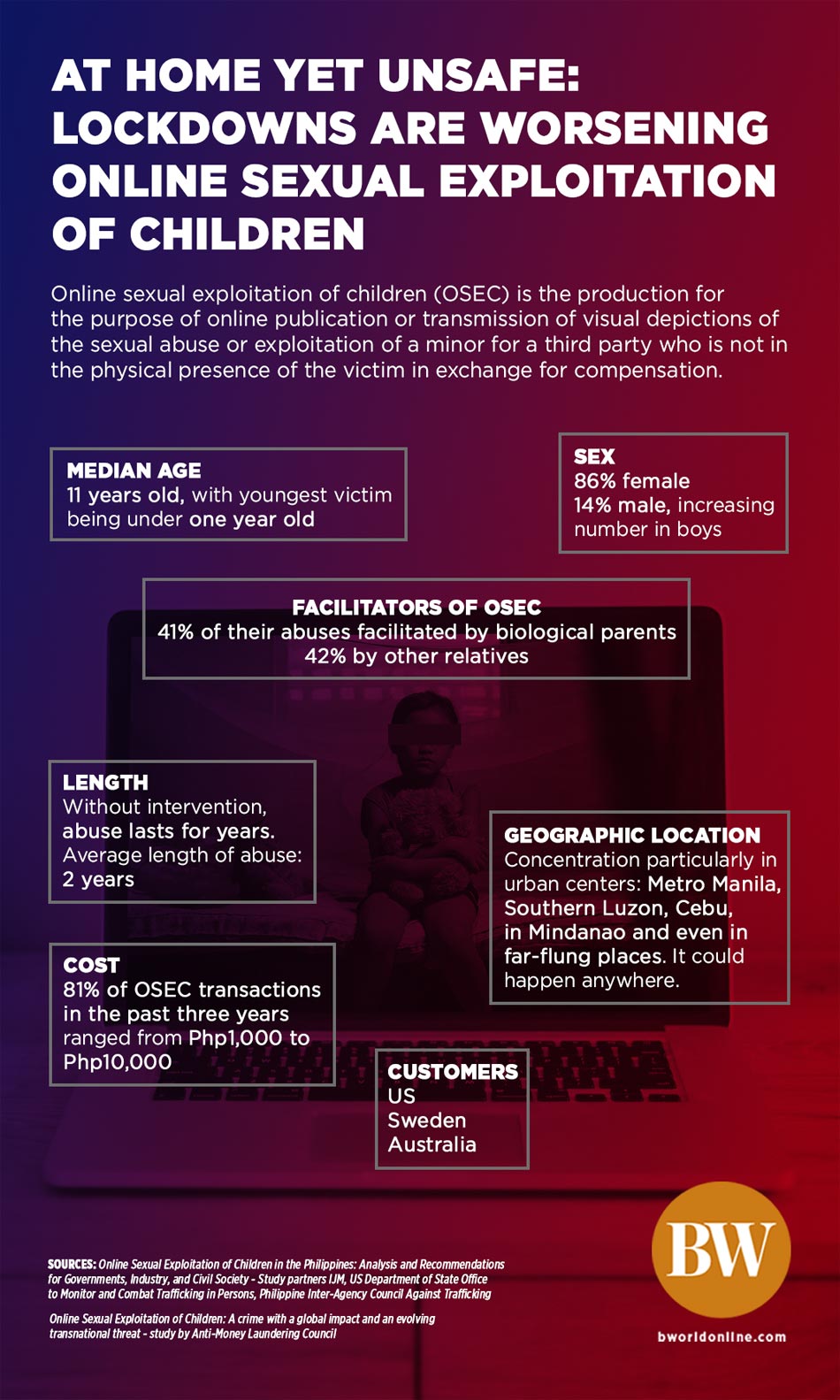
International Justice Mission (IJM), a global organization focused on human rights and enforcement, and TikTok, a short-video sharing platform, launched a campaign called #Report2Protect to increase awareness and reporting of online sexual exploitation of children.  

Both IJM and TikTok influencers will release educational videos that show the hotline of the Philippine National Police – Women and Children Protection Center (PNP-WCPC), to urge anyone with information to contact authorities at 0919-777-7377 and 0966-725-5961.   

Filipino creators supporting the campaign include John Lloyd Castillo (@jlcastillooo), an online video creator; Mark Kelvin A. Aliliran (@kelvinmarkulit), an events photographer and videographer; Raethan Christian R. Supatan (@ethan_pptart), a PowerPoint artist and content creator; and Jan Abigail Maravilla (@coachubby), an accountant and software coach.  

“We at IJM are pleased to team up with TikTok to educate more Filipinos, especially the youth, about this threat and empower members of the community to contact authorities when they know a child is being sexually abused and exploited by traffickers who want easy money from online sex offenders,” said Atty. Samson R. Inocencio Jr., Regional Vice President of IJM Global Programs Against Online Sexual Exploitation of Children. “This crime inflicts deep trauma on child victims. Timely intervention is critical.”  

TikTok, one of the most popular apps among teenagers, has been under fire for having underage users despite its terms of service stating that users must be at least 13 years old to sign up for an account. Earlier this year, TikTok removed nearly 7.3 million accounts globally that were suspected to belong to underage children, accounting for less than 1% of all users.  

In 2020, the Anti-Money Laundering Council (AMLC) released a study that showed a surge in online child pornography transactions in the Philippines from March 15 to May 15, during the lockdown caused by the coronavirus disease 2019 (COVID-19) pandemic. During that period, 5,902 child pornography-related online transactions were recorded, compared to 369 transactions a year prior.  

IJM’s support since 2011 has helped Philippine authorities to rescue at least 828 victims, arrest 293 suspected perpetrators, and convict 115 of them. As a violation of the Anti-Trafficking in Persons Act or Republic Act (RA) No. 9208, online sexual exploitation of children is a crime with a maximum penalty of life imprisonment and a fine of P2 to P5 million.  

“This campaign not only encourages the community to report incidences of online sexual exploitation of children; it also sends a strong warning to traffickers that there is growing vigilance against this crime,” said Police Colonel Maria Sheila T. Portento, chief of the WCPC Anti-Trafficking in Persons Division.  

Any sexualized material that depicts or otherwise represents children falls under the term “child sexual abuse material” or “child sexual exploitation material,” according to the Terminology Guidelines for the Protection of Children from Sexual Exploitation and Sexual Abuse, also known as the Luxembourg Guidelines 

“Online sexual exploitation of children is a serious problem in the country and the impact on its victims is devastating,” said Kristoffer Eduard M. Rada, TikTok’s head for public policy. “This partnership reiterates our commitment to combating this serious issue, and the opportunity for TikTok to strengthen our commitment in promoting a positive and safer online environment for children; keeping the platform a fun, creative and an inspiring place for creating and consuming content for everyone.” — Brontë H. Lacsamana 

Asian factory activity hit by rising costs, Delta variant

REUTERS

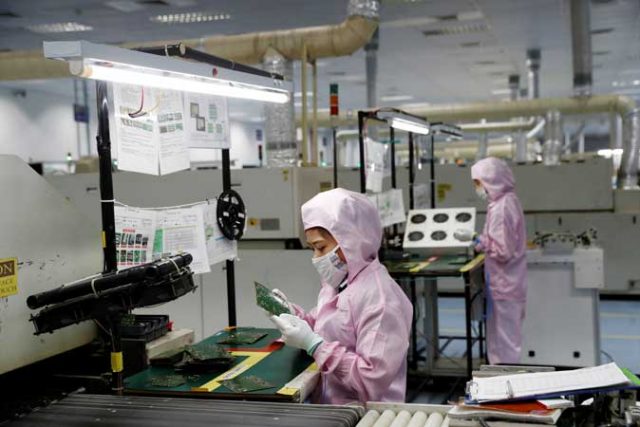
TOKYO — Asia’s factories hit a rough patch in July as rising input costs and a new wave of coronavirus infections overshadowed solid global demand, highlighting the fragile nature of the region’s recovery.  

Manufacturing activity rose in export powerhouses Japan and South Korea, though firms suffered from supply chain disruptions and raw material shortages that pushed up costs.  

China’s factory activity growth slipped sharply in July as demand contracted for the first time in over a year, a private survey showed, broadly aligning with an official survey released on Saturday showing a slowdown in activity.  

“Supply bottlenecks remain a constraint. But the PMIs (Purchasing Managers Index) suggest demand is cooling too, taking the heat out of price gains and weighing on activity in industry and construction,” said Julian Evans-Pritchard, senior China economist at Capital Economics.  

Indonesia, Vietnam and Malaysia saw factory activity shrink in July due to a resurgence in infections and stricter COVID-19 restrictions, according to private surveys.  

The surveys highlight the divergence emerging across the global economy on the pace of recovery from pandemic-induced strains, which led the International Monetary Fund to downgrade this year’s growth forecast for emerging Asia.  

“The risk is that growth scars linger for longer even if activity recovers in the coming months,” said Frederic Neumann, co-head of Asian Economics Research at HSBC.  

“Plus, cooling export momentum, far from a temporary blip, provides a hint of what to expect in quarters to come,” he said, adding that such uncertainty over the outlook would prod Asian central banks to maintain loose monetary policy.  

China’s Caixin/Markit Manufacturing Purchasing Managers’ Index (PMI) fell to 50.3 in July from 51.3 in June, marking the lowest level in 15 months, as rising costs clouded the outlook for the world’s manufacturing hub.  

The final au Jibun Bank Japan PMI rose to 53.0 in July from 52.4 in the previous month, though manufacturers saw input prices rise at the fastest pace since 2008.  

Japan also faces a surge in Delta variant cases that has forced the government to expand state of emergency curbs to wider areas through Aug. 31, casting a shadow over the Olympic Games and dashing hopes for a sharp rebound in July–September growth.  

South Korea’s PMI stood at 53.0 in July, holding above the 50 mark indicating an expansion in activity for the 10th straight month. But a sub-index on input prices rose at the second highest on record in a sign of the strain firms are feeling from rising raw material costs.  

Underscoring the pandemic’s strain on emerging Asia, Indonesia’s PMI plunged to 40.1 in July from 53.5 in June.  

Manufacturing activity also shrank in Vietnam and Malaysia, the PMI July surveys showed.  

While still grappling with infections, easing restrictions helped India’s factory activity bounced back in July as demand surged both at home and abroad.  

Once seen as a driver of global growth, Asian’s emerging economies are lagging their advanced peers in recovering from the pandemic’s pain as delays in vaccine rollouts hurt domestic demand and countries reliant on tourism. — Leika Kihara/Reuters 

Smart buildings: Cohesion CEO on the office of the future

Image via Cohesion

NEW YORK — Before the coronavirus disease 2019 (COVID-19) pandemic, Thru Shivakumar, co-founder and chief executive officer of Cohesion, was already working on apps to convert office buildings into smart spaces, powered by technology that enables interaction with tenants through phones and computers.  

Since the pandemic began, however, she is learning that the smart buildings of the future are going to look different from the ones she was planning prior to 2020.  

Chicago-based Cohesion, which works with companies worldwide to create software for “intelligent” buildings, sees an increase in the number of people who would use a building smartphone app to track cleanliness, air quality, and building security. Pre-pandemic, employees were more interested in amenities, such as restaurants and gyms.  

Ms. Shivakumar, 39, talked to Reuters about the workplace of the future. Edited excerpts are below.  

  1. How will offices change as they reopen?
  2. After every crisis, the pendulum doesn’t swing too far from the center. I don’t think that offices are gone and remote work is here to stay for good, but people will want more flexibility, more communication and more transparency. A smart building app is no longer nice to have. It’s a must-have. 
  3. What do employees want when they return to the office?
  4. Our research shows that over 60% of people have said they want to come back full-time. When employees return, their new priorities are health, wellness and security. People want outdoor spaces to get fresh air. 

We also know that people want to interact less with the office staff and have more ability to do their own thing — maybe they want to have an in-app key card, so you don’t have to take out a physical key card to enter.  

They don’t want to touch elevator buttons. They would like touchless controls or an application-driven elevator that knows where you’re going.  

Smart bathrooms where they can touch fewer things and surfaces are important, too. So is the ability to see what kind of air they are breathing.  

We’ve also heard that people don’t want to be inundated with all this information, but they want to know it’s there when they want to go see it.  

  1. What is the best job advice you’ve gotten? 
  2. One of my mentors early on told me to never say “no” to any project, and to deliver what I said I would deliver and when I said I would deliver it. 

In my 20s, I did so many mundane projects, but because I always delivered, I got a seat at the table. I never said I couldn’t get it done because I needed sleep. I just delivered.  

As you progress through your career, you’re not the individual contributor any more. You’ve got to make sure that your team delivers. Stay communicative and never think that anything is beneath you to do. There’s a lot of administrative work even in my job now. I never say it’s not my job to do it.  

  1. Have you developed any interesting work habits since the pandemic began? 
  2. Since I was in the office, I never got to cook in the middle of the day, but now I’m doing a lot ofinstapotcooking — a lot of cutting vegetables and dumping things in a pot, and I can still take a call with my AirPods while I’m doing it.  

Because we’re on video calls all day, my staff has seen me cooking an omelet in the morning.  

  1. You won a 200-person charity poker tournament in 2007 — what did you learn from that?
  2. It was a tournament to benefit sarcoma research in Chicago. I was one of the few females in it, and the only female at the final table. 

It was a fun experience. There was so much going on, and I could get distracted, but I had to have this sustained focus.  

Early on, I played some hands that some people wouldn’t have — I took some risks and, in the end, it was me against a professional poker player, and they said both of us won. 

My takeaway was that to be an entrepreneur you really have to be a risk-taker. — Cheryl Lu-Lien Tan/Reuters 

Downtrodden peso may extend drop on Philippine rating risk

BW FILE PHOTO

July was a brutal month for the Philippine peso and there appears to be little respite on the horizon. 

After capping its steepest monthly decline in over three years, the currency could extend losses due to a worsening virus outbreak and the risk of a sovereign rating downgrade. It may drop toward 51 per dollar, a level last reached in April 2020, according to ING Groep NV, Security Bank Corp. and Malaysian Banking Bhd. 

The peso’s resilience is being tested as the authorities struggle to contain the spread of the delta variant and slowing economic growth erodes government revenue. Volatility in the currency has increased, suggesting that traders could be bracing for more downside in the months ahead. 

“We do see the peso on the back foot from here on as growth will likely take a hit from the Delta variant, while investors become more worried about the fast deteriorating fiscal metrics,” said Nicholas Antonio T. Mapa, senior economist at ING in Manila. “A stark drawdown in gross international reserves may also open the floodgates for further peso weakness.” 

The peso declined 2.3% in July, its biggest monthly drop since January 2018 and the worst performance among Asian currencies after the Thai baht. It fell to as low as 50.5, its weakest level in more than a year. 

A key risk for the Philippine currency is the threat of a sovereign rating downgrade as the outbreak takes a toll on growth. Fitch Ratings revised the nation’s credit outlook to negative from stable in July, citing the impact of the pandemic on the economy and public finances. 

The Manila capital region, which accounts for about a third of the economy, will be in a strict lockdown from Aug. 6 to 20 and extra curbs on movements will be imposed in the interim, the authorities said last week. The restrictions on the capital will cost the Philippine economy P105 billion ($2.1 billion) a week, according to Socioeconomic Planning Secretary Karl Kendrick T. Chua. 

A slower pace of expansion could hurt public revenues and add to the debt burden. In its downgrade of the nation’s credit outlook, Fitch estimated that the general government debt-to-GDP ratio will rise to 52.7% and 54.5% in 2021 and 2022, respectively, from 34.1% in 2019. 

The peso gained 0.1% to 50.030 as at noon in Manila on Monday. The median forecast of a Bloomberg survey of strategists is for the currency to climb to 48.8 by year-end. 

WATCH LIST
For now, the peso may also be weighed down by weaker sentiment after the Philippines was added to the watch list for terror financing by the Financial Action Task Force, a global anti-money laundering body, in June. The inclusion may hurt investment, and make it harder to access financing from institutions such as the International Monetary Fund and the World Bank. 

“We could have seen an outflow as some companies may not be allowed to deal in jurisdictions that have been tagged as part of the grey list,” said ING’s Mr. Mapa. 

The Philippines could be removed from the FATF’s monitoring list on or before January 2023 or “upon successful completion of all action plans” that counter money laundering and terrorism financing, Bangko Sentral ng Pilipinas (BSP)  Governor Benjamin E. Diokno said in June. 

“The threat of the Delta virus variant could also lead to hot money outflows,” said Robert Dan Roces, chief economist at Security Bank in Manila. “It’s a highly uncertain environment,” adding that the peso may slide to the 51 level in the fourth quarter. — Bloomberg

Australia cranks up COVID curbs with Brisbane lockdown extended, army patrols in Sydney

Image via Steve Penton/CC BY 2.0/Flickr

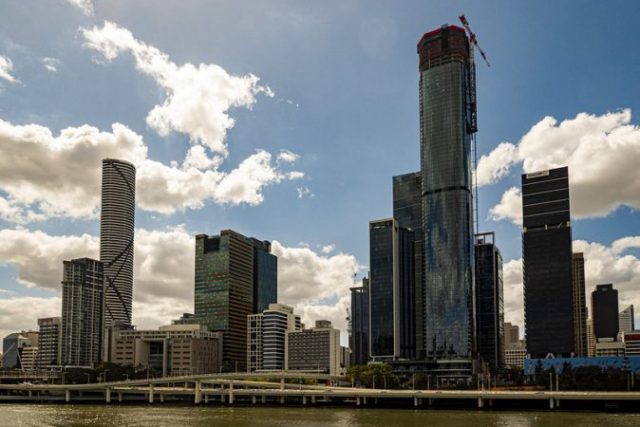
SYDNEY — Australia’s Queensland state on Monday extended a coronavirus disease 2019 (COVID-19) lockdown in Brisbane, while soldiers began patrolling Sydney to enforce stay-at-home rules as Australia struggles to stop the highly contagious Delta variant of the coronavirus spreading.  

Queensland said it had detected 13 new locally acquired COVID-19 cases in the past 24 hours — the biggest one-day rise the state has recorded in a year. The lockdown of Brisbane, Australia’s third-biggest city, was due to end on Tuesday but will now stay in place until late on Sunday.  

“It’s starting to become clear that the initial lockdown will be insufficient for the outbreak,” Queensland state Deputy Premier Steven Miles told reporters in Brisbane.  

The rising new case numbers in two of the country’s biggest cities comes as disquiet grows on how the government of Prime Minister Scott Morrison is handling the pandemic.  

Although Australia’s vaccination drive has lagged many other developed economies, it has so far fared much better in keeping its coronavirus numbers relatively low, with just under 34,400 cases. The death toll rose to 925 following the death of a man in his 90s in Sydney.  

Australia is going through a cycle of stop-start lockdowns in several cities after the emergence of the fast-moving Delta strain, and such restrictions are likely to persist until the country reaches a much higher level of vaccination coverage.  

Prime Minister Morrison has promised lockdowns would be “less likely” once the country inoculates 70% of its population above 16 years of age — a percentage which now stands at 19%. Mr. Morrison expects to hit the 70% mark by the end of the year.  

Meanwhile the lockdown of Brisbane and several surrounding areas comes as Sydney, the biggest city in the country, begins its sixth week under stay-at-home orders.  

New South Wales state, home to Sydney, said on Monday it detected 207 COVID-19 infections in the past 24 hours as daily new cases continue to linger near a 16-month high recorded late last week.  

The state has recorded more than 3,500 infections since the outbreak began in June, when a limousine driver contracted the virus while transporting an overseas airline crew, and has asked for military personnel to aid efforts to enforce the restrictions.  

Some 300 army personnel, who will be unarmed and under police command, on Monday began door-to-door visits to ensure people who have tested positive are isolating at their homes.  

Army personnel also accompanied police officers around the streets of the areas of Sydney were most COVID-19 cases have been recorded. Footage published online showed police asking the few people encountered on the street as to why they were out of their homes in the largely deserted streets in Sydney’s south west. — Renju Jose and Colin Packham/Reuters