Home Blog Page 7074

Global automotive trends in 2022

The automotive industry has seen drastic impacts going back to the start of the pandemic, from vehicle sales crashing to keeping up with digitalization. Some transformations will continue to take place in the industry moving forward to 2022.

According to Fitch Ratings, global auto industry conditions could possibly improve next year, with the further recovery of demand and gradual easing of supply chain challenges.

The credit rating agency also forecasted global sales to increase. However, it is likely to be about 6% below the pre-pandemic level in 2019.

Fitch also mentioned that among other key items to watch for in the following year include the regulations on climate-related emissions becoming increasingly rigorous, the rapid growth of electric vehicles (EVs), and the continuing development of automated vehicles.

A push for sustainability

Awareness about environmental issues has made an impact on the automotive sector. With some targeting to reduce carbon emissions as part of the effort towards sustainable development, EVs increased its presence and would continue to be a trend that would reshape the industry in 2022.

According to Fitch, tightening emission regulations and government incentives can likely increase global EV sales next year.

However, the agency added that even with the increase in EV offerings and enhancement of battery technology, there are still worry over the range and the slow expansion of charging infrastructures, which could delay a major rise in the sales.

Similarly, in its 2022 automotive trends report, market research agency Kadence International cited a Deloitte study showing that consumers also expressed concerns on the driving range and the price of EVs.

“These are old worries and to some extent outdated, with ranges for EVs now often well over 400km. But they are likely to linger until the mass market is used to the presence of EVs — and more importantly, a visible EV infrastructure in terms of charging points. For innovators in this sector, price and infrastructure remain the most important levers to pull,” it said.

Advancing autonomous vehicles

Self-driving cars are also becoming more known recently. However, its advancement has several concerns to address along the way.

“Driverless cars have been part of the promised future for years, but the problems they pose — of AI, of laws and ethics, and of public perception — are still very hard to crack. ‘Yes…but not yet’ sums up the public response,” Kadence International said.

Basing on a US survey last June, the agency reported that even only 14% of the people found the prospect of autonomous vehicles fearful, only 36% said that they are eager to give up the full control of their vehicles.

“A lot of the concern around autonomous vehicles is around the car getting into an incident while you’re not engaged with the driving, so the newer generation of Advanced Driver Assistance Systems equipped vehicles make sure you do stay at least partially engaged by monitoring your awareness, alertness, tiredness, and other factors,” the agency shared.

More connected vehicles

Another technology advancing in the automotive sector are the in-vehicle connected services, which enable devices and systems within a vehicle to connect with one another and with other external or remote systems, explained Rohit Gupta, head of Products and Resources at Cognizant, in an article published by Automotive World. These have also been existing for some time, even before the rollout of EVs and autonomous vehicles.

“Compared with megatrends such as autonomy, the term ‘in-vehicle connected services’ certainly does not make sparks fly, but when viewed in-depth, it becomes an incredibly exciting market that will have a huge impact on most of our lives,” Mr. Gupta said.

Accelerated digitalization

Beyond advancing car features, the automotive industry has also accelerated its digital adoption. When the lockdown has forced several shops to consider selling online, several vehicle manufacturers do so as well.

Toyota Motor Philippines Corp. (TMP) is among those manufacturers that sped up its digitalization amid the pandemic. In August, TMP has launched its new and upgraded mobile app, the myTOYOTA, which allowed its users to explore its vehicle lineup, book car appointments, purchase vehicle upgrades and packages, and more. The app also includes a showroom feature that lets the users have a 360-degree virtual view of their chosen vehicles.

The global online car buying market has generated $237.93 billion last year, according to a report published by the Allied Market Research. It is expected to reach $722.79 billion by 2030, with a compound annual growth rate of 12.2% from this year to then.


2021’s most notable car releases

It has been a rough period for the Philippine auto industry. Yet despite the ongoing pandemic and the challenges it has brought, innovation and competition continue to drive development in the sector, as the country’s car makers position themselves to take advantage of the opportunities of an expected economic recovery.

This is a victory for Filipino consumers, who now have the pick of some of the best cars the industry has ever released. Here is a list of a few of them.

Toyota Vios

The country’s leading carmaker Toyota Motor Philippines (TMP) bolstered its already robust selection of models by introducing a new variant to its ever-popular Toyota Vios lineup. Backed by its TOYOTA GAZOO Racing brand, the Vios GR-S is a motorsports-inspired reinvention of the much-loved sedan, infusing it with a sporty upgraded design and new features.

The new Vios GR-S is Vios with a new look that’s ready for the racetrack with its striking exterior marked with the prestigious GR emblem and featuring a sporty front bumper and grille, aerokit, and spoiler. Driver and passenger experience is also made to feel race-ready with the leather with red stitching on the wheel, shift lever and knob material, and suede/synthetic leather with red stitching seats. The 10-speed CVT transmission variant comes with 7 SRS airbags and clearance sonars for a safer drive, as well as easy smartphone apps access with the Apple Carplay and Android Auto compatibility.

Through the introduction of the Vios GR-S, the first GR-S model in its lineup, TMP intends to make sportier options available for racing fans and motorsports enthusiasts who want to express this passion through their daily drivers.

Honda City

The popular City model from Honda Cars Philippines, Inc. (HCPI) has climbed to the top of its class in the brand’s sales. With the All-New City Hatchback launched in the Philippines last April, Honda is expanding the model lineup with the brand’s newest offering in the hatchback category.

With improvements to the hatchback’s versatility, power, and fuel efficiency, the All-New City promises to easily adapt to a wide variety of the owner’s lifestyle and needs. Notable interior features such as the One Push with Smart Entry and Remote Engine Start System, 8-inch Advanced Touchscreen Display Audio with Apple CarPlay Android Auto & WebLink connectivity add to the comfort, convenience, and ease of access for the customers.

Under the hood is the All-New City Hatchback’s 1.5-Liter 4 Cylinder DOHC i-VTEC engine that produces maximum power output of 121ps at 6,600 rpm and 145 Nm of torque at 4,300 rpm. This reaffirms the model’s released official fuel economy run result last May 2021, in partnership with Automobile Association of the Philippines (AAP), which achieved a fuel mileage of 25 kilometers per liter after a total of 73.5 kilometers highway day driving.

MG ZST

MG Philippines introduced the new MG ZST Crossover SUV as the latest vehicle to join its roster of modern, safe, stylish, British heritage cars. The ZST is the latest in the ZS model lineup currently available from MG Philippines, namely the Alpha AT, Style AT, and Core MT variants.

Featuring a new, 1.3-liter, three-cylinder engine that is capable of producing 160 horsepower and 230 Nm of torque, the ZST exemplifies the crossover’s punchy, turbocharged power. And with a new 6-speed automatic transmission with manual sports mode, drivers will enjoy smooth, efficient delivery of power to the wheels.

A new, Obsidian Matrix grille and full-LED projector headlights give the ZST an athletic countenance while its 17-inch, two-tone “Tomahawk” wheels wrapped in wide, low-profile tires, and red brake calipers give the car a sporty stance. Gloss black exterior door panel accents, a widened front air dam, and reimagined body lines convey speed and power. With these, among other features, the ZST conveys a presence that is both striking and impressive; but still very approachable, and youthful in spirit.

Ford Ranger

Highlighting its commitment to its customers, Ford’s engineers and designers teamed up with customers around the world to create a pickup they can rely on for work, family and play in the newest generation of the Ford Ranger.

The result is a visually bold and confident design, with a purposeful exterior that shares Ford’s global truck design DNA. The design features a defined new grille, and signature C-clamp headlight treatment at the front while a subtle shoulder line down the sides incorporates bolder wheel-arches that gives Ranger a sure-footed stance. For the first time, Ford Ranger offers matrix LED headlights. At the back, the taillights are designed in harmony with the signature graphics on the front. Inside, the car-like cabin steps up, using premium soft-touch materials, and prominent portrait-style center touchscreen with Ford’s signature SYNC®1 4 connectivity and entertainment system.

The next-gen Ranger project was led by Ford’s Product Development Center in Australia. Its international team of dedicated designers and engineers worked with teams around the globe to not only incorporate the very latest in Ford technology, capability and safety, but to also engineer and test the Ranger to Ford’s toughest standards.

Mitsubishi Xpander

Known as a nameplate that shook up the MPV segment in the country when it launched in 2018, Mitsubishi’s Xpander line challenged the traditional conservative and practical reputation of multi-purpose vehicles with its bold and sporty design. The Xpander was the first Mitsubishi Motors vehicle to carry the dynamic shield that embodies strength and exudes confidence, and it has since made itself one of the most popular vehicles in its category.

In November, the Mitsubishi Xpander further refined its signature characteristics with the new Xpander Black Series. The award-winning MPV has been updated with a more elegant look with new black accessory accents incorporated. At the front, the grille, dynamic shield garnish, lower bumper, fog light bezel and door mirrors are converted to black to project an aggressive style. Of course, the side and back profile, the sill garnish, door handles, panel moldings, rear lower bumper and 17-inch alloy wheels are all painted in black for good measure.

Safe and creative ways to celebrate Christmas

PHOTO FROM FREEPIK

This Christmas season is a time to gather and celebrate with loved ones after going through another difficult year into the pandemic. And with the gradual relaxation of quarantine restrictions and continued inoculation against the coronavirus, some people may envision a better Christmas celebration this year.

Still, even when shopping malls, tourist destinations, or other public spaces are open to spending the holiday with families or friends, protective measures should be maintained. It is critical to keep in mind that the world still battles with COVID-19 and the emerging variants. Hence, ensuring to protect oneself and the surrounded people is the most essential tip for a safer yet merrier Christmas.

People have a choice to celebrate Christmas physically or digitally. Either way, they can make the festivity more joyful this year.

With the aforesaid loosening of travel restrictions, people may want to physically see loved ones for the holiday. To make the environment safe as possible this holiday season, the World Health Organization (WHO) said to increase ventilation or meet with the people outside especially when the indoor spaces are small and lack good ventilation.

PHOTO FROM FREEPIK

“COVID-19 is more easily transmitted in crowded and poorly ventilated spaces and where people spend long periods of time together. Settings with increased risk of outbreaks include restaurants, choir practices, fitness classes, karaoke bars and nightclubs, offices and places of worship,” WHO explained in a story published on its website.

The agency also reminded to avoid the “3Cs”, which meant spaces that are “closed, crowded, or involve close contact.”

If one cannot avoid crowded or indoor venues, WHO suggested to open the windows to increase the amount of natural ventilation, properly wear a mask, maintain a physical distance, and limit the time spent in indoor settings.

Keeping good respiratory and hand hygiene as well as getting vaccinated as soon as it is one’s turn are also among the protective measures to practice this holiday season — and perhaps even beyond.

But to make the Christmas celebration with loved ones safer, going digital is a space to gather again. With technologies getting more advanced and accessible, there are more ways to celebrate the holiday from a distance.

For one, maximizing the online stores developing on the digital space will enable one to shop for gifts for loved ones without having to wrestle with crowds flocking the malls. And with a range of delivery services also available, sending these presents is possible even not meeting in person.

PHOTO FROM FREEPIK

Also, while one may want to indulge their families and friends by splurging them with extravagant gifts, one may consider giving practical gifts instead. The pandemic year has already caused financial troubles and uncertainties for some. So, better to ask them about products or services that they truly want or need to make sure that they would actually use them.

Aside from giving gifts, one can also use delivery services by sending food to loved ones. Whether homemade treats or favorite foods from nearby restaurants, sharing food this holiday with someone from afar can work with such a digital service.

And for a more creative way to send these gifts or foods, including a Christmas card along can be more meaningful. But instead of buying cards, try to craft on one’s own. Putting an effort to design and write a Christmas card can add a smile to the faces of loved ones.

Munching these delights for the Noche Buena, opening up the gifts, or sharing special messages for one another on Christmas can also be done with families or friends at the same time via a virtual celebration. To gather loved ones around the Christmas tree, one can set up a video chat through Facebook Messenger or Zoom.

The virtual celebration can also include playing games, having a movie marathon of holiday classics, and digitalizing or creating a new family tradition during the holiday.

As more people get used to connecting in a video call platform nowadays, families and friends can gather more and create indelible memories of celebrating Christmas in the digital world.

While celebrating the holiday with loved ones is special, one can make it better by sharing the spirit of Christmas beyond the people close to them. Whether on one’s own or with family and friends, celebrating the holiday season can also involve giving back to the community by donating or volunteering, which can perhaps become an annual tradition with loved ones.

For a meaningful holiday, one can start taking part in donations through foundations helping Filipinos in need and making the holiday season more joyful for them.

Such activity will not only make a better gathering with families and friends for the holiday but also help in making Christmas celebration and even the following days better for more people as well. — Chelsey Keith P. Ignacio

Envisioning a net-zero future and what it will take to get there

With the United Nations Conference on Climate Change (COP26) recently concluded in November, the world at large has reaffirmed its ongoing commitment to address the climate crisis before it is too late, with world leaders, business executives, non-government organizations, and environmental groups taking the charge.

To adequately respond to the wide-reaching scope of the climate change problem, COP26 had countries pledge toward the pursuit of goals from environmental restoration, conservation, and protection; to net zero goals; reducing methane emissions; transitioning from fossil fuels, and more.

The Philippines has previously pledged to cut its greenhouse gas emissions to a 75% reduction by 2030. Corporations have followed suit, with business giants such as Meralco, and the SM Group of Companies among others announcing their sustainability commitments. The Ayala Corp. in particular has recently committed to achieving net zero greenhouse gases by 2050, in alignment with the goal of mitigating global warming.

Yet is this enough? In a recent report, the Intergovernmental Panel on Climate Change (IPCC) predicted that, should the world not drastically reduce its carbon emissions, it has a 50% chance of exceeding a 1.5°C temperature threshold within the next few decades — warming levels that endanger the lives of millions through extreme heatwaves, droughts, floods, and typhoons.

The Emissions Gap Report 2021 released by the UN Environment Programme showed that new national climate pledges combined with other mitigation measures put the world on track for a global temperature rise of 2.7°C by the end of the century, well above the 1.5°C goal.

“The clock is ticking loudly,” Inger Andersen, UN Environment Programme executive director, said in the report. “Nations must put in place the policies to meet their new commitments and start implementing them immediately. Then they must zero in on net zero, ensuring these long-term commitments are linked to the nationally determined contributions, and that action is brought forward. It is time to get the policies in place to back the raised ambitions and, again, start implementing them. This cannot happen in five years. Or in three years. This needs to start happening now.”

Another report by the International Energy Agency (IEA) found that climate pledges from governments so far will fall well short of what is needed.

The “Net Zero by 2050: a Roadmap for the Global Energy Sector” said that while the world has a viable pathway to building a global energy sector with net-zero emissions in 2050, but it is narrow and requires an unprecedented transformation of how energy is produced, transported and used globally.

“Climate pledges by governments to date — even if fully achieved — would fall well short of what is required to bring global energy-related carbon dioxide (CO2) emissions to net zero by 2050 and give the world an even chance of limiting the global temperature rise to 1.5°C,” the report said.

The global energy sector accounts for the lion’s share of the greenhouse gas emissions largely responsible for climate change, alongside agriculture, forestry and land use, and manufacturing.

The IEA report is the world’s first comprehensive study of how to transition to a net zero energy system by 2050 while ensuring stable and affordable energy supplies, providing universal energy access, and enabling robust economic growth.

The roadmap aims to illustrate this journey by setting out more than 400 milestones to achieving net zero by 2050. These include, from today, no investment in new fossil fuel supply projects, and no further final investment decisions for new unabated coal plants. By 2035, there are no sales of new internal combustion engine passenger cars, and by 2040, the global electricity sector has already reached net-zero emissions.

Innovation is a key part of the plan. While the roadmap shows that the available technologies today can put the world on the right path, to reach net zero emissions by 2050, there needs to be widespread use of technologies like advanced batteries, direct air capture, and electrolyzers for hydrogen — technologies that are only at the demonstration or prototype phase today.

This demands that governments quickly increase and reprioritize their spending on research and development – as well as on demonstrating and deploying clean energy technologies – putting them at the core of energy and climate policy.  A transition of such scale and speed cannot be achieved without sustained support and participation from citizens, whose lives will be affected in multiple ways.

“The clean energy transition is for and about people,” Fatih Birol, IEA executive director, said in the report.

“Our Roadmap shows that the enormous challenge of rapidly transitioning to a net zero energy system is also a huge opportunity for our economies. The transition must be fair and inclusive, leaving nobody behind. We have to ensure that developing economies receive the financing and technological know-how they need to build out their energy systems to meet the needs of their expanding populations and economies in a sustainable way,” he added. — Bjorn Biel M. Beltran

Ayala commits to achieve net zero by 2050

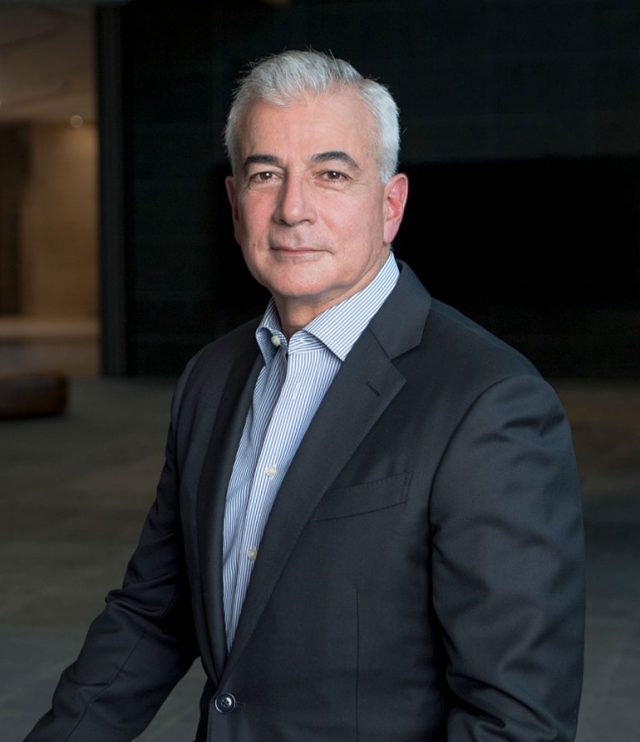
Ayala Corporation President & CEO Fernando Zobel de Ayala, during the group’s Integrated Corporate Governance, Risk Management, and Sustainability Summit, said, 'As Ayala’s concrete contribution to the well-being of future generations of Filipinos, we are announcing our commitment to achieve net zero greenhouse gas emissions by 2050. We are aligning ourselves with the global movement for climate action as our way to help secure our country’s future from the threats brought by climate change. We believe that we have the capabilities and collective will to make this happen.'

Ayala Corporation, one of the largest conglomerates in the country, is committing to achieve net zero greenhouse gas emissions by 2050, as announced recently by its President & CEO Fernando Zobel de Ayala during the group’s Integrated Corporate Governance, Risk Management, and Sustainability Summit.

“As Ayala’s concrete contribution to the well-being of future generations of Filipinos, we are announcing our commitment to achieve net zero greenhouse gas emissions by 2050. We are aligning ourselves with the global movement for climate action as our way to help secure our country’s future from the threats brought by climate change. We believe that we have the capabilities and collective will to make this happen,” Mr. Zobel said.

Ayala aligns its business strategy with the Paris Agreement’s goal of limiting global warming to 1.5°C compared to pre-industrial levels. As such, Ayala commits to set targets aligned with science that cover the following: Scope 1 (direct emissions from owned or controlled sources), Scope 2 (indirect emissions from generation of purchased electricity), and all relevant Scope 3 (all other indirect emissions that occur in value chain). Scope 3 emissions are expected to make up the majority of Ayala’s footprint and can be complex to address, but Ayala is committed to net zero best practices and driving meaningful change in its business ecosystem.

Prior to Ayala’s net zero by 2050 announcement, its core business units have initiated the following climate-action interventions:

  • Ayala Land pushes for offsetting its Scope 1 and 2 emissions by 2022 for its commercial operations;
  • BPI will not finance new greenfield coal power generation projects. The Bank will reduce its coal power generation exposure to half of 2020 by 2026 and to zero by end of 2032;
  • Globe, a participant to the Race to Zero and a signatory to the Science-Based Targets Initiative (SBTi), has shifted to buying energy directly from renewable energy producers for its headquarters in Taguig and six offices and facilities since 2019;
  • AC Energy is on its way to installing 5GW of renewable energy by 2025;
  • Ayala Corporation’s Project Kasibulan, a reforestation, forest protection, and biodiversity conservation program for carbon sequestration is to be piloted in the island of Mindoro.

To develop a net zero road map, Ayala partners with South Pole, a leading project developer and global climate solutions provider that works with private organizations and governments worldwide. This partnership enables the group to have an accurate view of emissions across its core business units and a tangible road map for reducing them in line with its net zero by 2050 ambition. In the next 12 months, Ayala and South Pole will:

  • Develop a detailed greenhouse gas footprint that includes all relevant Scope 3 emissions from the value chain, which is considered net zero best practice;
  • Assess potential emission reduction activities and strategies to help Ayala prioritize and budget for these interventions across its core business units, ensuring practical steps are taken to reduce emissions as quickly as possible;
  • Establish interim targets aligned with a science-based 1.5°C pathway across the core business units to ensure Ayala has robust and measurable milestones along its journey to net zero by 2050.

Ayala Corporation and its core business units are signatories to the Taskforce on Climate-related Financial Disclosures (TCFD) and are currently working to implement the 11 recommended disclosures. This year, Ayala focuses on determining the actual and potential impacts of climate-related risks and opportunities on its businesses, strategy, and financial planning. A physical and transition-risk analysis is well under way.

Ayala’s announcement of its net zero by 2050 ambition came ahead of the 26th United Nations Climate Change Conference of the Parties (COP26), which was held in Glasgow, United Kingdom last November 2021, where signatories to the Paris Agreement reported back on progress made since 2015.

Last April, the Philippines submitted its first nationally determined contribution to the Paris Agreement, committing to a projected greenhouse gas emission reduction and avoidance target of 75% by 2030.

Ayala believes that accelerating climate action is part of its recovery road map. Despite the challenges of COVID-19, global companies have moved towards net zero. Capital has been flowing to sustainable investments as a growing number of investors and lenders walk away from carbon-intensive sectors. And while a net zero ambition entails risks and costs, Mr. Zobel sees it as a long-term investment for the future generations, aptly defining Ayala as a catalyst and partner for net zero transition in the Philippines.


Spotlight is BusinessWorld’s sponsored section that allows advertisers to amplify their brand and connect with BusinessWorld’s audience by enabling them to publish their stories directly on the BusinessWorld Web site. For more information, send an email to online@bworldonline.com.

Join us on Viber to get more updates from BusinessWorld: https://bit.ly/3hv6bLA.

Achieving net zero regardless of business size

Across the globe, calls for reducing carbon emissions have heightened not only among governments but especially among businesses. Many large ones, such as Amazon and Apple, have stated their commitments to be carbon-neutral in succeeding decades; while Microsoft stated its commitment to be “carbon-negative,” (removing carbon dioxide from the atmosphere) by 2030.

Small businesses, which comprise the larger share of businesses in the Philippines, can also pursue carbon neutrality like any other firm.

In an article from The Economist Applied, Nick Aster, director of marketing for North America at sustainability consultancy South Pole, shared that the process is the same regardless of an organization’s size. This process, in a gist, involves understanding their carbon footprint by measuring their emissions; setting an ambition; and taking action by reducing and offsetting those emissions.

Treading this carbon-neutral path has to be kick-started by embracing systems change, as Eric Rondolat, chief executive officer of lighting company Signify, stressed. Formerly, the lighting business of multinational Philips achieved carbon neutrality last September and reduced its CO2 emissions by 70%.

Sharing in a World Economic Forum (WEF) article what they learned in achieving carbon neutrality, Mr. Rodolat noted that success on emissions depends on making it the core to an organization’s strategy.

“This means drafting business goals that align with and can be accomplished through efforts to reduce emissions,” he wrote on WEF’s website. “Other steps are also key, including establishing science-based targets, dissecting every aspect of your operations to save energy and emissions, and investing in measurable, worthy projects that offset unavoidable carbon emissions.”

In line with dissecting operations, which also has to do with understanding energy use and measuring emissions, small businesses can make use of online tools, such as standards from the Greenhouse Gas Protocol and the SME Carbon Footprint Calculator from Carbon Trust. A step-by-step guide on taking action on climate change by the Science Based Targets initiative can also serve as a guide.

Another important part of embracing system change is getting people across the organization involved. Another term for this is what PricewaterhouseCoopers’ (PwC) Colm Kelly calls “wholesale transformation,” which requires companies to ensure accountability at the top, aside from realigning corporate strategy, adapting operating model and supply chain, and providing necessary financing, among others.

“Success will require that the CEO, the CFO, the chief innovation officer, the chief risk officer and other top corporate leaders join the sustainability chief, alongside a substantial investment in the right skills,” PwC’s global leader for purpose, policy and corporate responsibility wrote.

In terms of making strategies work, becoming more efficient, offsetting inevitable emissions, and collaborating with other organizations are significant steps to take.

One of the ways to achieve efficiency is by looking for greener alternatives. This can even be applied in film-making, where the largest carbon footprint is found to come from building one-off sets and using generators for power. “To fix this problem, we move filming to ‘practical’ sets [locations that already exist] with the ability to tie into the power grid,” Jason Cherubini, co-founder of production house Dawn’s Light Media, was quoted as saying in The Economist Applied.

Embracing renewables, shifting from traditional sources that emit massive carbon emissions, is a significant action to take. For Signify, this was done in phases, and since such a shift cannot be taken seriously, careful planning is needed.

“It made sense to prioritize strategic regions with relatively high electricity consumption and/or a more developed level of renewable electricity. Then gradually, we tackled regions with lower consumption and less developed renewable electricity markets,” Mr. Rondolat shared.

Some emissions, however, are unavoidable. This makes offsetting an important component in carbon neutrality plans.

“Offsetting has become an industry in itself and there are myriad options available. Choosing the right partner(s) is therefore important and credibility and traceability of carbon offsetting projects are necessary considerations,” Mr. Rondolat shared, adding that it partnered with South Pole, which helped them navigate various schemes to focus on programs aligned with the company’s corporate social responsibility programs.

Teaming up with like-minded advocates of carbon neutrality is also highly recommended, making the attainment of net-zero targets a collaborative approach. As Mr. Rondolat shared, working with a nonprofit group that works with business and government leaders to tackle climate change introduces them to other organizations taking the same journey.

“Working with respected bodies creates a virtuous circle and amplifies our voice in the corridors of power,” the CEO added. “Through advocacy, accountability, and collaboration, we learn from each other and move faster.”

Reaching carbon neutrality, indeed, takes much effort — starting with realigning strategies and proceeding with utilizing alternatives and collaborating with other organizations. Yet, the path should not end when net-zero goals are achieved, and this is where carbon-negative efforts or doubling net-zero targets come into play.

“It’s tempting to breathe a sigh of relief when the carbon neutrality check box is ticked, but don’t,” he said. — Adrian Paul B. Conoza

Globe Innoverse: Non-stop innovation for customers to strengthen care and compassion

Bringing together all its powerful innovations, the Wonderful World of Globe presents the Globe Innoverse (Innovation Universe). Showcasing Globe’s transformation into The Globe Group — a digital solutions platform with a footprint in fintech, healthcare, entertainment, adtech, e-commerce, manpower, IT services, and venture capital.

Innoverse highlights the Globe Group’s vast ecosystem of technologies made to uplift the lives of its customers. It shows how the Globe Group has reshaped the Filipino digital life, empowering people with a richer connected experience. This enables everyone to become the best versions of themselves as they navigate the new digital world.

“When we started 2021, we thought we could already put the pandemic behind us. Unfortunately that wasn’t the case. I think we can start having a new perspective that we will just live with this virus. And this is what the Globe Innoverse is all about — a universe of non-stop innovation to serve our customers better, make them feel valued, and with digital technologies, enable them to live a better life,” said Ernest Cu, Globe President and CEO.

The Globe Innoverse tour looks at the new Filipino digital life and how digital solutions have solved pain points in different sectors like education, health, finance, leisure-tainment, productivity, business, and digital readiness, among others.

Life-enabling solutions

917Ventures, for instance, brings convenience and life-enabling solutions for both customers and businesses. Its e-wallet service provider GCash leads the fintech space serving 51 million users and growing. KonsultaMD has grown to be the country’s largest telehealth company, while HealthNow has developed to be the leading healthcare integrator in the Philippines.

For the larger start-up community, Kickstart Ventures invests in Pre-Series A to C digital businesses to help them achieve scale and profitability. Kickstart manages over US$240 million worth of aggregated assets.

Connectivity at home or on-the-go

Globe Mobile and Globe At Home customers also experience innovative and value-for-money plans and promos for reliable and stronger connectivity. TM, for one, celebrates its loyal customer base as it hits its 20th anniversary and Globe Prepaid rolls out its latest affordable data promos. Both Globe Prepaid and TM’s newest products can be exclusively accessed via the GlobeOne app for hassle-free top-ups and subscriptions. GlobeOne now conveniently accepts GCash, as well as credit and debit cards.

Exclusive to the GlobeOne app, TM customers can check out EZ90 for ALLNET CALLS as well as ALLNET Doble FunAliw20 and 70 that comes with free content offers from apps like Facebook, Mobile Legends, YouTube, and TikTok. Globe Prepaid customers, on the other hand, can register to their favorite Go50, Go90, and Go+99 or try UNLIGO. UNLIGO gives users unlimited access to their favorite apps whether for videos, games, or social media.
Globe Postpaid also launched GPLAN Plus with bigger data allocations. Leftover GBs may also be converted to Globe Rewards points to claim perks in entertainment, wellness, and can even be donated to charitable organizations. All GPlan Plus plans also come with free unlimited 5G for 6 months along with unlimited all-net texts and calls to mobile and landline numbers.

At home, families can stay connected for just P999 with the Globe At Home Prepaid WIFI. Powered by ultra-fast LTE, the home prepaid WIFI lets the whole family stay connected with promos like HOMESHARE 199 with 25GB of data that can be used for online schooling, working from home, or watching and playing their favorite movies and games. Globe At Home postpaid customers also get a holiday treat with the Globe at Home FIBER Plans made more affordable with P300 off for 12 months.

Putting a premium on care and compassion

The Globe Group’s digital transformation continues and 2022 is another year for even more innovations. Alongside these are the many ways by which the group takes care of its customers and addresses their needs and concerns through various platforms.

GlobeOne app now has upgraded features giving customers the flexibility to manage and monitor their accounts all in one app. Digital assistants are also in place that allows customers to send their customers and receive a call back when necessary. Globe is also expanding its community-based servicing through Viber groups per area or city, to give customers more ways to get in touch with Globe receive assistance. Aside from its digital customer service platforms, Globe also launched the EasyHub — an innovative kiosk that is simple and conveniently divided into SHOP, PAY, and CARE. It provides hassle-free ways to transact with Globe without the need to wait in line.

Securing a sustainable future

As the Globe Group secures the future of a digitally transformed Philippines, it has also started on the journey to decrease carbon emissions and promote #OneSustainablePH. Globe is the first and so far the only Filipino company that has committed to set science-based targets in limiting global warming within the 1.5-degree scenario by 2030 and achieving net-zero carbon emissions by 2050.

Creating a Digital Nation

The backbone of Innoverse is Globe’s network, without which people cannot connect and communicate. Globe already exceeded its 2021 target of laying down 1 million fiber lines to Filipino homes, aiming to end the year with 1.4 million lines. As of October, it has constructed 1,080 new cell sites and upgraded 12,900 4G and 5G sites nationwide. The first in Southeast Asia, Globe’s 5G technology continues to expand in areas where 5G is needed.

Globe’s expanded network served up 2,730 Petabytes of data traffic to its customers as of the third quarter this year, the highest so far. This is concrete proof of what the Globe network is capable of. KonekTado WiFi was also rolled out in disadvantaged communities at affordable prices ensuring inclusive access to connectivity.

Likewise, Globe takes care of businesses in their digital transformation to achieve growth despite economic uncertainties. Globe Business goes beyond products by continuously empowering large corporations and micro, small, and medium-sized enterprises.

With all these innovations coming together, The Globe Group offers a spark of hope to its customers that 2022 will be the year to rebound, recover, and regain control of their lives. The Globe Group will continue to deliver what its customers need and more.


Spotlight is BusinessWorld’s sponsored section that allows advertisers to amplify their brand and connect with BusinessWorld’s audience by enabling them to publish their stories directly on the BusinessWorld Web site. For more information, send an email to online@bworldonline.com.

Join us on Viber to get more updates from BusinessWorld: https://bit.ly/3hv6bLA.

BSP holds rates amid Omicron threat

BW FILE PHOTO

By Luz Wendy T. Noble, Reporter

THE Philippine central bank maintained its key policy rates at record lows as widely expected on Thursday to lend support to the economy amid the threat from the Omicron variant of the coronavirus disease 2019 (COVID-19).

The Bangko Sentral ng Pilipinas (BSP) kept the overnight reverse repurchase rate at 2%, as expected by all 15 economists in a BusinessWorld poll last week. The overnight deposit and lending rates at all-time lows of 1.5% and 2.5%, respectively.

“The Monetary Board sees enough scope to keep a patient hand on the BSP’s policy levers owing to a manageable inflation environment,” BSP Governor Benjamin E. Diokno said in an online briefing on Thursday.

Headline inflation in November eased to 4.2% from 4.6%, mainly due to slower increase in food prices.

“At the same time, downside risks to the economic recovery emanate from the emergence of new COVID-19 variants as well as the potential tightening of global financial conditions. Hence, preserving ongoing monetary policy support at this juncture shall help sustain the economy’s momentum over the next few quarters,” Mr. Diokno said.

The Philippines reported on Wednesday its first two cases of the Omicron variant, which the World Health Organization said was spreading faster globally than any previous strain.

“Nonetheless, the Monetary Board observed that economic growth now appears to be on firmer ground, supported by the Government’s accelerated vaccination program and calibrated relaxation of quarantine protocols,” he said.

The economy grew by a better-than-expected 7.1% in the third quarter, despite a Delta-driven surge in infections in August. Year to date, gross domestic product growth is at 4.9%.

Mr. Diokno said improving credit activity is reflective of such economic recovery.

Bank lending rose 3.5% year on year in November, marking the third straight month of annual growth in outstanding loans issued by big banks. Prior to this, bank lending contracted from December to July despite the low interest rate environment.

“The BSP stands ready to respond to potential second-round effects arising from supply-side pressures, in line with its price and financial stability objectives,” the BSP chief said.

Meanwhile, the central bank raised its inflation expectation for this year to 4.4% from 4.3% previously, BSP Deputy Governor Francisco G. Dakila, Jr. said.

“The latest baseline forecasts for 2021 and 2022 are slightly higher from the previous assessment round owing to the higher-than-anticipated inflation outturn in November,” Mr. Diokno said.

November inflation stood at 4.2%, which was a tad faster than the 3.3-4.1% estimate given by the BSP. Inflation in the 11 months to November was at 4.5%.

BSP’s inflation forecast for 2022 was also raised to 3.4% (from 3.3% previously), while the 2023 projection was maintained at 3.2%.

“Upside risks are linked mainly to the potential impact of continuing constraints on the supply of key food items and petitions for transport fare hikes,” Mr. Diokno said.

Lingering supply issues may also push prices of international commodities higher, he added.

Mr. Dakila said faster inflation continues to be driven by supply-side issues.

The looming threat from the Omicron variant has strengthened the case for the central bank to keep its support for economic rebound, Rizal Commercial Banking Corp. Chief Economist Michael L. Ricafort said.

“An important risk to consider is any premature tightening of monetary policy that could jeopardize the fragile economic recovery prospects,” Mr. Ricafort said in a Viber message.

Meanwhile, Security Bank Corp. Chief Economist Robert Dan J. Roces noted how the BSP’s rhetoric has already acknowledged the need to be extra vigilant with data, even when it vowed to stay accommodative. He expects the central bank to consider rate adjustments in the second half of 2022.

“If by the second half of 2022 recovery becomes stable, demand-pull gets more pronounced, and second round effects take hold, then that makes the case for a liftoff,” Mr. Roces said in a Viber message.

The central bank has kept rates untouched since Dec. 17, 2020. Last year, it slashed interest rates by 200 basis points to support the economy during the pandemic.

Fed’s faster tightening may ‘spell trouble’ for markets

REUTERS

THE US Federal Reserve’s accelerated tightening could “spell trouble” for global markets and individual economies like the Philippines, a former Bangko Sentral ng Pilipinas (BSP) official said.

“In the Philippines, if the BSP does not match US Fed action, and market sentiment is adverse against us (high debt-to-GDP ratio, worsening current account position, possible Omicron spread), it is possible to see significant cap-ital outflows. These could trigger peso depreciation, drain on FX (foreign exchange) reserves, and ultimately, higher inflation,” former BSP Deputy Governor Diwa C. Guinigundo said in a Viber message to BusinessWorld.

“Should the BSP do a parallel increase, and the economy continues to be fragile, the recovery could be stalled and cost of doing business goes up. The situation is a Catch 22,” he added.

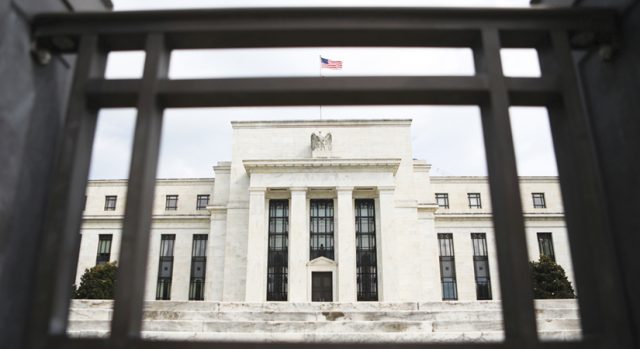
The Federal Reserve on Wednesday said it would accelerate the tapering of bond-buying program, paving the way for three interest rate hikes by the end of 2022 as the US central bank battles a surge of inflation (Read related story on S2/1).

Mr. Guinigundo noted that BSP’s accommodative policy considers expectations of manageable inflation for the next two years.

“It [BSP] should be sure of its forecasts though because any single mistake is costly considering that monetary policy works with a long and variable lag. Any sign of market backlash from US Fed and inflation acting up should be immediately dealt with very decisive monetary policy action,” he said.

Headline inflation slowed to a four-month low of 4.2% in October, but still above the 2-4% BSP target. This brought year-to-date inflation to 4.5%.

Despite inflation exceeding the BSP target every month except July, officials have focused on keeping easy monetary policy to support growth.

The BSP on Thursday raised its inflation forecast to 4.4% (from 4.3%) for 2021 and 3.4% (from 3.3%) in 2022. Meanwhile, inflation expectation for 2023 was kept at 3.2%.

Even as it flagged faster inflation, the central bank has maintained key policy rates at record lows on Thursday, citing the risks from new variants of the coronavirus disease 2019 and its possible impact on economic growth.

Meanwhile, BSP Deputy Governor Francisco G. Dakila, Jr. said they have already factored in the Fed’s action in their policy assessment.

“Our assessment, the baseline inflation path already takes into account market expectations on how interest rates globally and actually economies will also perform,” Mr. Dakila said in an online briefing.

He said any volatility arising from the Fed’s action will be guarded by the economy’s “very strong external position. He also cited the country’s hefty dollar buffers as well as the market exchange rate system as defenses in case of such situations.

“The stance of policy of the BSP has always been primarily conditioned by the domestic considerations and most importantly, the outlook for inflation. We have not had to move in parallel with the Fed actions in the past,” Mr. Dakila added.

The country’s gross international reserves dipped to $107.67 billion as of end-November from $107.89 billion as of end-October, BSP data showed.

This level is enough to cover 10.2 months’ worth of imports of goods and payments of services and primary income. It is also equivalent to 8.7 times the country’s short-term external debt based on original maturity and 5.7 times based on residual maturity.

Bank of the Philippine Islands Lead Economist Emilio S. Neri, Jr. said the central bank at this point should consider gradual adjustments to policy settings amid elevated inflation and an economic rebound that will likely drive do-mestic demand.

“We think the benefits of a mild hike (e.g., 50 bps) will outweigh the risk of eroding credibility, independence and consequences of falling too far behind the curve,” Mr. Neri said in a Viber message.

On the other hand, Security Bank Corp. Chief Economist Robert Dan J. Roces said the BSP is likely to take into account the threat from the Omicron variant and its possible impact.

“At this point, the central bank will certainly want to focus in continuing to support the nascent recovery,” Mr. Roces said in a Viber message. — Luz Wendy T. Noble

PSE wants to require companies going public to have stability fund

THE Philippine Stock Exchange (PSE) plans to require companies going public to have a stability fund if they seeks to offer secondary shares.

PSE President and Chief Executive Officer Ramon S. Monzon said they are looking into requiring firms to have a stability fund worth between 10% to 15% of the base offer of their initial public offering (IPO) or follow-on offering (FOO).

“As you know there are no requirements now for stabilization funds for IPOs or FOOs, but because of this [Medilines Distributors, Inc.] issue, the PSE is seriously considering [it],” Mr. Monzon said in an interview with the ABS-CBN News Channel’s Market Edge on Thursday,

Shares of Medilines plunged 30% when it debuted at the PSE’s main board last week, despite its offer being 2.5 times oversubscribed.

It sold 550 million primary shares for P2.30 each, and its Chairman Virgilio B. Villar sold 275 million in secondary shares.

“Nobody can explain how can an oversubscribed issue close at the floor price on opening day when there’s supposed to be so much pent-up demand,” Mr. Monzon said.

He is scheduled to meet with the Capital Market Development Committee on Tuesday to propose a rule that would require a stability fund, which is deployed by issuers to support their stock price in the market for a period of time after listing.

“I will be proposing a rule change where we will require all companies that are doing an IPO, if there is a secondary component, meaning [if] shareholders [are] selling part of their shares, we will require them to have a stabilization fund,” Mr. Monzon said.

While the rule is subject to the approval of the committee, the PSE’s board and the Securities and Exchange Commission, Mr. Monzon said he hopes the rule will be in place by January or February next year.

Leviste-led Solar Philippines Nueva Ecija Corp. (SPNEC) will be listed on the main board of the exchange on Friday. SPNEC sold 2.7 billion shares for P1 per share, raising P2.7 billion for its solar power plant pro-ject. In a statement on Wednesday, its underwriter Abacus Capital and Investment Corp. said the offer was nearly two times oversubscribed.

Despite some IPOs delayed to next year, Mr. Monzon said the PSE expects to end the year with a record amount of funds raised from the capital market.

“We expect to close the year at about P234.48 billion, a record-high. So far, the record amount of capital raised for the PSE was in 2012 when we raised P228.3 billion,” Mr. Monzon said.

Local retail investors accounted for 33.1% of market participation, making up for the foreign investors that exited the market.

Mr. Monzon said he hopes a short-selling platform will be approved by regulators to attract foreign investors back into the country.

“I personally am convinced that having a short-selling platform would encourage foreign investors to return to the market because it will allow them to hedge their investments instead of exiting when things go bad,” Mr. Monzon said.

In 2022, the PSE is hoping to see more mining firms and small-, medium-sized enterprises go public. Mr. Monzon said he has “budgeted” for 10 IPOs next year.

Real estate firm Haus Talk, Inc. is slated to be the first to list in 2022, scheduled for a Jan. 17 listing. Meanwhile, the Figaro Coffee Group, Inc. will make its market debut on Jan. 24.

The first energy-focused real estate investment trust, Citicore Energy REIT Corp., is also looking to list at the PSE next year. — Keren Concepcion G. Valmonte

Women, young people in PHL most affected by job cuts during pandemic, ADB says

YOUTH AND WOMEN in the Philippines lost jobs in greater numbers during the height of the coronavirus pandemic last year, with young people accounting for a quarter of job cuts, a study from the Asian Development Bank (ADB) said.

The report “A Crisis Like No Other — COVID-19 and Labor Markets in Southeast Asia” released Thursday said that young people in Indonesia, Thailand, and the Philippines accounted for 22-28% of total job losses in the second quarter of 2020 despite representing only 10-15% of the working population.

“In all countries of the region, youth represented a higher-than-average share of the workforce in hard-hit sectors,” the ADB said.

“They were also disproportionately affected in terms of job cuts in these sectors, often as a consequence of having less experience and being less likely to have permanent contract arrangements, which make them the first to be let go during the crisis.”

The Philippines’ unemployment rate soared to a record 17.7%, equivalent to 7.25 million jobless Filipinos, in April 2020. The government placed Luzon under an enhanced community quarantine (ECQ) amid the coronavirus dis-ease 2019 (COVID-19) outbreak starting mid-March.

Government data also showed the labor force participation rate among Filipinos 15 years and older stood at a record low of 55.6% in April 2020, the height of the strictest form of lockdown.

In the education sector, the youth represented half the job losses in the Philippines during the April to June period last year, despite accounting for just 17% of employment just before the pandemic.

Young Filipinos also made up a third of job cuts in the accommodation and food service sector while representing a quarter of the workforce. Hotels, restaurants and other similar businesses were forced to shut or scale down operations due to the ECQ.

Women also recorded a greater share in job losses than their share in employment.

While women represented almost 40% of the Philippine and Indonesian workforce just before the pandemic, they accounted for 44% of the employment losses by the second quarter of 2020.

Nearly one in four Filipino women in sales and services were laid off, as most businesses were temporarily shut during the lockdown.

“In the Philippines, (women who lost jobs) in agriculture, accommodation and food services, administrative and support services, public administration, and education (was higher than the share of women employed),” ADB said.

“The massive labor force exits among women are largely a consequence of their greater involvement in the care burden (such as childcare and homeschooling and caring for ill relatives), as has been observed across the world.”

The annual unemployment rate hit a record 10.3% in 2020 versus the 5.1% a year earlier.

ADB said Southeast Asian countries should develop comprehensive social protection systems, building on efforts to temporarily fill gaps during the pandemic.

“The pandemic and the risk of slower economic growth and increased inequalities have underscored the need for fiscal policy to go beyond its countercyclical role through increased investments in social protection and its infra-structure,” ADB Director of Human and Social Development for Southeast Asia Ayako Inagaki said.

“Countries should boost investments in human capital and mobilize domestic resources to build inclusive, sustainable social protection programs and increase social insurance contributions.” — Jenina P. Ibañez

World Bank evaluating $200-M PHL fisheries loan

PHILSTAR FILE PHOTO

The World Bank is considering a proposed $200-million loan for Philippine fisheries by February, according to project documentation posted by the bank Wednesday.

The seven-year project aims to improve fisheries management and enhance the value of fisheries production in coastal communities.

The appraisal date was Dec. 14 and the estimated board date is on Feb. 28.

The project aims to develop a planning framework for fisheries management, and plans to enhance the economic value of fisheries to communities by investing in projects that reduce post-harvest losses and expand production. Investments will be made mostly in public infrastructure and private enterprise projects.

The World Bank said the two goals should be closely coordinated.

“Without the foundation of sustainable fisheries management, investment in post-harvest value chain will potentially threaten, rather than enhance long-term fisheries production,” the World Bank said.

“Conversely, introduction of new harvest control measures may, in the short term, adversely impact the fishers’ livelihoods that they aim to support in the longer term.”

The project will assess the impacts of resource management reforms and respond through livelihood support activities.

The Department of Agriculture (DA) in October said it expects to launch the Fisheries and Coastal Resiliency project early next year, to benefit 500,000 fisherfolk and other stakeholders.

Targets include a 3% increase in household income and value-added for fishery commodities, a 5% reduction in postharvest losses, and a 1% to 5% reduction in illegal and unreported fishing. — Jenina P. Ibañez

ADVERTISEMENT
ADVERTISEMENT