Home Blog Page 7047

MSMEs’ vital role in economic recovery

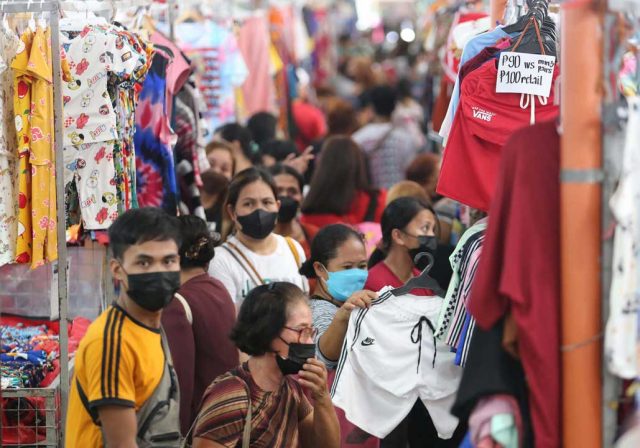
Globally, micro, small, and medium enterprises (MSMEs) account for over 90% of businesses and more than 60%-70% of employment, and 50% of the world’s gross domestic product (GDP). In the Philippines, based on the most recent statistics from the Department of Trade and Industry, MSMEs comprise 99.5% of business establishments, 63% of the country’s workforce, and 40% of the country’s GDP in the past years.

These numbers show that MSMEs, for their large share among businesses, definitely have a large and significant role in helping the economy recover from the impacts of the coronavirus disease 2019 (COVID-19) pandemic, as long as they are given appropriate support.

International organizations and thought leaders recognize the importance of MSMEs in post-pandemic economic recovery.

The United Nations (UN) is at the forefront of recognizing MSMEs’ key role during the celebration of the MSME Day last June 27, with the theme “MSMEs: Key to an inclusive and sustainable recovery” this year. For the organization, this observance serves to “raise awareness of the contribution that small businesses make to sustainable, inclusive and resilient economic growth and, shared prosperity and decent work for all.”

This was echoed by the United Nations Conference on Trade and Development (UNCTAD) during a global summit back in April.

Due to their innovative and opportunity-seeking nature, UNCTAD wrote on its website, MSMEs can power a stronger recovery from the pandemic; but they need more support, especially through long-term structural policies.

“MSMEs’ smaller size allows them to be flexible and adapt to new environments such as the one created by COVID-19,” the organization noted. “Not only can they help overcome previous constraints related to lack of productive capacities and economic diversification in many low-income countries but also enhance a strong and sustainable recovery.”

MSMEs’ significant role in recovery is also seen within Southeast Asia (SEA) by the Asian Development Bank (ADB) as it released its Asia Small and Medium-Sized Enterprise Monitor 2020 last October.

“MSMEs in Southeast Asian economies mainly focus on domestic markets and their level of entrepreneurship remain suboptimal. Supporting the development of MSMEs, particularly in technology adoption and participation in global supply chains, will contribute to inclusive growth and aid in recovery efforts from COVID-19,” ADB Chief Economist Yasuyuki Sawada was quoted as saying in a statement.

ADB’s report highlighted that while the pandemic “exacerbated already growing global trade tensions and economic uncertainty” within the region, small businesses “hold the key to economic recovery in developing Asia” in many ways.

For instance, MSMEs are seen to have the potential to create more jobs. “In Southeast Asia, 72%-85% of MSMEs operate in rural areas. They absorb 70%-84% of MSME employees in their countries. Thus, their growth is crucial for providing jobs for the unemployed or informal workforces,” the report read.

The report also pointed out that inclusive growth will happen in developing Asia through entrepreneurship development, especially within the services segment of MSMEs, which are found to be “low-technology and domestically focused,” as well as start-ups and technology-based businesses which remain a fraction of MSMEs in SEA.

“It is crucial to foster this MSME segment to ignite resilient and inclusive growth at both national and regional levels,” the ADB wrote. — Adrian Paul B. Conoza
Aboitiz-led UnionBank opens its 150th Ark in Cebu, offers invaluable service to Cebuanos after ‘Odette’

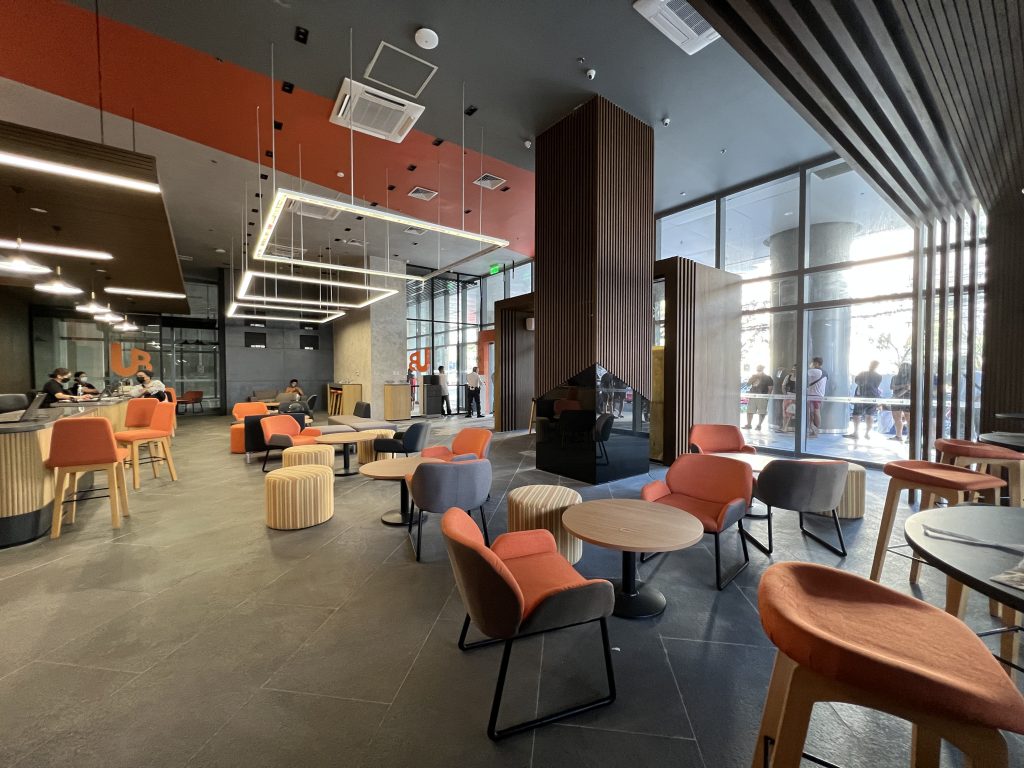
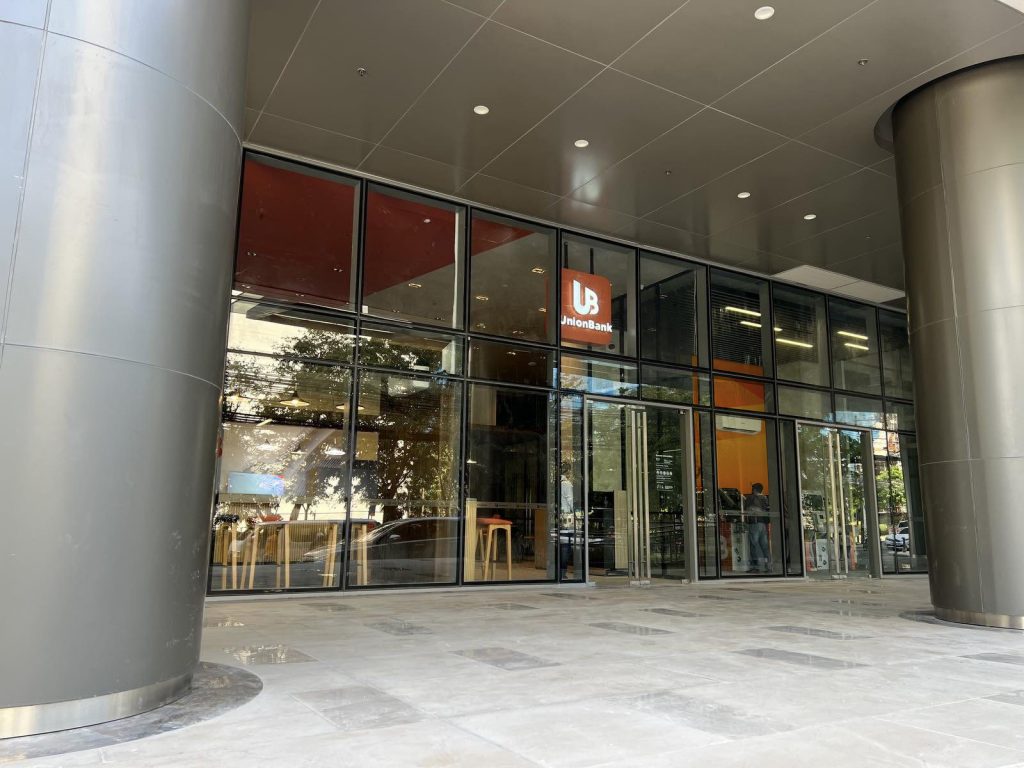
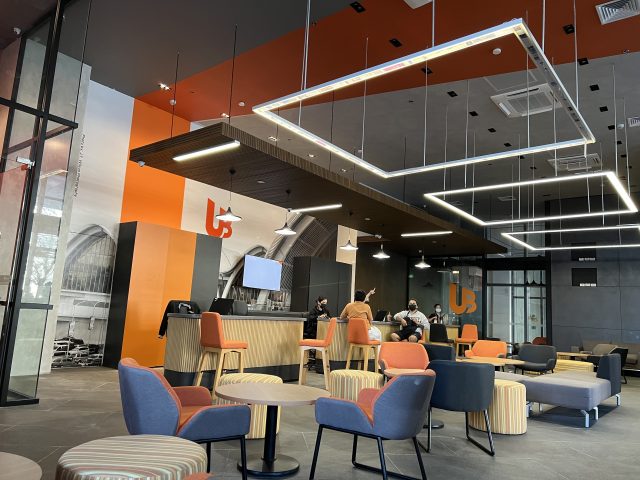
Marking another milestone in its bank transformation efforts, Aboitiz-led Union Bank of the Philippines (UnionBank) opened its 150th Ark branch in Cebu last Nov. 29, 2021.

Aimed at continuing to provide superior customer experience in its physical touchpoints, the country’s first fully-digital bank branch opened its doors at the Queen City of the South.

Remaining grounded on their Cebuano roots, the Aboitiz family has always held the Cebuano people close to their hearts and they continue to be a major contributor to the progress of Cebu.

Innovation is a key driver of the Aboitiz businesses and the opening of UnionBank’s newest flagship branch is a testament to this.

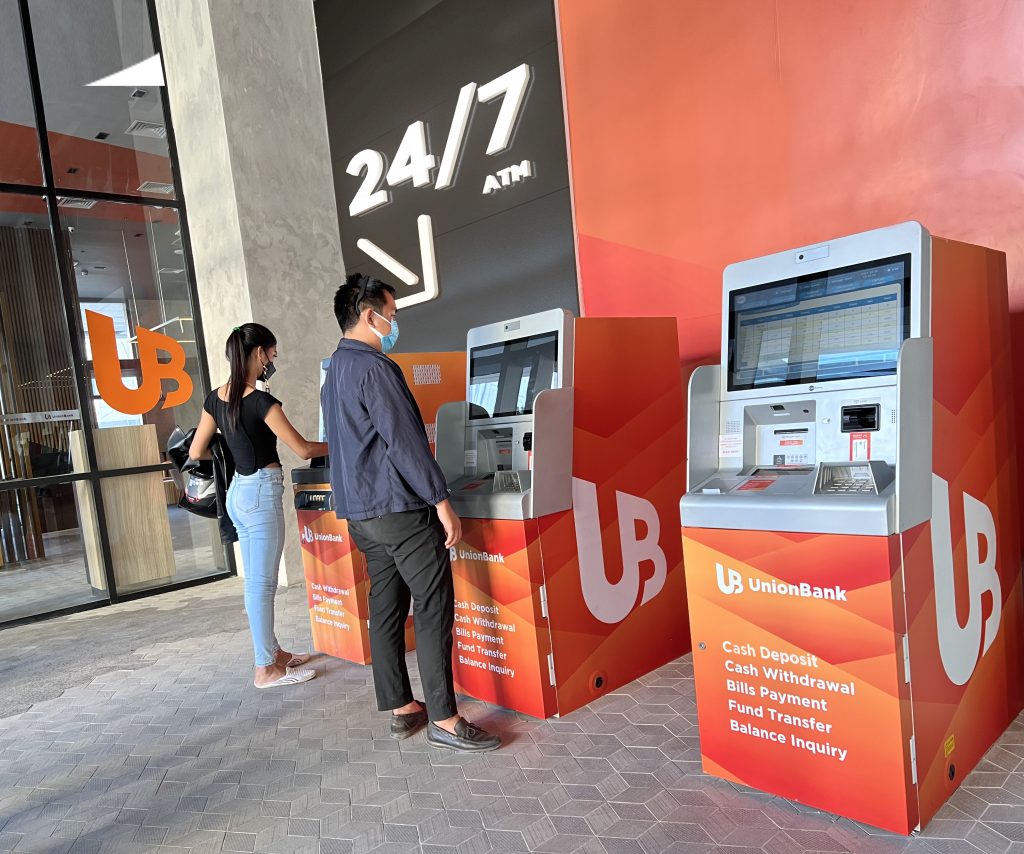
Similar to the Ark branches nationwide, The Ark Cebu Exchange Arthaland bridges physical banking with digital banking for Cebuano customers. It has no queuing and features paperless, straight-through transactions, robust self-service machines, uniquely designed space with cozy conference and semi-private rooms plus multi-talented Branch Ambassadors who are specially trained to help customers enjoy the benefits of digital banking.

Strategically located in Cebu IT Park, The Ark Cebu Exchange Arthaland is in one of the most preferred investment regions in the Philippines. The branch is at the Ground Floor of the Cebu Exchange Tower at Salinas Drive in Lahug, Cebu City and is open Mondays to Fridays from 9:00 a.m. to 3:00 p.m.

First unveiled back in September 2017, UnionBank’s Ark branch introduced pioneering features that changed the way people looked at banking, leveraging technology to address the typical inconveniences associated with visiting a bank branch.

The Ark has no singular blueprint. Each Ark branch is unique and has a modular layout which allows it to adopt its design to deliver the best customer experience, considering the unique needs and branch banking behavior of the local customers that it serves. It can even be transformed as a venue for exclusive events.

UnionBank’s branch transformation helps enable digital adoption by allowing customers who prefer to transact in physical branches to also experience the benefits and features of the Bank’s digital innovations. This is part of UnionBank’s thrust to promote financial inclusion and stay true to its commitment that as it blazes the trail towards digitally transforming the way it does banking, “No one gets left behind”. And, true to this promise, the Ark branch at Arthaland is able to serve Cebuanos who need access to ATMs as other banks continue to be affected by the power and network outages caused by super-typhoon Odette.


Spotlight is BusinessWorld’s sponsored section that allows advertisers to amplify their brand and connect with BusinessWorld’s audience by enabling them to publish their stories directly on the BusinessWorld Web site. For more information, send an email to online@bworldonline.com.

Join us on Viber to get more updates from BusinessWorld: https://bit.ly/3hv6bLA.

BoP back to deficit in November

By Luz Wendy T. Noble, Reporter

THE country’s balance of payments (BoP) position returned to a deficit in November as the National Government repaid some foreign loans and external trade improved.

Last month’s BoP position swung to a $123-million deficit, from the $1.473-billion surfeit seen in November 2020, based on data released by the Bangko Sentral ng Pilipinas (BSP) on Monday evening.

November’s BoP position also reversed the surplus worth $1.141 billion in October. This was the smallest deficit in eight months or since the $73 million logged in March.

“The BoP deficit in November 2021 reflected outflows arising mainly from the National Government’s foreign currency withdrawals from its deposits with the BSP as the National Government settled its foreign currency debt obligations and paid for various expenditures,” the central bank said in a statement.

The BoP deficit in November reflected the improvement in the country’s external trade as the economy continued to reopen, Rizal Commercial Banking Corp. Chief Economist Michael L. Ricafort said in a Viber message.

The private sector’s need for imported goods and settlement of external payables also likely led to the BoP deficit in November, Asian Institute of Management economist John Paolo R. Rivera said.

“Note that this can be due to the recovering economy wherein the inadequacy of domestic supply is compensated by imported supply of goods and services. I think this is just transitory as the economy adjusts to the recovering demand,” Mr. Rivera said in a Viber message.

The Philippine economy continued to further reopen in November, as the number of coronavirus disease 2019 (COVID-19) infections declined.

Latest data from the Philippine Statistics Authority showed the trade deficit stood at $4.02 billion in October, wider than the $2.05-billion shortfall logged a year earlier and the $4-billion gap in September.

In October, exports rose by 2% year on year to $6.41 billion, while imports jumped by 25.1% to $10.43 billion.

“Imports could have also been bloated by the higher prices of imported oil,” Mr. Ricafort added.

As of Nov. 30, the prices of gasoline, diesel, and kerosene increased by P18.10, P15.70, and P13.19 per liter, based on data from the Department of Energy.

Global oil prices have soared in recent months as major oil exporting countries have yet to finalize an agreement on increasing production despite the recovery in demand.

For the first 11 months of 2021, the BoP posted a $353-million surplus, much smaller than the $11.786-billion surfeit in the same period of 2020.

“Based on preliminary data, this cumulative BoP surplus reflected inflows such as from personal remittances, trade in services, net foreign borrowings by the National Government, and foreign direct investments, which were partly offset by a wider trade in goods deficit,” the central bank said.

The BoP gives a glimpse of the country’s transactions with the rest of the world. A deficit means more funds left the country, while a surplus shows that more money came in.

At its end-November level, the BoP reflected gross international reserves worth $107.72 billion, which fell by 1.56% from the $107.89 billion as of end-October.

Such dollar reserves are enough to cover 8.7 times the country’s short-term external debt based on original maturity and 5.7 times based on residual maturity, the BSP said.

It also represents buffers equivalent to 10.2 months’ worth of imports of goods and payments of services and primary income.

Mr. Ricafort said the seasonal remittance inflows in December could help improve the BoP position coming into the yearend.

Earlier this month, the BSP revised its BoP projection for end-2021 to a $1.6-billion surplus, from the $4.1-billion surfeit it estimated in September. This is equivalent to 0.4% of the gross domestic product from 1.1% previously.

PSE seeks to adjust LSI allocation in IPOs

COURTESY OF PHILIPPINE STOCK EXCHANGE, INC.

By Keren Concepcion G. ValmonteReporter

THE Philippine Stock Exchange (PSE) is considering adjusting the allocation of shares for local small investors (LSIs) in initial public offerings (IPO), as well as mandating LSI allotments in follow-on offerings (FOO).

In a consultation paper uploaded on the PSE website, the bourse operator said it is proposing to tweak the percentage of the allocation to LSIs in IPOs to not less than 5% but not more than 10% of the entire offer, depending on the size of the offering.

Under Article 3, Part F of the PSE’s Consolidated Listing and Disclosure Rules, companies going public are currently required to have an LSI allocation of 10%.

“However, the Exchange has noted that in IPOs conducted over the last two years, the total LSI take-up, in terms of value, was only 14.45% of the 10% LSI allocation,” the PSE said.

It noted that in the case of big IPOs, “a large portion of the LSI shares may end up being unsubscribed and taken up by the underwriter.”

“Aside from the financial impact on the underwriter, such a situation may also have an adverse effect on the stock because the disposition by the underwriter of a large number of offer shares post-IPO may cause the stock price to decline,” the PSE said.

“On the other hand, retention by the underwriter of a big block of IPO shares may negatively impact the liquidity of the stock.”

However, the PSE will be keeping its “clawback mechanism” rule. This allows companies to increase the shares allocated for small investors by 5% if the initial LSI offer is oversubscribed by five times or more.

“Relaxing the requirement could help the local small investors receive a more equitable distribution and bigger chance to participate in IPOs and FOOs,” Regina Capital Development Corp. Head of Sales Luis A. Limlingan said in a Viber message on Tuesday.

Mr. Limlingan said amending the rule will also “give more flexibility to the underwriters in distributing the shares depending [on] where the demand is stronger.”

Also, the PSE wants to make LSI allocation mandatory in follow-on offerings, with not less than 5% but not more than 10% of the total offer shares allotted for small investors.

“To ensure equitable distribution of shares and ensure LSI participation, the Exchange proposes to make LSI allocation mandatory in both IPOs and follow-on offerings,” it said.

Meanwhile, the PSE is also proposing a lock-up rule, which would apply to companies conducting follow-on offerings and to firms listing by way of introduction or through backdoor listings.

“The objective of the lock-up rule is to prevent stockholders availing of shares at a subscription price lower than that offered to IPO investors from immediately flipping their shares in order to take advantage of the discount, to the detriment of the IPO investors,” the PSE said.

The PSE also hopes to protect those investing in FOO shares.

“Lock-up periods would be able to send signals to shareholders entering that they believe in the longer-term prospects of the company,” Mr. Limlingan said.

Rizal Commercial Banking Corp. (RCBC) Chief Economist Michael L. Ricafort said the proposed rules are an effort to further protect “the interest of retail investors.”

“[This is] to encourage greater participation of the investing public through additional safeguards or checks-and-balance versus undue advantage or potential abuses by other investor groups, whether or not intended or deliberate at times,” Mr. Ricafort said in a separate Viber message.

Full foreign entry likely to help modernize railway sector

A TRAIN is seen at the Philippine National Railways Tutuban Station in Manila in this file photo. -- PHILIPPINE STAR/ MIGUEL DE GUZMAN

By Arjay L. Balinbin, Senior Reporter

A PROPOSED LAW that would allow 100% foreign ownership in public services is expected to accelerate the modernization of railways and subways, according to companies involved in railway projects.

The Senate last week approved on third and final reading a bill amending the Public Service Act (PSA), or Commonwealth Act No. 146, to relax restrictions on foreign investment in public services such as telecommunications, air carriers, domestic shipping, railways, and subways.

Light Rail Manila Corp. (LRMC), the private operator of Light Rail Transit Line 1 (LRT-1), said the measure will help spur investments in the transportation sector.

“This will certainly help bring in more investments and modernize the transport sector leading to better services, so we think this is a welcome development,” LRMC Spokesperson Jacqueline S. Gorospe told BusinessWorld in a phone message on Dec. 17.

LRMC is currently building the LRT-1 Cavite Extension. The project aims to add an 11.7-kilometer Baclaran-Bacoor, Cavite segment to the current 18.1-kilometer train line. The new stretch will have eight stations. It is expected to be fully operational by the second quarter of 2027.

“LRMC has always looked at best practices and working with leaders from different industries; we think this legislation will allow more of the best practices to emerge,” Ms. Gorospe added.

Meanwhile, Philippine Infradev Holdings, Inc. President and Chief Executive Officer Antonio L. Tiu said the proposed legislation “will be a boost to Build, Build, Build,” the Duterte administration’s flagship infrastructure program.

“Let us wait until [the] pandemic is over, [the result] should be positive,” he added.

Philippine Infradev’s wholly owned subsidiary is currently building the Makati City subway. It is expected to be operational by January 2026. The Fiscal Incentives Review Board recently approved the grant of tax incentives for the subway project.

Sought for comment, transport expert Rene S. Santiago said that “removing legal obstacles is first step, but will not automatically lead to more foreign investments in railways and subways because of the inherently poor financial returns.”

“It is strange to classify tollways as public utility (in the Senate version of the bill), but not railways and subways,” he told BusinessWorld in a phone message. “All three share similar characteristics.”

Unlike railways and subways, tollways will still be subject to the 40% foreign ownership limit.

For his part, Terry L. Ridon, convenor of InfraWatch PH, said in a separate phone message that the Philippine Senate is “mistaken if it thinks that merely opening up to full foreign ownership of public utilities and services will bring in more foreign investments to the sectors.”

“The main binding constraint to foreign investment was never nationality restrictions, but the governance climate in the country, such as whether businesses will be subjected to regulatory capture, red tape and corrupt activities,” he added.

LRMC is the joint venture of Ayala Corp., Metro Pacific Light Rail Corp. and Macquarie Infrastructure Holdings (Philippines) Pte. Ltd. It holds the P65-billion, 32-year PPP contract to operate LRT-1 and build its extension to Cavite.

MPIC is one of three Philippine subsidiaries of Hong Kong’s First Pacific Co. Ltd., the others being PLDT, Inc. and Philex Mining Corp. Hastings Holdings, Inc., a unit of PLDT Beneficial Trust Fund subsidiary MediaQuest Holdings, Inc., maintains an interest in BusinessWorld through the Philippine Star Group, which it controls.

Philex says $224-M mine ready by 2024-25

PHILEXMINING.COM.PH

Philex Mining Corp. announced its plan for a $224-million Silangan copper and gold project in Surigao del Norte with an estimated 571 tons worth of mineral resources.

Philex will be leading this project, along with its subsidiary, Silangan Mindanao Mining Co., Inc. (SMMCI).

“This is an opportunity for the mining industry to play a pivotal role as we enter the post-pandemic world,” said SMMCI Chief Operating Officer Michael T. Toledo in a media round table on Tuesday.

“We all know how much mining can generate so much in terms of income, revenues, and taxation, and how it can also generate employment if allowed to flourish. We can hopefully propel the economy as we move on to year 2022,” added Mr. Toledo, who is also chairman of the Chamber of Mines of the Philippines (CoMP).

The Silangan copper-gold project will initially process 2,000 tons of ore in a day, until this reaches 12,000 tons a day or four million tons annually upon its completion.

“Mining is not the enemy. It’s poverty. And it is the goal of Philex, SMMCI, as well as the CoMP, to make sure that role is played the best level possible. To really do what needs to be done and to ensure the benefits of mining trickles down to all our people,” Mr. Toledo said.

The mine is comprised of two ore deposits that are 0.52% copper and 0.64% gold, higher than any other Philex projects.

“The copper and gold grades in Silangan are twice as high as the current grades of Padcal, which for decades has been the life blood of Philex, but is now approaching the end of its mine life,” said Eulalio B. Austin, president and chief executive officer of Philex.

The project is divided into phases, with the first phase covering the Boyongan deposit. Boyongan has 81 million tons of ore containing 0.67% copper and 1.12 grams of gold per ton. It is projected to produce 2.8 million ounces of gold and 993 million pounds of copper during its mine life.

Once the second phase is commenced, the Bayugo deposit will increase annual production by 6.5 million tons.

The first phase has a mine life of 28 years, and will take two and a half years to develop beginning second quarter of 2022, will be ready for commercial use by late 2024 or early 2025.

“Silangan will be a major exporter of metallic minerals for the Philippines, generating in the future much needed foreign exchange receipts of the country that will augment and increase the country’s foreign currency reserves that can improve the country’s ability to settle foreign currency requirements for economic recovery post COVID-19 (coronavirus disease 2019) pandemic,” Mr. Toledo said.

The project is expected to create employment in towns surrounding the mine and comes with a corporate social responsibility plan that has initiatives for education, livelihood, and the promotion of socio-cultural activities.

Silangan will have a disturbed area of 24.91 hectares, with Philex offsetting this with plans to reforest an area of 185.24 hectares.

“They key to our community development and social acceptance is partnership building. We give credence and importance to what the people feel and say,” said Victor A. Francisco, Philex vice-president for environment and community relations.

“We want the people in our host areas to know we are a good neighbor, and in operationalizing that, we want them to know what is happening in their area,” he added.

The project will be financed by fresh capital infusion from Philex, equity via stock rights offerings, and possible debt.

Philex has filed an application to raise as much as P3.15 billion through a stock rights offering of up to 842 million common shares with the Securities and Exchange Commission and the Philippine Stock Exchange.

Philex Mining Corp. is one of three Philippine units of Hong Kong-based First Pacific Co. Ltd., the others being Metro Pacific Investments Corp. and PLDT, Inc.

Hastings Holdings, Inc., a unit of PLDT Beneficial Trust Fund subsidiary MediaQuest Holdings, Inc., has interest in BusinessWorld through the Philippine Star Group, which it controls. — Luisa Maria Jacinta C. Jocson

FLI’s P10-B bonds four-times oversubscribed

Filinvest REIT Corp. manages a portfolio of 17 office buildings, of which 16 are located in Northgate Cyberzone, Filinvest Corporate City in Muntinlupa. — COMPANY HANDOUT

Filinvest Land, Inc. (FLI) listed the second tranche of its P30-billion shelf-registered bonds in a fundraising that was more than four times oversubscribed from its base offer of P8 billion.

The company raised P10 billion through its latest issuance, comprising four-year 4.5030% fixed-rate bonds due in 2025 and six-year 5.2579% fixed-rate bonds due in 2027.

In a statement, FLI said the proceeds “will allow the company to implement its capital expenditure program.”

“This latest listing brings the total amount of FLI and its subsidiary bonds to be listed in the PDEx (Philippine Dealing & Exchange Corp.) trading platform to P61.1 billion,” FLI President and Chief Executive Officer Lourdes Josephine Gotianun-Yap said during the listing ceremony on Tuesday.

PDEx President and Chief Executive Officer Antonino A. Nakpil said they were advised that the company’s order book “totaled just over P30 billion or three times the final issue size.”

FLI’s fixed-rate bond listing marks the 21st at the PDEx this year, bringing the year-to-date total of new listings to P208.59 billion. Meanwhile, the total tradable corporate debt instruments stood at P1.29 trillion, which are issued by 53 companies through 189 securities.

FLI’s fixed-rate bond issuance is the second tranche of its P30-billion shelf-registered bonds. The initial P8.1-billion tranche was issued in November 2020.

The company tapped BDO Capital & Investment Corp., BPI Capital Corp., China Bank Capital Corp., Eat West Banking Corp., First Metro Investment Corp., RCBC Capital Corp., and SB Capital Investment Corp. to be the joint lead underwriters and bookrunners of the issuance. RCBC was also assigned as Trustee.

Meanwhile, FLI shares at the stock exchange on Tuesday went down by 0.91% or one centavo to close at P1.09 apiece. — Keren Concepcion G. Valmonte

Petroleum delivery bottlenecks in typhoon zone resolved — DoE

THE Department of Energy (DoE) said the bottlenecks hindering the delivery of petroleum products to ports serving provinces hit by Typhoon Odette (international name: Rai) have been cleared.

“The oil companies assured the DoE that we have sufficient supply, the challenge was how the vessels carrying the petroleum products can reach the ports,” Energy Undersecretary Felix William B. Fuentebella said in a briefing Tuesday.

Mr. Fuentebella said the Energy department worked with the Philippine Coast Guard to ensure that tankers are safely piloted to the offloading facilities, after sunken vessels created hazards at some ports.

A shortage of petroleum products has hindered damage assessments and the restoration of services in typhoon-hit areas.

The DoE said it has compiled estimates on the fuel needs of the National Grid Corp. of the Philippines and distribution utilities, which need fuel for their trucks to perform repair work, as well as the fuel requirements of hospitals operating on generator power.

The national inventory is currently sufficient for 22 days, the DoE said.

Oil Management Bureau Director Rino E. Abad said 66% of service stations in the Central Visayas are operational. The equivalent availability rates are 79% in the Western Visayas, and 88% in the Eastern Visayas, with most nonoperational stations concentrated in Southern Leyte.

In the Caraga region of Northeastern Mindanao, the service station availability rate is 93%.

Mr. Abad said he has received reports that some service stations are selling gasoline for up to P100 per liter, and reminded them of potential penalties for overpricing, as authorized by the Consumer Act, or Republic Act 7394.

“The challenge now is for the inspectors to be able to document the stations which are selling overpriced products,” Mr. Abad said, adding that the Philippine National Police Criminal Investigation and Detection Group have been deployed with DoE inspectors.

Various energy companies have announced relief efforts for areas affected by Typhoon Odette.

Manila Electric Co. (Meralco) said on Tuesday that it will be supplying 20,000 liters of diesel for the generator sets of PLDT, Inc. and Smart Communications, Inc. to aid in the restoration of telecommunications services in Cebu.

Meralco said that it has also deployed 50 engineers and linemen to expedite clearing operations and power restoration in Cebu.

Meralco has requested the aid of the Philippine Navy and PLDT in transporting its personnel and vehicles to deliver 11 generator sets and heavy equipment to their work sites.

Separately, the Aboitiz Group, Visayan Electric Company, Inc. and AboitizPower Corp. (AboitizPower) reported that electricity in Banilad Road and M.L Quezon Avenue in Cebu have been restored.

“The AboitizPower Distribution utility group also brought in teams from its subsidiaries Davao Light and Power, Inc., Subic Enerzone Corp., and Cotabato Light and Power Co. to accelerate debris clean-up and power restoration throughout the city,” the group said in a statement.

San Miguel Corp. (SMC) said its food donations to provinces hit by the typhoon were valued at P30 million as of Monday.

“We are exerting all efforts to reach, and help all affected provinces — with special focus on the hardest-hit areas,” SMC President and Chief Executive Officer Ramon S. Ang said in a statement.

“Our priority is to get as much food stocks from our facilities all over the country, to the affected provinces in the Visayas and Mindanao, and to make sure these are distributed to affected families at the soonest possible time,” he added. — Marielle C. Lucenio

AC Energy, unit subscribe to shares of solar project developer

FACEBOOK.COM/OFFICIALACEN

AC Energy Corp. and its subsidiary ACE Endevor, Inc. have entered into an P8.25-million agreement to acquire 60% of the common shares of a renewable energy project developer, the Ayala-led listed company said on Tuesday.

In a stock exchange disclosure, AC Energy said it had subscribed, along with its unit, to 82,500 common shares in Nature’s Renewable Energy Dev’t. Corp. (NAREDCO) for P100 apiece.

The subscription price will be used by NAREDCO to fund the development of a 200-megawatt direct current (MWdc) solar power project in Lal-lo, Cagayan. The project is seen to add around 100 MW of renewable capacity to AC Energy’s power generation portfolio.

AC Energy currently has approximately 3,000 MW of capacity spread across the Philippines, Vietnam, Indonesia, India, and Australia. Around 80% of the capacity is renewable energy (RE) as the company committed to achieve net-zero greenhouse gas emission by 2050.

It also targets 5,000 MW of renewable energy capacity by 2025 and aspires to become the largest renewables company in Southeast Asia.

NAREDCO5 is a special purpose vehicle in the Lal-lo solar power project, which is a joint venture of AC Energy and CleanTech Global Renewables, Inc. subsidiary CleanTech Renewable Energy 4 Corp.

Special purpose vehicle companies are subsidiary companies used to take over a specific business purpose.

In October, AC Energy said its shareholders approved the joint venture with CleanTech, with the intent to co-own NAREDCO.

Meanwhile, AC Energy said on Monday that it had signed an agreement to subscribe to 3.6 million redeemable preferred shares of its wholly owned subsidiary Ingrid3 Power Corp. The shares will come from Ingrid3’s unissued capital stock.

The shares comprise 47.37% of Ingrid3’s total outstanding shares, priced at P1 apiece.

Ingrid3 is under ACE Endevor and serves as a special purpose vehicle for AC Energy’s development projects. The funds from the subscription will be used by Ingrid3 for future projects. — Marielle C. Lucenio

NEA doubtful of power returning by year’s end to 3 areas hit by ‘Odette’

THE National Electrification Administration (NEA) said on Tuesday that it does not expect to restore power in Bohol, Dinagat Islands, and Surigao del Norte before the end of 2021.

“it is quite impossible to restore power in… Bohol, Dinagat Islands (and) Surigao del Norte before the year ends,” the head of NEA, Ernesto O. Silvano, said in a news conference with the Department of Energy (DoE).

The NEA damage assessment means the DoE may not be able to meet its commitment to restore power to hard-hit areas by Dec. 25.

Around 939 municipalities were affected by the typhoon, as well as 95 transmission lines, of which 22 have been repaired.

The NEA’s Disaster Risk Reduction and Management Department estimates around P300 million worth of damage sustained by nine cooperatives as of Monday. The tally is expected to rise when more cooperatives file their reports.

Mr. Silvano said transmission lines in Bohol are still 100% nonoperational.

Energy Undersecretary Felix William B. Fuentebella said power restoration in Leyte is “challenging” and could not provide a timeline for the return of electricity.

“Bohol (is) connected to Leyte and we have two tall towers, according to the NGCP (National Grid Corp. of the Philippines) that were hit by the typhoon. The NGCP is targeting that now,” he said.

Mr. Fuentebella added that although the NGCP can restore transmission lines, there is no assurance normal levels of power will be supplied. — Marielle C. Lucenio

Major business chamber sees 2022 GDP growth at 6.5%, minimal impact from Omicron

PHILIPPINE STAR/MICHAEL VARCAS

THE ECONOMY is expected to post gross domestic product (GDP) growth of at least 6.5% in 2022, with minimal impact from the new coronavirus variant and the national elections providing a boost, the Federation of Filipino-Chinese Chambers of Commerce and Industry, Inc. (FFCCCII) said on Tuesday.

FFCCCII President Henry Lim Bon Liong said at the Pandesal Forum on Tuesday that “2022 will be a good year for economic recovery for Asia, especially for the Philippines.”

“Actually ’yung 6.5%, conservative pa nga ’yun eh. (The 6.5% estimate is conservative) We are looking at 7.5% …we don’t rely on statistics, but we rely on the (input) of our friends from business because FFCCCII is an umbrella of 70 different business organizations,” he said at the forum in Quezon City.

“Everybody has been optimistic regarding our recovery next year…. Itong bagong variant na ito, ’di talaga ito aapekto sa Pilipinas (This new Omicron variant will not have much of an impact on the Philippines).”

Nakikita natin na medyo bumababa ang mga COVID (We are seeing the decline of COVID cases) and hopefully this will continue. And then there will be also (an) election.”

Asked what the federation is expecting from the next government, Mr. Lim Bon Liong said: “We are looking for a President that will give the priority to agriculture and education.”

Mr. Lim Bon Liong said the federation has so far raised P12 million for victims of Typhoon Odette (international name: Rai), with its member associations dispatching relief packs containing rice, instant noodles and canned sardines to Negros Occidental, Southern Leyte, Western Samar, Surigao City and Cagayan de Oro City.

Last year, FFCCCII’s Chinese Community Calamity Fund raised P300 million for COVID-19 relief nationwide, providing face masks and other medical supplies to individual beneficiaries as well as laboratory equipment for the Philippine Red Cross. — Jaspearl Emerald G. Tan

The key to a COVID-free Christmas: Assume everyone has it

PIXABAY

By Brontë H. Lacsamana

WITH the Department of Health (DoH) reporting on Monday three cases of Omicron, the latest coronavirus variant of concern, the Philippines must be cautious about gathering over the holidays.

“[We should be concerned] because even if a person is fully vaccinated, they can still acquire the infection — but milder — and be a carrier to others,” said Dr. Kiara Marie H. Padua, a senior resident of internal medicine at the Makati Medical Center (MMC), via Messenger. “We have to take into account that present vaccines may not be as effective with the Omicron variant.”

Last week, the country’s nationwide mass vaccination campaign was affected by Typhoon Odette, which hit areas in Visayas and Mindanao and delayed inoculation. It also resulted in the Philippines’ lowest daily tally of cases since May 2020 due to multiple laboratories’ inability to submit data amidst the typhoon.

Despite this downward trend, families and friends must follow recommendations by the Inter-Agency Task Force in order to prevent a surge.

Health Undersecretary Maria Rosario S. Vergeire also said in a media forum on Monday that the decline of national admissions and severe cases since October doesn’t mean people should be lax about the minimum public health standards.

Mutations have possibly made Omicron more infectious and more resistant to vaccines, according to various research fellows. Hence the safest bet is little to no contact with anyone, vaccinated or not.

KEEP IT SMALL

MMC’s Dr. Padua still prefers virtual Christmas parties on video conferencing platforms like Zoom. However, after two years of intermittent lockdowns, Zoom fatigue, and the increasing need for physical interaction, Filipinos are itching to gather face-to-face.

In that case, the key is to keep gatherings small.

“Current recommendations of the DoH at Alert level 2 for indoor and outdoor gatherings is 50% and 70% respectively, so the number will primarily depend on the space provided,” she said.

This means an entire space’s seating capacity should only be half-filled if indoors, and less than three-fourths filled if outdoors.

DISTANCE, VENTILATION

If dining out, people should look for alfresco areas with social distancing, said Dr. Padua.

Jose Maria “Joey” Concepcion III, presidential adviser for entrepreneurship and founder of Go Negosyo, said in a Dec. 15 webinar that the private sector has committed to follow all protocols.

“They have pledged to uphold public health standards and safe places in their establishments, to keep watch and enforce these among their members,” he said, adding that the Filipino public should seek out these places and remain vigilant as to whether social distancing and good ventilation are maintained or not.

TEST, ISOLATE

Dr. Padua also advised testing as a precaution before and after a trip or gathering.

“Possibly isolating before and after with at least an antigen swab can help — but not totally lower the risk,” she said. “Again, antigen swabs are not highly specific. This means that once you are antigen negative, you are not necessarily negative.”

It is best to assume that everyone, even oneself, may be infected. Isolation despite testing negative would be wise.

The usual practice is to take the tests 48 hours prior to the event provided that the person will quarantine from the time of swab, she added.

A safe but happy Christmas season without a serious surge can be possible — as long as Filipinos take a proactive stance on their health.

ADVERTISEMENT
ADVERTISEMENT