Home Blog Page 6246

Gatchalian calls debt management higher priority than fuel excise freeze

PHILIPPINE STAR/ GEREMY PINTOLO

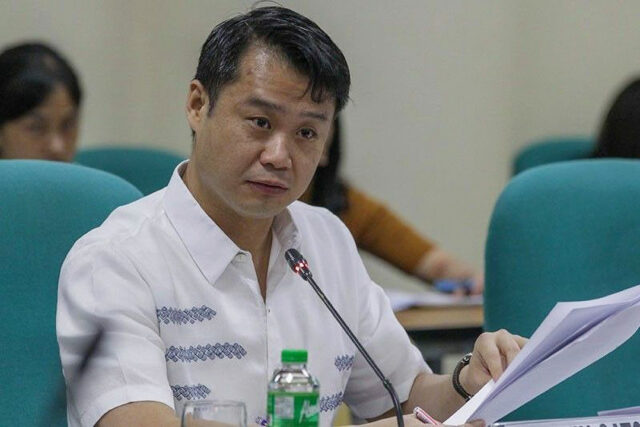
A SENATOR tipped to chair the chamber’s Ways and Means Committee in the 19th Congress said he considers sovereign debt management more important than revenue-eroding measures like a suspension of fuel excise taxes, which would impair government efforts to reduce such debt.

“We have just recovered from the pandemic and we still have a lot of debt,” re-elected Senator Sherwin T. Gatchalian said in a statement over the weekend, noting that a large portion of the government’s expenses will go to debt incurred to purchase coronavirus disease 2019 (COVID-19) pandemic vaccines.

“This must be prioritized to strengthen the so-called economic fundamentals and so that we can borrow even less if needed,” he added.

At the end of April, National Government debt was at a record P12.76 trillion, up 0.7% from the end of March.

However, Mr. Gatchalian said the Senate can still explore ways to relieve the burden of high fuel prices in hearings, adding he was open to allowing legislators pushing for the excise tax suspension to air their arguments.

“This is my perspective… I want to see if they have a different computation and analysis, so we can listen to it to know whether (their proposals) will help or not. We want to look at the situation as a whole,” he said.

The suspension of excise taxes on petroleum would result in as much as P131.4 billion in foregone revenue in 2022, reducing the funds available to support the recovery, the Department of Finance (DoF) has said.

In an Oct. 20 memorandum to Finance Secretary Carlos G. Dominguez III, Undersecretary Antonette C. Tionko recommended that the suspension of excise taxes on fuel products be “appropriately studied” as the foregone revenue “may affect the government’s budget for COVID-19 recovery measures.”

The senator has called for consultations to discuss the impact of higher fuel prices.

The Energy department has told legislators mechanisms should be set up under Republic Act 8479 or the Downstream Oil Industry Deregulation Act to determine the cost breakdown of fuel. Mr. Gatchalian said it may take time to make oil prices more transparent through such an unbundling of costs.

As an immediate solution to the continuing oil price hike, the senator proposed an expansion of the cash aid program to P3,000 monthly for jeepney drivers and P1,000 monthly for tricycle drivers over the next five months.

He said this will cost about P4 billion, against the P150 billion in foregone revenue should the excise tax be suspended.

“We can also expand the Libreng Sakay (free ride) program of the government, so those who stop plying their routes or plying the roads can be contracted by (the) government to serve the riding public,” he added. — Alyssa Nicole O. Tan

NIA may open 50 irrigation projects to PPP

JAPAN INTERNATIONAL COOPERATION AGENCY

THE National Irrigation Authority (NIA) said it has prepared a list of 50 projects that may be opened up to public-private partnerships (PPPs), including hydropower and floating solar power facilities.

In a statement over the weekend, NIA said: “At present, NIA has 50 potential irrigation projects for PPP nationwide (including) major or big-ticket multipurpose projects with hydropower component that can have potential floating solar power farms, and small river irrigation projects (SRIPs) or medium-sized dams with reservoirs that have the potential (to host) floating solar power farms and/or mini-hydro power plants,” the NIA said.

With power generation, irrigation, and climate change mitigation and adaptation infrastructure projects eligible for PPPs, “NIA sees partnership with the private sector (as) an opportunity to gain improved efficiency and project implementation processes in delivering services to the public, especially our farmers.”

According to the NIA, some of the potential major multipurpose projects for PPP include the Balog-Balog Multipurpose Project (hydropower component) in Tarlac; the Ilocos Sur-Ilocos Norte-Abra Irrigation Project in Region 1; the Panay River Basin Integrated Development Project in Capiz, the Ilaguen Multipurpose Irrigation and Power Project in Isabela; and the Balintingon Multipurpose Project in Nueva Ecija.

“Irrigation development in the Philippines is very slow at 2% of the potential irrigable area of about 1.3 million hectares annually due to lack of budgetary support to fast-track implementation of big-ticket multi-purpose projects; slow phase of project preparation due to failure of local consultants to deliver necessary outputs like feasibility studies and detailed engineering designs; and conversion of developed irrigated areas to other land uses like residential, industrial and other purposes,” the NIA said.   

“With PPP’s focus on reduced costs, better risk allocation, faster implementation, improved services and possible generation of additional revenue, the NIA top management officials calls on the private sector (to make) much-needed investments in Philippine agriculture,” the NIA said. — Revin Mikhael D. Ochave 

DoF wants trust fund to be sole source of financing for coco farmer insurance, warns against ‘double-dipping’

PHILSTAR FILE PHOTO

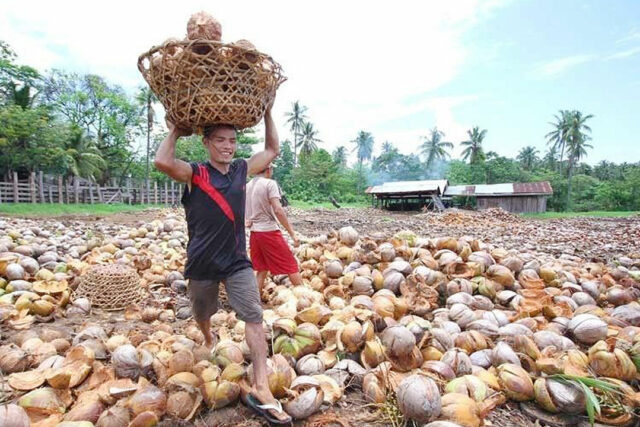
FINANCE Secretary Carlos G. Dominguez III said the coconut trust fund needs to be the sole disburser of financing for coconut farmer health and crop insurance, citing the danger of duplication should other funds be used to support such benefits.

“As the Trust Fund Management Committee, we need to ensure that there is no double-dipping of funds, that the crop and health insurance coverage to the coconut farmers should only come from the coco levy trust fund,” Mr. Dominguez was quoted as saying in a Department of Finance (DoF) statement. The remarks were delivered at a June 16 meeting.

Mr. Dominguez chairs the Trust Fund Management Committee (TFMC), which oversees how coconut levy funds are used.

He also urged the TFMC in the next government to also ensure that insurance funds are “commercially viable and therefore sustainable.”

Republic Act No. 11524 created the Coconut Farmers and Industry Trust Fund (CFITF), which aims to raise coconut output, bring farmers out of poverty, and modernize the industry.

Budget Undersecretary Kim Robert C. de Leon said that the Department of Budget and Management will review budget proposals by the Philippine Crop Insurance Corp. (PCIC) and the Philippine Health Insurance Corp., and other agencies receiving allocations from the CFITF to ensure no duplication of funding.

Under the CFITF, P200 million is allocated to the PCIC every year for crop insurance for coconut farmers, while P500 million is allocated every year for health and medical programs for coconut farmers and their families.

In order for crop insurance coverage to be sustainable, Mr. Dominguez said that premiums charged by the PCIC should consider factors such as geographical and weather-related risks, and reinsurance options with the private sector, “in order to reduce the financial burden on the coconut levy trust fund.”

During the meeting, the Bureau of the Treasury (BTr) reported that the TFMC received from  Land Bank of the Philippines (LANDBANK) a certificate of indebtedness, with a total principal amount of P1.12 billion at a fixed interest rate of 1.75% in connection with the sale of United Coconut Planters Bank (UCPB) shares.

LANDBANK received nearly P300 billion in additional assets after its merger with UCPB earlier in March.

The BTr also reported that the TFMC also received P102.74 million from the sale of disputed UCPB shares and rights.

These shares were classified by the Presidential Commission on Good Government as Coconut Levy Assets under the control of the CFITF.

Funds from these disputed shares will be transferred to an escrow account, or a third party, pursuant to the Implementing Rules and Regulations of Sections 9 to 11 of the CFITF, which states that non-cash levy assets may be disposed of pending dispute, provided that the proceeds are held in escrow. — Tobias Jared Tomas

Tugade expresses confidence in DoTr successor Bautista

BW FILE PHOTO/ LSDAVALJR

TRANSPORTATION Secretary Arthur P. Tugade said on Sunday that he is confident that his successor, former Philippine Airlines (PAL) President and Chief Operating Officer Jaime J. Bautista, will run the department efficiently when he takes over after the current government’s term expires.

“I personally know my successor, Jimmy Bautista. We have long years of association and friendship. His professionalism, experience, dedication, and hard work will certainly augur well in his being the Secretary of Transportation,” he said in a statement.

“To the best of my abilities and capabilities, I shall assist in however way asked and needed,” he added.

He said that the department’s transition team is currently working to ensure a “smooth, full, and transparent transition.”

“President-elect Ferdinand R. Marcos, Jr. has decided. We must fully trust and support his decision.”

Mr. Bautista spent more than 25 years working at PAL, serving as the airline’s president twice, between 2004 and 2012 and again between 2014 and 2019. While working for the national carrier, he held a variety of positions, including vice-president for finance and chief financial officer.

Separately, lawyer and former journalist Cheloy E. Garafil was chosen by Mr. Marcos to be the next chairman of the Land Transportation Franchising and Regulatory Board.

He currently serves as service director at the House of Representatives Committee on Rules, and was formerly a prosecutor for the Department of Justice and State Solicitor for the Office of the Solicitor General.

Mr. Marcos also tapped businessman Christopher S. Pastrana to serve as general manager of the Philippine Ports Authority.

“(Mr.) Pastrana, a successful businessman in the transportation field, brings with him decades of experience in various aspects of aviation, logistics, and public maritime transport,” Mr. Marcos said in a statement.

Mr. Pastrana currently serves as president and chief executive officer of the supply and logistics conglomerate CAPP Industries, Inc.

He also chairs the Archipelago Philippines Ferries Corp., which operates ferries under the brand name FastCat. — Arjay L. Balinbin

A new chapter for Philippine sustainability reporting

In the last few years, a growing number of companies have been publishing sustainability reports and have started integrating environmental, social and governance (ESG) considerations into their strategic frameworks because of regulatory developments and increasing demand from investors and customers.

Locally, a key driver for sustainability reporting is Memorandum Circular No. 4, series of 2019, issued by the Securities and Exchange Commission (SEC) in 2019. This requires publicly-listed companies (PLCs) to submit an annual sustainability report under a “comply or explain” approach. The SEC recognized the relevance of ESG disclosures not only to support global and local sustainability goals, but also to encourage transparency and accountability from companies by requiring public disclosure of their sustainability performance.

After a year of implementation, we conducted a review on how listed firms responded to the mandate. We then published a report containing a review of listed companies’ 2020 sustainability reports, known as “Beyond the Bottom Line 2nd Edition: Sustainability Landscape in the Philippines.”

IMPROVED QUALITY AND COVERAGE
The number of reviewed sustainability reports increased from 73 in 2019 to 118 in 2020. Consistent with the 2019 review results, the 2020 review revealed that 66% still applied the SEC’s template, while 52% released stand-alone, glossy sustainability reports and 53% included sustainability content in their annual reports, which shows that PLCs are gradually adopting more formats than just using the SEC’s template. The most widely adopted (79%) standard remained the Global Reporting Initiative (GRI) Standards.

However, there was a notable increase in the use of the Task Force on Climate-related Financial Disclosures (TCFD) recommendations (41%), which suggests that listed companies are recognizing the need to identify potential impacts of climate change to their businesses and mitigate climate risks. Companies in the construction and power & utilities industries covered most of the TCFD disclosures, showing their awareness of their exposure to the adverse impacts of climate change. Meanwhile, holding firms and listed companies in the banking, mining, retail and transportation industries had some climate-related disclosures, whereas the food, beverage and tobacco companies had little to none.

Only 10% of the listed firms we reviewed obtained limited assurance, and 56% did not disclose their sustainability vision and strategies or provided only high-level statements of intent relating to sustainability. Sixty-two percent disclosed their materiality assessment process, while biodiversity-related topics like watersheds, marine and International Union for Conservation of Nature Key Biodiversity Areas (IUCN/KBA) remained the least reported. Knowing that the Philippines is one of the most megadiverse countries globally, biodiversity loss is a crucial issue. This makes it imperative for companies to report on biodiversity, especially for industries with direct impact such as mining and power & utilities.

Overall, there has been improved quality and coverage in the 2020 sustainability reports compared to the previous year, and ESG disclosures are expected to improve further especially since the “comply or explain” approach ended in 2021. We also anticipate changes in the global and local reporting landscape to address the call to harmonize sustainability reporting standards and frameworks.

The IFRS Foundation, through the International Sustainability Standards Board (ISSB), has released the first two exposure drafts of the IFRS Sustainability Standards Disclosures. Comments on the exposure drafts are due on 29 July 2022, and we are expecting the official publication of these standards before 2022 ends.

POLICY LANDSCAPE OF SUSTAINABILITY REPORTING
Sustainability reporting is just one of the growing regulations that aim to accelerate sustainable development in the country. The growing concern over ESG risks, compounded by the impacts of the COVID-19 pandemic, are driving stronger sustainability efforts from the government and companies.

The government has developed and released several policies and frameworks to support decarbonization and the transition to a cleaner energy source through climate funding and action plans. Multiple regulatory and reporting developments are underway to address ESG issues: sustainable finance, extended producer responsibility (EPR), sustainable mining, and biodiversity protection. Investors are also paying more attention to ESG and are saying they are now attaching greater importance to companies’ ESG performance because of the pandemic, as revealed in EY’s 6th Institutional Investor Survey.

Despite the current gaps in ESG disclosures as observed in the 2020 review, we see a potential acceleration in the incorporation of ESG considerations into corporate strategies and investment on resources as companies begin to realize that gains from their sustainability efforts outweigh the related costs and are not just an added expense to the business.

BEYOND COMPLIANCE
Currently, the SEC only requires listed companies to submit sustainability reports, but this will soon be extended to other types of corporations, as they have announced in several webinars. Considering the multiple, fast-paced global and local developments around ESG, businesses should reinforce their sustainability journey as soon as possible and consider the following actions:

• Define sustainability governance at the management and board levels

• Integrate sustainability into the enterprise risk management system and corporate strategies

• Invest in systems and processes that will support reliable and timely ESG reporting

• Obtain third-party assurance on ESG disclosures

• Keep tabs on the developments around sustainability reporting standards, especially on the IFRS Sustainability Standards Disclosures

• Build internal capacity to support the organization’s sustainability thrust

Sustainability reporting is one of the best ways to boost stakeholder confidence as it demonstrates transparency and accountability. However, it is not enough for companies to produce sustainability reports for compliance purposes alone.

Instead, determining material ESG issues for the business is essential to disclosing relevant information to stakeholders and to manage the risks these issues bring. A company’s sustainability journey may also entail business model changes, portfolio rebalancing and investments in new technologies and capabilities. Thus, corporates should start realigning their resources and strategies and understanding what they need to ensure accurate and timely ESG disclosures.

Bold sustainability commitments and goals with defined metrics will be necessary to drive impactful actions that help accelerate the country’s sustainable development.

This article is for general information only and is not a substitute for professional advice where the facts and circumstances warrant. The views and opinions expressed above are those of the author and do not necessarily represent the views of SGV & Co.


Benjamin N. Villacorte is a partner from the Climate Change and Sustainability Services team of SGV & Co.

All eyes on Marcos as ICC drug probe reboot eyed

KARAPATAN

ALL EYES are on incoming President Ferdinand R. Marcos, Jr. and his commitment to human rights after a request by the International Criminal Court (ICC) prosecutor to resume the investigation into alleged crimes against humanity by his predecessor in the Philippine government’s war on drugs, political analysts said at the weekend.

The ICC probe is unlikely to prosper if Mr. Marcos allows his alliance with presidential daughter and incoming Vice-President Sara Duterte-Carpio “to take precedence over everything else,” said Dennis C. Coronacion, who heads the University of Santo Tomas Political Science Department.

“The next administration has sent mixed signals regarding how it will deal with the matter,” he said in a text message. “These contradictory statements tend to confuse the public.”

He said incoming Justice Secretary Crispin C. Remulla had sent signals that the government would not cooperate with the ICC probe, citing the country’s functioning justice system.

On the other hand, Mr. Marcos did say that he “would like to see a high level of accountability on the aspect of human rights,” Mr. Coronacion said.

The ICC’s Office of the Prosecutor has sought to reopen the probe into President Rodrigo R. Duterte’s anti-illegal drug campaign months after it was halted upon the Philippine government’s request. 

In a 53-page request to the ICC pre-trial chamber, ICC Prosecutor Karim Ahmed Khan said the Philippine government had not shown that it has investigated crimes related to the campaign.

He said the chamber should issue an order on an “expedited basis.” It should “receive any further observations it considers appropriate from victims and the government of the Philippines,” he added.

The ICC prosecutor’s request to resume the probe is a “booster shot for accountability,” Human Rights Watch (HRW) said on Saturday.

“The government has not been serious about justice for these crimes while the victims’ families grieve without redress and those responsible face no consequences,” Maria Elena Vignoli, senior international justice counsel at the global human rights watchdog, said in a statement.

Philippine government data released in June 2021 showed that at least 6,117 suspected drug dealers had been killed in police operations as of April 2021. Human rights groups estimate that as many as 30,000 suspects have been killed.

Mr. Khan said the information about cases taken from the dockets of national and regional prosecution offices in the Philippines “does not demonstrate that concrete and progressive steps have been or are being taken by the competent national authorities.”

He said the Philippines had failed to show that “any individual has been investigated for ordering, planning, or instigating any of these killings, nor is there any indication that the domestic authorities are investigating the alleged systemic nature of these and other killings.”

The ICC probe might threaten the “united front,” said Maria Ela L. Atienza, a political science professor at the University of the Philippines, referring to Mr. Marcos’ campaign promise of unity. He ran in tandem with Ms. Carpio and both won the May 9 elections by a landslide.

She said the human rights stance of the son and namesake of the late dictator would be closely monitored given violations committed during his father’s two-decade authoritarian rule. “Many are wary that the son may replicate the record of the father.”

Ms. Atienza also noted that a number of Duterte officials and allies would continue to serve under the Marcos government.

“We will see if they will continue to defend Duterte’s war on drugs or will take on a different stance under the new administration,” she said in a Viber message.

Mr. Marcos has named Mr. Duterte’s Justice chief Menardo I. Guevarra solicitor general, the government’s chief lawyer.

Mr. Guevarra on Sunday said the Department of Justice should have been given enough time to produce results first, noting that Mr. Khan’s move to lift the probe suspension was premature.

“I respect his view but I think he should have waited for our efforts to bear some fruit,” he said. “An investigation of this magnitude and complexity cannot be finished in a few months.”

‘UNCOMFORTABLE’
The ICC suspended its investigation of the drug war in November as the Justice department and other agencies started looking at 52 cases recorded from 2016 and 2021.

The DoJ had only brought five of the 52 cases, which involved about 150 police officers, to court since it started its investigation in 2021.

Analysts said the European Union would probably continue to exert pressure on the Philippine government to respect human rights.

Cooperating with the ICC presents an “uncomfortable choice” for Mr. Marcos, the Gabriela Women’s Party said at the weekend.

He would be perceived as a leader who condones human rights violations if he blocks the ICC probe, exposing the “stubborn reign of impunity under the new presidency,” it said.

Anakpawis Party-list National President Ariel B. Casilao dared Mr. Marcos to give way to the ICC investigation.

“We challenge Marcos, Jr. not to block the ICC probe on Duterte and to recognize the Rome Statute and International Humanitarian Law,” he said in a statement. “Duterte’s crime was not simply ‘war on drugs,’ but state terrorism where he used the state machinery to sow terrorism among the Filipino people.”

The presidential palace at the weekend called the state’s anti-illegal drug campaign a success “that saw a massive dip in crime incidents attributed to drug abuse.”

Mr. Duterte’s spokesman, Martin M. Andanar, told the ICC, which investigates and tries people charged with genocide, crimes against humanity, war crimes and aggression, to “let these efforts of the Philippine government run their course.”

“If Marcos, Jr. gives Duterte protection in the ICC probe, he will only prove that he is not worthy to be president,” Mr. Casilao said.

Bayan Muna Rep. Ferdinand R. Gaite welcomed the ICC prosecutor’s move. “We look forward to its conclusion the soonest possible time for the sake of giving justice to the victims of this crime against humanity,” he said in a statement.

“Years have already passed after these killings, the prolonged and still continuing suffering of their families in seeking justice should now be put to an end.”

Mr. Duterte, whose six-year term ends on June 30, has asked his successor to continue his anti-illegal drug campaign.

Arjan P. Aguirre, who teaches political science at the Ateneo De Manila University expects Mr. Marcos to “use his popularity to repel any pressure from civil society.” — Norman P. Aquino, Alyssa Nicole O. Tan and Kyle Aristophere T. Atienza


AFP spokesman to head Marcos Jr.’s Presidential Security Group

SARA Duterte-Carpio at her inauguration as Vice-President on June 19. — BUSINESSWORLD/MAYA M. PADILLO

PRESIDENT-ELECT Ferdinand R. Marcos, Jr. has chosen a military spokesman as the head of the Presidential Security Group (PSG), according to the Armed Forces of the Philippines (AFP) Public Affairs Office.

“AFP spokesperson Colonel Ramon Zagala will be designated acting PSG commander and acting senior military assistant at the same time,” Jorry L. Baclor, chief of AFP’s public affairs office, said by telephone on Sunday. “According to him, it will be effective on June 30.”

“He will perform both designations in acting capacity,” he added.

Mr. Zagala will replace outgoing PSG Commander Randolph G. Cabangbang.

The AFP recently activated a security team for incoming Vice-President and presidential daughter Sara Duterte-Carpio.

The security team, which is not attached to the PSG, was activated after Ms. Carpio requested “that a security unit separate from the [PSG] be created and be assigned” to her and her family.

The Vice Presidential Security and Protection Group, which was activated on June 24, will “ensure the safety and security of the vice-president of the Philippines and her family,” the AFP said in a statement on June 25.

Ms. Carpio in a statement last week said the request was made in anticipation of “future elections” and the possibility of “strained relations” between the president and vice-president.

“This AFP initiative also highlights the importance of having an independent group that will provide all Philippine vice-presidents with the necessary security and protection,” she said.

The activation of the separate security group for the vice-president would resolve the matter of continuity in security for all vice-presidents of the Philippines, Ms. Carpio added.

“It may be expected to solve the challenges if, in future elections, the vice-president and the president face the misfortune of having strained relations.” — KATA

Time for Philippines to proceed with Reed Bank oil exploration — solon 

DOE.GOV.PH
DOE.GOV.PH

THE SUSPENSION of drilling activities in the Reed Bank, locally known as Recto Bank, should be lifted now that negotiations for a supposed joint exploration between Manila and Beijing has been terminated, a lawmaker said on Sunday.  

Now that the talks have been terminated, the department should withdraw its suspension order,Surigao del Sur Rep. Johnny T. Pimentel said in a statement, referring to the Department of Energy (DoE). 

This way, the private parties contracted by the Philippine government to develop the offshore Sampaguita gas discovery in Recto Bank can proceed with their drilling activities,said the chair of the House Strategic Intelligence Committee.  

The Energy department on Saturday said it continues to pursue talks with existing service contract holders so they can proceed with their work programs”. 

At the same time, DoE is coordinating with the Security, Justice, and Peace Cabinet Cluster to ensure the safety and security of the private firms in their offshore activities.   

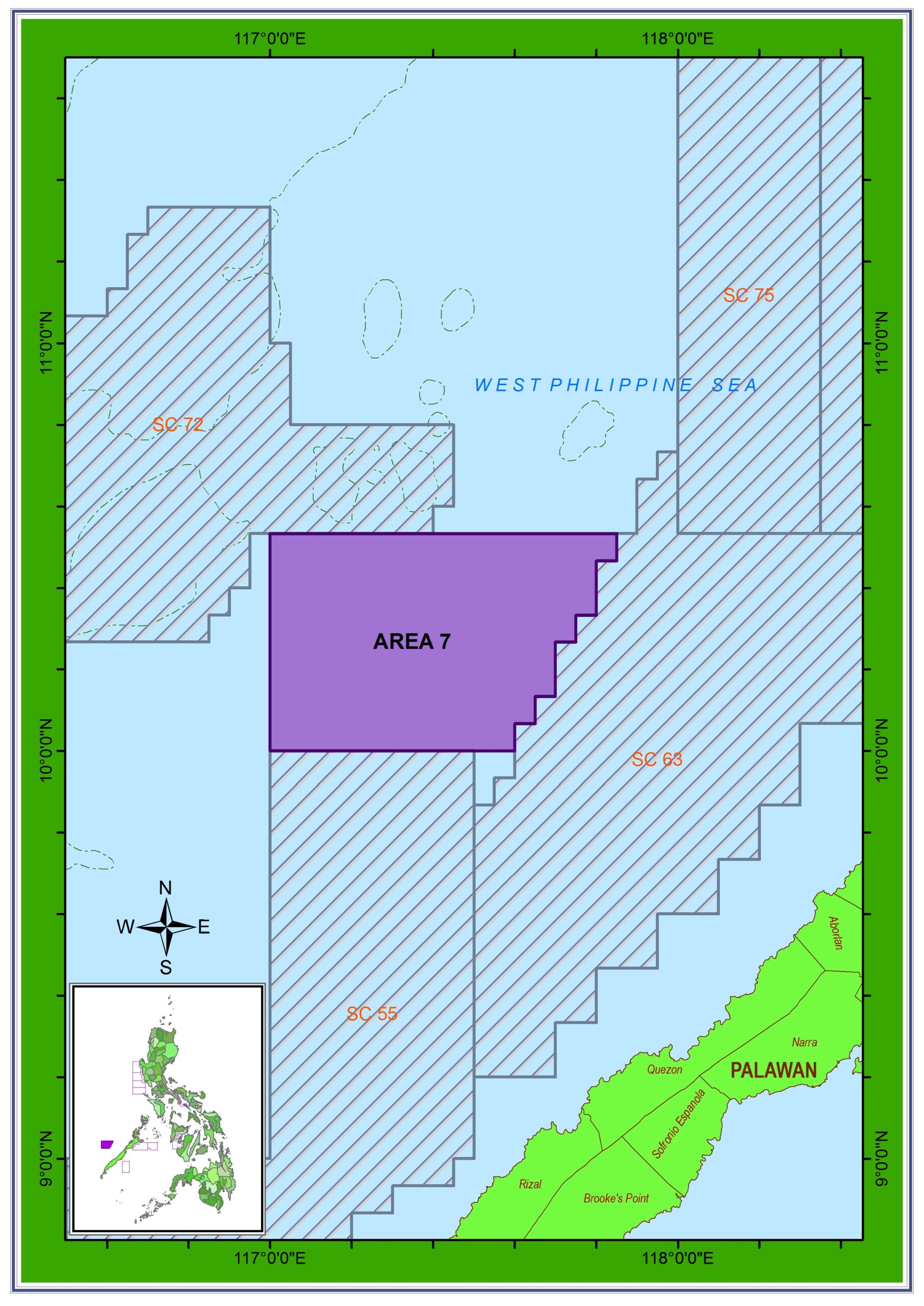
PXP Energy Corp. and its subsidiary Forum (GSEC 101) Ltd. in April put on hold activities for two petroleum exploration service contracts as directed by the Energy department.   

The order was issued after reported Chinas harassment of the survey vessels hired by our service contractors,and in consideration of negotiations with Chinaat that time, according to DoE.   

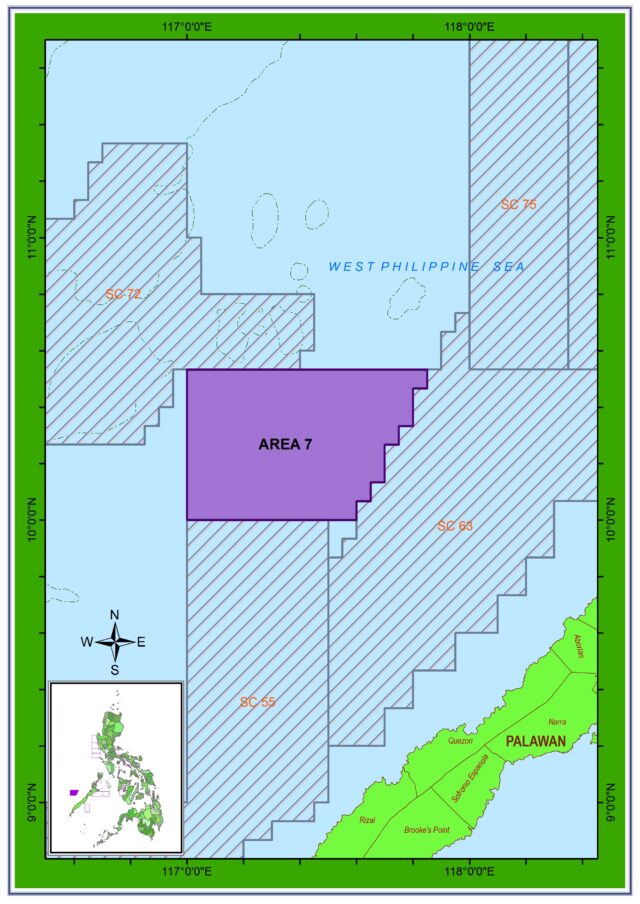
PXP is the operator under Service Contract 75 while Forum holds SC 72.   

SC 75 was awarded by the DoE on Dec. 27, 2013 and covers an area of 6,160 square kilometers in the offshore northwest Palawan basin. 

Forum acquired SC 72 in April 2005. It is located in the South China Sea, west of Palawan and southwest of the Malampaya gas field.   

Mr. Pimentel said Sampaguita is estimated to contain up to 4.6 trillion cubic feet (tcf) of gas, which is comparable to the 3.4 tcf of gas reserves available in the Malampaya which supplies 20% of Luzons electricity demand.  

The lawmaker earlier warned that Malampaya may be depleted by 2027 and without fresh gas from Sampaguita, the Philippines northern mainland could face power shortages in the near future.  

Prior to the suspension of exploration activities, the Energy department gave Forum until October 16 to drill its two commitment wells at a cost of $100 million or around P5.4 billion.  

Manilas top envoy announced on Thursday last week that oil and gas explorations between the Philippines and China have been completely terminated upon the order of President Rodrigo R. Duterte.  

The President had spoken,Foreign Affairs Secretary Teodoro L. Locsin, Jr. said.I carried out his instructions to the letter: Oil and gas discussions are terminated completely.”    

Nothing is pending; everything is over,he added. Three years on and we had not achieved our objective of developing oil and gas resources so critical for the Philippines but not at the price of sovereignty; not even a particle of it.”   

Beijing, however, expressed interest in working with Manilas incoming administration.  

Joint offshore oil and gas development is the right way for China and the Philippines to manage maritime differences and achieve win-win results without prejudicing either sides maritime positions and claims,Chinas Foreign Ministry Spokesperson Wang Wenbin said on Saturday.  

China stands ready to work in concert with the new Philippine government to advance negotiations on joint development and strive to take early substantive steps so as to deliver tangible benefits to both countries and peoples,he added. Alyssa Nicole O. Tan 

Cebu City deploys buses amid lack of public transport service providers 

CEBU CITY PIO

THE CEBU City government is deploying buses for free rides during rush hours as commuters face difficulties amid an apparent decrease in the number of public transport vehicles plying their routes.   

Mayor Michael L. Rama issued a directive Friday for the free ride program, starting immediately using 19 city-owned buses.  

Mr. Rama said the free service in one of the busiest urban areas in the country will be in effect while the local government looks into other solutions.   

I already have a directive now with Councilor Philip Zafra He will coordinate with Rene Plarisan, our in-charge of transportation. And whatever transportation we have these will all be available,he said during a video press conference Friday.  

The mayor said he will be talking to bus companies for possibly augmentingthe transport service.    

Free, in the meantime that we are into this situation,he said.   

Mr. Zafra, for his part, said, members of the city disaster risk reduction office will be assisting in identifying priority areas where the buses will be deployed based on the number of stranded commuters.  

They will take note of the areas concerned,the councilor said, then coordinate with the city department in charge of dispatching the buses.   

The public transport service problem arising in part from high fuel prices could worsen in the coming months as schools resume face-to-face classes in August. MSJ 

Bangsamoro transport logistics roadmap underway with UPPAF, MinDA assistance 

BARMM MOTC

A TRANSPORT logistics plan for the Bangsamoro region is in the works, which will include an inventory of existing infrastructure and projects that should be prioritized.  

The Transport Logistics Roadmap is being drafted by the Bangsamoro Ministry of Transportation and Communications with assistance from the Regulatory Reform Support Program for National Development (RESPOND) program and the Mindanao Development Authority (MinDA).  

RESPOND is funded by the United States Agency for International Development and implemented by the University of the Philippines Public Administration Research and Extension Services Foundation, Inc. (UPPAF).  

We want to make sure that BARMM (Bangsamoro Autonomous Region in Muslim Mindanao) is well-integrated in the overall national development, and this is a crucial step in achieving that,Bangsamoro Transport and Communications Minister Dickson P. Hermoso said in a press release from MinDA.  

The medium-term transport roadmap aims to provide efficient and reliable transport services in the region in harmony with overall plans for Mindanao, the southern Philippines islands. 

We deem this Transport Logistics Roadmap as integral to our long-term vision of an interconnected Mindanao where people and goods can move freely and safely,MinDA Secretary Maria Belen S. Acosta said.  

RESPOND Chief of Party Enrico L. Basilio said the partnership will initially focus on the identification of existing infrastructure facilities and gaps to thoroughly assess any necessary policy and regulatory reforms. MSJ 

Bohol agrarian reform beneficiaries get titles for subdivided land

LAND titles for a partitioned 51.93-hectare farm area in the town of Carmen in Bohol were recently distributed to 40 beneficiaries, according to the Department of Agrarian Reform (DAR). 

In a statement on Sunday, the agency said the agrarian reform beneficiaries received electronic certificates of land ownership award or e-CLOAs.    

One of the e-CLOA recipients was 86-year-old Andiana Baquilid, who has been tilling the land for years.   

The DAR is doubling its effort to fortify our farmersland tenure security so that they can pass these lands to the next generation,DAR Central Visayas Director Romeo L. Reyes said.   

We would continue to support them in making these lands productive, he added.   

The partition of farmlands under the governments land reform program is undertaken through the Support to Parcelization of Lands for Individual Titling Project. It determines exact boundaries for individual owners of previously awarded lands under collective titles. 

Continuing transformative fiscal reforms

PIXABAY

President-elect Ferdinand Marcos, Jr.’s Cabinet is still incomplete, with mere days remaining until his official inauguration. As of this writing, notable vacancies include Health and Energy, while Marcos has himself taken up the challenge of being Agriculture Secretary. Despite these pending appointments, one must concede that Marcos has generally allayed the concerns and uncertainty over his economic team. The incoming team is a mix of technocrats mostly with track records from previous administrations: Bangko Sentral ng Pilipinas (BSP) Governor Felipe Medalla, Economic Planning Secretary Arsenio Balisacan, Budget Secretary Amenah Pangandaman, and the primus inter pares in the team, Finance Secretary Ben Diokno.

The success of any administration will depend heavily on the team of leaders and technocrats he surrounds himself with. Even while one may rightly criticize outgoing President Rodrigo Duterte’s record on human rights and rule of law, one cannot deny that crucial economic reforms were pushed and enacted by his economic team. Marcos’ election is arguably a reflection of our electorate’s collective desire to continue the agenda of the outgoing administration. And while Marcos was elected with a significant majoritarian mandate and will be enjoying the gains from these reforms, he will be inheriting a vastly different economic situation than what his predecessor faced upon entering office.

Duterte’s economic team demonstrated the political capital and technical soundness to shepherd the passage of TRAIN (Tax Reform for Acceleration and Inclusion) and health taxes even without a fiscal crisis, as well as Corporate Recovery and Tax Incentives for Enterprises (CREATE) as part of the response to the COVID-induced economic recession. Marcos, on the other hand, must deal with a persistent pandemic, a tightening fiscal situation, and a hostile global environment characterized by high inflation and economic slowdown.

The aforementioned reforms under the Duterte administration created the conditions for sustained growth, but then came the pandemic, and the economy tanked (-8.6% of GDP in 2021). The said reforms still provided some cushion, but the high government deficit precipitated by the pandemic has given rise to significantly higher debt — P3.2 trillion above pre-pandemic levels with a resulting 60.4% debt-to-GDP ratio as of 2021.

Given the current debt situation, the government will need to raise P249 billion in incremental revenues every year for 10 years to return to the previous debt ratio. This could be achieved by vastly cutting spending on social services or by continuing to finance debt with additional borrowing. However, neither approach will give us the space to continue productive spending, to provide buffers to respond to economic shocks, and to ultimately out-grow the pandemic-induced debt and hit our developmental targets. Thus, Marcos must pursue strategic fiscal reforms in the same vein that Duterte did; he must pursue fiscal consolidation and resource mobilization.

The outgoing Department of Finance (DoF) has provided a blueprint for such a fiscal consolidation measure, which is expected to raise P374.6 billion in incremental revenues every year. The measure is a combination of the remaining reforms from the Comprehensive Tax Reform Program (CTRP), critical health taxes, several excise taxes with a sumptuary purpose, value-added tax (VAT) reforms, and further efforts to improve tax administration.

Package 1 of the DoF’s proposed fiscal consolidation includes the yet-unpassed packages on Passive Income and Financial Intermediary Taxation and Real Property Valuation and Assessment Reform of CTRP; continuing VAT reforms; reforms to the Motor Vehicle User’s Charge; and tax reforms on mining, gaming, and luxury and non-essential goods. These all fit the mold of the CTRP.

Package 1 also includes a deferment of the second tranche of the Personal Income Tax (PIT) schedule of TRAIN. The first tranche of PIT reforms in TRAIN has already provided immediate tax relief for the middle class, and its proposed deferment from 2023 to likely more favorable fiscal conditions in 2026 will provide annual incremental revenues of P97.7 billion. Also included in Package 1 is the introduction of value-added tax on online and digital services, which could raise P13.2 billion in annual incremental revenues. With all these measures included, Package 1 is expected to generate P247.8 billion.

Past sin tax reforms have demonstrably shown that excise taxes designed to modify consumption behaviors can significantly improve health outcomes while generating much-needed revenue for the government to spend on health and other social services. Thus Package 2 includes continuing health taxes on alcohol, tobacco, e-cigarettes, sugar-sweetened beverages, and additionally, non-nutritious food, which amount to P91.4 billion in annual incremental revenue. Package 2 also includes further reforms on petroleum and coal taxes, which, despite the long-term economic and environmental benefits, will likely be more difficult to pass due to the ongoing inflation episode.

Within a month’s time, incoming Finance Secretary Diokno plans to unveil the Marcos administration’s full fiscal program which will hopefully align with these fiscal consolidation measures. Diokno has in the past been a strong advocate of improving tax administration and will be instrumental in introducing further improvements and implementing the tax administration reforms enacted in the Comprehensive Tax Reform Package; sustaining the digitalization efforts of the Bureau of Internal Revenue and Bureau of Customs; and capturing transactions which have migrated to the digital economy.

In reckoning with economic history, we must consider not just how these reforms have contributed to growth, but, more significantly, how these reforms have contributed to the transformation of the economy and society in the long run. President Marcos Jr., through these reforms and together with his economic team, can continue to transform the fiscal institutions of our nation.


AJ Montesa heads the fiscal policy program of Action for Economic Reforms.

ADVERTISEMENT
ADVERTISEMENT