Home Blog Page 5433

Half of asthma patients don’t use inhalers properly — study

By Brontë H. Lacsamana, Reporter 

INHALED corticosteroids (ICS), or maintenance inhalers that serve as anti-inflammatory medicine for asthma patients, must be taken on a regular basis (instead of as needed) in order to manage asthma, according to a recent study by global pharmacology experts.  

The study, titled New Versus Old: The Impact of Changing Patterns of Inhaled Corticosteroid Prescribing and Dosing Regimens in Asthma Management, found that daily usage of ICS can reduce inflammation in the lungs, decreasing the number and severity of a patient’s asthma attacks.   

A common problem in treating asthma is that most patients who take ICS don’t actually take them as they’re meant to, said Dr. Dave Singh, a pharmacology professor from the University of Manchester.  

“Key issues are: one, are they using the inhaler properly? About half don’t. Inhaler devices are all different and the patient needs to be taught how to use them properly,” he said at a Sept. 23 virtual roundtable. “Two, half the patients miss doses. It’s called non-adherence or low adherence, something common in all conditions.”  

The modeling study, having looked at various studies on asthma and integrating their data, concluded that better inhaler usage and dosage is the key to managing asthma.  

Asthma, a chronic lung condition that involves the swelling of airways that makes it difficult to breathe, can be found in one in 11 Filipinos. This puts its prevalence in the country at 8.7%, based on data from the 2017 National Nutrition and Health Survey.  

Dr. Singh said that the idea behind studies like this is to come up with guidance for doctors, in the form of the therapeutic index which doctors use in their medical practice to educate patients on therapy, proper dosage, side effects, and the like.  

“In the Philippines, once experts have had a look at the data … then implementation can really begin because, though educational events will be part of it, to really achieve better healthcare will involve a partnership between doctors and patients,” he said.  

“What doctors need to do is very straightforward — form a partnership with patients to educate them about the benefits of proper treatment, and that needs time investment.”  

As opposed to the usual, flexible approach of using ICS on days with more symptoms or asthma attacks, daily treatment will be more preventive and beneficial for the patients in the long run.  

The study recommends the more regular approach for its long-term benefits, namely longer periods with a good level of disease control, Dr. Singh concluded.  

AG&P plans to expand local LNG project

ATLANTIC Gulf & Pacific Co. (AG&P) is planning to expand its liquefied natural gas (LNG) projects in the Philippines, its top official said on Tuesday.

“We’re always looking forward at expanding the terminal. We are also looking at breakbulk LNG, adding smaller LNG projects to other smaller islands in the Philippines as well,” Karthik Sathyamoorthy, president of AG&P LNG terminals and logistics, told BusinessWorld in an interview.

Mr. Sathyamoorthy said that the company’s LNG project in the country is expected to begin operation in the first quarter of next year after delays.

“AG&P’s LNG terminal is at the final stage of commission so we are currently looking at the first quarter of 2023 to commission the terminal,” he said. AG&P’s floating storage and onshore regasification unit in Batangas has a capacity of five million tons per annum (MTPA).

According to the Department of Energy’s Natural Gas Development Plan, which was released last week, the total estimated combined capacity for the LNG facilities in the Philippines is 21.7 MTPA. To date, the Philippines has approved six proposed LNG terminal projects.

Mr. Sathyamoorthy also said the company is also trying to come up with new configurations which have been traditionally used.

“The company’s LNG terminal, is a hybrid terminal for storage, on-shore storage and regasification,” he said.

He said that this would increase the reliability of the terminal, especially during typhoons.

Mr. Sathyamoorthy also said that the LNG project will also help the government’s plan to increase renewable energy in the country.

“Natural gas is key support role in increasing the renewable energy in the Philippines energy mix,” he said. — Ashley Erika O. Jose

Arts & Culture (09/28/22)

FACEBOOK.COM/PICCMANILA

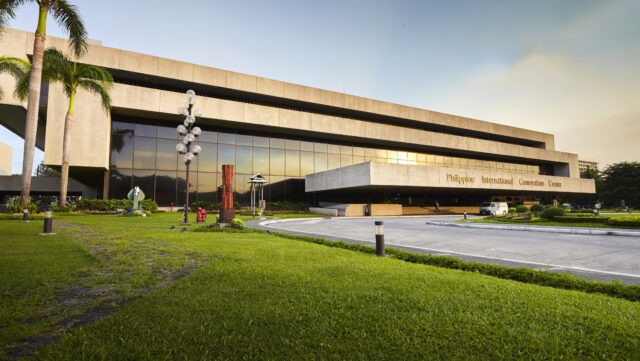
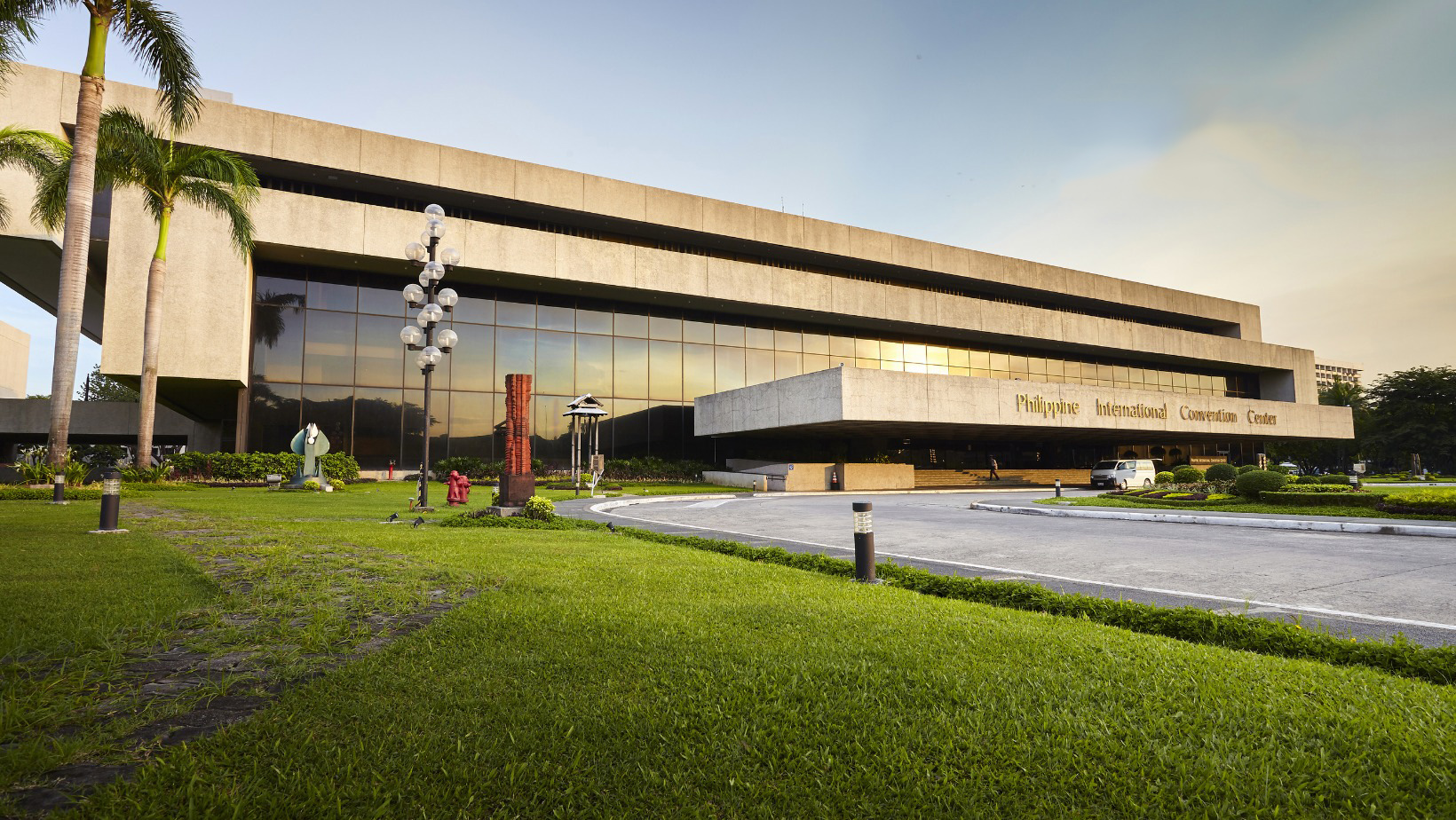
PICC building, artworks designated Nat’l Treasure

A PANEL of Experts convened by the National Museum of the Philippines has designated the Philippine International Convention Center (designed by National Artist Leandro V. Locsin) and several works of art originally and permanently installed in the building collectively as a National Cultural Treasure. The art works are: Anito, a sculpture by National Artist Arturo R. Luz, located at the Courtyard; Grid, a steel sculpture also by Arturo Luz, located at the Plenary Hall and Reception Hall lobby; Pagdiriwang, a painting by National Artist Jose T. Joya, located at the Delegation Upper Lobby; and Carved-wooden furniture by National Artist Napoleon V. Abueva which are distributed in various lobbies and hallways in the building. The official Public Declaration and Unveiling of the Marker for the National Cultural Treasure was held yesterday, Sept. 27, at the PICC Main Lobby.


CCP Met Opera in HD returns

THE CULTURAL Center of the Philippines (CCP) relaunches the Met Opera in HD series in cooperation with the Metropolitan Opera of New York, Filipinas Opera Society Foundation Inc., and Ayala Cinemas. Season 7 of the series will feature one Met Opera in HD production every month until February 2023 at Greenbelt 3 in Makati. To be screened are: Carmen by Georges Bizet on Oct. 4, Sir Richard Eyre’s celebrated 2010 production with mezzo-soprano Clémentine Margaine opposite tenor Roberto Alagna; La Traviata by Giuseppe Verdi on Nov. 15,  Michael Mayer’s richly textured new production, featuring soprano Diana Damrau and tenor Juan Diego Flórez; Dialogues des Carmélites by Francis Jean Marcel Poulenc on Dec. 6, The Met’s Jeanette Lerman-Neubauer Music Director Yannick Nézet-Séguin leads an accomplished ensemble in Poulenc’s devastating modern masterpiece of faith and martyrdom featuring mezzo-soprano Isabel Leonard opposite Karita Mattila; La Fille du Régiment by Gaetano Donizetti on Jan. 10, with bel canto stars Pretty Yende and Javier Camarena; and Samson et Dalila by Camille Saint-Saëns on Feb. 7, 2023, with mezzo-soprano Elīna Garanča and tenor Roberto Alagna in the title roles. All screenning are at 6:30 p.m. For more information, visit the CCP website (www.culturalcenter.gov.ph) and follow the official CCP social media accounts on Facebook, Twitter, and Instagram for the latest updates.


MSO holding preview concert

THE MANILA Symphony Orchestra (MSO) together with prodigy Dadomar Das Castillo will be performing live at the Asia Orchestra Week to a sold-out crowd in Tokyo, Japan on Oct. 5. Filipino audience can watch a preview performance on Sept. 29 at 7:30 p.m. at the Ayala Museum. 


Ballet Manila presents double bill in return to live shows

BALLET Manila will present Rise!, a double bill featuring all the elements of performing arts such as opera, popular, OPM, and orchestral music, on Oct. 7 (8 p.m.) and Oct. 9 (5 p.m.), at the rebuilt Aliw Theater at the CCP Complex, Pasay City. Echoing a message of hope and light amid a time of uncertainty and fear, Ballet Manila’s new show captures the essence of rising through adversities and fulfilling prima ballerina and Ballet Manila artistic director and CEO Lisa Macuja-Elizalde’s well-publicized “phoenix rising” pronouncement after their home theater was razed by a fire. Rise! is a double bill show that will begin with a pop program entitled Ballet & Ballads and a retelling in ballet of the opera La Traviata as choreographed by Ms. Macuja-Elizalde. With Gerard Salonga as musical director and orchestra conductor, the show features pop singer Bituin Escalante, opera singer Jade Riccio, and multi-talented singer Ivan Nery. The creative team, led by prima ballerina Lisa Macuja-Elizalde as overall artistic director, includes theater artist Michael Williams as the stage director, playwright Luna Inocian as scriptwriter and Gerardo Francisco, Jr. and Martin Lawrance as choreographers. There is a 12-person opera ensemble and a 60-piece bespoke orchestra handpicked by Mr. Salonga. Tickets are available exclusively through Ticketworld, visit www.ticketworld.com.ph or call Ticketworld hotline at 8891 -9999.


CCP presents ballet Pulso Pilipinas II

THE CULTURAL Center of the Philippines (CCP) presents Pulso Pilipinas II: Alay Nina Alice at Agnes as the second part of the CCP Dance Series (LIVE!) 2022, happening on Sept. 30, 8 p.m. (Gala Night), Oct. 1, 3 and 8 p.m., and Oct. 2, 3 p.m., at the CCP Main Theater. The mixed program presents selected iconic works of two living National Artists for Dance — Alice Reyes and Agnes Locsin. This production will feature Locsin’s Igorot, Moriones,” and Elias at Salome, as well as Alice Reyes’ Carmina Burana. Ms. Reyes was one of the founders of the CCP Dance Company which produced many dancers, teachers and choreographers. Her choreographic works are powerful expressions of the country’s unique history and cultural heritage. She is now the artistic consultant to the newly formed Alice Reyes Dance Philippines (ARDP) mentoring and nurturing the current generation of artists and young choreographers. Recognized as the pioneer of neo-ethnic style of dance, Ms. Locsin is a former Artistic Director and chief choreographer of Ballet Philippines, a teacher, mentor, storyteller, and trailblazer. Participating artists are the Alice Reyes Dance Philippines, Guang Ming College Hiraya, and UE Silangan Dance Troupe, and Teatro Baile de Cavite. For tickets, contact ARDP ticketing officer Bonnie Guerrero on Viber at 0915-412-2152, or TicketWorld at https://premier.ticketworld.com.ph/shows/show.aspx…, and the CCP Box Office at 8832-3704. For more information, visit www.facebook.com/ARDancePH.


CCP partners with Arthaland for exhibit

GIVEN the closure of the Main Theater Building of the Cultural Center of the Philippines (CCP) for rehabilitation beginning next year, off-site exhibitions are now lined up to be able to continue showcasing the CCP 21AM collection to the public. As a kick-off to the exhibition roadshow, and in celebration of Museum and Galleries Month, the CCP Visual Arts and Museum Division has partnered with Arthaland for an exhibition in October at the ground floor lobby of Arthaland Century Pacific Tower (ACPT) at 5th Ave. corner 30th St., Bonifacio Global City. The CCP’s inaugural off-site exhibition is titled “Details & Abstractions: Selections from the Cultural Center of the Philippines 21AM Collection”.  Arthaland Century Pacific Tower is the first building in the world to be certified by the International Finance Corp., a member of the World Bank Group, as zero carbon under its EDGE program, the acronym standing for Excellence in Design for Greater Efficiency.


Security Bank Hall reopens at National Museum

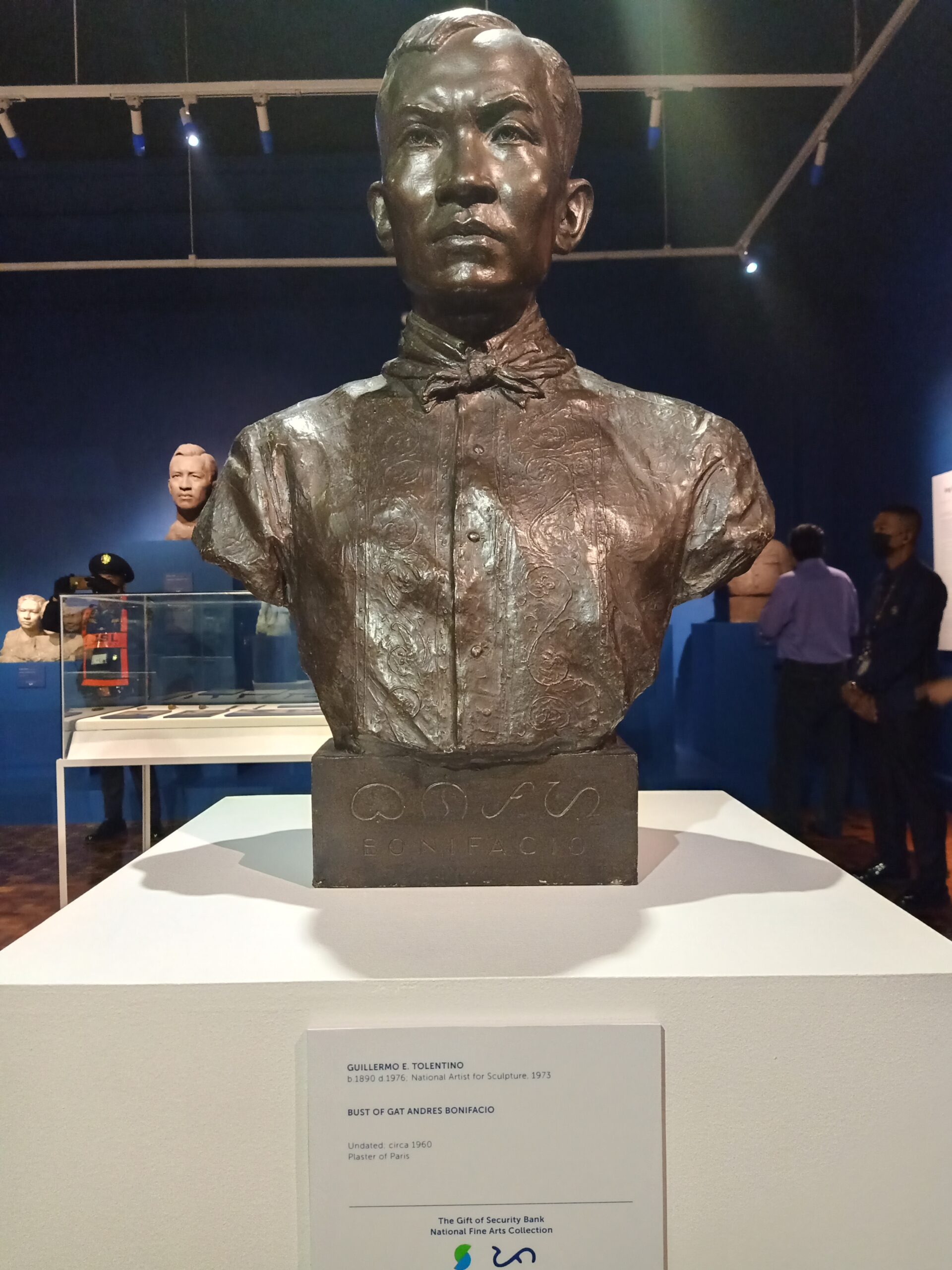
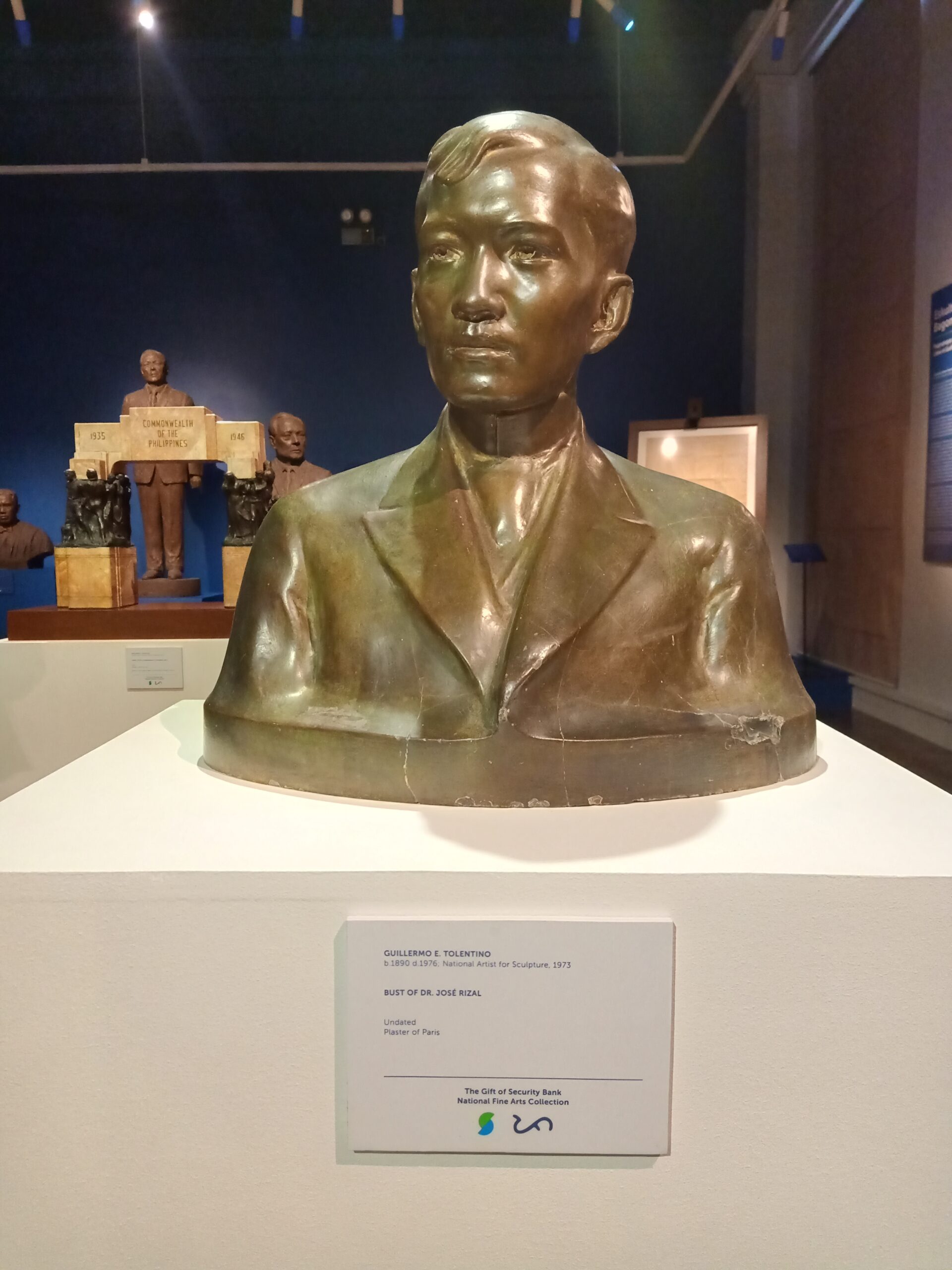
THE SECURITY Bank Corp. formally turned over 14 sculptures by 1973 National Artist for Sculpture, Guillermo Tolentino, to the National Museum of the Philippines as it re-introduced the newly renovated Security Bank Hall at the National Museum of Fine Arts in Manila City during a cocktail celebration on Sept. 24. These 14 sculptures were previously loaned by the Bank as part of “Gallery XIIEskultor ng Lahing Filipino: Honoring the Life and Work of Guillermo Tolentino,” a permanent exhibition, which opened in July 2013. Guillermo Tolentino was born in 1890 and was named as the National Artist of the Philippines for Sculpture in 1973, three years before his death. Mr. Tolentino along with fellow National Artist and painter Fernando Amorsolo, dominated the Philippine art scene from the 1930s to the 1950s. He followed the classical style and mainly used plaster and metal to create his art pieces. The 14 sculptures donated by the Bank to the National Museum are: a model of the Commonwealth Triumphal, busts of President Manuel Roxas, Lapu-Lapu, President Manuel L. Quezon, Gat. Andres Bonifacio, Gen. Emilio Aguinaldo, Bibiano Meer, Luisa Marasigan, Don Jacobo Lim Chitco, a Matriarch, Dr. Jose Rizal and a Boy Scout, the head of a Filipina Lady, and a miniature bust of Dr. Jose Rizal. Security Bank remains to be one of the financial institutions in the Philippines that actively supports the preservation of the country’s culture and heritage. The Bank continues to partner with institutions to commemorate landmark events such as the National Heritage Month and works with various organizations to celebrate the country’s artistic and cultural legacy. The newly renovated Security Bank Hall is located on the second floor of the National Museum of Fine Arts and was opened to the public yesterday. Visitors will be able to see new additions to the exhibit, including memorabilia such as the medal given to Mr. Tolentino during his confirmation as a National Artist and his tools of tradecraft.


PETA restages Batang Rizal 

AFTER Philippine Educational Theater Association (PETA) staged a string of successful online show streams and virtual workshops during the COVID-19 pandemic lockdowns, the pioneering Filipino theater company is making a big live theater comeback for its 55th Theater Season with Christine Bellen’s Batang Rizal. It will first relaunch online via streaming on ktx.ph from Oct. 14 to 16 and will open PETA’s theater stage on Nov. 25 and Dec. 2. The musical is co-written, directed for stage, and choreographed by Dudz Teraña, with musical direction, arrangement, and composition by Vincent de Jesus. Fifteen years since its original run, the 2022 staging features a new cast, new set, and new animations. The cast includes Tim Mabalot, Yhuan Gatbunton, Gold Villar-Lim, Norbs Portales, Carlon Matobato, John Moran, Teetin Villanueva, Jovy Vieja, Raven Relavo, and Marynor Madamesila. For ticket inquiries and touring packages, contact Mitch Go at 0917-539-1112. For streaming tickets, visit www.ktx.ph/category/batang-rizal.


PHSA thesis exhibit at the CCP

THE CULTURAL Center of the Philippines (CCP) is known to be a venue for exhibitions of up-and-coming artists. For many years now, it has also presented the thesis exhibitions of the graduating students in the visual arts from the Philippine High School for the Arts (PHSA). This year it presents “Homecoming Queens,” a PHSA Grade 12 Thesis Exhibition featuring works by Moon Caharop, Luce Melegrito, and Lei Ortega. The exhibition is ongoing until Oct. 16 at the CCP’s Bulwagang Carlos V. Francisco (Little Theater Lobby). Their batch is the first who finished the entirety of their senior high school program online. “Homecoming Queens” explores the collective growth of the three artists from the provinces of Bulacan, Ilocos Sur, and Leyte, as they found themselves contained within the boundaries of their homes during the first two years of the COVID-19 pandemic. An Artist Talk and Workshop will be held on Oct. 8, 1 p.m., at the CCP Bulwagang Carlos V. Francisco (Little Theater Lobby). Admission is free, but visitors must present their vaccination cards upon entry. Exhibition viewing hours are from Tuesday to Sunday, 10 a.m. to 6 p.m.


Book of martial law poems wins NY book prize

THE NEW York-based press Singapore Unbound has awarded the 2022 Gaudy Boy Poetry Book Prize to Jim Pascual Agustin, Filipino poet living in South Africa. The winning manuscript, entitled Waking Up to the Pattern Left by a Snail Overnight, was chosen by judge Yeow Kai Chai, a poet, journalist and editor and the director of the Singapore Writers Festival. In a videoconference with the five shortlisted candidates, Mr. Agustin read seven of his poems from the manuscript, noting that some of them are about Martial Law in the Philippines. He said that Martial Law-themed poems are his response to the proliferation of disinformation about the dark chapter in Philippine history. Chai noted that Agustin’s latest manuscript has what he described as an “exquisite sensitivity” that is both specific and universal. In the prize citation, he noted, “Such perspicacity of mind and heart illuminates Mr. Jim Pascual Agustin’s crystalline poems. Masterfully observed, shone through with Zen penetration, these songs of innocence and experience divine a universe of complex lives lived, torn asunder, celebrated, and mended.” The Gaudy Boy Poetry Book Prize is awarded annually to an unpublished manuscript of original Anglophone poetry by an author of Asian heritage residing anywhere in the world. The winner receives $1,500 and book publication in the US and Singapore. Gaudy Boy titles are distributed globally by Ingram. The prize comes at the heels of the release of Bloodred Dragonflies, Augustine’s first book published in South Africa. The book is available in the Philippines via San Anselmo Press FB and Shopee pages. Waking Up to the Pattern Left by a Snail Overnight is set for release in Spring 2023.


Cinema ‘76 to move to Tomas Morato

THE MICROCINEMA Cinema ’76 Film Society and Cinema ’76 Café will be moving to Tomas Morato Ave. in Quezon City, its official Facebook page announced on Monday. In the meanwhile, they are still operational at their current location at Anonas LRT City Center, Aurora Blvd. in Quezon City until Oct. 4. For updates and movie screening schedules, visit www.facebook.com/cinema76fs.


Cancer patients encouraged to seek social services

PIXABAY

SOCIAL WORKERS are integral to patient care, as they provide patients and their families with information on financial and emotional resources that can help them cope more effectively, a social services consultant said.  

According to Cristina S. Hangod, former head of the social services department at St. Luke’s Medical Center, the social services offered in hospitals encompass referrals, pre-admission and discharge planning, social risk screening, patient counseling, psychosocial evaluations, health education, program consultation, planning activities, and research.  

“We discuss with the medical team where the patient will be going after discharge,” Ms. Hangod said at a Sept. 17 event organized by Lymphoma Philippines, a non-profit organization.  

“Since lymphoma is an immunocompromised case, we also conduct a home visit prior to the discharge of the patient, so we can prepare the family on how they will be attending to the patient in terms of hygiene … and emotional support,” she added.  

Ms. Hangod said that a patient under social services in a government hospital spends about P1.5 million from the time of diagnosis until the time of discharge. Professional doctor fees are waived and the room is free, although the patient will need to pay at least in part for the cost of medications and diagnostic procedures.  

In private hospitals, meanwhile, the cost for the same is about P2.5–3.5 million for both private and social services patients, although Ms. Hangod said part of the latter’s expenses are shouldered by the hospital.   

Tertiary level government hospitals that offer lymphoma treatments include the Philippine General Hospital, the National Kidney and Transplant Institute, and Jose Reyes Memorial Hospital and Medical Center. Private hospitals that offer the same include St. Luke’s Medical Center, Asian Hospital and Medical Center, and University of Santo Tomas Medical Center.  

Patients are classified according to their socioeconomic status, she added, with the percentage of the discount depending on this classification.  

Patients, in general, consolidate family resources — from insurance (such as membership benefits from one’s health maintenance organization as well as PhilHealth) to family assets (such as one’s business or savings) — to fund their treatments.  

Ms. Hangod shared the importance of being cognizant of cancer’s social impacts, and how the dynamics of relationships change, depending on the coping capacities of both the patient and their loved ones.  

“A student may forgo schooling, or a housewife may not be able to perform her responsibilities,” she said. “The patient may feel self-pity and ask, ‘Why me? My family is depending on me.’”  

Important, too, is for the patient to have advance directives, such as a living will and a legal document that authorizes another person to act on your behalf.   

“If the patient doesn’t want chemotherapy, or doesn’t want to stay in the hospital … what are the alternatives? These should be discussed early on,” said Ms. Hangod in the vernacular.  

Lymphoma is a cancer that starts in the immune system’s infection-fighting cells called lymphocytes. The lymph nodes, spleen, thymus, bone marrow, and other areas of the body contain these cells, with lymphoma leading lymphocytes to change and increase out of control.  

Common symptoms include enlarged lymph nodes, chills, weight loss, fatigue — all of which are more likely to be caused by other conditions, such as an infection.  

 It is one of the top 15 cancers in the Philippines. Authorities estimate, however, that a large number of patients are left undiagnosed due to lack of awareness.   

“If people knew more about this cancer, maybe we could be more aware of our health and the symptoms that lymphoma can do to our body,” said Jeanne Ann Edillon, a cancer patient and survivor, who was initially unaware of the disease.   

Sept. 15 is World Lymphoma Awareness Day. — Patricia B. Mirasol 

Treasury partially awards T-bills amid hawkish central banks

BW FILE PHOTO

THE GOVERNMENT partially awarded the Treasury bills (T-bills) it auctioned off on Tuesday as traders demanded higher returns on the back of tightening monetary policy from central banks.

The Bureau of the Treasury (BTr) raised just P3.35 billion from the T-bills it auctioned off on Tuesday, way below the P15-billion program, even as bids reached P17.664 billion, as it again only awarded six-month papers for a third consecutive auction.

Broken down, the Treasury borrowed just P3.35 billion via the 182-day securities, even as bids reached P9 billion. The average rate of the tenor went up by 14.8 basis points (bps) to 3.958% from the 3.810% fetched last week. Accepted rates ranged from 3.900% to 4.000%.

Meanwhile, the government rejected all bids for 91-day T-bills, with tenders for the tenor hitting just P4.6 billion, below the P5-billion program. Had it been awarded, the average rate of the three-month paper would have gone up by 207.9 bps to 4.397% from the 2.318% fetched in its last successful awarding on Sept. 5.

The BTr also refused to award 364-day debt papers, with demand only reaching P4.064 billion versus the P5 billion on the auction block. Had the government accepted all bids, the debt paper’s average rate would have climbed by 110.6 bps to 4.888% from 3.782% fetched for the tenor on Aug. 22, which was the last successful award.

At the secondary market before Monday’s auction, the 91-, 182- and 364-day T-bills were quoted at 2.7762%, 3.7042%, and 3.9280%, respectively, based on the PHP Bloomberg Valuation Reference Rates data provided by the Treasury.

National Treasurer Rosalia V. de Leon said in a Viber message to reporters after the auction that “rates on [the] short end [were] very sensitive to aggressive actions of [the] Fed.”

A trader attributed the partial awarding to the recent policy rate adjustment of the Bangko Sentral ng Pilipinas (BSP).

Likewise, Rizal Commercial Banking Corp. Chief Economist Michael L. Ricafort said that it had to do with the tightening of monetary policy.

“Again, the higher bid yields reflect the widely expected 50-bp local policy rate hike on Sept. 22, as well as the record US dollar-to-peso exchange rate,” Mr. Ricafort said in a Viber message, noting how a weaker peso could lead to higher inflation and further policy rate hikes.

“Local monetary authorities signaled possible surprise local policy rate hikes [and] more intervention in the local foreign exchange markets, both of which could help stabilize the peso exchange rate, as well as overall inflation,” he added, mentioning how the BSP is reacting to the Fed’s policy decisions.

The BSP increased its benchmark interest rates by 50 bps to 4.25% on Thursday, hiking borrowing costs by 225 bps since May to rein in rising prices.

The consumer price index climbed to 6.3% year on year in August from the nearly four-year high of 6.4% a month earlier and 4.4% a year ago. It was the fifth straight month that inflation exceeded the BSP’s 2-4% target this year.

BSP Governor Felipe M. Medalla said last month that the Fed’s aggressive tightening also poses an additional risk to domestic prices due to its effect on the peso.

The US Federal Reserve hiked its policy rates by another 75 bps last week while signaling larger increases to come as inflation is still way above its 2% target at 8.3% as of August. The central bank has raised key rates by 300 bps since March, including two other 75-bp moves in June and July.

The peso closed at an all-time low of P58.50 per dollar on Friday, losing one centavo from its P58.49 finish on Thursday, Bankers Association of the Philippines data showed.

The peso has weakened by 14.71% or P7.5 since then from its P51-a-dollar close last year.

On Wednesday, the BTr will auction off P35 billion in reissued 20-year Treasury bonds (T-bonds), with a remaining life of 16 years and four months.

The Treasury wants to raise P200 billion from the domestic market this month, or P60 billion through T-bills and P140 billion via T-bonds.

The government borrows from local and external sources to help fund a budget deficit capped at P1.65 trillion this year, equivalent to 7.6% of gross domestic product. — Diego Gabriel C. Robles

PetroGreen solar project in Bohol seen operational by 2024

MICHAEL WILSON-UNSPLASH

PETROGREEN Energy Corp. said on Tuesday that its 27-megawatt direct current (MWdc) Dagohoy solar power project in Bohol is expected to start operations by 2024.

The solar plant, a renewable energy project between the Department of Energy and PetroGreen, is expected to generate about 36-gigawatt hours of electricity per year, which is enough to power around 15,000 households.

Maria Victoria M. Olivar, PetroGreen assistant vice-president for operations, said in a media release that the company is presently completing the necessary pre-development permits.

She thanked Bohol’s provincial government “for the encouraging support to investors” such as PetroGreen.

The Dagohoy project is located on a 22-hectare site and will use 61,200 solar panels.

Bohol Governor Erico Aristotle C. Aumentado said the project is aligned with the province’s vision of “Green Bohol.”

“One of our priorities is a stable, reliable, and affordable power supply, which is key to making Bohol more attractive for investors, sustaining a lively tourism industry, and ensuring the [province’s] continuous economic growth,” he said.

PetroGreen is the renewable energy arm of Yuchengco-led PetroEnergy Resources Corp.

PetroGreen also holds interest in the 32-MW Maibarara geothermal power project in Batangas, the 36-MW Nabas-1 wind power plant in Aklan, and the 70-MWdc Tarlac solar power project in Tarlac.

On Tuesday, PetroEnergy shares closed 3.06% lower to finish at P4.75 apiece. — Ashley Erika O. Jose

Manansala, Ventura paintings fetch P17M each in auction

NATIONAL Artist Vicente Manansala’s Vendors (1978) sold for P17,240,000 exceeding its pre-sale estimate of P12-14 million at Salcedo Auctions’ 8th edition of The Well-Appointed Life live and online auction on Sept. 17.

Ronald Ventura’s Beasty Eyes (2021) was also sold at the same price as the Manansala.

The two glass sculptures from Ramon Orlina’s Tower Series each sold for P7,592,000.

Abstractionist Romulo Olazo’s 48 x 48 inch Diaphanous 71719 went for P11,680,000 while his 42 x 84 -inch Diaphanous B-CXIVIII sold at P14,016,000.

Other notable results in the auction include Mauro Malang Santos’ Yellow Vendor which fetched P11,096,000; two 1957 works from National Artist Ang Kiukok’s Bananas series (from the Rufus Phillips collection) sold for a combined total of P9,110,400; National Artist Benedicto “BenCab” Cabrera’s 12 x 11 ½ inch 1969 Mother and Child went for P3,270,400; and Juan Luna’s 1887 watercolor, Reclining Warrior, sold for P2,102,400.

Meanwhile, an Impy Pilapil sculpture from the Tower Club collection became the most expensive piece by the artist sold at auction at P934,400, from its pre-sale estimate of P380,000.

For information and consignment inquiries, visit salcedoauctions.com. Salcedo Auctions is located at the NEX Tower, 6786 Ayala Ave., Makati City.

Ensuring patient safety

REUTERS

It is estimated that one in every 10 patients is harmed while receiving care because of a range of preventable adverse events, according to a presentation cited by the World Health Organization (WHO). 

The WHO said that adverse events due to unsafe patient care is likely one of the 10 leading causes of death and disability globally. 

Among the patient safety concerns mentioned by the WHO are medication errors, healthcare associated infections, unsafe surgical procedure, unsafe injection practices, diagnostic errors, unsafe transfusion practices, radiation errors, sepsis and blood clots. 

Unsafe medication practices and medication errors are a leading cause of avoidable harm in healthcare across the world, according to the WHO. Medications can cause serious harm if incorrectly stored, prescribed, dispensed, administered or if monitored insufficiently. 

Delivering quality essential health services devoid of errors can only be possible with patient safety. Patient safety aims to stave off and lower the risks, errors and harm during the provision of care. 

Established in 2017 and observed on Sept. 17, World Patient Safety Day reaffirmed the objectives of the WHO Global Patient Safety Challenge: Medication Without Harm, an annual event also launched in 2017. 

The challenge calls on stakeholders to prioritize and take early action in key areas associated with significant patient harm due to unsafe medication practices. These include high-risk situations, transitions of care, polypharmacy (concurrent use of multiple medications) and look-alike, sound-alike medications. 

Medication errors occur when weak medication systems and human factors such as fatigue, poor environmental conditions or staff shortages affect the safety of the medication use process. This can result in severe patient harm, disability and even death. The WHO noted that the ongoing coronavirus disease 2019 (COVID-19) pandemic has significantly exacerbated the risk of medication errors and associated medication-related harm. 

In 2008, the Department of Health (DoH) issued AO No. 2008-0023 to institutionalize quality assurance where patient safety is regarded as one of the key dimensions of quality healthcare. Correspondingly, the agency implemented its Patient Safety Program to provide a framework for quality and safe health services in all DoH hospitals and other health facilities. 

Anchored on the Universal Health Care Law and the call of the 72nd World Health Assembly on Global Action on Patient Safety, the DoH reaffirmed its commitment to promote and integrate patient safety in health service delivery to improve health systems and health outcomes. In February 2020, the DoH issued AO No. 2020-0007 enhancing the National Policy on Patient Safety in Health Facilities. The order provides guidance on the effective implementation and institutionalization of the Patient Safety Program in health facilities to improve safety in health service delivery, including that of the vulnerable population. 

“Patient safety is a fundamental element of healthcare and is regarded as an essential component for improving health outcomes. The provision of safe and quality health service that is responsive to the needs of the people is a vital pillar in helping achieve Universal Health Care,” the DoH stated. 

Meanwhile, the Patient Safety Movement (PSM), a global group with a presence in the Philippines, aims to achieve zero preventable patient harm and death across the globe by 2030. The PSM is also linking organizations and people for a collective advocacy on patient safety. 

The biopharmaceutical industry, too, aims to develop and make available quality, safe and efficacious medicines and vaccines. Based on its commitment to public health, the industry collaborates with the WHO, regulatory, and other standard-setting bodies in the development and implementation of guidelines standardizing the quality of medicines. To protect patient health, consistent standards for quality should be applied everywhere. 

Good Manufacturing and Good Distribution Practice (GMP/GDP) inspections, for example, are part of the overall quality assurance system for medicines. Inspections are essential to evaluate commercial manufacturing capability, adequacy of manufacturing and control procedures, suitability of equipment and facilities, and effectiveness of the quality management system. All these, among other safety measures being implemented by the biopharmaceutical industry, ultimately benefit patients and assure them of their safety. 


Teodoro B. Padilla is the executive director of the Pharmaceutical and Healthcare Association of the Philippines (PHAP), which represents the biopharmaceutical medicines and vaccines industry in the country. Its members are at the forefront of research and development efforts for COVID-19 and other diseases that affect Filipinos. 

Bankers see BSP delaying RRR cut

REUTERS

THE BANGKO SENTRAL ng Pilipinas (BSP) might postpone the reduction in big banks’ reserve requirement ratio (RRR) this year as interest rates rise to contain inflation, officials from banks said.

“If this trend continues, I will understand if the central bank postpones (the RRR cut) at the more appropriate time,” EastWest Banking Corp. President and Chief Executive Officer Antonio C. Moncupa, Jr. said in an interview with BusinessWorld during a conference hosted by The Asian Banker last week.

The BSP last week raised its benchmark policy rate by 50 basis points (bps) to 4.25%. Rates on the overnight deposit and lending facilities also rose by 50 bps to 3.75% and 4.75%. The Monetary Board has raised 225 bps so far since May to curb inflation.

Inflation quickened to 6.3% in August from a year earlier, exceeding the central bank’s 2-4% target for a fifth straight month. It averaged 4.9% in the first eight months.

“Because it’s counter-cyclical to tighten monetary condition and arrest inflation,” Mr. Moncupa, who also heads the Bankers Association of the Philippines (BAP), said.

“It will send mixed signals. They’re hiking rates and then tapping reserves. So, there’s a big possibility that the reserve cuts will be delayed,” Metrobank Financial Markets Sector Head Fernando Antonio A. Tansingco said in a mix of English and Tagalog.

“Even if they have to delay the cut in reserves, I think it’s the right thing to not cut reserves until you can contain inflation,” Mr. Tansingco added.

The BSP earlier committed to bringing down the RRR of big banks to single digits by 2023.

During the central bank’s monetary policy press briefing last week, BSP Deputy Governor Francisco G. Dakila, Jr. said the monetary board has yet to decide whether a cut in RRR is still possible within the year.

“As we’ve reiterated, the goal is to move towards a single digit for reserve requirements by the end of the term of the governor,” Mr. Dakila said.

The central bank reduced the RRR, or the percentage of deposits and deposit substitutes banks must keep with the BSP, in March 2020 to cushion the impact of the pandemic on the economy.

The BSP earlier set digital banks’ reserve ratio at 8%. The RRR for big banks is currently at 12%, one of the highest in the region. Reserve requirements for thrift and rural lenders are at 3% and 2%, respectively.

A cut in RRR is a move intended to be an operational adjustment to facilitate the BSP’s shift to market-based instruments for managing liquidity in the financial system, particularly the term deposit facility and the BSP securities.

Mr. Moncupa said he does not think the RRR will be cut, “not at this time.”

“But what will happen in the future if they cut? It would lead to a more efficient and better financial intermediation because intermediation costs will be lower,”

When asked what could be a good percentage for big banks’ RRR, Mr. Tansingco said 9% could be a good number.

“It will bring down the cost of intermediation for the banks. Right now, it’s very expensive to operate a bank in the Philippines. I think we have one of the highest reserve requirements in the world,” Mr. Tansingco said.

He said banks have to comply with high reserve requirements, with the minimum required lending for the agriculture and agrarian reform (agri-agra) sectors and taxes such as the gross receipts tax (GRT).

“But the thing about it is, the central bank is now looking at measures to lower the costs, like the review in agri-agra. I think they’re also reviewing the taxation, so we’ll see how it goes,” Mr. Tansingco said.

Republic Act No. 10000 or the Agri-Agra Reform Credit Act of 2009 requires banks to lend 15% of their loan book to the agriculture sector, with a 10% quota set for agrarian reform beneficiaries. — Keisha B. Ta-asan

Cebu Landmasters receives permit to sell P5-B bonds

CEBU LANDMASTERS, Inc. has received from the Securities and Exchange Commission its permit to sell P5 billion worth of retail bonds for its maiden offering, it told the stock exchange on Tuesday.

The listed property developer said the issuance is the initial tranche of its shelf registration of fixed rate bonds amounting to P15 billion, which also received the order of registration from the regulator.

The P15-billion debt securities program is set to be offered in one or more tranches.

On Thursday last week, Cebu Landmasters said it had downsized the initial tranche of its shelf offering to P5 billion from P8 billion. The bonds have the following interest rates: 6.4222% for the 3.5-year series A, 6.9884% for the 5.5-year series B, and 7.3649% for the 7-year series C.

The offer period will run from Sept. 26 to 30, while its listing with the Philippine Dealing & Exchange Corp. is on Oct. 7.

Cebu Landmasters previously said that it was planning to use proceeds from the issuance to support its growth plans, primarily for market investments and land-banking activities.

In July, it received a credit rating of PRS Aa plus with a stable outlook from the Philippine Rating Services Corp.

A PRS Aa rating means that the issuance is of high quality and is subject to very low credit risk. It also indicates that the firm’s capacity to meet its financial commitment is very strong. A stable outlook means the rating is likely to be maintained or to remain unchanged in the next 12 months.

Cebu Landmasters is a Cebu-based company engaged in the development, sale, leasing, and management of real estate.

Its portfolio includes residential condominium units, subdivision houses and lots, townhouses, hotels, office projects, retail spaces, and townships.

At the stock exchange on Tuesday, Cebu Landmasters shares lost six centavos or 2.54% to P2.30 apiece. — Justine Irish D. Tabile

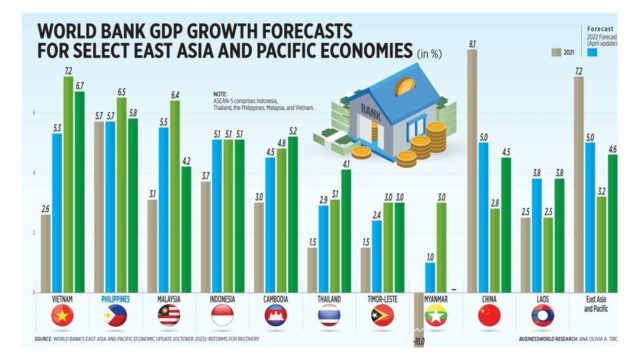
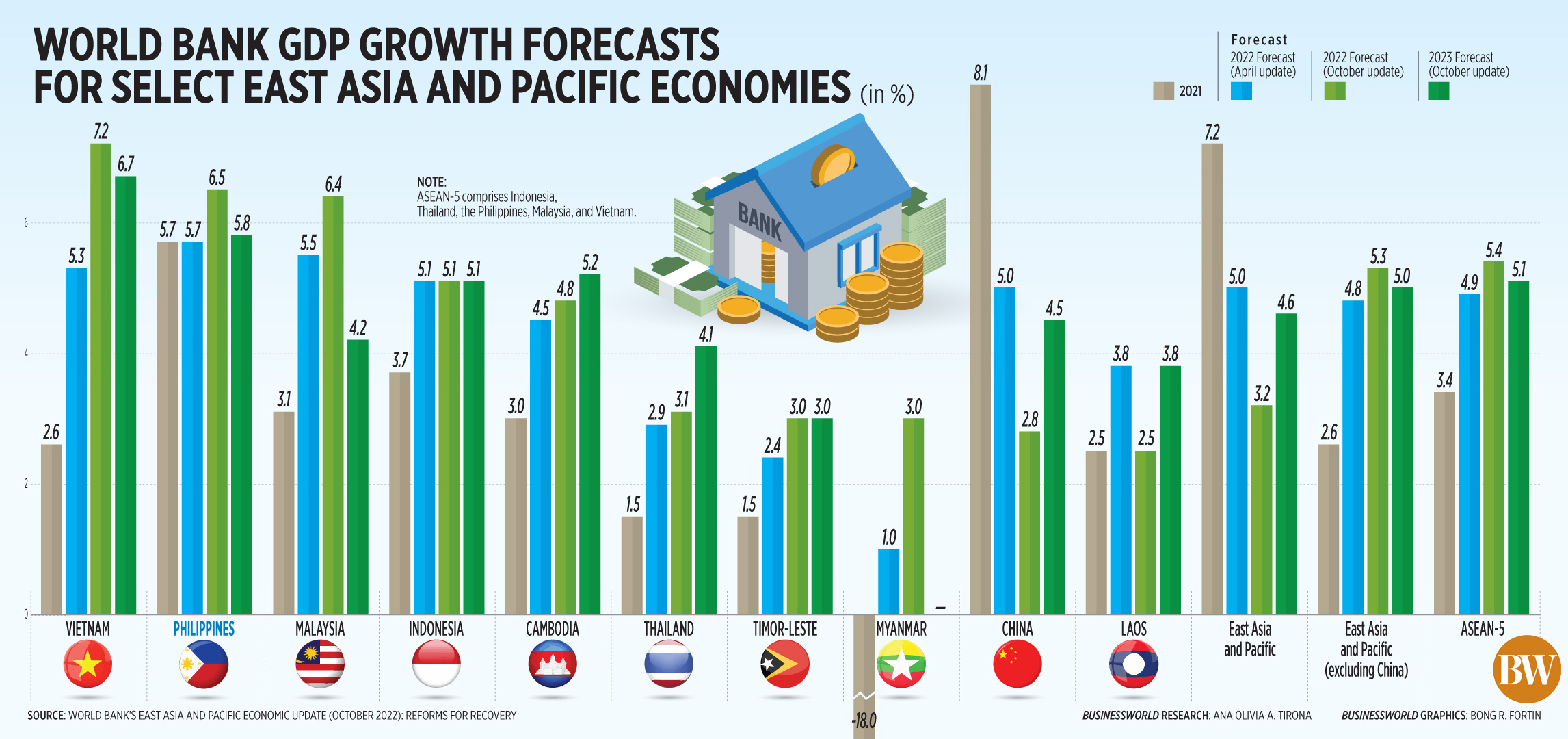
World Bank GDP growth forecasts for select East Asia and Pacific economies

THE WORLD BANK (WB) upgraded its growth forecast for the Philippines for this year and 2023, citing an “accommodative” fiscal policy conducive to recovering domestic demand despite a hawkish central bank and a pessimistic global economic outlook. Read the full story.

World Bank GDP growth forecasts for select East Asia and Pacific economies

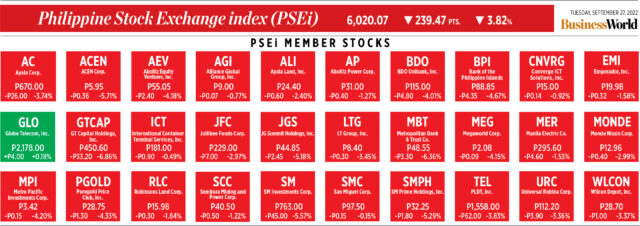
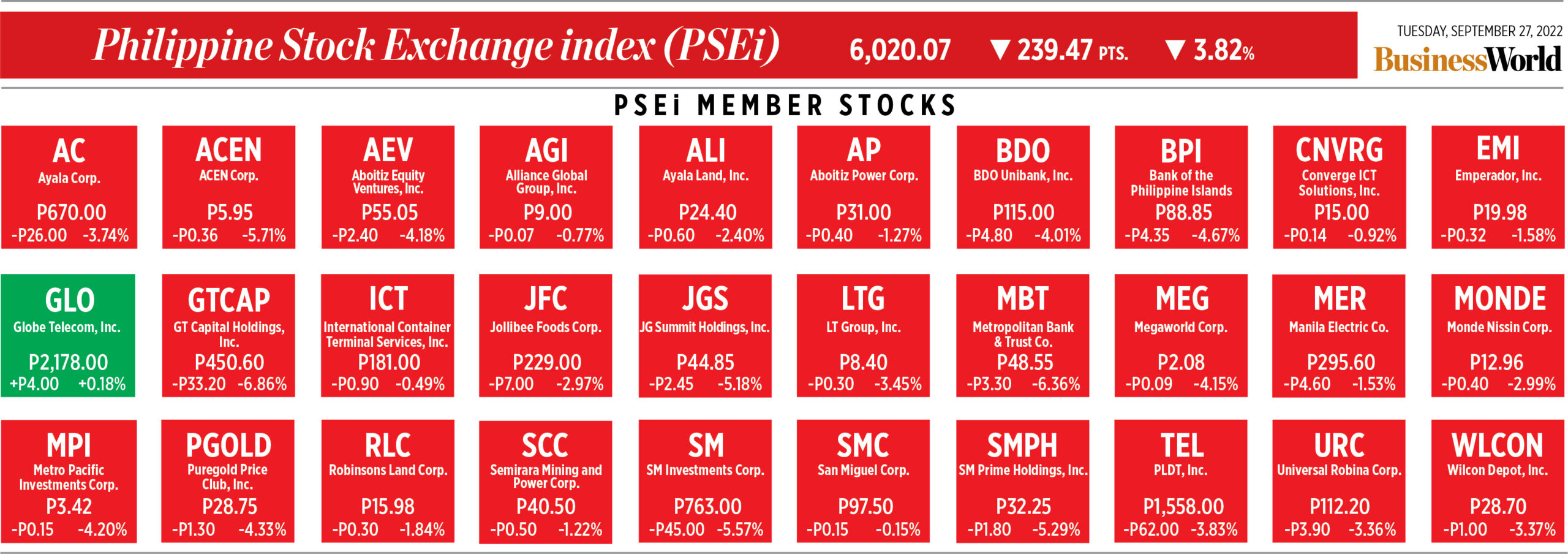
How PSEi member stocks performed — September 27, 2022

Here’s a quick glance at how PSEi stocks fared on Tuesday, September 27, 2022.