Home Blog Page 4268

Musk’s X disabled feature for reporting electoral misinformation – researcher

REUTERS

 – Elon Musk’s X, formerly called Twitter, disabled a feature that let users report misinformation about elections, a research organisation said on Wednesday, throwing fresh concern about false claims spreading just before major US and Australian votes.

After introducing a feature in 2022 for users to report a post they considered misleading about politics, X in the past week removed the “politics” category from its drop-down menu in every jurisdiction but the European Union, said the researcher Reset.Tech Australia.

Users could still report posts to X globally for a host of other complaints such as promoting violence or hate speech, the researcher added.

X was not immediately available for comment.

Removing a way for people to report suspected political misinformation may limit intervention at a time when social media platforms are under pressure to curtail falsehoods about electoral integrity, which have grown rapidly in recent years.

It comes less than three weeks before Australia holds a referendum, its first in a quarter century, on whether to change the constitution to establish an Indigenous advisory body to parliament and 14 months before a US presidential election.

“It would be helpful to understand why X have seemingly gone backwards on their commitments to mitigating the kind of serious misinformation that has translated into real political instability in the US, especially on the eve of the ‘bumper year’ of elections globally,” said Alice Dawkins, executive director of Reset.Tech Australia.

In a letter to X’s managing director for Australia, Angus Keene, Reset.Tech Australia said the change may leave content that violates X’s own policy banning electoral misinformation online without an appropriate review process.

“It is extremely concerning that Australians would lose the ability to report serious misinformation weeks away from a major referendum,” said the letter which was published online.

Since Mr. Musk took Twitter, as it was then known, private in late 2022, the company, which cut most of its workforce, has been accused of allowing the proliferation of antisemitism, hate speech and misinformation.

As previously reported by Reuters, Reset.Tech Australia found X failed to remove or label a single post containing misinformation about the Australian referendum over a three-week period, including after it was reported using the now-disabled feature.

Mr. Musk has said X’s “Community Notes” feature, which allows users to comment on posts to flag false or misleading content, is a better way of fact checking. But those notes are only made public when they are rated as helpful by a range of contributors with varying points of view, according to X’s website.

Australia’s internet safety regulator wrote to X in June demanding an explanation for an explosion in hate speech on the platform, noting it had reinstated some 62,000 high profile accounts of individuals who espouse Nazi rhetoric.

The Australian Electoral Commission (AEC), which will oversee the Oct. 14 referendum, has said the spread of electoral misinformation is the worst it has seen.

The commission said it was still able to report posts containing political misinformation directly to X, even after the feature was disabled. For other users, the AEC was “available for people to ask questions or seek information”. – Reuters

Philippines urges fishermen to keep up presence at China-held shoal 

PHILIPPINE STAR/ MICHAEL VARCAS

The coastguard of the Philippines urged the country’s fishermen on Wednesday to keep operating at the disputed Scarborough Shoal and other sites in the South China Sea, pledging to step up patrols there despite an imposing Chinese presence.

Philippine vessels were unable to maintain a constant presence but were committed to protecting the rights of fishermen inside the country’s exclusive economic zone (EEZ), Coastguard Spokesperson Commodore Jay Tarriela said.

“We’re going to increase patrols in Bajo de Masinloc and other areas where Filipino fishermen are,” he told DZRH radio, referring to the shoal, one of Asia’s most contested maritime features, by its Philippine name.

On Monday, the coastguard cut a 300-meter floating barrier installed by China that blocked access to the Scarborough Shoal, a bold response in an area Beijing has controlled for more than a decade with coastguard ships and a fleet of large fishing vessels.

China’s response has been measured, with its foreign ministry advising Manila on Tuesday to avoid provocations and not cause trouble.

Defense Secretary Gilbert Teodoro said the Philippines’ cutting of the cordon was not a provocation.

“We are reacting to their action,” he said during a senate hearing on Wednesday. “They moved first, they blocked our fishers.”

The rocky, mid-sea outcrop is the site of numerous diplomatic rows. Both countries claim sovereignty over the shoal, a prime fishing spot about 200 kilometers off the Philippines and 850 kilometers from mainland China and its southern island of Hainan.

Close to shipping lanes that transport an estimated $3.4 trillion of annual commerce, control of the shoal is strategic for Beijing, which claims sovereignty over most of the South China Sea.

Those claims complicate fisheries and offshore oil and gas activities by its Southeast Asian neighbors, however.

Mr. Tarriela said the Philippine fisheries bureau had successfully anchored a vessel just 300 meters from the Scarborough Shoal’s lagoon, its closest point to the atoll since China seized it in 2012.

It is unclear whether China’s use of a barrier represents a change to a status quo that has existed since 2017 in which Beijing’s coastguard allowed Filipinos to operate there, albeit on a far smaller scale than China. 

It comes amid soured relations, with the Philippines increasingly assertive over the conduct of China’s coastguard in its EEZ, as it strengthens military ties with ally the United States by expanding access to its bases. 

“The Scarborough Shoal is closer to the Philippines,” said fisherman Pepito Fabros who had come ashore in the province of Zambales between trips to sea.

“Why are they stopping us from entering?” — Reuters

Elevate your banking experience with RCBC Hexagon Club Priority

Rizal Commercial Banking Corp. (RCBC), one of the leading and award-winning commercial banks in the Philippines, proudly presents its latest premium offering that promises to deliver an exceptional banking experience, tailored to meet the diverse financial needs and desires of its clientele.

Driven by a goal of delivering a premium service that is a cut above the rest, RCBC introduces the Hexagon Club Priority, an innovative and unique program that offers priority services, tailored wealth solutions, wide range of insurance options, versatile debit access, and exclusive credit card benefits.

The Hexagon Club Priority is a remarkable and cutting-edge offering that not only sets itself apart in terms of quality, but also represents a revolutionary step towards transforming conventional banking services for the affluent segment. With its six-angled approach that includes saving, investing, borrowing, insurance, everyday banking, and rewards, the Hexagon Club Priority is a trusted partner of elite bankers, enabling them to enhance their financial journey in every way possible.

It takes continuous effort to give the best banking experience and maintain a good relationship between a bank and its highly-valued customers. Aiming to sustain such relationships with RCBC’s esteemed clients, the Hexagon Club Priority intends to help clients with their everyday banking needs through exclusive services.

One of these is a dedicated lane for Hexagon Club Priority members, where they will be prioritized whenever they visit or need to transact at an RCBC branch. Members can also enjoy their access to a dedicated phone line where they can experience quicker response for their queries and concerns.

Moreover, through Hexagon Club Priority, members can enjoy waived banking fees including interregional and inter-branch over-the-counter fees, free checkbooks, manager’s checks, free bank certificates, free bank statements, and free demand drafts.

For their borrowing needs, the Hexagon Club Priority aims to strengthen financial management of members by providing lower rates and special perks on loans, which include free gas allowance on auto loan, waived appraisal fee on home loan, and waived processing fee on personal loan.

Seeking to help elite members in saving and investing, the Hexagon Club Priority provides preferential rates on time deposit and foreign exchange. Moreover, it also offers premium wealth management services that will enable them to maximize their portfolios while receiving valuable market insights, financial guidance and access to various investment options. Whether clients are on a short or long-term journey to reach their goals, preserving their assets or planning for the future generation, Hexagon Club Priority members can trust  that their portfolio will be managed by professionals and tailored to fit their needs.

Additionally, members are also provided with a dedicated relationship manager who serves as the clients’ main contact person for their financial and banking needs. Supporting their relationship manager is a dedicated team of financial experts and product specialists, who can also provide fresh perspective and strategies so that their portfolios are well-positioned for success. With this feature, customers are introduced to a unique way of banking that provides them with financial growth opportunities while simultaneously optimizing their time and catering to all their banking needs.

The Hexagon Club Priority does not only prioritize the wealth of its members but also their well-being. Making it more distinct among products of the same type is the free life insurance coverage it provides to customers between the ages of 18 and 65 of up to P5 million.

Members will be able to live life more freely and to the fullest through the exclusive products that RCBC Hexagon Club Priority offers. With the RCBC Hexagon Club Priority Platinum Mastercard debit card, members can enjoy free ATM withdrawals here and abroad, free card insurance that provides protection against financial loss and inconveniences from unexpected debit card-related events, and access to 24/7 concierge services via Mastercard’s Travel and Lifestyle Services.

With the free-for-life RCBC Hexagon Club Priority World Mastercard credit card, members are also treated to free access to PAGSS International airport lounges in NAIA Terminals 1 and 3, a complimentary Priority Pass membership card that gives the cardholders access to over 1,300 airport lounges in over 148 countries, free Travel Insurance with Purchase Protection, where purchases are covered for possible losses and damages.

By joining Hexagon Club Priority, you’ll experience a banking service that not only recognizes the value of your hard work but also provides you with exclusive perks and privileges. Hexagon Club empowers you to take control of your banking with a personalized, convenient and highly rewarding experience. Why settle for the ordinary when you can elevate to the extraordinary?

Enroll in RCBC Hexagon Club Priority today or learn more about it by going to www.rcbc.com/hexagon-priority.


Spotlight is BusinessWorld’s sponsored section that allows advertisers to amplify their brand and connect with BusinessWorld’s audience by enabling them to publish their stories directly on the BusinessWorld website. For more information, send an email to online@bworldonline.com.

Join us on Viber at https://bit.ly/3hv6bLA to get more updates and subscribe to BusinessWorld’s titles and get exclusive content through www.bworld-x.com.

Celebrating excellence: Philippine Finest Business Awards and Outstanding Achievers 2023

Honoring exceptional individuals, companies, and achievements

The stage is set for an extraordinary celebration of excellence as the prestigious “Philippine Finest Business Awards and Outstanding Achievers 2023” gears up to recognize and honor exceptional individuals, companies, and achievements that have made a significant impact on the business landscape.

Organized by La Visual Corp. and SIRBISU Channel, the “Philippine Finest Business Awards and Outstanding Achievers 2023” is a testament to the pursuit of excellence, innovation, and dedication to outstanding business practices. This remarkable event will take place on Sept. 8, 2023 at The Hexagon Events Place in Penthouse Floor Hexagon Corporate Center, 1471 Quezon Ave. West Triangle, Quezon City, Philippines, promising an evening of glamour, recognition, and inspiration.

The awards ceremony aims to honor businesses and individuals that have demonstrated unwavering commitment to consumer welfare, product quality, and outstanding customer service. With categories ranging from “Business Excellence” to “Outstanding Individual Achievements,” the event seeks to highlight and applaud a diverse array of accomplishments across various industries.

“We are thrilled to bring together exceptional individuals, companies, and achievers under one roof to celebrate their remarkable contributions to the business world,” at La Visual Corp. “This event is not just about awards; it’s a platform to inspire others to strive for excellence and foster a stronger business community.”

Adding to the excitement, the event is proud to have the support of esteemed media partners such as Business Mirror, BusinessWorld, The Market Monitor, Malaya Business Insight, Philippine Graphic, Pilipino Mirror, Pasyal Tayo, Light TV, 98.4 LOVE FM Teleradyo, Win Radio 91.5 Manila, Media House Express, Daily Tribune, Amazing Manila Journal, 97.9 Home Radio, DWIZ 882 AM, Manila Bulletin, and Aliw Channel 23, whose presence guarantees extensive exposure to a wider audience. The “Philippine Finest Business Awards and Outstanding Achievers 2023” promises an evening filled with excitement, inspiration, and the celebration of exceptional success stories.


Spotlight is BusinessWorld’s sponsored section that allows advertisers to amplify their brand and connect with BusinessWorld’s audience by enabling them to publish their stories directly on the BusinessWorld website. For more information, send an email to online@bworldonline.com.

Join us on Viber at https://bit.ly/3hv6bLA to get more updates and subscribe to BusinessWorld’s titles and get exclusive content through www.bworld-x.com.

BSP chief open to off-cycle increase

The Bangko Sentral ng Pilipinas (BSP) recently raised its average inflation forecast for 2023 to 5.8% (from 5.6%) and to 3.5% (from 3.3%) for 2024. — PHILIPPINE STAR/EDD GUMBAN

BANGKO SENTRAL ng Pilipinas (BSP) Governor Eli M. Remolona, Jr. on Monday said he is open to an off-cycle interest rate increase before the Monetary Board’s policy meeting on Nov. 16.

Upside risks to inflation may prompt the BSP to hike rates by 25 basis points (bps) earlier than November, analysts told BusinessWorld.

“I am open to an off-cycle increase,” Mr. Remolona said in an interview with Bloomberg News in Manila on Monday, acknowledging that his rhetoric has become “more hawkish” since taking office in July (Full story on https://www.bworldonline.com/bloomberg/2023/09/26/547814/remolona-open-to-an-off-cycle-rate-hike/ ).

Mr. Remolona also said that it would be “too soon” to pivot to cutting the policy rate in the first six months of 2024, and that he is “willing to stake” his credibility that an easing won’t happen during that period. 

“For a rate cut, you need the economy to slow down significantly and inflation to maybe go below the target range,” said Mr. Remolona. “That’s why I don’t think there will be a rate cut that soon.”

The Monetary Board kept the benchmark interest rate steady for a fourth straight meeting at a near 16-year high of 6.25%. It was also the second meeting led by Mr. Remolona.

Even after consumer prices rose for the first time in seven months in August, the BSP still projects inflation to return to the 2-4% target by November. 

ING Bank N.V. Manila Senior Economist Nicholas Antonio T. Mapa said in an e-mail that upside risks to the inflation outlook such as hikes in oil, electricity and wages could prompt an off-cycle increase.

“Despite BSP projections for inflation to dip back within target by November and (Mr. Remolona’s) own indications that the peso is not at all under any undue pressure, he appears to be pining to hike rates to deal with projected risks to the inflation outlook,” Mr. Mapa said.

However, an off-cycle rate hike may affect the BSP’s reputation as an inflation fighter, especially when there are no “compelling reasons” to do so, as the central bank intends to hike rates amid supply-side price pressures, Mr. Mapa said. 

“We will likely see rate hikes continue with little impact on the actual inflation path. Thus, we can say, the governor is clearly a hawk with real rates his primary objective, with less regard for the source of price pressure nor the impact of tightening on growth,” he said. 

On the other hand, an off-cycle rate increase may improve the central bank’s credibility given many uncertainties in the outlook, Bank of the Philippine Islands (BPI) Lead Economist Emilio S. Neri, Jr. said in a Viber message.

“A relentless surge in commodity prices, or a rapid strengthening of the dollar, or a reacceleration of US inflation which could fuel inflationary expectations are just a few examples of what can trigger an off-cycle adjustment before November,” he said. 

Mr. Neri added that a more hawkish bias from the BSP will reduce the likelihood of panic, as it discourages excessive risk-taking among market players.

China Banking Corp. Chief Economist Domini S. Velasquez said the BSP may consider a possible offcycle hike amid recent pressures on the peso against the dollar. 

“However, as the fourth quarter nears, we think that remittances will relieve some of the pressure on the currency and that there would not be a need for an off-cycle rate hike,” Ms. Velasquez said. 

Remittances typically surge in December as migrant Filipinos usually send more money to their relatives during the holidays. Cash remittances jumped to a record-high of $32.54 billion in 2022.

“It would be prudent to wait for the regular policy meeting of the BSP than conduct an off-cycle hike to avoid market speculations, unless warranted by a sudden unanticipated shock,” Ms. Velasquez said.

Meanwhile, Mr. Mapa said he expects Philippine GDP to slow to 4.8% this year and 4.7% for 2024. Both projections are below the government’s growth target of 6-7% for 2023 and 6.5-8% for next year. 

He also sees full-year inflation to settle at 6% this year, before easing to 3.7% in 2024. These estimates are also higher compared with the BSP’s revised 5.8% and 3.5% forecasts. 

“The tradeoff is clear, we will need to brace for an extended period of higher rates and slower growth, something the new governor indicates he is willing to accept. Rate hikes and growth clearly do not mix,” Mr. Mapa said.Keisha B. Ta-asan with Bloomberg

Marcos rejects proposal to cut rice tariffs

PHILIPPINE STAR/EDD GUMBAN

Philippine President Ferdinand R. Marcos, Jr. has turned down his economic managers’ proposal to temporarily cut duties on rice imports amid spiraling prices.

In a Palace press release after his meeting with his Cabinet, Mr. Marcos said “it was not the right time to lower the tariff rates because the projection of world rice prices is that it will go down.”

The National Economic Development Authority (NEDA) had proposed to cut the tariff rates to as low as 0% from 35%.

During the Tuesday meeting, NEDA Secretary Arsenio A. Balisacan and Agriculture Undersecretaries Leocadio Sebastian and Mercedita Sombilla “agreed that it was not the right time to lower tariff rates because of the downtrend of rice prices in the world market,” the presidential palace said.

At the meeting, the President said the executive order that set a price cap of P45 a kilo for well-milled rice and P41 for regular milled rice would remain in effect.

“Let’s study it carefully,” he said in Filipino, referring to his order that took effect on Sept. 5.

Mr. Marcos has been saying that the country has enough supply of rice, blaming smugglers and hoarders for increasing prices.

Philippine palay output hit 4.25 million metric tons (MT) in the second quarter from 4.2 million MT a year earlier. — Kyle Aristophere T. Atienza

Mining fiscal regime bill hurdles House

A view of nickel ore stockpiles at a port in Sta Cruz, Zambales, Feb. 8, 2017. — REUTERS/ERIK DE CASTRO

By Beatriz Marie D. Cruz, Reporter

THE HOUSE of Representatives on Tuesday passed on third and final reading a bill that seeks to establish a new fiscal regime for the Philippine mining industry by imposing margin-based royalties and windfall profit tax on large-scale miners.

House Bill (HB) No. 8937, which congressmen approved past midnight, is supposed to simplify the mining tax system and make the Philippines competitive with other countries in attracting investments into the capital-intensive sector.

Under the measure, large-scale metallic mining operations inside mineral reservations will pay the government 4% of their gross output.

Margin-based royalties on income from metallic operations will be imposed on those outside mineral reservation areas. For instance, miners with margins of 1% up to 10% would be subject to a 1% rate. This royalty rate can go up to as high as 5% for those with margins above 70%.

Meanwhile, small-scale miners will be slapped royalties equivalent to a 10th of 1% of their gross output.

Under the bill, mining income will be subjected to a margin-based windfall profits tax. Miners with margins of more than 35% up to 40% would face a tax rate of 1%, while those with margins of more than 80% will be imposed a 10% rate.

“While we maintain that the current mining tax regime is already substantial (we are already taxed higher than far bigger mining countries such as Indonesia, the world’s top nickel producer; as well as Chile and Peru, biggest copper producers globally), we are relieved that the additional tax burden on the industry being proposed in HB 8937 is not punishingly high,” Chamber of Mines of the Philippines (CoMP) Vice-Chairman Gerard H. Brimo said in a Viber chat.

Mining companies in the country currently must pay corporate income tax, excise tax, royalty, local business tax, real property tax, and fees to indigenous communities.

However, Party-list Rep. Arlene D. Brosas, who was one of four solons who voted against HB 8937, said tax collection from mining firms “will never compensate for the long-term disastrous implications” of large mining operations in the country.

“The supposed tax intake from the mining industry cannot also be a substitute for foregone mineral ores which are exported to other countries, and which will never be taken back,” she said.

Maya Quirino, advocacy coordinator of research group Legal Rights and Natural Resources Center said mining tax rates in mineral reservations should be maintained, instead of reduced.

“On the other hand, the proposed graduated tax thresholds for windfall profits require stringent monitoring mechanisms to prevent companies from underreporting revenue. Taxes should be applied on outputs instead of revenue,” she said in a Facebook Messenger chat.

The bill approved by the House on final reading is vastly different from the Department of Finance (DoF)-proposed version that sought to bring the country’s effective tax rate on mining (considering all taxes) to 51%, up from 38% under the current system.

The DoF-backed version also sought to impose a royalty tax of 5% on the market value of gross output of all large-scale mining operations, and a 10% export tax on the market value of mineral ore exports.

Last week, the Legislative-Executive Development Advisory Council included the mining fiscal regime bill in the common legislative agenda of the 19th Congress.

In his State of the Nation Address last July, President Ferdinand R. Marcos, Jr. said the mining fiscal regime is one of his administration’s priority measures.

PHL economy likely to bounce back in 2024

The Philippine economy is expected to perform better in 2024. — PHILIPPINE STAR/MIGUEL DE GUZMAN

By Keisha B. Ta-asan, Reporter

PHILIPPINE economic growth is expected to return to above 6% in 2024 as the impact of elevated inflation and high borrowing costs likely eases, analysts said.

“As the impact of inflation and rates dissipates next year, growth will likely return to above 6% in the medium term, still buoyed by strong underlying domestic demand and favorable demographics,” S&P Global Ratings Senior Economist Vincent Conti said in an e-mail.

S&P Global Ratings raised its 2024 GDP projection to 6.1% from 5.9% previously. However, this is still short of the government’s 6.5-8% target for 2024.

Economic growth may be stronger in 2024 due to a better outlook for inflation and monetary policy, University of Asia and the Pacific Senior Economist Cid L. Terosa said in an e-mail.

“I expect inflation to be within the 3.5% to 4% range next year. As inflation becomes tamer, we expect monetary easing to follow suit,” Mr. Terosa said.

The Bangko Sentral ng Pilipinas (BSP) last week raised its 2024 inflation forecast to 3.5% from 3.3% previously. Still, this is within the central bank’s 2-4% target range.

“Economic growth next year will be driven by better prices, business, and investor environments. I am optimistic that the Philippines can achieve at least 6% growth next year. The odds of achieving a 6.6-8% growth rate next year appear to be moderately high,” he said.

For this year, Mr. Terosa said it would be hard for the Philippines to achieve its 6-7% growth target. He expects GDP to grow by 5-5.7% this year.

“With a lower than 6% growth rate this year, the Philippines may not be able to achieve high middle-income status in the next two years. We need to grow by 6% for two to three consecutive years to have a clear shot at high middle-income status,” he said.

The government is targeting to reach upper middle-income status by 2025. The Philippines is currently classified as a lower middle-income country with a gross national income per capita at $3,950 in 2022.

S&P Global Ratings had also slashed its Philippine GDP forecast to just 5.2% this year, slower than the 5.9% forecast given in June. This after GDP expanded by 4.3% in the second quarter, its slowest growth in two years.

“We see this as a reflection of the simultaneous impact on household wealth and disposable incomes from the maturation of post-pandemic dissaving coupled with high inflation and the resulting rate hikes,” Mr. Conti said.

The BSP’s Monetary Board hiked borrowing costs by 425 basis points (bps) from May 2022 to March 2023. It opted to leave interest rates unchanged for a fourth straight time last week.

“These were also happening at the same time as fiscal consolidation, and together, these weigh on private investor sentiments,” Mr. Conti said.

Meanwhile, Philippine Exporters Confederation, Inc. President Sergio R. Ortiz-Luis, Jr. said it may be hard for the Philippines to meet its 2023 and 2024 growth targets amid dampened investor sentiment.

In a phone interview, Mr. Ortiz-Luis said aside from elevated inflation and uncertainties in food and fuel prices, investors are concerned with higher-than-expected wage increases.

“The Senate is still threatening to pass the P150 minimum wage increase by December. So, our investors, even the local ones, adopted a wait-and-see approach,” he said in mixed English and Filipino. 

In March, Senate President Juan Miguel F. Zubiri filed a bill seeking to increase the minimum wage for all daily wage earners by P150.

Finance Secretary Benjamin E. Diokno and National Economic and Development Authority Secretary Arsenio M. Balisacan have warned against the proposed wage hike as this may stoke inflation.

Mr. Ortiz-Luis also cited the government’s suspension of 22 reclamation projects in Manila Bay earlier in August. All projects are under review for their environmental and social impact.

He noted that a lot of investors have decided to look for partners in Vietnam and Taiwan instead of the Philippines.

House OK’s military pension reform measure on 3rd reading

The House of Representatives passed the Military and Uniformed Personnel Pension System Act on Tuesday. — PHILIPPINE STAR/EDD GUMBAN

THE HOUSE of Representatives approved on third and final reading a bill seeking to reform the pension system for military and uniformed personnel (MUP), but without requiring mandatory contributions from active personnel.

Lawmakers voted on House Bill No. 8969 or the Military and Uniformed Personnel Pension System Act past midnight on Tuesday, with 272 in favor, four against and one abstention.

The House-approved version requires only new entrants to contribute to the pension fund. New entrants will have to contribute 9% of their monthly salary as their share, while the National Government (NG) will provide 12%.

“The share of the MUP and the NG may be reduced by the Development Budget Coordination Committee (DBCC) due to adverse fiscal and economic conditions of fiscal constraints of the NG,” the bill stated.

The bill also provides for the automatic indexation of MUP pensions at 100% of the increase in the base pay of active personnel. However, the President is authorized to adjust the pension and survivorship pension at lower rates “due to adverse fiscal or economic conditions,” as certified by the DBCC.

Lawmakers had amended the bill during the plenary last week after Defense Secretary Gilberto C. Teodoro, Jr. objected to the committee report that had capped the indexation of the MUP pension at 50% and required all active personnel and new entrants to contribute to the pension fund.

“The MUP agencies are already very happy with this reform which also significantly improves our fiscal position. It also makes the fiscal risks of the MUP pension system very predictable,” said Albay Rep. Jose Ma. Clemente S. Salceda, who chaired the ad hoc committee on the MUP pension, in a statement.

However, Albay Rep. Edcel C. Lagman, who voted against the bill, said military and uniformed personnel should not be exempted from making contributions to their pension fund.

“It is not a valid reason to exempt MUPs from contribution because they die in line of duty because more employees in the civilian service and the private sector die of work-related causes. Moreover, if military morale matters, so does civilian morale. Why must civilian employees pay through their taxes the pension benefits of MUP retirees,” Mr. Lagman said.

Party-list Rep. Raoul Danniel A. Manuel, who also voted against the bill, said exempting active MUPs from contributing to the pension will be “too burdensome” for the government.

The Department of Finance (DoF) had earlier pushed for a version of the bill that required contributions from all active personnel and new entrants, and removed the full indexation of pensions. 

Finance Secretary Benjamin E. Diokno previously insisted that there is a need to overhaul the MUP pension system, noting that there is a risk of “fiscal collapse.”

“It will not qualify as a reform if indexation will continue and the active members will not contribute. We have to reduce the fiscal impact of the MUP pension program and the contribution of active members will greatly help in managing that,” Mr. Diokno said last month.

At present, all MUPs do not contribute to their pension fund, which is fully funded by the National Government.

Under the measure, all MUPs would be guaranteed a 3% annual adjustment of their base pay over 10 years.

The bill also creates the MUP trust funds, composed of the Armed Forces of the Philippines (AFP) Trust Fund and the Uniformed Personnel Services Trust Fund.

The measure also seeks to include residual assets of the AFP-Retirement and Separation Benefits System (RSBS) as one of the funding sources for the AFP Trust Fund.

The MUP pension program covers members of the AFP, Philippine National Police, the Bureau of Jail Management and Penology, Bureau of Fire Protection, Philippine Public Safety College, the Philippine Coast Guard, and Bureau of Corrections.

The bill is part of the Legislative-Executive Development Advisory Council’s list of 20 priority measures that Congress committed to approve by December. — Beatriz Marie D. Cruz

Michelangelo up close: Exploring the Sistine Chapel exhibition

MICHELANGELO’s The Fall of Man and Expulsion from Paradise and Haman’s Punishment at the Sistine Chapel exhibition at Estancia Mall in Pasig. -BRONTE H. LACSAMANA

THE AVERAGE person never gets much time to look at the frescoes adorning the ceiling of the Vatican’s famed Sistine Chapel, with about 25,000 tourists ushered in and out of the chapel each day. There’s simply no time, no freedom to take photos, and also no way to look closer and appreciate the finer details painted over 60 feet above ground.

To take it even further, the average Filipino is likely not even able to fly all the way to the Vatican in Rome to set foot in the apostolic palace, making full appreciation of Michelangelo’s landmark Renaissance work all the more elusive.

For Sabrina Co and her family, “Michelangelo’s Sistine Chapel: The Exhibition” changed all of that. They stumbled across the traveling exhibit in Vancouver, Canada three years ago and realized this had to be brought to the Philippines.

The exhibit arrived in Manila in July this year, care of Ms. Co’s company ATIN Global, welcoming Filipinos to its solemn yet inviting halls. It features 34 life-sized images of the legendary frescoes which are printed on Decotex for the exhibit.

BusinessWorld took up the enticing offer by Security Bank to see how the elusive works have come closer to the eyes (and phone cameras) of many. (This was a scheduled visit for friends and clients as part of the bank’s initiative to support the arts.)

PROS AND CONS
The rare photos of the original works approved by the Vatican are, admittedly, not of the finest quality. After all, they take on the challenge of rendering flat images that must be adjusted given the curvature of the chapel ceilings.

There’s also the issue of the reproductions being blown up to be larger than life which, on the pro side, allows for Instagram-worthy pictures and puts you at eye level with each brush stroke, cracked portion, and well-defined muscle. On the con side, as anyone who has digitally enlarged or zoomed too much into an image would know, the imperfect quality becomes apparent. People at the exhibit can step right up to the reproduced image and come face-to-face with what our digital-age eyes expect to be in high definition but isn’t.

Based on photos online, it appears that SEE Global, the company that came up with the traveling exhibit, was previously able to display some of the images elevated from the floor and set up high near the ceiling and tilted down, maintaining a reverent distance from visitors.

Perhaps the exhibition space in Estancia Mall couldn’t accommodate that orientation, but it would have been a big improvement. It would have prevented the whole thing from looking kind of like a collection of giant, oversized posters of serviceable quality at first glance, when you first enter the venue.

MULTI-SENSORY EXPERIENCE
But the ambience, which elevates the experience into a multi-sensory one, helps you look past that. It includes fake candles alternating between each board, a mild custom fragrance that evokes Renaissance Italy, and hymns from the time playing faintly from the speakers.

Visitors should come equipped with earphones and the exhibit app that one should ideally have downloaded for the visit beforehand. The audio guides make the tour immersive and educational. Every fresco is explained in detail and with flair, from the Bible story it’s based on, to Michelangelo’s approach to depicting it on plaster.

The relatively steep entrance fee of P650 on the weekdays and P750 on the weekends may seem like a lot, especially if you have high expectations of the exhibit. But the value that it provides makes sense, considering that the real deal entails a whole other expensive trip to Italy where the rushed, 15-minute stroll in the real Sistine Chapel is unable to give visitors a close glimpse of the art nor any of the in-depth information presented in the digital audio guide. Whether it’s worth it or not varies and boils down to a matter of perspective.

A standout would be the reproduction of The Last Judgment, which runs from floor to ceiling, the largest one there, but which is not blown out of proportion to the point of lower quality. The visually striking, monumental painting is easily the most impressive piece, depicting 390 characters in various poses filling the landscapes of heaven, purgatory, and hell.

INSTAGRAM FODDER
While The Creation of Adam is the painting which draws the most netizens taking turns to take photos for Instagram fodder (usually the subject poses in between where God and Adam’s fingers meet), it’s The Creation of Eve that inspired the most curiosity.
The accompanying audio guide details how Eve’s position standing right by where Adam is laying down is symbolic of her being taken from his rib. It also explains why God’s likeness in the painting is relevant, being the first ever to try to portray him from head to toe.

Every prophet and ancestor of Christ has a story on Michelangelo’s frescoes, and it’s awesome to be able to hear about them through your headphones and trace every detail being brought to your attention as you wander about, taking everything in at your own pace.

Though it’s a far from a flawless experience, art students, history nerds, and people of faith can visit the exhibit for a mini pilgrimage, to take the opportunity to understand the splendor of Michelangelo’s remarkable depiction of Biblical events more intimately than ever.

For those who aren’t that familiar with Renaissance art or the Sistine Chapel’s intricacies, this exhibit is a decent starting point.

The exhibit runs until Sept. 30 on the second floor of the Estancia Mall’s North Wing, in Capitol Commons, Pasig City. Tickets are available at the exhibit or online via http://www.sistinechapelphilippines.com/. — Brontë H. Lacsamana

This fall’s 10 most anticipated new books to put on your list

THE DAYS are getting shorter and colder, which means it’s time to think seriously about your fall reading list. We’ve sifted through fall’s newest titles and compiled a top 10 guide, so you don’t have to.

NONFICTION

American Gun: The True Story of the AR-15, by Cameron McWhirter and Zusha Elinson
Farrar, Straus and Giroux, $32

Considered in a vacuum, it’s kind of a sweet story: A lifetime tinkerer invents a prototype that revolutionizes a centuries-old technology. In practice, it skews closer to the horror genre, with an unsuspecting naif unleashing an agent of death into the world. Having justly become a lightning rod in the gun-rights debate, the AR-15’s origins and uses are chronicled in this carefully researched book by two Wall Street Journal reporters. It’s difficult, after reading this book, not to see the AR-15 as a weapon of purposeful mass destruction. Out on Sept. 26.

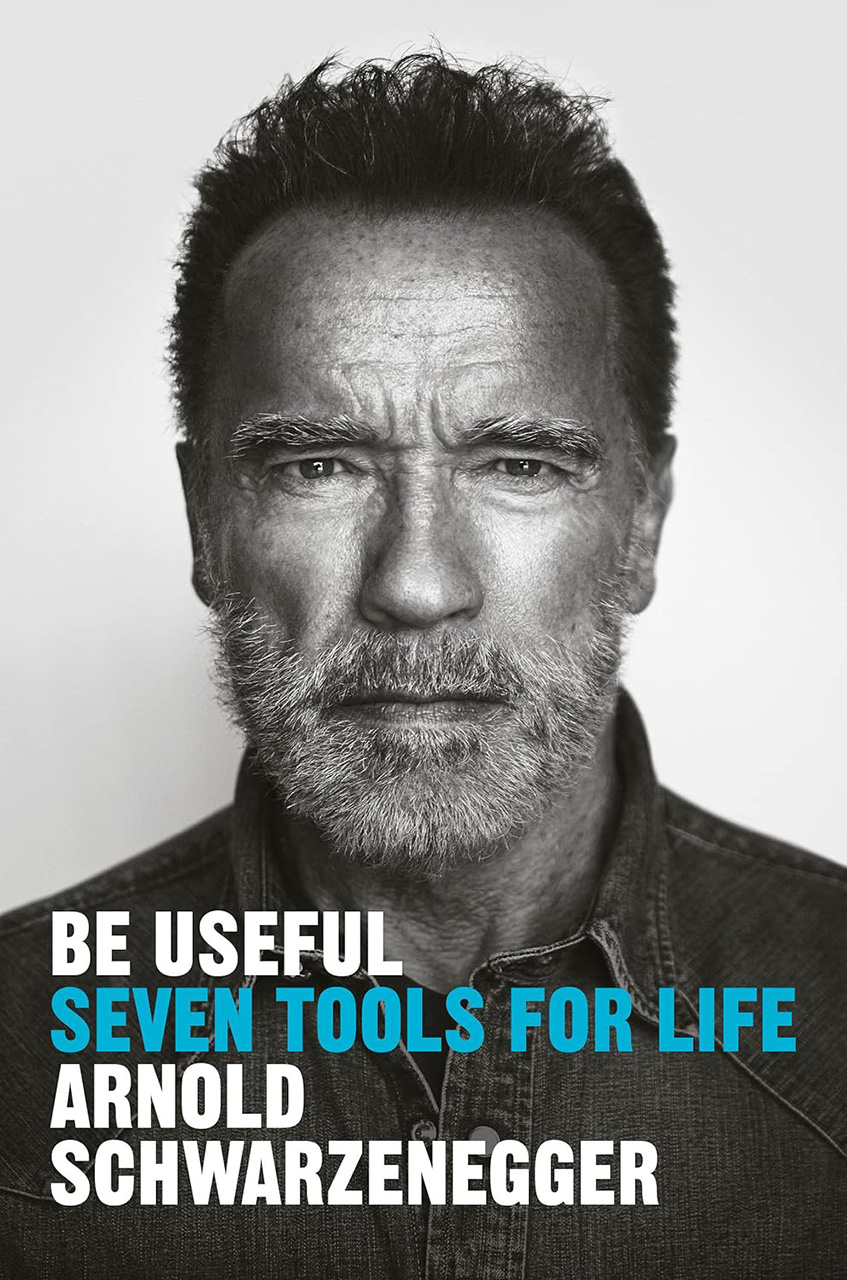
Be Useful: Seven Tools for Life, by Arnold Schwarzenegger
Penguin Press, $28

In this dishy quasi-biography disguised as a self-help book, Mr. Schwarzenegger discusses his triumphs and failures in equal measure and does his best to entertain. “Californians had elected me to blow up the status quo,” he writes, recalling the catastrophic defeat of a special election he called while governor of California that was perceived as a power grab. “What they were telling me now, at the ballot box, was ‘Hey Schnitzel, we sent you up there to do the work, not bring the work to us.’” Whether or not you take his advice (“shut your mouth, open your mind,” he suggests in Chapter 6) is up to you. Out on Oct. 10.

Jewish Space Lasers: The Rothschilds and 200 Years of Conspiracy Theories, by Mike Rothschild
Melville House, $29

This is not a particularly penetrating investigation, but it’s certainly entertaining. Rothschild, who previously wrote a book on QAnon, is very interested in what’s been said about the famed Rothschild banking dynasty (no relation to the author). He’s less willing to get into the nitty-gritty of what is and isn’t factual; to be fair, there are plenty of exhaustive biographies of the family for those who prefer straight history. Instead, the author does his best to capture the various flavors of crazy that the Rothschilds have inspired for centuries. Some of these crackpot theories are more pernicious than others, but at root each has the same poisonous combination of antisemitism, xenophobia, and stupidity. Out now.

Milton Friedman: The Last Conservative, by Jennifer Burns
Farrar, Straus and Giroux, $35

Ms. Burns, an associate professor of history at Stanford University, wisely takes a holistic approach to Friedman’s life and work, deftly weaving biography with theory and world events. In doing so, she paints a fresh, if not wildly new, picture of the man’s path from indulged overachiever in suburban New Jersey to the world’s most famous and most influential economist. Ms. Burns pays particular attention to the largely uncredited women in Mr. Friedman’s life — though, given the dismal legacy of his free market capitalism, it’s difficult to call them unsung heroes. Out on Nov. 14.

FICTION

The Fraud, by Zadie Smith
Penguin Press, $29
Mashing two very separate stories into one, Ms. Smith first introduces us to Eliza Touchet, a 19th century intellectual forced into the role of housekeeper for her once-famous cousin, the author William Harrison Ainsworth. Through her, we’re introduced to the book’s other protagonist, a man named Andrew Bogle, who grew up enslaved on a plantation in Jamaica. Alerted to his existence by a sham inheritance claim that’s the talk of London, Touchet becomes obsessed with Bogle. Eventually their worlds overlap. The two narratives never quite emulsify, but that’s almost beside the point. Ms. Smith is a dazzlingly skilled writer — the funniest parts of the book entail Touchet recoiling from Ainsworth’s grotesquely florid Victorian style — so it’s best to sit back and simply enjoy her easy, lightly humorous prose. Out now.
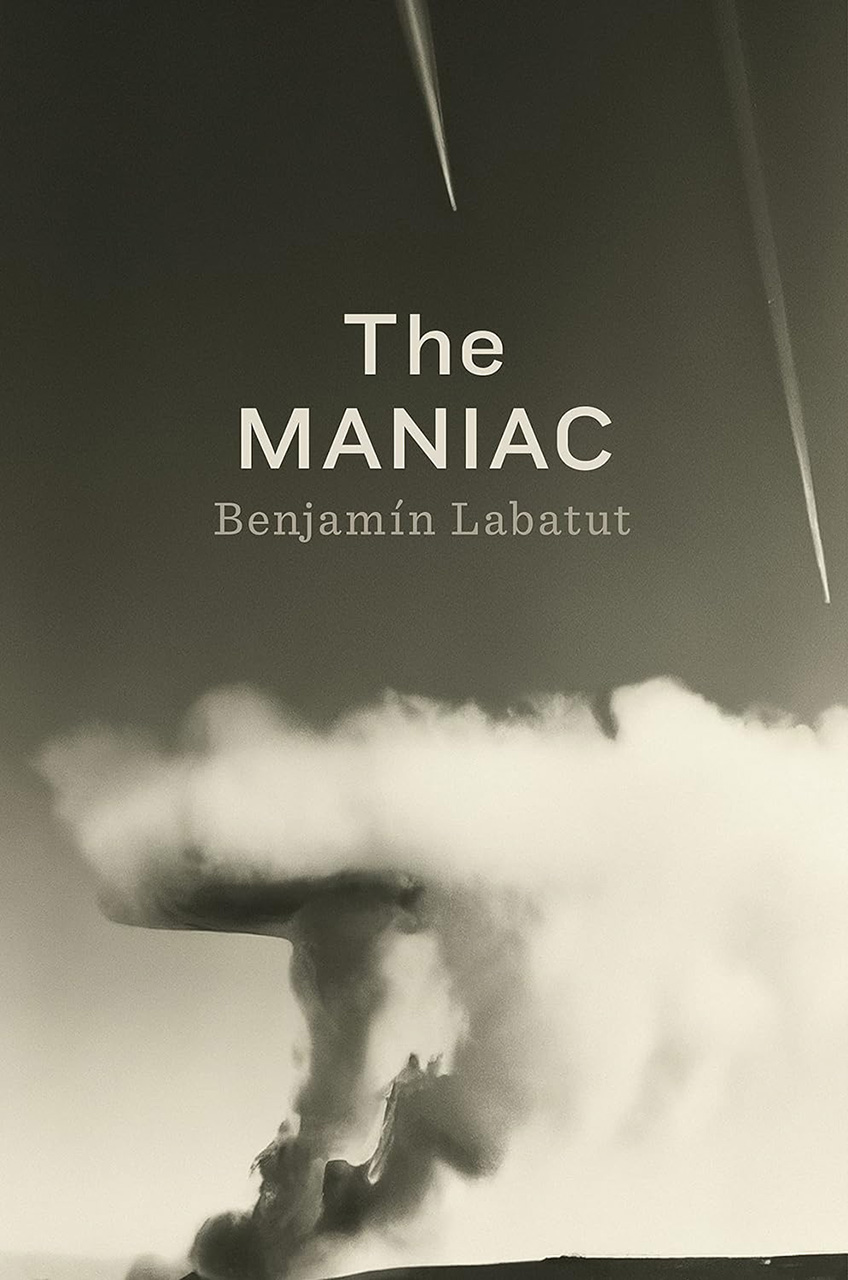
The Maniac, by Benjamin Labatut
Penguin Press, $28

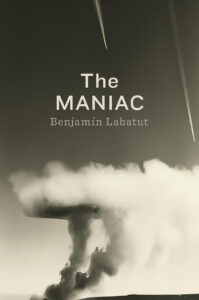
If you liked Christopher Nolan’s Oppenheimer, you’ll love this fictional chronicle of the mathematician John von Neumann, widely considered the father of the computer. Mr. Labatut’s previous novel, When We Cease to Understand the World, vivified various scientists and the often-unintended consequences of their breakthroughs; while it became a bestseller (translated into 30 languages and counting), persistent criticism of its superficiality dogged its success. In The Maniac, we get the history of a wealthy Jewish prodigy in prewar Budapest who, by dint of serene genius, transforms the world’s understanding of science and mathematics. Mr. Labatut still occasionally stumbles — a scene in which von Neumann swans into a classroom and solves an unsolvable equation seems to be unconsciously lifted from Good Will Hunting — but this time around, his writing is tighter, smoother and more convincing. Out on Oct. 3.

Family Meal, by Bryan Washington
Riverhead Books, $27

Mr. Washington is a regular columnist for the New York Times magazine who became famous with Lot, his first short story collection, which was named one of Barack Obama’s favorite books of 2019. He has anchored his latest novel with grieving protagonist Cam, who throws himself into meaningless sexual encounters and messy emotional entanglements with equal abandon. The book jumps among perspectives: first Cam, then his dead partner Kai, then his former (but maybe future?) best friend TJ, who runs a family bakery. After a while, the recurring emphasis on the emptiness of sex begins to feel a little adolescent, but Mr. Washington’s empathy for his characters keeps you coming back for more. Out on Oct. 10’

Roman Stories, by Jhumpa Lahiri
Knopf, $27

A masterclass in how to grab readers and never let them go, Ms. Lahiri’s newest collection of short stories presents a mosaic of perspectives loosely set in the Eternal City. Originally published in Italian by the bilingual Ms. Lahiri and translated by the author and editor Todd Portnowitz, the book has her effortlessly switching among class, race and gender and imbuing each protagonist with a unique inner life. Particularly striking is her story Well Lit Houses, told in the first-person perspective of one of Rome’s Muslim immigrants. She’s already won a Pulitzer Prize for fiction; this collection assures her place at the top of the pantheon of contemporary fiction writing. Out on Oct. 10.
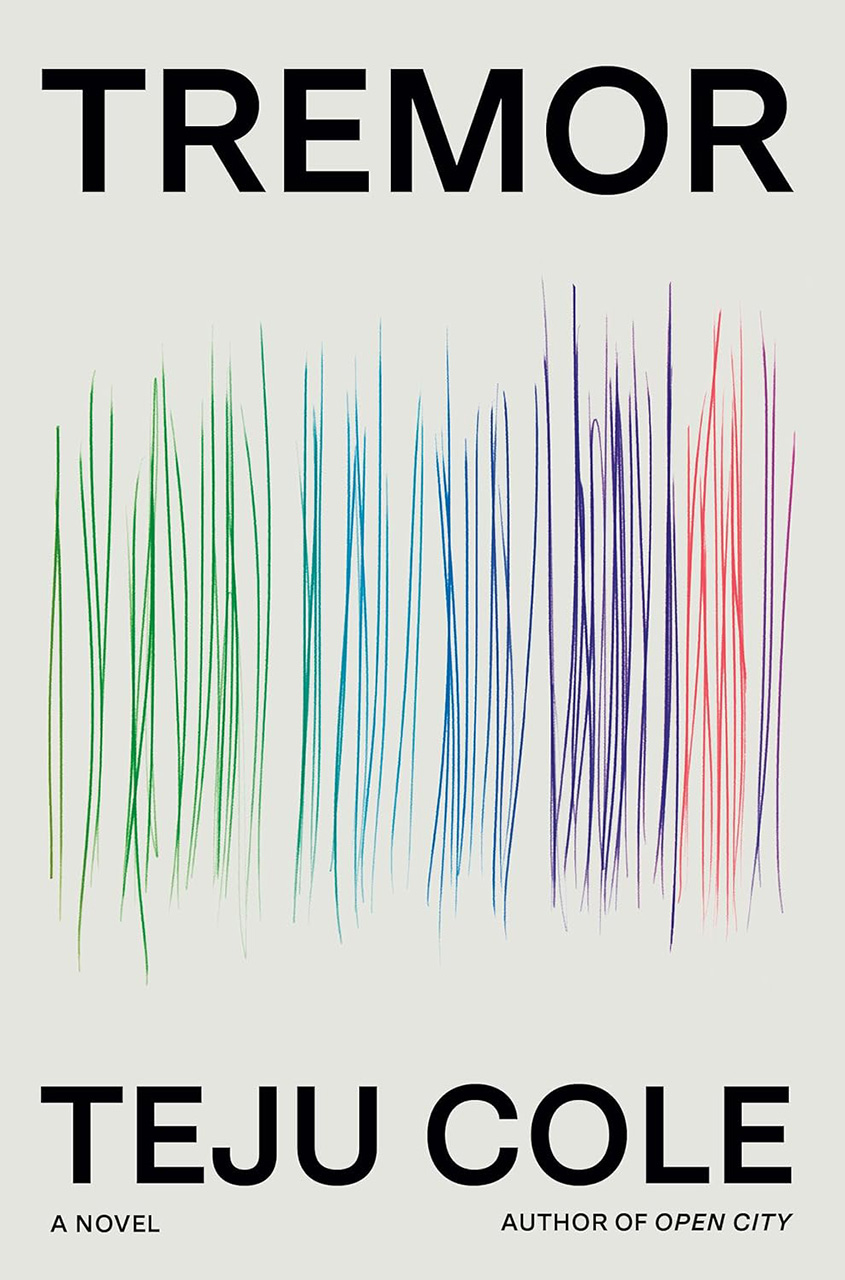
Tremor, by Teju Cole
Random House, $28

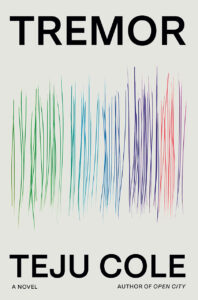
Readers of Mr. Cole’s first novel in 12 years would be well served to do some homework in advance: If you’re not familiar with the Benin Bronze restitution debate, 15th century master Hans Memling, contemporary painters Luc Tuymans and Lynette Yiadom Boakye, the music of John Coltrane and Thelonius Monk, and the cellist Anner Bylsma’s recording of Bach’s cello suites, start brushing up. The good news is that even if you don’t get around to that, you’ll still enjoy Mr. Cole’s account of an emotionally and intellectually conflicted Harvard professor’s return to Nigeria. (Mr. Cole is a professor at Harvard who grew up in Nigeria.) The storyline is interwoven with a few separate, slightly less interesting threads told in other viewpoints, but Mr. Cole’s confident prose and glittering erudition carry the day. Out on Oct. 17.
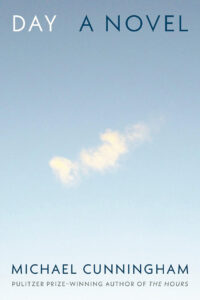
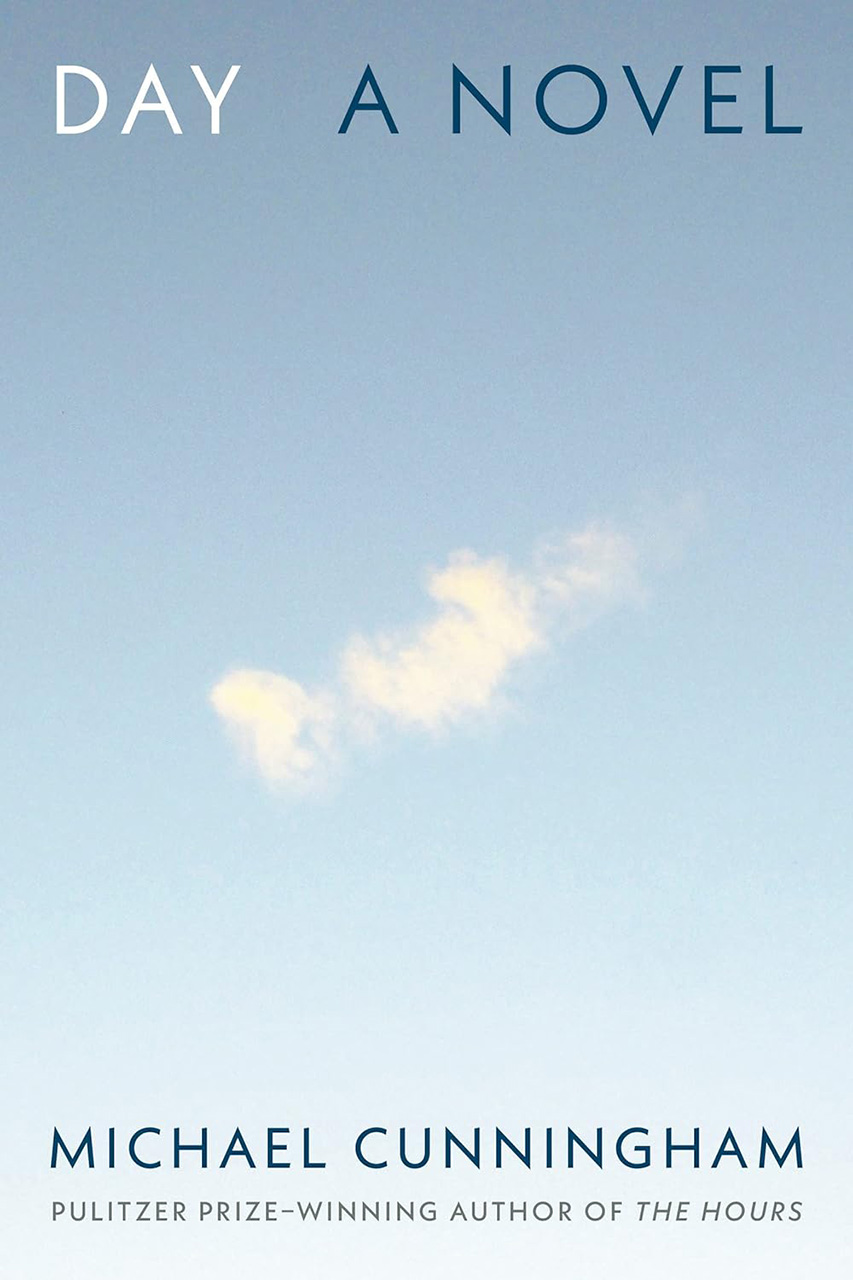
Day, by Michael Cunningham
Random House, $28

Is it too soon for a COVID-19 novel? As this one begins, Isabel, a magazine editor, lives in a Brooklyn, New York, brownstone with her two elementary-school aged children and husband Dan, a never-famous singer. (Mr. Cunningham briefly slips into magical realism by making Isabel the breadwinner.) They’re joined by her brother Robbie, who’s forgone medical school and lives in their attic. Mr. Cunningham, who shot to fame with his novel The Hours, here sets up a true-to-life family dynamic: The kids both rely on and resent their parents, and the parents have nearly the same relationship with one another. Once the pandemic sets in, it slowly becomes clear that something or someone is going to snap — the only questions are who and when. Out on Nov. 14. –Bloomberg


Arts&Culture (09/27/23)


Filipinas Heritage Library tackles jazz

THE FILIPINAS Heritage Library in partnership with Purefoods Deli presents “Jeepney Jazz Talks: In Search of Philippine Jazz” with Richie Quirino and Sandra Lim-Viray. The lecture will be held on Sept. 29, 2 p.m., at the Ayala Museum on Makati Ave., Makati, and also online via Zoom and Facebook Live. “Jeepney Jazz” is a music appreciation program that tunes the jazz ear. The inaugural talk starts with a provocation: Does Philippine jazz even exist? If so, what makes it unique? Why is it key to our pop music heritage? Jazz historian Richie Quirino and Sandra Lim-Viray, jazz vocalist and festival organizer, will debate these topics among others on Friday. Admission is free. The discussion kicks off the “Jeepney Jazz” program which includes a series of performances in October and November. Jeepney Jazz: Session One features Project 201 performing Indigenous music and jazzy OPM on Oct. 13. Jeepney Jazz: Session Two features Dan Gil and Bituin Escalante as they debit New York, Cubao, an original jazz musical on Oct. 28. Jeepney Jazz: Session Three will feature Johnny Alegre and HUMANFOLK performing Indigenous and Urban Folk on Nov. 17. All performances will be at the Ayala Museum at 6-8:30 p.m. Tickets to the Jeepney Jazz Session performances are P2,000 for regular tickets, P1,600 discounted tickets for students, teachers, Ayala Group employees, Ayala Museum members, and FHL Research Pass holders, and P1,400 for Seniors and PWDs. Rates are inclusive of food and drink. For inquiries:
e-mail asklibrarian@filipinaslibrary.org.ph.


Martial Law art exhibit free to the public

“PAGLABAN sa Pagkalimot,” an exhibition that commemorates the 51st anniversary of the declaration of Martial Law, is on view at the De La Salle-College of Saint Benilde (DLS-CSB), until Sept. 29. The exhibition aims to counter misconceptions,” revisionism, distortion of history, while it sheds light on the atrocities and horrors during one of the darkest chapters in the country. It is organized by the Center for Social Action (CSA) and the Benilde Arts Management (BeAM) of DLS-CSB. The show includes “Ang Tanda-Tanda Mo Na, Sinungaling Ka Pa Rin!,” a collection of hand-sketched portraits of Martial Law victims by Fashion Design and Merchandising and Production Design students who honed their freehand drawing skills under the tutelage of artist-educator RM De Leon. Also included are hard copies of Rekindled: Children’s Narratives, a 47-page e-book that aims to provide another window into the dictatorship through the lenses of the children and grandchildren of activists. The showcase likewise presents “Miss Conception,” an immersive website against misinformation, built for the younger generation of visual learners by Benilde Multimedia Arts talents. Also on view is Tatsulok, a 2023 musical short film that advocates for truth and justice produced by Dulaang Filipino, the resident theater group of the college. Paglaban sa Pagkalimot is on view until Sept. 29 at the Main Lobby of the Atrium Campus of DLS-CSB, 950 Pablo Ocampo St., Malate, Manila. Afterwards, the travelling show will be mounted at various La Salle schools (La Salle Green Hills, Benilde Antipolo, La Salle Lipa, and La Salle Academy).


ARTablado presents Colab exhibit

ARTISTIC practice can be compared to a laboratory: a place to experiment, analyze, discover. For artists who are lifelong learners, the need for collaboration was chosen as the central idea for a group show at the ARTablado space in Robinsons Antipolo. On view until Sept. 30, Colab features the works of Esang Bejasa Adame, Ismael Esber, Jhael Mataverde, Joanne Rebustillo, Lorielito Puserio, Orly Espiritu, Reynaldo J. De la Peña, Rodgie Gapayao, Viel Samaniego, Warlito Gabriel, Ovidio Espiritu, Jr., and Ovidio Espiritu III.


Light/sound show, folk creatures cap CCP’s 54th year

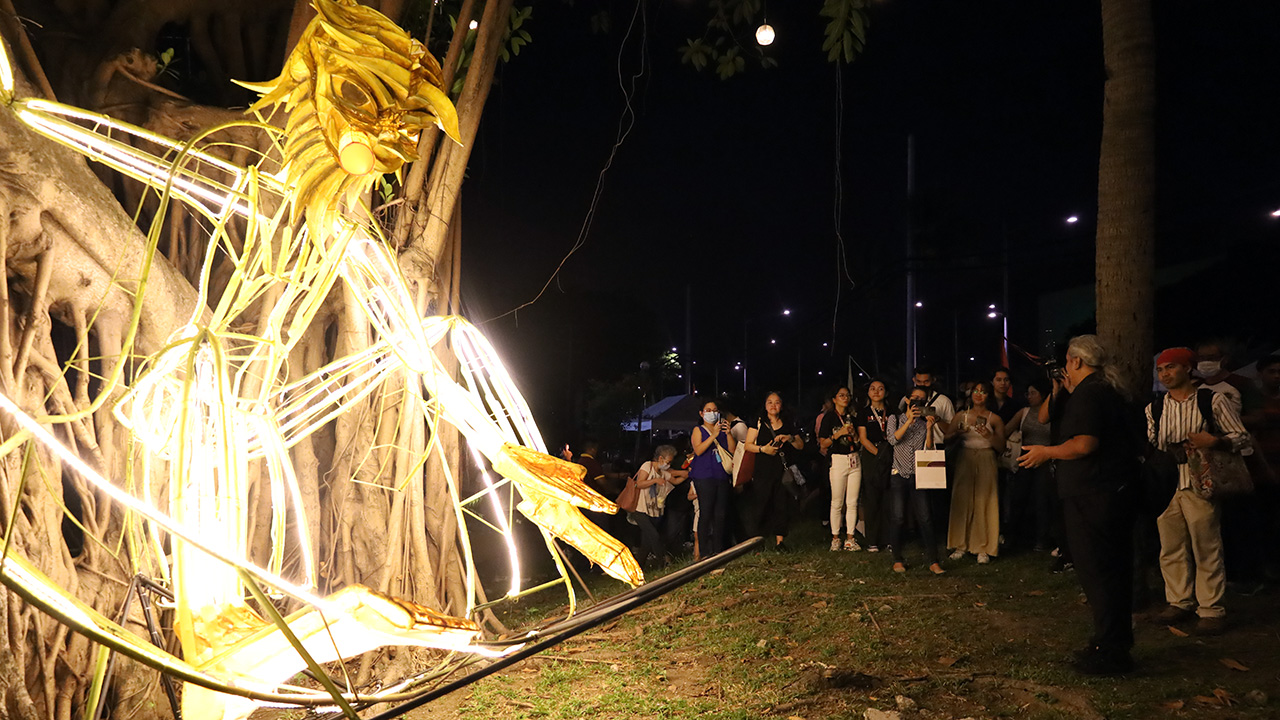
MYTHICAL folk creatures like the kapre, aswang, nuno sa punso, tikbalang, diwata, and manananggal, collectively dubbed Tanod-lupa, find a new home at the CCP Liwasang KaLIKHAsan through arts installations by visual artist Abdulmari “Toym” De Leon-Imao, Jr. They began their migration into the park in April during the Earth Day celebrations. Together with Sinag 2023: Tuloy Ang Palabas, a light, sound, and projection show marking the 54th founding anniversary of the Cultural Center of the Philippines (CCP), they will be exhibited around the Liwasan for photo ops, supplemented by soundscapes designed by TJ Ramos. Slated on Sept. 28, 7 p.m., at the Front Lawn, the iconic façade of CCP will serve as a canvas for a show conceptualized by CCP light designers Camille Balistoy, Danilo Villanueva, Louie Alcoran, and Shantie De Roca. It will be complemented by Soundridemusic and Makai-symphony’s playful and apocalyptic music, spliced by Jerry Tria. A video mapping projection (created by Reily Villaruz) caps the show, set to the music of Jed Balsamo’s Rurok. For the Tanod-Lupa art installation, Mr. Imao added new elements to the layout, including three more mythological creatures. The creatures are brought to life through welded steel, ropes, and lanterns, illuminated with colorful LED lights. The Sinag 2023 lights and sounds show at the CCP Front Lawn will be held nightly, 7-9:30 p.m., from Sept. 29 to Oct. 1, with shows at 30-minute intervals. Tanod-Lupa at Liwasang KaLIKHAsan is free and open to the public from 6 to 9 p.m., every day except Monday.


The opera Fedora screens on HD

THE CULTURAL Center of the Philippines’ (CCP) “The Met: Live HD Season 8” continues with the screening of Umberto Giordano’s opera, the thrilling drama Fedora, on Oct. 3 at Greenbelt 3’s Cinema 1 in Makati City. A love story filled with murder, revenge, and intrigue; the opera follows Princess Fedora in her quest to avenge the murder of her beloved Count. It turns out that the count has betrayed her with another woman, the wife of the alleged murderer. After meeting the murderer and hearing his confession, Fedora realizes that she has fallen in love with him. Mr. Giordano’s opera — which first premiered in 1898 — made a comeback in 2022, with the Metropolitan Theater of New York taking it out of their repository after 25 years and giving it a fresh appeal. Fedora features soprano Sonya Yoncheva playing Fedora and star tenor Piotr Beczała singing Count Loris. The Met: Live in HD recreates the experience of watching a production at the Met “live” through High-Definition (HD) digital video technology and Dolby Sound. Tickets are priced at P450. Students and young professionals may pay P100 upon presentation of a valid ID. Tickets are available at Greenbelt ticket booths and the website www.sureseats.com.


Handwoven pieces showcased at Robinsons Galleria

ART encompasses so much more than paintings, sculpture, and photography. At ARTablado in Robinsons Galleria until Oct. 11, handwoven tapestries take the spotlight in “Art Weave: A Tapestry of Life & the Arts.” Made by skilled artisans from the Cordilleras, the mounted pieces showcase new designs that mimic paintings but that are made entirely of thread. There will also be weaving art workshops where participants can learn the basics and make their own mini woven work of art. The workshops run for around 90 minutes and are priced at P1,500 per person inclusive of a kit and materials that they can take home and work on after. The workshops are on Sept. 29 (1:30-3 p.m. and 6-7:30 p.m.) and Sept. 30 (1:30-3 p.m.).


‘Bisita Planeta’ exhibit shows physical, virtual worlds

THE CULTURAL Center of the Philippines (CCP), through its Visual Arts and Museum Division, presents “Bisita Planeta,” an interactive generative audio composition that can only be listened to in its contrapuntal entirety online via the 21st Century Art Museum (21AM) website. The exhibit started on Sept. 21 and will run until 2024. It was commissioned for 21AM and created by sound artist Tad Ermitaño, who is a key figure in new media art in the Philippines and Southeast Asia. The physical dimension comprises four musical instrument artworks that transmit sounds to the internet. As the instruments send live audio over the internet to the Bisita Planeta website, each instrument is hosted at a physical location that is open to the public. Playing different parts of a composition, the automated instruments are placed in the Bulwagang Roberto Chabet at the Tanghalang Ignacio B. Gimenez (CCP Blackbox Theater), the Parola UP Fine Arts Gallery at UP Diliman, the Alitaptap Art Café at the Alitaptap Artists Community (AAC) in Amadeo, Cavite City, and the Linangan Art Residency in Alfonso, Cavite. This mechanism adds aspects of pilgrimage and collection to the work, encouraging members of the audience to visit its distributed, far-flung machines as proof of having completed the set of possible visitations. The virtual facet is a 3D game-like website, a portal where these sonic transmissions converge and resonate simultaneously via phones or laptops. The “Bisita Planeta” exhibition can be found at the 21am.culturalcenter.gov.ph/en/exhibits and at the four partner art spaces at the CCP, UP Diliman, Amadeo, Cavite, and Alfonso, Cavite.


Hamilton’s Asian premiere

THE TONY, Grammy, Olivier, and Pulitzer Prize-winning musical Hamilton made its Asian debut in Manila at The Theatre at Solaire on Sept. 21. “Good things come to those who wait, and I know Hamilton’s Filipino fans have been waiting patiently for this moment to arrive,” said Michael Cassel, producer of the international tour. “The Manila audiences responded with such warmth, enthusiasm and generosity — we couldn’t be more thrilled, and we are ecstatic to bring the revolution to Asia for the very first time.” The tour continues with performances at The Theatre at Solaire until November with further extensions not possible. Tickets are available at hamiltonmusical.com/international-tour.

ADVERTISEMENT
ADVERTISEMENT