By Joseph L. Garcia, Senior Reporter
WHAT DO an online baby product marketplace, a global footwear platform and one of the world’s biggest technology companies have in common? All received an early boost from venture capital.
Google is perhaps the most cited example. In 1999, its founders Larry Page and Sergey Brin were introduced to US venture capital firm Kleiner Perkins by Sun Microsystems co-founder Andy Bechtolsheim. The pair said they believed their search engine could generate $10 billion in annual revenue. Kleiner Perkins wrote what it later described as the largest check in its history. More than two decades on, Google’s parent Alphabet reported $348.16 billion in revenue in 2024, according to Statista.
Venture capital follows a similar logic in smaller markets like the Philippines, where funds are backing brands and platforms they believe can scale quickly and solve clear problems.
In the Philippines, Globe Telecom, Inc.’s venture capital arm, Kickstart Ventures, Inc., invests mainly in technology-driven startups. Its role goes beyond writing checks, said Mike Maté, general partner at Kickstart Ventures.
“We help people with good ideas turn them into real, problem-solving companies,” Mr. Maté told BusinessWorld in an e-mailed reply to questions. “We do that by providing money to founders so they can build their products.”
“We also help them think through hard problems, introduce them to the right people and support them as they grow,” he added.
Kickstart operates three funds. Fund One focuses on digitizing consumer and enterprise experiences in the Philippines. Fund Two targets investments that complement Globe Telecom’s core business in tech, media and telecommunications. The ACTIVE Fund serves as Ayala Corp.’s technology innovation fund.
Beyond capital, Kickstart gives portfolio companies access to business expertise, commercial partnerships and regional markets.
Being linked to Globe and the Ayala Group can help young companies gain credibility and scale faster in Southeast Asia, where conglomerates play an outsized role, Mr. Maté said.
At the same time, Kickstart aims to deliver strategic value to its corporate backers by exposing them to advanced technologies and business models.
“It’s a win for both sides,” he said. “When those companies succeed, they create jobs, solve real problems and help boost the economy.
CROWDED FIELD
Kickstart is not alone. Other venture capital firms operate across sectors in the Philippines. The Gokongwei group’s JG Digital Equity Ventures backs platforms such as Growsari, which connects about two million micro, small and medium enterprises (MSMEs).
Other investors focus on financial technology through partnerships like GoTyme, while firms such as Kaya Founders support startups in finance, digital marketing and consumer brands spanning skincare and health.
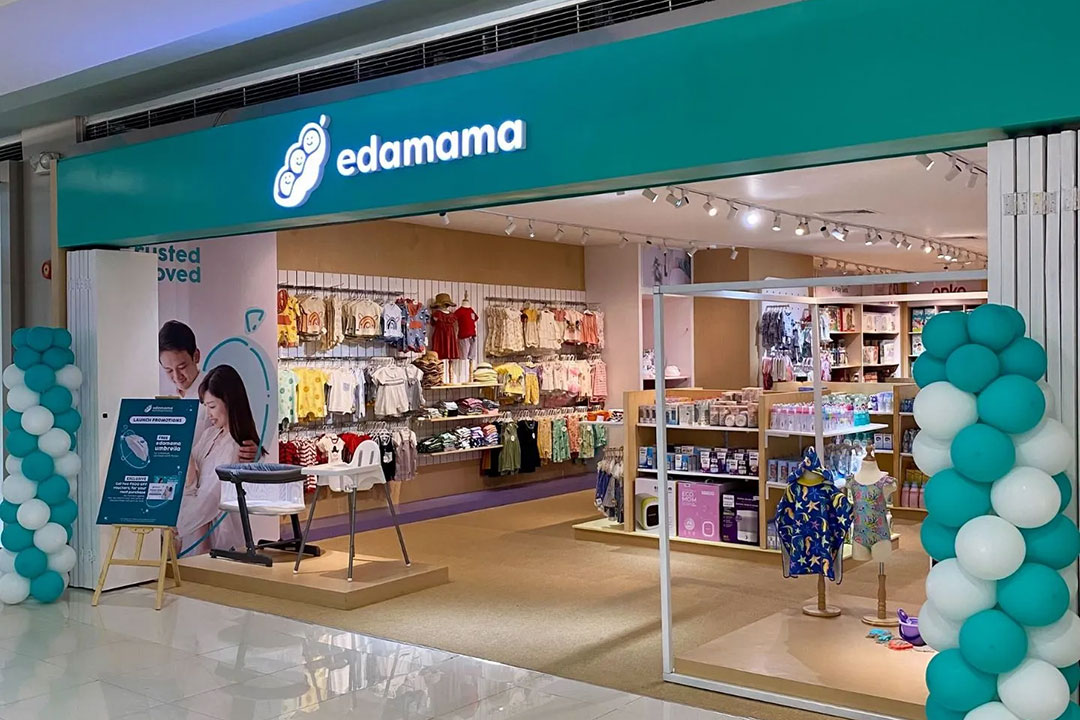
Kickstart’s own portfolio includes parenting marketplace Edamama, Pickup Coffee and fashion and e-commerce platform Zalora.
“A big part of investing is understanding what the market is telling you,” Mr. Maté said. “In the Philippines, the market is telling us that lifestyle brands can do well.”
He pointed to demographics. The Philippines has the youngest population in Southeast Asia, with a median age of 26, and is not expected to reach peak age until the 2050s. Gross domestic product (GDP) per capita has climbed above $4,000, and the gross savings rate stands at about 29% of GDP.
“You have a growing, young and wealthier population with rising discretionary income,” he said. “And what will they do with their money? Buy lifestyle brands.”
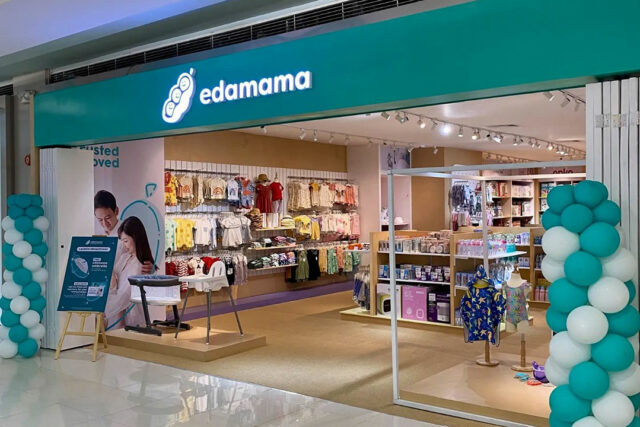
Edamama offers a case study of how venture capital can support brand growth. Founded in 2020 by Bela Gupta, the platform was built to address the fragmented and often unsafe experience of buying baby products online.
“Parents were shopping across multiple platforms that weren’t built for them,” Ms. Gupta said in an e-mailed reply to questions. “It was fragmented, overwhelming, inconsistent and unsafe.”
Since launching, Edamama has processed thousands of online orders and expanded into physical retail, opening 10 stores across Metro Manila, Antipolo and Pampanga. Ms. Gupta said partnering with Kickstart aligned with the company’s focus on sustainable growth and on working with investors who understood the local market.
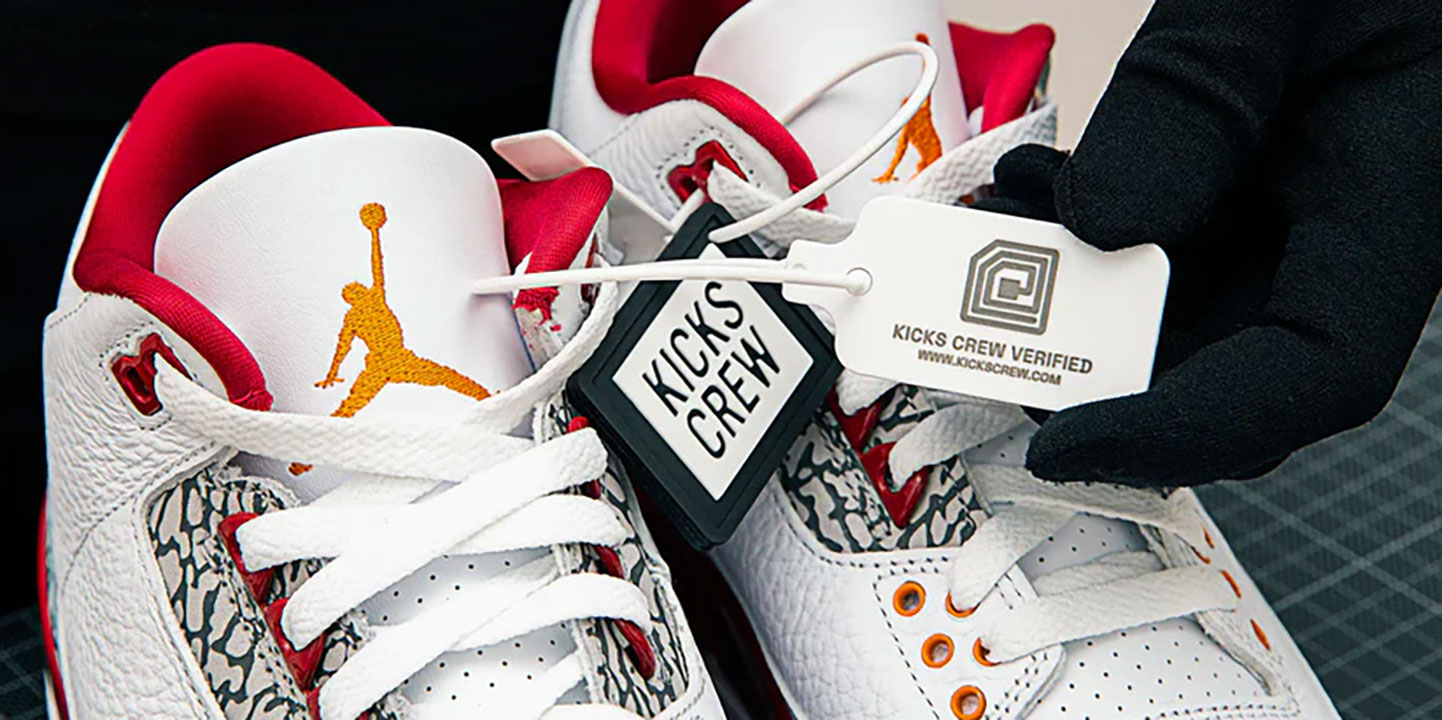
For venture capital firms, brand strength matters as much as technology. Mr. Maté cited New York-based footwear and apparel platform Kicks Crew, another Kickstart portfolio company.
Strong customer retention, repeat purchases and growing basket sizes were key factors, supported by brand credibility and endorsements from NBA players such as Kyrie Irving and Damian Lillard.
In Edamama’s case, investor confidence came from its focus on community-building among parents, which helped establish trust and repeat usage.
Many venture-backed success stories rely on technology. “Tech is the great equalizer,” Mr. Maté said, noting that digital-first companies could scale faster than traditional brick-and-mortar businesses.
He added that the line between startups and MSMEs is narrowing, as more young companies focus early on profitability and cash flow. Technology, he said, is now a baseline requirement. What matters next is whether a brand solves a real problem and can grow responsibly.
Edamama said it has delivered more than 5 million products nationwide and has become the country’s biggest diaper subscription platform. It has also launched its own private label, Bean, spanning diapers, skincare, fashion and baby gear.
“Venture capital is a means to allocate capital into high-risk assets with the goal of securing outsized returns,” Mr. Maté said. “We don’t create the future. Our portfolio companies do.”



 LOS ANGELES — Paris Hilton is known for being a socialite, reality TV star, model, and occasional actor. Now the 44-year-old American wants to show audiences she can be a musician and activist, too.