GET READY for Round 4 of the Justin Brownlee versus Allen Durham matchup.
Mr. Durham is returning after a four-year absence to reinforce Meralco and potentially settle an unfinished business with Mr. Brownlee and the Gin Kings in the coming PBA Season 49 Governors’ Cup.
The hulking Mr. Durham has proven himself as a force in Asia’s first play-for-pay league, winning three Best Imports awards, but remains title-less, frustrated by Mr. Brownlee and the Gin Kings in the Governors’ Cup finals of 2016, 2017 and 2018.
After his fruitful stint with the Ryukyu Golden Kings highlighted by the Japan B. League crown in 2023, “AD” deemed it best to reunite with his Meralco brothers, who are on a high following their maiden triumph in the recent Philippine Cup.
For Mr. Brownlee, it’s also a comeback of sorts in the PBA as he sat out the Season 48 Commissioner’s Cup while serving his FIBA suspension over doping issues in the Asian Games.
Messrs. Durham and Brownlee lead the cast of imports for the season-opening conference kicking off next month.
Aaron Fuller, who had prior stints with NLEX, Blackwater and TNT, makes another PBA tour, this time with Rain or Shine.
Two former NBA players, meanwhile, are set to make their Philippine debuts in Ricky Ledo and Glenn Robinson III.
Mr. Ledo, who suited up for the Mavericks and the Knicks, beefs up Blackwater while Robinson, who won the NBA slam dunk plum while with the Pacers in 2017, powers up Magnolia.
The Season 49 Governors’ Cup features a pool format with Meralco, TNT, Magnolia, NorthPort, Terrafirma and Converge bunched in Group A and Ginebra, San Miguel Beer, Rain or Shine, Phoenix, Blackwater and NLEX together in Group B.
After the double round-robin group play, the top four teams from each bracket will proceed to the crossover quarterfinals. — Olmin Leyba
Games Thursday (PhilSports Arena) 2 p.m. — Petro Gazz vs ZUS Coffee 4 p.m. — Akari vs Capital1 6 p.m. — Cignal vs Choco Mucho
ON paper, everyone would agree that the Petro Gazz Angels should be the team to beat in the Premier Volleyball League (PVL) Reinforced Conference based on the intact roster and the return of former Best Foreign Player Wilma Salas of Cuba.
It’s now up to the former two-time Reinforced Conference champions to live up to it.
Petro Gazz will get to prove it as it launches its ambitious campaign against a spruced up Zus Coffee in Thursday’s resumption of the PVL Reinforced Conference at the PhilSports Arena.
Game time is at 2 p.m.
While most of the clubs were playing minus their stars following national team call ups, the Angels have kept their exact same core headed by Brooke Van Sickle and MJ Phillips that finished third in the All-Filipino Conference early this year that installed them as the early favorites to win it all.
The comeback of Ms. Salas, who led the team to the first of its two Reinforced crowns in 2019, all the more made Petro Gazz stronger and better.
The Thunderbelles, meanwhile, will have to wait for the next conference before they break in newly-acquired first overall rookie pick Thea Gagate, who is still with Alas Pilipinas.
Zus, nonetheless, has four members of three-peat sweep champion College of St. Benilde in reigning NCAA Most Valuable Player Cloanne Mondonedo, Gayle Pascual, Jade Gentapa and Michelle Gamit who form the core of coach Jerry Yee.
Both Petro Gazz and Zus are bracketed in Pool B where the rest the four members will get to see action in a triple-header.
The other two matches pit Akari with Capital1 Solar at 4 p.m. and last conference’s runner-up Choco Mucho with equally dangerous Cignal at 6 p.m.
The opener featured Pool A teams that included early winners PLDT, Nxled and Cherry Tiggo, which hurdled defending champion Creamline, Galeries Tower and Farm Fresh, respectively.
In the absence of Gagate, expect No. 2 pick Leila Cruz to seize the limelight for the Roger Gorayeb-mentored Solar Spikers, who will parade Russian reinforcement Marina Tushova.
Also intriguing to watch is Ivy Lacsina, who will debut for Akari after her transfer from sister team Nxled a few months ago.
The Chargers will American Oluoma Okaro to lead the charge. — Joey Villar
NATIONAL UNIVERSITY (NU) star spiker Bella Belen added another feather in her cap, winning her second Most Valuable Player (MVP) honor this year.
On the heels of her coronation as the MVP for the second time in the last three UAAP seasons, Ms. Belen also reigned supreme by copping the highest individual honor in the Shakey’s Super League (SSL) National Invitationals as the Lady Bulldogs completed a perfect run.
The Alas Pilipinas standout was also named the First Best Outside Spiker after a steady performance in the six-game romp of NU highlighted by her 25-point eruption in Game 2 of the finale against Far Eastern University(FEU) on Tuesday at the Ninoy Aquino Stadium in Manila.
Overall, it’s the third MVP of Ms. Belen in a young collegiate career after also becoming the first-ever women’s Rookie-MVP in the UAAP Season 84 when the Lady Bulldogs, likewise, won their first volleyball title in 65 years with a 16-0 sweep.
Ms. Belen and the Lady Bulldogs bowed to De La Salle in Season 85 before a redemption in Season 86 and this time, a title in the National Invitationals also won by De La Salle in their absence last year.
Prior to that, the Ms. Belen-led NU also ruled the first two seasons of the SSL Collegiate Pre-Season Championship via sweep for now a flawless 24-0 record in all Shakeys tournaments.
NU, although without another star Alyssa Solomon due to injury and with a bevy of rookies in roster, capped the feat by sweeping FEU in the best-of-three finals.
The team results and the individual awards of their aces further proved NU’s stature as the best volleyball program in the country today.
“I must say that the NU volleyball program established the right formula from high school to college. Though it’s not always perfect,” said Lady Bulldogs coach Norman Miguel.
Meanwhile, joining Ms. Belen in the Mythical Team were teammates Lams Lamina (Best Setter) and Shaira Jardio (Best Libero).
College of St. Benilde’s Wielyn Estoque (Second Best Outside Spiker) and Zamantha Nolasco (First Best Middle Blocker) along with FEU’s Jean Asis (2nd Best Middle Blocker) and Letran’s Judielle Nitura (Best Opposite Hitter) completed the individual awardees. — John Bryan Ulanday
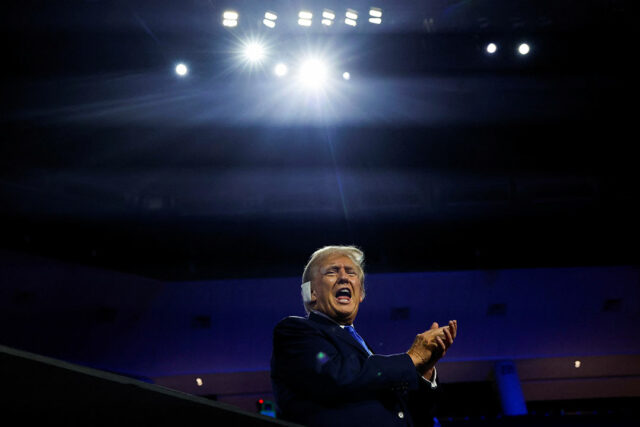
Republican presidential nominee and former U.S. President Donald Trump applauds on Day 2 of the Republican National Convention (RNC), at the Fiserv Forum in Milwaukee, Wisconsin, U.S., July 16, 2024. — REUTERS
TAIPEI — Taiwan should pay the United States for its defense as it does not give the country anything, US Republican presidential candidate Donald Trump said, sending shares of Taiwanese chip manufacturer TSMC down on Wednesday.
“I know the people very well, respect them greatly. They did take about 100% of our chip business. I think, Taiwan should pay us for defense,” Mr. Trump said in interview with Bloomberg Businessweek on June 25 but published on Tuesday.
“You know, we’re no different than an insurance company. Taiwan doesn’t give us anything.”
TSMC is the dominant maker of advanced chips used in everything from AI applications to smartphones and fighter jets, and analyst believe any conflict over Taiwan would decimate the world economy.
Taiwan Premier Cho Jung-tai, responding to Mr. Trump’s comments, said Taiwan and the US have good relations despite the lack of formal ties, and is dedicated to bolstering its defenses.
“Taiwan has steadily strengthened its defense budget and demonstrated its responsibility to the international community,” he said at a routine news conference in Taipei.
“We are willing to take on more responsibility; we are defending ourselves and ensuring our security.”
The US is Taiwan’s most important international supporter and arms supplier, but there is no formal defense agreement. The US is however bound by law to provide Taiwan with the means to defend itself.
Taiwan’s government has made defense modernization a priority, including developing its own submarines, and has said many times the island’s security rests in its own hands.
Taiwan, which China views as its own territory, has complained of repeated Chinese military activity over the past four years as Beijing seeks to pressure the democratically governed island which rejects China’s sovereignty claims.
US President Joe Biden has upset the Chinese government with comments that appeared to suggest the US would defend Taiwan if it were attacked, a deviation from a long-held US position of “strategic ambiguity”.
Washington and Taipei have had no official diplomatic or military relationship since 1979, when the US switched recognition to Beijing and terminated a mutual defence treaty.
There was no immediate reaction from TSMC which is currently in its quiet period ahead of its second quarter earnings report on Thursday.
TSMC SHARES DOWN
Shares in Taiwan Semiconductor Manufacturing Co Ltd (TSMC), the world’s largest contract chipmaker and a major Apple and Nvidia supplier, fell more than 2% early on Wednesday morning trade. The broader market .TWII was down around 0.4%.
“Trump’s comments were plainly blunt. We see it as political rhetoric,” said Allen Huang, a vice president at Mega International Investment Service. “TSMC is an excellent company, and it has won out in the market over many rival companies in the United States.”
TSMC is spending billions building new factories overseas, including $65 billion on three plants in the US state of Arizona, though it says most manufacturing will remain in Taiwan.
Taiwan also has a backlog worth some $19 billion of arms deliveries from the United States, which US officials and politicians have repeatedly pledged to speed up.
Since 2022, Taiwan has complained of delays in deliveries of US weapons such as Stinger anti-aircraft missiles, as manufacturers focused on supplying Ukraine to help it battle invading Russian forces.
In April, the US Congress had passed a sweeping foreign aid package which includes arms support for the island, after House Republican leaders abruptly switched course and allowed a vote on the $95 billion in mostly military aid for Ukraine, Israel and Taiwan and US partners in the Indo-Pacific.
China held two days of war games around the island shortly after President Lai Ching-te took office in May, saying it was “punishment” for his inauguration speech, which Beijing denounced as being full of separatist content.
But China has also been using grey zone warfare against Taiwan, wielding irregular tactics to exhaust a foe by keeping them continually on alert without resorting to open combat. This includes sending balloons over the island and almost daily air force missions into the skies near Taiwan.
China has never renounced the use of force to bring Taiwan under its control. Mr. Lai, who says only the Taiwanese people can decide their future, has repeatedly offered talks but been rebuffed. — Reuters
BEIJING — China and Russia have begun live-fire naval exercises in the South China Sea, Russian and Chinese state media reported, with the two countries having strengthened military and trade ties in recent years following US sanctions on both.
The opening ceremony of the Russian-Chinese naval exercise ‘Maritime Cooperation – 2024’ took place in the Chinese port of Zhanjiang, the Russian defense ministry said on the Telegram messaging app.
During their sea maneuvers, the crews of ships of the Russian Pacific Fleet and the PLA Navy were to conduct joint air defense exercises and anti-submarine drills with the involvement of PLA naval anti-submarine aviation, the Russian defense ministry said.
Both countries were to deploy at least three vessels each for the three-day exercises, China’s state controlled Global Times newspaper said, citing the People’s Liberation Army (PLA) Navy.
Russia’s RIA state news agency reported on Tuesday, citing Russia’s Pacific Fleet, that the Russian Navy and the Chinese Navy conducted artillery firing as part of the joint drills.
The drills follow the completion of a separate joint naval patrol in the north Pacific, which the Russian defense ministry said earlier involved a detachment of Russia’s Pacific Fleet ships, including two corvettes, the Rezky and the Gromky.
Wang Guangzheng of the PLA Navy’s Southern Theatre told Chinese state broadcaster CCTV that: “the China-Russia joint patrol has promoted the deepening and practical cooperation between the two in multiple directions and fields.”
“And effectively enhanced the ability to the two sides to jointly respond to maritime security threats.”
The participating vessels set off from a naval port in Zhanjiang in southern China’s Guangdong province on Monday, the report added, citing a PLA Navy statement.
The report did not specify where in the contested waterway the drills would take place.
China claims control over almost the entire South China Sea, including the disputed Second Thomas Shoal, where the Philippines maintains a rusty warship that it deliberately grounded in 1999 to reinforce its maritime claims and which has been central to a recent standoff between the two countries.
The rising tensions have led US officials to remind Beijing that their mutual defense treaty obligations with the Philippines are ironclad.
China and Russia declared a “no limits” partnership in 2022 when President Vladimir Putin visited Beijing just days before he sent thousands of troops into Ukraine. China has still not condemned the invasion and has stepped up its exports to Russia, helping Moscow keep its war economy afloat.
The “no limits” partnership saw two-way trade hit a record of $240.1 billion in 2023, up 26.3% from a year earlier, according to Chinese customs data.
Meanwhile, China-US trade fell 11.6% last year to $664.5 billion, Chinese customs data shows. — Reuters
WASHINGTON — Americans fear their country is spiraling out of control following an assassination attempt on Donald Trump, with worries growing that the Nov. 5 election could spark more political violence, a Reuters/Ipsos poll that closed on Tuesday found.
The two-day poll found Republican presidential candidate Mr. Trump opening a marginal lead among registered voters — 43% to 41% — over Democratic US President Joseph R. Biden, an advantage that was within the poll’s 3 percentage point margin of error, suggesting the attempt on Trump’s life had not sparked a major shift in voter sentiment.
But 80% of voters — including similar shares of Democrats and Republicans — said they agreed with a statement that “the country is spiraling out of the control.” The poll, which was conducted online, surveyed 1,202 US adults nationwide, including 992 registered voters.
Mr. Trump narrowly avoided death on Saturday when a would-be assassin’s bullet grazed his ear as he spoke at a campaign rally in Pennsylvania. Blood trickled across his face and he defiantly pumped his fist in the air, mouthing the words “Fight! Fight! Fight!” as he was rushed offstage. A rally attendee was slain and two others seriously injured.
The shooting brought back memories of turbulent political periods such as the 1960s, when Democratic President John F. Kennedy was assassinated in 1963, followed by the killing of Democratic presidential candidate Robert F. Kennedy in 1968.
Some 84% of voters in the poll said they were concerned that extremists will commit acts of violence after the election, an increase from the results of a Reuters/Ipsos poll conducted in May that showed 74% of voters having that fear.
Fears of political violence became more prominent in America after thousands of Trump supporters attacked the US Capitol on Jan. 6, 2021, in a bid to overturn Mr. Trump’s election loss to Mr. Biden. Four people died on the day of the attack, and one Capitol Police officer who fought against the rioters died the next day.
While Americans said they feared violence, few condoned it. Just 5% of respondents said it was acceptable for someone in their political party to commit violence to achieve a political goal, down from 12% in a Reuters/Ipsos poll from June 2023.
The attempt on Mr. Trump’s life has dominated media headlines and fueled discussion among some of his conservative Christian supporters that he was protected by God.
In the Reuters/Ipsos poll, 65% of registered Republicans said Mr. Trump was “favored by divine providence or God’s will.” Eleven percent of Democrats agreed.
The United States stands out among rich nations for its embrace of religion, with evangelical Christians largely aligned with the Republican Party in recent decades. Some 77% of Americans surveyed in 2022 said they believed in God, compared to 56% of Canadians and 39% of British respondents, according to a poll by the Gallup International Association. — Reuters
Visitors pose for pictures under blooming cherry blossoms at a botanical garden in Nanjing, Jiangsu province, China March 14, 2019. — REUTERS
BEIJING — Guilherme Carvalho made his first visit to China this month, and the Italian said one of the main factors behind the trip was the post-pandemic policy to scrap entry permits for some tourists.
Previously, all foreign visitors had to go through the onerous process of applying for a Chinese visa. Now, visitors from more than a dozen countries can just fly in, and stay for up to 15 days.
“I didn’t expect to feel so safe,” said Carvalho, who visited Shanghai. “Everyone is so kind.”
Carvalho is not alone. As the authorities focus on boosting foreign tourism in a bid to revive the economy and perk up sluggish consumer spending, thousands of visitors have flocked to China, encouraged by the visa policies and easier access to its unique digital payment services.
As of June 24, bookings from several countries under the visa policy including France, Germany, Italy, Malaysia and Thailand surged 150% year-on-year, data from China’s largest online travel agency Trip.com showed.
Bookings for July and August are also set to be higher.
“We’re very excited to see the trend. Lots of people had some misunderstandings about China before they came, but after they arrive, they feel cities like Shanghai are very safe, very clean,” said Trip.com CEO Jane Sun.
Since December, China has granted visa-free entry to tourists from several countries, including France, Germany, Italy, Spain, Australia, New Zealand and Poland.
Southeast Asian countries including Thailand, Singapore and Malaysia have also struck agreements with Beijing to facilitate visa-free travel.
In the week that China announced visa-free travel for visitors from Australia and New Zealand, sales of tours jumped 133% compared to the previous week, said Yvette Thompson, general manager for sales and marketing for Australia and New Zealand at tour agency Intrepid Travel.
“Coming out of COVID, visas are just another level of complexity for travellers. So to remove that complexity, I think is a good move,” she said.
LONG-HAUL RECOVERY The recent surge in tourism comes after China closed its borders in early 2020 to combat the COVID-19 pandemic, and kept them shut until the start of 2023.
But even with the visa-free policy boost, far fewer tourists are coming to China now than before the pandemic.
According to official tourism data, China received a total of 49.1 million overseas visitors in 2019, with more than a third coming in for sightseeing and leisure. Revenue from international tourism reached $131.3 billion that year.
In the first half of 2024, the number of foreign nationals entering China was far lower at 14.6 million. Among them, 8.5 million entered visa-free, accounting for just over half of the total, according to the National Immigration Administration.
International tourism revenue data for China has not been published since 2019.
Travel agents say they are hopeful next year will bring in more foreign tourists as global demand for travel, and flight schedules, recover further to pre-pandemic levels.
However, China needs to do more than just waive visas to encourage foreigners, experts say.
Geopolitical tensions, a government that tolerates no dissent and China’s sometimes belligerent portrayal in some Western media have kept some tourists away. Last month, two separate knife attacks on foreigners also sparked security concerns.
China must also compete for attention with Japan, which is experiencing a boom in tourism thanks to its weak yen.
“The more that we talk around the reasons to go to China – the diverse landscapes, the history, the difference between imperial Beijing versus futuristic Shanghai – I think the faster that negative PR dissipates,” travel agent Thomson said.
Another potential hurdle for foreigners is China’s vast digital infrastructure.
Paying for everything from transport tickets to restaurant bookings to tourist site admissions is done via QR codes linked to local payment apps such as WeChat and Alipay, making daily interactions difficult for holders of foreign bank cards.
China has allowed foreign bank cards to be linked to Alipay and WeChat, but the system and language barriers remain daunting.
“I can’t imagine how a foreigner who doesn’t have Chinese payment tools and doesn’t speak the language can deal with all this,” said Liang Hongling, a Chinese scholar living in Glasgow and who plans to travel with her Irish husband to her hometown in Xinjiang this month. — Reuters
Good health is essential for living a fulfilling and satisfying life. According to the World Health Organization (WHO), health is “a state of complete physical, mental and social well-being and not merely the absence of disease or infirmity.”
Prioritizing health and well-being has far-reaching positive effects that extend beyond individual lives. In fact, Investing in health not only benefits individuals but also has significant economic benefits. In a report, McKinsey & Company mentioned that improving global health could boost global gross domestic product (GDP) by $12 trillion by 2040.
Retchel Go, an international alternative medicine practitioner and director of Cocolife, said that maintaining good health and preventing diseases requires a holistic approach.
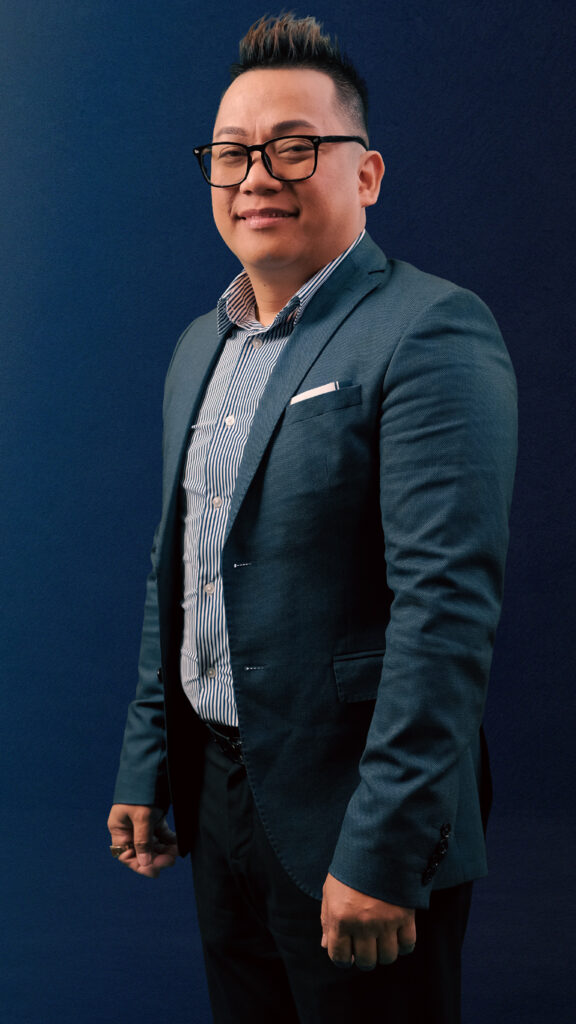
Retchel Go, an international alternative medicine practitioner and director of Cocolife
“Regular exercise strengthens the body, improves cardiovascular health, and enhances mood. Balanced nutrition, like quality water, fruits, vegetables, carbohydrates, protein, sugar, etc., supplemented with functional food supplements, provides essential nutrients for bodily functions and supports overall well-being,” Mr. Go said. “Sufficient sleep allows for proper rest and rejuvenation, vital for cognitive function and immune health. Effective stress management techniques, such as mindfulness or relaxation exercises, mitigate the harmful effects of chronic stress on physical and mental health.”
Mr. Go also emphasized the importance of avoiding harmful habits like smoking and excessive alcohol consumption, as these practices protect against various diseases, ensuring longevity and vitality.
One of the foundational elements that the Cocolife director highlights is health awareness. He advocates for widespread information drives and interactive discussions focused on health and well-being.
“By empowering individuals with knowledge and resources, we can create a culture of proactive health management and significantly reduce the burden of preventable diseases,” Mr. Go said.
In addition, regular health screenings and check-ups said that these evaluations are important to identify potential health issues before they become serious, allowing for timely interventions.
He added, “As I often emphasize, individuals are the doctors of themselves, entrusted with the freedom to prioritize their well-being. Through regular screenings and preventive health care, individuals can make informed decisions about their lifestyle and health, promoting longevity and vitality.”
Likewise, medical insurance plays a crucial role in disease prevention and wellness promotion, according to Edward Robin Gonzales, chief agency officer at Cocolife.
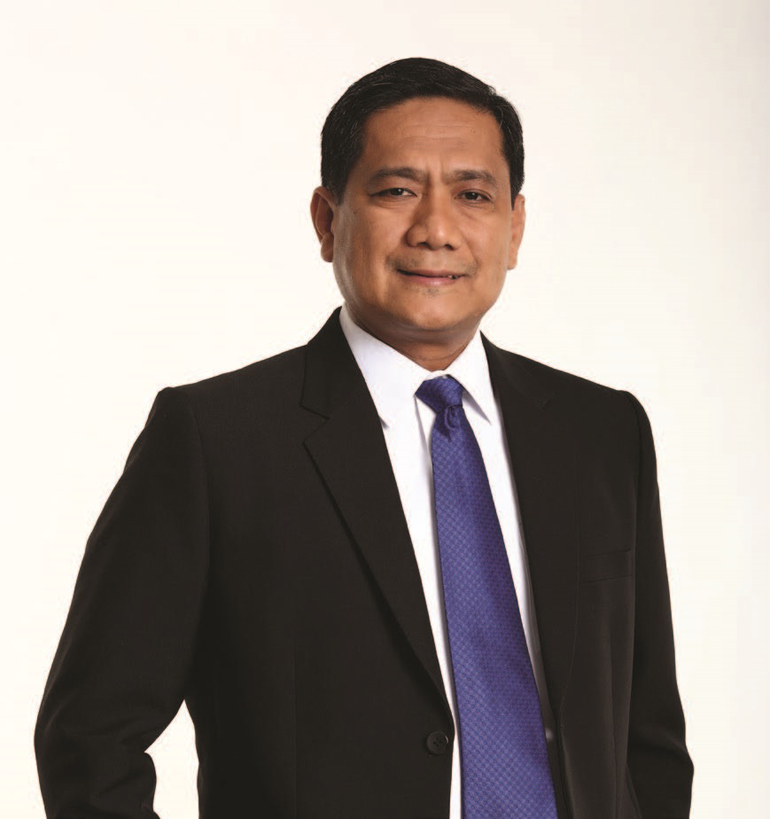
Edward Robin Gonzales, chief agency officer at Cocolife
“Through various medical insurance products in the market, people are made aware of the benefits it can provide,” Mr. Gonzales explained.
Furthermore, health insurance plans often include provisions for preventive care services. These services may range from routine health screenings to vaccinations and wellness programs.
“Products are designed to protect a person’s health and prevent the root causes of illnesses,” the Cocolife executive asserted.
One of the significant challenges people face in accessing healthcare is the escalating cost of medical services, including doctor’s fees, hospitalizations, and medications. Moreover, according to Mr. Gonzales, misconceptions about health insurance often deter individuals from exploring preventive care options. Many believe that insurance plans are rigid and expensive, covering only a limited set of conditions.
Cocolife recognizes this barrier and addresses it by continuously developing affordable medical insurance products. Specifically, the Cocolife ARUGA plan challenges these misconceptions by offering customizable options that fit various budgets.
Cocolife ARUGA plan is a life and health insurance plan that is specifically designed to safeguard individuals and families from the uncertainties of health challenges. The plan offers more comprehensive health coverage compared to traditional insurance plans. It goes beyond the usual lists of specific illnesses by providing results-oriented coverage for a wide range of health conditions. This means individuals can have peace of mind knowing they are protected against various health issues, offering comprehensive coverage that goes beyond what is expected.
“For only P147 a day, ARUGA can provide a medical insurance benefit of up to P1,000,000 for major health issues like confinement in an Intensive Care Unit (ICU), advanced cognitive impairment, permanent need for a wheelchair, permanent loss of use of two limbs, sight, hearing, and speech. It also provides up to P200,000 coverage upon diagnosis of early-stage critical illness,” he explained.
In addition, the insurance plan is the guaranteed cash benefit, which is equivalent to 100% of the plan’s face amount in the event of life impact, major loss, or specific illness conditions.
In the event of the policyholder’s passing, Cocolife ARUGA gives a death benefit that provides life insurance protection equal to the plan’s face amount, ensuring the financial security of beneficiaries during unforeseen circumstances, thus lessening the burden on loved ones during difficult times.
The ARUGA plan also offers a ‘return of premium’ where the policyholder will receive 100% of the total basic premiums paid if they outlive the policy, as long as no major health condition benefit has been paid.
Mr. Gonzales stressed the importance of consulting with a financial advisor to tailor insurance products based on specific needs and affordability. By enlisting the expertise of financial advisors, individuals can gain clarity on product features and understand how they stand to benefit from them.
“I would strongly suggest individuals consult a financial advisor to provide clients sound decisions on what products to buy based on needs and affordability. They can guide clients through the product features and how clients will benefit from it,” said Mr. Gonzales.
Cocolife, the biggest Filipino-owned stock life insurance company and the first ISO-certified Filipino insurance company, has a rich history of providing comprehensive insurance products and services to the people.
“With our enhanced product development efforts, we [have been aiming] to launch more products and services that are responsive to the changing landscape and consumer needs,” said Cocolife President and CEO Atty. Jose Martin A. Loon.
Spotlight is BusinessWorld’s sponsored section that allows advertisers to amplify their brand and connect with BusinessWorld’s audience by publishing their stories on the BusinessWorld Web site. For more information, send an email to online@bworldonline.com.
Join us on Viber at https://bit.ly/3hv6bLA to get more updates and subscribe to BusinessWorld’s titles and get exclusive content through www.bworld-x.com.
The Pag-IBIG Fund has received another ‘Unmodified Opinion’ from the Commission on Audit (COA) for the 12th consecutive year, top officials announced on July 16, 2024.
In a letter dated June 21, 2024, state auditors informed the agency that it has rendered an unmodified opinion on the fairness of the presentation of Pag-IBIG Fund’s financial statements for 2023.
“This recognition from the COA, which Pag-IBIG Fund has earned for the 12th consecutive year, is a result of Pag-IBIG Fund’s commitment towards excellence and integrity in managing our members’ funds. We stay true to our mandate of providing secured savings and shelter financing in line with the directive of President Ferdinand Marcos, Jr. of providing means for Filipinos to achieve a better quality of life,” said Secretary Jose Rizalino L. Acuzar, head of the Department of Human Settlements and Urban Development and Chairman of the 11-member Pag-IBIG Fund Board of Trustees.
Pag-IBIG Fund received COA’s ‘unqualified opinion’ from 2012 to 2017 and ‘unmodified opinions’ from 2018 to 2023. *Both unqualified and unmodified opinions indicate that the financial statement of a government agency or corporation is presented, in all material respects, in accordance with applicable financial reporting frameworks.*
Pag-IBIG Fund Chief Executive Officer Marilene C. Acosta highlighted the state auditor’s findings as a reflection of the agency’s notable performance in 2023.
“Pag-IBIG Fund achieved several milestones in 2023. Our financial standing remains strong, as we concluded 2023 with a record-high net income before MP2 returns of P49.79 billion. Pag-IBIG Fund also surpassed its housing records by releasing a total of P126.04 billion in housing loan takeouts, the highest home loans released during a single year in its 43-year history. This helped 96,848 members acquire new or better homes. Membership savings collection also reached a record high, with membership savings collections amounting to P89.26 billion. *All these enabled Pag-IBIG Fund to declare P48.76 billion in dividends, which was distributed to its members as earnings on their savings for said year — highest in the history of Pag-IBIG Fund,” Acosta said.*
“Earning the ‘unmodified opinion’ for the 12th consecutive year further signifies how we were able to achieve our best performance while maintaining the highest standards of financial integrity. Our members and stakeholders can rest assured that we will remain their reliable partner and that we will continue to serve them with Tapat na Serbisyo, Mula sa Puso,” Acosta added.
Spotlight is BusinessWorld’s sponsored section that allows advertisers to amplify their brand and connect with BusinessWorld’s audience by publishing their stories on the BusinessWorld Web site. For more information, send an email to online@bworldonline.com.
Join us on Viber at https://bit.ly/3hv6bLA to get more updates and subscribe to BusinessWorld’s titles and get exclusive content through www.bworld-x.com.
The Philippines aims to become a model for tourism training programs worldwide by amplifying the Filipino Brand of Service Excellence (FBSE) program in tourism front liners, Ex-Link Management and Marketing Services Corporation Chief Operating Officer Orlando Ballesteros said.
“The main goal is to uplift the service of our country and to become the best model in Asia and the world,” Mr. Ballesteros said.
By leveraging and learning the basic skills and knowledge in AI, people can be who they want to be, co-founder and CEO of GevMe Veemal Gungadin said.
As early as now, Mr. Gungadin encouraged Filipino youth to educate themselves about the said technology and its tools to be more empowered in the future.
Interview by Almira Martinez
Editing by Jayson John D. Marinas
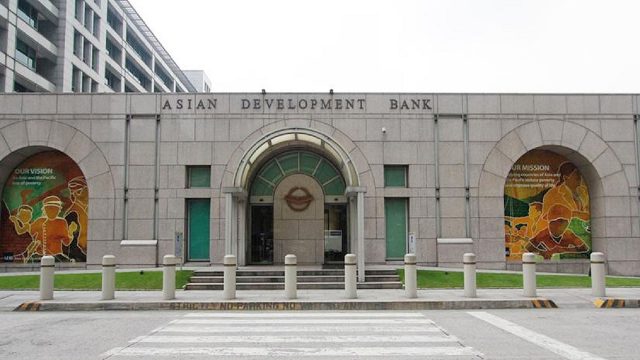
MANILA – The Asian Development Bank (ADB) slightly raised its growth forecast for developing Asia this year due to stronger domestic demand and export growth, but said downside risks from a series of important elections and geopolitical tensions remain.
Growth in developing Asia, which groups together 46 economies in the Asia-Pacific, is now expected to be 5.0% this year, the ADB said in a report on Wednesday, a touch higher than its 4.9% forecast in April. The region grew by 5.1% in 2023.
For 2025, the ADB maintained its growth forecast at 4.9%.
“Policy uncertainty related to elections in major economies, particularly the United States, clouds the outlook,” the ADB said, adding potential escalations in conflicts in the Middle East and Ukraine also posed challenges.
The ADB kept its 2024 and 2025 growth forecasts for China at 4.8% and 4.5% respectively, but noted a risk that a property slump there could deepen and lead to weaker growth prospects.
Official data on Monday showed China’s economy grew 4.7% in April-June from a year earlier, its slowest since the first quarter of 2023.
The ADB expects regional inflation to slow to 2.9% in 2024 from 3.3% last year, before nudging up to 3.0% in 2025.