Home Blog Page 264

Authorities probe possible criminal negligence in California avalanche deaths

A WOMAN walks on the ice to a measuring point on the Pers Glacier near the Alpine resort of Pontresina, Switzerland, July 21, 2022. — REUTERS

INVESTIGATORS are working to determine if criminal negligence played a role in the avalanche that killed at least eight people on a guided backcountry ski trip in California, but emphasized it is too early to determine if any charges would be warranted, the Nevada County Sheriff’s Office said on Thursday.

The sheriff’s office, in a written statement said, “in addition to the coroner’s death investigations, the Nevada County Sheriff’s Office is also conducting a parallel investigation into whether criminal negligence was involved.”

It cautioned the investigation was in the preliminary stages and it was too early to name a specific target of any possible charges.

The Nevada County District Attorney’s Office, which would decide on any possible charges, declined to comment.

Eight people were killed and a ninth was presumed to have died when a football-field-sized avalanche in California’s Sierra Nevada mountains swept over a group of skiers on Tuesday during a three-day backcountry trip organized by Blackbird Mountain Guides.

It was the deadliest US avalanche in 45 years.

The group of 15 skiers, including four guides from Blackbird, was heading back to a trailhead in heavy snow after a three-day excursion when the avalanche struck. Three of the guides were among those killed.

Six survivors were rescued in the rugged Castle Peak area near Truckee, California, about 16 kilometers (10 miles) northwest of Lake Tahoe.

Blackbird, which was founded in 2020 and provides guided ski trips, alpine climbing trips and avalanche education, did not respond to a request for comment on Thursday.

In a late Wednesday written statement, Zeb Blais, the founder of Blackbird, mourned the loss of life. He said all the guides on the trip were highly trained in backcountry skiing, and each guide was also an instructor with the American Institute for Avalanche Research and Education, based in Colorado.

“There is still a lot we’re learning about what happened,” Mr. Blais wrote. “It’s too soon to draw conclusions, but investigations are underway.”

He added: “We ask that people following this tragedy refrain from speculating. We don’t have all the answers yet, and it may be some time before we do.”

Ahead of the incident, avalanche centers had warned of particularly dangerous conditions following a massive winter storm that dumped huge amounts of snow on mountains that had seen scant snowpack in the months prior. Experts warned the weak bed of old snow would be unlikely to withstand the pressure of having a heavy, dense layer of new snow suddenly on top of it, leading to high avalanche risk.

EXPERT URGES CAUTION
The Blackbird tour group, which included nine women and six men, had been staying at the Frog Lake Backcountry Huts near Donner Summit northwest of Truckee, at about 2,300 meters elevation (7,500 feet). In addition to California, Blackbird runs backcountry tours in Washington state and British Columbia, among other ski destinations.

Frank Carus, the director of the Bridger-Teton National Forest Avalanche Center in Wyoming and a one-time backcountry ski guide, urged people to wait for the results of the investigation before drawing conclusions on who may be to blame, if anyone.

“The main thing here is not to rush to judgment,” said Mr. Carus, who has investigated deadly avalanches in the past and said such investigations are immensely complicated and can take several weeks to complete. “The worst thing to do is to blame or shame before the facts are known.”

Mr. Carus said the training the Blackbird Mountain guides involved in the deadly avalanche had received was the gold standard for the industry.

“These were people tested on their ability to manage clients in the terrain and manage exposure risk,” Mr. Carus said.

The surviving skiers, who took refuge in a makeshift shelter constructed partly from tarpaulin sheets after the avalanche, used emergency beacons and text messaging to communicate their location to rescuers. — Reuters

TikTok taps advocates to promote digital safety among youth

Yves Gonzalez (center) of TikTok Philippines at the Think Twice Troop media event in Taguig City, Feb. 19, 2026.— EDG ADRIAN A. EVA

TikTok, one of the country’s most used social media platforms, launched an initiative on Thursday involving a partnership with content creators and advocates to promote youth online safety.

The #ThinkTwice Troop is an advocacy program comprising a network of academe, child safety experts, and child rights organizations that will help TikTok advance its digital safety initiatives, including the ongoing #ThinkTwice campaign it preceded.

“So, we want to have a team that we can always talk to and rely on to help us navigate some of the tricky challenges we face, as well as new challenges we might not even know about (on teen digital safety),” Yves Gonzalez, head of public policy for the Philippines at TikTok told BusinessWorld on the sidelines of the media launch event.

TikTok said the program represents a holistic approach to teen safety through consultation, educational programs, and partnerships.

Mr. Gonzalez also said that through their partners, they could help educate educators and parents about the tools available on TikTok for teen digital safety.

Among the initial partners of #ThinkTwice Troop are organizations including Child Rights Coalition Asia (CRC Asia), Ateneo Human Rights Centre, and content creators Mona “Mighty Magulang” Magno-Veluz, and Riyan Portuguez.

The public policy head said these partners are just a start, but the ultimate goal is to expand the initiative throughout the country.

“So, I’m hoping that by the end of this year, we’ll have partners and troop members from Visayas and Mindanao,” he said.

Hazelyn Joy Bitaña, deputy regional executive director of CRC Asia, said that #ThinkTwice Troop aligns with the work of civil society organizations to protect youth while allowing them to thrive in the digital space.

“We believe that parents, educators, and the public and private sectors must work together to empower teens as they navigate the online world in the exercise of their rights and responsibilities,” Ms. Bitaña said.

Meanwhile, TikTok highlighted the tools on the platform to ensure the digital safety of the youth, including over 50 Teen Safety features, Family Pairing, For You Feed controls, and a Time and Well-being section.

The platform also noted that it enforces minimum age requirements through a neutral age gate, machine-learning technology, and a trained moderation team that reviews suspected underage accounts, using reports from the community or parents as additional signals.

Accounts flagged as underage are suspended and permanently banned if no successful appeal is submitted.

From July to September 2025, TikTok removed over 22 million accounts globally suspected to belong to users under 13, which it noted makes the company the first major platform to publicly disclose such figures. — Edg Adrian A. Eva

BSP cuts key rate amid growth slump

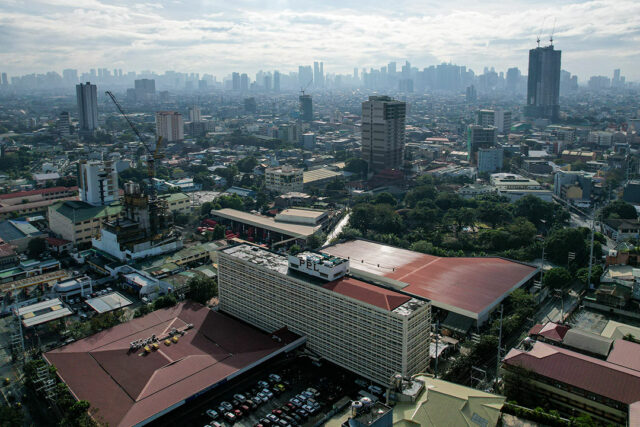
Buildings in Manila’s business district as seen on Tuesday in Metro Manila. — PHILIPPINE STAR/RYAN BALDEMOR

By Katherine K. Chan, Reporter

THE BANGKO SENTRAL ng Pilipinas (BSP) lowered its key policy rate by 25 basis points (bps) for a sixth straight meeting, a move seen to help the economy regain its momentum following a slowdown last year.

On Thursday, the Monetary Board lowered the target reverse repurchase rate (RRP) by 25 bps to 4.25%, the lowest in over three years or since the 3.75% in August 2022. This matched the benchmark rate set in September 2022.

Rates on the overnight deposit and lending facilities were also trimmed by 25 bps each to 3.75% and 4.75%, respectively.

The Monetary Board’s latest move met market expectations, as all 16 analysts polled by BusinessWorld anticipated a 25-bp cut.

This brought the BSP’s total reductions to 225 bps since it began its series of monetary policy easing in August 2024.

The sixth straight rate cut came after weaker-than-expected economic growth, triggered by the flood control corruption scandal that broke out last year.

“Growth has been softer than expected. Investments slowed,” BSP Governor Eli M. Remolona, Jr. said during a briefing. “We attributed this to a lack of accuracy. But soft data on sentiment showed tentative signs of recovery.”

“Our decision today may actually help to restore confidence, boosting investment and consumption. The pace of economic recovery will depend on how quickly confidence returns,” he added.

In the fourth quarter of 2025, the Philippine economy grew by 3%, its worst performance in 16 years (excluding the pandemic period). This brought the full-year gross domestic product (GDP) growth to a post-pandemic low of 4.4%.

The BSP had expected growth to settle at 3.8% in the final quarter of last year to bring the full-year print to 4.6%.

In 2025, the BSP delivered a 25-bp cut at each of its meetings in April, June, August, October, and December, with the last two prompted by a clouded growth outlook as governance issues weakened consumer and business sentiment.

“Economic growth has undershot the BSP’s expectations due to weaker domestic demand. Latest indicators point to a recovery in the second half of the year, but growth will depend largely on how quickly confidence recovers,” Mr. Remolona said.

However, the central bank slashed its GDP growth forecast for this year to 4.6% from 5.4% previously. If realized, this would undershoot the government’s 5%-6% target.

It likewise sees the economy expanding by 5.9% in 2027, lower than its earlier projection of 6.3%.

‘MANAGEABLE INFLATION’
A still benign inflation outlook also provided the central bank with additional room to ease, even as it raised its projections amid emerging supply-side pressures.

“The outlook for inflation remains manageable,” Mr. Remolona said. “Our forecasts do indicate a slight uptick in inflation this year, but this is due largely to supply-side factors. While these factors are largely temporary, they will require continued vigilance with regard to possible spillover effects.”

Headline inflation returned to the BSP’s 2%-4% target band after nearly a year as it accelerated to 2% in January.

The latest consumer price index was faster than the 1.8% recorded in December but softer than the 2.9% clip a year ago.

BSP Deputy Governor Zeno Ronald R. Abenoja said they now expect inflation to average 3.6% this year, higher than their 3.2% estimate in December.

For 2027, the central bank projects inflation to ease slightly to 3.2%, still above their previous forecast of 3%.

Electricity rate adjustments, costlier oil and the impact of the government’s flexible rice tariff scheme on local rice prices will likely add inflationary pressures this year, Mr. Abenoja said.

However, he noted that price pressures from such supply-side factors “may not be persistent and could fade away after some period of time.”

UNCERTAIN POLICY PATH
Asked how the policy path ahead looks now, Mr. Remolona said: “It’s less certain.”

He noted that consumer and business confidence is now a main concern, adding that the outlook for monetary policy easing would depend on how soon sentiment will recover.

“We see confidence will return very soon, in a few months. If we’re right, then we won’t need further cuts,” Mr. Remolona said.

Earlier this month, the BSP chief said they were seeing signs of recovering confidence, citing improving activity in manufacturing and the stock market, as well as easing yields in government securities.

Mr. Remolona said the impact of weak confidence on the country’s growth prompted the central bank to “give a bigger weight” to confidence.

“We’re now in a situation where it’s more conditional on what happens to confidence in growth,” Mr. Remolona said. “Because in December, we were more confident that confidence would return pretty soon. And the lack of confidence actually turned out to be bigger than we thought,” he added.

However, the BSP governor also said that they will stick to their price stability mandate, which means that keeping inflation low will remain a priority in monetary policy decisions.

“We support growth, and we do want growth. But at the same time, our main mandate is still inflation,” Mr. Remolona said. “So, to the extent we can support growth without causing inflation, we will support growth.”

Meanwhile, Metropolitan Bank & Trust Co. Chief Economist Nicholas Antonio T. Mapa said the central bank’s inflation outlook will likely drive its policy path going forward.

“Market was split on the decision, but BSP opted to deploy support sooner rather than later. Any potential future easing remains contingent on the inflation outlook,” he said in a Viber message.

“Monetary authorities also appeared to have an ardent focus on confidence building, hinting that the easing cycle could be extended for just a little longer,” he added.

Capital Economics Deputy Chief Emerging Markets Economist Jason Tuvey sees scope for “at least” one more 25-bp reduction in the following months if the economy stays weak and inflation remains manageable.

“It’s also worth noting that the BSP removed the line from its previous statement that ‘the monetary policy easing cycle (is) nearing its end,’ suggesting that it remains open to the idea of further loosening,” he said in a commentary on Thursday.

“All told, if the economy remains sluggish and inflation contained, as we expect, there is likely to be scope for at least one more 25-bp cut to interest rates, to 4%, over the coming months,” he added.

In a separate commentary, ANZ Research said recovering lost confidence may take time, but improved government spending will likely accelerate the process.

“Our assessment is that confidence will take time to return and will need to be supported by a revival in government spending,” ANZ Research foreign exchange analyst Kausani Basak and Chief Economist for Southeast Asia and India Sanjay Mathur said. “Still, we will monitor developments in consumer and corporate confidence before reconsidering our current view that the BSP has completed its rate-cutting cycle.”

The Monetary Board is scheduled to have its second policy review this year on April 23.

Philippines’ BoP deficit sharply narrows in January

REUTERS

By Katherine K. Chan, Reporter

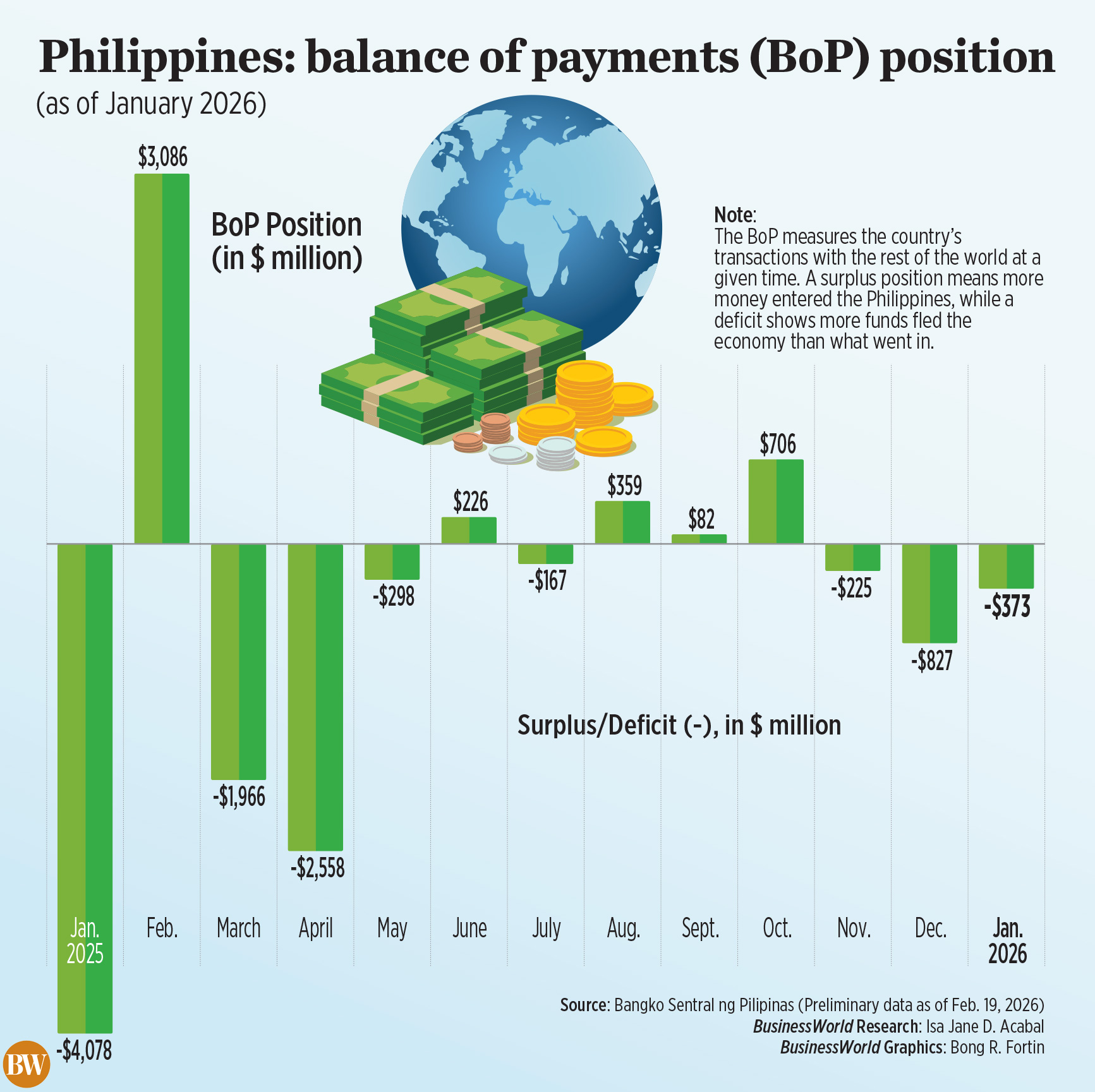
THE PHILIPPINES’ balance of payments (BoP) deficit sharply narrowed to $373 million in the first month of 2026, the Bangko Sentral ng Pilipinas (BSP) reported.

Based on central bank data released on Thursday, the country’s BoP position stood at a $373-million shortfall in January, sharply narrowing from the $4.078-billion gap recorded in the same month last year.

It was likewise smaller than the $827-million deficit posted in December 2025.

January also marked the third straight month that the country’s BoP position stood at a deficit.

BoP refers to the country’s economic transactions with other nations. A surplus indicates more funds entered into the country, while a deficit shows that the country spent more than it received.

“[The] deficit largely reflects seasonally strong import payments and profit remittances at the start of the year, alongside some portfolio repositioning amid global rate uncertainty,” SM Investments Corp. Group Economist Robert Dan J. Roces said in a Viber message.

Easing external pressures at the start of the year as well as steady inflows of remittances and services may have also driven the narrower deficit, he added.

Jonathan L. Ravelas, a senior adviser at Reyes Tacandong & Co., said the BoP deficit came on the back of the country’s persistent trade deficit.

“The BoP is still in deficit mainly because imports are outpacing exports,” he said via Viber. “That reflects strong domestic demand and infrastructure spending, while global demand for our exports — and services like BPO (business process outsourcing) and tourism — has been softer.”

Latest data showed that the country’s trade-in-goods deficit ended 2025 at its narrowest level in four years at $49.17 billion, down by 9.5% from the $54.33-billion shortfall logged in 2024.

However, Mr. Ravelas noted that the BoP deficit is “not a crisis signal,” noting that the Philippines’ external buffers are still solid.

“This isn’t a crisis signal; it’s a growth-related deficit, and our external buffers remain solid,” he said.

In the near term, the Philippines’ BoP position could remain at a deficit but may stabilize due to recovering exports, improving tourism and rising remittance inflows.

“In the coming months, the BoP should stabilize as remittance inflows rise and tourism receipts improve, though much will depend on oil prices, electronics exports, and the direction of US rates,” Mr. Roces said. “At this level, the deficit remains manageable and does not point to external vulnerability.”

Investment reforms may also provide some relief for the country’s BoP position, Mr. Ravelas added.

“The key now is to boost export competitiveness and attract more long-term investments, rather than overreacting to the headline number,” he said.

For this year, the central bank expects the BoP position to end at a deficit of $5.9 billion or -1.2% of the country’s gross domestic product.

16-MONTH HIGH RESERVES
Meanwhile, the Philippines’ foreign reserves rose to their highest level in over a year at $112.6 billion at end-January.

This was the highest in 16 months or when the gross international reserves (GIR) level stood at $112.707 billion at end-September 2024.

Month on month, it climbed by nearly 1.6% from $110.833 billion in December.

In the first month of the year, the country’s GIR level translated to 7.5 months’ worth of imports of goods and payments of services and primary income, exceeding the three-month standard.

“Specifically, the latest GIR level ensures the availability of foreign exchange to meet balance of payments financing needs, such as for payment of imports and debt service, in extreme cases when there are no export earnings or foreign loans,” the BSP said in a statement.

It is also enough to cover about 4.1 times the country’s short-term external debt based on residual maturity.

GIR comprises foreign-denominated securities, foreign exchange, and other assets such as gold. It enables a country to finance imports and foreign debts, maintain the stability of its currency, and safeguard itself against global economic disruptions.

The BSP projects the Philippines’ dollar reserves to hit $110 billion by yearend.

DoF to review OECD call to phase out VAT exemptions for senior citizens, private schools

PHILIPPINE STAR/MIGUEL DE GUZMAN

By Beatriz Marie D. Cruz, Reporter

THE DEPARTMENT of Finance (DoF) is reviewing the Organisation for Economic Co-operation and Development’s (OECD) suggestion for the Philippines to remove the value-added tax (VAT) exemptions for senior citizens, private education and healthcare providers.

“OECD has a lot of good suggestions, but we have to study them. We’ll see which ones we can do, which ones we cannot do,” Finance Secretary Frederick D. Go told reporters on Feb. 18.

The OECD in a report last week recommended that the Philippines phase out VAT exemptions for senior citizens, private healthcare and education, as part of efforts to reduce public debt and narrow its budget deficit. 

The Philippines imposes a 12% VAT on sales, leases, barter, and imports of goods and services. However, senior citizens are granted a 12% VAT exemption under Republic Act No. 9994 or the Expanded Senior Citizens Act.

Private healthcare and educational institutions also benefit from tax breaks.

At the same time, business groups said the government should focus on plugging tax leakages and addressing corruption and smuggling, instead of removing VAT exemptions and tax incentives.

“If you look at our VAT system, there’s still a lot of inefficiencies. While the VAT exemption is being seen as a leakage, I would say that there are many more leakages in terms of execution,” Makati Business Club Chairman Edgar O. Chua told BusinessWorld on the sidelines of the Philippine Business for Education (PBEd) Leadership Forum on Feb. 18.

Management Association of the Philippines President Donald Patrick L. Lim said the OECD’s proposal should be assessed for its social and inflationary impacts.

“While broadening the VAT base and modernizing corporate incentives can strengthen fiscal sustainability and transparency, reforms must not undermine our regional position in attracting investments or weaken protections for vulnerable sectors,” he said in a Viber message.

Mr. Chua said the government should focus on curbing loopholes in its tax collection system, citing rampant smuggling in the country.

LEAKAGES
The Philippines’ VAT collection efficiency is just about 35% to 40%, significantly lower than the Southeast Asian average of 57%, Asian Consulting Group Chairman and Chief Executive Officer Raymond A. Abrea told a forum on Feb. 17.

In comparison, Thailand has the highest VAT collection efficiency of 71% to 79% despite having the lowest VAT in the region of 7%.

“I guess our VAT system should be better managed to make sure there are no leakages. If it’s not managed properly, I’m sure people are finding their ways around it,” PBEd President and Co-founder Chito B. Salazar told BusinessWorld.

The Philippines’ total outstanding debt ballooned to P17.71 trillion in 2025, bringing the debt ratio to a 20-year high of 63.2% of the gross domestic product (GDP).

The OECD estimates the country’s public debt share of the GDP to hit 62.4% in 2026 before declining to 61.6% in 2027.

Federation of Philippine Industries Chairman Elizabeth H. Lee said removing tax relief for senior citizens, schools, and hospitals would dampen consumption and raise costs for vulnerable sectors.

“Any abrupt changes could ripple through households and, at the margins, labor markets, affecting employment and service access. Safeguards are essential and we must be sensitive on the effects of these changes,” she said in a Viber chat.

Jose Rene D. de Grano, president of the Private Hospitals Association of the Philippines, Inc., said the government should focus on addressing corruption to improve its tax take.

“If only we remove corruption in these agencies, there is no need to remove these exemptions and social aids,” he said via Viber.

Anthony C. Leachon, former president of the Philippine College of Physicians, said via text message that removing VAT breaks for private healthcare providers can increase operating costs, translating to higher costs for Filipino patients.

The OECD also recommended the Philippine government phase out tax holidays and focus on expenditure-based corporate tax incentives “to realign incentives with efficiency and fiscal discipline.”

Mr. Lim said a shift toward expenditure-linked incentives is “a positive direction,” but its implementation must be predictable and aligned with regional benchmarks.

“The Philippines competes directly with Vietnam, Indonesia, Thailand, and Malaysia for capital. Our tax reforms must enhance, not dilute, our attractiveness as an investment destination,” he said.

Gov’t raises P235B in new money from FXTNs

PHILSTAR FILE PHOTO

By Aaron Michael C. Sy, Reporter

THE GOVERNMENT has raised P235 billion in fresh funds from its offering of new fixed rate Treasury notes (FXTNs), closing the public offer period a day after the rate-setting auction due to strong demand.

“Apart from supporting the National Government’s financing requirements, this 10-year FXTN issuance underscores our commitment to establishing liquid benchmark securities that strengthen secondary market activity,” National Treasurer Sharon P. Almanza said in a statement on Thursday.

“The pricing of the FXTN, which came in close to the 10-year Bloomberg Valuation (BVAL) rate, reflects our disciplined and prudent approach to fiscal management.”

The BTr’s offer period was cut short from the original three-day window of Feb. 18 to 20 after reaching the funding target.

The government had raised an additional P127.93 billion from the tap facility it opened on Wednesday from the P107.07 billion earlier raised from the rate-setting auction.

“Please be informed that the BTr will no longer accept bids for the new money component of the FXTN 10-74 amidst the strong demand received during the first day of the public offer period,” the Treasury said in a separate memo.

Total tenders at the tap facility reached P135.8 billion, underscoring enduring robust demand as the offering was timed a day ahead of the anticipated policy rate cut by the Bangko Sentral ng Pilipinas (BSP).

The BSP on Thursday lowered its benchmark policy rate by 25 basis points (bps) to 4.25% as widely expected.

At the rate-setting auction, total tenders for the paper reached P328.467 billion. The new Treasury bonds (T-bonds) fetched a coupon rate of 5.925%, resulting in an average rate of 5.893%. Accepted bid yields ranged from 5.75% to 5.928%.

In April last year, the government raised P300 billion via new 10-year benchmark notes, above the P30-billion program, with P135 billion initially raised from the rate-setting auction.

While the sale of the FXTN 10-74 has been concluded, the BTr kept the exchange program open for holders of securities maturing on April 8, Sept. 7, Sept. 20, Oct. 20, and Jan. 4, 2027.

The exchange program will be open until Feb. 20 unless ended earlier by the BTr.

“Total volume awarded is a bit small, likely due to the offering being closed early. Around P20 billion more could be raised from the exchange program,” a trader said in a text message.

Another trader said in a text message that the total amount raised from the FXTN offer, including the exchange program, could be close to P300 billion.

“(The) result proved there is appetite for duration, not only because of policy rate forecast, but more on the negative growth outlook which investors really see from the ground,” the trader said.

On the other hand, Rizal Commercial Banking Corp. Chief Economist Michael L. Ricafort said in a Viber message that the total amount raised is unlikely to breach P300 billion.

Ms. Almanza previously said the BTr is aiming to raise at least P200 billion from the issuance but noted the total will also depend on the demand from the exchange program.

The government aims to raise P308 billion from the domestic market this month, or P108 billion via T-bills and up to P200 billion through T-bonds.

The government borrows from local and foreign sources to help fund its budget deficit, which is capped at P1.647 trillion or 5.3% of gross domestic product this year.

First Gen Corp. expects to close P75-B Prime Infra deal this year

THE UPPER WAWA DAM — PRIMEINFRA.PH

LOPEZ-LED power producer First Gen Corp. expects to close its P75-billion acquisition deal with Razon-led Prime Infrastructure Capital, Inc. (Prime Infra) this year as it seeks approval from the competition watchdog.

“Closing of the transaction is expected to occur within the year,” First Gen said in a regulatory filing on Thursday.

After signing an initial agreement, the company said it still needs approval from the Philippine Competition Commission before completing the deal.

Once regulatory approval and other conditions are met, the company’s subsidiaries will execute the required documentation for the transfer of the underlying shares.

First Gen is set to acquire a 40% equity interest in Prime Infra’s pumped storage hydropower portfolio for P75 billion.

The transaction covers Prime Infra’s 600-megawatt (MW) Wawa pumped storage hydropower project in Rizal province and the 1,400-MW Ahunan project in Laguna.

The Lopez-led firm said the pumped storage hydropower facilities will complement its 132-MW Pantabangan-Masiway and 165-MW Casecnan hydroelectric power plants, as these are expected to provide grid stability and reliability.

“First Gen’s investment in these projects strengthens its partnership with Prime Infra and crystallizes the shift of the company’s portfolio to renewable energy,” the company said.

First Gen is an independent power producer with a total installed capacity of 3,717 MW across natural gas, geothermal, hydropower, wind, and solar technologies.

Last year, Prime Infra acquired a 60% equity stake in First Gen’s gas assets for P50 billion.

The deal covered the 1,000-MW Santa Rita power plant, the 500-MW San Lorenzo plant, the 450-MW San Gabriel plant, the 97-MW Avion plant, and the proposed 1,200-MW Santa Maria power plant.

At the local bourse on Thursday, shares in the company fell by 4.19% to close at P18.30 apiece. — Sheldeen Joy Talavera

Megaworld to spend P10 billion on lifestyle malls in four provinces

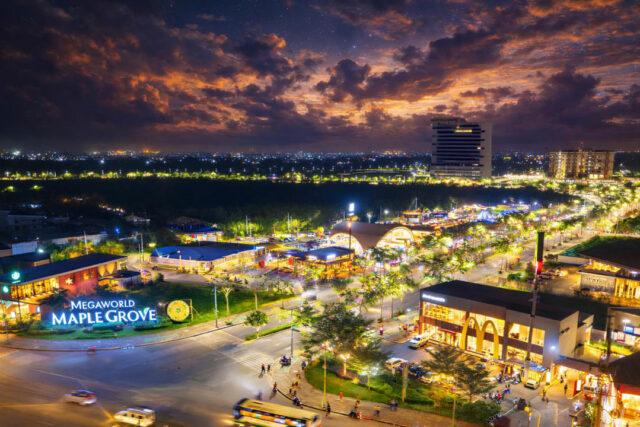
MAPLE GROVE in General Trias, Cavite — MEGAWORLD CORP.

MEGAWORLD Lifestyle Malls, the retail arm of Megaworld Corp., will invest about P10 billion to develop new lifestyle malls and commercial projects across several townships this year and next, adding more than 150,000 square meters (sq.m.) of gross floor area to its portfolio.

“Stronger consumer spending continues to drive demand for quality commercial space, particularly in key growth centers where our townships are located. This allows us to expand our leasing portfolio while introducing new lifestyle concepts that enhance the overall value proposition of our developments,” Megaworld Lifestyle Malls Head Graham Coates said in a statement on Thursday.

The projects include Capital Mall in San Fernando, Pampanga; Northwin Global Concourse in Marilao and Bocaue, Bulacan; Maple Grove Mall in General Trias, Cavite; and The Upper East Mall in Bacolod City.

Capital Mall is a four-level development within Capital Town Pampanga that honors the heritage of the Pampanga Sugar Development Company (PASUDECO).

Northwin Global Concourse is a two-level retail complex in Northwin Global City connected to the upcoming Northwin Station of the North-South Commuter Railway.

Maple Grove Mall offers a two-level classical modern design with retail and dining spaces, while The Upper East Mall features a three-level contemporary classic layout inspired by New York’s Upper East Side and centers on a preserved century-old Balete tree.

“These ‘curated lifestyle malls’ will serve their respective township communities through enhanced commercial synergy, providing a broader and more integrated selection of retail, dining, and lifestyle options for future mallgoers and customers,” the company said.

Megaworld is also adding a two-level extension to Festive Walk Mall in Iloilo Business Park, slotted between the existing mall and Richmonde Hotel, which will house a Landers Superstore branch.

The company targets one million sq.m. of gross leasable area (GLA) by 2030.

Megaworld’s retail expansion is part of its P65-billion 2026 capital expenditure program, which funds growth in residential, office, hospitality, and retail across townships in Metro Manila and provinces including Bacolod, Iloilo, Pampanga, Cavite, and Palawan.

The company currently has over 500,000 sq.m. of GLA, with upcoming mall projects continuing its retail expansion after last year’s rollout.

In 2025, Megaworld Lifestyle Malls opened four new retail developments at McKinley West in Taguig, Alabang West in Las Piñas City, Boracay Newcoast in Aklan, and Vion Tower in Makati, including the two-level Shoppes at Park McKinley West, new retail spaces at Vion Tower along EDSA corner Chino Roces Ave., expanded areas in Alabang West, and Newcoast Beachwalk in Boracay Newcoast.

The company said it also intends to infuse certain mall and retail properties into MREIT, Inc., as it works toward growing the REIT’s GLA to one million sq.m. by 2027.

At the local bourse on Thursday, Megaworld shares rose by 0.44% to close at P2.30 apiece. — Alexandria Grace C. Magno

SM Offices investing P1B in Cebu expansion

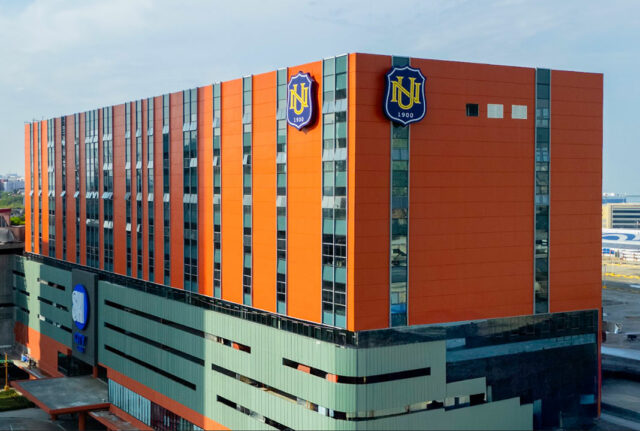
NU Cebu — SM INVESTMENTS CORPORATION

SM OFFICES, the commercial property arm of SM Prime Holdings, Inc., plans to add more than 60,000 square meters (sq.m.) of new leasable space worth about P1 billion at SM City Cebu Towers by the fourth quarter of 2026.

“Cebu is a major economic hub because of its strong infrastructure, exceptional talent pool, and complete business ecosystem,” Vice-President and Head of SM Offices Alexis L. Ortiga said in a statement on Thursday.

“SM City Cebu Towers is meant to support this growth by providing well-managed high-quality and well-connected office spaces that meet the evolving needs of businesses expanding in the region,” he added.

According to Leechiu Property Consultants, Cebu recorded office space take-up of 150,000 sq.m., or 55% of provincial demand, in 2025, representing a 33% increase from the previous year.

SM City Cebu Towers is located on A. Soriano Avenue in the North Reclamation Area. The development attracts traditional corporations and business process outsourcing (BPO) firms seeking in-city alternatives to higher costs and traffic congestion in Metro Manila.

The project forms part of the redeveloped SM City Cebu North Wing complex, which integrates retail spaces and a National University (NU) campus.

The site provides access to the South Road Properties, Mactan-Cebu International Airport, the port area, and government centers. Its proximity to NU allows office tenants to build recruitment and training linkages with students, potentially reducing hiring costs and lead times.

NU Cebu opened on June 14 last year as the university’s seventh provincial campus, staffed entirely by local hires to support education and employment in the region.

“Over the medium term, we believe that Cebu remains a very strong growth market for us, but any expansion will be measured in time to demand so that we sustain the growth and protect our long-term value,” Mr. Ortiga said.

SM Prime develops mixed-use projects nationwide, integrating offices, residences, retail, education, meetings, incentives, conferences and exhibitions (MICE), and leisure components to support tenant efficiency and employee retention through shared amenities.

At the local bourse on Thursday, shares in SM Prime fell by 1.41% to close at P21 apiece. — Alexandria Grace C. Magno

Metrobank’s 2025 net income hits record high

BW FILE PHOTO

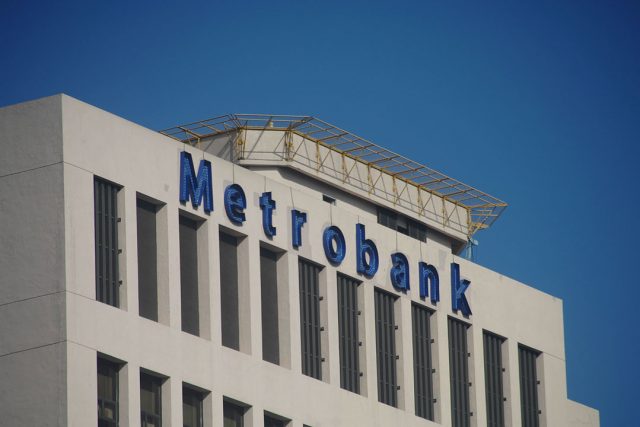
METROPOLITAN BANK & Trust Co. (Metrobank) in 2025 posted an all-time high net income for the fourth consecutive year, backed by steady loan growth and strong trading gains.

The bank booked a P49.7-billion net profit in 2025, it said in a disclosure to the stock exchange on Thursday, marking the fourth year in a row that it saw record earnings.

Its performance was supported by “modest asset expansion, resilient margins, healthy trading income and contained cost growth,” it said.

Before provisions, its operating profit grew by 17.1% year on year to P78.4 billion.

“This full-year performance reflects the trust of our clients, the dedication of our people, and our commitment to disciplined growth. We continue to strengthen our balance sheet while expanding support to businesses and consumers who drive the Philippine economy. Our focus remains clear, and that is, to grow alongside our stakeholders and contribute to the country’s sustained progress,” Metrobank President Fabian S. Dee said.

The bank’s net interest income climbed by 9.2% to P124.6 billion last year.

This was backed by an 8.8% growth in its gross loans to P2.04 trillion. Metrobank said its corporate and commercial loan book expanded by 7.4%, in line with economic growth trends. Meanwhile, its consumer portfolio grew by 13.9%.

Asset quality was “intact” as its nonperforming loan (NPL) ratio was at 1.7% and its NPL cover or buffers against potential credit risks stood at 140.8%.

On the other hand, its non-interest income increased by 11.6% year on year to P33.5 billion in 2025.

This was mainly driven by a 47.2% jump in its trading and foreign exchange income to P8.2 billion amid “strong customer flows and favorable trading opportunities,” it said.

Fee and trust income also rose by 6% to P19.2 billion.

Meanwhile, Metrobank’s operating costs went up by 3.3% to P79.7 billion.

As a result, cost-to-income ratio improved to 50.7% in 2025 from 53.8% in the year prior.

Total deposits went up to P2.7 trillion at end-2025, with 59.2% of the total being low-cost current and savings accounts.

Its loan-to-deposit ratio was at 74.9%, which it said shows that it is capable of meeting its customers’ funding needs.

Metrobank’s consolidated assets stood at P3.88 trillion at end-2025, expanding by 10.2% year on year.

Its total equity increased by 9.4% to P421.7 billion.

Capital adequacy ratio was at 16.8% and common equity Tier 1 ratio stood at 16.1%, well above the central bank’s required minimum levels. Its liquidity coverage ratio was at 181.7%.

“The bank believes that its robust capital position and balance sheet strength will provide ample support as it navigates through uncertain times,” it said.

Metrobank shares closed at P73.30 apiece on Thursday, down by 85 centavos or 1.15% from the previous session. — A.M.C. Sy

Winter in Seoul

GYEONGBOKGUNG PALACE

Text and photos by Brontë H. Lacsamana, Reporter

ON A TRIP this writer’s family took to Seoul early in February, the Korean capital was beset by a period of intense cold thanks to the arctic air from Siberia sweeping into the peninsula.

The moment we stepped out of our hotel in Dongdaemun district’s Janghanpyeong — a quaint area characterized by used car dealerships and mechanic shops, like Banawe in Quezon City — we were greeted by the biting cold. Everyone we saw was in puffer jackets, be it at the nearby convenience stores where we tapped up our T-money cards, the buses and subways which we took to go everywhere, or the touristy places themselves where we shopped, ate, and took pictures.

Apparently, there was heavy snow before our arrival, with the last week of January considered the coldest days of winter. By the time we were exploring Seoul, only the aftermath was left, patches of ice morphed into dirty sludge marking the edges of sidewalks.

SHOPPING FRENZY
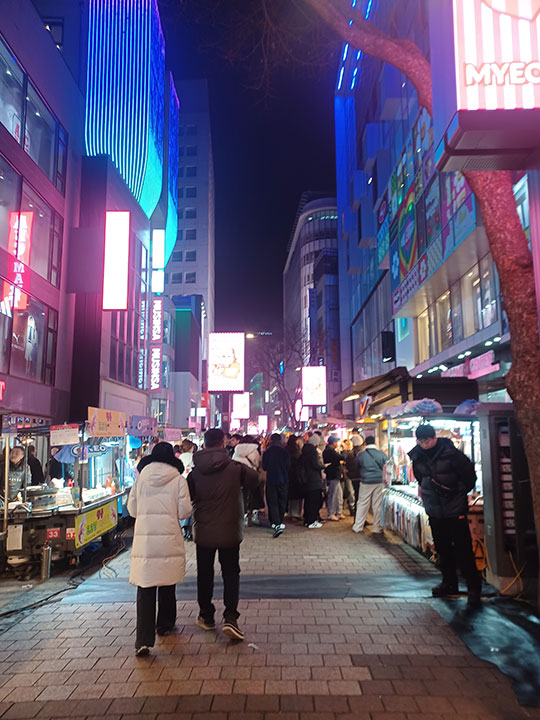
The shopping district of Myeongdong was alive as ever despite the cold snap. Located in the center of Seoul, it is the busiest place in the city. It is home to street food, nightlife, and fashion brands, both Korean and international. The likes of Adidas, Nike, H&M, Converse, and North Face (which was probably making a killing with its puffer jackets) are there. Nearby, the flagship branches of key department stores like Lotte and Shinsegae serve as large landmarks for those walking the streets.

One store seemed to rule the entire area, though. The grip of Olive Young, Korea’s leading health and beauty store, on the shoppers of Myeongdong is evident in the sheer number of branches found there — eight. Yes, you will come across eight Olive Young stores if you decide to walk between Myeongdong Station and Euljiro il-ga Station. K-beauty has found a huge market globally, after all, and that is where most people seem to go for skincare and makeup.

Shopping amid the crowds and city lights of Myeongdong was made fun by the street food stalls lining the heart of the bustling shopping district. They offered an array of tasty dishes, like tteokbokki (spicy rice cakes), meat skewers, grilled seafood, and even fruit skewers coated in a sugary shell.

Dialing in on the typically touristy parts of our itinerary, we trudged to a different area for another bout of shopping a few days later. Namdaemun Market, the largest traditional market in Korea, opened in 1964, and it is where goods are sold at affordable prices, much like a cleaner and safer Divisoria. There are thousands of stalls where one can buy clothes, snacks, and little knick-knacks — a perfect place to get pasalubong to bring home.

During our visit on Feb. 8, the bitter cold seemed to be at its height as we wandered from one stall to another, seeking refuge in the enclosed ones with heaters. At one point, a kindly shopkeeper ushered us into their store for some tea. (Of course, we were obligated to purchase packs of kimchi-flavored seaweed out of gratitude — it turns out winter winds are an ally for market vendors to lure tourists in to take a look at their goods.)

As someone who is easily shopped out, what made the area fun was, again, the food. Alleys and storefronts in the market offer fare like kalguksu (knife-cut noodles), mandu (dumplings), and kimbap (rice rolls). A memorable sweet snack, simple as it was, was hotteok (pancake), which can be enjoyed as is, filled with vegetables, noodles, or red beans, or even coated with cheese powder. Whichever way you order it, it provides instant relief from all the walking.

HISTORY AND CULTURE
We were a group of mainly older people, so we tried to keep the long walks in the cold to a minimum, which meant fewer outdoor visits and more toasty indoor sights, like museums.

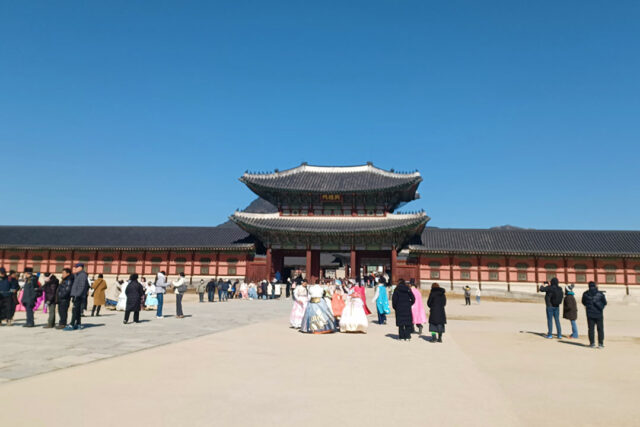
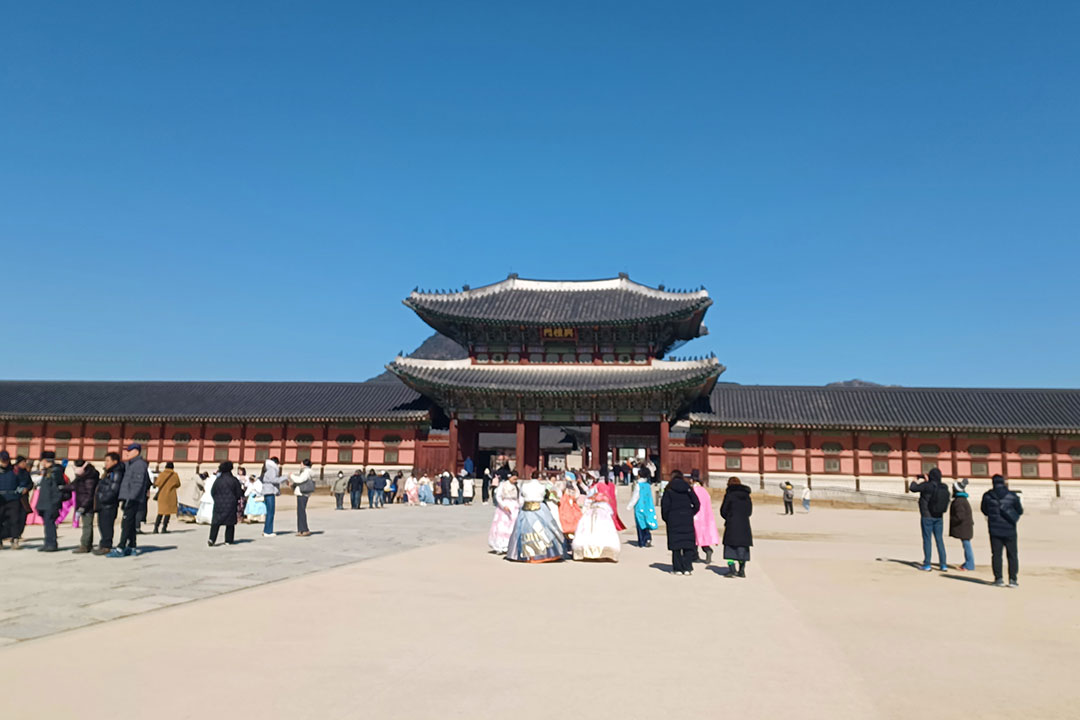
Seoul has five major palaces from the Joseon Dynasty, the biggest being Gyeongbokgung Palace, and that’s where we went. To get there, we alighted from the bus at Gwanghwamun Square and opted to walk through the public square fronting the palace in order to see the tremendous view of the structure with the Bugaksan Mountain in the background.

At the center of the plaza stand statues of King Sejong (the inventor of hangeul, the Korean alphabet) and Admiral Yi Sun-shin (who prevailed against the Japanese navy). Aside from plaques detailing their roles in history, an elevator in the square leads to an underground museum that elaborates on their lives, for those seeking more knowledge on these major figures — or for those seeking a heated enclosed space to take shelter from the bitter cold.

Built in 1395, Gyeongbokgung Palace is a marvel to look at from up close and from the inside, the roof forming gentle curved lines and the walls and ceilings of natural wood painted with colorful patterns.

But its charm quickly faded in the freezing air. During warmer seasons, it must be a pleasant walk around the grounds and a fun chance to take pictures in hanbok (Korean traditional wear), but for our visit, it was a quick stop before we left. A lot of tourists were still there despite the weather, as well as some locals, a few of whom were filming a TikTok dance video by the main gate.

A highlight within the complex is the National Folk Museum of Korea, which is accessible both by exiting the palace grounds and from a nearby bus stop. A free attraction we just had to have a glimpse of was the Street of Memories, an outdoor recreation of a 1980s Seoul neighborhood, complete with diners, barber shops, grocers, and houses. K-drama enthusiasts would know this as the best way to relive the series Reply 1988, which follows a group of childhood friends and their coming-of-age in the 1980s.

A few steps from that open-air exhibit is the museum itself, a large structure that houses exhibits on domestic and agricultural artifacts and cultural beliefs. A memorable part was being serenaded in the lobby by a madugum (a Mongolian string instrument) player while a pair of dancers performed a tango in the hall.

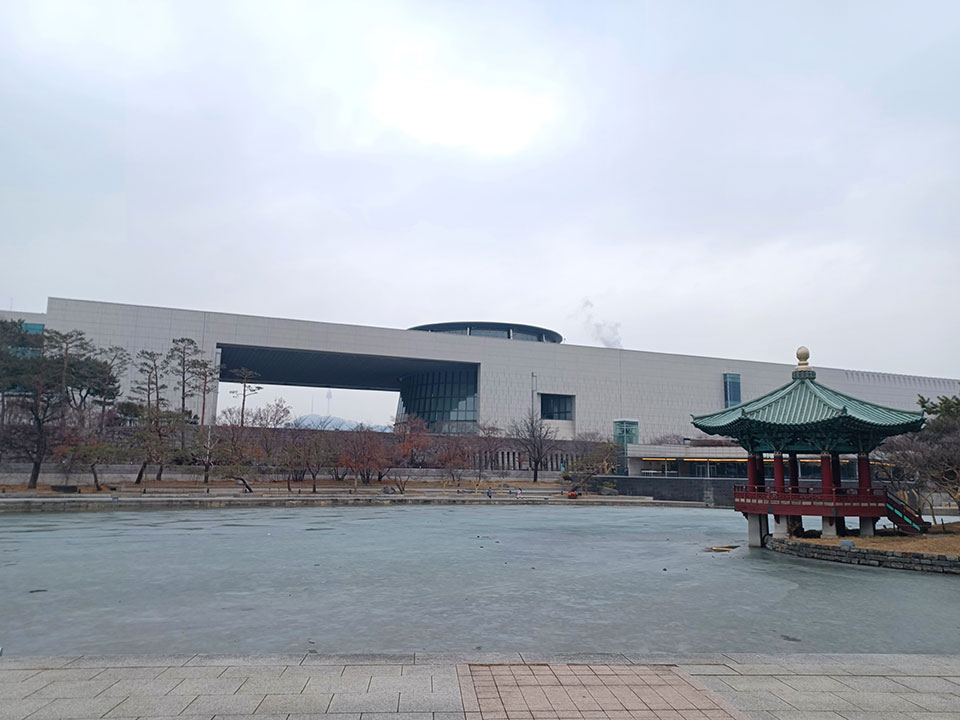
We went to another museum a few days later: the National Museum of Korea, which is accessible from the Ichon subway station. Its grounds are spacious and elegantly designed, with a gazebo overlooking a pond, which was still frozen over.

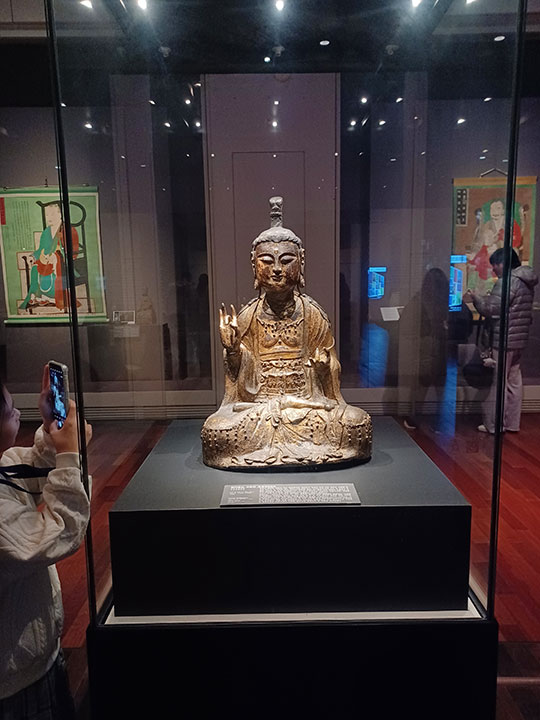
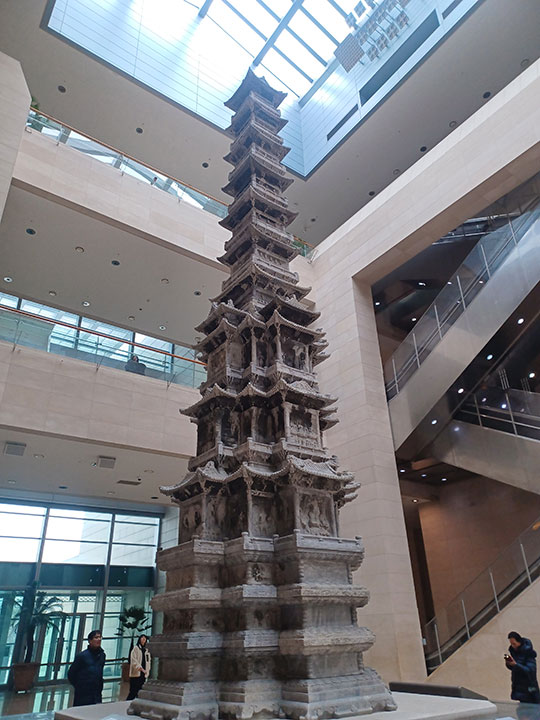
The walk up to the museum showcased its modern architecture, with a city view of the rest of Seoul (including its highest point, N Seoul Tower) in the background. Inside, it is divided into Prehistory, Ancient History, Medieval, and Early Modern History, with another building focusing on the 1900s onwards still under development. From ornate maps, paintings, and Buddha statues to massive thrones and wooden pagodas, there’s a lot to see here, and gives one a chance to appreciate just how well Koreans preserve pieces of their history.

DIFFERENT PERSPECTIVES
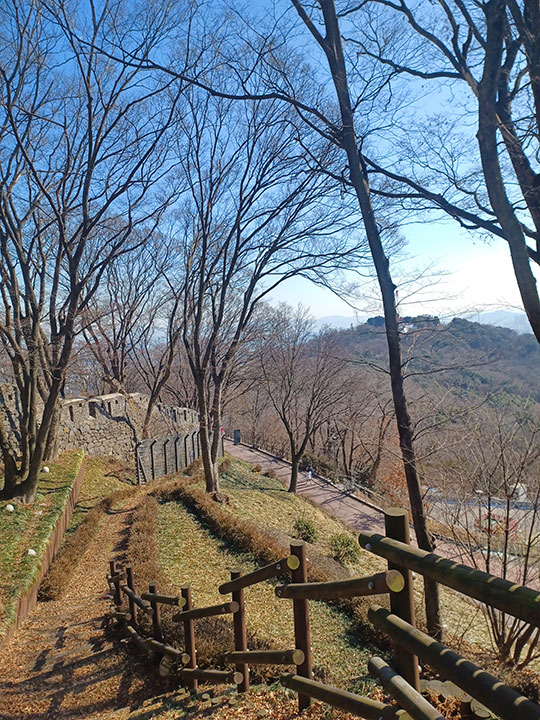
Speaking of N Seoul Tower, we visited it as well to check out what Seoul’s highest point has to offer. Located in Namsan Mountain Park, physically active tourists can hike up the peak through different routes, though most tourists took the cable car for a short and leisurely climb (as we did). The tower does not just have a view deck, but a few floors of cafés, restaurants, and convenience stores. Going up to the observatory on the highest level, which offers 360-degree views of the city, costs more.

The view deck itself already provided stunning city views, though, so we settled for that and took as many pictures as we could in the cold before retreating into one of the heated cafes. For couples who want to do something cheesy, there’s an open-air section that displays “love locks,” a trend popularized in Paris, which allows couples to attach symbols of their love to the fences. Otherwise, the top of N Seoul Tower is a spacious, relaxing place to lounge and see the city from a different perspective.

While our preference when it comes to traveling is exploring a place on foot to see what the local neighborhoods are like, the biting cold, exacerbated by strong winds, kept us from doing so. The only time we sort of wandered the streets leisurely (without rushing through a touristy place to take quick pictures and get indoors) was on our last day, when we browsed through the motorcycle shops along Toegyero starting from Chungmuro Station.

One of our group was looking for bike accessories, and our research brought us to this stretch that was once renowned as a motorcycle street, filled with dealers, used bikes, and specialty stores. Now, likely due to the pandemic and the rise of online shopping, it seems to have quieted down and become gentrified, and is now home to a variety of other establishments.

For a newbie to winter, the unforgettable part was how mild the cold was on this particular day. The walk turned magical when a gentle snowfall began, with snowflakes appearing like droplets from the sky and specks of white dotting the hats and coats of people passing by.

Shortly after we arrived at a hidden gem — the reason we go on these spontaneous walks in the first place! — a quaint café and vintage shop called Street275. Its exterior is fronted by 1990s American diner aesthetics and a stylish black Vespa (which we later learned belonged to the owner, whose English name is Jacob). Inside is a cozy café set-up, with comfortable chairs and a counter manned by Jacob himself. The menu has coffee, alcohol, and desserts, which we enjoyed after the pleasant walk, while next door is the adjoining shop filled with vintage clothes, bags, accessories, and shoes. Aside from being able to haggle for good prices, the owner and waiters were lovely to chat with.

Overall, we don’t recommend visiting Seoul in the harsh winter cold (avoid late January to early February!), especially if you aim to explore and walk around. It has none of the winter wonderland snowscapes but all of the biting winds, which will simply wear you down and prevent you from wandering, even if you are snug and warm under layers of clothing. Taking pictures? Forget it, you’ll want your hands safe in your gloves and pockets rather than going numb from handling your phone or camera in the open air. Joint pains will likely emerge. Approaching mid-February, though, the temperature eased from the usual -7°C to a more bearable 4°C or 5°C, and, most importantly, the arctic wind receded, replaced by gentle, drizzle-like snow that would last only minutes.

What we learned is that you have to discover where to take refuge — like the beef bone broth restaurant next to our hotel in Janghanpyeong, the handmade dumpling soup restaurant towards the back of the Samsung headquarters in the city center, or the spicy kimbap store just steps away from Sindang Station. Travel is all about finding the little gems here and there, and if you sometimes stray from the usual touristy path, Seoul happens to be full of them.


Seen at the DTI fair: Chocolate. Shell jewelry. Venus flytraps?!?!

Everjade Ceramic Arts — JOSEPH L. GARCIA

THERE are over 300 stalls at this edition of the DTI (Department of Trade and Industry) Bagong Pilipinas National Trade Fair, with the vendors coming from all over the Philippines, occupying Megatrade Halls 1 through 3 at SM Megamall. The fair is still ongoing, running from Feb. 18 to 22.

BusinessWorld took a leisurely stroll around the fair, before the barrage of VIPs and shoppers (it is open and free to the public). We were surprised to find heads of some of the country’s artisanal fairs also walking around, perhaps to scout new talent.

To the right of the stage is a whole section devoted to piña (barongs and Filipiniana dresses and such), but coming from different regions, so one can make comparisons between the work of each. There are wooden goods inlaid with shell from Lanao del Sur.

There’s a little bit of chaos when it comes to the grouping this year (we were expecting them to be arranged by region) but there is some order in some sections when it comes to similar product types. For example, there’s a whole alley devoted to footwear from Liliw. (We liked the espadrilles from Aishe fashion, which have been seen on some beauty queens, embroidered with images of ambulant vendors. Fancy wearing taho or balut vendors on your tootsies?) Their Laguna neighbors occupy stalls in the same section, but then, so do similar crafts from other towns and cities. Just behind them though are shoes from the country’s shoe capital Marikina (there are several stalls of loafers).

There are several booths featuring coconut-based products, spilling over from the Philippine Sustainability Pavilion. That pavilion features furniture, textiles, and other products made with coconut-based materials, natural fibers, and native grasses.

Nearby are coconut and chocolate products (not just from storied Davao anymore, but from as far as Benguet). Strangely enough, the section for potted plants can also be found here, featuring succulents and such, but also one stall with carnivorous plants (such as Pitcher Plants and Venus Flytraps).

Product prices can range from P50 for a small pouch to the high thousands for jewelry from Meycauayan, Bulacan. Last year, the 10 DTI fairs held brought in P665.13 million in cash sales, orders, and “ongoing negotiations,” according to a press release. The DTI plans to hold 13 trade shows for this year — thus ensuring that there will always be a chance to score a find, made by fellow Filipinos. — JL Garcia