Home Blog Page 1335

The dollar’s monopoly in payments will soon be history

YOUTUBE/FREEPIK

THE social-media video where Donald Trump’s AI avatar is making Nike sneakers may be just a spoof on the US president’s quixotic bid to reindustrialize America by eliminating bilateral trade deficits. But the meme contains a kernel of truth. The world’s farmers, fishermen, and factory workers labor hard to earn the $100 bill that the Federal Reserve prints at no cost. This exalted status, which a French politician from the 1960s termed as the dollar’s “exorbitant privilege,” has been taken to a breaking point by the tariff war.

No matter what happens in the long run to the US currency’s value or its role as a safe haven for central banks and private investors, one thing is clear: The greenback’s monopoly in payments, whereby it’s exchanged in 88% of all trades, is headed for the history books. A weekend trip to Vietnam brought that home to me.

In Hoi An, a 15th century trading port repurposed as a tourist attraction, tailors and shoemakers pay for visitors’ taxi rides to their shops and shell out commissions to hotels for directing guests their way. If they didn’t have to charge customers a 3% credit-card fee, they might be able to do more to nudge inveterate shoppers. For instance, they could raise their prices by 1% and still throw in a dinner voucher for high spenders — if they purchase one more linen shirt. The buyers will be richer, as will the sellers.

The reason they can’t fund such sales promotions is the dollar. Or, to be more precise, a financial architecture built around the idea that a payment made on a foreign credit or debit card must set off a chain of expensive activity underpinned by the greenback. For 18 major global currencies that settle without much friction, those costs are negligible. But for the Vietnamese dong, and most other Asian currencies, they’re a burden, which a highly competitive apparel and footwear industry working on tight margins can’t absorb. So it passes on all of it — and sometimes more — to a buyer who would much rather take the free meal. 

Take my example. To pay the tailor in Hoi An, my bank had to obtain the local currency, which doesn’t have a liquid market outside Vietnam. So my money most probably got converted into dollars in Hong Kong. After reaching Vietnam, the funds got exchanged again into Vietnamese dong. Almost 40% of the greenback’s $7.5 trillion daily turnover comes from its role as a vehicle of value. Neither the buyer nor the seller has any direct interest in it. Yet they can’t transact without it.

Trump is aware of America’s special status: He has even threatened countries looking to come up with alternative global reserve currencies with 100% tariffs. A high-profile disengagement with the dollar — for instance, when it comes to Saudi Arabia’s invoicing of its oil — may not go down well with Washington. What the White House can’t control, however, are low-profile shifts in the engine room of the payment industry. Even before Trump’s inauguration, I noted that the world of money was splintering into Western and Eastern blocs. The trade war may have accelerated the schism, though the separation is now more likely to be along a US/non-US axis than a West/East split.

I can already pay a Thai merchant in baht from my Hong Kong bank account by scanning a QR code. Vietnam plans to establish similar connectivity with Singapore. These links are between commercial institutions, with third parties providing foreign-exchange services. However, some central banks in Europe are working with their counterparts in Asia to explore automated conversion using blockchain technology. If the pilots succeed, there may be no room for middlemen — software embedded in digital representations of fiat currencies will act as moneychangers. Ergo, there may be no need for the dollar to act as a go-between in transactions that don’t involve Americans. 

This is just one of the many experiments underway to boost the efficiency of cross-border retail payments. They’re underpinned by $800 billion in remittances by overseas workers. And then there’s what tourists spend. In Asia, they’re staying 7.4 days on average, 1.3 days more than before the pandemic, according to Mastercard, Inc.’s latest data. For a small business in a lesser-known beach town competing against larger firms in more popular holiday destinations, each hour is valuable — and an expensive payment system an irritant. It has been tolerated so far because nothing cheaper was available, and Asian policymakers’ focus was on shipping goods to the US, a much larger opportunity.

But everything has changed since the April 2 reciprocal tariffs. Chinese President Xi Jinping was about to arrive in Vietnam just as I was leaving. Beijing has been pushing the so-called mBridge initiative in which financial institutions can swap digital currencies issued by their central banks to settle cross-border claims. If the Trump administration is going to upset friends and foes alike to pursue a chimerical vision of labor-intensive industrialization, then it has to be prepared for geopolitical realignments, and an erosion of at least one form of America’s exorbitant privilege.

Those who still view the dollar as a relatively safe asset may want to hold it, as long as the US remains the world’s predominant superpower. But for tourists buying shoes or shirts in Vietnam, the 3% extra charge on payments is an avoidable, anticlimactic loss after haggling for — and winning — a nice discount on the merchandise.

Rather than incurring outsize fees to Visa, Inc. and its partner banks, a dinner at Hoi An’s Morning Glory restaurant seems like a fairer use of my money — while I wait for the last buttons to be sewed on.

BLOOMBERG OPINION

Converge ICT climbs after 2024 profit growth

PHILSTAR FILE PHOTO

SHARES of Converge ICT Solutions, Inc. went up last week, buoyed by the upbeat 2024 earnings report.

Data from the Philippine Stock Exchange (PSE) showed that Converge was the fifth most traded stock this week, with a value turnover hitting P511.34 million from a total of 27.48 million shares traded from April 14 to April 16.

Financial markets were closed on Thursday and Friday in observance of Holy Week holidays.

The information technology giant’s shares rose 8.7% week on week to P19.48 on Wednesday, better than the 0.7% posted by the services index and the 0.9% of the PSE index (PSEi).

Year to date, Converge shares also grew by 20.7%. This was also significantly higher than the performances of services sector (-7.4%) as well as PSEi (-6%).

Its earnings report played a big role in Converge’s stock performance recently, analysts said.

“However, I believe this trend or improvement [last] week was just an extension of its rally which started on the release of CNVRG’s earnings on March 17,” Luis A. Limlingan, head of sales at Regina Capital Development Corp., said in a Viber message, referring to the company’s ticker symbol.

“While several global headwinds affected its price, current movement shows it’s trending back to previous levels,” he added.

For his part, Jeff Radley C. See, head trader at Mercantile Securities Corp., said that investors continue to stay bullish as the company continues to expand.

Converge’s attributable net income climbed by 18.8% to P10.81 billion last year from P9.1 billion in 2023, its latest audited financial report disclosed to the local bourse showed.

Its consolidated revenues reached P40.61 billion, 14.8% higher than P35.36 billion posted in 2023.

Mr. See said that the company has been expanding in terms of enterprise through partnerships including that with Elon Musk’s Starlink.

On March 26, Converge confirmed that reselling Starlink will be part of the company’s guidelines for fiscal year 2025 — a move through which it looks to grow consolidated revenues by 14%–16% this year.

This partnership has already been in the works since 2021 with Converge looking to accommodate SpaceX’s potential broadband satellite venture to Southeast Asia at the time, Reuters reported.

Mr. Limlingan added that the upward trend in Converge shares was only paused due to global headwinds related to US President Donald J. Trump’s recent announcement of base level and reciprocal tariffs for all countries exporting to the US on April 4.

Selling was induced as investors braced for more international uncertainties in the future, he added.

Trading days after the announcement of Mr. Trump’s new trade policy saw Converge shares steadily falling from P18.76 closing levels on April 4, even closing at P17.80 on April 8.

“Converge’s price was already trading above P18 level and only fell on global noise/headwinds that affected the broader market,” he said.

Despite this, last week’s growth in price per share just showed a return of the trend seen before global headwinds, he added.

Both analysts were optimistic about Converge’s performance in the upcoming trading days.

Mr. See predicts that investors’ bullish sentiments will persist as the company continues making moves to expand.

“The stock would try again to break the strong resistance between P19-P19.30 next week,” he said in a separate Viber message.

Mr. Limlingan added that consolidation at its current levels “won’t be surprising” as the stock’s price approaches its 52-week high.

However, he said that a pullback may be possible with the stock’s consecutive 3-4% hike.

Mr. See pegged strong resistance and support levels between P19 to P19.30 and P17 and P15.50, respectively.

Meanwhile, Mr. Limlingan pegged a resistance level at P20 and support at around P19 and P18.70.— Matthew Miguel L. Castillo

Indonesia to increase US imports, reduce orders from other countries

REUTERS

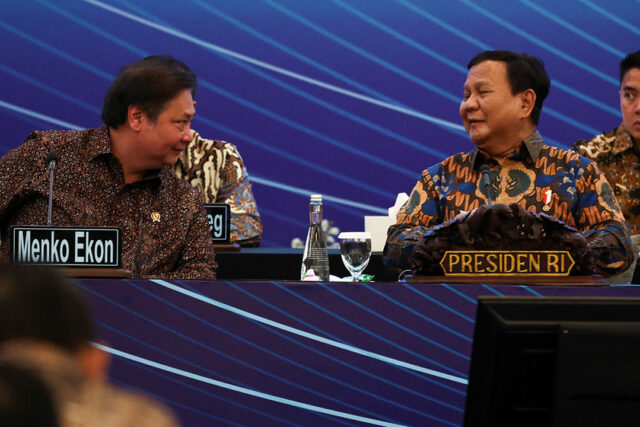
JAKARTA — Indonesia will increase imports of US food and commodities and reduce orders from other countries, chief economic minister Airlangga Hartarto told reporters in Washington.

Mr. Airlangga is in the US as part of a delegation of senior officials to meet US counterparts for talks on a 32% tariff on Indonesian exports, which has been paused for 90 days.

Indonesia has proposed increasing its imports from the US by as much as $19 billion, including around $10 billion of energy imports, to eliminate its trade surplus with Washington and avoid the tariffs threatened by the administration of President Donald Trump.

“Indonesia also plans to buy agricultural products including wheat, soybeans and soybean meal and increase purchases of capital goods from the US,” Mr. Airlangga said at the press conference broadcast on video conference platform Zoom.

“We will support the government’s decision, as long as market prices and competitiveness are aligned,” Ratna Sari Lopis, executive director of the Indonesian Wheat Flour Producers Association told Reuters.

According to the association, Australia provided 40% of Indonesia’s wheat imports in 2024, with 26% from Ukraine and 16% from Canada. US imports stood at just below 4%.

In contrast, Indonesia imported nearly 89% of its soybean from the US in 2024.

“We will also facilitate American companies that have been operating in Indonesia, related to permits and incentives,” he added.

Indonesia will also work on critical minerals and simplify procedures related to American horticultural products imports.

After a meeting with the US Trade Representative and the secretary of commerce, the two countries agreed to complete negotiations within the next 60 days. — Reuters

Banks’ assets up 8% at end-February

Bangko Sentral ng Pilipinas main office in Manila. — BW FILE PHOTO

THE PHILIPPINE banking sector’s assets rose by 8% year on year as of end-February, preliminary data from the Bangko Sentral ng Pilipinas (BSP) showed.

Philippine banks’ combined assets increased by 8.02% to P26.95 trillion as of end-February from P24.95 trillion in the same period in 2024.

However, this slipped by 0.6% month on month from the P27.11 trillion recorded at end-January.

Banks’ assets are mainly supported by loans, real properties, and investments. These include interbank loans receivable (IBL) and reverse repurchase (RRP), net of allowances for credit losses, as well as cash and due from banks.

Broken down, the banking system’s total loan portfolio inclusive of IBL and RRP jumped by 12.3% to P14.68 trillion as of end-February from P13.1 trillion a year prior.

Meanwhile, banks’ net investments went up by 4.9% to P7.76 trillion as of end-February from P7.4 trillion in the previous year. Net investments refer to financial assets and equity investments in subsidiaries.

Net real and other properties acquired rose by 8.8% year on year to P116.5 billion from P107.1 billion.

On the other hand, cash and due from banks amounted to P2.37 trillion as of end-February, down by 2.9% from P2.44 trillion a year ago.

Banks’ other assets increased by 4.8% to P2.02 trillion from P1.93 trillion a year earlier.

Meanwhile, the total liabilities of the banking system climbed by 7.7% to P23.54 trillion as of February from P21.86 trillion in the comparable year-ago period.

Bulk of banks’ liabilities were deposits, which increased by 5.67% year on year to P19.74 trillion at end-February from P18.68 trillion a year prior.

Broken down, peso-denominated deposits stood at P16.31 trillion, while foreign currency deposits were at P3.42 trillion. — Luisa Maria Jacinta C. Jocson

Jonathan Anderson will create June collection for Dior Men’s Fashion, LVMH CEO says

DIOR.COM

PARIS — Jonathan Anderson will create the June collection for Dior Men’s Fashion, LVMH Chief Executive Officer (CEO) Bernard Arnault said on Thursday at the group’s annual meeting with shareholders.

Mr. Anderson, 40, whose departure from LVMH’s smaller label Loewe was announced on March 17, is one of a new generation of high-profile designers taking over some of the world’s biggest fashion labels amid a sweeping industry overhaul.

The sector is grappling with some of its slowest growth in years, weighed down by China’s property crisis while rising prices have deterred shoppers from splashing out on new fashion.

Mr. Anderson is credited with boosting the profile of Loewe during his tenure at the Spanish label, where he won over fashion critics with original and quirky designs.

Brand hits from Mr. Anderson include 800 barrel-legged jeans and the compact, over-the-shoulder Puzzle bag, which sells for around 3,000.

The Irish native has won a host of awards, including British designer of the year in 2023 and 2024 for his work at Loewe as well as his namesake brand JW Anderson.

He has built a loyal fan base, drawing an eclectic mix of international artists into the annual Loewe craft prize competition, and famously restyled James Bond actor Daniel Craig in wholesome sweaters and baggy trousers for a buzzy Loewe campaign.

LVMH on March 24 named Proenza Schouler designers Jack McCollough and Lazaro Hernandez to replace Mr. Anderson at Loewe. — Reuters

‘Most advanced’ Isuzu mu-X now available

Isuzu’s popular midsize SUV gets upgrades, partly based on consumer feedback. — PHOTO BY JOYCE REYES-AGUILA

By Joyce Reyes-Aguila

“NOT JUST an upgrade but an evolution of excellence.” This is how Isuzu President Mikio Tsukui described the refreshed mu-X SUV. “This model is a result of listening to our customers, understanding their needs, and incorporating advanced features to elevate both comfort and performance,” the executive said to members of the media, content creators, and guests at the vehicle’s official launch at the Makati Shangri-La Ballroom recently. “Since its introduction in 2024, (it) has become a staple in Filipino households… delivering the perfect balance of modern elegance and functionality. (It is) our most advanced mu-X yet (that shows) our unwavering commitment to continuous innovation and customer-centric design.”

The latest version of the mu-X still employs a 3.0-liter diesel engine mated with a six-speed transmission, delivering 190ps of maximum power and 450Nm of torque. Its 4×4 variant has been enhanced with a new traction control system that features a Rough Terrain mode.

Safety features include a 360-degree Around View Monitor for better visibility, and a digital video recorder (DVR). A suite of advanced driver assistance systems (ADAS) features are upgraded with Isuzu’s Gen4 Smart Duo Camera that provides a 120-degree field of view and extended detection of up to 120 meters. Front parking sensors and rear cross traffic braking is also now available for enhanced safety.

Both wireless Apple CarPlay and Android Auto are available in the new mu-X. A seven-inch multi-information display comprises the instrument cluster, while a 10.1-inch full touchscreen infotainment system is on the center dash. New ambient lighting complements an all-black leather interior.

The exterior of the SUV features a new radiator grille with black titanium carbide material finish matched with dynamic blade headlights on the front and an “embrace” line concept at the rear. The front bumper is said to be inspired by the design of a fighter jet to provide a robust and aerodynamic stance. Its 20-inch dynamic turbine wheels aim to deliver both style and stability, according to the brand.

Isuzu Motors International Operations Thailand President Junichi Kubo maintained that the brand’s latest offering is “a symbol of its unwavering commitment to excellence (as it) carries the Isuzu DNA of durability, fuel efficiency, and unmatched driving experience.” He added that the vehicle’s success in Thailand and Australia gives the brand confidence that the Philippine market “will embrace the new Isuzu mu-X with the same enthusiasm.” He added, “Customers will appreciate not only the capability and reliability but also design, comfort, and advanced technology.”

The 2025 Isuzu mu-X pricing is as follows: P1.725 million for the Isuzu mu-X RZ4E 4×2 LS AT, P2.069 million for the mu-X 3.0L 4×2 LS-A AT, P2.32 million for the Isuzu mu-X 3.0 4×2 LS-E AT, and P2.67 million for the Isuzu mu-X 3.0L 4×4 LS-E AT. A new Eiger Gray color option is exclusively available for the LS-E and LS-A variants.

Building a resilient primary healthcare system for the Philippines

PHILHEALTH.GOV.PH

A strong and efficient primary healthcare system — accessible, timely, and affordable — is one of the clearest indicators of a nation’s commitment to public health and well-being. Government investment in this foundational level of care is essential for improving health outcomes and reducing disparities.

In many low- and middle-income countries, including the Philippines, access to primary healthcare remains a persistent challenge. Limited health infrastructure, unequal distribution of medical professionals, and inefficient transportation networks make it difficult for individuals — especially in remote or underserved communities — to seek timely care. However, even amid socioeconomic and geographic constraints, strategic investment and the efficient use of available resources can deliver meaningful improvements in health outcomes.

Studies consistently highlight the critical role that distance plays in healthcare utilization. In Lusaka, Zambia, for instance, 50% of patients visited hospitals within five kilometers of their homes, but only 2% did so if facilities were 30 to 44 kilometers away. A study in the Philippines similarly found that a 10% increase in distance from healthcare facilities was associated with a 2% increase in mortality rates. These findings underscore the urgent need to localize healthcare delivery to ensure equitable access.

Recognizing this need, President Ferdinand R. Marcos, Jr., in his third State of the Nation Address, committed to strengthening the country’s primary healthcare system, particularly in underserved and remote areas. Key to this effort is the establishment of primary care facilities and the deployment of mobile clinics across provinces.

Under the leadership of Health Secretary Teodoro Herbosa, and with support from local government units and legislators, the Department of Health has rolled out over 30 Bagong Urgent Care and Ambulatory Service (BUCAS) Centers nationwide. These intermediate-level health facilities aim to bridge the gap between community health centers and hospitals by offering urgent and ambulatory services seven days a week. Each BUCAS Center is equipped to provide a wide range of services, including minor surgeries, reproductive healthcare, and laboratory diagnostics. Plans are underway to expand offerings to include ophthalmology, orthopedics, pediatrics, dentistry, radiology, and pharmacy services.

Complementing these fixed-site facilities are 83 modern Mobile Primary Care Facilities (MPCFs), procured for deployment in geographically isolated and disadvantaged areas (GIDAs). Each mobile clinic is equipped with X-ray, ultrasound, laboratory equipment, a telemedicine kit, and essential utilities, ensuring that essential health services can reach even the most remote communities.

Meanwhile, the Philippine Health Insurance Corp., better known as PhilHealth, has bolstered its financial protection programs. Benefit packages for acute stroke and pneumonia have been increased to P76,000 and P90,000, respectively, while the breast cancer benefit has been significantly expanded from P100,000 to P1.4 million. Additional enhancements have been made for colon, lung, liver, ovarian, and prostate cancers — reflecting a strong push for better support for patients with critical illnesses.

The research-based pharmaceutical industry supports these government efforts to revitalize primary healthcare, recognizing it as the foundation for delivering essential health programs. Expanding access to life-saving medicines, vaccines, diagnostics, and essential health information at the primary healthcare level remains a key priority for the biopharmaceutical industry.

Beyond its efforts to expand access to medicines and vaccines, the PHAPCares Foundation continues to drive its mission of promoting sustainable healthcare and social development through three innovative partnerships. These initiatives are focused on strengthening primary healthcare, empowering youth through health advocacy, and controlling neglected tropical diseases, bringing meaningful benefits to communities across the country.

One such partnership is with Astellas, which is helping rebuild the One Bonuan Satellite Health Center in Dagupan City. Astellas is supporting the construction of a Barangay Health Station in a GIDA in La Union, which was previously devastated by a typhoon, to ensure better service delivery in underserved areas.

In another initiative, the “Healthy Youth, Healthy Future Project” with AstraZeneca aims to improve the well-being of over 30,000 adolescents in Iloilo. The program addresses pressing health challenges such as teenage pregnancy, HIV/AIDS, mental health, and non-communicable diseases like hypertension and diabetes, empowering young people to take control of their health.

Meanwhile, a collaboration with Merck targets the control of schistosomiasis and soil-transmitted helminthiasis in Agusan del Sur. This initiative focuses on improving water, sanitation, and hygiene practices while strengthening disease diagnosis, treatment, and community-based health interventions to reduce morbidity and prevent further transmission.

A strong primary care system enables life-course approaches to prevention, early detection, treatment, and follow-up. However, for such a system to be truly resilient and responsive, it must be matched by long-term domestic financing and sustained multisectoral collaboration.

By strengthening the pillars of primary healthcare today, we can ensure that every Filipino has a better chance at a healthier tomorrow.


Teodoro B. Padilla is the executive director of Pharmaceutical and Healthcare Association of the Philippines or PHAP which represents the biopharmaceutical medicines and vaccines industry in the country. Its members are in the forefront of research and development efforts for COVID-19 and other diseases that affect Filipinos.

Russia gains access to Philippine beef market

REUTERS

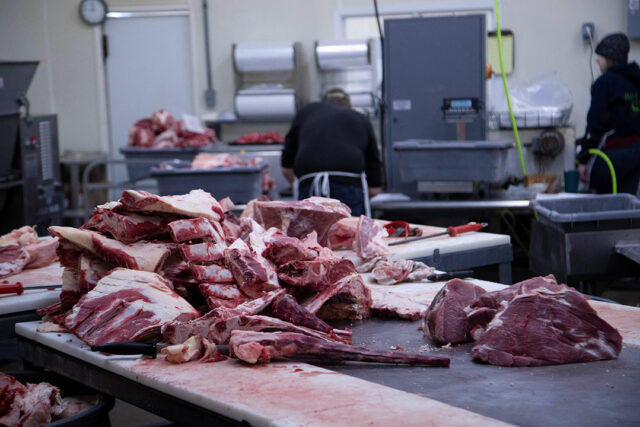
MOSCOW — The Philippines granted access for Russian beef and beef offal to its market, authorizing two Russian companies for imports, Russia’s agriculture regulator said on Friday.

The Philippines imported 1.17 million metric tons of meat last year, about a 10% increase compared with 2023, according to the Food and Agriculture Organization, with Brazil, the US and Spain as top suppliers.

Russia is seeking to boost agriculture exports by 50% by 2030, diversifying customer markets. Russia is currently exporting beef to China, Belarus and Saudi Arabia. Beef exports from Russia rose 14% in 2024.

“Any new market is important for Russian producers as an opportunity to diversify supplies and respond to changes in demand,” Sergei Yushin, head of Russia’s National Meat Association lobby group, said. — Reuters

Debt yields end mixed

YIELDS on government securities (GS) traded in the secondary market ended mixed last week before the Holy Week trading break.

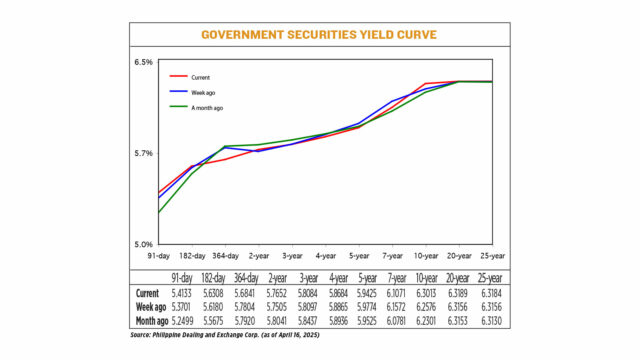
GS yields, which move opposite to prices, inched down by an average of 0.73 basis point (bp) week on week, according to the PHP Bloomberg Valuation Service (BVAL) Reference Rates as of April 16 published on the Philippine Dealing System’s website.

Philippine financial markets were closed on April 17-18 due to nonworking days in observance of Holy Week.

Rates at the short end of the curve closed mixed, with the 91- and 182-day Treasury bills (T-bills) increasing by 4.32 bps and 1.28 bps to fetch 5.4133% and 5.6308%, respectively. Meanwhile, the 364-day debt fell by 9.63 bps to yield 5.6841%.

At the belly, rates mostly ended lower, with the three-, four-, five, and seven-year Treasury bonds (T-bonds) declining by 0.13 bp (to 5.8084%), 1.81 bps (5.8684%), 3.49 bps (5.9425%), and 5.01 bps (6.1071%), respectively. On the other hand, the rate of the two-year bond rose by 1.47 bps to 5.7652%.

The long end of the curve went up as yields on 10-, 20-, and 25-year T-bonds climbed by 4.37 bps (to 6.3013%), 0.33 bp (6.3189%), and 0.28 bp (6.3184%), respectively.

GS volume traded was at P28.33 billion on April 16, lower than the P36.07 billion recorded on April 11.

“Last week’s bond trading was rather muted amid lack of major economic data drivers and increased liquidity requirements by market participants from the income tax deadline and ahead of potentially increased Holy Week cash demand,” the first bond trader said in an e-mail. “There was increased demand for bonds as investors sought less risky investments following the substantial volatility in equity markets.”

The second bond trader said the recent market volatility caused by global uncertainties due to the Trump administration’s tariff policies “somewhat settled down” last week.

“As global markets have settled down, local markets followed suit, which allowed the Bureau of the Treasury’s (BTr) auctions to proceed in a relatively orderly manner. The 10-year fixed-rate Treasury note (FXTN) auction [on Tuesday] helped give firm indications for current levels on the yield curve,” the second bond trader said in a Viber message.

“Last week’s BTr T-bill auctions were awarded with higher rates, reflecting expectations that the BSP (Bangko Sentral ng Pilipinas) is expected to hold its policy rates in its next policy meeting in June, while the benchmark 10-year Treasury bond also fetched yields higher than BVAL rates on lingering inflationary concerns,” the first trader added.

The BTr last week fully awarded its T-bill offer at mostly steady yields amid strong investor demand, raising P25 billion as planned as total bids reached P74.512 billion.

Meanwhile, the government raised an initial P135 billion from the new 10-year fixed-rate Treasury notes it auctioned off on Tuesday, more than four times the initial P30-billion offering, as tenders reached P197.3 billion.

The new 10-year bonds fetched a coupon rate of 6.375%, resulting in an average rate of 6.286%. Accepted yields ranged from 6% to 6.4%.

“Barring any surprises over our long weekend, we should expect the local market to continue to stabilize this week and shift some focus back to fundamentals that are geared towards a more favorable outlook for the local market,” the second trader said.

“Bond yields might continue declining from potentially dovish remarks by Federal Reserve Chair Jerome H. Powell and European Central Bank (ECB) President Christine Lagarde over the long weekend and market caution ahead of US economic data releases this week, which might provide initial indications about the health of the US economy,” the first trader added.

Mr. Powell said on Wednesday the Fed would wait for more data on the economy’s direction before changing interest rates, but cautioned that President Donald J. Trump’s tariff policies risked pushing inflation and employment further from the central bank’s goals, Reuters reported.

Mr. Powell, speaking for the first time since Mr. Trump paused some of the more stringent of his barrage of tariffs, also characterized the ensuing market volatility of recent weeks as a logical processing of the Trump administration’s dramatic shifts in trade policy — not a sign of stress that warranted a Fed response.

“For the time being, we are well positioned to wait for greater clarity before considering any adjustments to our policy stance,” Mr. Powell said in a speech to the Economic Club of Chicago.

Meanwhile, the European Central Bank cut interest rates for the seventh time in a year on Thursday and warned that economic growth will take a big hit from US tariffs, bolstering bets for even more policy easing in the months ahead.

“Downside risks to economic growth have increased,” Ms. Lagarde told a press conference after policy makers agreed unanimously to cut the ECB’s benchmark rate by 25 basis points to 2.25%. “The major escalation in global trade tensions and associated uncertainties will likely lower euro area growth by dampening exports, and it may drive down investment and consumption.” — J.P.G.Villanueva with Reuters

Style (04/21/25)


Uniqlo closes one store, plans to open a bigger one

UNIQLO announced big plans for its stores in Bonifacio Global City (BGC): to serve the needs of customers in the central BGC area, the brand will close the Uniqlo C3 Annex store on April 28 to make way for renovations. Upon completion, the new space will be known as Uniqlo BGC High Street, set to be one of the brand’s key stores in the country. The new space promises a better LifeWear shopping experience with the full line-up of LifeWear for women’s, men’s, kids’ and babies, to go with various special services. In the meantime, shoppers can head to the temporary Uniqlo store in One Bonifacio High Street. Located on the second floor of the mall, the pop-up space will open on May 21, with the occasion marked with special deals and exclusive novelties promotions. Learn more by visiting www.uniqlo.com/ph/en/, @uniqlo on Facebook and @uniqlophofficial on Instagram.


KNatural launches K-GLOW Membership

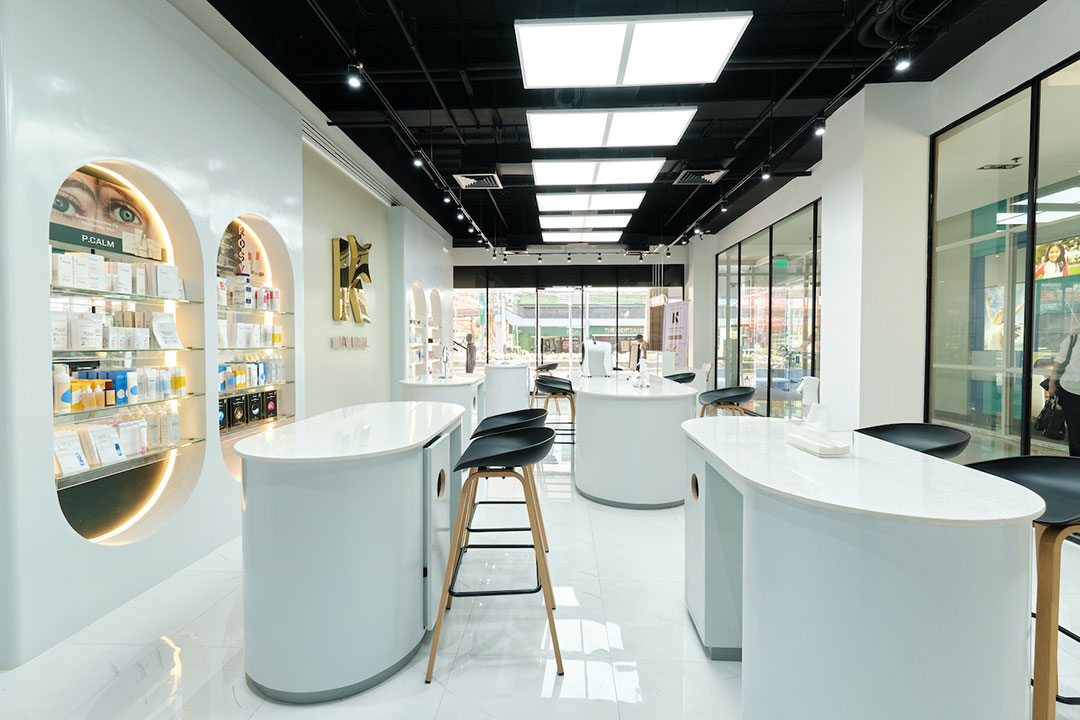
KNATURAL introduces the K-GLOW Membership, a premium program designed for clients who seek to elevate their skincare routine and enjoy a full suite of luxurious perks. K-GLOW members receive KNatural’s signature and exclusive Porcelain Glow Facial, a treatment powered by the advanced HYSONIC Three Way device. This facial targets enlarged pores, breakouts, excess oiliness, and adult acne, while also delivering powerful anti-aging benefits and uplifting effect on skin. Membership also includes an exclusive gift set, along with one complimentary classic facial from the following options: Hydrating Facial, Korean Relaxing Facial, Acne Facial, Wrinkle Facial, or Whitening Facial. To complete the experience, members are entitled to two complimentary underarm whitening sessions, using the latest IRIS Bluetoning technology. Additional privileges include priority booking, a 25% discount on all products and services, and 10% off already discounted packages. During the member’s birthday month, they may select one free treatment from KNatural’s premium selection, which includes an Anti-Scar Laser Facial, Porcelain Glow Facial, Signature Calming Laser Facial, or Light Tech +++ Laser Facial. Family and friends accompanying the member during their birthday month receive 50% off treatments. For every successful membership referral, members receive a P1,000 Gift Certificate, redeemable for services only. The K-GLOW Membership is open to all existing and future clients of KNatural. To enroll, interested individuals may visit any KNatural branch, complete the in-store registration form, and pay a one-time membership fee of P10,000. Upon registration, each member receives an official KNatural Glow Membership card. KNatural is located at the G/F and 2/F of the PNB Building, Julia Vargas Ave., Ortigas Center, Pasig, Philippines. For more information, contact 0917-150-1849 or visit https://knatural.ph.


Benilde Fashion Museum names hall after philanthropist

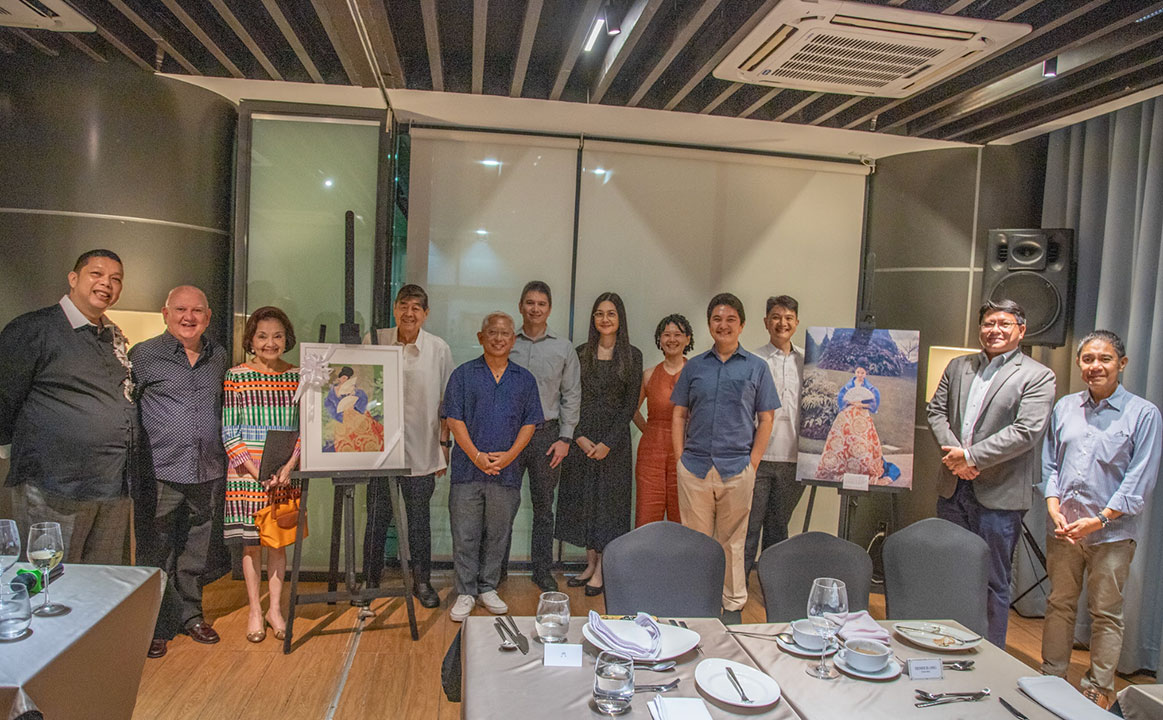
PHILANTHROPIST and business magnate Ernest Rufino extended his support to the soon-to-open Benilde Fashion Museum (BFM). The BFM, which focuses on the collection, exhibition, and study of Philippine fashion from the 20th to the 21st century, will serve as a repository of works of some of the most notable designers in Philippine history: Philippine National Artists Ramon Valera and Salvacion Lim-Higgins, plus Ben Farrales, Pitoy Moreno, and Aureo Alonzo, to name a few. The creations are set to find a home at the Miguel Febres Cordero (MFC) Building. Designed by architect Fernando Ocampo and constructed in 1938 by the former Vice-President Fernando Lopez as The Mayflower, the four-and-a-half-story edifice formerly known as the Instituto Cervantes Building now stands as one of the few remaining examples of pre-war Art Deco architecture in Manila. The 1,500-square-meter space will be transformed to house galleries, libraries, conservation facilities, and storage systems, as well as rooms for lectures, presentations, symposia, and screenings. Through the substantial gift of Ernest Rufino, the museum’s main exhibition area will be named after his wife, with the name Josie Padilla Rufino Gallery. The support was formalized through an official turnover and signing of the Memorandum of Understanding at Vatel Manila Restaurant. It was led by De La Salle-College of Saint Benilde (DLS-CSB) President Br. Edmundo Fernandez FSC and Chancellor Benhur Ong, together with Ernest and Josie Rufino.


Posh Skin shows off new pimple patches

POSH SKIN CO. has launched new designs for its innovative pimple patches. The new designs include yellow star patches, multicolored star patches, and metallic foil patches for a fun, and comfortable acne treatment experience. The ultra-thin daytime patches provide a discreet and seamless coverage for all-day wear, while the nighttime rescue patches are designed to accelerate blemish healing while sleeping. “We took on a cleaner and simpler packaging approach to let the pimple patch designs speak for themselves,” said fashion stylist and Posh Skin Co. partner, Charmaine Palermo. “We wanted to highlight what truly matters — effective skincare that empowers people.” Posh Skin Co.’s new look aligns with the brand’s vision of expansion in the Philippines. Posh Skin will also be providing new, versatile acne solutions. “Acne care should be as dynamic as people’s lives because breakouts can happen at any time,” said Ms. Palermo. “We wanted to offer more options to treat and prevent breakouts effectively, so we are expanding our line with acne solutions that can easily integrate into any skincare routine.” Posh Skin Co. pimple patches are available for P199 on Shopee, Lazada, TikTok Shop, and the official Posh Skin Co. website and select Watsons stores nationwide.


Montblanc’s Around the World in 80 Days collection

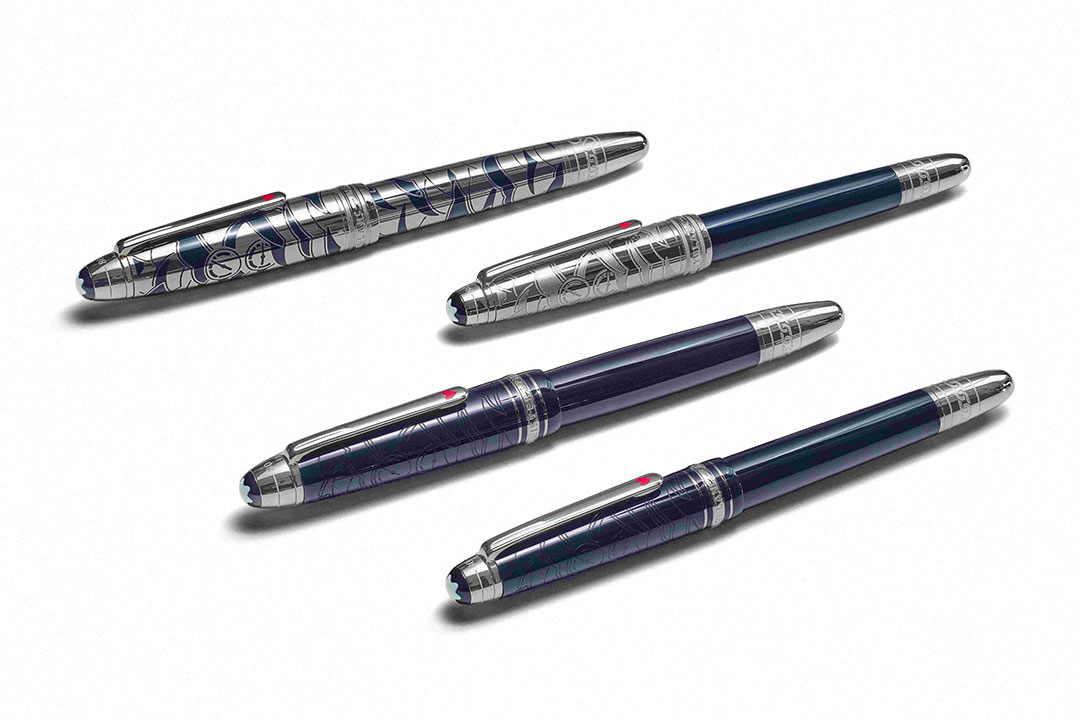
EVERY WRITING instrument edition and assorted accessory in the Montblanc Meisterstück Around the World in 80 Days collection pays homage to novelist Jules Verne’s timeless adventure novel about British gentleman Phileas Fogg and his loyal valet Passepartout’s extraordinary trip around the world in just 80 days. The third edition of the Montblanc Meisterstück Around The World in 80 Days collection covers the 36-day voyage from Yokohama to London via the United States. (The first and second editions tackled the London to Bombay leg and the Bombay to Yokohama leg.) The final installment of the collection includes four editions with design details inspired by Fogg’s return voyage to his homeland. Because the train represents the main mode of transportation across the North American continent, the cap features a pattern inspired by the cloud of smoke emanating from a train engine. The pattern also includes the illustration of two pressure valves often found in the machine room of a train. The cartouche decorating the cap depicts a train locomotive, while the cone is engraved with rivets and chains. The clip of the four editions is embellished with a red lacquered heart symbolizing both the love between Fogg and Aouda, the princess he rescues in India, and the wager in the card game that set the adventure in motion. The handcrafted nib is decorated with an air balloon image, an homage to Jules Verne and his first adventure novel Five Weeks in a Balloon, alongside the start and end date of the journey from Yokohama to London. The four editions that make up the third installment in the collection include the  Resin Classique and LeGrand, Doué Classique Edition, and the Solitaire LeGrand Edition (all available as a fountain pen with a 14K gold nib, a rollerball or a ballpoint). The collection’s Limited Edition 811 features a limitation number referencing Mr. Fogg’s adventure that includes stops in eight cities and passing through 11 nations. This edition features a barrel made of black structured lacquer representing the structure of a locomotive, framed by two solid gold rings and featuring solid gold inlay representing pressure valves. The sterling silver cap is embellished with an etched smoke pattern as well as a cartouche depicting a train journey through the mountains cast in solid gold and set in a frame with rivets. The 18K gold nib is decorated with all-card suits and embellished with a 1.5mm black spinel representing a piece of black coal used to fire up locomotives. The writing instrument is crowned with the Montblanc emblem in mother-of-pearl set in black onyx stone. A fine stationery set completes the collection and includes a blue leather notebook with a map cover charting Fogg’s route across the American continent, as well as a special blue ink in both cartridges or an ink bottle. The matching accessories assortment includes stainless steel cufflinks in the shape of a hot air balloon, a stainless-steel tie bar and a money clip both featuring a hot air balloon. Montblanc is available at Rustans Makati, Rustans Shangri-La, Rustan’s Cebu, Greenbelt 5, and Solaire Resort Entertainment City.

First Gen eyeing pumped storage, solar projects rollout this year

FIRSTGEN.COM.PH

LOPEZ-LED First Gen Corp. is advancing towards its goal of expanding its portfolio to 13 gigawatts (GW) by 2030 as it is working to roll out renewable energy projects this year.

First Gen targets the implementation of its Aya pumped storage hydropower project in the second half of the year to store and release electricity with a potential capacity between 100 megawatts (MW) and 120 MW, based on its 2024 Integrated Report.

“The detailed engineering design for the electromechanical works has been completed, while the design for civil and hydromechanical works is still in progress,” the company said.

Most of the necessary permits and endorsements have already been secured, paving the way for the next phases of development, it said.

Located within the Pantabangan-Casecnan complex in Nueva Ecija, the facility was previously estimated to cost P6 billion. The project forms part of the company’s goal to grow its renewable energy portfolio capacity to 9 GW by 2030.

To further diversify its portfolio, First Gen said it would pursue a first phase 50-MW solar facility in Batangas this year and “to be followed by an additional 100-MW expansion.”

“First Gen’s solar and wind business units will continue to invest in the feasibility of the concessions that were awarded to the company,” the company said.

“Leveraging on a capability to implement multi-projects on a concurrent basis, the concessions are undergoing prioritization and evaluation, to accelerate projects into the development stage for the solar and wind assets,” it added.

Currently, First Gen has a total of 3,668 MW of combined capacity from its portfolio of plants that run on geothermal, wind, hydropower, solar energy, and natural gas.

In an interview last year, First Gen President and Chief Operating Officer Francis Giles B. Puno said the company had set a capital expenditure budget of around P35 billion for 2025. Approximately 90% of this will be allocated to the drilling activities and growth projects of its renewable energy subsidiary, Energy Development Corp.

For 2024, the company’s attributable net income declined by 19%, totaling $252.92 million, due to lower revenues and higher expenses.

“First Gen is forging ahead on many fronts to crystallize the uniqueness and value of our clean and renewable portfolio. We are committed to find solutions to help address the country’s critical issue of energy security.” Mr. Puno said. — Sheldeen Joy Talavera

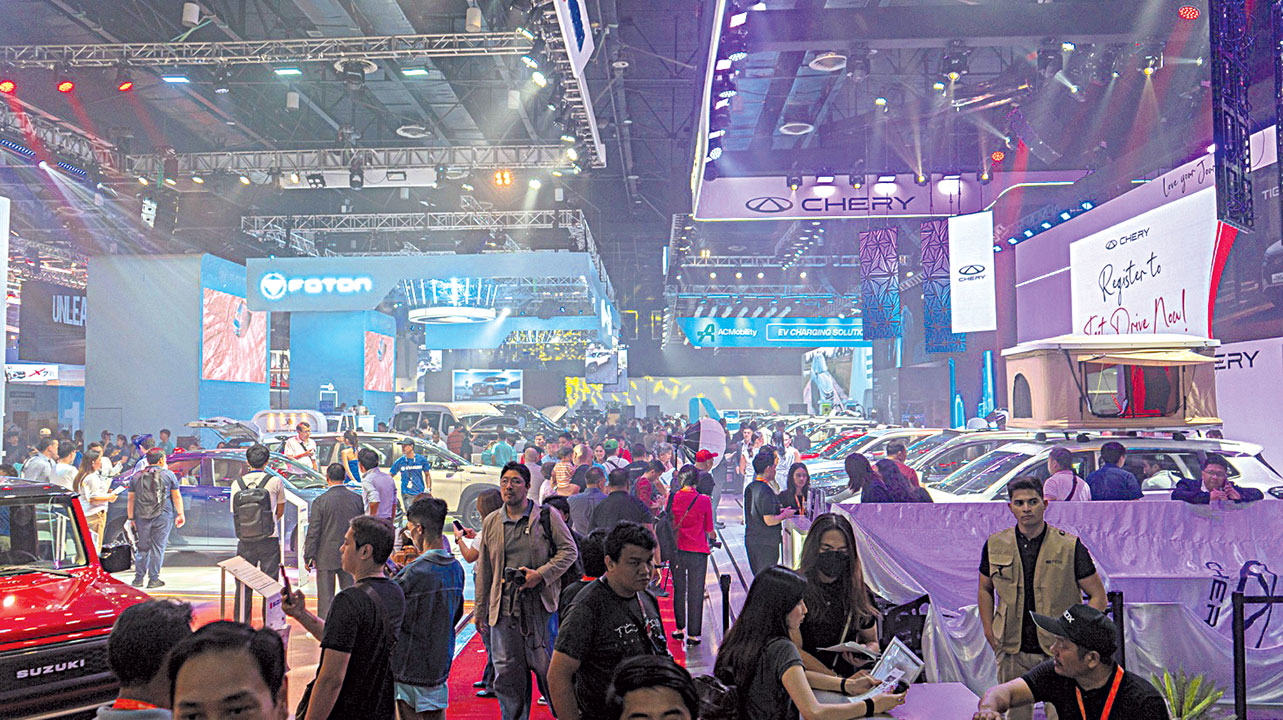
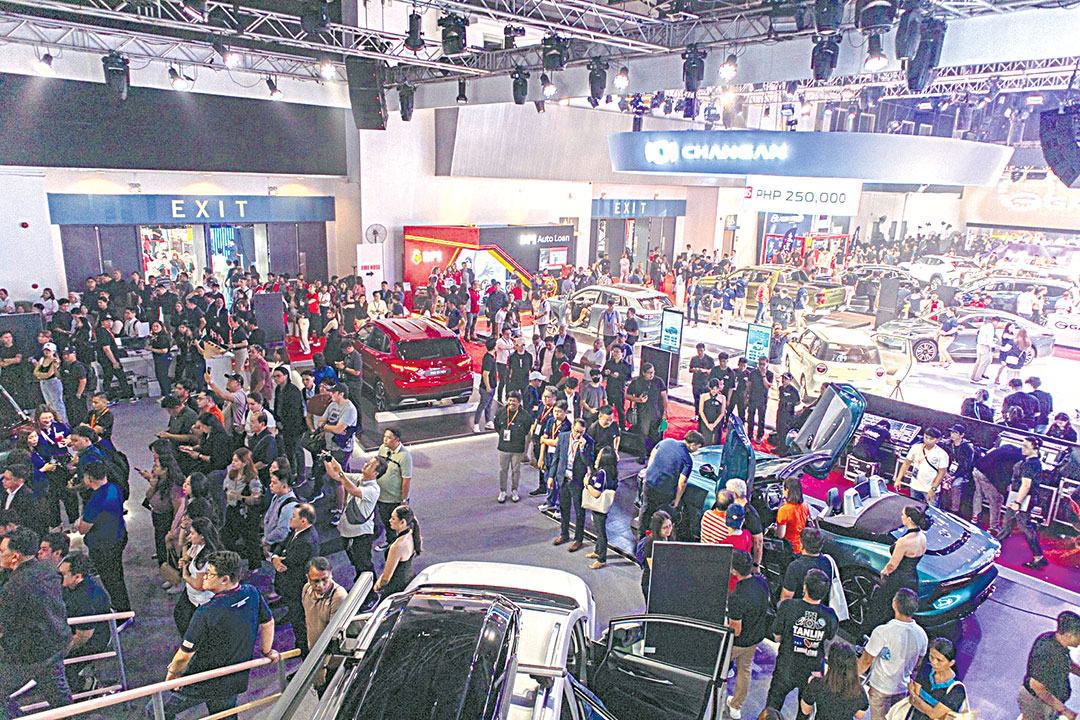
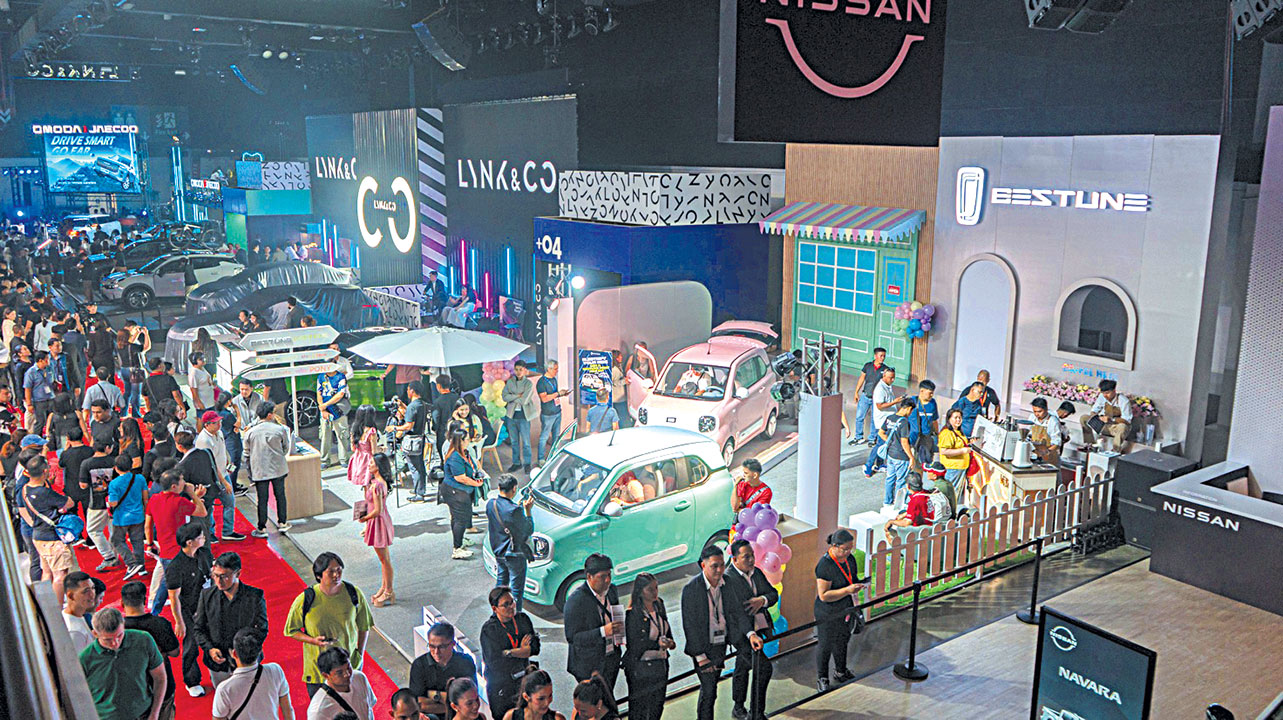
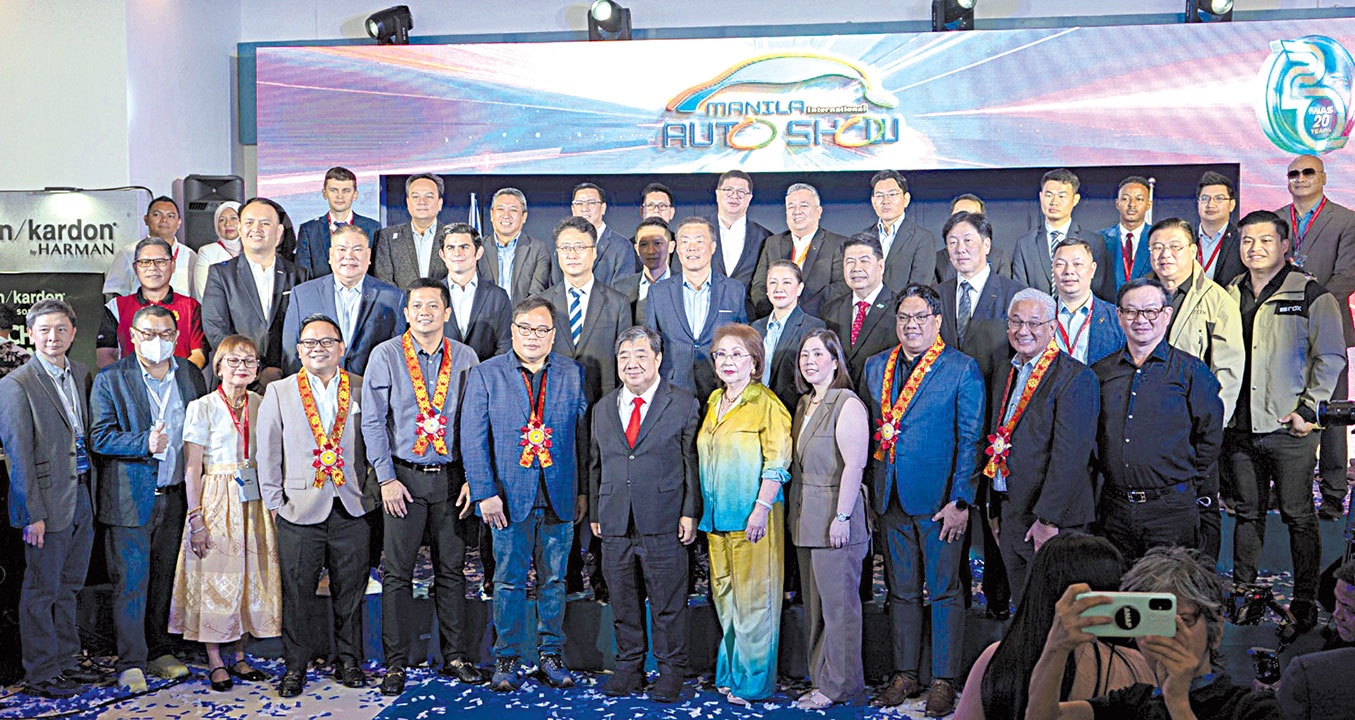
20th MIAS draws 170K visitors

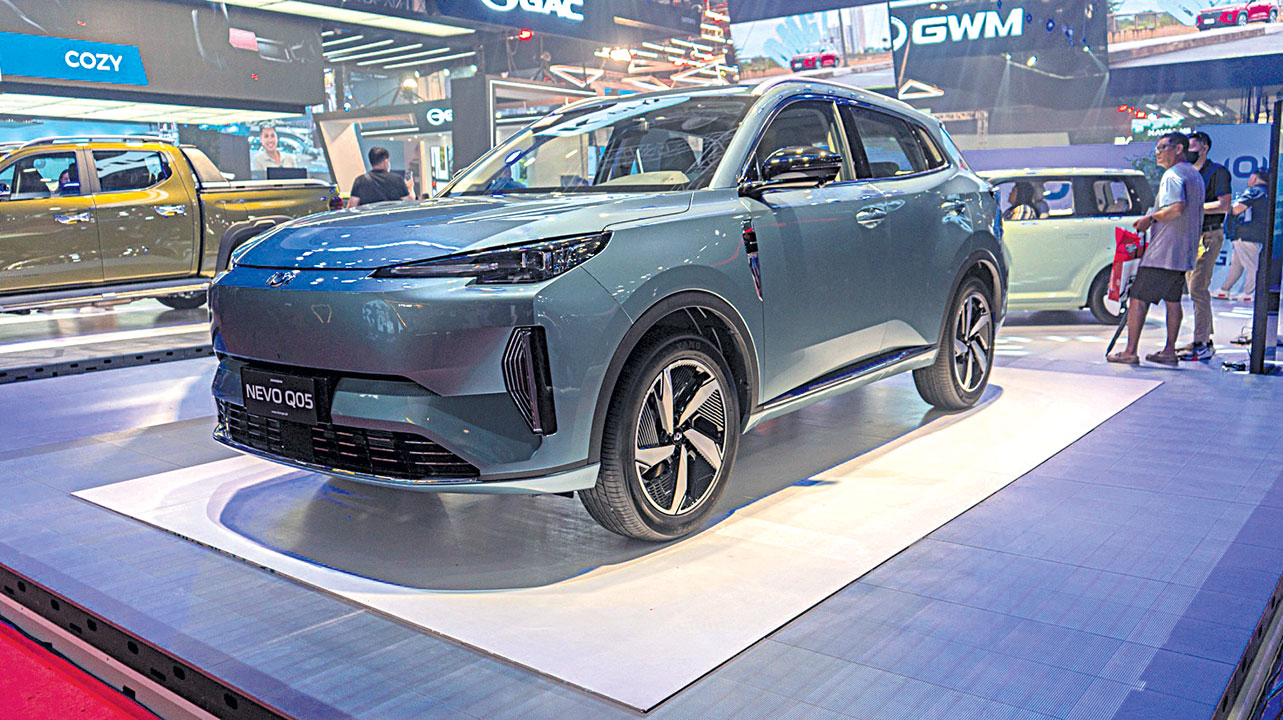
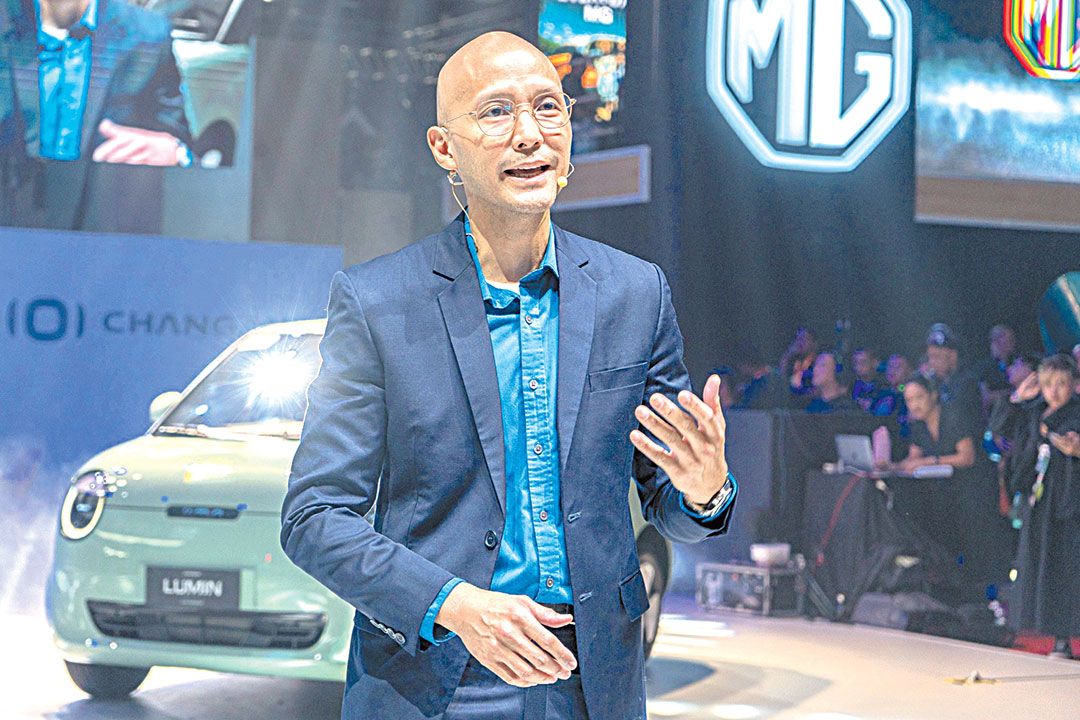
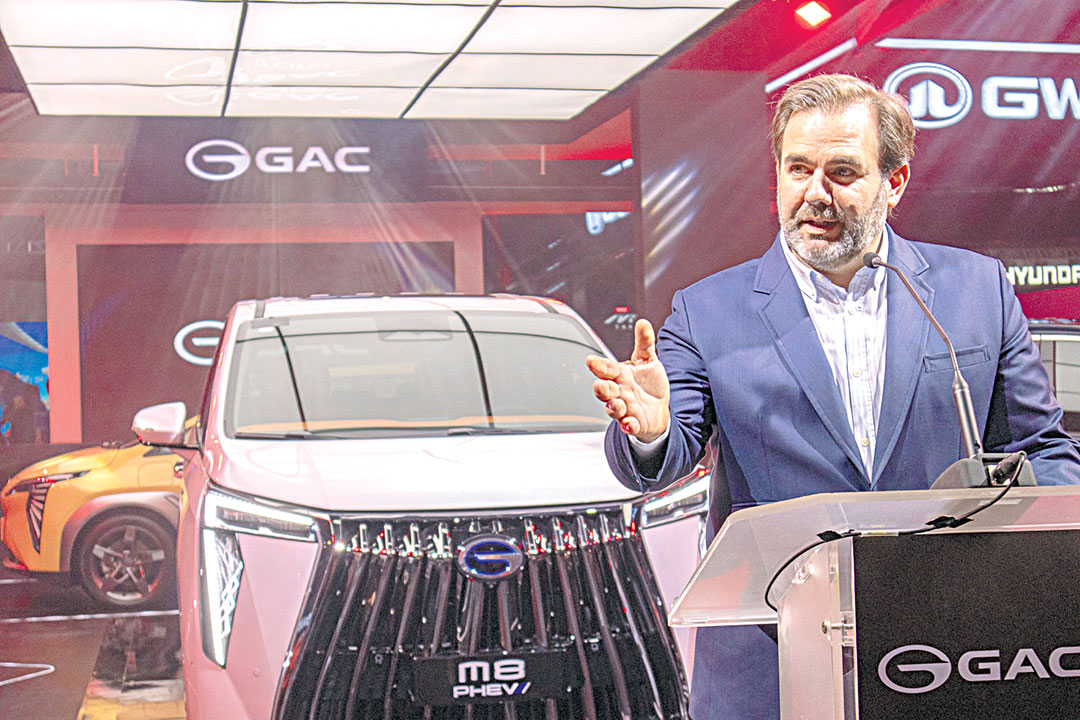
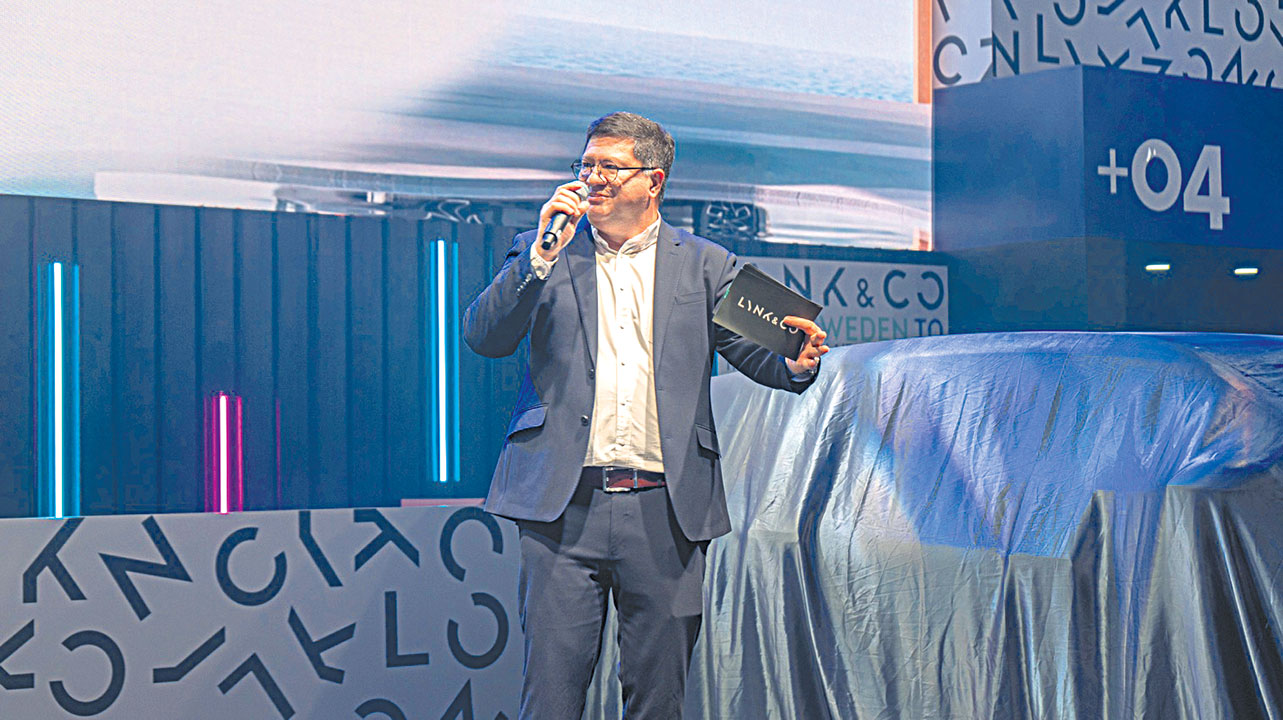
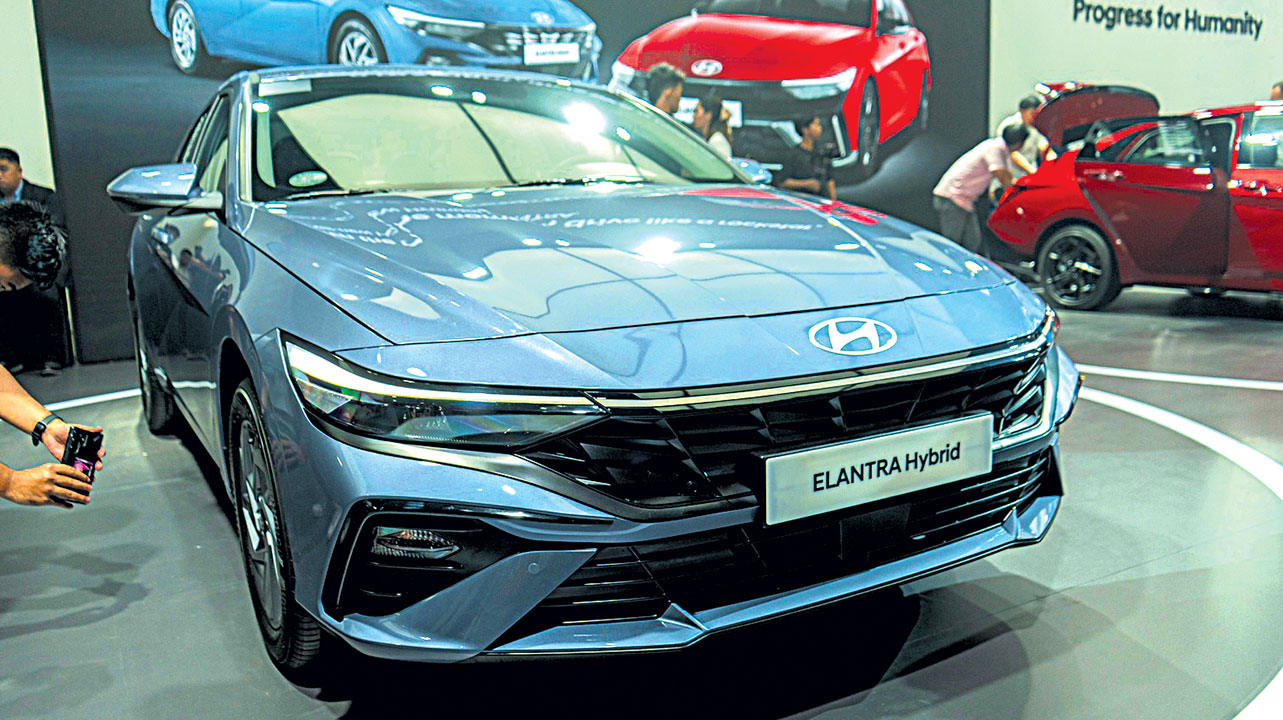
The Manila International Auto Show (MIAS) 2025 featured new brands even as some regulars were notably missing. — PHOTO BY KAP MACEDA AGUILA & JOYCE REYES-AGUILA

Chinese brands dominate summer automotive spectacle

By Kap Maceda Aguila

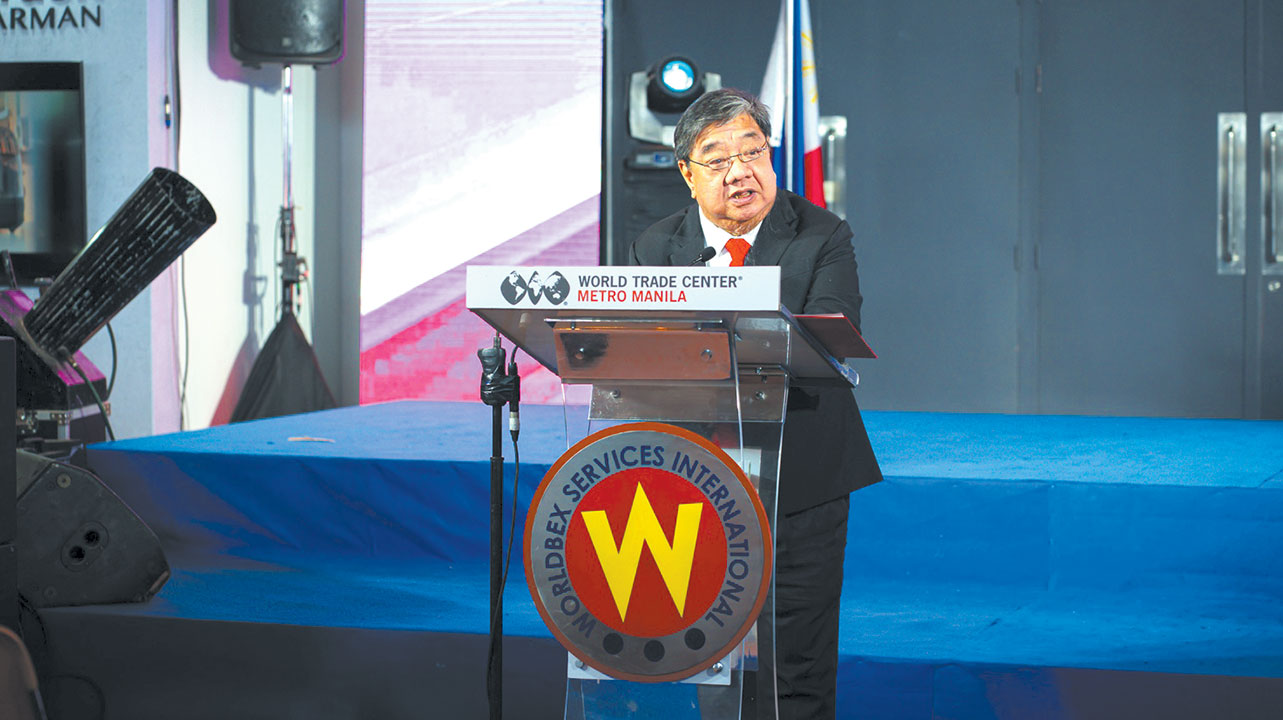
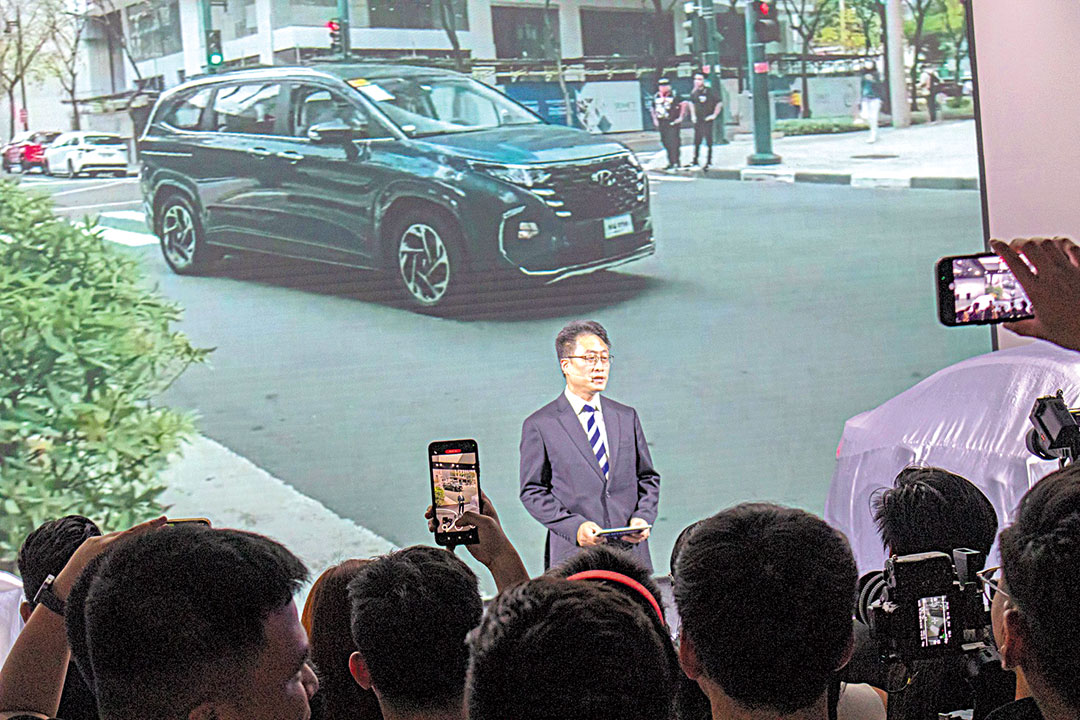
ANOTHER YEAR, another MIAS (or Manila International Auto Show, of course); except that this year wasn’t any other year, but a milestone 20th staging for the annual summer spectacle. While last year had the SMX Convention Center as a second venue, this year’s staging confined MIAS to its usual haunt, the World Trade Center Metro Manila.

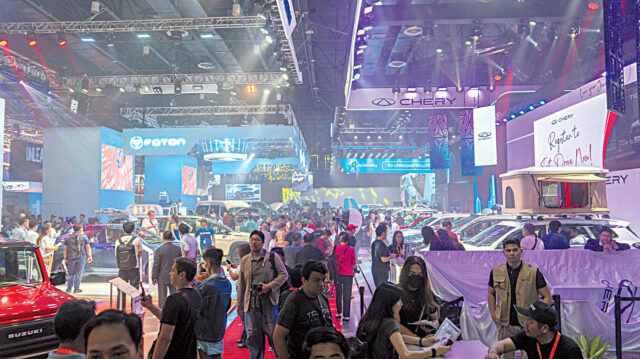
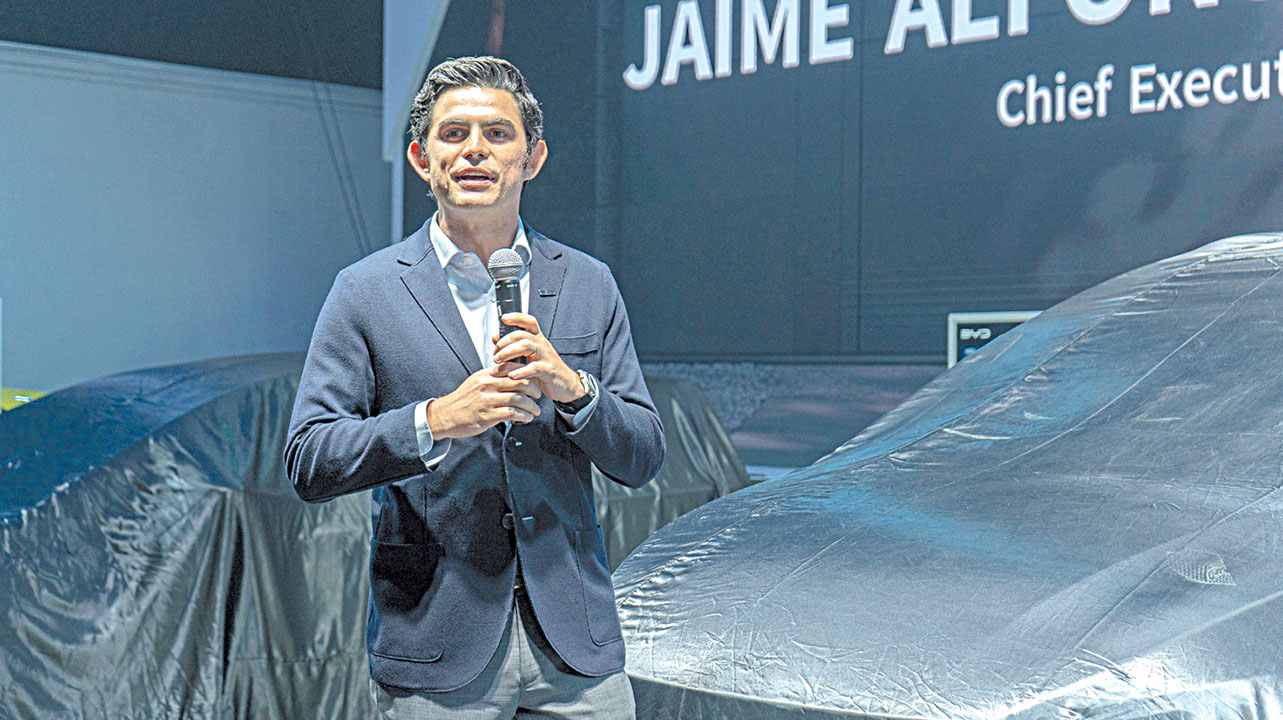
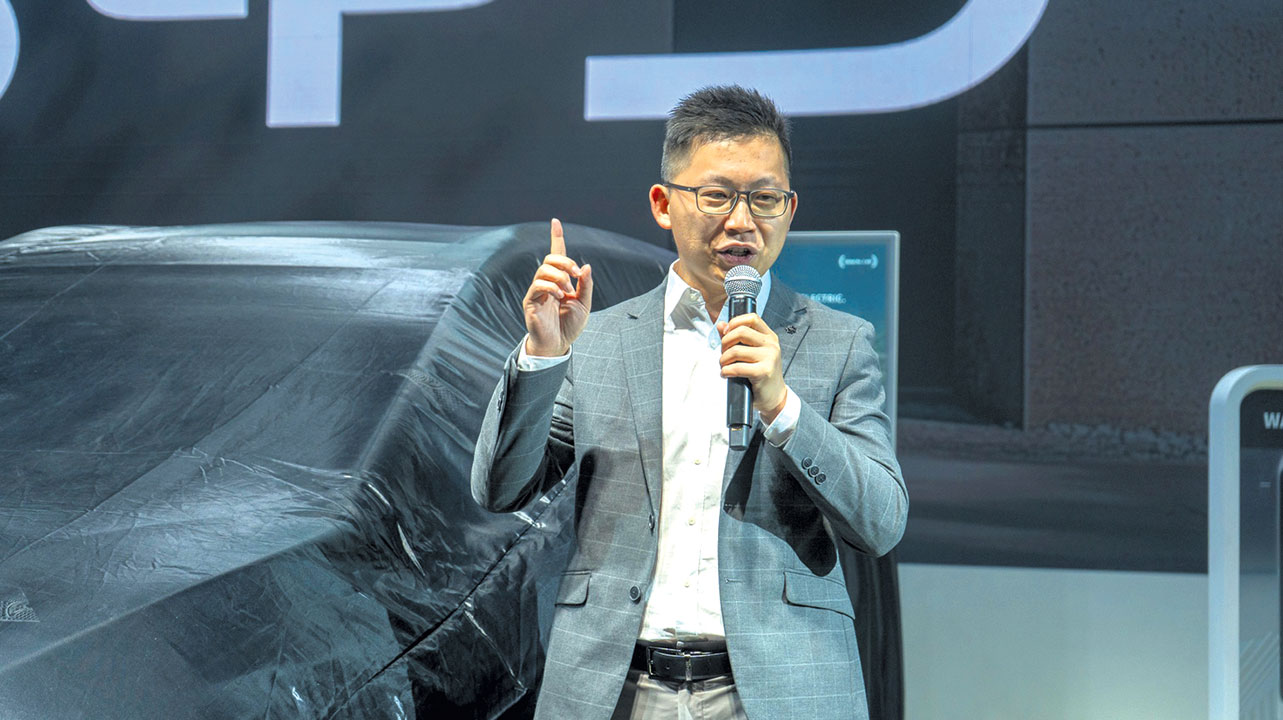
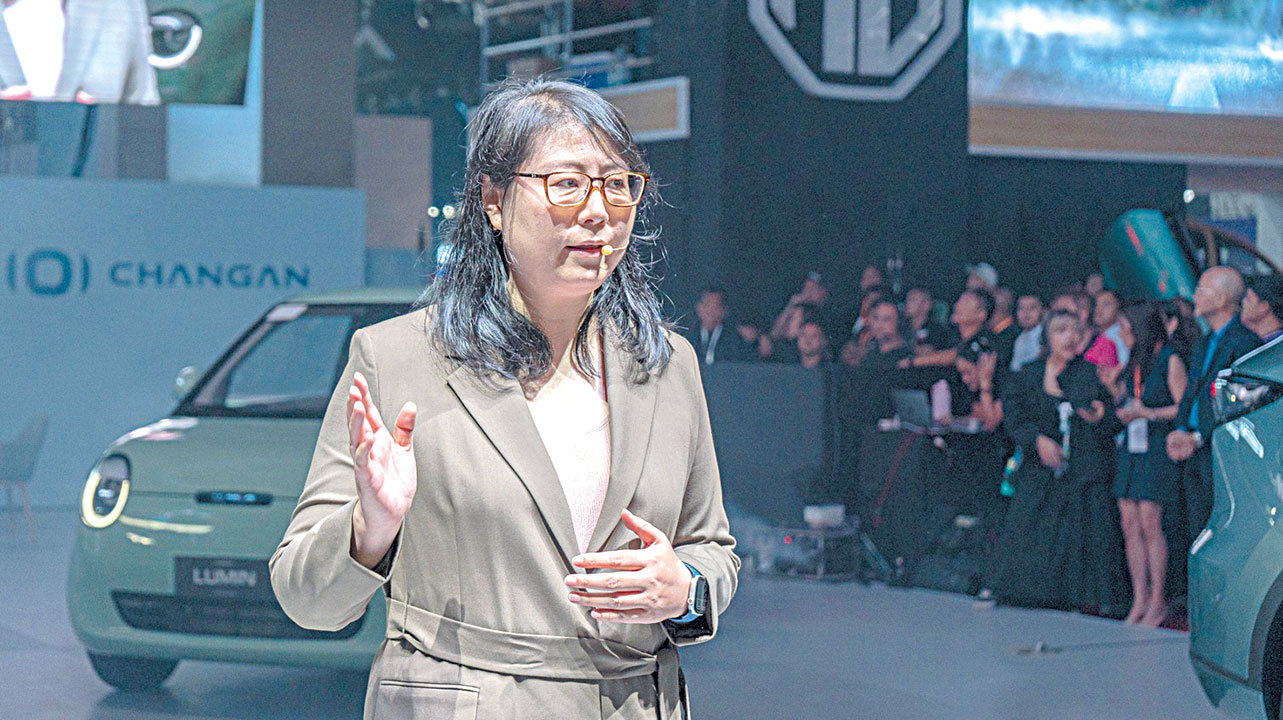
To accommodate the expected foot traffic, organizers saw it fit to reduce the booth sizes of the participants — particularly since there were no less than 29 car brands on display at the World Trade Center Main Hall. “Velocity” was there on opening day as people very early in the day flocked to the venue. Many of the participating brands are headquartered in China, while some of the usual marques weren’t in this year’s staging.

When the four-day automotive exhibition packed up, organizers said they had counted a visitor count of 170,900 — surpassing last year’s total by 8,900. The turnout was realized “despite several challenges surrounding the venue, such as roadworks causing vehicular traffic in the area.”

Aside from being a selling exhibit, MIAS has traditionally been a venue to test-drive vehicles, and auto loans partner BPI was on hand to provide special deals on car financing. Meanwhile, the MIAS Custom and Classic Car Competition, sponsored by Petron, “featured some of the best restored and modified vehicles.” This and after-market brands helped to serve up a complete experience for automotive fans of all ages.