Pork, corn MAV could rise instead of lowering tariffs
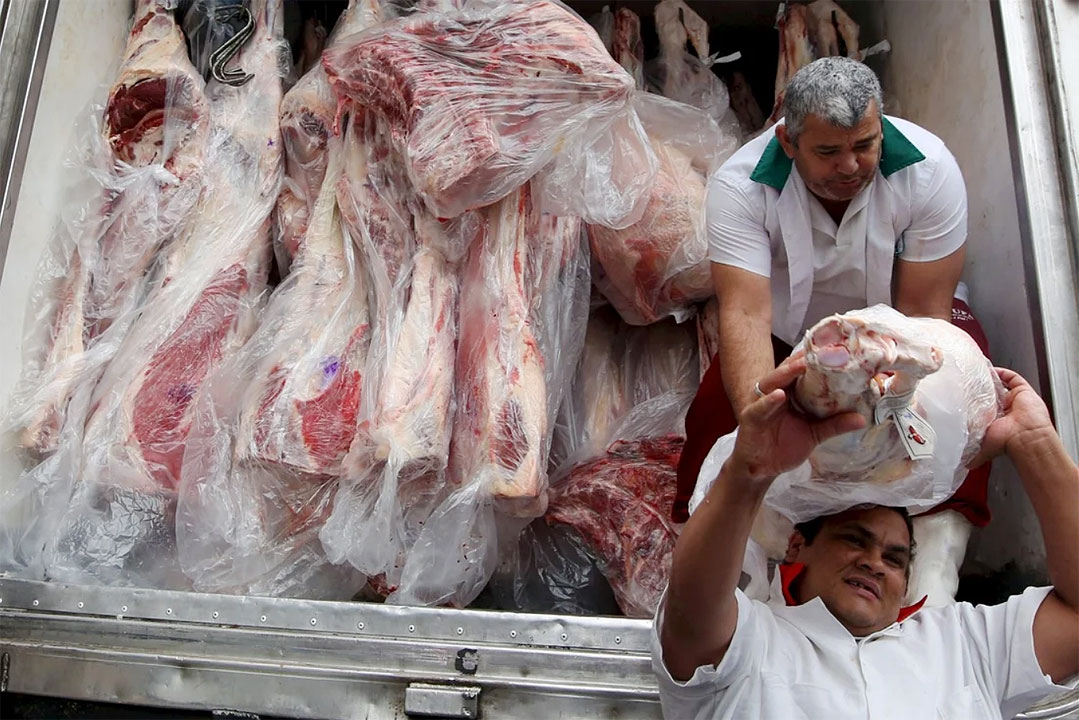
THE Department of Agriculture (DA) said it is studying the possibility of increasing the minimum access volume (MAV) for pork and corn, after President Ferdinand R. Marcos, Jr. ordered his officials to find ways to keep food affordable.
Agriculture Secretary Francisco P. Tiu Laurel, Jr. said the DA is considering a “MAV Plus” scheme for pork and corn as an alternative to lowering tariff rates.
“The DA’s suggestion is to use MAV Plus. The minimum access volume will simply be increased so that it will not affect farmers,” he told reporters on the sidelines of the DA’s P20 rice program launch in Makati City on Tuesday.
The MAV scheme is a feature of the international trade regime in which participating countries allow limited volumes of agricultural commodities at a favorable tariff rate. Volumes exceeding the quota are charged a higher rate.
For pork, shipments within the MAV are subject to a 15% tariff, while volumes beyond the quota are charged the regular 25% rate. Corn imports within the MAV are levied a 5% tariff, while shipments outside the quota are charged 15%.
If approved, the proposed MAV Plus scheme would expand the current quotas of 55,000 metric tons (MT) for pork and 216,900 MT for corn.
Mr. Laurel said the department is still studying the appropriate additional MAV volume for the commodities.
“We will follow the recommendation of the industry so we can find common ground. If supply proves insufficient, we can adjust accordingly,” he said.
Mr. Laurel said the proposed MAV Plus could be implemented within three weeks, once a consensus with industry participants is reached.
The DA said it is not yet considering an increase in the MAV for chicken, which is currently at around 24,000 MT, citing opposition from poultry producers and prevailing market conditions.
“There is currently overproduction, and chicken prices remain low. While MAV Plus could be considered in the future, we will not trigger it unless necessary,” Mr. Laurel said.
Agriculture groups have expressed opposition to proposals to reduce duties on pork, corn, and chicken, arguing that imports are already cheap and do not require further tariff relief.
Rosendo O. So, chairperson of the Samahang Industriya ng Agrikultura, said pork, for instance, is already cheap due to lower production and fuel costs in the source countries.
“For pork from Brazil… export prices are only around $1.60 to $2.50 per kilo. That’s how low they are. Their fuel prices are also lower,” he said at a briefing.
Elias Jose M. Inciong, chairman of the United Broiler Raisers Association, said there is also no reason to reduce tariffs on chicken as farmgate prices remain depressed.
“We do not see any reason to reduce tariffs further because chicken prices are currently low. Liveweight price is at around P82 per kilo against the industry’s breakeven range of P100 to P110, so producers are incurring losses,” he said. — Vonn Andrei E. Villamiel