Philippines seeks US nod to extend Russian oil waiver
THE Philippines has begun diplomatic talks with the US to extend a waiver allowing Manila to import Russian oil, as the government seeks to secure supply amid volatile global markets, the Energy department said.
“We are awaiting their response, but we are very positive on getting this other window,” Energy Secretary Sharon S. Garin told a news briefing at the Presidential Palace on Tuesday.
The 30-day waiver, which allowed the Philippines to buy Russian crude despite sanctions, expired on April 11. Ms. Garin said the government is pursuing an extension to maintain supply flexibility as global oil prices remain elevated.
Philippine Ambassador to the US Jose Manuel “Babe” G. Romualdez told BusinessWorld via Viber the request “is being processed for consideration.”
The Philippines turned to nontraditional suppliers such as Russia to augment supply as disruptions linked to war in the Middle East tightened global markets.
“We wanted to open the Russian window because we want more options,” Ms. Garin said in mixed English and Filipino. “Diversification is necessary so that we don’t become dependent on just one country.”
She added that the government is also exploring alternative sources if the waiver is not extended, including oil-producing countries in South America such as Colombia and Argentina, as well as Canada and the US.
Ms. Garin said the Philippines is not awaiting further shipments from Russia for now, noting that the country received about 700,000 barrels of Russian crude last month.
Foreign Affairs Secretary Ma. Theresa P. Lazaro earlier said Manila is seeking Washington’s approval to import Russian oil products in line with international commitments tied to sanctions imposed on Moscow following its invasion of Ukraine.
Reuters reported on April 10 that US President Donald J. Trump is expected to extend waivers allowing some countries to continue buying limited volumes of Russian oil and petroleum products.
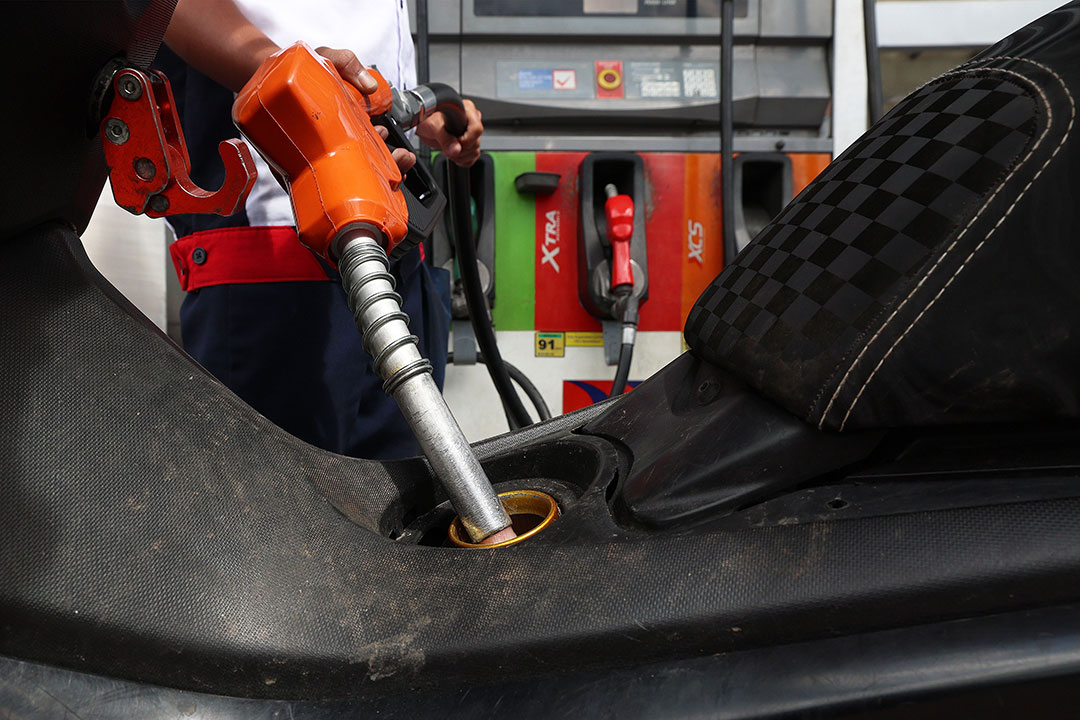
The push for supply diversification comes as the Philippines grapples with rising fuel costs driven by global developments, including conflict in the Middle East that has disrupted key shipping routes.
The Iran war, which began on Feb. 28, has led to surging oil prices, pushing Philippine inflation to a near two-year high in March.
Although the US and Iran agreed to a two-week ceasefire, talks over the weekend in Islamabad failed to produce a longer-term agreement, renewing concerns about supply stability.
In response to rising fuel costs, President Ferdinand R. Marcos, Jr. on Monday approved the suspension of excise taxes on liquefied petroleum gas and kerosene, which are widely used by households.
Economic managers said the measure aims to provide targeted relief to lower-income consumers. The President did not adjust taxes for diesel and gasoline, which have a broader impact on transport and inflation. — Chloe Mari A. Hufana