Resistant varieties may curb corn pest infestation in Cagayan Valley — DA
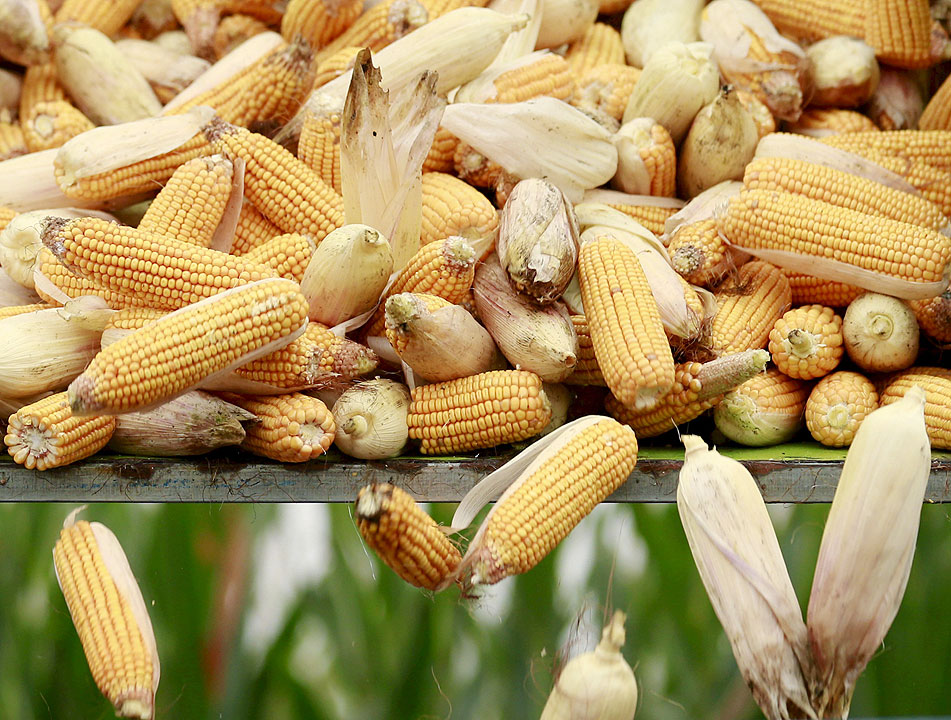
By Vonn Andrei E. Villamiel
THE Department of Agriculture (DA) on Wednesday said it is counting on pest-resistant varieties to arrest Cagayan Valley’s fall armyworm (FAW) infestation, allocating over P650 million for seed procurement and distribution to local farmers.
The DA’s regional office in Cagayan Valley said it is changing its approach to pest control, treating pest infestation as a disaster and intensifying the planting of genetically modified FAW-resistant corn varieties.
“We treat pest infestations as a disaster because of the high yield loss they can cause, especially the FAW,” DA Region 2 Executive Director Rose Mary G. Aquino told a news briefing in Filipino.
She said about 60% or P575 million of the region’s total budget for its corn program this year has been allocated for procuring and distributing seeds to corn farmers.
The office said they have ordered 114,706 bags of FAW-resistant corn seeds, which will benefit the region’s almost 170,000 registered corn farmers.
Called harabas by local farmers, the fall armyworm (spodoptera frugiperda) is often cited for crop losses in corn since it first arrived in the country in 2019.
“Yield loss reaches 40% to 50% when FAW attacks are severe, no matter what fertilizer or good seed is used),” Ms. Aquino said.
FAW has affected more than 2,500 hectares of corn plantations in Cagayan Valley during the 2024-2025 dry season, with Cagayan (1,195 hectares) and Isabela (904 hectares) taking the biggest hit.
The wet season from June to September also saw FAW infestation in 3,338.38 hectares of corn areas, affecting 37 municipalities in the region.
Cagayan Valley is the biggest corn-producing region in the Philippines, accounting for 24%, or 1.96 million metric tons, of the country’s total output last year.
In August 2024, the DA reported that FAW had resulted in crop damage totaling 734 metric tons in corn with losses of P57.03 million.
Aside from pest-resistant varieties, DA Region 2 said it is also using insecticides, pheromone traps and biological control agents such as Trichogamma wasps, earwigs and Metarhizium fungi spray that attacks and feeds on FAW and other corn pests.