From legacy brands to challengers
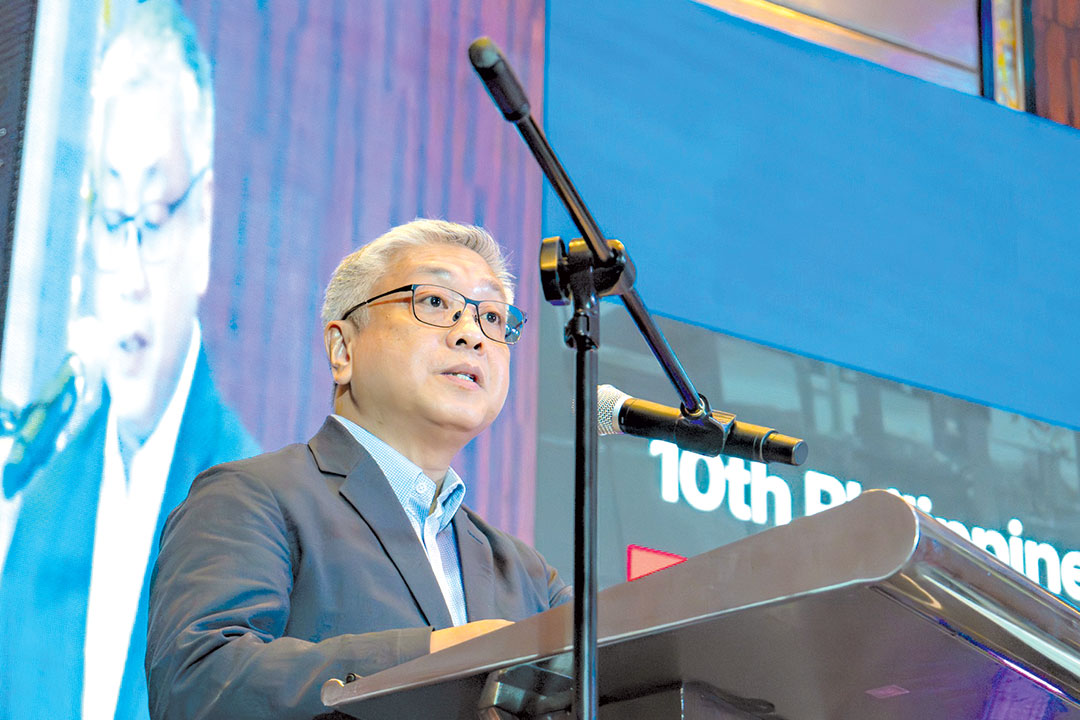
The 10th Philippine International Motor Show expected to be
a well-rounded, more comfortable experience
WHAT A YEAR it has been — and we haven’t even gotten to its midpoint yet. Crises natural, political, and everything in between have been thrown into this simmering cauldron we call 2026.
At the core of the struggles at the moment is a crisis half a world away yet whose ripples we are feeling in a very tangible fashion. The Iran War has, among other things, driven up fuel prices on account of the now well-known blockade in the Strait of Hormuz, through which much of our fuel imports pass. This has seen pump prices skyrocket and, presently, do a yoyoing that is driving many to pause and reflect about their purchases and habits.
In a March report, the Chamber of Automotive Manufacturers of the Philippines, Inc. (CAMPI) and Truck Manufacturers Association (TMA), along with non-CAMPI members, were said to have registered sales of breaching 39,000 units — higher versus the previous month’s almost 2,000 units. This rounds out the Q1 sum to 112,500 vehicles — around 105,000 of which were accounted for by CAMPI-TMA member companies.
Of particular significance during this period is the growing interest in electrified vehicles (xEVs), which were already on an uptrend even before the aforementioned war. Exorbitant pump prices are causing people to take a closer look at the benefits of electrification. The March share of xEVs was pegged at around 17% of total sales or 6,148 units. We suspect this will be higher when April’s numbers have been crunched.
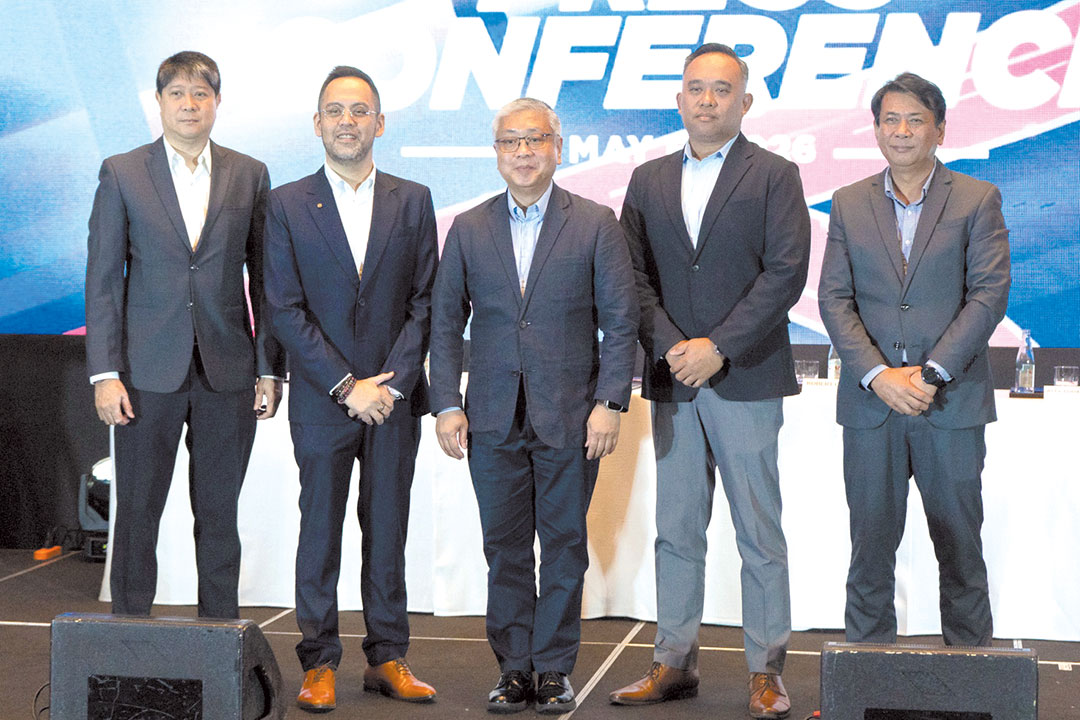
CAMPI President Jose Maria “Jing” Atienza said as much in an accompanying statement, “This continues the rising trend we have been observing the past few years. xEV adoption is mainly driven by users’ growing understanding and acceptance of electrified technologies. We expect this to grow further because of the country’s need for various energy-efficient vehicles.”
He continued, “Rising oil prices will surely influence the Filipino motorists’ driving and vehicle purchase behavior. This will not only accelerate the preference for electrified vehicles but may also highlight the practicality of energy-efficient vehicles like smaller and lower displacement cars. The auto industry will evolve based on the market’s requirement.”
The two organizations’ numbers, coupled with the well-attended recent staging of the yearly Manila International Auto Show (MIAS) — which reported foot traffic of 180,600 during its four-day run in April — validates the continued interest in mobility (electrified and in general) for Filipinos.
Yet while MIAS organizers pointed to quantitative success; the experiential metrics suggest otherwise. Opening day saw a long line under the sun, a congested and dark venue, constricted areas between displays, stifling heat within the World Trade Center, media registration difficulties, an endless schedule of launches without pause, and other difficulties — hardly a situation where everyone was happy.
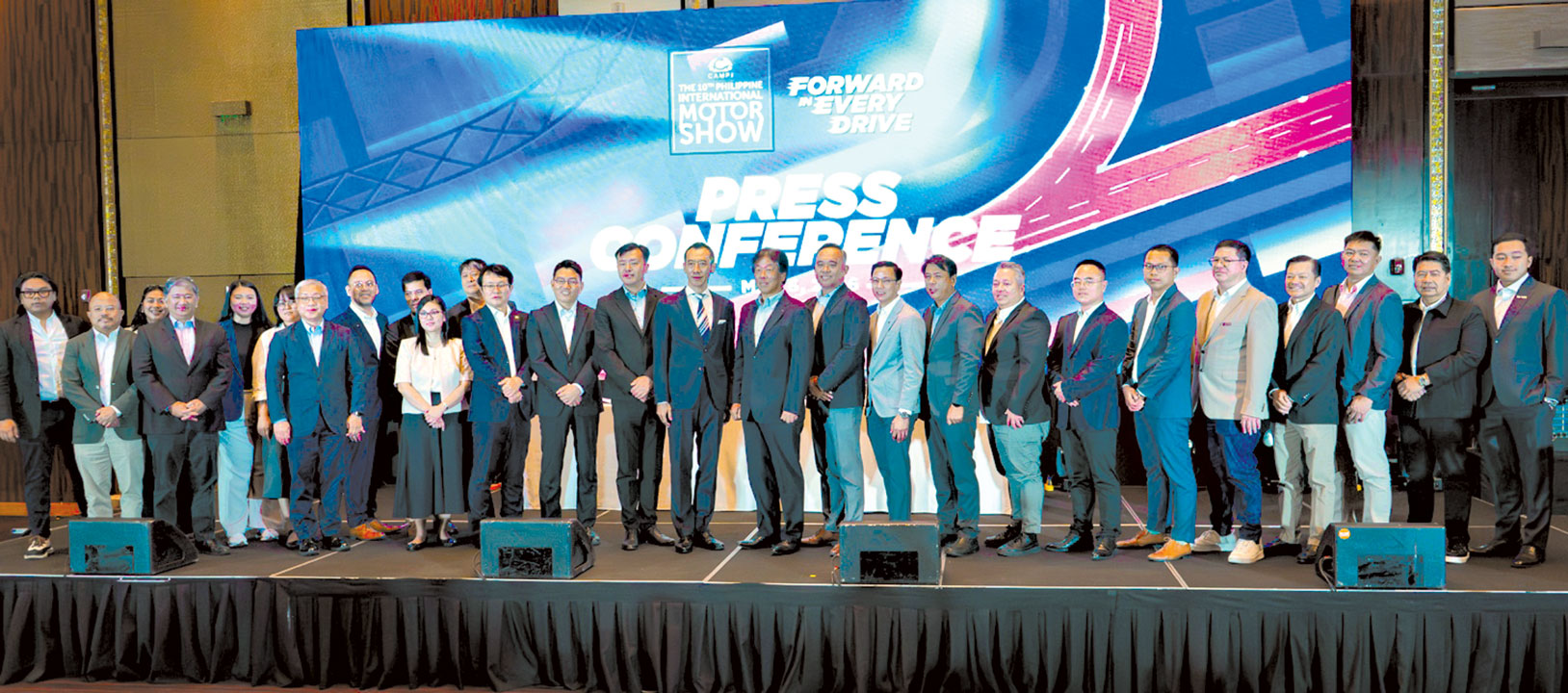
We point to these because MIAS is rendered into a very recent body of feedback now available to PIMS organizers. Replying to a question from Carguide’s Ulysses Ang during the Q&A portion of the recent PIMS presser, Mr. Atienza said that PIMS seeks to address “what’s needed by customers,” and that it will be a reflection of CAMPI’s desire to improve on the PIMS of the past.
It’s important to stage “not only a good show but a comfortable one,” he stressed. “That’s part of the plan; an improved PIMS from our previous PIMS.”
While it will still run at the World Trade Center, the featured car brands are seriously studying considerations like the size of booths and their positioning, according to a source. “Velocity” also learned that the distance or aisles between booths will be no less than three meters, for the safety and convenience of showgoers.
Even the projected attendance figure for the four-day event (50,000 people), speaks to a managed, if conservative, expectation from CAMPI. Experience is king, not pure numbers.
Make no mistake though. Expect PIMS to be an “industry-initiated grand motoring event” that Mr. Atienza promised to be “one of the biggest shows yet.” He continued, “When 17 exhibiting brands compete against each other in one show, presenting their very best under one roof, the Filipino customer will surely win.”
Themed “Forward in Every Drive,” PIMS will continue to underscore the aspiration of “fostering a vibrant and competitive auto industry,” that evolves with “appropriate technologies and solutions to address the changing customer needs.”
Expect the 2026 edition of PIMS to step up to the plate with a plurality of powertrains — from energy-efficient internal combustion engines to all manner of hybrids and battery electric vehicles from a more diverse array of brands ranging from so-called legacy marques or familiar makes to newer players.
During his formal assumption of office as CAMPI head earlier in the year, Mr. Atienza had expressed the group’s aspiration to finally break the 500,000-unit sales mark this year. “Velocity” asked if this is still a valid dream. He conceded that it’s not “the main goal anymore, considering what’s happening.”
Should the situation of crisis persist, Mr. Atienza, also an executive of Toyota Motor Philippines, said that softened demand could result in a sales drop of 8% to 10% by yearend. Still, he averred that sales decline is still better than expected.
The 10th PIMS will feature car exhibits (more than 150 models) and test-drive opportunities from the following brands: BAIC, Chery, Foton, Geely, Honda, Isuzu, Jetour, Kia, MG, Mitsubishi, Nissan, Omoda and Jaecoo, Subaru, Suzuki, Tesla, Toyota, and VinFast. Electrified models alone will account for about half of the lineup. Speaking of, the possibility of holding symposia for the public on topics such as electrified mobility is also being explored.
Crisis or not, mark your calendar and head over to that familiar venue to see your next — or first — vehicle; or to simply glean where mobility is and is headed to.
For more information, visit https://www.facebook.com/PhilippineInternationalMotorShow.