Onset of El Niño may be as early as June says PAGASA
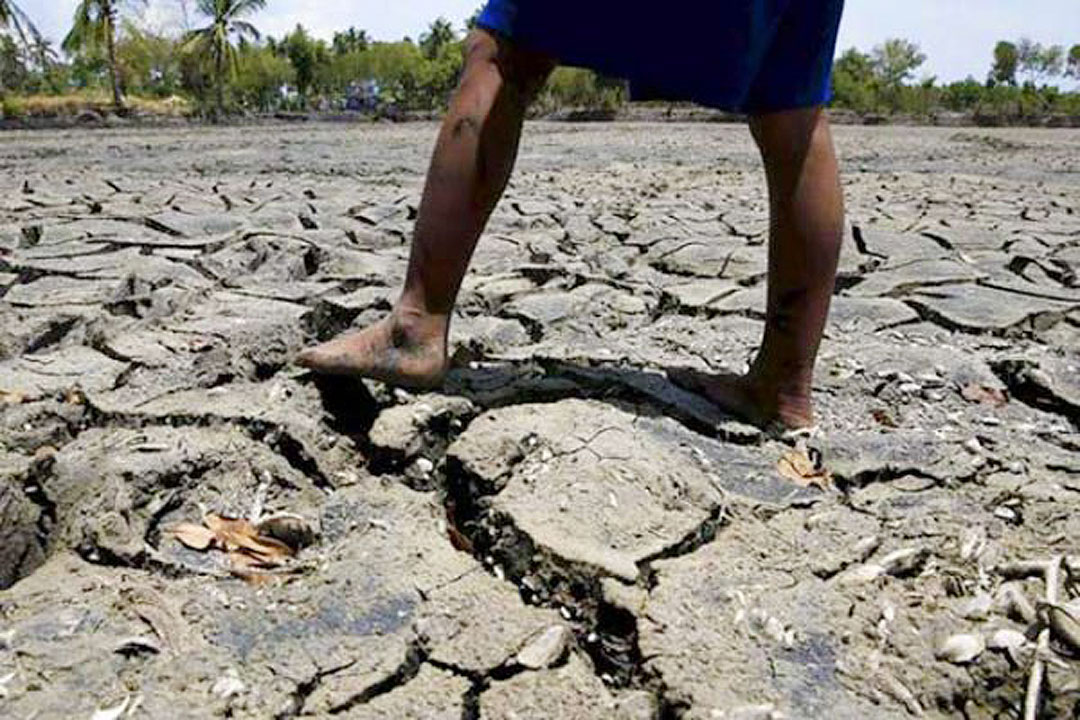
El Niño, a climate phenomenon that causes drier conditions and below-normal rainfall in the country, is expected to emerge as early as June, according to the Philippine Atmospheric, Geophysical, and Astronomical Services Administration (PAGASA) on Thursday.
“According to the climate models we are monitoring, the El Niño event may start as early as the June–July–August season, with a 62% chance,” Kristel Anne Valerie V. Padilla, PAGASA’s Weather Specialist I, said during a climate outlook video on Thursday.
“It may last until the end of 2026, with an 83% chance,” she added.
PAGASA has raised the El Niño watch since March 25, indicating that the phenonomen’s forecast probability to develop within six months has reached 55% or more.
It is worth noting that during the last El Niño episode, which lasted from July 2023 to June 2024, the phenomenon caused massive devastation to the country’s agriculture.
Farm damage due to El Niño was estimated at P15.3 billion, with crop losses amounting to 784,344 metric tons, according to the Department of Agriculture (DA).
Meanwhile, PAGASA also reported its rainfall projections from April to September this year.
This month, below-normal rainfall is expected across the country, with the exception of some areas in Luzon and Visayas, where near-normal rainfall is forecasted.
Specifically, in Bataan and Cavite, much below-normal rainfall is expected, PAGASA said.
From May to September, near-normal rainfall is generally expected throughout the country, with some exceptions in certain areas where below- or above-normal rainfall may occur.
“As for the projected number of tropical cyclones, from eight to 16 are expected to form and enter the Philippine Area of Responsibility (PAR) from April to September, PAGASA said.
Currently, PAGASA is monitoring a tropical depression outside PAR, which is likely to enter the area next week and will be named Caloy, the agency said in an earlier press briefing on Thursday.
The third tropical cyclone this year, has a low chance of making landfall in the country but may intensify up to super typhoon category. — Edg Adrian A. Eva