Impending El Niño to cause droughts, may intensify storms, says PAGASA
The El Niño phenomenon, which may onset as early as June, is likely to cause droughts and trigger fewer yet stronger tropical cyclones during its duration, according to the Philippine Atmospheric, Geophysical and Astronomical Services Administration (PAGASA) on Thursday.
The agency raised its ENSO (El Niño–Southern Oscillation) alert level to El Niño Alert on Wednesday, saying that the phenomenon is likely to develop between June to August and may persist until early 2027.
In a separate 5:00 am press briefing, PAGASA said that El Niño’s onset is likely to coincide with the development of the southwest monsoon, locally known as Habagat.
“This will further enhance or strengthen the southwest monsoon and bring heavier rainfall to the western side of the country,” Leanne Marie Loreto said during the press briefing in Filipino.
As for tropical cyclones, fewer are expected during the prevalence of the phenomenon, “however, the intensity or level of these typhoons will be stronger,” Ms. Loreto said.
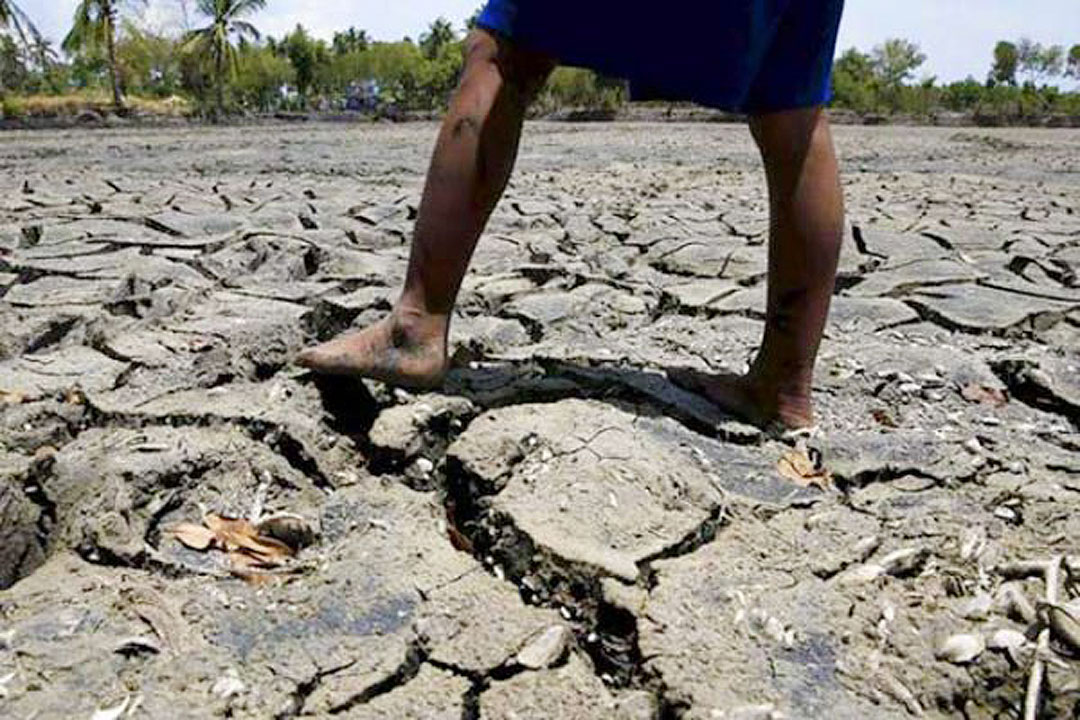
Toward the latter part of El Niño, between October to March 2027, dry spells and droughts are likely to be experienced in some parts of the country.
During its onset, El Niño is likely to start weak and may progress into a moderate to strong El Niño by the early months of 2027, PAGASA said.
The agency is also not ruling out the possibility of a Super El Niño, which it earlier warned could cause prolonged drought in the country.
Despite El Niño not yet persisting, all eight major dams in the country are already below normal high water level (NHWL), except Caliraya, which does not impose an NHWL, based on PAGASA’s dam information on Thursday.
The Angat Dam, which supplies over 90% of the potable water needs of Metro Manila, is already operating at 187.52 meters as of 8:00 am.
It is nearing the minimum operating water level of 180 meters, which, if reached, may prompt the dam to reduce irrigation releases and implement water-saving measures.
The Metropolitan Waterworks and Sewerage System (MWSS) earlier said in a public briefing on March 24 that Angat is expected to remain at a safe water level and will not reach the critical level of 160 meters despite expected hotter temperatures in the coming months. — Edg Adrian A. Eva