Home Blog Page 9657

‘Aggressive, targeted testing’ starts

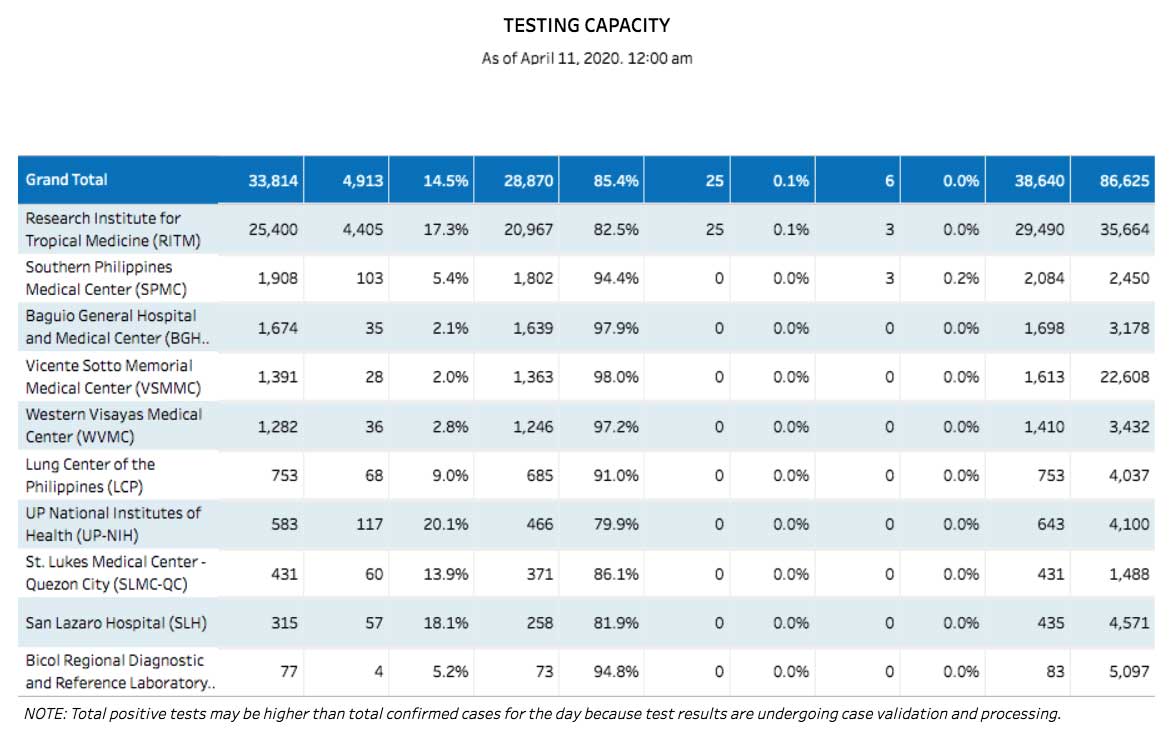
Image from DOH COVID-19 Case Tracker

National Action Plan against COVID-19 (coronavirus disease 2019) chief implementer Carlito Galvez, Jr. said the country is ready for an aggressive and targeted testing to address the coronavirus’ impact on the country.

In a virtual presser last Sunday, he said Quezon City and Valenzuela have started the massive testing in Metro Manila, adding that 15 COVID-19 testing facilities are now ready to accept more than 2,000 suspected and probable cases. This is aside from the four COVID-19 referral hospitals with 830 bed capacity.

Nationwide, there are now 2,673 quarantine facilities with 165,756 beds.

Improving the country’s health capacity means increasing its testing capability. This translates to reaching 8,000 to 10,000 tests per day, according to Cabinet Secretary Karlo Nograles.

To do this, the government needs to increase and certify more subnational laboratories, and establish big testing centers in strategic areas around the country. Mr. Nograles said that if the government achieves these plans by April 27, it will be able to process 13,000 to 20,000 tests a day.

He added that the government is targeting to reach a 24-hour turnaround time for patients to know whether they are positive or negative to COVID-19. Contact-tracing should also be stricter and suspected cases be isolated immediately. These include symptomatic individuals with comorbidity, senior citizens, health workers, and high-risk pregnant women with or without history of exposure.

Big event venues open doors as COVID-19 facilities

By Michaela Tangan
Features Writer, The Philippine STAR

As most Filipinos stay home and the once-bustling streets and buildings become desolate, several events places and entertainment spaces find a new purpose as temporary hospitals and quarantine centers.

The move aims to decongest health-care facilities — one of the country’s national action plans to curb the spread of COVID-19.

World Trade Center Metro Manila

The 10,000-square-meter indoor exhibition space in Pasay City has recently been repurposed into a 530-bed-capacity COVID-19 facility with a nursing station and panel divisions for privacy.

The Armed Forces of the Philippines (AFP) manages the operations of the makeshift health facility.

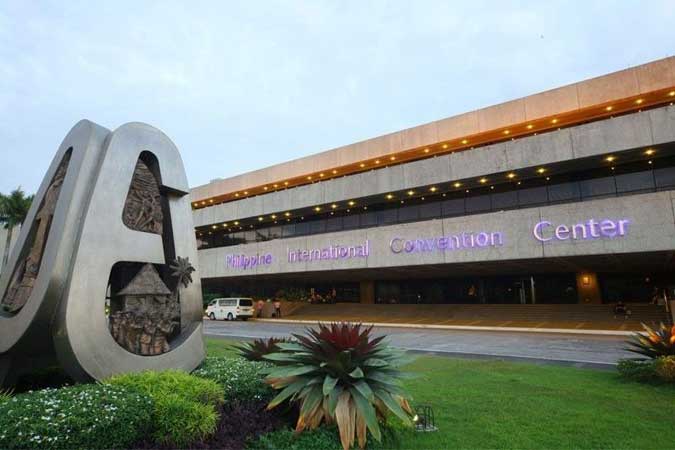
Philippine International Convention Center

Also located in Pasay, the PICC Forum Tent is set to attend to 294 COVID-19 patients with mild to moderate symptoms.The Philippine National Police’s medical corps and health-care personnel will operate six nurse stations in the temporary health facility.

Houses are also set up outside the facility for health workers assigned in the area.

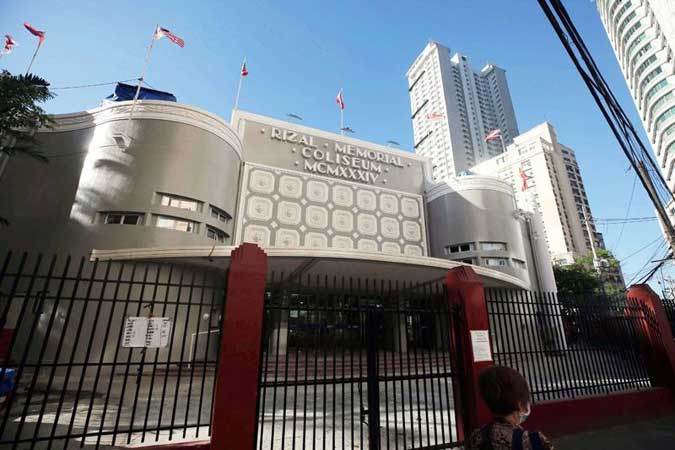
Rizal Memorial Sports Complex

In Manila, the sports complex can accommodate up to 112 confirmed COVID-19 patients. It will also serve as a recovery area for patients with mild symptoms and those from the Philippine General Hospital who are already close to recovery.

The AFP also handles the operations in the said temporary health facility.

Ciudad de Victoria

The estate includes the Philippine Arena, Philippine Sports Stadium and The Garden Suites.

Once the construction of the COVID-19 health facility is complete, it will have 1,065 rooms for patients, specifically those coming from Caloocan, Malabon, Navotas and Valenzuela (CAMANAVA) area. It will also have 476 suites, which can be shared by two to four health workers each.

ASEAN Convention Center

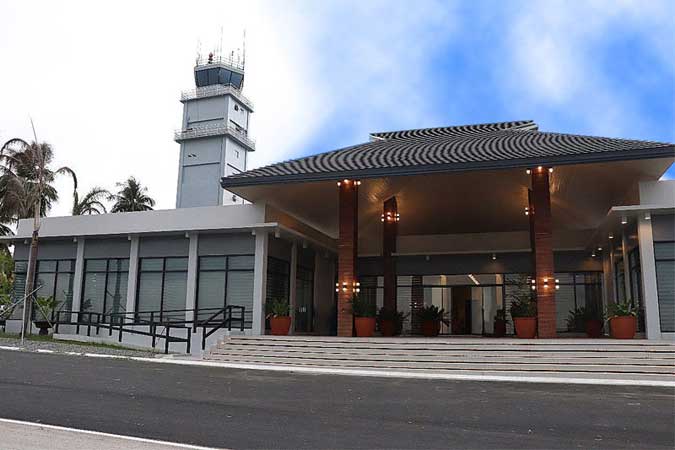
The convention center in Clark Freeport Zone, Pampanga has a 150-bed capacity and air-conditioned cubicles. According to Bases Conversion and Development Authority (BCDA) president and CEO Vince Dizon, they will provide necessary equipment and supplies for the health-care workers assigned in the area.

National Government Administrative Center

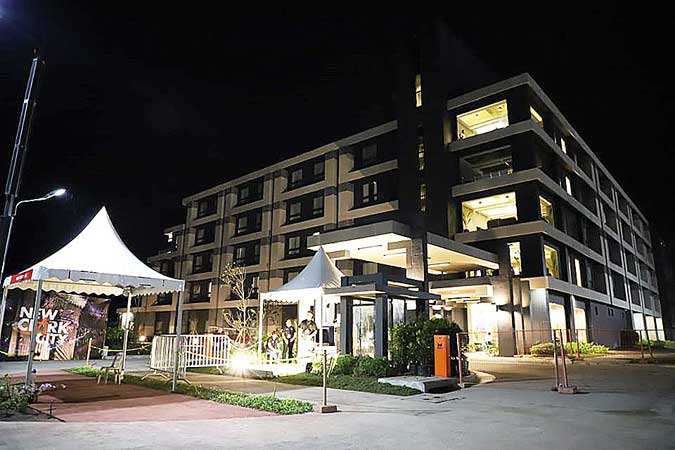
To help decongest hospitals, the NGAC in New Clark City, Tarlac will be accepting around 1,000 COVID-19 patients with mild
or zero symptoms.

Athlete’s Village

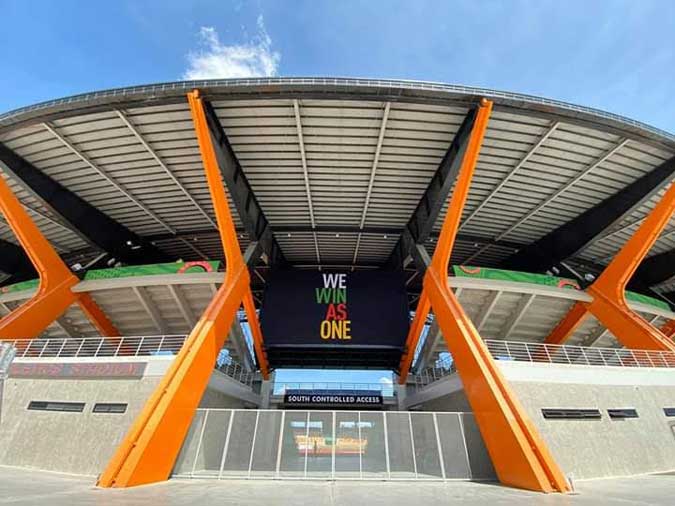
Also in New Clark City, the rooms used for the Southeast Asian Games have been converted into a COVID-19 quarantine facility. In February, the village already housed Filipinos who returned from the COVID-19 epicenter, Hubei, China.

Other areas that will soon be converted into temporary quarantine and health-care facilities are the outdoor spaces of Veterans Medical Complex, Quezon Institute, Amoranto Stadium in Quezon City; FTI Station in Taguig; PhilSports Arena in Pasig; Filinvest Tent in Muntinlupa; and Duty Free Philippines in Parañaque.

The private-public project is a joint endeavor of Razon Group (Prime Metro BMD Corp. and the Bloomberry Cultural Foundation, Inc.), EEI Corp., Vista Land, the Ayala Group (AC Energy, Ayala Land, Makati Development Corp.), Filinvest, Investment & Capital Corp. of the Philippines, Aboitiz, World Trade Center Metro Manila, Lina Group of Companies, Megawide, Meralco, PLDT, Smart Communications, Globe Telecom, D.M. Consunji, Inc., the Concepcion Industrial Corp., and Pacific Paint (Boysen) Philippines, Inc.

Gov’t set to extend lifeline to small firms

By Beatrice M. Laforga
Reporter

THE government will provide up to P50 billion in financial assistance to micro, small, and medium enterprises (MSMEs), which will be used to subsidize workers’ wages and to provide loan guarantees amid the coronavirus pandemic.

“We will announce a program to assist the employees of MSMEs by (today), as well as to assist the MSMEs with a loan guarantee program. This will be aimed at what some people call the middle class,” Finance Secretary Carlos G. Dominguez III told reporters via Viber on Monday.

Mr. Dominguez said in a separate interview with CNN Philippines that the financial assistance will be worth between P35 billion and P50 billion.

“We are providing anywhere between P35 and P50 billion to support the employees of the SMEs on top of that, we have a program in that sector that will help employees of the smaller companies,” he said.

Of the P1.17-trillion funding program, Department of Finance (DoF) documents showed P35 billion has been allotted for wage subsidies for employees of small businesses.

Mr. Dominguez estimated that there are around 3.5 million people employed by the MSMEs around the country, but only those registered with the government will be eligible for financial aid.

“Those are the companies in our system. We have no way of identifying those who are not,” he said via a Viber message.

MSMEs generated a total of 5.7 million jobs in 2018, accounting for 63% of the country’s total employment, according to Philippine Statistics Authority (PSA). The sector also accounted for the majority or 998,000 of the 1.003 million businesses operating in the country.

Mr. Dominguez said this program will also help the middle-class since most are employed by MSMEs and have regular jobs.

“I doubt it (cash aid) at this point in time because when we define middle class, first of all, [there are] people who have regular jobs, [and] those people who are working for the MSMEs, [that] definitely will receive a cash support,” he said when asked by CNN Philippines if middle-class Filipinos can also expect cash aid from the government.

The government has allocated P205 billion as emergency cash assistance to 18 million low-income families.

Mr. Dominguez said the measures such as a 30-day grace period for payment of bank loans and credit card bills are meant to assist the middle class.

“By giving them a period to delay the payment of amortization, by not allowing banks to charge interest on interest, and this covers also the payments for credit card, those are designed primarily for middle class because it’s the middle class that have housing loans, credit card loans, so the middle class has been assisted in that fashion,” the Finance chief said.

The government has set aside a P1.17-trillion spending plan for its fight against the pandemic, with P305 billion as emergency support to vulnerable sectors such as low-income families and workers in the informal sectors, P830.47 billion to support the economy and P35.72 billion for medical expenses.

Meanwhile, the House of Representatives will hold a “modified hearing” on the government’s economic stimulus for MSMEs, House Speaker Alan Peter S. Cayetano said.

Mr. Cayetano, who is also the Defeat COVID-19 committee chairman, said he has met with Mr. Dominguez, Executive Secretary Salvador C. Medialdea, and Budget and Management Secretary Wendel E. Avisado on the stimulus package.

“They’re preparing quite a big amount then dalawa ang target, micro, small, and medium enterprises at saka ’yung mga nasa SSS (Social Security System) na diretso sa kanila,” he said during a Facebook Live on Monday.

In a statement on Monday, House Minority Leader Bienvenido M. Abante, Jr. said that while the government has implemented measures to help MSMEs temporarily, such as suspending rent and loan repayments, these may not be enough to help small companies that have had zero profits during the enhanced community quarantine.

“The BSP (Bangko Sentral ng Pilipinas) can lower interest rates for banks so these banks can lend money at lower interest rates as well, and the low interest rates on loans will incentivize more MSMEs to borrow. The DoF, on the other hand, should work on the tax breaks and other incentives for MSMEs,” he said. — with Genshen L. Espedido

Manila among the world’s cheapest cities to build in

THE construction industry is seeking to attract returning overseas Filipino workers (OFWs) displaced by the coronavirus disease 2019 (COVID-19) pandemic. Read the full story.

Manila among the world’s cheapest cities to build in

Construction firms look to tap displaced OFWs

By Jenina P. Ibañez
Reporter

THE construction industry is seeking to attract returning overseas Filipino workers (OFWs) displaced by the coronavirus disease 2019 (COVID-19) pandemic.

Chamber of Real Estate and Builders’ Association (CREBA) Chairman Charlie A. V. Gorayeb said in a phone interview on Monday that the industry expects major revenue losses from projects delayed by the enhanced community quarantine (ECQ) in Luzon.

“But the construction and real estate development industry is very resilient… everything is still in place… Physically in the sense that our people are there, ready on call. In addition to that, the displaced workers, the OFWs that are skilled — that is good for our sector. I’m sure we will be able to absorb them,” he said.

In January, Mr. Gorayeb said the industry is incurring additional costs due to a continued shortage of skilled construction workers and equipment. Many construction workers have continued to leave the country for better-paying jobs abroad.

The Labor department is offering cash assistance for OFWs that have been laid off amid a global slowdown due to the pandemic.

SM Investments Corp. (SMIC) Vice-Chairperson Teresita T. Sy-Coson had also said that some resumed business operations will ease unemployment as OFWs return.

Mr. Gorayeb said returning OFWs are mostly skilled, which will benefit the construction industry.

“There are many opportunities because of the pending projects,” he said.

Mr. Gorayeb said the government should allow some work to resume in construction sites, with workers housed nearby.

“The developer will provide that, especially subdivision developers, to have an area where we can appropriate for workers and keep the social distancing,” he said, adding that developers can also offer shuttle services, monitoring, and sanitation measures.

Sectors that are currently allowed to operate with minimized work forces during the ECQ include those that offer essential goods such as groceries and pharmacies, export-oriented businesses, business process outsourcing, and support services for those businesses.

Other sectors are operating with work-from-home measures.

Mr. Gorayeb added that when construction operations resume, local governments should ensure permits will be issued more efficiently to prevent even more delays.

“Our biggest headache is local government when it comes to those permits. It’s our number one stumbling block.”

The ECQ was extended up to April 30, from the initial April 12.

Manila among the world’s cheapest cities to build in

BTr to revise borrowing mix

THE government will now source at least 70% of its borrowing program from domestic lenders, revising the previous 75:25 mix as more foreign loans are expected to pour in to help plug its funding needs for coronavirus disease 2019 (COVID-19) pandemic.

National Treasurer Rosalia V. de Leon said the government’s revised borrowing mix could now range between 70:30 and 72:28 — still in favor of domestic lenders to minimize foreign exchange risks and volatility — from its initial target of 75:25 ratio.

She said the government can still source most of its financing needs from the local market amid strong liquidity given the recent monetary easing rolled out by the central bank, such as the reserve requirement ratio (RRR) cut.

“We target between 70 to 72% for domestic borrowings as we see market players now participating as liquidity [gets an] additional infusion from RRR cuts and large redemption of RTB3-08,” Ms. De Leon told reporters in a Viber message, referring to retail Treasury bonds that were issued in 2017 and matured on April 11.

For this month alone, the Bureau of the Treasury (BTr) plans to borrow P190 billion from the local market via a mix of short-term and long-term government bonds.

For foreign loans, the government wants to borrow P310 billion from multilateral lenders, including the World Bank, the Asian Development Bank and the Asian Infrastructure Investment Bank, as well as its other partners to partially fund a P1.17-trillion economic package for its COVID-19 response.

So far, the World Bank has approved a $500-million (around P25-billion) loan to support the country’s disaster response capacity, a part of which will be used to respond to the pandemic. The government is seeking another $100-billion loan from the lender to help fund efforts to contain COVID-19, which is expected to be acted on by the World Bank’s board on April 20.

The government has set a P1.4-trillion borrowing plan this year to be sourced from foreign and domestic lenders to fund its budget deficit as it spends more than its revenues to support infrastructure projects and boost economic growth.

With rising spending needs and an expected decline in revenues amid lower tax collections due to disruptions caused by the virus, the government could increase its borrowings to plug the government’s budget gap that could balloon to as much as 5.3% of gross domestic product, Finance Secretary Carlos G. Dominguez III earlier said.

UnionBank of the Philippines, Inc. Chief Economist Ruben Carlo O. Asuncion said a 70:30 borrowing mix is still “prudent and safe” and minimizes reliance on foreign currency denominated debt.

However, Mr. Asuncion said the ratio could be revised again as the impact and duration of the COVID-19 outbreak remains uncertain.

“This 5% rise (in foreign loans), I think, is still prudent and safe. However, with the situation fluid and uncertain, the ratio may consequently change. Still, a 70-30 is considered safe,” Mr. Asuncion said via Viber.

“If a considerable portion of our debt are foreign currency dominated and our external position weakens, payment of those debts would be very costly and even unsustainable. The smaller our exposure to foreign currency denominated debts, the better we can manage our debt stock,” he said. — Beatrice M. Laforga

ADB triples rescue package to $20 billion

THE Asian Development Bank (ADB) on Monday said it has tripled its rescue package for member countries battling the coronavirus disease 2019 (COVID-19) pandemic to $20 billion.

The Manila-based multilateral lender added $13.5 billion to its initial $6.5-billion package announced on March 18, acknowledging that the pandemic threatens to push most economies into recession. The additional funds include around $2.5 billion in concessional and grant resources.

“Our expanded and comprehensive package of assistance, made possible with the strong support of our Board, will be delivered more quickly, flexibly, and forcefully to the governments and the private sector in our developing member countries to help them address the urgent challenges in tackling the pandemic and economic downturn,” ADB President Masatsugu Asakawa was quoted as saying in a statement.

The expanded funding package now includes a COVID-19 Pandemic Response Option under ADB’s countercyclical support facility. The ADB will provide up to $13 billion to help governments implement “countercyclical” spending plans to cushion the economic fallout, particularly for the poor.

“Grant resources will continue to be deployed quickly for providing medical and personal protective equipment and supplies from expanded procurement sources,” the ADB said.

The ADB earlier committed to fast-track the approval of a $1-billion quick budget support loan for the Philippines under this COVID-19 Pandemic Response Option.

Another $2 billion will be made available to the private sector.

“Loans and guarantees will be provided to financial institutions to rejuvenate trade and supply chains. Enhanced microfinance loan and guarantee support and a facility to help liquidity-starved small and medium-sized enterprises, including those run by female entrepreneurs, will be implemented alongside direct financing of companies responding to, or impacted by, COVID-19,” the ADB said.

Last month, the ADB approved a $5-million emergency grant for the Philippines’ fight against COVID-19.

The Department of Finance last March quoted Mr. Asakawa as saying the ADB will also speed up approval of the $150-million additional funding for government’s Pantawid Pamilya Pilipino Program.

(4Ps) and the $100-million emergency project loan for additional health care facilities and procurement of much-needed equipment such as ventilators and personal protective equipment (PPE). — Beatrice M. Laforga

Davao City property companies see project delays amid lockdown

DAVAO CITY — Real estate developers expect delays in the completion of their projects here as the city’s lockdown measures include a ban on construction work to mitigate the spread of the coronavirus disease 2019 (COVID-19).

The local government imposed an enhanced community quarantine starting the first weekend of April and is tentatively set until the 19th.

Under the quarantine guidelines, all construction activities “that are not pertinent to the public health emergency” are ordered to stop.

An official of Suntrust Properties Inc. (SPI), which is developing the four-tower One Lakeshore Drive condominium, said with the anticipated delay in the project’s completion, work would be on a “catch-up” program when the quarantine is lifted.

SPI Senior Assistant Vice-President for Regional Operations Leonora P. Gutierrez said the company had reduced the number of construction workers in March for health safety considerations.

“It cannot be denied that we are also greatly affected by the COVID-19. At first, we implemented flexible workdays in compliance with the mayor’s directive to private businesses,” Ms. Gutierrez said via messenger.

One Lakeshore Drive is within the Davao Park District township project of Megaworld Corp.

The project’s first tower was expected to be finished by December this year and the second by second quarter 2021. Towers 3 and 4 were scheduled for completion by December 2021.

Ms. Gutierrez said she could not determine yet how long the delay would be, but a meeting with contractors would come up with a “catch-up program that will be implemented once everything is back to normal.”

For homegrown developer Damosa Land Inc. (DLI), First Vice President Ricardo F. Lagdameo said he sees a delay of at least two months in the delivery of pending condominium and office units to buyers and lessees.

“This is inevitable at this time, but something we will be able to manage,” Mr. Lagdameo said in e-mail interview.

DLI is working on the 6th and last building for its Seawind condominium complex, and the 17-storey Diamond Tower, an office building within its Damosa mixed-use complex.

Topping off ceremonies were already held for both projects, which were to be completed this year.

Mr. Lagdameo said while the company is eager to turn over the units, “first and foremost is the safety and welfare of our employees, construction workers included.”

Davao City Mayor Sara Duterte-Carpio said last week that there is a possibility of extending the community quarantine period. — Maya M. Padillo

Fruitas expands ties with Pan de Manila for product distribution

FRUITAS products are now sold at Pan de Manila stores. — TL-PH.FACEBOOK.COM/PANDEMANILAOFFICIAL

LISTED Fruitas Holdings, Inc. continues to grow its business despite the Luzon lockdown with an expanded partnership with Pan de Manila for the distribution of its products.

In a statement Monday, the food and kiosk operator said it expanded its partnership with the bakery chain operator to bring its fresh fruit juices to more than 100 Pan de Manila outlets across the country.

It noted the two companies had signed a partnership before Metro Manila was put under quarantine in early March. This allowed Fruitas to put its fresh fruit juices in more than 20 Pan de Manila stores so far.

Fruitas products are now sold in Pan de Manila stores located in Manila, Mandaluyong, Pasig and Quezon City, among others. Once the quarantine is lifted, the company plans to bring its products to Pan de Manila stores in Cebu as well.

Partnering with Pan De Manila is part of Fruitas’ plans to diversify its distribution channels, thereby driving growth in sales.

“We are extremely excited with our partnership with Pan de Manila as we are both aligned in our mission to serve fresh local products to Filipinos,” Fruitas President and Chief Executive Officer Lester C. Yu was quoted as saying in the statement.

When it did its initial public offering last year, Fruitas said among its focus areas for capital spending in 2020 was network expansion. The company announced late last year it was allocating P600 million for capital expenditures over the next three years.

Fruitas had 1,068 stores as of end-2019. It operates brands such as Fruitas Fresh from Babot’s Farm, Buko Loco, Buko ni Fruitas, De Original Jamaican Pattie, Johnn Lemon, Juice Avenue, Black Pearl, Friends Fries, The Mango Farm, 7,107 Halo Halo Islands, Kuxina, Shou La Mien Hand Pulled Noodles and Sabroso Lechon.

The company also operates food parks Uno Cinquenta and Le Village and wine store Cellar 150, all located in Quezon City.

As of 2018, the company’s consolidated revenue stood at P1.58 billion, up 37% year on year. Its earnings last year have not been disclosed yet, but it previously said it was projecting revenues of P2 billion for 2019.

Shares in Fruitas at the stock exchange climbed five centavos or 3.76% to P1.38 each on Monday. — Denise A. Valdez

Listed firms postpone annual stockholders’ meeting as pandemic stalls operations

MORE listed firms postponed their annual stockholders’ meetings (ASM) amid the coronavirus disease 2019 (COVID-19) pandemic which has temporarily shuttered business operations nationwide.

On Monday, more than 20 publicly listed companies told the Philippine Stock Exchange (PSE) that they have put on hold or rescheduled their respective ASMs because of the delay caused by the disease pandemic, which sickened thousands of Filipinos.

The following companies have reported their postponed ASMs before the Lenten break starting April 9: 2Go Group, Inc., Oriental Peninsula Resources Group, Inc., IPM Holdings, Inc., GT Capital Holdings, Inc., Millennium Global Holdings, Inc., SM Investments Corp., Seafront Resources Corp., Premium Leisure Corp., Nickel Asia Corp., Belle Corp., PXP Energy Corp., Lepanto Consolidated Mining Corp., SM Prime Holdings, Inc., Xurpas, Inc., Rockwell Land Corp., Cityland Development Corp., BDO Unibank, Inc., SFA Semicon Philippines Corp., Manila Mining Corp., MEDCO Holdings, Inc., Republic Glass Holdings Corp., and East West Banking Corp.

The firms cited delays in their completion of crucial reports to stockholders, especially their respective financial reports from the recent fiscal year and quarterly reports, which presentations fall from March until early June.

The Philippine capital where most businesses operate has been under enhanced community quarantine due to the disease pandemic since March 15. The quarantine period, initially expected to end by April 14, was extended until the end of this month.

Days before the Luzon-wide lockdown, the local bourse operator told investors in an online memo that they may remotely participate in ASMs as a precautionary measure to COVID-19.

“To mitigate the risk of contracting COVID-19, stockholders may prefer to participate in the ASM and vote through remote communication, instead of a face-to-face meeting,” the PSE said.

Republic Act No. 11232, or the Revised Corporation Code of the Philippines, allows companies to participate in ASMs either remotely, in absentia or through a proxy. The requirements and procedures for these options are up to the companies to establish.

Meanwhile, the Securities and Exchange Commission has released a memo outlining the guidelines for the conduct of meetings for stockholders remotely or via electronic communication. It also covers board meetings and other regular and special meetings for stockholders.

At least six of these firms have postponed their ASMs which were scheduled this month. — Adam J. Ang

What to do if you think you have COVID-19 but can’t get tested

SHE fell sick right before the enhanced community quarantine started and for 12 days, Mary (not her real name) had difficulty breathing, a sore throat, nausea, body pain, and headaches, all of which can be symptoms of COVID-19 — but she was never tested for the disease.

“I had to deal with sifting through the news, and advice was coming at me from all sides,” she told BusinessWorld in an interview.

Some of the advice given included to “slice onions and put it around the room, put ginger in my pocket, gargle this, eat these PH-whatever foods.” She was also told “it’s just the flu, think positive.”

During the early days of the outbreak, many people pushed the idea that COVID-19, the disease caused by the SARS-CoV-2 coronavirus, is like the flu with similar symptoms (cough, headaches, body pain, fever, etc.) and mode of transmission (droplets), but recent studies noted that it is not like the flu — it has a longer incubation period (14 days) and, notably, people can infect other people even if they are not showing symptoms, unlike influenza which is only transmissible when there are symptoms. It is this asymptomatic transmission which is problematic — you may think you are healthy but you are actually spreading the virus. The World Health Organization (WHO) posited that a person with COVID-19 can infect two to three other people while the seasonal flu can infect 1.3 people per patient.

WHO also noted on its website that “COVID-19 causes more severe disease than seasonal influenza.”

“While many people globally have built up immunity to seasonal flu strains, COVID-19 is a new virus to which no one has immunity. That means more people are susceptible to infection, and some will suffer severe disease,” it added.

The mortality rate of COVID-19 is around 3.4% (it varies from country to country) while seasonal flu kills less than 1% of those infected.

As of this writing, more than 1.8 million people globally are infected with the disease with more than 4,600 cases in the Philippines.

Mary surmised that her symptoms meant she had COVID-19 though she was untested, which is not unusual since testing is very limited in the Philippines. The WHO has said that most people who contract the disease recover, though there are severe cases needing special treatment, especially among older people and those with other medical conditions (asthma, diabetes, or heart disease)

And because Mary got sick during the early days of the pandemic in the Philippines, she had to rely on online articles to know how to handle her symptoms and how to protect the other members in her household from getting sick as well. At the time, she said information was scarce and much of the information she was looking for — when can one leave isolation and when members of the household can also go out — was hard to come by.

“I’m sure so many [people] are sick at home and quite unsure what to do,” she said.

Then a friend sent her guidelines from the US Centers for Disease Control and Prevention and from the department of health in Tennessee which were helpful. In a document regarding releasing cases and contacts from isolation and quarantine, the Tennessee health department said cases must be isolated for “14 days after onset” and can be released after they have had no fever and are feeling well without using antipyretics for at least 72 hours. Household contacts must quarantine themselves for 14 days after the ill person has been feeling well for at least 72 hours, while non-household contacts must quarantine themselves for 14 days after the last contact with the case.

The Philippine Department of Health (DoH) has also come out with guidelines on how to care for a COVID-19 patient at home and when to release them and the household from quarantine.

In a March 29 post on its Facebook page, the Philippine DoH said that a person with COVID-19 can be removed from isolation if “all household members are in good condition and are without symptoms after 14 days.”

But if a member exhibits symptoms “at the late stage of the 14-day isolation period, said person should still stay isolated for another seven days.”

The DoH said that a cough can linger for several weeks in some people but they need to tell their barangay health workers if they continue having a cough after home quarantine.

People caring for people with COVID-19 or suspected COVID-19 patients need to take the patient’s temperature twice a day and must inform their barangay health response team or the COVID hotline if the patient has difficulty breathing and a high fever (the normal human body temperature is between 36.5 to 37.5 degrees Celsius).

Patients should also be isolated in a room with good ventilation with a separate bathroom if possible. Their personal items, like spoons, plates, and bathing implements, should also be kept separate. The person taking care of the patient must wear a face mask and gloves while tending to the patient, and wash their hands before and after the interaction.

If it’s not possible for the patient to have a separate bathroom, the DoH said that the doors, floors, and the toilet bowl should be disinfected regularly using a solution of 1 part bleach to 100 parts water.

When washing a patient’s clothes, the DoH said the patient’s laundry should also be kept separate and the clothes should be soaked in regular detergent and hot water for at least 30 minutes. Clothes shouldn’t be shaken in order to prevent the possibility of spreading the virus onto nearby items.

In the event that a person taking care of the patient (or any other household member) comes into contact with the patient’s saliva or phlegm, it is advised to wipe off the fluid using tissue and immediately wash the area (provided it’s unbroken skin) using soap and water or 75% alcohol. But if the fluids come into contact with the eyes, mouth, or wounded skin, they should wash the affected area with running water and then go into isolation.

There are still no vaccines or medications for COVID-19 but if everyone stays at home and avoid unnecessary trips outside, wash their hands properly, and practice proper quarantine procedures, this is expected to slow down the infection rate of the disease.

Mary no longer has any symptoms. She and her family are taking the enhanced community quarantine seriously. — Zsarlene B. Chua


Office vacancy seen to rise as travel ban dents POGO growth

By Denise A. Valdez
Reporter

PROPERTY OWNERS should target more traditional tenants as the coronavirus pandemic dampens office space demand from offshore gaming operators.

In a recent report, real estate consultancy firm Colliers International Philippines said the travel ban due to COVID-19 (coronavirus disease 2019) may result in a significant rise in office and residential vacancies with the absence of Philippine Offshore Gaming Operators (POGOs), which mainly employ Chinese workers.

In such an event, landlords are advised to proactively seek traditional or outsourcing tenants that may take office and residential space left empty by POGOs.

“Landlords should target traditional and outsourcing tenants considering our expected decline in demand from POGOs,” it said. “Communicate early with tenants regarding flexible lease terms, and emphasize wellness features and certifications.”

The Philippines has suspended air travel to China for the period of the Luzon-wide enhanced community quarantine which is scheduled to end on April 30.

Colliers is estimating office vacancy in Metro Manila to rise up to 8% if POGOs will stop taking space this year. But traditional companies can help bridge the gap by the second half, limiting office vacancy to below 7%, if the outbreak peaks in the first half and the quarantine does not last too long.

Residential vacancy in Metro Manila is also seen to rise to near 20% from 11% last year, should the situation worsen and the decline in POGO demand persist. Colliers estimates the completion of about 14,720 residential units in key Metro Manila districts this year.

“The concern is on the secondary lease and resale market, especially in the Bay Area where demand has primarily been driven by POGOs. In our opinion, if prices soften, developers are likely to stop launching (new projects),” it said.

Colliers said a “coordinated policy and monetary response” from the government and the Bangko Sentral ng Pilipinas will bring back confidence in the property market by end-2020, assuming the outbreak will hit its peak within the first half.

In the meantime, office landlords should improve wellness features of buildings and boost property management capabilities. Given the virus outbreak, buyers are more conscious about health and safety, making it the right time to highlight efforts to maintain building sanitation.

To attract tenants, Colliers said landlords should offer more flexible terms.

On the other hand, tenants and buyers should “look for units in fringe areas where there is still potential for capital value appreciation and where price increases have been due to end-user demand.”

ADVERTISEMENT
ADVERTISEMENT