Home Blog Page 903

Eco-political storms and floods
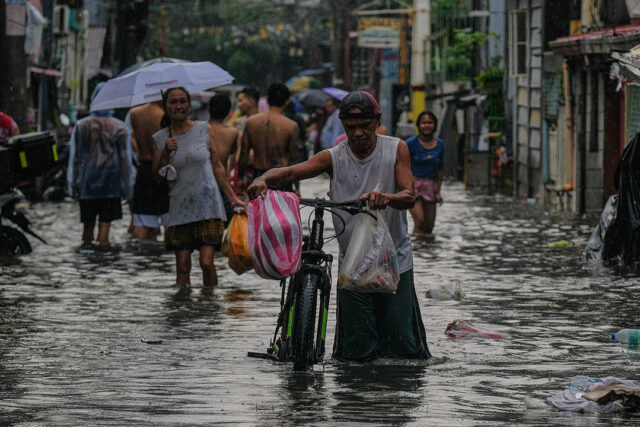
PHILIPPINE STAR/RYAN BALDEMOR

When President Ferdinand Marcos, Jr. left on July 20, for an official visit to the US, Typhoon Crising was huffing her fury across the country, intensified by the southwest monsoon (habagat). Local government units had started to declare states of calamity due to raging storms and deep floods. Sea and air travel became risky and restricted.

But I have to go, Marcos Jr. insisted. He said in his pre-departure message, “I intend to convey to President Trump and his cabinet officials that the Philippines is ready to negotiate a bilateral trade deal that will ensure strong, mutually beneficial, and future-oriented collaborations that only the United States and the Philippines will be able to take advantage of.” No details yet of what the Philippines’ counteroffer was to the 20% tariff (raised from the original 17% tariff in April) which was to be imposed by the US on Philippine exports effective Aug. 1.

US President Donald Trump and President Marcos Jr. met on July 23 for a 34-minute conference at the Oval Office in the White House, to announce agreed details of the final bilateral tariff scheme for the two countries. (Negotiations were conducted earlier between Philippine and US Cabinet officials involved in trade and commerce.)

After an introduction of two minutes each and exchanging pleasantries extolling each other for great leadership, Marcos Jr.’s ending paean was, “it was President Trump who in his first term characterized the relationship between the Philippines and the United States as ironclad… it is something that the Philippines will always hold close to its heart. Thank you once again. And I, we, are honored.”*

Watching the live “joint presscon” was painfully insulting for this Filipino viewer (and presumably for many more), as the questions asked by the press were diverted to domestic issues in the US, converting the presscon into a televised celebrity show for Trump and his accomplishments.

The 10 or so questions from the press were openings for Trump to vent his fury on his political enemies and public officials who did not support him, or under-performed vs. his demands.

Trump took up about 25 minutes of the 34-minute presscon, leaving Marcos Jr. only about five minutes total for his one- to two-minute answers to three questions asked directly of him. The rest of the time was used by the undisciplined press who disrespectfully shouted out questions from the floor to the main speaker cum moderator, Trump.

Marcos Jr. pathetically sat straight in his chair and kept an uninvolved countenance to the end, when Trump suddenly stood up and said, “Thank you very much, everybody.” End of the press conference. No mention about the “negotiated” tariff on Philippine exports to the US.

“It was a beautiful visit, and we concluded our Trade Deal,” Trump later wrote on his social media platform. “The Philippines is going Open Market with the United States, and Zero Tariffs. The Philippines will pay a 19% tariff. In addition, we will work together militarily,” Trump wrote on Truth Social after meeting with Marcos Jr.

Later, Marcos Jr. confirmed the 19% tariff and told reporters that the Philippines may allow zero tariffs on US automobiles. “Now, 1% might seem like a very small concession. However, when you put it in real terms, it is a significant achievement,” he told a group that included Filipino migrants to the US, who had been urging him to ask Trump for some special consideration for their plight in Trump’s cleanout of immigrants.

Marcos Jr. had said to Trump at the presscon: “We’re all very happy to be here to once again reaffirm the very strong ties between the Philippines and the United States, ties that go back over 100 years. And considering the context in which we live these days, especially in my part of the world, this has become — this has evolved into as important a relationship as is possible to have. We must remember that the United States is our only treaty partner in the Philippines, and that has stood us in good stead over the years, certainly through the Second World War and the cultural memory of all Filipinos down to even the schoolchildren is that our strongest, closest, most reliable ally has always been the United States.”

But Trump did not take the bait, and instead stressed, “we have the strongest, strongest border anywhere in the world now.” He plans to sort and clean up the “millions and millions of people who come into our country.” Impliedly, no deal on Filipino immigrants, not even a 1% reprieve (like the 1% reduction of tariff) for those on the “get out” list of Homeland Security.

President Marcos Jr. came home from the US on Wednesday, July 23, shortly after 10 p.m. Tropical storm Dante, following in the turbulence of Crising, had intensified with the habagat. Tropical Storm Emong was ready to make landfall in the Ilocos region. Gusty rains and deep floods inundated most of the country, causing the necessary suspension of work and classes at all levels in many areas.

Classrooms served as evacuation centers for storm and flood victims, places where food and relief goods were distributed by social welfare offices and volunteer groups. The National Disaster Risk Reduction and Management Council oversaw the deployment of medical teams to evacuation centers, alternative learning arrangements for students, and continuous rescue and relief operations.

Rappler reports that this year the Department of Public Works and Highways (DPWH) received the second largest budget allocation at P1.007 trillion, just behind the education sector, with P1.055 trillion. The proposed budget had been P900 billion, but it ballooned to P1.034 billion after the bicam. Ibon Foundation executive director Sonny Africa flagged the budget insertions for DPWH made by lawmakers during the bicam process, calling them “widely suspected to be more pork barrel projects,” Rappler said on July 24.

According to Sen. Joel Villanueva, the government is spending P1.4 billion a day on flood control programs, and yet that massive cost is not felt by ordinary Filipinos, an Inquirer editorial said on July 24. To address the recurring crisis, the senator reiterated his call for a “comprehensive and integrated flood control program… since the Philippines is walloped by some 20 typhoons a year and Metro Manila in particular is prone to inundation due to its ancient waterways now smothered by unchecked urban sprawl. Such a program should have been in place decades ago.”

DPWH Secretary Manuel Bonoan had admitted at a Senate hearing on public works in August last year that for all the billions poured into the program, there is no single integrated flood-control master plan for the country. Lack of long-term planning is due to term-limited perspective and authorship vanities of operative officials.

But the ugliest human factor in the management of storms and floods is the temptation of corruption, as insinuated by Mr. Africa. The urgency felt during natural calamities can easily mask personal interests and unaudited responses. The giddy power over life or death can also warp and shrivel the soul of the erstwhile Samaritan facing the beggar in need.

At a fundraising dinner in Washington in April, Trump joked, “These countries are calling us up, kissing my ass, to negotiate on tariffs. They are dying to make a deal.” He mimicked suppliants, “Please, Sir, make a deal. I’ll do anything. I’ll do anything, Sir!” And that is exactly what happened at that “joint” presscon where he deprecated and insulted President Marcos Jr. and the Philippines by his sheer disrespect for the presence of a head of state, by pompously (and crudely) discussing domestic matters that certainly do not concern his guest.

Marcos Jr. came from his storm-bashed and flooded country (a natural calamity and a simile for our economic needs), to ask Trump, “Please, Sir, make a deal. I’ll do anything, Sir!” The country got a 19% tariff rate and was arm-twisted into agreeing to an “open market” for the US. Marcos Jr. came back to a storm-bashed and flooded country, both a simile and an actual physical calamity.

The typhoons and monsoons are angry at the corruption in government, where budgets for infrastructure and development are filched by politicians and administrators/operatives, causing more damage and failure of support to citizens. More typhoons and floods are coming up.

One big storm blew in on July 25, when the Supreme Court ruled that the impeachment complaint against the vice-president was unconstitutional, thus barring any attempt to file a case against Sara Duterte until Feb. 6, 2026. The SC, however, maintained that it was not absolving Duterte of the charges filed. The House of Representatives had impeached Duterte over allegations of conspiracy to assassinate President Marcos Jr., corruption, and extrajudicial killings, loss of public trust over unexplained disbursements, etc.

When it rains, it pours!

*The full transcript of bilateral talks can be found at rollcall.com.


Amelia H. C. Ylagan is a doctor of Business Administration from the University of the Philippines.

ahcylagan@yahoo.com

Adult vaccination: A strategic investment in people’s health

STOCK PHOTO | Image by Mufid Majnun from Unsplash

Nearly 64% of Filipinos are part of the workforce, powering the economy, supporting families, and sustaining communities. Protecting their health is not only a public health imperative, but also a strategic investment in the nation’s future.

Despite being a cornerstone of preventive healthcare, adult vaccination remains underutilized in the Philippines. Vaccine-preventable diseases such as influenza and pneumonia continue to affect working-age adults, especially during the rainy season. These illnesses not only endanger individual health but also reduce productivity and place a heavy burden on the healthcare system and household incomes.

At a recent Health Connect media forum themed “Adult Immunization: A Smart Investment,” a distinguished panel of health experts emphasized the importance of adult vaccination as a cost-effective way to keep Filipino adults healthy and the economy strong.

Dr. Eric Tayag, former Health Undersecretary and forum host, underscored the value of adult immunization in light of the country’s growing adult population, many of whom are active in the workforce.

“Vaccines against influenza, pneumococcal disease, herpes zoster, and respiratory syncytial virus (RSV) not only prevent illness, but also yield up to 90 times return on investment through health gains, reduced healthcare costs, and improved productivity — with net benefits reaching up to $4,637 per vaccinated individual,” Dr. Tayag said.

Dr. Rontgene Solante, adult infectious disease specialist and former president of the Philippine College of Physicians (PCP), emphasized that immunization is not just for children as it is equally essential for adults. As people age, immune function declines, a process called immunosenescence, while the presence of comorbidities increases, raising the risk of infections and complications.

Dr. Solante cited a study showing that influenza caused an estimated 5,424 deaths annually in the Philippines from 2006 to 2015, mostly among adults aged 60 and older. He identified senior citizens as a priority group for seasonal influenza vaccination.

“Adult vaccination helps prevent the spread of infectious diseases both at home and in the workplace. It is particularly critical in protecting vulnerable populations such as the elderly, immunocompromised individuals, and those with underlying medical conditions,” Dr. Solante said.

Dr. Augusto Nicollo Salalima, a member of the Council of Preventive Cardiology of the Philippine Heart Association (PHA), pointed to a strong link between respiratory infections and cardiovascular events. “About 30% of heart attacks are preceded by an upper respiratory tract infection,” he noted.

Dr. Salalima explained that pathogens such as influenza viruses, streptococcal pneumonia, and the COVID-19 virus contribute to atherosclerosis or the buildup of plaque in the arteries, which can lead to heart attacks and strokes. He said influenza and pneumococcal vaccines reduce the risk of cardiovascular complications by lowering systemic inflammation.

Compared to unvaccinated individuals, those who receive the flu vaccine are 40% to 60% less likely to require a doctor’s visit due to influenza; 26% less likely to die from flu-related complications; and 82% less likely to require intensive care for flu-related illnesses such as heart attack, arrhythmia, and stroke.

Dual vaccination with influenza and pneumococcal vaccines significantly reduces the risk of death due to heart attack, heart failure, and stroke in older adults. Dr. Solante also recommended RSV vaccination for seniors, as RSV infections may pose a similar or higher risk of hospitalization and death compared to influenza.

He explained that a herpes zoster (shingles) infection doubles the risk of a heart attack in the first week and increases stroke risk by 80% within two weeks. One in three adults aged 50 or older is at risk of developing shingles when the varicella-zoster virus reactivates in adulthood. The shingles vaccine is the only protection against herpes zoster and its painful complication, postherpetic neuralgia (PHN), according to the US Centers for Disease Control and Prevention (CDC).

From an economic standpoint, the benefits of adult vaccination clearly outweigh the costs, according to Dr. Valerie Gilbert Ulep, senior research fellow and director of the Health Economics and Finance Program at the Philippine Institute for Development Studies (PIDS).

Dr. Ulep noted that adult immunization reduces medical expenses, prevents complications, lowers hospitalization rates, reduces absenteeism, improves job performance, and prevents premature deaths. It also relieves pressure on an already burdened healthcare system. He cited the World Health Organization (WHO) recommendation for countries to implement strong seasonal influenza immunization programs to strengthen pandemic preparedness.

Dr. Ulep estimated the annual hospitalization cost of influenza among working-age Filipinos at P1.6 billion, with foregone wages at P64 million. Outpatient care costs reach P5.5 billion, with an average of four workdays lost per case. Productivity losses are estimated at nearly P6 billion.

“Altogether, these preventable losses total P14 billion to P15 billion annually,” Dr. Ulep said. “A well-implemented adult vaccination program could save the country from these substantial economic and health setbacks.”

Dr. Salalima echoed the urgent need to act: “Scientific societies and health agencies strongly recommend influenza and pneumococcal vaccination for individuals with cardiovascular disease and for high-risk groups such as those over age 65 and people with hypertension or diabetes. It’s time to turn these recommendations into action.”

Health Connect is co-organized by the Philippine Medical Association, the Philippine Foundation for Vaccination, and the Pharmaceutical and Healthcare Association of the Philippines, with support from Sanofi. For more information about adult vaccination, consult your doctors.


Teodoro B. Padilla is the executive director of Pharmaceutical and Healthcare Association of the Philippines which represents the biopharmaceutical medicines and vaccines industry in the country. Its members are in the forefront of research and development efforts for COVID-19 and other diseases that affect Filipinos.

Mexico’s antitrust watchdog accuses banks of joint price fixing

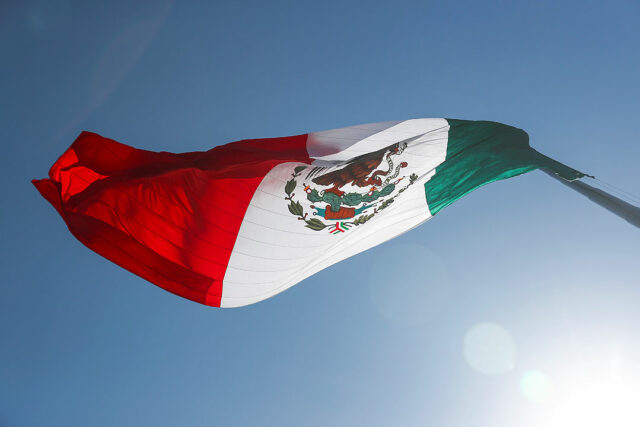
THE MEXICAN FLAG flutters during the National Flag Day event in Iguala, Guerrero State, Mexico, Feb. 24, 2021. — REUTERS

MEXICO CITY — Mexico’s antitrust watchdog COFECE has found that 21 banks and financial institutions operating in the country are likely responsible for fixing fees related to deferred credit card payments, according to a document produced by the government agency that was seen by Reuters.

The 649-page document outlining the findings and listing the institutions and individuals allegedly involved includes the Mexican subsidiaries of HSBC, Santander and Scotiabank. The document indicates that, based on preliminary findings, there is sufficient evidence to presume the parties may have engaged in anti-competitive conduct.

COFECE began the investigation in 2022, saying at the time it was looking into suspected monopolistic practices, including price-fixing and manipulation in the market for deferred credit card payments, by which the cost of a purchase can be spread over several months.

The antitrust authority alleges the institutions met regularly to set surcharges for merchants, which were then formalized in regulations and collectively enforced, while also excluding some merchants from the market.

The banks listed in the document are being notified of the findings, the document says, marking the start of a trial-like phase in which the parties can present evidence and arguments in their defense before the watchdog’s plenary issues a final resolution.

It is unclear what the penalty would be if the allegations are upheld. By law, it can impose fines as high as 10% of a company’s annual Mexican earnings. COFECE’s remit is limited to issuing fines. It does not have the power to prosecute, but can file class-action lawsuits and submit reports to prosecutors who can initiate legal proceedings.

Some of the other institutions cited are: Red Amigo DAL; Banco Mercantil del Norte; Banco Nacional del Ejercito, Fuerza Aerea y Armada; Servicios Financieros Soriana; Banco Regional; Banco INVEX, and Banco Azteca.

Others include Banca Afirme; Banca Mifel; Tarjetas del Futuro; Liverpool PC; Banco del Bajio; Banco Inbursa; Klar Technologies; Crediclub; Oplay Digital Services; Caja Morelia Valladolid and Banco Ahorro Famsa.

COFECE and the banks did not immediately respond to requests for comment.

COFECE has previously targeted other major industries in high-profile actions. In August 2021, the agency fined five pharmaceutical distributors and 21 individuals roughly 903 million pesos ($48.65 million) for a decade of fixing prices and restricting the supply of essential medicines between 2006 and 2016.

In October 2022, it imposed over 2.4 billion pesos in fines on more than 50 liquefied petroleum gas distributors across several states, finding evidence of coordinated price manipulation and market division. Reuters

Mayani, Bayan Family launch climate-resilient farming program

FACEBOOK.COM/MAYANIPH

PHILIPPINE agri-supply chain startup Mayani has partnered with the Bayan Family of Foundations to roll out a climate adaptation and sustainable food production initiative aimed at smallholder farmers and fisherfolk.

The project, funded by HSBC Philippines through a philanthropic grant coursed via the Bayanihan Group, promotes clustered, smallholder-led cooperatives that adopt regenerative farming, indigenous practices, strong cooperative governance, digital tools and market readiness.

The initiative is divided into two components: a technical assistance facility and a capital expenditure (capex) facility, Mayani chief executive officer and co-founder JT Solis said in an e-mailed reply to questions.

Under the first component, the Bayanihan Group will focus on improving cooperative governance among smallholders, while Mayani will spearhead the development of climate-smart agricultural practices for 30 agri-cooperatives across the country.

The capex facility is for the creation of climate-smart farms across the Philippines, Solis said. This includes the construction of smart greenhouses, precision irrigation systems, rainwater harvesting tools and the use of drought-resistant seeds and bio-fertilizers.

He added that improvements in on-farm infrastructure such as smart greenhouses and precision systems represent the bulk of the capital expenditures for the program.

The project initially targets vulnerable food production areas in Luzon and the Visayas. By 2026, the program is expected to expand to support smallholders in the Bangsamoro Autonomous Region in Muslim Mindanao. — Kyle Aristophere T. Atienza

FEU-NRMF joins Healthway Medical Network

AYALA HEALTHCARE HOLDINGS, INC.

THE FAR EASTERN UNIVERSITY – Nicanor Reyes Medical Foundation (FEU-NRMF) Medical Center is now officially part of the Healthway Medical Network following an agreement in 2023.

The hospital, now known as Healthway FEU-NRMF Medical Center, has over 540 accredited doctors across 11 clinical departments, with 10 residency training programs and five fellowship training programs, Ayala Healthcare Holdings, Inc. (AC Health) said in an e-mailed statement over the weekend.

Healthway FEU-NRMF Medical Center’s key specializations include Cardiology, Neurology, Nephrology, Oncology, Obstetrics & Gynecology, and Surgery. It was founded in 1952 in Morayta and relocated to Quezon City in 1999.

“As the Healthway FEU-NRMF Medical Center officially becomes part of AC Health’s integrated ecosystem, we look forward to greater collaboration and synergy across our growing network of hospitals, clinics, and pharmacies as well as the broader Ayala ecosystem,” AC Health President and Chief Executive Officer (CEO) Paolo Maximo F. Borromeo said.

AC Health, through Healthway Medical Network, partnered with FEU-NRMF in November 2023. The partnership included a management agreement of up to 24 months starting January 2024 to be followed by the full turnover of hospital operations under a 35-year lease agreement.

“The Healthway FEU-NRMF Medical Center represents a renewed commitment to quality and accessible healthcare — rooted in legacy but focused on the future. It is a recognition that great institutions must continue to evolve to meet the needs of the people they serve,” AC Health Chairman Fernando Zobel de Ayala said.

“With this transition, we reaffirm our commitment not only to patient care, but to continuing that legacy of education and professional excellence,” he added.

Meanwhile, Healthway Medical Network President and CEO Jaime “Jimmy” E. Ysmael said the Healthway FEU-NRMF Medical Center strengthens the company’s presence in Quezon City.

“With our ‘Care Beyond Cure’ philosophy, we go beyond treating illness; we focus on nurturing overall well-being and delivering compassionate, human-centric care throughout the patient journey. This partnership allows us to extend that promise to even more communities,” he said.

The Healthway Medical Network, the clinics and hospitals group of AC Health, consists of four full-service hospitals and an ambulatory center, 15 Healthway Multi-Specialty Centers, and the Healthway Cancer Care Hospital.

AC Health is the healthcare subsidiary of Ayala Corp. — Revin Mikhael D. Ochave

Maserati MCPura to build on MC20 legacy and more

The Maserati MCPura supercar, powered by a V6 mill, is available in coupé and convertible versions — the latter known as Cielo.

MASERATI recently held the world premiere of the latest descendant of its MC20 super sportscar at the Goodwood Festival of Speed 2025. The MCPura, said to be 100% made in Modena “from development to production” — at the historic factory on Viale Ciro Menotti — is the “manifesto of the Trident’s characteristics of performance, elegance, and sportiness.”

The Italian marque, in a release, insisted that the MCPura “symbolizes a return to the origins of the Trident’s DNA: pure speed, pure luxury, and pure passion,” still powered by Maserati’s iconic V6 Nettuno mill.

The MCPura is being purveyed as inspired by Albert Einstein’s theory of relativity: “the new car is equated with the energy it can express if elevated to itself, i.e., to its purest form. In short, the essence of performance the Maserati way,” said the company.

The model comes in both coupé and convertible versions — the latter known as Cielo and which features a “retractable electric roof in polymer dispersed liquid crystal (PDLC) glass, the first to do so in its class, with the ability to switch from opaque to transparent in one second.”

A “shark nose” invokes a long history of racing single-seaters “that made the Modena car manufacturer a legend.” Maserati said its designers modified the appearance to accentuate it even more. The front bumper takes a stylistic cue from the GT2 Stradale, as with the rear which has a new oversized spoiler as an option.

The lower fascia, however, has been “completely revamped and designed specifically for the MCPura with aesthetic solutions capable of improving the aerodynamic performance of the car’s floor.”

The MCPura’s seats are laser-etched in Alcantara Ice, and “bring out the Trident with brand-new graphics. The resulting image is both futuristic and sporty with a double-sided backing, an iridescent red with blue and an iridescent blue with red, which enhances the forms and takes up the same shades of the exterior details.”

Before the official launch, Maserati teased the MCPura via an online presentation exclusive to select members of the international media. “Velocity” was among those invited.

From a campaign standpoint, the MCPura is said to embody “pure emotional energy” and allow buyers to “experience the luxury of driving Italian,” while offering a “pure and unfiltered” bond between car and driver.

Powering it is the aforementioned Nettuno engine, which is marked by a V 90-degree architecture. Swept volume of the six-cylinder, twin turbo is at three liters, and the mill submits 621hp at 7,500rpm, and 720Nm from 3,000rpm. Derived from Formula 1, the Nettuno has a pre-chamber combustion system with twin spark plugs. Each horsepower needs to move on 2.3 kilograms.

Asked if Maserati will again offer a V8 engine in a future product, an official replied: “From a technical standpoint, the Nettuno is a wonderful engine with many innovations. (It has) everything we need to deliver the best driving experience. We know the mood about the V8 in the market. We won’t say we’ll never use it again, but the Nettuno is very much at the center of (our) propulsion strategy at the moment.”

Replying to a question from this writer on how the MCPura builds on the MC20 legacy and evolves it, an official said, “The MC Pura continues the MC20 tradition in terms of a super sportscar. What makes it different is really the engine, the V6 engine with fabulous power. At the end of the day, we try to optimize the gran turismo factor. Maserati’s position is rooted in gran turismo. It’s a way of driving, feeling, comfortable with high performance.”

The Maserati MCPura is claimed to have a top speed exceeding 325kph, and musters a standstill-to-100kph time of around 2.9 ticks.

At the end of the day, Maserati wants the MC Pura to be known for its lightness and “very strong power,” that the one behind the wheel will feel like a pro driver. — Kap Maceda Aguila

Puma inventory headache highlights US tariff dilemma for retailers

PUMA faces a dilemma in the United States: after rushing shipments from Asia to beat incoming tariffs, the German sportswear brand is now discounting to clear stock, while planning to lift prices this year to offset rising costs.

The conflicting pressures reflect a broader challenge for retailers trying to make sure US shelves are stocked for the crucial back-to-school and holiday seasons and looking to hike prices even as demand is softening. Puma, which warned of an annual loss on Thursday, said it was cutting orders and planning to raise prices in the fourth quarter to lessen the impact of tariffs, which it estimates will take 80 million euros ($93.78 million) off its annual gross profit.

“Elevated inventory levels on our balance sheet are leading to lower full price realization,” Chief Financial Officer Markus Neubrand told journalists on Friday. “In response, we’ve adjusted our future orders to better match expected demand.”

At the end of the second quarter, Puma’s inventories were up 18.3% in currency-adjusted terms compared with the previous year, hitting 2.151 billion euros, mostly driven by North America.

But North America was also Puma’s weakest region over the last three months, with sales down 9.1% in currency-adjusted terms. Puma now expects global sales to fall this year by at least 10%, further heightening the inventory problem.

“The idea to front load imports into the US was a sensible tactical position given uncertainty, but it does come with the risk of increased discounting in a weak market,” said Adam Cochrane at Deutsche Bank Research.

Puma’s plan to reduce orders should help bring inventories down, but also reflects weaker demand from retailers, Mr. Cochrane added.

Puma generates three-quarters of its revenue from wholesale, and sales through that channel fell 6.3% in the second quarter. The company does not break out US figures, but the market accounts for around 20% of global sales.

“Looking specifically at the US, the ability to push through price increases not only appears challenging in the context of higher inventories… but also given Puma’s muted brand momentum in the region amid an increasingly competitive environment,” said Felix Dennl, analyst at Metzler in Frankfurt. Industry leader Nike raised some US prices in May, while Lululemon and On have also flagged increases, as brands adapt to paying more for their imports.

“One of the key outstanding questions is how consumers will respond to the price increases, especially since the last major inflationary episode during COVID was partially cushioned by stimulus vouchers which may have dampened price sensitivity at the time,” said UBS Analyst Robert Krankowski.

Puma was struggling even before tariffs, with products such as the relaunched Speedcat sneaker not selling as well as expected.

Chief Executive Officer Arthur Hoeld, in charge since July 1, warned 2025 would be a “reset” year and 2026 a “transition,” as he attempts a turnaround after predecessor Arne Freundt failed to revive sales.

Puma’s balancing act is one shared by all retailers in the US, where memories of record inventory pile-ups in 2022 in the wake of pandemic supply chain disruptions are still fresh. The glut that triggered deep discounting and dented profits is a situation retailers are anxious to avoid repeating. — Reuters

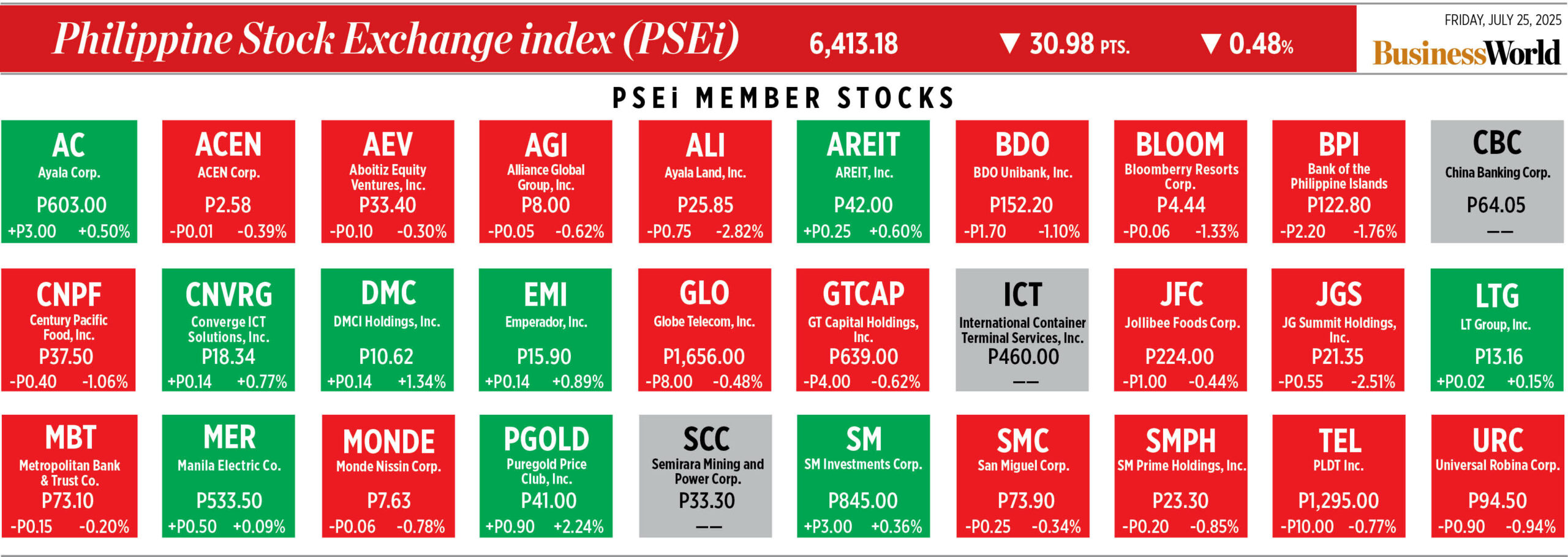
How PSEi member stocks performed — July 25, 2025

Here’s a quick glance at how PSEi stocks fared on Friday, July 25, 2025.


Scorecard: Philippine Development Plan 2023-2028

THREE YEARS into his presidency, President Ferdinand R. Marcos, Jr. faces mounting public frustration as Filipinos say many of the promises he made during his 2022 campaign remain unfulfilled. Read the full story.

Scorecard: Philippine Development Plan 2023-2028

SONA, firms’ results in focus as mart seeks leads

REUTERS

PHILIPPINE SHARES may move sideways this week, with President Ferdinand R. Marcos, Jr.’s fourth State of the Nation Address (SONA) on Monday taking center stage and as investors await more corporate results.

On Friday, the Philippine Stock Exchange index (PSEi) went down by 0.48% or 30.98 points to close at 6,413.18, while the broader all shares index retreated by 0.3% or 11.52 points to 3,796.87.

Meanwhile, week on week, the PSEi jumped by 1.74% or 109.46 points from the 6,303.72 finish on July 18.

“Despite the onslaught of typhoons Dante and Emong, the PSEi remarkably rallied… defying global anxieties over US tariffs,” online brokerage 2TradeAsia.com said in a market note.

“The local market made a comeback last week, regaining its ground above the 6,400 level as bargain hunters take opportunities. However, trading last week was tepid, implying that the climb did not have strong conviction,” Philstocks Financial Inc. Research Manager Japhet Louis O. Tantiangco said in a Viber message.

For this week, the market will look for fresh leads, with the spotlight expected to be on Mr. Marcos’ SONA, he said.

“Detailed plans on how to keep inflation low and how to re-accelerate economic growth may boost investors’ sentiment,” Mr. Tantiangco said.

In the first quarter, Philippine gross domestic product (GDP) grew by 5.4%, weaker than expected and slower than the 5.9% expansion in the same quarter last year.

Economic managers last month lowered the full-year GDP growth target to 5.5%-6.5% from 6%-8% previously.

“Investors are also expected to watch out for the upcoming second quarter corporate reports. Robust results are expected to lift the local market,” he added.

Mr. Tantiangco put the PSEi’s major resistance at 6,600 after the index was able to re-establish support at 6,400 last week.

“However, it is having a hard time securing position above its 200-day exponential moving average (EMA). Moving forward, the 200-day EMA could be tested further,” he said. “The market’s moving average convergence/divergence line is about to cross above the signal line. If this proceeds, it will signal positive momentum for the bourse.”

For its part, 2TradeAsia.com put the PSEi’s immediate support at 6,300 and resistance at 6,600.

“The week ahead demands balancing portfolio resilience against global and local headwinds. We reiterate our call to prioritize high-liquidity, domestically focused valued stocks to navigate near-term risks while capitalizing on BSP’s (Bangko Sentral ng Pilipinas’) supportive policy,” it said. 

“In these trying times, stay vigilant for potential pivots into hedge plays should inflation surprise. Markets favor the prepared — seize opportunities with caution and prudence,” 2TradeAsia.com added. — Revin Mikhael D. Ochave

I Squared Capital pledges $1B more in PHL infra investment

I SQUARED CAPITAL has committed an additional $1-billion investment in critical infrastructure projects in the Philippines, the Office of the Special Assistant to the President for Investment and Economic Affairs (OSAPIEA) said.

Secretary Frederick D. Go, who heads OSAPIEA, said I Squared’s commitment reflects the country’s growing appeal to infrastructure investors.

“These investments will improve lives — from powering homes and businesses with renewables to ensuring safer food through modern cold storage and connecting people and enterprises in the digital age,” he said in a statement over the weekend.

OSAPIEA said the US private equity firm has committed to advance critical projects across energy transition, transport and logistics, and digital infrastructure.

“I Squared has invested over $1 billion in project enterprise value in the Philippines and shared its plans to invest an additional $1 billion in critical infrastructure projects for the nation,” it added.

To date, I Squared is advancing seven strategic investments in the Philippines, including two in the last six months.

These are Aggreko Philippines, HEXA Renewables, Berde Renewables, Royale Cold Storage, Philippine Coastal Storage & Pipeline Corp., HGC, and BDX.

According to OSAPIEA, Aggreko Philippines has so far invested $200 million in modular power and is planning to double this investment, meaning HEXA Renewables is targeting an additional $350-million investment by 2027.

Meanwhile, I Squared is hoping to significantly increase Royale Cold Storage’s capacity in the near term.

“We are proud to partner with the Philippines on its infrastructure transformation,” I Squared Chairman and Managing Partner Sadek Wahba said.

“Our investments are delivering energy security, food resilience, and digital connectivity — building the foundation for inclusive economic growth and long-term prosperity,” he added.

I Squared is among the companies President Ferdinand R. Marcos, Jr. met with in his recent trip to the US. — Justine Irish D. Tabile

PHL trade concessions to US won’t ‘harm’ domestic producers, DA says

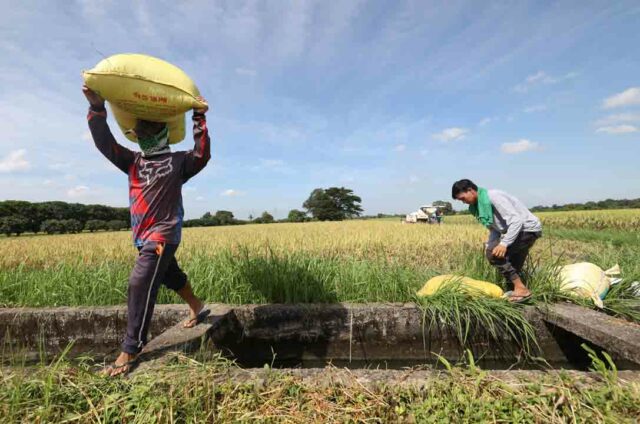
Farmers are seen in a rice field in Bustos, Bulacan, Oct. 17, 2023. — PHILIPPINE STAR/KJ ROSALES

THE Department of Agriculture (DA) said it has been assured by Philippine trade negotiators that no concessions will be made to the US that will harm domestic producers of agricultural goods.

Agriculture Secretary Francisco P. Tiu Laurel, Jr. said the reassurance covers rice and sugar, which the Philippines does not import from the US, as well as corn, chicken, fish, and pork.

Left out of his list is wheat, which the Philippines does not produce in commercial quantities, which domestic industries use for food production and animal feed.

The Philippine negotiating team, led by Secretary Frederick D. Go, who heads the Office of the  Special Assistant to the President for Investment and Economic Affairs, and Trade Secretary Maria Cristina Aldeguer-Roque, made the reassurances as they negotiate the technical details of the preliminary trade deal with the US, under which Philippine exports pay a US tariff of 19%.

President Donald J. Trump last week said the Philippines has granted duty-free access to some US imports.

The DA, citing Malacañang, said a final trade agreement is still being hammered out by trade negotiators.

“Secretary Go… assured the Philippines has not made any concessions that would harm local producers,” it said.

The Philippine negotiating team has said that any trade agreement “must strike a balance between improving market access and safeguarding the livelihoods of Filipino workers and farmers,” the DA said. — Kyle Aristophere T. Atienza