Home Blog Page 9

Why the world’s banks are so worried about Anthropic’s latest AI model

STOCK PHOTO | Image by Macrovector from Freepik

By Toby Walsh

THE LEGENDARY American bank robber Willie Sutton spent 40 years robbing banks because, as he claimed in his autobiography, he loved doing it. And when asked why he chose banks of all places to rob, he allegedly replied “Because that’s where the money is.”

Back in 2017, I wrote a book predicting it wasn’t just lovable rogues like Sutton who would soon be robbing banks, but artificial intelligence (AI).

That day, it appears, could now be about to arrive. Banks around the world are seriously worried cyber criminals will soon take advantage of the latest advances in AI to try to rob them.

THE DIGITAL BACK DOOR INTO THE VAULT
The finance world’s concern rests on the impressive cyber capabilities of a product called “Mythos.” This is the latest and most capable AI model from Anthropic, the company behind the popular Claude chatbot.

As a member of the public, you can’t access or use this model — for now. That’s because Anthropic (and many others) believe Mythos is too capable to launch upon an unsuspecting world.

Internal testing of Mythos has uncovered thousands of severe security vulnerabilities across every major operating system and web browser.

Some of these vulnerabilities have gone undetected for decades. Many are what tech insiders call “zero day” vulnerabilities — attacks that are so dangerous that developers need to fix them in zero days’ time.

NOT FOR PUBLIC USE
To counter this emerging threat, Anthropic has made the model available to a dozen partners of a defensive coalition that includes Microsoft, Amazon Web Services, Apple, Cisco, and the Linux Foundation.

The company has also committed $100 million in usage credits and $4 million in open-source grants to start finding and fixing these bugs.

In addition, more than 40 additional organizations — including a number of US banks — have also received access. But worryingly, as far as we know, Anthropic has not yet granted access to any banks in Australia, the United Kingdom, or Europe.

To add to concerns, on Wednesday, Anthropic confirmed it was investigating claims in a Bloomberg report that a small group of unauthorized users had gained access to Mythos. However, at this stage, there is no suggestion this alleged access was for malicious purposes.

SHOULD YOU BE WORRIED?
Last week, regulators and policymakers from around the world gathered at the International Monetary Fund spring meeting in Washington. The Iran war was a major focus. But attendees also issued a series of warnings about this emerging cybersecurity threat to the banking industry.

Not only are banks an attractive target, being where the money is, but the industry runs on many legacy systems, decades old technology that may be especially vulnerable to these sorts of attacks.

You personally don’t need to be too worried. Many countries have strong protections for bank customers. In Australia, for example, the first A$250,000 of a customer’s deposits are insured through the government-backed Financial Claims Scheme.

And the Australian Securities and Investments Commission ensures banks investigate and reimburse fraudulent transactions where the customer is not at fault.

So, it’s probably not a wise idea to withdraw your cash and put it under the mattress. But banks should be (and are) rushing to plug these vulnerabilities.

I would recommend you regularly update your computer and smartphone to have the latest operating system and banking apps. There are likely to be many more updates in the near future as new vulnerabilities are uncovered and patched.

And, as I’m sure you have been, you need to be ever vigilant for phishing attacks by e-mail and SMS trying to obtain your banking credentials.

THE EVOLVING THREAT LANDSCAPE
In the longer term, Mythos exposes the challenge that defense is much harder than attack. Software is one of the most complex products humanity builds. It is therefore almost impossible to ensure it is bug-free.

That puts us in an unending race against the “bad guys” to uncover and fix faults before they get exploited.

For example, with significant fanfare, the European Union just released its age verification app, designed to be a cornerstone to the emerging laws on access to social media, pornography, and other age-restricted content. However, within hours, security experts found cyber vulnerabilities that underage users could easily exploit.

In the most critical settings, we can try to prove mathematically that our software is bug-free. For instance, the Beneficial AI Foundation just announced an ambitious “moonshot” project to prove that the popular messaging app Signal is bug-free and protects privacy as claimed.

But such efforts are the exception today rather than the norm. Perhaps further advances in AI could soon help reverse this.

THE CONVERSATION VIA REUTERS CONNECT


Toby Walsh is a professor of AI, research group leader, at UNSW Sydney. He receives funding from the Australian Research Council for a Laureate Fellowship on trustworthy AI.

T-bill, bond rates may be mixed as BSP signals more hikes ahead

BW FILE PHOTO

RATES of the Treasury bills (T-bills) and Treasury bonds (T-bonds) to be auctioned off this week could be mixed after the Bangko Sentral ng Pilipinas (BSP) increased benchmark borrowing costs last week and signaled further tightening.

The Bureau of the Treasury (BTr) will offer up to P36 billion in T-bills on Monday or P9 billion to P12 billion each in 91-, 182-, and 364-day papers.

On Tuesday, the government is targeting to raise up to P60 billion from a dual-tenor T-bond offering. It wants to borrow P20 billion to P30 billion each via reissued seven-year bonds with a remaining life of four years and two months and 10-year notes with a remaining life of nine years and 10 months.

T-bill and T-bond rates could follow the mixed week-on-week yield movements at the secondary market following the BSP’s first hike in over two years and hawkish signals, Rizal Commercial Banking Corp. Chief Economist Michael L. Ricafort said in a Viber message.

“The GS (government securities) market rose by as much as 25 bps (basis points) as players were quick to price the possibility of another rate hike in June,” a trader said in an e-mail.

The trader sees the seven- and 10-year bonds fetching rates of 6.55%-6.6% and 6.85%-6.9%, respectively, adding that demand could be “lukewarm as players are still shedding positions at this point.”

At the secondary market on Friday, yields on shorter tenors dropped while longer tenors rose following the BSP’s forward guidance.

The rates of the 91-, 182-, and 364-day T-bills went down by 7.14 bps, 4.48 bps, and 3.86 bps week on week to end at 4.5469%, 4.6632%, and 5.0583%, respectively, based on PHP Bloomberg Valuation Service Reference Rates data as of April 24 published on the Philippine Dealing System’s website.

Meanwhile, the seven-year bond rose by 15.31 bps to yield 6.7099%, while the rate of the four-year paper, the tenor closest to the remaining life of the issue on offer on Tuesday, went up by 15.24 bps to end at 6.3603%.

For its part, the 10-year bond’s rate went up by 13.52 bps week on week to 6.7956%.

On Thursday, the Monetary Board raised the target reverse repurchase rate by 25 bps to 4.5%, marking its first hike since October 2023. This effectively ended an easing cycle that cut the benchmark rate by 225 bps starting in August 2024.

BSP Governor Eli M. Remolona, Jr. signaled more further tightening ahead via “a succession of modest rate hikes” as they try to temper spiraling prices due to the Iran war as the global oil shock pushes up inflation expectations.

The BSP now sees inflation breaching their 2%-4% tolerance band in 2026 and 2027. For this year, it expects the consumer price index (CPI) to average 6.3%, significantly higher than the earlier 5.1% forecast.

This comes as elevated oil prices amid conflict drove headline inflation to a near two-year high of 4.1% in March, bringing the three-month average to 2.8%. Mr. Remolona said the CPI could breach 5% for the rest of the year.

For 2027, the BSP also raised its projection to 4.3% from 3.8% previously.

Last week, the Treasury raised P40.65 billion via the T-bills it auctioned off, above the P33-billion program as total tenders reached P127.256 billion or more than thrice the amount on offer.

The Treasury raised P16.8 billion via the 91-day T-bills, above the P12 billion it placed on the auction block as demand for the tenor reached P60.371 billion. The three-month paper fetched an average rate of 4.542%, falling by 20.8 bps from the rate seen in the previous week. Bids accepted had yields ranging from 4.5% to 4.596%.

The government likewise borrowed P16.8 billion via the 182-day debt, higher than the P12-billion offering as tenders reached P44.21 billion. The average rate of the six-month T-bill was at 4.649%, dropping by 41.3 bps from the previous auction. Tenders awarded carried rates from 4.598% to 4.7%.

Meanwhile, the BTr sold only P7.05 billion in 364-day securities, below the P9 billion on offer even as bids totaled P22.675 billion. The one-year paper fetched an average yield of 5.052%, easing by 11.6 bps. Accepted bids had rates from 4.95% to 5.097%.

For its part, the reissued seven-year papers on offer on Tuesday were last sold on Nov. 4, 2025, where the government raised P20 billion as planned at an average rate of 5.649%, below the 6.375% coupon rate.

Meanwhile, the 10-year notes were last offered on March 17, where the BTr awarded just P10.207 billion out of the P20 billion placed on the auction block at an average rate of 6.786%, above the 5.925% coupon.

The Treasury wants to borrow up to P248 billion from the domestic market this month or P140 billion via T-bills and P108 billion through T-bonds.

The government borrows from local and foreign sources to help fund its budget deficit, which is capped at P1.61 trillion or 5.3% of gross domestic product this year. — Aaron Michael C. Sy

BPI shares fall on earnings, rate hike

BW FILE PHOTO

By Isa Jane D. Acabal, Researcher

SHARES of Bank of the Philippine Islands (BPI) declined last week after softer first-quarter earnings and the Bangko Sentral ng Pilipinas’ (BSP) latest rate hike, with analysts citing concerns over near-term profitability and loan growth.

Investors also turned cautious after the bank signaled a guarded outlook amid the ongoing Middle East conflict, according to analysts.

Data from the Philippine Stock Exchange (PSE) showed BPI was the third most actively traded stock from April 20 to 24, with 21.52 million shares worth P2.07 billion changing hands.

The stock closed at P92.10 per share on Friday, down 7.2% from P99.20 the previous week. This was steeper than the financial sector’s 3.4% week-on-week decline and the 0.9% drop in the benchmark PSE index.

Year to date, BPI shares have fallen 20.7%, underperforming the financial sector’s 10.3% decline and the PSEi’s 1.8% drop.

Linncon M. Lahip, equity analyst at Regina Capital Development Corp., said the decline was driven by tempered first-quarter earnings, raising concerns about near-term profitability amid a more cautious operating outlook.

“Investor confidence weakened this week following BPI’s 1Q results, which likely came in lower than expected, and were released in the same week as the BSP’s rate hike,” he said in a Viber message.

“The combination prompted investors to reassess earnings expectations, as higher policy rates raised concerns over slower loan growth, higher funding costs, and potential pressure on asset quality despite near-term margin support,” he added.

In a press statement on April 20, BPI reported net income of P16.9 billion for the first quarter, up 1.7% from P16.6 billion a year earlier. The bank cited sustained loan portfolio expansion, wider net interest margins (NIMs), and stronger fee-based income.

Revenues rose 13.9% year on year to P50.9 billion, supported by a 13.7% increase in net interest income. Net interest margins expanded by seven basis points (bps) to 4.57%.

Total loans increased 13.5% year on year to P2.6 trillion, reflecting growth across its portfolio.

“On one hand, the 13.9% revenue growth to P50.9 billion is impressive, proving that the bank’s core business is still strong. However, the 1.7% year-on-year increase in net income despite such strong revenue growth suggests the bank is likely facing significantly higher operating expenses,” Jervin De Celis, equity trader at The First Resources Management and Securities Corp., said in an e-mail.

BPI’s operating expenses rose 15.8% year on year to P23.5 billion in the first quarter, driven by higher technology and manpower costs.

Mr. De Celis said that while revenues remained strong, inflationary pressures and geopolitical risks are “squeezing” the bank’s bottom line.

Meanwhile, Jash Matthew M. Baylon, equity analyst at The First Resources Management and Securities Corp., said “despite the stronger expansion of its loan portfolio and wider [NIMs], BPI’s net income is flat, as provisions increase while higher operating expense outpaced the growth of net interest income, as economic environment remains fragile.”

On April 23, the BSP raised the target reverse repurchase rate by 25 basis points to 4.5%, marking its first rate increase in more than two years.

“The BSP’s rate hike is initially supportive of BPI’s earnings, as loan yields generally reprice faster than deposits, helping sustain net interest margins given its strong CASA (Current Account and Savings Account) base,” Mr. Lahip said.

However, higher borrowing costs may dampen loan demand over the medium term, potentially slowing growth, he added.

“The same dynamic applies to other listed banks; institutions with strong CASA franchises and sound asset quality are better positioned to benefit from margin expansion, while those with weaker funding bases may face slower loan growth and higher credit risk, leading to more cautious earnings across the sector,” Mr. Lahip said.

Mr. De Celis said the BSP’s policy rate hike is “generally accretive” to BPI’s NIM in the medium term.

“As interest rates rise, BPI can reprice its loan portfolio faster than its deposit costs increase,” he said.

“Other listed banks will also see NIM expansion, but those with higher reliance on expensive time deposits may see their margins lag behind BPI’s. If rates stay high or rise further in 2026 to combat the Middle East-induced inflation, the borrowers’ debt-servicing capacity could weaken and may lead to higher nonperforming loans (NPLs),” he added.

He expects BPI to maintain an NIM of about 4.2% to 4.4% this year.

Analysts also cited the ongoing Middle East conflict as weighing on investor sentiment.

“Investors are concerned that sustained high energy costs will fuel second-round effects on inflation which can potentially force the BSP to remain hawkish for the remainder of 2026. This overshadows the bank’s strong core revenue growth,” Mr. De Celis said.

Mr. Baylon said geopolitical tensions in the Middle East have dampened investor confidence, as reflected in persistent net foreign outflows.

At its annual stockholders’ meeting on April 20, BPI President and Chief Executive Officer Jose Teodoro K. Limcaoco said the bank would adopt a more cautious stance as it monitors economic conditions amid the ongoing Middle East conflict.

BPI Head of Consumer Banking and Executive Vice-President Maria Cristina L. Go said the bank would tighten its credit standards.

Mr. De Celis said the bank’s move to tighten lending parameters and adopt a cautious outlook suggested that loan growth may slow in the coming quarters, shifting sentiment toward a more defensive stance.

“When a bank as big as BPI signals a need to protect its balance sheet, it often triggers a temporary de-risking phase or affects the company’s stock performance,” he said.

Mr. Lahip said the market viewed BPI’s stance as “prudent risk management amid Middle East uncertainty and its potential economic spillovers.”

“The tightening of credit standards was also seen as a response to rising industry NPLs, signaling a focus on asset quality over short-term growth, which helped limit downside sentiment despite a broader risk-off backdrop,” he said.

In the coming weeks, Mr. Lahip said investors should monitor geopolitical and macroeconomic developments, citing banks’ sensitivity to interest rate changes and economic conditions.

For the second quarter, Mr. De Celis forecast BPI’s net profit at around P17.5 billion, and full-year 2026 at P71.2 billion.

“This forecast assumes that the bank’s tightened credit standards will successfully keep NPLs manageable despite the 4.5% policy rate,” he said.

Mr. Lahip sees immediate support for the stock at P91 and resistance at P96, while Mr. Baylon placed support at P92.50 and resistance at P105.

Mr. De Celis set near-term support at P90 and resistance at P95.50.

“Even if the stock manages a relief rally, it will face heavy selling pressure here as trapped investors from earlier in the week look to exit at break-even prices,” he added.

Style (04/27/26)


Dickies reunites with Harley Davidson

DICKIES and Harley-Davidson reunite for their second limited-edition apparel collection, “Built to Outlast.” Merging the spirit of American workwear with the grit of motorcycle culture, this collection is made to be worn hard and built to last. The new capsule refreshes fan favorites like the Eisenhower Jacket and Original 874 Work Pant, while introducing all-new denim offerings. They are available for both men and women. The Dickies x H-D Quilted Lined Eisenhower Jacket returns with a Harley-Davidson upgrade. The Dickies x H-D Quilted Lined Eisenhower Jacket is ruggedly made from a heavyweight recycled twill blend and insulated for added warmth. It features an action back, pre-curved sleeves, two-way zip front, a D-ring utility loop on the inside chest pocket, and a hidden snap-down collar that won’t flap around under riding gear. The unisex outerwear is finished with a montage of custom graphics that commemorate the inception date and longevity of these two iconic brands. The Dickies x H-D Denim Carpenter Pant is constructed from a hearty cut of 14 oz cotton denim that’s rinsed and washed for softness. This unisex silhouette delivers a high-rise relaxed fit. The pants feature wide tunnel belt loops for added support, front leg panel piecing, and ample pocket space. The Boxy Denim Jacket gets a moto upgrade, constructed with 14 oz cotton denim with polyester tricot lining. This unisex jacket delivers a boxy fit and features a hidden zip placket, dual-entry front patch pockets with rivet detail, and a hidden snap-down collar. It is finished with custom graphics that nod to the heritage of both brands, including an arched design on the back that resembles 1930s Harley-Davidson racing apparel. The Dickies x H-D Denim Vest is made from the same heavyweight cotton denim that’s rinsed and washed for softness. This unisex vest delivers a regular fit with a V-neckline and straight hem plus dual-entry front patch pockets with rivet detail. The Dickies x H-D Winged Bar & Shield Ribbed Tank is made from 100% breathable cotton that’s ribbed for a textured look. The slightly cropped silhouette features signature Dickies branding and the Harley-Davidson 1930s Silver Wing logo. The “Built to Outlast” collection is now available on harley-davidson.com and dickies.com, as well as at select Harley-Davidson dealerships.


Uniqlo joins up with Cecilie Bahnsen

UNIQLO has announced the launch of a new collaboration with Danish womenswear designer Cecilie Bahnsen, a brand that is attracting global attention for its uniquely feminine and romantic style. Based on the concept of “Shapes of Poetry,” the 2026 Spring/Summer collection combines Cecilie Bahnsen’s elevated design and craftsmanship with the Uniqlo commitment to comfort and materials. The essence of Cecilie Bahnsen is expressed through floral motifs, and voluminous sleeves with frills and shirring. The lineup of dresses, tops, and skirts with design details throughout can be worn lightly as single pieces or enjoyed in matching sets. Special attention has been paid to the comfort of every item, such as by using high-quality cotton and elastic materials. The girls’ line for this collection includes dresses, T-shirts, and skorts as a continuation of the adult styles and can be paired together as a matching sets. Combining cute design with everyday comfort, the skort features an adjustable waist and practical pockets on both sides. This 2026 Spring/Summer 2026 Collection will launch on May 22 at all Uniqlo stores nationwide (with some items only available in select stores), on uniqlo.com, and the Uniqlo app.


HOKA opening new provincial stores

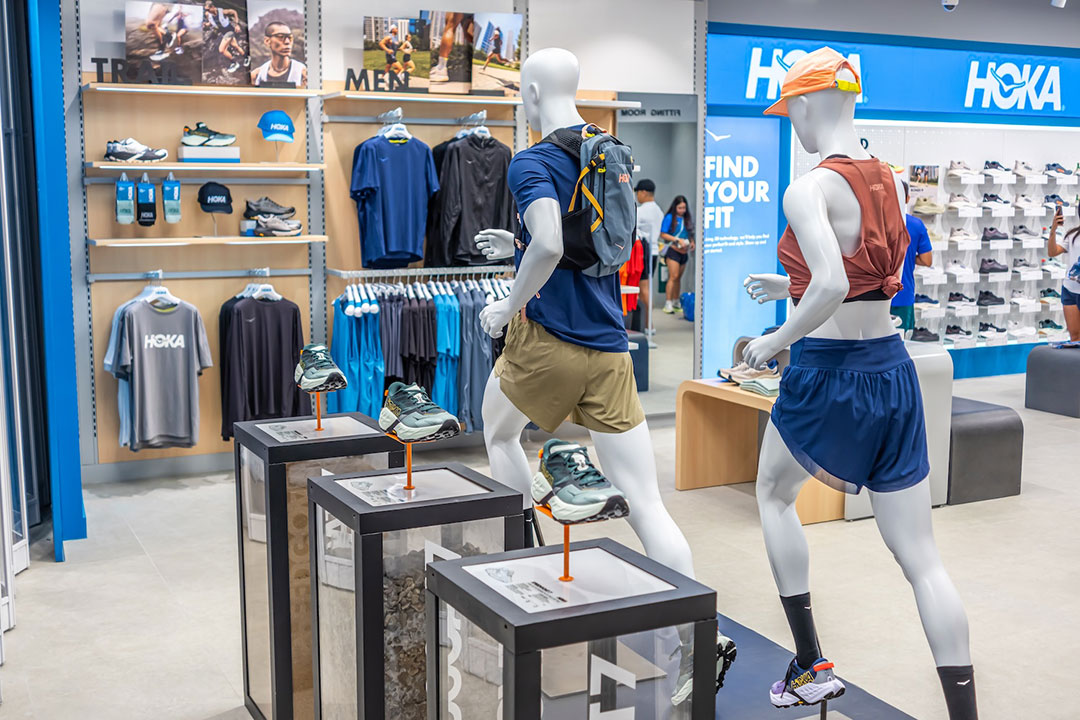
GLOBAL performance footwear brand HOKA has officially opened a store at Ayala Center Cebu, its first location outside Metro Manila and a significant step in its nationwide expansion strategy. The expansion comes as running culture continues to gain momentum in Cebu, where there are a growing number of races, run clubs, and fitness communities. Alongside the expansion, HOKA held a special session of the HOKA Run Club in Cebu to create more opportunities for community building and engagement among runners of all levels. HOKA is also set to open stores at SM City Iloilo and Ayala Abreeza Mall in Davao City. Prior to its provincial expansion, HOKA opened stores in Metro Manila: in One Ayala, GH Mall, SM Aura, Ayala Malls Manila Bay, and TriNoma. Updates on the store openings are available on Facebook (hokaphilippines), Instagram (@hoka_philippines), and HOKA’s Viber community.


Get The Bag Habit this Earth Day

MEGAWORLD Lifestyle Malls is reinforcing the Philippine Retailers Association (PRA) nationwide sustainability initiative, “The Bag Habit.” In response to rising environmental challenges, the campaign encourages Filipino shoppers to make bringing reusable bags a daily habit. Megaworld Lifestyle Malls integrates the initiative across its destinations, including Uptown Bonifacio, Eastwood City, Venice Grand Canal, McKinley West, Forbes Town, Lucky Chinatown, Arcovia City, The Mactan Newtown, Southwoods Mall, Twin Lakes Shopping Village, and Festive Walk Iloilo, and more. Bringing reusable bags for essentials, fashion, and lifestyle purchases reduces reliance on single-use paper packaging and helps cut waste in high-traffic mall settings. The habit extends to dining experiences across Megaworld Lifestyle Malls. Whether takeout or leftovers, reusable bags offer a practical, eco-friendly alternative that encourages diners to rethink convenience and integrate sustainability into daily routines. The Bag Habit is part of a larger commitment to sustainability across its developments including ongoing green programs such as electric vehicle charging stations, rainwater park systems, solar energy integration, eco-collection bins, and other environmentally conscious innovations. For updates, visit megaworld-lifestylemalls.com or call (02) 8462-8888.

Pork MAV adjustment gives 50% to meat processors

REUTERS

THE GOVERNMENT has issued new rules governing the allocation of pork import quotas for 2026, with half of the minimum access volume (MAV) reserved for meat importer-processors.

Joint Department Circular No. 1, signed by six agencies, including the Department of Agriculture (DA), canceled all allocations for the 54,210-metric-ton pork MAV issued under previous guidelines and consolidated for redistribution.

According to the circular, 50% of the MAV for pork will be distributed among meat importer-processors with verified local processing facilities, while other qualified MAV licensees are allocated 30%.

State trading enterprises, which include government-owned and -controlled entities, were allocated the remaining 20%.

In November, the DA suspended the distribution of MAV allocations for pork, citing the need to overhaul the allocation rules.

Agriculture Secretary Francisco P. Tiu Laurel, Jr.  said the DA was seeking to increase the share for processors to help keep prices of processed pork products affordable, while providing a portion to state entities that can be tapped to stabilize supply and retail prices.

MAV rules, formulated three decades ago, allow limited imports of certain agricultural commodities at favorable tariffs.

For pork, shipments within the MAV pay a 15% tariff, while volumes exceeding the MAV are charged the regular 25% rate.

Under the revised rules, all importers are required to reapply for MAV licenses, which will be valid for five years and subject to annual verification.

Allocations will be distributed through a “systematic distribution procedure,” a raffle-based system that assigns volumes in economic lot sizes to qualified applicants.

A midyear redistribution round will be held to reallocate surrendered or unused quotas, which must be returned by the end of May to be included in the pool.

The circular also introduces a minimum utilization threshold of 70% for 2026, with failure to meet the requirement resulting in disqualification from the following year’s allocation. — Vonn Andrei E. Villamiel

How conflict reshapes global supply chains

Pixabay/Zzkonst

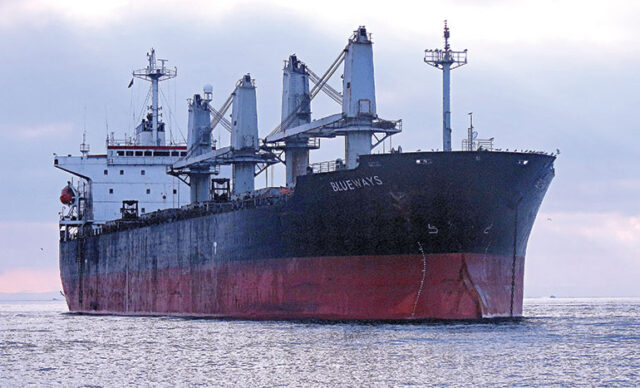
When armed conflict escalates and naval passages tighten, international trade does not come to a stop. Cargo vessels adjust, reroute, and absorb new costs that often appear later on.

Recent tensions in the Middle East show how fast conflict can affect shipping lanes and energy flows. Traffic through the Strait of Hormuz fell after military strikes hit parts of the region.

The waterway serves as a key passage linking Gulf producers to buyers across the world. A large share of exports from the Gulf Cooperation Council (GCC) consists of crude oil, refined products, and gas. These shipments account for more than 60% of GCC exports and about 25% of global energy trade.

During the 2023 to 2024 disruption period, freight rates climbed sharply at certain points, rising as much as eight times their usual levels. The increase came as available vessel space tightened and companies rerouted cargo to avoid high-risk areas.

The Suez Canal saw its own share of disruption during periods of unrest. The canal handles more than 50% of global container shipping capacity, making it one of the busiest trade corridors in the world. When security risks increased, major shipping companies reduced or paused their sailings through the route.

Higher freight rates and longer delivery times ripple through supply chains. Over time, those costs can appear in the prices that consumers pay.

Pressures Amid Conflict

A report from Oxford Economics shows how conflict places logistics systems under stress, especially when key facilities that support oil, gas and industrial production are affected. Ports, processing plants and export terminals depend on coordinated shipping routes, specialized vessels and large-scale transport systems. When these are disrupted, the impact spreads quickly across supply chains.

When facilities are damaged, reconstruction work competes directly with commercial shipping, especially in sectors tied to heavy industry. Moving large equipment and materials has become more difficult as transport resources are redirected to rebuilding damaged infrastructure. Delays have become more common as supply chains struggle to balance both needs.

Estimates from Oslo-based energy intelligence company Rystad Energy place repair costs for energy infrastructure at $34 billion to $58 billion. Oil and gas facilities account for up to $50 billion of that amount, while non-hydrocarbon infrastructure such as power stations, steel plants and desalination facilities make up about $8 billion.

The effects, meanwhile, are not limited to reconstruction costs. Shipping delays, contractor shortages and bottlenecks in logistics networks are slowing project timelines. Many contractors and fabrication yards needed for repairs are already tied to liquefied natural gas and offshore projects approved since 2023, which limits how fast damaged facilities can be restored.

Karen Satwani, a senior analyst for supply chain research at Rystad Energy, said repair work redirects existing industrial capacity instead of adding new supply.

“Repair work does not create new capacity, it redirects existing capacity, and that redirection will be felt in project delays and inflation far beyond the Middle East,” she said in a statement. “The $58-billion bill is the headline, but the knock-on effects on energy investment timelines globally may prove just as significant.”

A report published by the Journal of Petroleum Technology said capital diverted toward reconstruction reduces resources available for new projects. That constraint delays timelines and may slow the pace at which new energy supply enters the market in multiple regions.

Air freight is facing similar challenges. Restrictions in Gulf airspace have reduced available capacity, affecting major carriers such as Emirates, Qatar Airways and Etihad Airways. Together, these airlines account for about 13% of global air freight capacity and roughly one-quarter of China-Europe air cargo flows. Reduced access to this airspace disrupts established routes and adds pressure on remaining capacity.

High-value goods such as electronics, pharmaceuticals and perishable items are among the most affected. These products rely on fast and predictable air transport, making them more sensitive to delays and route changes.

Furthermore, oil prices are expected to spike as conflict persists. Fuel accounts for about 30% to 40% of vessel operating expenses, meaning any sustained increase in oil prices feeds directly into shipping costs. Even without further disruptions, higher fuel costs alone can raise the price of moving goods across global routes.

Higher energy prices also tend to reach businesses and consumers faster than changes in shipping costs. Freight-related inflation often peaks about 12 months after the initial disruption, as higher transport costs move through supply chains.

On the other hand, war-risk insurance premiums have increased as insurers adjust coverage for vessels operating in high-risk areas. At the same time, the number of available tankers has declined, leading to tighter competition for shipping capacity. Freight costs have moved higher as a result.

Rethinking Global Trade and Logistics

Governments often respond to conflict by imposing tariffs, quotas, or embargoes, according to the Oxford University College of Procurement and Supply. These measures aim to protect domestic industries or apply political pressure, but they also alter how markets operate.

Higher import costs can also reduce demand for foreign goods and push companies to look for local suppliers. Such a shift may help domestic producers, but it can raise production costs or limit available supply when local capacity falls short.

Likewise, trade agreements and alliances can ease some of this pressure. In stable regions, these arrangements lower barriers and improve access to goods, which helps companies expand supply while managing costs.

However, when alliances weaken or agreements collapse, the benefits can quickly reverse. Logistics planners then face tighter restrictions, added documentation, and longer transit times. The pace of these changes leaves little time for gradual adjustment, which can disrupt supply chains that depend on steady and predictable flows.

Companies often operate within national and international law, but compliance does not always settle questions about responsibility. The absence of formal sanctions in some conflicts can make decision-making more difficult, according to the Institute for Human Rights and Business.

For instance, during Russia’s invasion of Ukraine in 2022, some companies chose to halt operations. In other conflict zones, similar actions have not always taken place.

Businesses are advised to assess whether their activities could be linked to harm, even if they are not directly involved. This process becomes more needed in global supply chains that span multiple countries and include many intermediaries. — Mhicole A. Moral

The triple burden of malnutrition in the Philippines and a triple win policy

PHILIPPINE STAR/MIGUEL DE GUZMAN

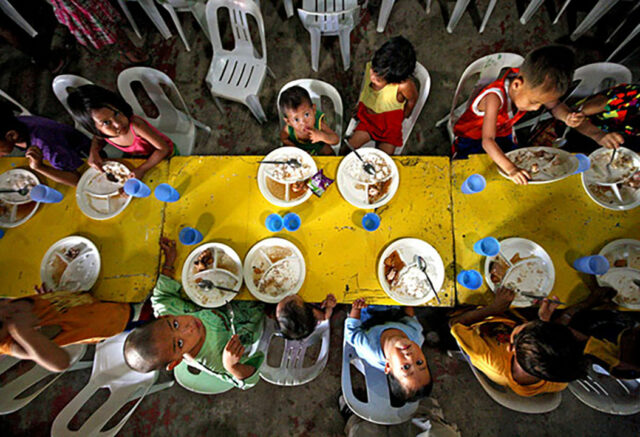
Amid limited access to affordable healthy food, rising disease prevalence, and high out-of-pocket healthcare costs, the Filipino people face the triple burden of malnutrition, a crisis reflected in empty plates, hidden hunger, and heavy scales.

In our communities, persistent undernutrition — most visible in wasted or stunted children and energy-deficient adults — exists alongside the rising prevalence of obesity and micronutrient deficiencies. These overlapping challenges not only deepen the daily struggles of Filipino families but also underscore the urgent need for comprehensive nutrition solutions.

Stunting affects 23.6% of infants and young children, 17.9% of school-age children, and 20.7% of adolescents. Wasting affects 5.6% of infants and young children, 8.4% of school-age children, and 11.5% of adolescents. The decline in stunting in the Philippines is slower than in the rest of Southeast Asia. At this rate, reaching the zero malnutrition Sustainable Development Goal by 2030 seems unlikely.

On the other hand, the prevalence of overweight and obesity among Filipinos, especially among the adult population, is increasing at an alarming rate. The 2023 National Nutrition Survey reports that 29.5% of the Filipino adult population aged 20 years and above are overweight, while 10.3% are afflicted with obesity. This means, the estimated number of Filipino adults — most of whom are in their most productive age — with overnutrition is at a staggering 27.5 million.1

Micronutrient deficiencies, particularly among children and women, remain a high public health concern. While micronutrient deficiencies may result in visible and severe health problems such as increased risk of infectious illness, they can also manifest more subtly through symptoms like low energy, difficulty concentrating, and declines in physical and mental functioning. Over time, this can contribute to lower educational achievement, diminished work productivity, and heightened vulnerability to other illnesses.2

Alarmingly, one in five pregnant Filipinas is anemic, which is also reflected in the high prevalence of anemia among infants and young children, with one in 10 affected. In addition to anemia, the high prevalence of Vitamin A deficiency and iodine deficiency persists, affecting pregnant and lactating mothers and their infants.

These problems are rooted in systemic issues such as persistent poverty, food insecurity, inadequate water and sanitation, insufficient maternal and child health services, aggressive marketing of unhealthy products, and gaps in policies that prevent sectors such as agriculture, education, and social protection from effectively addressing nutrition.

Malnutrition places Filipinos, particularly children, at heightened risk of infections and diseases, jeopardizing not only their health today but the country’s collective future. Addressing this challenge requires urgent interventions, including substantial investment in nutrition programs, as many consequences of malnutrition are long-lasting and difficult to undo.

Unfortunately, the Philippines’ limited fiscal space makes it difficult to fully invest in nutrition programs, despite their crucial role in addressing the country’s worsening health challenges. In fact, we have seen that, in an attempt to address hunger, the current administration resorted to foreign loans to fund the Walang Gutom 2027 Food Stamp Program. This temporarily alleviates the problem, but ultimately, we have to rely on sustained domestic financing to address malnutrition, which is both an acute and chronic problem. Given the current limited fiscal resources, we need new money to implement long-term nutrition interventions.

Against this backdrop, a proposal to improve the sweetened beverage (SB) tax is a triple win policy. It will reduce consumption of harmful sweetened drinks — a risk factor for obesity, dental caries, diabetes, and heart diseases; lessen the economic burden arising from diseases associated with sweetened beverages; and, raise substantial revenue not only for the economy’s fiscal health for funding health and nutrition.

Currently, the “Tres Marias” of the Liberal Party — Representative Krisel Lagman of the 1st District of Albay, Representative Kaka Bag-ao of the Lone District of Dinagat Islands, and Leila De Lima of the Mamamayang Liberal (ML) Party-list — and Bataan 1st District Rep. Antonino Roman III, have filed sweetened beverage (SB) tax bills in the 20th Congress, namely House Bill 5003 and House Bill 5969. Let us support them and their other co-authors.

The SB tax in the Philippines was introduced in 2018 as part of the Tax Reform for Acceleration and Inclusion (TRAIN) Law, imposing an excise tax on drinks with added sugar and certain artificial sweeteners to discourage sugary beverage consumption and promote public health. However, its effectiveness is limited by several policy gaps, such as the one-time increase that has since been eroded by inflation, exemptions for some high-sugar products, a lack of regular tax rate adjustments, and insufficient mechanisms to ensure tax revenues are directed toward nutrition and health programs, ultimately reducing its potential impact on malnutrition and non-communicable diseases.

The aforementioned bills aim to raise excise taxes on sweetened drinks, expand coverage to more sugary and artificially sweetened beverages, and adjust tax rates regularly for inflation.

The bills address the triple burden of malnutrition.

Similarly the bills address undernutrition and hidden hunger among the poor through an earmarking provision. The bills earmark the revenues for nutrition-specific and nutrition-sensitive programs, and for the Universal Health Care Act.

Nutrition-specific interventions include ensuring adequate nutrition for pregnant and lactating mothers, supporting exclusive breastfeeding for the first six months, continuing breastfeeding alongside appropriate and nutritious food up to two years of age, food fortification, micronutrient supplementation, dietary supplementation, treatment for severe malnutrition, complementary feeding, and school-based feeding programs. Nutrition-sensitive programs include improved water, sanitation, and hygiene (WASH) and conditional cash transfers to vulnerable populations.

Effective action against malnutrition requires an integrated strategy that addresses overnutrition, undernutrition, and micronutrient gaps simultaneously. We must see excess weight and undernutrition as interconnected challenges affecting Filipinos across all backgrounds.

1Action for Economic Reform’s estimation using prevalence data from the 2023 National Nutrition Survey of the Department of Science and Technology – Food and Nutrition Research Institute and the 2020 Census-Based National Population Projections of the Philippine Statistics Authority.

2World Health Organization: WHO. (Dec. 20, 2019). Micronutrients. https://www.who.int/health-topics/micronutrients#tab=tab_1


Ma. Dhelyn Dela Cruz and Rosheic Sims are researchers for the fiscal and health policy team of Action for Economic Reforms.

Peso may drop to new lows amid fading US-Iran peace prospects

BW FILE PHOTO

THE PESO could slide further against the dollar and even test new record lows as the escalating Middle East conflict’s impact on global crude oil prices threatens the Philippines’ inflation outlook.

On Friday, the local unit closed at a fresh three-week low of P60.70 against the dollar, weakening by 22 centavos from its P60.48 finish on Thursday, Bankers Association of the Philippines (BAP) data showed.

Week on week, the peso fell by 66.5 centavos from its P60.035 finish on April 17.

The peso was dragged down by higher global crude oil prices amid a lack of progress in the peace negotiations between the United States and Iran, Rizal Commercial Banking Corp. Chief Economist Michael L. Ricafort said in a Viber message.

“The dollar-peso closed higher on Friday, still on elevated global crude oil prices amid the standoff in the Strait of Hormuz and escalating tension between the US and Iran,” a trader likewise said in a phone interview.

The Bangko Sentral ng Pilipinas’ (BSP) negative outlook on the economy also weighed on the peso despite signals of more rate hikes, the trader added.

On Thursday, the Monetary Board raised benchmark interest rates by 25 basis points (bps) to bring the policy rate to 4.5%, as expected by 11 of 19 analysts in a BusinessWorld poll. This was its first tightening move since October 2023.

BSP Governor Eli M. Remolona, Jr. said the hike was a preemptive move to help rein in growing price pressures amid the Middle East war.

“The inflation outlook has deteriorated amid the ongoing conflict in the Middle East. Higher global oil and fertilizer prices have begun feeding through to domestic fuel and food prices. At the same time, core inflation has continued to rise, pointing to a broadening of underlying price pressures,” he said.

He also signaled further hikes ahead as they now see inflation breaching their 2%-4% tolerance band in 2026 and 2027. For this year, the BSP expects the consumer price index (CPI) to average 6.3%, significantly higher than the earlier 5.1% forecast.

This comes as elevated oil prices amid conflict drove headline inflation to a near two-year high of 4.1% in March, bringing the three-month average to 2.8%. Mr. Remolona said the CPI could breach 5% for the rest of the year.

For 2027, the BSP also raised its projection to 4.3% from 3.8% previously.

For this week, the trader said markets could react to developments between the US and Iran, with any escalation likely to weigh on the peso.

The trader sees the peso moving between P60.50 and P61 per dollar this week, while Mr. Ricafort expects it to range from P60.55 to P60.80.

Hopes of a diplomatic breakthrough in the US-Israeli war with Iran receded as a new week began, with talks aimed at ending the two-month conflict at a standstill and both Tehran and Washington showing little willingness to soften their terms, Reuters reported.

Iranian Foreign Minister Abbas Araqchi left mediator Pakistan empty-handed at the weekend, and US President Donald J. Trump canceled a planned visit to Islamabad by his envoys Steve Witkoff and Jared Kushner, dealing back-to-back blows to peace prospects.

The deadlock leaves the world’s biggest economy and a major oil power locked in a confrontation that has already pushed energy prices to multi-year highs, stoked inflation and darkened global growth prospects.

Mr. Trump told reporters in Florida that he scrapped the envoys’ visit because the talks involved too much travel and expense to consider an inadequate offer from the Iranians. After the diplomatic trip was called off, Iran “offered a lot, but not enough,” Mr. Trump said.

Adding to regional strains, Israeli Prime Minister Benjamin Netanyahu ordered his troops to attack Hezbollah targets in Lebanon, his office said, further testing a three-week ceasefire.

Tehran has largely closed the Strait of Hormuz, which normally carries one-fifth of global oil and liquefied natural gas shipments, while Washington blocks Iran’s oil exports.

The US-Iran conflict, in which a ceasefire is in force, began with US-Israeli airstrikes on Iran on Feb. 28. Iran has since struck Israel, US bases and Gulf states. — Aaron Michael C. Sy with Reuters

Upmarket electric vibe

The all-new Kia EV5 offers pure-electric goodness starting at P2.298 million. — PHOTO BY KAP MACEDA AGUILA

The Kia EV5 has a value-for-money skillset, with the looks to boot

WITH INTEREST in electrified vehicles understandably on the rise, ACMobility affiliate Kia Philippines recently launched the Kia EV5 at the 2026 Manila International Auto Show (MIAS) — complementing its previously released six-seater battery electric vehicle EV9 (priced at P5.938 million) with a more affordable, albeit more compact all-electric SUV sibling priced from as low as P2.298 million.

“Velocity” and select media and content creators got a chance to preview the model that, according to ACMobility CEO Jaime Alfonso Zobel de Ayala, “underscores (the company’s) commitment to bridging global innovation with local needs, fully supported by the Philippine EV Spine, our nationwide charging backbone.”

Kia Philippines Network Development and Training Sales Trainer Angelo Bencie Cuenca identifies four “key strengths” (selling points, if you will) in the EV5 that are highlighted for customers-to-be: instant electric performance, long driving range, advanced driver assistance features, and “smart and spacious interior” owing to tech and practical appointments. The EV5 rises on a purpose-built EV platform, with its front wheels driven by a permanent magnet synchronous motor (also mounted in the front) developing 217ps and 310Nm — pretty adequate as we discovered during a recent preview at Ayala’s sprawling Nuvali property in Laguna.

The EV5 comes in two variants: the GLS (P2.698 million), which we tested, and the GL (P2.298 million). The significant difference lies in the battery. The GLS receives a high-capacity 88.1-kWh battery pack — translating to a range of about 550 kilometers; the GL gets a 64.2-kWh battery promising 400 kilometers between charging sessions.

Bearing Kia’s “Opposites United” design philosophy, the Kia EV5 receives a so-called Digital Tiger Nose Grille with Star Map LED illumination for a unique light signature, while still adhering to the general look of its electrified Kia brethren. It rolls on 18-inch alloys, while the GLS additionally gets a sunroof.

Throttle inputs are rewarded satisfyingly with instantaneous torque without lag, as in most full-electric vehicles. The EV5 didn’t feel heavy, with NVH (noise, vibration, and harshness) levels kept low — largely because an internal combustion engine is absent. The air-conditioning is very vigorous, a welcome feature because we were shooting on a very hot and sunny day.

Sharp, futuristic design in the cabin reflects the angular execution within. A floating all-digital screen houses the central infotainment (with Wireless Apple CarPlay and Android Auto), the instrument cluster, and climate setting information and control sandwiched between the two. Although generally clear and intuitive, the view to the climate settings can be blocked by the steering wheel.

Having said that, separate key climate-related buttons are located front and center in the EV5. Many will certainly appreciate this convenience instead of having these all collected in the infotainment touchscreen like in some models — making it a little difficult to get to them.

The driver’s seat is electronically adjustable, with seats getting an interesting cloth-leather mix. There are plenty of interior touches that scream “upmarket.” The front passenger seat gets an “appendage” on the left side that extends to just before the driver’s seat. Apparently described as a “love seat,” this feature is thoughtful in that it provides just enough space underneath the stowable armrest for things such as a small bag, instead of having to place them on the floor. There’s also a sleeve where you can slide in or clip on a sundry of articles.

Like other self-respecting EVs, the EV5 offers increased utility through Vehicle-to-Load (V2L) capabilities so it can power external devices and such. Kia Philippines touts the EV5’s five-star safety rating from the Australian New Car Assessment Program (ANCAP) — achieved across its range of variants there. “Driving confidence is further enhanced by Kia Drive Wise, the brand’s comprehensive Advanced Driver Assistance Systems (ADAS),” the company explains. Its slew of skills here are Lane Keep Assist, Forward Collision Avoidance, Surround View Monitor, Blind Spot Monitor, and Lane Follow Assist. Other standard safety features include Multi-Collision Brake, Anti-Lock Brake System, Electronic Stability Control, Downhill Brake Control, and Hill Ascent Control.

Second-row space is decent for a couple of adults. A third could be feasible, but not ideal. Having said that, the flat floor does help in this regard. The B-pillar-mounted A/C vents on the left and the right are a fresh touch, as are the two USB-C charge points located on the back of both seats.

Kia Philippines says that each purchase comes with a “comprehensive Home Charging Package,” which includes a home charger and P25,000 subsidy for standard home installation, backed by a two-year warranty. Also tucked in is P2,000 in “charging credits” valid at any ACMobility EC Charging Station for a year.

For more information, visit www.kiaphilippines.com or follow Kia Philippines on Facebook, Instagram, and YouTube.

Venice Biennale jury excludes Russia and Israel from artist awards as EU threatens funding cut

ROME — Jurors at the Venice Biennale International Art Exhibition said on Thursday they would not consider artists from countries whose leaders are facing charges at the International Criminal Court, (ICC) an apparent reference to Russia and Israel.

The five jury members, who will select the winners of the Golden and Silver Lion awards among the 110 participants, said they felt compelled to commit “to the defense of human rights” as part of their role at the event, which opens on May 9.

“This jury will refrain from the consideration of those countries whose leaders are currently charged with crimes against humanity by the International Criminal Court,” they said in a statement, without naming Russia and Israel.

The ICC has issued arrest warrants for sitting leaders, including Russian President Vladimir Putin, for alleged war crimes committed against children in Ukraine, and Israeli Prime Minister Benjamin Netanyahu for alleged war crimes and crimes against humanity during the war in Gaza.

The Israeli and Russian embassies in Rome did not immediately respond to requests for comment.

CRITICISM OVER RUSSIAN PAVILION
The International Art Exhibition has been criticized since organizers allowed Russia to reopen its pavilion at the event. After Moscow’s invasion of Ukraine in 2022, Russian artists and institutions were excluded from major European events.

The Biennale’s decision sparked criticism from the Italian government of Prime Minister Giorgia Meloni — a staunch supporter of Ukraine — but also from the European Union (EU).

On Thursday, the European Commission said it had sent a letter to the Biennale informing it of its intent to terminate or suspend a 2-million ($2.34-million) grant after they allowed Moscow to rejoin.

“There is only one ongoing grant, this is of 2 million for the next three years and this is the one we aim to terminate or to suspend,” an EU Commission spokesperson told reporters.

The spokesperson said the Biennale had 30 days to respond to the EU’s letter.

In a separate statement, the Biennale said the jury operates with full autonomy and independence.

“This is a position that the members have decided to bring forward and make public. It is a natural expression of the freedom and autonomy that La Biennale guarantees,” the statement said.

“This is a position that the members have decided to bring forward and make public. It is a natural expression of the freedom and autonomy that La Biennale guarantees,” the statement said. — Reuters

ACEN urges scaling up renewables over coal

ACENRENEWABLES.COM

ACEN CORP. said the Philippines should accelerate renewable energy development rather than expand coal use, citing energy security concerns.

“We can’t depend on coal saving the day in terms of energy security and so forth. We still need to make sure that we accelerate the scale-up of renewable and energy storage,” ACEN President and Chief Executive Officer Eric T. Francia told reporters last week.

He said expanding coal-based power generation faces challenges, particularly in securing financing and gaining social acceptance.

Energy Secretary Sharon S. Garin said the Department of Energy (DoE) is “considering” the possible lifting of the five-year-old coal moratorium to cushion the impact of high fuel prices, which could drive up electricity costs.

“In times of crisis, coal remains one of the cheapest options we have for power generation,” she said at a briefing last week.

“Our teams are already studying this, and we are open as far as coal is concerned.”

In 2020, the DoE issued a moratorium on the development of new coal-fired power plants, except for projects that meet certain conditions for non-coverage.

Coal remains the dominant source in the country’s power mix, accounting for more than 60% of electricity generation, followed by renewables and natural gas.

Mr. Francia said the Philippines should instead accelerate renewable energy development, which he described as central to the country’s long-term energy strategy.

“I’d like to believe that we need to double down on renewables and energy storage, even if it sounds like a self-serving statement,” he said.

ACEN has about 7 gigawatts of attributable renewable energy capacity, including operational, under-construction, and committed projects.

The company has presence in the Philippines, Australia, Vietnam, India, Indonesia, Laos, and the United States. — Sheldeen Joy Talavera

Farm groups urge Congress to back year-long E15 sales as fuel prices rise

REUTERS

NEW YORK -— Groups representing ethanol producers, farmers, and fuel retailers urged Congress on Thursday to allow gas stations to sell higher-ethanol gasoline blends year-round to combat the higher pump prices that have persisted since the start of the war in Iran.

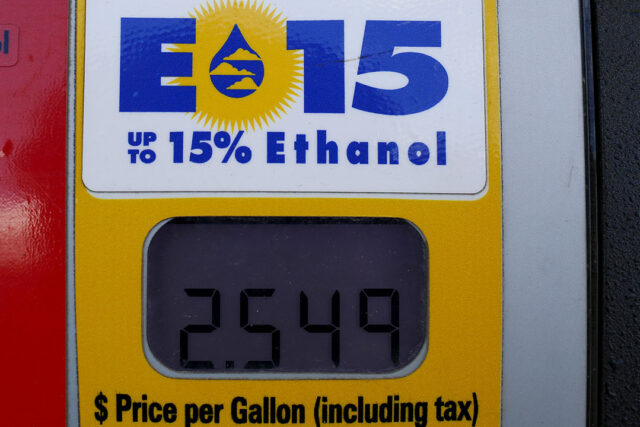
The groups are supporting an amendment to the omnibus Farm Bill that would allow, but not require, fuel retailers to offer gasoline that contains 15% ethanol for sale nationwide on a year-round basis. That blend, known as E15, is typically barred during summer months due to smog concerns, though the Trump Administration has temporarily waived that restriction to try to bring down the cost of retail gasoline that has surged to more than $4 a gallon, a pain point for low- and middle-income consumers.

The amendment was submitted to the House Committee on Rules by a group of more than 20 lawmakers, led by Representative Michelle Fischbach, a Republican from Minnesota on Wednesday. That committee is set to consider the legislation next week as part of the Farm Bill, the most important piece of agricultural legislation that is brought up every five years.

The Environmental Protection Agency, using emergency waivers, has allowed fuel retailers to sell E15 since late March. Prices have steadily marched higher due to a global energy supply crunch caused by Iran’s effective blockade of the crucial Strait of Hormuz following US-Israeli strikes on that nation, with retail US gasoline surpassing $4 a gallon in early April.

As of Friday, the average price nationwide was $4.06 per gallon. With gasoline futures continuing to rise, motorists could feel more pain in coming weeks. E15 is typically cheaper than conventional gasoline because ethanol usually costs less than petroleum blendstock.

“Maintaining access to E15 year-round empowers consumers at the pump with more options, particularly during periods of tight supply and high fuel costs, while allowing refiners and retailers to meet the demands of the market,” the organizations including the American Petroleum Institute, the National Association of Convenience Stores and the National Corn Growers Association wrote in a letter addressed to members of Congress on Thursday.

President Donald J. Trump has said he supports year-round E15 sales and would sign legislation approving them without delay.

Jake Barron, communications director at biofuels group Growth Energy, said year-round E15 sales could save consumers up to 30 cents a gallon.

Refining industry groups, including the American Fuel & Petrochemical Manufacturers, have opposed the move citing additional compliance costs.

The White House has tried various moves to limit the economic fallout of the surge in global oil prices, including a large release of US emergency crude stockpiles and the extension of a 90-day shipping waiver to ease transport of oil, fuel and fertilizer. — Reuters