Peso may drop to new lows amid fading US-Iran peace prospects
THE PESO could slide further against the dollar and even test new record lows as the escalating Middle East conflict’s impact on global crude oil prices threatens the Philippines’ inflation outlook.
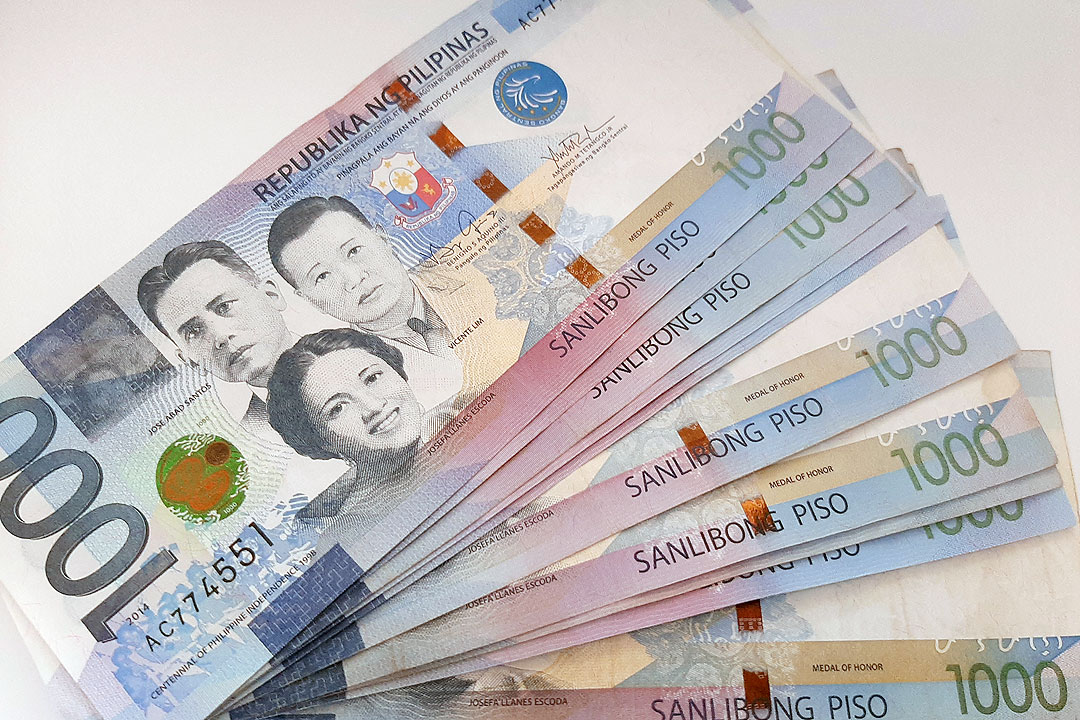
On Friday, the local unit closed at a fresh three-week low of P60.70 against the dollar, weakening by 22 centavos from its P60.48 finish on Thursday, Bankers Association of the Philippines (BAP) data showed.
Week on week, the peso fell by 66.5 centavos from its P60.035 finish on April 17.
The peso was dragged down by higher global crude oil prices amid a lack of progress in the peace negotiations between the United States and Iran, Rizal Commercial Banking Corp. Chief Economist Michael L. Ricafort said in a Viber message.
“The dollar-peso closed higher on Friday, still on elevated global crude oil prices amid the standoff in the Strait of Hormuz and escalating tension between the US and Iran,” a trader likewise said in a phone interview.
The Bangko Sentral ng Pilipinas’ (BSP) negative outlook on the economy also weighed on the peso despite signals of more rate hikes, the trader added.
On Thursday, the Monetary Board raised benchmark interest rates by 25 basis points (bps) to bring the policy rate to 4.5%, as expected by 11 of 19 analysts in a BusinessWorld poll. This was its first tightening move since October 2023.
BSP Governor Eli M. Remolona, Jr. said the hike was a preemptive move to help rein in growing price pressures amid the Middle East war.
“The inflation outlook has deteriorated amid the ongoing conflict in the Middle East. Higher global oil and fertilizer prices have begun feeding through to domestic fuel and food prices. At the same time, core inflation has continued to rise, pointing to a broadening of underlying price pressures,” he said.
He also signaled further hikes ahead as they now see inflation breaching their 2%-4% tolerance band in 2026 and 2027. For this year, the BSP expects the consumer price index (CPI) to average 6.3%, significantly higher than the earlier 5.1% forecast.
This comes as elevated oil prices amid conflict drove headline inflation to a near two-year high of 4.1% in March, bringing the three-month average to 2.8%. Mr. Remolona said the CPI could breach 5% for the rest of the year.
For 2027, the BSP also raised its projection to 4.3% from 3.8% previously.
For this week, the trader said markets could react to developments between the US and Iran, with any escalation likely to weigh on the peso.
The trader sees the peso moving between P60.50 and P61 per dollar this week, while Mr. Ricafort expects it to range from P60.55 to P60.80.
Hopes of a diplomatic breakthrough in the US-Israeli war with Iran receded as a new week began, with talks aimed at ending the two-month conflict at a standstill and both Tehran and Washington showing little willingness to soften their terms, Reuters reported.
Iranian Foreign Minister Abbas Araqchi left mediator Pakistan empty-handed at the weekend, and US President Donald J. Trump canceled a planned visit to Islamabad by his envoys Steve Witkoff and Jared Kushner, dealing back-to-back blows to peace prospects.
The deadlock leaves the world’s biggest economy and a major oil power locked in a confrontation that has already pushed energy prices to multi-year highs, stoked inflation and darkened global growth prospects.
Mr. Trump told reporters in Florida that he scrapped the envoys’ visit because the talks involved too much travel and expense to consider an inadequate offer from the Iranians. After the diplomatic trip was called off, Iran “offered a lot, but not enough,” Mr. Trump said.
Adding to regional strains, Israeli Prime Minister Benjamin Netanyahu ordered his troops to attack Hezbollah targets in Lebanon, his office said, further testing a three-week ceasefire.
Tehran has largely closed the Strait of Hormuz, which normally carries one-fifth of global oil and liquefied natural gas shipments, while Washington blocks Iran’s oil exports.
The US-Iran conflict, in which a ceasefire is in force, began with US-Israeli airstrikes on Iran on Feb. 28. Iran has since struck Israel, US bases and Gulf states. — Aaron Michael C. Sy with Reuters