Home Blog Page 7830

US-Philippine relations: Warming up to each other
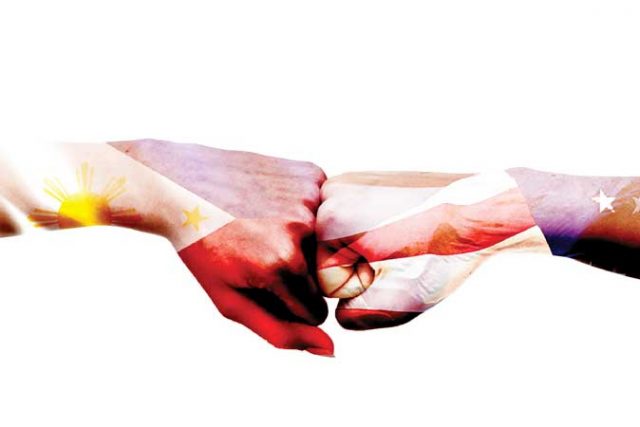
A few days ago, Philippine ambassador to the United States, Jose Manuel Romualdez, agreed to speak live from Washington, DC at the third Archer Talks forum. Archer Talks is a bi-monthly Zoom webinar organized by members of De La Salle University Manila high school 1965 and college 1970 classes.

Romualdez, himself a member of the college class of 1970, readily consented to speak before the class and, more importantly, before others from different sectors. Certainly, everyone would benefit from Romualdez’s insights that he had formed in his four-year stint in one of the most critical posts in Philippine diplomacy.

Romualdez said that US-Philippine relations “has not always been without its highs and lows. Although the pandemic may have marginally affected the way diplomacy is done, through it all, what has remained constant is our two countries’ commitment (to each other). (This commitment) was further reinforced by President Biden when he wrote President Duterte on the occasion of the (then two upcoming milestones). These milestones were the 75th anniversary of Philippine-American Friendship Day and of the establishment of diplomatic relations between the two countries. The other is the 70th anniversary of the signing of the Mutual Defense Treaty (MDT).

“In his letter, President Biden also assured that the United States will stand shoulder-to-shoulder with the Philippines to ensure both our nations’ security.”

In what appeared to be a justifiable proud moment of claiming at least some credit for the vastly improved relations between the two nations in such a short period during the Trump-Biden transition, Romualdez said, “I can say that in all the years that I have dealt with the United States, this has been the strongest statement that emanated from the White House on the US commitment to come to our defense especially in the context of the West Philippine Sea. The US has both rejected China’s maritime claims in the West Philippine Sea and reaffirmed the applicability of the Mutual Defense Treaty in case of an attack against us in that part of the globe.”

The desire to forge closer and warmer relations between the two countries is a natural reaction by the US to Chinese attempts to solidify its influence firmly in ASEAN on one hand, and an expression of its willingness to compete with China for influence in the Indo Pacific area, on the other. The conclusion that one makes is that if China did not create the trouble it is now making in the world stage, especially in the West Philippine Sea, the US would have probably depended on Pacific allies like Australia, Japan, and India to keep China in check.

The present struggle between the two superpowers has enhanced the strategic importance of the Philippines for both the US and China. The US wants to prove that it is still number one in all aspects of human activity, including and especially in terms of military might and reach. On the other hand, the communist Chinese party wants to make good its boast and propaganda taught in all Chinese schools that the boundaries of China go beyond Hunan, its southernmost tip. For China, the Philippines is a trophy which has tons of propaganda value. As far as China is concerned, the Philippines is “America right at its maritime borders” and acquiring and occupying these territories under their nine-dash-line is a victory worth savoring by all Chinese. By getting these territories and those claimed by Vietnam, Indonesia, and other ASEAN nations, they can say they have won the race against the US and have the West Philippine Sea in its huge trophy room. China has willing partners within the Philippines.

If we play our cards right in this battle for influence, this race should only serve to benefit the Philippines which wants to have its cake and eat it too. As a pragmatist in international affairs, we find absolutely nothing wrong with that above all, for the bottom line is protection of the country’s self-interest. And this exactly what countries like the US, the Philippines, and European Union do.

Like what all diplomats do, Romualdez did proclaim the country’s partnership with the US while sticking to the Duterte line of forging the closest relationship with China. To reassure our giant neighbor, Romualdez stated, “the Philippines will always work with its allies like the United States and other partners like China on shared concerns.” In what was a graphic way of dealing with the US-Philippines-China dynamics, Romualdez added, “We, the embassy, the consulates, and the Philippine government, will navigate the diplomatic scene to ensure that opportunities are maximized, and for the balance to be in favor of the Filipino people.”

Romualdez continued his presentation with a report on what the US has done to augment Philippine defenses, albeit another subtle message to the Chinese that minuscule it may be, our military is starting to strengthen itself with help from a longtime friend. “But more than coming to our aid, the US also helps us prepare to defend ourselves by beefing up our defense capabilities. In fact, we have received an offer from the US government to transfer five cyclone-class vessels that will help the Philippine navy patrol our maritime territory, particularly in disputed areas.”

In keeping with the upbeat tone of his report, Romualdez announced that after months of persistent and sustained efforts to bring US-manufactured vaccines to the Philippines, two million doses of AstraZeneca and 1.3 million doses of the Pfizer vaccines were delivered to Manila last May through the COVAX facility. The United States is the largest contributor to COVAX. He also reported that the country received its first Moderna vaccines “over the weekend.”

Romualdez talked of a variety of other aspects of US-Philippine relations like the tremendous contributions of Filipino frontliners during the pandemic; possible US investment in agriculture, infrastructure, technology, and other fields; Asian hate crimes, and immigration.

Aside from being very instructive and informative to many who joined the forum, Romualdez’s presentation showed a stark contrast between the sober and mature approach of Joseph Biden to diplomacy compared with his predecessor. While these differences in governance and leadership styles, directly impact Americans, the Philippines and the rest of the world will surely be able to use a period of sobriety and peace during this pandemic and be assured of the US commitment to help us deal with a violator of international law.


Philip Ella Juico’s areas of interest include the protection and promotion of democracy, free markets, sustainable development, social responsibility and sports as a tool for social development. He obtained his doctorate in business at De La Salle University. Dr. Juico served as Secretary of Agrarian Reform during the Corazon C. Aquino administration.
Socially distant

ISMAIL HAMZAH-UNSPLASH

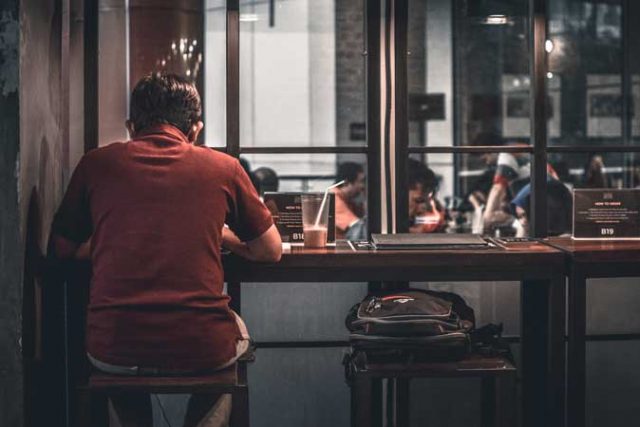
AT THIS TIME, what can be more in keeping with social distancing than eating by oneself in a dine-in restaurant?

Solo meals when traveling (before the imposition of quarantines and the new normal) invited no social stigma. Meals taken abroad are often hurried affairs squeezed in between local tours, taken in fast food outlets, or even more quickly by a sidewalk stand selling pickled herring. There is no need to request for a table for one in a restaurant with the likelihood of getting seated in a dimly lit corner near the washroom, figuring out the cultural intricacies of what to order and how much to tip.

In our culture, eating is a social experience entailing relationships, bonding moments and celebrations, with only a semblance of fulfilling a nutritional function. In fact, social meals are characterized by unhealthy eating loaded with carbs and cholesterol. A proper diet can require eating alone.

Still, the solo diner gets defensive about being alone. When greeted by a passing friend who chances upon him chewing his chef salad in front of an empty chair, the soloist feels obliged to make up stories on his not-so-temporary state — She just stepped out to park the car.

The solo diner feels compelled to hide his discomfort. He tries to lower his profile and blend with the sparse crowd. He chooses a food court for his meal to be lost in the anonymous mass of customers sharing tables, providing a ready cast with whom he can carry on a conversation — where’d you get that cheap dessert?

Maybe, a prop is employed. Fiddling with one’s phone while having lunch can be cumbersome when needing two hands for the fried chicken wing not to drop into the soup. Perhaps, one is checking his stock portfolio and marking his losses to market? Or, is he checking his slides for a Zoom meeting later?

The man with an open computer on the table and a half-eaten sandwich on a plate beside it is not considered a social leper. Even with company, he is engaged in his self-absorbed pursuit. If he is having lunch alone, he is not seen as pathetic, merely busy. He is the Master of the Universe tracking his net worth.

There are some advantages in dining alone.

The bill is cheaper, though not eligible for reimbursement. (You were entertaining yourself?) Even when splitting the bill with other lunch mates in a non-business setting, the individual’s share is usually higher than a solo meal. The usual practice of “Dutch Treat” is to divide the total bill among the number of diners. This is not always fair as some may not have ordered soup or have removed dessert from their diet but they pay the same amount as the wine drinker. The “Manhattan Treat” is the fairest way of sharing the bill. However, it is too cumbersome to implement requiring each diner to ask for a separate check depending on what he ordered. What if somebody shared your dessert? The “Business Treat” has only one person getting the reimbursable bill — Can I have your senior card?

When eating solo, there is no lag time waiting for others to arrive or place their orders. (Sir, the paella valenciana will take another 30 minutes.) The solo diner quickly places his order, eats his meal, and pays his bill. He can, of course, also take his time with his iced cappuccino, savoring the dregs at the bottom of the cup if that is what he feels like doing. Nobody is rushing him.

One can find many soloists at open-air cafes taking their refreshments slowly and watching the passing scene behind sunglasses. Is that a smile behind the face mask?

Maybe, the solo coffee drinker is meditating on the difference between Chronos and Kairos in the matter of perceived time and idleness. He becomes a passive observer of random happenings in front of them, eavesdropping on conversations of quarrelling lovers about to split up, secure in the feeling of not being part of that conversation — life is beautiful.

Accepting solitude, whether dining alone or just being in the moment, is a way of emptying the mind and imagining parallel universes. Solitude can be comforting until it gets… well, boring.


Tony Samson is Chairman and CEO of TOUCH xda

ar.samson@yahoo.com

South Korea considers reimposing restrictions as COVID-19 cases surge

REUTERS

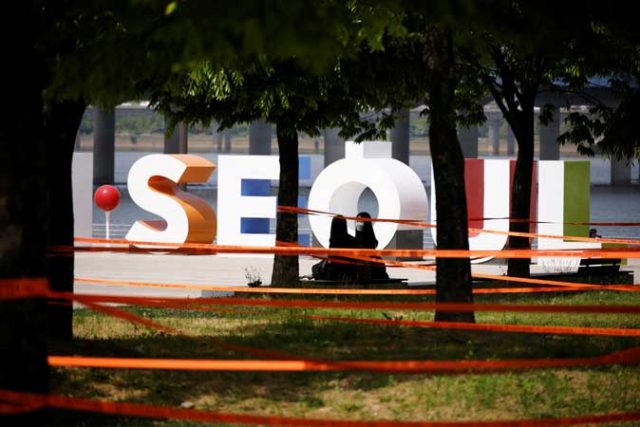
SEOUL — South Korea reported its second highest number of daily new coronavirus disease 2019 (COVID-19) cases ever on Wednesday, just days after it began easing social distancing restrictions in some parts of the country, buoyed by an accelerated vaccine rollout.

With the majority of the 1,212 new cases coming from densely populated Seoul, officials extended movement curbs in the capital and surrounding regions for at least another week and are considering pushing restrictions back up to the highest level.

Prime Minister Kim Boo-kyum said the country’s fourth wave of the virus, fueled by the highly contagious Delta variant, was spreading rapidly, especially among unvaccinated people in their 20s and 30s.

Mr. Kim urged people in that demographic to get tested preemptively “to protect not just yourself, but everyone in your family, friends, school and the country.”

“If the situation is not under control after monitoring for two to three days, it might leave us with no choice but to impose the strictest of all social distancing levels,” Mr. Kim said.

President Moon Jae-in ordered the military be mobilized to aid wider contact tracing and urged authorities to install additional testing centers in densely populated areas, presidential spokeswoman Park Kyung-mee told reporters on Wednesday.

The daily caseload was the worst since Dec. 25, when South Korea was experiencing a third wave of the pandemic.

Officials had been moving in recent weeks toward a full reopening of the country. Movement restrictions in much of the country were eased on July 1, although officials in greater Seoul held off as they watched case numbers beginning to creep up again.

Health experts said the relaxation of measures that restricted business operating hours and social gatherings outside Seoul, along with the knowledge that further easings would be coming, led to public complacency, particularly in socially mobile younger people in the capital.

Around 85% of the new locally transmitted cases were in the Seoul metropolitan area, which is home to more than half of the country’s population.

“While the infection rate has dropped relatively in the people aged over 60 on the back of inoculation drive, the transmission continues in the unvaccinated group,” said Kim Tark, associate professor of infectious disease at Soonchunhyang University Bucheon Hospital.

“It’s a reminder to speed up vaccination for people under 60.”

VACCINES ARRIVE
Just 10% of the country’s population of 52 million people have been fully vaccinated, while 30% have received at least one shot, the majority of them aged over 60.

The Korean Medical Association urged the government to refrain from any hasty decisions to ease social distancing policies with vaccinations at low levels.

The country received 700,000 doses of the Pfizer/BioNTech vaccine from Israel on Wednesday under a swap arrangement, along with a separate shipment of 627,000 directly purchased doses.

Some of the new supply will be sent to greater Seoul for inoculation programs due to start on July 13, authorities said.

Improved vaccination levels have helped lower South Korea’s mortality rate to 1.25% and the number of severe cases to 155 as of Wednesday, down significantly from 1.41% and 311 cases reported during the previous peak in late December.

The country has reported a total of 162,753 infections and 2,033 deaths during the pandemic. — Reuters

China bans tallest skyscrapers following safety concerns

REUTERS
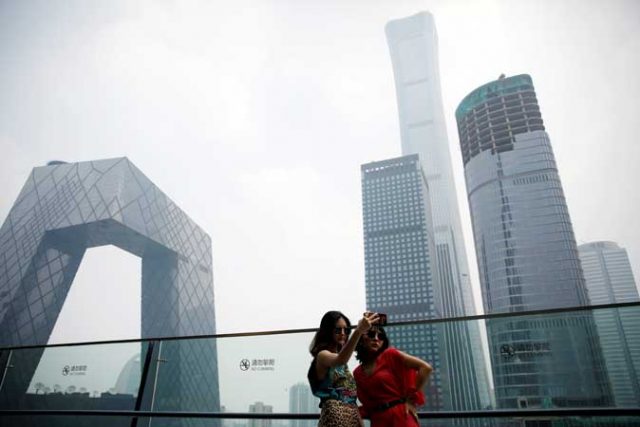
Women pose for pictures near the CCTV headquarters and China Zun skyscraper in Beijing’s central business district, China, July 16, 2020. — REUTERS/TINGSHU WANG

CHINA is prohibiting construction of the tallest skyscrapers to ensure safety following mounting concerns over the quality of some projects.

The outright ban covers buildings that are taller than 500 meters (1,640 feet), the National Development and Reform Commission said in a notice Tuesday. Local authorities will also need to strictly limit building of towers that are more than 250 meters tall.

The top economic planner cited quality problems and safety hazards in some developments stemming from loose oversight. A 72-story tower in Shenzhen was closed in May for checks following reports of unexplained wobbling, feeding concern about the stability of one of the technology hub’s tallest buildings.

Construction of buildings exceeding 100 meters should strictly match the scale of the city where they will be located, along with its fire rescue capability, the commission said.

“It’s primarily for safety,” said Qiao Shitong, an associate law professor at the University of Hong Kong who studies property and urban law. Extremely tall buildings “are more like signature projects for mayors and not necessarily efficient.”

Authorities imposed an “in-principle” ban on new towers over 500 meters last year. There are only 10 buildings in the world exceeding that height, and five of them are in mainland China, including the 632-meter Shanghai Tower, according to the Council on Tall Buildings and Urban Habitat. 

The SEG Plaza’s shaking in May prompted the local government to investigate and led to a warning from the US consulate in Guangzhou urging Americans to avoid the area. Videos circulated showing people fleeing. The building remains closed. — Bloomberg

Digital IDs enable faster access to financial aid in Marawi

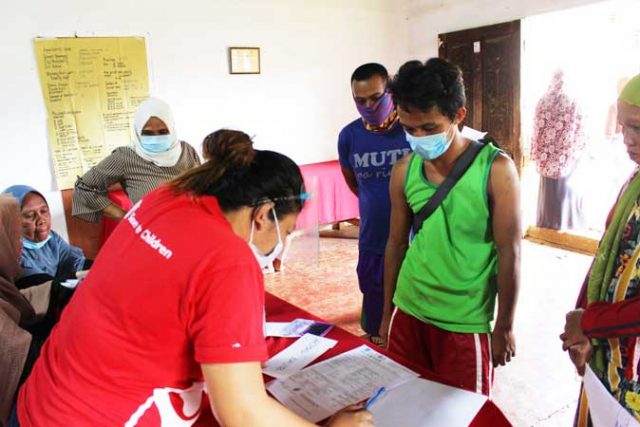
Image via Save The Children Philippines

Software provider AID:Tech developed digital IDs that have helped 3,000 displaced Filipinos in Marawi City, Lanao del Sur province, get faster access to financial aid from Save the Children Philippines.  

The IDs, which use blockchain technology powered by Microsoft Azure, allow for easier identification and faster aid delivery.  

“The effect of the fighting here four years ago is still felt today. Until now, efforts to track down and identify everyone affected are still ongoing,” said Edwin Philip J. Horca, head of Save the Children Philippines in the Bangsamoro Autonomous Region in Muslim Mindanao (BARMM), in a statement.   

In 2017, Marawi City was left in ruins due to a five-month battle between local Islamic terrorist groups and government forces. As of May 2021, it had only been 65% rehabilitated, according to a report by Task Force Bangon Marawi.  

As for the over 370,000 people that were displaced, Mr. Horca added: “One of the biggest challenges in delivering aid to the impacted people of Marawi is that many children and even their parents do not have birth certificates for identification, which in turn excludes them from social protection programs.”  

Because of these complexities, the Asian Development Bank (ADB), a partner in the government’s $408 million reconstruction and recovery program, introduced AID:Tech’s platform to Save the Children Philippines. Beneficiaries are provided both physical ID cards with QR (quick response) codes and digital identities that organizations can verify in the process of delivery.   

Microsoft Azure’s blockchain technology can track and trace donated items such as back-to-school kits and food provisions. Save the Children Philippines is also planning to work with the national and local government in BARMM to adopt the use of the digital ID system in future projects.  

“A billion people globally have no official identification according to the World Bank, and 30% of the world’s aid is unaccounted for as mentioned by former United Nations (UN) Secretary-General Ban Ki-moon,” said Fides Ricasa-De la Rosa, Chief Partner Officer at Microsoft Philippines, in a statement.  

“Combining a digital identity with digital delivery of assets in a single platform can significantly improve accountability in aid distribution and ensure everyone’s right to a name is fulfilled,” she added. — Brontë H. Lacsamana 

As cyberattacks rise, remote workers advised to invest in security

PIXABAY

Those who work-from-home no longer have the advantage of a corporate network’s security perimeter, and can thus be more vulnerable to malicious actors on the Internet, according to internet security firm Kaspersky. Among the ways to minimize falling prey to such cyberattacks are being knowledgeable about cyberthreats and beefing up one’s security software.   

While devices have built-in anti-virus software, these aren’t capable of detecting threats such as malicious URLs (Uniform Resource Locators or web addresses), said Bric Adam Tenorio, pre-sales manager for the Philippines at Kaspersky, a security technology company. A malicious URL is either a website created by threat actors, or a legitimate website which has been compromised with malicious content.  

“I encourage everyone, especially those who work-from-home using their own devices, to invest in security software, to give them peace of mind [when accessing work files],” said Mr. Tenorio.  

Rosemarie Gonzales-Roy, Kaspersky’s corporate communication manager for Southeast Asia, added: “We have to be smart about our online habits. If you can avoid it, don’t use your work devices for personal use. … Turn off your camera and microphone when you’re not using them. Also, even if your employers don’t say so, use a VPN.”   

A virtual private network (VPN), a service that provides online privacy and anonymity by creating a private network from a public internet connection.   

SOCIAL ENGINEERING
The panelists also warned against social engineering, which involves deceiving users to act unknowingly against their best interests. The most popular type is phishing, which is when individuals are contacted by e-mail or phone by someone posing as a legitimate institution to lure these individuals into providing sensitive data such as credit card details or passwords.  

Telltale signs to look out for are company logos that resemble official ones, domains that are different from the supposed senders (e.g., a Bank of America e-mail with cv@comcast.net as the return address), and non-personalized salutations (i.e., Dear Sir/Madam).   

“The operative word is deceiving,” Mr. Tenorio said.  

Mr. Tenorio listed questions that can help individuals spot a social engineering attack:  

  • Are my emotions heightened? Am I being frightened to take action? Am I being encouraged to update my personal data because of my account was supposedly compromised?  
  • Did the message come from a legitimate sender? Does the website I’m on have odd details? Does the offer sound too good to be true? Did my friend actually send this message to me?   
  • Is the attachment or link suspicious? Does the URL start with “http” instead of the secure “https”?  
  • Can this person prove their identity?  

OPEN WIFI
Because working from home can also mean working from anywhere, individuals should be wary of threats such as man-in-the-middle attacks (MITM). MITM happens when a cybercriminal gains access to an unsecure Wi-Fi router  such as in public wi-fi connections in cafes and malls  and uses this as a way to deploy tools to read a victim’s transmitted data. These tools can also be inserted between a victim’s computer and the website the victim visits to capture personal information such as log-in credentials.  

When logging in at websites, Mr. Tenorio advised utilizing one-time passwords (or OTPs) for an added layer of authentication.   

“OTP is one of my favorite security inventions,” Mr. Tenorio said. “Please don’t provide your OTP, even if [the ones asking for it] say they’re customer support.” — Patricia B. Mirasol 


SIDEBAR | How to avoid credit card fraud  

With pandemic-related restrictions boosting e-commerce, cardholders run the risk of sharing sensitive information if they aren’t careful when online shopping. There was a 30% increase in fraud cases last year compared to the previous year, according to the Credit Card Association of the Philippines (CCAP), which acts as a mediator for the credit card industry, merchant establishments, and consumers.  

Bangko Sentral ng Pilipinas (BSP) also reported in a briefing last month that out of 20,000 consumer concerns received in 2020, 13% were related to fraudulent, unauthorized transactions involving deposits, online services, remittances, and, of course, credit cards.  

Because there are so many different types of credit card fraud that online consumers need to watch out for, CCAP outlined the common forms of each and how to defend against them.  

Phishing and vishing  

These scams come in the form of e-mails, fake job sites and browser toolbars, banner ads, and text or chat messages. Vishing is a subcategory within phishing that involves phone calls from scammers pretending to be bank representatives. The play here is to lure victims into giving sensitive data by offering fake promos or assistance to help with their account that has been hacked.  

What to do: Don’t click any links and examine the e-mail or message first. When in doubt, contact the bank to verify if the message is valid or to ask if a caller claiming to be a bank representative is legitimate. The best thing to do is ignore them and keep all sensitive information to yourself while nothing is verified.  

Lost or stolen cards  

Whether it’s because a wallet went missing or a card was mysteriously misplaced, anyone with access to credit cards could make unauthorized transactions.   

What to do: Report the lost or stolen card to the bank immediately so they can block the account. To prevent future losses, cardholders should refrain from placing the wallet in areas visible to many people. Cards could also be placed in a separate pouch, so that losing a wallet wouldn’t mean losing all cash, cards, and IDs.  

Card replacement scam  

Scammers may call people claiming that their credit card is due for replacement or even an upgrade. Instead of doing what they promised, they can use the card for their own purchases and never give it back.  

What to do: Be careful with calls or messages that claim to be about your credit card or bank account. Banks usually ask cardholders to go to a branch to get a replacement card and let you do whatever you want with the old card.  

Skimming  

The word comes from the device that fraudsters install on an automated teller machine (ATM), as it can skim a card’s magnetic stripe that contains the cardholder’s information.  Even the credit card terminal at a cashier where one shops can be tampered to skim cards.   

What to do: While banks have upgraded their cards’ microchips to EuroPay, MasterCard, and Visa (EMV) technology that makes it harder for skimming devices to get information, cardholders should remain vigilant by staying alert when transactions are being made, checking ATMs for devices, and shaking scanners before inserting the card.  

It’s risky to conduct a credit card transaction while using a free, public internet connection as it’s difficult to determine if these have been hacked by fraudsters, CCAP said in a press release.   

Though banks now have mobile apps where cardholders can track transactions, lock cards when not in use, or receive notifications on the latest scamming trends, constant contact with the bank is still important since banks can reach out for any suspicious or unusual account activities. — B. H. Lacsamana 

Sydney locked down for another week as Delta COVID-19 variant spreads

REUTERS

SYDNEY — The leader of Australia’s New South Wales (NSW) state on Wednesday ordered a week-long extension of Sydney’s coronavirus disease 2019 (COVID-19) lockdown, warning new cases are bound to rise as the country’s biggest city grapples with the highly infectious Delta variant. 

Sydney, home to a fifth of Australia’s 25 million people, was plunged into lockdown on June 26 as a Delta variant outbreak persuaded officials to tighten restrictions in a country that has been slow to vaccinate. Strict stay-at-home orders were due to end on Friday, but now remain in place until July 16. 

“This Delta strain is a game-changer, it is extremely transmissible and more contagious than any other form of the virus that we’ve seen,” NSW state Premier Gladys Berejiklian told reporters in Sydney. 

With Sydney fighting its worst outbreak of the year so far, total infections have topped 350 since the first case was detected three weeks ago in a limousine driver who transported overseas airline crew. 

A total of 27 new locally acquired cases of COVID-19 were reported on Wednesday in NSW, up from 18 a day earlier. Of the new cases, 20 were either in isolation throughout or for part of their infectious period, while seven cases spent time in the community while they were infectious. 

Lockdowns, swift contact tracing and a high community compliance with social distancing rules have helped Australia suppress past outbreaks and keep its COVID-19 numbers relatively low, with just over 30,800 cases and 910 deaths. The current lockdown is Sydney’s second since the pandemic began. 

Health officials warned Sydney residents they expect cases to rise in the next 24 hours and urged residents in three western suburbs  Fairfield, Canterbury-Bankstown and Liverpool  to stay home. 

Liverpool Deputy Mayor Mazhar Hadid said there was “no choice” but to lock down the neighborhood. 

“I know it’s affecting small businesses in Liverpool, it’s like they’ve lost their city, but we need to do the right thing,” he told Reuters. 

Schools in Sydney will move to remote learning next week when they return from the winter break. 

FRUSTRATED RESIDENTS
With less than 10% of Australians fully vaccinated and rolling restrictions ordered in Melbourne, Brisbane and Perth as well as Sydney, lockdowns are starting to wear on residents watching other parts of the world open up. 

As crowds gather at Wimbledon to watch the tennis championships, sporting events including the Australian F1 Grand Prix have been cancelled. 

“Let’s lock down the people that are vulnerable, you don’t lock down healthy people because a few are sick. It’s just not making sense and your numbers don’t justify it,” Sydney resident Paul Coleman told Reuters at Bondi, near the epicenter of the latest outbreak. 

Australia’s vaccination drive has fallen well behind initial schedules after age restrictions were placed on AstraZeneca’s COVID-19 vaccine, the backbone of the country’s program, due to the small risk of blood clots. 

Canberra has since scrambled to secure additional supplies of Pfizer’s vaccine, although large quantities are not due to arrive until late in the year. 

Treasurer Josh Frydenberg told reporters that “challenges have been forced upon us” in the inoculation program but the pace was picking up. — Renju Jose and Byron Kaye/Reuters 

Iran takes steps to make enriched uranium metal; US, Europe powers dismayed

Image via Rikard Fröberg/Flickr/CC BY 2.0

VIENNA/WASHINGTON — Iran has begun the process of producing enriched uranium metal, the UN atomic watchdog said on Tuesday, a move that could help it develop a nuclear weapon and that three European powers said threatened talks to revive the 2015 Iran nuclear deal. 

Iran’s steps, which were disclosed by the International Atomic Energy Agency (IAEA) and which Tehran said aimed to develop fuel for a research reactor, also drew criticism from the United States, which called them an “unfortunate step backwards.” 

US and European officials made clear that Iran’s decision would complicate, and potentially torpedo, indirect US-Iranian talks seeking to bring both nations back into compliance with the 2015 deal, which was abandoned by former President Donald J. Trump. 

The deal imposed curbs on Iran’s nuclear program to make it harder for Tehran to develop fissile material for nuclear weapons in return for the lifting of economic sanctions. After Mr. Trump withdrew, Iran began violating many of the restrictions. 

Tehran has already produced a small amount of uranium metal this year that was not enriched. That is a breach of the deal, which bans all work on uranium metal since it can be used to make the core of a nuclear bomb. 

“Today, Iran informed the Agency that UO2 (uranium oxide) enriched up to 20% U–235 would be shipped to the R&D laboratory at the Fuel Fabrication Plant in Esfahan, where it would be converted to UF4 (uranium tetrafluoride) and then to uranium metal enriched to 20% U–235, before using it to manufacture the fuel,” an IAEA statement said. 

A confidential IAEA report seen by Reuters said the agency had confirmed that Iran had taken steps to begin the process of producing enriched uranium metal. 

Britain, France, and Germany said on Tuesday they had “grave concern” about Iran’s decision, which violates the nuclear deal, formally named the Joint Comprehensive Plan of Action (JCPOA). 

“Iran has no credible civilian need for uranium metal R&D and production, which are a key step in the development of a nuclear weapon,” they said in a joint statement issued by Britain’s foreign ministry. 

“With its latest steps, Iran is threatening a successful outcome to the Vienna talks despite the progress achieved in six rounds of negotiations,” they said, and urged Iran to return to the talks in the Austrian capital, which began in April and adjourned on June 20. No date has been set for a next round. 

US State Department spokesperson Ned Price said Washington was not setting a deadline for the talks, but noted “that as time proceeds Iran’s nuclear advances will have a bearing on our view of returning to the JCPOA.” 

Mr. Price said the United States found it “worrying” that Iran was continuing to violate the agreement “especially with experiments that have value for nuclear weapons research.” 

“It’s another unfortunate step backwards for Iran,” he said. 

Mikhail Ulyanov, Russia’s ambassador to the IAEA, noted the agency’s report on Iran’s latest violation of the 2015 deal as well as the Biden administration’s decision to maintain the Iran sanctions reimposed by Mr. Trump, also violations of the accord. 

“The only way out of this vicious circle is resumption of #ViennaTalks without delay and full restoration of #JCPOA,” he wrote on Twitter. — Francois Murphy, Humeyra Pamuk and Arshad Mohammed 

China steps up supervision of overseas-listed firms after Didi IPO drama

Image via Didi Global

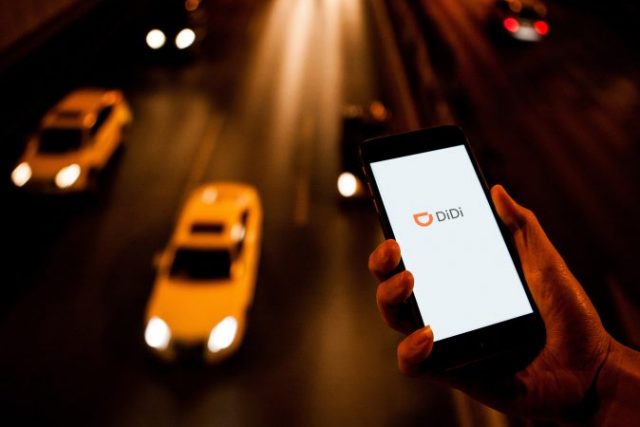
BEIJING  China will step up supervision of Chinese firms listed offshore, its cabinet said on Tuesday, days after Beijing launched a cybersecurity investigation into ride-hailing giant Didi Global Inc. on the heels of its US stock market listing. 

Under the new measures, China will improve regulation of cross-border data flows and security, crack down on illegal activity in the securities market and punish fraudulent securities issuance, market manipulation and insider trading, China’s cabinet said in a statement. 

China will also check sources of funding for securities investment and control leverage ratios, it said. 

China’s shift against companies listed overseas is a significant move in a sweeping clampdown on its massive and once-freewheeling online “platform economy.” 

US capital markets have been a lucrative source of funding for Chinese firms over the past decade but the risk of additional scrutiny may now deter domestic firms from listing there. 

Earlier on Tuesday, Didi shares slumped as much as 25% in US pre-market trade ahead of their first session since the Cyberspace Administration of China (CAC) ordered the company’s app be removed from app stores in the country just days after its $4.4 billion listing on the New York Stock Exchange. 

US-listed Chinese companies including Full Truck Alliance and Kanzhun Ltd were also set to open lower on Tuesday after the CAC on Monday announced cybersecurity investigations into their affiliated businesses. 

“Crackdown on Didi opens a new front in China’s tech assertiveness: this is now a question of sovereignty,” investment research provider TS Lombard’s China economist Rory Green wrote in a note. 

“The battle for data sovereignty is beginning and China is already fully mobilized. It is increasingly clear that governments around the world have recognized the importance of data and the need to regulate the utility like private firms that control its production and flow.” 

In March, the US securities regulator began a rollout of rules to exclude foreign companies from US exchanges if they did not comply with US auditing standards, a move aimed at removing Chinese firms from US exchanges if they fail to comply with US auditing standards for three straight years. 

In May, Reuters reported that Beijing was pressing audio platform Ximalaya to drop US listing plans and opt for Hong Kong instead, with one source at the time citing Beijing’s growing concerns that US regulators will potentially gain greater access to audit documents of New York-listed Chinese companies. 

A record $12.5 billion, in 34 deals, has been raised so far in 2021 from Chinese firms listing in the United States, Refinitiv data shows, including Didi, which started trading on June 30. 

Several big US-listed Chinese companies, however, including internet giants Alibaba and Baidu, have issued shares in Hong Kong in the past two years. 

US exchanges have long been popular listing venues for Chinese tech firms attracted by deep liquidity, high valuations, easier profitability rules and prestige. — Tony Munroe and Kevin Yao/Reuters 

South Korea, Philippines strengthen cooperation on Smart City via webinar

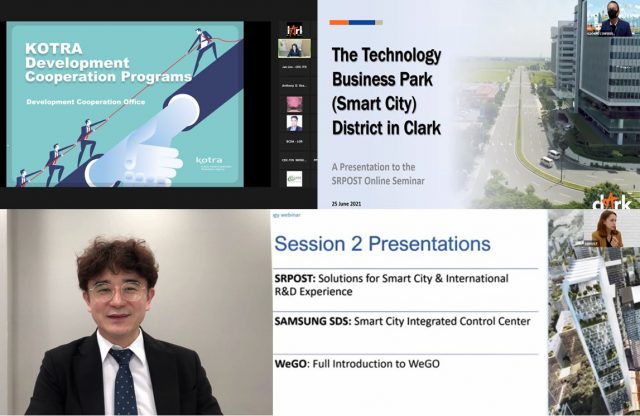
Webinar program slides (Photo credits to SRPOST)
  • SRPOST, together with KOTRA, hosts a webinar on Smart city
  • Promotes knowledge sharing between Philippine and Korean institutions through Global Corporate Social Responsibility(CSR) program

Korea Trade-Investment Promotion Agency (KOTRA) Manila, a commercial section of the Embassy of the Republic of Korea in the Philippines, held a webinar on Smart City last June 25, 2021, via Zoom, together with SRPOST, a South Korean software development company. From the Philippine side, this webinar was co-organized by the Clark Development Corp. (CDC) and participated by Filinvest, and Bases Conversion and Development Authority (BCDA) and its subsidiaries. Attended by more than 70 people from relevant organizations and agencies, Philippine and Korean companies and agencies shared their knowledge and experiences on Smart City throughout the webinar.

KOTRA, a South Korean government agency promoting trade and investment between the Philippines and Korea, also supports the Global Corporate Social Responsibility (CSR) Program. Through various types of CSR activities, KOTRA not only creates business opportunities for companies but also helps to achieve Sustainable Development Goals (SDGs) for local communities.

During the webinar, KOTRA discussed the Knowledge Sharing Program (KSP) as well as the CSR Project. This was followed by the presentations of Clark and New Clark City by the representatives from CDC and BCDA. Furthermore, SRPOST, Seoul Urban Solutions Agency (SUSA), and Samsung SDS also shared their experiences on Smart City with the audience.

Rynah F. Ventura, CDC vice-president, congratulated this successful webinar saying that “this knowledge exchange session brought forth ideas and avenues for future cooperation between CDC and other potential partners from Korea, as we altogether endeavor to create smarter cities after this pandemic.” According to SRPOST CEO Oh Chang Yong, through this CSR event, cooperation directions between the two countries were confirmed to be citizen participation platforms, smart city, and intelligent digital government. “For this, it is important to continue bilateral research on the applications of the fourth industrial revolution technologies, including AI, Big Data, Blockchain, and Cloud,” said Mr. Oh.

Myongsoo Kim, director-general of KOTRA Manila, added, “The COVID-19 pandemic initiated a sudden and dramatic digital transformation in the society. Smart City has gained greater importance in this pandemic era. Out of crises, new business opportunities can emerge, and we will continue to make efforts to connect experienced Korean companies to Philippine institutions and buyers.”

Siemens Healthineers donates mobile X-ray in Bugko Village, Northern Samar

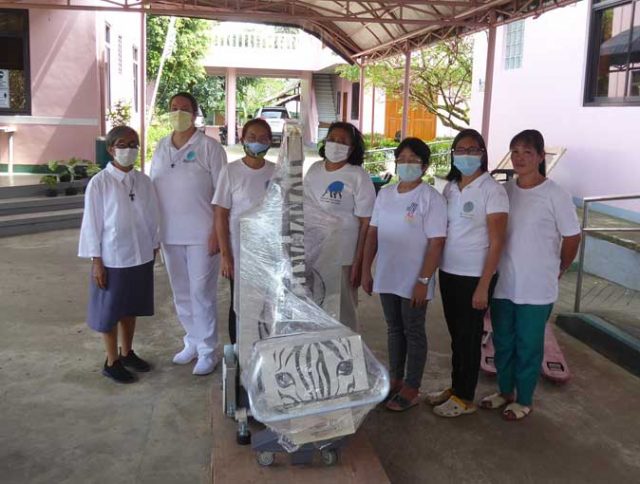
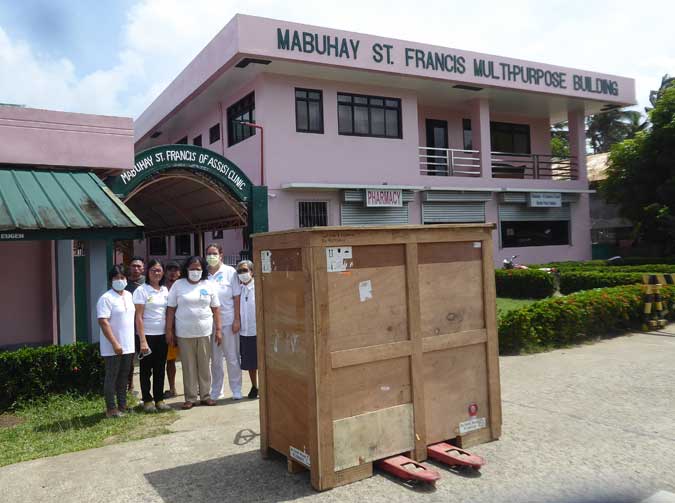
Founders and volunteers of St. Francis of Assisi Primary Health Care Program, Inc.in Bugko, Northern Samar receive the donated mobile X-ray from Siemens Healthineers.
  • Siemens Healthineers lends a helping hand to the Mabuhay-St.Francis of Assisi Primary Health Care Program,Inc. – a non-profit clinic ran by the Secular Franciscan Order in Northern Samar
  • Donates Multimobil Mobile X-Ray in order to upgrade the clinic with basic healthcare infrastructure
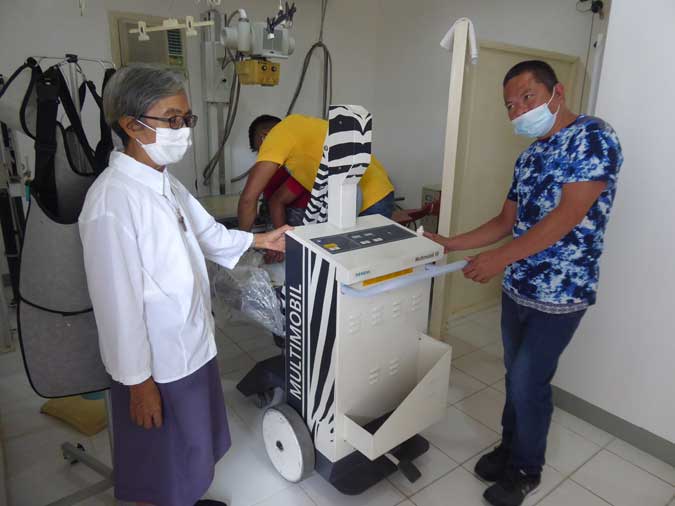
Turning over of the donated mobile X-ray from Siemens Helthineers to the founders and program coordinators of St. Francis of Assisi Primary Health Care Program, Inc.in Bugko, Northern Samar receive.

Siemens Healthineers delivers a mobile X-ray to Barangay Bugko, Mondragon in Northern Samar upon hearing that its current X-ray machine has broken down beyond repair. Receiving the donated unit of Multimobil Mobile X-Ray are founders and program coordinators of St.Francis of Assisi Primary Health Care Program, Inc. Sr. Sabine Korth, SFO and Sr. Veronica Tulipas, SFO together withwith fellow volunteers. The non-profit organization’s clinic is located in a remote area known as Barangay Bugko, which is 20 kilometers away from Catarman – the closest major town with available healthcare facilities. The clinic is run byvolunteers to bring access to basic healthcare to Bugko’s 7,000 inhabitants, as well as to  communities nearby.

Siemens Healthineers, a medtech company donates a mobile X-ray system toSt. Francis of Assisi Primary Health Care Program, Inc. in Barangay Bugko, Mondragon in Northern Samar upon hearing that its current X-ray machine has broken down beyond repair.

“We were touched by the compassion and relentless efforts of Sr. Sabine and Sr. Veronica and the volunteers of St. Francis of Assisi Clinic, as they continue to pursue providing access to healthcare to Barangay Bugko and even to other nearby communities. We hope that this humble gesture of donating a mobile X-ray will help them carry out their mission further through passionate patientcare,” said Mike Tan, President and Managing Director of Siemens Healthineers Philippines.

Singapore not counting Sinovac shots in COVID-19 vaccination tally

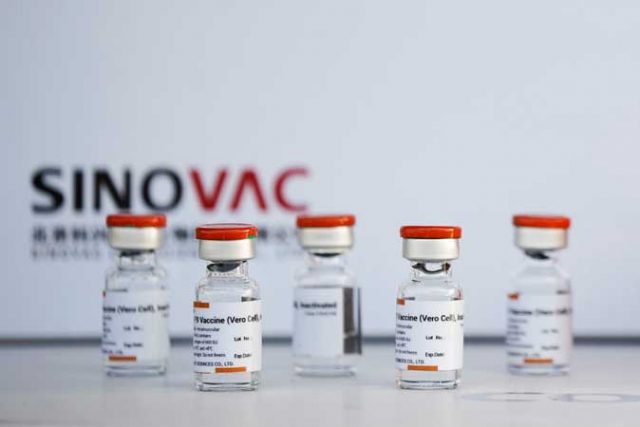
SINGAPORE  Singapore has excluded those who received Sinovac Biotech’s shots from its national coronavirus disease 2019 (COVID-19) vaccination count, according to the city-state’s health ministry. 

“The national vaccination numbers reflect only those vaccinated under the national vaccination program,” the ministry said in an e-mailed statement on Wednesday. 

Currently, this only includes those vaccinated with the Moderna Inc. and Pfizer-BioNTech/Comirnaty vaccines, it said. 

Sinovac’s CoronaVac shot is not part of Singapore’s national vaccination program and the city-state has said it is still awaiting critical data from the company. 

It has, however, allowed the usage of the vaccine by private healthcare institutions under a special access route, following an emergency use approval by the World Health Organization (WHO). Selected private clinics can draw on the country’s current stock of 200,000 CoronaVac doses. 

About 3.7 million people have received at least one dose of the Pfizer or Moderna’s vaccines, covering about 65% of the population, and nearly 2.2 million have completed the regimen. 

Both have shown efficacy rates of well over 90% against symptomatic disease in clinical trials, compared with trials for Sinovac that shown results from as low as 50.4% to above 90%. Sinovac did not respond to a request for comment on its efficacy rates earlier this week.  

Kenneth Mak, Singapore’s director of medical services, said last month evidence from other countries showed people who had taken the Sinovac vaccine were still getting infected. “There is a significant risk of vaccine breakthrough,” he said. 

Just over 17,000 people in Singapore have received one dose of CoronaVac as of July 3. These records will be captured in a national immunization registry. 

Recipients of the Sinovac vaccine are also not exempt from COVID-19 tests required before attending certain events or entering some venues. Those who have completed the full vaccination regimen with Moderna or Pfizer are exempt from such pre-event testing. 

“COVID-19 vaccines that are not part of our national vaccination program may not have documented sufficient data on their protection against COVID-19 infection, especially against the Delta variant that is currently circulating,” the health ministry said last week. — Reuters 

ADVERTISEMENT
ADVERTISEMENT