Home Blog Page 7451

Improved green building system accounts for community engagement, economic opportunities

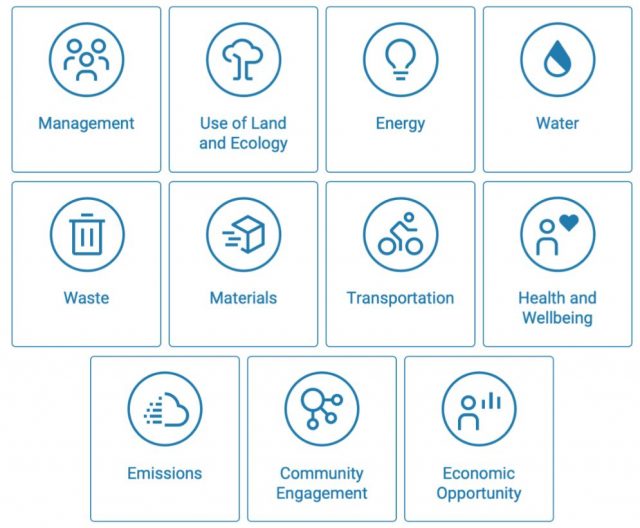
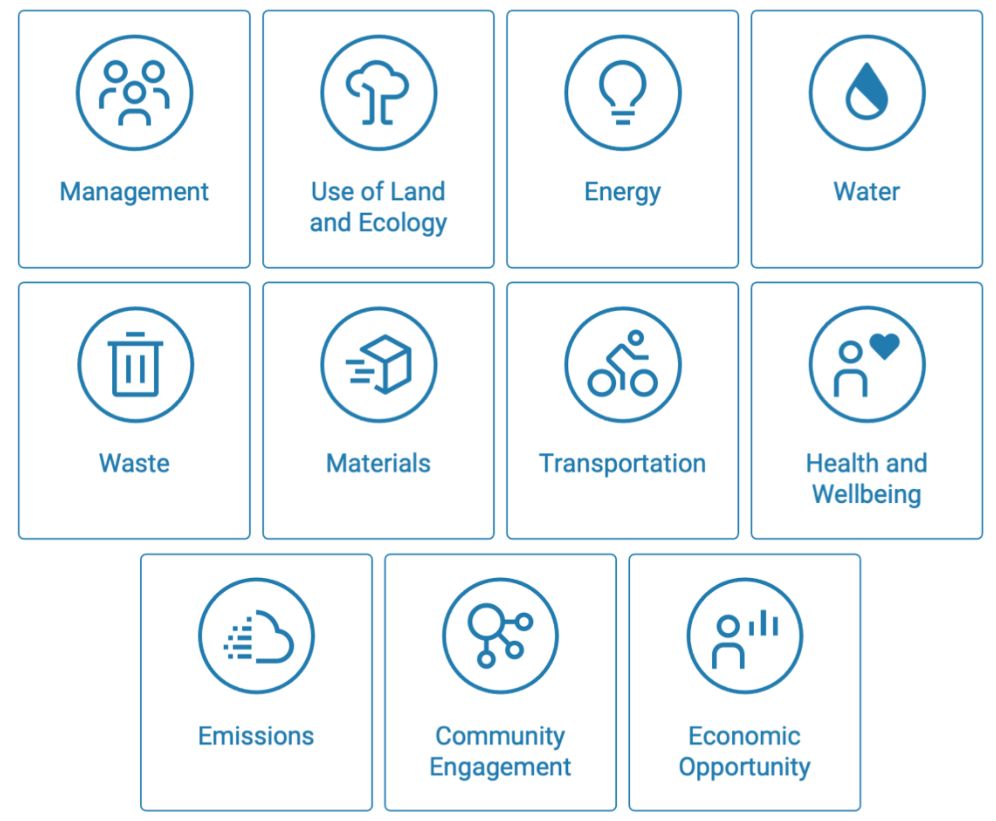
The Philippine Green Building Council (PHILGBC) updated Berde, a local green building rating system, to include health and wellbeing (which replaces indoor environment quality), community engagement, and economic opportunities — increasing the number of categories in the core framework to 11 from nine.    

“We have made improvements on the tool to include clearer intent for all credits and improved guidance on how projects should comply with the different requirements,” said Chester C. dela Cruz, PHILGBC senior staff II, in an e-mail to BusinessWorld 

Launched June 22, the fourth version went through a consensus-building process this April and incorporates the Department of Energy’s 2020 Edition of the Guidelines for Energy Conserving Design of Buildings. This is “to ensure that green buildings align with current energy regulations and best practices,” said Mr. dela Cruz. 

Green building projects have continued to register for and undergo Berde certification during the pandemic, said Mr. dela Cruz in a separate Facebook message. These include a project each in Manila and Davao, plus three others in Cebu, all of which have registered this year.  

Damosa Diamond Tower in Davao City, an office building in its construction phase, is targeting a 45 Star Berde certification. Still in the design phase are two residential buildings and a mixed-use building in Cebu; and a warehouse building in Manila. 

The upward trend in projects wanting to get Berde certification is a good indication that the construction is starting to mobilize again, Mr. dela Cruz told BusinessWorld. It has 69 green building projects registered and undergoing various stages of certification in its portfolio, representing a total gross floor area of over 2.8 million square meters for all registered projects. 

According to the Department of Energy in a 2020 Asian Development Bank report, building energy consumption accounts for about 1520% of nationwide electric power consumption. Reducing energy loss through improved efficiency in buildings can deliver both economic and environmental benefits by reducing greenhouse gas emissions and energy bills. 

The country’s first certified green project is the Neo Collective in Taguig City, designed by green architect Chad Oppenheim of Oppenheim Architecture + Design and launched in February 17, 2011. Its first tower’s main green feature combines sun shading and a glass curtain wall, which minimizes incident solar heat gain and optimizes natural light. The façade of the Six/NEO reduces air conditioning costs, the costliest energy consumer for a local commercial building, according to PHILGBC. — Patricia B. Mirasol 

All washed up: furloughed Londoner finds fortune in the Thames

REUTERS/TOM NICHOLSON

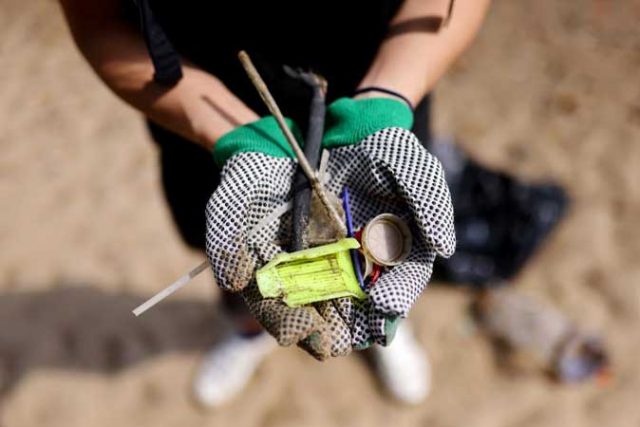
LONDON  Furloughed from her job and confined to London by coronavirus lockdowns, Flora Blathwayt founded a business based on rubbish she retrieves from the muddy banks of the River Thames. 

Just over a year after she was struck by the colorful pieces of plastic she collected as part of a river clean-up, the 34-year-old makes and sells thousands of greetings cards decorated with them each week. 


View this post on Instagram


A post shared by Washed Up Cards (@washedupcards)

When she moved to Peckham in south-east London, she sent a batch of plastic-decorated cards to nearby residents offering help if they were shielding from coronavirus disease 2019. 

“They were all the first washed-up cards,” she said. “Some of my neighbors were like ‘these are amazing, you should start selling these,’” she told Reuters. 

She now works on the cards alongside a part-time job for a company selling packaging made from seaweed which she joined after being furloughed by, and then made redundant from, a business that makes sauces from unwanted fruit and vegetables. 

A geography graduate, she had no formal art training but enjoys being outside and finding new potential in old buttons or plastic straws while cleaning the river bank for a local environmental charity. 

She now produces around 4,000 cards a week, she said, and sees her success as part of a wider movement. 

“I think the way forward will be people making things and starting businesses which don’t have so much impact on the environment, whether it’s reusing something, whether it’s upcycling something, whether it’s making something from waste. I think that’s the way forward,” she said. 

“So I hope people are going to do more and more  and they are. I’m by no means the first.”  Will Russell/Reuters 

S.Korean consortium to produce Russia’s Sputnik Light vaccine 

SEOUL  Huons Global Co. Ltd. said on Monday its South Korean consortium plans to begin production of a single-dose Sputnik Light coronavirus disease 2019 (COVID-19) vaccine from as early as September. 

The plan followed a request by the Russian Direct Investment Fund (RDIF), which markets the vaccine, and production would take place along with Sputnik V vaccines the consortium also intended to make for the sovereign wealth fund, Huons said. 

The company said in April it would produce 100 million doses of Sputnik V COVID-19 vaccine a month for export, as Moscow sought to increase production globally to meet rising demand. 

Huons said its consortium would begin producing sample batches of both Sputnik V and Light vaccines in August and would respond flexibly to meet demand from the RDIF. 

Huons said it was boosting production capacity and aimed to make 30 million doses by the end of this year. 

RDIF has a separate production deal with South Korea’s GL Rapha to make more than 150 million doses of the vaccine a year. 

South Korea has approved four vaccines so far, from AstraZeneca, Pfizer, Johnson & Johnson, and Moderna, but has not begun reviewing Sputnik V or Sputnik Light for approval. — Sangmi Cha/Reuters 

K-pop activism a lifeline for Thailand’s hard-hit tuk tuk drivers

PIXABAY

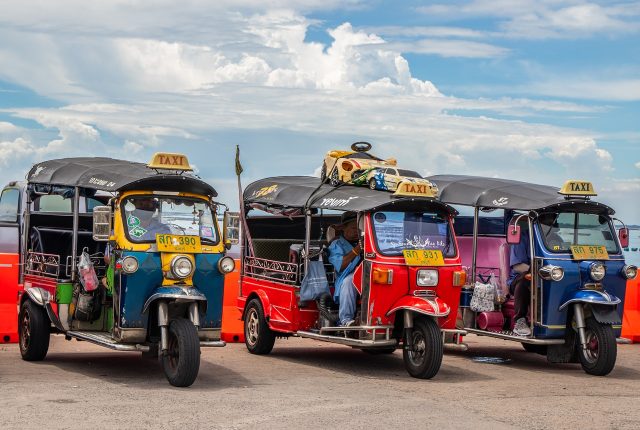
BANGKOK  Bangkok tuk tuk taxi driver Samran Thammasa, 39, had never heard of K-pop star Jessica Jung before the coronavirus pandemic, but now the singer’s Thai fans are helping him survive the loss of tourist customers. 

His bright green three-wheeled motorcycle rickshaw has been mostly vacant for more than a year. In the past few months, though, he’s earned about 600 baht ($19) a month to feature K-pop ads on his vehicle. 

“The extra income may not be a lot for most people but it is for us,” he said, glancing at a shimmering vinyl banner of Jung. 

Drivers of Bangkok’s distinctive tuk tuks have been among the hardest-hit by the pandemic’s devastation of Thailand’s all-important tourism industry, left haunting corners of empty city streets complaining of mounting debt. 

Samran used to earn around 1,500 baht ($47) a day ferrying foreign tourists around Bangkok. Nearly all of that disappeared as visitor numbers fell by 85% in 2020, and Thailand is not expected to lift its strict border controls for months yet. 

Unexpected help came this year from Thailand’s politically disaffected and K-pop-obsessed youth when they stopped buying ads celebrating their idols’ birthdays and album launches from public transport, instead giving their ad money to grassroots businesses, including tuk tuks and street food vendors. 

Over the last few months, young fans have mobilized to put up banners of their favorite K-pop idols on the iconic vehicles for a month at a time, providing a new source of income for struggling drivers. 

Mr. Samran and many others now drive their empty tuk tuks around Bangkok with a banner of a different K-pop sensation each month, stopping for young Thai fans to take pictures and use their service, often with tips. 

POLITICAL EXPRESSION
So far, the initiative has benefited several hundred tuk tuk drivers. There are more than 9,000 tuk tuks registered in Bangkok, according to government data. 

The trend has roots in anti-government protests last year that drew tens of thousands of students calling for Prime Minister Prayuth Chan-ocha  who first came to power in a military coup  to step down. 

Many K-pop fans were protesters themselves, and last year vowed to pull huge billboard advertising fees from Bangkok’s skytrain and underground subway services  a longstanding lighthearted tradition for different fan groups  after mass transport shut down to try to prevent students from reaching protest sites. 

The fans started printing vinyl or cardboard signs and recruiting tuk tuk drivers at garages and on the street  funneling their ad funds to the people who need it most. 

“It’s a political expression that we don’t support capitalists. This marked a change from us competing to book skytrain and subway billboards, but now it’s tuk tuks,” said Pichaya Prachathomrong, 27. 

Ms. Pichaya herself raised 18,000 baht ($565) among Thai fans of boy band Super Junior to promote member Yesung’s new album, before recruiting 13 tuk tuks via a new booking service on popular messaging application LINE. 

The “Tuk Up” service, created by 21-year-old university sophomore Thitipong Lohawech, was initially to help dozens of drivers who rented vehicles from his family’s garage. But now it supports about 300 drivers from all over Bangkok. 

“The fans are distributing income to the grassroots, which helps drive social change and support the economy,” said Thitipong. 

Drivers said they have seen little of the government’s approved relief of around 967 billion baht ($30 billion), as handouts were mostly only accessible via a mobile wallet application. 

“By the time the money reaches us, we’re nearly dead,” said Pairot Suktham, a 54-year-old driver who like many others doesn’t have a smartphone. 

“The fans are our life support system and give us hope to keep fighting.” — Patpicha Tanakasempipat/Reuters 

Microsoft says new breach discovered in probe of suspected SolarWinds hackers

SAN FRANCISCO  Microsoft said on Friday an attacker had won access to one of its customer-service agents and then used information from that to launch hacking attempts against customers. 

The company said it had found the compromise during its response to hacks by a team it identifies as responsible for earlier major breaches at SolarWinds and Microsoft. 

Microsoft said it had warned the affected customers. A copy of one warning seen by Reuters said the attacker belonged to the group Microsoft calls Nobelium and that it had access during the second half of May. 

“A sophisticated Nation-State associated actor that Microsoft identifies as NOBELLIUM accessed Microsoft customer support tools to review information regarding your Microsoft Services subscriptions,” the warning reads in part. The US government has publicly attributed the earlier attacks to the Russian government, which denies involvement. 

When Reuters asked about that warning, Microsoft announced the breach publicly. 

After commenting on a broader phishing campaign, it said had compromised a small number of entities, Microsoft said it had also found the breach of its own agent, who it said had limited powers. 

The agent could see billing contact information and what services the customers pay for, among other things. 

“The actor used this information in some cases to launch highly-targeted attacks as part of their broader campaign,” Microsoft said. 

Microsoft warned affected customers to be careful about communications to their billing contacts and consider changing those usernames and e-mail addresses, as well as barring old usernames from logging in. 

Microsoft said it was aware of three entities that had been compromised in the phishing campaign. 

It did not immediately clarify whether any had been among those whose data was viewed through the support agent, or if the agent had been tricked by the broader campaign. 

Microsoft did not say whether the agent was at a contractor or a direct employee. 

A spokesman said the latest breach by the threat actor was not part of Nobelium’s previous successful attack on Microsoft, in which it obtained some source code. 

In the SolarWinds attack, the group altered code at that company to access SolarWinds customers, including nine US federal agencies. 

At the SolarWinds customers and others, the attackers also took advantage of weaknesses in the way Microsoft programs were configured, according to the Department of Homeland Security. 

Microsoft later said the group had compromised its own employee accounts and taken software instructions governing how Microsoft verifies user identities. 

A White House official said the latest intrusion and phishing campaign was far less serious than the SolarWinds fiasco. 

“This appears to be largely unsuccessful, run-of-the-mill espionage,” the official said. 

Scott McConnell, a spokesman for Homeland Security’s Cybersecurity and Infrastructure Security Agency, said the defensive group “is working with Microsoft and our interagency partners to evaluate the impact. We stand ready to assist any affected entities.” 

A SolarWinds spokesperson said, “The latest cyberattack reported by Microsoft does not involve our company or our customers in any way.” — Joseph Menn/Reuters 

J&T Express to honor riders as modern heroes  

Bayani sa Makabagong Panahon campaign rewards exemplary delivery frontliners

This July, new heroes will be in town.

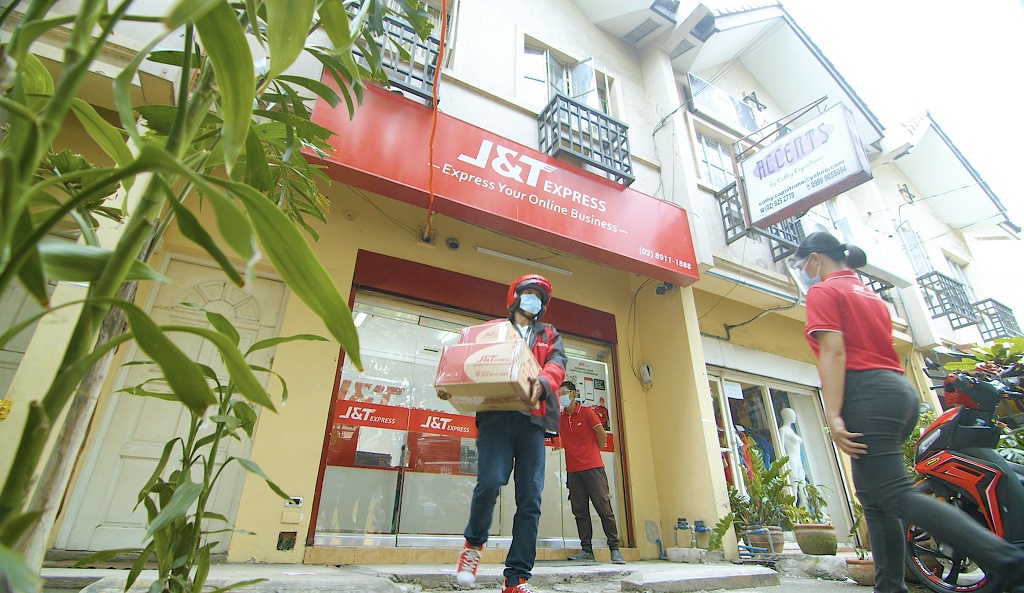
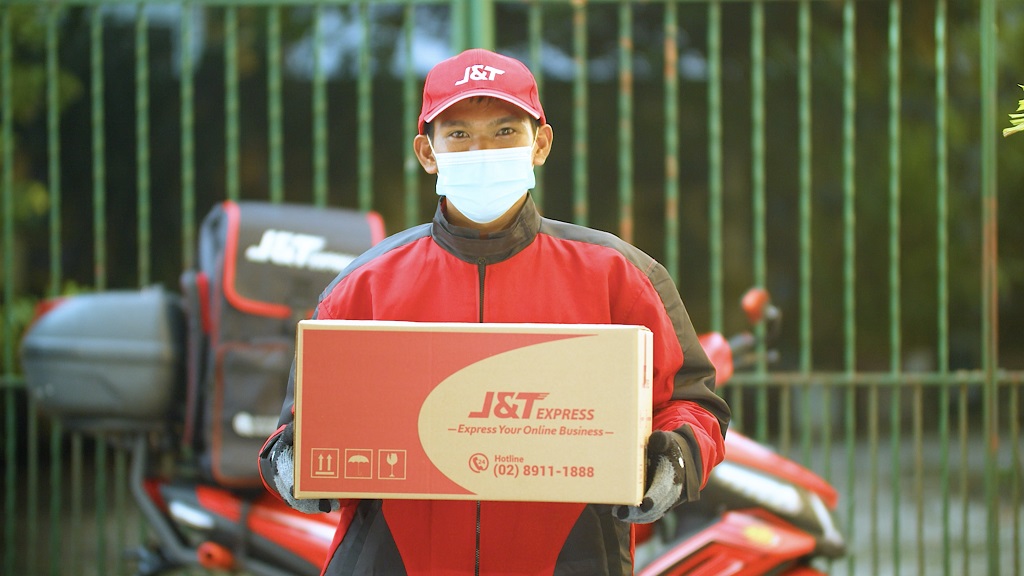
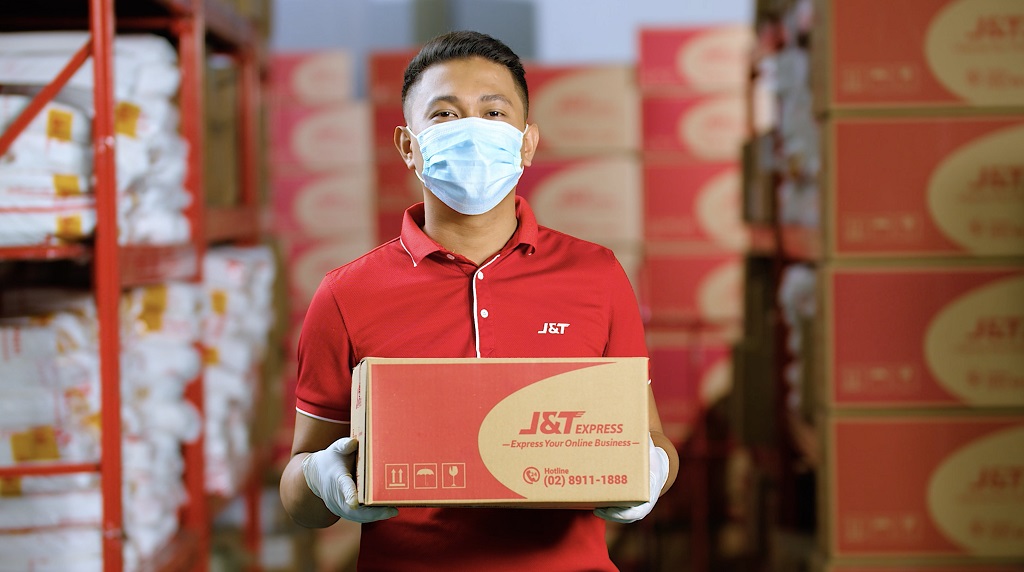
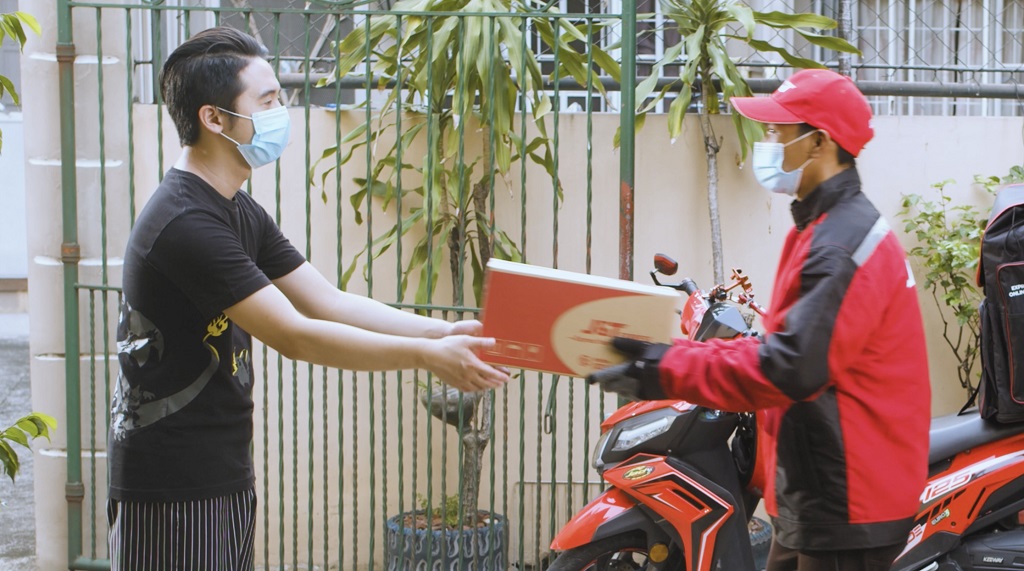
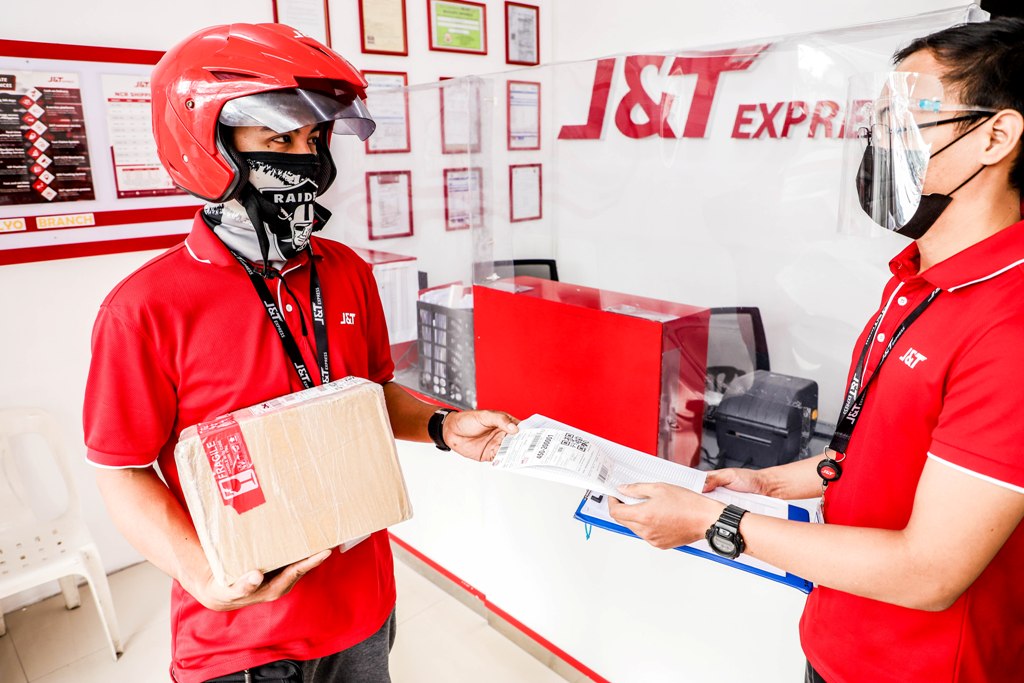
E-commerce delivery giant J&T Express Philippines will be holding J&T Heroes: Bayani sa Makabagong Panahon to recognize the contributions of its delivery riders, on July 2, 2021 via livestream on their official Facebook page.

Vice President of J&T Express Philippines Zoe Chi said the campaign exemplifies the company’s bayanihan spirt by “honoring our own frontliners who continuously support the company and Filipino community through these challenging times. Through this, we hope that everyone will recognize their dedication and personal sacrifices to provide us with safe, fast, and reliable delivery services so that we can continue on with our lives despite the pandemic.”

Out of hundreds of entries nationwide, only one will be named Hero Rider of the Year and will receive a new motorcycle as the grand prize. Criteria for J&T Heroes include exemplary performance with a 95-100% high success delivery rate; company loyalty with tenure since February 2020; a high degree of professionalism; and service satisfaction backed by testimonials from regular customers.

The virtual event will be livestreamed at 5:00 PM at www.facebook.com/jntexpressphilippines and will be hosted by one of the famoust actors in the industry Mr. Xian Lim, supported with a performance by singer and former Tawag ng Tanghalan contestant Gigi de Lana. The event is supported by J&T’s brand partners HINO, FOTON, Mobile Legends Bang Bang, Realme, Prestone, Clorox, Gcash, and Shopee. Secondary local business sponsors include BELO Intelligent Skincare, Gfoxx International, ELITE Sales, American Authentic Apparel, Tink Custom Print, Seek Shine, Organic Skin, K-Cool, Leupp Watches, Jane Secret, Pocari Sweat and KUMU.

J&T Express strives to empower and prioritize both its customers and employees. Last month, the company released a second tranche of employee “ayuda” in the form of groceries and essentials to augment the daily needs of team members who have been affected by the lockdown. J&T has also extended help through various logistics services for COVID response and immediate disaster relief. The company is also dedicated to helping local online businesses grow by providing quality delivery services. 

J&T Express Philippines currently has 600 branches caters to almost every province in the country 365 days a year even on holidays. Customers can easily track their packages real-time via J&T’s service platforms: mobile application, website, hotline, and social media. To know more about the company’s services, visit https://www.jtexpress.ph/.

Hotel frontliners, hospitality heroes

Not all heroes wear capes, now the new crop of heroes we look up to are clad in white coats, scrub caps, and the ever-elusive Personal Protective Equipment (PPEs). Our heroes in the medical field have been fighting at the frontlines for over a year, as we remain mired in a global health crisis. To them, we are truly indebted. 

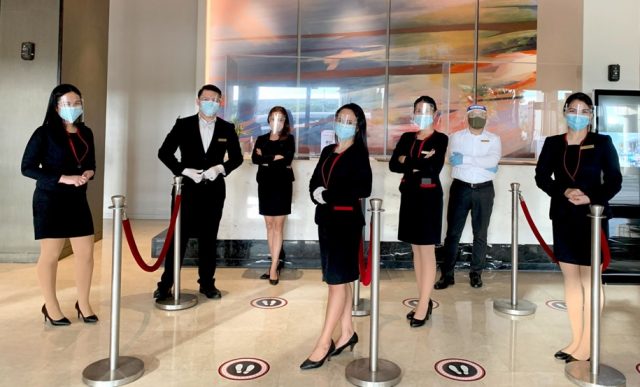
Recently, the Inter-Agency Task Force on Emerging Infectious Diseases (IATF) has also recognized the valiant effort and sacrifice of the men and women of our tourism sector. Frontliners of the hospitality industry have also been serving in the frontlines, welcoming and providing a safe haven for our returning countrymen and essential travelers. 

This June, Resorts World Manila (RWM) tips its hat to all frontliners with Frontliners Month. RWM has a penchant for celebrating life’s greatest joys and achievements, as the company fully embraced its credo of making the most out of life. In celebration of Frontliners Month, RWM shines the spotlight on its many hotel frontliners that remained steadfast on their duty even during these times of great adversity and continued to represent the company’s commitment to thrill the world every chance they get. 

Maricris Manimbo, a Guest Service Leader in Holiday Inn Express Manila Newport City (HIEx)

Maricris Manimbo, a Guest Service Leader in Holiday Inn Express Manila Newport City (HIEx), recalls 2020 as one of the more difficult years in her career, “as early as January, we started seeing a series of cancellations of prior reservations due to the eruption of Taal volcano, and then immediately after, concerns about the virus began surfacing.” While some hotels shuttered its doors, HIEx remained operational to accommodate outbound travellers in March amid growing concerns about the pandemic. “Before the shutdown, we were servicing a lot of outbound foreign nationals. And then, immediately after, we applied to be a quarantine hotel for our returning kababayan.”

At Savoy Hotel Manila, Front Office Associate Joshua Randel Tandoc initially feared for his personal safety and job security at the height of the pandemic and initial lockdown. He shared, “we were slowed down during the height of the pandemic last year. It was really a difficult time since most of our colleagues were unable to report to work due to the lockdown. Of course, we were scared, these were uncertain times, a lot of hotels were closing down at the time. Despite dealing with the inevitable, we were able to turn this season into an opportunity to learn more, grow together, and showcase the true meaning of the Filipino hospitality.” 

Joshua Randel Tandoc of Savoy Hotel Manila

In these hard situations, even the smallest things can go a long way. At Belmont Hotel Manila, Food and Beverage Service Ambassador Trixie Anne Paraiso shares how they were able to provide respite to returning OFWs who are staying on mandatory quarantine in the hotel, “the pandemic has drastically changed how we approach guest service. There was an adjustment, from being able to interact face-to-face, now everything is done by phone. It’s hard when we have been so used to seeing our guests and greeting them with a smile, now we can only talk to them through the phones. It’s hard because we know it is difficult for them, too. Most of them just want to be reunited with their families. So, for our part, we really want to provide the best service possible since the hotel becomes their first home back in the country. We try to make them feel at home by checking up on them from time to time through the phone, and addressing them by their names. The guests really appreciate even the simple things that we do for them, sometimes they leave us small thank you notes saying how much they enjoyed their stay with us. These small acts of kindness in the chaos really keep us going. It puts into perspective why we do what we do.” 

The pandemic has truly disrupted lives and livelihoods all over the world. The mandates for quarantine and safety guidelines have driven a wedge between people and how they interact, yet in spite of this, the Filipino spirit and hospitality exudes the necessary warmth that can keep the human connection alive and well.  

To show appreciation and deep gratitude for all frontline workers, RWM is dedicating a whole month of exciting deals and offers with National Frontliners Month. To know more about the RWM’s Frontliners Month offers, visit www.rwmanila.com or follow RWM’s official social media accounts, @rwmanila on Facebook and Twitter, and @resortsworldmanila on Instagram.

Shut off from the world, Australia fosters red-hot growth at home

Image via Mertie/Flickr/ CC BY 2.0

SYDNEY  A year after the coronavirus pandemic pummeled Australia’s economy, IT contractor Ashok Ravindran has a nice problem: deciding which of three job offers to accept. 

His happy dilemma is a reflection of an economy that is now larger than its pre-pandemic level. Exports are booming, consumer and business confidence are high and employment has beaten all expectations, with job vacancy rates at a 12 1/2 year high. 

The Sydney resident only quit his last job two weeks ago. 

“The market is really hot right now. I tried a few companies just to test waters and received three offers,” Mr. Ravindran told Reuters. “I got counter offers from each of them. That made it harder to say no as you don’t want to burn your bridges.” 

Far from last year’s dire predictions, Australia’s unemployment rate has slid to a pre-pandemic level of 5.1%, home building approvals are at a record high and consumer spending is euphoric. 

The A$2 trillion ($1.5 trillion) economy is now larger than before the once-in-a-century pandemic hit its shores. Sporting events are again a major spectacle and pubs overflow with patrons. In many states and territories, masks are an uncommon sight. 

If anything, the very constraints that were expected to hurt demand, such as closed international borders and limited domestic mobility, have serendipitously channeled new sources of growth. 

Instead of travelling to Bali or Bangkok, Australians are holidaying locally. Working from home requirements have prompted many to base themselves in new residences outside major cities, propping up demand in smaller towns. Physical distancing rules have spurred online retail sales while dining out has never been this popular. 

“Australia is breaking records in what must be one of the fastest economic recoveries in modern history,” said AMP Capital Australian Equities Portfolio Manager Dermot Ryan. 

“The economy is riding the wave of a triple boom in mining, housing, and corporate profitability.” 

While the country is in the midst of a worsening trade war with the world’s largest trading nation, China, Australia’s exports are miraculously booming, thanks to soaring prices of iron ore and newer markets in Asia and Middle East to sell to. 

Economists expect this golden run to extend awhile. 

Australia’s swift economic recovery from its first recession in three decades in 2020 has been driven by its ability to largely re-open from coronavirus lockdowns earlier than expected and solid monetary and fiscal stimulus. 

The combination has triggered a property bull run, freeing up a huge amount of capital that was prudently held back by banks in 2020 in case of a COVID-induced housing crash. 

AMP’s Mr. Ryan said both the mining and banking sectors have the potential to return over A$50 billion each to investors over the coming financial year. 

The surge in home prices has sparked a building boom, sending shares of building products makers such as James Hardie and Brickworks to record highs. Shares of Australia’s top mortgage lender Commonwealth Bank, are at all-time highs after ceremoniously surpassing A$100 on May 28. 

In another sign of solid business recovery, CBA this month said its financing of light commercial vehicles is up a startling 187% since January over the past year while loans for equipment and machinery jumped 21% in May, compared with the same time last year. 

SHORTAGES 

Consumers, too, are feeling confident with survey results consistently showing optimists far outnumber pessimists. 

Indeed, retail sales have surged 25% on a year ago and vehicle sales have skyrocketed 68%. Household goods retailing has boomed, led by appliances and furniture as people renovate homes or build new houses. 

Demand is so strong that home supplies and hardware chain Bunnings is now facing a timber shortage. 

Companies are also facing a labor shortage with tens of thousands of Australian citizens still stuck overseas. 

Their fate hangs in the air as Australia has pledged to keep borders shut well into next year, which also means skilled migration  which was propelling the economy until 2019  is practically impossible. 

The decision to keep borders closed is popular with the general public with recent state elections showing that leaders who take a hardline stance on COVID are heavily favored. 

Tight border controls, slower interstate migration together with solid business confidence and profitability have helped tighten the labour market, with some sectors such as IT, engineering, hospitality and healthcare facing severe shortages. 

This has frustrated businesses who are calling for border restrictions to be eased. 

“The current international border setting is virtually no-one-in and no-one-out,” said Innes Willox, chief executive of Australia’s employer association Ai Group. 

“This needs to give way to a more sensible position and a much more ambitious border opening goal than the July 2022 target currently adopted by the Federal Government,” Mr. Willox added. 

“Our critical skill shortages are only going to get worse the longer our border remains closed.” 

 For the likes of Mr. Ravindran, however, there has never been a better time to look for work. “I am confident my contract will be renewed when it comes up for renewal. There is enough demand right now.” — Swati Pandey/Reuters  

Seven killed, many injured in blast in Bangladesh

DHAKA — At least seven people were killed and more than 50 people were injured in an explosion in the Bangladeshi capital late on Sunday, police said. 

The cause of the blast, which occurred on the ground floor of a three-story building on a busy street in Dhaka’a Moghbazar area, was not immediately known. 

“We have information so far that seven people died in the incident and 50 others have been admitted to hospitals,” Shafiqul Islam, Dhaka city police commissioner, told reporters after visiting the scene. 

Seven other nearby buildings and three buses were damaged in the explosion, he said. 

Television footage showed mangled pillars, broken concrete and glass shards strewn across the street. — Reuters 

[B-SIDE Podcast] Turning the page: Big Bad Wolf book fair goes digital

Follow us on Spotify BusinessWorld B-Side

More than 60,000 book titles will be available at steep discounts in the online edition of Big Bad Wolf, a book fair that has, in the past, attracted half a million visitors over a single run.  

In this episode of B-Side, Big Bad Wolf (BBW) founders Jacqueline Ng and Andrew Yap tell BusinessWorld reporter Patricia B. Mirasol how two years of planning went out the window because of the pandemic.  

The rising cost of logistics will leave a mark on the book industry, they said, and traditional booksellers will have to go beyond the printed page and embrace digital events, e-books, and audiobooks. Post-pandemic brick-and-mortar bookstores, they added, will have a community aspect. 

The Big Bad Wolf founders also share how they grew from a tiny operation into a traveling book empire that visits more than 34 cities around the world. 

TAKEAWAYS 

The steep rise in logistical costs will force the book industry to change. 

One of most crucial way the pandemic affected the supply chain is in logistics. In terms of logistics, Mr. Yap told BusinessWorld that costs rose 34 times within the Southeast Asia region. The costs from Asia to Europe, meanwhile, are up 67 times. 

“That’s a lot,” Mr. Yap added. “We don’t see this going down until whole world recovers.” 

Publishers also find it difficult to reach out to bookstores these days, as traditionally it’s always been in book fairs where they close deals.  

“If trade fairs are affected, then definitely, further down the line everything’s affected,” said Mr. Yap. “When it comes to the print of books, however, the majority of books are printed in China, so [the supply chain] isn’t affected in that aspect.” 

In a pilot survey by the International Publishers Association and the World Intellectual Property Organization that was published in 2018, it was found that China publishes far more titles (57.8 million) than the next nearest country (the UK with 49,433). Print editions also account for the bulk of total retail sector revenue.  

Publishers worldwide have seen an increase in book sales, especially children’s books. 

Children’s activity books count as BBW’s top category at this time, according to Ms. Ng. Almost 50% of the books sold by BBW in the Philippines are children’s activity books, she said. In the other countries where they have a presence, the number increases to around 6065%. In Taiwan, an overwhelming majority of their sales (90%) are in the children’s book genre. 

This trend is also reflected in other regions. Sales of children’s education books rose 234% in the UK shortly after the pandemic was announced, which a BBC source said was in preparation for a long lockdown. In the US, the Association of American Publishers reported in May that year-to-date revenues on pre-K-12 books were up 24.0%, coming in at $124.4 million. 

“This new generation of readers created by this pandemic is going to shape the whole future,” Ms. Ng added. “Reading is not something you do once and stop doing forever. It’s a habit. When [this new generation] become parents, they’ll pass on the reading habit.” 

E-books, audiobooks, virtual events, and digital payments are an important part of the ecosystem.  

“Traditional booksellers like us can’t avoid e-books and audiobooks,” said Mr. Yap. “Getting into these is key for booksellers.” 

E-books have been gaining popularity since their first inception in the 1970s. As of September 2020, e-book sales have been up 22% year over year and 16% year-to-date, according to the January 2021 report COVID-19 and Book Publishing: Impacts and Insights for 2021. 

Turning book fairs into online events can also be considered a boon for the industry, Mr. Yap added. “If booksellers and aspiring booksellers around the globe can experience and get into the industry [through these], then that will help the entire industry more.” 

The emergence of e-wallets will also reduce buyer preference for cash payments, Ms. Ng told BusinessWorld. It’s also the more preferred payment method of sellers, especially those who don’t have the resources and therefore find it difficult to manage cash on delivery (COD). 

“I think e-wallets coming into the market helps a lot,” she said. “Even those [without a bank account] can set up an e-wallet, and that… changes the whole retail industry.”  

There is still a place for brick-and-mortar bookstores. 

Just as in the workforce, the future of the book industry is hybrid. Amazon, Mr. Yap pointed out, was blamed for the demise of bookstores, but even the multinational e-commerce company has 13 physical bookstores at the moment. 

For every industry, “there is still the retail aspect,” he said. “It’s just hard to figure out what kind of balance there will be. Time will tell.” 

BBW is building five to six physical bookstores in Malaysia this year. 

“It’s about making these into community spaces, like turning bookstores into co-working spaces and cafes,” Mr. Yap said, adding that selling book-related items should also be part of the plan. 

A lot of the appeal of their brick-and-mortar locations have to do with design, Ms. Ng added. “People take wedding and graduation photos in our stores,” she said, which helps spread the word about them to a broader market. “When they’re in our stores and start looking at the displays, they’re usually bound to find something that intrigues them.”  

Marketing is important to book sales, and being ahead of the social media curve helped BBW build its following.  

Back when the BBW started in 2009, the co-founders turned to social media as their main advertising tool to spread the word about their book sales. This organic following was their most powerful tool, Ms. Ng said. The brand has been able to build a relationship with them over the years, she added. 

“When we started, we didn’t have a budget or an agency helping us that’s why we turned to social media,” said Ms. Ng. 

Their online success hinged on authenticty, the co-founders said. 

“Be genuine,” advised Mr. Yap. “We always want to keep things simple. When we say it’s 50-90% off, it’s really 50-90% off. There’s no catch to it.” 

The post-pandemic future is bright for the book industry, but players need to evolve. 

“Most of the time when we go to book fairs, it’s like going to an old folks’ home,” he said. “The second generation is not coming in because they think there’s no future, [but] the pandemic has proven that books are here to stay.” 

Books, he added, has never had the opportunity to capture and recapture readers like this pandemic. Stay-at-home directives have brought back the joy of reading to adults who have previously been so distracted making a living. 

“It’s definitely a bright future, but booksellers  including us  need to evolve. The industry’s evolving too slow,” added Mr. Yap. “This unprecedented time also brings amazing opportunities that we need to capitalize on. This pandemic gives everyone the [push] to move.” 

The online edition of the Big Bad Wolf book sale runs from June 30 to July 7. Visit signup-ph.bbwbooks.com. 

Recorded remotely on June 23. Produced by Paolo L. Lopez and Sam L. Marcelo.

Follow us on Spotify BusinessWorld B-Side

Leisure & Resorts World Corporation sets schedule of its stockholders’ meeting on July 30

Philippines says to launch benchmark-sized dollar bond issue

BW FILE PHOTO

MANILA – The Philippines is set to launch a benchmark-sized U.S. dollar bond offering on Monday, National Treasurer Rosalia De Leon said, without providing further details.

The Philippines, one of Asia’s most-active sovereign bond issuers, plans to raise as much as $5.5 billion from commercial debt markets this year to plug a budget deficit that covers the government’s pandemic response measures, including vaccine purchases and flagship infrastructure projects.

It has so far raised $500 million from a yen-denominated Samurai bond issue and sold $2.5 billion worth of euro-denominated notes. — Reuters