Home Blog Page 6910

Cocolife Healthcare tops Philippine healthcare providers in international award

Cocolife Healthcare has evidently fulfilled its role in giving healthcare support as Filipinos face the COVID-19 pandemic.

This year, Cocolife Healthcare was awarded as the ‘Most Outstanding Healthcare Provider’ in the Philippines by International Business Magazine, a publication based in Dubai, United Arab Emirates.

Cocolife Healthcare is the first healthcare program provider certified by ISO 9001:2008 and regulated by the Insurance Commission.

“This business line requires a lot of efforts, long years of building trust and relationships with our most extensive roster of partner hospitals, clinics, and doctors, paving the way to the accessibility of medical care for our clients anywhere in the country,” said Franz Joie D. Araque, EVP and chief of Cocolife Healthcare Division.
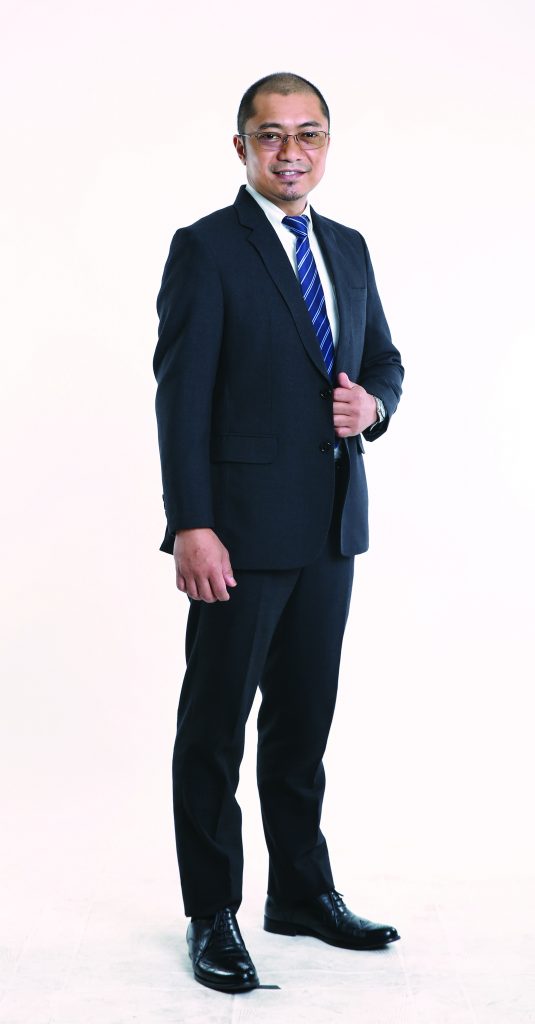
Franz Joie D. Araque, EVP and chief of Cocolife Healthcare Division

“We have continuously streamlined our processes to ensure that we always meet our commitments on time. We constantly train our people on the value of customer service, making us the preferred long-term partner in managed healthcare. We constantly innovate to meet the ever-changing and unique needs of our customers,” Mr. Araque adds.

Cocolife Healthcare covers an array of risk protection services that include hmo program, daily hospitalization benefit program, medical reimbursement program, and third-party administration program.

The International Business Magazine Awards reviewed, among others, the feedbacks received by Cocolife Healthcare from hospital officials, healthcare workers, policyholders, and patients on its benefits. It also checked on the detailed development process and strategy and the insurance dispatchment process of Cocolife Healthcares program.

In addition, the Awards looked over the steps taken by Cocolife Healthcare in dealing with the COVID-19 pandemic.
Cocolife Healthcare stayed true in its commitment to Filipinos by accomplishing 800 million COVID-related claims despite being an exception. Last year, the company also donated funds to the University of the Philippines Manila – National Institute of Health for the procurement of one Real Time-Polymerase Chain Reaction (RT-PCR) machine as an effort to step up the COVID-19 testing in the country.

“This recognition [from the International Business Magazine Awards] is a stamp of approval that we are a leading health insurer for the Filipinos and by Filipinos, consistent to our commitment of providing quality insurance products and services, and of having a better nation with our countrymen who are financially secure to face the daily struggles of life,” adds Cocolife President and CEO Atty. Martin Loon.

Find out more about Cocolife’s award-winning healthcare products by visiting www.cocolife.com.


Spotlight is BusinessWorld’s sponsored section that allows advertisers to amplify their brand and connect with BusinessWorld’s audience by enabling them to publish their stories directly on the BusinessWorld Web site. For more information, send an email to online@bworldonline.com.

Join us on Viber to get more updates from BusinessWorld: https://bit.ly/3hv6bLA.

BPI-Philam evolves to ‘BPI AIA’ to bring Filipinos a global insurance experience

BPI-Philam, a strategic alliance that allowed the AIA Philippine American Life and General Insurance Company (AIA Philam Life) to offer insurance through the Bank of the Philippine Islands (BPI), has unveiled its new identity as BPI AIA. As a redesigned brand, it will use its global heritage to fulfill its commitment to provide accessible, affordable, and personalized insurance for Filipinos.

Founded in 2009, the firm is among the top insurance companies in the country recognized by the Insurance Commission. Bank partner BPI is the first bank in the Philippines and Southeast Asia, with a heritage of solid trust, financial strength, and innovation over the past 170 years. Then-AIA Philam Life, meanwhile, is a market-leading insurance company for over 70 years. It is under the AIA Group, the largest independent publicly listed pan-Asian life insurance group, with a presence in 18 markets across Asia Pacific. Having recently renamed to AIA Philippines, BPI-Philam evolves to follow suit.

The change is a move to align with the bigger umbrella that is the AIA Group, a name practically synonymous with the insurance industry for over a century now. Along with the name, the rebranding entails a streamlining of systems and processes as well as development of new ones that will seamlessly elevate the service experience that the company provides its clients. After all, BPI AIA not only bears the name of two industry giants but also carries within itself their combined values, expertise, and commitment.

“We are truly excited to venture into this new chapter in our journey. The challenges we all experienced in the past year brought unprecedented changes to our customers’ lives, and as their life protection partner, we also evolve to deliver the support they need and deserve. As BPI AIA, we’d like to assure our clients that this initiative only strengthens our company’s stability and commitment to service, so they can brave the new world and face a new tomorrow,” said BPI AIA Chief Executive Officer Surendra Menon.

Policyholders can expect to continue to enjoy all the benefits and privileges of their policies bought under the BPI-Philam brand with an ever increasing range and standard of services geared to how their lifestyles are changing in the evolving environment at the speed that is comfortable for them. This includes all rewards earned and can be earned for products with AIA Vitality. Any concerns by policyholders can be easily raised with their respective points of contact for appropriate resolution.

BPI AIA ultimately aims to close the protection gap in the Philippines through its comprehensive life, health, and income protection plans, while encouraging clients to live healthier and bring their dreams to life. More information about the company and its products is available at the official Facebook page or via the virtual assistant Bessie (via Messenger). Customers can also visit the website.


Spotlight is BusinessWorld’s sponsored section that allows advertisers to amplify their brand and connect with BusinessWorld’s audience by enabling them to publish their stories directly on the BusinessWorld Web site. For more information, send an email to online@bworldonline.com.

Asian factories stagnate as China’s slowdown, supply constraints hit

China Daily via REUTERS

TOKYO – Asia’s manufacturing activity was lackluster in September as signs of slowing Chinese growth and factory shutdowns caused by the coronavirus pandemic weighed on the region’s economies, surveys showed on Friday.

Factory activity in September shrank in Malaysia and Vietnam, and grew in Japan at the slowest rate in seven months, as chip shortages and supply disruptions added to the woes of a region still struggling to shake off the pandemic’s hit.

China’s waning economic momentum dealt a fresh blow, with the official Purchasing Manager’s Index (PMI) on Thursday showing the country’s factory activity unexpectedly shrank in September due to wider curbs on electricity use.

While the private Caixin/Markit Manufacturing PMI fared better than expected after slumping in August, growing signs of weakness in the world’s second-largest economy is clouding the outlook for neighboring Asian countries.

“While coronavirus curbs on economic activity may be gradually lifted, the slow pace at which this will happen means Southeast Asian economies will stagnate for the rest of this year,” said Makoto Saito, an economist at NLI Research Institute.

The final au Jibun Bank Japan Manufacturing PMI slipped to 51.5 in September from 52.7 in the previous month, marking its slowest pace of expansion since February.

“Supply chain disruption continued to dampen activity and demand,” said Usamah Bhatti, economist at IHS Markit, of Japan’s PMI survey.

South Korea’s PMI for September rose to 52.4 from 51.2 in August, staying above the 50-mark threshold that indicates expansion in activity for a 12th straight month.

But continued supply chain disruptions dented business optimism for manufacturers.

Taiwan’s PMI eased to 54.7 in September from 58.5 in August, while Vietnam saw the index unchanged from August at 40.2.

Once seen as a driver of global growth, Asia’s emerging economies are lagging advanced economies in recovering from the pandemic’s pain as delays in vaccine rollouts and a spike in Delta variant cases hurt consumption and factory production. — Reuters

Cocolife globally recognized as outstanding life insurance company in the Philippines

Despite the challenges brought by the COVID-19 crisis, Cocolife continues to improve and excels as an insurance company. This is substantiated by its recognition as the ‘Most Outstanding Life Insurance Company’ in the Philippines this year.

Granted by Dubai-based publication International Business Magazine, the Awards surveyed the lead at the front, the quality of service, productivity, and business ethics.

“This achievement reminds us of the importance of our mission — to serve others more and find ways to be better. We hope to make Cocolife a world-class insurance company,” said Atty. Martin Loon, Cocolife’s president and chief executive officer.

Atty. Martin Loon, Cocolife president and chief executive officer

Cocolife has made several developments in its sales, services, and operations in recent years.

Under strong and stable leadership, Cocolife has generated a record-breaking income in the last two years with a 1.8 billion in profit before tax. Its company reputation and consumer confidence have also improved.

The Awards also looked over the new features or expansion activities by Cocolife. The Cocolife Protect and Protect Plus provide clients financial security in case of accidents resulting in injury, disability, or death. Meanwhile, Cocolife’s FLEXI series offers variable life insurance products that give clients the freedom to design their investment and insurance plans tailored to their needs.

Cocolife also accelerated its digitalization by launching a mobile app to make its financial solutions more accessible to clients, especially with the limited mobility nowadays due to COVID-19 restrictions.

As Cocolife focused on improving its services for clients, the insurance company simultaneously prioritized the welfare of its employees and partners. All Cocolife employees kept their jobs and benefits amid the 50%+ increased unemployment rate.

“Cocolife is very focused on its mission to serve. With that sacred mission in mind, we made sure to fulfill all aspects of the business excellently and with integrity,” Mr. Loon said. “All of our systems, process improvements, and even our constant desire to achieve excellent corporate governance is meant to serve our people better.”

The International Business Magazine Awards recognizes the achievements of various industrial talents, global leaders, corporates, and others in business and finance fields. This year, the International Business Magazine bestowed two awards to Cocolife for its successes as Most Outstanding Life Insurance company and Most Outstanding Healthcare provider.

“I consider these two awards as sources of inspiration for Cocolife to do even better as we go along,” Mr. Loon said. “It is a validation of our commitment to excellence and integrity in the service of the Filipino people.”

Learn more about Cocolife’s new and comprehensive life insurance products by visiting www.cocolife.com.


Spotlight is BusinessWorld’s sponsored section that allows advertisers to amplify their brand and connect with BusinessWorld’s audience by enabling them to publish their stories directly on the BusinessWorld Web site. For more information, send an email to online@bworldonline.com.

Join us on Viber to get more updates from BusinessWorld: https://bit.ly/3hv6bLA.

Social issues tackled by Pista ng Pelikulang Pilipino winners 

FILMS tackling women’s rights and Philippine social issues won the top prizes at the 5th Pista ng Pelikulang Pilipino (PPP) awards night, held online on Sept. 30.

The event was held online on the Film Development Council of the Philippines (FDCP) Channel with a simulcast on Facebook.   

The 5th edition of the PPP had two categories: Sine Kabataan, which had 10 five-minute short films targeted at children; and Sine Isla: LuzViMinda, which had 15  short films from the regions. This year’s festival ran from Sept. 17 to 26 on the FDCP Channel website.  

Ang Bunga sa Tiyan ni Adam, directed by Ella Louise B. Salomon, won the Sine Kabataan Best Short Film for its “impressive direction, great control over the script, and cinematography, and impeccable performance from the regional talents. Its strong distinctive and absurdist style makes for a very admirable film.” Tacking the issue of women’s rights, the film is about a teenage boy who tells his girlfriend he is pregnant after taking a pregnancy test.   

This year’s PPP jury members were film producer Pamela Reyes, cinematographer Lee Briones-Meily, directors JB Habac, Glenn Barit, and Kyle Nieva, and FDCP Chairperson and CEO Mary Liza Bautista Diño-Seguerra 

The PPP winners got cash prizes. The Audience Choice Award winner got P10,000; Special Mention films each got P20,000; Best Director got P30,000; the Special Jury Prize film got P40,000; and Best Short Film got P50,000.   

This year’s PPP introduced the first Sine Isla: LuzViMind category. The winners took home a trophy and cash prizes.   

Palabasdirected by Arjanmar H. Rebeta, was named the Sine Isla Best Short Film “for its powerful depiction of the Philippine social realities through human interaction.” The film follows a Filipina student who converses with a middle-aged foreigner about various social issues in the Philippines.  

The Sine Isla Audience Choice awardee won P10,000; Special Mention films won P20,000; Best Director won P30,000; Special Jury Prize won P40,000; and Best Short Film won P50,000.   

The Sine Isla LuzViMinda jury members were director Sigrid Andrea Bernardo, director and producer Sheron Dayoc, director and screenwriter Zig M. Dulay, producer Si En Tan, director and editor Carlo Francisco Manatad, Globe Studios Head of Creative Development Kren Yap, FDCP Lead Officer of International Relations Division Jo Andrew Torlao, and FDCP Executive Director Ria Anne Rubia.   

The Sine Kabataan and Sine Isla: LuzViMinda short films can still be viewed for free and on-demand from Oct. 1 to 8 at www.fdcpchannel.ph.  Michelle Anne P. Soliman  


The winners of the 5th Pista ng Pelikulang Pilipino are: 

Sine Kabataan  

• Best Short Film: Ang Bunga sa Tiyan ni Adam by Ella Louise B. Salomon   

• Jury Prize: Mga Ulap Tayong Nagiging Ulan by Demetrio E Celestino III  

• Best Director: Love in the Ungodly Hour by Bradley Jason Pantajo  

• Sine Kabataan Special Mention Awards: Abot Kamay ang Langit by Brian Spencer Reyes, and Jeremy Supot by James Allen Fajardo  

• Audience Choice Award: Love in the Ungodly Hour by Bradley Jason Pantajo

Sine Isla: LuzViMinda 

• Best Short Film: Palabas by Arjanmar H. Rebeta  

• Jury Prize: Halawod by Anna Katrina Velez Tejero  

• Best Director: Tarang by Arvin Belarmino  

• Sine Isla Special Mention Award: The Man Who Isn’t There and other Stories of Longing by Trishtan Perez  

• Audience Choice Award: Singil by Maria Graciella Musa

New money: Central banks lay out operating manual for digital cash

LONDON – A group of central banks sketched out a potential operating manual for digital cash on Thursday as they aim to strike a balance between keeping up with cryptocurrencies and concerns that the new technology could upend commercial lenders.

Worried that the explosion of bitcoin and its ilk could weaken their control of money, policymakers from Beijing to Washington are exploring central bank digital currencies, known as CBDCs.

And while a widely-used digital dollar or euro may still be years away, work by central banks is gathering pace as consumers increasingly ditch coins and notes in favour of digital payments on debit or credit cards and mobile phones.

The seven central banks – including those in the United States, Britain and the ECB in the euro zone, but not China – said publicly-used “retail” CBDC must harness both public and private players to mesh with existing payment systems.

The tech should be useable with existing domestic payments systems, with strategies for adoption tailored to on-the-ground economic conditions, said the central banks, working alongside the Bank for International Settlements.

The existing financial system must be given time to adjust to the introduction of CBDC, they said, flagging risks of what could amount to slow-motion bank runs if commercial bank customers suddenly shifted savings to the new tech.

“Regardless of the design, developing and running a CBDC system would be a major undertaking for a central bank,” they said, stressing the involvement of private operators must be closely monitored to ensure public trust in the tech.

STABILITY RISKS

Unlike cryptocurrencies like bitcoin that are usually run by private actors, CBDCs would be equivalent to cash, issued and backed by central banks. They differ from the electronic money used in billions of transactions daily that is mostly funnelled via commercial banks.

The People’s Bank of China is the most advanced among major economies on CBDCs, and is planning its biggest digital yuan trial at the 2022 Beijing Winter Olympics.

Meanwhile, the U.S. Federal Reserve will “soon” release research examining the costs and benefits of a CBDC, Fed Chair Jerome Powell said last week.

Commercial banks, fretting that a retail-focused CBDC could cannibalize their deposit bases, are trying to exert influence on their design.

The central banks sought to downplay the threat of retail-focused CBDC to lenders’ business models.

“Our analysis suggests the impacts on bank disintermediation and lending could be manageable for the banking sector,” they said, with any impact likely limited in “plausible” levels of adoption. — Reuters

Facebook research shows company knew of Instagram harm to teens, senators say

U.S. senators on Thursday grilled Facebook Inc on its plans to better protect young users on its apps, drawing on leaked internal research that showed the social media giant was aware of how its Instagram app harmed the mental health of teens.

The hearing in front of the Senate consumer protection subcommittee was called after the Wall Street Journal published several stories earlier this month about how Facebook knew Instagram caused some teen girls in particular to feel badly about their self-image. After growing opposition to the project, Facebook put plans for Instagram Kids, aimed at pre-teens, on hold this week.

Antigone Davis, Facebook’s global head of safety, disputed the committee and WSJ’s conclusions of the research documents throughout the hearing, and said the company was working to release additional internal studies in an effort to be more transparent about its findings.

“This research is a bombshell,” said Senator Richard Blumenthal, a Democrat, during the hearing. “It is powerful, gripping, riveting evidence that Facebook knows of the harmful effects of its site on children, and that it has concealed those facts and findings.”

“IG stands for Instagram, but it also stands for Insta-greed,” said Senator Edward Markey, a Democrat from Massachusetts.

The senators pressed Davis on several major themes, including what identifiable data Facebook collects on users under the age of 13, to what extent the company views young users as a growth area and to confirm whether it knew that Instagram led some children to consider suicide.

Davis reiterated that kids under 13 were not allowed on Facebook, adding 0.5% of teens in the company’s research connected their “suicidal ideation” to Instagram, lower than the figures the Journal had reported.

“You’ve cherry-picked part of the research that you think helps your spin right now,” said Senator Ted Cruz, a Republican from Texas, demanding Facebook commit to releasing its full research on the links between Instagram and youth suicide.

A second hearing is planned for Tuesday and will feature a Facebook whistleblower. The whistleblower is expected to reveal their identity on Sunday in a recorded interview for TV news program “60 Minutes,” which in a preview described the woman as a former Facebook employee who left with tens of thousands of pages of research.

Davis said Thursday that Facebook would not retaliate against the whistleblower for sharing confidential documents with the senators. — Reuters

Safe to give COVID-19 shot and flu vaccine at the same time – UK study

REUTERS

LONDON – It is safe for people to receive a COVID-19 vaccine and a flu shot at the same time and it does not negatively impact the immune response produced by either, a British study found on Thursday.

Britain and other northern hemisphere countries are bracing for a tough winter and the possibility of a surge in flu cases as COVID-19 restrictions are eased and social distancing measures relaxed.

Booster COVID-19 shots are being given to elderly and vulnerable people and to health workers in Britain, while Prime Minister Boris Johnson’s government has also promised the biggest flu vaccination programme in history this year.

The study, led by the University of Bristol, found that reported side effects were usually mild to moderate in tests with three flu vaccines and either Pfizer or AstraZeneca’s COVID-19 shot.

“This is a really positive step which could mean fewer appointments for those who require both vaccines,” chief investigator Rajeka Lazarus said.

“The results of this study have been presented to the Joint Committee on Vaccination and Immunisation (JCVI) for their consideration and will aid policy makers in planning the future of these important vaccination programmes.”

Shots were given on the same day, in opposite arms.

One group had a COVID shot and a flu jab in a first visit, with a placebo given in a second visit, and another had a COVID-19 shot and a placebo given on the same day, followed by a flu vaccine on the second day.

The study found 97% of participants said they would be willing to have two vaccines at the same appointment in the future.

The study involved 679 volunteers at 12 sites across England and Wales, and was released as a pre-print, with full results due to be published in the Lancet. — Reuters

A who’s who of Philippine contenders vying to succeed Duterte

The race to succeed Rodrigo Duterte as the president of the Philippines has started to rev up, with contenders officially set to file from Friday their candidacies for next year’s elections.

The contest for the top post is turning out to be a colorful affair, with a world boxing champion, a heartthrob actor-turned-mayor, a former police chief and Duterte’s own daughter emerging as potential contenders. Whoever wins the presidential elections will need to bolster the Philippines’ economic recovery beyond the pandemic and formulate a stance on the South China Sea.

CLOSE CONTEST

While candidates have to file their intentions with the elections commission by October 8, the list of presidential contenders won’t be finalized until mid-November. This means other contenders can emerge as substitutes in a final attempt to join the race — a path previously taken by Duterte, who is now eyeing the vice-presidency because he wants to see his anti-drug campaign to the end.

Here’s a look at the likely candidates, and their stand on issues:

Sara Duterte, 43, Davao City mayor
The president’s daughter has succeeded him as their home city’s mayor, and she could do the same as next Philippine leader. Sara has showed openness to becoming a presidential candidate, and she’s the front-runner in recent surveys even though she maintains the focus is on seeking re-election as Davao City mayor.

Sara is still someone to watch, as Duterte has signaled he is willing to drop his vice-presidential ambition if his daughter runs for the top post. On foreign policy, Sara has said the Philippines shouldn’t be begging China for access to disputed waters in South China Sea, although she has showed willingness to work with Beijing on the pandemic response.

Ferdinand “Bongbong” Marcos Jr., 64, ex-senator
The son and namesake of the late dictator, Bongbong could chart a path for his clan’s return to the presidential palace, three decades after his father’s ouster. He’s been involved in local politics since the 1980s under his father’s rule, and has also been elected to Congress.

Bongbong narrowly lost the vice-presidential race in 2016, and is eyeing a political comeback by seeking a national post next year. He plans to run on a platform of food security and pandemic recovery, although he is facing criticism that he’s using his clan’s alleged hidden wealth to further his political career. Bongbong has denied knowledge of these assets.

Isko Moreno, 46, Manila City mayor
The capital city’s celebrity mayor has a life story straight out of a movie. Born in the slums and scavenging for food as a child before he became a film star in the 1990s, Moreno has pledged to use his life experiences to address poverty if elected president.

Moreno, who was once President Duterte’s appointee, said he will pursue the current administration’s infrastructure push, and oil exploration with Beijing in the South China Sea if elected. He also plans to expand Manila’s pandemic response at a national level.

Manny Pacquiao, 42, senator
The recently retired world-famous boxer has thrown his hat in the ring for his biggest battle yet. After stints as a lawmaker since 2010, Pacquiao is gunning for the presidency — backed by a faction in the ruling party — with a promise to fight poverty and corruption.

Pacquiao was once a loyal ally to President Duterte, defending his drug war and death penalty push, but has recently been criticizing the administration, including its pandemic response and South China Sea stance.

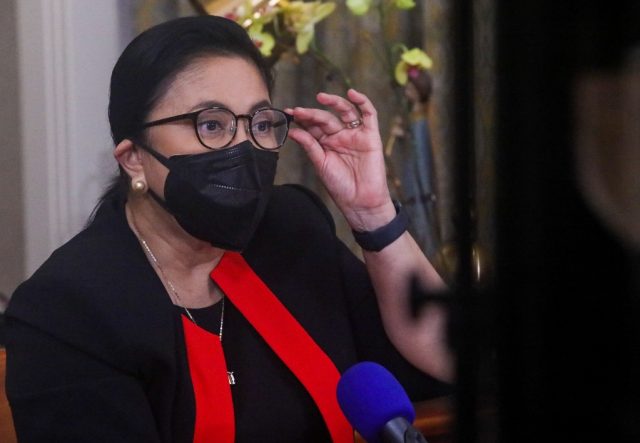
Leni Robredo, 56, vice president
As opposition leader, Robredo has been among the most vocal critics of Duterte’s policies, calling the drug war “a massive failure” and criticizing the administration for “selling out” to China. A lawyer and a social activist, Robredo was thrust into the public eye when her husband Jesse, a former Cabinet official, died in a plane crash in 2012.

She was elected congresswoman, and narrowly defeated Bongbong in the 2016 vice-presidential race. Robredo had brief stints as the housing chairwoman and head of the anti-drug panel under Duterte’s government. Currently without a cabinet post, Robredo has been visiting remote areas, and partnering with local governments in responding to the pandemic.

Panfilo Lacson, 73, senator
Lacson, who once headed the nation’s police force, was the first to officially declare his presidential bid. He was the subject of an arrest warrant in 2010 for alleged murders of a publicist and his driver, and went into hiding briefly. Lacson has denied involvement in those murders, and charges against him were dismissed in 2011.

He was first elected senator in 2001, and has been a vocal critic of the questionable use of funds in the country’s annual budget. Lacson wants strict management of the public coffers and pledges a campaign against corrupt officials if elected president.

Christopher “Bong” Go, 47, senator
A management graduate, Go has served as Duterte’s aide for two decades, and was given a cabinet post in 2016 as the president’s special assistant. A fixture by Duterte’s side during meetings with world leaders, Go has taken selfies with China’s President Xi Jinping and Russian leader Vladimir Putin.

While Go was elected senator in 2019, he is often seen at the president’s events and attends his weekly televised cabinet meetings. Go has been named presidential candidate by a faction of the ruling party and has declined the nomination, although that can change depending on the strategy Duterte takes in his bid to stay in power. Go has pushed for better medical facilities in remote areas in the Philippines as the Senate health committee head. — Bloomberg

Alert level system in NCR extended to Oct. 15 with expanded business operations

THE PILOT run of the new lockdown system in Metro Manila has been extended until mid-October, the presidential palace announced late Thursday, but some business establishments will be allowed expanded operations.

The country’s pandemic task force, in its meeting held September 30, has decided to extend the pilot implementation of the Alert Levels System in the National Capital Region (NCR) until October 15,  Palace Spokesman Herminio L. Roque, Jr. said in a statement.

The government on Sept. 16 started enforcing granular lockdowns with five alert levels in the NCR. Metro Manila was placed under Alert Level 4, the second highest level, until Sept 30.

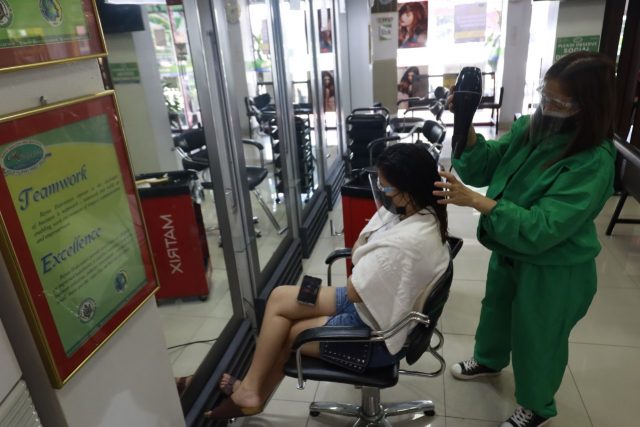
In his statement, Mr. Roque said the task force also approved a recommendation to expand by an additional 10% the allowable indoor capacities of dine-in services, in-person religious services, and personal care services for fully vaccinated individuals in areas under Alert Level 4.

“Establishments allowed to operate under Alert Level 4, which have been awarded the Safety Seal Certification shall be allowed additional venue capacity of 10 percent beyond the prescribed venue or seating capacity,” he said.

Mr. Roque said the task force also approved the reopening of fitness studios and gyms at a limited 20% venue capacity for fully vaccinated individuals, “provided that all gym workers should also be fully vaccinated.”

“Both clients and service providers shall also wear face mask at all times and no group activities will be allowed,” he added.

TRAVEL GREEN LIST

Meanwhile, Mr. Roque said  th etask force also updated the “green list” for travel. Fully vaccinated people from green or low-risk countries are allowed to enter the Philippines.

American Samoa, Burkina Faso, Cameroon, Cayman Islands, Chad, Comoros, Republic of the Congo, Djibouti, Falkland Islands (Malvinas), Hungary, Madagascar, Mali, Federated States of Micronesia, Montserrat, and New Zealand are now included in the green list, Mr. Roque said.

Niger, Northern Mariana Islands, Palau, Poland, Saba (Special Municipality of the Kingdom of Netherlands), Saint Pierre and Miquelon, Sierra Leone, Sint Eustatius, Taiwan, Algeria, Bhutan, Cook Islands, Eritrea, Kiribati, Marshall Islands, are also on the green list, he added.

Nauru, Nicaragua, Niue, North Korea, Saint Helena, Samoa, Solomon Islands, Sudan, Syria, Tajikistan, Tanzania, Tokelau, Tonga, Turkmenistan, Tuvalu, Uzbekistan, Vanuatu, and Yemen are in the same travel list.

Philippine authorities earlier said travelers from green countries are required to undergo a seven-day facility-based quarantine.—Kyle Aristophere T. Atienza

DECATHLON signs up with SM Supermalls

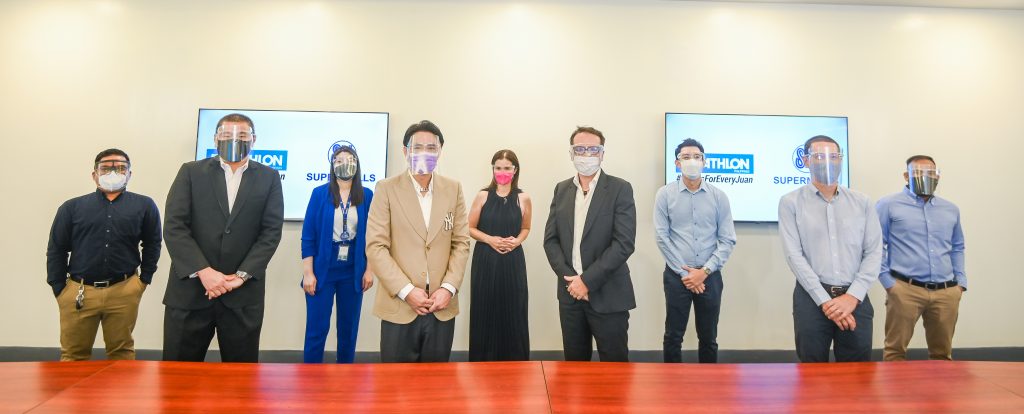
The Philippines’ largest sports retailer DECATHLON and the Philippines’ largest mall developer SM SUPERMALLS forge on with 2021 store openings at SM City North Edsa and SM Mall of Asia. Further expansion is planned as multiple stores are expected in the next two years.

Making sports accessible to Every Juan

This year, sports lovers across Metro Manila can look forward to two DECATHLON openings, at SM City North Edsa in Quezon City and at SM Mall of Asia in Pasay, both known as hubs for multisport lovers within the Metro.

“We want Decathlon to become one of the most loved brands in the Philippines. Thanks to the innovation and unbeatable value of our passion brands, we continue to deliver the best quality and safety to guarantee customer satisfaction,” says Hans Iff, CEO of DECATHLON Philippines, on paving on what’s to come for sport lovers in the Metro.

A digital game-changer

While keeping its commitment to give access to over 5,000 products for over 70 sports, DECATHLON will also launch a fresher and more digital “City” Concept. The brand promises to make multiple sports accessible through digital and omni-channel features.

“We will continue to develop digital solutions to make our products accessible, propose faster shopping through self-checkout and RFID technology,” shared IFF. Bundled with these digital solutions will be classic DECATHLON services like click and collect, free membership, and free product testing.

Steven Tan, President of SM Supermalls, has this to say about DECATHLON’s expansion, “Health and Wellness is one of the most relevant consumer categories today. Filipinos are increasingly turning to fit, healthy lifestyles. This includes the adoption of sports and hobbies. So we’re very excited with Decathlon’s timely entry into our malls. Filipinos can look forward to more Decathlon Stores at SM, in addition to SM City North Edsa and SM Mall of Asia, in the next three years. Our malls have been catalysts in letting the greater public consume and experience new brands. Being in SM Supermalls definitely gives DECATHLON more touchpoints to reach their core market. We are helping DECATHLON deliver their promise to make sports more accessible to every Filipino.”

Common sustainable grounds

Aside from the strong intersection towards accessibility, DECATHLON and SM share a common commitment towards positive social and environmental impact. Some examples include a focus on waste collection and management. Just last year, DECATHLON launched an initiative with the Plastic Flamingo to create waste collection centers in DECATHLON, something that will definitely be found in the new stores opening in SM Malls.

Iff also shared that the collaboration would expedite other sustainable commitments such as more employment opportunities for the community, green energy, and waste management. “Our wish is to contribute to a healthier tomorrow by increasing the practice of sports. We will continue to work for and with the citizens and all those involved to share the benefits of this cooperation,” said Iff.

Learn more about DECATHLON Philippines’ Sustainable Development commitments at www.decathlon.ph/shop/sustainability.


Spotlight is BusinessWorld’s sponsored section that allows advertisers to amplify their brand and connect with BusinessWorld’s audience by enabling them to publish their stories directly on the BusinessWorld Web site. For more information, send an email to online@bworldonline.com.

Join us on Viber to get more updates from BusinessWorld: https://bit.ly/3hv6bLA.

Sept. inflation likely topped 5% — BSP

PHILIPPINE STAR/ MICHAEL VARCAS

INFLATION probably exceeded the Philippine central bank’s target in September due to rising fuel, utility and food prices, Bangko Sentral ng Pilipinas (BSP) Governor Benjamin E. Diokno said on Thursday.

The consumer price index likely quickened to 4.8-5.6%, beyond the 2-4% goal of the BSP this year, he told an online news briefing. Prices rose by 2.4% a year earlier.

Inflation hit 4.9% in August as food prices rose sharply after recent typhoons caused supply woes. This brought eight-month inflation to 4.4%.

Central bank Deputy Governor Francisco G. Dakila, Jr. last week said the index could hit 5% in September before easing to within the BSP target in November.

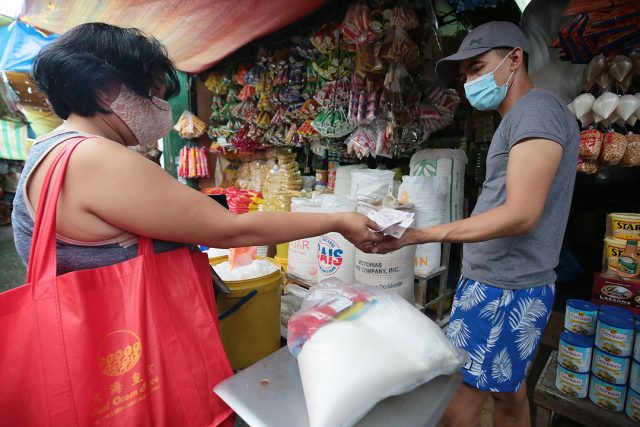
“Inflation will be driven by the upward adjustments in domestic oil prices, Manila Electric Co. (Meralco) electricity rates, suggested retail prices of basic necessities and prime commodities, and prices of selected fruits and vegetables as well as rice,” the central bank said in a separate statement on Thursday.

Gasoline prices have increased by P15.10 as of Sept. 28, by P12.95 for diesel and by P10.65 for kerosene, according to data from the Energy department.

Meralco raised power rates for September by P0.1055 to P9.1091 per kilowatt-hour from a month earlier, citing higher generation charges.

The Trade department in late August allowed increases of as much as P2.25 in the prices of some food items.

Last week, the central bank raised its inflation forecast for this year to 4.4% from 4.1%. Officials said an African Swine Fever outbreak and typhoons could cause supply issues in the coming next months.

Inflation estimates for 2022 and 2023 were also raised to 3.3% and 3.2% from 3.1% for both.

Despite higher inflation expectations, the BSP kept the key policy rate last week at a record low of 2% to support economic recovery. It said elevated inflation caused by low supply is best addressed by nonmonetary measures.

Mr. Diokno has vowed to keep an accommodative monetary policy stance for as long as necessary to boost economic output.

“When domestic developments warrant a withdrawal of policy support as economic recovery gains traction, the BSP will ensure a smooth transition in winding down its time and state-bound measures,” Mr. Diokno said.

“At the same time, the BSP will continue to coordinate closely with fiscal authorities to ensure enough policy support remains for economic recovery to be sustained,” he added.

The Monetary Board will hold its next policy review on Nov. 18. — Luz Wendy T. Noble