Home Blog Page 5746

[B-SIDE Podcast] Architecture and computational design

Follow us on Spotify BusinessWorld B-Side

In this B-Side episode, Gordon Gn, an award-winning architect and the office director of architecture firm HKS Singapore, explains what computational design is, and how it can benefit all stakeholders before, during, and after the construction of a building. 

“To put it simply, computational design is really the workflow that enables us to enhance project design outcomes and performance through the use of digital models,” Mr. Gn tells BusinessWorld reporter Brontë H. Lacsamana.  

Nustar Resort and Casino, Robinsons Hotels and Resorts’ (RHR) new five-star integrated resort in Cebu that Mr. Gn helped design, is the first development in the Philippines that uses computational design to respond to climate factors. 

TAKEAWAYS 

Nustar Resort

The computer is not just a tool, but a co-designer. 

“The design approach practiced by architecture studios has gone beyond manually sketching and drawing,” Mr. Gn said. “But in some ways, we are still quite traditional, with digital models as a direct visual translation of what the architect has in mind.” 

“This new methodology of having the computer as a kind of co-designer, it really starts to introduce new ways of thinking, of making, and of producing.” 

As an industry, the limitless thinking that comes as a collaborative effort is bringing about an innovation of the profession, and a paradigm shift, he added. 

Digital models can simulate climate scenarios that will inform design solutions. 

Nustar Resort and Casino — with its three hotels, gaming floors, 1,700-seat movie theater, and luxury retail mall — is set to be a mega development located along the coastal front of Kawit Island, east of Cebu City. 

“If you look at the base of the building, it’s reminiscent of the kind of Western ships and galleons that explored this region of the seas,” he said. “The three towers are designed as sails. It’s bringing back the idea of shipping and explorative culture.” 

The digital models that simulated climate scenarios generated and tuned the design of the towers to the environment to minimize the heat gain for occupants’ comfort as well as maximize the daylight.  

Computational tools optimize a building’s life cycle from design to occupancy. 

“It can go from wind to daylight to heat gain to physical components like structure or sensing how many people will use the building or move within it,” Mr. Gn said. 

By recreating all sorts of scenarios within a virtual environment, carbon footprint and productivity optimization can be calculated, even taking into account the finite resources available, he added. 

“If we can start to be more socially and environmentally conscious through technology, I think this leads to much greater outcomes for the community and the world at large.” 

Recorded remotely in September 2022. Produced by Joseph Emmanuel L. Garcia, and Sam L. Marcelo.

Follow us on Spotify BusinessWorld B-Side

Cisco Philippines: Serving and securing Filipino businesses through innovations

In navigating the new digital world, Cisco Philippines affirms its presence in serving and securing Filipino businesses. As today’s business environment is predictably unpredictable, business resilience and agility is borne out of unified solutions that bridge an organization’s technologies, locations, teams, and devices.

IT environments have become overwhelmingly complex, especially with the move to hybrid work and cloud.

“The last two years have shown us that work is no longer where we go, but what we do. In a hybrid normal, employees and employers in the Philippines are experiencing tangible benefits from improved employee well-being to better productivity and work performance,” said Cisco Philippines Managing Director Zaza Soriano-Nicart.

Unified solutions for organizations

As businesses continue leveraging digital abilities for workforce productivity and meeting customer and partner expectations, Cisco is innovating with simpler and smarter unified solutions that connect a company’s technologies, locations, teams, and devices for developing business agility and resiliency.

Cisco believes that unified IT experiences are critical in empowering organizations to adapt to the ever-changing environment expedited by the increased adoption of digital solutions post pandemic.

For its customers’ secure and seamless transition to more cloud-based operating models, Cisco has improved its networking platforms.

“Our customers choose to run their businesses on Cisco technology because we sit at the intersection of networking, security and cloud,” said Todd Nightingale, EVP and GM, Cisco Enterprise Networking & Cloud in a Cisco Live event earlier this year. “We believe the network is the foundation for the modern enterprise and must deliver agility through simplicity. Cisco is addressing our customers’ most important concern, which is managing complexity through smart, data-driven platforms that power a digital business.”

 The Cloud Management for Cisco Catalyst now enables customers to monitor Catalyst Switches and manage new Catalyst Wireless devices via the Meraki dashboard, thus providing better visibility and flexibility to the customer experience. Meanwhile, the new Cisco Nexus Cloud SaaS offer will simplify the deployment, management, and operation of cloud networking.

Additionally, Cisco SD-WAN customers can soon utilize ThousandEyes WAN Insights, which is the first pivotal step towards delivering on the Cisco Predictive Networks vision.

Cisco has also recently launched a new cybersecurity assessment tool for small and medium-sized businesses (SMBs) in the country. As SMBs have also been accelerating their digitalization, they can utilize the assessment tool to better understand their cybersecurity preparedness and know the solutions they need to protect their business.

Apart from the rapid digitalization, the Philippines is also seeing the rise of hybrid work. And hence, there is a need for solutions to support and secure the business in this work setup.

According to Cisco’s Hybrid Work Study 2022, the hybrid work arrangement has improved the total employee well-being, work-life balance, and performance of the majority of Filipino respondents. However, only 29% of the surveyed employees think their company is ‘very prepared’ for a future in hybrid work.

Technology would remain vital to empower a hybrid workplace, and therefore must be secured. The Cisco study showed that 85% of Filipino respondents consider cybersecurity as critical for a safe hybrid working.

Cisco offers a security model critical to a long-term hybrid work arrangement through Secure Access Service Edge (SASE), which integrates networking and security functions into a unified, cloud-native service or solution.

The company also puts in place a flexible consumption model “pay-as-you-grow” for small and medium-sized enterprises (SMEs) to reduce their upfront costs and get the technology they need. This is part of Cisco’s commitment to supporting all customers, including SMEs, in accelerating their digital agility.

Towards inclusive digitalization

Beyond empowering businesses in their operations, Cisco has been supporting the Philippines for its inclusive and sustainable digitalization through its Country Digital Acceleration (CDA) program, UGNAYAN 2030. The CDA program aims to address the skills shortage and the digital divide.

Among the outcomes of the UGNAYAN 2030 was the deployment of the Konektado Strategic Emergency Response Vehicle (SERV) to Bohol and Cebu, which has helped provide connectivity in the areas after the onslaught of Typhoon Odette.

Currently in 44 countries, with over 1,200 completed and active projects worldwide, Cisco’s CDA program leverages collaboration with industry partners, academia, and government leadership to develop sustainable communities and resilient economies through digital solutions and innovation.


Spotlight is BusinessWorld’s sponsored section that allows advertisers to amplify their brand and connect with BusinessWorld’s audience by enabling them to publish their stories directly on the BusinessWorld Web site. For more information, send an email to online@bworldonline.com.

Join us on Viber to get more updates from BusinessWorld: https://bit.ly/3hv6bLA.

METS Logistics: A trusted partner of food businesses for cold chain services

For food businesses, perhaps nothing is more crucial than delivering safe and quality food to consumers. This means keeping an eye on the food value chain until it reaches the plate — focusing on the production, preparation, and presentation of the food, as well as how they are stored and transported.

Not only does a poor storage facility and transportation affect the safety and quality of food products, but it also leads to food wastage. Therefore, when finding the storage facilities to entrust their products with, food businesses must know which logistics service can keep their products safe and fresh, and not lead to waste.

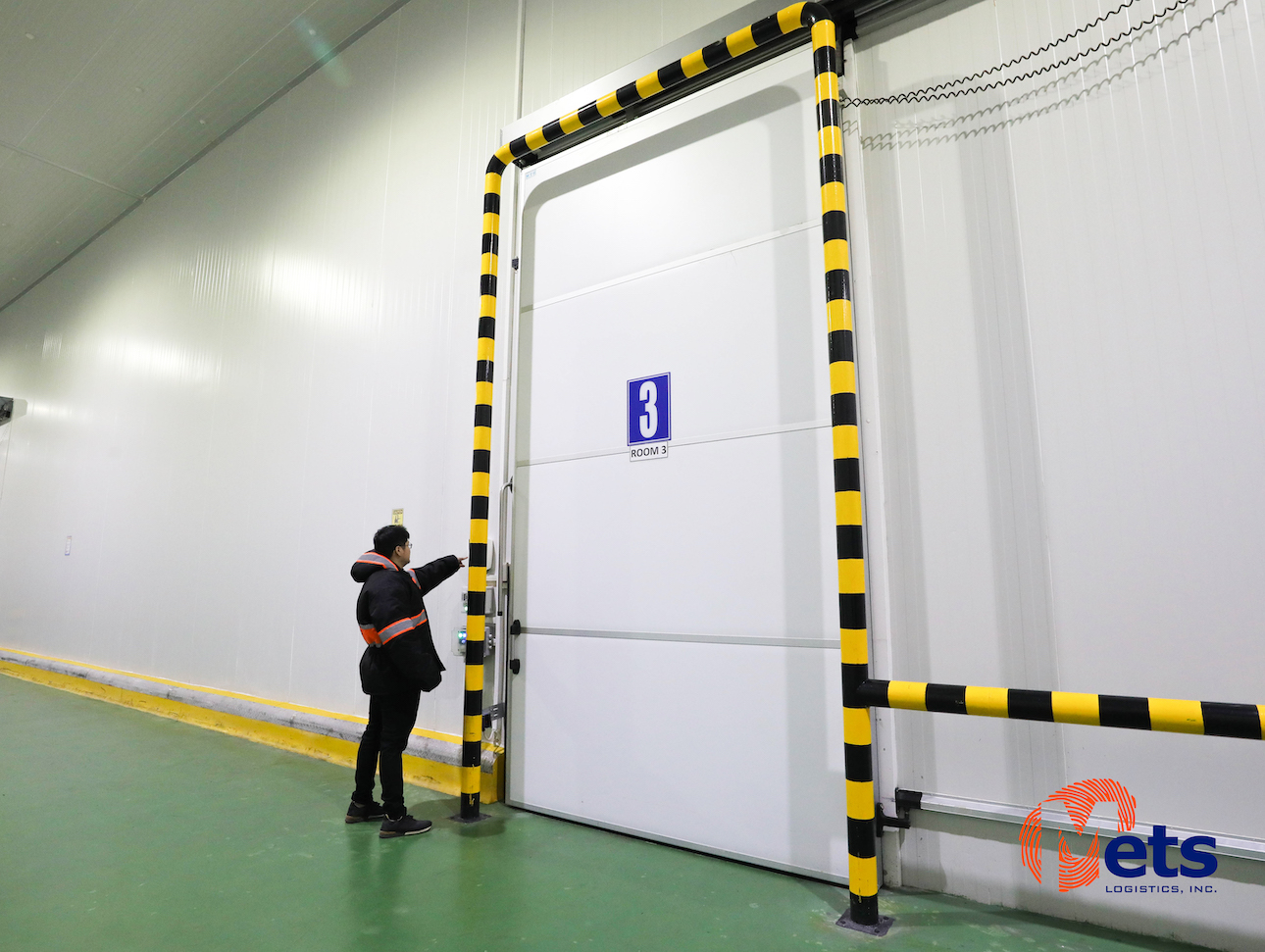
Understanding the value of product integrity for food businesses, their products’ safety and quality are central to METS Logistics Inc. A business partner that could meet specific cold storage and warehouse facility needs, METS Logistics vows to deliver top-notch service that assures security in every step of the storage cycle.

“Everything businesses need in every process of cold storage solution we offer at METS,” the logistics service provider said. “METS offers multiple services from storage services (Cold, Aircon, Dry), Blast Freezing, Toll Processing, and other Auxiliary Services to cater to clients’ specific needs.”

METS Logistics can keep an array of food products frozen and fresh. Businesses with products such as meat (poultry, beef, pork, and seafoods); fruit byproducts; processed meat like hotdogs, longganisa, tocino, and more; and dairy products like milk and cheese can partner with METS to ensure the quality and safety of such products in storage.

The company also caters to packaging materials and vaccines as well as offers some space for office and warehouse rentals.

In addressing the particular needs of every business, METS also ensures it provides the right resources and personalized service and facilities. In the past, METS has added services such as bundling, rebagging, reboxing and other specific Toll Production processes to cater its partner businesses’ specific needs.

Further assuring their business partners of safety, the facilities and services at METS Logistics are accredited by the government and global accreditation organizations, including the Food and Drug Administration, National Meat Inspection Service, Hazard Analysis and Critical Control Points, Good Manufacturing Practices, Good Operating Practices, and the Islamic Da’wah Council of the Philippines.

Since its establishment in 2010, METS Logistics has been a business partner of over a hundred clients who entrusted the company with keeping their products safe and fresh. METS currently serves through its five branches that can be found in Carmona, Cavite; Mandaue City, Cebu; and Tablon, Cagayan de Oro City.

“Being in the cold chain industry for 12 years, METS understands the needs of our clients and has adapted the best practices for efficient operation of our cold chain services. We are ISO compliant and have maintained our facilities in top tier condition” says Eduard Tio, METS Logistics President.

METS Logistics continues to work on being a reliable partner of more food businesses for their storage facility needs. The company is expanding further in other strategic locations, one of which is in Bulacan where it will open next year. It also continuously adds value-added services and seeks more new ways to enhance its processes to deliver more efficient storage services and facilities for the benefit of partner businesses.

For more information, follow METS Logistics on Facebook or call them at (046) 482 0384.


Spotlight is BusinessWorld’s sponsored section that allows advertisers to amplify their brand and connect with BusinessWorld’s audience by enabling them to publish their stories directly on the BusinessWorld Web site. For more information, send an email to online@bworldonline.com.

Join us on Viber to get more updates from BusinessWorld: https://bit.ly/3hv6bLA.

48th PBC&E returns on-site, tackles sustaining PHL’s post-lockdown growth

One of the most-awaited gatherings of the Philippine business community is returning today with an agenda of pushing the country further forward as it opens for business and builds on the progress achieved in the past years amid the disruption brought by the coronavirus pandemic.

The 48th Philippine Business Conference & Expo (PBC&E) is happening today (Oct. 19) until tomorrow (Oct. 20) at the Grand Ballroom, The Manila Hotel, with the government’s top executives and economic managers, as well as business leaders from here and overseas coming together to once again exchange ideas on current issues and business opportunities.

This year’s conference is highlighted by the attendance of President Ferdinand R. Marcos, Jr. and Vice-President Sara Z. Duterte as they are expected to address the Philippine business community.

Mr. Marcos and Ms. Duterte will serve as the concluding and opening guests of honor and speakers, respectively, in what is set to be the biggest business face-to-face gathering in the country after two years of grappling with the pandemic.

Philippine Chamber of Commerce and Industry (PCCI) President George T. Barcelon said that the chamber, the organizer of the two-day business summit, is honored and extremely delighted to receive the President’s confirmation to attend the conference.

“As we speak, we are now in full capacity and we are trying to find ways to accommodate those on the waitlist,” Mr. Barcelon said, adding that PBC delegates will be coming from across the country and overseas.

The PCCI president also said that the chamber has also organized a huge batch of business delegations from countries like the United States of America (USA), Sri Lanka, Pakistan, and Japan to attend the conference.

Foreign delegates attending the conference are set to explore business opportunities and joint ventures in a business-to-business session with Filipino businessmen.

This year’s conference carries the theme “The Philippines is ready and open for business,” which PCCI finds a very timely theme befitting the chamber’s vision to be the “Voice of Business.”

“We have been consistent in our position to fully open up our economy because we need to get back on track to sustain our growth momentum,” Mr. Barcelon added about this year’s theme.

With the said theme, the 48th PBC&E will be looking at how the new government will build on the previous administration’s reform measures to make a real difference to the economy going forward.

(L-R) Philippine Chamber of Commerce and Industry President George T. Barcelon and Philippine Business Conference & Expo Chairman Ferdinand A. Ferrer

In a media briefing last Oct. 12, Ferdinand A. Ferrer, the chair of this year’s PBC&E, recalled the previous administration has laid down the groundwork to attract more foreign direct investment with the amendment of important legislation such as the Public Service Act, the Foreign Investment Act, and the Retail Trade Liberalization Act. The Ease of Doing Business Act and the Corporate Recovery and Tax Incentives for Enterprises Act, meanwhile, are likewise seen to support the expansion of domestic enterprises and recovery from two years of lost opportunities.

“We have a roster of highly renowned speakers and experts from both the government and business sectors to share insights and strategies on how we can sustain our growth momentum and, eventually, achieve the country’s vision of Ambisyon 2040 where Filipinos enjoy a stable and comfortable life,” Mr. Ferrer said.

The 48th PBC&E will start with the opening keynote message from Vice-President Duterte. Then, to set the tone of the conference, Finance Secretary Benjamin E. Diokno will deliver a keynote presentation, followed by a fireside chat with Socioeconomic Planning Secretary Arsenio M. Balisacan of the National Economic and Development Authority.

The conference will also have interesting discussions with some of the country’s top executives to highlight the business prospects under the new administration and the priorities moving forward.

The conference will also have a session with US Ambassador Marykay Carlson and Chinese Ambassador Huang Xilian on building strategic alliances to create new markets and attract more investments.

The closing ceremony will feature the presentation of Resolutions to the President, as well as the awarding of the Most Outstanding Local Government Unit, Most Outstanding Chamber, and the 47th PBC Chairman.

The resolutions to be presented to President Marcos, Jr. during the conference cover a wide range of issues, such as achieving food security, transparent and affordable health care, employment generation, globally-competitive education and training standards, strengthened national security, reliable and competitive digitalization, climate change resilient and environmental-friendly policies, affordable power, safe and efficient transportation, and an outward and forward-looking trade policy.

“The set of resolutions capture the collective aspirations and expectations of the Philippine business community to the new administration as it steers the direction of the Philippine economy rebounding from the pandemic,” Mr. Ferrer said.

Mr. Ferrer is the chairman and chief executive officer of Gruppo EMS Inc., a company engaged in providing semiconductor engineering and electronic assembly services in the country and overseas.

Known to many as “Perry,” Mr. Ferrer returned to the Philippines after 22 years of being assigned in the Military & Aerospace Electronics in various foreign countries like the USA, Canada, Europe, and China.

Mr. Ferrer graduated Bachelor of Science in Marketing Management from the De La Salle University, Philippines. — Adrian Paul B. Conoza

Gearing up for a ‘never-ending battle’ against cyberattacks

Photo from PIXABAY

By Adrian Paul B. Conoza, Special Features Assistant Editor

Since the coronavirus crisis has accelerated the use of digital means, organizations have been undergoing their respective digital transformations. Alongside this move, however, cyberattacks like malware and phishing have escalated, which for businesses might result in losing important information, as well as crippled operations and consumer trust.

In a recent BusinessWorld Insights forum, themed “Improving Cybersecurity in the Digital World,” experts from government and private sectors recognized the need for seriously implemented policies as well as comprehensive solutions for businesses amid increasing threats from cyberattacks.

Melchor T. Plabasan, director and head of the Technology Risk and Innovation Supervision Department of the Bangko Sentral ng Pilipinas (BSP), noted that amid the growth of digitalization, there has likewise been an increase in threat actors trying to exploit consumers and organizations that cybersecurity has now become a “never-ending battle” across sectors.

From the central bank’s end, he shared, the top three incidents in 2021 spotted by the BSP’s cyberthreats surveillance are card-not-present fraud, phishing, and account takeover or identity theft.

“There is now what we call more elbow room on the part of these threat actors on attack surfaces by which they can operate,” he observed.

Citing findings from Checkpoint Threat Intelligence Report, Globe Business Enterprise Group Vice-President for Partner Ecosystem Francisco Claravall noted that cyberattacks have threatened the Philippines more than Southeast Asian neighbors.

According to Checkpoint’s findings, an average of 2,115 weekly attacks were found in Philippine organizations from both government and private sectors.

“We actually see [the] government as actually the top [sector] being attacked, followed by manufacturing and then finance and banking,” he added, noting as well that most of the attacks occurred through email attachments.

Another finding Mr. Claravall noted was that most Philippine organizations (64%) were exploited through remote code execution, which is defined as an attack where a threat actor illegally accesses and manipulates a computer or server without authorization from its owner.

Ana Margarita Sanchez, vice-president for strategy and engagement at Philpacific Insurance Brokers & Managers, Inc. (Philinsure), pointed out that as the move “to the web on the cloud” drives an exponential growth of data stored online in the future, exposure to cyberthreats are bound to increase. This should alarm Philippine companies to better secure themselves digitally since losses from cyberthreats are very costly.

Ms. Sanchez cited a study by online marketing firm Reboot Digital PR Services, which revealed the Philippines is the ninth least cyber secure in Asia, mainly due to a huge number of phishing and malware-hosting sites.

“Can we afford the loss of our data? Because it costs money when our systems are breached. The cost of repairing our data systems and of restoring the data — that’s something that every business owner should consider and even our government,” she said.

“And when we lose our data, we’re not only talking about data and system recovery costs. We’re also talking about business interruption, reputational and brand costs, and also legal and regulatory costs,” she added.

Ms. Sanchez highlighted that cyberattacks cost a global average of US$ 200,000, or about P11 million — which puts small and medium enterprises (SMEs) mostly at risk.

“SMEs in Asia-Pacific are actually very exposed… and the fear is real for these businesses because even Cisco came out with the study that 56% of Asia-Pacific SMEs have suffered a cyber incident in the last twelve months,” she added.

Implementing policies

Given the stronger need for cybersecurity in the country, Allan S. Cabanlong, founder and chief executive officer of CyberGuardians, Inc., stressed throughout the forum that the Philippine government needs to fully implement the National Cybersecurity Plan 2022, which was drafted and launched by the Department of Information and Communications Technology back in 2016 and 2017.

The plan envisions having a trusted and resilient information infrastructure, or infostructure, in the country. Its goals include assuring the continuous operation of the nation’s critical infostructures, public and military networks; implementing cyber-resiliency measures to enhance ability to respond to threats before, during and after attacks; effective coordination with law enforcement agencies; and a cybersecurity-educated society.

“The main challenge now with the government is the implementation. All the plans have been laid out already. The laws have been created already, although there are other laws that are still sought,” Mr. Cabanlong, who is also a former DICT assistant secretary, said.

Aside from implementation, Mr. Cabanlong continued, putting the right people to handle cybersecurity and developing the cybersecurity workforce in the country are also important.

Agreeing with Mr. Cabanlong, central bank’s Mr. Plabasan noted that while the Philippines has a Cybercrime Prevention Act, a cybersecurity law is still needed to clearly delineate the responsibilities of the government and the private sector in terms of protecting critical infrastructure.

“Although the National Cybersecurity Plan also identifies these critical sectors that need to be protected, we believe that this should be enacted into law because cybersecurity is a very expensive endeavor, [and] so that there [will be] steady source of funding that would finance activities related to protecting our systems,” Mr. Plabasan said.

Initial steps for businesses

On the other hand, businesses should start “cybersecuring” themselves by having a security assessment of their company, creating their zero-trust framework, and staying up-to-date on the evolving threat landscape, Mr. Claravall advised.

“Keep your team, as well as your executive stakeholders, informed; because unless they know what’s happening, they will not mind you,” Mr. Claravall said.

Mr. Plabasan remarked that a cybersecurity culture must be built among organizations, particularly embedding cybersecurity across all facets of their operations.

“We also need to make the board aware or, sometimes, to moderately scare them about the risk that the organization is facing, so that they can also fully support initiatives to strengthen the cybersecurity posture of their organization,” he said.

Mr. Claravall added that businesses should assess the impact of losing critical data, out of which they should create a business continuity plan.

“When a cyber breach happens, where is your critical data?” he said. “You have to make sure that you have that plan in place and then make sure you review and test your incident response plan. This should not be at a time when you’re just starting to test what you’ve planned.”

The Globe Business executive also stressed that in getting cybersecurity solutions, companies should not pick and assemble them on their own.

“Most customers try to do it per product and try to assemble it. What we realize is you don’t really choose a solution or a product. Look for a strategic partner that can understand your needs end to end,” Mr. Claravall said.

“That’s why things like managed security services are actually booming right now because the expertise is there for you to be able to avail of it,” he added. “You have to worry about technology and you don’t have to worry about making sure you keep the people, upskill them, and train them.”

Innovations for cybersecurity

Globe Business, for its part, has been offering clients bundles of cybersecurity services, which include endpoint security cloud applications, as well as governance, risk management, consulting, and incident management solutions.

“We think of ourselves as curating the best solutions that customers may need,” Mr. Claravall said.

The Globe Business executive also mentioned a solution called incident management response retained, which he observed their brand has succeeded in getting client companies subscribed to.

“A company without sort of an incident management response retainer, when something happens to them, will crumble from scratch on how to handle the situation. This retainer helps them, in the event something happens, to respond in an organized and quick manner,” he explained.

Another safety net businesses can go to is insurance, as Philinsure’s Ms. Sanchez shared.

Philinsure’s cyber insurance called CyberSecure, as advertised, intends to accompany companies by coming up with an immediate breach response in case of a suspected data or security breach; as well as by providing experts to regain access, replace, or restore data; and getting reimbursements.

Through neoinsurance, businesses can assess their risk, automatically get a quotation, and easily get CyberSecure on a single online platform.

“Usually if it’s cyber insurance, it’s voluminous pages of things you must go through. But here, we’ve made it kind of plug and play,” Ms. Sanchez said. “In our platform, at least, there are several options for enterprises, particularly for SMEs who are the most vulnerable at this point in time.”

Ms. Sanchez hopes that more insurers will get into the cyber insurance space as this kind of protection is becoming more critical as a fiscal response to any cyber breaches.

This session of BusinessWorld Insights is in partnership with Globe Business and is supported by the Asia Society-Philippines, British Chamber of Commerce of the Philippines, Financial Executives Institute of the Philippines, Management Association of the Philippines, Philippine Chamber of Commerce and Industry, Philippine Franchise Association, and The Philippine STAR.


Keeping up with the struggle for cybersecurity

PIXABAY

If it has not already, cybersecurity will become an integral part of doing business in the future. With how much companies today rely on data as the lifeblood of their growth and innovation, the importance of the protection of said data from malicious actors is self-evident.

Fortunately, many leaders and executives are keeping up. According to multinational professional services firm PricewaterhouseCoopers’ 2023 Global Digital Trust Insights, chief information security officers and their teams are stepping up to improve their cybersecurity. More than 70% of 3,522 respondents observed improvements in cybersecurity in the past year — thanks to cumulative investments and C-suite collaboration.

Two-thirds of executives consider cybercrime their most significant threat in the coming year, according to the report, as cybercriminals are becoming increasingly proficient at using off-the-shelf tools to perpetrate and orchestrate a variety of attacks.

Technological research and consulting firm Gartner, in their Top Cybersecurity Predictions for 2021-2022, highlighted the importance of such a mindset.

“Security and risk management has become a board-level issue for organizations. The number and sophistication of security breaches is rising, spurring increased legislation to protect consumers and putting security at the forefront of business decisions,” Gartner wrote.

The firm predicted that by the end of 2023, modern privacy laws will cover the personal information of 75% of the world’s population, following the example of the General Data Protection Regulation set forward by the European Union. Countries like Brazil have already done so, with their own General Personal Data Protection Law. There is also California’s recent Consumer Privacy Act (CCPA).

“The sheer scope of these laws suggests you’ll be managing multiple data protection legislation in various jurisdictions, and customers will want to know what kind of data you’re collecting and how it’s being used. It also means you’ll need to focus on automating your privacy management system. Standardize security operations using GDPR as a base, and then adjust for individual jurisdictions,” Gartner wrote.

Such legislation will serve to encourage and even empower companies to enact their own countermeasures against cybercrime, such as the implementation of new cybersecurity mesh architecture that can reduce the financial impact of security incidents.

Building on this scenario, Gartner also predicts that around a third of enterprises will adopt cloud-delivered Secure Web Gateway (SWG), Cloud Access Security Brokers (CASB), Zero Trust Network Access (ZTNA) and Firewall As A Service (FWaaS) capabilities from the same vendor by 2024.

“Organizations are leaning into optimization and consolidation. Security leaders often manage dozens of tools, but they plan to consolidate to fewer than 10. SaaS will become a preferred delivery method, and consolidation will impact adoption timeframes for hardware,” the company explained.

Furthermore, Gartner expects to see as much as 60% of organizations using cybersecurity risk as a primary determinant in conducting third-party transactions and business engagements by 2025.

“Investors, especially venture capitalists, are using cybersecurity risk as a key factor in assessing opportunities. Increasingly, organizations look to cybersecurity risk during business deals, including mergers and acquisitions, and vendor contracts. The result is more requests for data about a partner’s cybersecurity program via questionnaires or security ratings.”

Cybersecurity is an ever-evolving field, and one in which businesses cannot afford to be left behind. Technological advancement will continue to harness the power of data far into the future, and the sooner one adopts a careful, security-minded approach to handling that data, the easier it will be to use it to one’s advantage. — Bjorn Biel M. Beltran

Inflation may cut 2023 growth — NEDA

Individuals are seen purchasing vegetables, meat, and poultry products at the Marikina Public Market. — PHILIPPINE STAR/ WALTER BOLLOZOS

A SUSTAINED “inflation shock” could cut the Philippines’ gross domestic product (GDP) by 0.6% in 2023, National Economic and Development Authority (NEDA) and Socioeconomic Planning Secretary Arsenio M. Balisacan said on Tuesday.

“We are particularly concerned about higher inflation.  Our analysis shows that sustained increases in inflation in 2022 and 2023 will cause a slowdown in our economic growth, translating into a GDP level lower by 0.6% in 2023 than its expected level had there been no sustained inflation shock,” he told a televised press briefing in Malacañang.

The government is targeting 6.5-7.5% GDP growth this year, and 6.5-8% expansion next year until 2028.

Inflation quickened to 6.9% in September, the sixth straight month that inflation breached the Bangko Sentral ng Pilipinas’ (BSP) 2-4% target this year.

Mr. Balisacan and the rest of the economic team on Tuesday met with President Ferdinand R. Marcos, Jr., who said on Twitter the fight against inflation was a top priority.

“While we expect our poverty situation to improve as we continue our recovery, inflation and rising interest rates will mute this improvement,” Mr. Balisacan said.

The rise in inflation is only “temporary,” he said, despite the continued increase in prices of food, oil and utilities.

“It is expected to slow down and return to the medium-term target of 2-4%. We maintain that the country’s economic prospects remain bright as we get our priorities straight and our acts right,” Mr. Balisacan said.

The BSP expects inflation to average 5.6% this year, before easing to 4.1% in 2023 and 3% in 2024.

Mr. Balisacan said one short-term solution to inflation is providing financial assistance to the most affected sectors.

“Part (of our solutions) is providing assistance to most vulnerable groups by continuing the subsidy programs for example that are currently extended by the Department of Social Welfare and Development, assistance to farmers and fisherfolk, to drivers and so on and so forth,” he said.

“We seek solutions for short term challenges, we are very careful that we do not compromise our medium-term goals which is to put the economy to a higher growth trajectory to achieve more jobs and reduce poverty — that’s the overall architecture of the plan,” he added.

Inflation in the Philippines and other Asian economies have accelerated in the past year due to the Russia-Ukraine war, supply constraints and lower agricultural production due to natural calamities, Mr. Balisacan said.

“As a result, inflation has remained persistently high globally, driven by rapid price increases in food, transportation and energy. The Philippines and our Asian neighbors are not spared from these trends,” he said.

The Philippines may also face challenges from a possible slowdown or recession in major economies such as the United States, European Union members and China.

“Recession in our major trading partners entail weaker demand in terms of exports, investment and tourism. Meanwhile, global supply disruptions have made our imports, including essential inputs for food production, more expensive, contributing to widening trade deficits,” Mr. Balisacan said. — Luisa Maria Jacinta C. Jocson

Marcos says government ready to defend peso

President Ferdinand R. Marcos, Jr. speaks at an event at the Philippine International Convention Center in Pasay City on Oct. 14. — PHILIPPINE STAR/KRIZ JOHN ROSALES

PRESIDENT Ferdinand R. Marcos, Jr. on Tuesday said the government is ready to “defend the peso” in the next few months, as its weakness might continue to stoke inflation.

“We may have to defend the peso in the coming months, but the overall forecast is that we are still doing better than other countries in terms of inflation, though economic developments are still anticipated,” he said via Twitter.

Mr. Marcos made the remarks after meeting with his economic team in Malacañang on Tuesday morning.

The Philippine peso closed at P58.75 versus the US dollar on Tuesday. Year to date, the local unit has weakened by 15.19% or P7.75 from its P51 close on Dec. 31, 2021.

Socioeconomic Planning Secretary Arsenio M. Balisacan told a news briefing the government could also “intervene” in the financial markets.

“We are also monitoring the developments closely so that we can deploy our monetary tools like the interest rate for example and how we can intervene in the financial market to (curb)… the depreciation of the peso,” Mr. Balisacan said.

Bangko Sentral ng Pilipinas (BSP) Governor Felipe M. Medalla earlier this month said the central bank has been “active” in the forex market “but of course, we sell strategically.”

The country’s gross international reserves (GIR) fell to a two-year low of $95.01 billion at the end of September, 2.4% down from $97.44 billion in August. This was the seventh straight month of decline since February.

TOP PRIORITY
Mr. Marcos said his administration’s No. 1 priority is still inflation, amid continued price increases in food, oil and utilities.

“We will continue to use interest rates to mitigate the effects,” he said.

Inflation accelerated to 6.9% in September from 6.3% in August and 4.2% in September 2021. This was the sixth straight month that inflation breached the BSP’s 2-4% target this year.

Year-to-date inflation averaged 5.1%, higher than 4% a year ago but below the BSP’s 5.6% forecast for 2022.

The BSP has raised key policy rates by 225 basis points (bps) this year to curb inflation and stabilize the foreign exchange market.

Mr. Medalla on Saturday said the policy rate should be over 100 bps higher than the Fed’s rate “to have some form of exchange rate stability.”

The US federal fund rate is now 3-3.25%, while the BSP’s benchmark rate is 4.25%.

The US Federal Reserve is widely expected to raise borrowing costs by another 75 bps at its Nov. 1-2 meeting, which will add to the cumulative 300 bps increase since March.

The Monetary Board’s next policy-setting meeting is on Nov. 17.

PESO UP
Meanwhile, the peso strengthened on Tuesday against the dollar on profit taking.

It closed at P58.75 versus the greenback, strengthening by 25 centavos from its P59 finish on Monday, Bankers Association of the Philippines data showed.

The peso opened Tuesday’s session at P58.90. Its weakest showing was at P58.995, while its intraday best was at its finish of P58.75.

Dollars exchanged rose to $610.8 million from $524.9 million on Monday.

“The peso strengthened slightly due to profit taking by market participants near the 59-peso level,” a trader said in an e-mail.

The peso also rebounded after gains in the local and US stock markets, Rizal Commercial Banking Corp. Chief Economist Michael L. Ricafort said in a Viber message.

The benchmark Philippine Stock Exchange index rose by 158.31 points or 2.65% to close at 6,128.64, while the broader all-share added 54.88 points or 1.71% to 3,253.51.

The peso’s performance was also affected by Mr. Balisacan’s statement that they were closely monitoring the battered local currency and its impact on rising inflation, Mr. Ricafort said.

“The local currency might appreciate further amid potentially strong Eurozone inflation reports,” the trader said.

The trader expects the local unit to move within P58.65 to P58.85 a dollar on Wednesday, while Mr. Ricafort gave a forecast range of P58.60 to P58.90 a dollar. — K.B.Ta-asan and K.A.T.Atienza

Transport groups seek ‘surge’ charge on fares during rush hour

Motorists are stuck in traffic in Manila, Aug. 21. — PHILIPPINE STAR/EDD GUMBAN

By Arjay L. Balinbin, Senior Reporter

JEEPNEY and bus operators want to impose a “surge” charge on top of base fares during rush hour, amid worsening traffic conditions and rising oil prices in Metro Manila.

The Land Transportation Franchising and Regulatory Board (LTFRB) on Tuesday said it had received a petition from three transport groups that seek to charge commuters an additional P1-P2 during peak hours of 5-8 a.m. and 4-8 p.m., Monday to Saturday due to the spike in pump prices.

Pasang Masda, Alliance of Transport Operators and Drivers Association of the Philippines (ALTODAP) and Alliance of Concerned Transport Organization (ACTO) filed the petition before the LTFRB on Oct. 14.

Traditional and modern jeepneys want to impose an additional P1 on top of the current minimum fare during peak hours, while buses are seeking additional P2.

Based on the petition, the additional charge will not be collected on Sundays and national holidays.

As of Oct. 11, the year-to-date increases in per-liter prices for gasoline and diesel are P15.65 and P35.80, respectively, according to the Energy department.

Traditional and modern jeepneys recently raised the minimum fare to P12 and P14.

However, the transport groups said this “would not be enough to alleviate” the losses incurred by jeepney operators and drivers.

They said a traditional jeepney driver’s gross income averages P1,800 from the Tayuman-Pritil route in Manila, which includes a boundary charge of P450 and P1,000 for about 15 liters of diesel.

“This would result in a driver’s take-home pay of P350, which is only P61.4% of the P570 minimum wage in the National Capital Region,” the transport groups said.

Some modern jeepney units incur a net loss of P478.90 a day, the groups noted, adding that this makes their operation “not sustainable.”

“Allowing a surge price of P1 on top of the base fare of P14 for [modern jeepneys] during rush hours at an average of 230 passengers per day can increase the daily gross income of a Parang to Cubao modern jeepney to P9,670, yielding a negative daily net income of P248,” they said. “This is still operation at a loss, but not as worse as negative P478.90 per day.”

For city buses, the groups said allowing a surge price of P2 on top of the P15 base fare for an air-conditioned one and the P13 base fare for an ordinary one during rush hours would “be a big help” to stay operational.

Public buses experience the same difficulties as traditional and modern jeepneys during rush hours, the groups noted.

“This surcharge is the remedy that can most expediently give help to public utility vehicle operators and drivers,” they said.

The LTFRB said that while it recognizes the plight of drivers and operators, it also understands commuters’ concerns that another fare increase will burden them even more.

It also cited the inflationary effect of fare hikes.

Transport expert Rene S. Santiago said the transport groups’ petition is reasonable due to the recent oil price hikes.

“The recent fare adjustment was too low relative to diesel price movements. Imposing higher charges during peak hours is valid, but messy to implement on a per kilometer basis. A fixed surcharge of P3-5 is simpler,” he said in a mobile phone message.

Okada arrested over grave coercion charges, says UEC

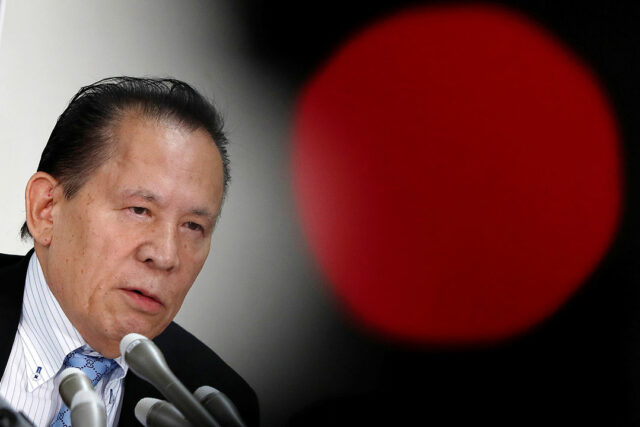
Universal Entertainment Corp’s founder Kazuo Okada attends a news conference at the Tokyo District Court in Tokyo, Japan September 14, 2017. — REUTERS

PHILIPPINE POLICE on Monday arrested Japanese gaming tycoon Kazuo Okada over the grave coercion charges filed by officials of Tiger Resort Leisure and Entertainment, Inc. (TRLEI) related to the “forceful takeover” of a casino-resort in Manila, according to Universal Entertainment Corp. (UEC).

UEC, Okada Manila’s parent company, said in a statement members of the Philippine National Police (PNP) Aviation Security Group had arrested the businessman after he arrived at the Ninoy Aquino International Airport Terminal 1 from Haneda, Japan.

The Metropolitan Trial Court Branch 91 issued warrants of arrest against Mr. Okada on Oct. 11, and set the pre-trial hearing for his coercion case on Oct. 28, UEC said.

“We will continue to work with law enforcement units to bring Kazuo Okada to justice, as we have done in the past in other jurisdictions,” Tiger Resort Asia Ltd. Director Kenshi Asano said in the same statement.

Tiger Resort Asia is the parent company of TRLEI, which operates Okada Manila. Both are units of UEC.

In a separate statement, Mr. Okada said he returned to the Philippines to face the charges against him and show he was “not afraid.”

“I am confident that the legal process within the Philippine court system will vindicate us in all the cases filed against me and my business associates,” he said, adding he would post bail.

It was not immediately clear if Mr. Okada had posted bail as of press time.

TRLEI legal counsel Estrella C. Elamparo earlier filed criminal complaints against Mr. Okada and his associates Antonio O. Cojuangco, Dindo A. Espeleta and Florentino “Binky” Herrera III before the Department of Justice (DoJ) in relation to the takeover of Okada Manila on May 31.

The DoJ earlier indicted the Japanese billionaire and his associates as they were “deemed to have taken the law into their hands.”

It added that despite their claim to a status quo ante order issued by the Supreme Court, it does not absolve them of criminal liability for the takeover of the casino resort. 

Under the law, an act is considered grave coercion if a person is prevented by another from doing something not prohibited by law against his will not be, and if the prevention is caused by violence, threats or intimidation.

In July, the Japanese businessman’s camp issued a statement citing the Supreme Court ruling ordering an SQAO, identifying him as the lone representative of TRAL.

The tribunal upheld the SQAO order in August, which temporarily reinstated Mr. Okada as chairman of Okada Manila.

Mr. Okada was previously removed as chairman of TRLEI in 2017 due to alleged mismanagement. — J.V.D. Ordoñez

DataLand to launch P11-B project in Q1 2023

PROPERTY developer DataLand, Inc. plans to launch a two-tower mixed-use residential and office development worth P11 billion by the end of the first quarter of next year.

“We have to change the business model. Previously, the business model was purely an office project,” DLI Vice President for Development and Customer Turnover Group Felimon G. Yee Jr. said on the sidelines of the company’s 10th-anniversary media briefing.

The development is described by the property development arm of building construction firm DDT Konstract, Inc. as “one of the future landmarks of the EDSA skyline standing at 55 and 54 floors.”

DLI originally launched the project as an office development before the pandemic. The former DDT Sky Towers will be relaunched in March 2023 as a mixed-use development under the name 947 Sky Towers.

Mr. Yee said that after the pandemic, demand from companies for co-working spaces grew as some industries adopted hybrid and work-from-home arrangements.

“The demand is there for residential [units] and the office has been quite passive because [of the pandemic]. We tried to shift the business model and we have tried as well to honor the buyers of offices,” Mr. Yee added.

DLI’s 947 Sky Towers is situated in a 5,250-square-meter (sq.m.) lot. It will have two towers with 1,735 residential units and will be the third vertical project of DLI in Metro Manila.

The first tower will have 54 floors and 880 residential units and the second tower will have 55 floors and 855 residential units, 80% of which will be studio-type units.

Units in the development will range from a studio unit with sizes from 28 sq.m. to 30 sq.m. to a three-bedroom unit at 98 sq.m. to 100 sq.m.

Four floors will be allocated for office developments, which will translate to 56 units of office spaces ranging from 100 sq.m. to 120 sq.m. in size.

“We are looking at launching prices of about P170,000 to P180,000 [per sq.m.]. It really depends since there is already a change in price. We might have to study again and probably get another updated market scan,” Mr. Yee said.

DLI Executive Vice President Joseph Ramil B. Lombos said the edge of DLI is the group’s own construction arm.

“Among the different developers, I know there are only three who have their own construction company,” he said. “DLI has its own construction company that differentiates us from the others.”

In the fourth quarter of next year, DLI also plans to launch two-tower mixed-use high-rise development in Santa Ana, Manila. It will be situated in a 4,855-sq.m. lot and will have 40 floors in each tower, translating to 1,480 residential units.

During DLI’s 10 years, its completed projects include The Silk Residences in Santa Mesa, Manila; The Olive Place in Mandaluyong; MyCube in Biñan, Laguna; and The Miren Enclaves in Palawan. — Justine Irish D. Tabile

PLDT says DITO open to settle P430-M contractual obligation

BW FILE PHOTO

PLDT, Inc. said on Tuesday that DITO Telecommunity Corp. has expressed openness to amicably settle its unpaid contractual obligation of P430 million to the Pangilinan-led company.

The amount is for “services that PLDT continues to deliver so that DITO can in turn provide telco services to its subscribers,” the former said in an e-mailed statement.

“PLDT welcomes the amicable settlement of accounts by its debtors even if those debtors are PLDT’s competitors,” it noted.

The company also said DITO must “demonstrate its good faith by ceasing its attempts to confuse the issue and to mislead the public by claiming that PLDT’s efforts to collect on DITO’s debt is somehow an anticompetitive activity or interconnection issue that merits some unspecified ‘legal process’ rather than just DITO’s simple payment of its defaulted P430-million debt.”

DITO Chief Administrative Officer Adel A. Tamano told state media PTV News on Oct. 15 that the company’s issue with PLDT “is not an issue of money, it’s an issue of interconnection.”

“This matter is already pending with the Philippine Competition Commission,” he added.

For its part, PLDT said that it reserves all of its legal options, including suspension or termination of services, in case DITO does not remedy its “material breach” by Nov. 4.

DITO previously filed competition complaints against the Ayala-led Globe Telecom, Inc. and Smart Communications, Inc. of the PLDT group.

Globe Telecom, Inc. had requested the National Telecommunications Commission to compel DITO to pay a P622-million fine for allegedly violating their interconnection agreement.

Hastings Holdings, Inc., a unit of PLDT Beneficial Trust Fund subsidiary MediaQuest Holdings, Inc., has a stake in BusinessWorld through the Philippine Star Group, which it controls. — Arjay L. Balinbin

ADVERTISEMENT
ADVERTISEMENT