Home Blog Page 5499

Hybrid exclusion from zero-tariff policy meant to spur EV charging station development — BoI

REUTERS

HYBRID vehicles were excluded from zero-tariff treatment because their widespread adoption could delay the development of charging infrastructure for electric vehicles (EVs), the Board of Investments (BoI) said.

Ceferino S. Rodolfo, Trade undersecretary and Board of Investments (BoI) managing head, said:

“We want to develop the infrastructure, the charging stations. The problem with hybrid (vehicles) is that most of them will not need any charging stations,” Mr. Rodolfo told reporters last week.

“The charging stations would not be developed if hybrid vehicles (are allowed for import at zero tariffs). Pure EVs… would spur investment in charging stations,” he added.

The National Economic and Development Authority (NEDA) Board announced in November that it endorsed the issuance of an executive order (EO) that would lower the most favored nation tariff rates to zero percent on imported completely built-up units of EVs for a five-year period.  

The endorsed EO did not include zero tariffs for imported hybrid vehicles.

Once signed by President Ferdinand R. Marcos, Jr., the zero tariffs will cover electric passenger cars, buses, mini-buses, vans, trucks, motorcycles, tricycles, scooters, and bicycles. The current tariff rates for EVs range from 5% to 30%.

According to the NEDA Board, the EO seeks to expand market sources, boost adoption of EVs, and reduce the dependence on imported fuel.

Mr. Rodolfo added that the decision to exclude hybrid vehicles is in line with the government objective of attracting investment in the local production or assembly of EVs.

“Our ultimate goal is for local assembly, the manufacturing of electric vehicles, which will be leveraging our abundance of green metals, which we want to further add value to. Add to that our strength in software development and strength in electronics manufacturing,” Mr. Rodolfo said.  

Mr. Rodolfo said that the decision not to include hybrid vehicles is still subject to review in the draft EO.

“The decision of the NEDA Board is to provide a review clause. After one year, we will review the coverage of the products in the EO,” Mr. Rodolfo said.  

Foreign business chambers have urged the government to reconsider the EO and include hybrid in the zero-tariff order.  — Revin Mikhael D. Ochave

Moody’s Analytics says lack of capital formation recovery a drag on Philippine growth potential

PHILSTAR FILE PHOTO

MOODY’S ANALYTICS said that while parts of the Philippine economy have shown signs of recovery, capital formation continues to lag, possibly signifying economic scarring over the medium term.

Moody’s Analytics said it now sees the Philippines’ medium-term growth potential at 6%, down from 6.6 % previously, due to the delayed recovery in investment to pre-pandemic levels.

“In the midst of the ongoing recovery, gross fixed capital formation (GFCF) has yet to be restored to pre-pandemic levels, contributing to our view that potential growth may have deteriorated to around 6%,” Moody’s Senior Vice President and Manager Christian de Guzman said to BusinessWorld.

The Philippine Statistics Authority (PSA) estimates GFCF at $21.534 billion in the third quarter, well below the $28.279 billion posted in the last pre-pandemic quarter ending December 2019.

The 6% outlook is supported by other signs of recovery, like the 4.5% unemployment rate, which is below the 4.6% rate reported in the quarter ending December 2019.

“Labor market indicators — such as employment and, conversely, unemployment — have largely recovered, mirroring the very healthy rates of growth since the economy accelerated its reopening in late 2021,” Mr. De Guzman said

“However, there has been a partial reversal of the pre-pandemic gains in poverty reduction, suggesting that the financial health of a number of households has not been restored,” he added.

Moody’s Analytics added that this may be in part to to a greater share of workers involved in “elementary occupations,” or informal work, compared to the period before 2020.

Moody’s Investment Service has said in a report that the duration of pandemic restrictions means large portions of the school-age population were deprived of formal education with inadequate access to computers, broadband internet and other tools needed to facilitate remote learning.

“If not fully addressed, the lack of a significant catch-up in educational outcomes would weigh on the competitiveness of the Philippine economy in relatively high-skilled sectors, such as business process outsourcing,” the report said.

“Against this backdrop, higher inflation could further undermine household balance sheets and dampen the outlook for continued employment growth,” Mr. De Guzman said.

“The primary driver of economic scarring for the Philippines has been the combination of the deep recession in 2020 on account of one of the longest and strictest containment regimes in the region, and the delayed reopening of the economy. These factors highly impacted consumption, which is still the most important driver of Philippine growth, and investment as mentioned above,” Mr. De Guzman told BusinessWorld. — Aaron Michael C. Sy

BCDA, Singapore agency promote New Clark City to SME investors

NEW CLARK CITY

THE BASES Conversion and Development Authority (BCDA) and Enterprise Singapore said they promoted New Clark City to investors from the information and communications technology (ICT) and smart city industries.

In a statement over the weekend, the BCDA said that together with Enterprise Singapore, they conducted a second round of business-to-business and industry-focused meetings with urban development leaders in Singapore.

Enterprise Singapore is an arm of the Ministry of Trade and Industry. Its mission is to support Singapore small and medium enterprises (SME) and boost enterprise development.  

The companies met by the BCDA and Enterprise Singapore include those involved in ICT, diversified environmental services, engineering, aviation solutions, and smart city technologies.

Some of the New Clark City projects pitched during the meetings include the common ICT infrastructure network, the data center colocation facility project, the New Clark City affordable housing project, the New Clark City estate and facilities management services, and the operations and maintenance of New Clark City’s sports facilities.

“As urbanization continues, we at BCDA understand that smart city technologies and public transport solutions are important in realizing a sustainable and inclusive future for New Clark City. We are very fortunate to partner with Enterprise Singapore who helps us forge connections with some of the global urban mobility and smart city leaders,” BCDA President and Chief Executive Officer Aileen R. Zosa said.  

“Through their expertise and experience, we will be able to embed global best practices not just in New Clark City but across all the infrastructure projects we are developing,” she added.

In September, the BCDA and Enterprise Singapore signed a memorandum of a understanding (MoU) on collaboration with regard to investment opportunities in New Clark City, technology exchange, and bilateral promotion of businesses.

“The MoU with Enterprise Singapore enables the BCDA to increase its understanding of emerging technologies and solutions used in urban development via knowledge sharing and awareness building activities. The MoU also facilitates access for Singapore companies and relevant stakeholders interested to partner in the development of New Clark City,” the BCDA said. — Revin Mikhael D. Ochave 

DoJ clears power co-ops for tax exemptions without needing to register with regulator

PHILSTAR

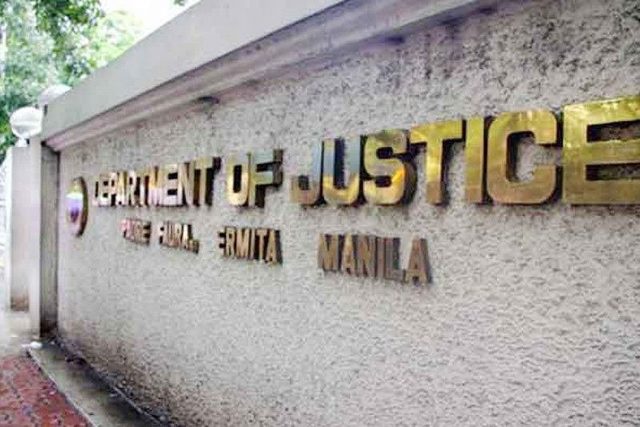
The Department of Justice (DoJ) said all electric cooperatives may apply for tax exemptions without prior registration with the Cooperative Development Authority.

In a six-page legal opinion dated Dec. 13 addressed to Energy Secretary Raphael Perpetuo M. Lotilla, the DoJ said registration with the CDA is not specified as a requirement by the National Electrification Administration Reform Act (NEA) of 2013.

“Notably, no other requirement for the availment of these preferential rights, other than the compliance of electric cooperatives with the financial and operational standards set by the NEA, like the supposed CDA registration, is mentioned in the law,” Justice Secretary Jesus Crispin C. Remulla said in the opinion.

He added that the law does not conflict with the local government code (LGC).

Under the NEA law, electric cooperatives that comply with financial and operational standards enjoy preferential rights that include tax exemptions. Cooperatives are also given the option to remain non-stock and non-profit under the law.

Mr. Remulla said that incentives specified by the law should be made available to all cooperatives as long as they comply with the standards.

The DoJ overturned its 2014 opinion that said electric cooperatives are still liable to pay local taxes and real property taxes.

It previously said that non-stock cooperatives may not avail of preferential rights under the LGC since it said the NEA law had required them to register with the CDA.

The Dec. 13 opinion stemmed from separate requests of former Energy Secretary Alfonso G. Cusi, Philreca Party-List Rep. Presley C. De Jesus and APEC Party-List Rep. Sergio C. Dagooc to revisit the DoJ’s 2014 opinion.

Mr. Remulla said a review of the NEA law showed that only compliance with financial and operational standards was required to avail of the preferential rights.

The Justice secretary noted that the DoJ’s current position is in line with NEA’s goal of empowering electric cooperatives to deal with changes in the power industry.

“Thus, when Congress enacted the NEA Law, which extends preferential rights being enjoyed by cooperatives registered with CDA to electric cooperatives, there nothing to amend in the (LGC) there being no conflict between these laws,” he said.

“It must be emphasized that the opinion of the Secretary of Justice is merely advisory in nature, such that the same need not bind the requesting agencies or parties if it be their pleasure.” — John Victor D. Ordonez

Cybersecurity as a board priority

Cybersecurity came to the forefront of critical concerns when companies had to shift to remote working at the height of the pandemic. Businesses continued to accelerate their transformation to address disruption, but many did not consider cybersecurity as part of the decision-making process — likely due to business urgency or oversight. As a result, as much as 73% of Asia-Pacific businesses saw an increase in disruptive attacks, according to the EY Global Security Survey 2021 (GISS), with new vulnerabilities entering the rapidly evolving business environment.

The industrialization of cyberattacks led to an increase in their volume and severity, but Chief Information Security Officers (CISOs) are faced with challenges that inhibit the cybersecurity function. These include inadequate budgets, which can be seen in the cyber spend of Asia-Pacific businesses totaling only 0.05% of their annual revenue, according to the GISS. This cost-cutting has severe implications, as the GISS reveals that 41% of businesses in the APAC region expect major breaches that could be anticipated and averted with better investment. There is also a lack of preparedness due to the limited visibility of cyber risk within an organization, coupled with outdated or disparate regulations.

The GISS further shows that CISOs demonstrate a lack of confidence when faced with threat actors. Cybersecurity strikes a fine balance between usability, security and cost, but it is only possible if the board is proactively testing and challenging the existing status quo.

BOARD RESPONSIBILITIES TOWARDS CYBERSECURITY
Board members must review the company organizational structure to ensure that the cyber security function is adequately represented, and should promote systemic resilience and collaboration to account for risks stemming from broader industry connections. They should encourage a continuous analysis of comparative metrics, such that industry-accepted cyber frameworks guide data driven decisions, aligning risk appetite with organizational goals and strategy. It is imperative to understand tomorrow’s cyber threats today by proactively investigating emerging threats.

Board directors will have to identify their business-critical systems and data, and how their criticality is assessed. They are responsible for key business risks per local applicable Corporations law requirements. In some jurisdictions such as Oceania, directors are now required to take all reasonable steps to be in a position to “monitor and guide” the company and have information made available to them to exercise their responsibilities.

The board must also determine how effective the controls protecting their critical systems and data are, and how often these are tested. In addition, they have to be aware of how their current data privacy and data retention policies align with government and industry regulations, and how third-party suppliers are protecting the company systems and data. Moreover, cyber investments must be focused on mitigating the risk scenarios that the company would be most exposed to.  In case of a cyber incident, there has to be an organization-wide response plan capable of addressing it, where employees understand their roles in managing the crisis.

It is the responsibility of directors to consider proactive management of the risks associated with critical assets and data to maintain market and consumer trust, as well as adhering to legislative obligations or best practice expectations to secure personal information.

Thus, it is important to hear from external sources, not just management, about the potential threats and the independent assessed level of controls currently in place. While management can provide updates on the status of the company’s cybersecurity programs, an independent party can help the board gain assurance that the programs are adequate with respect to the existing cyber threats that the company is facing.

CYBERSECURITY INSIGHTS FOR BOARDS TO CONSIDER
According to the EY Global Risk Survey (2020), boards stay updated through external advisors or industry analysts (40%), interactions with or data on peer companies (32%), and through management briefings (20%). Almost half of the surveyed respondents consider unfavorable economic conditions, cyber incidents and the pace of technology change to be their top risks.

In light of this, there are several insights gleaned through director dialogues held through the survey. One is to set the cultural tone — boards must demonstrate that cybersecurity and privacy risk are critical business issues by increasing the board and/or committee’s time and effort spent discussing the topic. They must also stay updated by increasing the frequency of board and/or committee updates on specific actions to address new cybersecurity and privacy issues and threats.

Moreover, boards must understand the necessary protocols. They have to obtain a thorough understanding of the cybersecurity incident and breach escalation process and protocols, including a defined communication plan for when the board should be notified. By understanding the processes of management to identify, assess and manage the risk associated with service providers and supply chains, they can better manage third party risk. Boards also have to test response and recovery by enhancing enterprise resilience and having the company’s ability to respond and recover tested through simulations and arranging protocols with third-party professionals before a crisis. Lastly, boards must monitor evolving practices. They should stay attuned to evolving board and committee cybersecurity oversight practices and disclosures, including benchmarking against peer disclosures for the last two to three years.

SUCCESSFUL AND SECURE TRANSFORMATION
Boards must have a clear understanding of the company’s cybersecurity program and how they are effectively implemented to address immediate and near-term cyber threats.  Fortifying cyber resilience requires boards to act decisively as major pressures threaten the ability of cybersecurity to effectively address potential risks. They must play an active role in bringing cybersecurity to the rest of the business. By taking more time to discuss cybersecurity risks, the board can send a clear message that the cybersecurity function is a strategic business partner, and that the risks involved are critical business issues. Not only will this help the cybersecurity function work more effectively with the business, but it will also help the function execute transformation programs that are successful and cyber secure.

This article is for general information only and is not a substitute for professional advice where the facts and circumstances warrant. The views and opinion expressed above are those of the author and do not necessarily represent the views of SGV & Co.


Warren R. Bituin is the Technology Consulting Leader of SGV & Co.

PHL given 3 months to comply with EU standards on seafarers

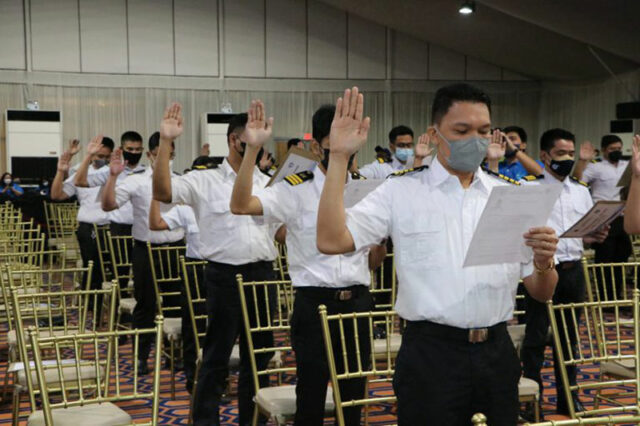
SEAFARER OATHTAKING — MARINA.GOV.PH

THE PHILIPPINE Maritime Industry Authority (Marina) on Sunday gave assurance that it is working to improve the country’s standards on seafarer training and certification as President Ferdinand R. Marcos, Jr. announced on Saturday that the country had been given three months to comply with European Union (EU) standards.

“Marina is doing its best and exploring all possible measures,” Marina Officer-in-Charge Samuel L. Batalla said in a Viber message.

He said among the steps taken include “technical cooperation projects and bilateral agreements, to sustain the recognition of the European Union to the STCW ( Standards of  Training Certification and Watchkeeping for Seafarers) certificates issued by the Philippines to seafarer officers.”

The president, during his visit to Brussels for the ASEAN-EU Commemorative Summit last week, ordered the creation of an advisory board that would address concerns relating to Filipino seafarers.

The Philippines was given three months from the creation of the advisory board by the European Commission to remedy all the deficiencies pointed out by the European Maritime Safety Agency (EMSA), Mr. Marcos noted in his return speech from Belgium streamed live on Facebook.

EMSA raised the issues following an inspection in March.

Mr. Batalla noted that the president invited Marina to a Cabinet meeting on October 11 to work on improving the accreditation of seafarers.

This was the first time the agency was invited to a Cabinet meeting since its creation in 1974, he said.

EMSA’s review pointed out that Marina and the Commission on Higher Education had failed to ensure that all training and assessment activities were administered in compliance with global maritime standards.

Since the assessment, Marina has been holding workshops with its partner institutions to cooperate on the maritime industry’s shortcomings, Mr. Batalla said.

Almost 50,000 Filipino seamen working in European vessels could lose their jobs if the Philippines did not address these deficiencies, the EU agency noted.

Filipino seafarers sent home $6.5 billion in remittances last year, according to the Bangko Sentral ng Pilipinas.

The United Nations Conference on Trade and Development said in a report last year that the Philippines was the top global provider of seafarers.

The proposed advisory council will be made up of various government agencies with the goal of preventing job losses of almost 600,000 Filipino seafarers worldwide.

“As part of the whole of government approach, Marina involved and consulted with all concerned stakeholders on the corrective actions being undertaken by the Maritime administration,” Mr. Batalla said. — John Victor D. Ordoñez

Metro Manila logs highest COVID cases on Dec. 17

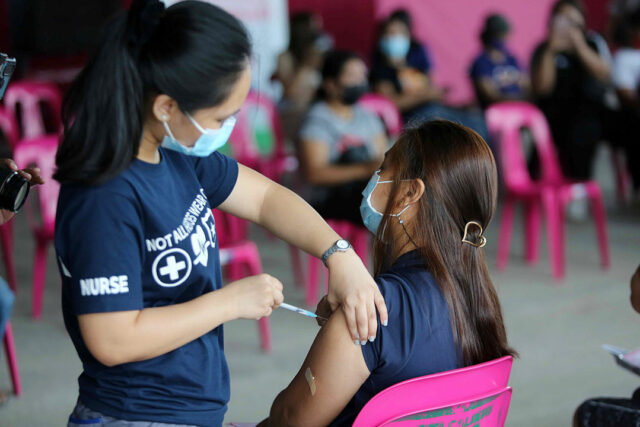
A NURSE administers a coronavirus vaccine second booster shot on April 25 at a shopping mall in Pasay City. — PHILIPPINE STAR/ MICHAEL VARCAS

THE CAPITAL region Metro Manila recorded the most number of new coronavirus disease 2019 (COVID-19) infections among all areas nationwide on Dec. 17, pandemic monitoring group OCTA said on Sunday.

The National Capital Region (NCR), whose positivity rate had increased recently, accounted for 471 of the 1,196 cases recorded on Saturday, OCTA fellow Fredegusto P. David said in a report, citing data from the Department of Health (DoH).

Metro Manila was followed by nearby provinces such as Cavite with 75 cases, Rizal with 66, Laguna with 53, and Bulacan with 52 cases.

Cebu in central Philippines was also on the list with 36 cases, followed by Isabela with 26, Iloilo with 24, Pangasinan and Tarlac with 22 each, and Batangas with 19 cases.

In November, OCTA fellow Fredegusto P. David told BusinessWorld that the country might record as many as 3,000 daily COVID-19 infections in December as Filipinos hold holiday activities.

He said daily cases in the country might significantly increase if there are threats from new subvariants.

The DoH had said Filipinos should learn to live with the virus in the “new normal,” noting that “variants will continue to emerge.”

“The DoH likewise underscored that continued strengthening of existing management and surveillance system is key to living with COVID-19 in the new normal,” it said in a November statement. “We have to start demystifying variants. Viruses naturally mutate with continued transmission–this is a natural occurrence.”

Mr. Marcos, 64, said in his first address to Congress in July that the Philippines would no longer enforce lockdowns.

More than 90% of Filipinos are satisfied with the Marcos administration’s pandemic response, according to a recent OCTA survey.

The poll conducted from Oct. 23 to 27 showed nine out of 10 Filipinos, or 92% of adults, “approve” the National Government’s COVID-19 prevention efforts.

The approval rating increased by 10% since the last OCTA survey conducted in March 2022. The survey also saw an increase in all major areas and socio-economic classes.

However, a decrease in approval rating was observed in September 2021 and February 2022 survey results, OCTA said, citing its trend analysis.

“Coincidentally, there were periods when COVID-19 surges occurred, notably last August 2021 and January 2022, respectively.”

The pollster interviewed 1,200 male and female probability respondents aged 18 years and above from AB, C, D and E classes. The survey had a margin of error ±3 percent.

Globally, the number of new weekly cases remained stable at +2% during the week of Dec. 5 to 11 as compared to the previous week, with over 3.3 million new cases reported, the World Health Organization said in a weekly report posted on Dec. 14.

The number of new weekly deaths increased by more than 10% compared to the previous week, with over 9,700 new deaths reported, it said. As of Dec. 11, over 645 million confirmed cases and over 6.6 million deaths have been reported globally. — Kyle Aristophere T. Atienza

Duterte recognizes Sison’s legacy but hopes for end of insurgency

Communist Party of the Philippines founder Jose Maria Sison — PHILSTAR FILE PHOTO

FORMER PRESIDENT Rodrigo R. Duterte acknowledged the historical legacy left by Communist Party of the Philippines founder Jose Maria Sison, but said his death “marks the end of an era” of armed struggle.

Mr. Sison, who died at the age of 83 on Friday in the Netherlands where he had been living in exile since 1987, was known for his “radical ideas that affected the course of the country’s history,” Mr. Duterte said in a statement released late Saturday.

“While Mr. Sison and I have had many disagreements — especially in the ways in which he chose to pursue and effect change in the country — I would like to believe that, at the end of the day, we shared the same dream of creating a better future for every Filipino,” the former Philippine leader said.

Mr. Duterte was a student of Mr. Sison at the Lyceum of the Philippines University, where the latter taught  English and political science.

Mr. Duterte said he hopes that the communist leader’s death will pave the way for “the end of insurgencies in the Philippines and the revolutionary movement that he has founded as well.”

Peace Secretary Carlito G. Galvez Jr., who held the same position under the Duterte administration, expressed a similar sentiment.

“With the death of Mr. Sison, it is our hope that it will also put an end to the local communist armed conflict that claimed the lives of so many Filipinos and pushed back development in the countryside,” Mr. Galvez said in a statement on Sunday.

Mr. Sison died peacefully at around 8:40 pm on Friday after a two-week confinement in a hospital in Utrecht, according to his party.

Mr. Sison established the Communist Party of the Philippines on Dec. 26, 1968. The group’s armed wing, the New People’s Army (NPA), has been waging one of the world’s longest-running insurgencies.

Mr. Duterte pushed peace talks with the Maoist movement in 2016, with Norway hosting the negotiations.

But the talks did not last long, with Mr. Duterte and his military officials citing attacks by the NPA rebels. Negotiators representing the communist movement had belied Mr. Duterte’s claims.

“From the time he led the founding of  the new communist party in 1968 and NPA in 1969, Jose Ma. Sison was the unrivalled strategist and tactician of the revolutionary movement in the country,” Temario C. Rivera, who heads the Center for People Empowerment in Governance, said in a Facebook Messenger chat.

Mr. Rivera said one of Mr. Sison’s original contributions to revolutionary theory and practice was his analysis of waging a peoples’ war in an archipelago, looking at the combination of centralized leadership and decentralized commands in pursuing the armed struggle.

He said, “His imprisonment and eventual exile did not in any way diminish his preeminent role in the revolutionary movement.” — Kyle Aristophere T. Atienza

Solon calls for probe on cause of death among inmates linked to De Lima case 

PHILSTAR

A LAWMAKER called for a probe on the deaths of high-profile prisoners and possible links to the detention of a former senator. 

House Deputy Minority Leader France L. Castro said recent reports of a testimony of a prisoner at the national penitentiary claiming that one of his inmates did not die of COVID-19 but of murderneeds to be independently investigated.” 

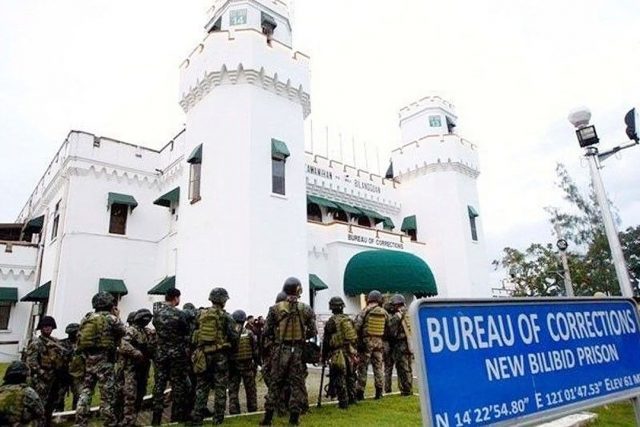
Ms. Castro, who represents the ACT Teachers party-list, said the examination of this case and other supposed coronavirus-related deaths among National Bilibid Prison (NBP) inmates might shed light on the case of former senator Leila M. De Lima, who has been in prison since 2016 for charges relating to drug trade.

They are (possibly) linked to former Sen. De Lima’s case because at least half of them either testified against her or was sent to the NBP because of her.Ms. Castro said in a Viber message on Saturday.  

In August last year, Ms. De Lima sounded the alarm on what she called a “beleaguering trendof deaths among convicted government witnesses in the trumped-up drug casesagainst her.   

This year, four witnesses had retracted their allegations against Ms. De Lima. These are: drug lord Kerwin Espinosa, former Bureau of Corrections officer-in-charge Rafael Z. Ragos, Ms. De Limas former bodyguard Ronnie Dayan, Joel Capones, and Marcelo L. Adorco. They all claimed they were coerced to testify against Ms. De Lima.  

Ms. Castro said the investigation should answer who is behind the series of incidents and what they could possibly benefit from it.   

I think that the one behind this is someone very powerful during that time (these inmates died) and (is) also the one behind Sen. De Lima’s incarceration,Ms. Castro said. Beatriz Marie D. Cruz

Bangsamoro celebrates Muslim heritage and tri-people diversity

SHARIFF Kabunsuan festival — BANGSAMORO.GOV.PH/BIO-H.BADRUDIN

A FLUVIAL parade on Monday featuring a reenactment of the arrival of Shariff Kabunsuan, the Arab missionary believed to have introduced Islam to southern Philippines in the 16th century, will cap off the Bangsamoro regions five-day celebration of its heritage and diversity among its tri-people.

We take inspiration from the determination of Shariff Kabunsuan in sailing towards the nourishment of peoples faith and improvement of the lives of the people of Maguindanao and in other areas in mainland Mindanao,Chief Minister Ahod Ebrahim said in his message during the opening ceremony on Dec. 15 in Cotabato City.  

Over the weekend, various activities were held such as a cooking demonstration of local dishes, including cuisines of the regions indigenous peoples, Muslims, and Christian settlers.   

These dishes are part of our identity that we want to preserve, thats why we continue to showcase them so that it will continue to be part of our narratives, our history,Tourism Bureau Director Marites K. Maguindra said in Filipino in a statement from the regions information office.

Minister of Trade, Investments, and Tourism Abuamri A. Taddik said the Culinary Show also puts a spotlight on halal practices in food preparation, an important component for the regions aim to promote the halal sector, including tourism.    

A trade fair featuring the regions agricultural commodities and processed products mainly by micro, small and medium enterprises is also ongoing at the Cotabato City Plaza.  

Mr. Taddik said the Agri-Trade Fair is intended not just to promote the regions goods but also to strengthen unity and camaraderie among the provinces, echoing the chief ministers message.   

We must always remember that development is built on the foundation of peace and cooperation and it is an effort in which everyone must participate,Mr. Ebrahim said. MSJ 

Baliuag now a city of Bulacan

The Baliuag Museum — BULACAN.GOV.PH

THE TOWN of Baliuag in Bulacan province is now a city after its residents voted on Saturday in favor of a law on the conversion, which gives the area a bigger share in national taxes, the Commission on Elections (Comelec) said. 

In a statement on Saturday evening, Comelec said a total of 17,814 agreed with Baliuag’s cityhood or 75.6% of those who cast their ballots.  

The voter turnout was only 21.7% with 23,562 out of 108,572 registered voters participating in the plebiscite.   

Baliuag, with a population of 168,470 as of the 2020 census, will now be the countrys 147th city and one of the 109 component cities, or those which remain under the administrative authority of the province.   

In a separate statement, election watchdog National CitizensMovement for Free Elections (Namfrel) said the plebiscite was conducted in a generally smooth and peaceful manner.  

“However, while the counting was transparent, there were very few observers who could further strengthen the process by being able to ascertain that what was being read was accurate,” Namfrel said.  

“The dream of the Baliwageños has become a reality thanks to the cooperation from Comelec, the Department of Education, the Philippine National Police, the Armed Forces of the Philippines, and the Department of the Interior and Local Government,” the election body said in Filipino. John Victor D. Ordoñez

Lawmaker questions looming hike in disaster insurance 

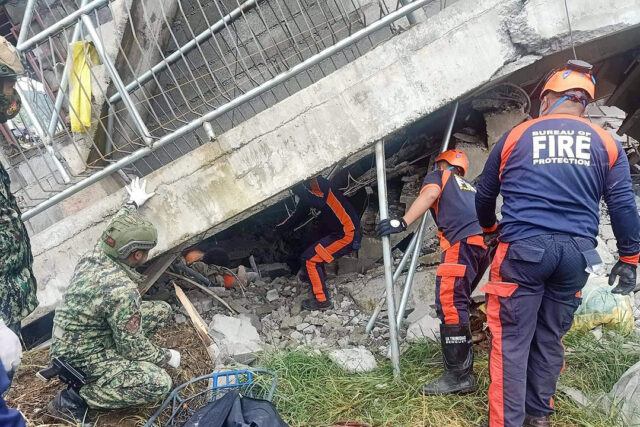
EMERGENCY responders — including firefighters, police, military, and local government teams — at a site of a collapsed building in La Trinidad, Benguet following the magnitude 7 earthquake that struck northwestern Luzon on July 27. — BUREAU OF FIRE PROTECTION

A SOLON has filed a resolution seeking to investigate an increase in insurance premium rates for catastrophes like earthquakes, floods, and typhoons that will take effect by Jan. 1, and asked the Insurance Commission (IC) to suspend its approval of the hike.   

AGRI Party List Rep. Wilbert T. Lee, who filed House Resolution 632 on Dec. 12, said the abrupt, unreasonable, and untimely increaseof catastrophe insurance rates will cascade to prices of basic commodities.  

This is going to be a domino effect. Food prices will increase because insurance premium increase affects production, storage, machinery, transportation to distribution center, until retail, he said in a statement on Sunday.   

(This is why) we regulate the insurance industry, to ensure that insurance companies are fair and not abusive. But why werent end-users consulted on the insurance premium hike?Mr. Lee said, noting that the IC has yet to respond to a letter of inquiry he sent on the issue.   

Beginning 2023, the adjusted rates will result to a sudden huge increase in insurance premiums ranging from 40% to as high as 400%, according to the lawmaker.   

Minimum catastrophe rates vary according to the type of disaster (earthquake or typhoon/flood) as well as the type of occupancy of the structure (commercial, industrial, warehouse, residential).  

Mr. Lee also said that the agriculture sector and efforts to achieve food security will be affected by the insurance rate increase.   

Even the Philippine Crop Insurance Corporation (PCIC) is affected and will also increase insurance premium. If agricultural workers will be placed at a disadvantage, then we may not achieve food security,he said. Beatriz Marie D. Cruz

ADVERTISEMENT
ADVERTISEMENT