Home Blog Page 5483

Ilocos Norte leads in poverty reduction: IT-BPM and tourism will lead the way
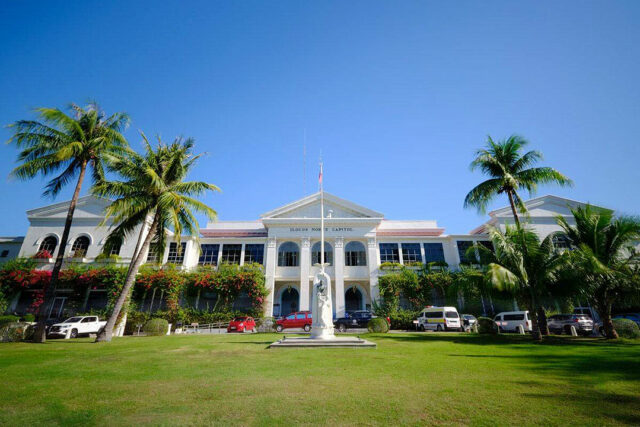
ILOCOSNORTE.GOV.PH

(Part 2)

Laoag and the surrounding areas have been identified by the leaders in IT-BPM (information technology-business process management) in their most recent strategic planning exercise as one of the next-tier cities to locate BPO (business process outsourcing) enterprises in both the voice and non-voice sectors, thus giving rise to the growth of the real estate and construction industries.

Ilocos Norte was launched as one of the digital cities in the Philippines, handpicked by the IT and Business Processing Association of the Philippines, the Department of Information and Communications Technology (DICT), and leading property consultants Leechiu Property Consultants.

The IT-BPO services identified are customer care, technical support, travel services, and telemarketing in the voice sector. In non-voice, the existing or potential locators are in financial and accounting, analyst, transcriptionists, human resources, and business-to-business customer support. As an undersea telecom cable is expected to be built from the US to the town of Pagudpud, Laoag can position itself to be one of the leading candidates for the location of data centers which can generate thousands of jobs for its annual supply of some 1,400 college graduates in a work force of 580,000 with a literacy rate of 98%.

A most exciting possibility for Ilocos Norte was presented by Alex Aquino, a top executive of a communications technology company based in Singapore, about how it can position itself to be one of the leading sites for data centers in the Southeast Asian region.

There are now 11 in-service international submarine cable systems connecting the Philippines, and another five transpacific subsea cables under construction, including ADC, Apricot, Bifrost, Cap-1, and SEA-H2X. A newly announced Asia Link Cable (ALC) has two landing stations in the Philippines, and a still unannounced system expected to be in service by the end of 2025 has potentially four landing points in the Philippines. Recent geopolitical developments and resource constraints in other countries have made the Philippines the new International Submarine Cable Hub in the Asia-Pacific region.

Fortunately for Ilocos Norte, one of these submarine cables, owned by Amazon and META, will be landing in Pagudpud, the famous beach resort in Ilocos Norte. The powerful internet connections that will be made possible by these cables will surely attract data centers to locate in Laoag and surrounding areas. Already there are three possible sites prepared to receive these data centers, i.e., the Fort Ilocandia Tourism Economic Zone, the VENVI IT Hub, and the VYV IT Hub. I am sure that some of the large real estate developers like Megaworld, Ayala Land, Federal Land, and many others can be motivated to build their own IT-centered communities in Laoag.

Additionally, the Mariano Marcos State University (MMSU) is the first Special Economic Zone Institute (SEZI) in the entire Philippines. This high-quality state university can be expected to significantly increase the number of IT professionals that will be needed by the data centers.

As is true of the entire nation in which services account for some 70% of GDP, Ilocos Norte has high potentials in consumer services, healthcare services, educational institutions at all levels, hospitals and other healthcare institutions, and research institutes. Already there are three international BPO enterprises; three telecommunications companies; two national real estate developers; eight energy and utilities companies; five national and two transnational cargo and courier companies; three transnational power generators; one national, six provincial, and 11 private healthcare facilities; one state and one private university; three national and local private colleges; 111 hotels and resorts and 222 alternative lodging facilities; over 322 restaurants and food establishments; over 36 financial institutions; and over 40 national and 30 transnational consumer services. There are opportunities for investments in higher learning institutions; healthcare services; research institutes in biotechnology, life sciences, and pharmacy; and additional investments in retail, food and beverage, and transportation services.

The greatest potential in the services sector for Ilocos Norte, however, is in hospitality or tourism. In a presentation made by Dr. Maria Cherry Lyn Rodolfo, the leading tourism economist in the country, during the investment forum cited above, the following data illustrate the potential for both domestic and foreign tourism as the economy recovers from the pandemic: In 2019, there were over 3.8 million tourist arrivals, 90% local and 10% foreign in Ilocos Norte. Total tourism receipts were P14.8 billion. The region contains some 4,104 rooms for tourists, having experienced an 8.5% annual growth in tourism capacity. From 2012 to 2019, there was a total increase of tourism traffic of 1,394%.

The province has many tourism assets including 155.37 kilometers of coastline in nine coastal towns. Among the 25 Most Beautiful Beaches of the World listed by World Travel and Leisure in 2021 was Saud Beach in Pagudpud. In 2018, Ilocos Norte was ranked the Best Tourism-Oriented Province in the Philippines. There exist very well-organized tourism industry associations in the province. As regards the human resources pool, some 15% of college graduates in the province specialized in tourism and hospitality management in 2019 while some 30% of tech-voc graduates were in hospitality-related courses.

Ilocos Norte has a very diversified tourism portfolio. Although the beaches are the main attractions, especially for the tourists coming from Northeast Asia, the product portfolio consists of cruise and nautical tourism, sun and beach, cultural, nature and adventure, bike tours, gastronomy, and birdwatching (Paoay Lake National Park, Mt. Kalbario-Patapat National Park, and Adams). Viewed from another angle, Ilocos Norte has a polycentric resource-based development framework. Tourism zones can be based on “golden sun tourism” which comprises the northern tourism district, coastal tours, and energy areas; or on aquapolis, i.e., port tour, logistics, marine tourism and coastal tourism; ecopolis, i.e., nature tourism, ecotourism park, protection and production and mineral clusters; and acropolis, i.e., mountain tourism and agritourism.

As regards geography, the greatest advantage is that it is the gateway to the Philippines for the rich tourists from such Northeast Asian countries as South Korea, China, Japan, and Taiwan. In 2019, the top five markets of the Philippines for foreign tourists were South Korea, China, the USA, Japan, and Taiwan. Arrivals for foreign tourists were 98% by air. The Laoag International Airport has certain advantages in attracting the tourists from the Northeast Asian countries. It can accommodate Airbus 320/321 and Boeing 737-800 planes, is open to both charter and commercial planes. There are clusters of rooms within close proximity, which is critical in the value chain of charter operations. Ilocos Norte offers a diverse portfolio of gastronomy, nature-based and adventure, marine/coastal, cultural/heritage, and rural and farm tourism. It would be logical that efforts to attract foreign tourists to Ilocos Norte should focus on the Taiwanese, Chinese, South Korean, and Japanese travelers. In many ways, Ilocos Norte should be for these rich “tiger” economies what Spain is to the Northern European countries. Its beaches like those in Pagudpud should be swarming with Northeast Asian tourists in the same way that the Costa Brava and Costa del Sol of Spain attract millions of Germans and Scandinavians yearly.

Since tourism is one of the most powerful engines of employing people, especially in the countryside where the tourist attractions usually are located, I can already be certain that before the end of the Marcos Jr. administration, the poverty incidence of Ilocos Norte will be zero.


Bernardo M. Villegas has a Ph.D. in Economics from Harvard, is professor emeritus at the University of Asia and the Pacific, and a visiting professor at the IESE Business School in Barcelona, Spain. He was a member of the 1986 Constitutional Commission.


bernardo.villegas@uap.asia

Ensuring transparency and public participation in the budget process

FREEPIK

Not known to many is that data show that the Philippines actually has one of the most transparent budgets in the world.

Results of the Open Budget Survey (OBS) 2021 show that Philippines scored 68 out of 100 in budget transparency, placing the country at 19th place out of 120 countries.

Compared to our previous score, we went down eight notches from our ranking in 2019, when we got a score of 76 and ranked 10th. Despite this, we still maintained our over-all lead in the survey in Southeast Asia.

Conducted by the independent group International Budget Partnership (IBP), the Open Budget Survey is considered to be the world’s only independent, comparative, and fact-based research instrument that looks into public budgets.

It measures aspects of governance and accountability through three key aspects: transparency of how public resources are raised and spent, the opportunities for public participation in budget policy decisions, and oversight by independent legislatures and audit institutions.

Transparency measures the ability of the public to be able to access information on how the government raises and spends resources. A score of 61 and above indicates that a country is likely publishing enough material to support informed public debate on the budget.

However, the OBS study also reveals that in terms of public participation — opportunities for the public to engage during the various cycles of the budget process — the Philippines only scored 35 out of 100.

These numbers show that while data on the national budget is available, public participation remains poor.

And then, there is the issue of actually understanding what these numbers and data mean, even though the information is available. This is still a challenge to many civil society organizations, more so, to ordinary Filipinos.

In a speech during the presentation of the OBS Survey results for 2021, IBP’s Open Budget Initiatives Program Officer Suad Hasan highlighted the need for the Philippine government to establish opportunities to engage the public more actively in the budget process and to disclose more and better information on budgets, debt, and fiscal risks.

Consequently, in the recent Pilipinas Conference organized by the Stratbase ADR Institute, Budget Secretary Amenah Pangandaman pushed for open government and digitalization, saying these will pave the way to more energized citizen participation in governance.

Among the Department of Budget and Management’s priorities is to establish a Civil Society Organizations (CSO) Desk that will serve as one of the avenues to build the capacities of CSOs to enable more meaningful engagement and participation in the budget process.

The DBM is also pushing for a Budget and Treasury Management System that will enable efficiency and transparency in the government’s financial transactions. It will, eventually, allow the public to know in real-time how the national budget is being utilized.

The agency is also reviving Project DIME: Digital Imaging Monitoring Evaluation, where the public will be able to see, also in real-time, how much of the government projects in their areas have been completed and how long it will take to finish the project.

Moreover, La Salle Institute of Governance senior fellow Prof. Francisco Magno, who serves as the OBS independent expert for the Philippines, also recognized the importance of digitalization for budget transparency, as it can provide the public with important, comprehensive, and timely information in just a few clicks.

Stratbase fully supports the government’s efforts to ensure more meaningful public participation in the budget process.

These reforms are happening at a time when having a transparent, accountable, and responsive budget is most important. Survey data show that Filipinos are struggling with the increase in the prices of basic commodities, given that the pandemic is still in our midst.

The national budget, funded by taxpayers’ money, is the government’s most powerful tool that can help alleviate the lives of ordinary Filipinos. It can provide healthcare to the sick, jobs to those who are looking for sources of livelihood, and education and skills to those who want a better future.

Furthermore, financial institutions, investors, researchers, and many policy stakeholders agree that having open budget systems and practices will not only ensure efficiency in public spending, but these are necessary to hold the government accountable in its management of public funds.

Filipinos work hard to earn money to provide for the needs of their family. A big part of their earnings goes to the government in the form of value-added tax when they buy basic commodities and as personal income tax from their monthly salary.

This is why when government officials steal, they are stealing the hard-earned money of ordinary Filipinos. Instead of helping those in need, corruption leads to higher costs and reduced access to services, including health and education.

A recent Pulse Asia survey showed that 36% of Filipinos believe that controlling corruption will benefit the country’s economic recovery and development, while 22% believe it will improve the plight of ordinary citizens.

With the President’s recent signing into law of the P5.268 trillion General Appropriations Act for 2023, there is a need to ensure that public funds are allocated properly and are responsive to the needs of the people.

There is a need to institutionalize data transparency and meaningful citizen participation in the budget process.

Finally, we citizens must hold our leaders accountable for how they use the people’s funds.


Victor Andres “Dindo” C. Manhit is the president of the Stratbase ADR Institute.

Java without java? The crisis brewing in coffee

MATH-UNSPLASH

IN COFFEE COUNTRY, people don’t need an extra shot to recognize their future is tough. On an iconic Indonesian island, powerful forces are eroding an industry that not only helped caffeinate the world, but provided livelihoods for generations and had a significant historical role as a template for economic development. It’s not outlandish to contemplate Java without java.

Climate change has been central to the good times and instrumental to coffee’s discouraging prognosis in Indonesia, the world’s fourth-biggest producer. Crop shortfalls around the globe drove an epic advance last year in the price of beans, a rally that’s cooled in recent months along with retreats in commodity prices. Folks along the coffee chain don’t like the omens. The long-term challenges they describe aren’t limited to Indonesia. The travails are shared, to degrees, by Brazil, Vietnam, and Colombia. Ultimately, they will be felt by urbanites in New York, Tokyo, London, anywhere lattes and mocha are a staple of social and professional life — or just surviving a weekend with young kids.

During a visit to the area around Banyuwangi in eastern Java, retailers and farmers shared their concerns: rising temperatures, unpredictable weather, inconsistent bean quality, deteriorating soil. A paper cited in August by Bloomberg Opinion projected that land suitable for coffee-growing would shrink dramatically by 2050, with the most highly suited regions declining by more than 50%, as the planet warms.

Given the drink’s huge — and still growing — popularity, the math is punishing. “Nearly every coffee production area on Earth is already experiencing increases in weather variability, which pose major threats to both plants and people,” according to a strategy document from World Coffee Research, an organization comprising coffee companies that was formed in 2012 to boost innovation. An important part of the solution has to be the development of more climate resistant varieties. But this shouldn’t just be driven by industry: the nations with the most to lose — the majority are developing economies — need to recognize the importance not just to commerce, but social stability and the environment. It’s one thing to say farmers should simply move to higher ground. Who buys the space for them? And what happens to communities already there?

There are also laments that young Javanese aren’t interested in working the land, and instead prefer the air-conditioned comfort of offices a two-hour flight away in Jakarta. Or college in one of Indonesia’s large cities. Anywhere other than their rural homes. Given the diminishing prospects for the industry, it’s a wonder any youths remain at all.

Adi Susiyanto is one who stayed. Fixing me a pour-over of the robusta variety late one morning, Adi, a barista at roadside café Sarine Kopi, told me he knows something is wrong. He has lived around Banyuwangi all his life and reckons climate change is slowly but surely reshaping life in the area. “The quality of the coffee used to be consistently good,” he said. “Now, it’s all up to the weather.” Nurul Hidayah, a fifth-generation farmer, shares the foreboding as she tries to dry beans in her front yard. “It rains for much longer nowadays.”

Irfan Anwar, head of the Association of Indonesian Coffee Exporters and Industries, prefers to see the mug as half full. Sure, production in the country faces substantial threats, though it’s a similar story in several countries. The challenge of climate change isn’t unique to Indonesia, he says, and meantime, demand is holding up. “We are not looking for problems,” he added.

They’ll find him, and his counterparts, nonetheless. Early projections of a bumper Brazilian crop in 2023 are unlikely to materialize. The Latin American giant is facing the inverse of Indonesia’s affliction: rainfall that is significantly below the historical average. Brazil has also contended in recent years with heavy frosts that ravaged crops. In Vietnam, harvests are disappointing and stockpiles are falling. Hanoi has gone so far as to warn cultivators desperate for an income against switching to durians.

Whatever fundamental changes are coming to coffee in Indonesia, don’t be surprised if they presage broader implications. The beverage is intimately tied to the economic, social, and political history of the country. Coffee bushes and drinking arrived in the late 1600s through Dutch merchants, according to Jean Gelman Taylor’s Indonesia: Peoples and Histories. East India Company officials began planting seeds around the site of present-day Jakarta, giving plants to Javanese provincial chiefs who ordered farmers to harvest beans in order to pay taxes, she wrote. Coffee became a fixture of early transportation and warehouse systems. Supplies and cultivation were managed to reflect, and influence, market trends in Amsterdam, the commercial center of the colonial power. An entire fiscal system and networks of patronage fashioned trends in rural migration, finance, diet, and even the evolution of sex work.

The natural environment has wreaked havoc before: In the 19th century, a virus spread among coffee plants and prompted a shift from arabica beans to the tougher, and more bitter tasting, robusta variety. The bulk of Indonesia’s coffee today is robusta, though arabica, a smoother blend, can also be found on the hillsides around Banyuwangi, jostling for space with rubber, chili, and potato plants. Rising temperatures suggest renewed vulnerability to disease.

WCR, whose members include Starbucks Corp., Tim Hortons, and JDE Peet’s, is working with nations including Indonesia to develop varieties that can shore up production over coming decades. “It has to happen now,” Jennifer Vern Long, the group’s chief executive officer, said in an interview. “We couldn’t even wait another year.” Under the breeding program, seeds with new genetic combinations are being shipped this month. “Any of the seeds could be a winner,” she said.

The world has a vital stake in seeing coffee, as we have come to know it, survive. It’s not just about agriculture or preserving some sepia-tinged version of rural life. Coffee is deeply ingrained in finance, politics, and the social structure of 21st century society. For Indonesia, it’s more elemental than that. The big fiscal subject in Jakarta these days is the ambitious plan for a $34 billion new capital city carved out of forest in eastern Borneo. Why can’t a fraction of that sum be set aside to bank on the future of a commodity that’s older than the Republic of Indonesia itself?    

The pressures were enough to make Hariyono, a farmer who like many Indonesians goes by one name, invest in history. He inherited the business from his father and thought seriously about giving up the caffeine game around 2010 in favor of rearing goats. After talking over family legacy with his dad, Hariyono decided to add a working coffee museum to the site. When I called on him at Kampong Kopi Lego, preschoolers watched as staff melted beans in pans over fire pots.

Pouring us cups, Hariyono fretted about the rich heritage — good and ill — that stands to be lost. As vital as the weather is, there’s more to it than rain or shine. “The young don’t want to be coffee farmers, they don’t see the profit,” he complained. “I want them to know a very basic fact, that we are one of the main producers in the world. That knowledge shouldn’t be lost. That’s my mission.”

Java sans its namesake drink? A distinct possibility, Hariyono says, though he tries to be optimistic. “Maybe I am a little bit crazy.”

BLOOMBERG OPINION

Trump should face insurrection, obstruction charges — panel

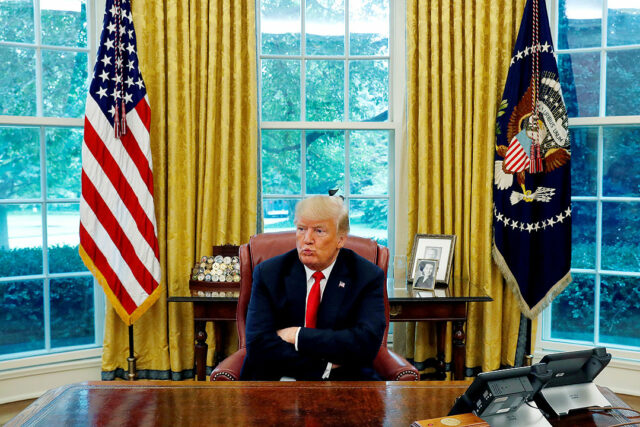
Former US President Donald Trump — REUTERS

WASHINGTON — The US House of Representatives panel probing the Jan. 6, 2021, attack on the Capitol asked federal prosecutors on Monday to charge Donald Trump with four crimes, including obstruction and insurrection, for his role in sparking the deadly riot.

The Democratic-led select committee’s request to the Justice Department — after more than 1,000 witness interviews and the collection of hundreds of thousands of documents — marked the first time in history that Congress has referred a former president for criminal prosecution.

The request does not compel federal prosecutors to act, but comes as a special counsel is overseeing two other federal probes of Mr. Trump related to the Republican’s attempt to overturn his 2020 election defeat and the removal of classified files from the White House.

The committee asked the Justice Department to charge Mr. Trump with four potential felonies: obstruction of an official proceeding of Congress, conspiracy to defraud the United States, making false statements, and aiding or inciting an insurrection.

“An insurrection is a rebellion against the authority of the United States. It is a grave federal offense, anchored in the Constitution itself,” Representative Jamie Raskin, a Democratic select committee member, said as he announced the charges.

A Justice Department spokesperson declined comment. A Trump spokesperson did not respond to a request for comment.

Mr. Trump gave a fiery speech to his supporters near the White House the morning of Jan. 6, and publicly chastised his vice president, Mike Pence, for not going along with his scheme to reject ballots cast in favor of Democrat Joseph R. Biden. Mr. Trump then waited hours to make a public statement as thousands of his supporters raged through the Capitol, assaulting police and threatening to hang Mr. Pence.

Monday’s meeting was the last public gathering of the nine-member panel that spent 18 months probing the unprecedented attempt to prevent the peaceful transfer of power by thousands of Trump backers, inspired by his false claims that his 2020 election loss to Mr. Biden was the result of widespread fraud.

Representative Bennie Thompson, the committee’s chairperson, slammed Mr. Trump for summoning the mob to the Capitol and criticized him for undermining faith in the democratic system by repeating false claims of fraud.

“If the faith is broken, so is our democracy. Donald Trump broke that faith,” Mr. Thompson said.

ETHICS REFERRAL FOR HOUSE REPUBLICANS
The committee also said it referred four Republican House members, including Kevin McCarthy, the favorite to be the next speaker, to the chamber’s ethics committee, for failing to comply with subpoenas as it investigated the attack.

The other three subpoenaed representatives were Scott Perry, Jim Jordan and Andy Biggs. Spokespeople for Jordan, Mr. Perry and Mr. Biggs dismissed the action as political stunts. Mr. McCarthy’s office did not respond to a request for comment.

Republicans, who take control of the House on Jan. 3, are unlikely to act against members of their own leadership.

Mr. Trump has already launched a campaign to seek the Republican nomination to run for the White House again in 2024.

Five people, including a police officer, died during or shortly after the incident and more than 140 police were injured. The Capitol suffered millions of dollars in damage.

“Among the most shameful of this committee’s findings, was that President Trump sat in the dining room off the Oval Office, watching the violent riot at the Capitol on television,” said Representative Liz Cheney, one of two Republicans on the committee and its vice chairperson.

MULTIPLE INVESTIGATIONS
A summary of the committee’s report also said the panel believed there were grounds to recommend criminal charges against some others close to Mr. Trump, including attorney John Eastman.

It named other Trump associates, including former Department of Justice official Jeffrey Clark, former White House Chief of Staff and House member Mark Meadows and two lawyers — Kenneth Chesebro and Rudy Giuliani — as participating in conspiracies the panel is linking to Mr. Trump.

An attorney for Mr. Eastman responded with a statement criticizing the committee as partisan. Representatives of the others did not immediately respond to requests for comment or declined comment.

A jury has already found members of the right-wing Oath Keepers militia guilty of sedition for their role in the attack.

Mr. Trump has faced a series of legal problems since leaving office on Jan. 20, 2021. His real estate company was convicted on Dec. 6 of carrying out a 15-year-long criminal scheme to defraud tax authorities.

Mr. Trump has dismissed the many investigations as politically motivated. On Monday, he said any prosecution would mean he was improperly being charged twice, after he was impeached last year for a second time but then acquitted in the Senate.

“The Fake charges made by the highly partisan Unselect Committee of January 6th have already been submitted, prosecuted, and tried in the form of Impeachment Hoax # 2,” Mr. Trump said on his Truth Social platform.

Hours into the riot, Mr. Trump released a video statement asking rioters to go home but also telling them that he loved them. He then sent a tweet saying, “These are the things and events that happen when a sacred landslide election victory is so unceremoniously & viciously stripped away.”

The select committee of seven Democrats and two Republicans approved the recommendation of charges unanimously.

The House Ways and Means Committee is due to meet on Tuesday to decide what to do with Mr. Trump’s tax returns, which it obtained late last month after a long court fight. Mr. Trump was the first presidential candidate in decades to not release his tax returns during either of his campaigns for president. — Reuters

TikTok bans hit more US states; access blocked globally — Jamf

OAKLAND, Calif. — State agencies in Louisiana and West Virginia on Monday became the latest to ban the use of the popular social media service TikTok on government-managed devices over concern that China could use it to track Americans and censor content.

Some 19 of the 50 US states have now at least partially blocked access on government computers to TikTok, which is owned by Beijing-based ByteDance Ltd. Most of the restrictions came within the past two weeks.

Some members of Congress last week proposed a nationwide ban, which would follow countries such as India that have already prohibited its use.

Jamf Holding Corp. which sells software to organizations to enable filtering and security measures on iPhones and other Apple devices, said its government customers have increasingly blocked access to TikTok since the middle of this year.

About 65% of attempted connections to TikTok have been blocked this month on devices managed by Jamf’s public sector customers worldwide, including school districts and various other agencies, up from 10% of connections being blocked in June, the company said.

TikTok on Monday reiterated a statement, saying the company was “disappointed that so many states are jumping on the political bandwagon to enact policies based on unfounded falsehoods about TikTok that will do nothing to advance the national security of the United States.”

In Louisiana, Secretary of State Kyle Ardoin said he banned TikTok on all devices his agency owns, citing potential security threats but without identifying any present issues. West Virginia State Auditor JB McCuskey said he did the same for his agency.

US officials and TikTok have been in talks for months about a national security pact that would address the concerns about China’s access to data on TikTok’s more than 100 million US users. — Reuters

Gates upbeat on climate innovation, even if 1.50C target out of reach

REUTERS

WASHINGTON — When it comes to climate change, Bill Gates considers himself a realist — even if that means admitting the world has no chance limiting warming to 1.5 degrees Celsius.

Given “the overall scale of our industrial economy … we’re going to have to do mind-blowing work to stay below 2 degrees,” he said.

But on meeting the Paris Agreement’s 1.50C goal? No one wants to be “the first to say it,” but the math shows it’s no longer within reach, Mr. Gates said in a video interview with Reuters.

The software-developer-turned-philanthropist was nevertheless upbeat about climate innovation — ticking off numerous areas advancing low-carbon technologies with funding from the Breakthrough Energy Group, which Mr. Gates founded in 2015.

Mr. Gates has invested more than $2 billion toward climate technologies, including direct air capture, solar energy and nuclear fission. The 14-year-old fission company under the Breakthrough umbrella, TerraPower, aims to have a demo reactor running by 2030.

These things take time, said Mr. Gates, co-founder of Microsoft Corp MSFT.O.

Mr. Gates spoke with Reuters ahead of the release of his annual letter — reflecting on 2022 and describing what he’s most excited about in the year ahead.

He transferred $20 billion of his funds to the Gates Foundation’s endowment, which plans to increase philanthropic spending on public health and education from $6 billion to $9 billion in coming years.

He also praised Warren Buffett for his contribution, which Mr. Gates said totaled $45 billion since 2006, counting Berkshire Hathaway BRKa.N stock appreciation.

Breakthrough Energy, however, operates separately from the Gates Foundation charity. In his letter to shareholders, Mr. Gates explains that the climate problem is too enormous for philanthropy alone to tackle.

“There’s not enough money, and so you have to have some innovation,” he told Reuters. “The idea that it can be done by brute force, there’s just no chance.”

Companies need investment and technical support to prove their low-carbon ideas beyond the pilot phase — and then to scale up manufacturing, he says. But any Breakthrough Energy profits are funneled back into the group or to the foundation.

Some of the companies under Breakthrough that are developing Direct Air Capture (DAC) — technology designed to pull CO2 straight from the atmosphere — have their sights set on some $3.5 billion in newly announced US contracts to build DAC plants and fund research grants.

“We have a number of Direct Air Capture (DAC) companies that will bid on being a part of those projects,” he said, noting that the recent Inflation Reduction Act legislation has boosted prospects for climate innovation. He did not elaborate on the DAC companies’ plans.

In manufacturing, the steel and cement industries have made “fantastic” progress, he said, a change from his worries about that sector just two years ago.

Manufacturing is responsible for about a third of global climate-warming emissions.

Now, “there’s no area of climate mitigation that I feel like ‘Oh, that’s really completely uncovered,’” he said.

Instead, with the world set to push past 1.5C of warming, he said the challenge is shifting toward helping people adapt to a harsher, hotter future.

“In addition to mitigation, which will still be the biggest part (of Breakthrough Energy’s investment), we’ll also fund adaptation-related work.” That could include technology to help control forest fires, using coral reef type structures to create barriers to flooding, or development of crop strains that can withstand drought. — Reuters

Putin orders FSB to step up surveillance of Russians, borders

PRESIDENT Vladimir Putin on Monday ordered the Federal Security Services to step up surveillance of Russian society and the country’s borders to prevent risks from abroad and traitors at home.

Speaking ahead of Tuesday’s Security Services Day — widely celebrated in Russia — Putin said the “emergence of new threats” increases the need for greater intelligence activity.

“Work must be intensified through the border services and the Federal Security Service (FSB),” Mr. Putin said.

“Any attempts to violate it (the border) must be thwarted quickly and effectively using whatever forces and means we have at our disposal, including mobile action units and special forces.”

Mr. Putin instructed the FSB to maximize their “use of the operational, technical and personnel potential” to tighten control of the society.

The FSB, the main successor to the Soviet-era KGB, has already been operating in Russia as an expansive surveillance and censorship apparatus and Moscow’s invasion in Ukraine has involved a large swathe of the security services.

“Maximum composure, concentration of forces is now required from counterintelligence agencies, including military intelligence,” Mr. Putin said, according to transcript of his speech provided by the Kremlin and translated by Reuters.

“It is necessary to severely suppress the actions of foreign special services, quickly identify traitors, spies and saboteurs.”

The FSB, headed by Putin ally Alexander Bortnikov, will also increase oversight of mass gatherings, strategic facilities and energy infrastructure.

Since the start of the war, demonstrations and dissent have been swiftly quelled in Russia, with more than 1,300 detained in September at protests denouncing Mr. Putin’s military mobilization of 300,000.

In a rare admission of the invasion of Ukraine not going smoothly, Mr. Putin said that the situation in Ukraine’s regions that Moscow moved to annex in September is “extremely difficult” and ordered the FSB to ensure the “safety” of people living there.

“It is your duty to do everything necessary to ensure their security to the maximum, respect for their rights and freedoms,” Mr. Putin said, promising them more “modern equipment and weapons.”

There is no end in sight to Russia’s invasion in Ukraine, now in its 10th month. The conflict, Europe’s largest since World War II, has killed tens of thousands of people, driven millions from their homes, and reduced cities to ruins.

Moscow calls its invasion a “special operation” to denazify and demilitarize its neighbor. Kyiv and its allies in the West call it an unprovoked war of aggression to grab land. — Reuters

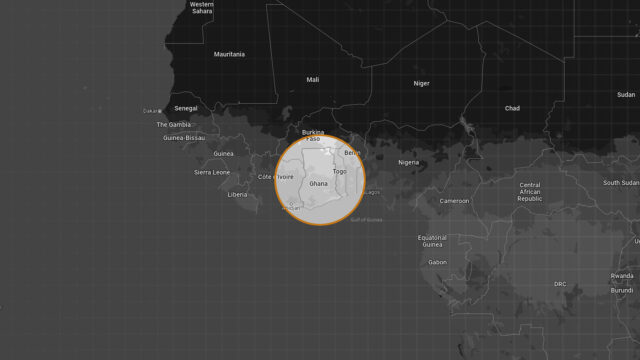
Ghana to default on most external debt as economic crisis worsens

 – Ghana on Monday suspended payments on most of its external debt, effectively defaulting as the country struggles to plug its cavernous balance of payments deficit.

Its finance ministry said it will not service debts including its Eurobonds, commercial loans and most bilateral loans, calling the decision an “interim emergency measure”, while some bondholders criticised lack of clarity in the decision.

The government “stands ready to engage in discussions with all of its external creditors to make Ghana‘s debt sustainable”, the finance ministry said.

The suspension of debt payments reflects the parlous state of the economy, which had led the government last week to reach a $3-billion staff-level agreement with the International Monetary Fund (IMF).

Ghana had already announced a domestic debt exchange programme and said that an external restructuring was being negotiated with creditors. The IMF has said a comprehensive debt restructuring is a condition of its support.

The country has been struggling to refinance its debt since the start of the year after downgrades by multiple credit ratings agencies on concerns it would not be able to issue new Eurobonds.

That has sent Ghana‘s debt further into the distressed territory. Its public debt stood at 467.4 billion Ghanaian cedis GHS= ($55 billion as per Refinitiv Eikon data) in September, of which 42% was domestic.

It had a balance of payments deficit of more than $3.4 billion in September, down from a surplus of $1.6 billion at the same time last year.

While 70% to 100% of the government revenue currently goes toward servicing the debt, the country’s inflation has shot up to as much as 50% in November.

Ghana has been experiencing what some say is its worst economic crisis in a generation. Last month, more than 1,000 protesters marched through the capital Accra, calling for the resignation of the president and denouncing deals with the IMF as fuel and food costs spiralled.

Its gross international reserves stood at around $6.6 billion at the end of September, equating to less than three months of imports cover. That is down from around $9.7 billion at the end of last year.

The government said the suspension will not include the payments towards multilateral debt, new debts taken after Dec. 19 or debts related to certain short-term trade facilities.


NOT COMING OUT OF THE BLUE’

Holders of Ghana‘s international bonds confirmed in an emailed statement late on Monday the formal launch of a creditor committee aimed at facilitating the “orderly and comprehensive resolution” of the country’s debt challenges.

Any good faith negotiations, the creditor committee said, would need to avoid unilateral actions and require the timely exchange of detailed economic and financial information between international bondholders, the government and the IMF.

The steering committee was made up of Abrdn, Amundi, BlackRock, Greylock and Ninety One, the group said in its statement.

Kathryn Exum, who co-leads Gramercy’s Sovereign Research department, was hopeful about debt restructuring, noting that it should prove easier for creditors than other recent emerging market restructurings.

“It is more straight forward than the likes of Sri Lanka and Zambia, in the respect that there is not a lot of China debt,” Exum said on Friday in comments anticipating the external restructuring.

One bondholder who requested anonymity said the lack of detail in the announcement could be cause for concern for investors.

Ghana‘s external bonds, which are trading at a deeply distressed level of 29-41 cents in the dollar, dropped with the 2034 bond losing more than 3 cents, Tradeweb data showed.

Nonetheless, some investors said the suspension of external debt payment was expected.

“It is in line with Ghana getting into talks about restructuring with various debt holders, so not coming out of the blue,” Rob Drijkoningen, co-head of emerging market debt at Neuberger Berman, which holds some Ghanaian Eurobonds.

Ghana did pay a Dec. 16 coupon due on a 2049 Eurobond, according to a person familiar with the matter.

It was not immediately clear if the debt service suspension would include a $1 billion 2030 bond that has a $400 million World Bank guarantee.

“We will not be commenting on the specifics of any particular bond or debt owed at this time, but… we are fully engaging all stakeholders,” a finance ministry spokesperson told Reuters. – Reuters

COVID border restrictions on migrants to stay after US Supreme Court order

STOCK PHOTO | Image by Mike from Pixabay

 – The US Supreme Court on Monday said COVID-era restrictions at the US-Mexico border that have prevented hundreds of thousands of migrants from seeking asylum should be kept in place for now, siding with Republicans who brought a legal challenge.

The restrictions, known as Title 42, were implemented under Republican former President Donald Trump in March 2020 at the beginning of the COVID-19 pandemic and gave border officials the ability to rapidly expel migrants to Mexico without a chance to seek U.S. asylum.

US President Joe Biden, a Democrat, had campaigned on overturning Trump’s hardline immigration measures before taking office in 2021 but kept Title 42 in place for more than a year. The US Centers for Disease Control and Prevention (CDC) said this year that Title 42 was no longer needed for public health reasons, and the Biden administration has said it wants it to end but will abide with any court rulings.

A federal judge last month ruled Title 42 was unlawful in response to a lawsuit originally brought by asylum-seeking migrants represented by the American Civil Liberties Union. The judge set the restrictions to be lifted on Wednesday, Dec. 21.

But a group of 19 states with Republican attorneys general sought to overturn that decision by intervening in the case and on Monday took their request to the conservative-leaning Supreme Court.

Hours later, Chief Justice John Roberts in a brief order issued a stay that will leave Title 42 in place until further notice from the court. The parties in the legal dispute have until Tuesday at 5 p.m. ET (2200 GMT) to respond, the court said.

After Robert’s action, US Department of Homeland Security (DHS) said Title 42 “will remain in effect at this time and individuals who attempt to enter the United States unlawfully will continue to be expelled to Mexico.”

The Biden administration had been preparing for Title 42 to end on Wednesday and press secretary Karine Jean-Pierre said on Monday that the White House was seeking more than $3 billion from Congress to pay for additional personnel, technology, migrant holding facilities and transportation at the US-Mexico border.

The push for additional resources came as US authorities had been preparing for the possibility of 9,000 to 14,000 people per day trying to cross into the United States if Title 42 was lifted, Reuters and other outlets have reported, around double the current rate.

The Biden administration has been weighing plans to prepare for Title 42’s end, with government officials privately discussing several Trump-style plans to deter people from crossing, including barring single adults seeking asylum at the US-Mexico border.

DHS last week updated a six-pillar plan that calls for the expanded use of a fast-track deportation process if Title 42 is terminated. The revised DHS plan also suggests there could be expansion of legal pathways for migrants to enter the country from abroad, similar to a program launched for Venezuelans in October.


BORDER CITIES OVERWHELMED

Since Mr. Biden took office in January 2021, about half of the record 4 million migrants encountered at the US-Mexico border have been expelled under Title 42 while the other half have been allowed into the United States to pursue their immigration cases.

Mexico accepts the return of only certain nationalities, including some Central Americans and, more recently, Venezuelans.

For months, El Paso, Texas, has been receiving large groups of asylum-seeking migrants, including many Nicaraguans who cannot be expelled to Mexico. On Saturday, the city’s mayor declared a state of emergency to move migrants from city streets as temperatures had dropped below freezing.

US Representative Henry Cuellar, a Democrat whose South Texas district borders Mexico, has said US border officials told him that an estimated 50,000 people are waiting in Mexico for the chance to cross.

“If Title 42 remains in place, we must continue waiting,” said Venezuelan migrant Lina Jaouhari, who said she had attempted to enter the United States from Ciudad Juarez on Dec. 1 but had been sent back to Mexico under Title 42. “It won’t do any good to try to cross again if we know they will send us back.”

In El Paso, shelters have struggled to provide for arriving migrants even as many ultimately are headed to join relatives in other parts of the United States.

Rescue Mission of El Paso, a shelter near the border, last week housed 280 people, far beyond its 190-person capacity, with people sleeping on cots and air mattresses in the chapel, library and conference rooms, said Nicole Reulet, the shelter’s marketing director, in an interview with Reuters.

“We have people where we tell them, ‘We have no room,'” she said. “They beg for a place on the floor.” – Reuters

North Korea slams Japan’s new security strategy, warns of military measures

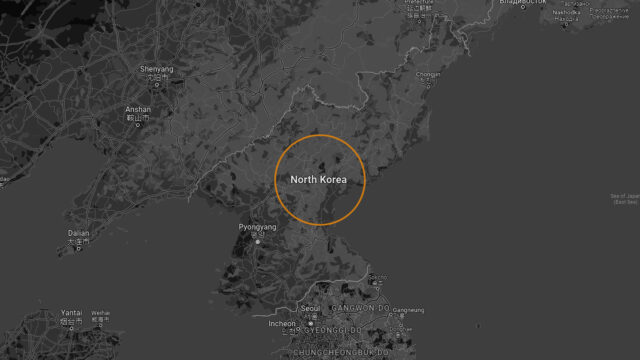
Edited screenshot of North Korea as shown on Google Maps.

 – North Korea on Tuesday denounced Japan’s new security strategy as fundamentally changing the regional security environment and warned it will show how “wrong” and “dangerous” Japan’s choice is with unspecified actions, official news agency KCNA reported.

A North Korean foreign ministry spokesperson made the remarks in a statement carried by KCNA, days after Japan unveiled its biggest military build-up since World War Two as regional tension and Russia’s Ukraine invasion stoke war fears.

“Japan is bringing a serious security crisis on the Korean Peninsula and in the East Asia region by adopting a new security strategy that effectively acknowledges its pre-emptive strike capabilities against other countries,” the official said in the statement.

The security environment in the region has “fundamentally changed” due to Japan’s new policy, the official said, denouncing the move as a violation of the U.N. Charter and a “serious challenge” to international peace.

“We make it clear once again that we have the right to take bold and decisive military measures to protect our fundamental rights … in response to the complicated regional security environment,” the official said.

“Japan will soon learn with a shudder it has made a clearly wrong and very dangerous choice.”

Tokyo’s sweeping, five-year plan, once unthinkable in pacifist Japan, will make the country the world’s third-biggest military spender after the United States and China, based on current budgets. – Reuters

Jury finds former Hollywood producer Harvey Weinstein guilty of rape

STOCK PHOTO | Image by Freepik

LOS ANGELES — Former movie producer Harvey Weinstein was found guilty of rape and two other sexual assault counts by a Los Angeles jury on Monday, marking the second conviction of the onetime Hollywood kingmaker who became the face of #MeToo sexual abuse allegations five years ago.

The jury found Mr. Weinstein guilty of rape, forcible oral copulation and sexual penetration by a foreign object involving one woman, but acquitted him of charges relating to a second alleged victim, the Los Angeles Superior Court announced.

The jury could not reach a verdict on two allegations, including rape, by Jennifer Siebel Newsom, the wife of California’s Democratic Governor Gavin Newsom, who previously disclosed she was Jane Doe 4 in the trial. The jury did not reach a verdict on charges relating to one other woman. Mr. Weinstein, 70, is already serving a 23-year prison sentence after being convicted of sexual misconduct in New York.

The former model and actress that Mr. Weinstein was convicted of raping at a Los Angeles hotel in 2013, and known in court as Jane Doe 1, issued a statement shortly after the verdict.

“Harvey Weinstein forever destroyed a part of me that night in 2013 and I will never get that back. The criminal trial was brutal and Weinstein’s lawyers put me through hell on the witness stand, but I knew I had to see this through to the end, and I did. I hope Weinstein never sees the outside of a prison cell during his lifetime.”

Mr. Weinstein faces up to 18 years in prison on the counts for which he was convicted, but aggravating factors could increase that to 24 years. Lawyers return to court on Tuesday to deliver arguments about aggravating factors.

Elizabeth Fegan, Siebel Newsom’s attorney, said in a statement: “While we are heartened that the jury found Weinstein guilty on some of the counts, we are disappointed that the jury could not reach a unanimous verdict on Jane Doe 4,” Ms. Fegan said.

“She will continue to fight for all women and all survivors of abuse against a system that permits the victim to be shamed and re-traumatized in the name of justice.”

In Los Angeles, Mr. Weinstein faced seven counts of rape and sexual assault from four women during encounters between 2004 and 2013.

The jury acquitted Mr. Weinstein of a felony charge of sexual battery by restraint involving an alleged attack on one woman, Jane Doe 3, in 2010. Jurors were unable to reach verdicts on charges of sexual battery by restraint involving an alleged attack in February 2013 against Jane Doe 2 and counts of forcible oral copulation and forcible rape involving an alleged attack against Siebel Newsom in 2005.

Los Angeles County District Attorney George Gascón said in a statement: “I am of course disappointed that the jury was split on some of the counts, but hope its partial verdicts bring at least some measure of justice to the victims.”

During five weeks of testimony in Los Angeles Superior Court, accusers including documentary filmmaker Siebel Newsom said Mr. Weinstein lured them to what they believed were business meetings.

JUDGE DECLARES MISTRIAL ON SOME COUNTS
Superior Court Judge Lisa Lench declared a mistrial on the counts where the jury could not reach a verdict, including the allegations made by Siebel Newsom.

The women had alleged during often graphic testimony that the powerful producer of Pulp Fiction and Shakespeare in Love masturbated in front of them and groped or raped them.

Siebel Newsom and three other women offered testimony that provided the basis for the two counts of rape and five counts of sexual assault that Mr. Weinstein faced.

Four additional women offered similar stories to buttress the prosecution’s arguments that Mr. Weinstein routinely abused his position as a Hollywood power player to prey on women.

They said he promised help with securing an audition or a book deal, then arranged meetings where staff disappeared and left them alone with him.

Mr. Weinstein said all of his sexual encounters were consensual and pleaded not guilty.

Defense attorneys argued that the women willingly had sex with Mr. Weinstein because they believed he would help their careers, part of what they said was a widespread “casting couch” culture in the film industry. In two of the cases, they said the sexual contact was fabricated.

They also highlighted that some of the accusers, including Siebel Newsom, kept in contact with Mr. Weinstein, which they argued did not make sense if he had attacked them.

Siebel Newsom attended a pre-Oscars party hosted by Mr. Weinstein with her husband, and sent Mr. Weinstein dozens of friendly e-mails over the years. Mr. Weinstein was convicted of sexual misconduct in New York in February 2020. He was extradited from New York to a Los Angeles prison in July 2021. In New York, Mr. Weinstein is appealing his conviction and prison sentence.

Allegations against Mr. Weinstein helped fuel the #MeToo movement of women speaking out against sexual harassment and abuse by powerful men in media, politics and other spheres. — Reuters

Rainforest-rich nations ensure COP15 deal on nature sticks

STOCK PHOTO | Image by Vladimír Sládek from Pixabay

 – A United Nations summit approved on Monday a landmark global deal to protect nature and direct billions of dollars toward conservation but objections from key African nations, home to large tracts of tropical rainforest, held up its final passage.

The Kunming-Montreal Global Biodiversity Framework, reflecting the joint leadership of China and Canada, is the culmination of four years of work toward creating an agreement to guide global conservation efforts through 2030.

The countries attending the U.N.-backed COP15 biodiversity conference had been negotiating a text proposed on Sunday and talks addressing the finer points of the deal dragged on until Monday morning.

Delegates were able to build consensus around the deal‘s most ambitious target of protecting 30% of the world’s land and seas by the decade’s enda goal known as 30-by-30.

“We have huge achievements in this text now,” EU Environment Commissioner Virginijus Sinkevicius told reporters after the deal passed. “It was huge effort to find the landing zone and get everyone on board.”

Another negotiator said he thought it was a balanced agreement but that “a good deal always leaves everyone somewhat unhappy.”

Canada Environment and Climate Change Minister Steven Guilbeault called the agreement “a major win for our planet and for all of humanity, charting a new course away from the relentless destruction of habitats and species.”


WHAT’S IN THE DEAL

The deal also directs countries to allocate $200 billion per year for biodiversity initiatives from both public and private sectors.

Developed countries will provide $25 billion in annual funding starting in 2025 and $30 billion per year by 2030.

The agreement, which contains 23 targets in total, replaces the 2010 Aichi Biodiversity Targets that were intended to guide conservation through 2020. None of those goals were achieved, and no single country met all 20 of the Aichi targets.

“Governments have chosen the right side of history in Montreal,” said World Wildlife Fund International Director General Marco Lambertini.

Unlike Aichi, this deal contains more quantifiable targets — such as reducing harmful subsidies given to industry by at least $500 billion per year — that should make it easier to track and report progress.

But the agreement “can be undermined by slow implementation and failure to mobilize the promised resources,” said Mr. Lambertini. “It also lacks a mandatory ratcheting mechanism that will hold governments accountable to increase action if targets are not met.”

More than 1 million species could vanish by the century’s end, from plants to insects, in what scientists have called a sixth mass-extinction event. As much as 40% of the world’s land has been degraded, and wildlife population sizes have shrunk dramatically since 1970.

Investment firms focused on a target in the deal recommending that companies analyze and report how their operations affect and are affected by biodiversity issues.

The parties agreed to large companies and financial institutions being subject to requirements to make disclosures regarding their operations, supply chains and portfolios – but the word “mandatory” was dropped from previous drafts.

“We think this is something that is going to push the financial sector to step up,” said Ingrid Kukuljan, head of impact and sustainable investing at fund manager Federated Hermes.

“This time around we actually need implementation …. we are facing an unprecedented rate of decline,” she said.


DRC OBJECTS TO DEAL

Division over how to fund conservation efforts in developing countries led to fiery negotiations at the end.

With China holding the COP15 presidency, Minister of Ecology and Environment Huang Runqiu appeared to disregard objections from the delegation of the Democratic Republic of Congo on Monday, declaring the deal passed minutes after they said they were not able to support it.

A Congolese representative argued that developed nations should create a separate fund to help support conservation efforts in developing countries.

DRC is the second-largest tropical forested country in the world and home to the greatest extent of African tropical rainforest, giving it a crucial role in the future of the planet’s biodiversity.

Huang declared shortly after 3:30 a.m. (0830 GMT) that the deal was agreed, drawing outrage from other African delegates.

A representative from Cameroon said through a translator that the agreement was passed by force of hand. Another from Uganda invoked a “coup d’etat”.

However, at a second meeting Monday evening, the DRC appeared to walk back its outright objection, downgrading them to “reservations” on financing and resource mobilization.

“We’d like to have this clearly placed on record,” said DRC Environment Minister Eve Bazaiba. “I would like to reiterate our readiness to participate in any process of negotiations until COP16. We do hope our voice will be heard”.

The DRC statement followed a 30-minute huddle of roughly a dozen members of delegations from Brazil, Indonesia and the DRC – the world’s three most rainforestrich nations – witnessed by Reuters.

Brazil ultimately helped to broker a solution, with the support of Indonesia, “whereby no questions would be left regarding the legality of the approval of the (deal),” a negotiator said. “There are no longer grounds to question the legality and legitimacy of the agreement.”

Minister Huang highlighted the DRC’s important influence in global biodiversity governance and thanked the country for its support. – Reuters

ADVERTISEMENT
ADVERTISEMENT