Home Blog Page 5401

DoT breaks ground for tourist centers in Cebu, Mindanao

SAMAL INFORMATION OFFICE

GROUNDBREAKING ceremonies were held over the weekend for four tourist centers in central and southern Philippines, the first batch of multi-purpose facilities that the Department of Tourism (DoT) aims to establish in every region.   

The tourist rest area was conceptualized in fulfillment of one of our objectives in the Department of Tourism to ensure that we equalize tourism promotion and development not only in the key destinations within the country but also to lesser-known areas that have great potential for tourism development,Tourism Secretary Christina Garcia-Frasco said during the ceremony in Manolo Fortich, Bukidnon in Mindanao.   

Similar events followed in Samal, an island province in southern Mindanao, and in the towns of Carmen and Medellin in Cebu.   

Each Tourist Rest Areawill have toilets, coffee shop, store for local goods, charging station, and information kiosk.  

The facilities will be funded by the Tourism Infrastructure and Enterprise Zone Authority (TIEZA), managed by the host local government unit (LGU), and monitored by the Department of Tourism.   

The Tourist Rest Area is not just about clean restrooms(these) are grounded on seamless travel and convenience to tourists, job generation to those who will be servicing the rest areas and promotion of local products coming from surrounding localities,said TIEZA Chief Operating Officer Mark T. Lapid.  

Ms. Frasco said there will also be a reward system to ensure proper maintenance of the facilities.   

We will have a criteria for the maintenance of the tourist rest area to be monitored by our regional office. If the LGU reaches 90% of this criteria, then we will give a prize to the LGU by way of project or financial incentive and that is how we will ensure that the tourism rest area will be properly maintained,she said.   

The Tourism department is aiming to launch another seven centers before yearend, including in Baguio City, Bohol, and Ilocos. MSJ 

More than 243M COVID-19 vaccine doses delivered as end-Sept.

PHILIPPINE STAR/ MICHAEL VARCAS

THE BUREAU of Customs (BoC) on Sunday said it has cleared over 243 million doses of coronavirus disease 2019 (COVID-19) vaccines as of last month. 

Among the latest batch of deliveries are doses for children, the bureau said in a statement.

BoC – Port of Ninoy Aquino International airport processed 3 million doses of Pfizer (Pedia) which arrived at (Terminal 3) Bay in September,” the bureau said in a statement.

The vaccines delivered include eight approved brands, namely: AstraZeneca, Hayat-Vax, Johnson & Johnson, Moderna, Pfizer BioNTech, Sinopharm, Sinovac and Spufnik V. 

The bureau said it expedited the release and delivery of the vaccines, which are controlled by the COVAX Special Handling Task Force.  

About 163.97 million COVID-19 vaccine doses have been administered nationwide, according to Department of Health data as of Oct. 6. These include 70.69 million for first dose, 73.27 million second dose, and 20.01 million for booster shots. Matthew Carl L. Montecillo

Women students tell Iran president Raisi to ‘get lost’ as unrest rages

A newspaper with a cover picture of Mahsa Amini, a woman who died after being arrested by the Islamic republic’s “morality police” is seen in Tehran, Iran Sept. 18, 2022. — MAJID ASGARIPOUR/WANA (WEST ASIA NEWS AGENCY) VIA REUTERS

DUBAI — Female students in Tehran chanted “get lost” as Iranian President Ebrahim Raisi visited their university campus on Saturday and condemned protesters enraged by the death of a young woman in custody, videos on social media showed.

Mr. Raisi addressed professors and students at Alzahra University in Tehran, reciting a poem that equated “rioters” with flies, as nationwide demonstrations entered a fourth week.

“They imagine they can achieve their evil goals in universities,” Mr. Raisi said on state TV. “Unbeknownst to them, our students and professors are alert and will not allow the enemy to realize their evil goals.”

A video posted on Twitter by the activist 1500tasvir website showed what it said were women students chanting “Raisi get lost” and “Mullahs get lost” as the president visited their campus. Another social media video showed students chanting: “We don’t want a corrupt guest”, in reference to Mr. Raisi.

Reuters could not immediately verify the videos.

A state coroner’s report denied that 22-year-old Mahsa Amini had died due to blows to the head and limbs while in custody of the morality police and linked her death to pre-existing medical conditions, state media said on Friday.

Ms. Amini, an Iranian Kurd, was arrested in Tehran on Sept. 13 for wearing “inappropriate attire” and died three days later.

Her death has ignited nationwide demonstrations, marking the biggest challenge to Iran’s clerical leaders in years. Women have removed their veils in defiance of the clerical establishment while furious crowds called for the downfall of Supreme Leader Ayatollah Ali Khamenei.

The government has described the protests as a plot by Iran’s enemies including the United States, accusing armed dissidents — among others — of violence in which at least 20 members of the security forces have been reported killed.

Rights groups say more than 185 people have been killed, hundreds injured and thousands arrested by security forces confronting protests.

After a call for mass demonstrations on Saturday, security forces shot at protesters and used tear gas in the Kurdish cities of Sanandaj and Saqez, according to the Iranian human rights group Hengaw.

In Sanandaj, capital of the northwestern Kurdistan province, one man lay dead in his car while a woman screamed “shameless”, according to Hengaw, which said the man had been shot by security forces after he honked his horn as a sign of protest.

A senior police official repeated the claim by security forces that they did not use live bullets and told state media that the man had been killed by armed dissidents.

State media played down the protests across Tehran, the capital, reporting “limited” demonstrations in dozens of areas. It said many bazaar traders had shut their shops for fear of damage in the unrest, denying there was a strike.

But videos on social media showed what appeared to be the largest protests in the past three weeks in many Tehran neighborhoods, including a crowd packing streets in the lower-income southern neighborhood of Nazi Abad. 

Videos shared on social media showed protests in several major cities. One video showed a young woman lying unconscious on the ground after she was apparently shot in the northeastern city of Mashhad, Iran’s second most populous city.

The Norway-based Iran Human Rights said at least 185 people had been killed in the protests, with the highest number of killings in the restive Sistan-Baluchistan province in the southeast.

As state TV showed footage of Ayatollah Khamenei on its main evening news, the broadcast was briefly interrupted in an apparent hack with his image, surrounded by flames, next to pictures of Ms. Amini and three other women allegedly killed during the protests.

The protests’ signature slogan, “Woman, Life, Freedom”, could be heard as Edalate Ali hacker group posted its web addresses. The group last year hacked security cameras and exposed mistreatment of prisoners in a jail mostly holding political prisoners.

CALL FOR UNITY
After a weekly meeting, Mr. Raisi and Iran’s head of judiciary and parliament speaker called for unity.

“Currently, the Iranian society needs the unity of all its strata regardless of language, religion and ethnicity to overcome the hostility and division spread by anti-Iranians,” they said in a statement.

Hengaw also carried a video of emergency personnel trying to resuscitate a person and said one protester had died after being shot in the abdomen by security forces in Sanandaj. Reuters could not verify the video.

One of the schools in Saqez city’s square was filled with girls chanting “Woman, life, freedom”, Hengaw reported.

The widely followed 1500tasvir Twitter account also reported shootings at protesters in the two northwestern Kurdish cities.

A university student who was on his way to join protests in Tehran said he was not afraid of being arrested or even killed.

“They can kill us, arrest us but we will not remain silent anymore. Our classmates are in jail. How can we remain silent?” the student, who asked to remain anonymous, told Reuters.

Internet watchdog NetBlocks said the internet had been cut in Sanandaj again amid protests in Kurdish areas. — Reuters

N. Korea fires two ballistic missiles in seventh of recent launches

Military personnel take part in a parade to mark the 90th anniversary of the founding of the Korean People’s Revolutionary Army in Pyongyang, North Korea, in this undated photo released by North Korea’s Korean Central News Agency on April 26, 2022. — KCNA VIA REUTERS

TOKYO — North Korea fired two ballistic missiles early on Sunday, authorities in neighboring countries said, the seventh such launch by Pyongyang in recent days that added to widespread alarm in Washington and its allies in Tokyo and Seoul.

Officials in the South Korean capital have said the uptick in the North’s missile launches could signal it is closer than ever to resuming nuclear testing for the first time since 2017, with preparations observed at its test site for months.

Both of Sunday’s missiles reached an altitude of 100 km (60 miles) and covered 350 km (218 miles), Japan’s state minister of defense, Toshiro Ino, told reporters.

The first was fired at about 1:47 a.m. (1647 GMT) and the second some six minutes later.

They fell outside Japan’s exclusive economic zone, and authorities were looking into what type they were, including the possibility that they were submarine-launched ballistic missiles, he added.

The US military said it was consulting closely with allies and partners following the launches, which it said highlighted the “destabilizing impact” of the North Korean nuclear arms and ballistic missile programs.

Still, the United States assessed that the latest launches did not pose a threat to US personnel or American allies.

“The US commitments to the defense of the Republic of Korea and Japan remain ironclad,” the Hawaii-based US Indo-Pacific Command said in a statement.

The latest missile launches from the Muncheon area on North Korea’s east coast are a “serious provocation” that harms peace, South Korean authorities said.

On Tuesday, North Korea test-fired a ballistic missile farther than ever before, sending it soaring over Japan for the first time in five years and prompting a warning to residents there to take cover.

Mr. Ino said Tokyo would not tolerate the repeated actions by North Korea. The incident was the seventh such launch since Sept. 25.

Japan’s foreign ministry said the nuclear envoys of the United States, South Korea and Japan held a telephone call and shared the view that the North’s ballistic missile launches threatened the peace and security of the region and the international community, besides posing a civil aviation risk.

North Korea, which has pursued missile and nuclear tests in defiance of U.N. sanctions, said on Saturday its missile tests were for self-defense against direct US military threats and had not harmed the safety of neighbors.

“Our missile tests are a normal, planned self-defense measure to protect our country’s security and regional peace from direct US military threats,” said state media KCNA, citing an aviation administration spokesperson.

South Korea and the United States held joint maritime exercises on Friday, a day after Seoul scrambled fighter jets in reaction to an apparent North Korean bombing drill.

The United States also announced new sanctions on Friday in response to North Korea’s latest missile launches. — Reuters

OPEC oil cuts bad for global economy, says Yellen

US Treasury Secretary Janet Yellen. — US FEDERAL RESERVE

US Treasury Secretary Janet Yellen said a decision by the OPEC+ grouping to cut oil production was “unhelpful and unwise” for the global economy, especially emerging markets, the Financial Times said on Sunday.

“We’re very worried about developing countries and the problems they face,” Ms. Yellen told the newspaper in an interview.

She also criticized allies for being slow to send financial aid to Ukraine.

“The pace of transferring money to Ukraine is far too slow,” Ms. Yellen added, pointing out that some countries that had pledged assistance had not got round to disbursing it. — Reuters

French Nobel literature winner, others urge protests against Macron as inflation bites

FRENCH PRESIDENT EMMANUEL MACRON — REUTERS

PARIS — A group of French intellectuals including Nobel literature prize winner Annie Ernaux on Sunday urged people to join protests planned by the left for next week, accusing President Emmanuel Macron of not doing enough to help the poor cope with high prices while some companies make windfall profits.

“Emmanuel Macron is using inflation to widen the wealth gap, to boost capital income at the expense of the rest”, the group of 69 signatories, including writers, film directors and university teachers, said in a text published in the Journal Du Dimanche.

“It is all a matter of political will”, said the text, co-signed by Ernaux, who on Thursday became the first French woman to win the Nobel Prize for Literature.

The text said the government has not done enough to fight spiraling energy prices and declined to rise taxes on companies making windfall profits because of high inflation. 

While French inflation has risen sharply this year, mainly as a result of the war in Ukraine, the rise is among the lowest of euro-zone countries in recent months as the French government put in place measures ranging from a gas price freeze to food cheques and special subsidies on pump prices. 

The signatories made a call to join the protest march planned for Oct. 16 that is organized by the political movement of the hard-left France Unbowed party, which this year struck an alliance with more moderate leftwing parties to form France’s largest opposition bloc. 

The march, promoted by France Unbowed as being “against the high cost of living and climate inaction,” comes as Mr. Macron faces stiff resistance from unions over a planned pensions reform and as strikes by workers demanding a pay rise from retail to refineries have disrupted parts of the economy.

The Swedish Academy, in awarding the 82-year-old Ms. Ernaux the Nobel prize, said she “consistently and from different angles examines a life marked by strong disparities regarding gender, language and class”. — Reuters

Regulation by the blind is costly

The Philippines is among the developing countries with a large pig industry that got hit by the African Swine Fever or ASF. In terms of inventory, its pig herd fell by about 3.08 million heads in the first quarter last year from a level of 13.8 million in 2020. The sharp drop reflected higher pig mortality due to ASF or possibly other causes, culling to contain the spread of the virus, or their owners accelerated harvest to cut down their respective financial losses to ASF.

The World Organization for Animal Health (OIE) describes the ASF to be a highly contagious hemorrhagic disease of domestic and wild pigs. Infected animals will have “high fever, loss of appetite, hemorrhages in the skin and internal organs, and death in two to 10 days on average.”

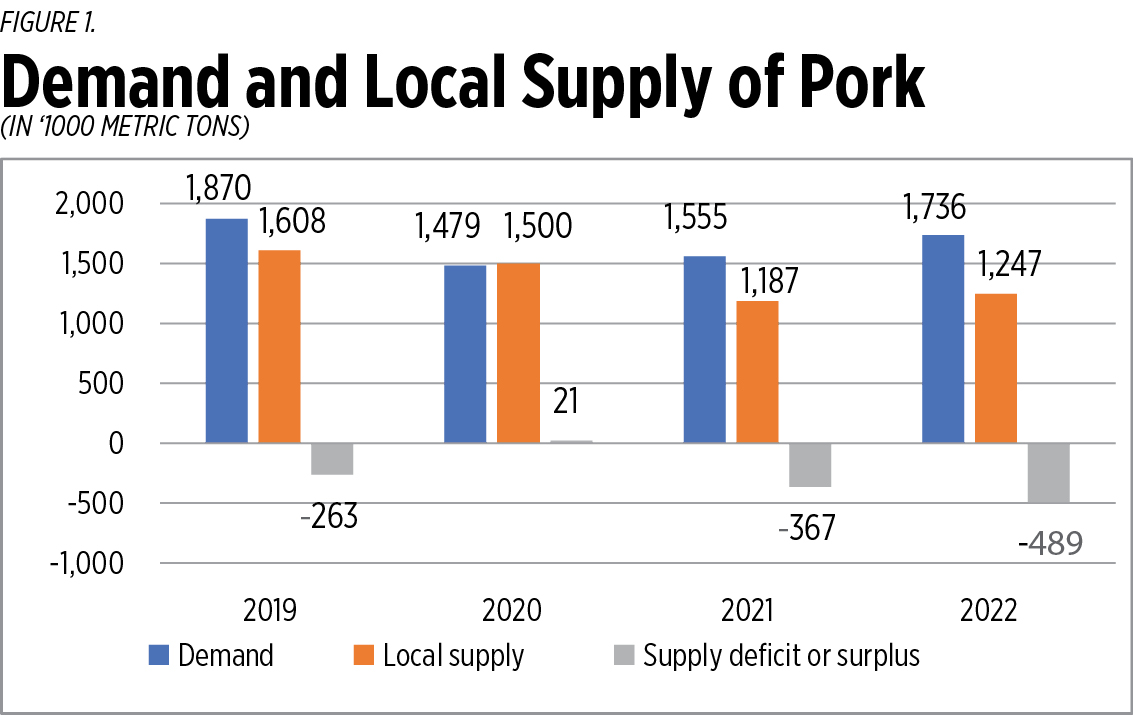
Available data indicates that the Philippines is not out of the ASF woods yet. Local pork supply is estimated to be 1.247 million metric tons this year, down from 1.608 million tons at the start of the ASF outbreak. Because of the expansion of pork demand following the recovery of per capita income growth at the end of the COVID-19 pandemic, one analysis which made use of data from Philippine Statistics Authority, Trade Map, GIRA (2020), and World Bank placed the pork deficit this year at nearly half a million metric tons this year (see Figure 1).
I take up this problem not just to estimate the amount of pork which the country must import to lower pork prices and thus help curtail inflation from its current level of 6.9%, but more to explore how we may expand local pork production by addressing the ASF problem.

The ASF virus is still in this country, and we don’t know where and when the virus would claim the good health or lives of pigs. There is no medicine for it and ASF vaccines are still being developed.

GIRA (2020) claimed that nearly half of pork would be lost because of ASF, with backyard farms losing 30% and commercial farms 36%. Before ASF, 60% of our pig industry was backyard, indicating that smallholder farms got hit by the disease relatively more than commercial farms. This leaves the industry with more commercial farms surviving (56%).

The disease hit hardest in the island of Luzon, particularly Central Luzon and Calabarzon, which happen to be the country’s top two regional pork producers, servicing the country’s largest pork market, which is the National Capital Region.

What has the government done to address the ASF problem?

The Department of Agriculture (DA) has been implementing its INSPIRE program. The program aims to restore the livelihoods of ASF-affected small-hold swine raisers, produce quality and genetically superior breeder stocks and finishers, intensify and modernize the production environment in the ASF-free zones, and implement strict biosecurity protocol.

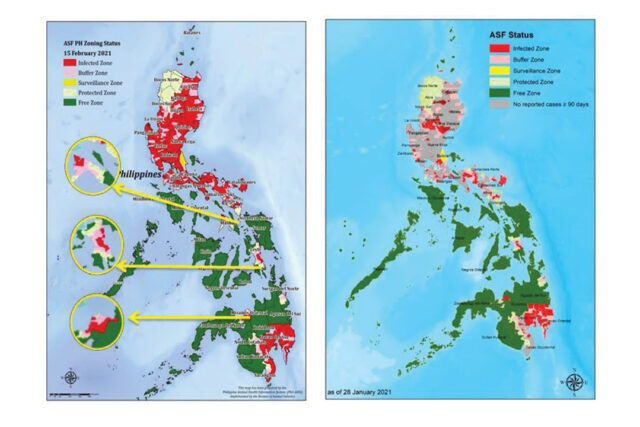
The program identifies ASF virus-related zones: red zones for areas with farms found to have ASF, and pink zones separating the red from ASF-free areas, dubbed as green zones. In red zones, the DA destroys animals that are sick with ASF and restricts the movement of animals and related products in the pork value chain in it to control the spread of the virus (see Figure 2).
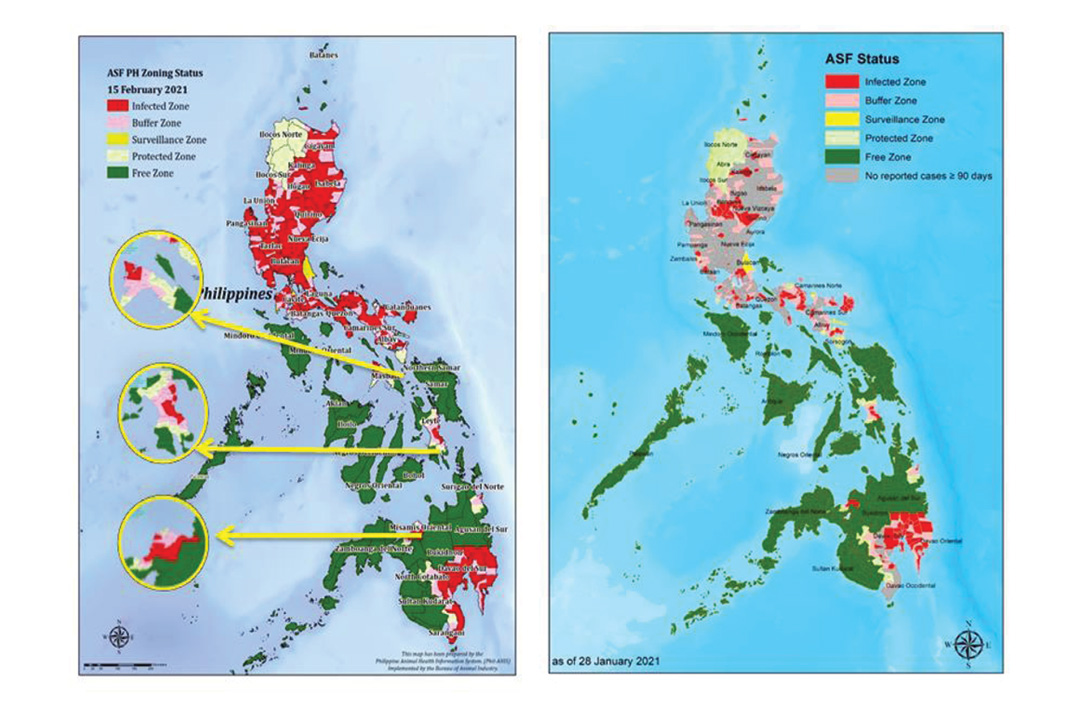
Red zones become pink by going through a cleaning, disinfecting, and bioassay process lasting about 60 days to clear the area of the virus. Once completed the program introduces sentinel pigs into the area and if they survive, the red zone is declared to be pink zone. After a given period without the virus, the area graduates to become a green zone.

Let me make a few observations. Surveillance of the virus is largely reactive. Biosecurity officers of LGUs surveille the area weekly to observe clinical signs of the disease, such as sudden death or animals with fever. They report these signs to the Province Veterinary Officer, who would organize a task force to undertake a disease investigation to confirm the presence of the virus. Once confirmed, the area of about 500 kilometers from ground zero is declared a red zone and animals may be culled and products derived from the swine are restricted to only within the area.

To confirm the presence of the virus, biological samples are moved from the affected areas to animal disease diagnostic laboratories, which have RT-Polymerase chain reaction (RT PCR). OIE prescribes that confirmation be done using RT PCRs. This can spread the disease to other areas.

There are 12 regional animal disease diagnostic laboratories (RADDL), one ADDL for the NCR, and seven private laboratories. With ASF, this forms a bottleneck and raises the cost of trading pork or live pigs. Private commercial farms are complaining about the fees charged by these laboratories, which are reportedly at P35,000. Small hold farmers would not have the incentive to comply with the regulation with only the few heads that they produce. Furthermore, the owners must wait five to seven days for the results. The lag time can cause the spread of the virus in affected areas.

ONSITE SCREENING USING MINI-PCRS
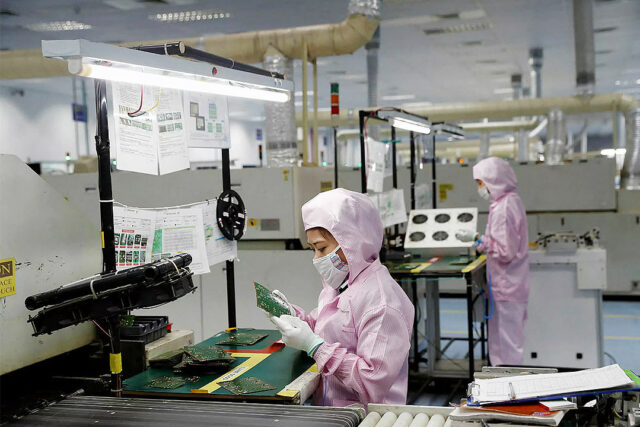
To address this weakness of the surveillance system, authorities must allow onsite screening using a mini-PCR and testing kits. Biosecurity officers conduct onsite screening, say twice a month. This device can tell the officers the presence or absence of the ASF virus in less than a day (see Figure 3).
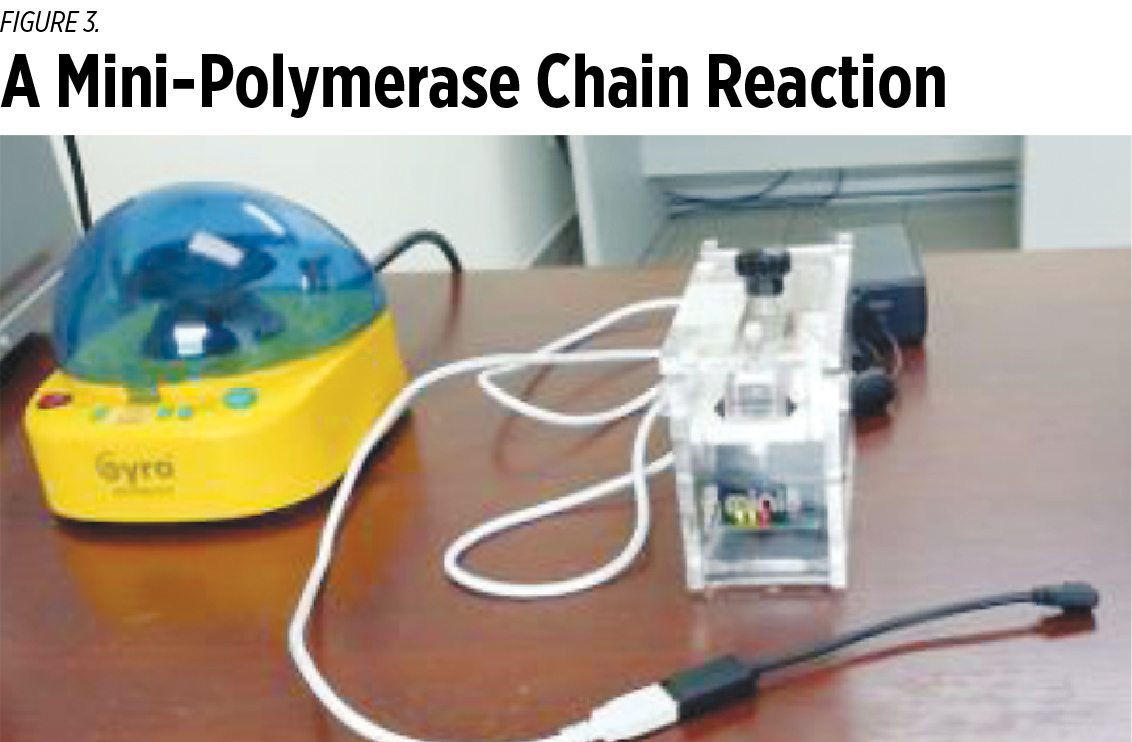
The device costs about $3,000, doesn’t require air conditioning nor refrigeration. It is ideal to be used in the field. The good part of it is that once the sample is found to be without the ASF virus, authorities should allow the owners to market their products, reducing transactions costs.

Only the samples with positive findings are then brought to animal disease diagnostic laboratories for confirmation, as ordered by the OIE.

There is more. The device can collect DNA from the infected sample, and biosecurity officers would only transport the extracts without risk of spreading the disease.

The current surveillance system is seemingly regulating the industry blindly for the following reasons. One, using clinical signs of the disease is ineffective in animals that are asymptomatic. Two, the high cost of confirming the presence of the virus and the lag time for the results are disincentives to getting the presence of the virus in the products confirmed. Three, authorities would not be able to find out if samples from healthy animals are substituted for samples from animals with the disease.

I doubt if the industry could ever escape from ASF without strengthening its surveillance system. INSPIRE’s green zones after successful sentinel procedures remain vulnerable to the disease. The program, by the way, is focused on helping small-hold farmers. Commercial farmers are assumed to take care of themselves. The INSPIRE program is more likely to succeed in repopulating the pig industry faster if it helps commercial farm owners.

These businesses can take care of themselves. But they are not incentivized to invest in new stock because of ASF. They, too, are blind without the capability to do onsite screening themselves using mini-PCRs. Of course, they can buy and do onsite screening but if the authorities do not allow onsite screening using accredited PCRs, the devices have less commercial value to them.

If authorities accept the negative finding using onsite screening with mini-PCRs and permit owners to market their products, this innovation in the surveillance system could encourage more investments by commercial farmers. One big commercial farmer in Batangas said that it is very risky to make an investment with his farm surrounded by small-hold farms. He said he is willing to donate mini-PCRs to clusters of small-hold farms to protect his farm from being infected with the disease.


Ramon L. Clarete is a professor at the University of the Philippines School of Economics.

Learning assessment to play crucial role in post-COVID education

PHILIPPINE STAR/ WALTER BOLLOZOS

I had the privilege of giving a keynote speech at the 2022 National Conference on Educational Measurement and Evaluation organized by the Philippine Educational Measurement and Evaluation Association (PEMEA). PEMEA is a professional organization of assessment academics and practitioners who are pushing for high-quality theory, research, and practice in educational measurement and evaluation. The conference’s theme was “Unlocking the Potentials of Assessment in Reimagining Curriculum and Instruction.” The theme is very timely given the present challenging times for Philippine basic education.

Broadly, assessment at the classroom level refers to the process of keeping track of learners’ progress in relation to learning standards. System assessments measure the effectiveness of an educational system in achieving learning goals. Three major tasks confront basic education as we transition towards the post-COVID period, to which assessment as a vital component of the learning process must respond. The first is addressing the long-standing challenge of quality in basic education. The second is recovering the learning loss arising from the disruption of face-to-face classes. The third is anticipating the future of education and making careful but bold changes now.

On the first task, the administration of former Education Secretary Leonor Briones shone a light on the challenge of quality in basic education. As early as November 2016, she singled out quality as the foremost challenge of basic education in the country, based on historical performance in national assessments. This was the reason why, despite the political risk, she approved the country’s participation in the 2018 round of the OECD Program for International Student Assessment, or PISA, for the first time since this international assessment was started in 2000. She wanted to see how we measure against international quality norms, and to generate important data and understanding of this challenge.

Given the historical poor performance in our national achievement tests, we did not fare well in PISA, and in other international assessments that we joined. Thus, the Department of Education (DepEd) launched in November 2019 the program Sulong Edukalidad, comprising the four pillars of curriculum review, continuous improvement of the learning environment, upskilling and reskilling of teachers, and engagement of stakeholders for partnerships and collaboration. Concrete programs backed up these pillars of Sulong Edukalidad.

Specific to assessment, we implemented a Professional Development Program on Assessment and Emerging Literacies with focus on PISA. We partnered with a consortium that included assessment experts from the Philippine Normal University, De La Salle University, University of the Philippines, and organizations like the Assessment, Curriculum, and Technology Research Center (ACTRC), Center for Educational Measurement (CEM), and FrontLearners, Inc., to develop and implement the program. The program aimed to improve teachers’ assessment literacy and content knowledge, which should help them align their classroom practice with the emerging literacies measured by international large-scale assessments.

We hope that similar programs, as well as participation in international large-scale assessments, will be continued. Sustained participation builds an important database that provides information across students’ performance in specific learning areas.

On the second task of responding to the urgent need to recover the learning loss during the pandemic, undoubtedly pure distance learning was fraught with challenges faced by teachers and learners. These included the availability of quality distance learning resources, instructional assistance in the home, limitations on formative assessment and feedback, home learning environment, time management and motivation, and monitoring of the time and effort for learning. The learning loss can be expected to be highly unequal and to be more acute among children in early years of learning.

The first critical step to learning recovery will be to have a proper assessment of learning loss at both system and classroom levels. A system assessment administered to a statistically representative sample of students may serve as rapid assessment to inform regional, division, or school-level interventions, such as the preparation of standardized learning remediation tools. Classroom assessment, on the other hand, will enable teachers to identify individual learning levels and provide differentiated instruction.

On the third task of anticipating the future of education, I do not subscribe to taking a singular focus on learning loss post-pandemic. When we consider learning loss because of the physical closure of schools, we need to look at the same time at learning gains. During the pandemic, children learned to be more independent in their studies; parents renewed their role in their children’s learning process; local governments became more creative; and school officials started rethinking their traditional notions of learning space and classrooms.

Thus, while basic education returns to face-to-face classes, it should not totally snap back to pre-COVID learning delivery. We should make room for some amount of distance learning blended with the predominant face-to-face classes. The distance learning component should be designed to maximize competencies that are highly compatible with distance learning. Many of these competencies are also important to prepare learners for the present and future social and economic environments. Assessment will then need to adapt to the new forms of learning delivery as well as to new learning competencies post-COVID.


Nepomuceno Malaluan, a former education undersecretary, has rejoined Action for Economic Reforms as a trustee and senior fellow.

Lessons from Japan’s economic miracle: Flying high

REDD-UNSPLASH

(Part 2)

In this corner on Sept. 26, I wrote about the phenomenal rise of Japan as an industrial powerhouse and the lessons the Philippines can learn from the Japanese experience.

For those who missed it, Japan’s remarkable transformation from a country broken by war to the second largest economy in the world happened over just 23 years. Its rise to economic power was principally achieved on the back of four pillars: A well-defined national goal (rapid industrialization) and the participation of the citizenry towards realizing it; investment in foundational industries such as steel, chemicals, and precision equipment; a focus on STEM learning; and, the formation of Keiretsus, or a group companies with interlocking ownerships and common business goals.

This is the second installment to Japan’s three-part economic saga. This piece describes how Japan multiplied its wealth from 1967 to 1989.

By 1967, Japan’s industrial backbone was firmly in place. It had steel mills, petrochemical plants, chemical laboratories, machine workshops, power plants, and glass and lens factories — basically all the essentials needed to manufacture industrial goods. With its industrial capabilities, Japan quickly became the manufacturing hub of the world for light industries. This included household appliances, light industrial equipment used for manufacturing, precision equipment (e.g., musical instruments, science laboratory equipment, etc.) and even toys. Japan was already manufacturing automobiles and motorbikes at this time but would only begin to export them in the early 1970s.

Between 1967 to 1985, Japan continued to export its manufactures all over the world. Buoyed by research and development spending of some 11% of annual turnover, Japanese goods grew in technological sophistication and reliability. Brands like Sony, Sanyo, Kenwood, and Nakamichi became household names. So did Toyota, Suzuki, Mitsubishi, and Yamaha in the industrial sector.

With a booming economy, Japanese conglomerates began to establish their corporate footprints in foreign markets. They invested heavily in establishing distribution and/or manufacturing facilities in every major market in the world. Multinationals repatriated their profits to the motherland and this contributed to Japan’s growing fortunes.

Throughout the late ’70s and early ’80s, the Japanese government invested heavily in promoting Japanese culture abroad. In time, Japanese gastronomy, culture, and way of life came to vogue and this bode well towards increasing patronage of Japanese goods. Japan was winning market share in almost every category it competed in, be it in automobiles, home appliances, and electronics.

By 1985, the United States’ industrial sector became increasingly worried that they were losing their own domestic market to Japan. Since they could not compete with the Japanese’ cost advantage, they appealed to the US Congress to slap stiff tariffs on Japanese made goods.

But the American Congress did not consider this proposal. See, if they slapped tariffs on Japanese products, Japan would readily to the same. Both countries would be worse off as their citizens would be deprived of quality products at the lowest price.

So, a compromise was reached. The US would depreciate its currency in relation to the Japanese yen (along with the French franc, German mark, and British pound). With this, Americans would have less purchasing power for goods made in Japan. Conversely, American goods would be made cheaper for the Japanese. This devaluation plan was enshrined in what is called The Plaza Accord.

Why did Japan agree to this scheme? First, they did not have much of a choice. Second, Japan relies on the US for its wheat, corn, and raw materials. A devalued dollar would make importing these goods more affordable.

The Plaza Accord made the Japanese rich as the value of the yen doubled in three years. With a strong currency, the Japanese were able to buy US assets with less yen. So, they went on a buying spree. They bought numerous American companies and historical landmarks including the Rockefeller Center, CBS Records, Columbia Pictures, and many others.

With their newfound wealth, the Japanese people began to level up their lifestyles. Japanese tourist began traveling the world and spending on luxury goods. The Japanese Central Bank reported that in 1989, corporate Japan booked $50 billion ($113 billion in today’s money) on travel and corporate representation expenses.

The Japanese people invested in real estate to such as extent that prices of Japanese properties skyrocketed to unpresented levels, not even matched today. In 1989, a mere inch by five-inch piece of land in downtown Tokyo was valued upwards of $100.

The Japanese Central Bank slashed interest rates to encourage corporate Japan to expand their businesses. But with the intoxicating mood of the era, the Japanese used low interest loans to snap-up more real estate and speculate on the stock market.

Fueled by speculative investments, it was not long before the property market and stock market crashed. This marked the start of the economic stagnation of the ’90s, commonly referred to as Japan’s lost decade.

Next week, I will explain the reason for Japan’s economic stagnation, the economic reform employed by the Japanese government to battle it, and whether or not it worked. Watch out for it.


Andrew J. Masigan is an economist

andrew_rs6@yahoo.com

Facebook@AndrewJ. Masigan

Twitter @aj_masigan

Get real with inflation

PHILIPPINE STAR/ RUSSEL PALMA

Philippine annual inflation quickened to 6.9% in September, hitting its fastest pace in four years, driven mainly by high food and utility prices, according to the Philippine Statistics Authority (PSA). The 6.9% inflation growth rate is well outside the 2% to 4% target of the Bangko Sentral ng Pilipinas (BSP), which has so far raised rates by a total of 225 basis points this year to try and stem inflation.

“The Bangko Sentral is prepared to take further policy actions to bring inflation toward a target-consistent path over the medium term, consistent with its primary objective to promote price stability,” the BSP said in a statement. More rate hikes are expected at its November and December meetings (Reuters, Oct. 5, 2022).

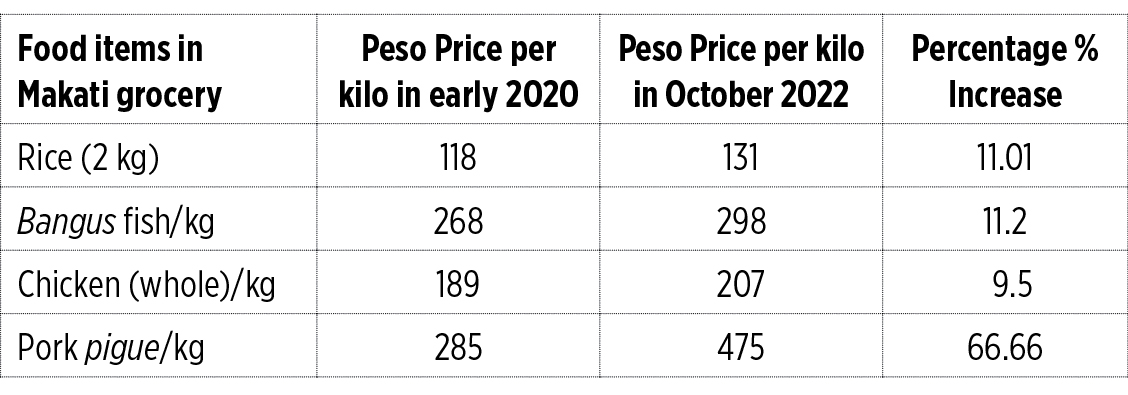
“I don’t know what you say about this ‘inflation’ thing,” the ordinary Pinay housewife might say. All she knows is that grocery prices have gone up in the two and a half years of the COVID pandemic, and prices are still going up. (Disclaimer: “housewife” is not a derogatory term for women, or wives, or stay at home persons, but used only to un-maliciously represent the ordinary consumer who is simply concerned about personal purchasing power.)

The price changes in the sample grocery food items in the table, plus the escalating prices of fuel and gas, electricity, water, and housing in the last 2-½ years may basically represent the layman’s most common perception of today’s inflation. The PSA, as with world economic measurements and statistics agencies surveys, meticulously derives inflation from what is called the Consumer Price Index (the CPI market basket), the weighted arithmetic mean of expenditures on 11 classes of consumer items purchased by households as a proportion to total expenditure.

The retail prices of food and non-alcoholic beverages are 38.96% and housing, water, electricity, and gas are 22.47% of the CPI market basket, while alcoholic beverages and tobacco, clothing and footwear, health, transport, communication, recreation, education, and restaurant and services contribute percentages of from 2% to 7% (only transport) to the representative market basket. The 2006 CPI series was the first in the CPI series that used the 1999 United Nations Classification of Individual Consumption According to Purpose (COICOP) in determining the commodity of the items and services included in the market basket (psa.gov.ph).

The inflation rate is the annual rate of change, or the year-on-year change of the CPI expressed in percent. Inflation is interpreted in terms of declining purchasing power of money. But note the “housewife’s” uncanny intuition and accurate grasp of the on-the-ground situation wherein inflation is experienced — in real time, and not in the lagged effects hampering meticulous econometrics from perhaps arbitrary statistics.

Compare what the PSA said, “for food index, it increased to 8.3% in September 2022, from 7.7% in the previous month.” So, the ordinary layman knows and feels inflation even before PSA has measured the 6.9% official inflation rate while pre-announcing the key rate upward-adjustments. Increased interest rates will push up borrowing (and therefore production costs) for businesses, specially the small-to-medium enterprises — which costs will be passed on to the consumers, which will then push more inflation coming from the debilitated purchasing power of money.

Cost-push inflation, the economists call it, but the jargon is itself confused, as frustrated demand from weakened purchasing power increases demand even more, and inflation raises evil laughter at its triumph in entrenching itself in adaptive expectations of consumers who resign themselves to the irreversibility of prices that have gone up and which will never again go down. “Sticky prices” is the cutesy name for this.

Likewise “sticky” are wages, which in times of inflation are insistently pushing for upward adjustment, for workers to keep up with rising living costs while the companies they work with are struggling to keep production costs down or lower — the price-wages spiral raises inflation some more.

Like the price of goods and services, and of wages which will never go back to what they were in the good old days, the foreign currency exchange rate is likewise affected by the cumulative effects of historical periodic inflations. External inflation comes with the movements (depreciation, for the less-developed economies) from proportional inter-country difference in nominal interest rates as countries wrestle with their own inflation problems. The “housewife” probably does not fully understand that the US Fed has been increasing its interest rates to tame internal inflation, but she intuitively knows that the Philippine Peso is nearing the exchange rate of P60 to $1, and her groceries and other shopping will cost more pesos because most of consumer goods and services are fully imported or of imported content. Government financial managers and planners are the ones to worry about the “balance of payments,” where the country is a net importer, using US dollars to pay suppliers and creditors for foreign loans and obligations.

But the exporters and the Overseas Filipino Workers (OFWs) are happy at the depreciation of the Philippine peso, as they now have almost 20% more pesos in exchange for their dollars. As of last year, OFW remittances hit a record-breaking $34 billion, which, according to the BSP, accounted for 8.9% of the country’s GDP. In July 2022 alone, money sent home by OFWs increased by 2.3% to $3.24 billion from $3 billion, the BSP said. Sad to say, but the bonanza from the peso depreciation for exporters and OFWs/dollar earners will not really help the payment of government’s foreign loans obligations, because payments will still be in dollars, at the same principal, terms, and interest rate as contracted — only costlier, in terms of more pesos needed for servicing.

And here is where we have to “get real” with this complicated experience called “inflation.” Although the terms CPI and inflation are often used interchangeably, the CPI only measures inflation as experienced by consumers — like the “housewife.”  This economic label is “nominal/headline inflation,” based on the CPI, or a CPI without volatile food prices and fuel, etc., called “core inflation.” But inflation is not just about the erosion of purchasing power.

Inflation affects macroeconomics (the country’s and world economics); microeconomics (economics of the firm or business); and personal finance and economics. “Inflation,” as economists try to measure it, or as the consumer really feels it, hits all who spend and use money. Take, for example, interest rates: the real interest rate is the nominal (or stated) interest rate less the rate of inflation. For investments, the inflation rate will erode the value of an investment’s return by decreasing the rate of return. Case: if the rate of return for government securities bonds is 4% gross and about 2.8% net of taxes and brokers’ fees, and the inflation rate is 6.9%, then the real rate of return for the buyer (the common investor) will be 2.8% less inflation of 6.9%, or a (negative) -4.1%! That’s because the interest rate of 4% is adjusted downward by 6.9% to account for the unfortunate power of inflation to erode value!

Why naman?, poor Filipinos ask the government.

The government should concentrate on providing a more confident economic environment for the country, not by reactive monetary and fiscal solutions to what has already threatened the survival and sustenance of the people, but by judicious and non-political medium- and long-term economic plans and programs.


Amelia H. C. Ylagan is a doctor of Business Administration from the University of the Philippines.

ahcylagan@yahoo.com

Manufacturing output up 5 months in a row

REUTERS

Factory output rose for the fifth consecutive month as economic activity gradually picks up, data from the Philippine Statistics Authority (PSA) showed.

Preliminary results of the latest Monthly Integrated Survey of Selected Industries (MISSI) reported the factory output as measured by the volume of production index (VoPI) grew by 3.5% annually in August, faster than the 2.4% in July but slower than the 533.7% in August 2021.

August registered the highest VoPI growth in five months or since March’s 345.9%.

“The August figure increased slowly but surely. Although there was a comparison between August last year versus this year, and there was a big difference. But only because last year’s base was compared with August of 2020 when lockdowns were abundant and the coronavirus disease 2019 (COVID-19) was starting,” Philippine Chamber of Commerce and Industry Honorary Chairman Sergio R. Ortiz-Luiz, Jr., said in a phone interview.

Last year, Metro Manila and other provinces were placed under the Enhanced Community Quarantine (ECQ) lockdown — the strictest form of lockdown — from Aug. 6 to 20. This later eased to a Modified ECQ where granular lockdowns were implemented.

Year to date, factory output averaged 21.0% in the January to August period.

In the report, the PSA said that the August figure was mainly driven by annual growth seen in 17 out of 22 industry divisions.

VoPI recorded positive annual growth in manufacture of machinery and equipment except electrical (78.0% from 32.3% in July), fabricated metal products, except machinery and equipment (30.4% from 25.8%), transport equipment (24.6% from 16.7%), leather and related products, including footwear (22.2% from 18.4%), other manufacturing and repair and installation of machinery and equipment (22.7% from 8.2%), paper and paper products (17.9% from 17.6%), and chemical and chemical products (12.5% from 4.6%).

However, five industry divisions reported declines, led by manufacture of electrical equipment (-49.3% from -51.7%), basic metals (-24.7% from -20.4%), and tobacco products (-15.2% from -18.9%).

“For some manufacturers, the peso depreciation, inflation, and global supply chain constraints have some effect on manufacturing. Because if you’re a manufacturer of goods that’s substituting for imported goods, it’s going to be very expensive. It probably had an effect on electronics, garments and other goods that need imported materials. But this should be countered by the export of their goods,” Mr. Ortiz-Luiz said.

To compare, S&P Philippines Manufacturing Purchasing Managers’ Index (PMI) expanded to 51.2 in August, bouncing back from the six-month low of 50.8 in July. A PMI reading of above 50 means improvement in operating conditions compared with the previous month, while a reading below 50 shows deterioration.

In a separate phone interview, Federation of Philippine Industries (FPI) Chairman Jesus L. Arranza said a slow growth could have also been affected by the depreciation of the peso.

“These companies are also exporting. And if it’s mostly local production, it has advantage for export. And with the US Dollar-Peso rate, others will buy more goods from the Philippines,” he said.

Capacity utilization in manufacturing averaged 71.4% in August, slightly higher than July’s 71.3% but higher than the 65.8% recorded in August 2021. Of the 22 product categories, 20 reported utilization rates of at least 60%.

“I think there will be more manufacturing activity in the coming months. People shouldn’t see the peso depreciation as a ‘prophet of doom.’ But I think people will learn how to be frugal in terms of movement and costs — everyone will be cost conscious” Mr. Arranza said.

Mr. Ortiz-Luiz warned that the manufacturing industry should be cautious of their supply chain in the coming months.

“For example, microchips are exported but we also import them. Car producers, also, cannot deliver because there was a lack of microchips due to supply-chain constraint caused by the Russia-Ukraine war. This caused sanctions. Some of the countries supplying to us are sanctioned, therefore they couldn’t export to us — like fuel,” he added.  — Ana Olivia A. Tirona

Water use efficiency picks up in 2021

BW FILE PHOTO

The Philippine Statistics Authority (PSA) reported that the country’s water use efficiency (WUE), or the value added per volume of water used, increased to P200.06 per cubic meter (m³) in 2021, a 4.07% increase compared with P192.25m³ a year ago.

However, this is still lower compared with the WUE logged in 2019 at P217.10m³.

According to the statistics authority’s Water Accounts, the services sector had the largest WUE at P1,231.65m³, up by 3.1% from P1,194.55 in 2020.

Following are the industry sector at P455.29m³ (down 3.5% from P471.65m³), and agriculture sector at P15.37m³ (down 1.6% from P15.62m³).

In terms of gross value added, the services sector led with P11.315 billion in 2021, up from P10.742 billion a year ago.

Following are the industry sector (P5.448 billion in 2021 from P5.015 billion in 2020), and agriculture sector (P1.043 billion from P1.060 billion).

Total water abstraction, or the amount of water removed from source, went up by 1.3% to 221.340 billion cubic meters (bcm) from 218.583 bcm in 2020. Most of the supply came from surface water (216.222 bcm), and the rest from groundwater (5.118 bcm).

Water for own use also picked up in 2021 to 217.825 bcm, up from 1.2% from 215.198 bcm a year ago. This is equivalent to 98.7% of total abstracted water.

The remaining 1.3% is used for distribution, which increased by 1.2% to 2.523 bcm in 2021 from 2.493 bcm in 2020.

Total freshwater water withdrawals in 2021 likewise increased to 89 bcm from 87.477 bcm.

Meanwhile, the level of water stress, or freshwater withdrawal as a proportion of available freshwater resources, increased to 27.2% in 2021 from 26.7% in 2020.

The largest water expense came from households with P56.234 billion in 2021, up from P55.044 billion in 2020.

This is followed by the mining, quarrying, manufacturing, and construction sectors with P44.722 billion in 2021, up from P43.672 billion a year ago; and services with P35.917 billion, up from P35.169 billion for the same period. — Bernadette Therese M. Gadon